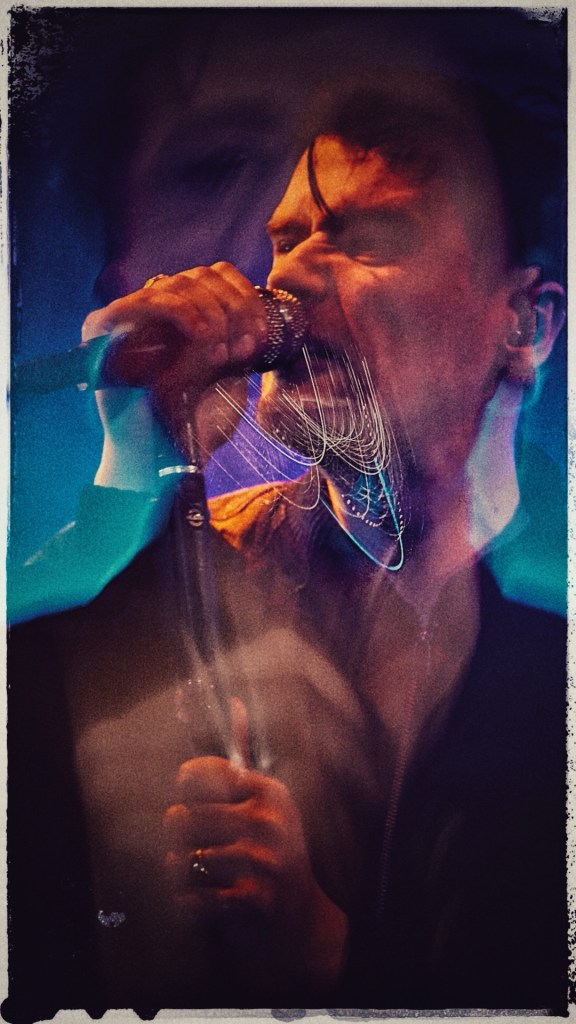
The magic of catching a band in the embryonic stages of a new year tour is a privilege, a shimmering snapshot of creativity unbound. No slick production polish, no festival-season preening—just raw, road-tested material. Tracks that may live a fleeting life, aired once under the dim, intimate lights of a venue and then lost forever to the cutting room floor. It’s music at its most alive, unpredictable, and vital.
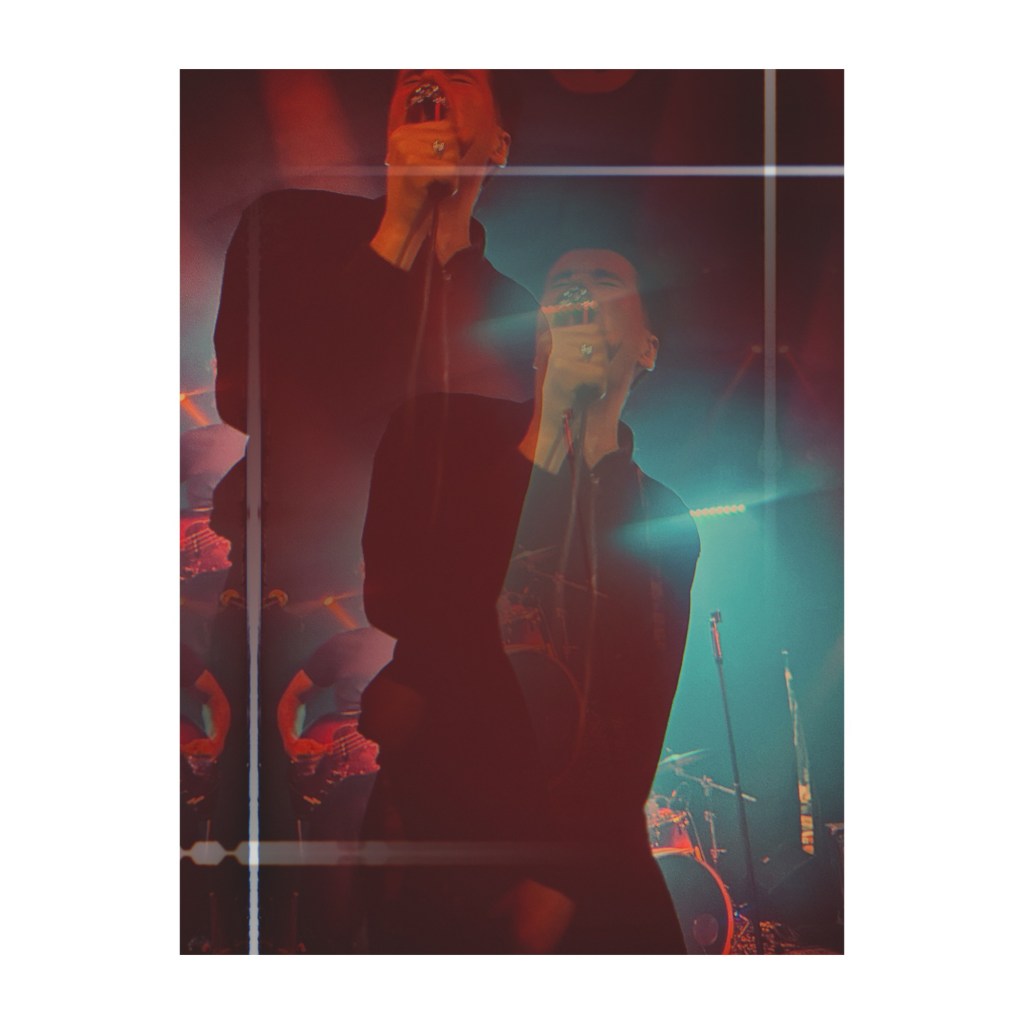
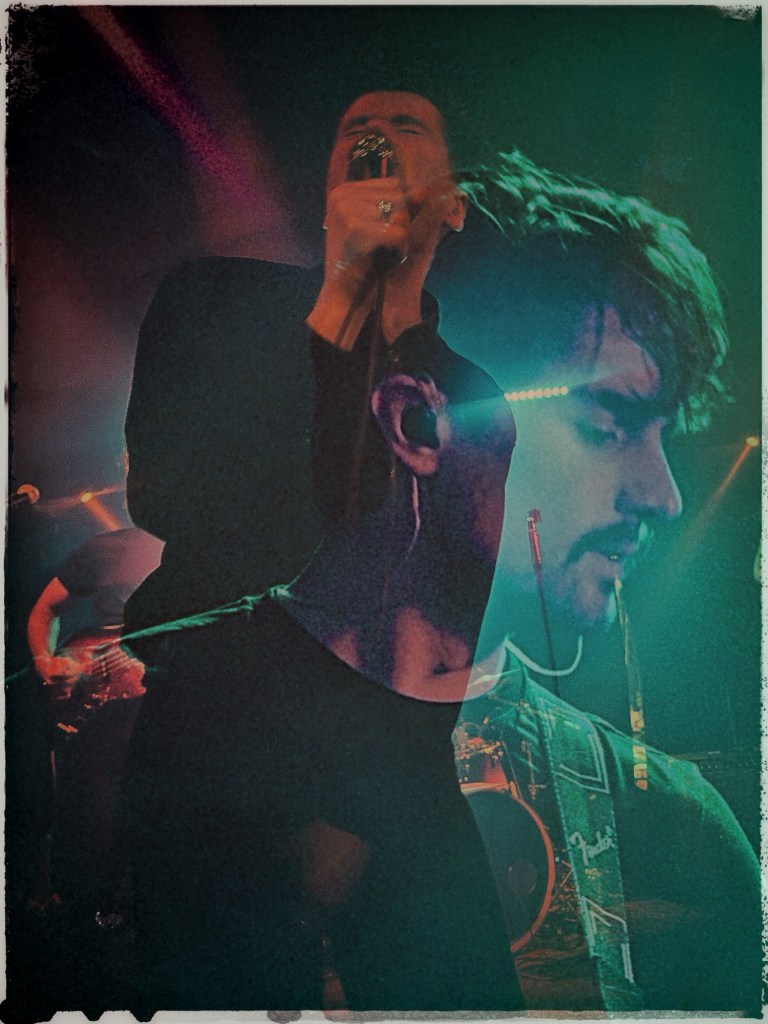
And where better to experience this phenomenon than at McChuills, the beating heart of Glasgow’s east end? Not just another venue—no, McChuills is a cultural institution, its walls soaked in decades of passion and rebellion. A socialist dream turned sanctuary for misfits and mavens alike.
During Independent Venue Week, its role as a grassroots hub feels all the more poignant. Here, scenes are born, identities forged, and the waifs and strays of society find community. Tonight, the place is buzzing, packed to the rafters with everyone from rising stars like Walt Disco and Humour to the indie glitterati of Glasgow’s own underground.
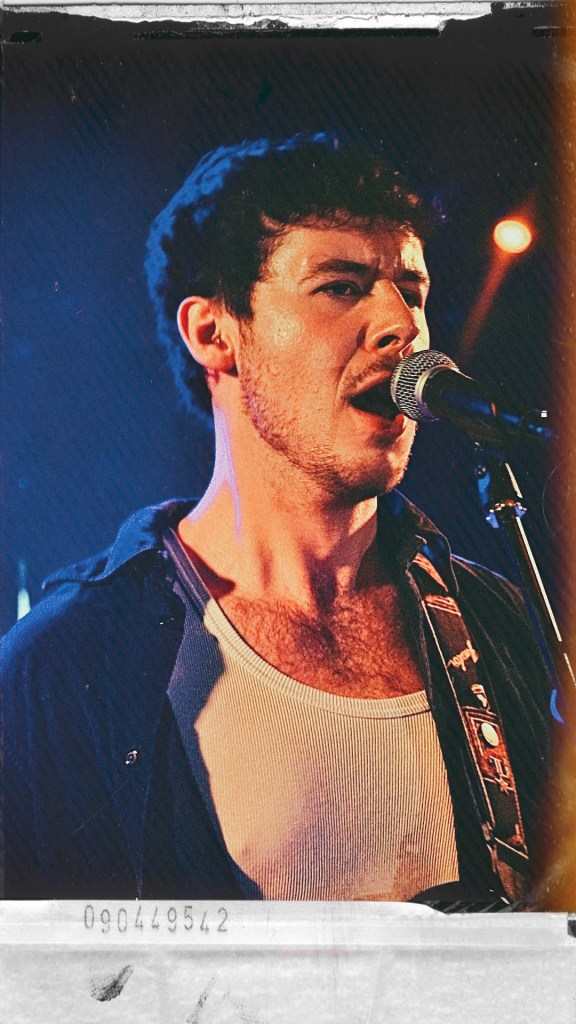
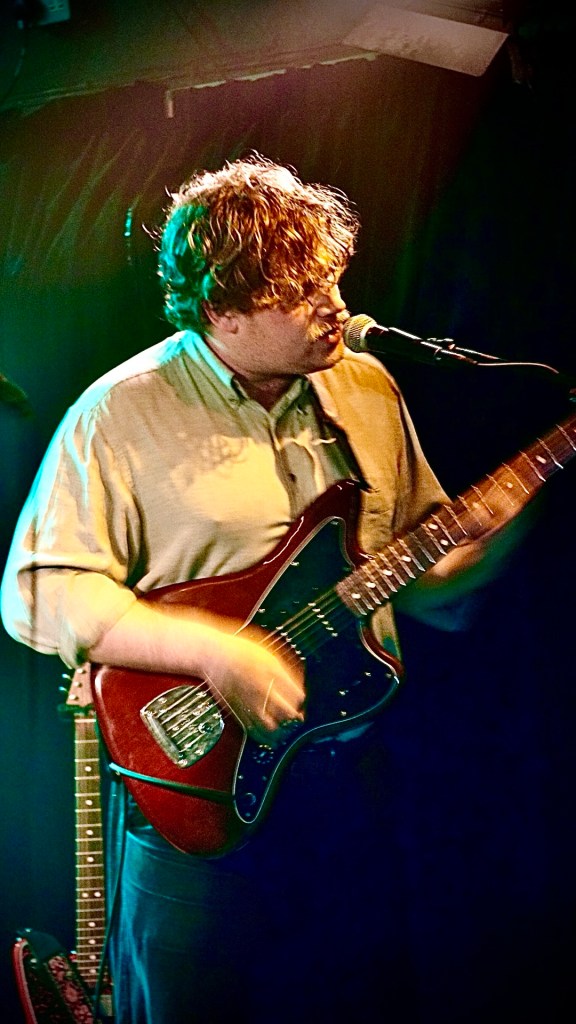
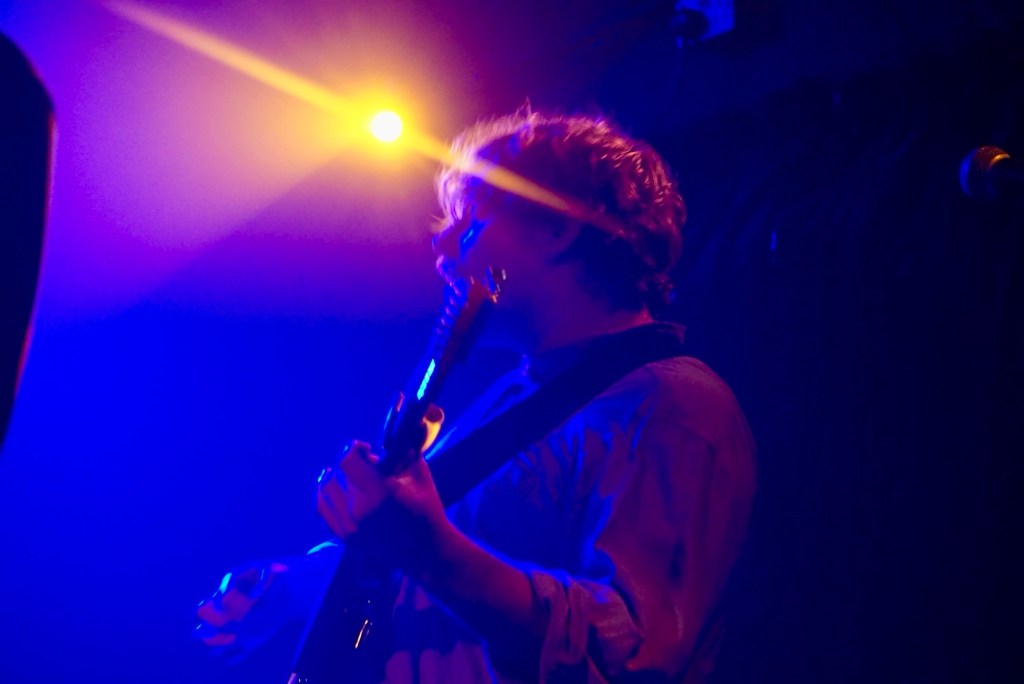
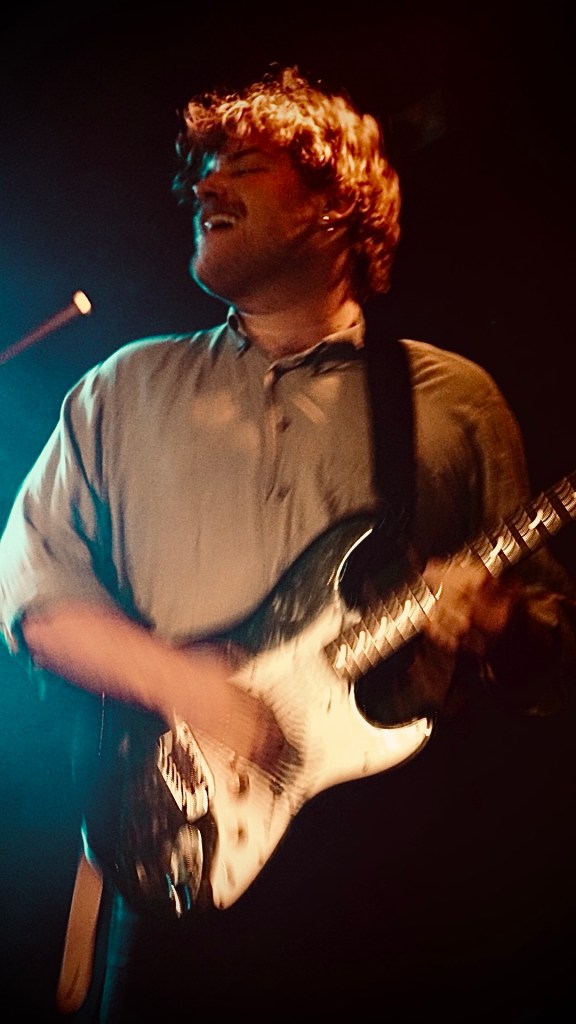
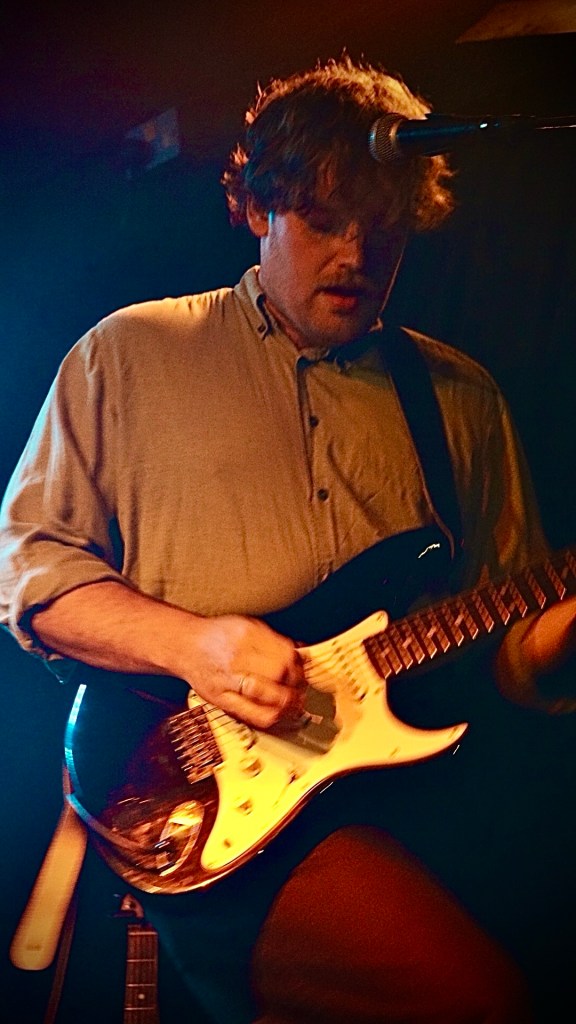
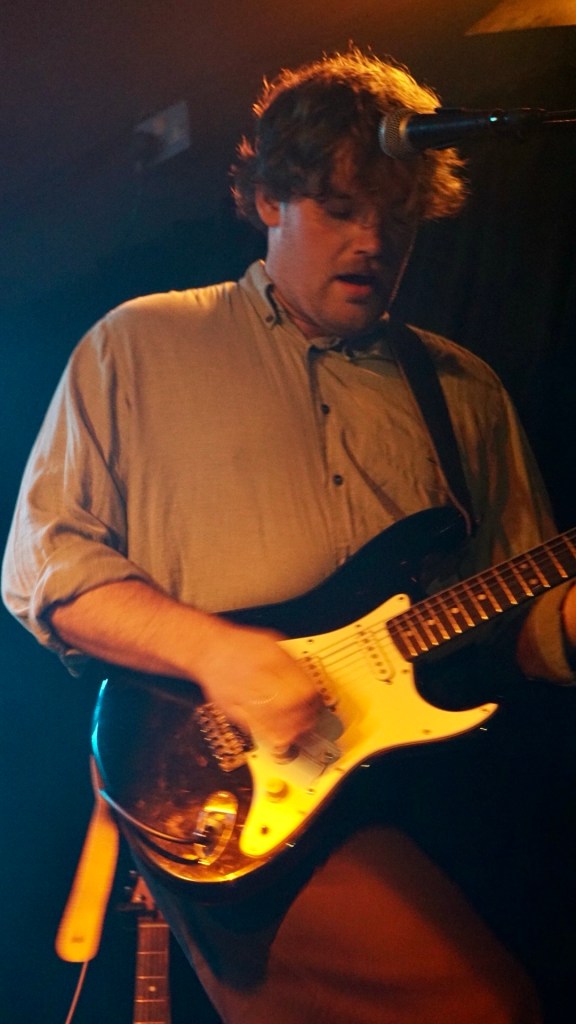
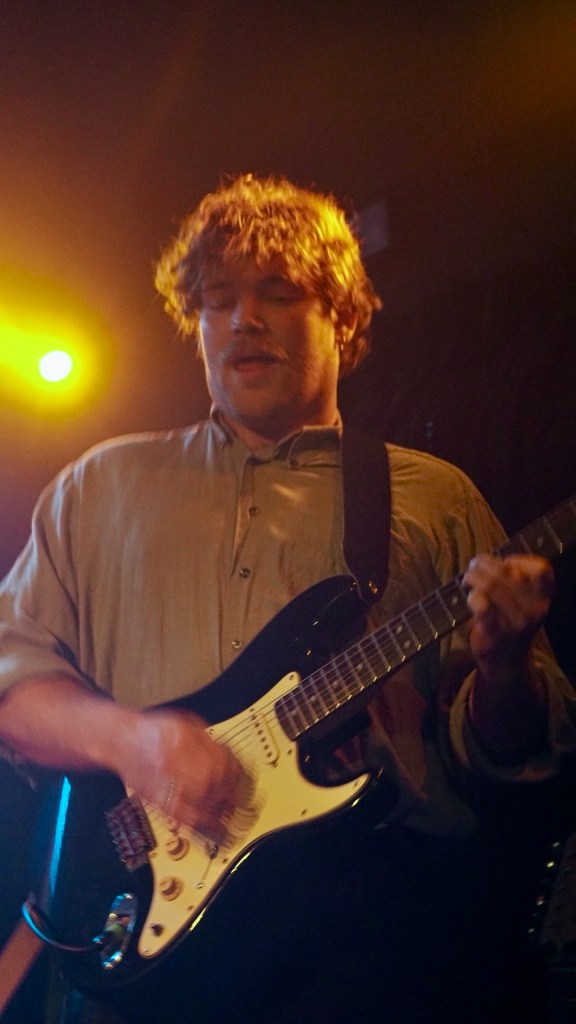
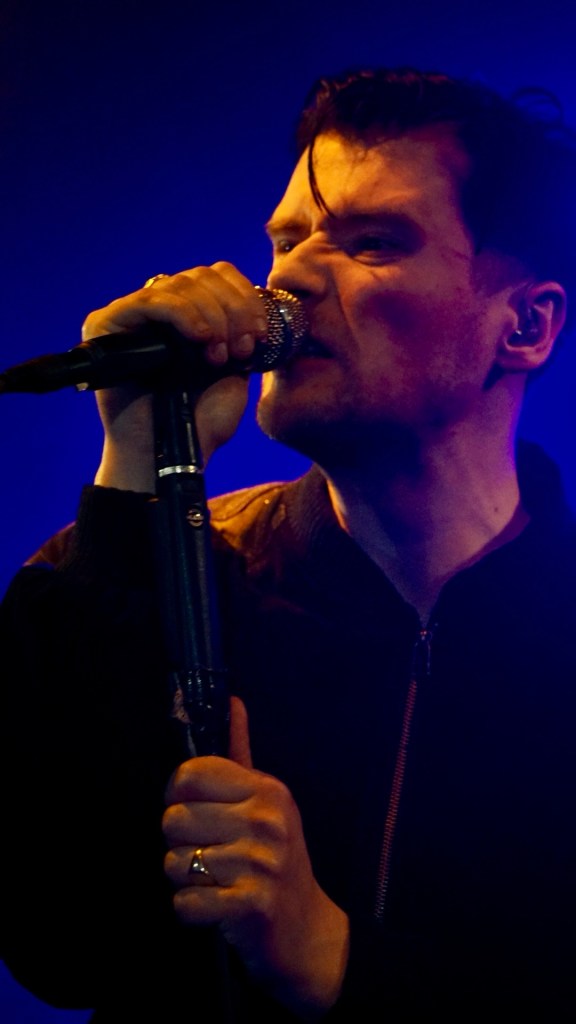
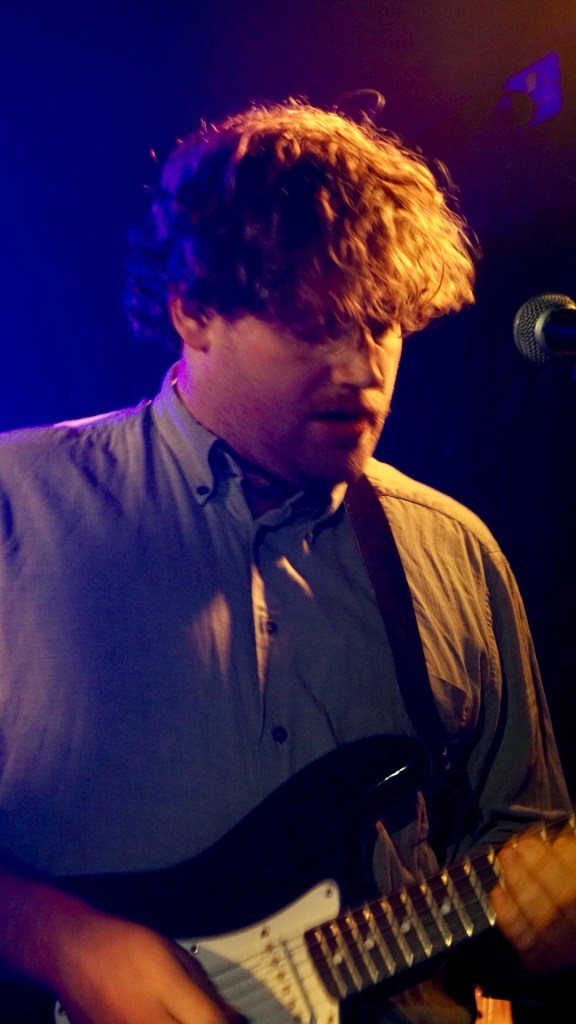
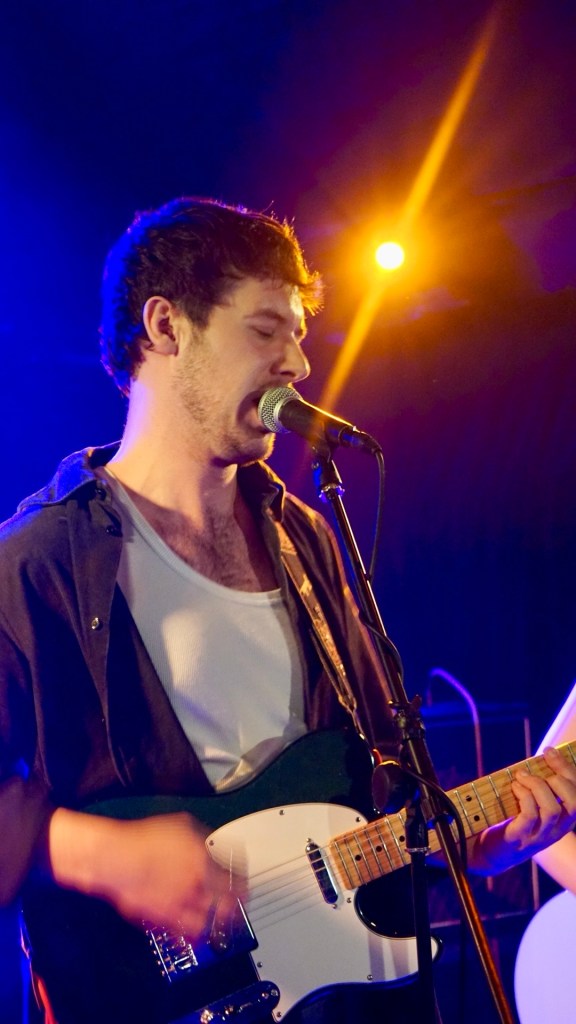
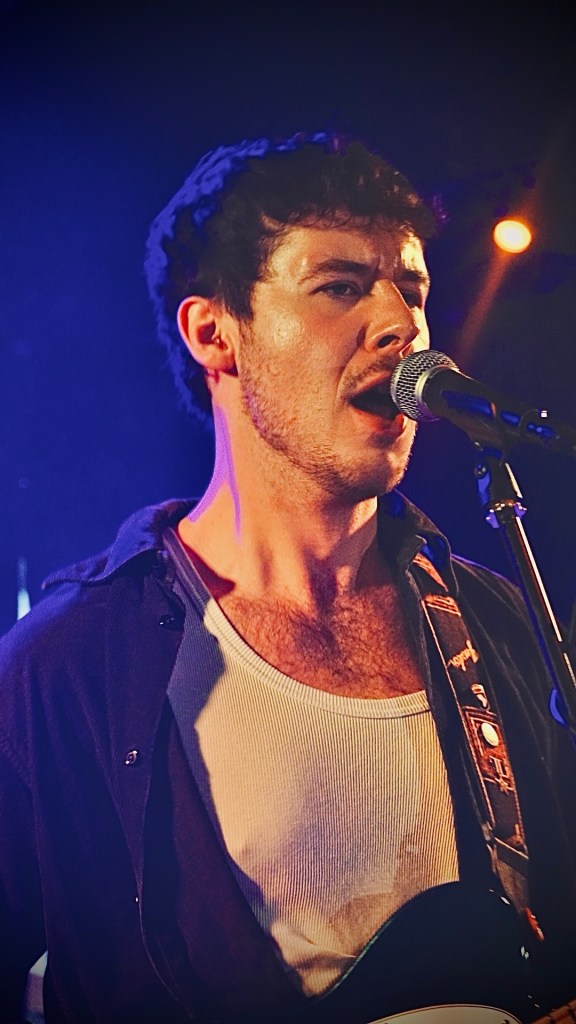
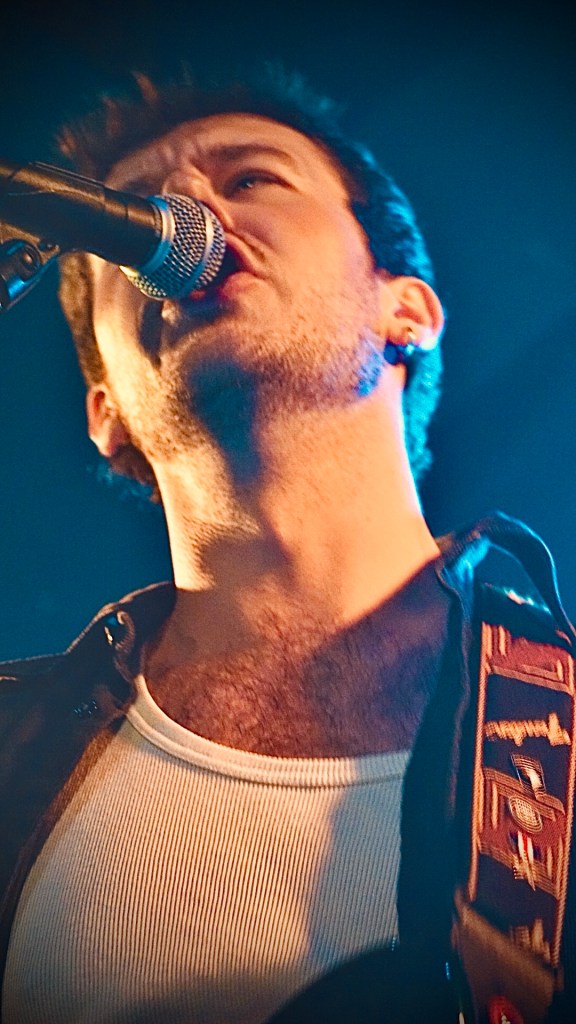
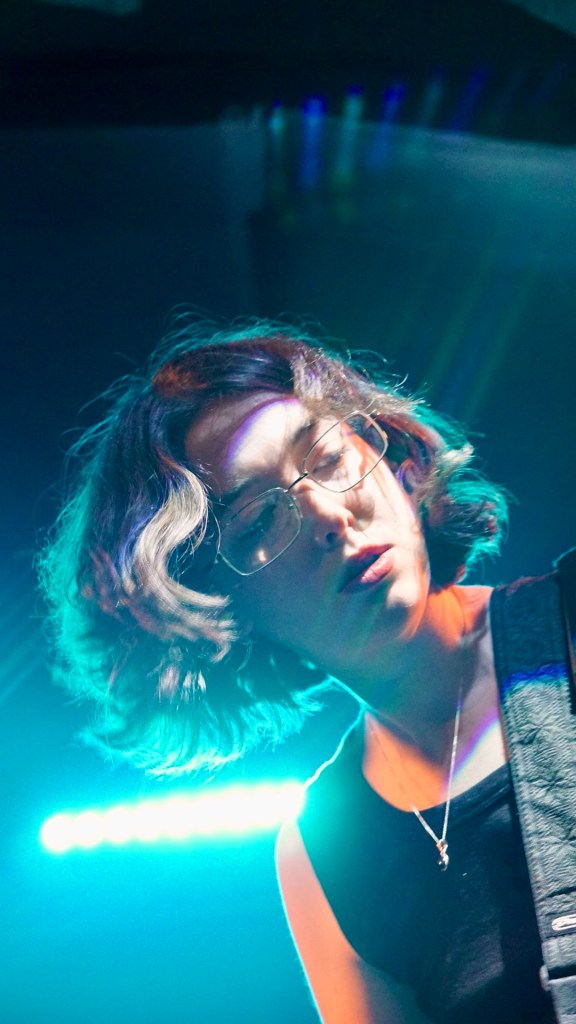
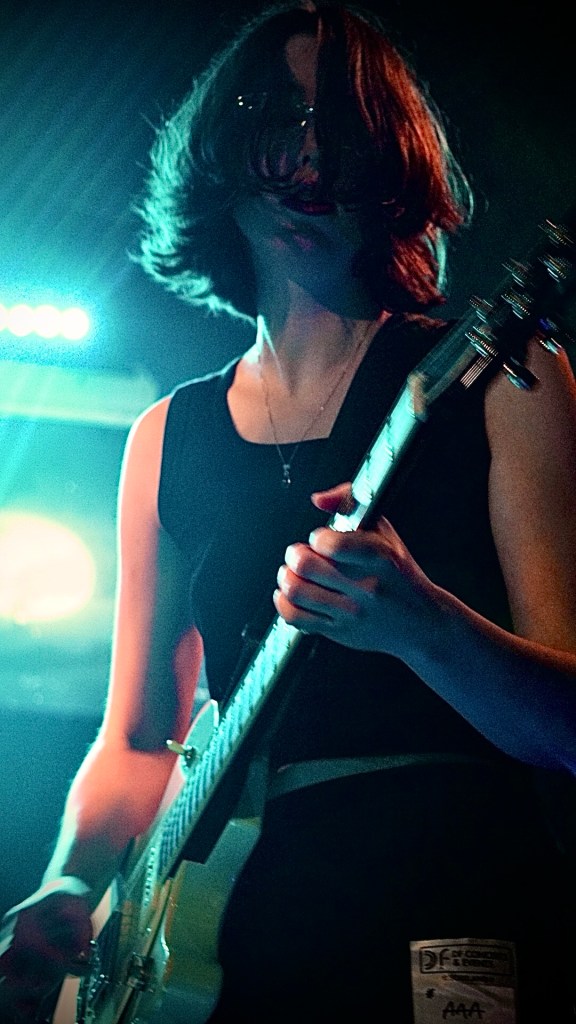
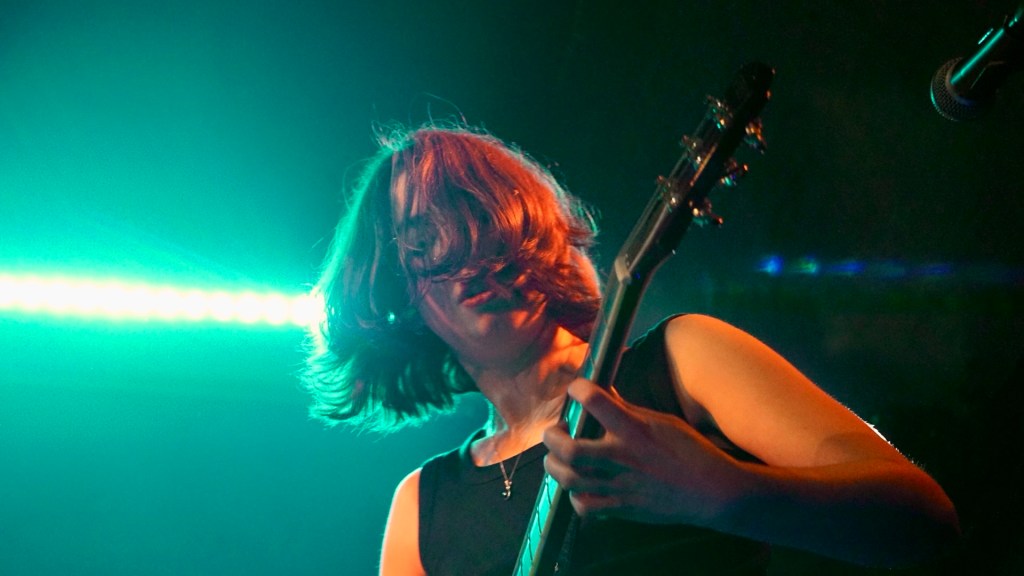
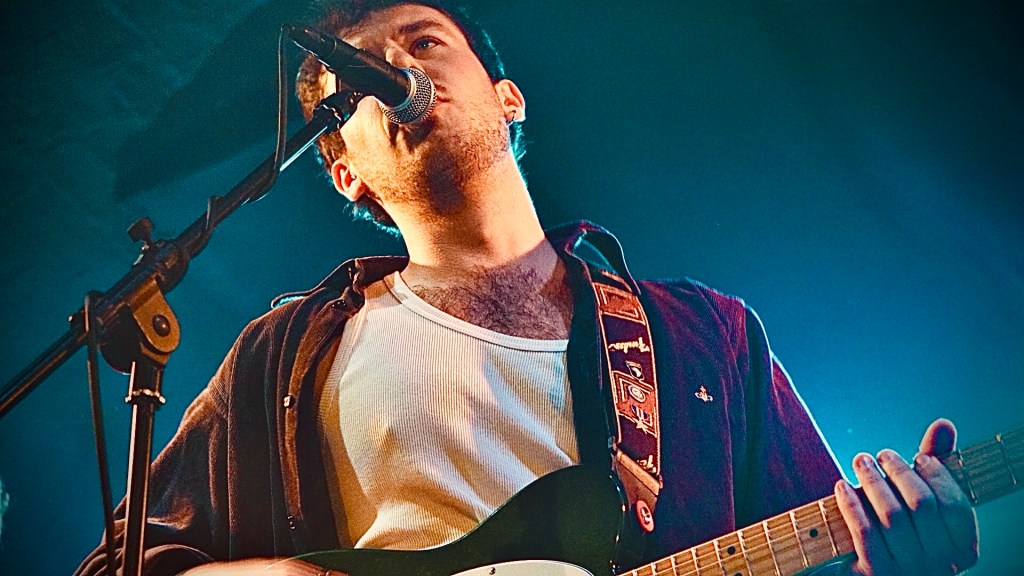
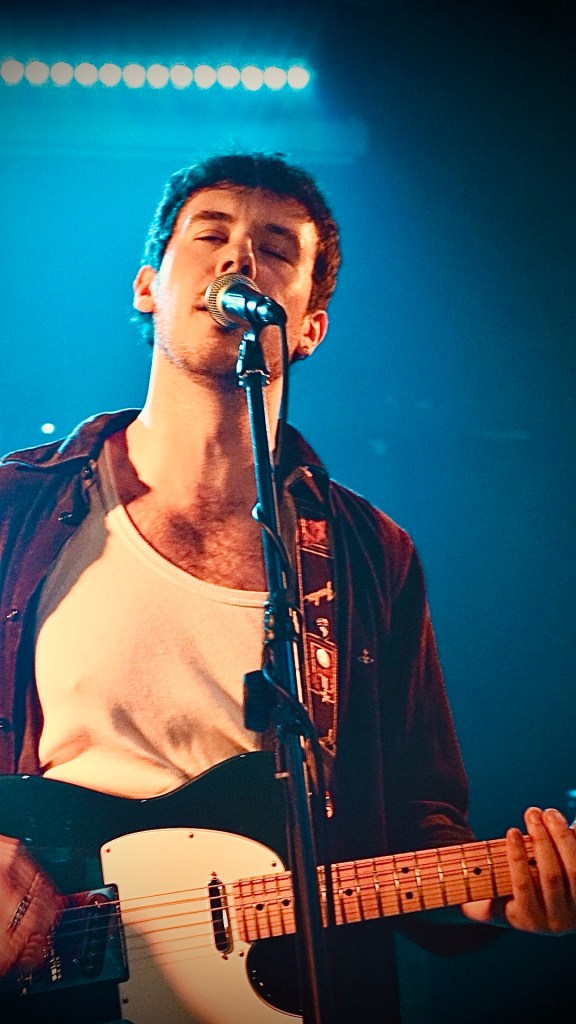
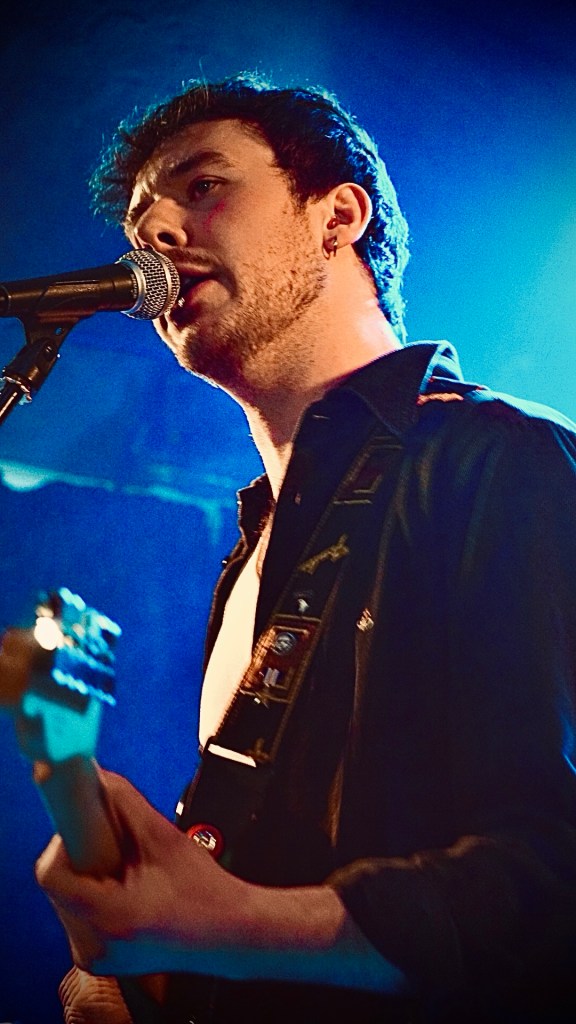
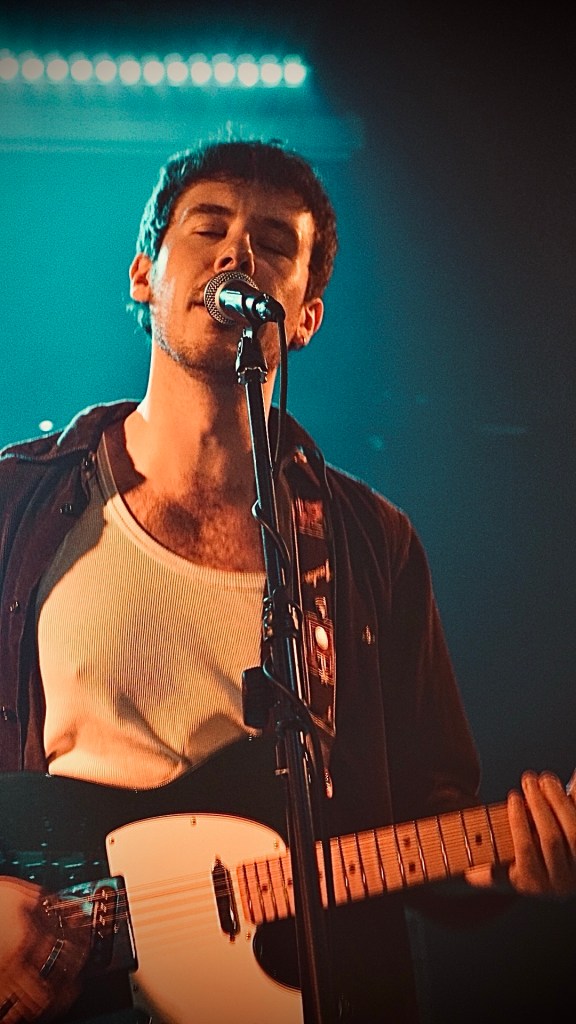
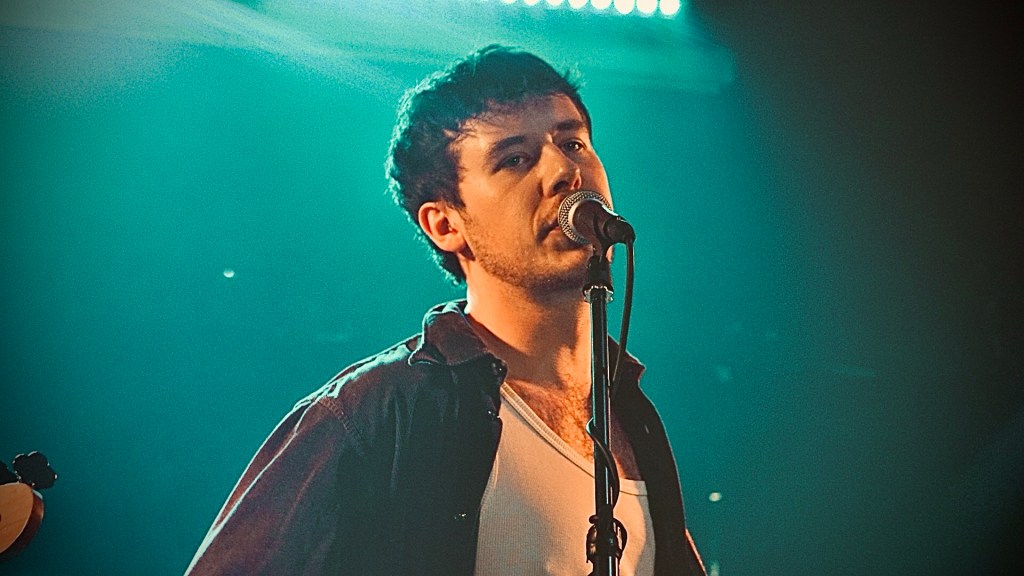
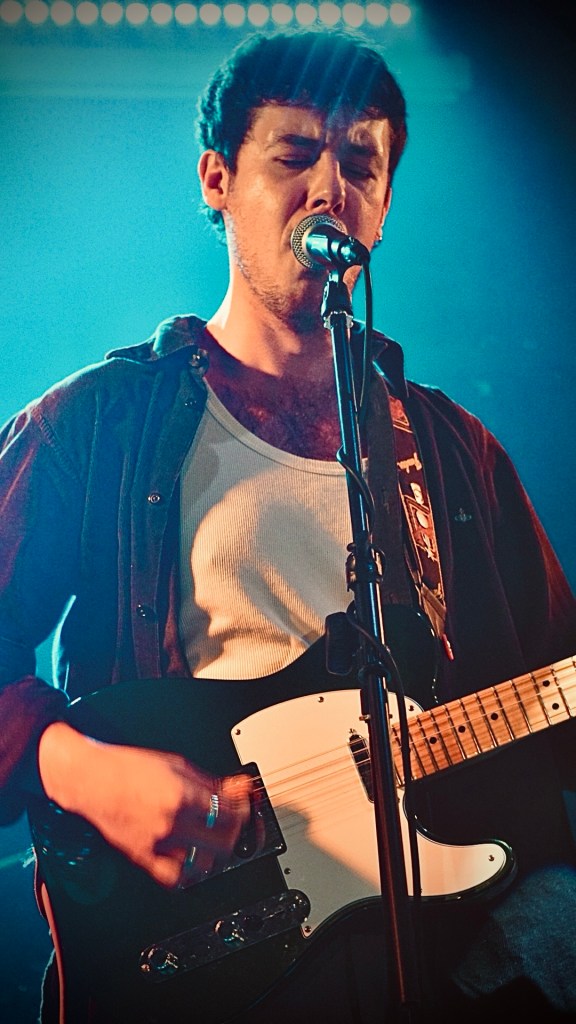
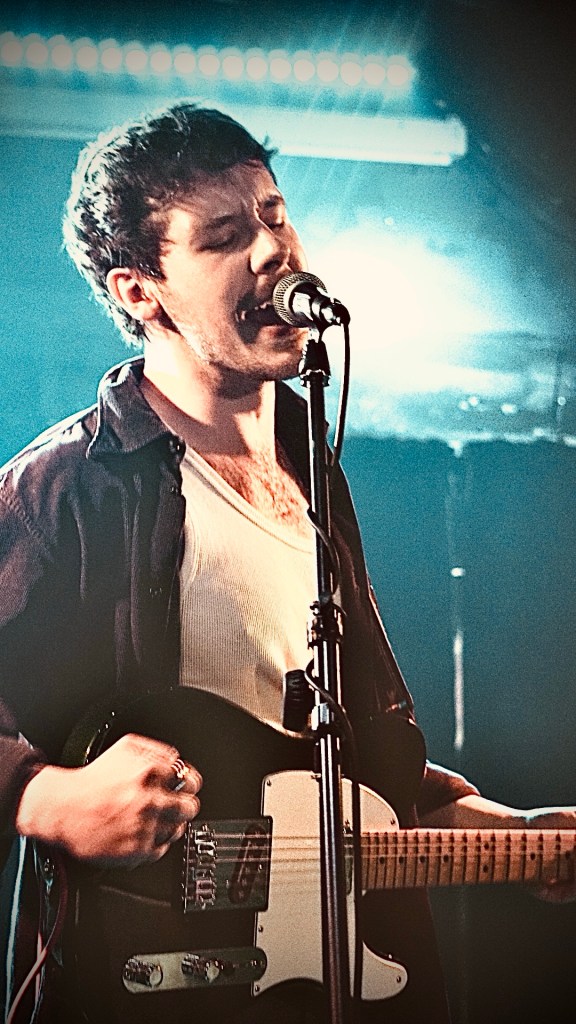
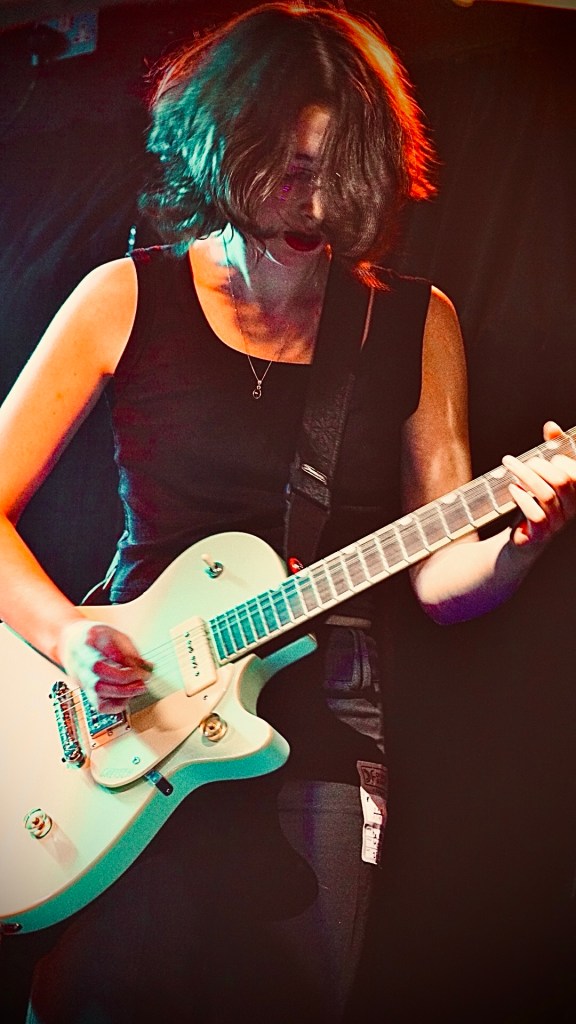
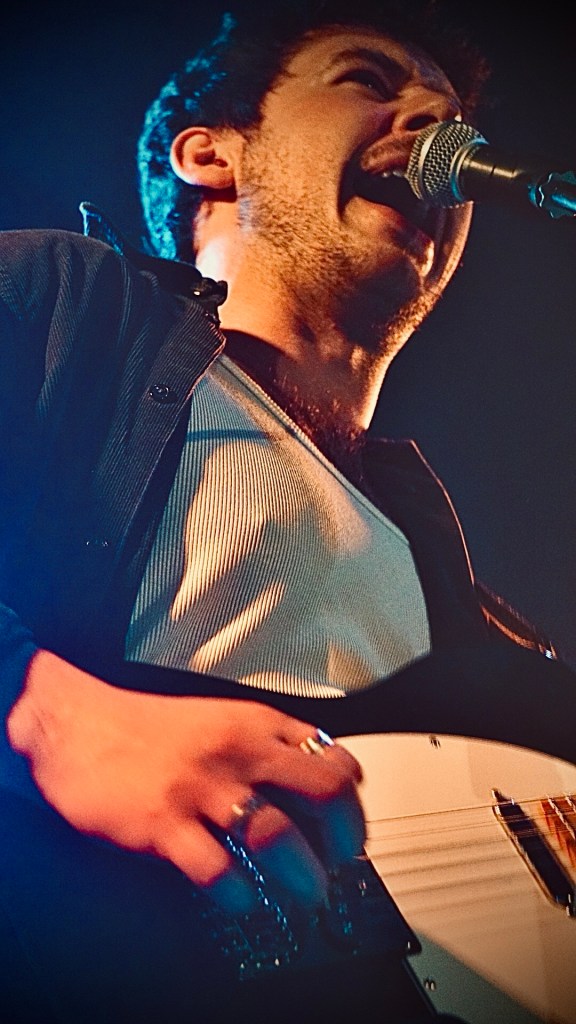
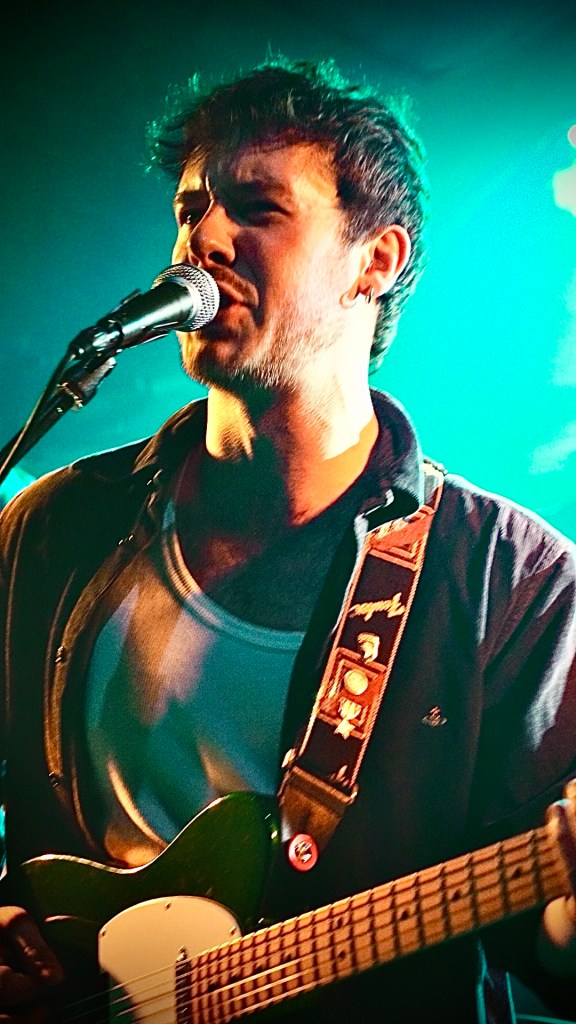
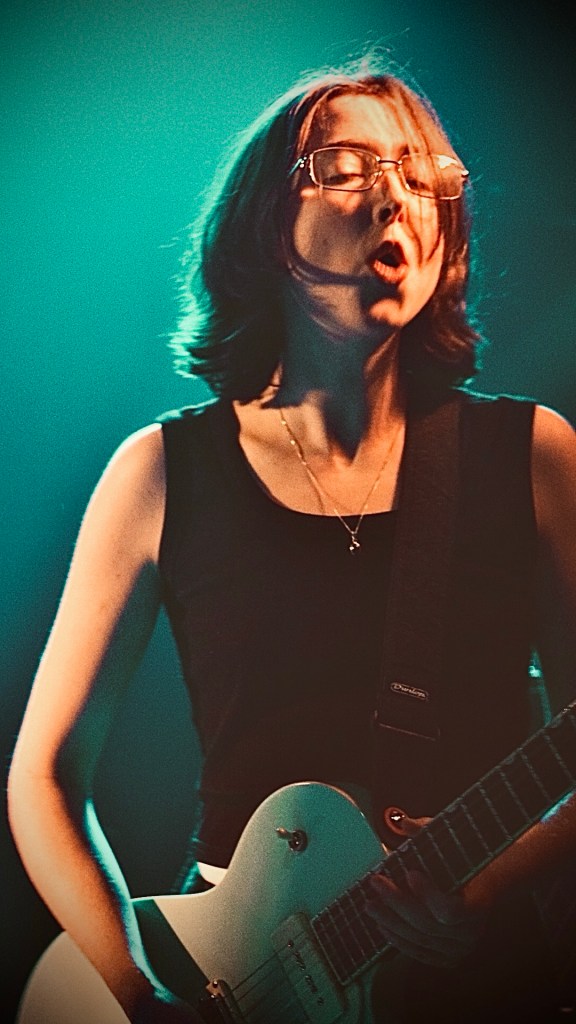
This is where I finally—finally—got to catch Conscious Pilot, a band I’d shamefully missed despite friends singing their praises louder than a Mark E. Smith rant. Turns out, the hype was justified. If anyone’s still wondering if the spirit of indie sleaze is alive and well, let me confirm: it’s thriving. Frontman Joe (with the swagger of a cult leader) channels all the sneering, throaty brilliance of The Fall, while the jangling, knife-sharp guitars could have been pulled straight from The Rapture’s darkest corners.
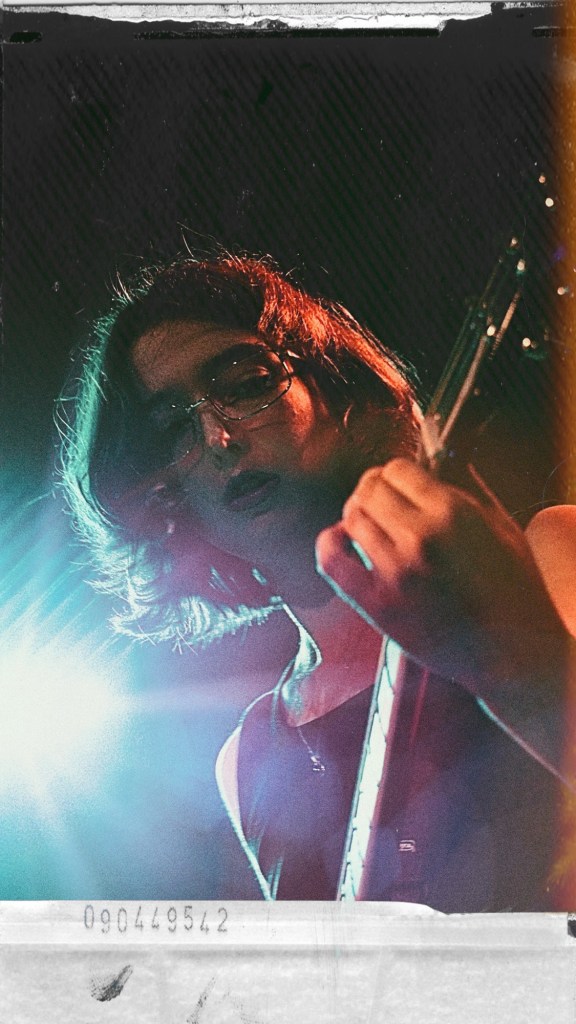
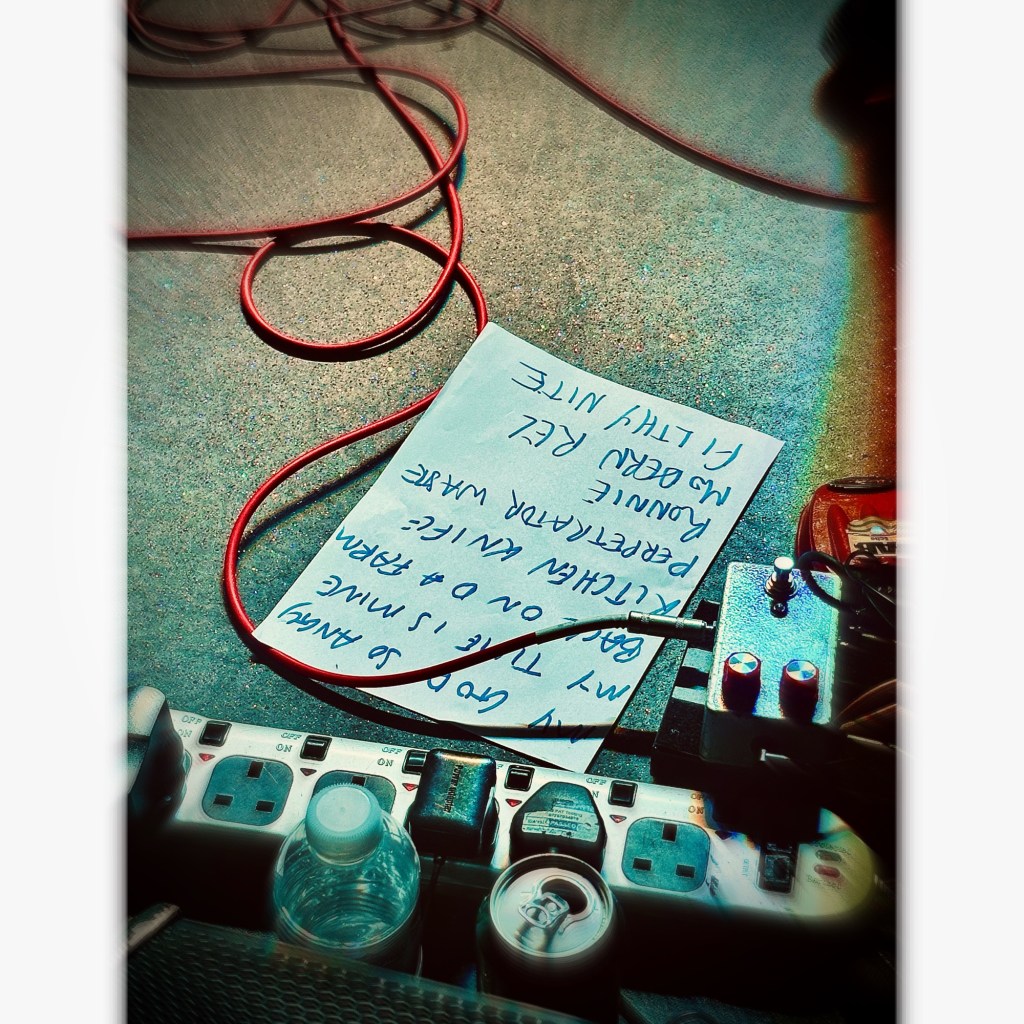
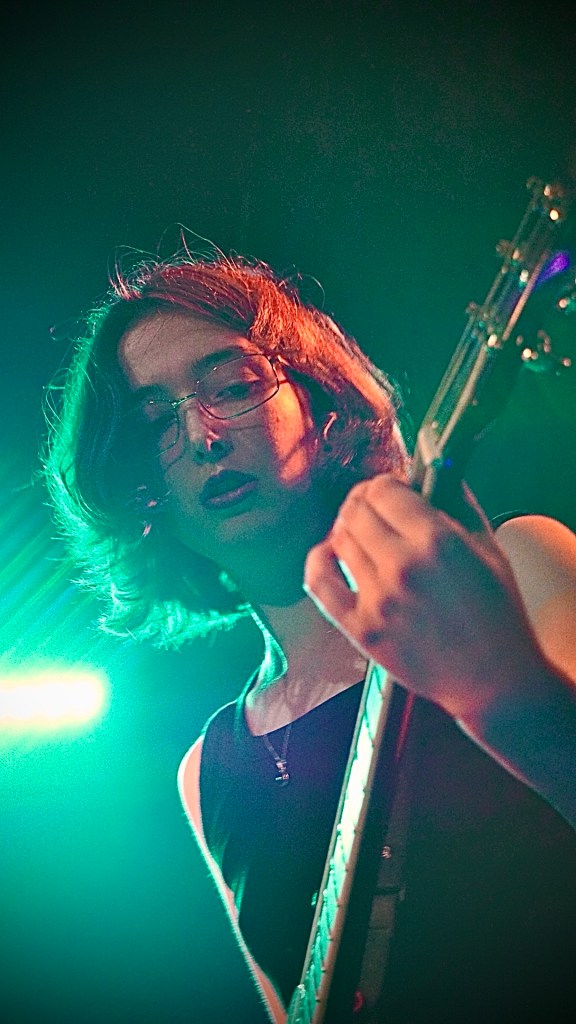
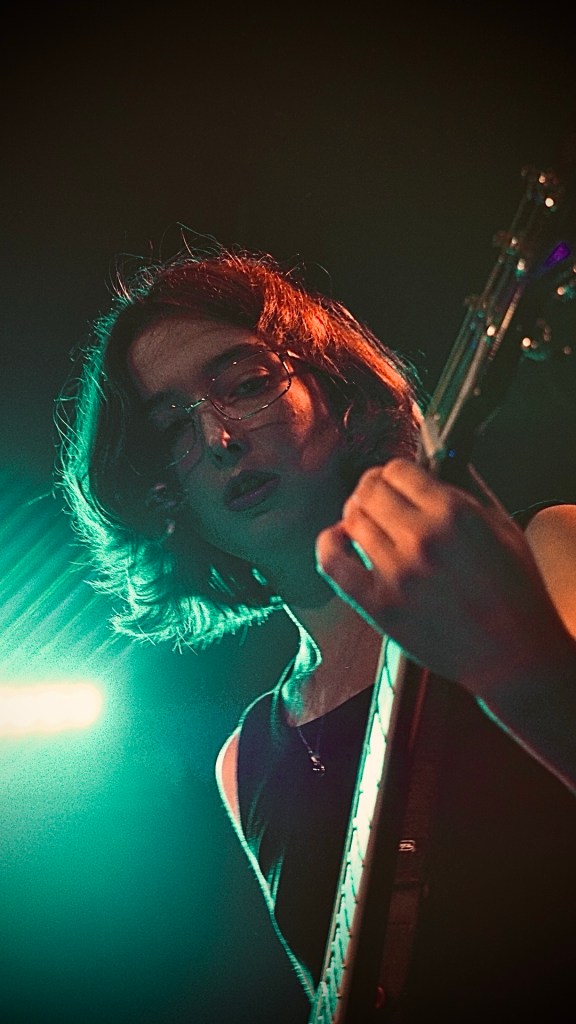
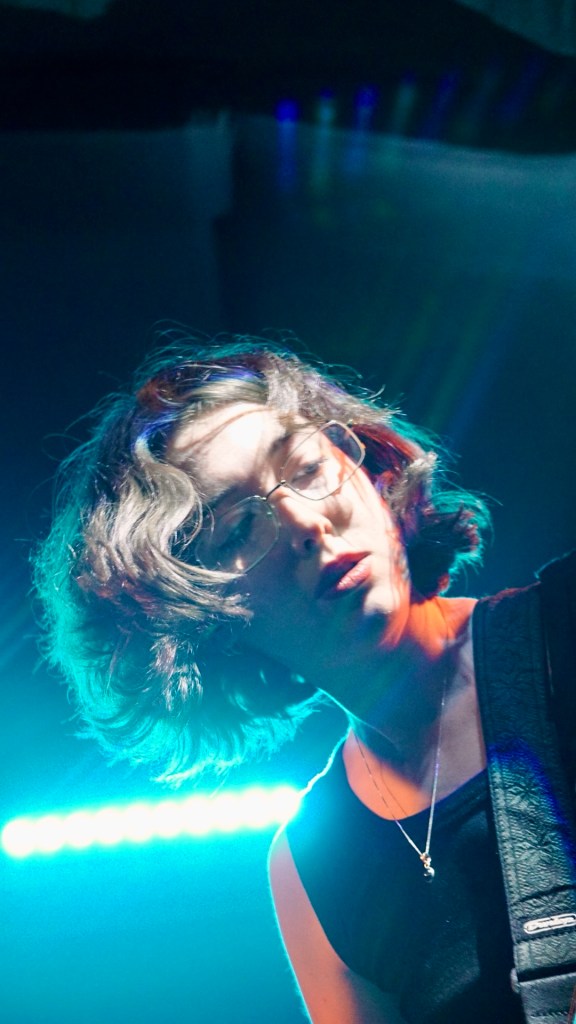
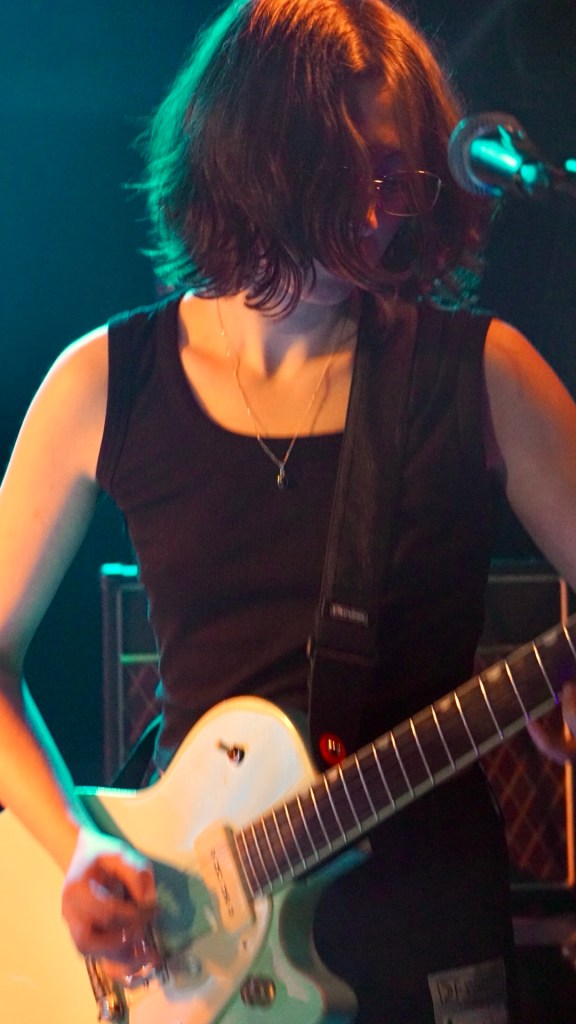
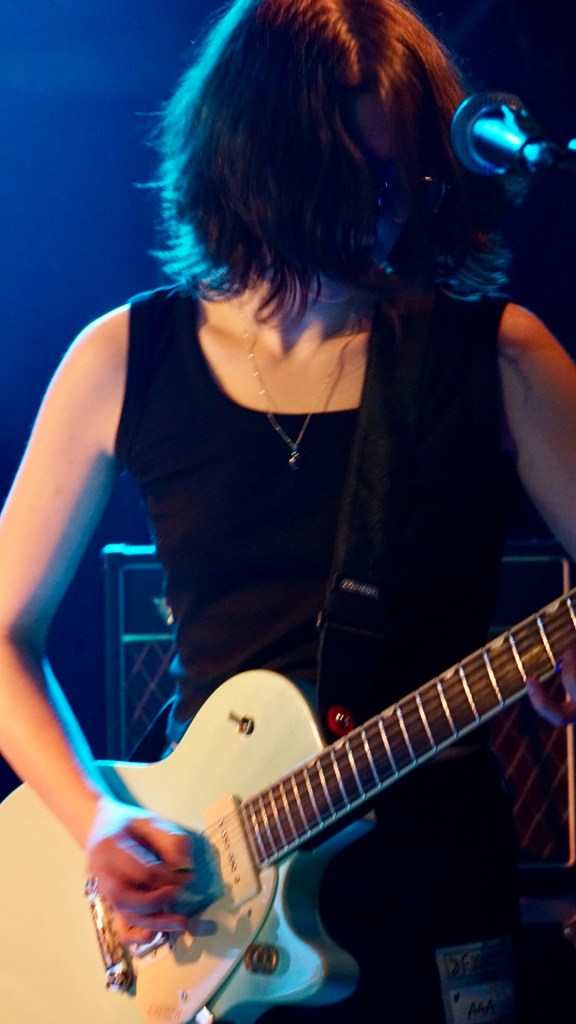
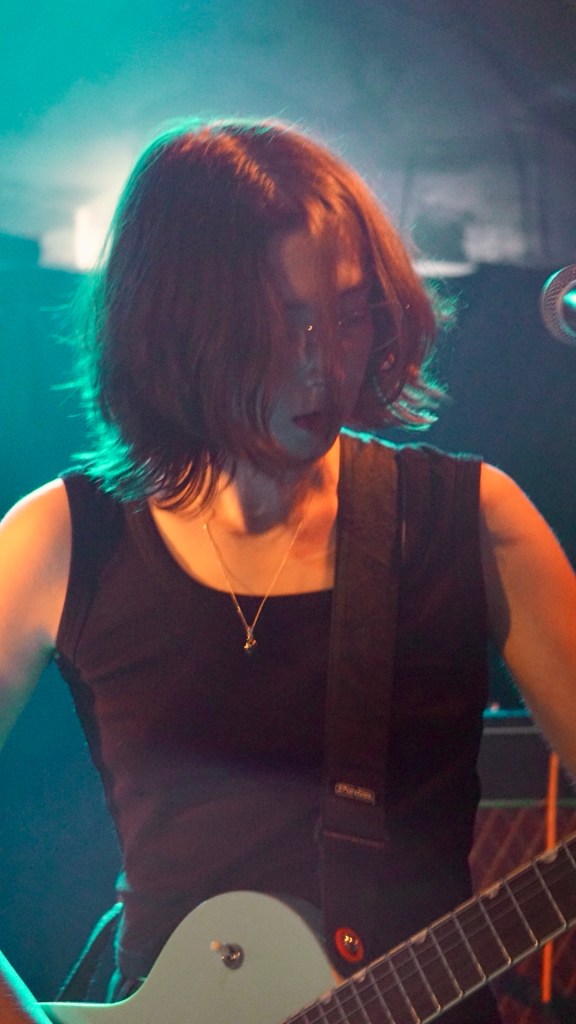
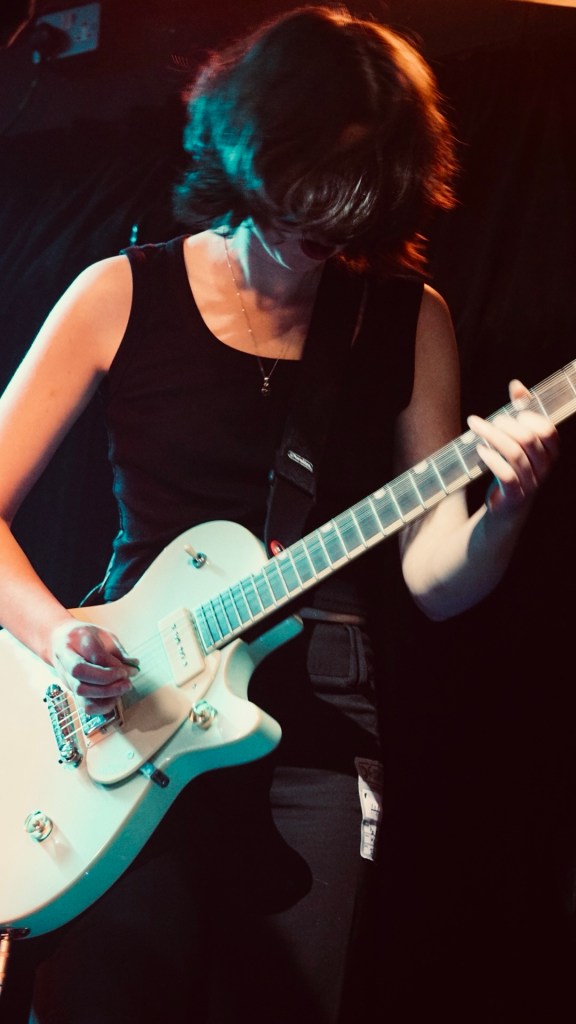
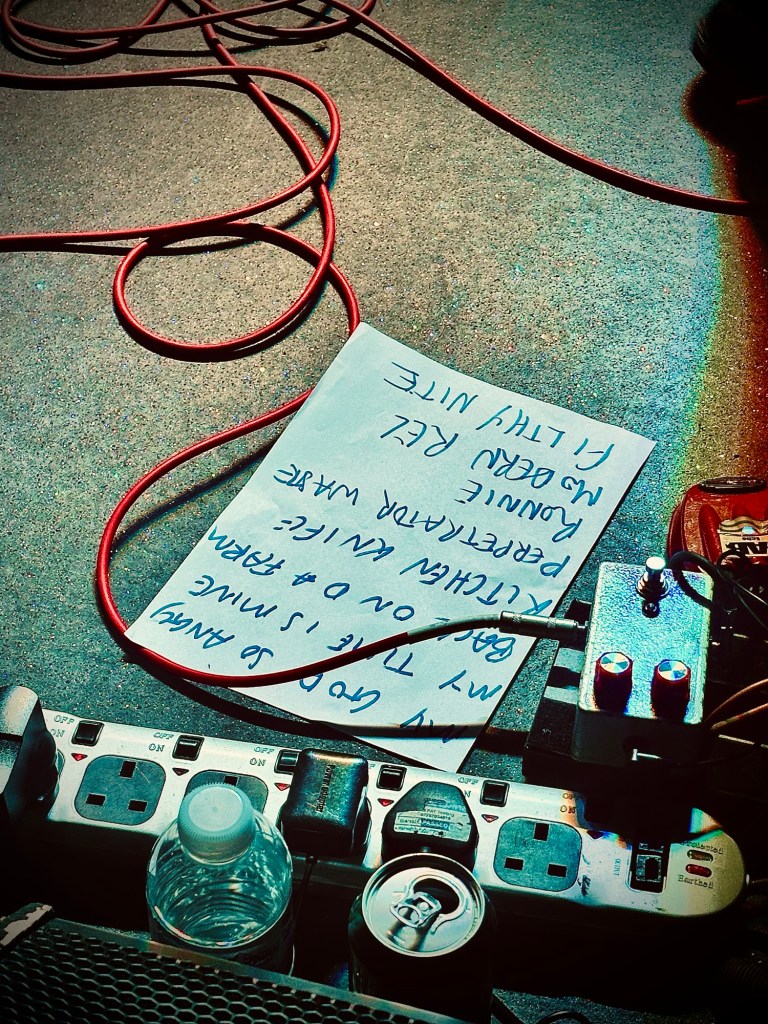
Their track “My God Is So Angry” is a brooding, angular manifesto, a sonic Molotov cocktail that captures the anxiety and irony of modern discontent. “Kitchen Knife” goes in for the kill with dual vocals from Emmy also on lead guitar —a razor-sharp interplay of harmony and menace, underscored by guitars that cut like a stiletto heel on a sticky dance floor.
But it’s “Filthy Nite”, their closing number, that cements their place in the Glasgow canon. The crowd is a writhing mass of limbs and sweat, and you can’t help but feel this track will become a cult anthem—or at least a bittersweet memory for those lucky enough to have been there.
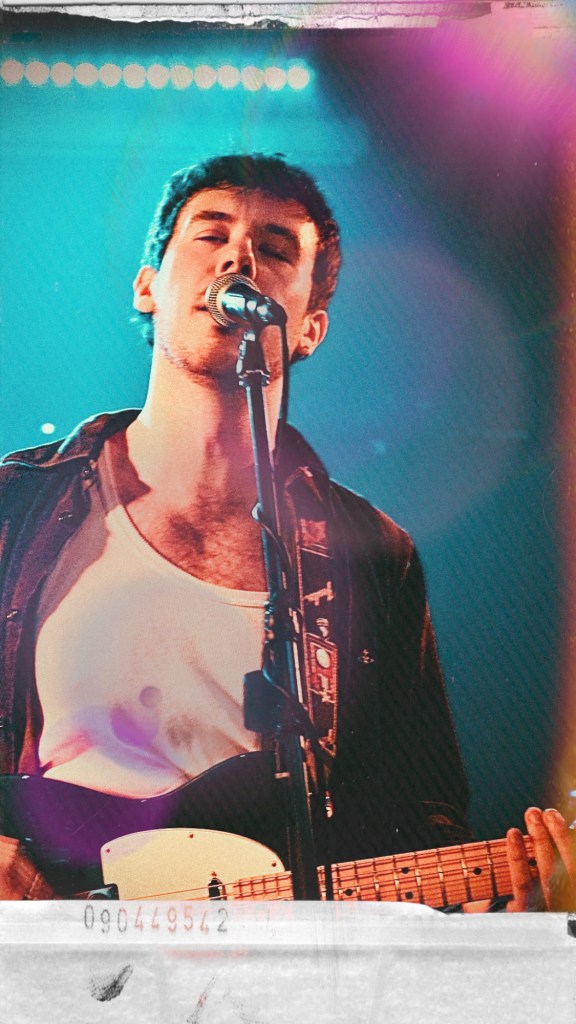
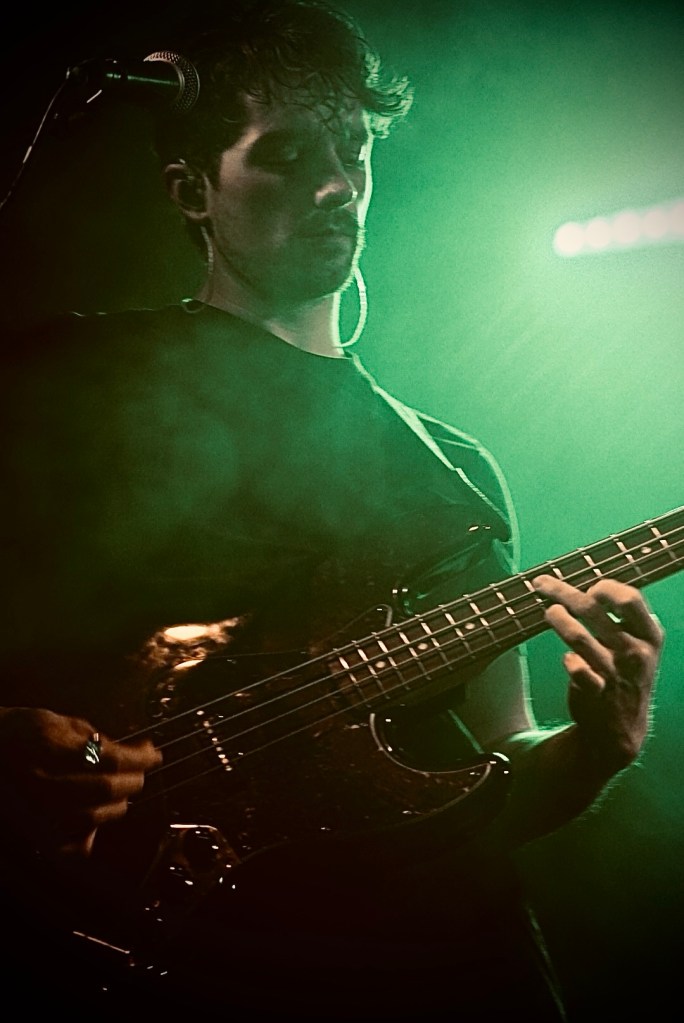
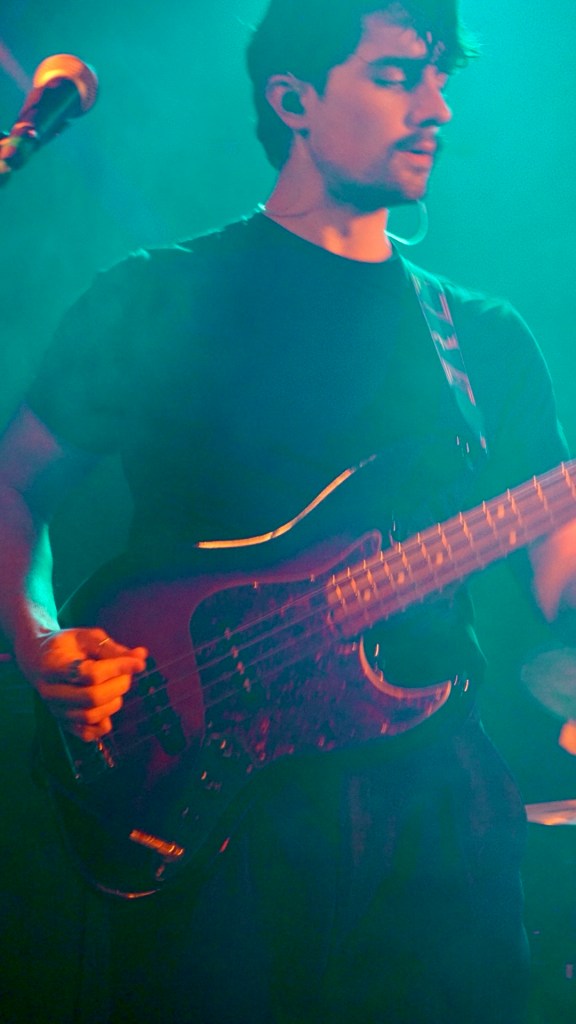
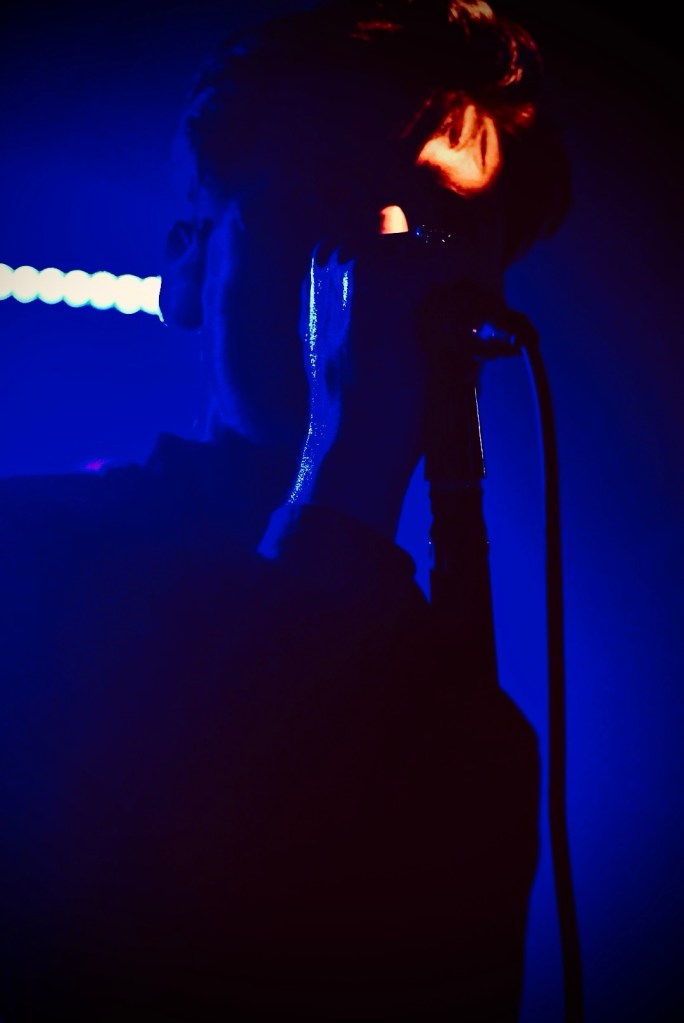
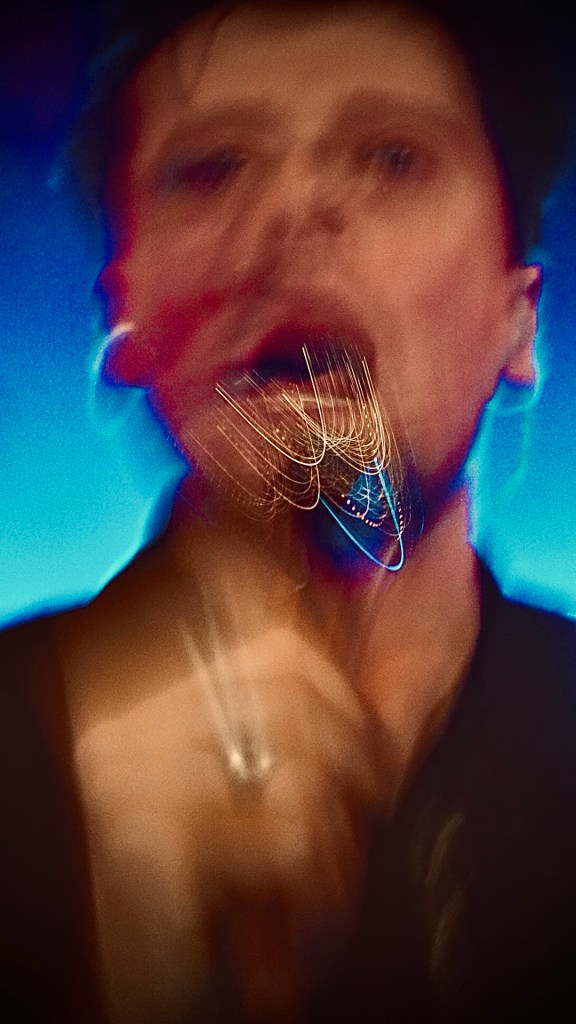
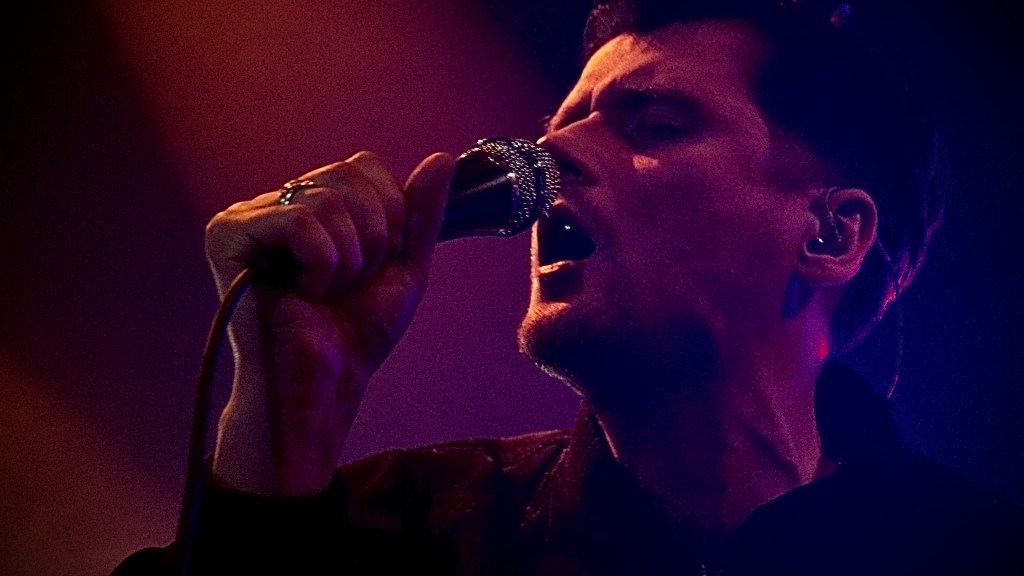
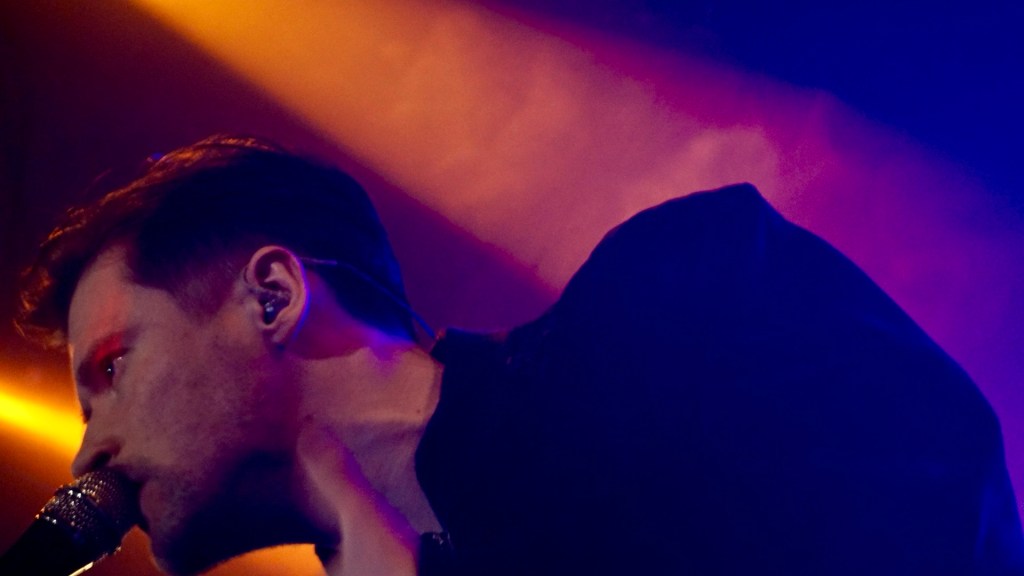
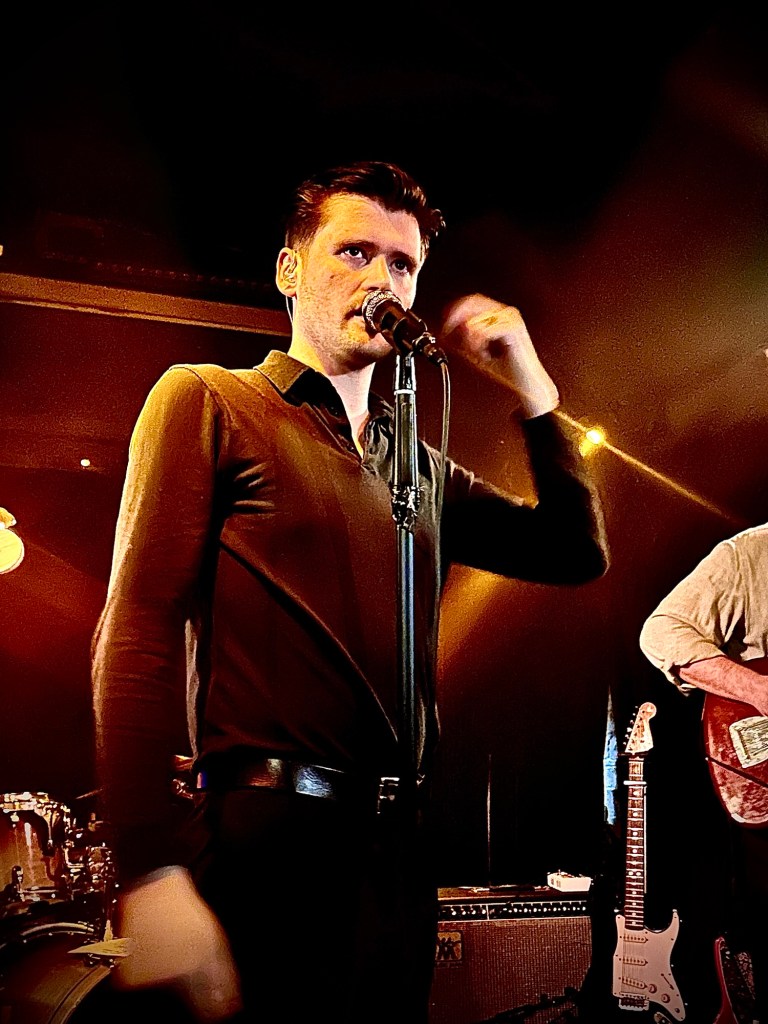
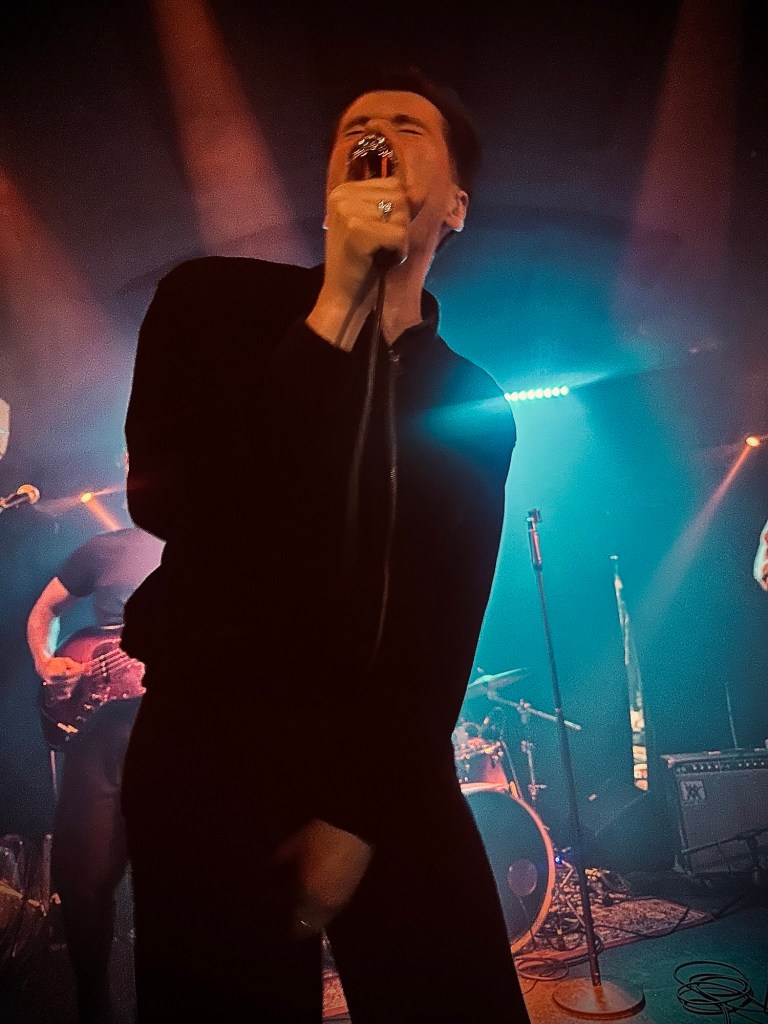
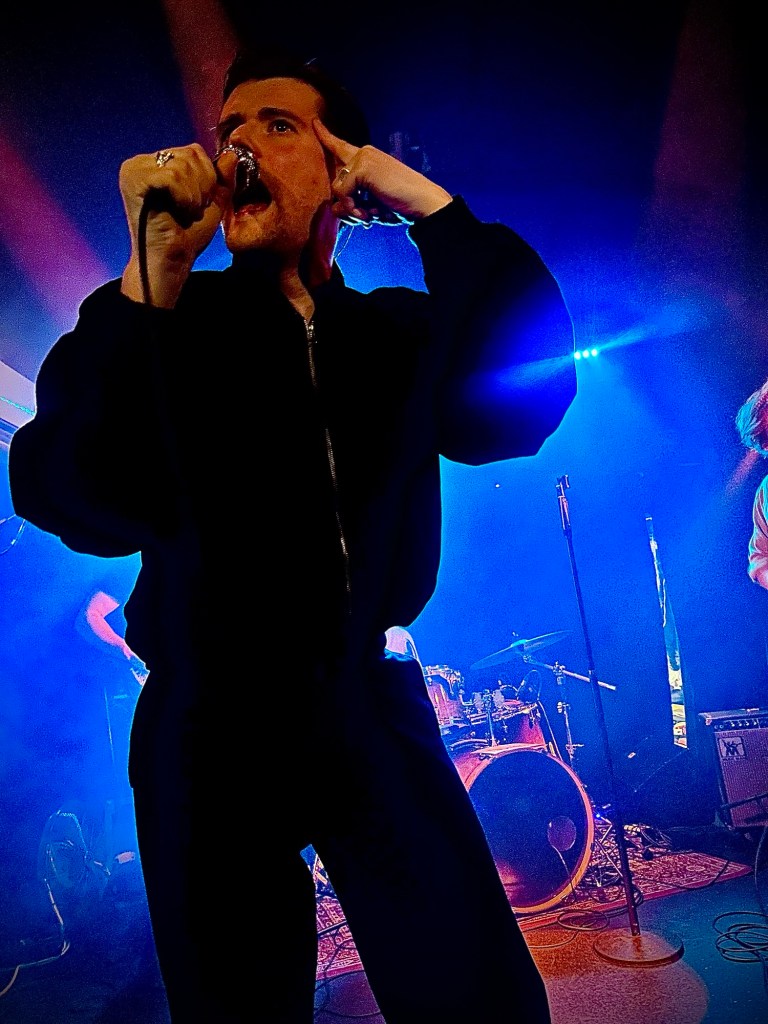
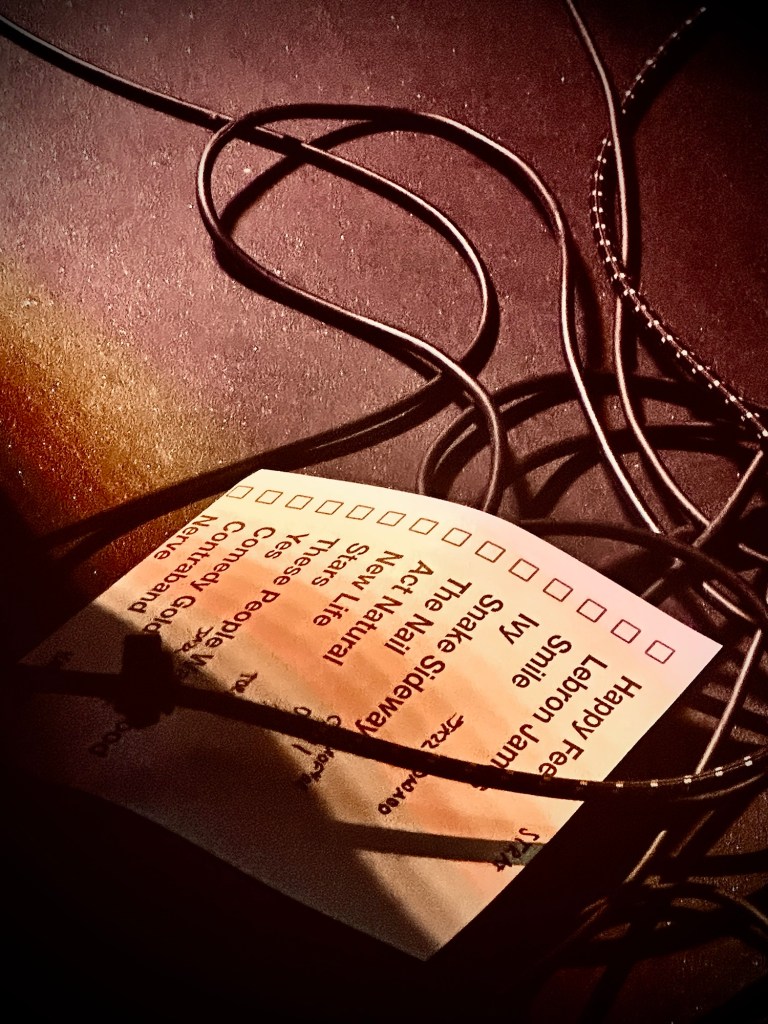
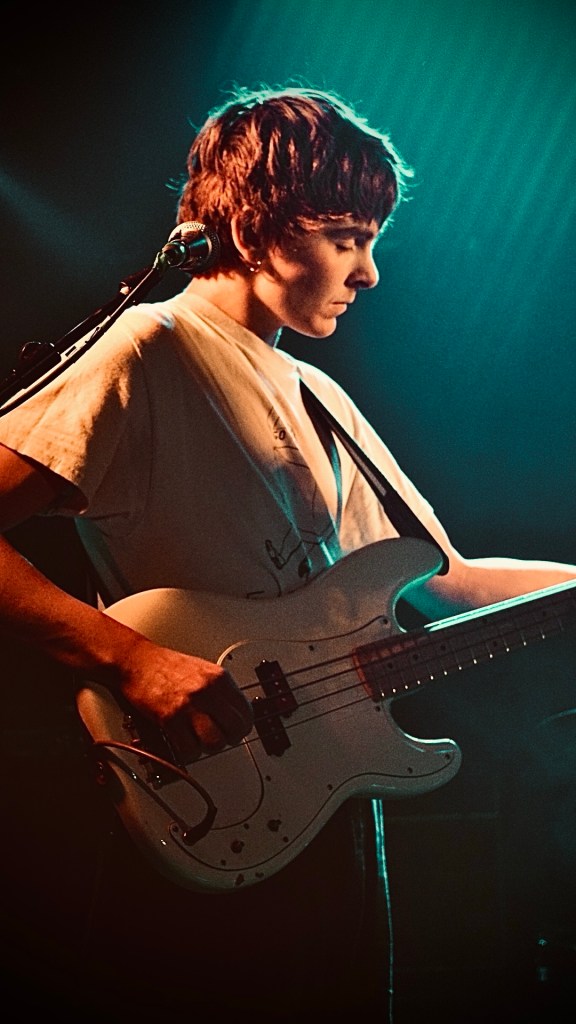
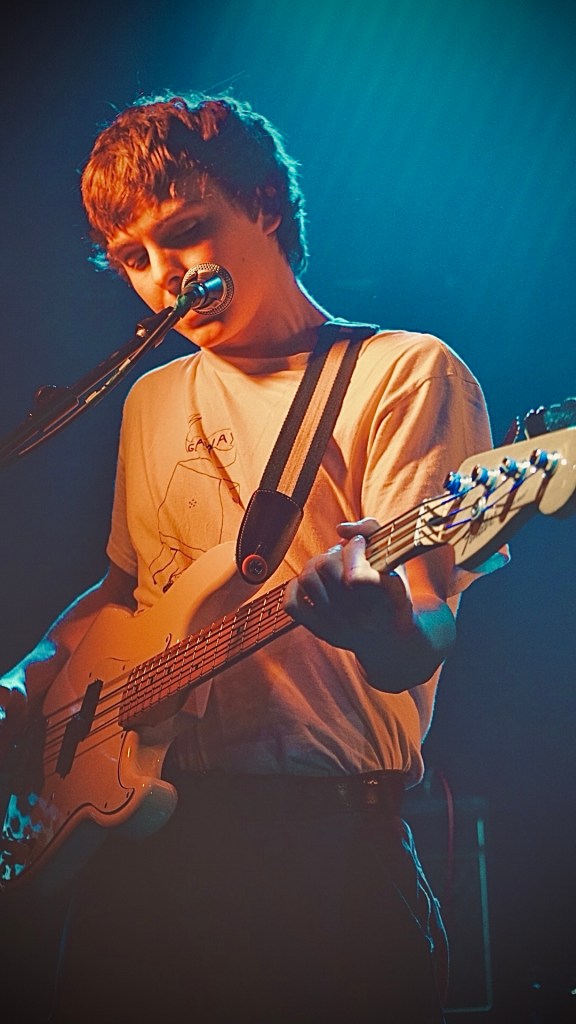
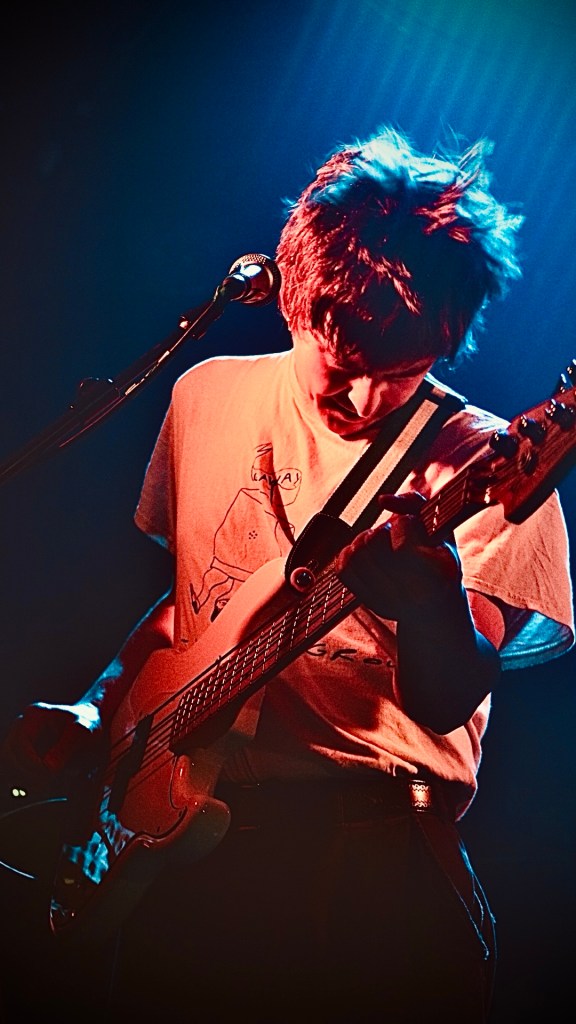
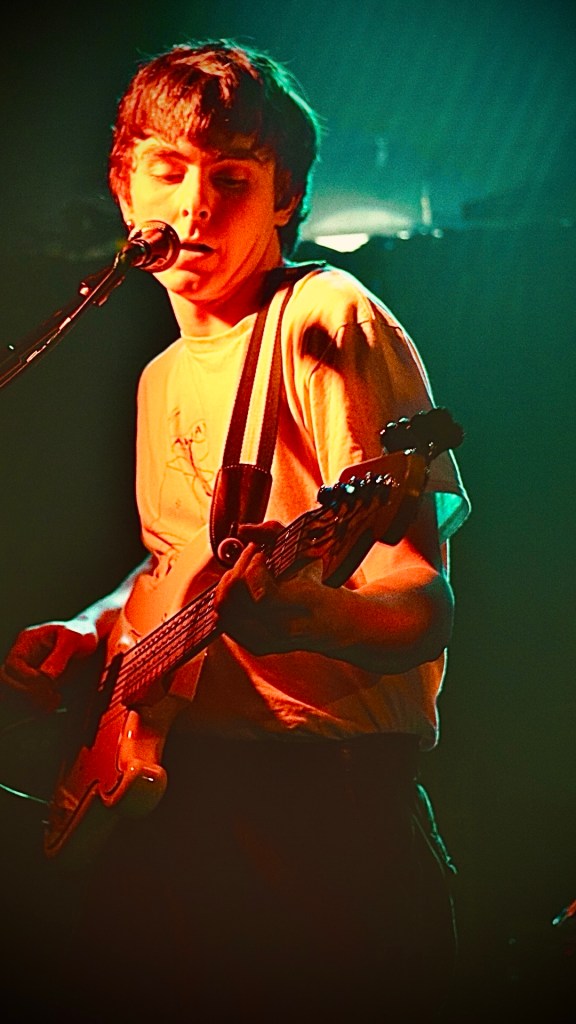
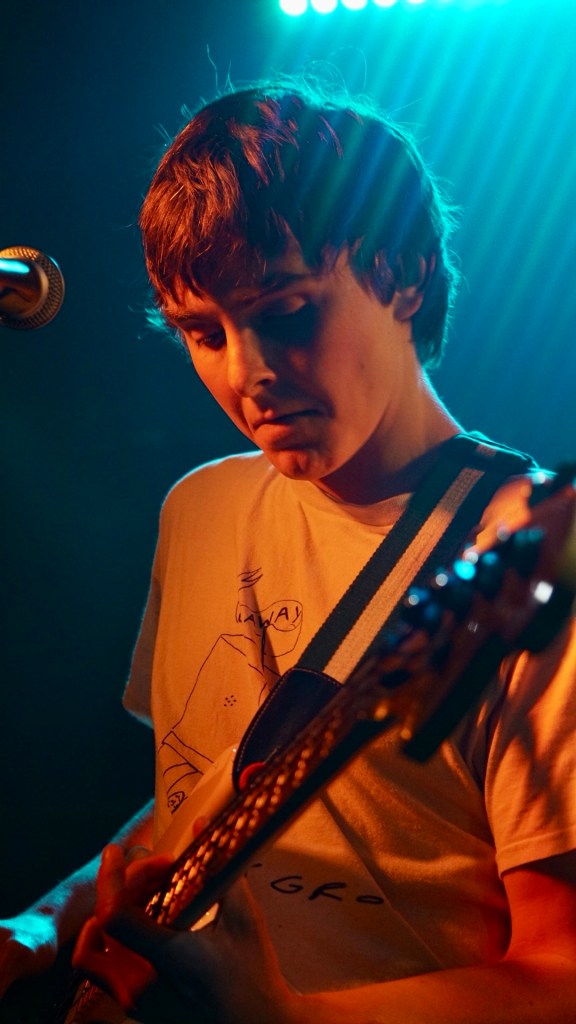
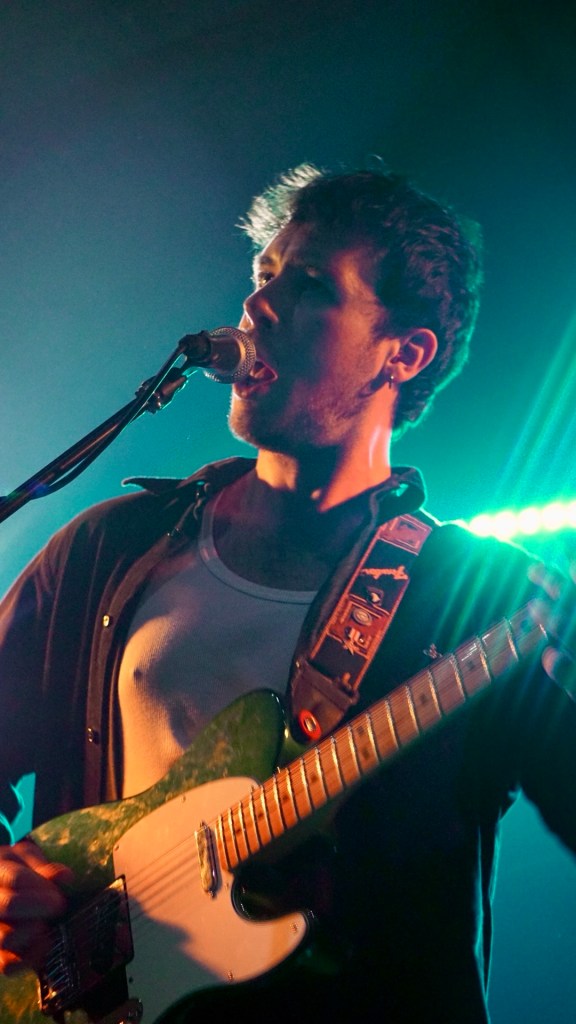
As the night deepens, Do Nothing saunter onto the stage. If Conscious Pilot are raw electricity, Do Nothing are a finely tuned engine, purring with purpose. Glasgow’s, a city that’s adopted them as one of its own, greets them like prodigal sons returned. From the first pulsing beats of “Happy Feet”, the band exudes an irresistible confidence.
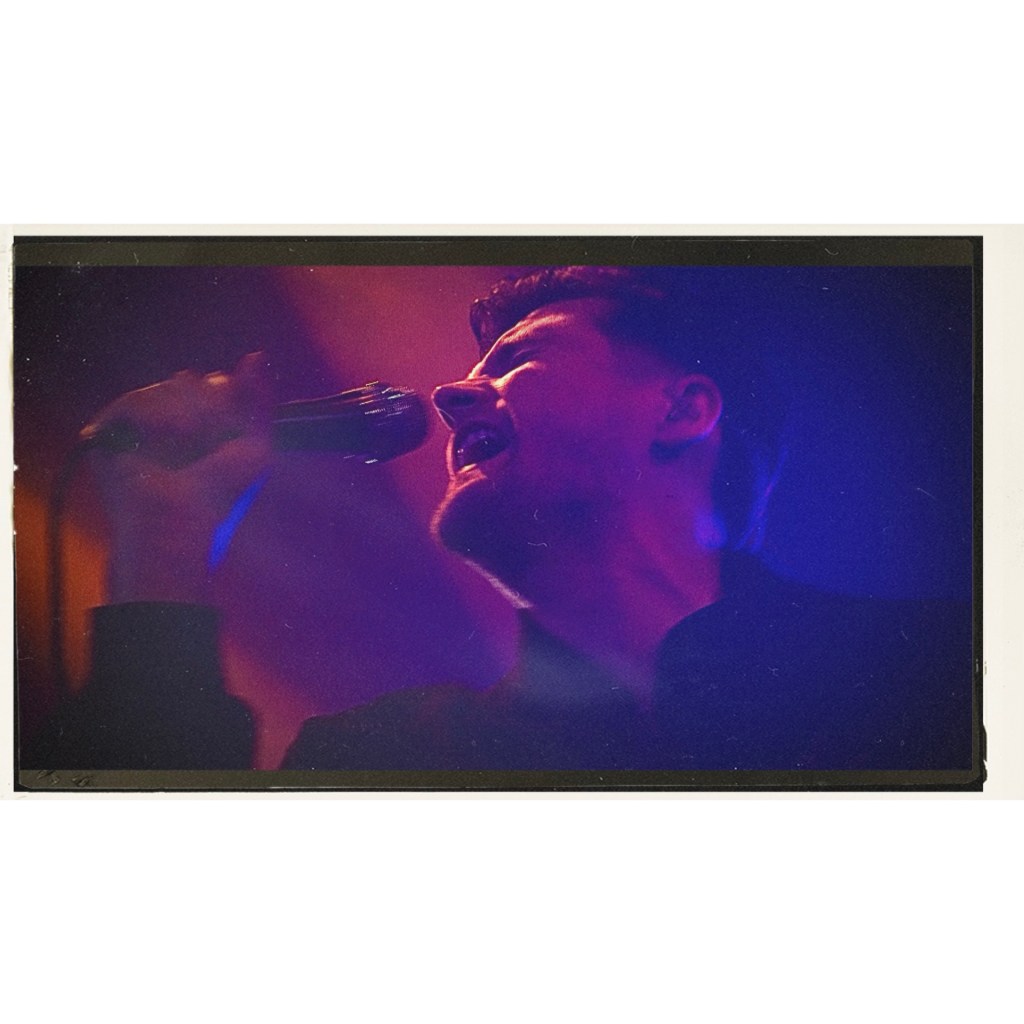
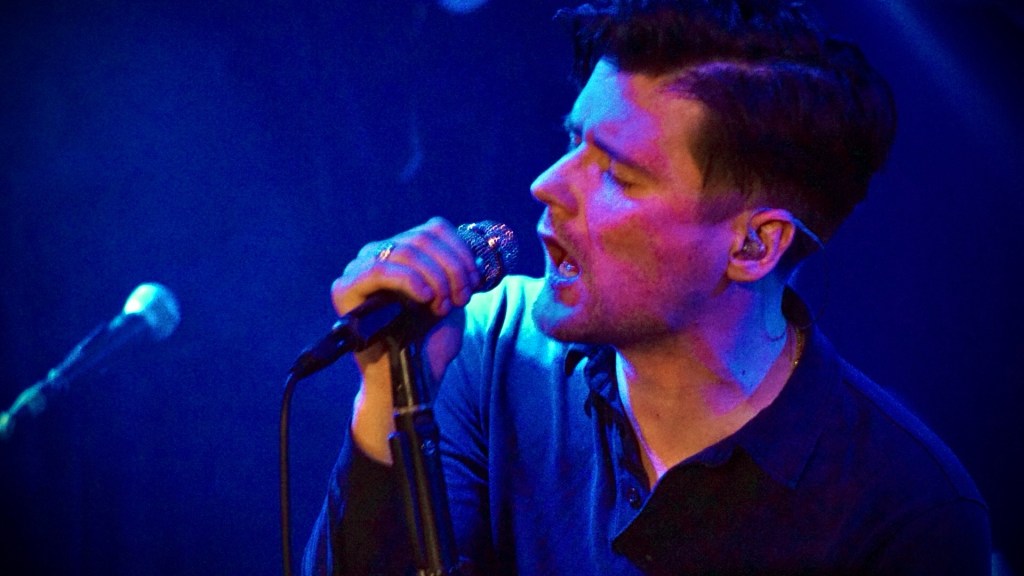
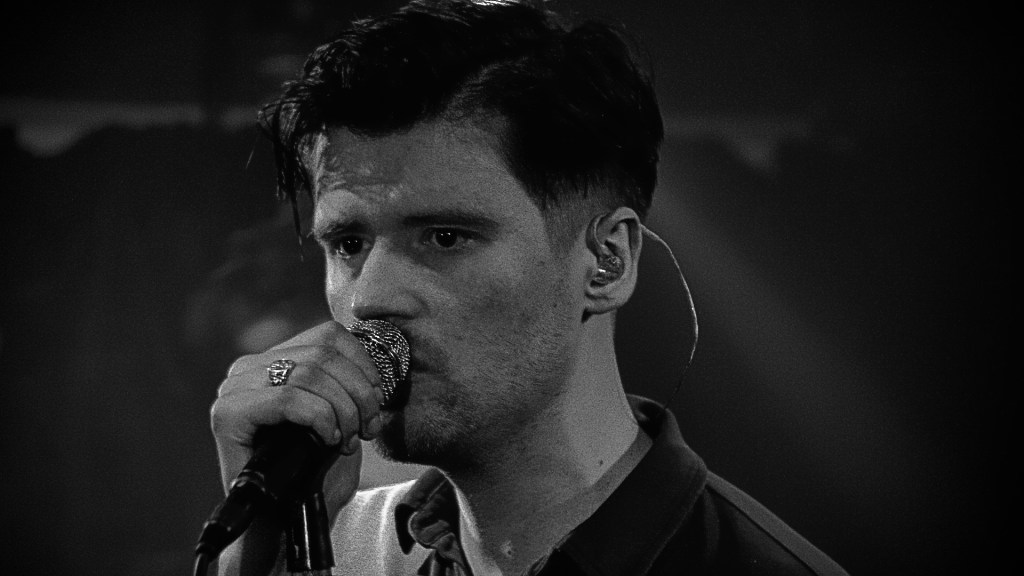
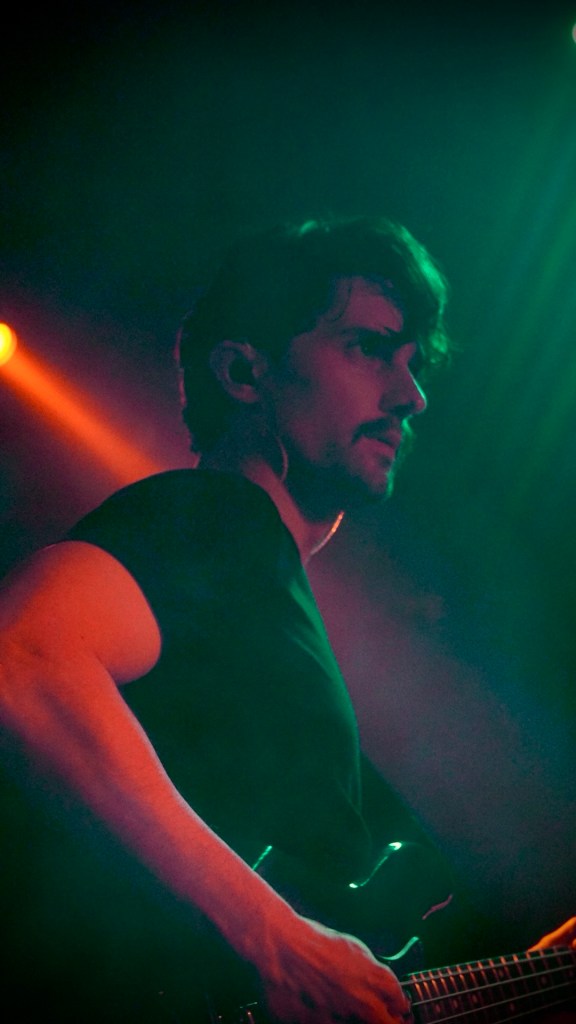
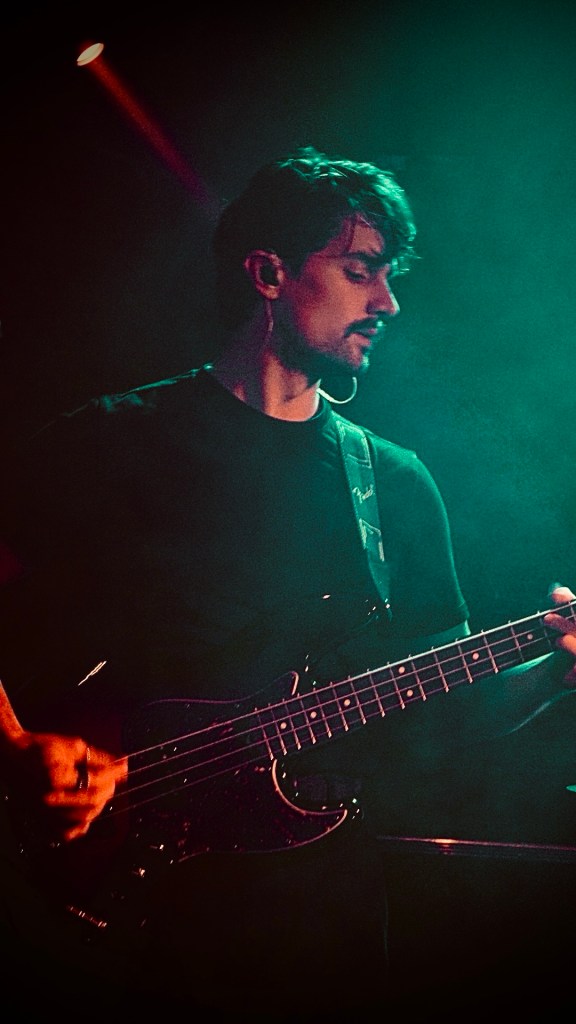
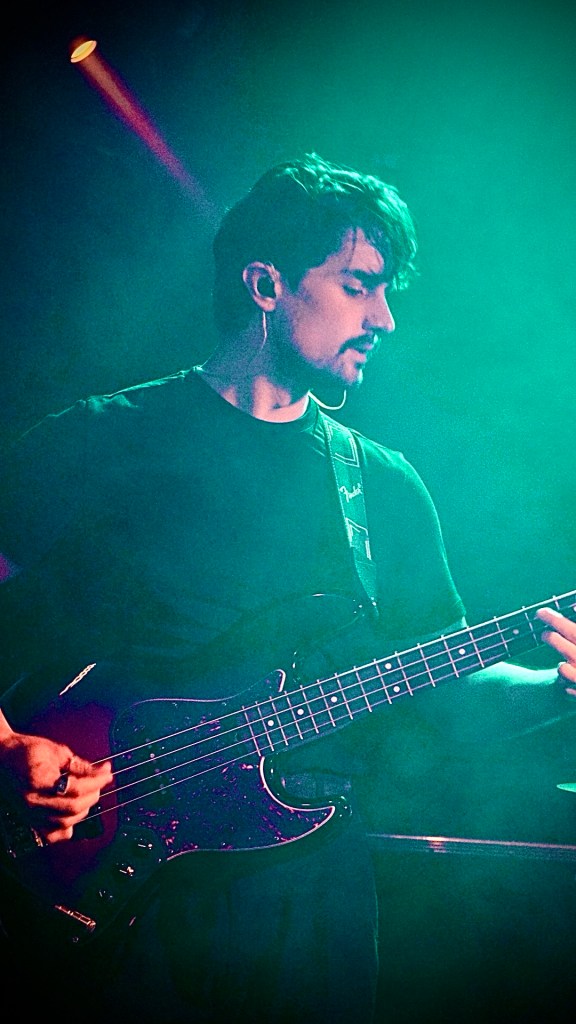
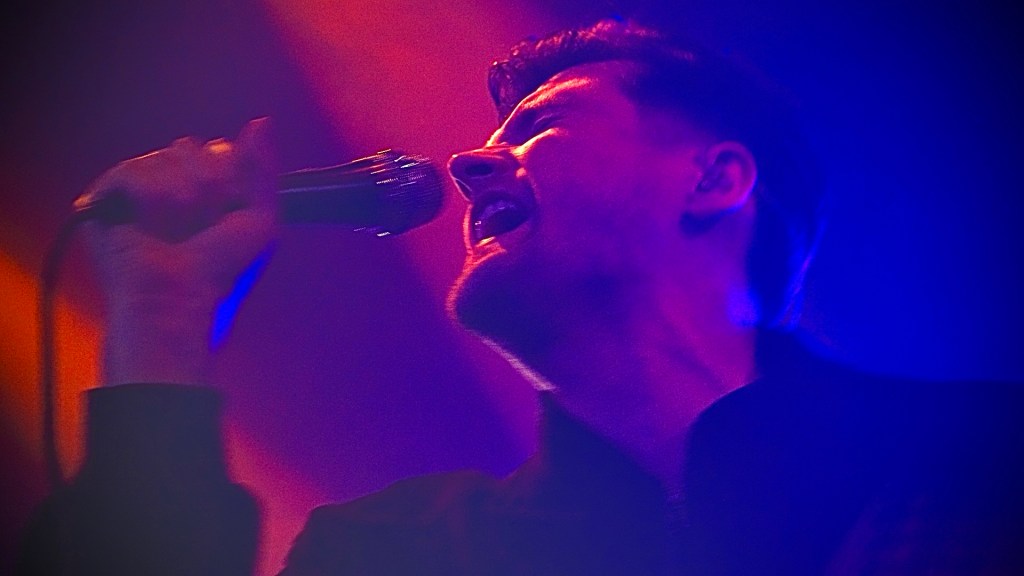
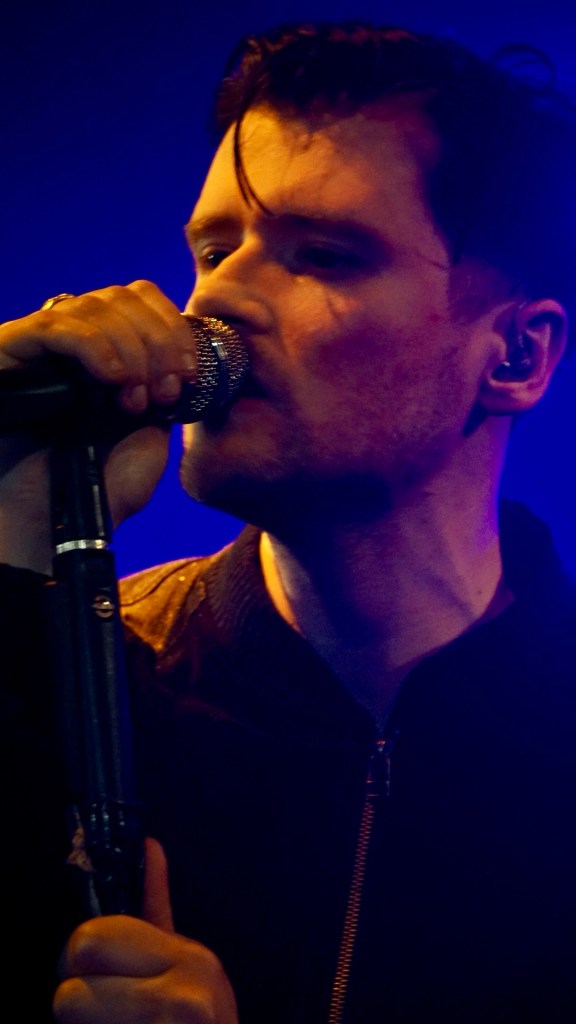
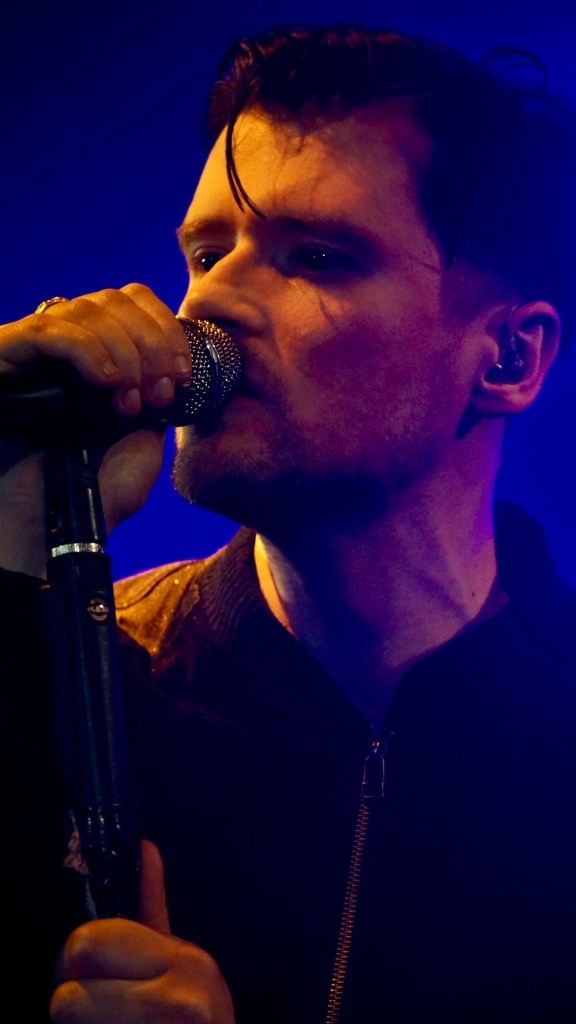
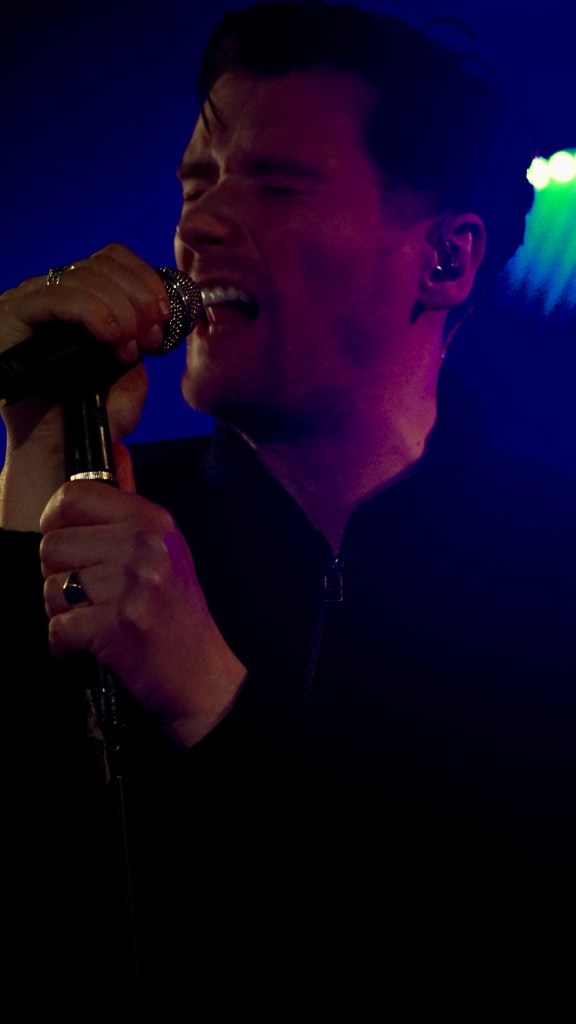
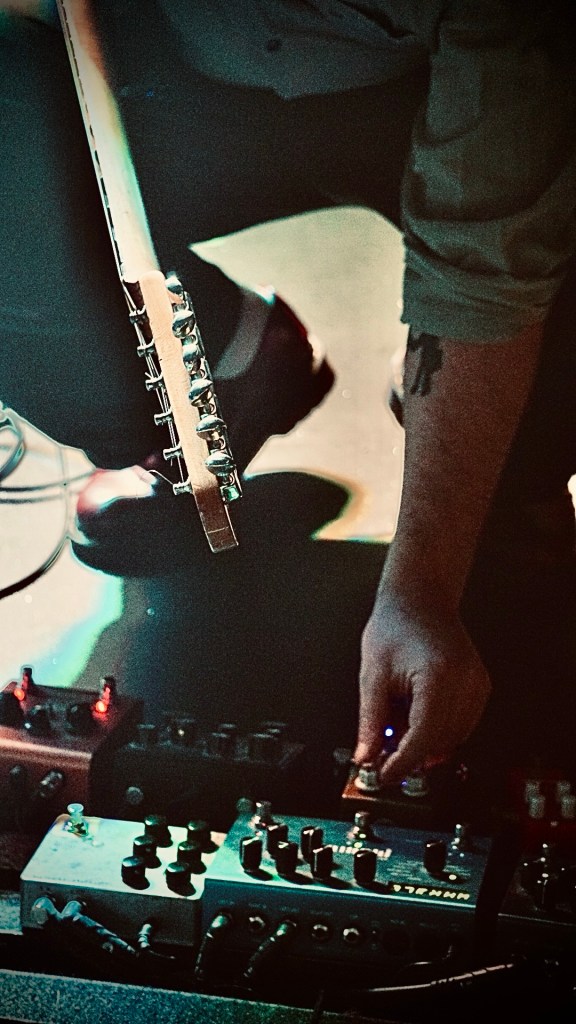
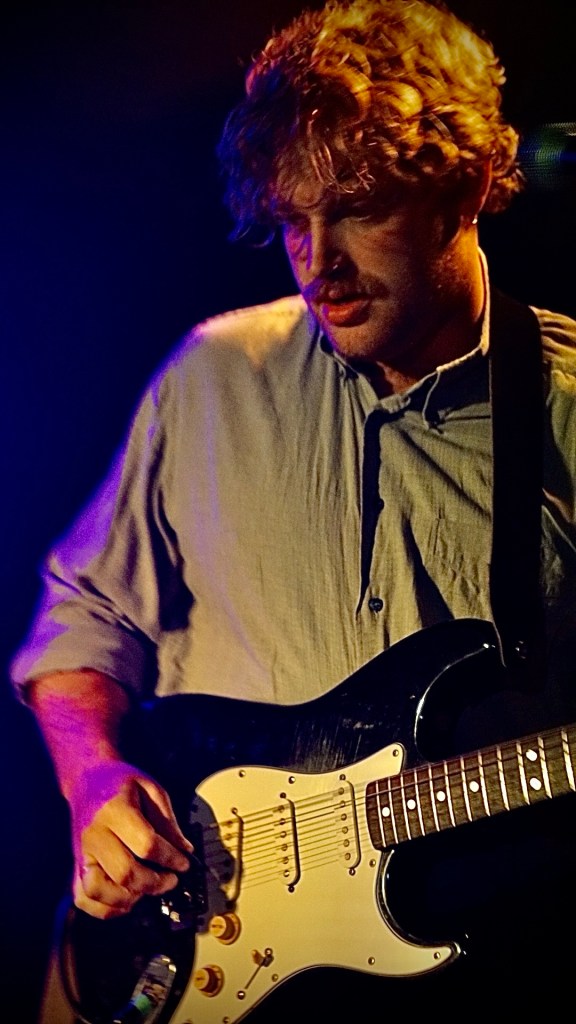
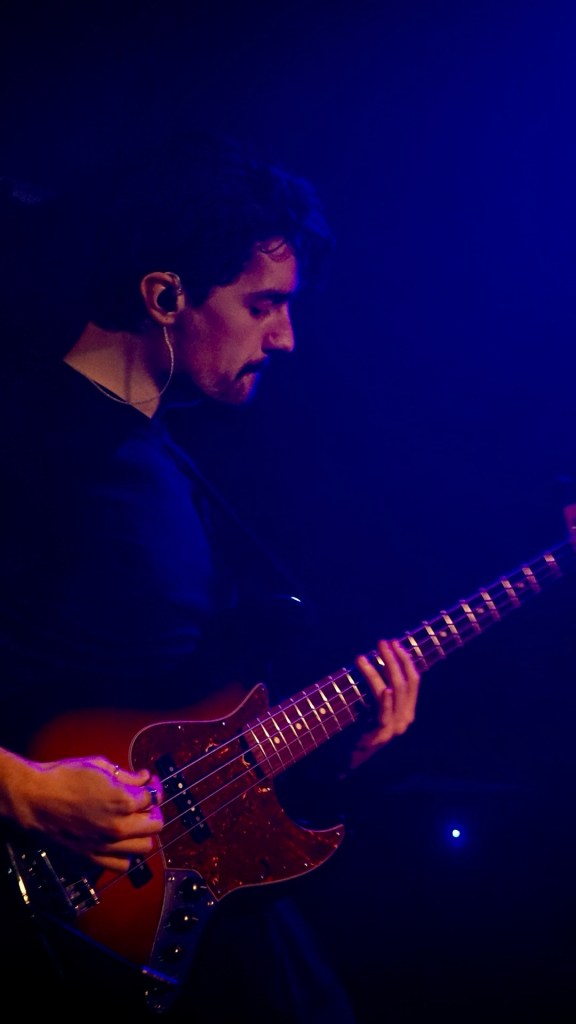
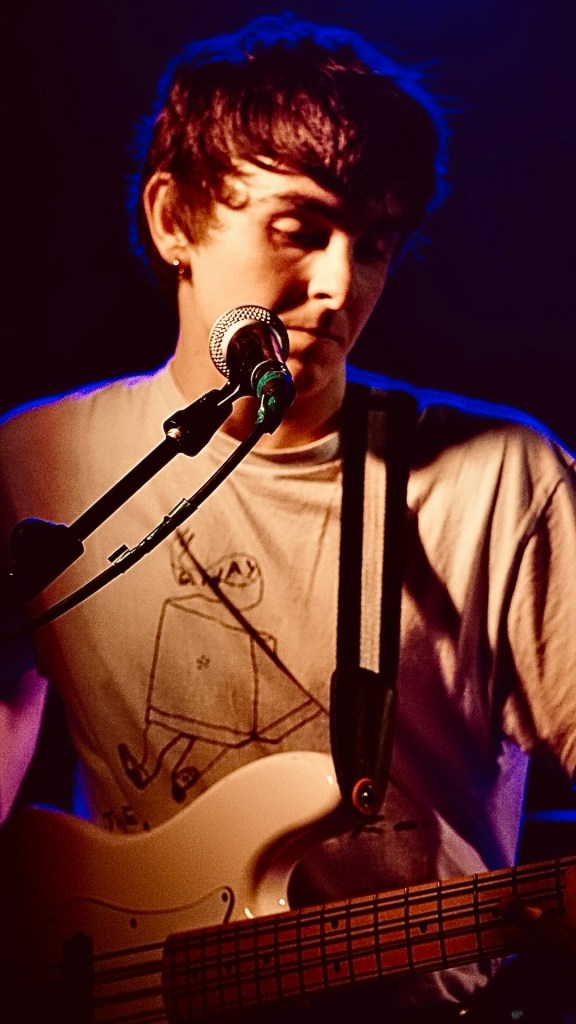
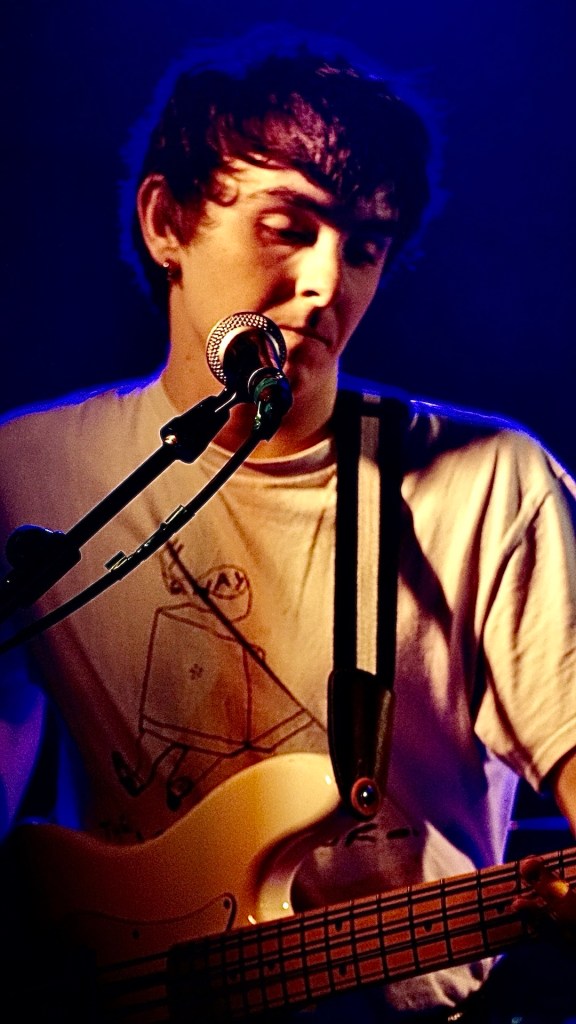
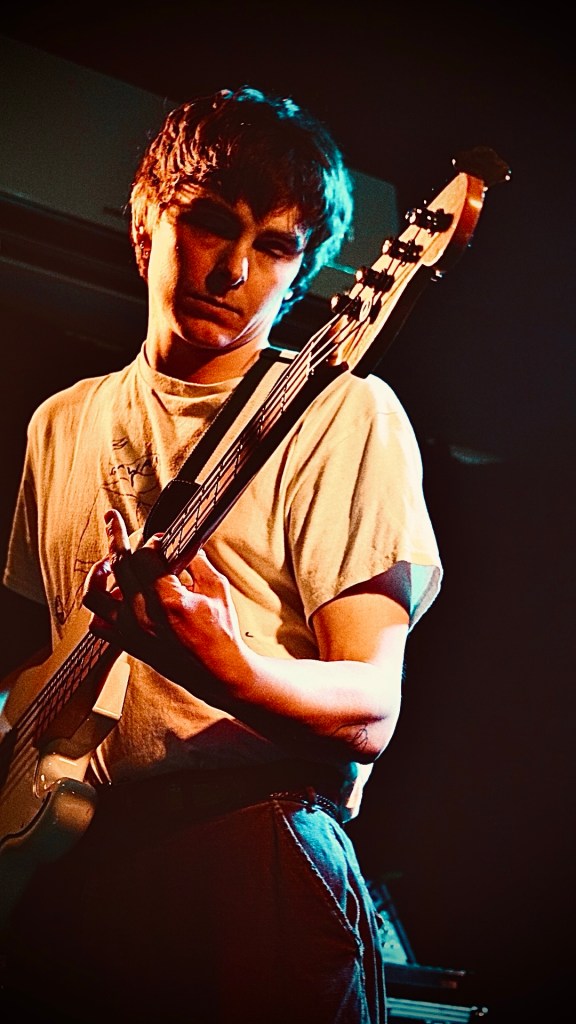
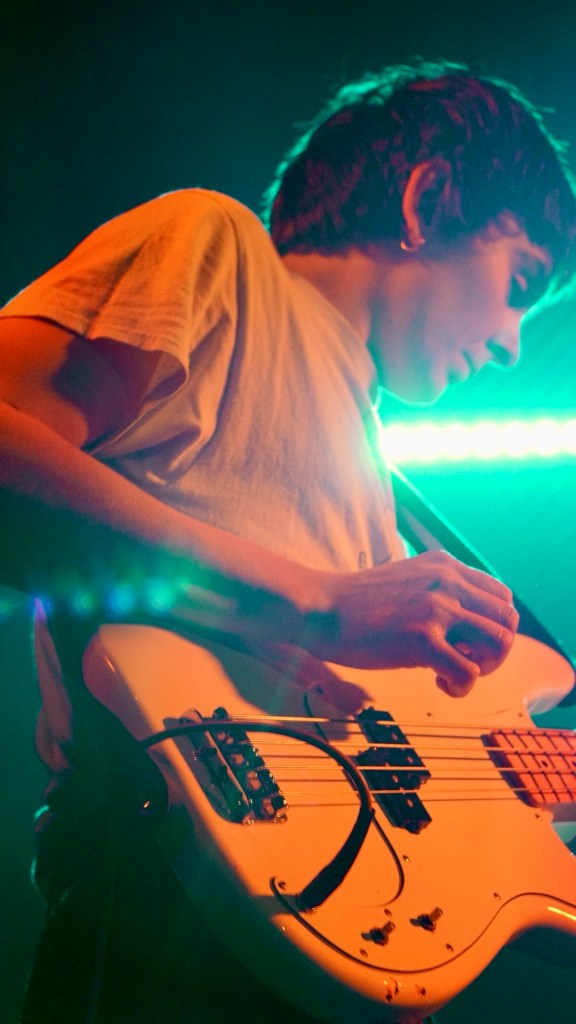
Then there’s “LeBron James,” a track that turns the Acid Arch into a punk-disco cathedral. Lead singer Chris Bailey (whose tones are pure velvet, equal parts Morrissey and Bryan Ferry) prowls the stage, weaving between grinding basslines and searing synths. Guitarist Kasper Sandstorm cuts jagged riffs that skitter and soar, bassist Charles Howarth anchors the chaos with pulsing urgency, and drummer Andrew Harrison – oh, the drums!—provides a heartbeat that’s both feral and faultless. Together, they create a sound that is both nostalgic and futuristic, like Gang of Four beamed into a Blade Runner universe – if that universe was set in post recession Britain…
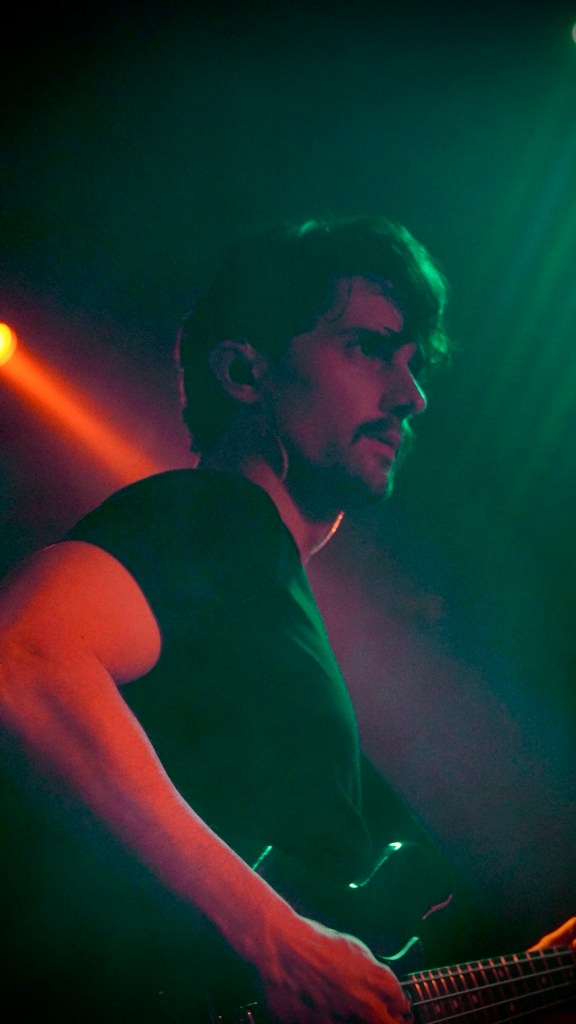
New tracks like “Yes” and “Stars” show a band unafraid to evolve, while fan favourites “New Life” and “Contraband” whip the room into a euphoric frenzy. There’s something profoundly tight about their performance—slick without losing edge, practiced but still pulsing with danger.
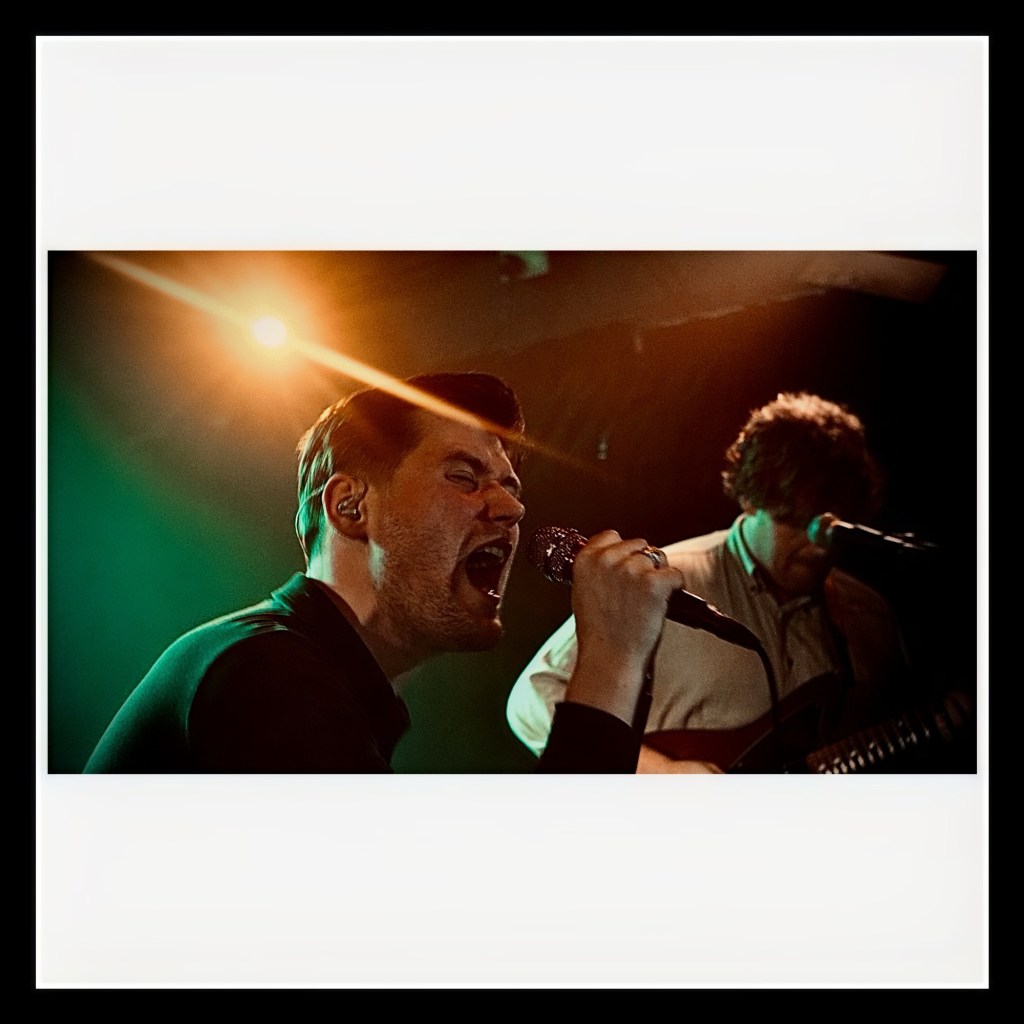
As the set wraps up, the crowd demands more. And Do Nothing oblige, returning for a two-track encore that feels less like a victory lap and more like a benediction. “Summer of Hate” is a swirling, angry anthem, and when the band closes with the razor-sharp, world-weary brilliance of “Handshakes,” it feels less like the end of a gig and more like the closing scene of a film you’ll never forget.
Here’s the thing: nights like this are why grassroots venues matter. They are the crucible of culture, the unpolished gems in a world increasingly smothered by algorithms and corporate sterility. Glasgow’s UNESCO City of Music status isn’t just a title; it’s a responsibility. McChuilles, and places like it, aren’t just venues—they’re lifelines. For the bands, for the fans, for the city itself. Long may they reign.

Article:
Angela Canavan
 The Golden Bough