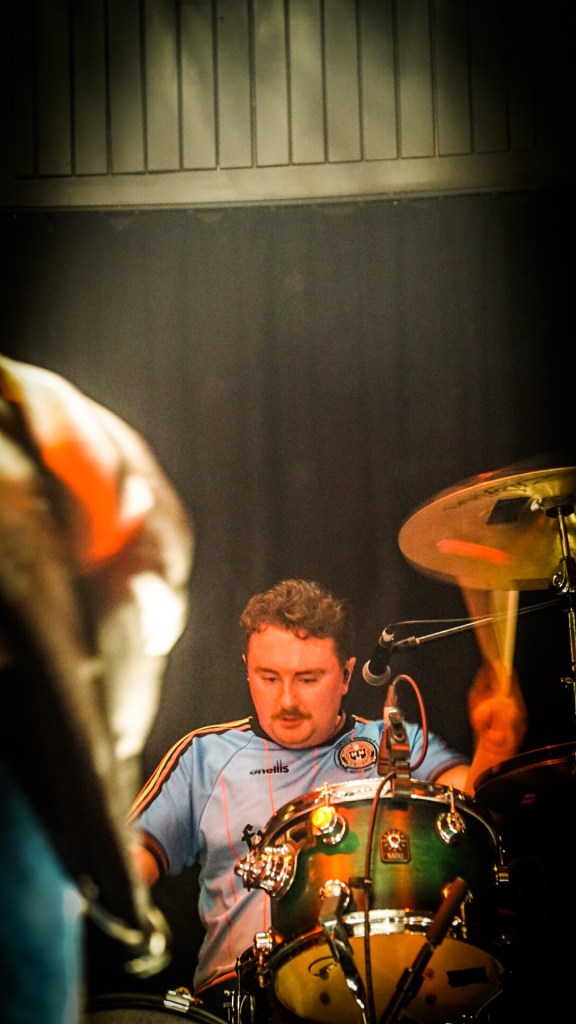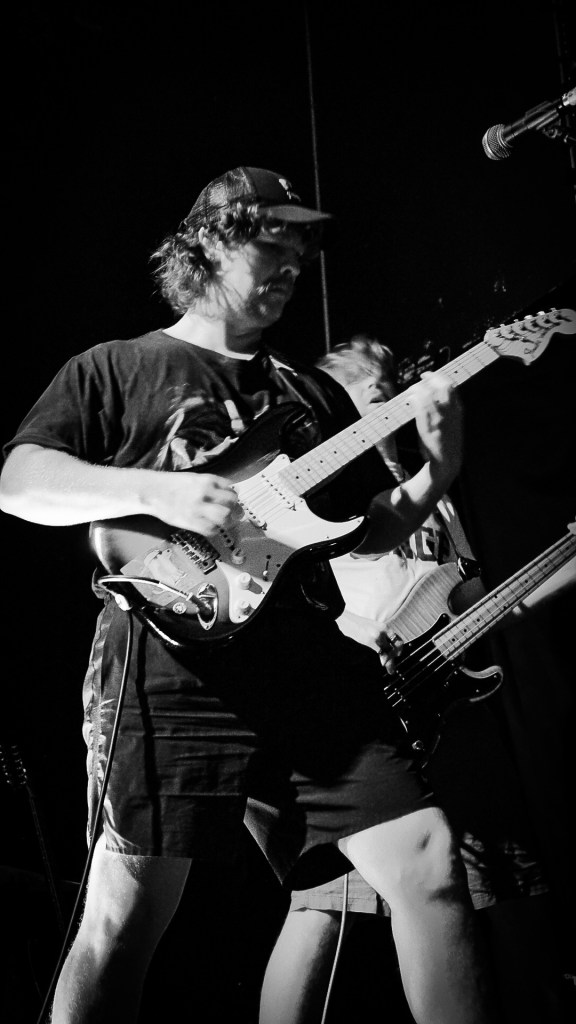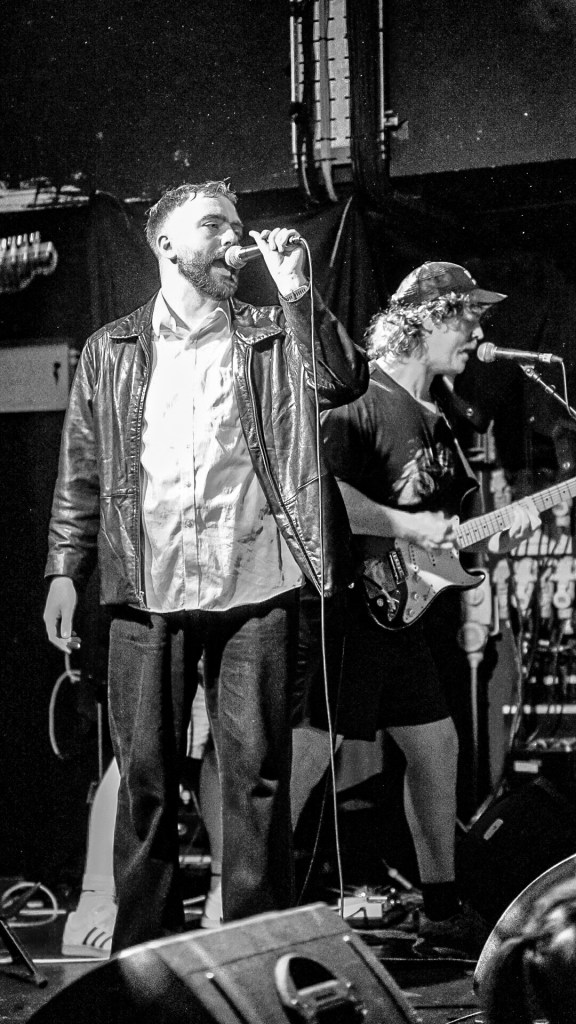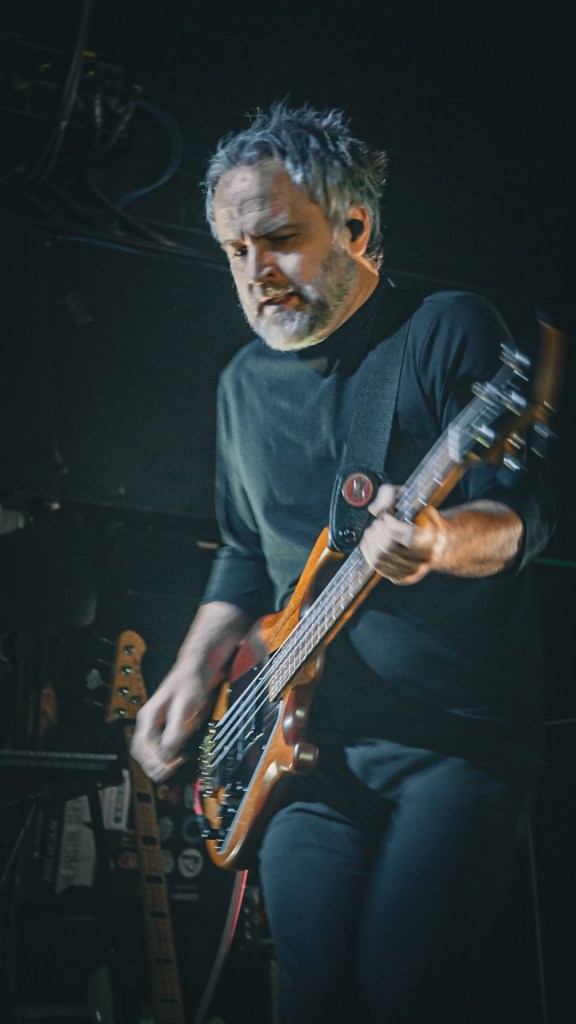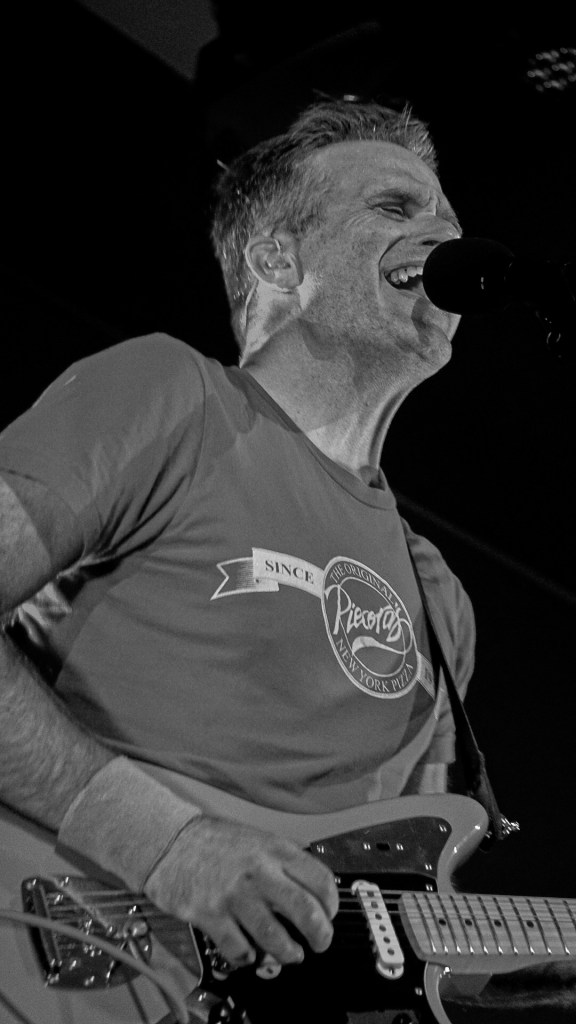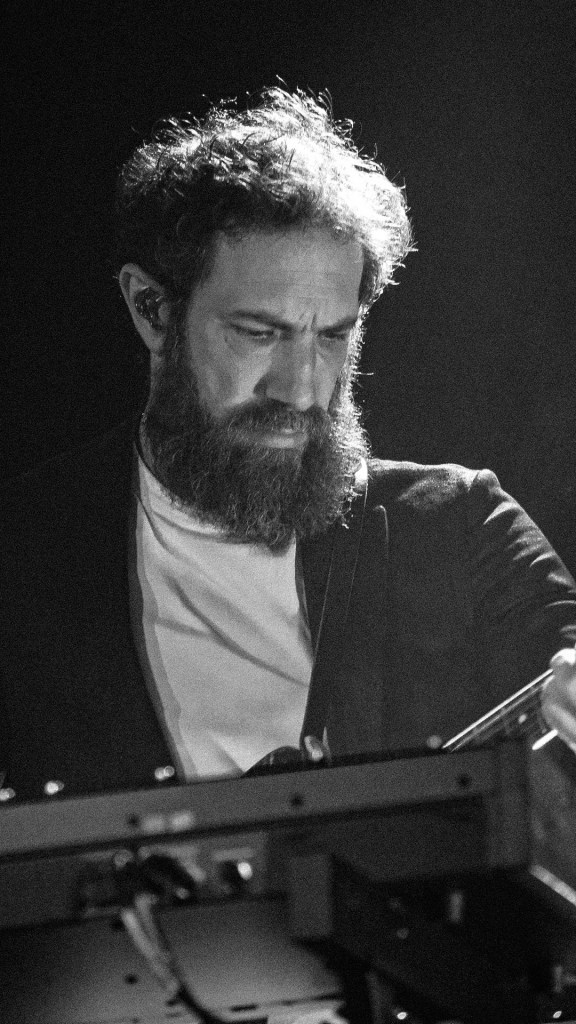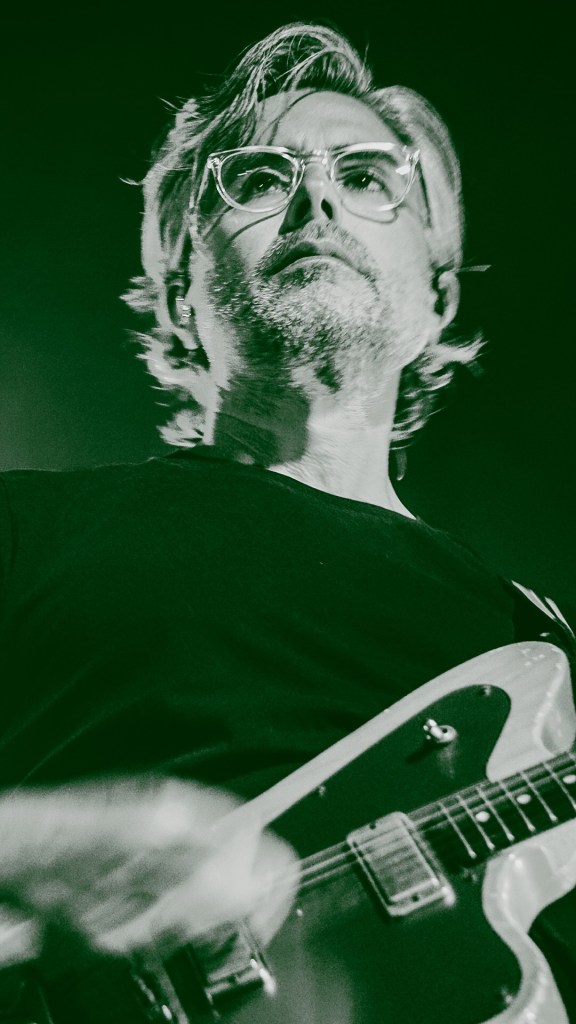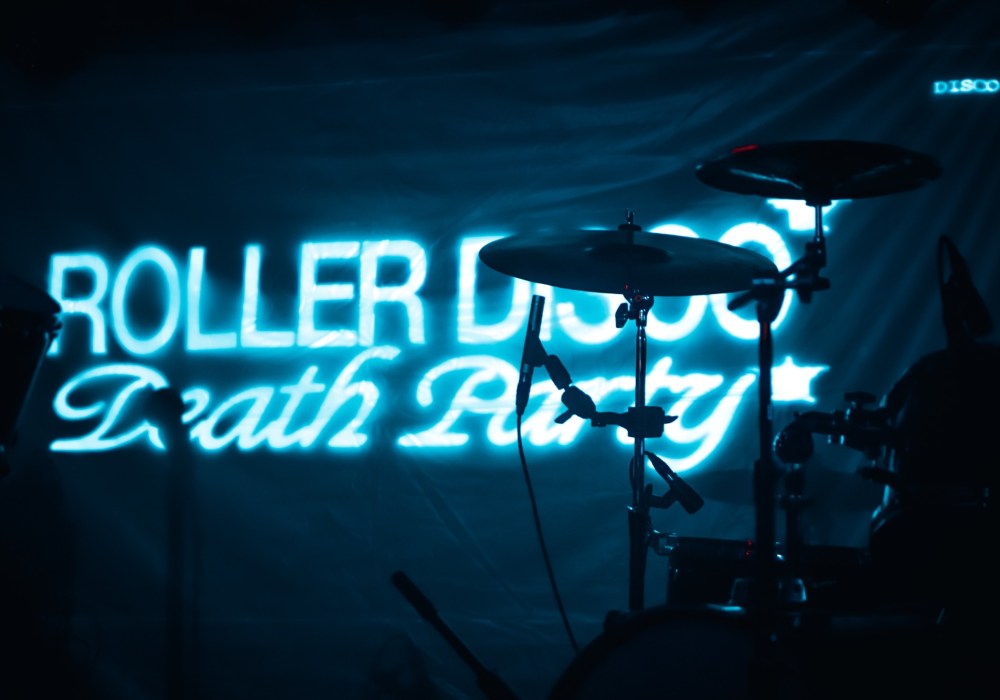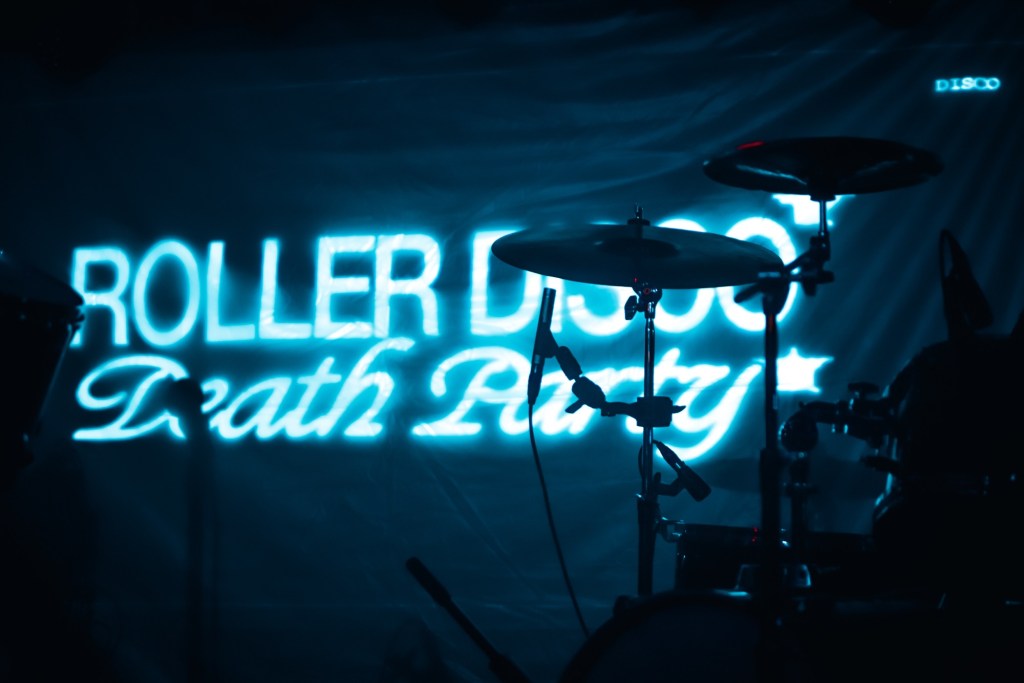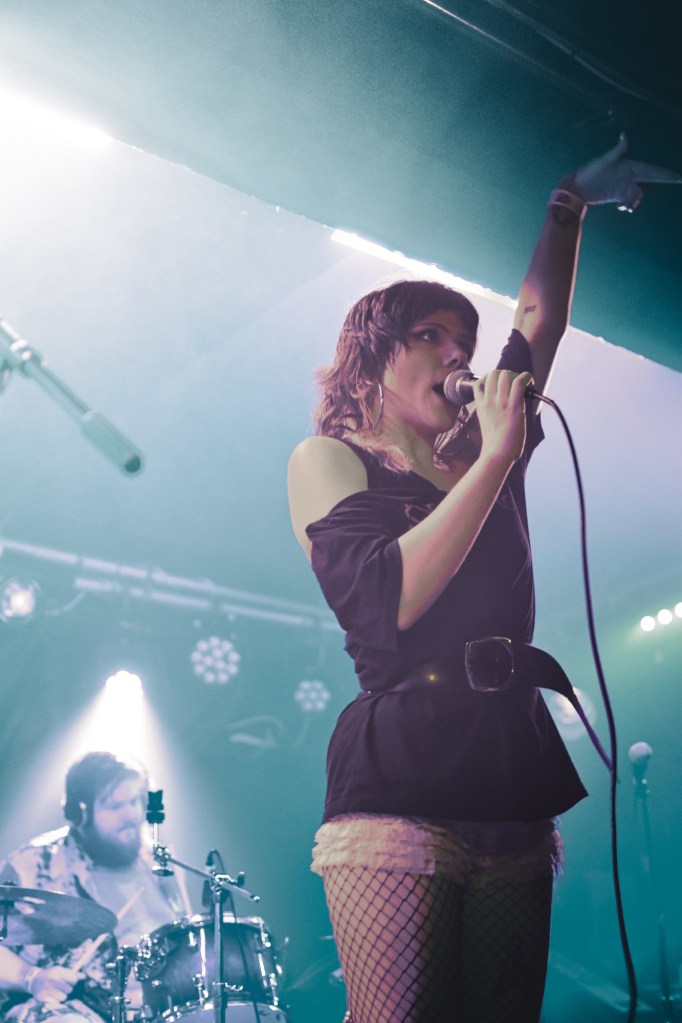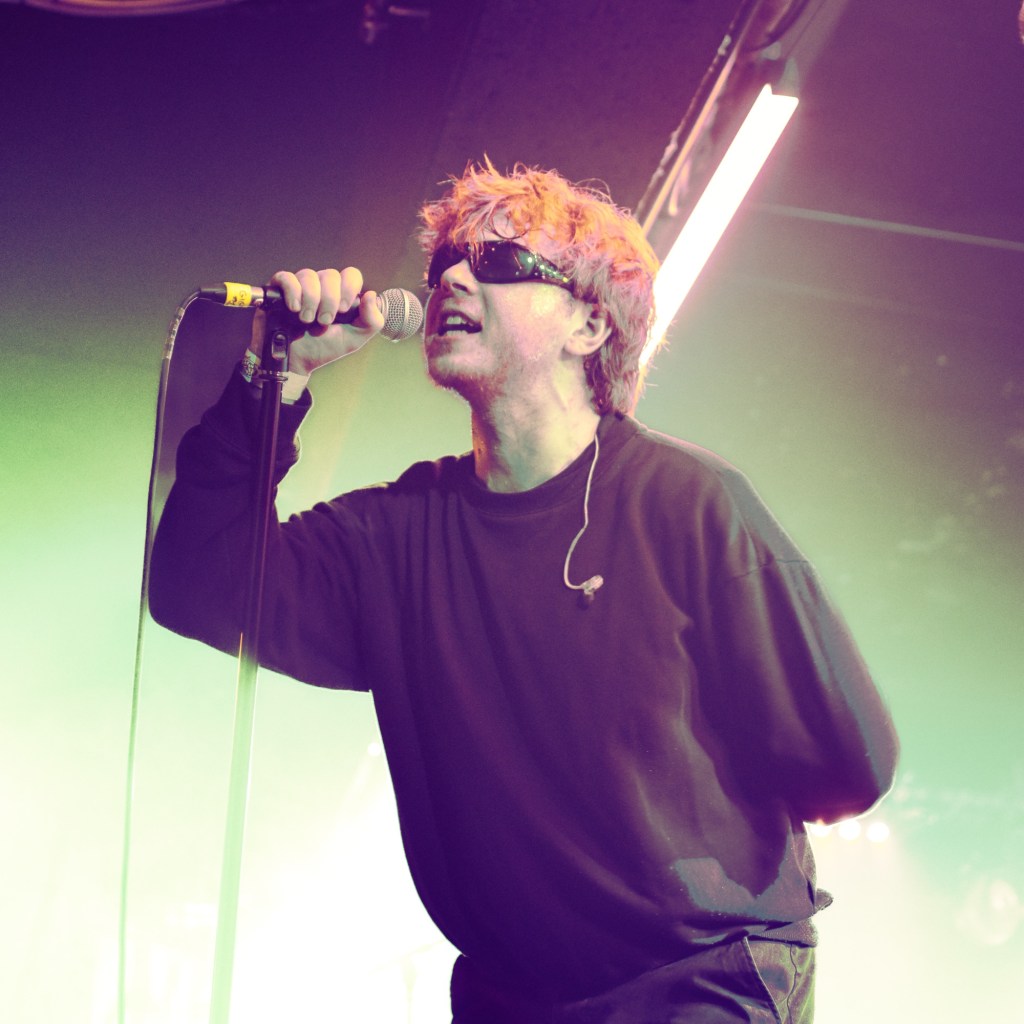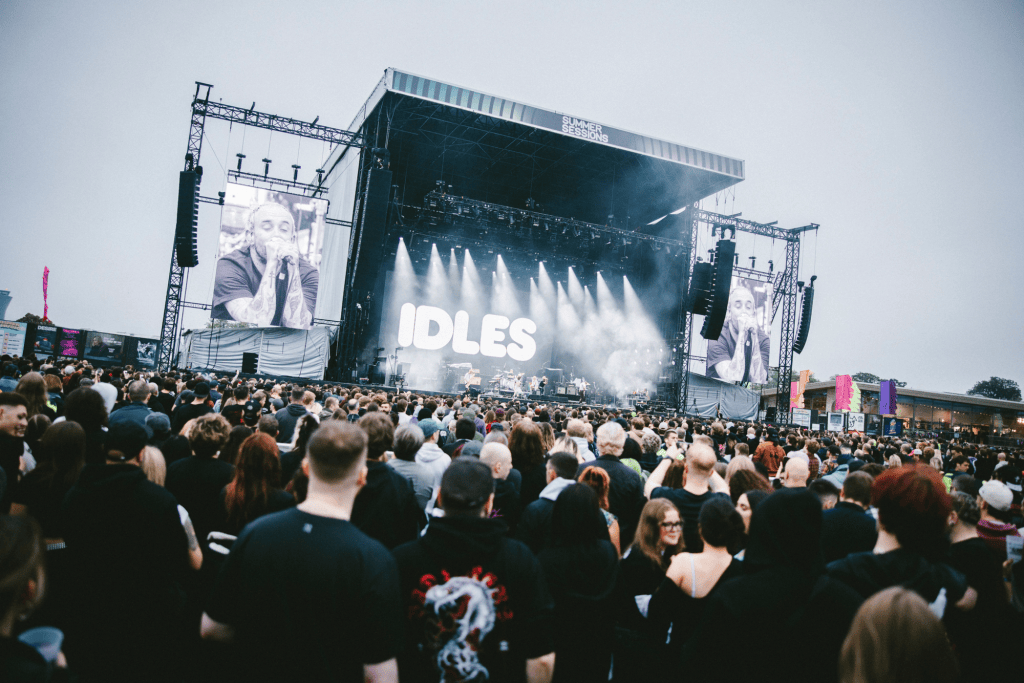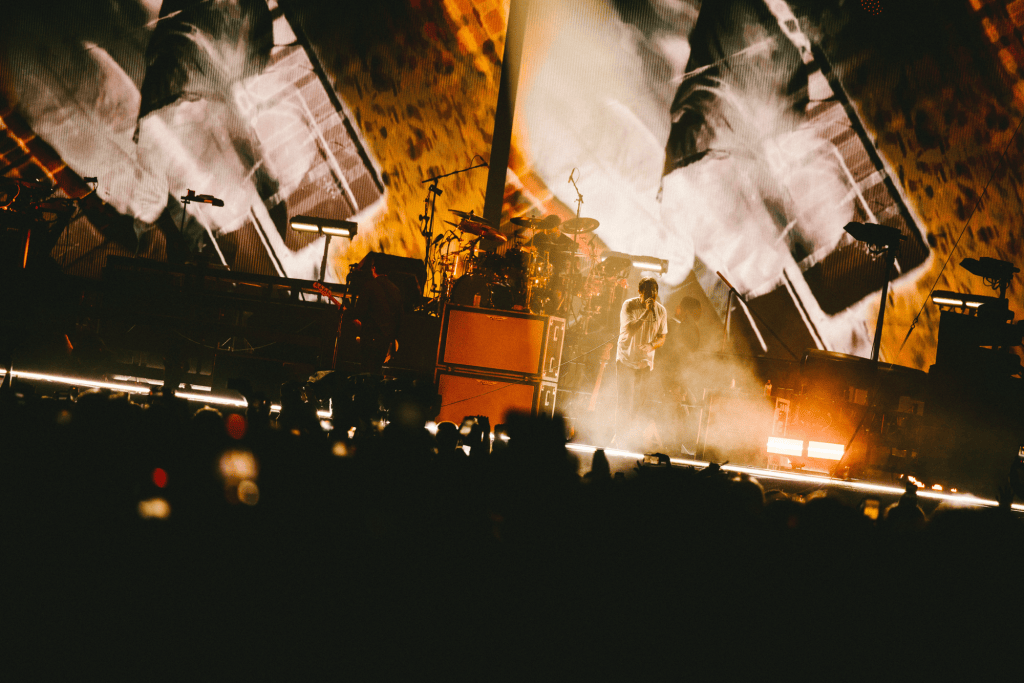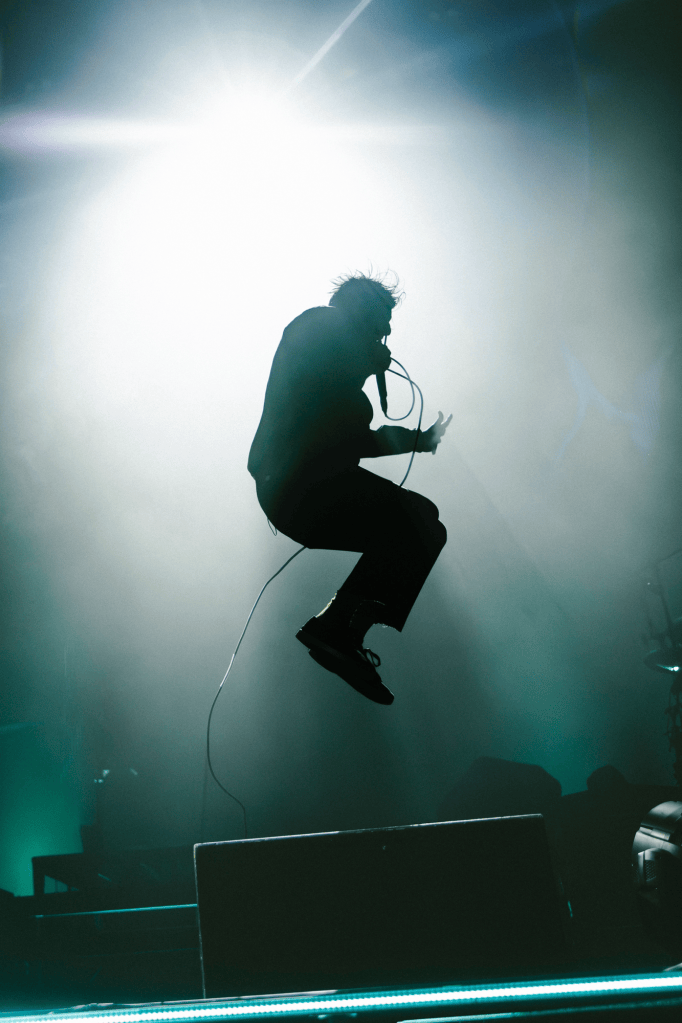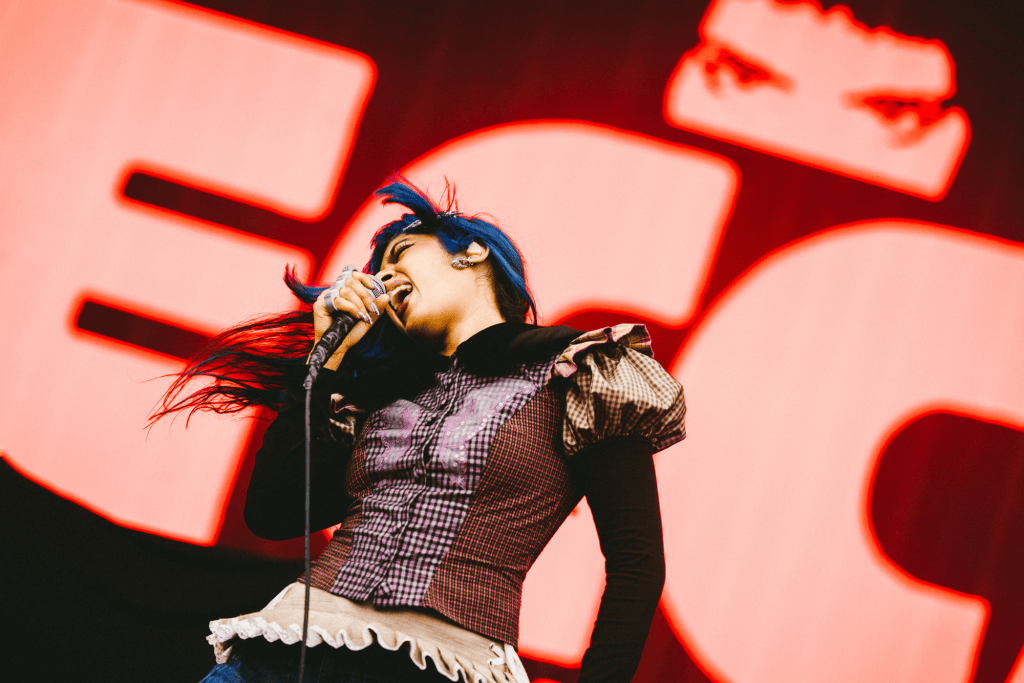
CHALK // Art School // 14.05.26

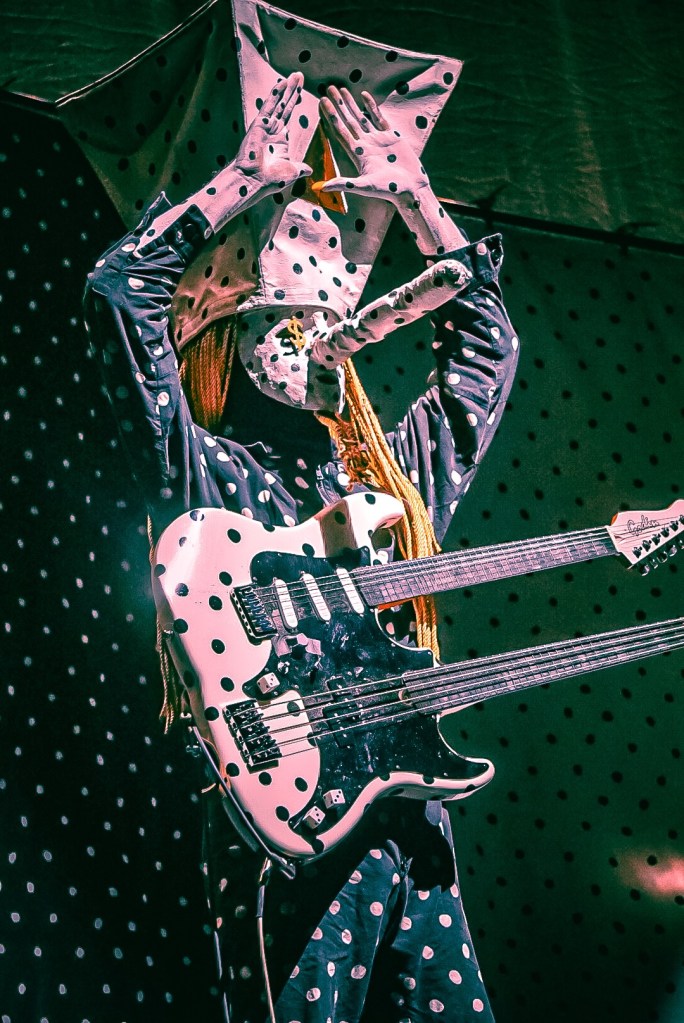
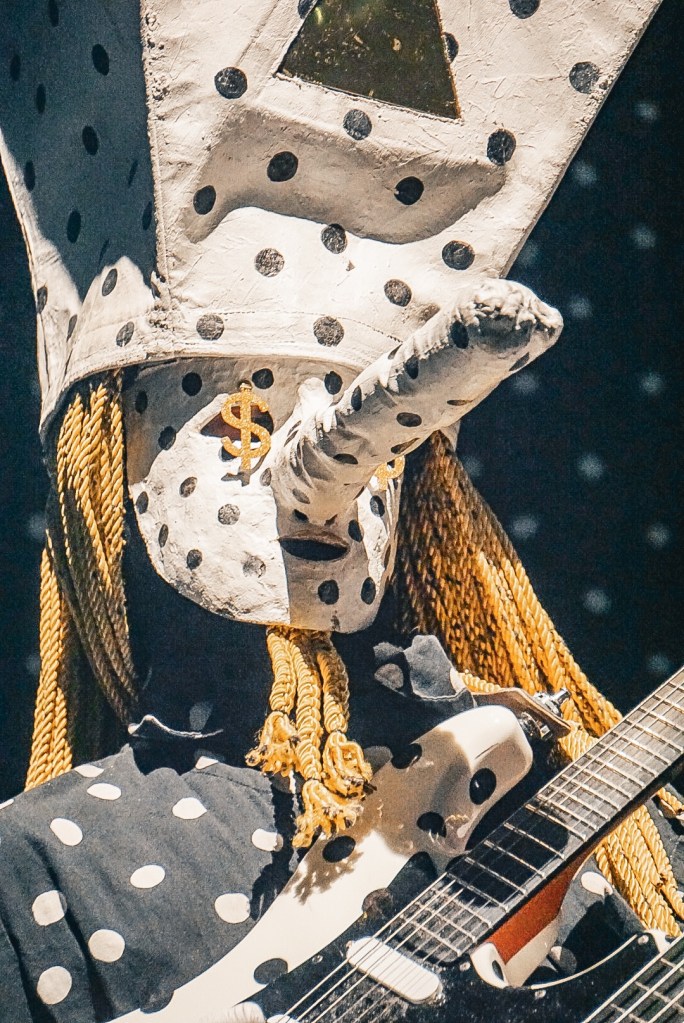
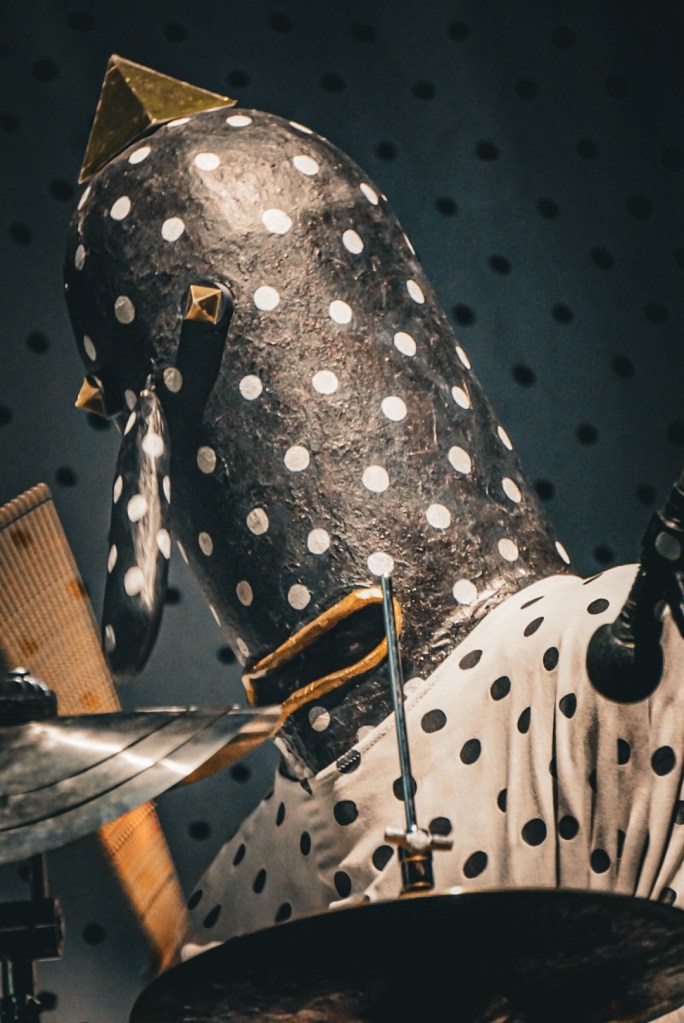
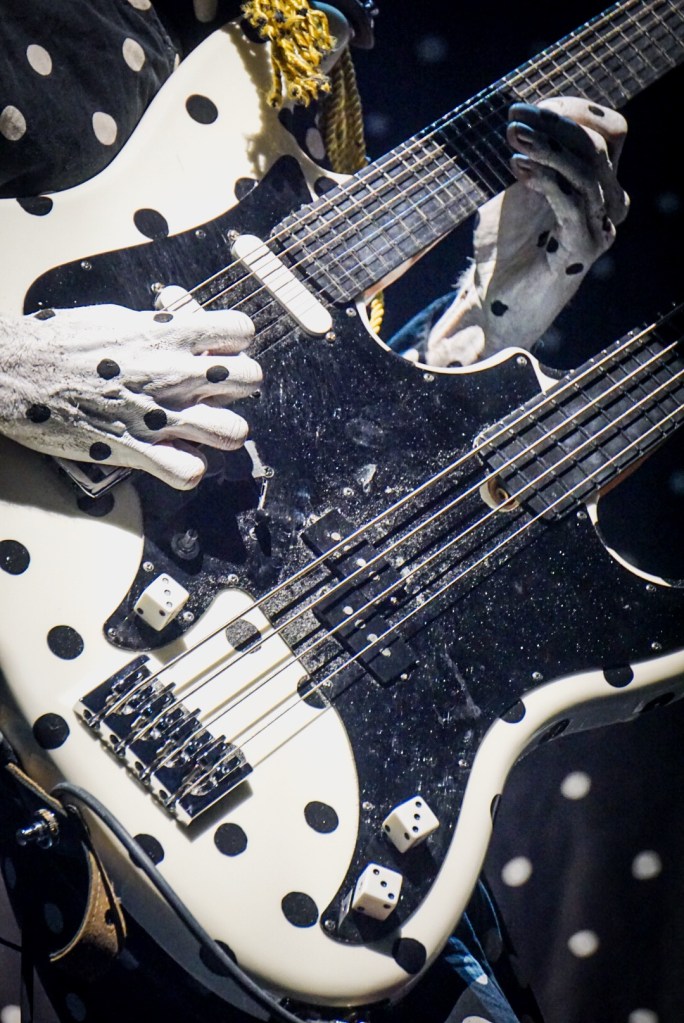
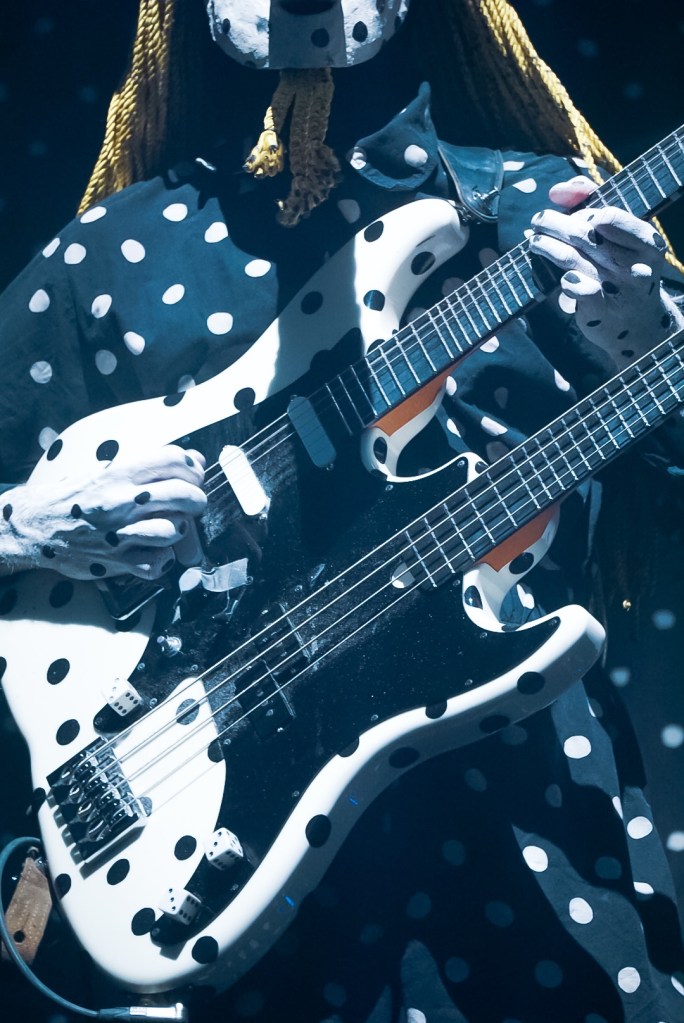
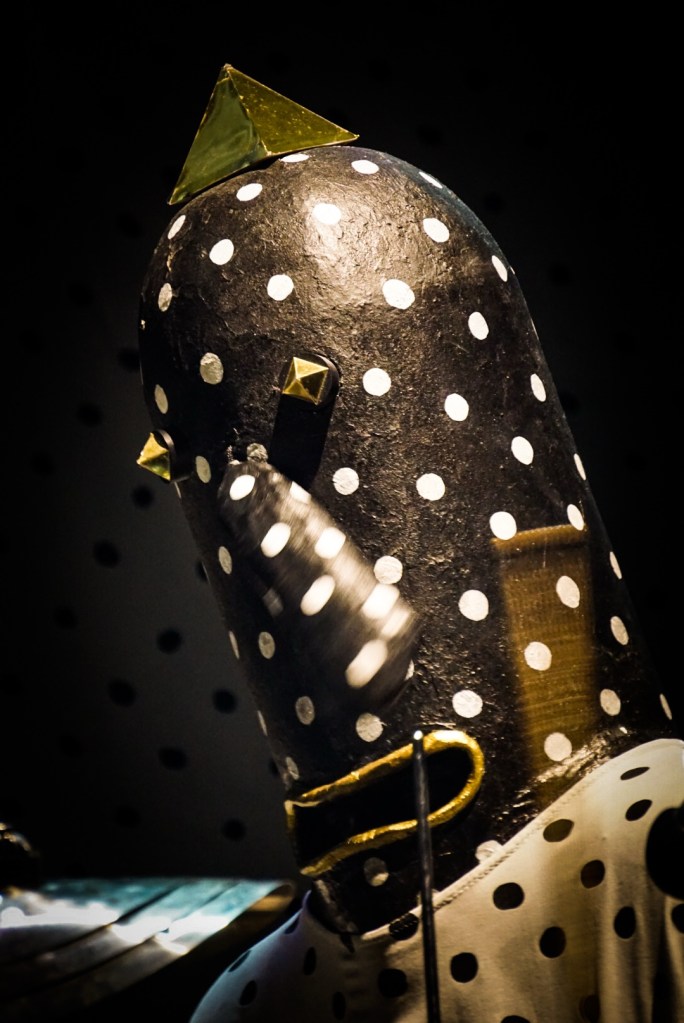
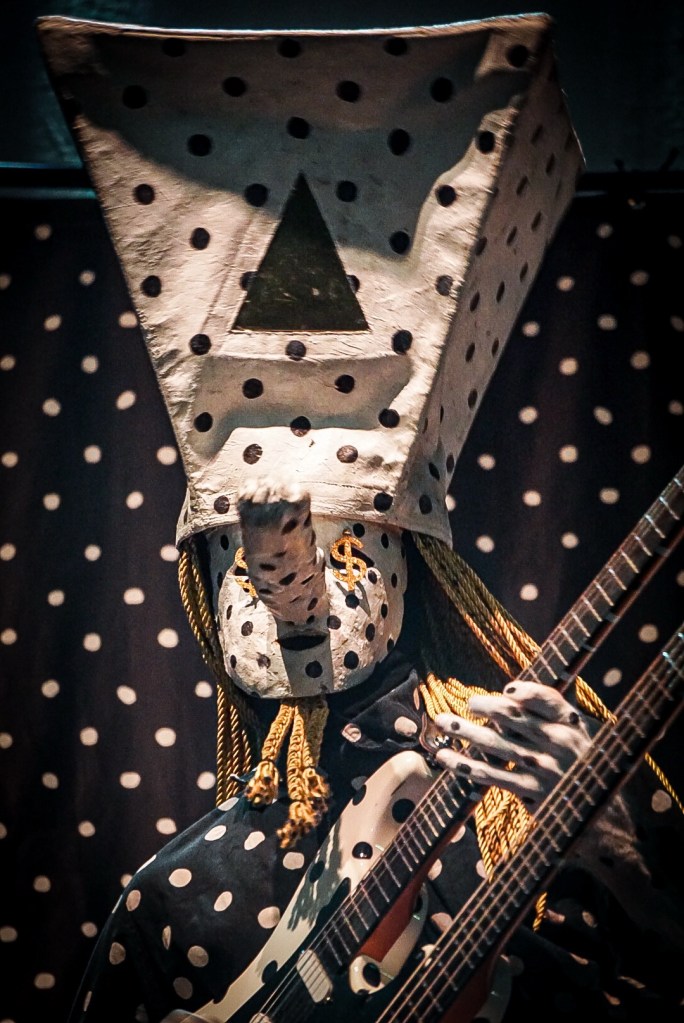
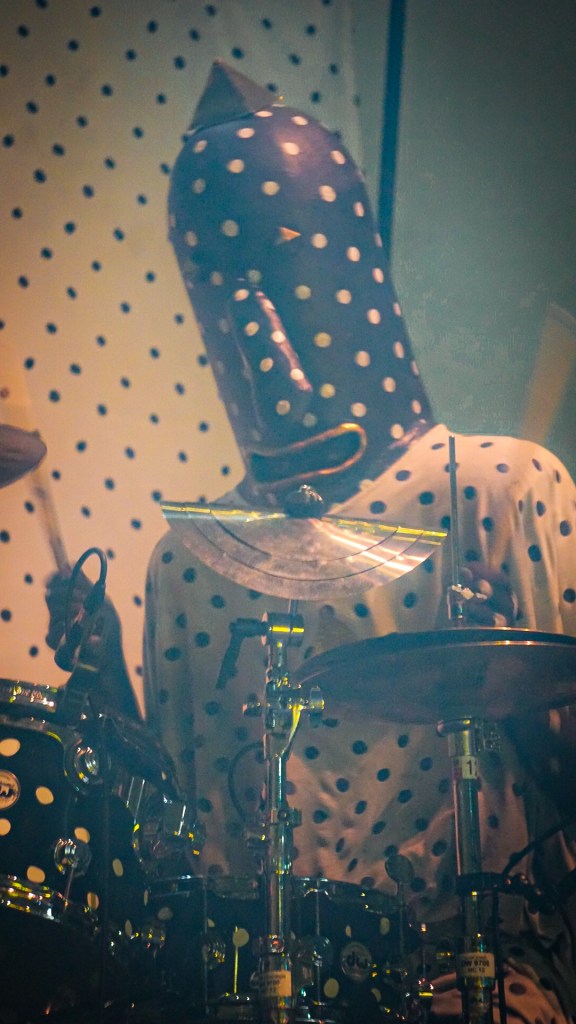
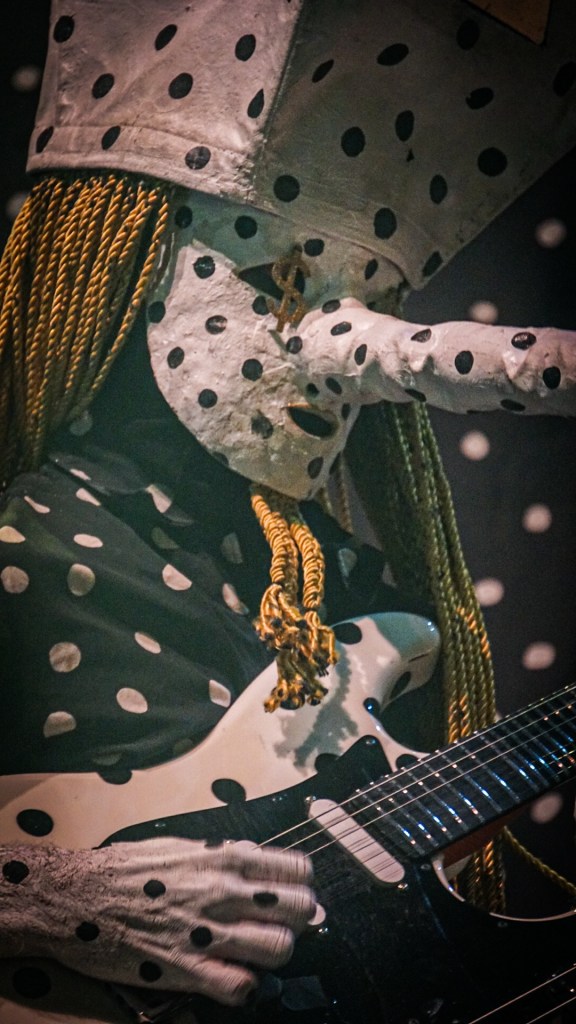
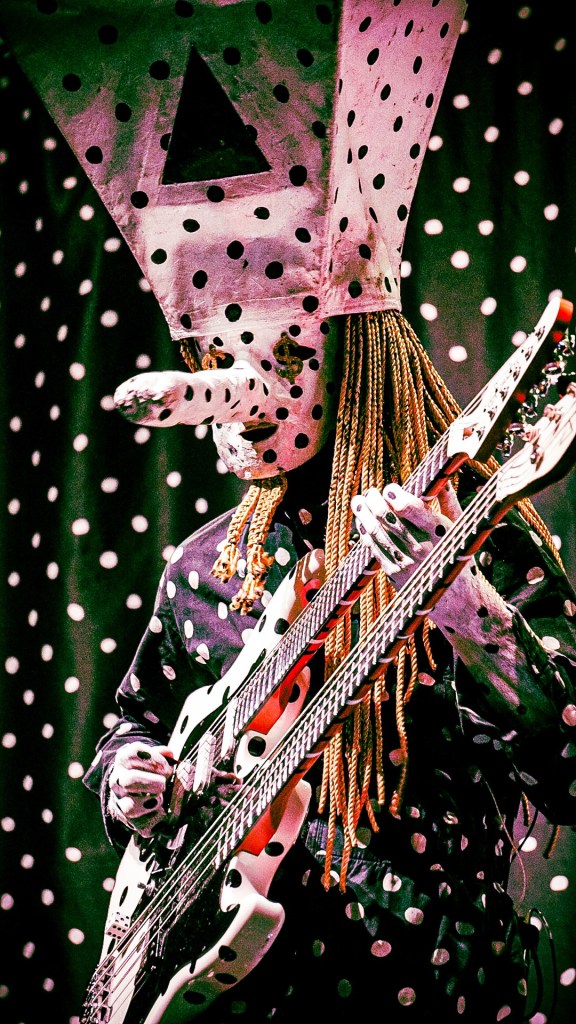
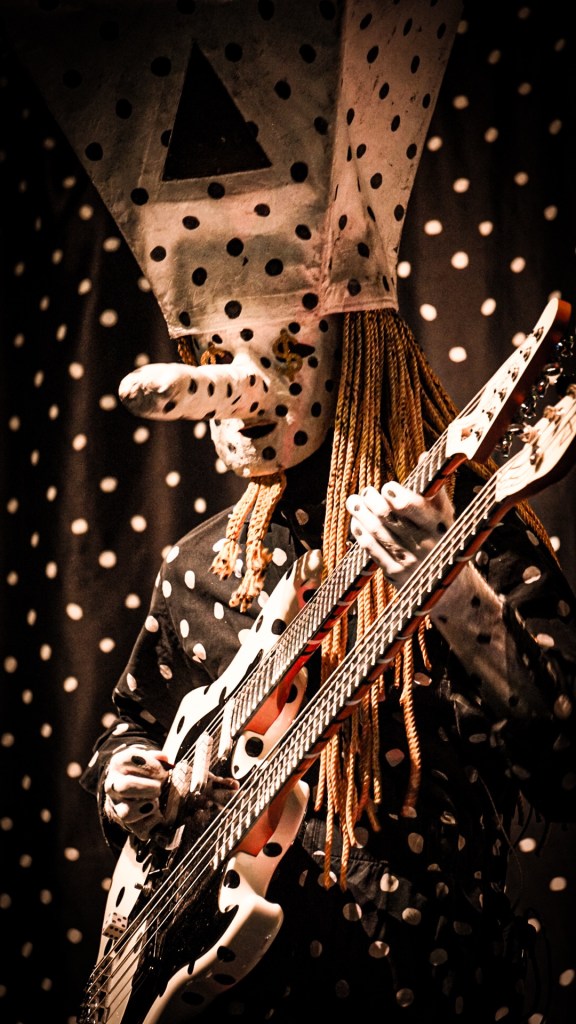
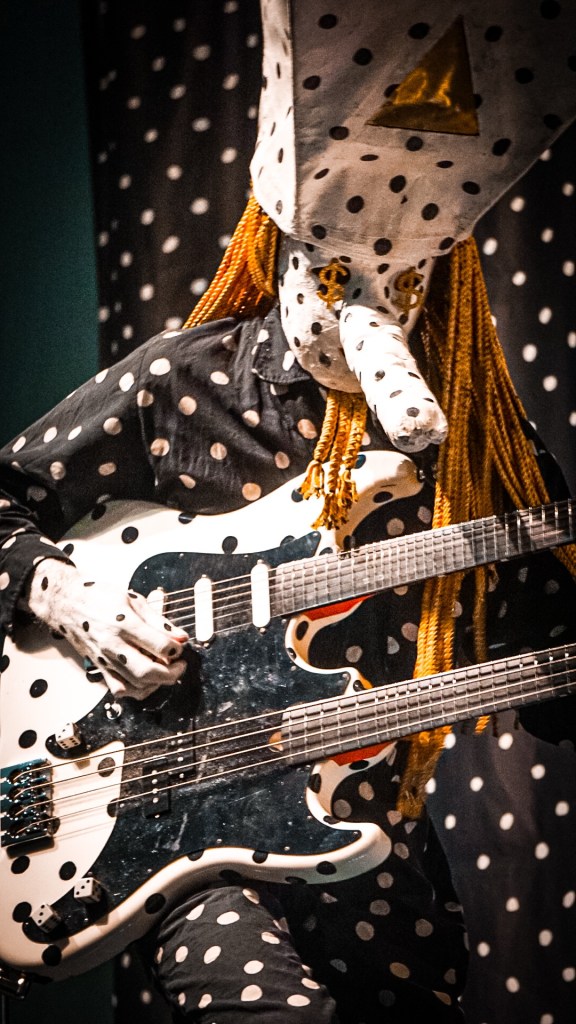
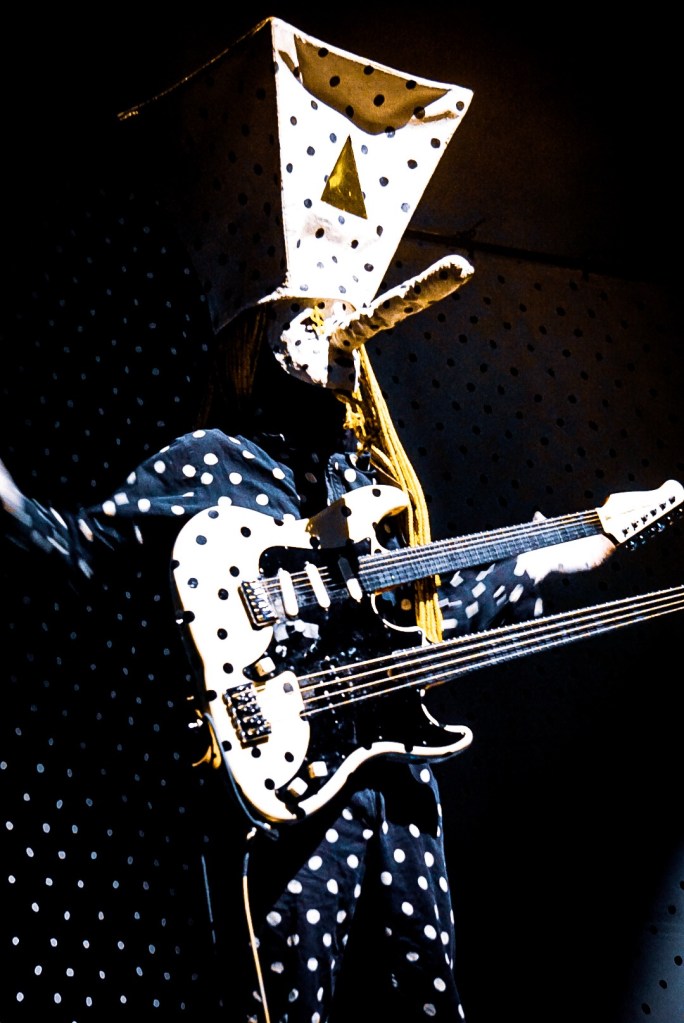
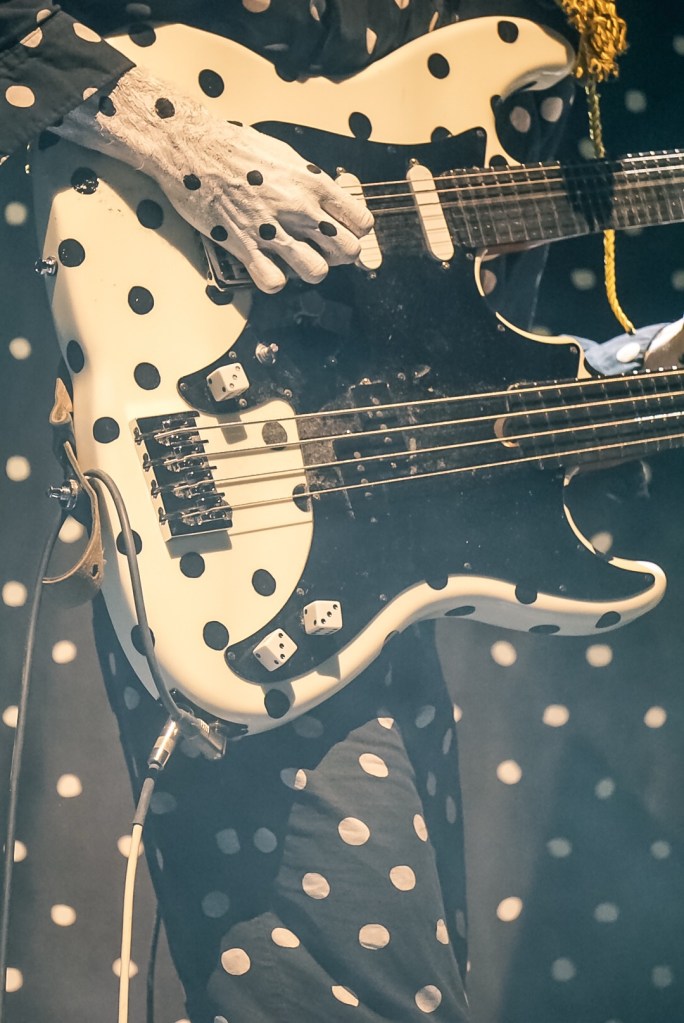
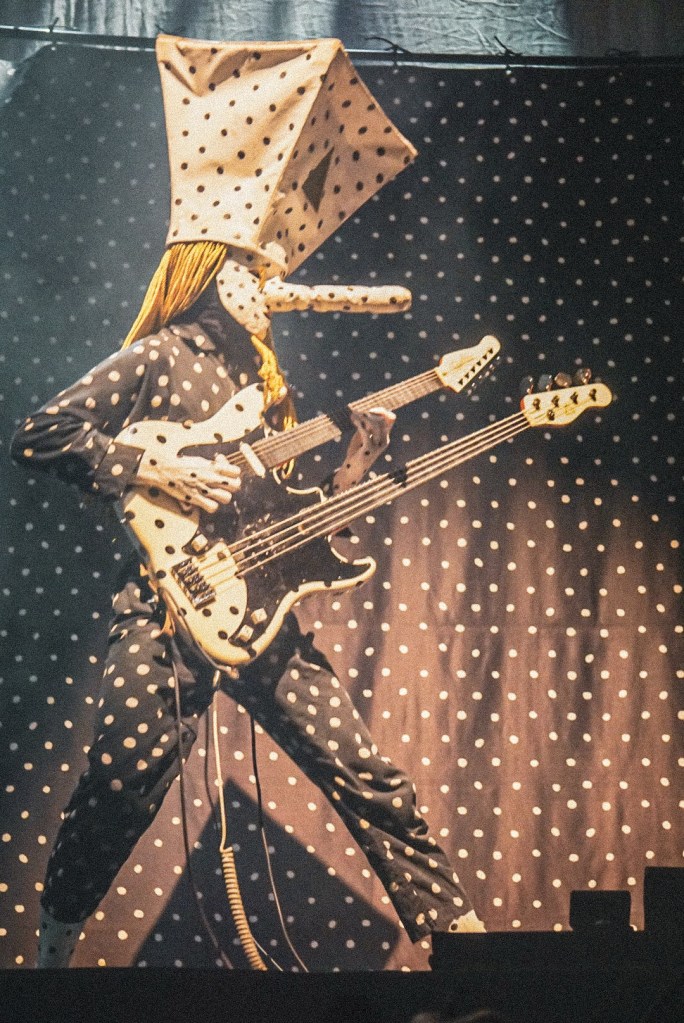
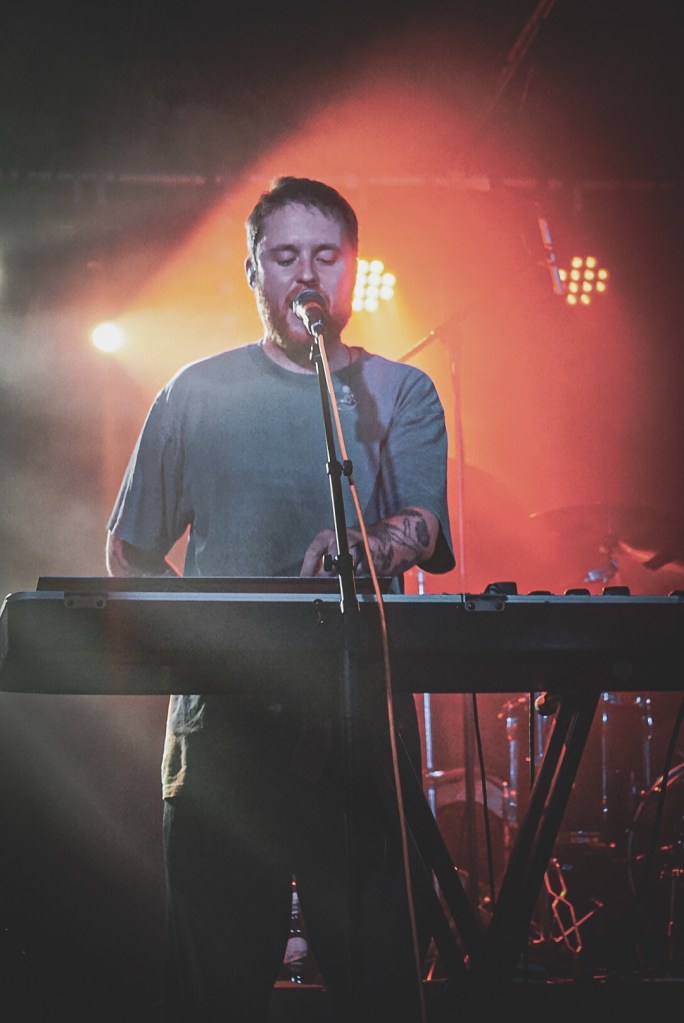
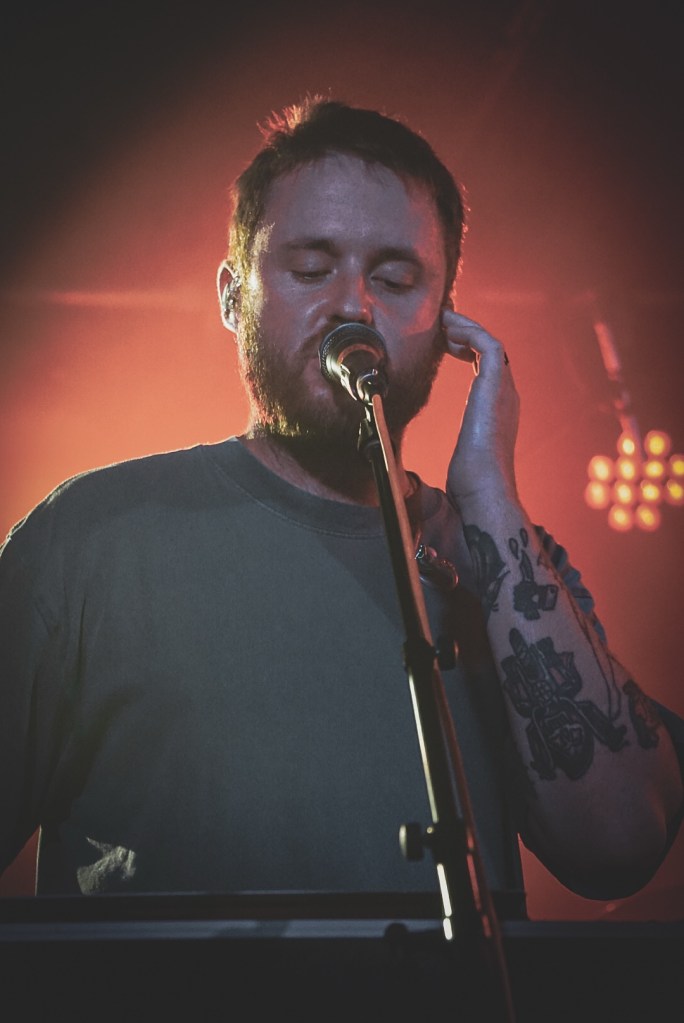
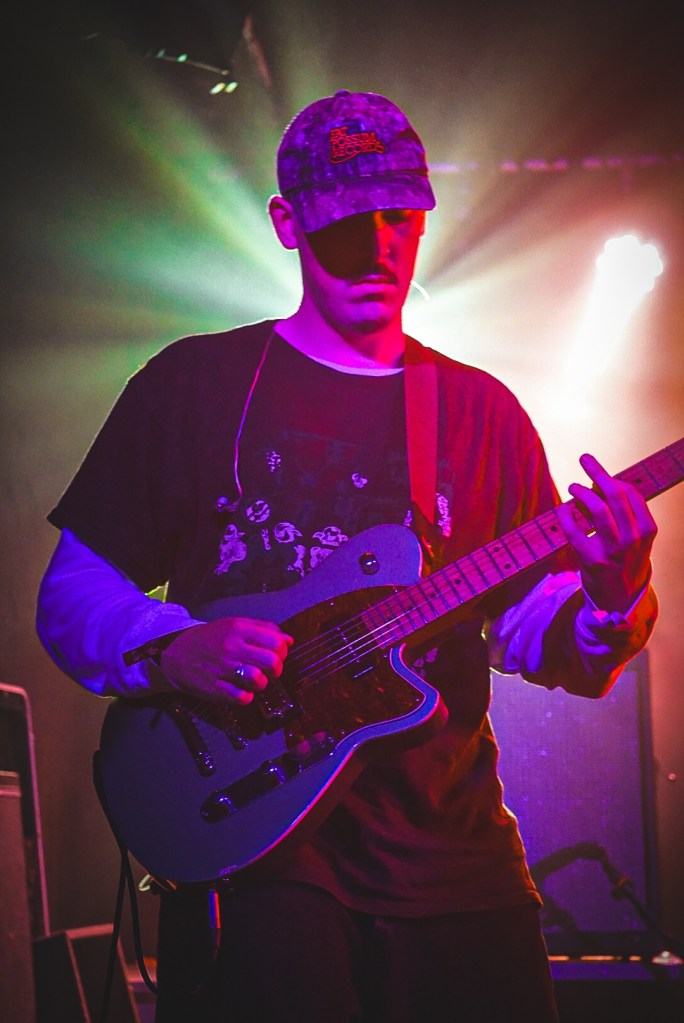
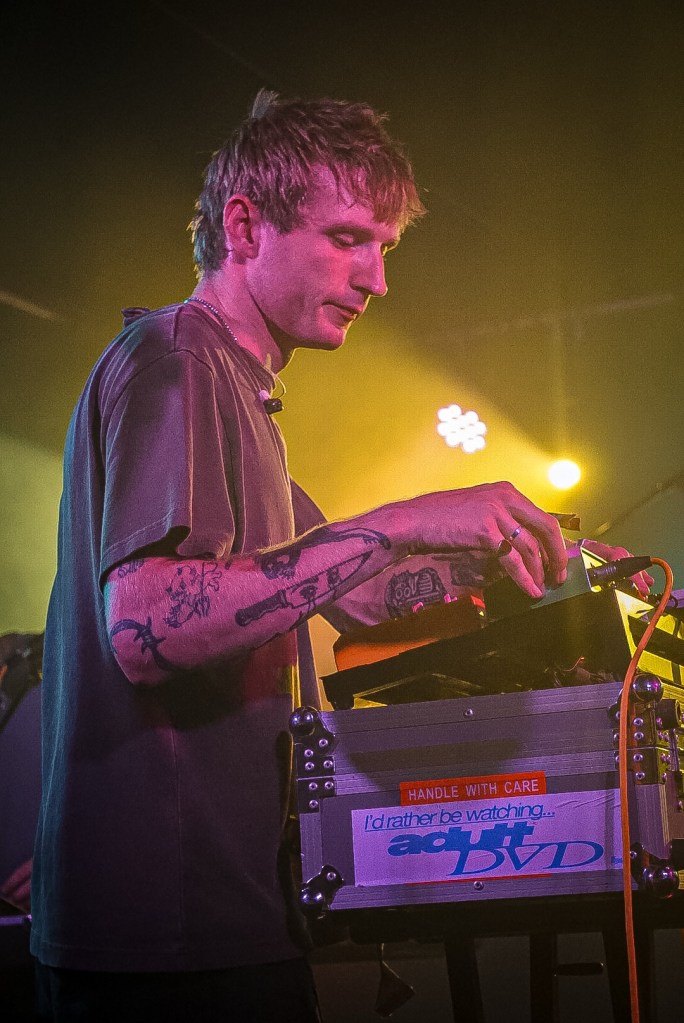
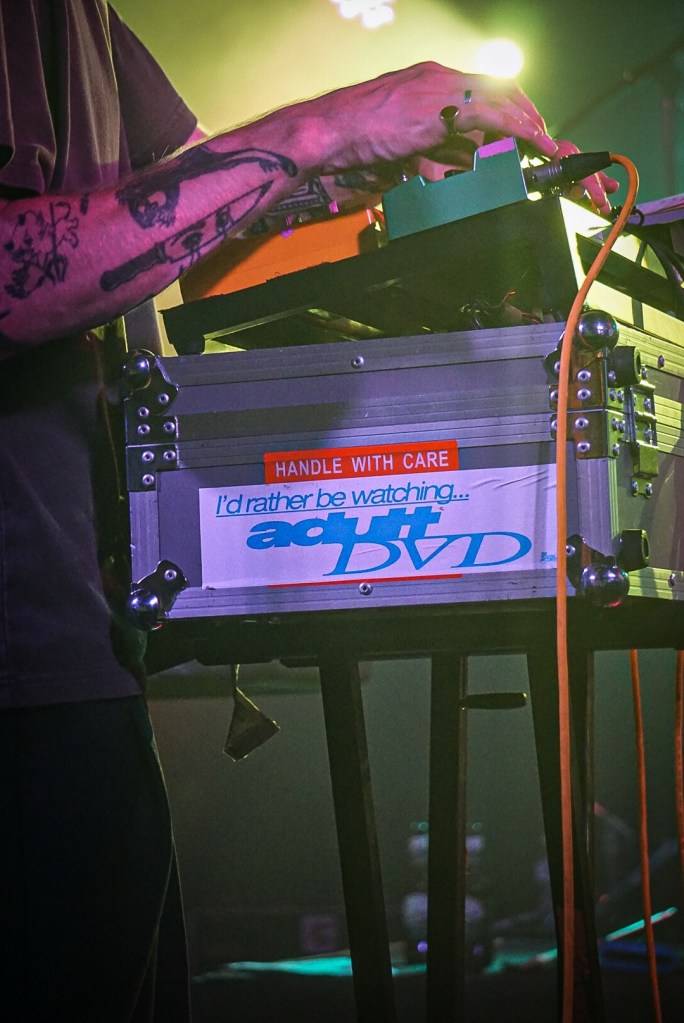
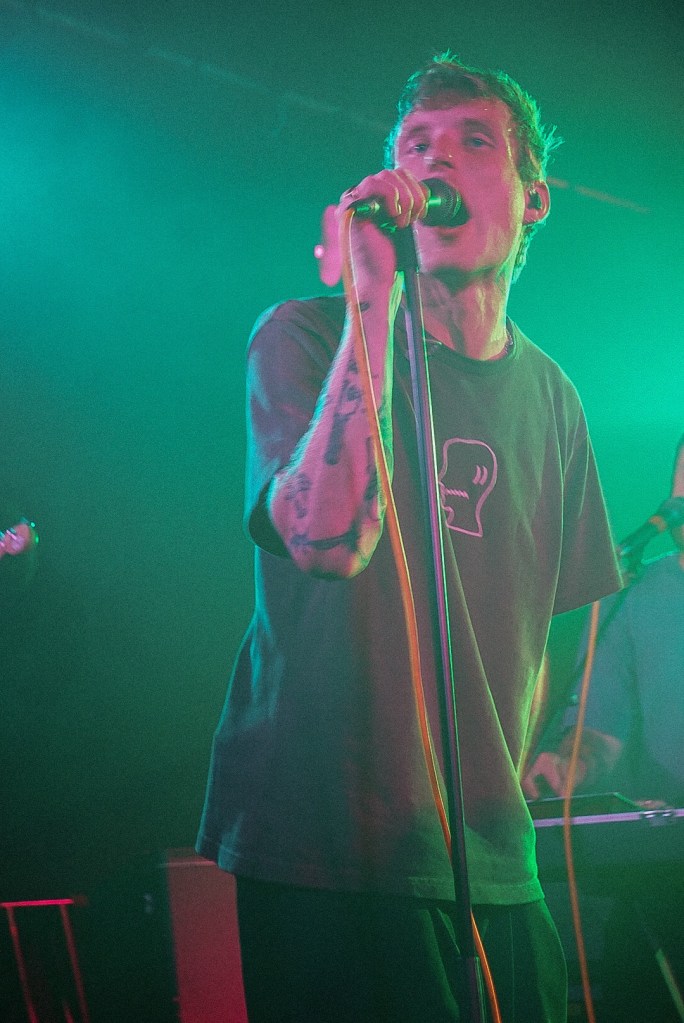
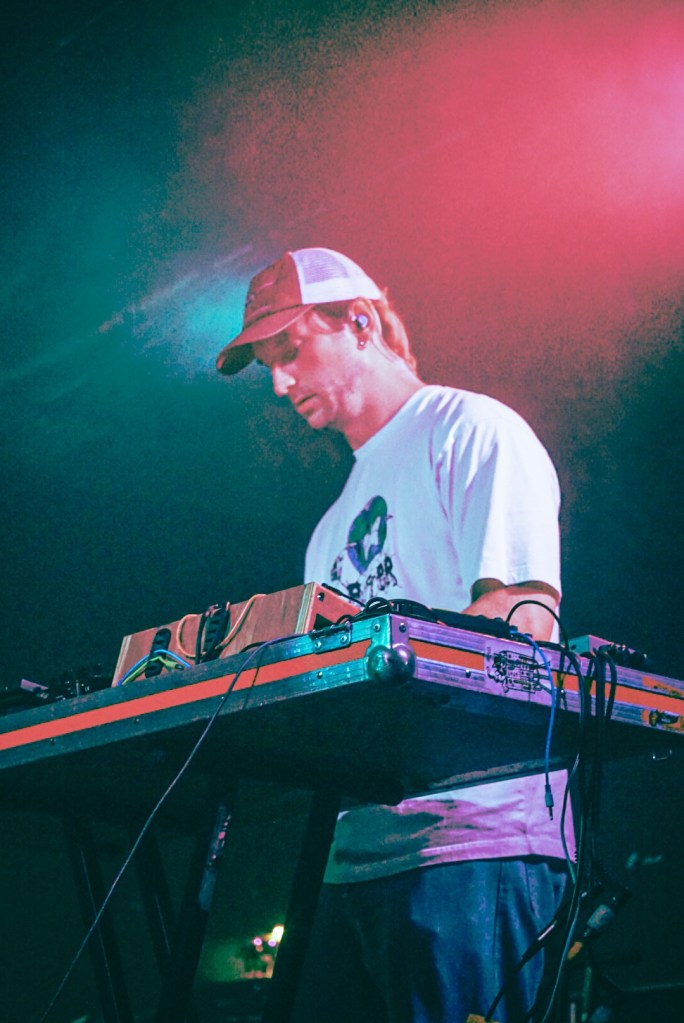
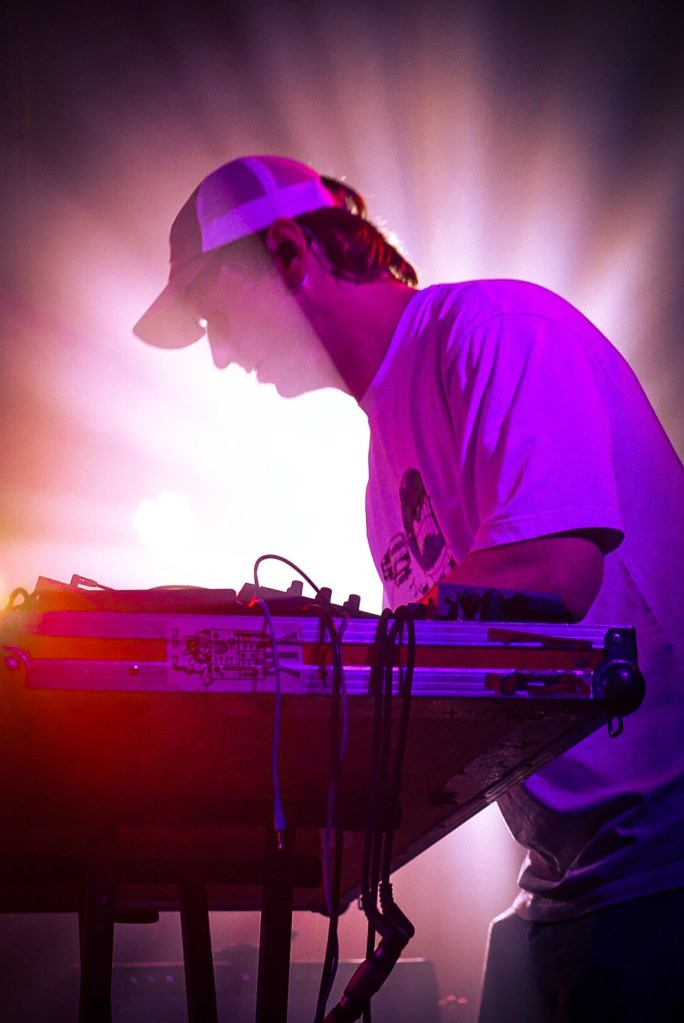
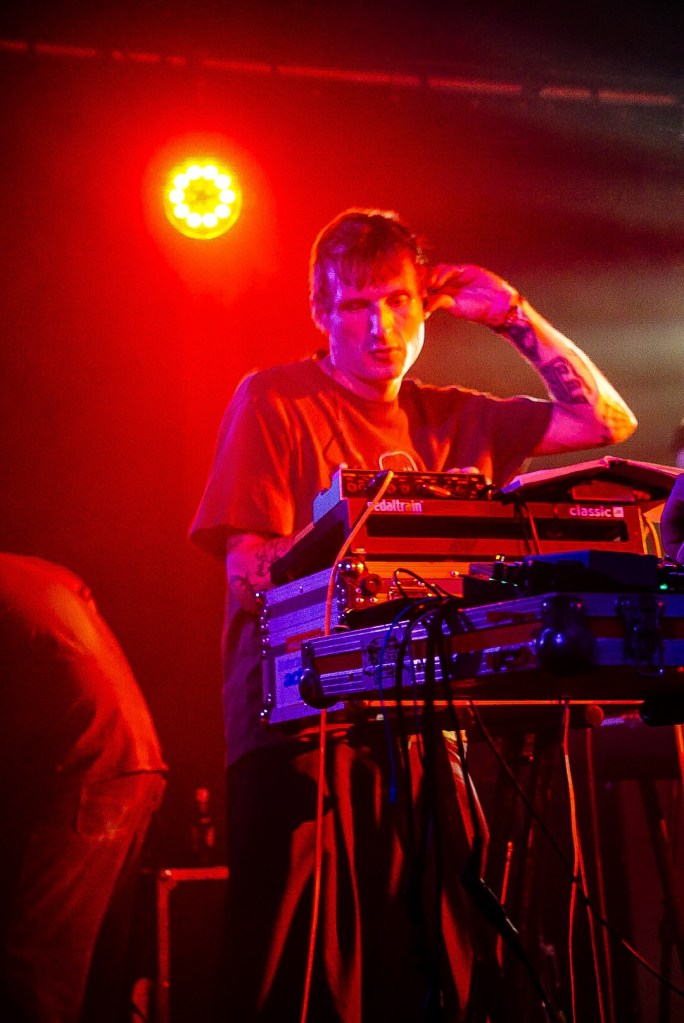
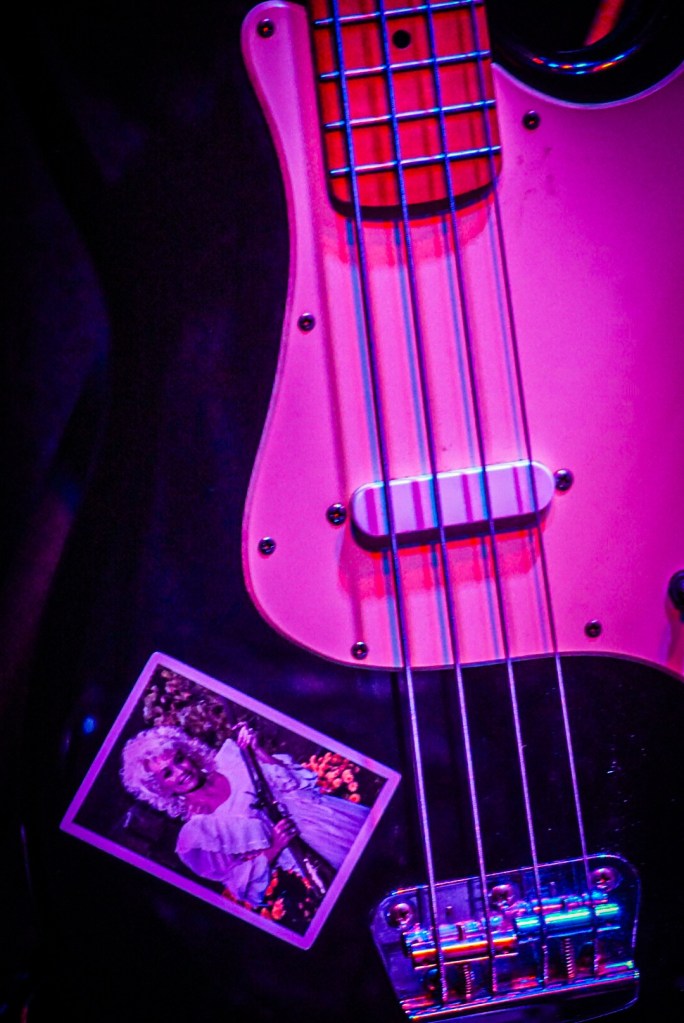
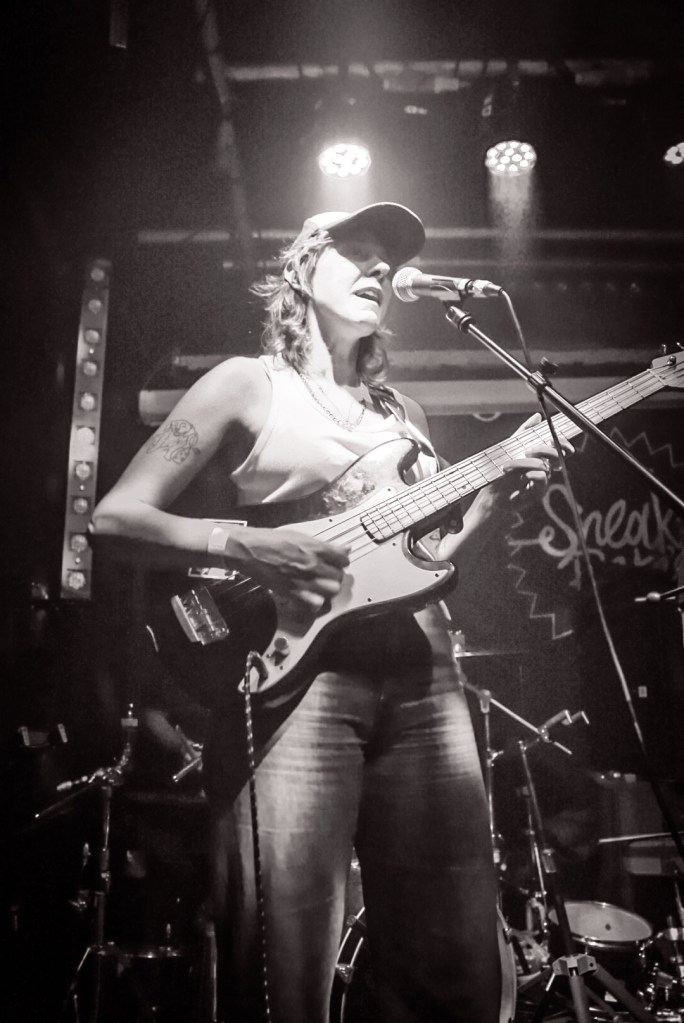
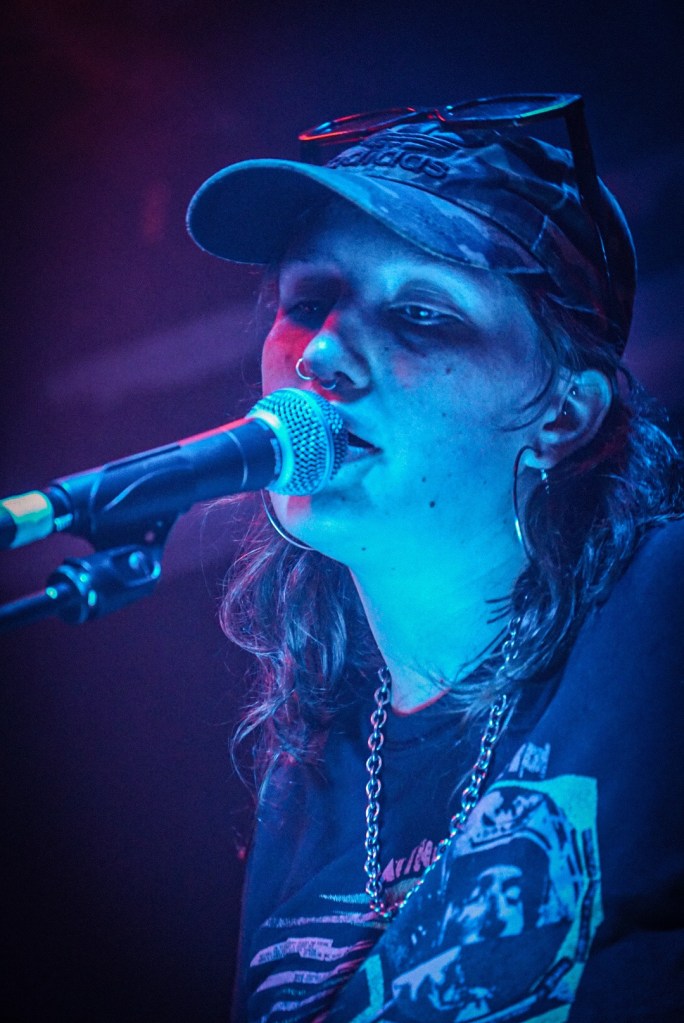
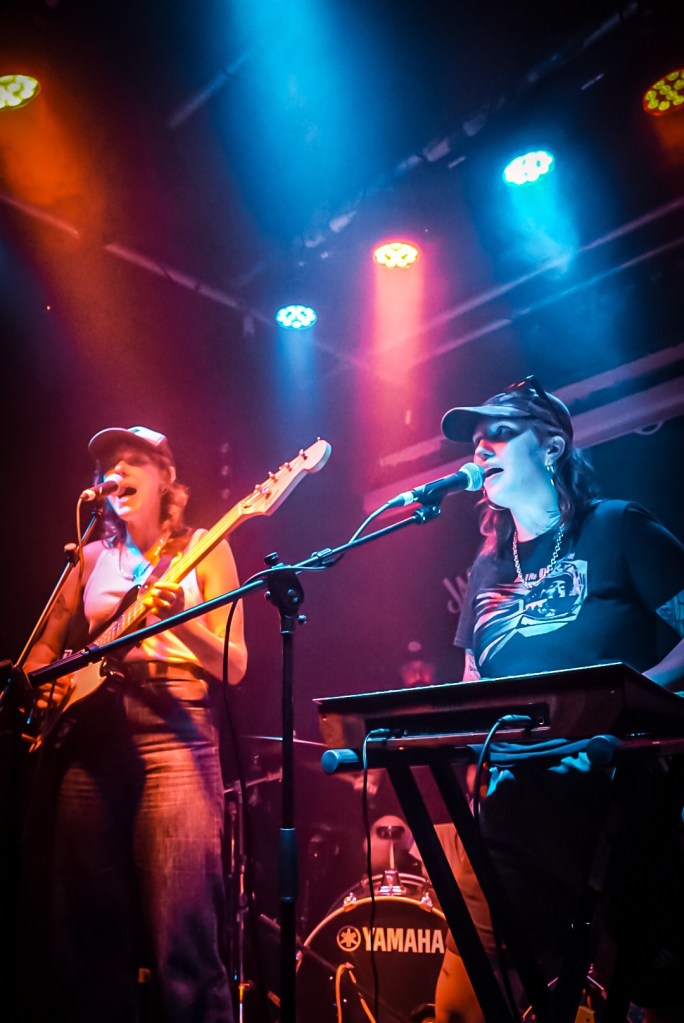
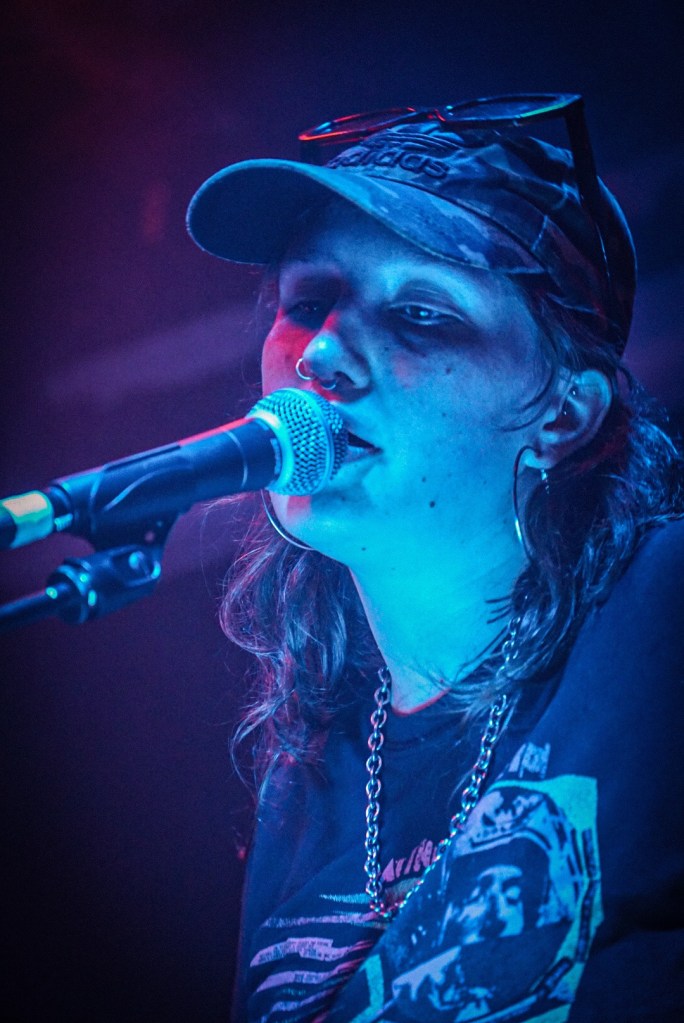
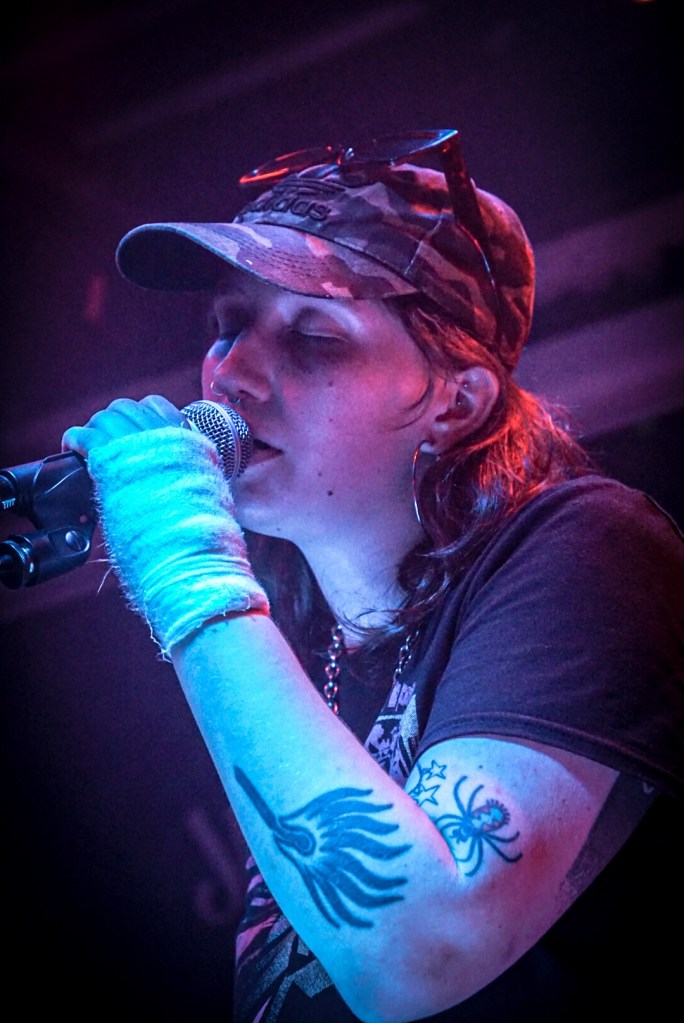
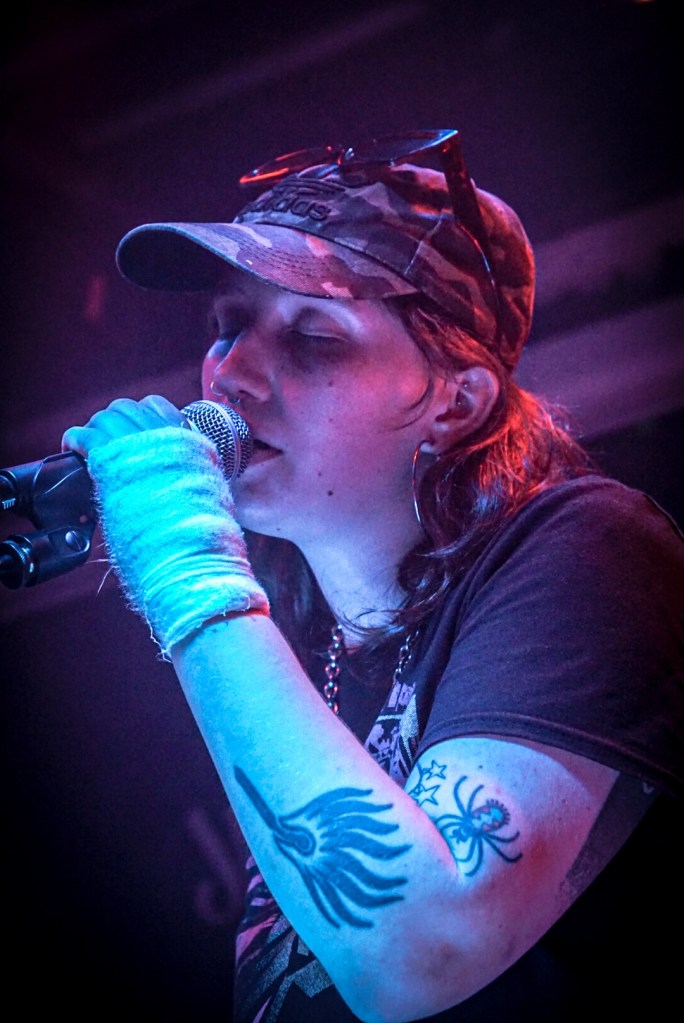
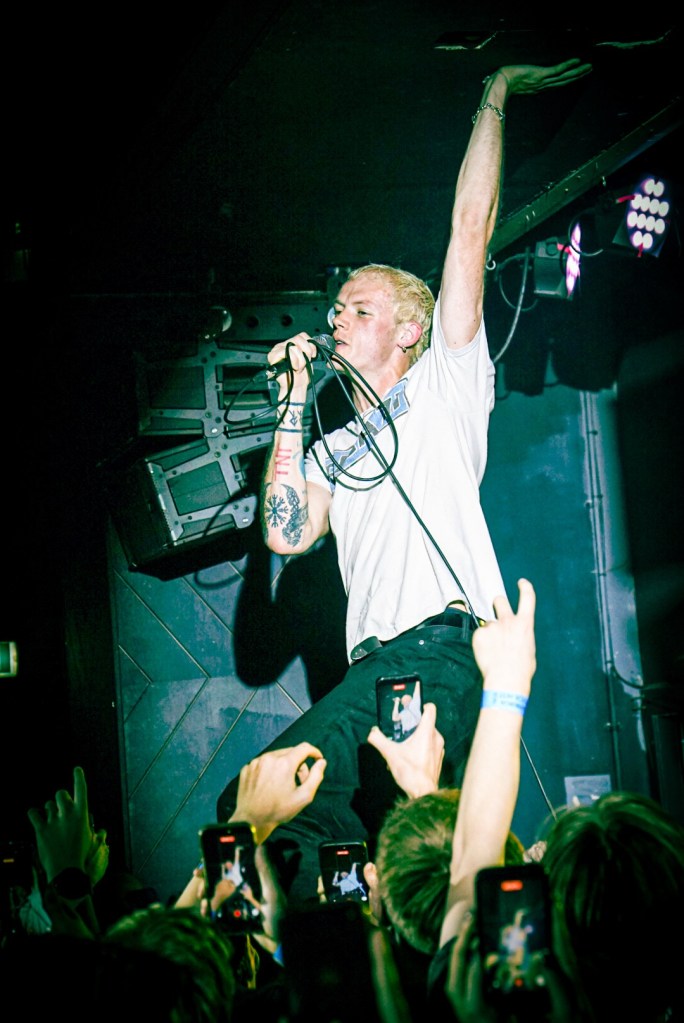
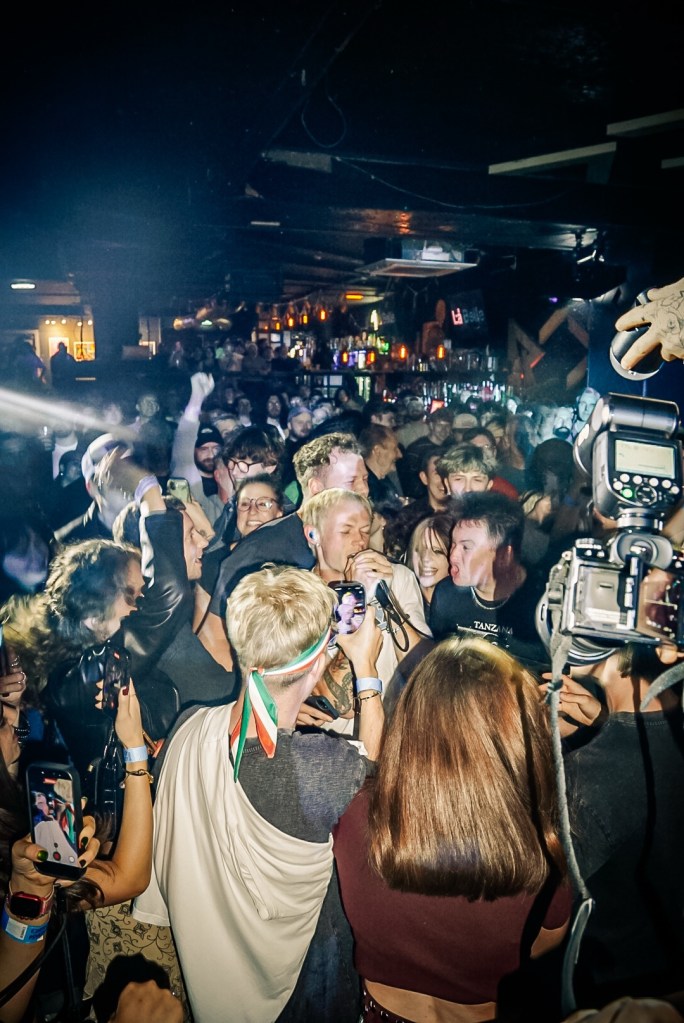
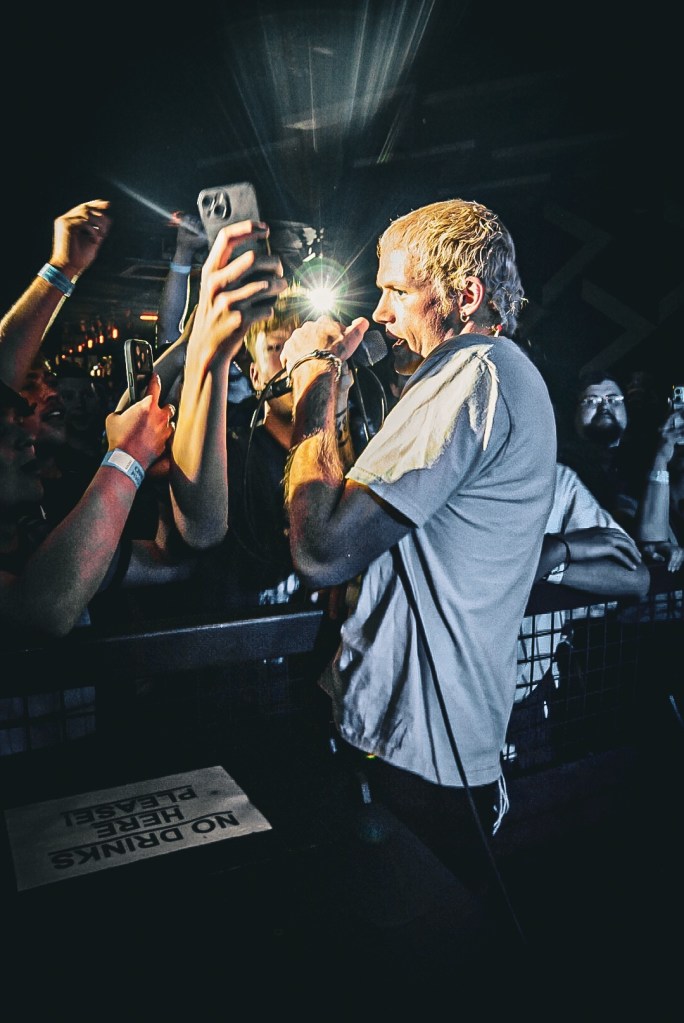
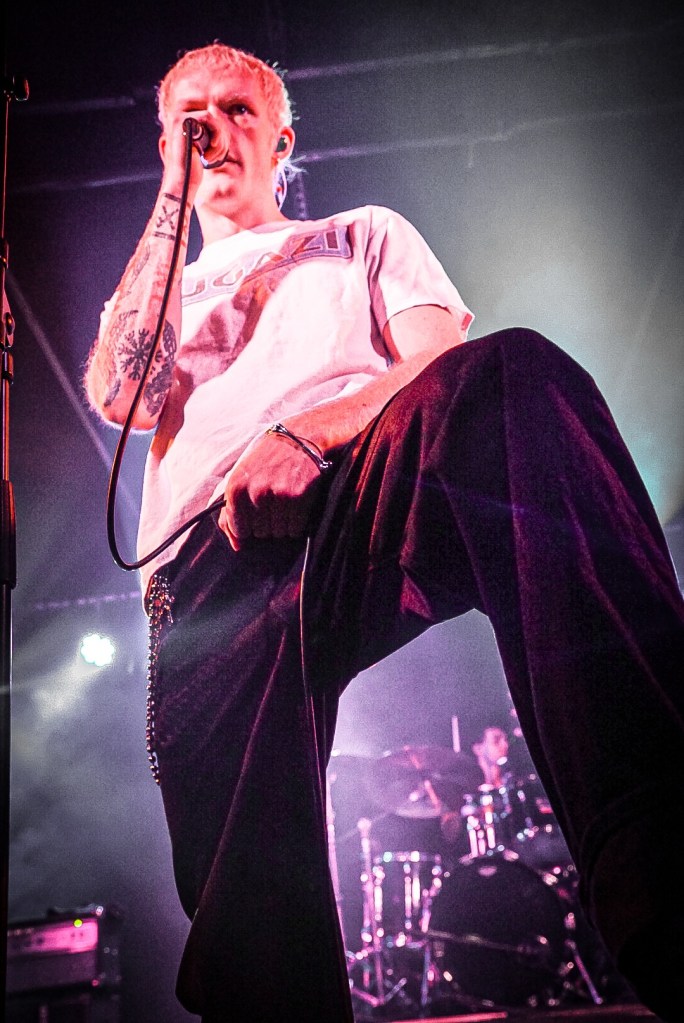
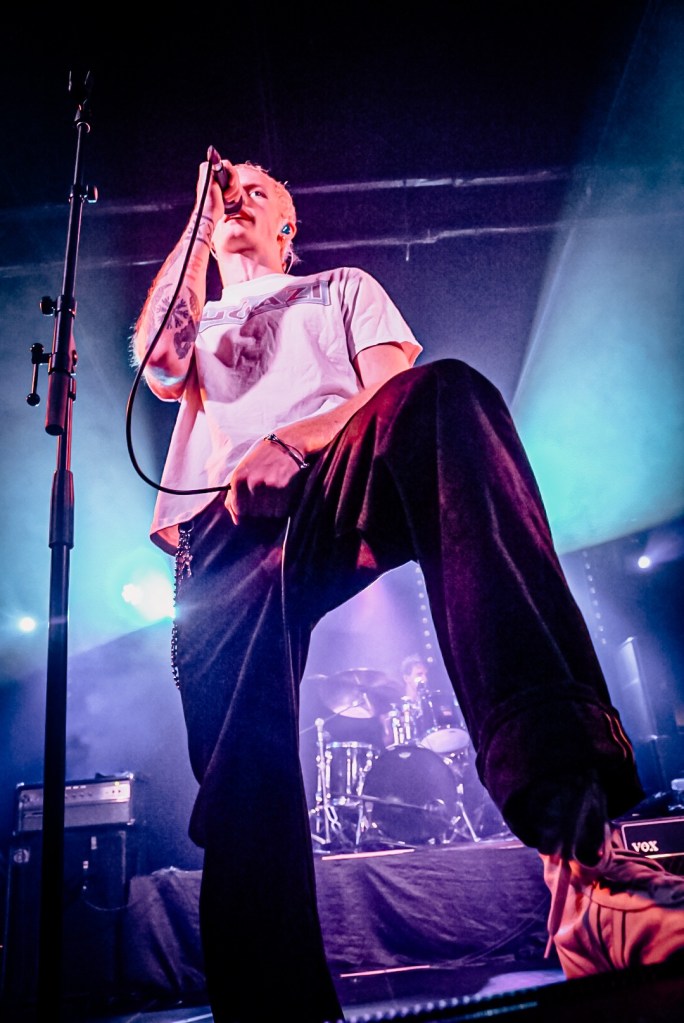
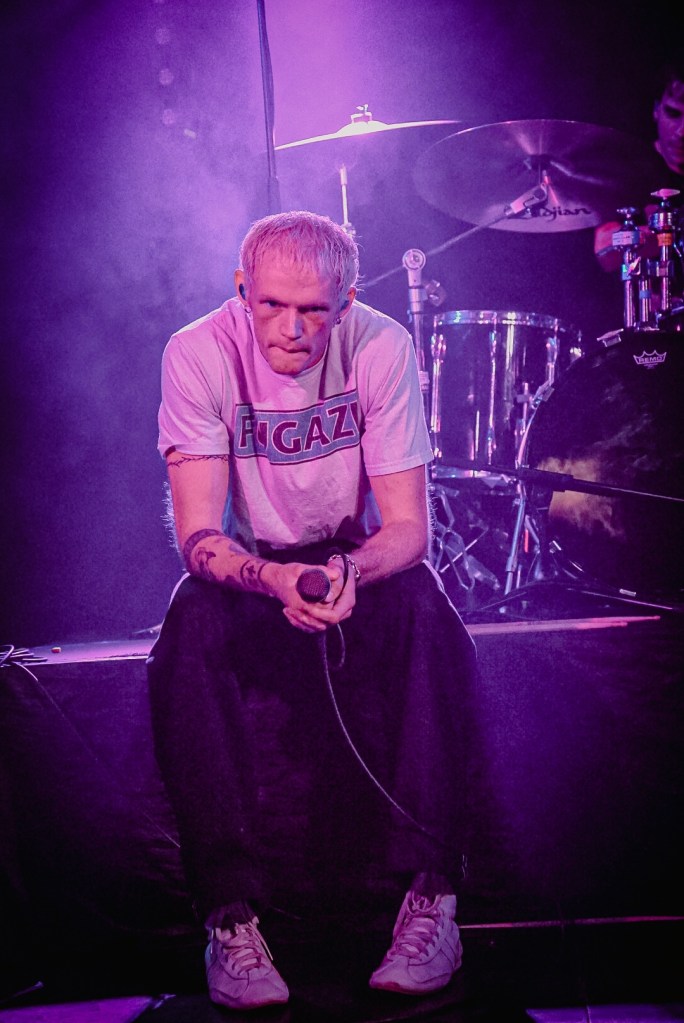
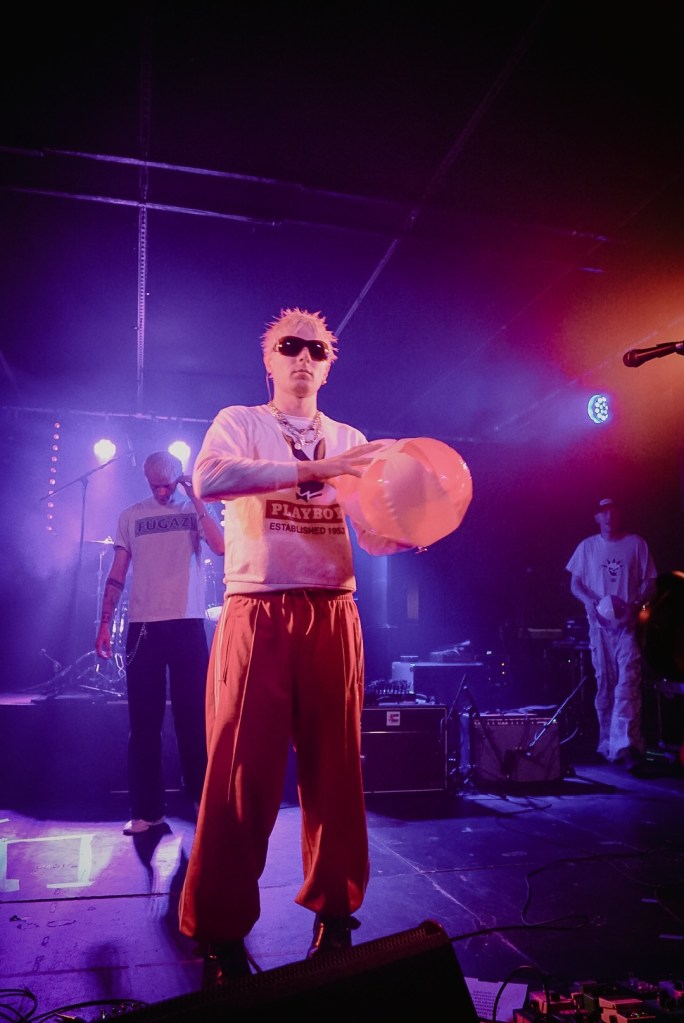
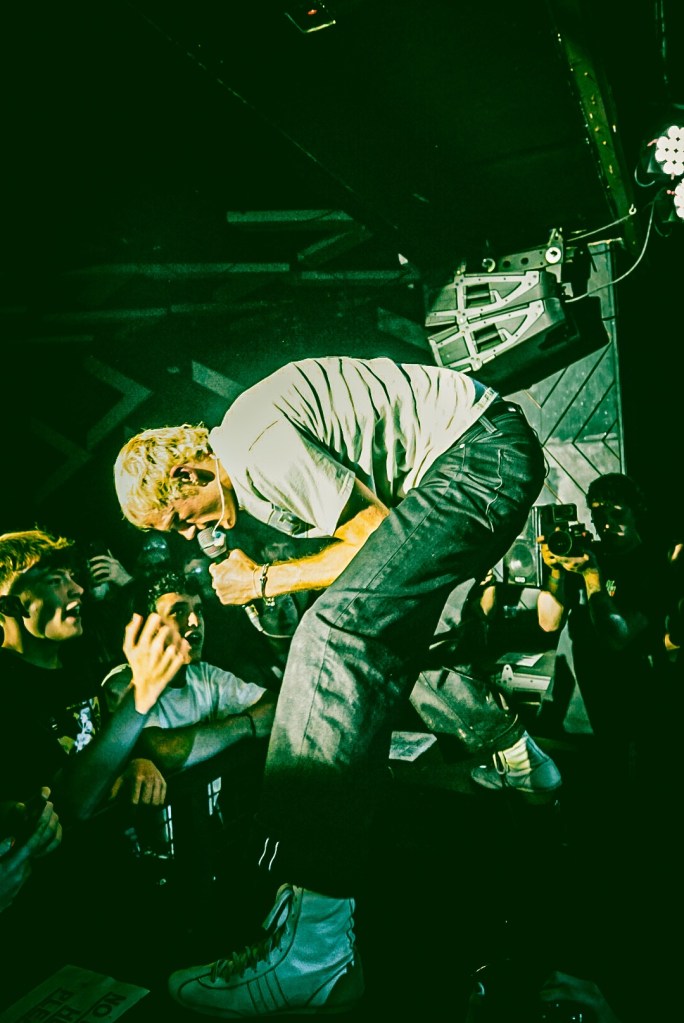
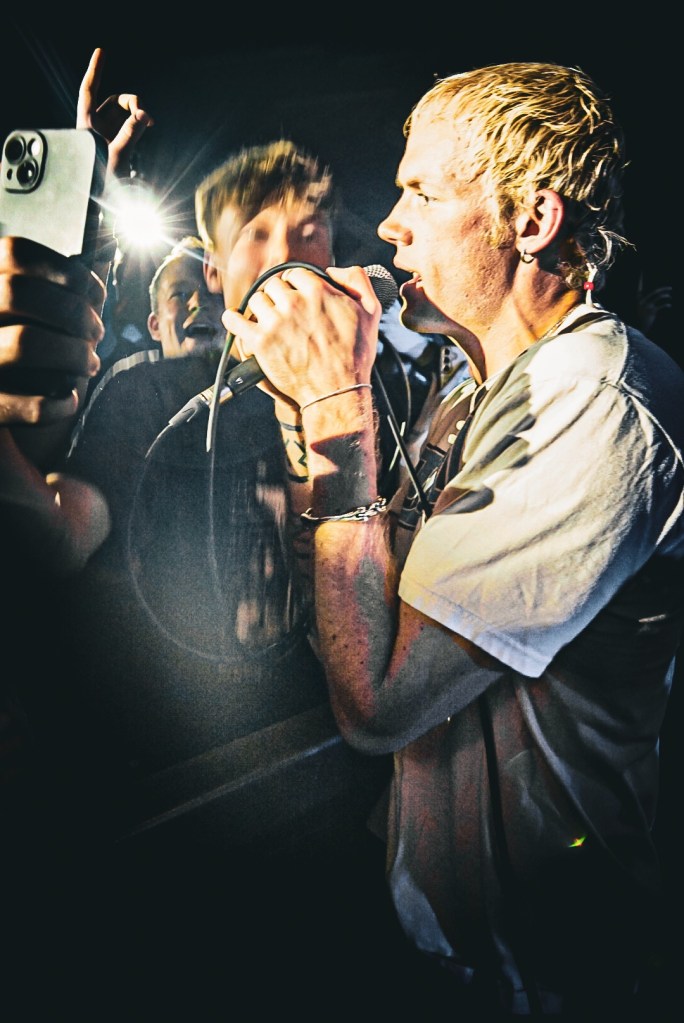
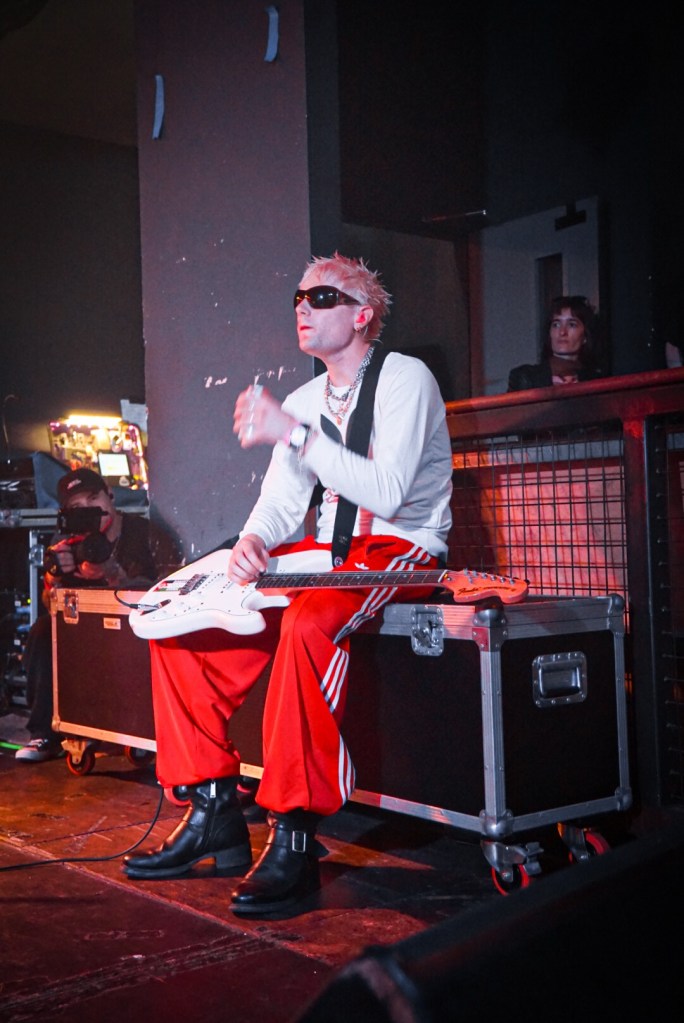
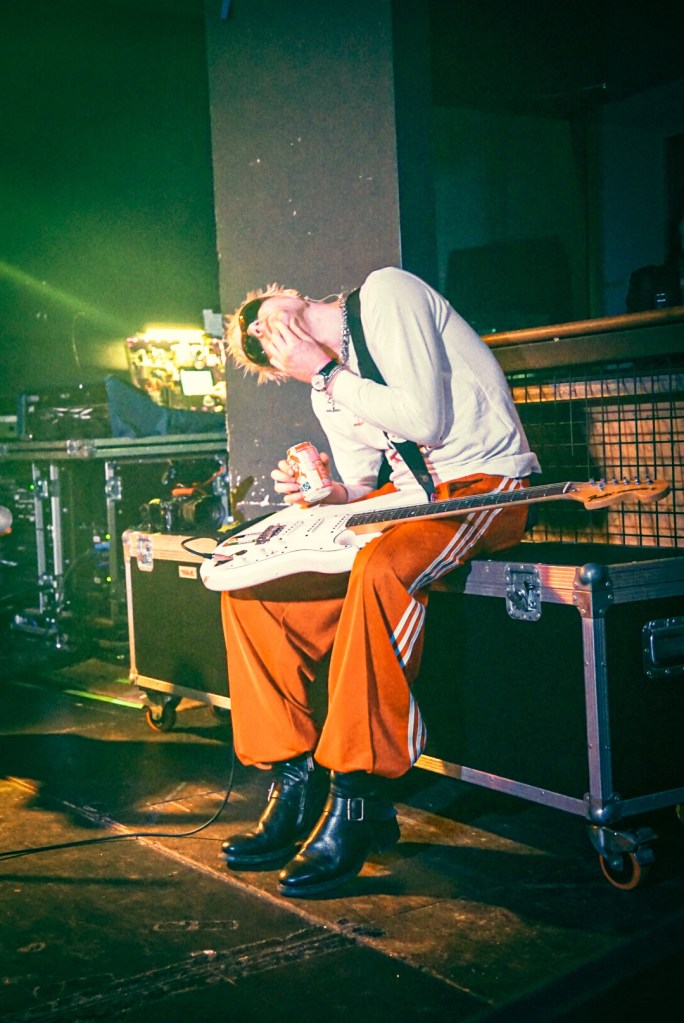
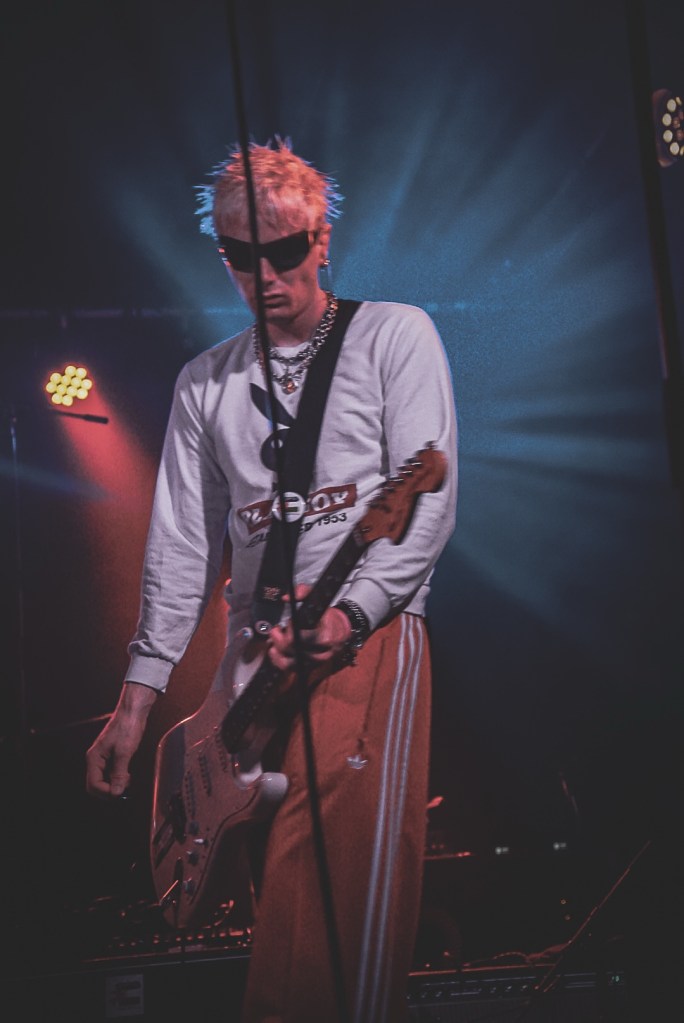
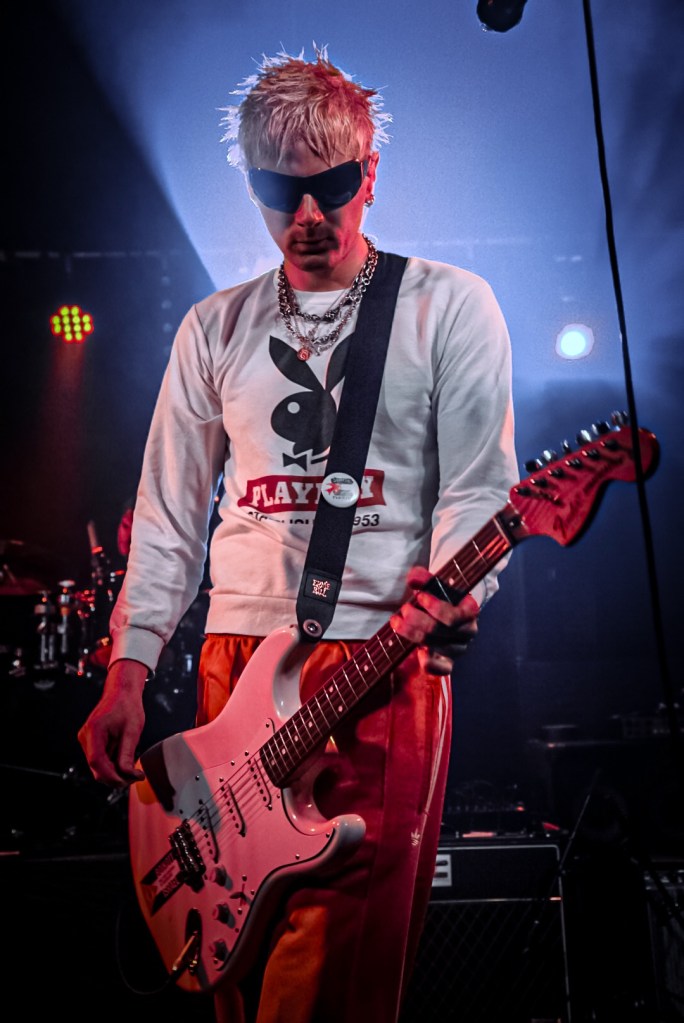
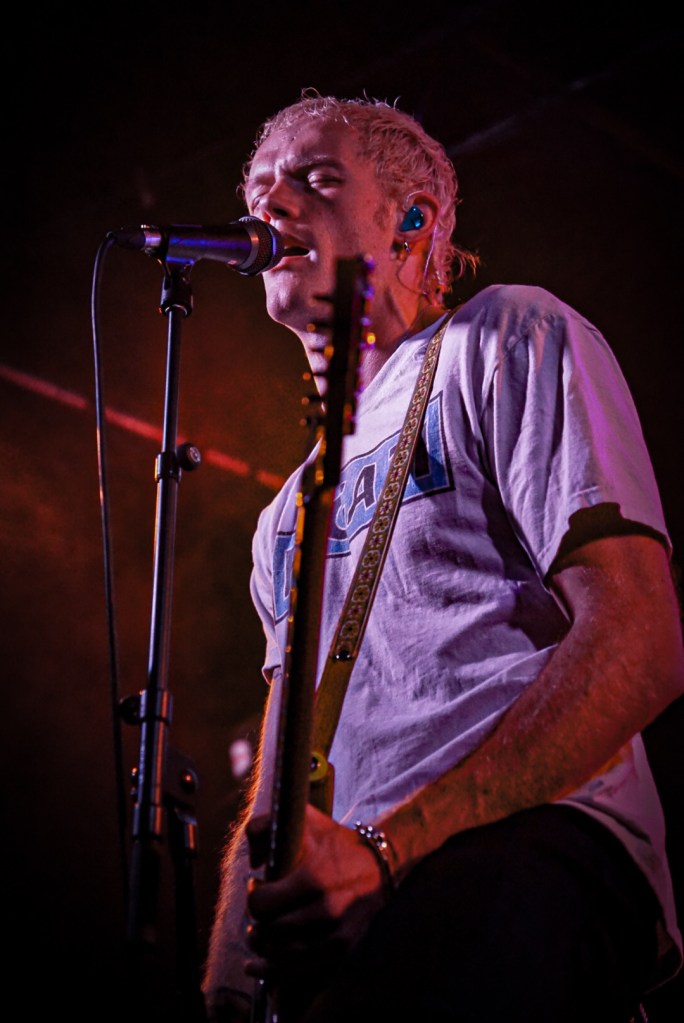
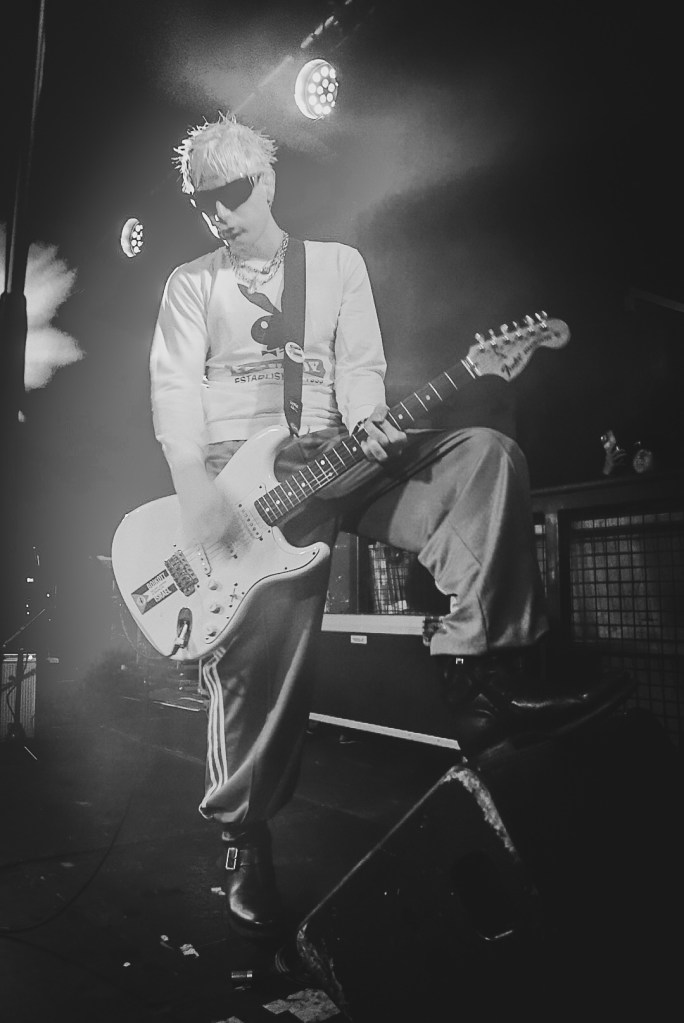
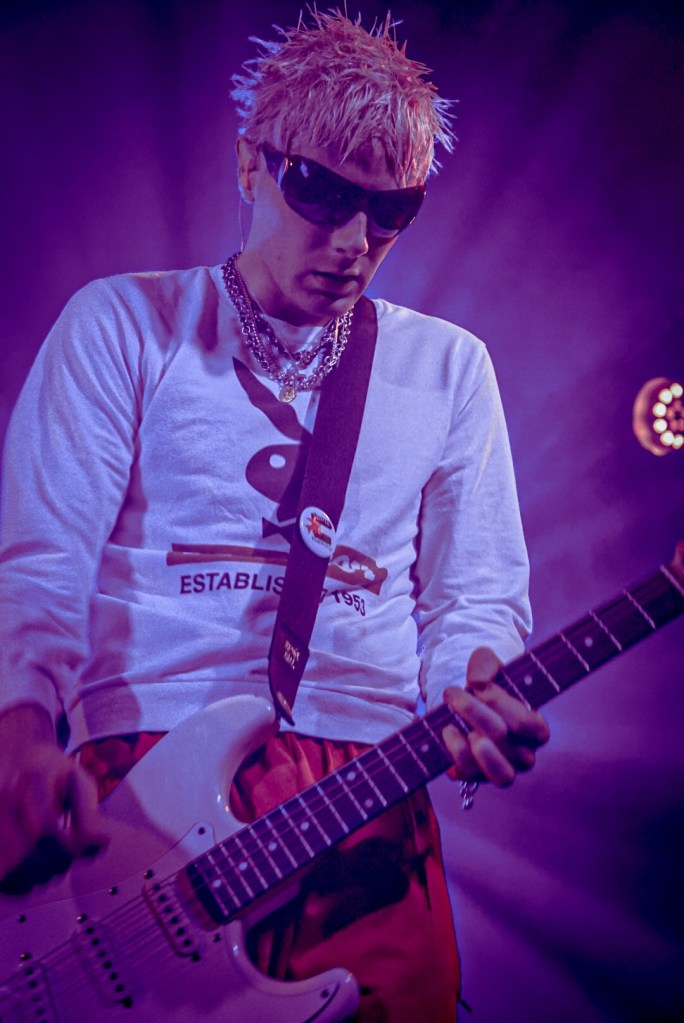
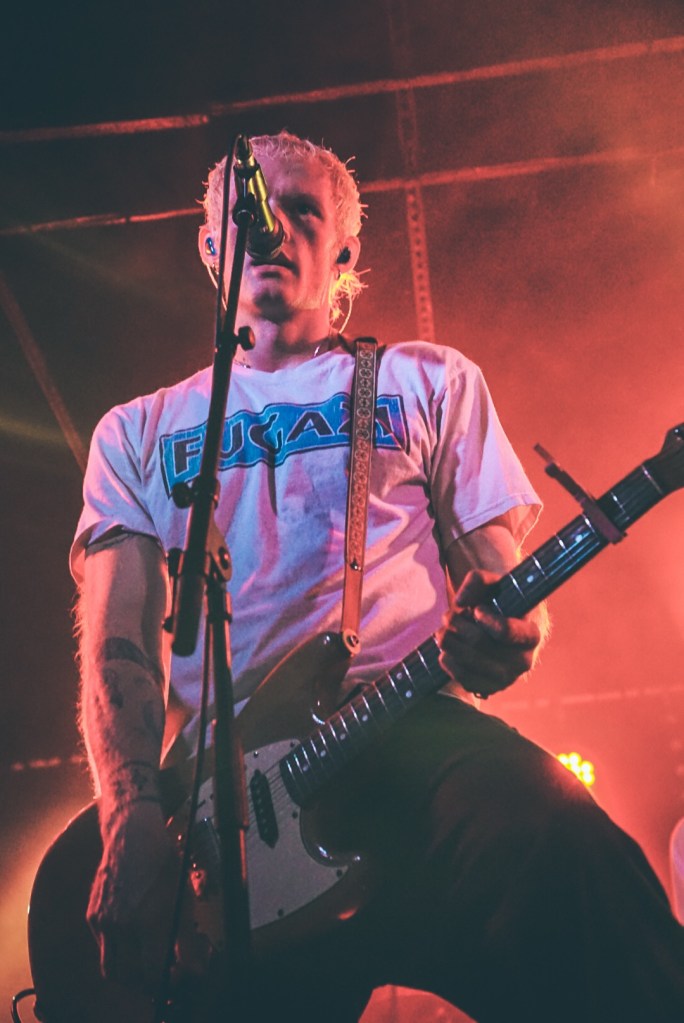
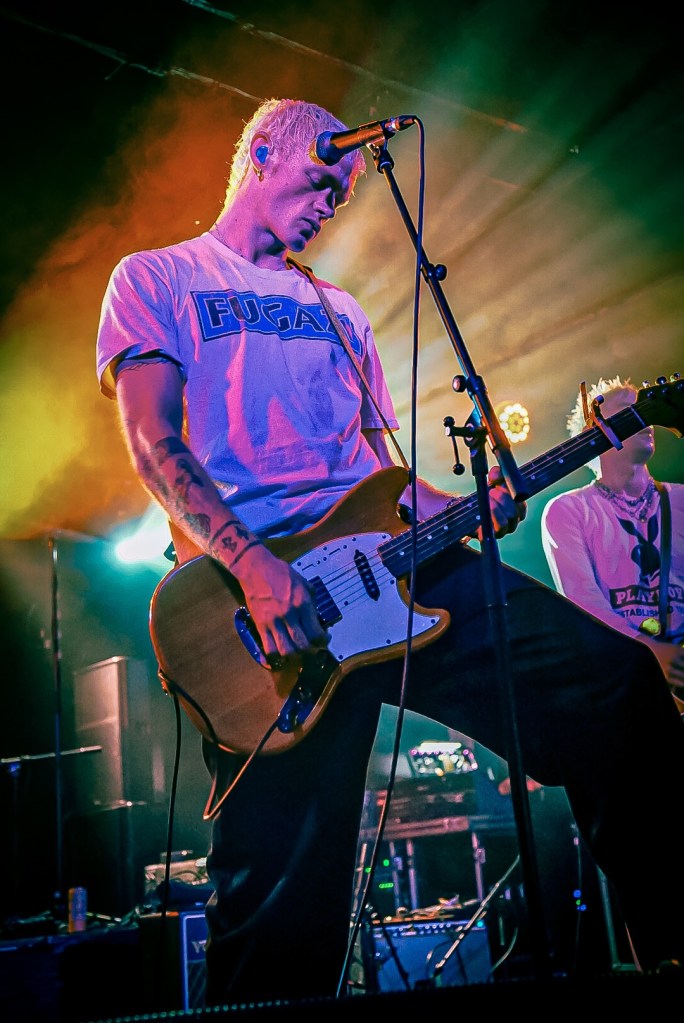
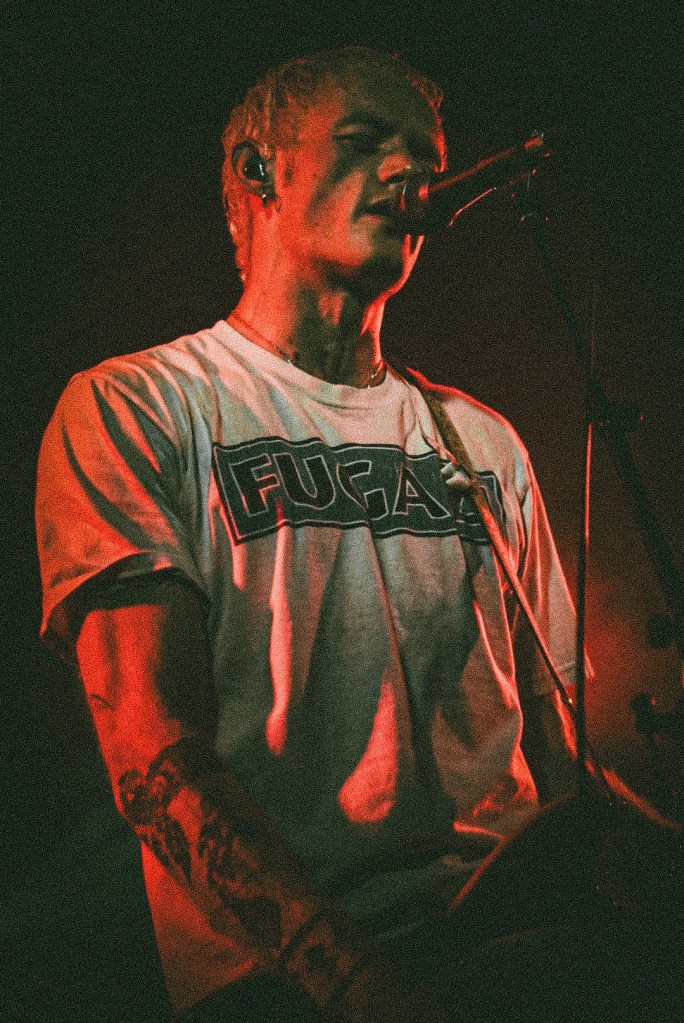
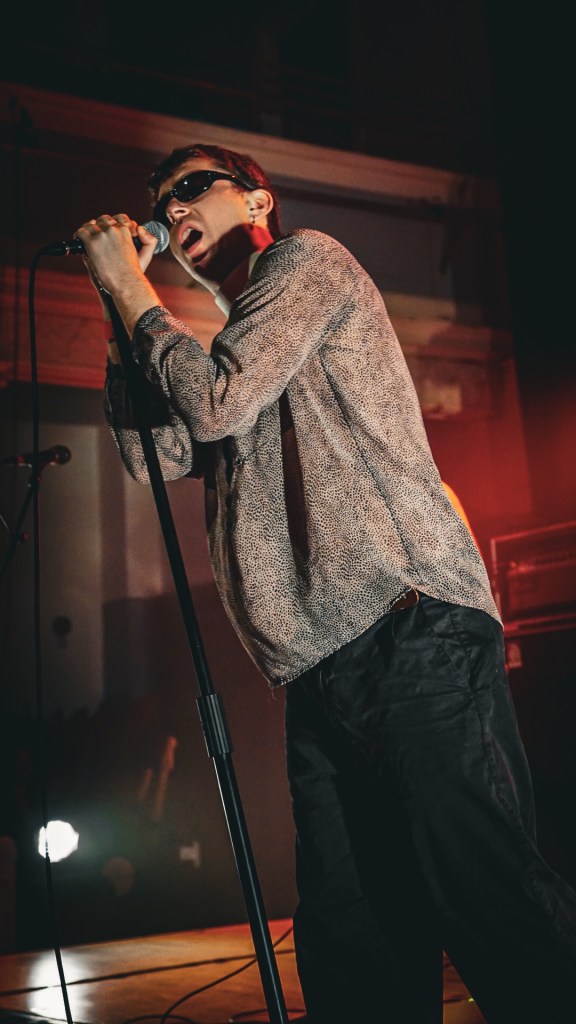
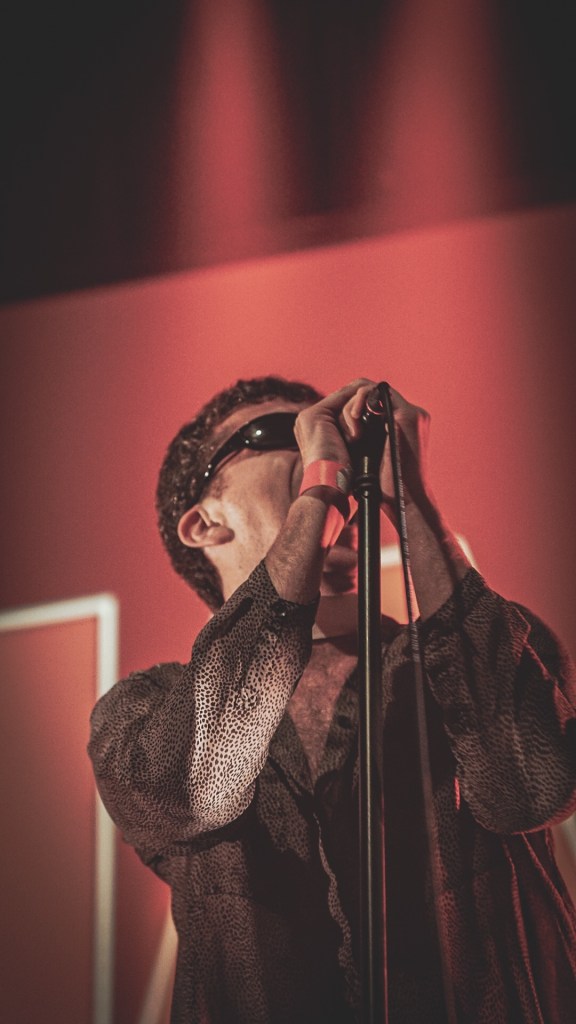
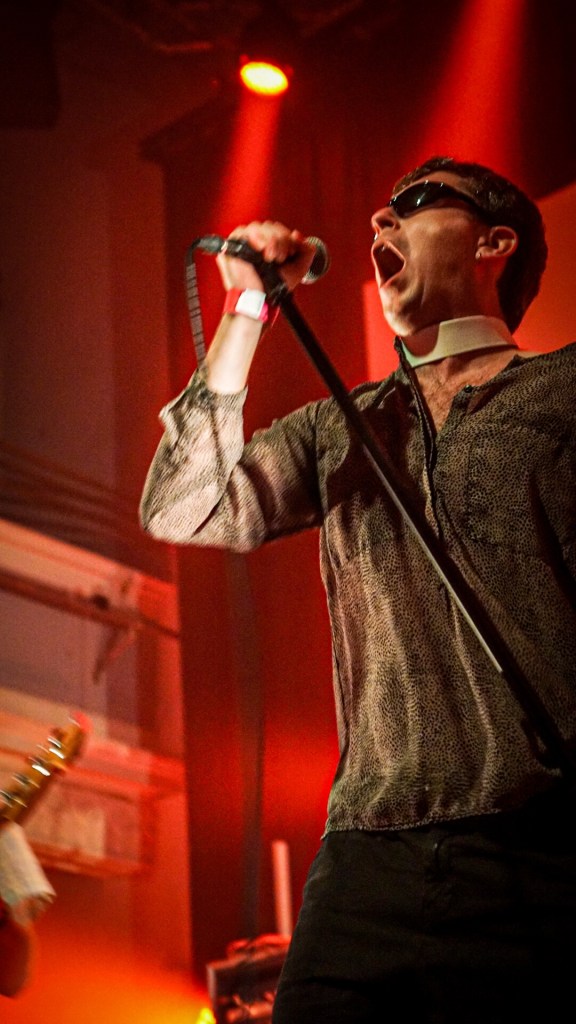
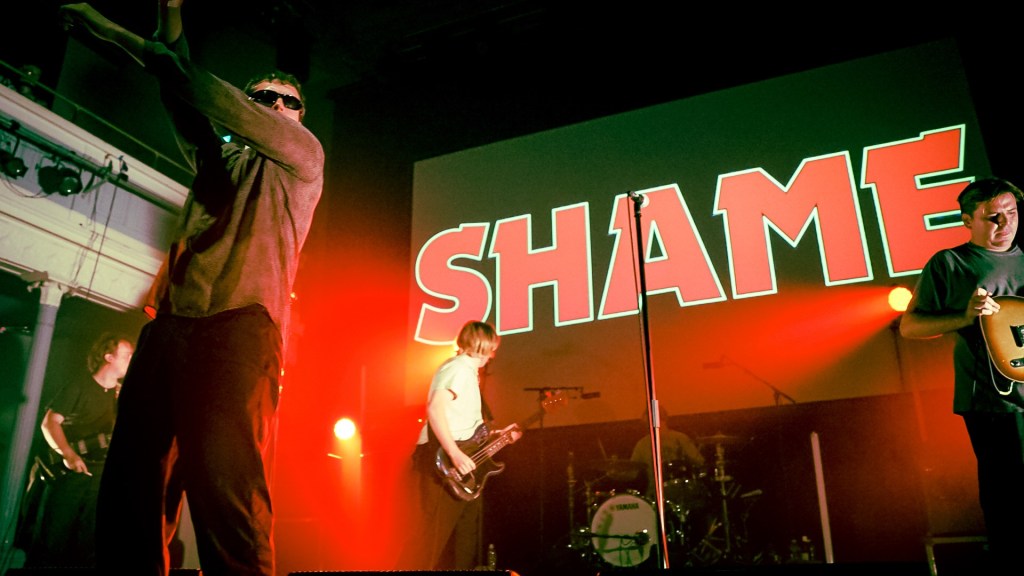
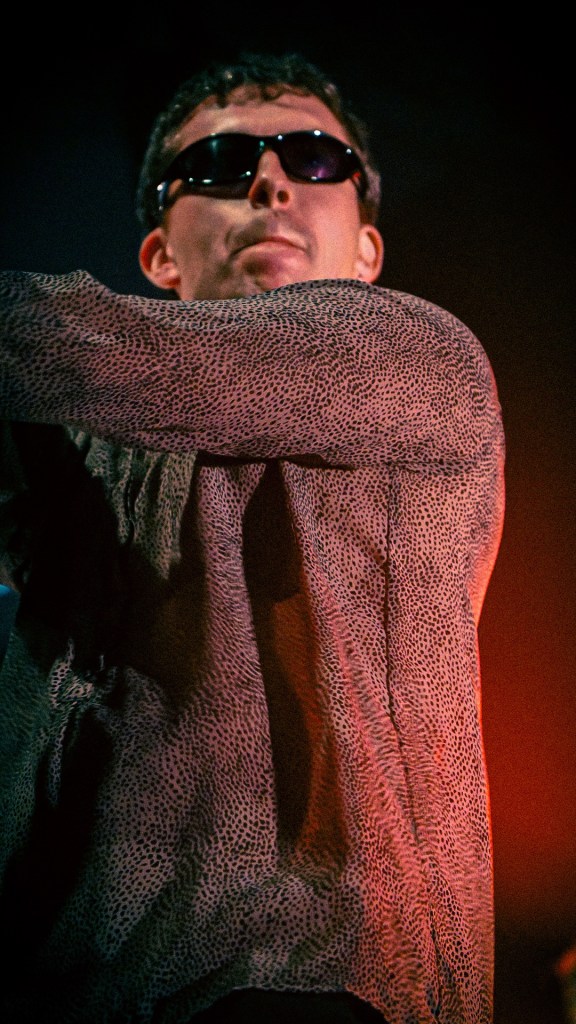
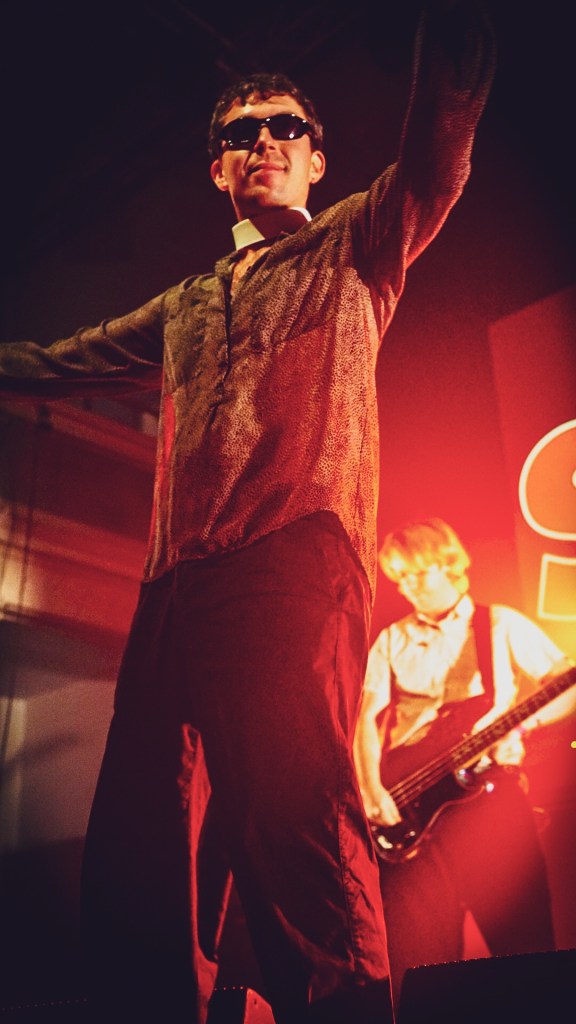
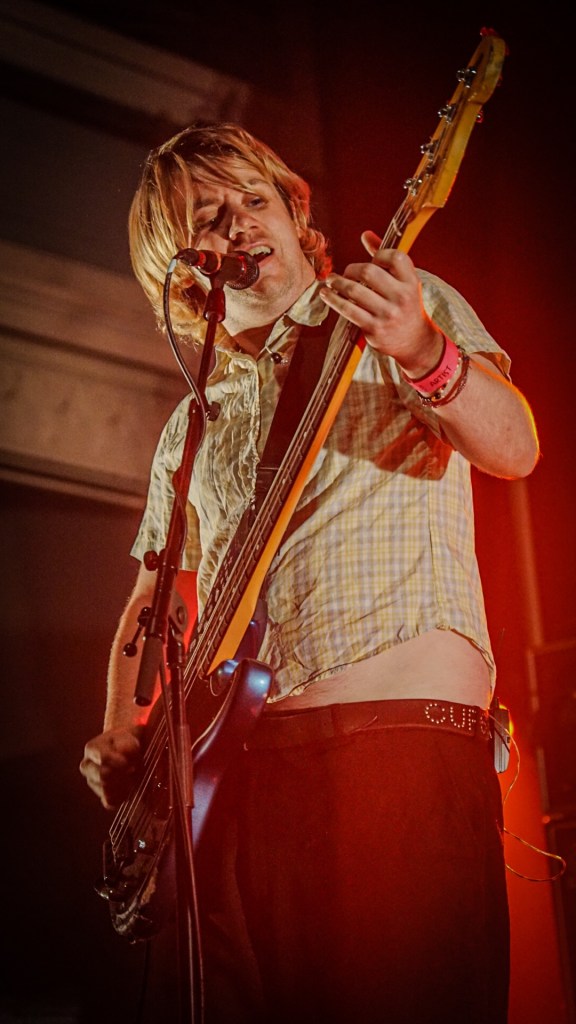
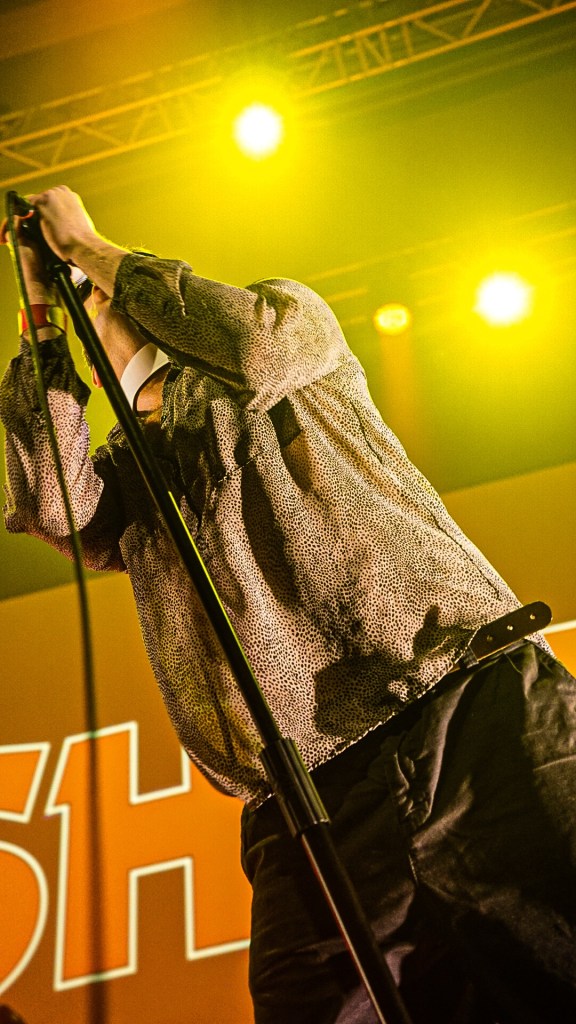
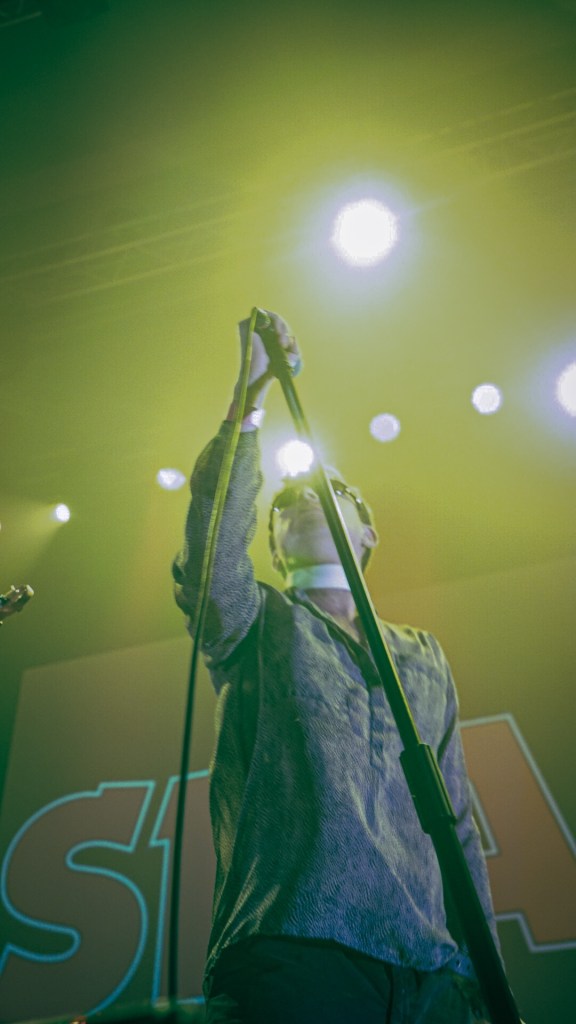
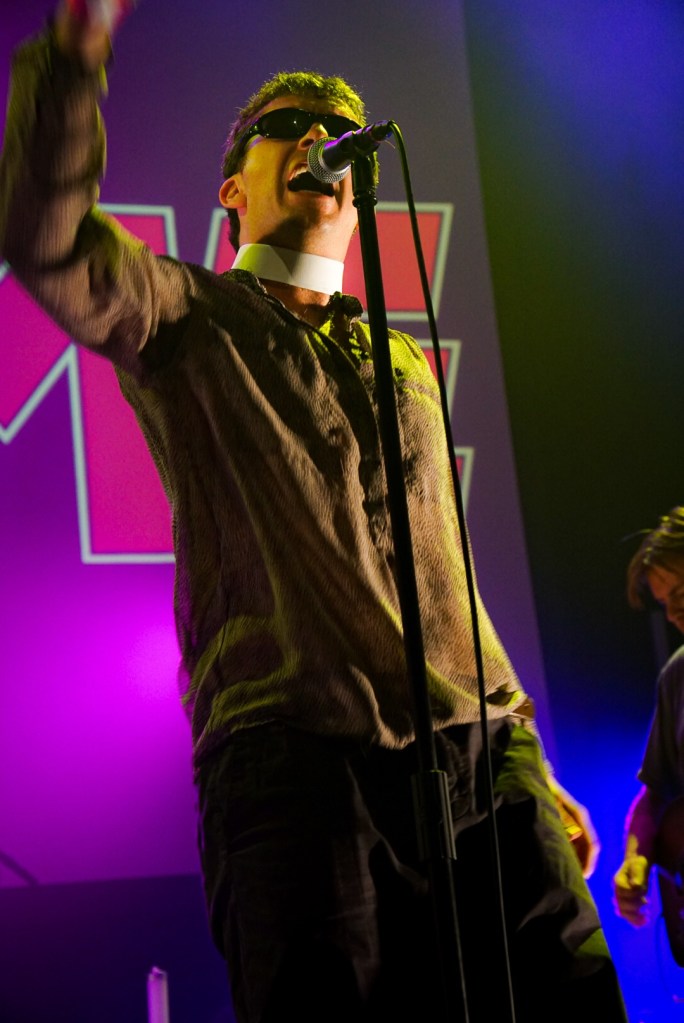
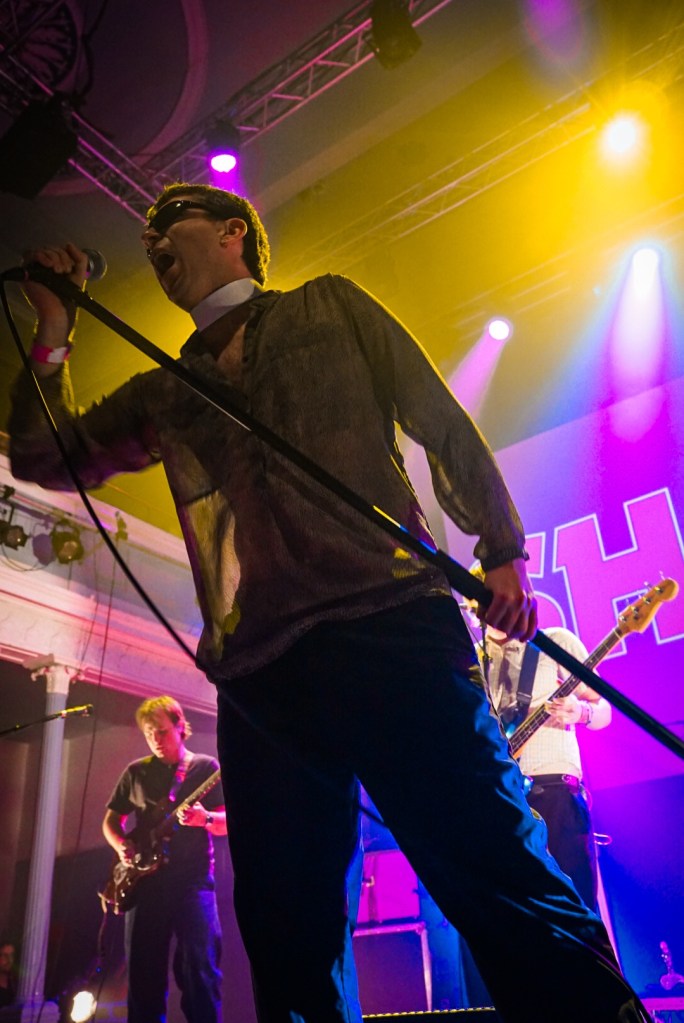
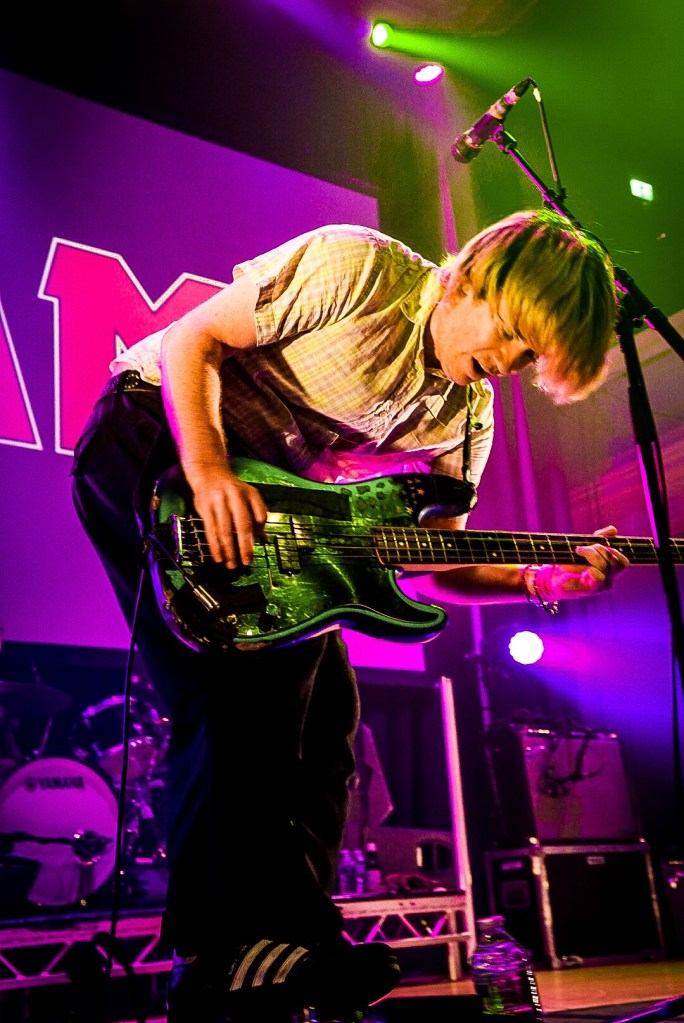
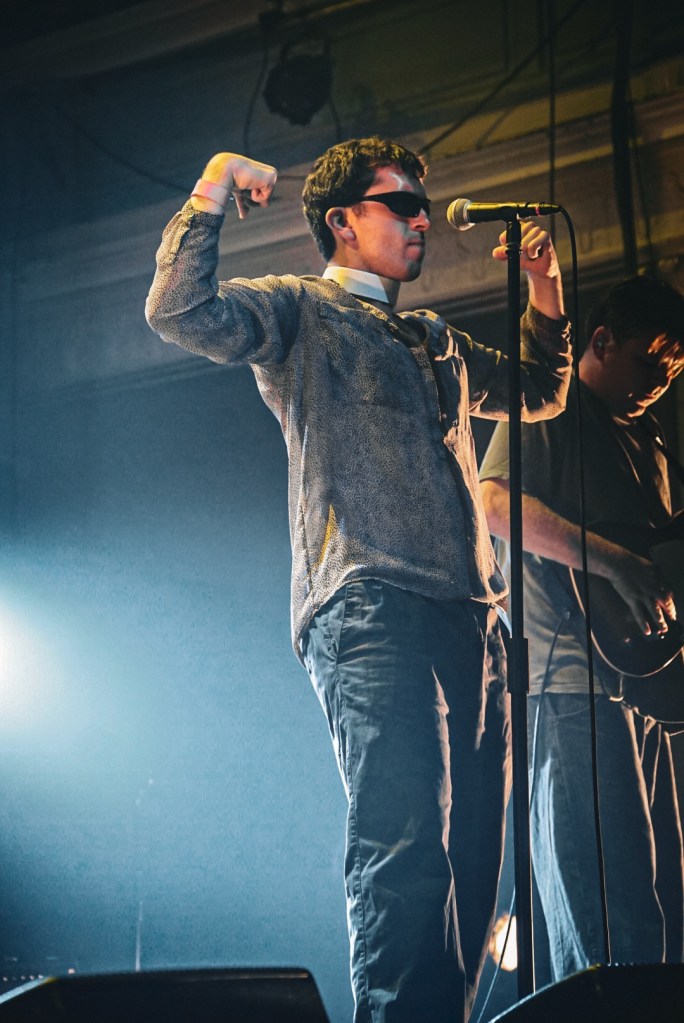
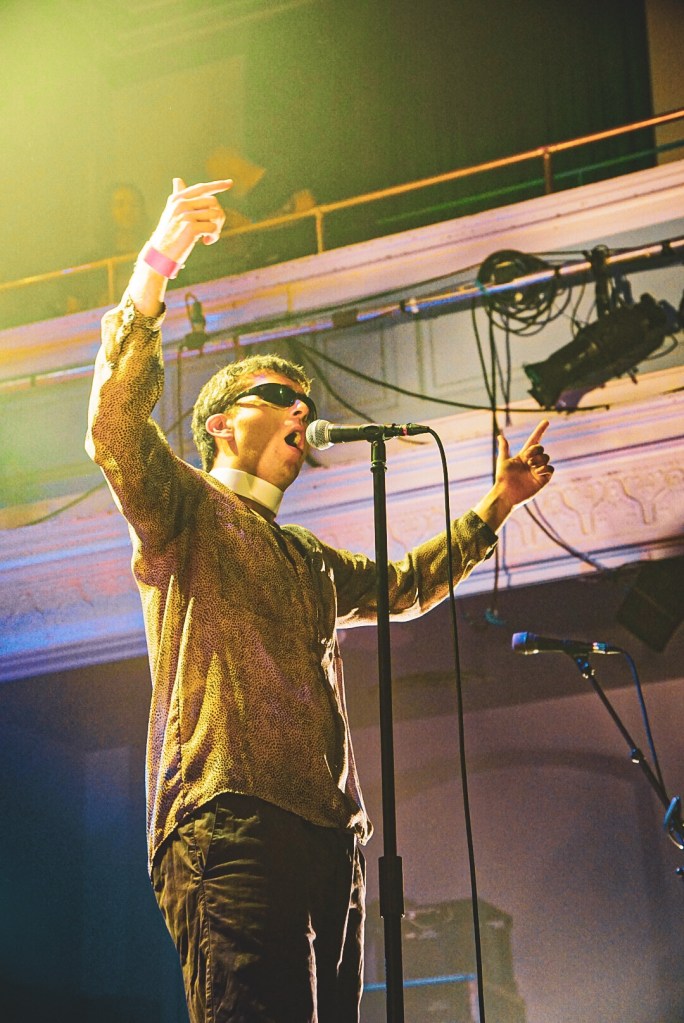
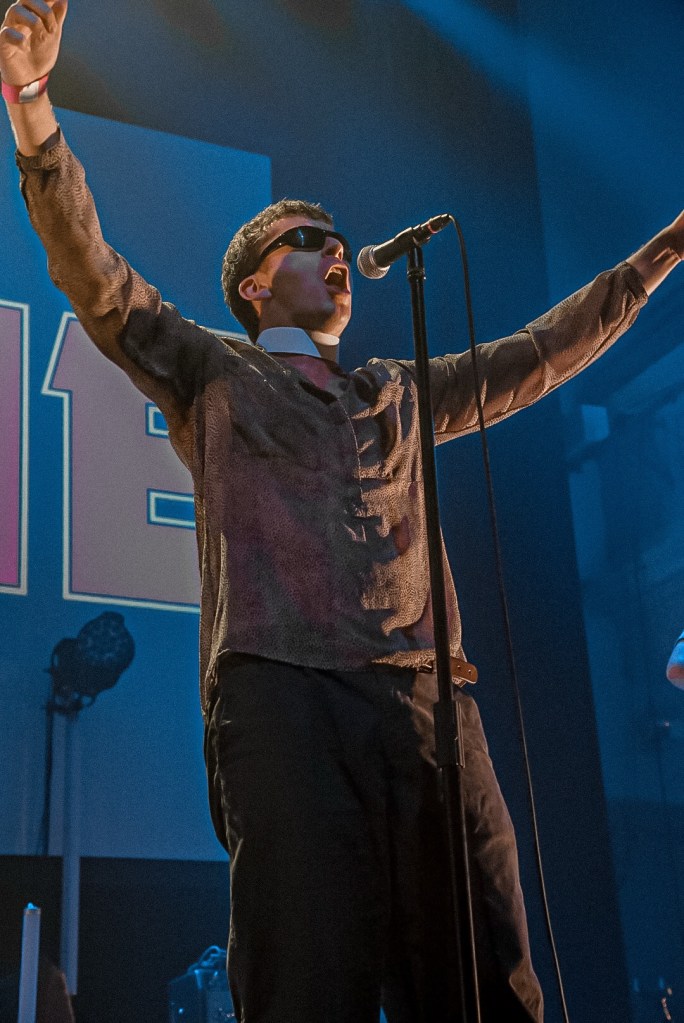
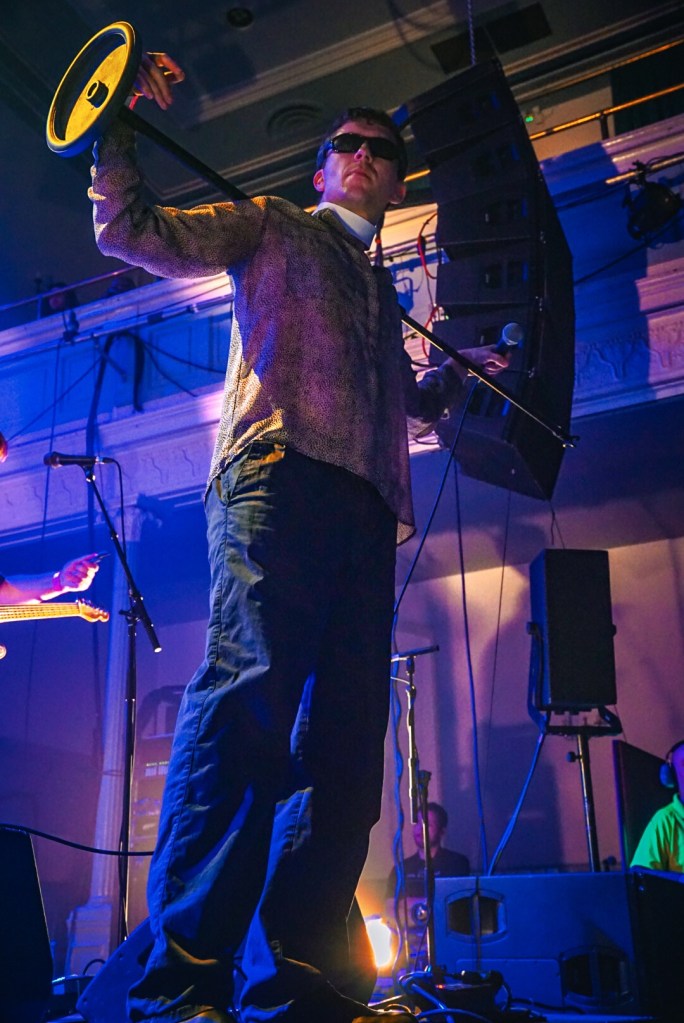
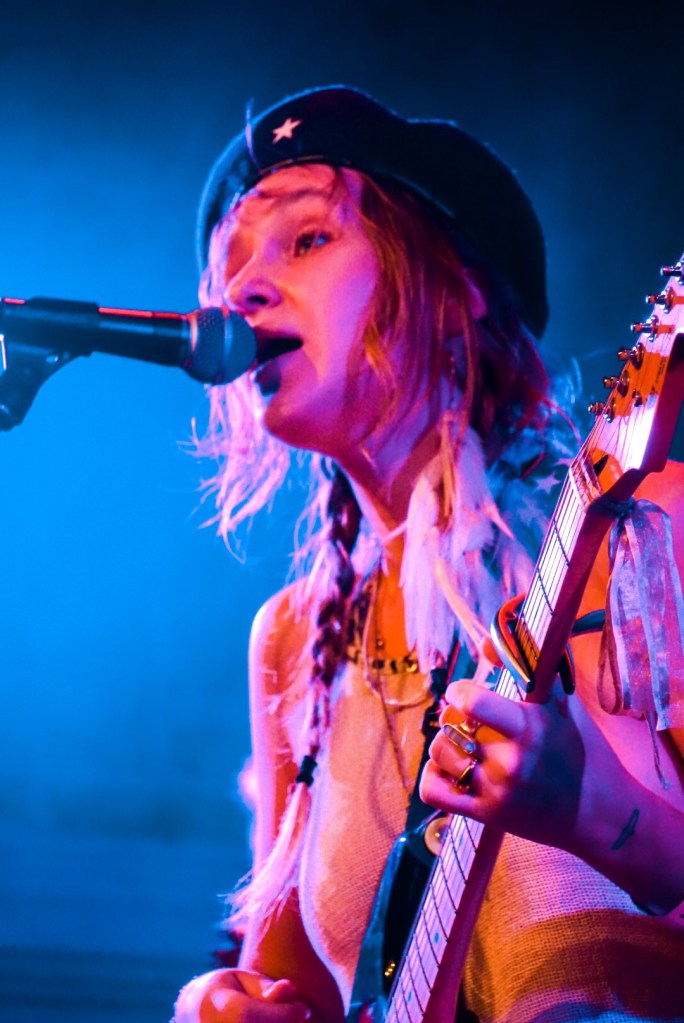
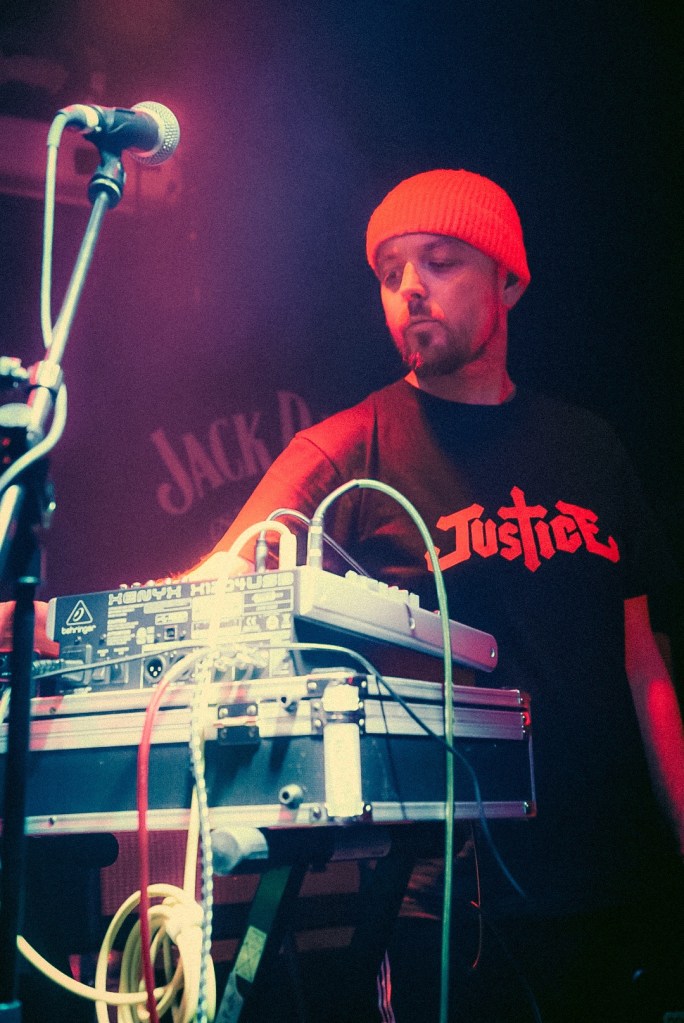
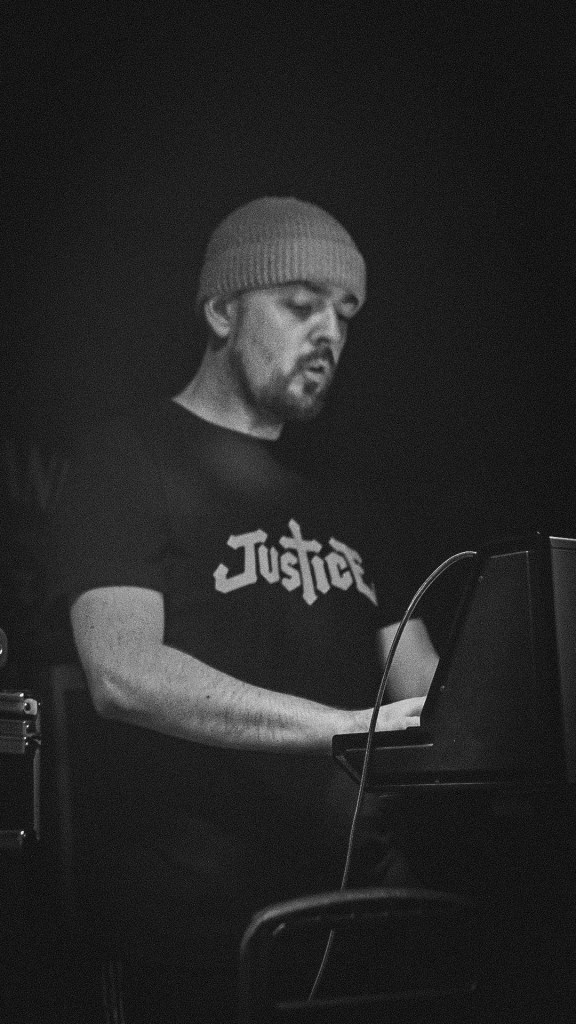
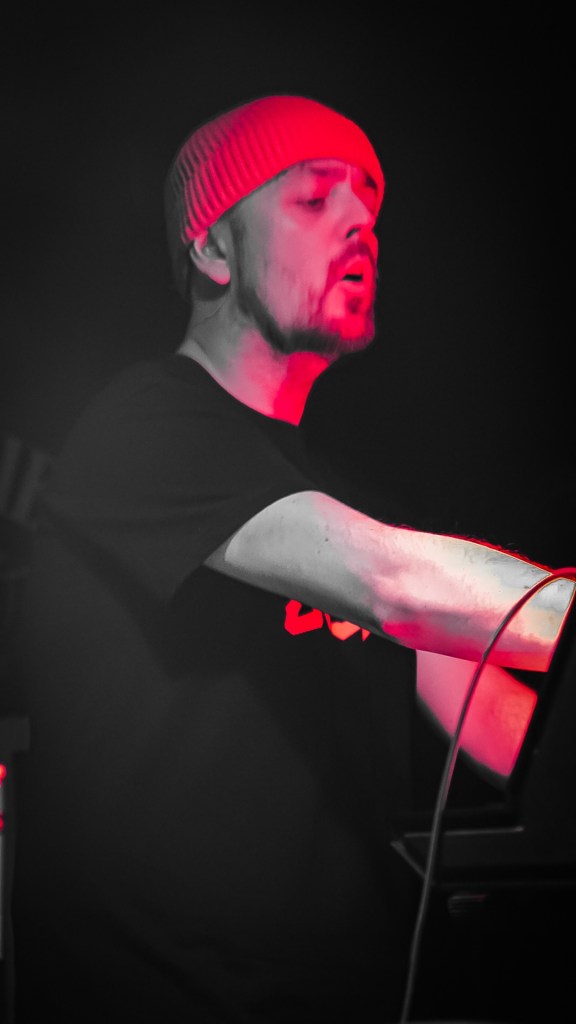
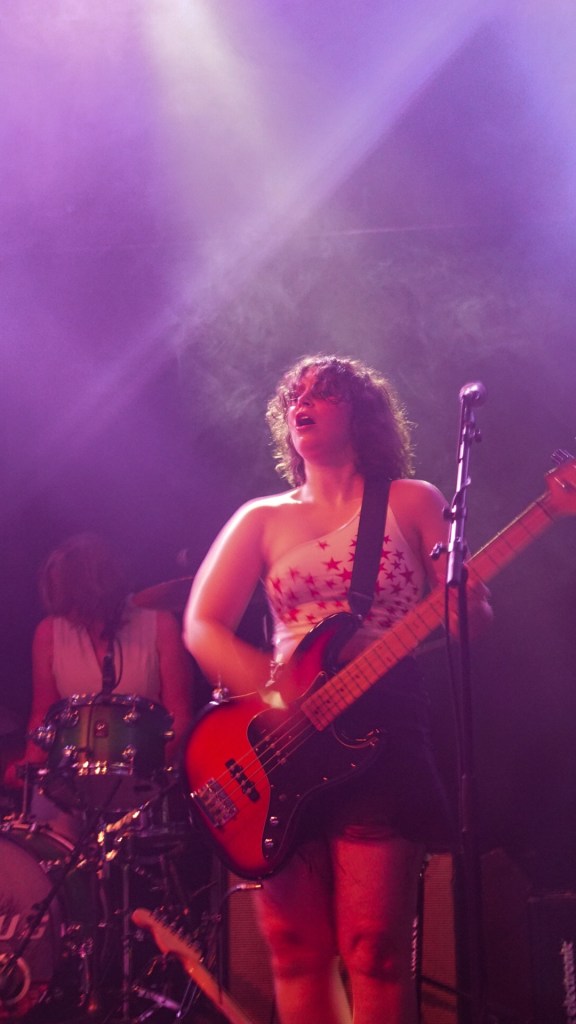
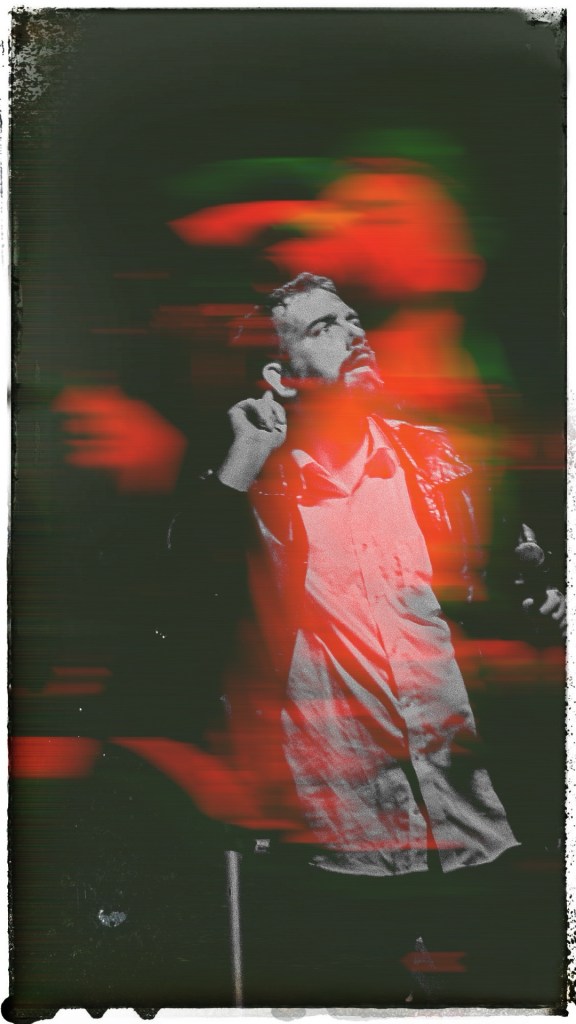
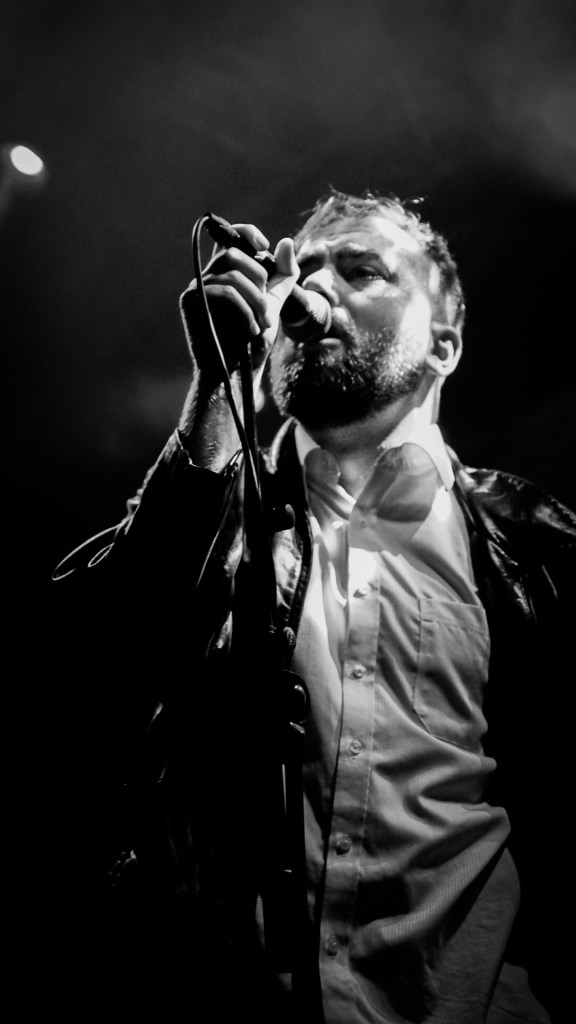
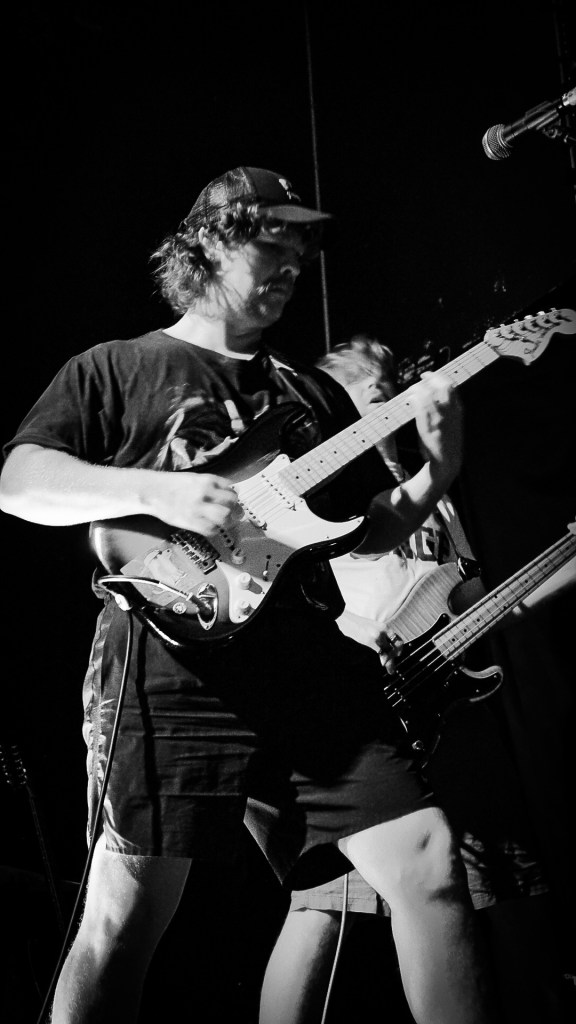
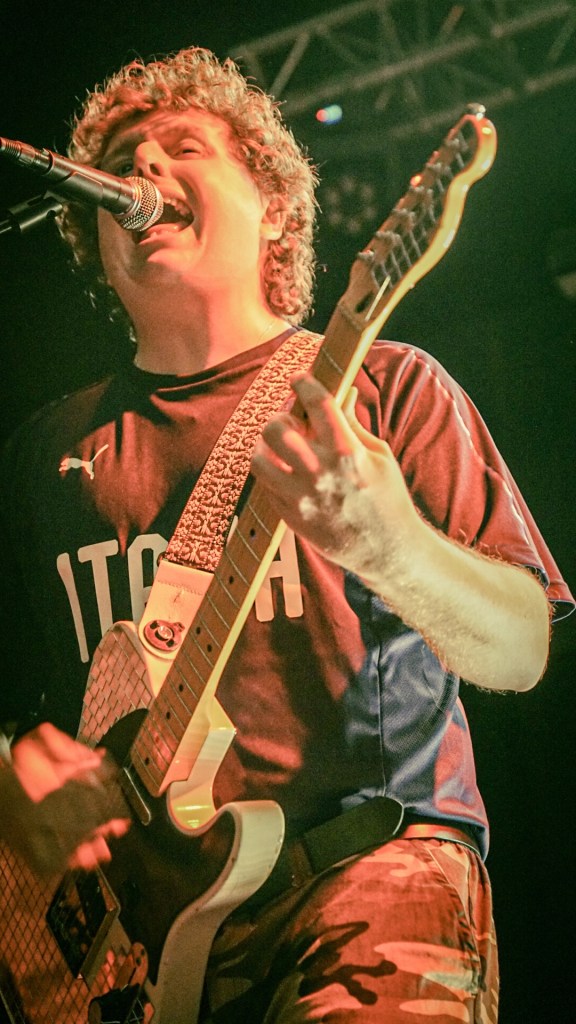
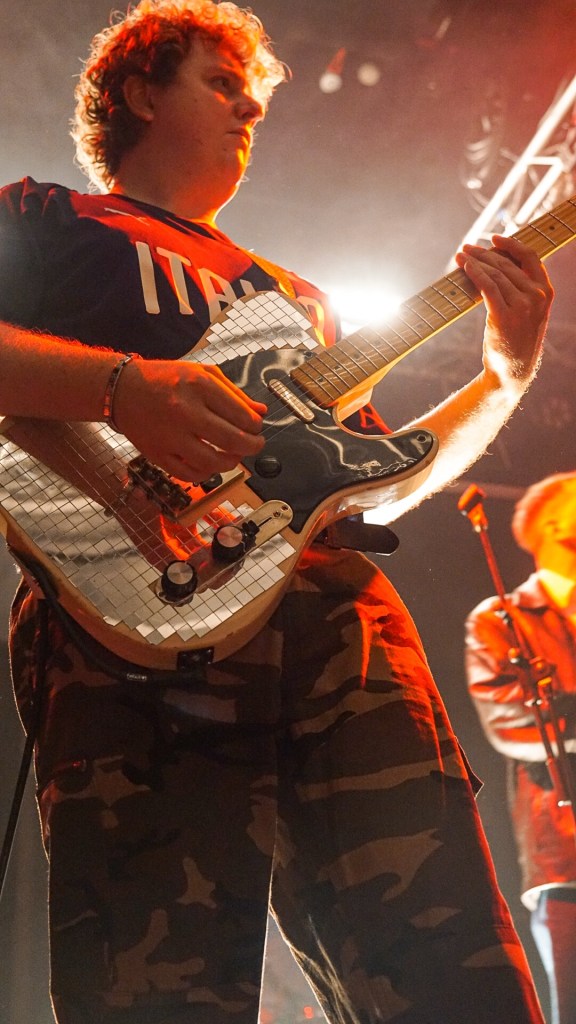
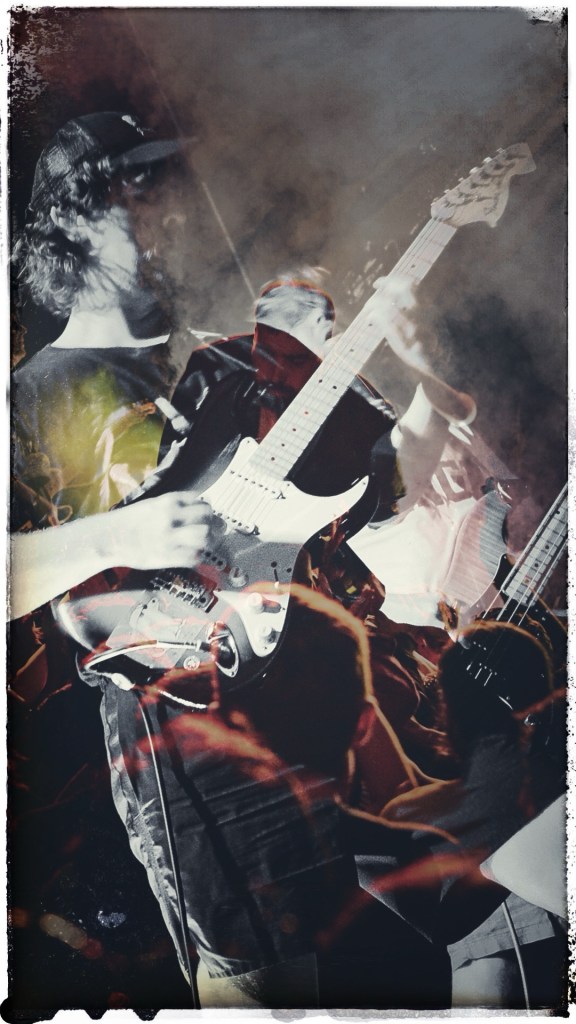
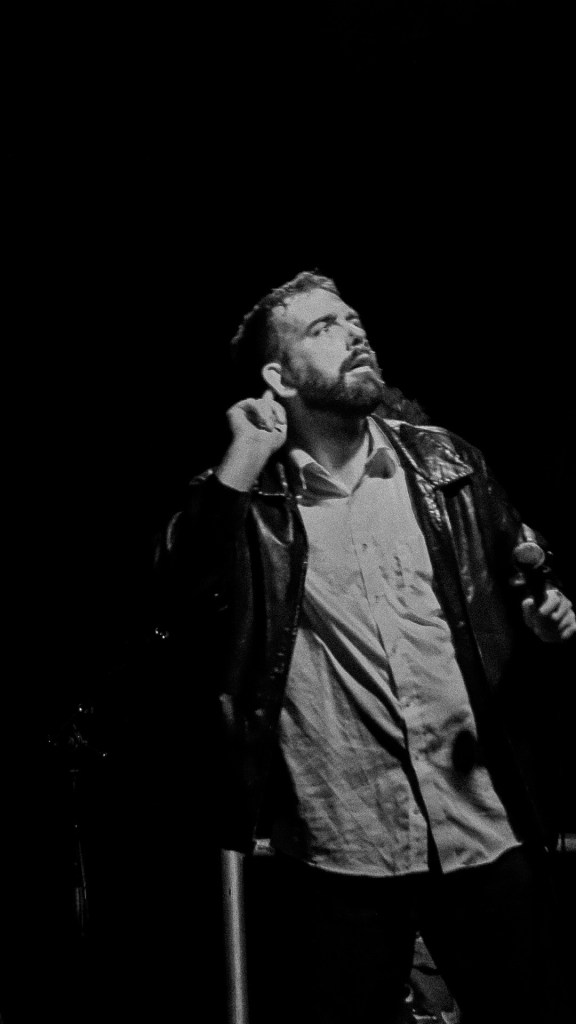
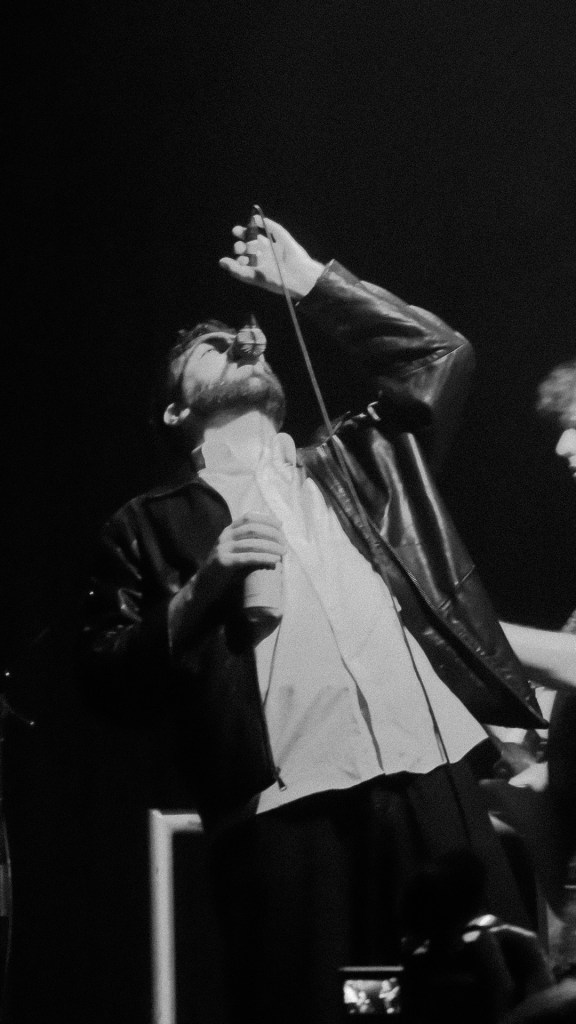
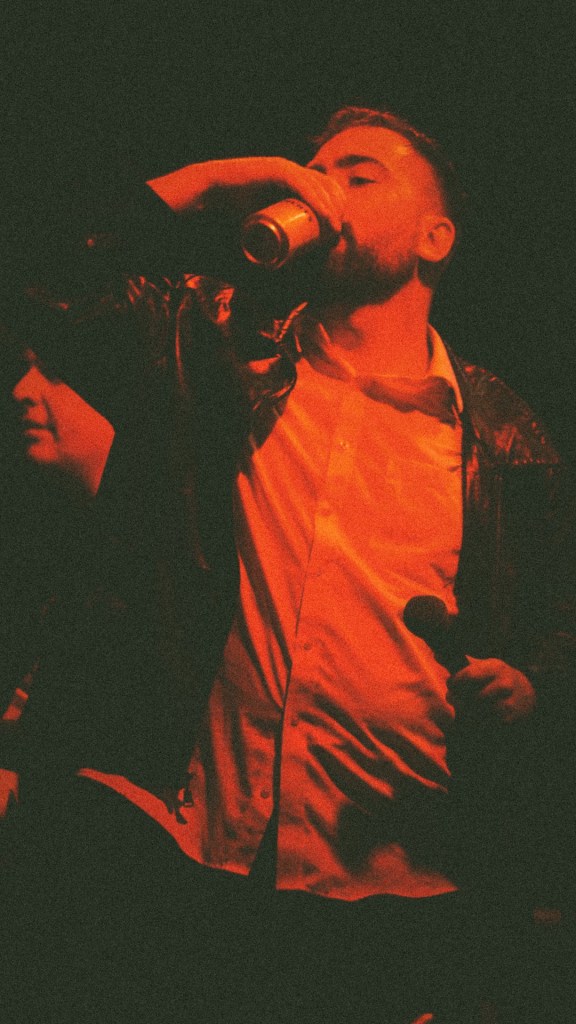
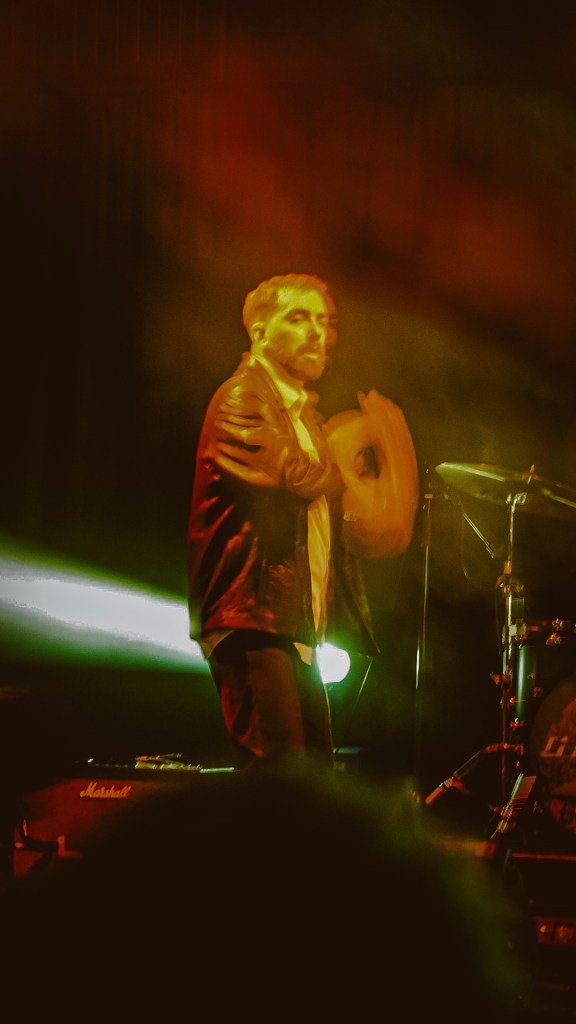
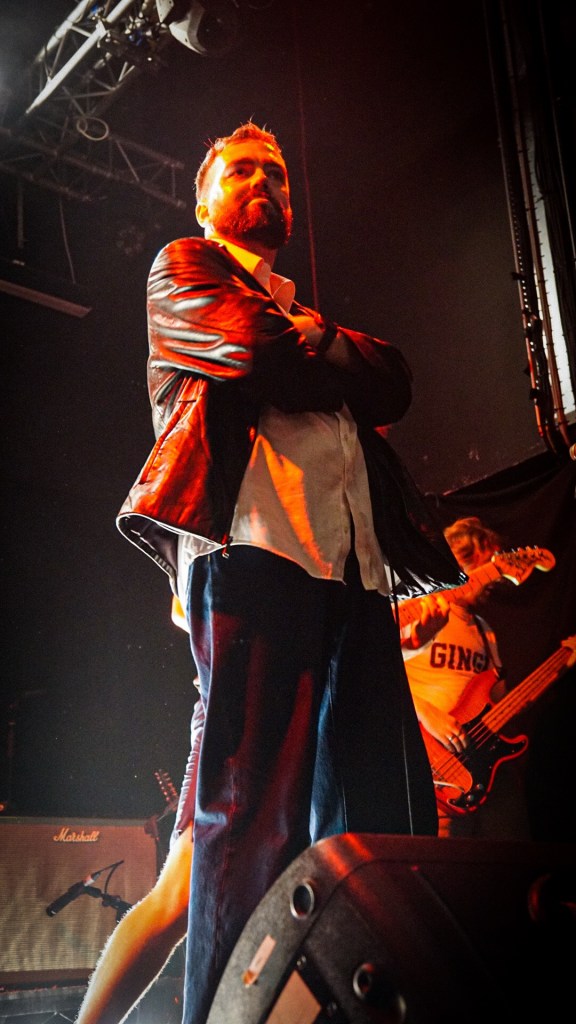
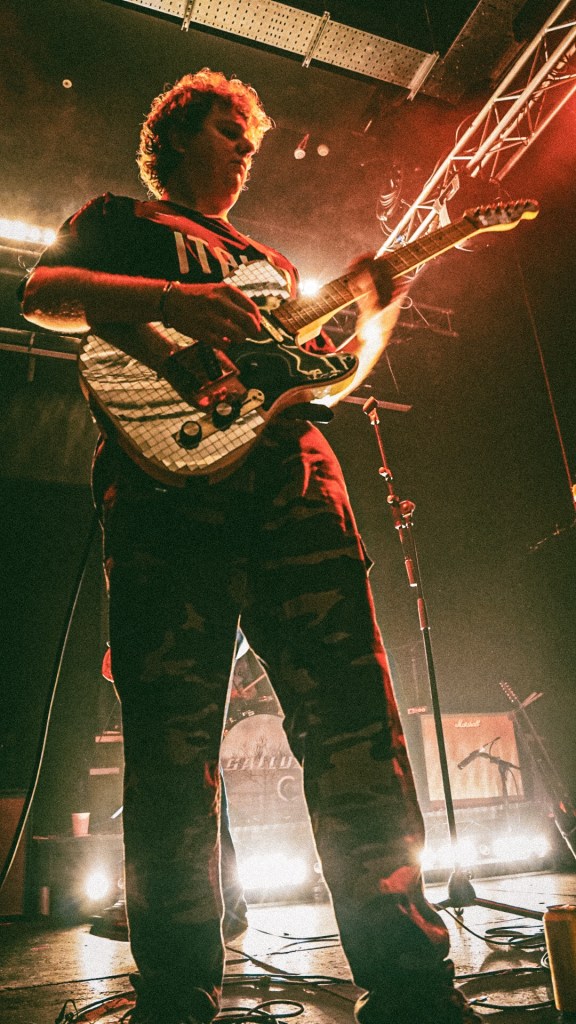
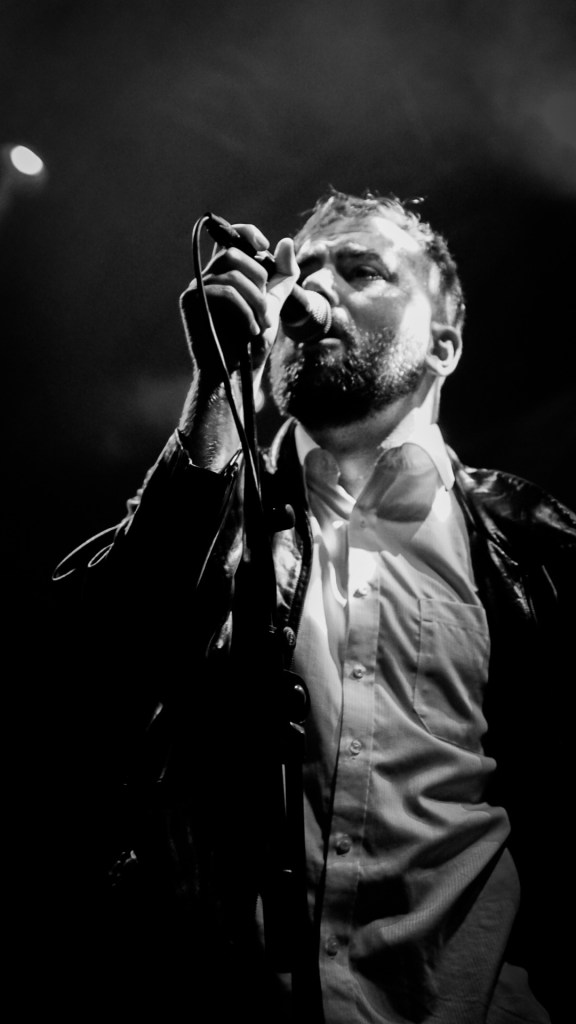
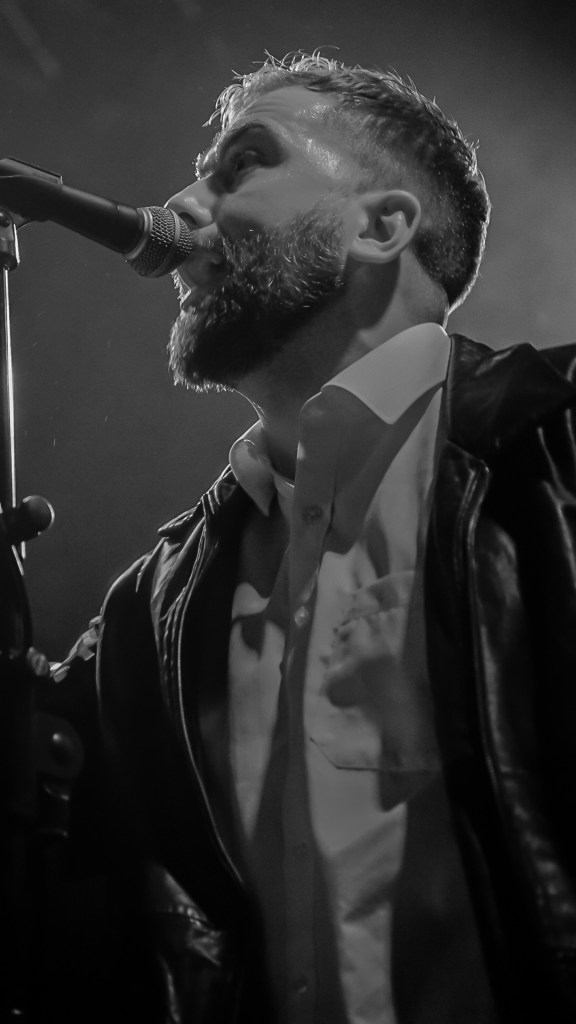
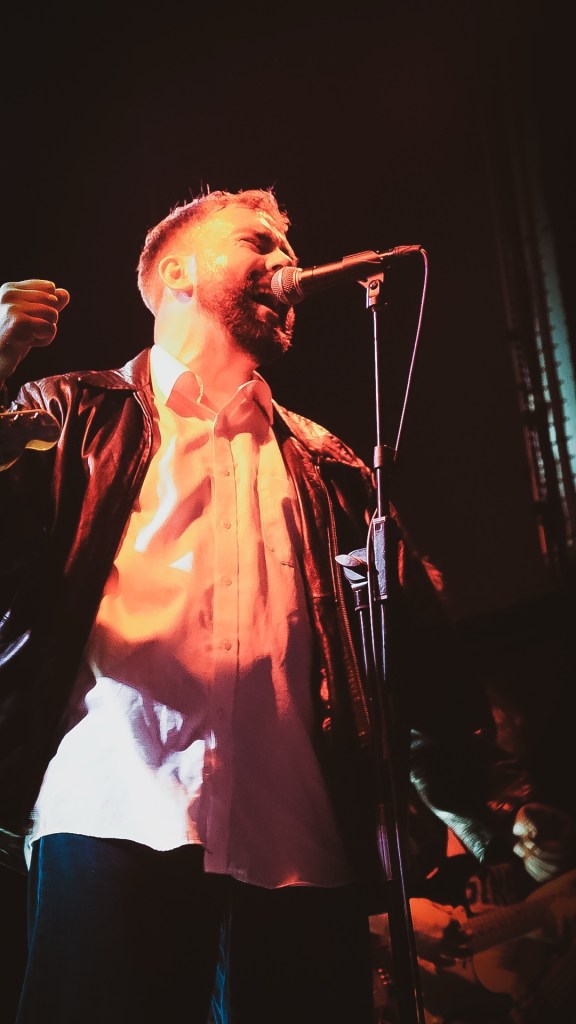
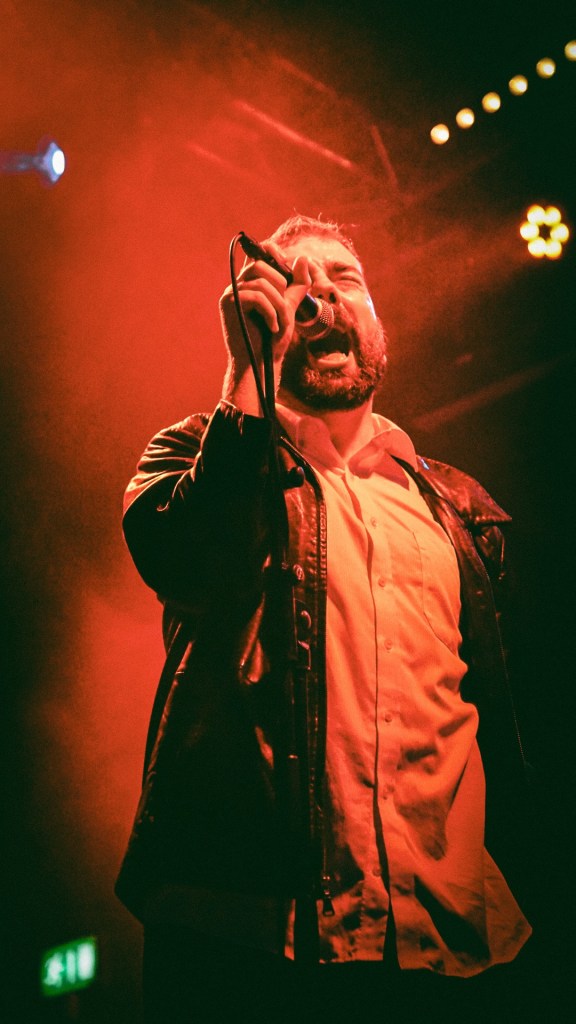
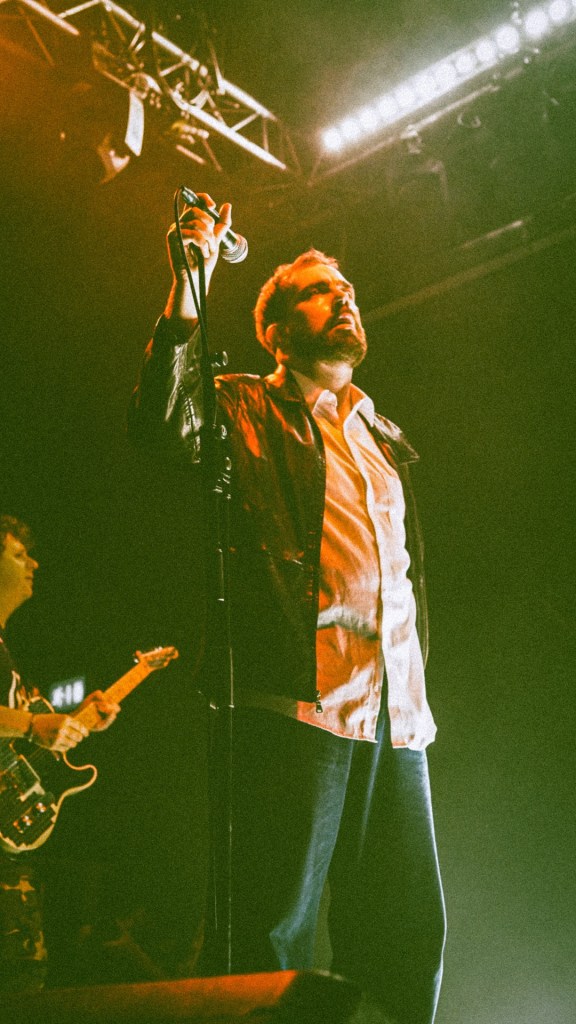
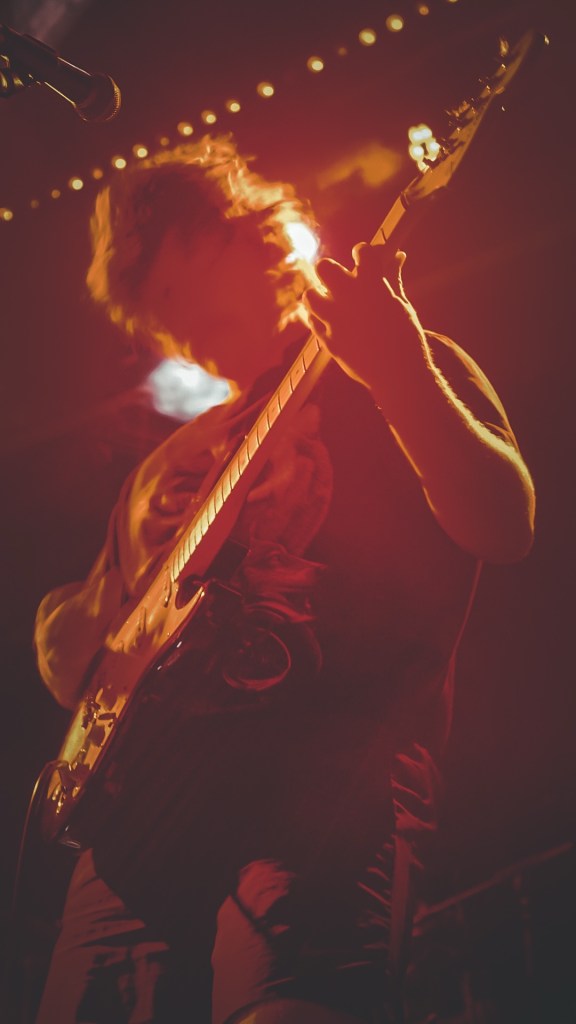
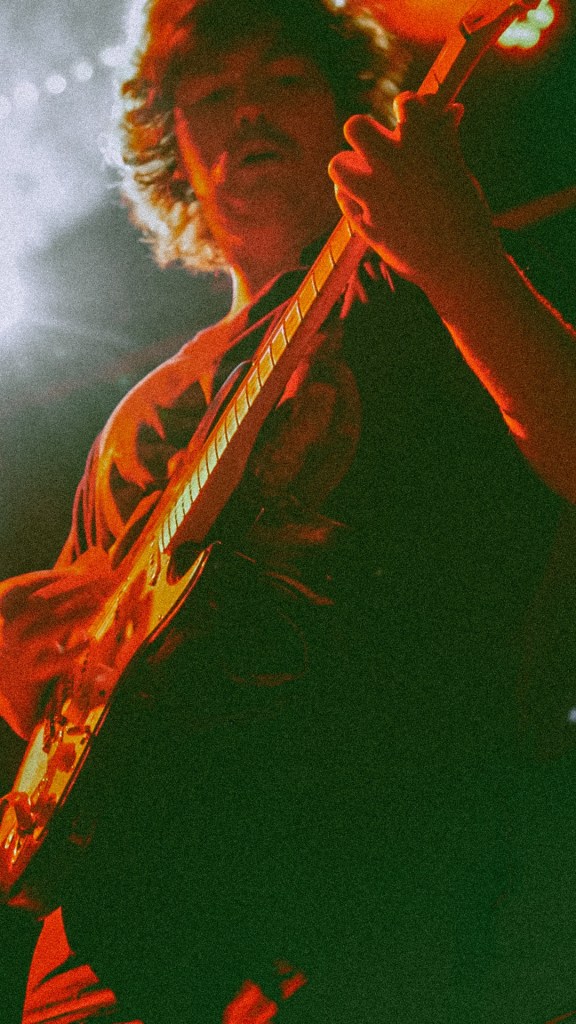
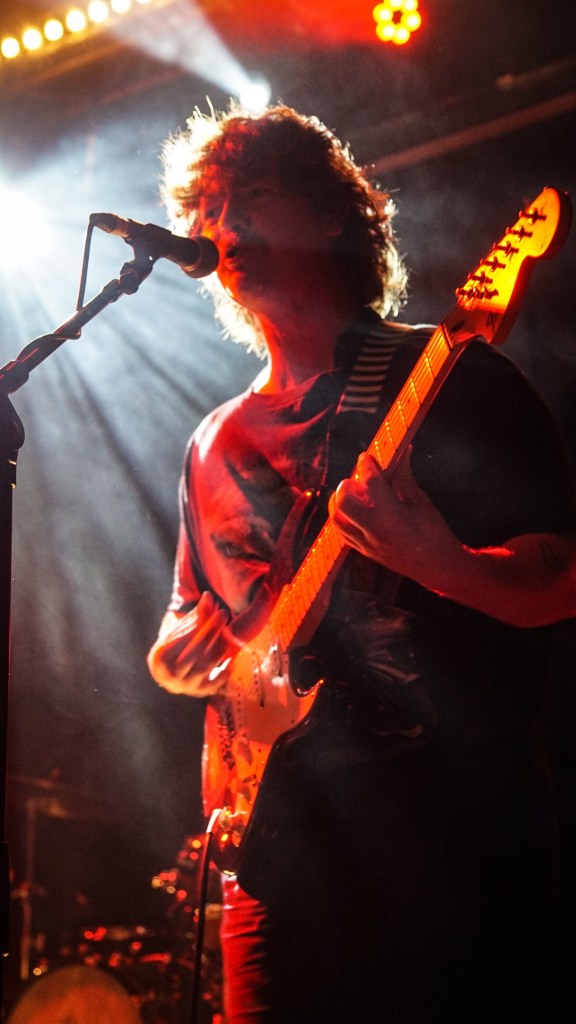
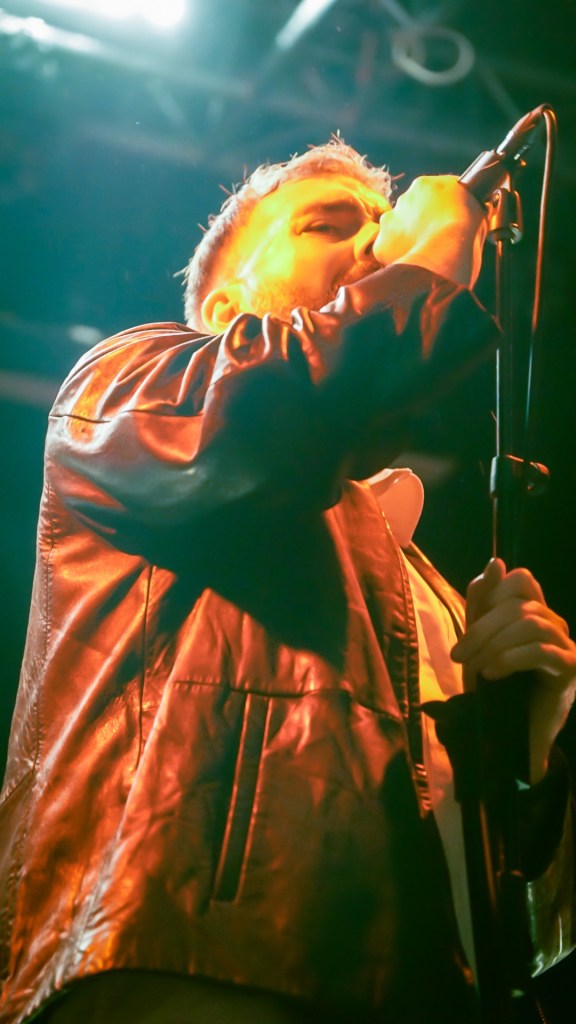
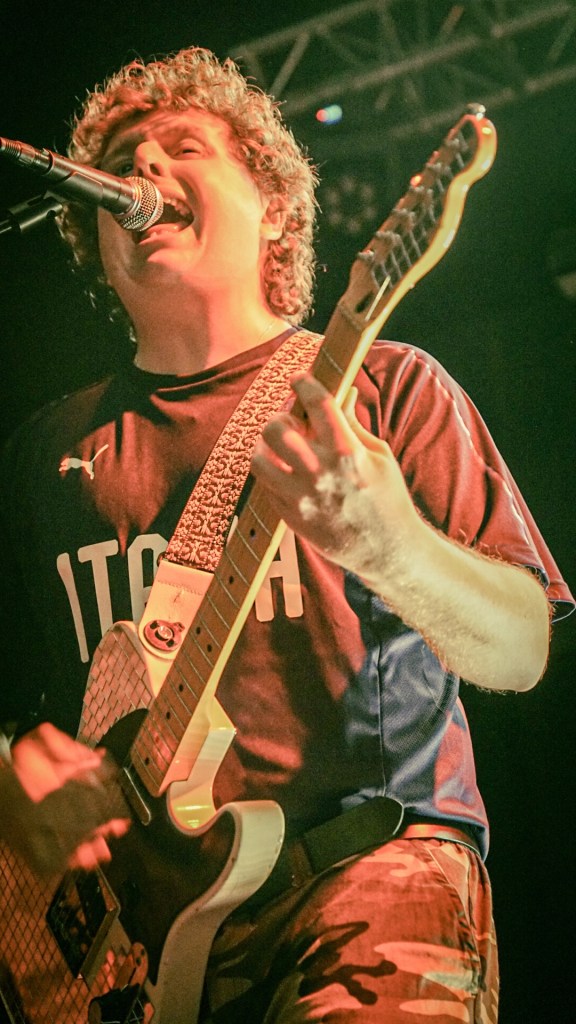
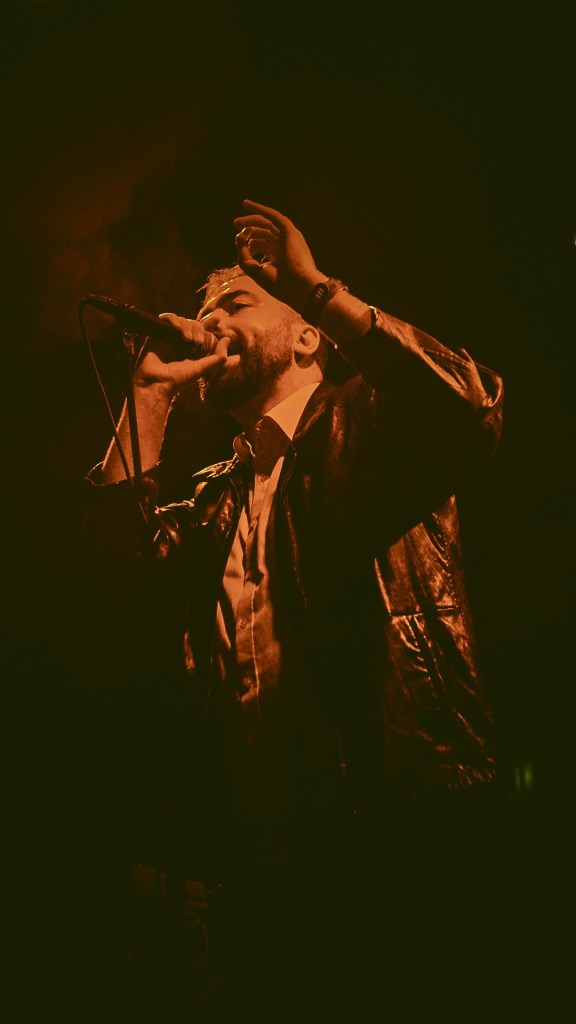
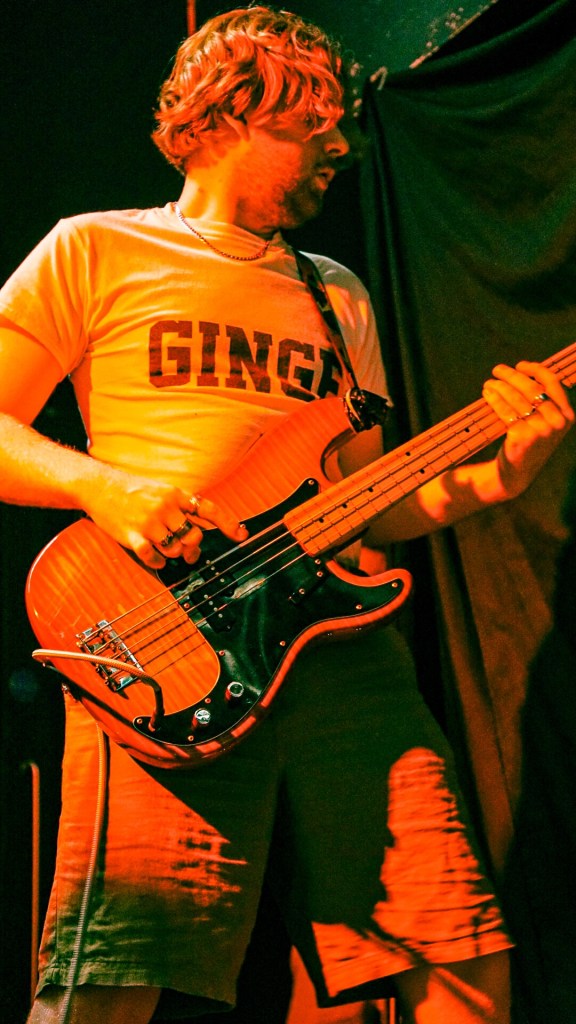
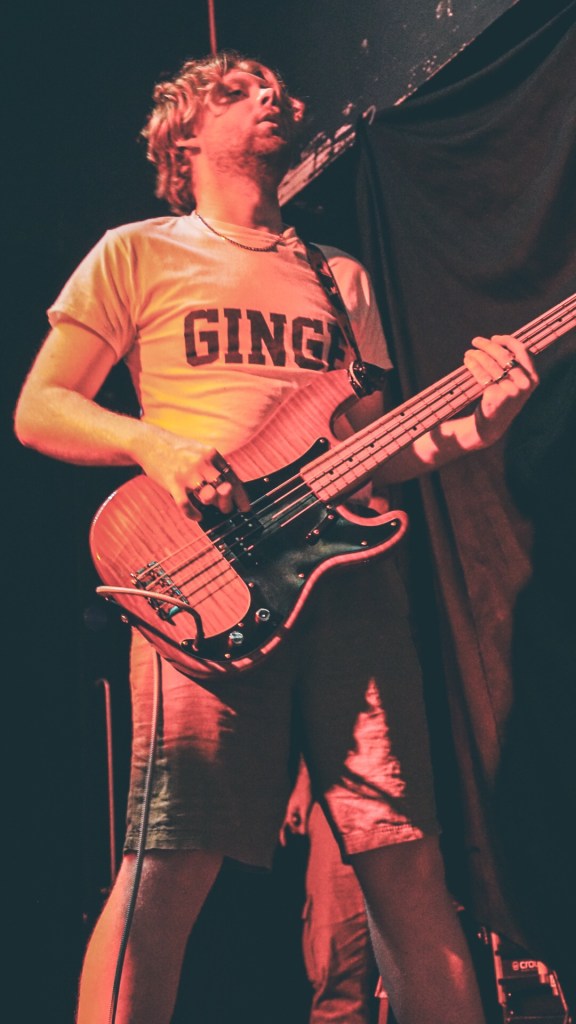
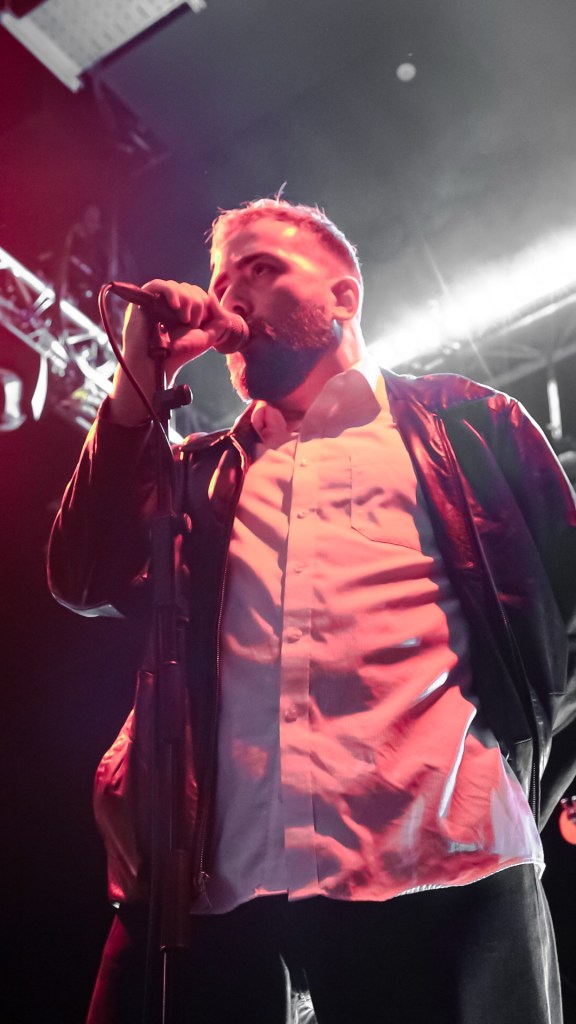
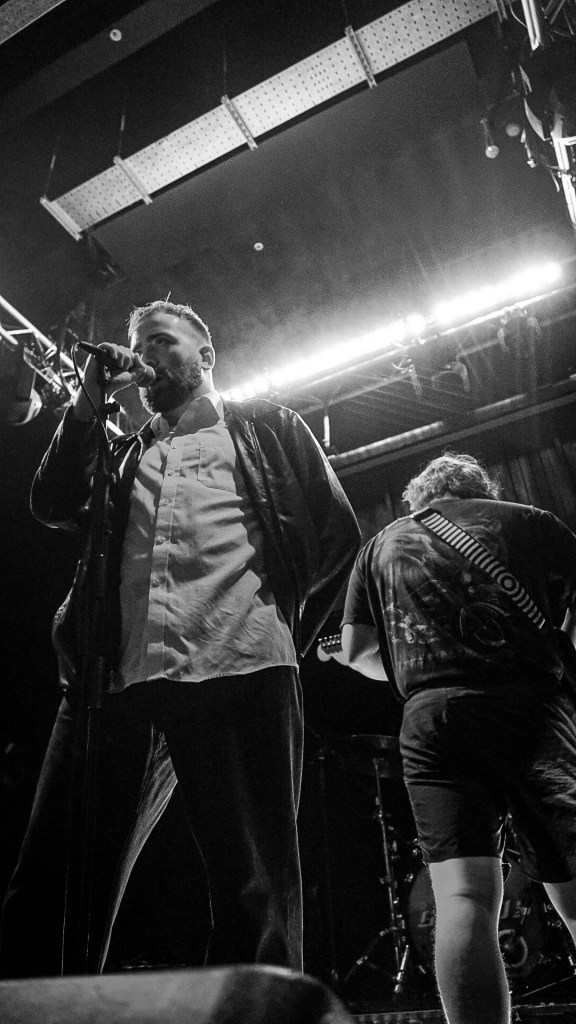
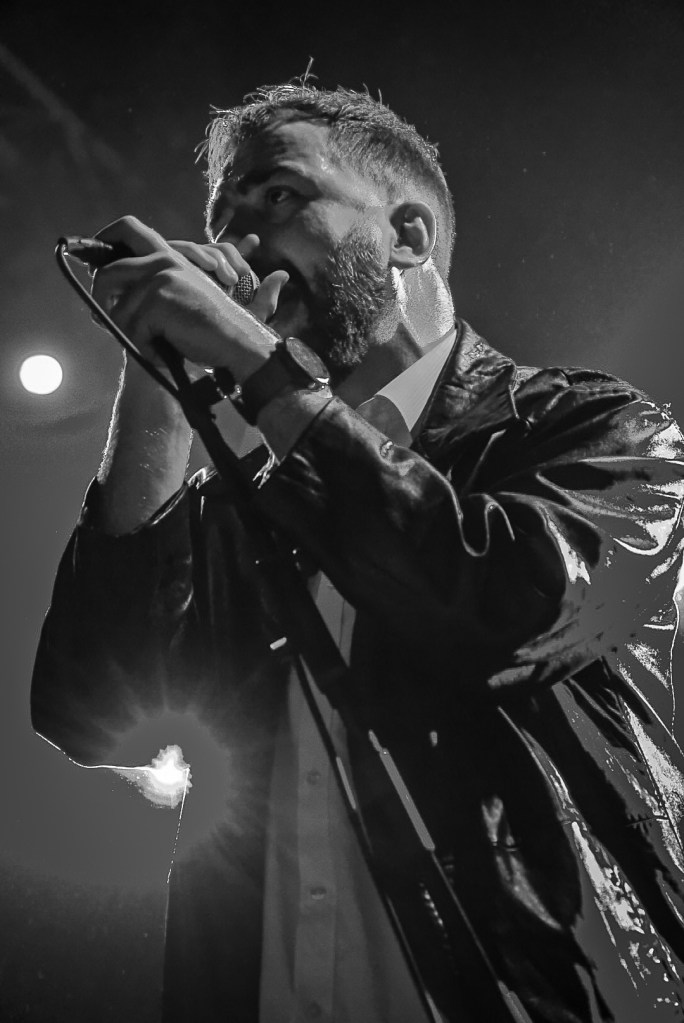
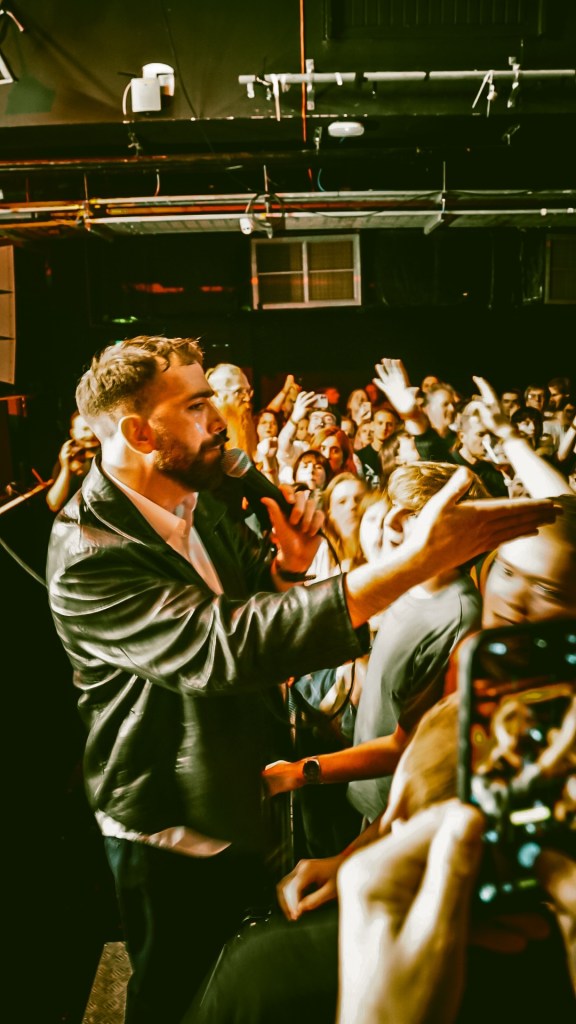
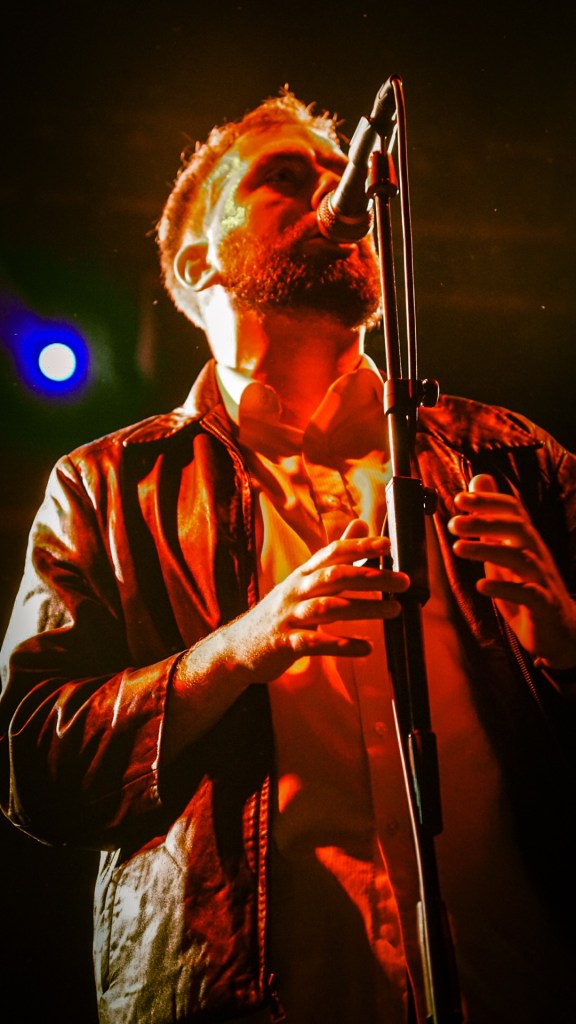
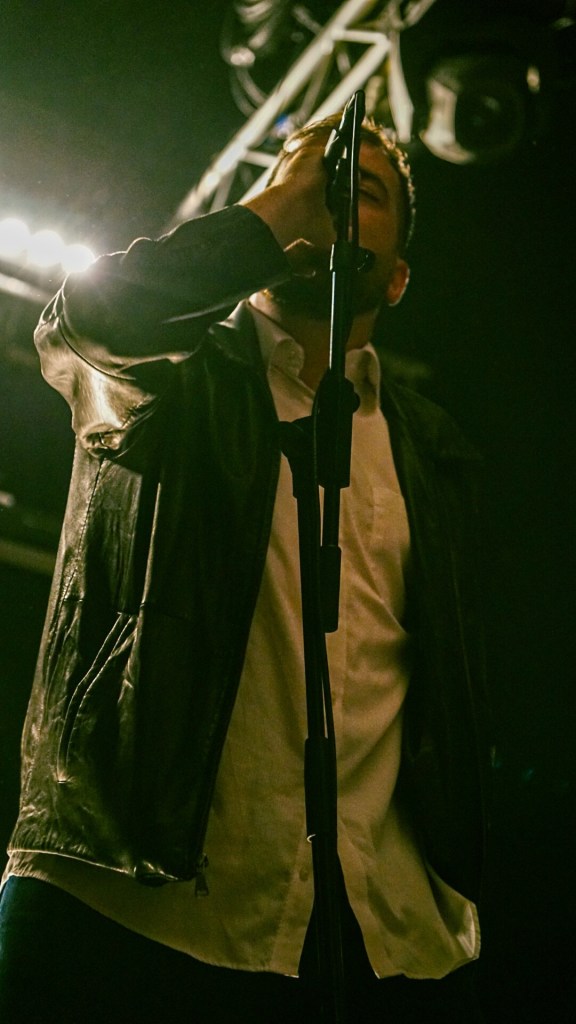
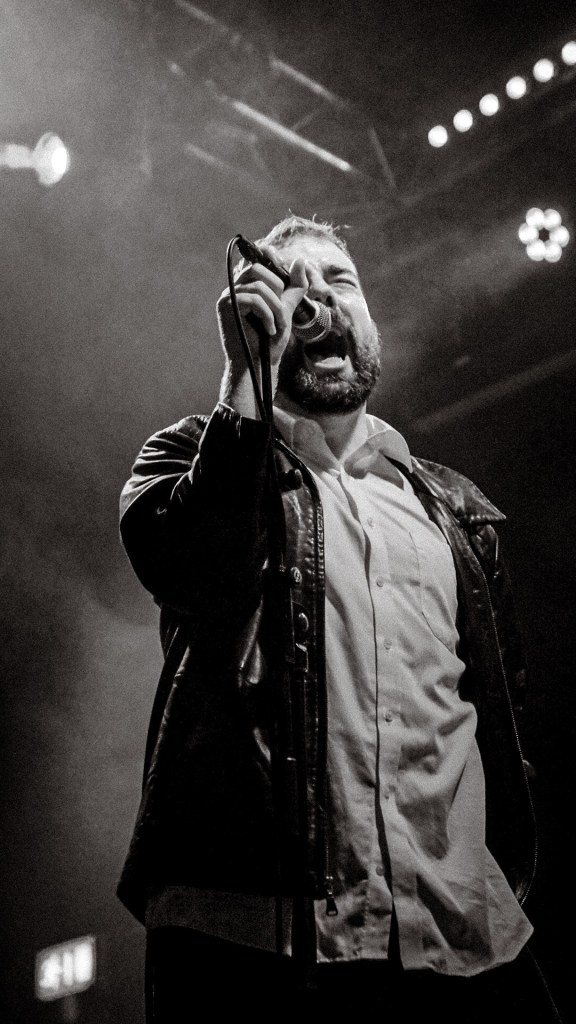
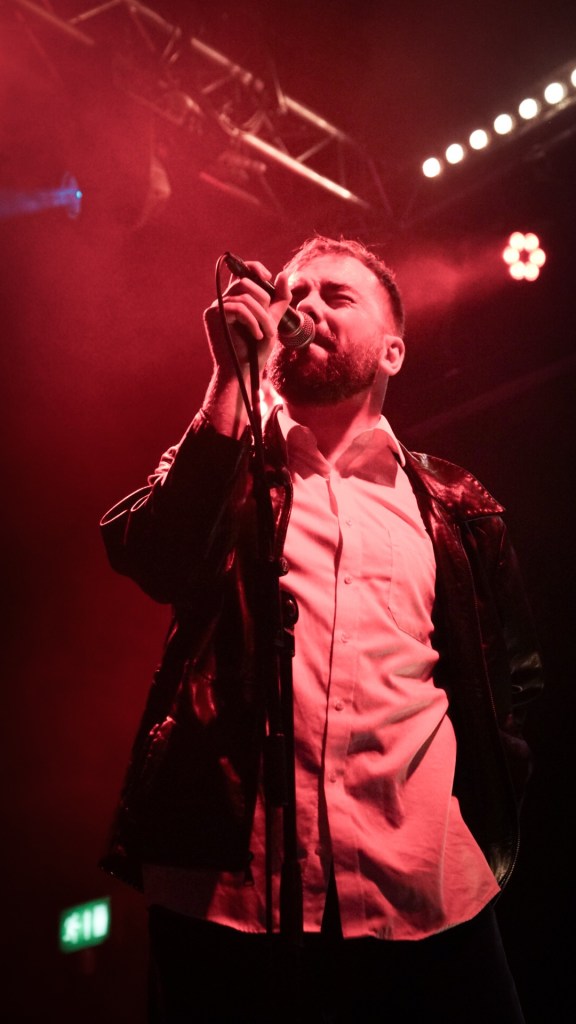
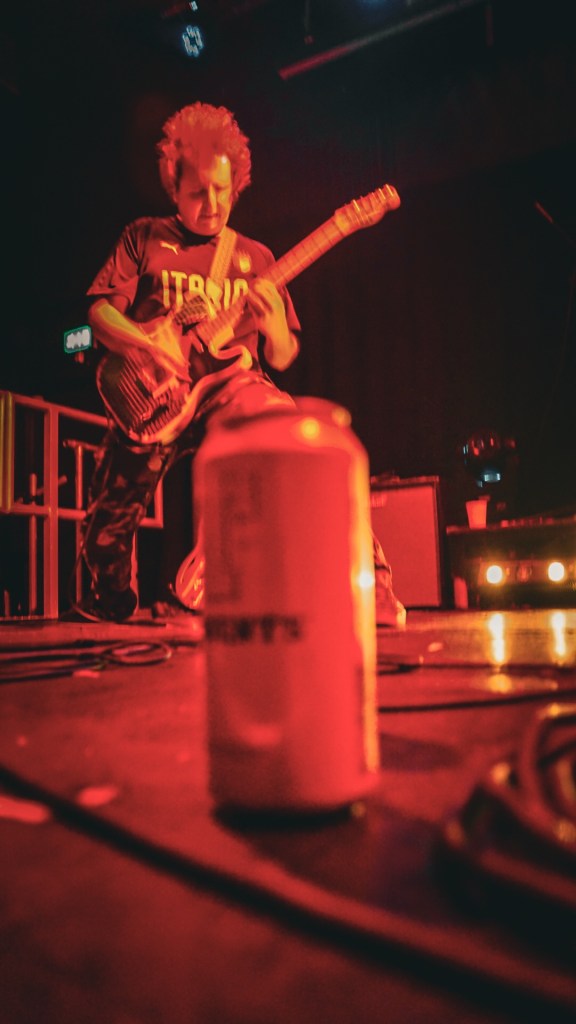
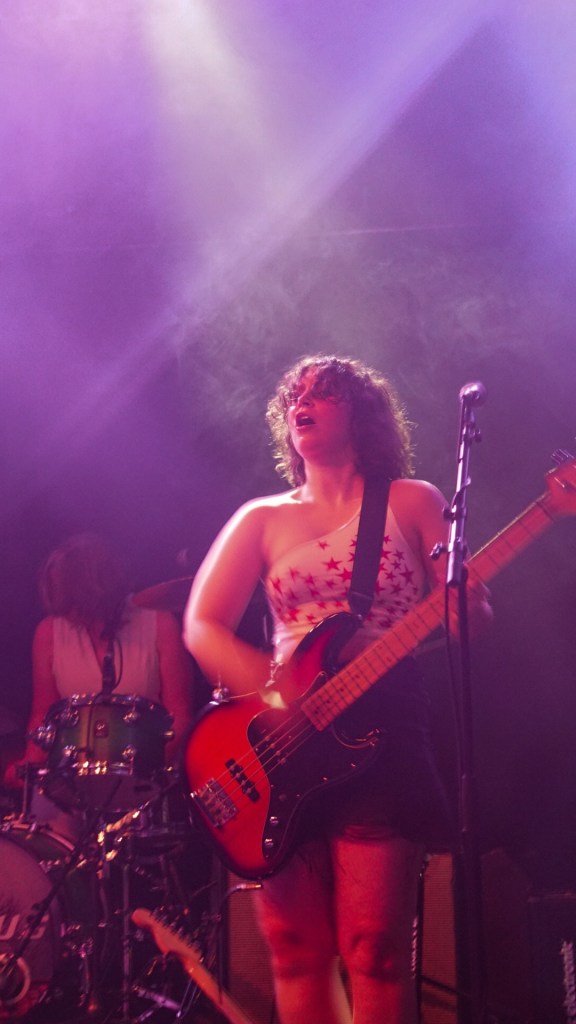
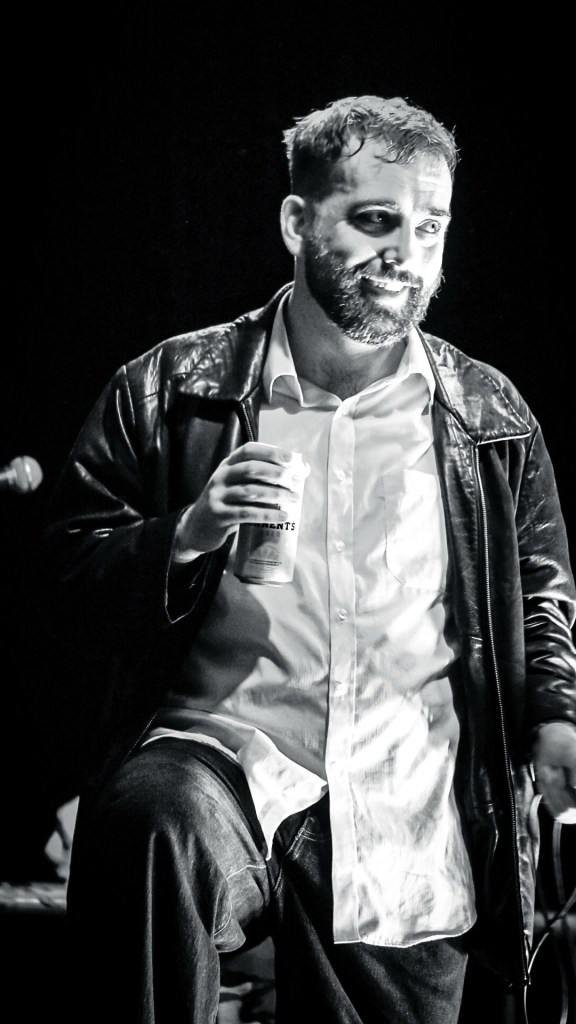
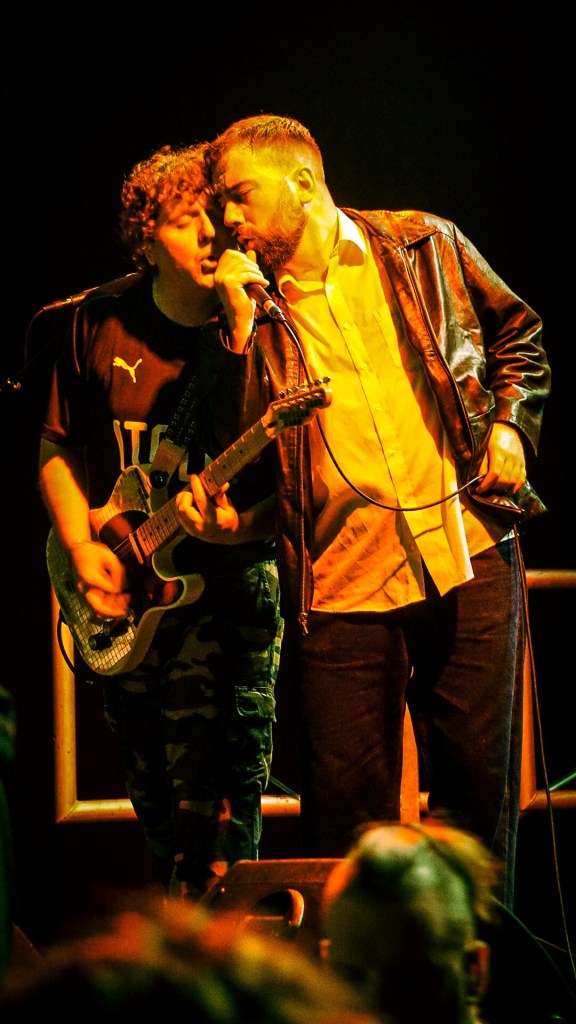
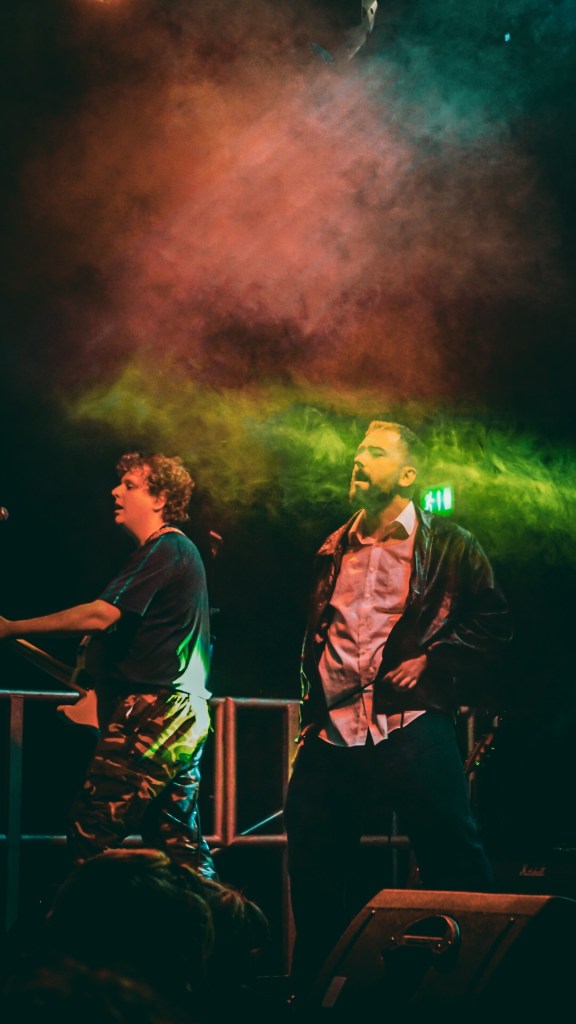
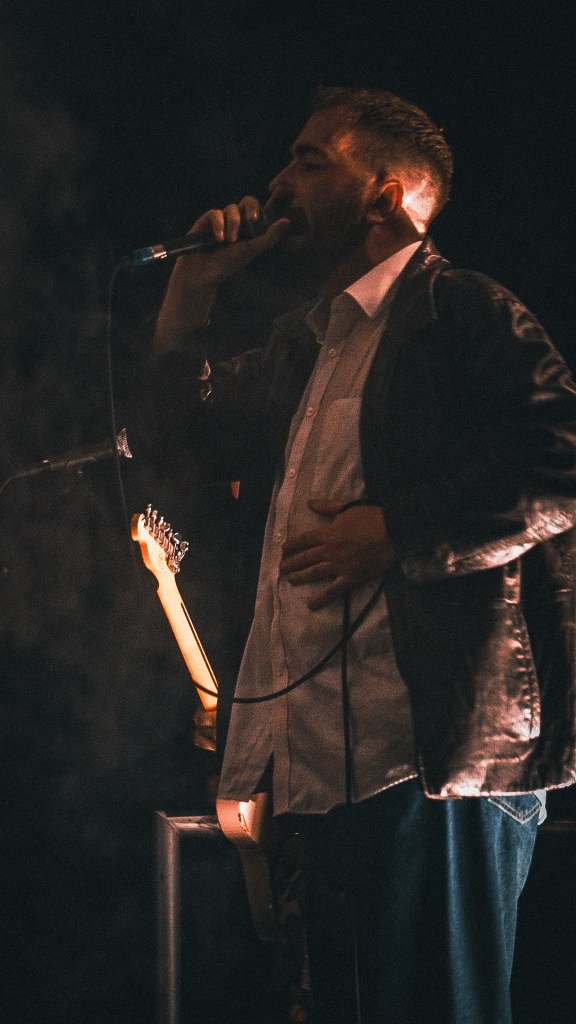
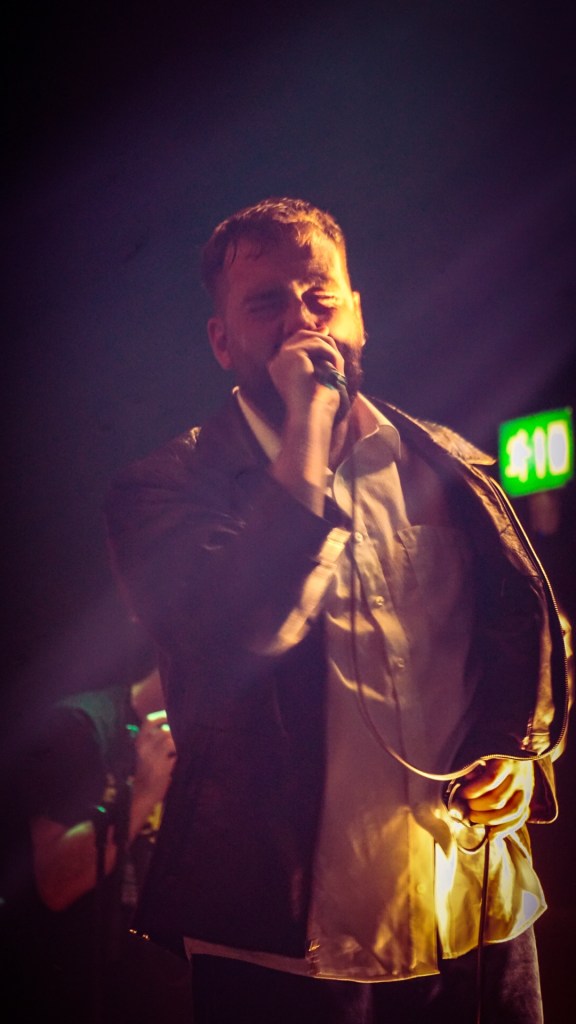
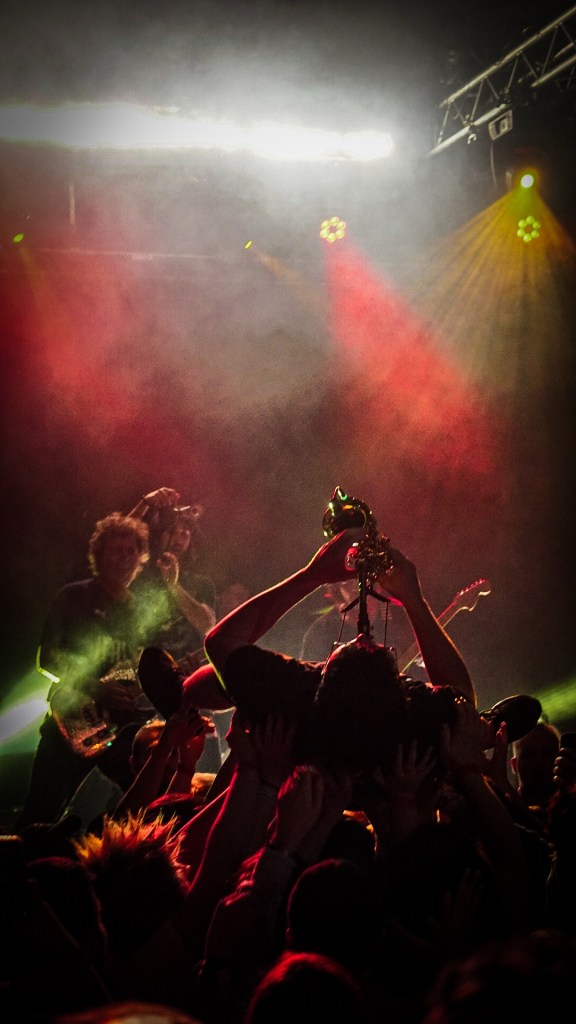
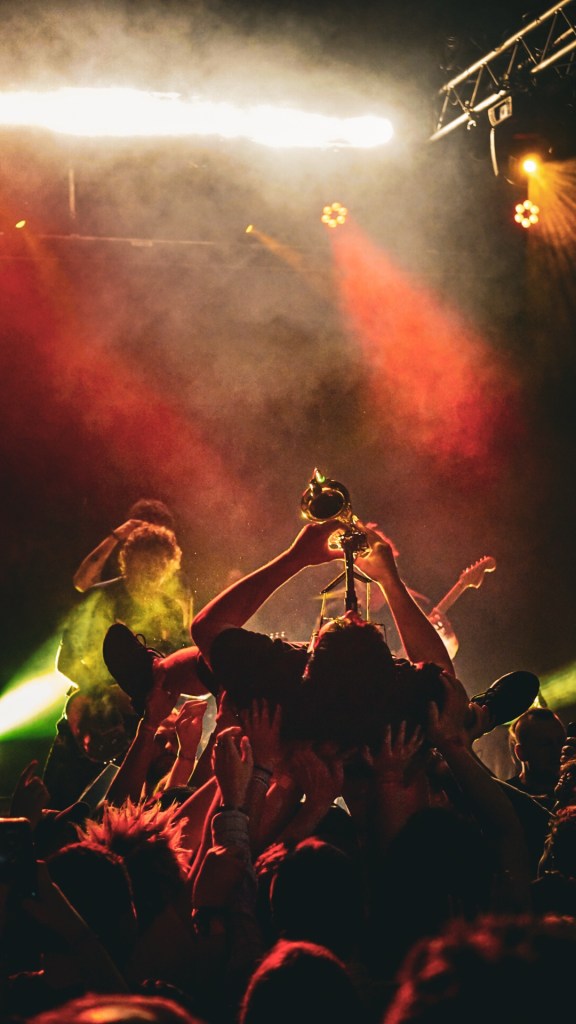
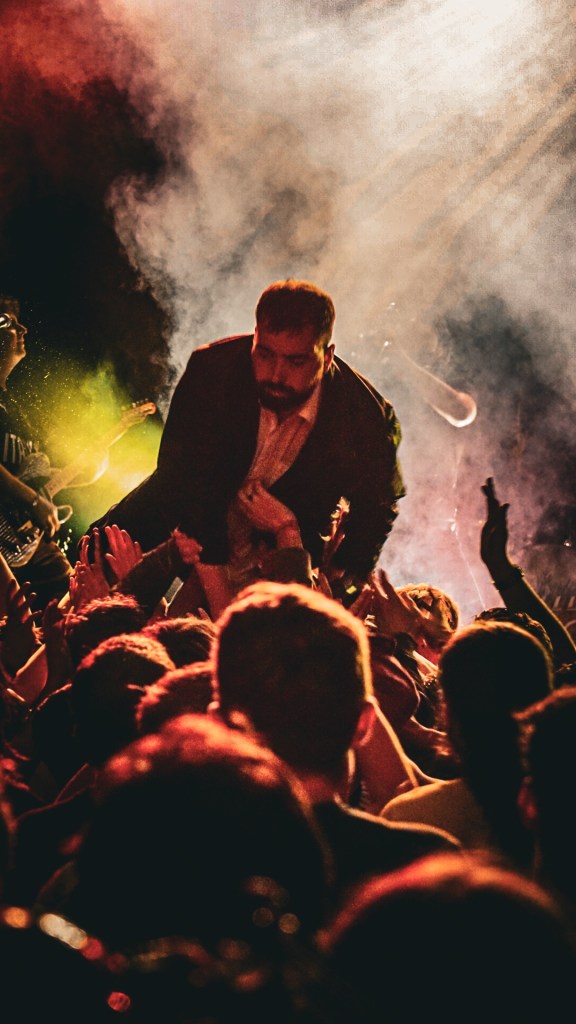
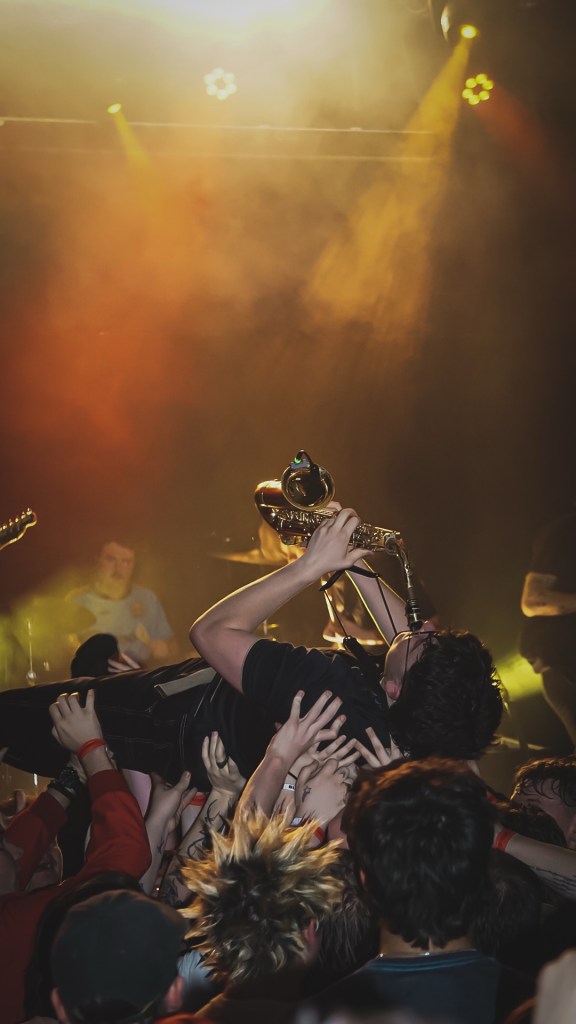
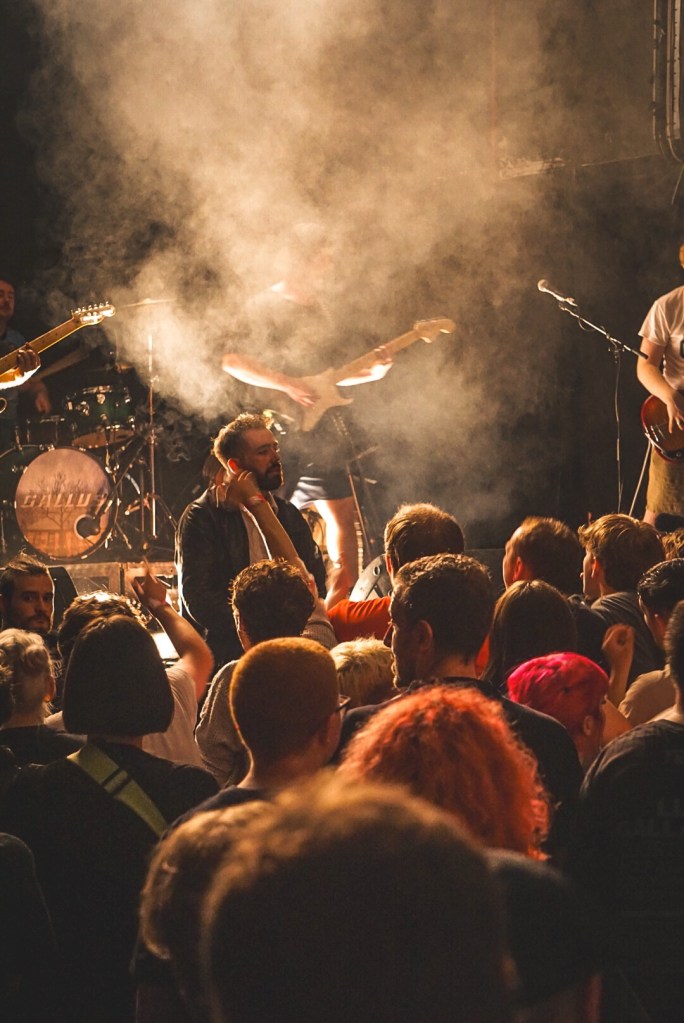
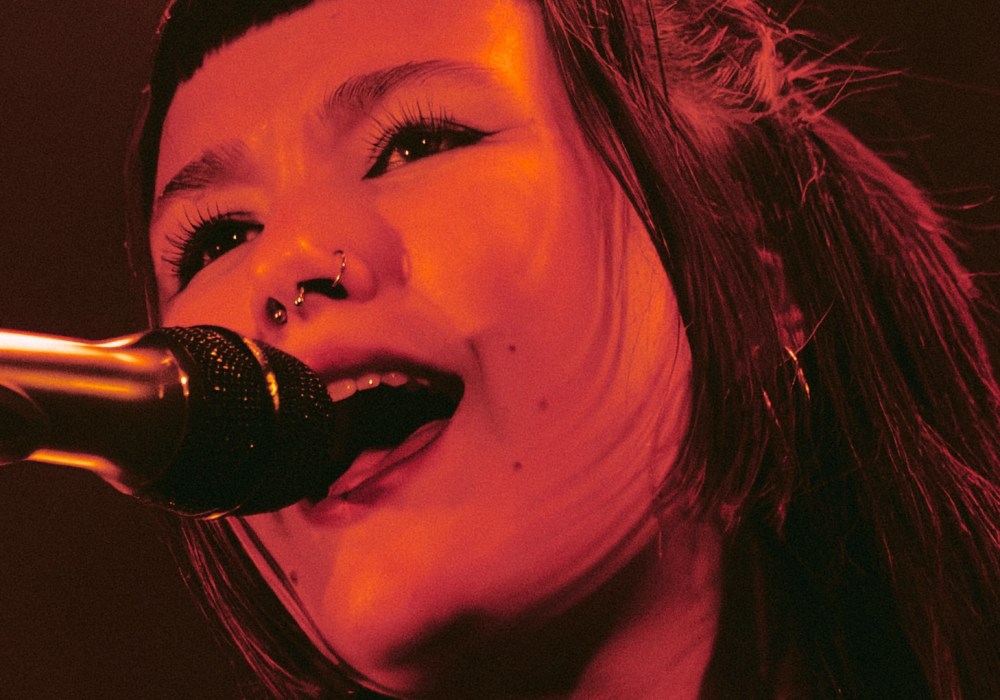
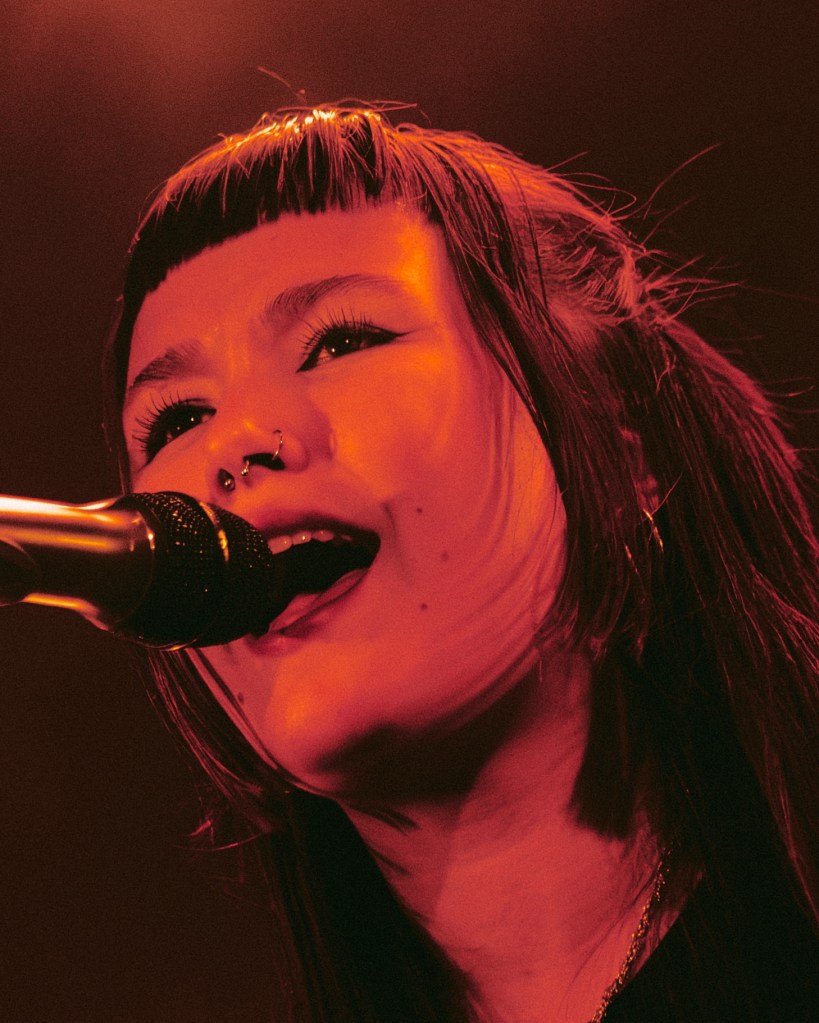
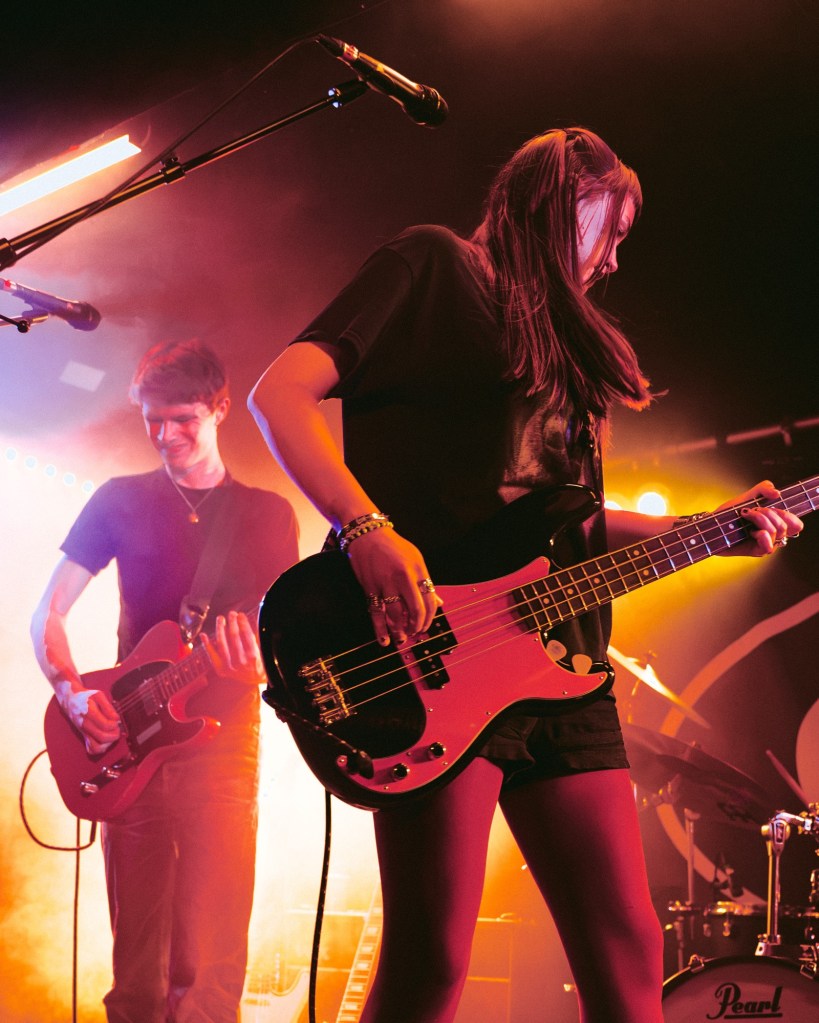
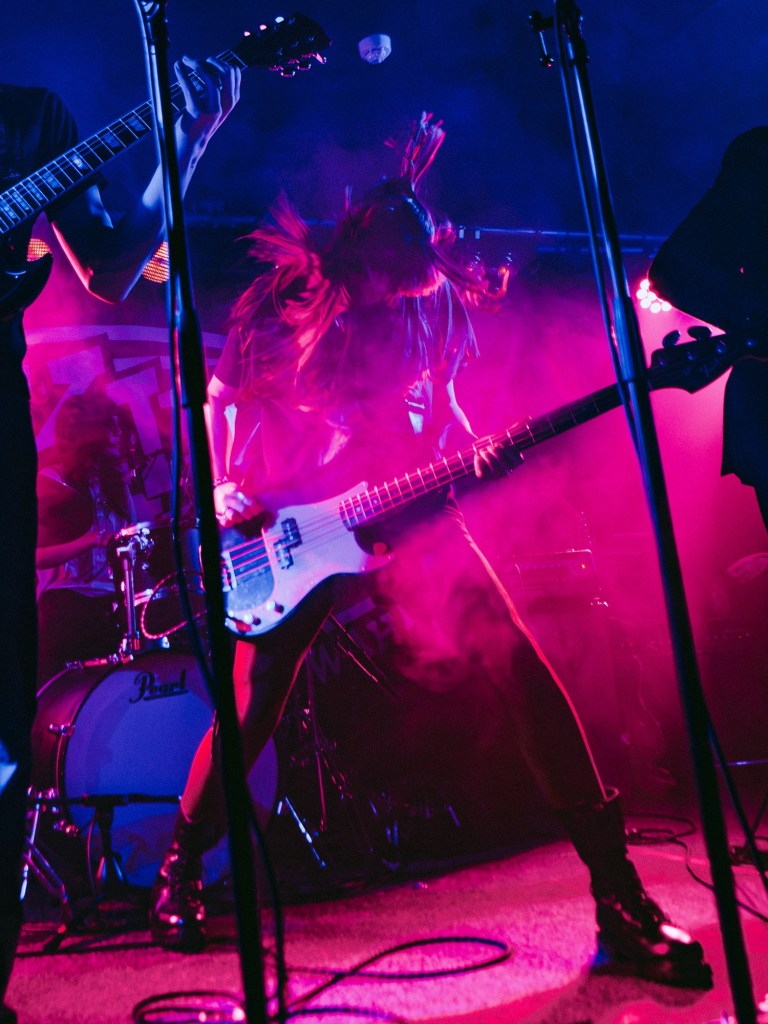
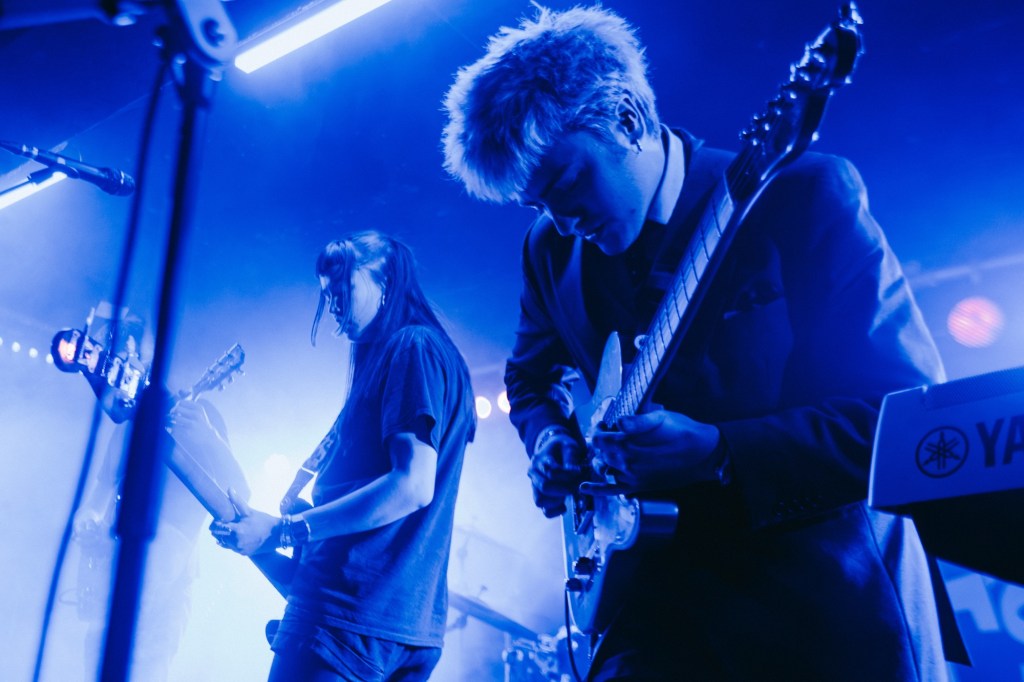
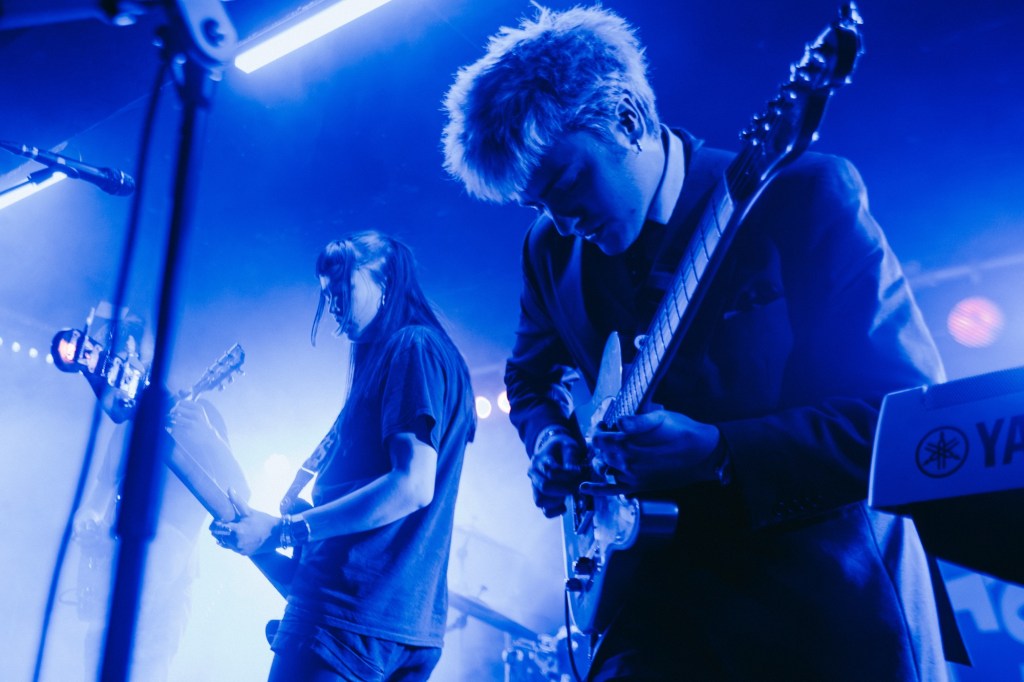
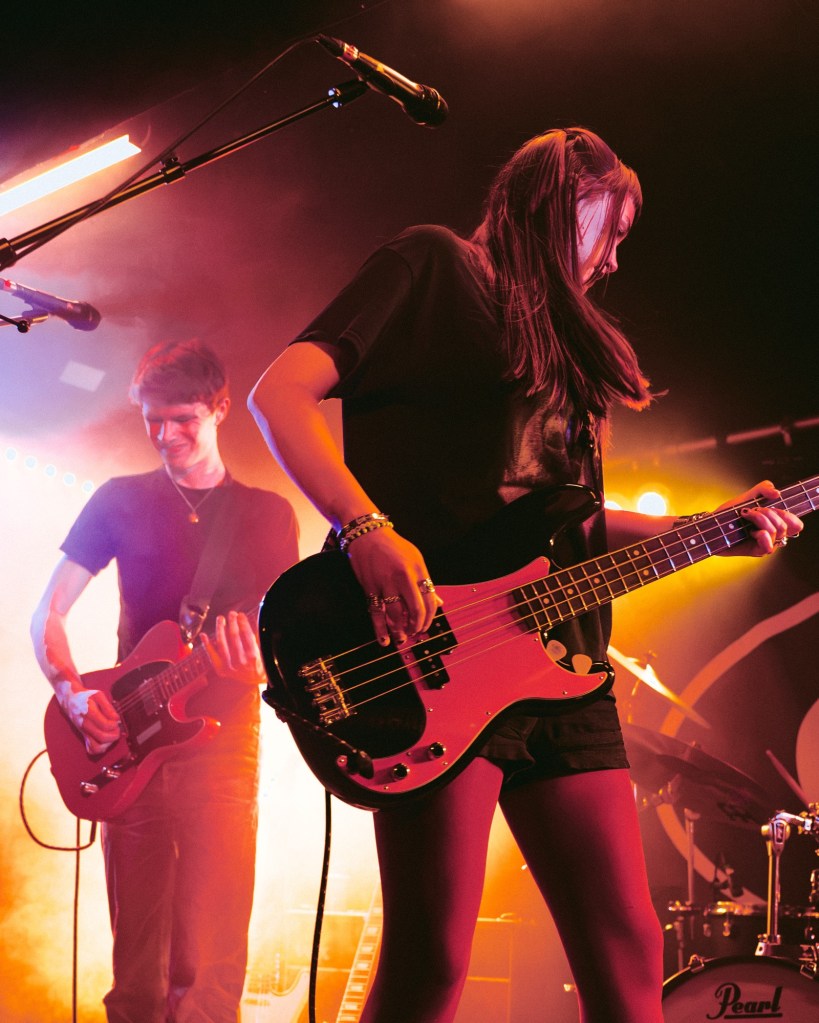
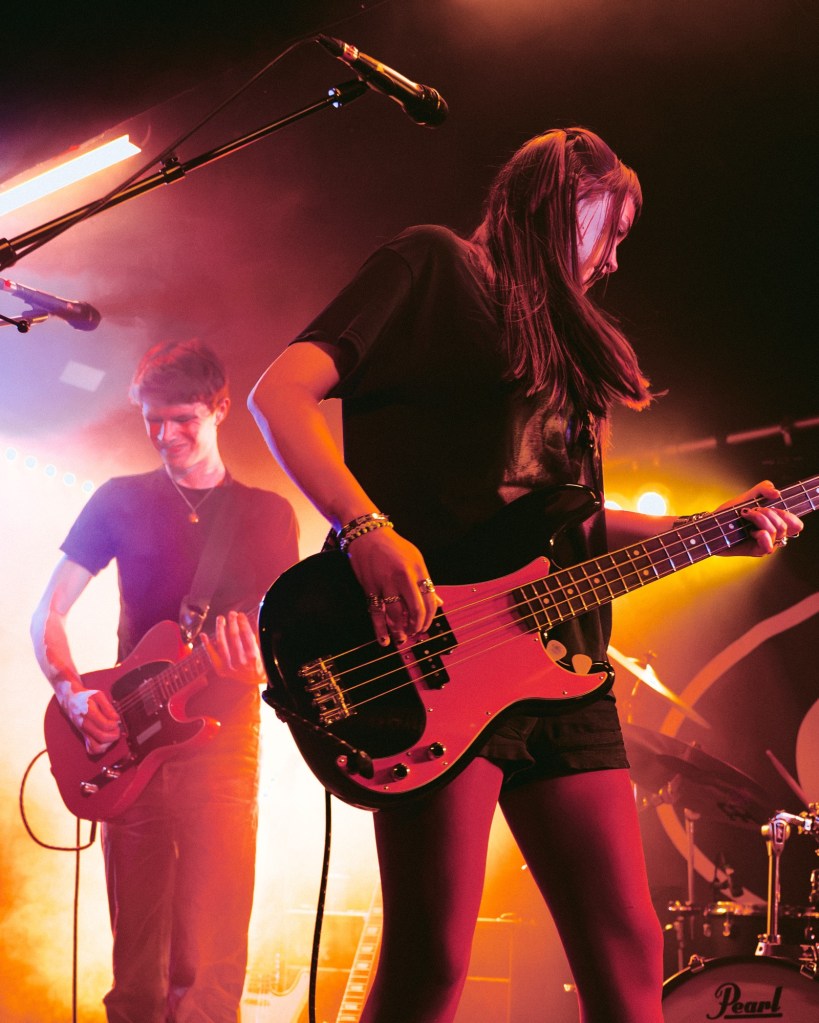
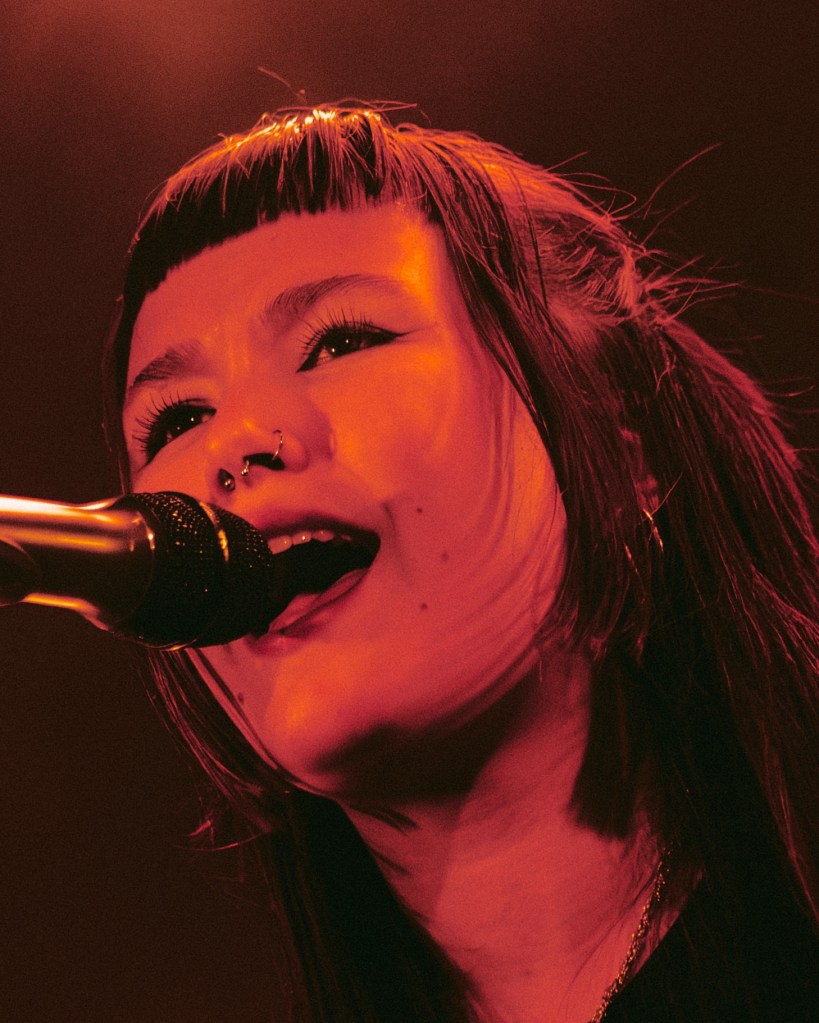
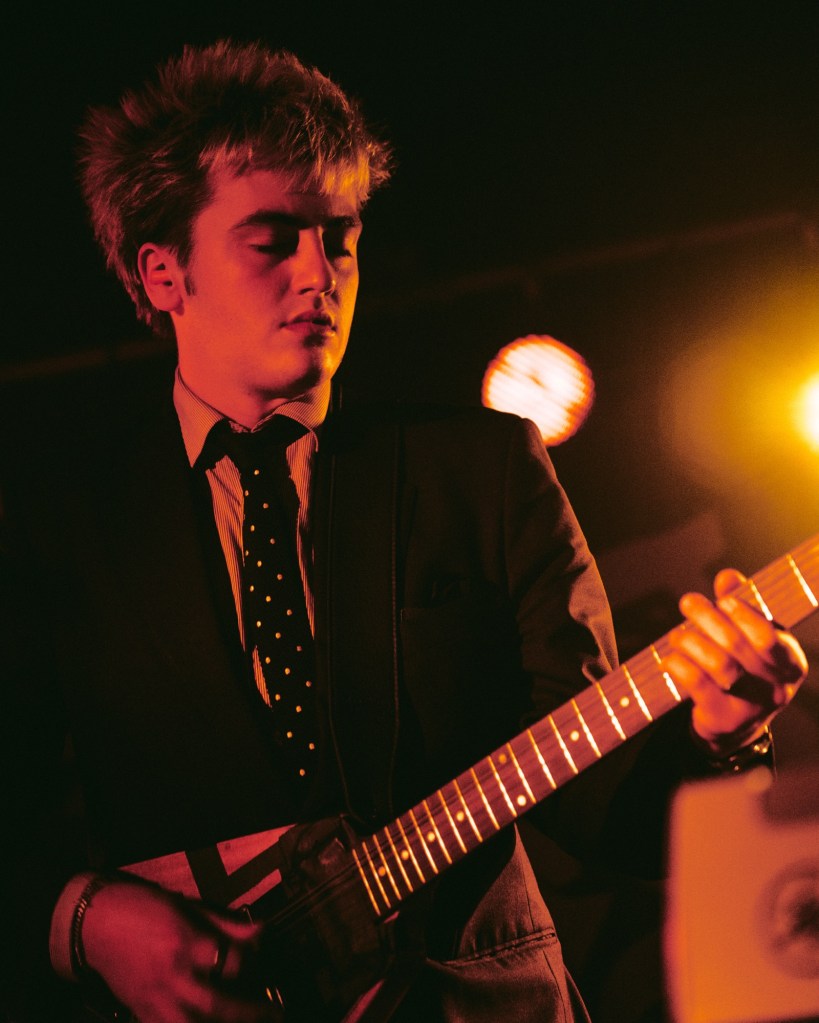
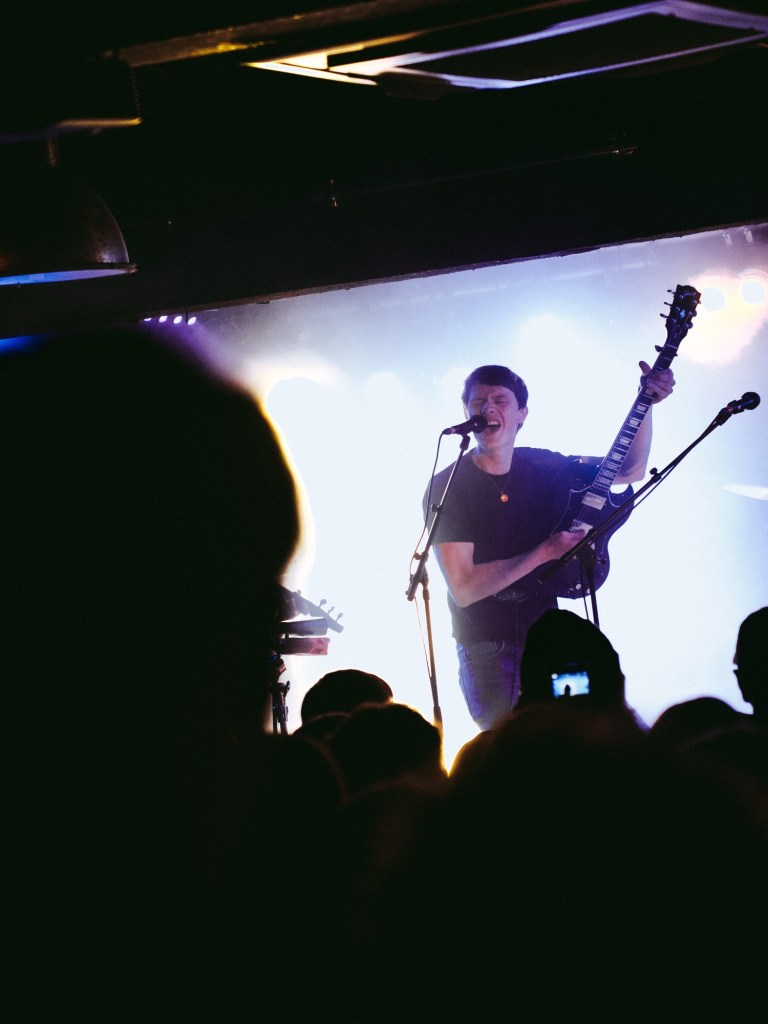
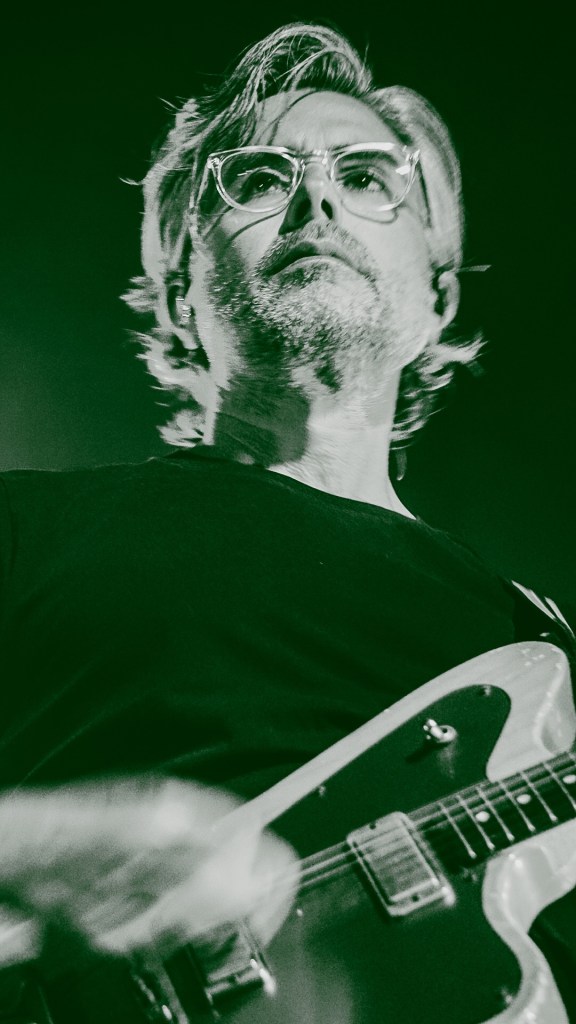
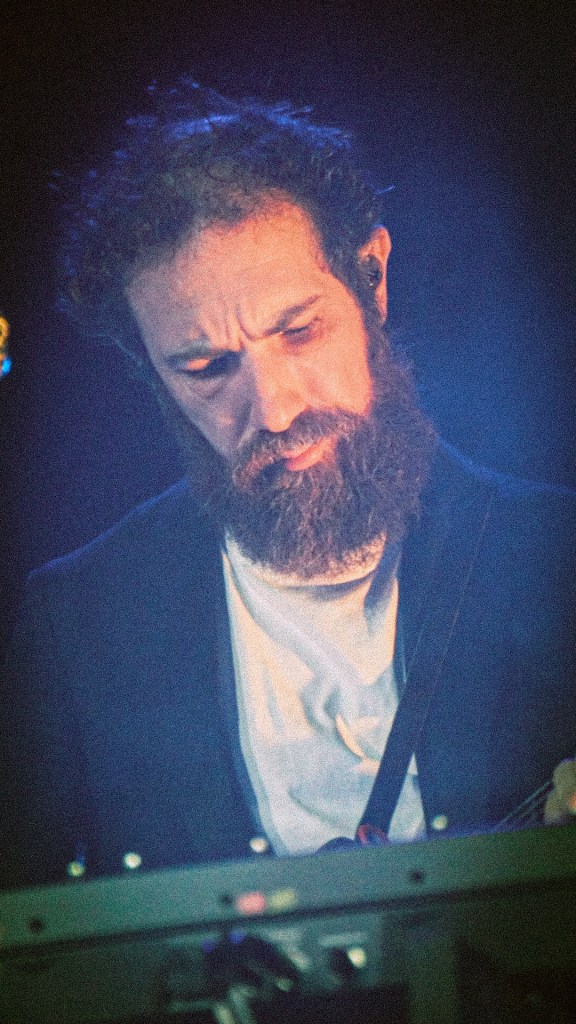
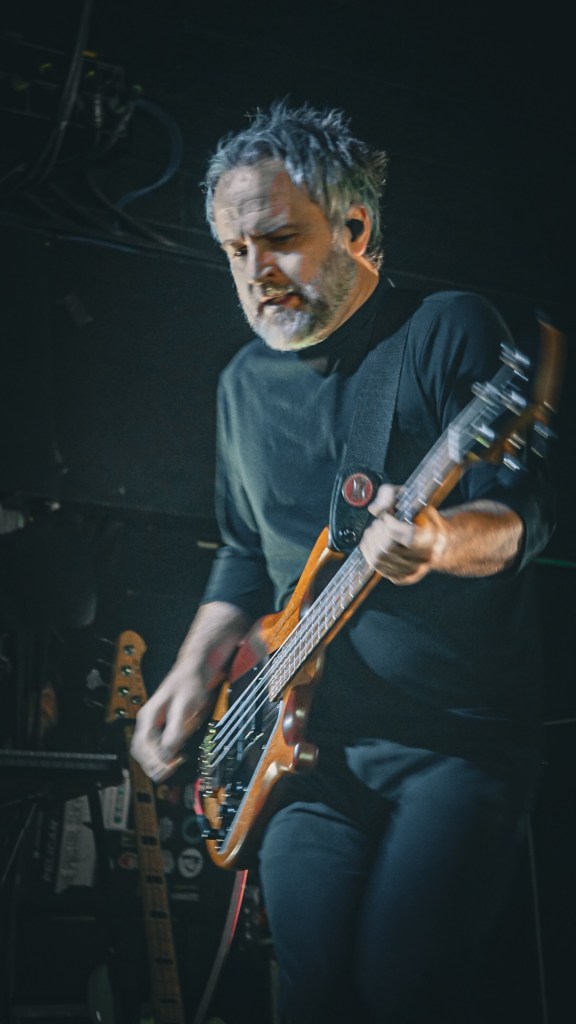
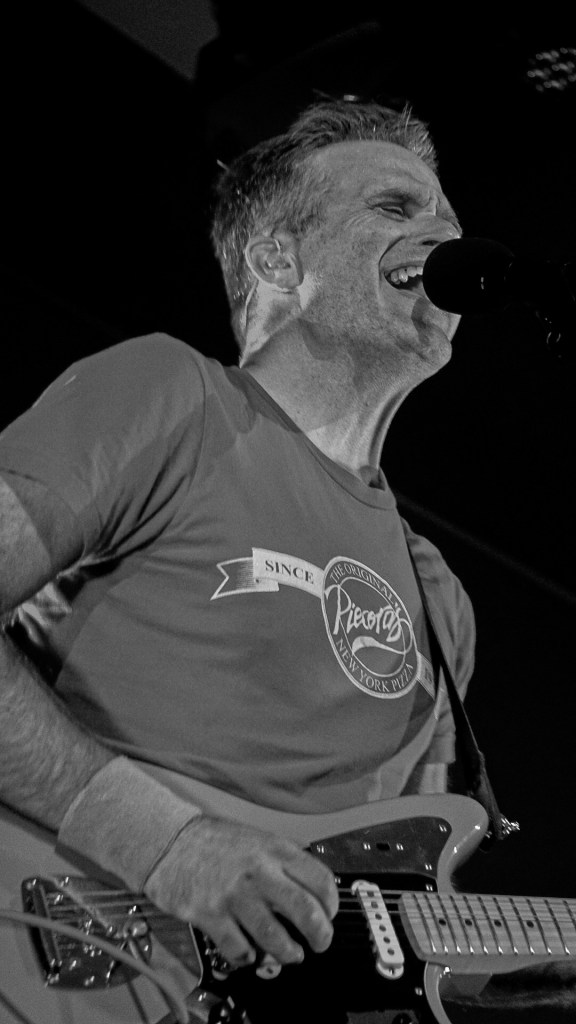
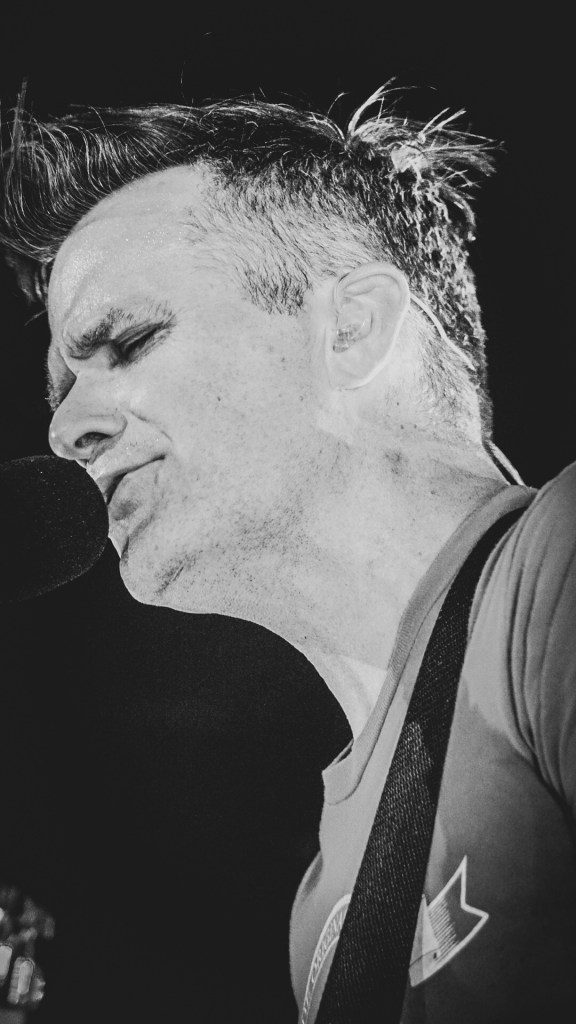
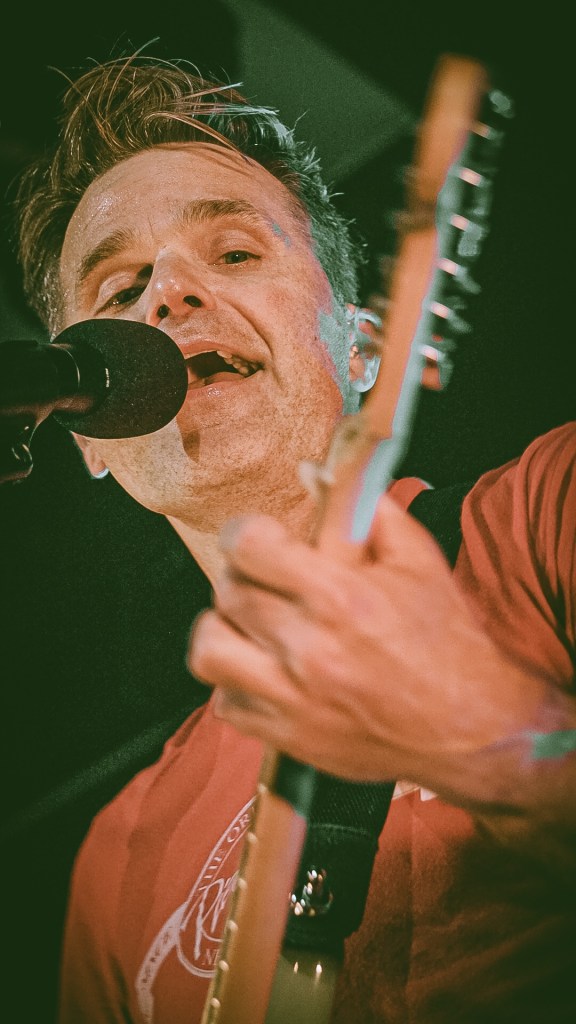
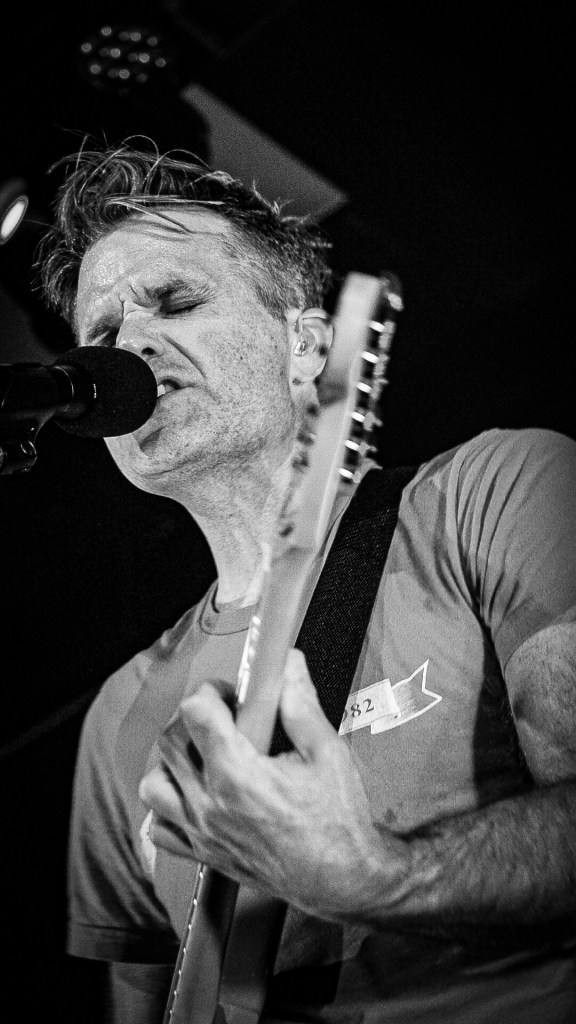
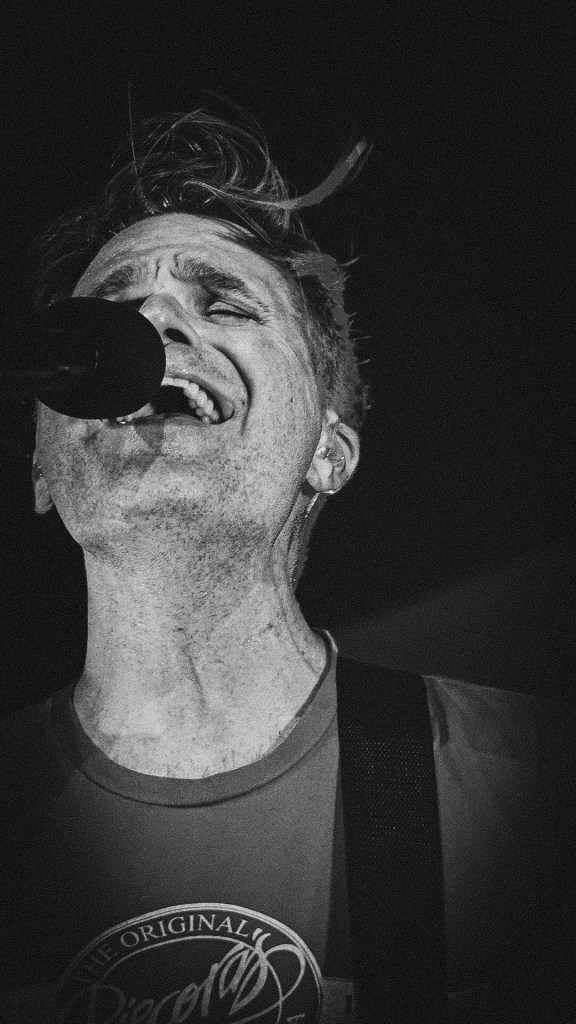
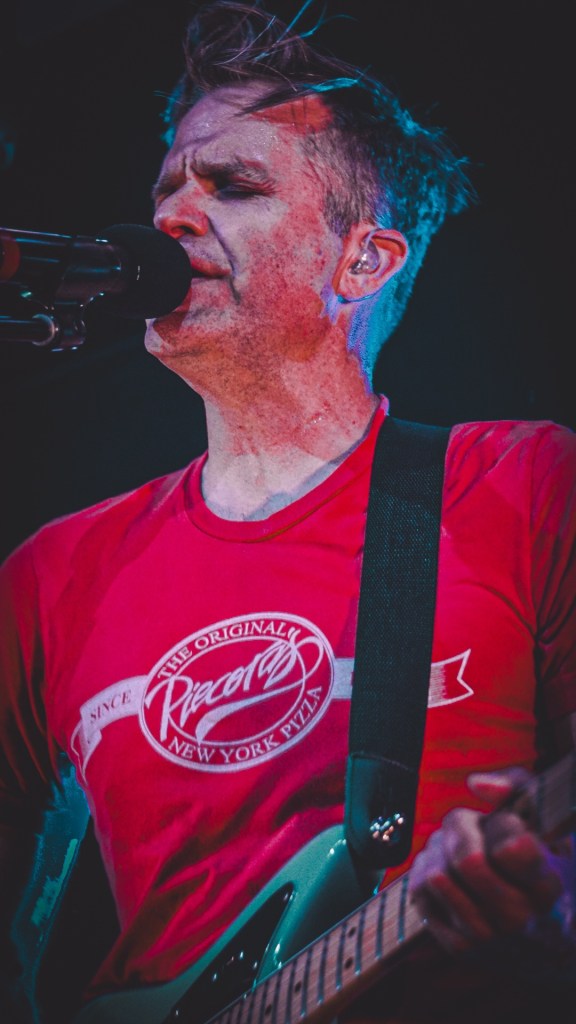
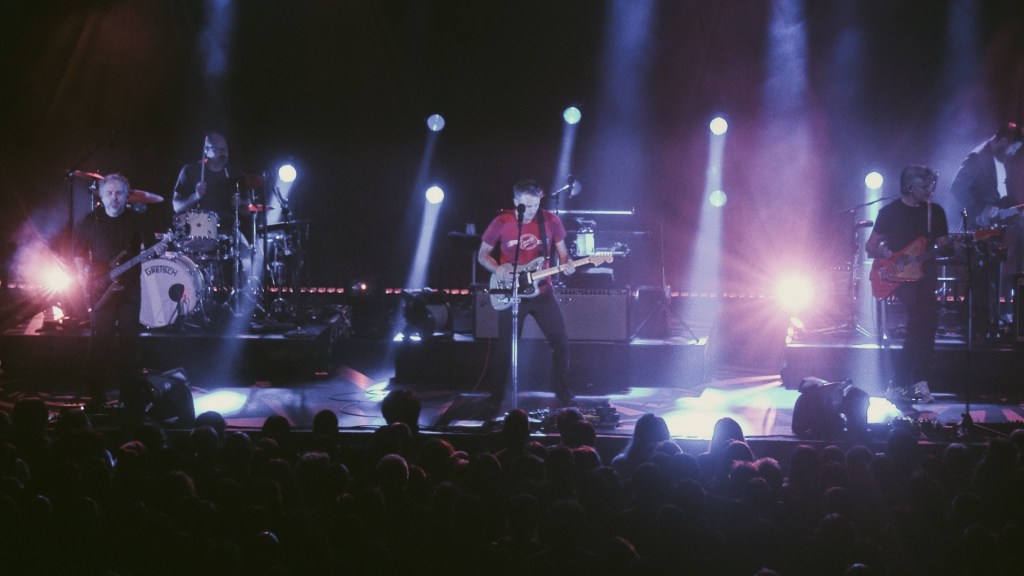
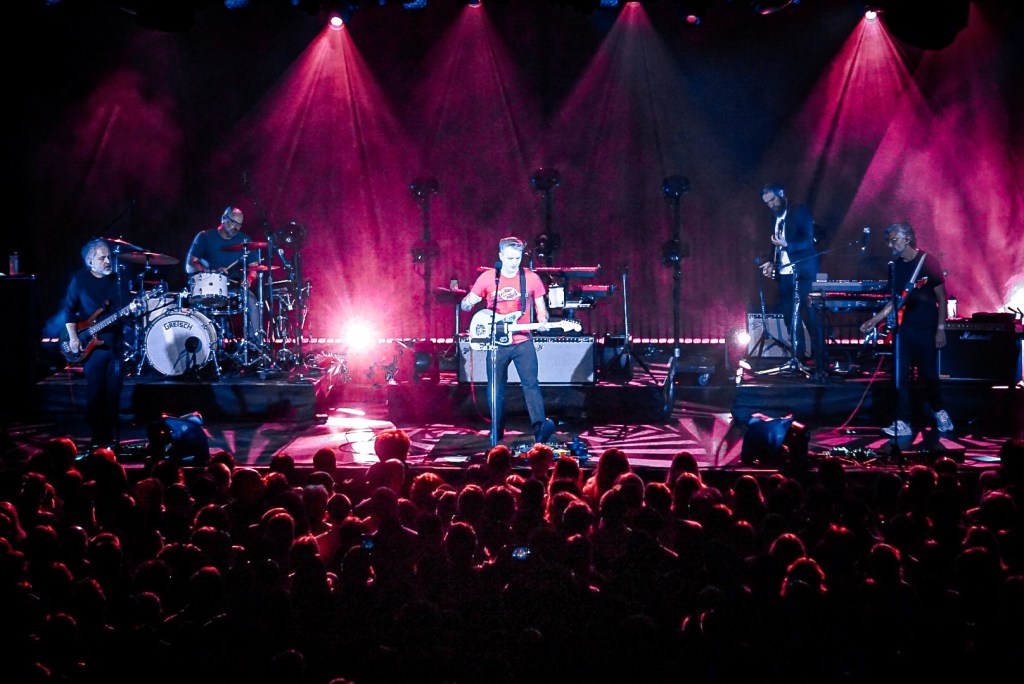
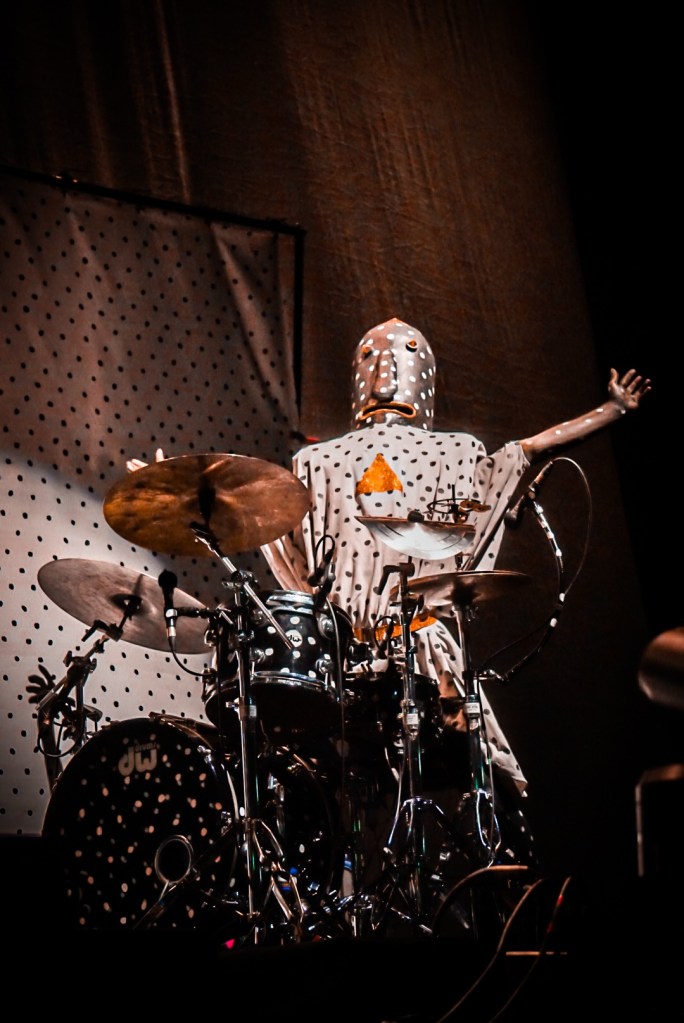
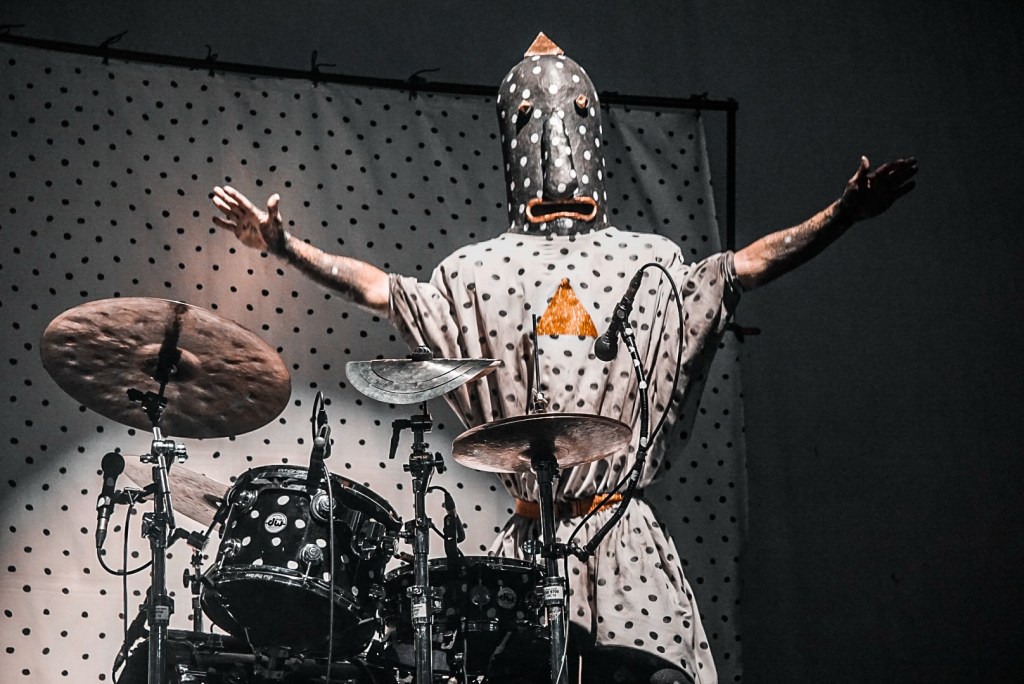
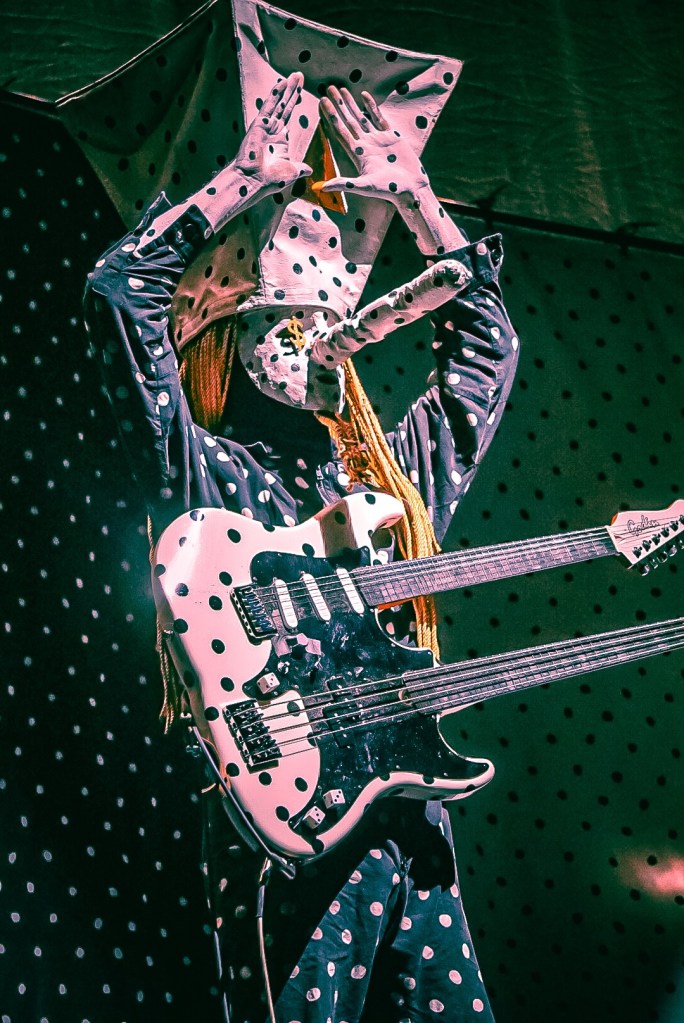
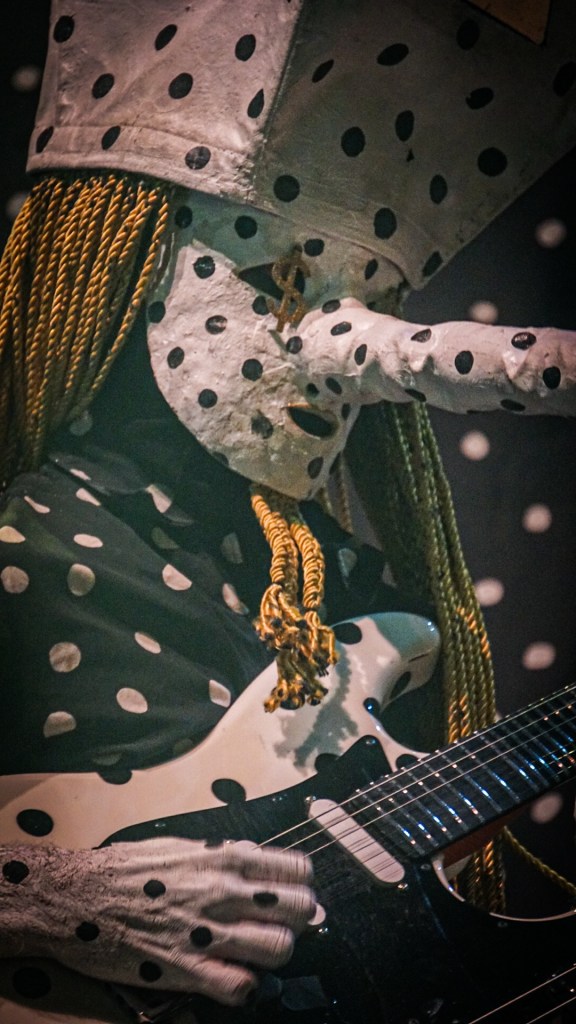
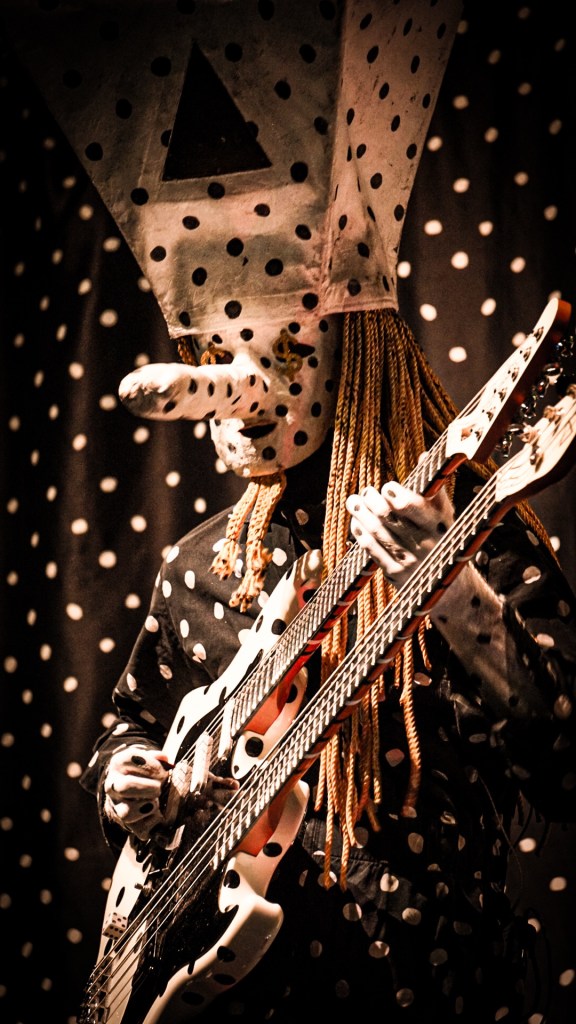
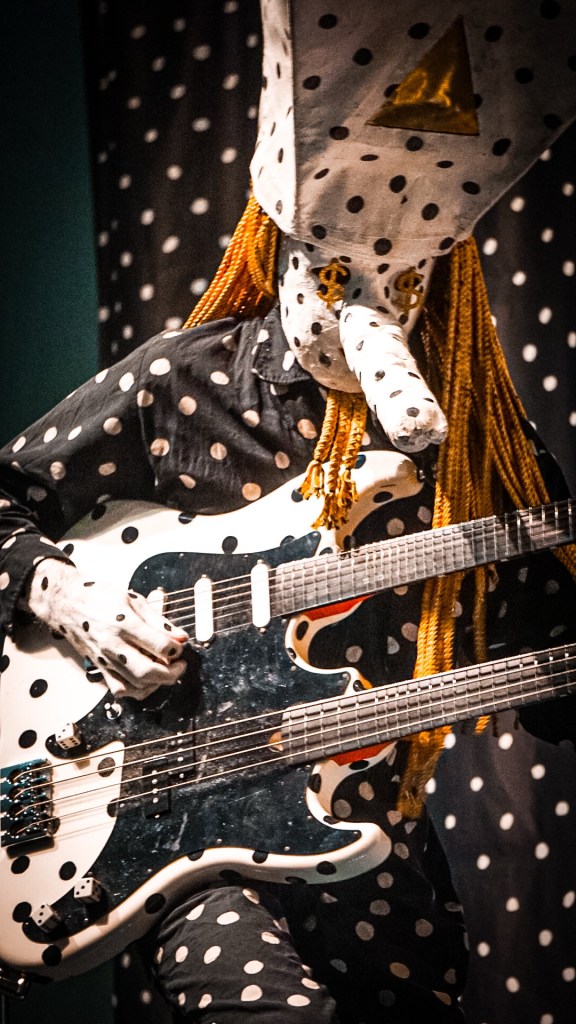
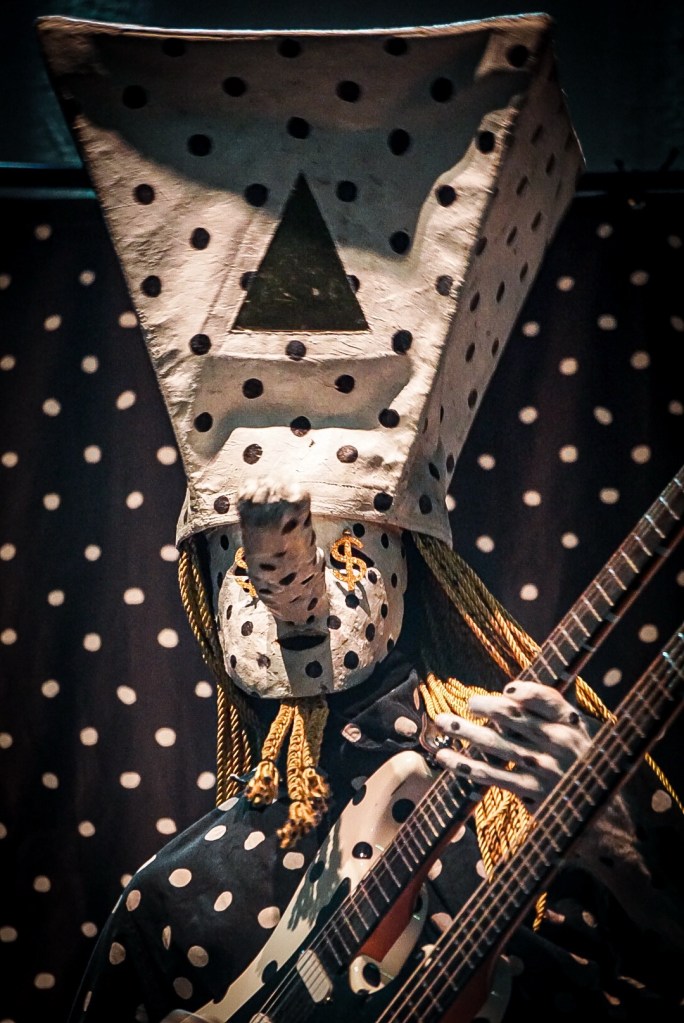
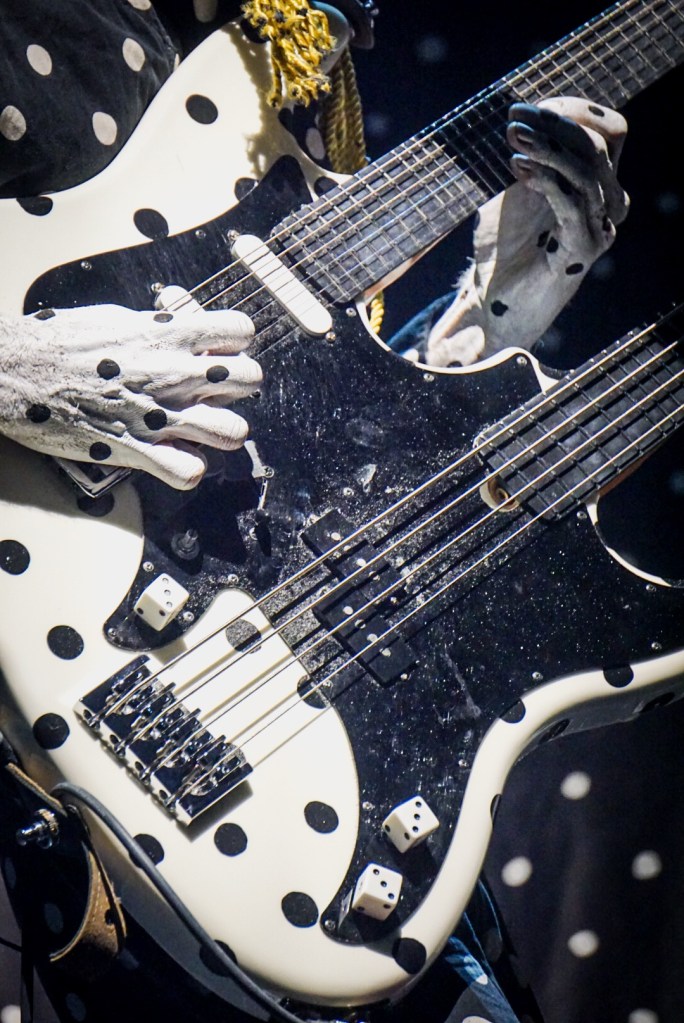
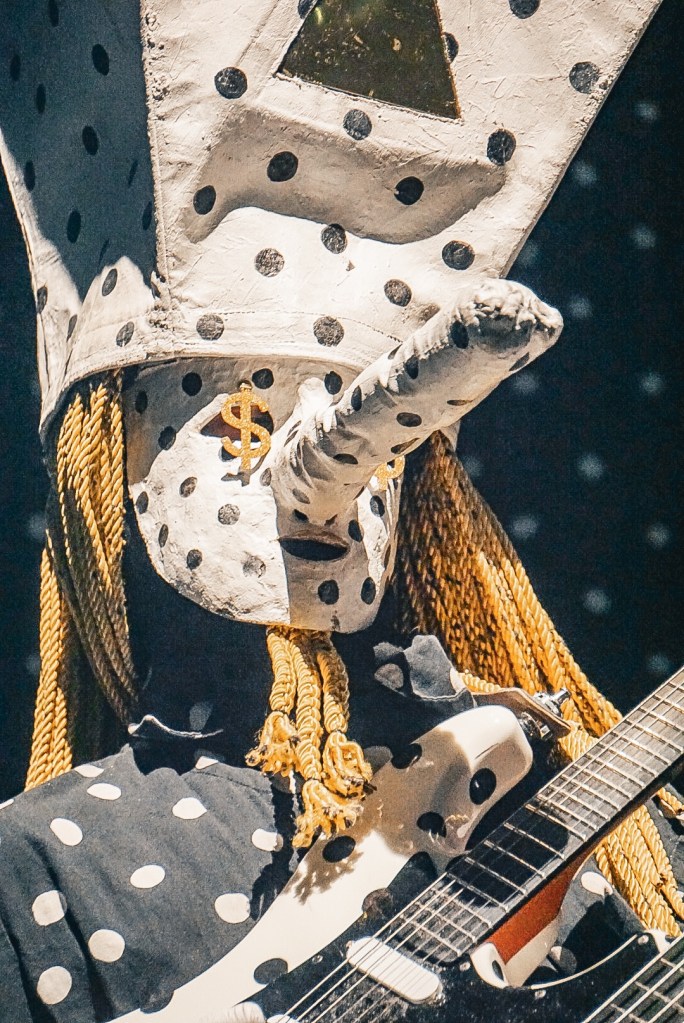
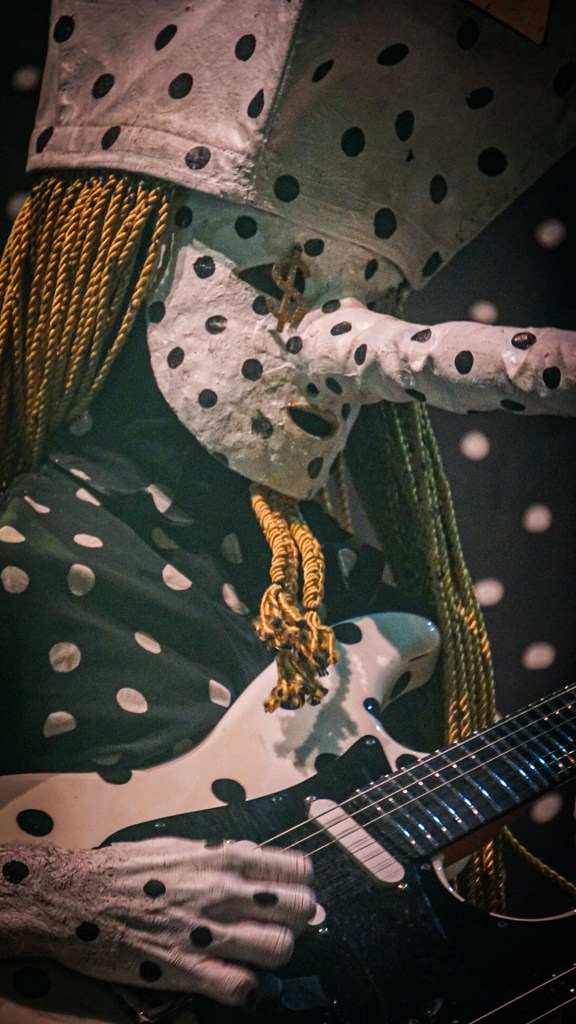
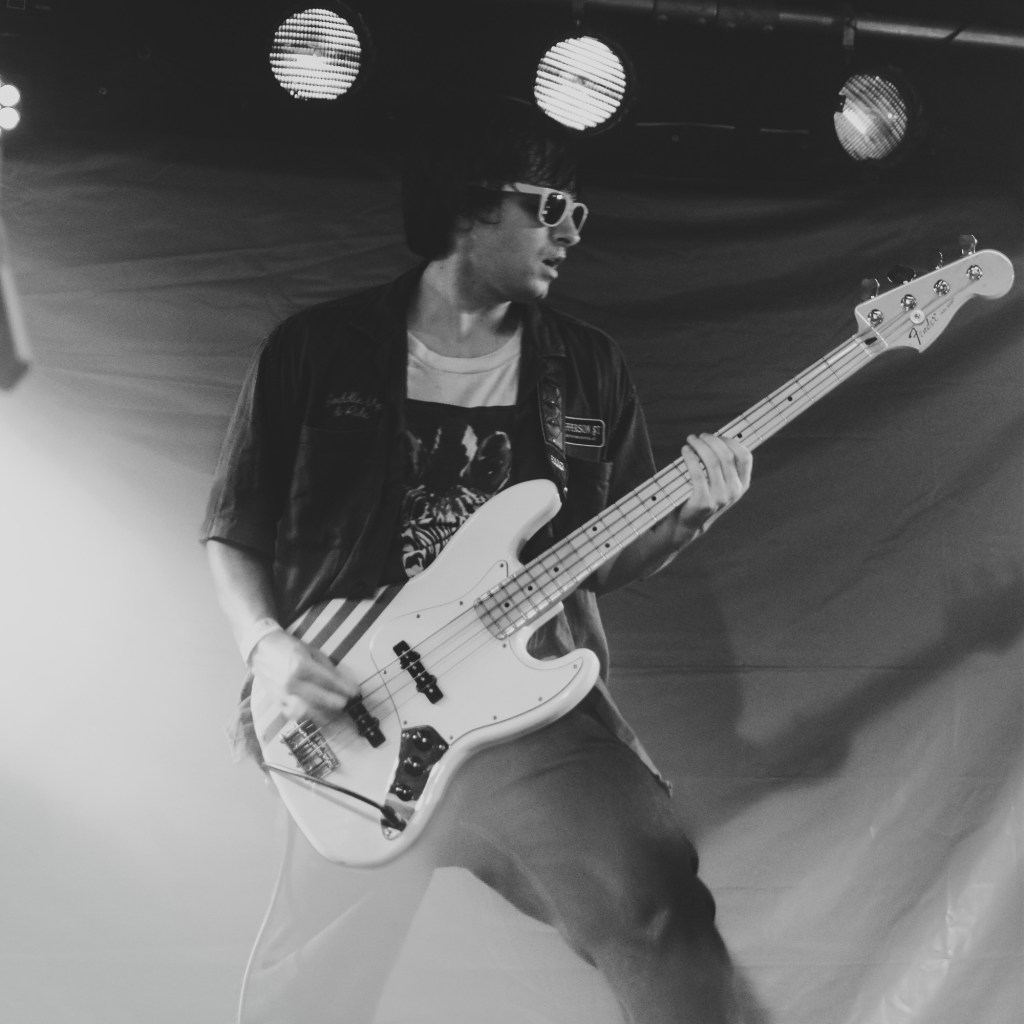
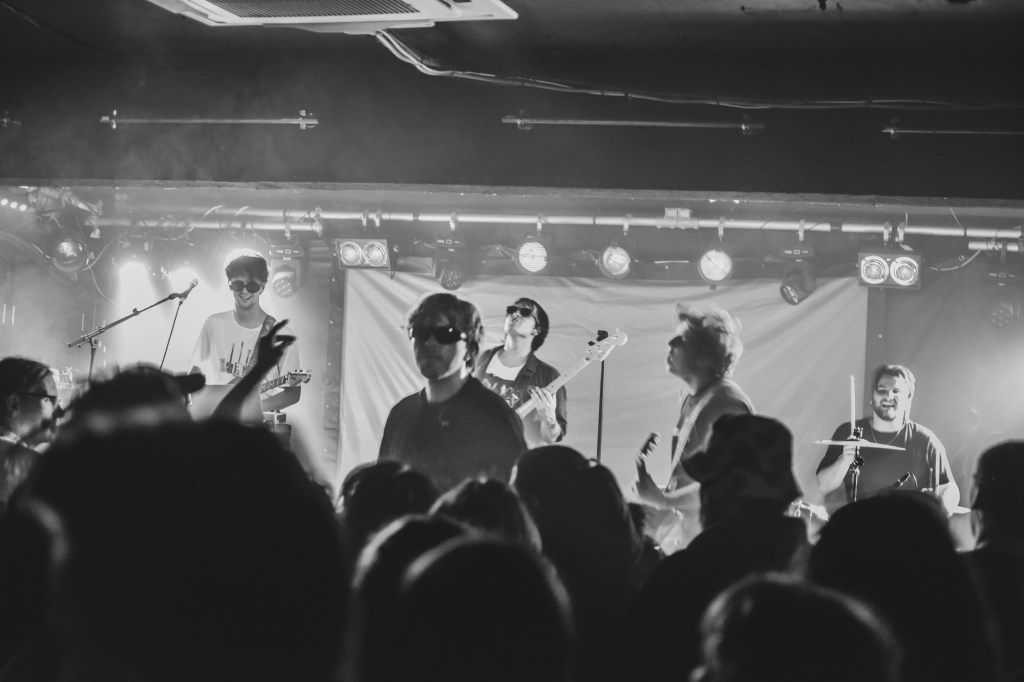
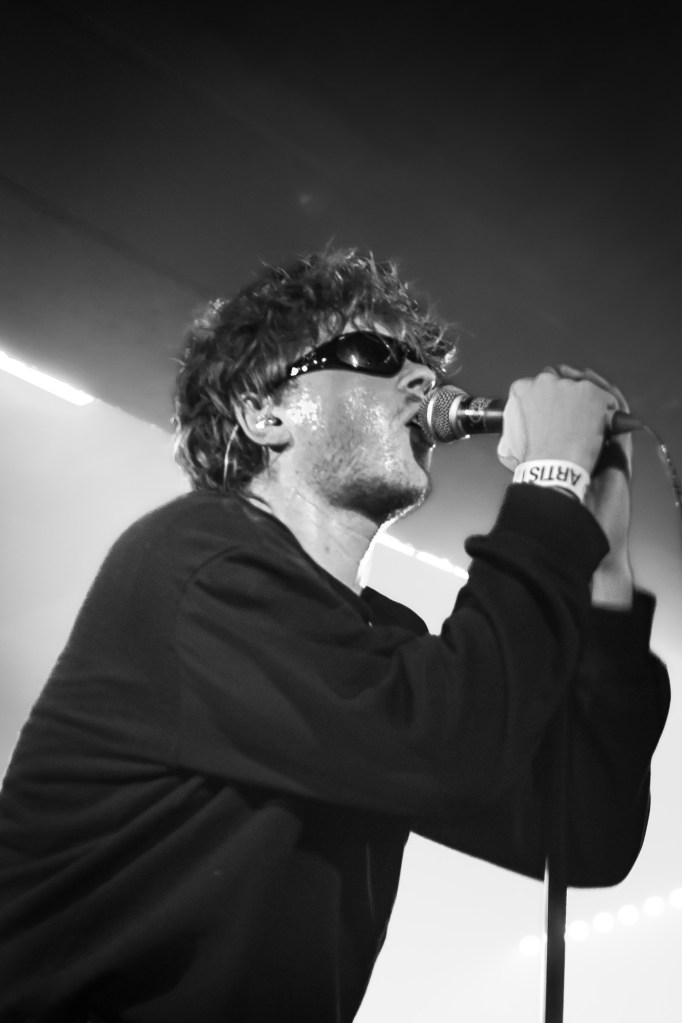
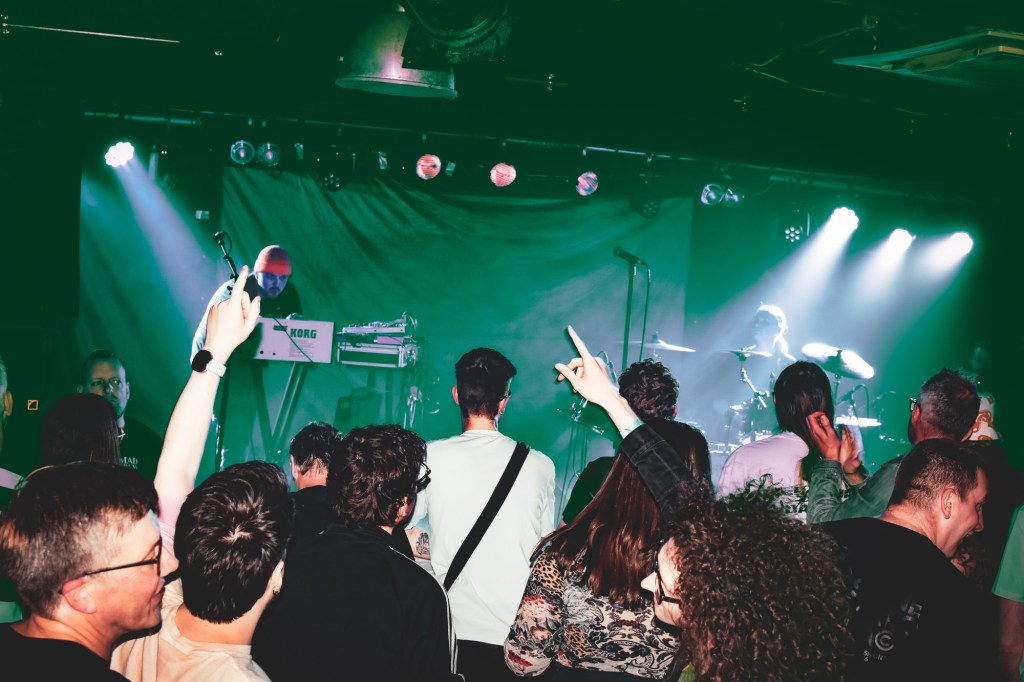
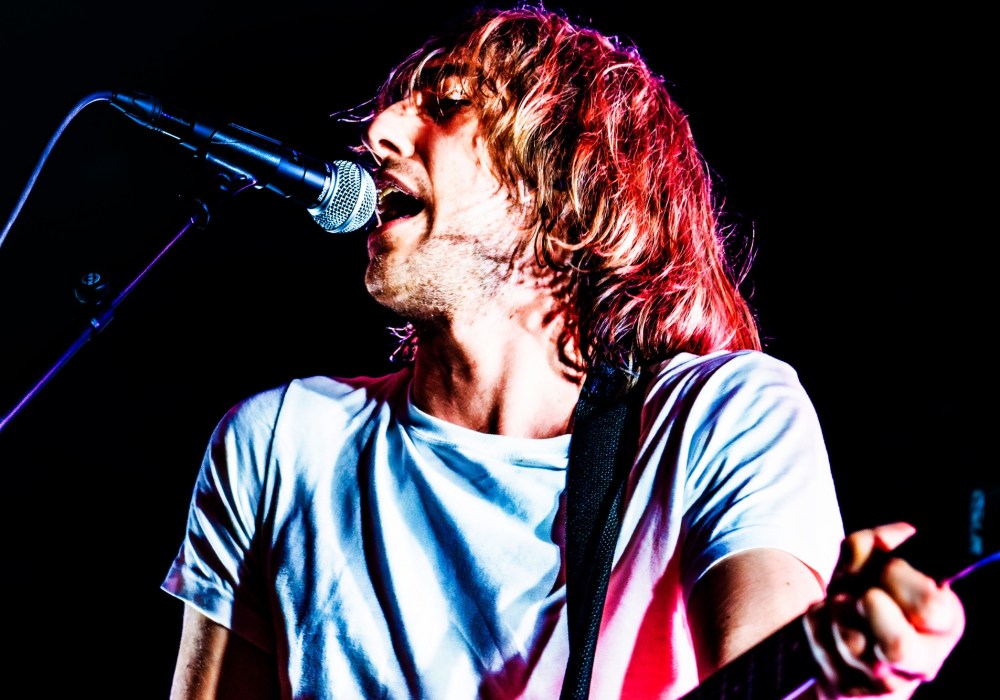
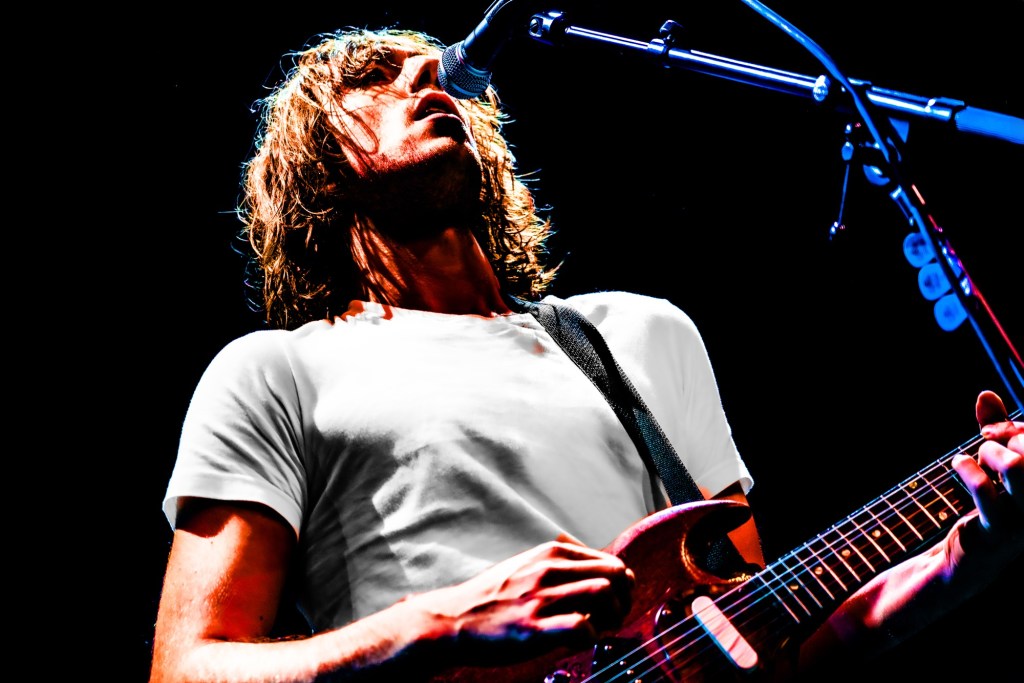
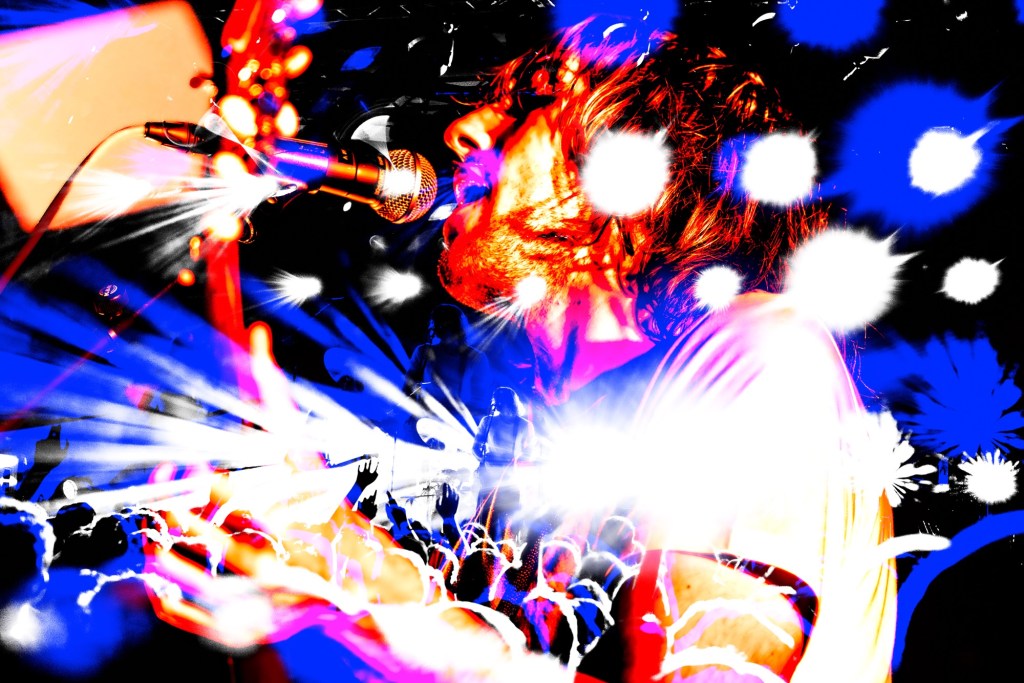
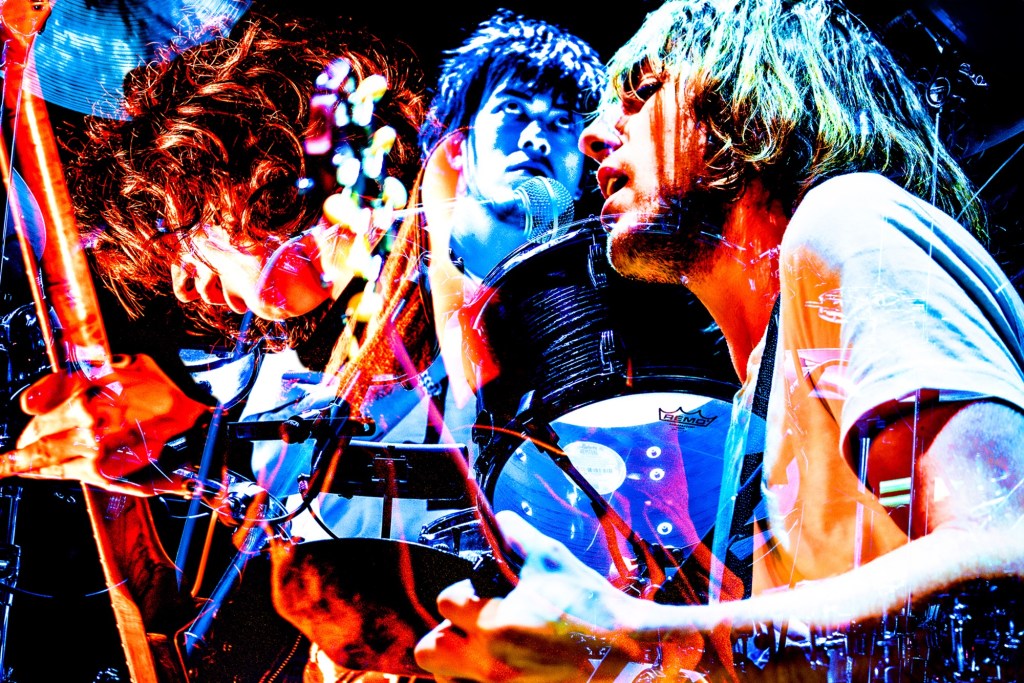
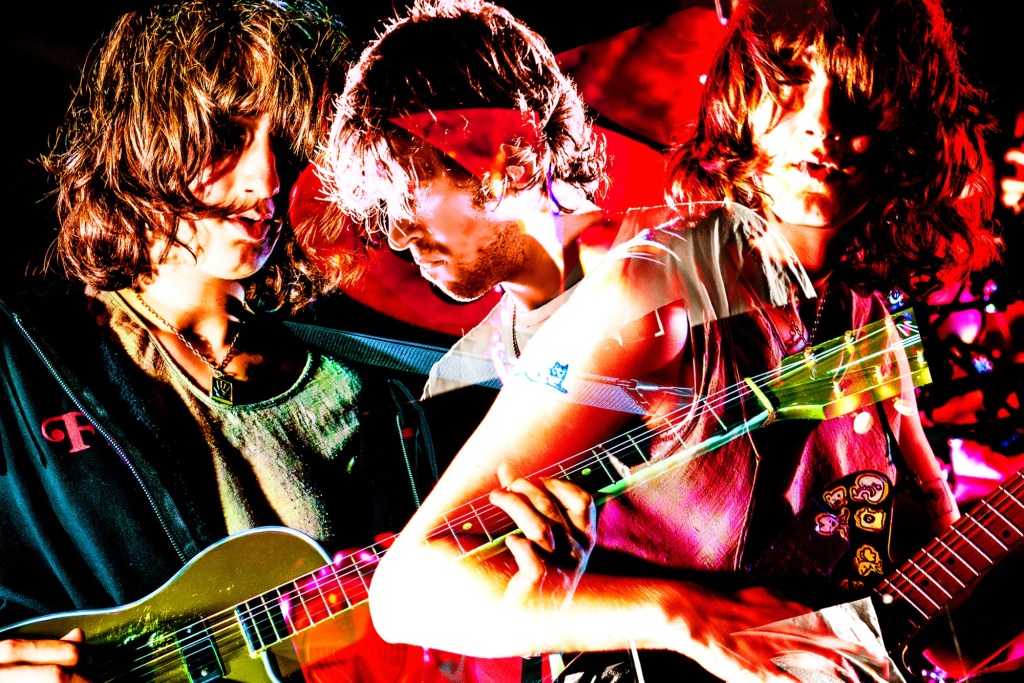
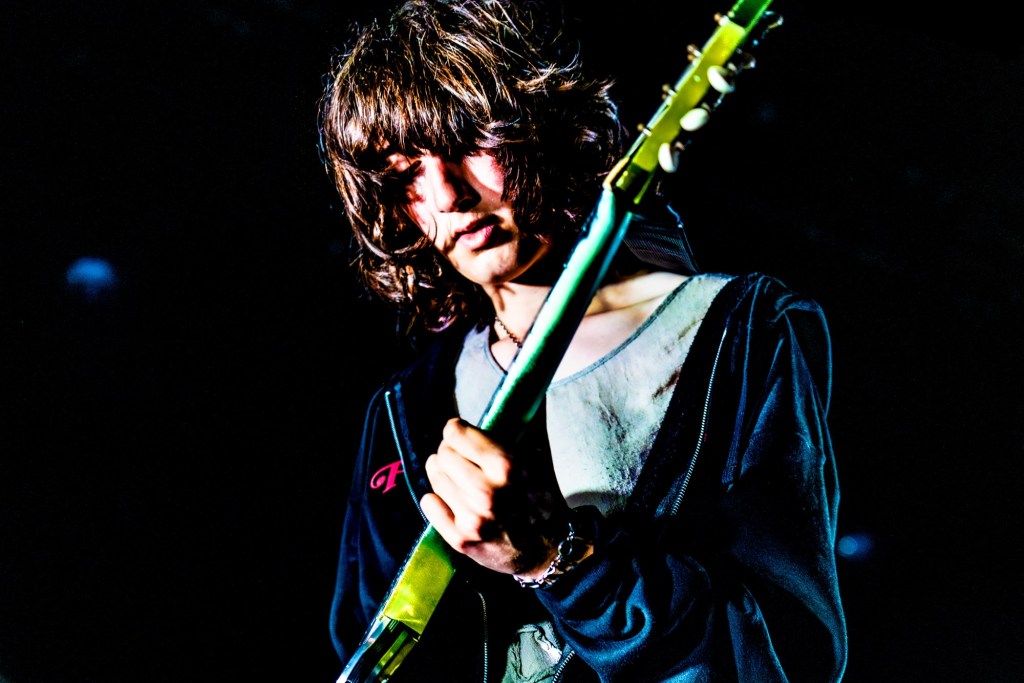
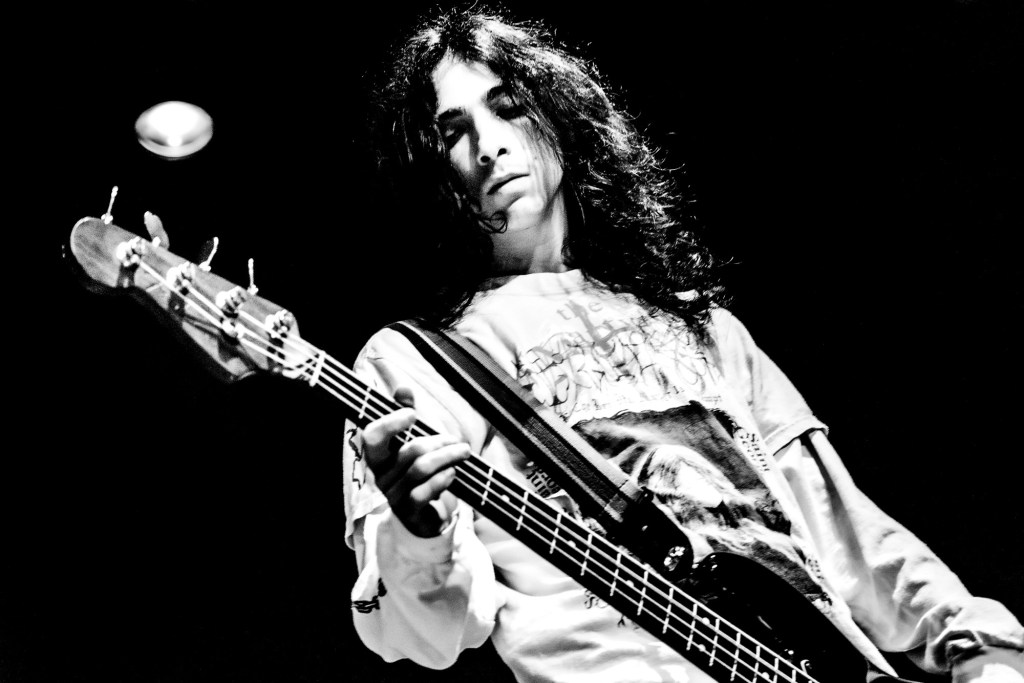
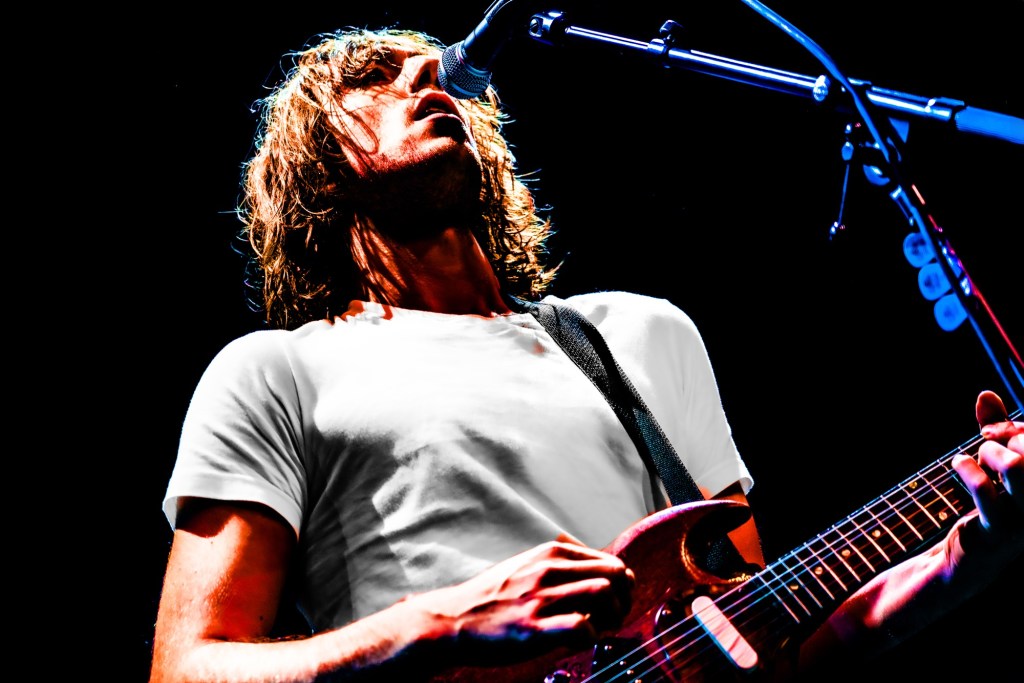
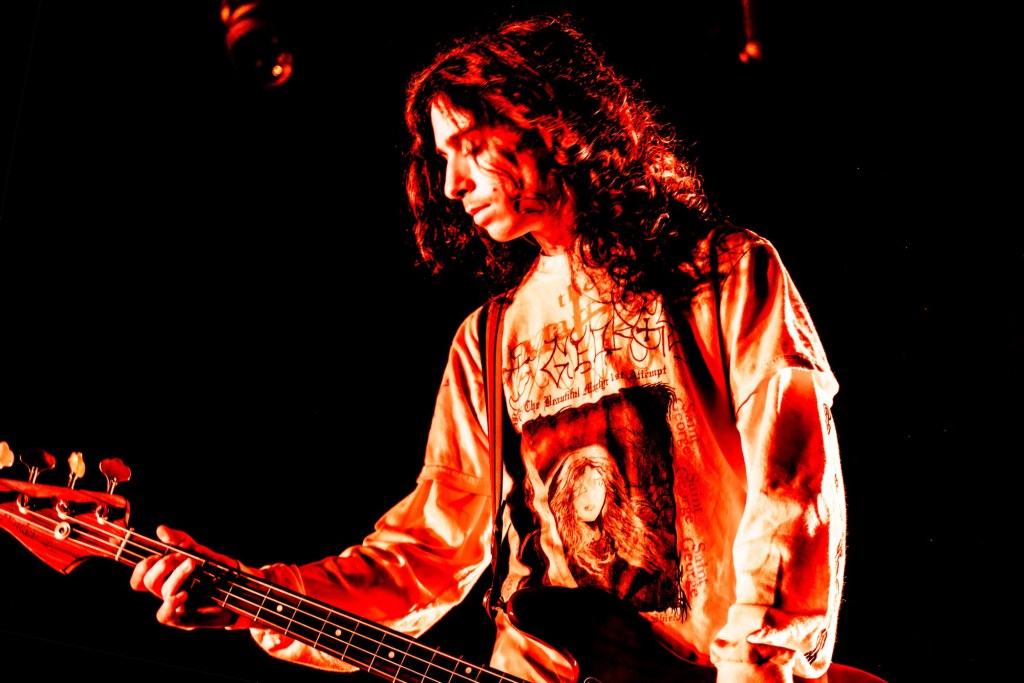
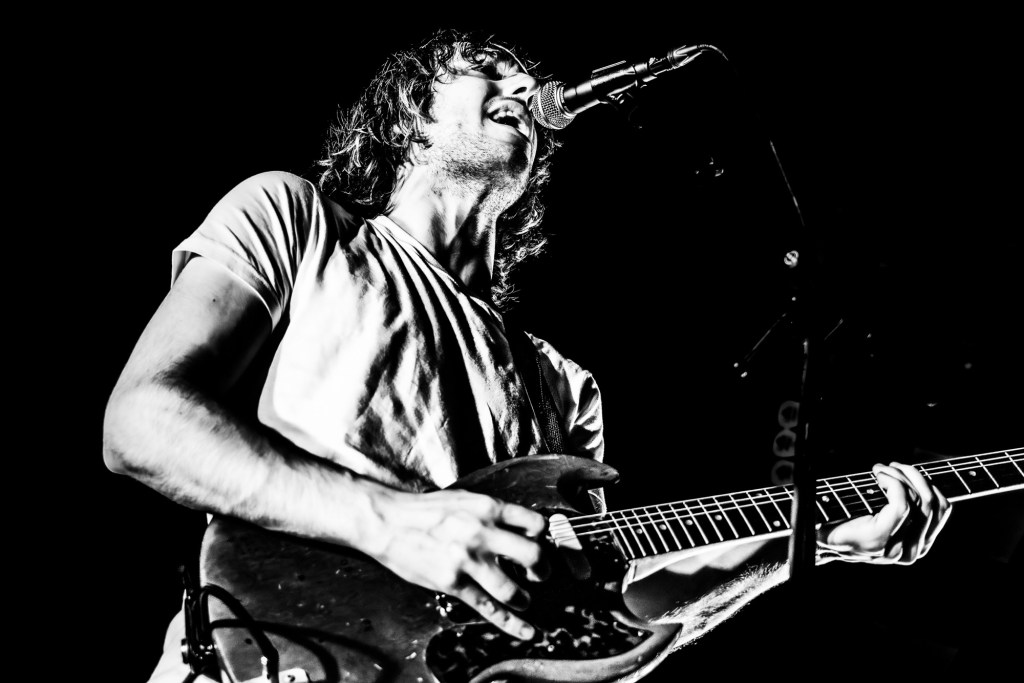
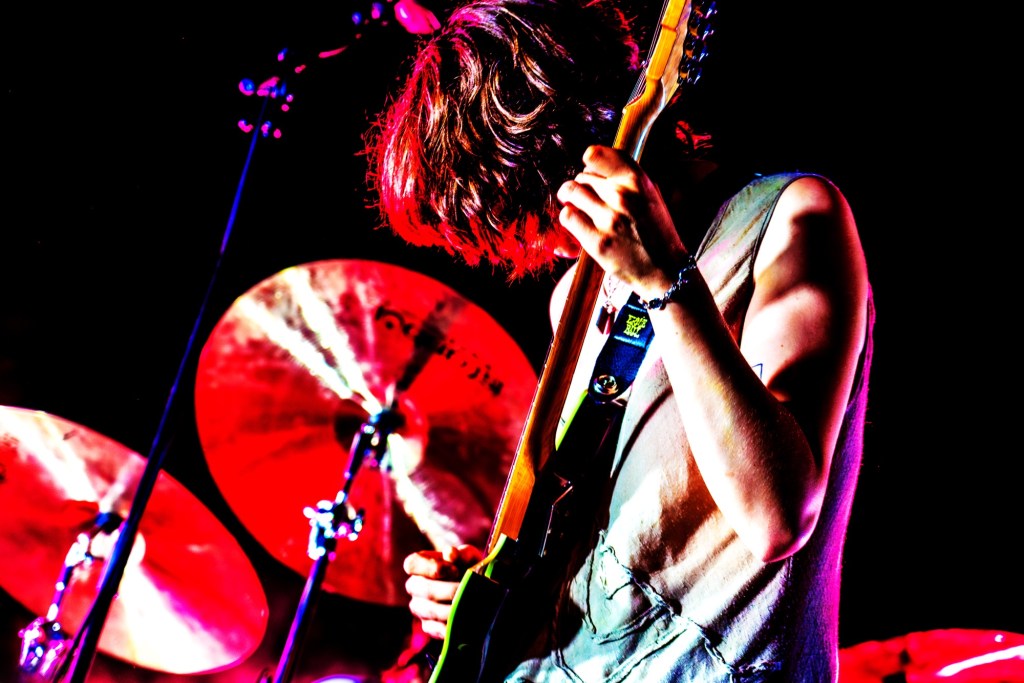
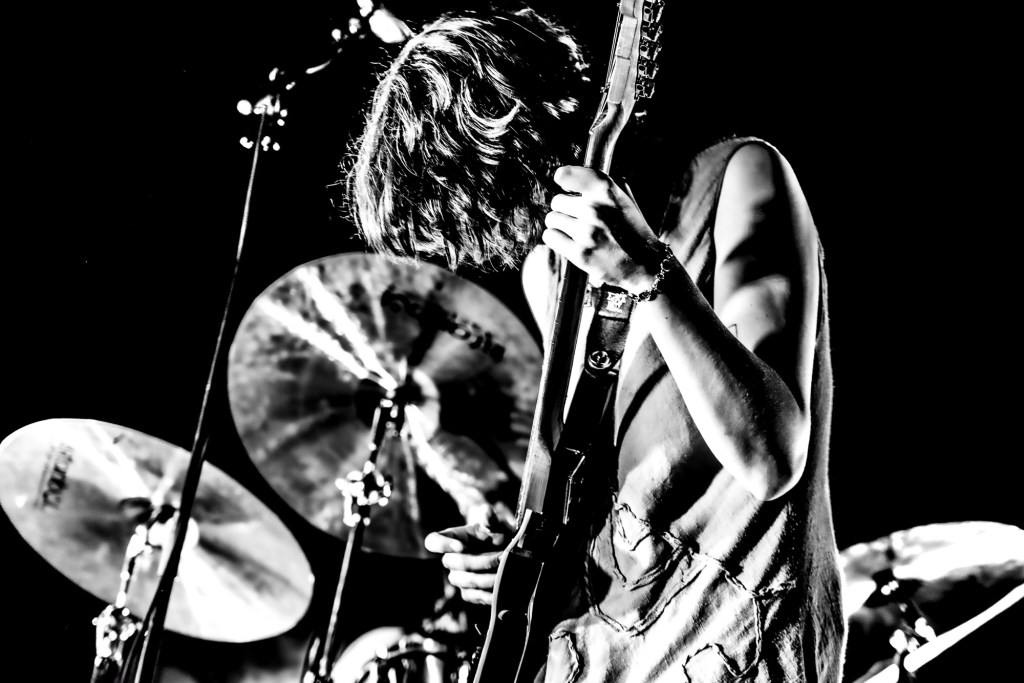
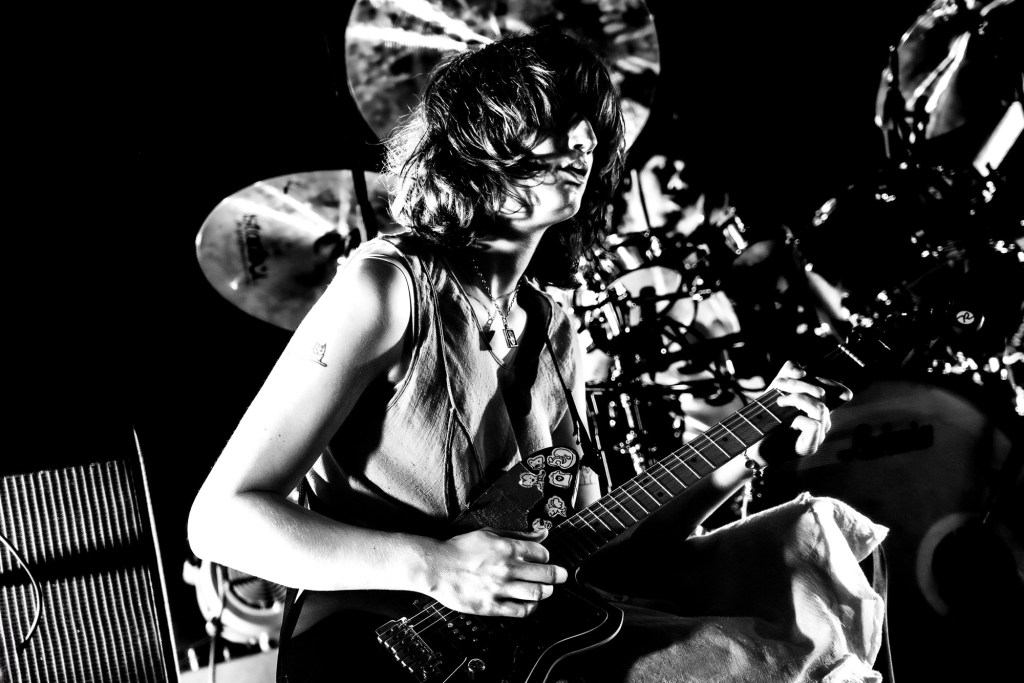
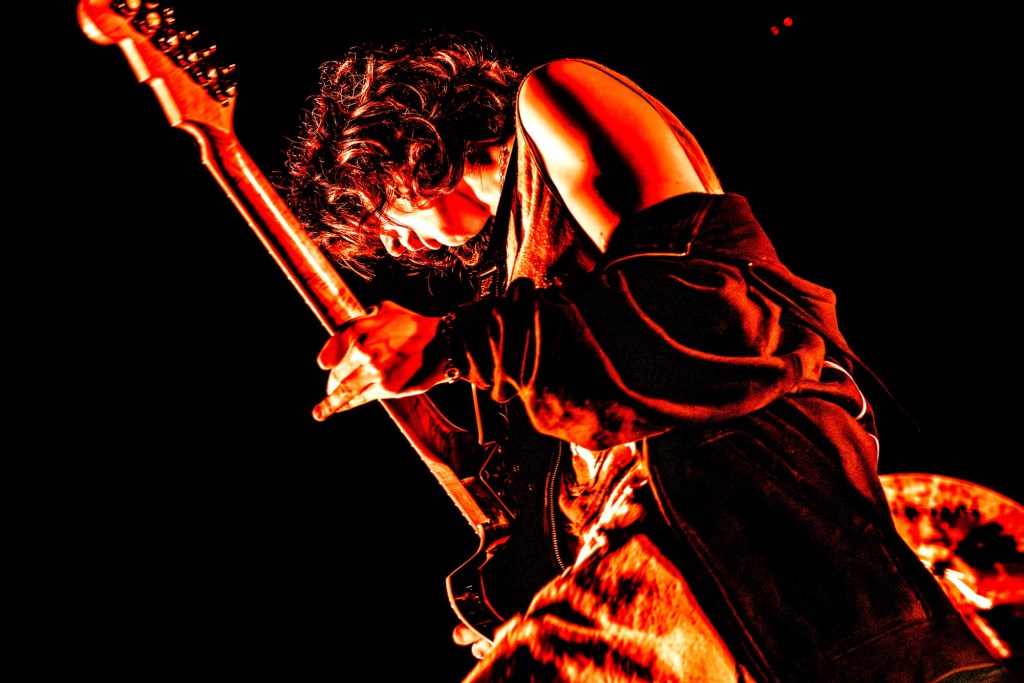
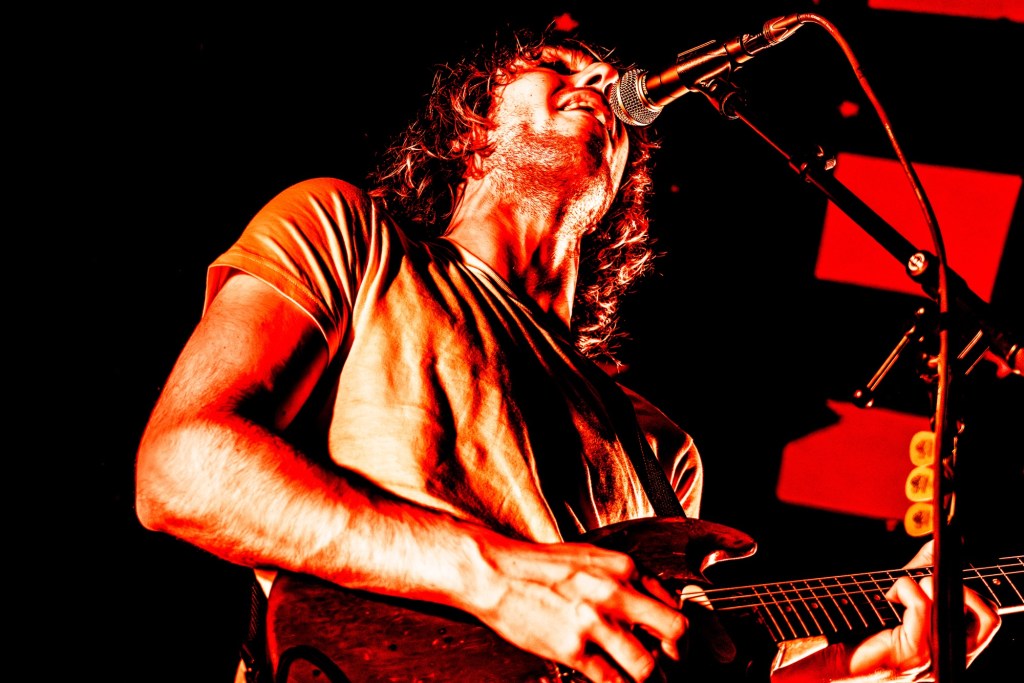
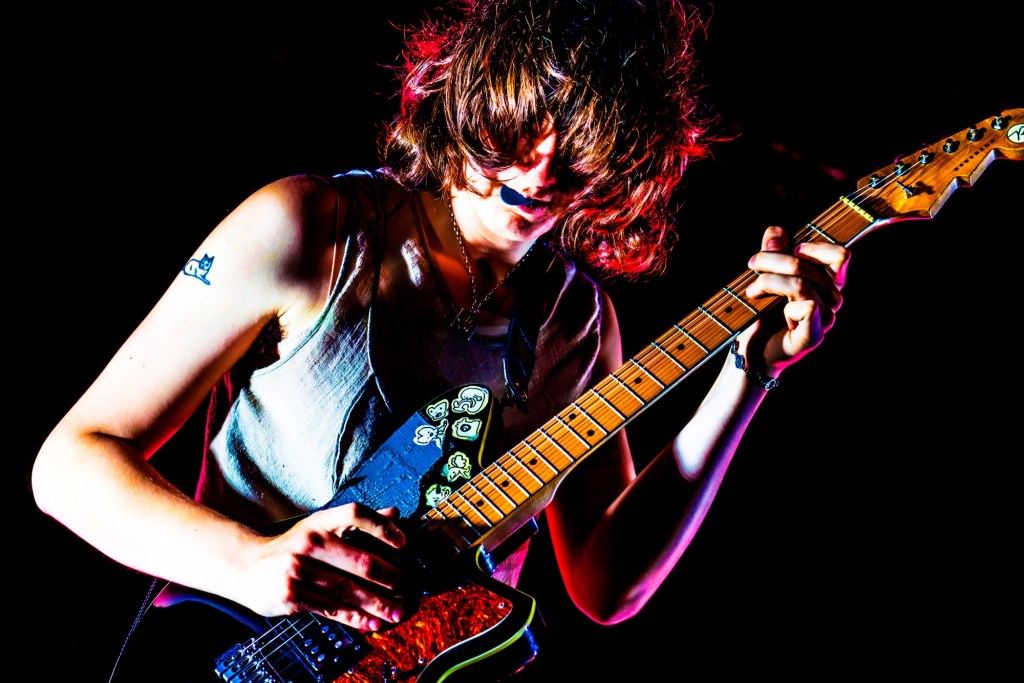
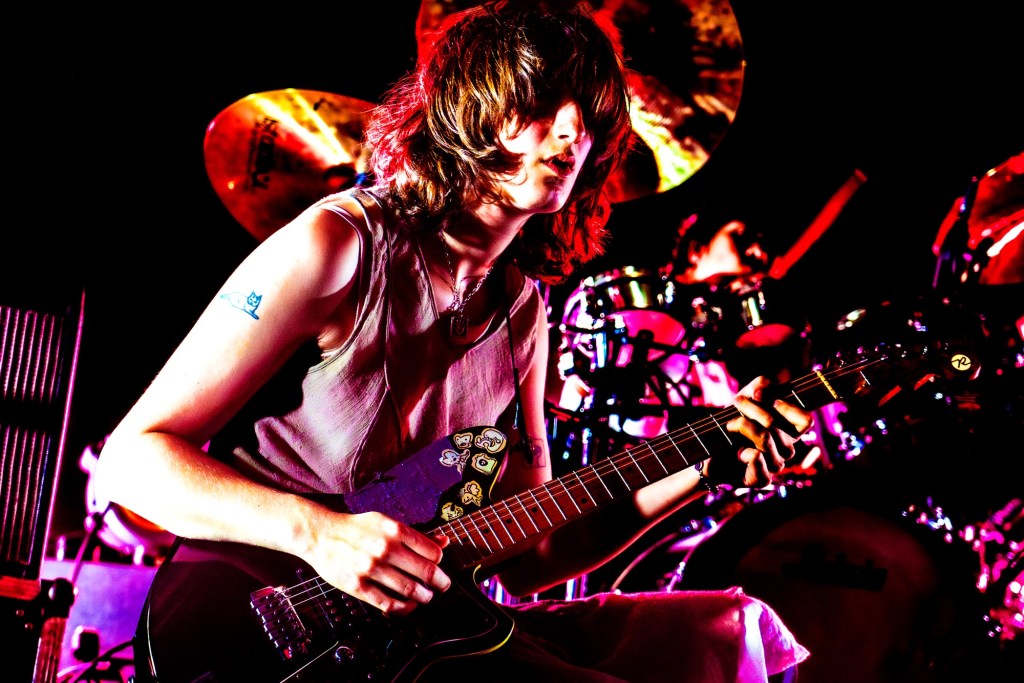
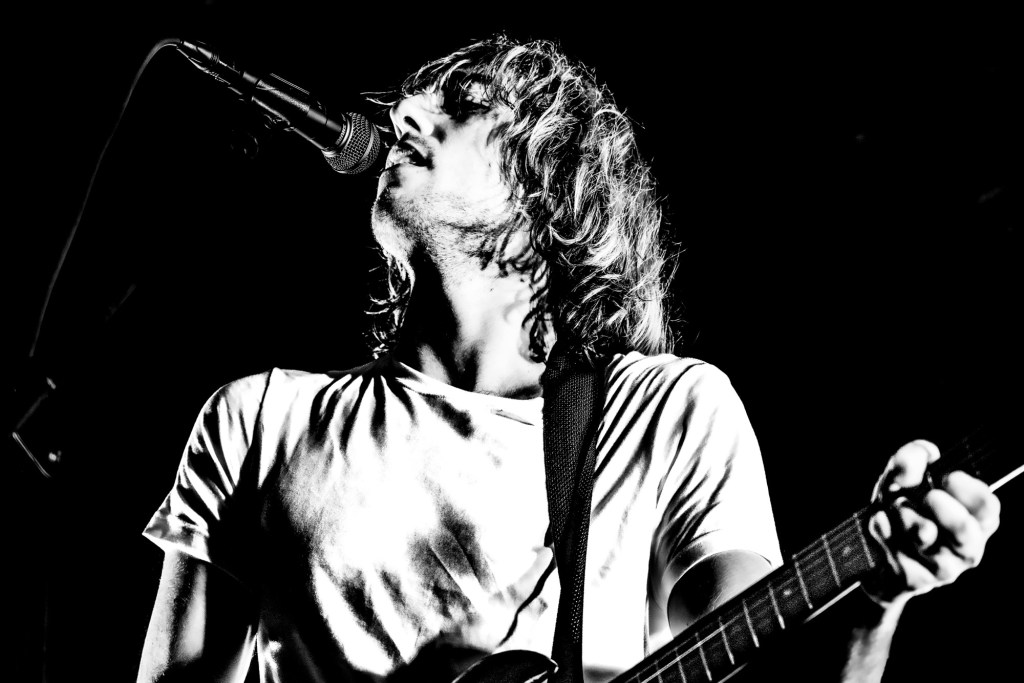
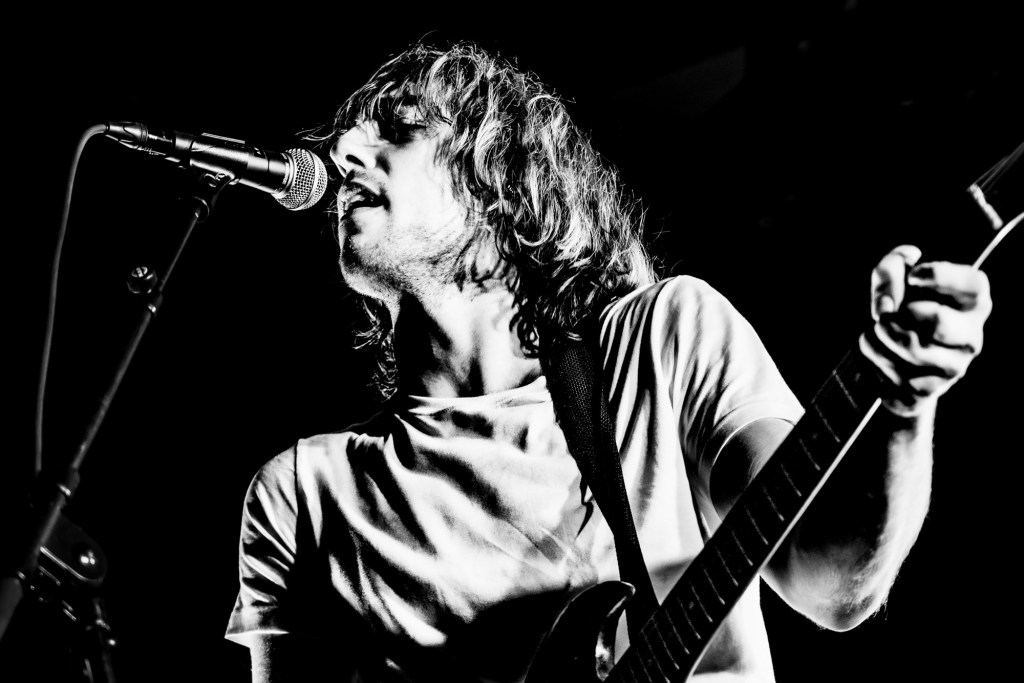
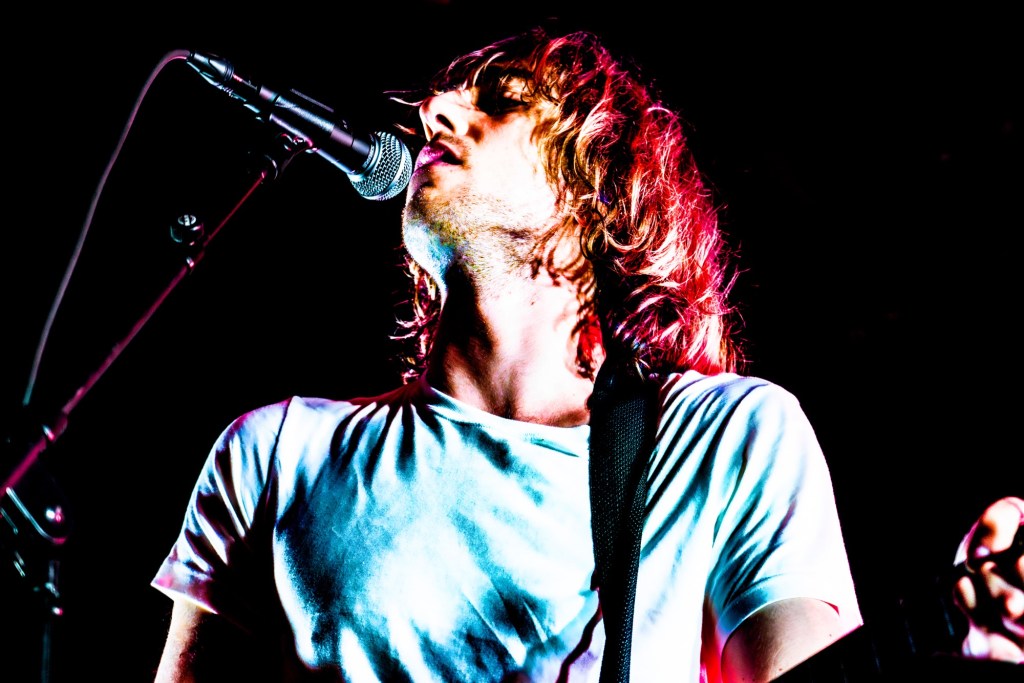
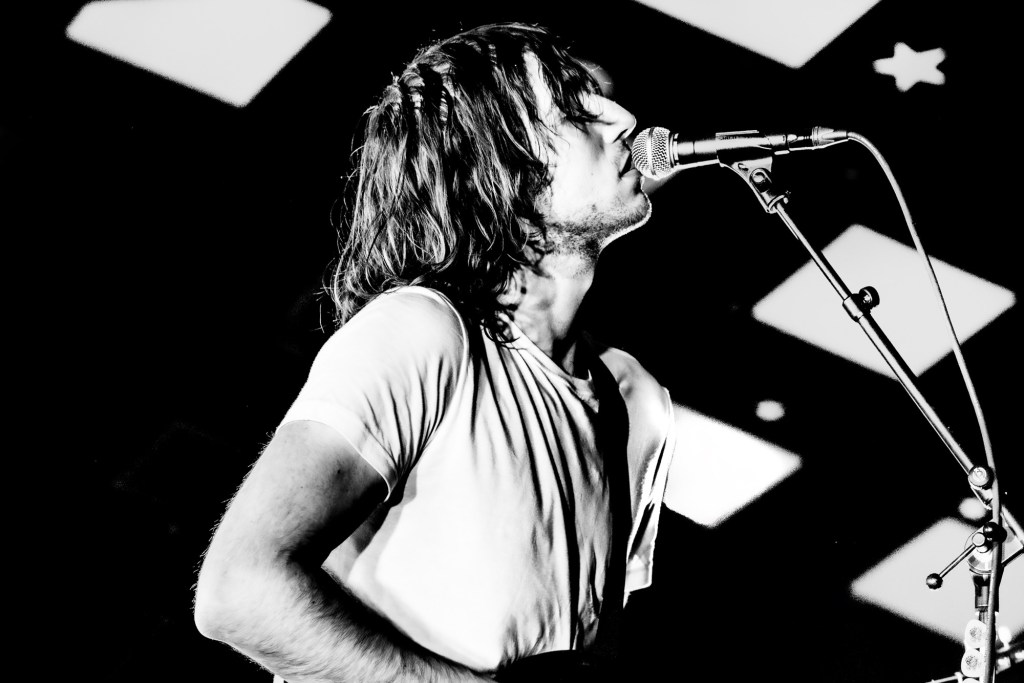
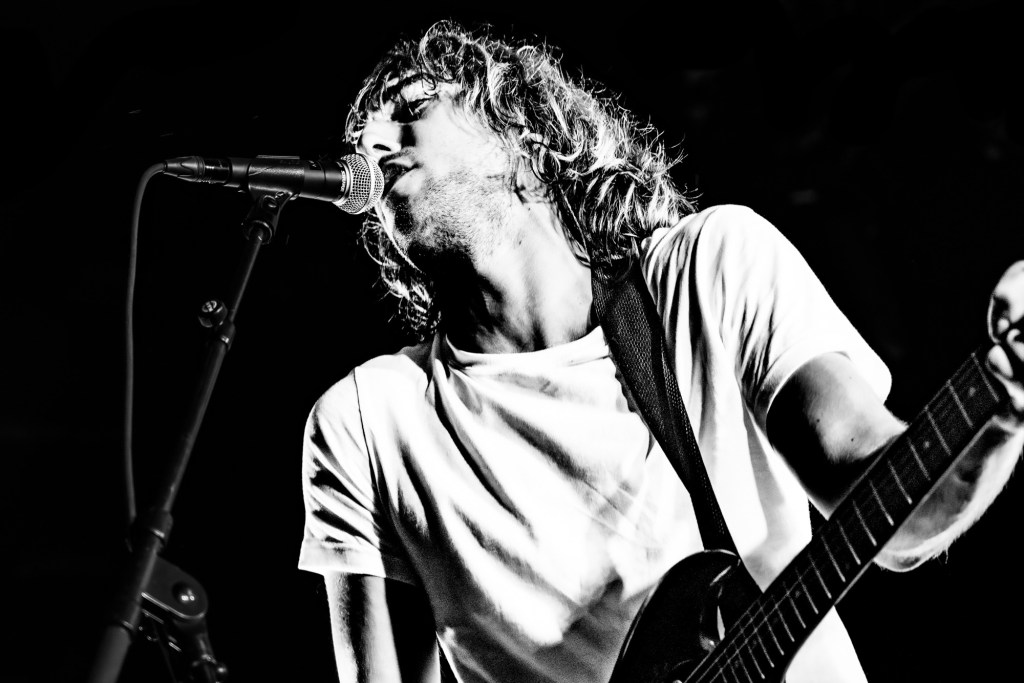
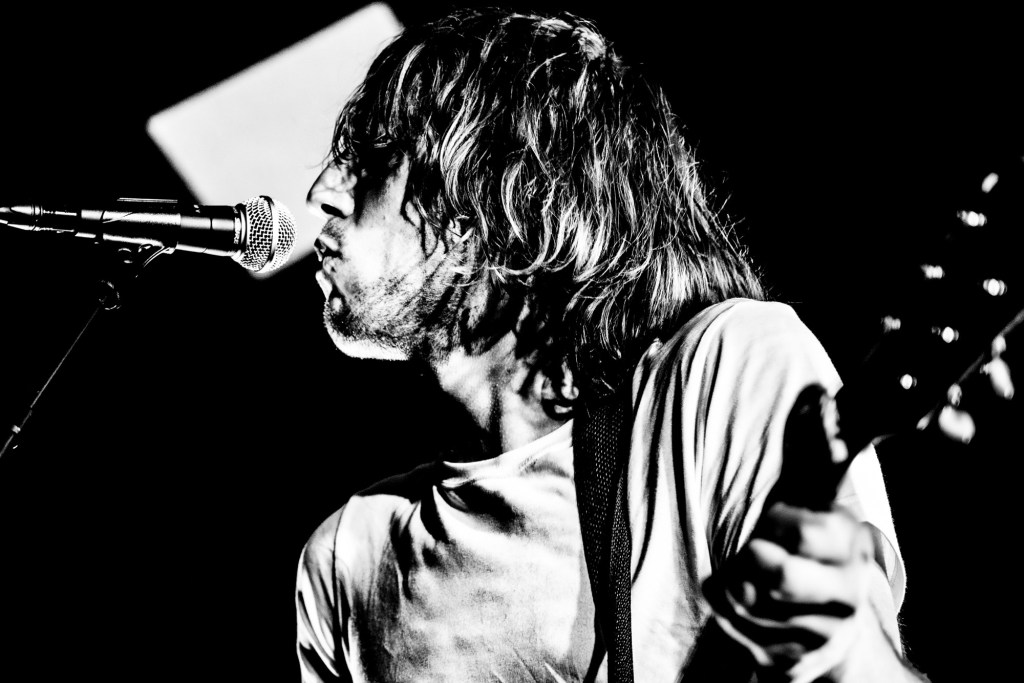
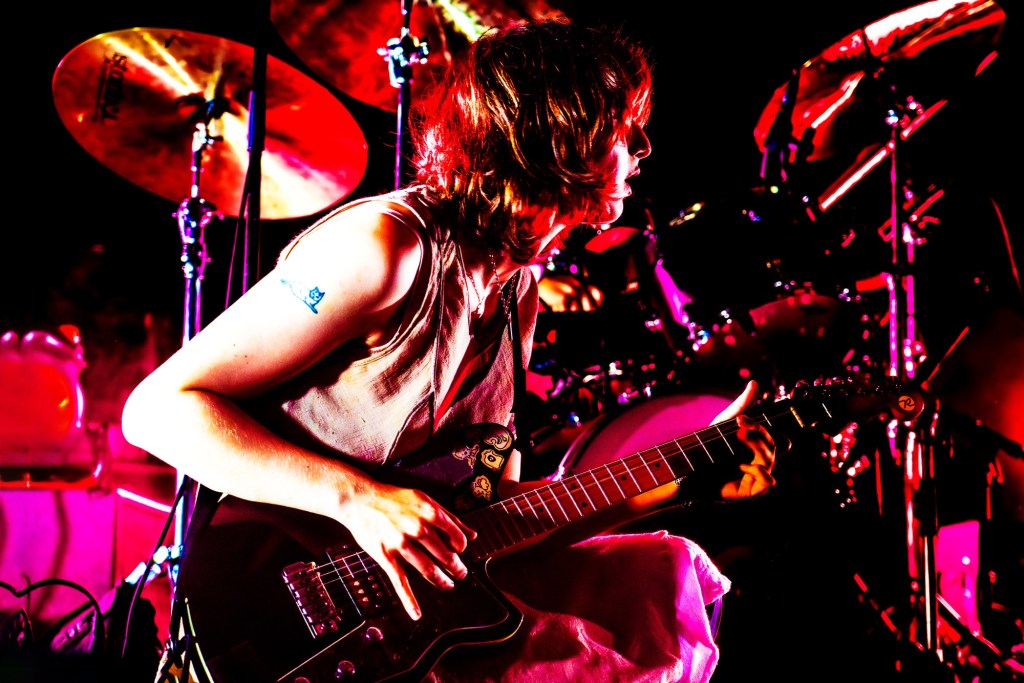
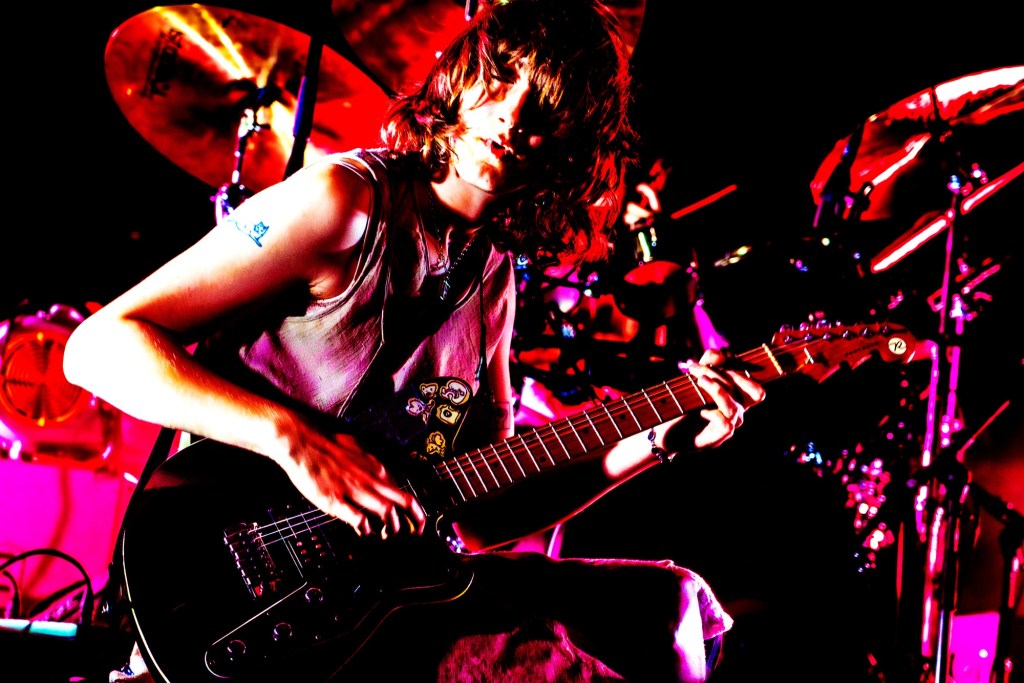
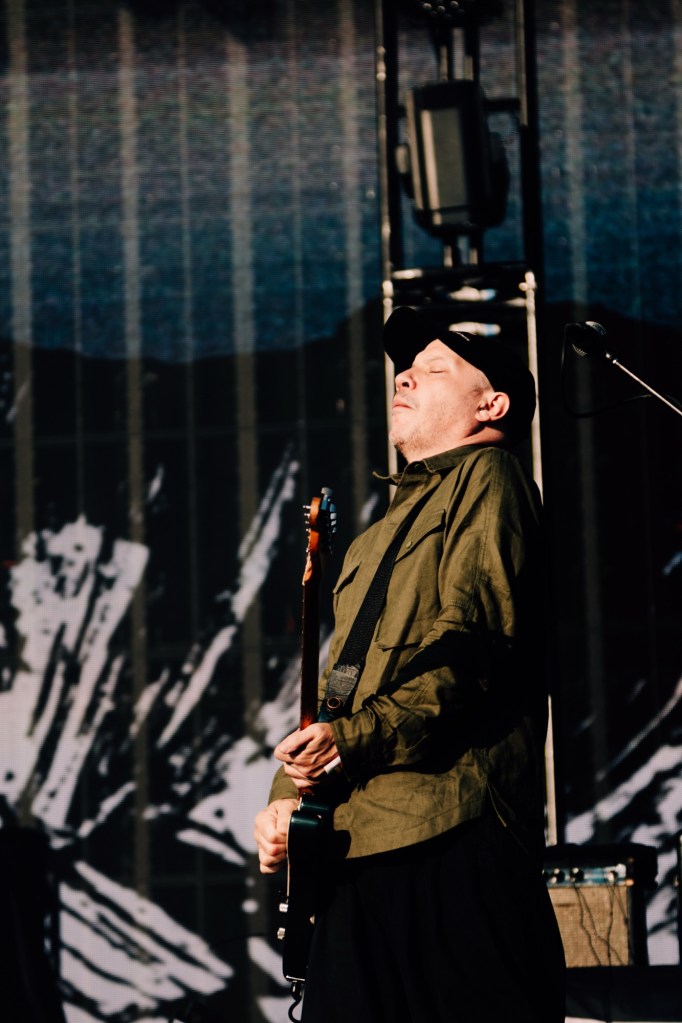
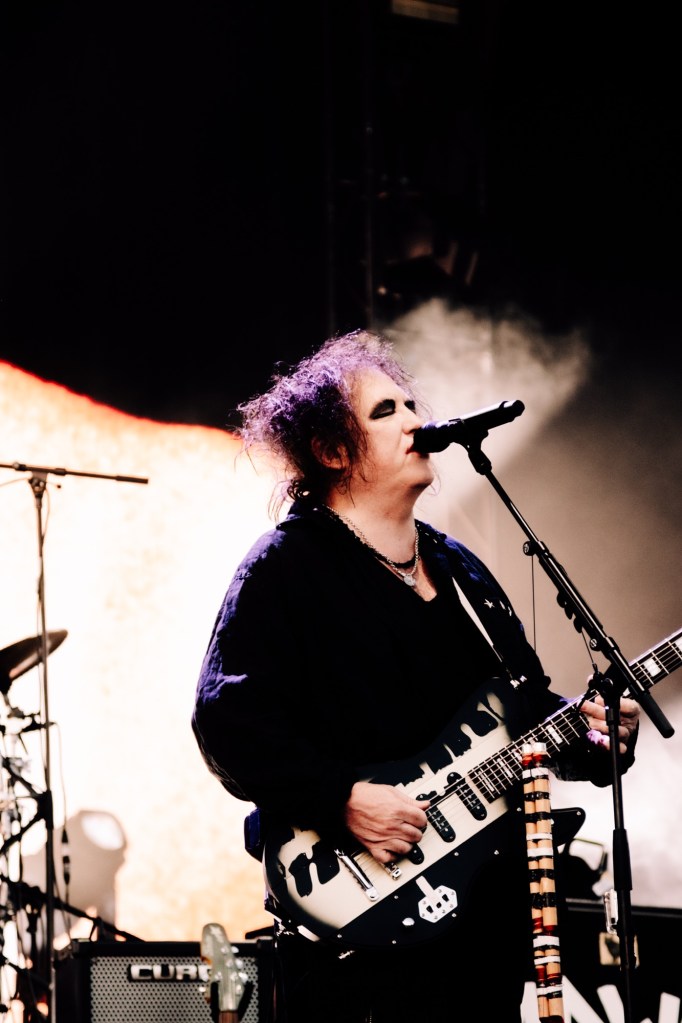
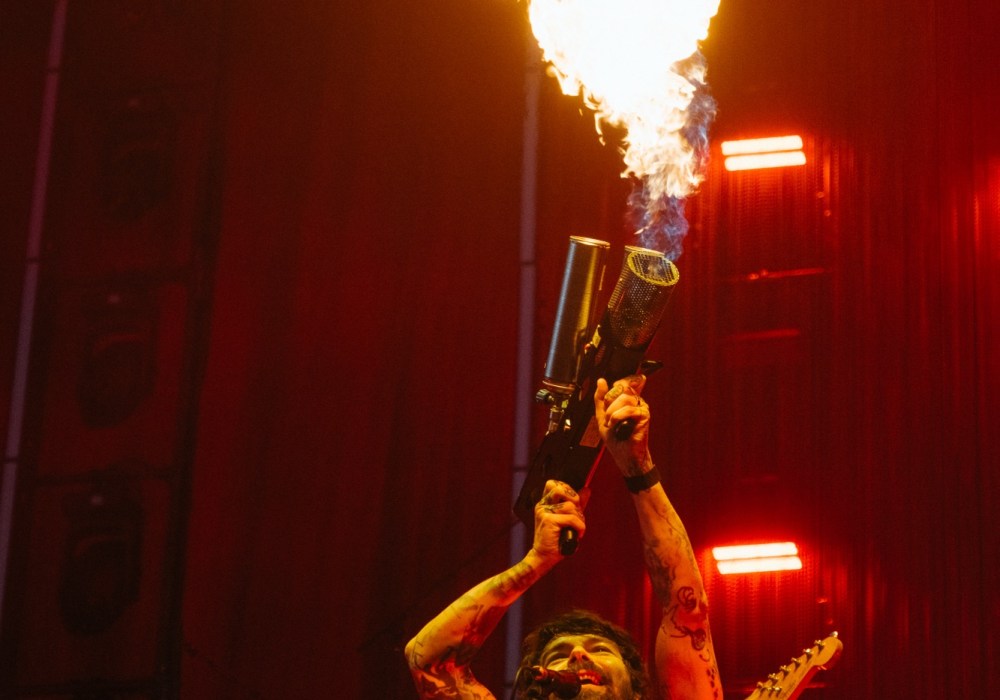
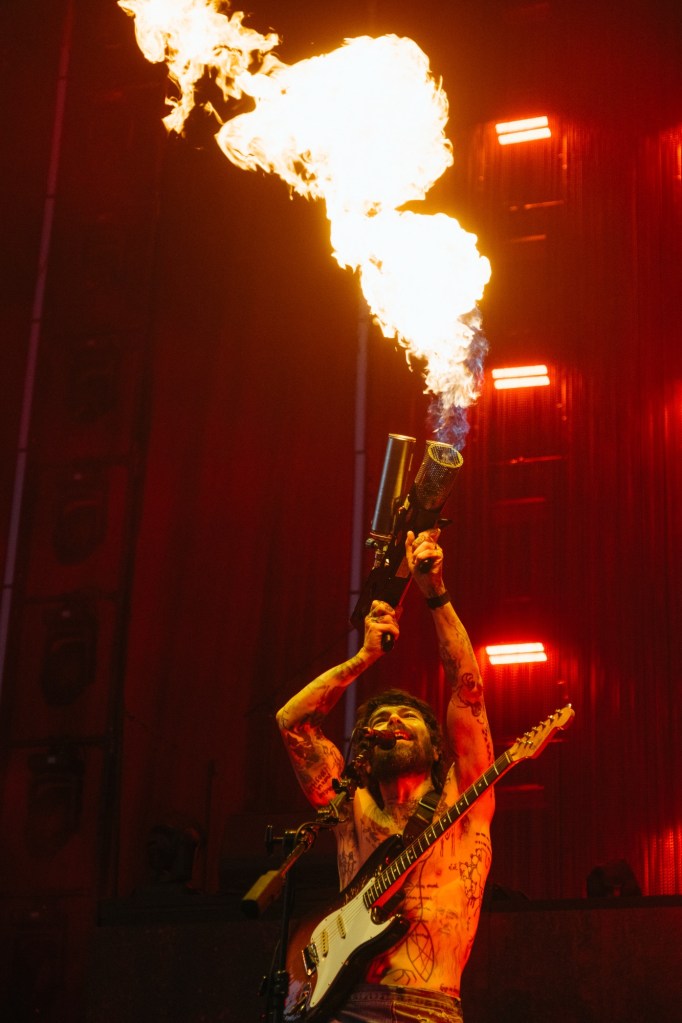
On Thursday, 14 May 2026, The Glasgow School of Art briefly stopped being an art school and turned into the sort of beautiful industrial panic attack only CHALK can engineer. I have been evangelising about this band ever since catching them supporting Sprints at SWG3 Studio back in 2023, boring friends and alarming strangers with the zeal of a doomsday preacher who has traded scripture for distortion pedals. Watching them now, with Glasgow hanging on every bass throb like sinners awaiting judgement, felt less like vindication and more like watching the future arrive in stompy Dr.Martins.

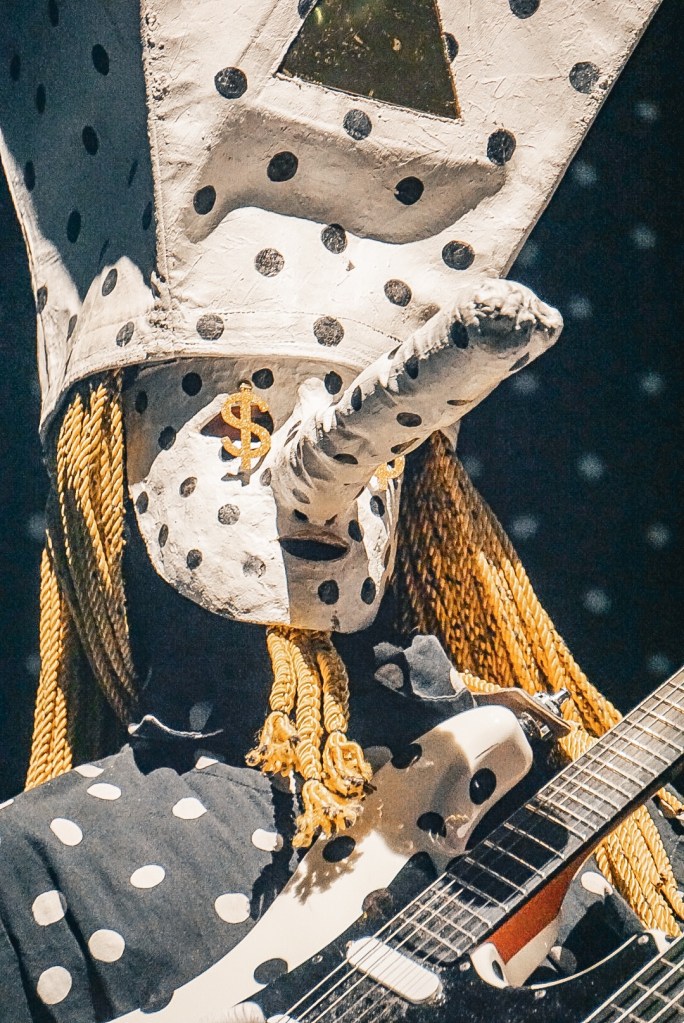
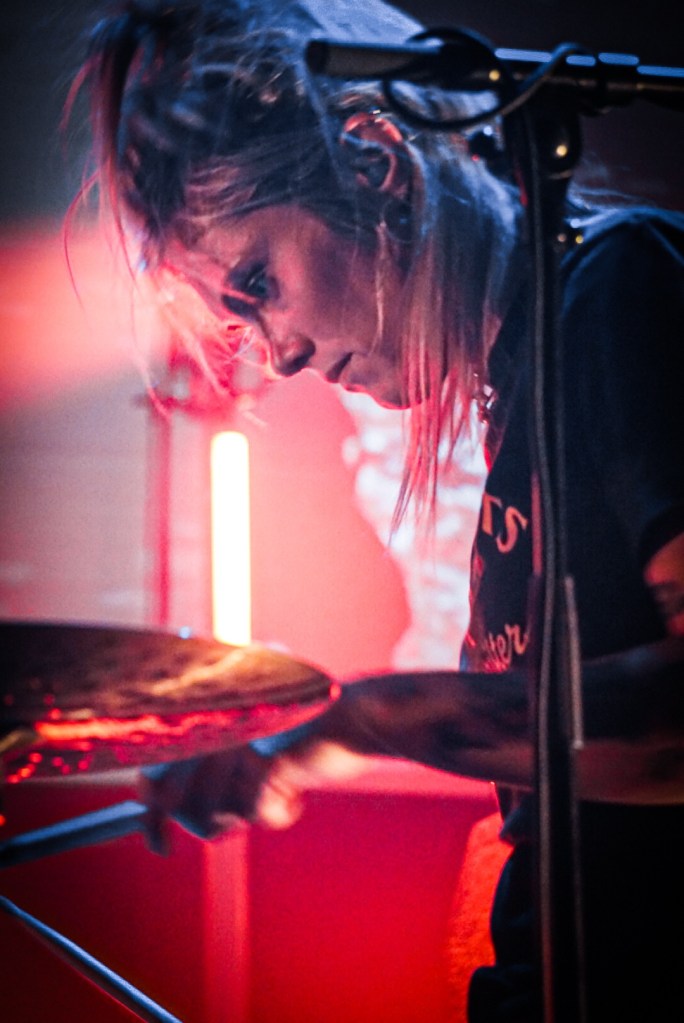
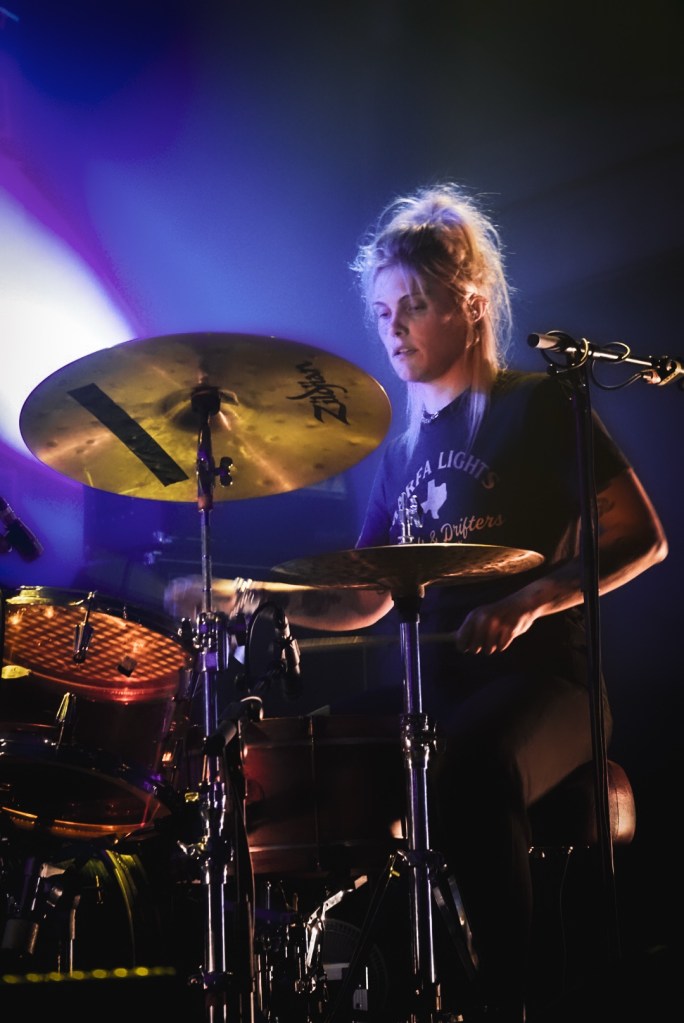
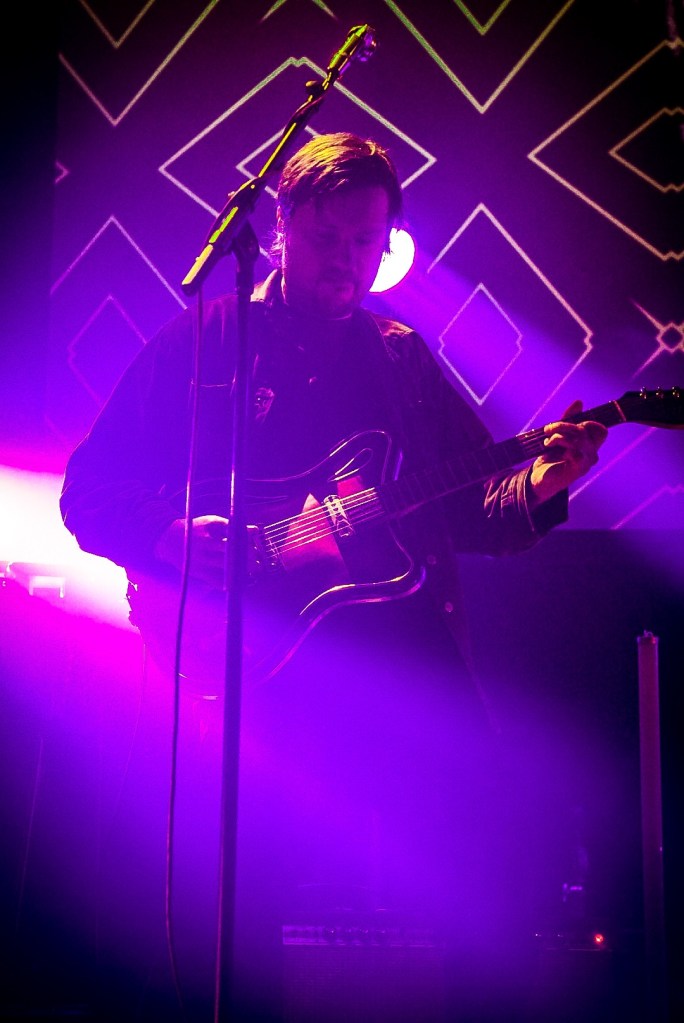
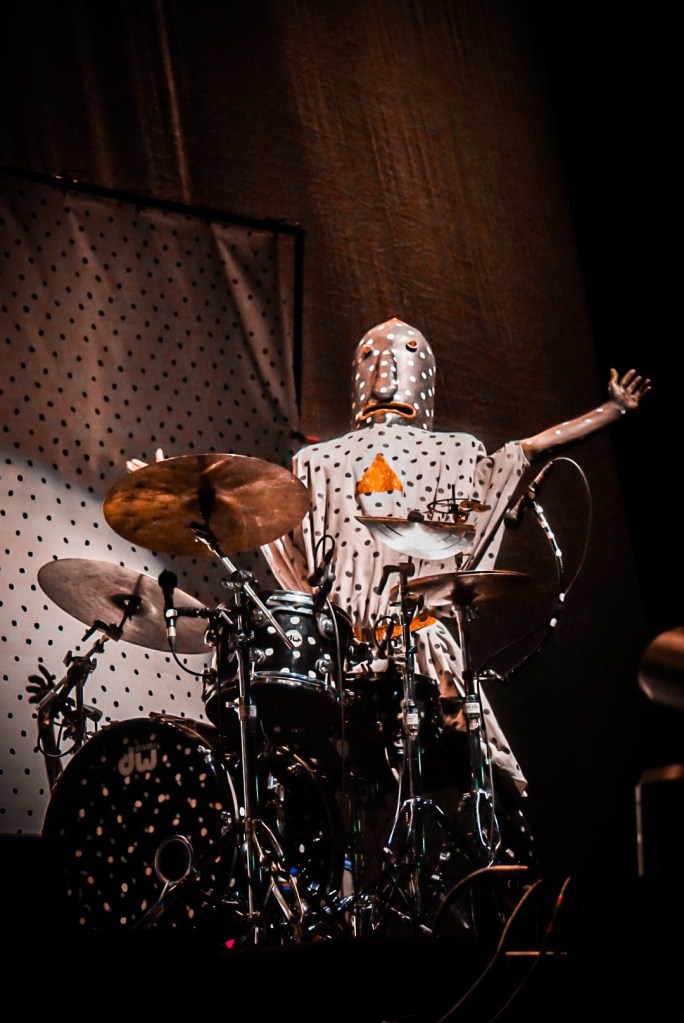
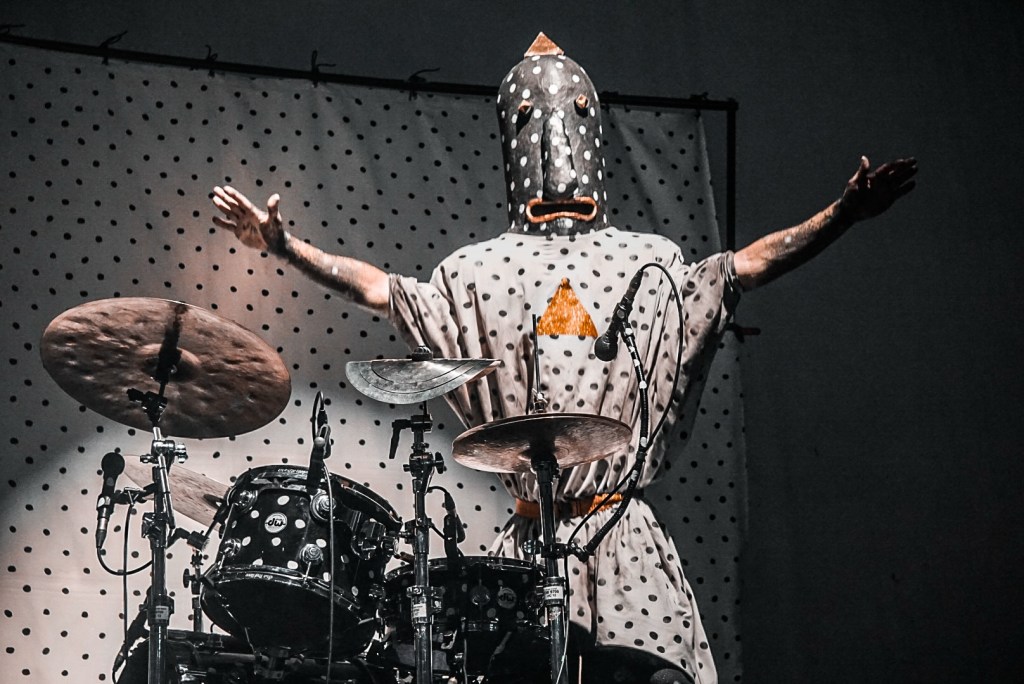
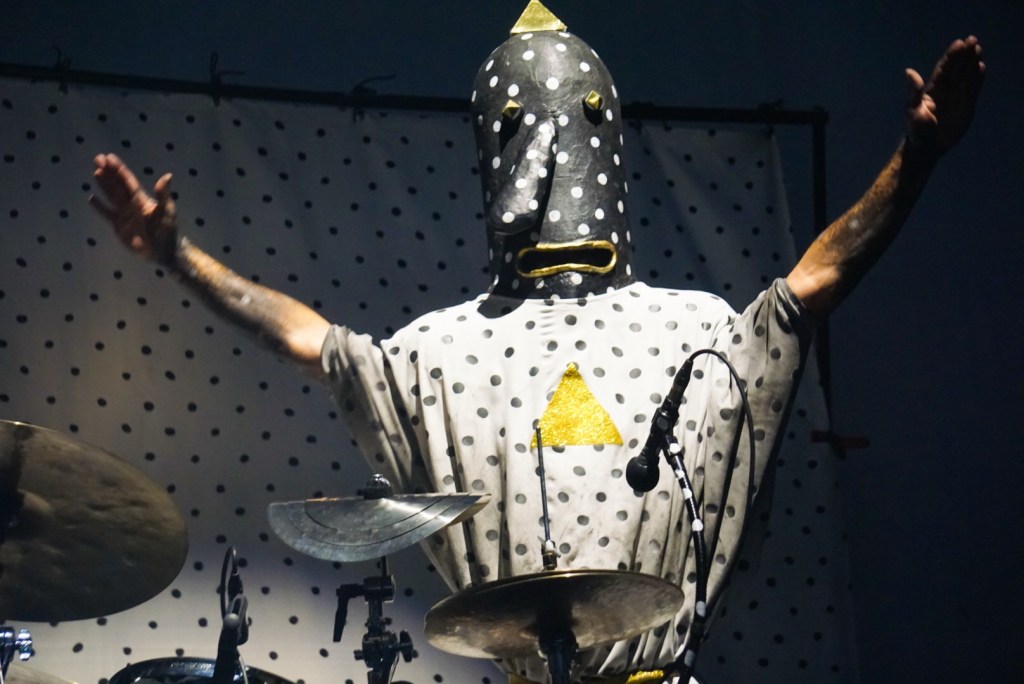
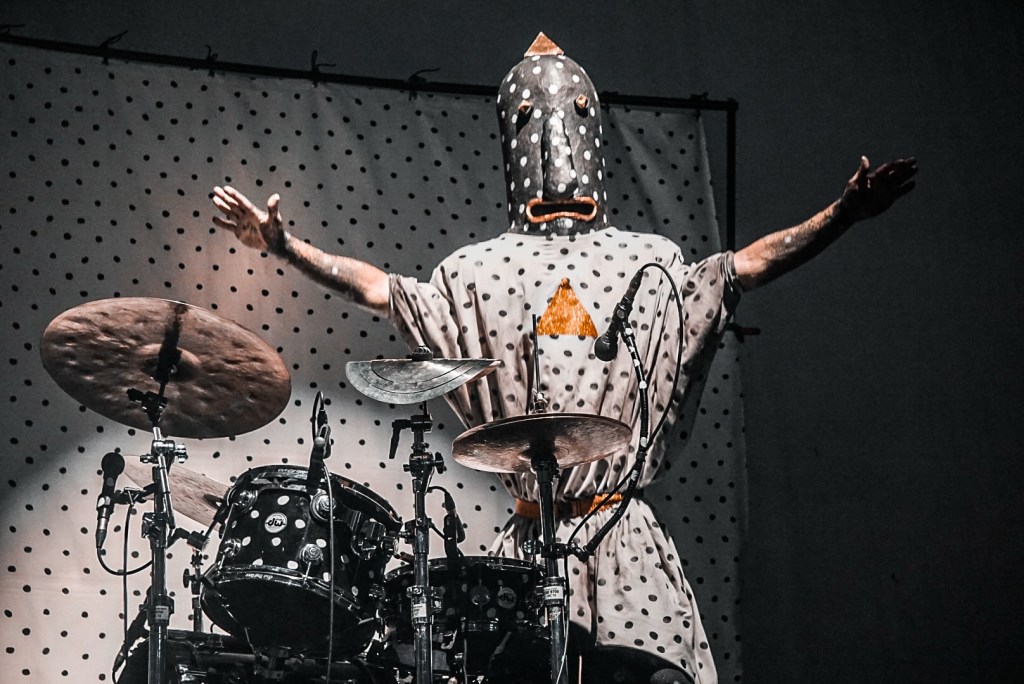
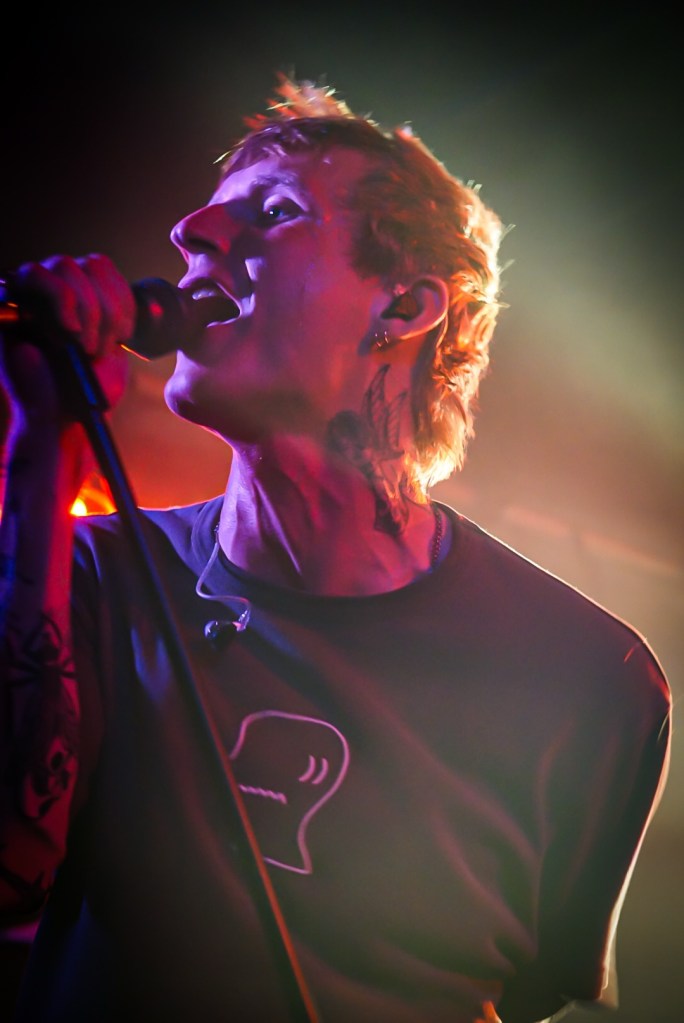
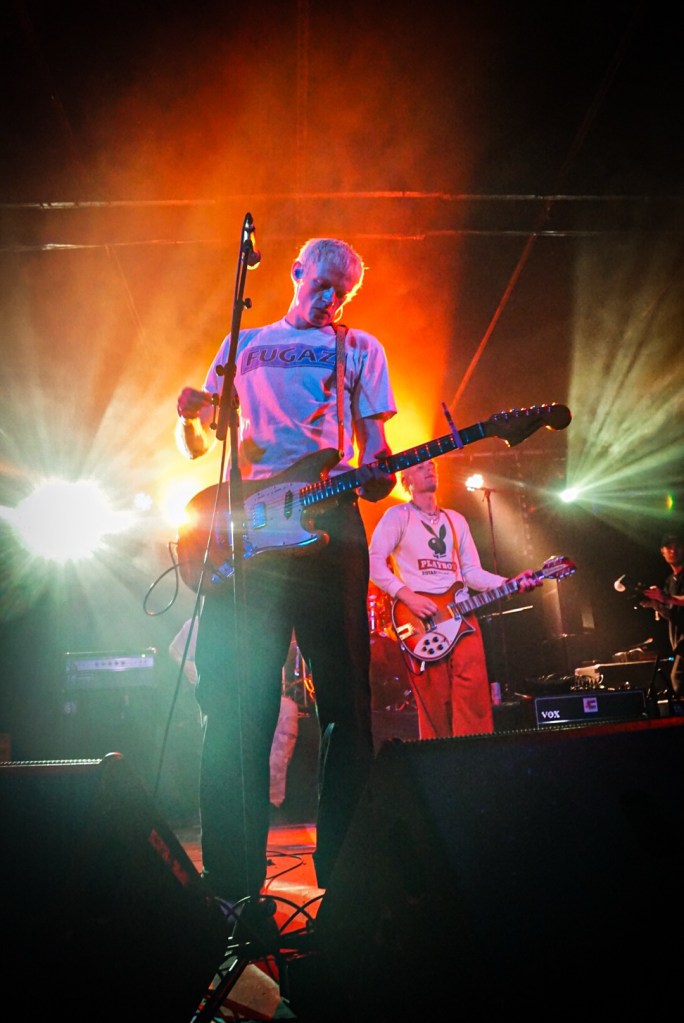
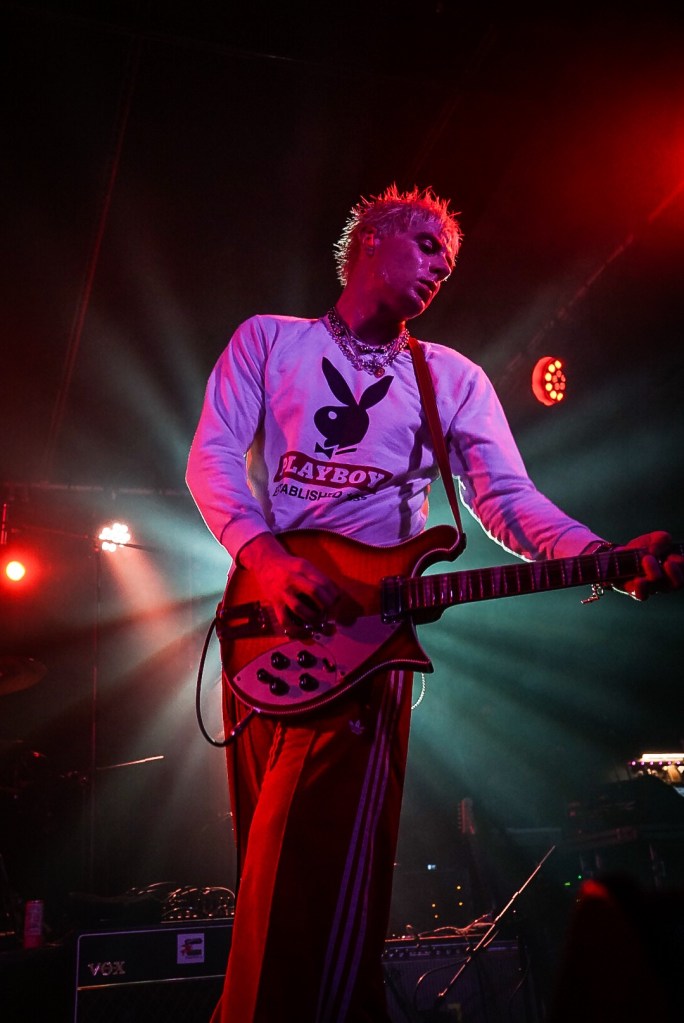
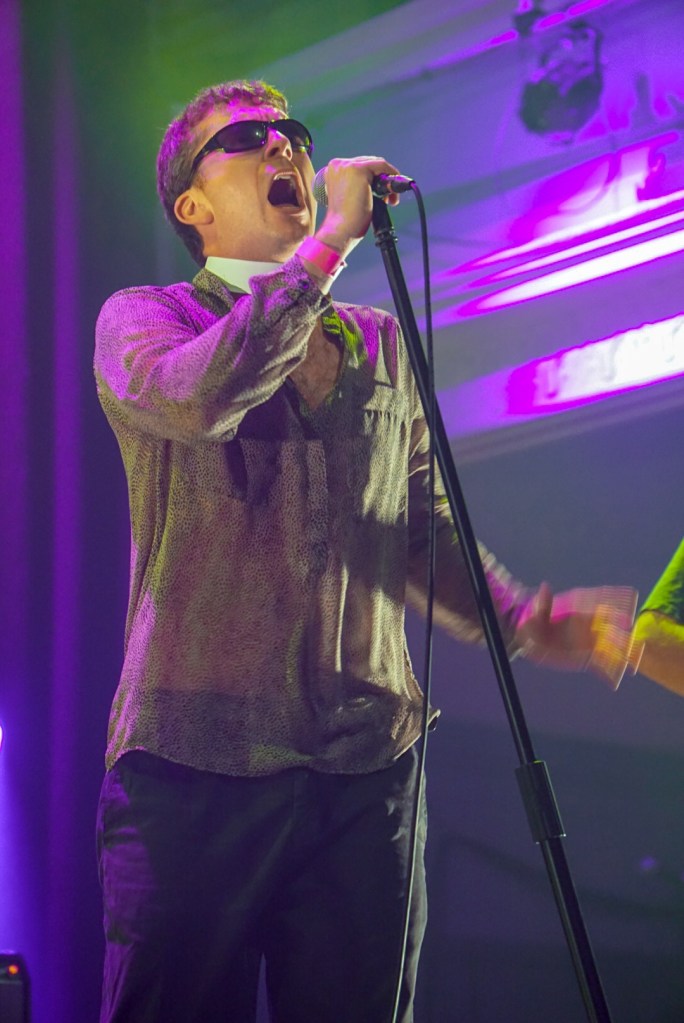
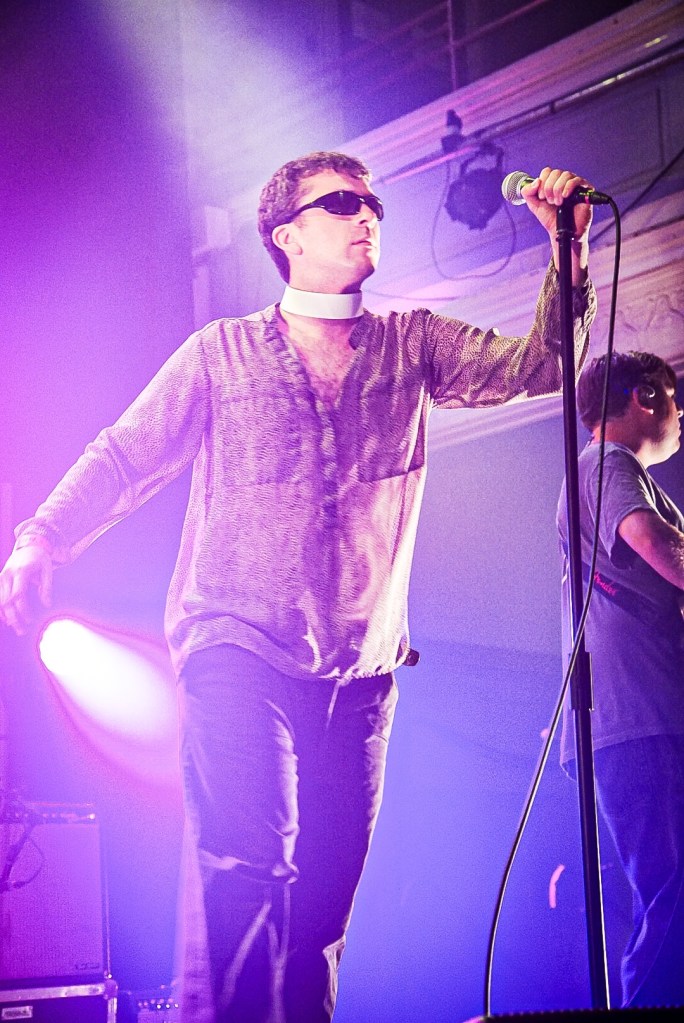
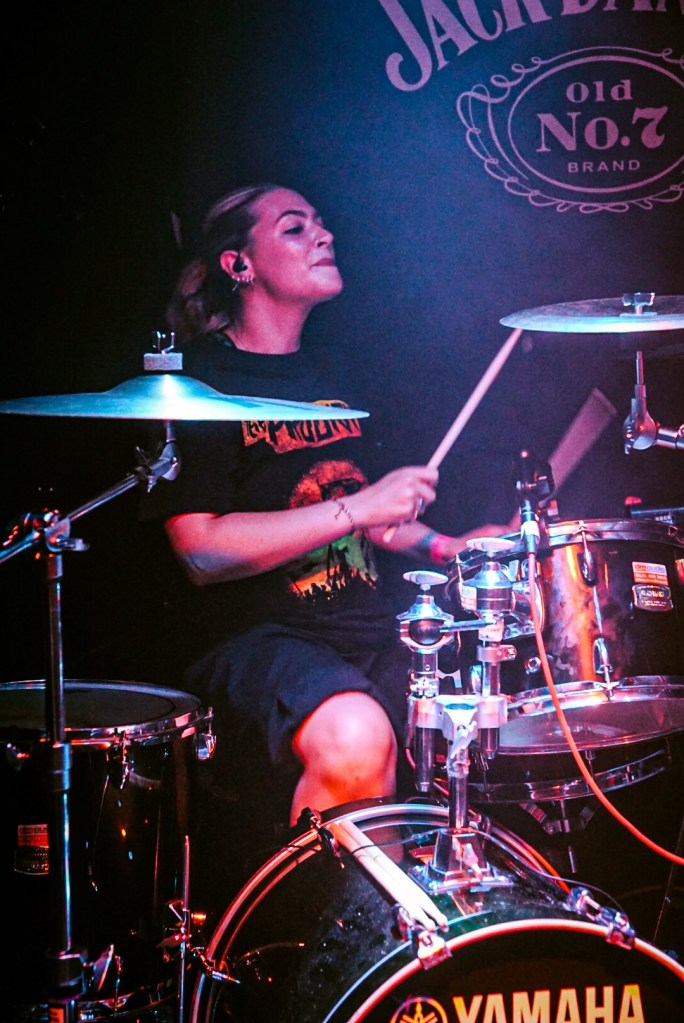
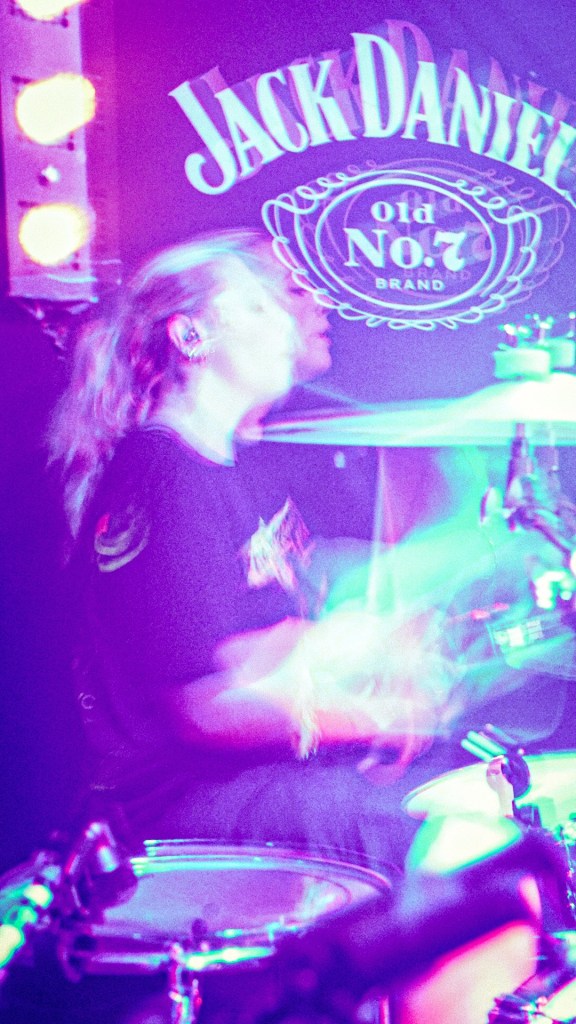
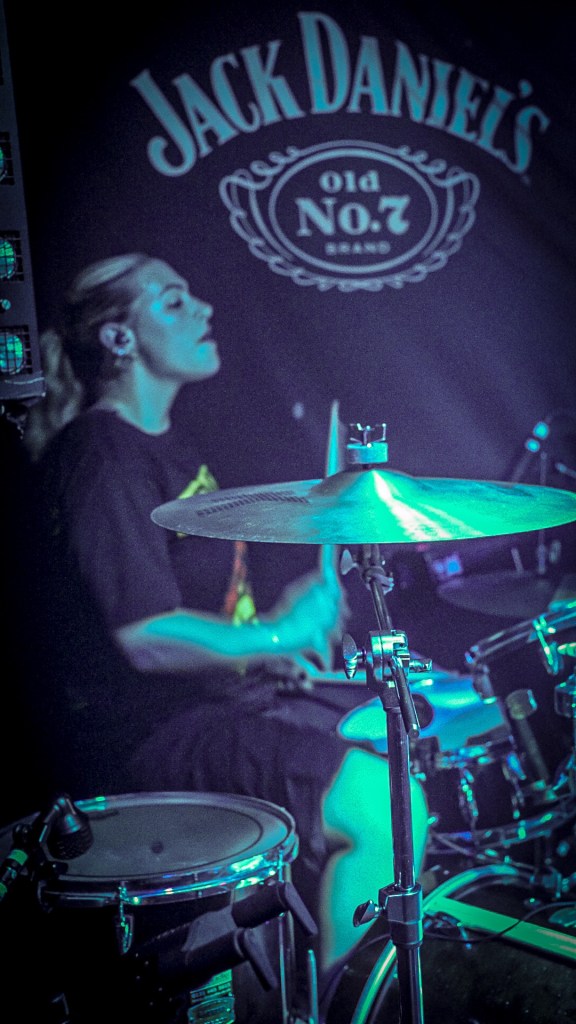
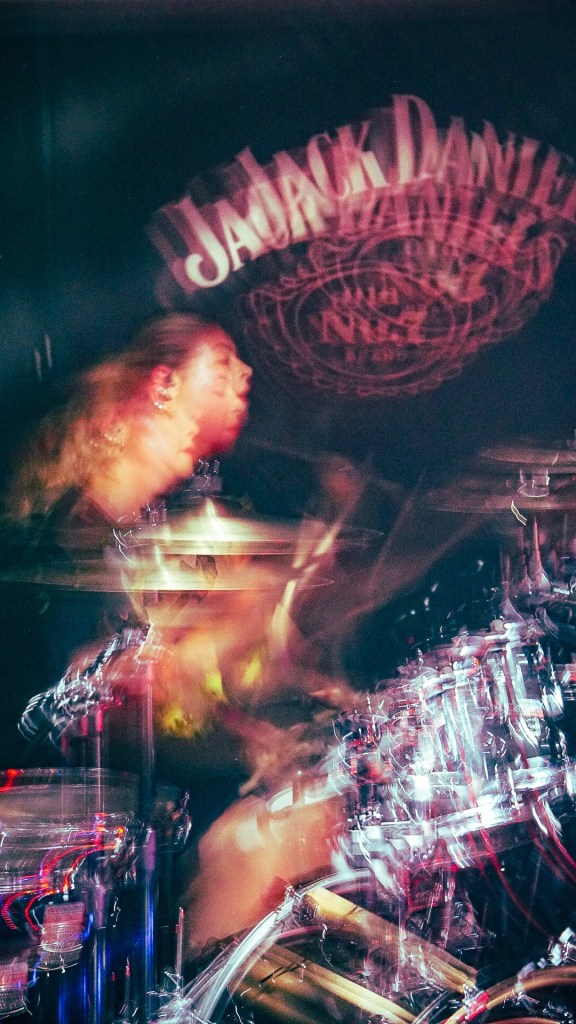
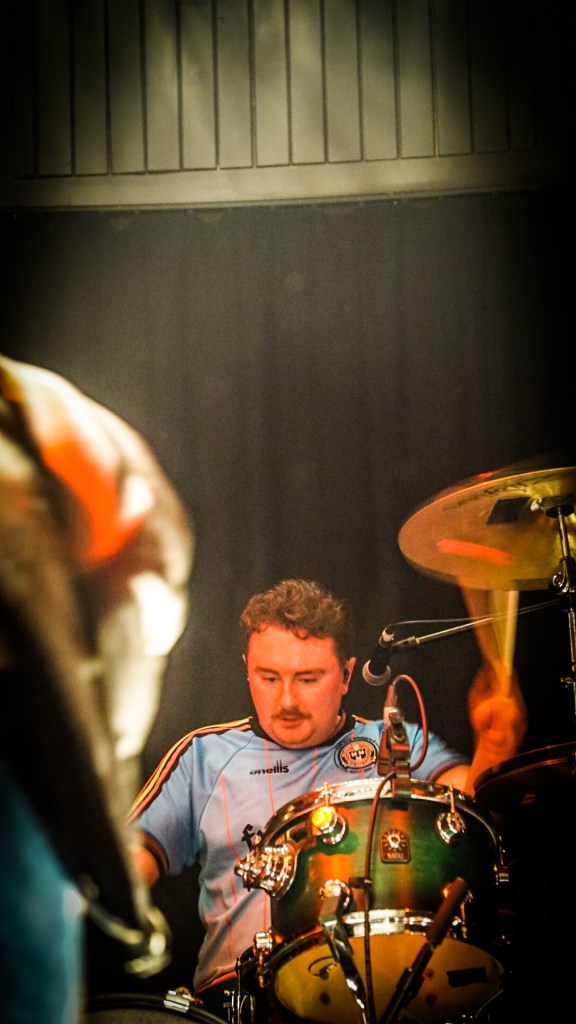
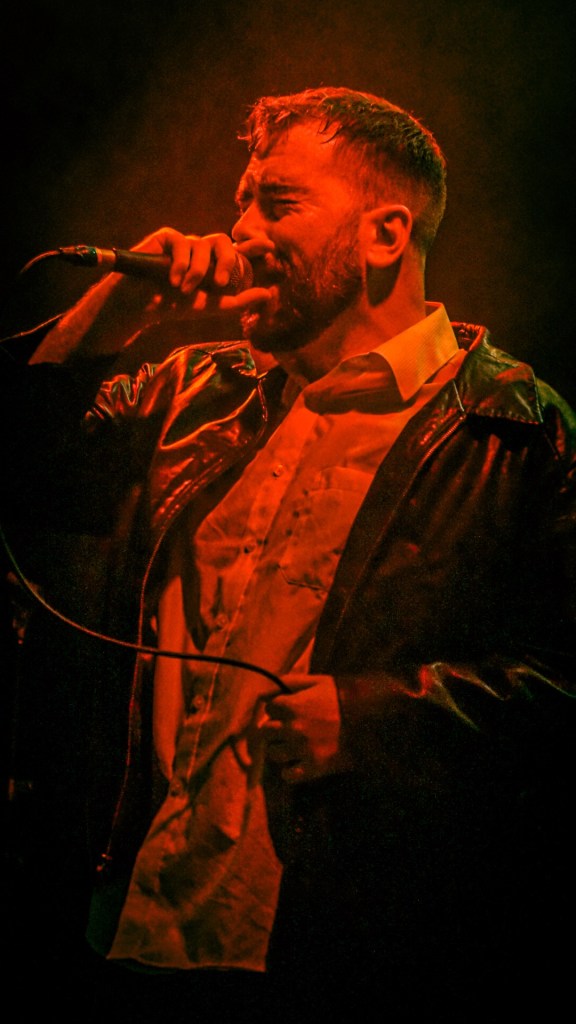
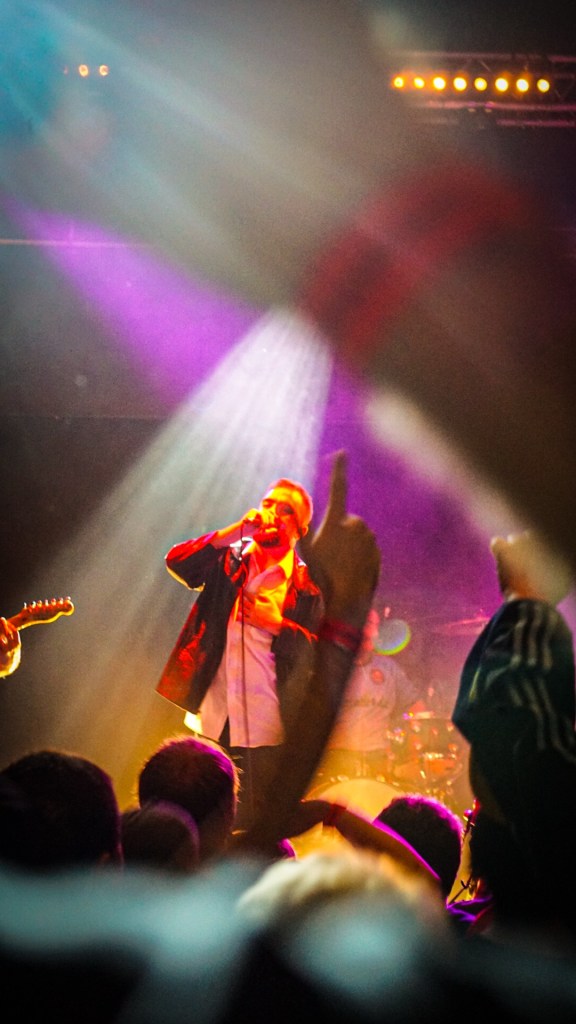
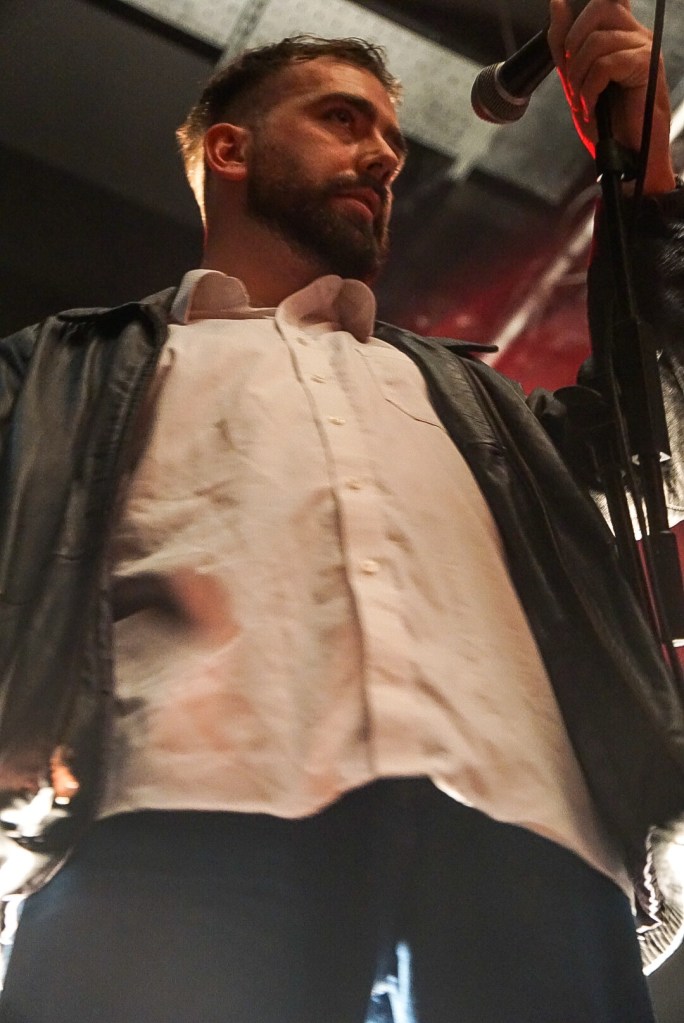
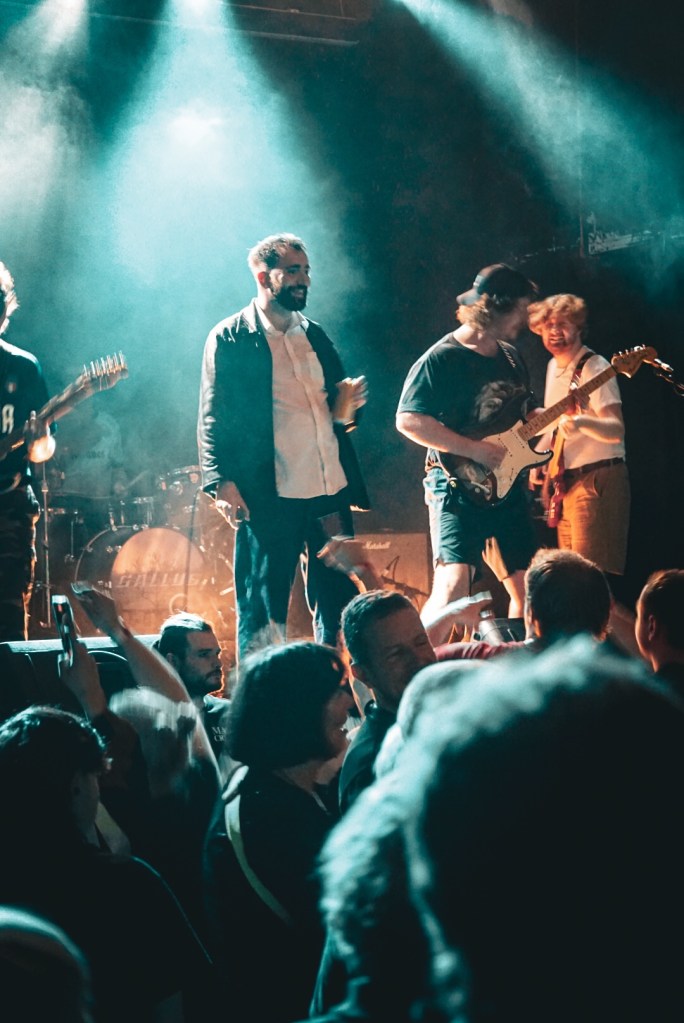
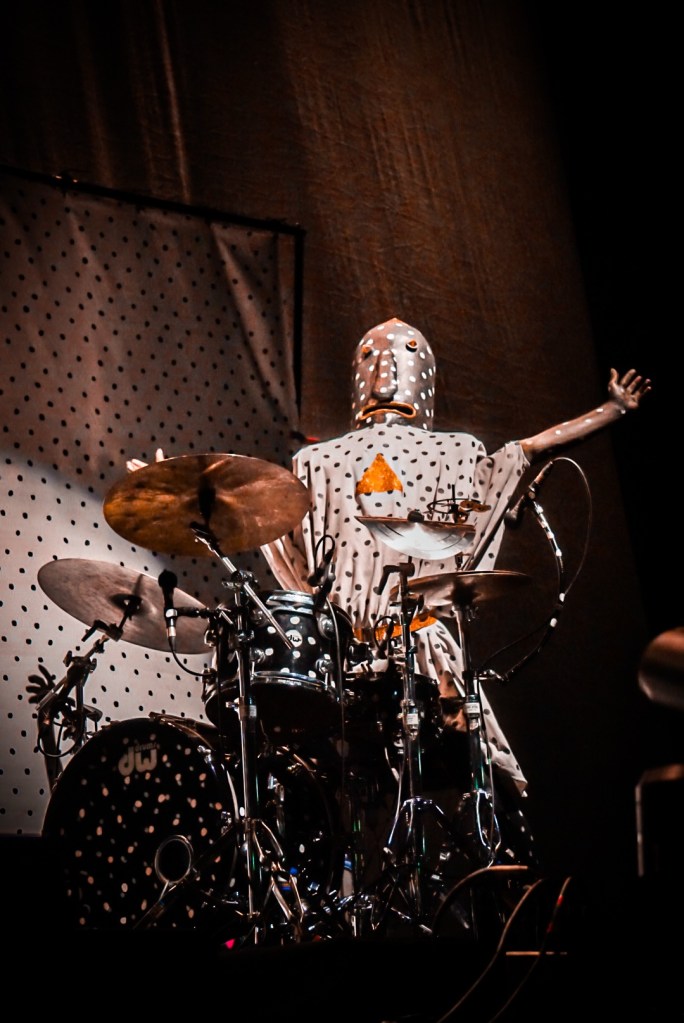
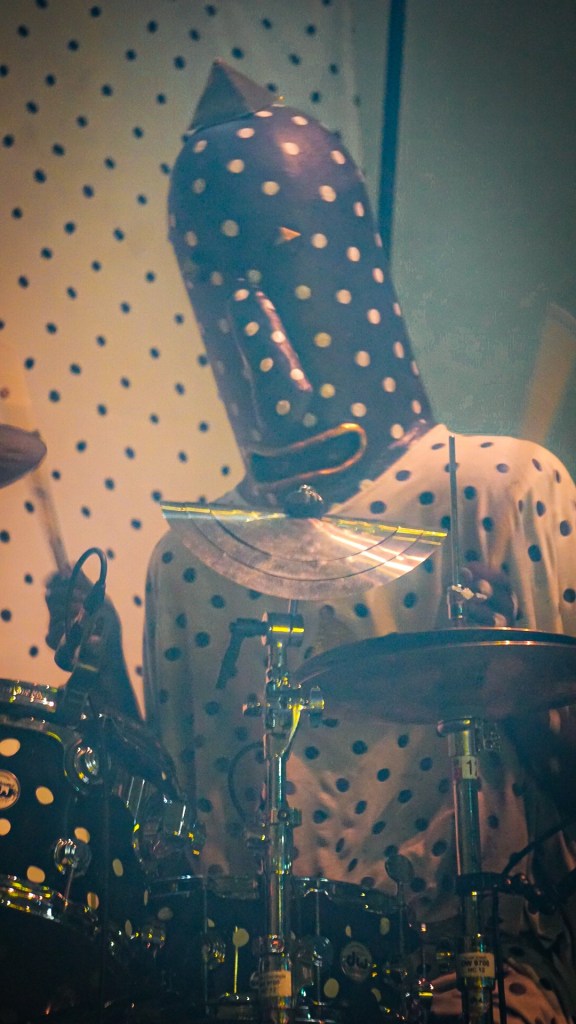
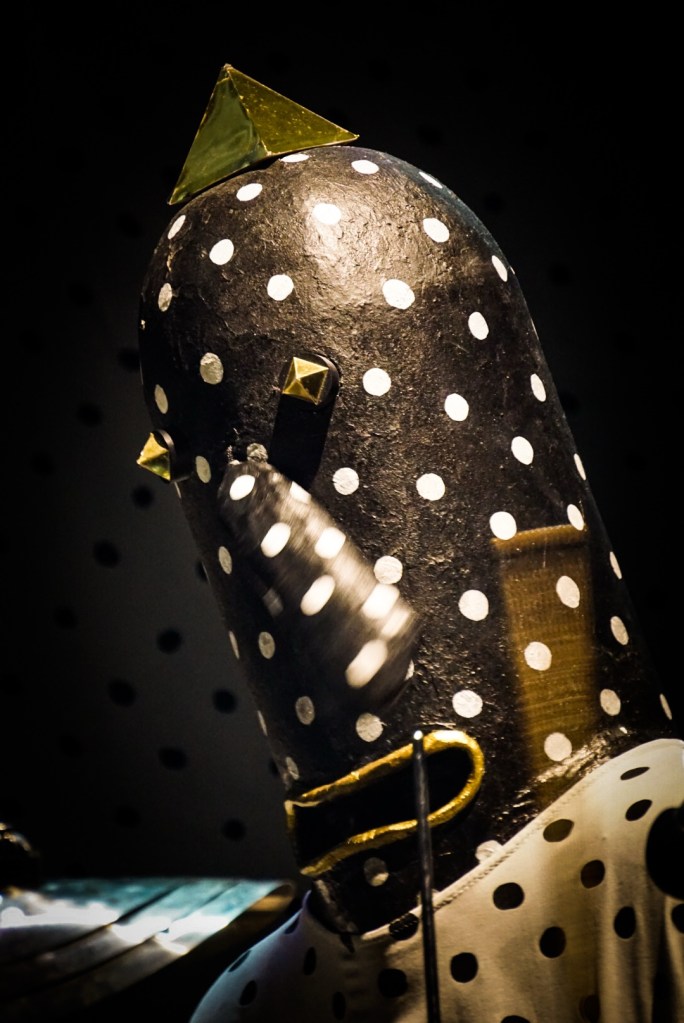
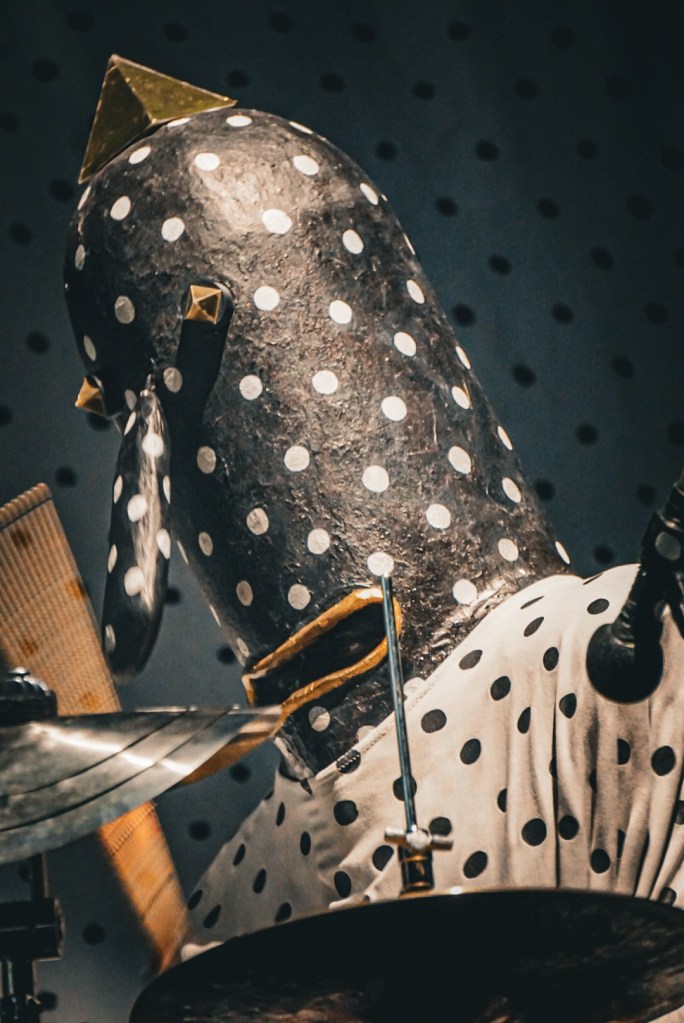
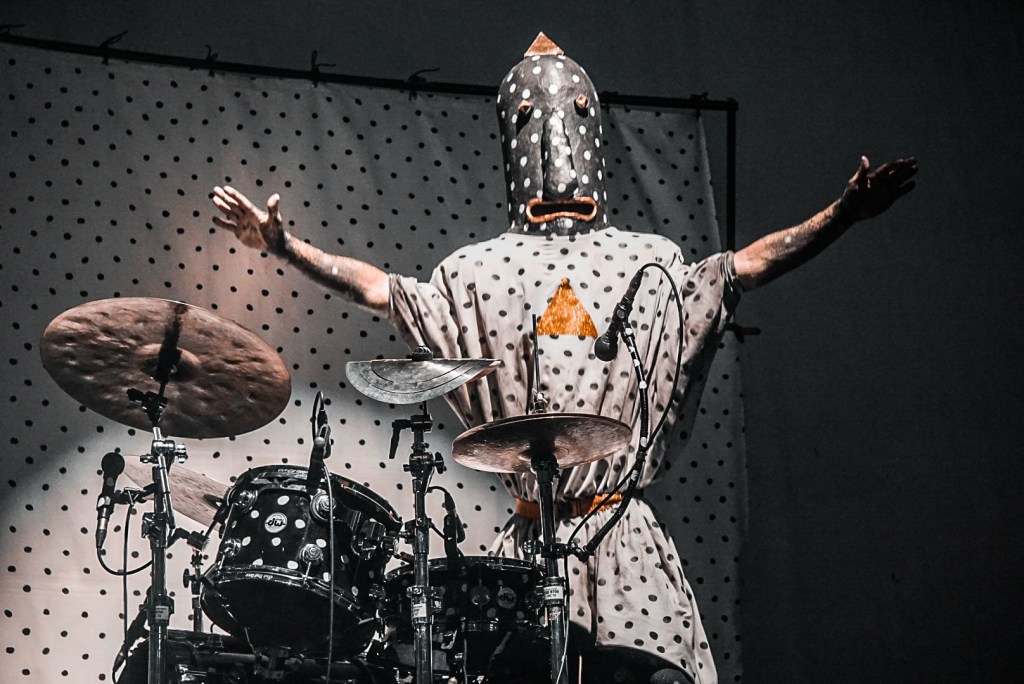
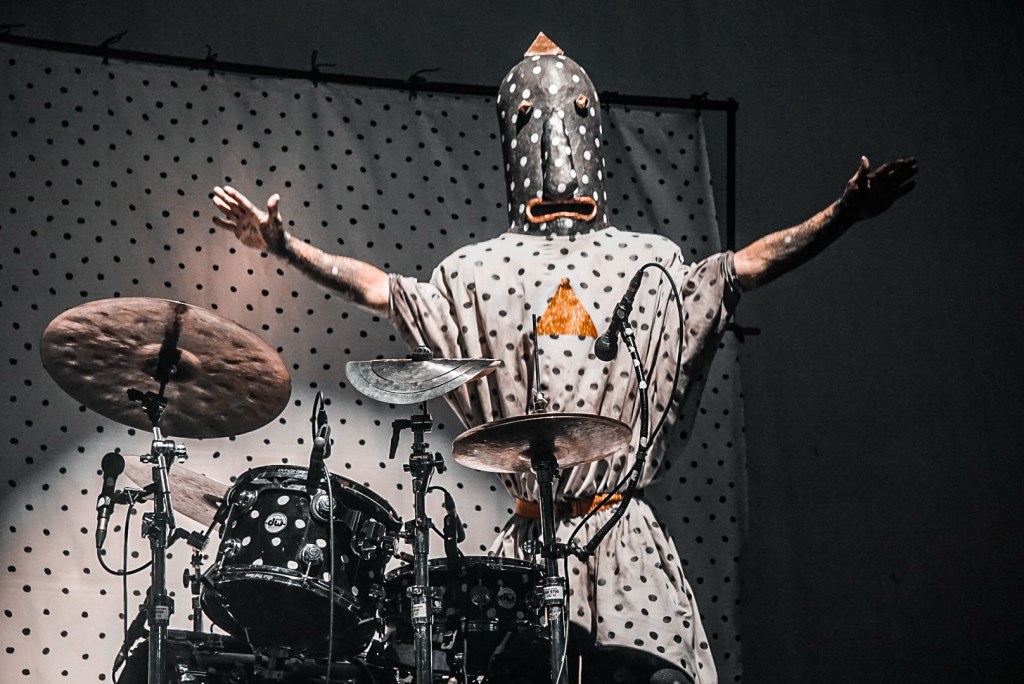
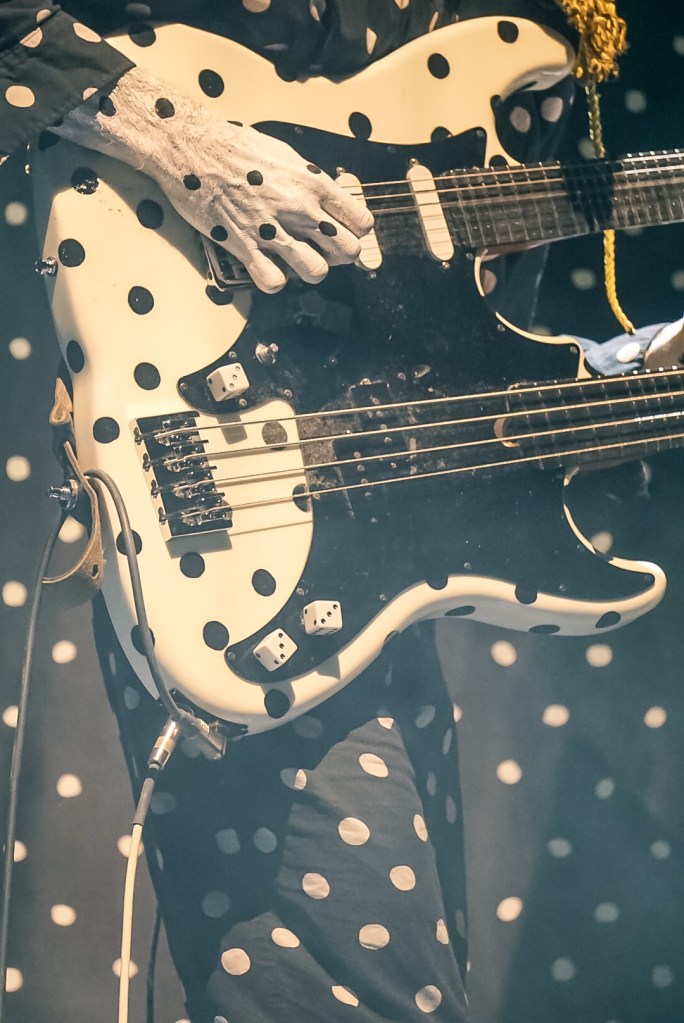
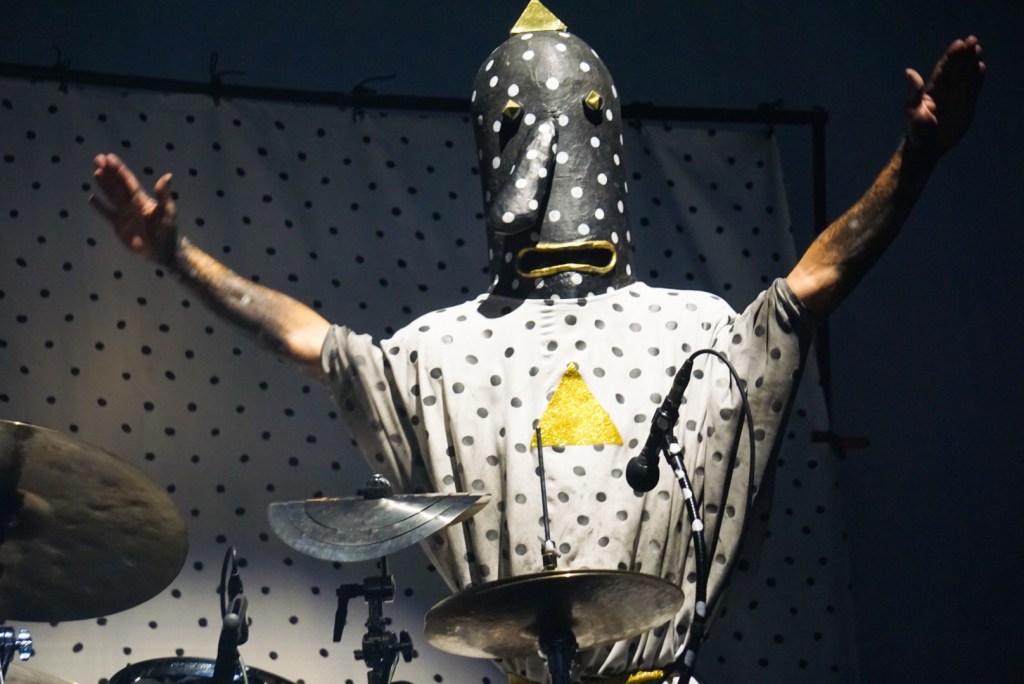
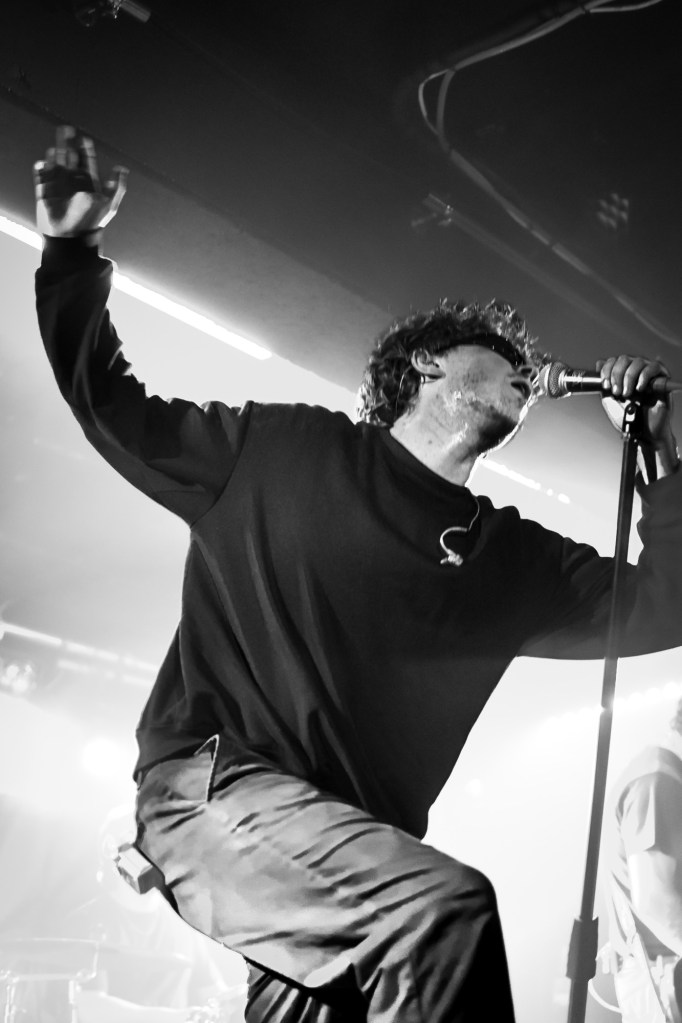
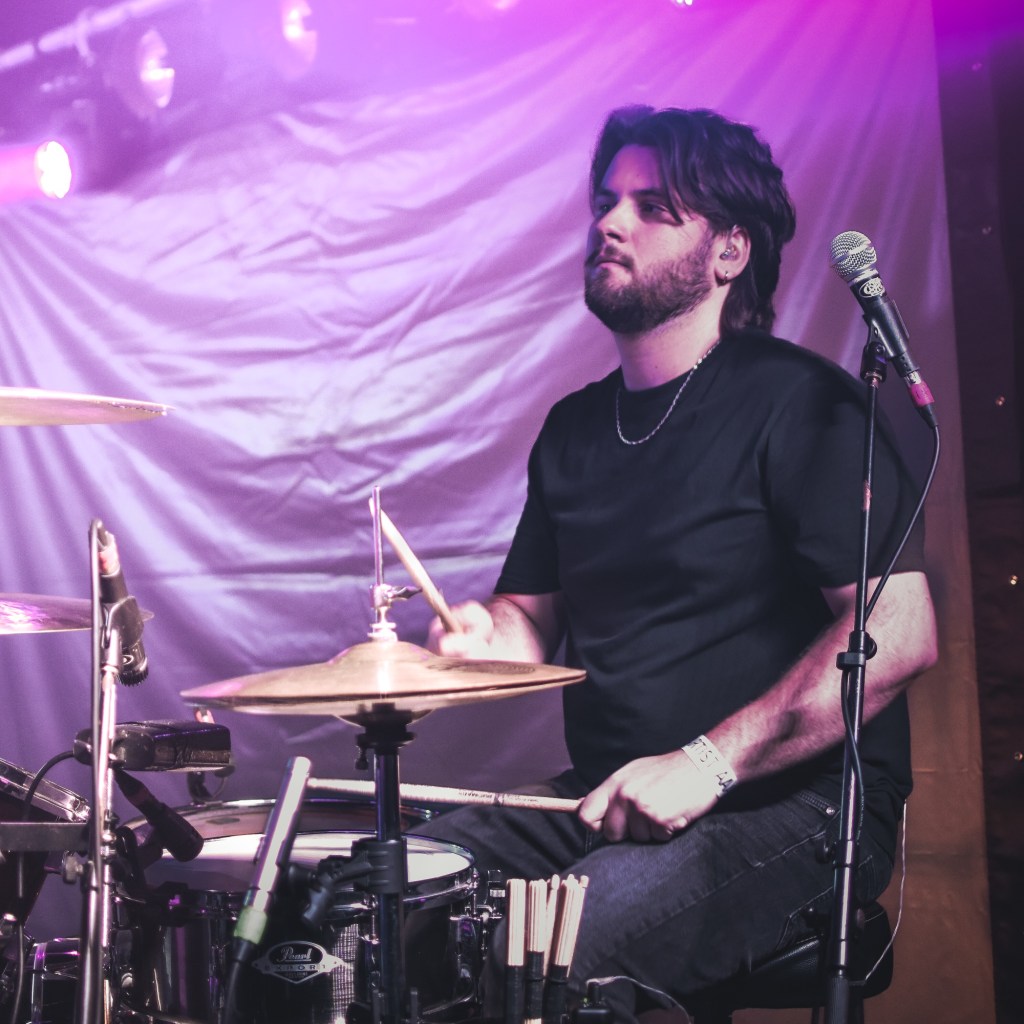
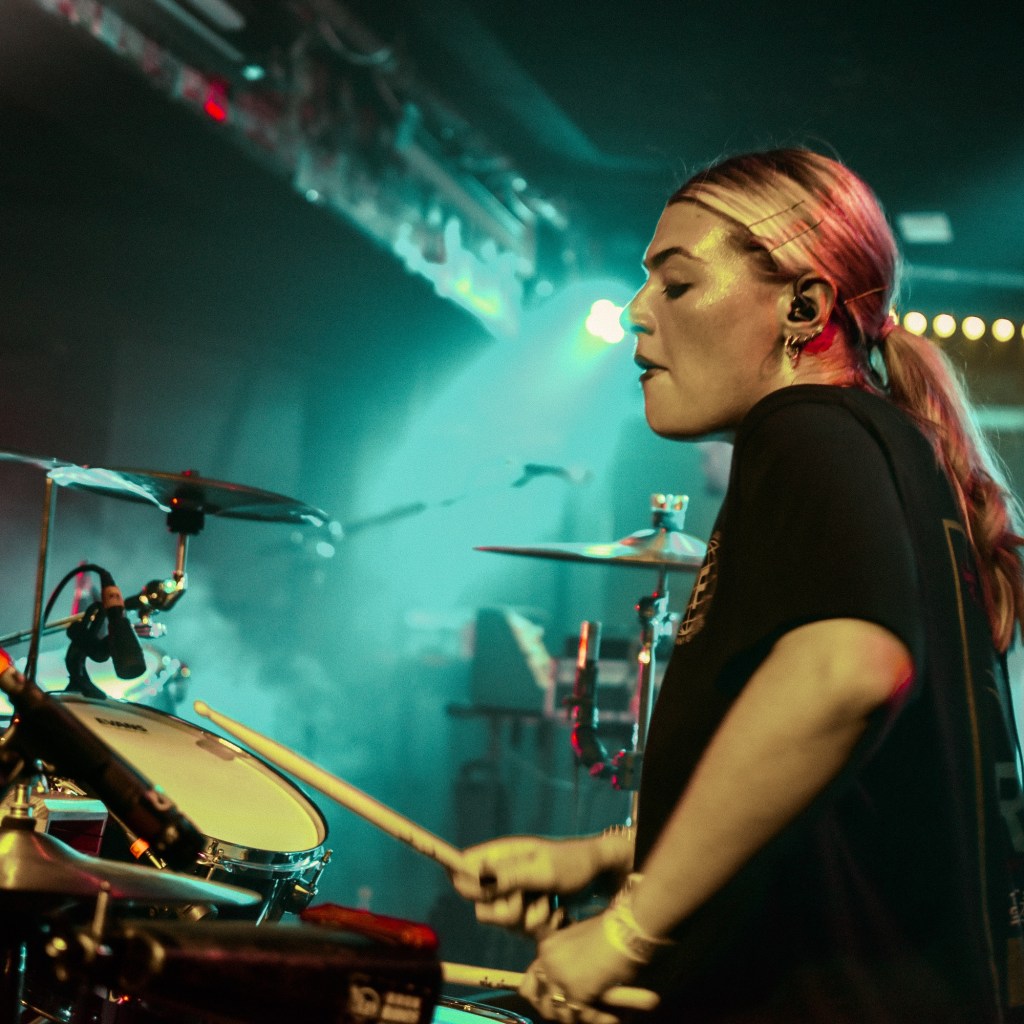
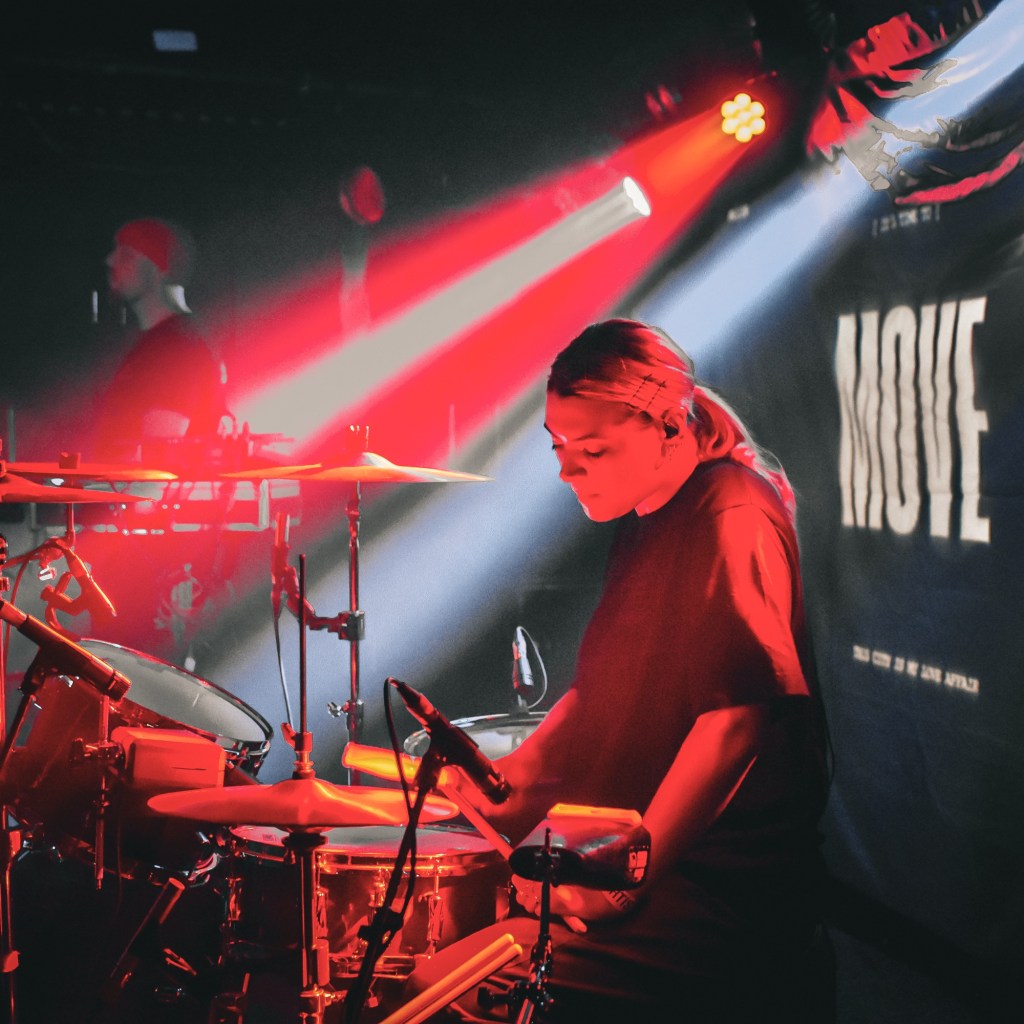
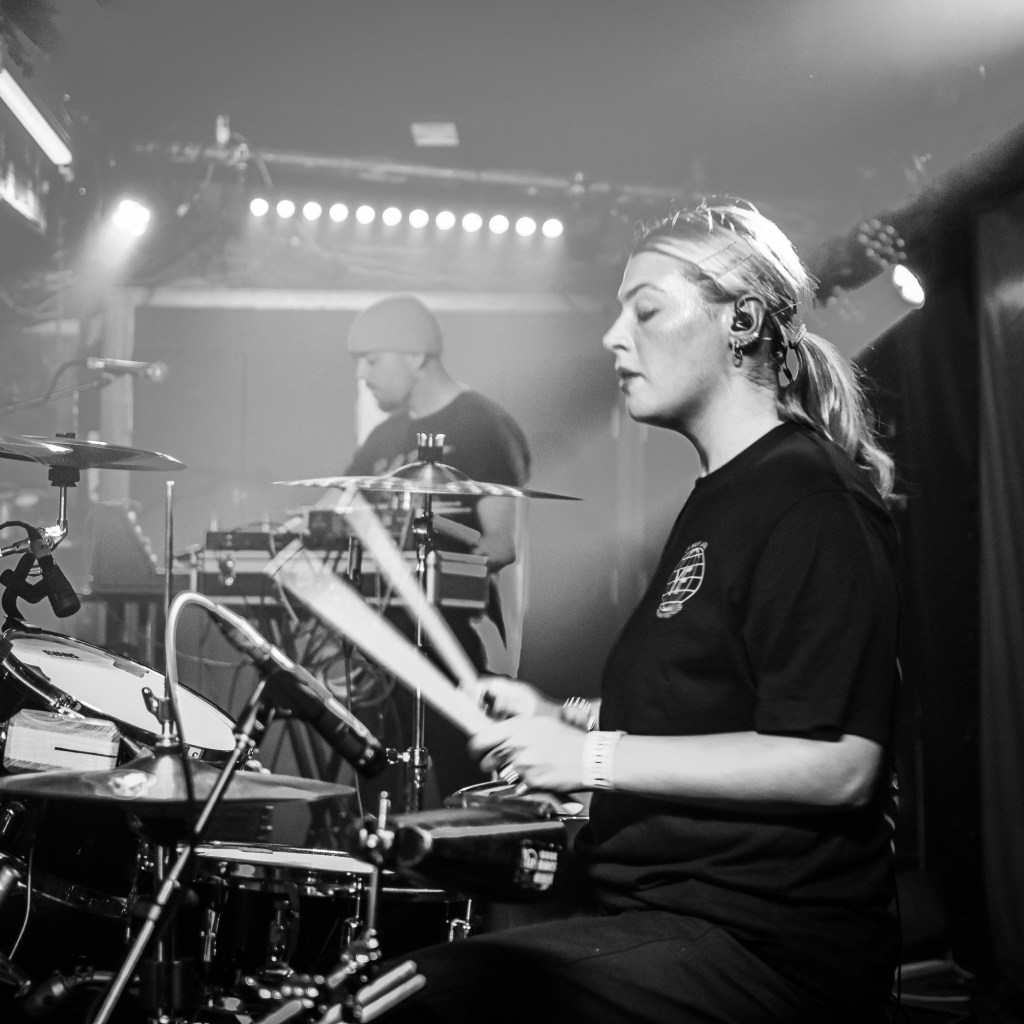
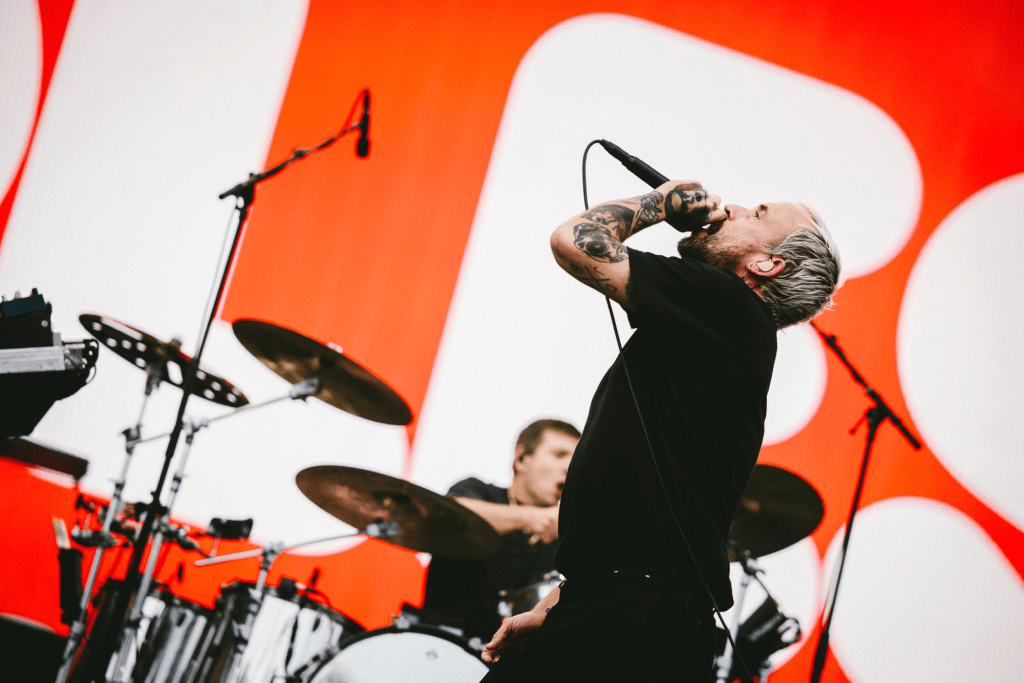
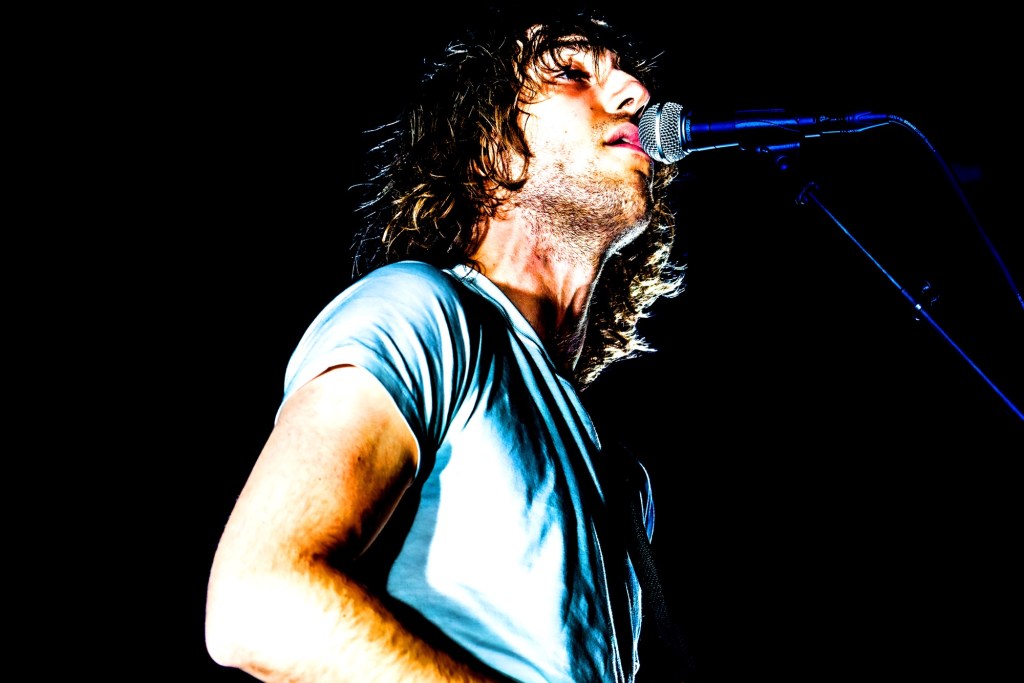
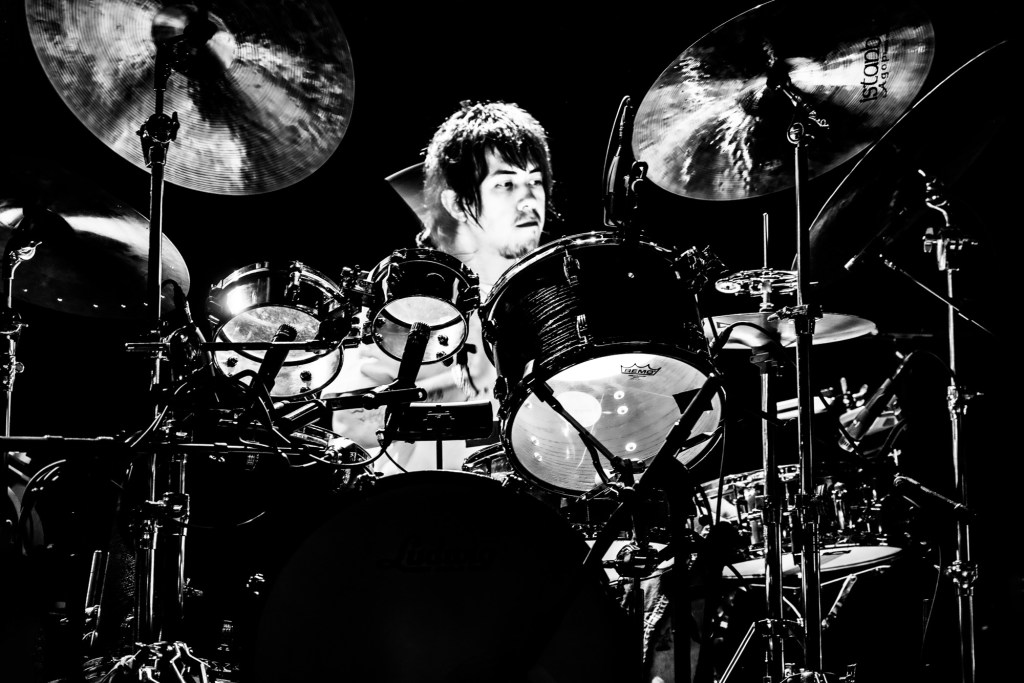
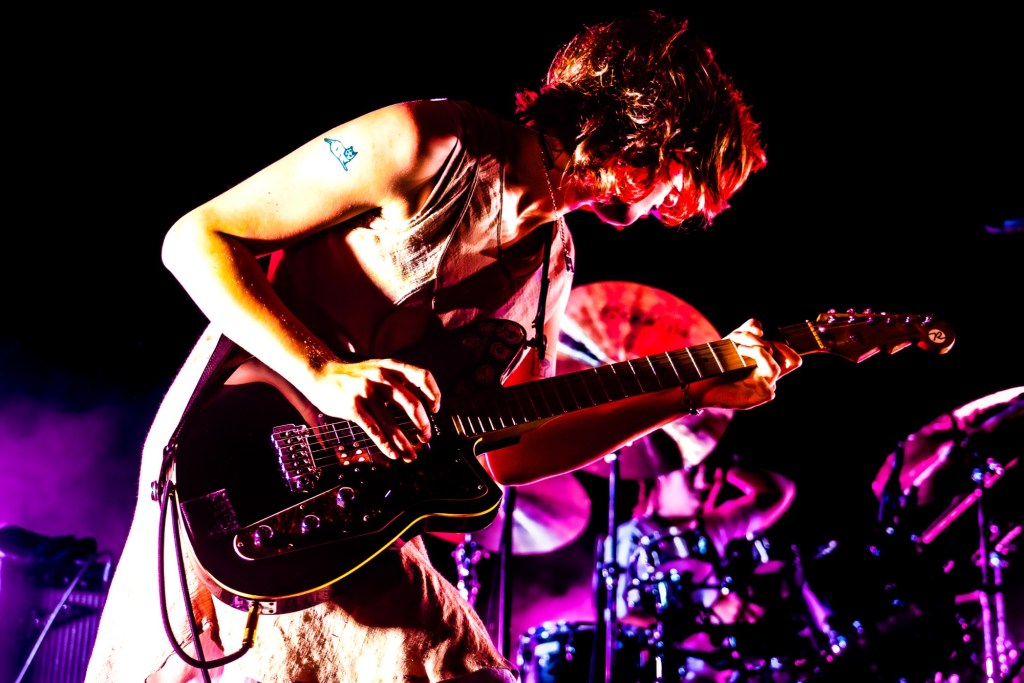
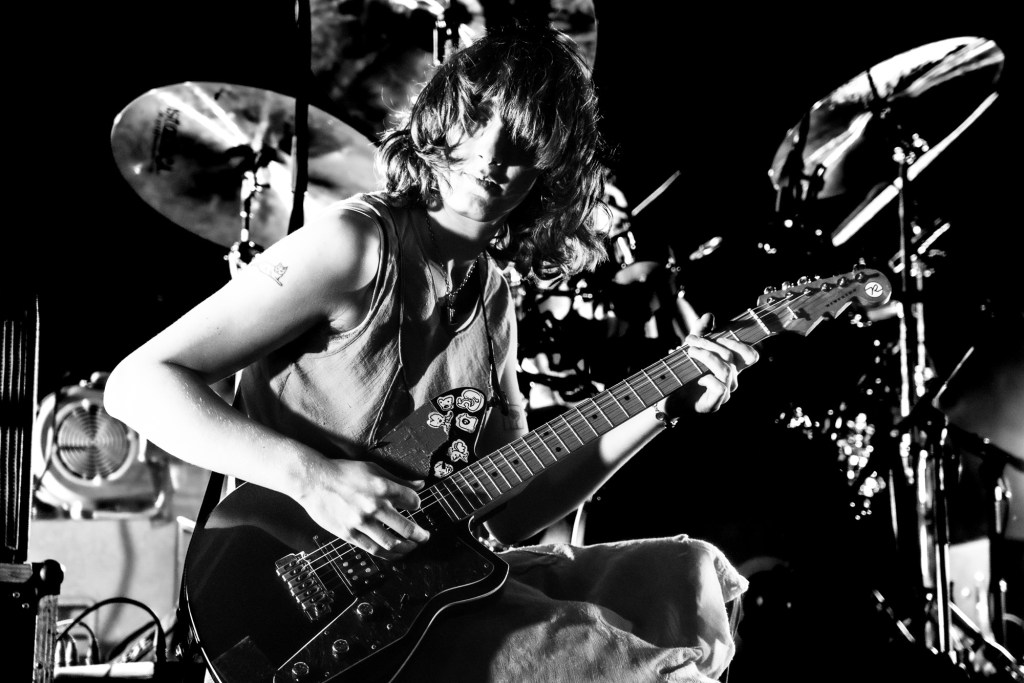
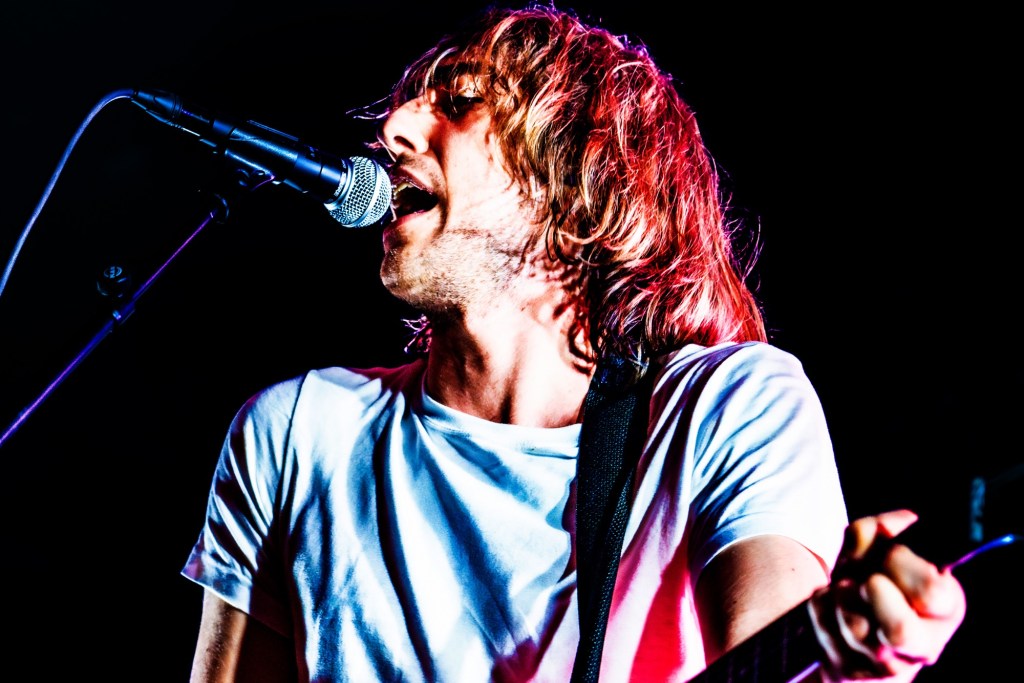
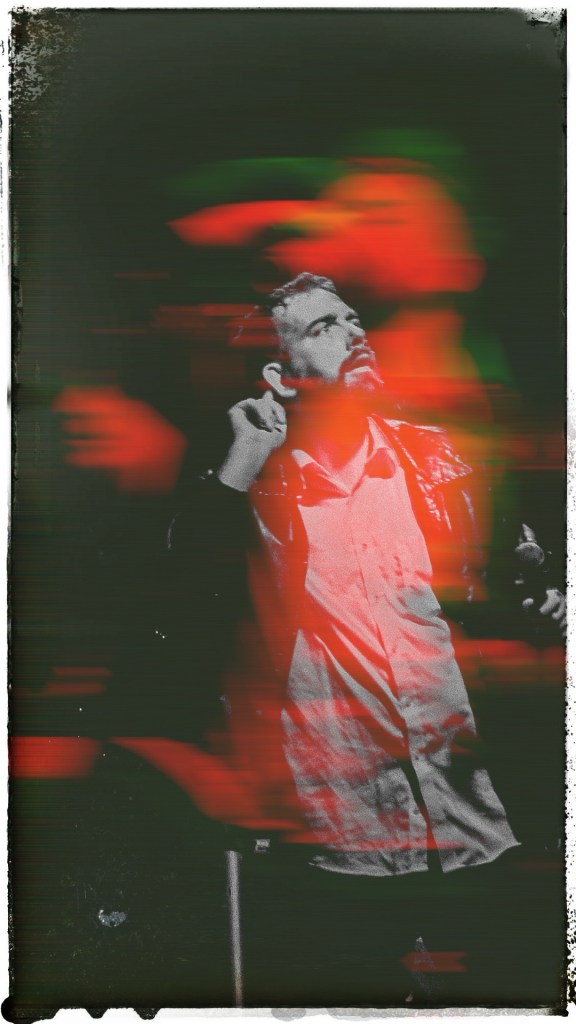
Ross Cullen and Ben Goddard stalked the stage like men trying to exorcise Belfast through volume alone, while touring drummer Finn McAleavey — a newer addition to the live line-up — gave the songs a physical violence they previously only implied. The old CHALK setup always sounded mechanised, all brutalist synths and anxiety-rave pulse, but the live drums have changed the chemistry. The songs now breathe, sweat and occasionally threaten to punch somebody through a wall.

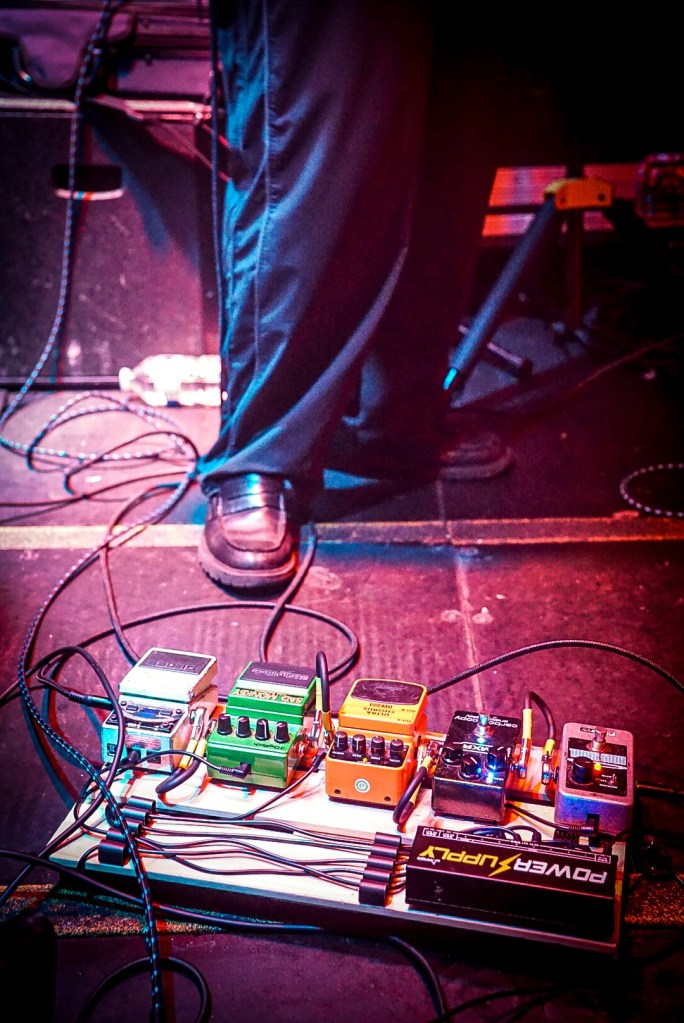
The setlist was studded with gems. “Tongue” opened proceedings like a prison riot conducted by Giorgio Moroder, before “Pain” and “Can’t Feel It” shoved the crowd straight into the red. The newer Crystalpunk material sounded colossal — not polished, exactly, but sharpened, like broken glass swept into nightclub strobes. “1980” lurched forward with the haunted swagger of Nine Inch Nails if Trent Reznor had been raised on Colonial tension and warm cans of Tennents. “Pool Scene” arrived like a panic attack at a rave. “Bliss” and “Static” pulsed with the ghost of Underworld, while “Skem” sounded like the entire city of Belfast trying to claw itself out of wet concrete.

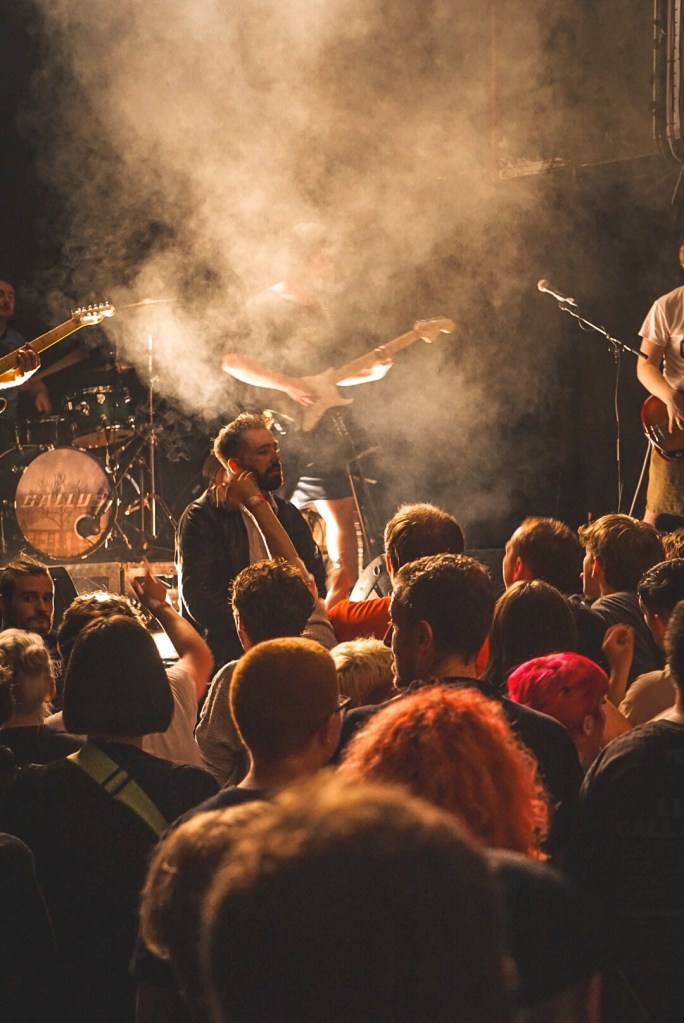
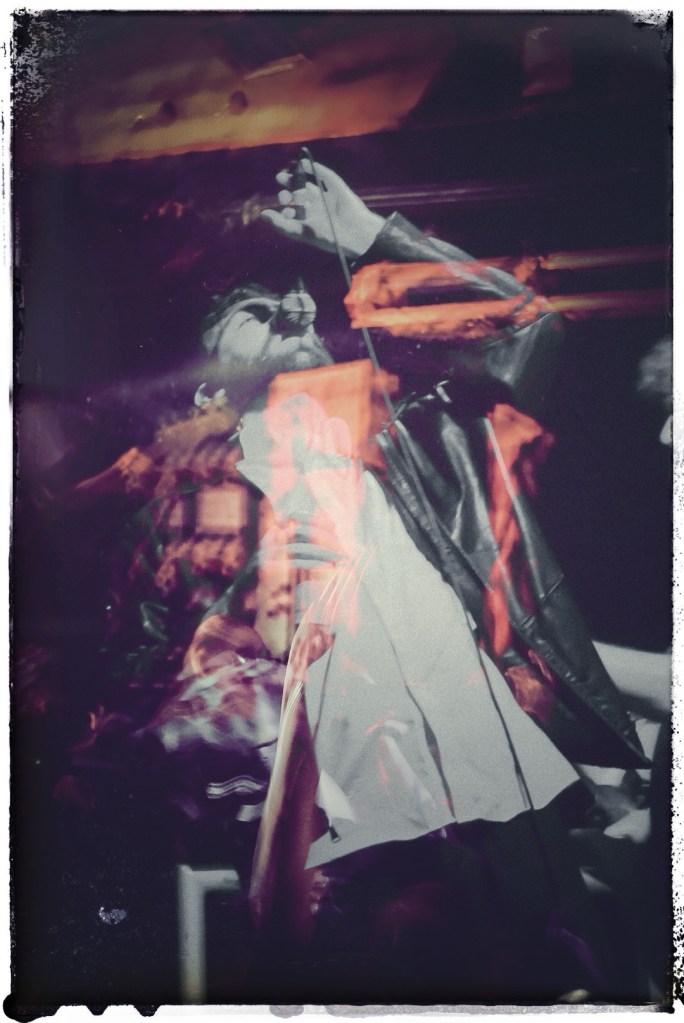
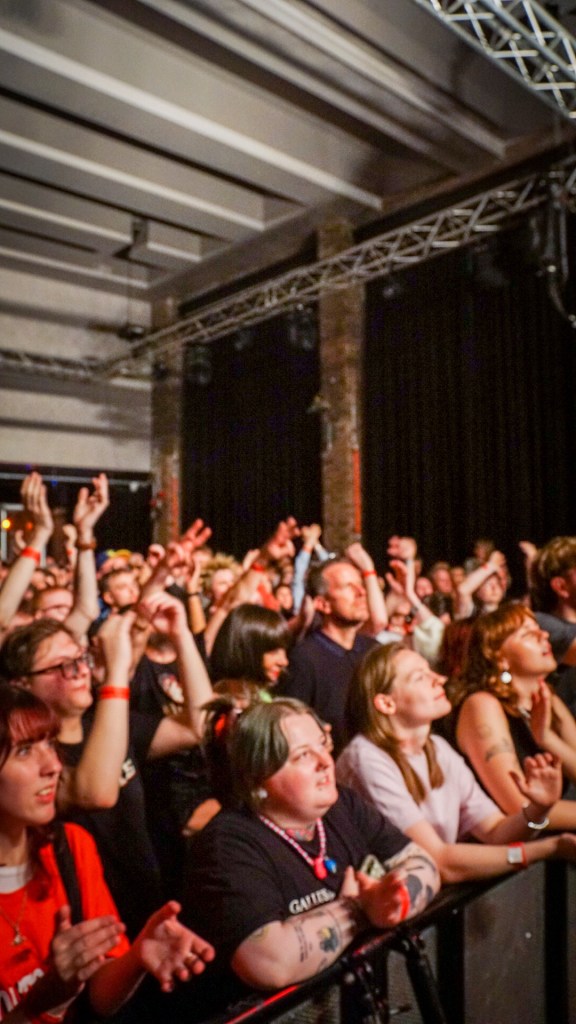
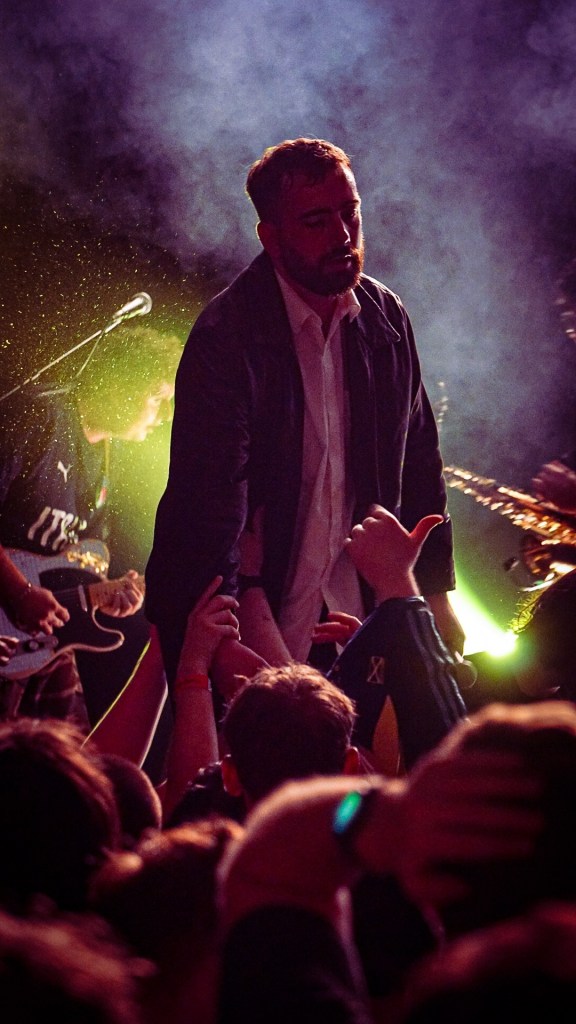
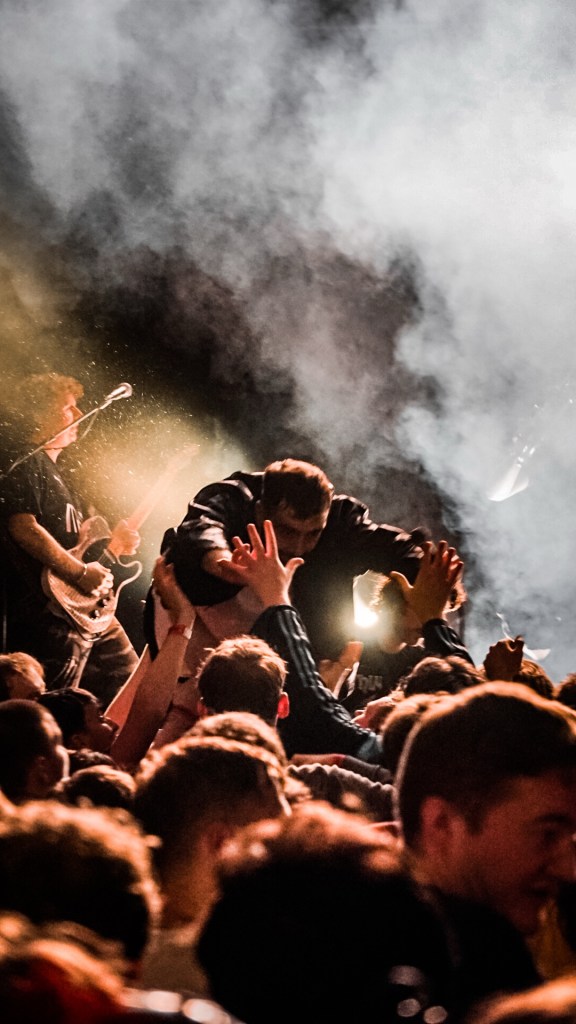
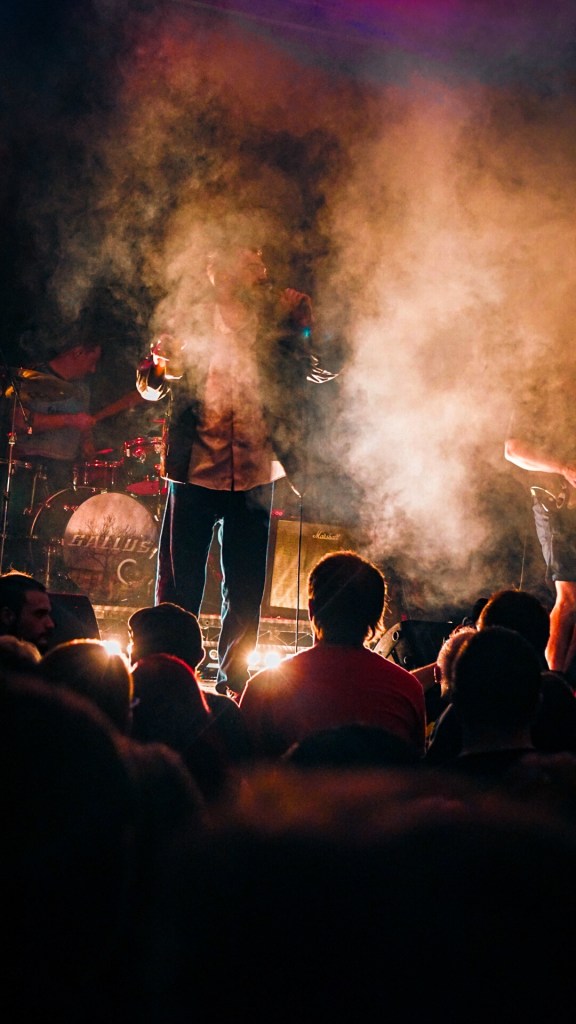
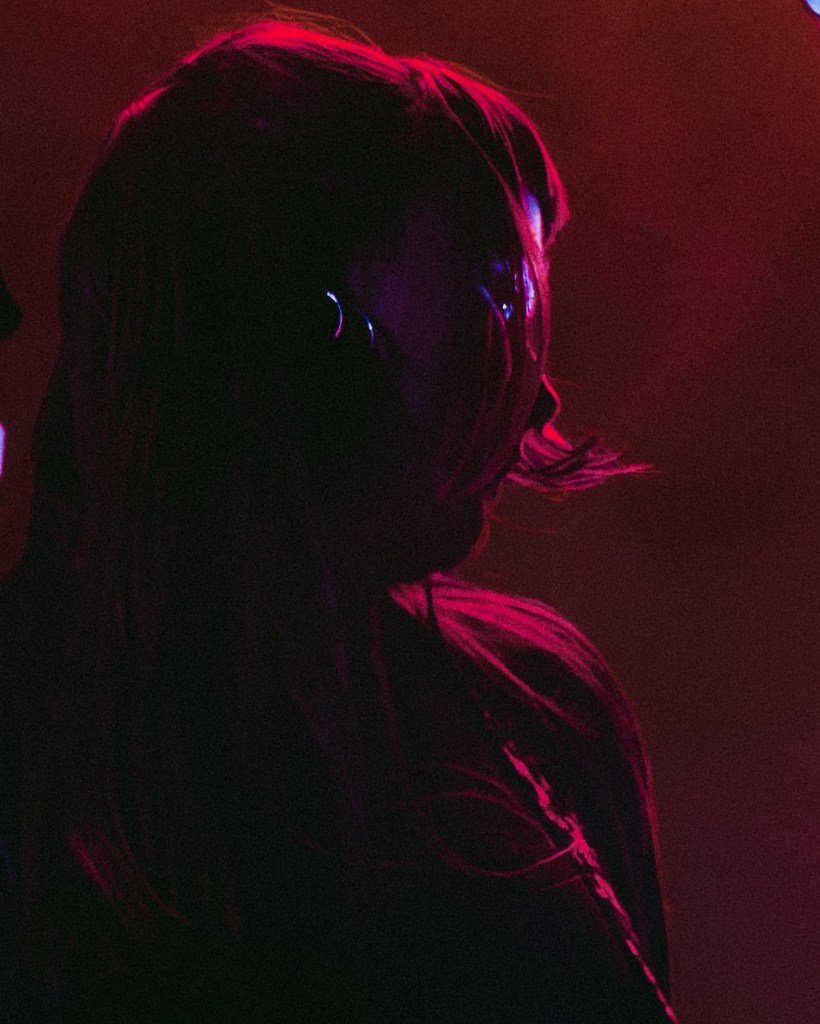
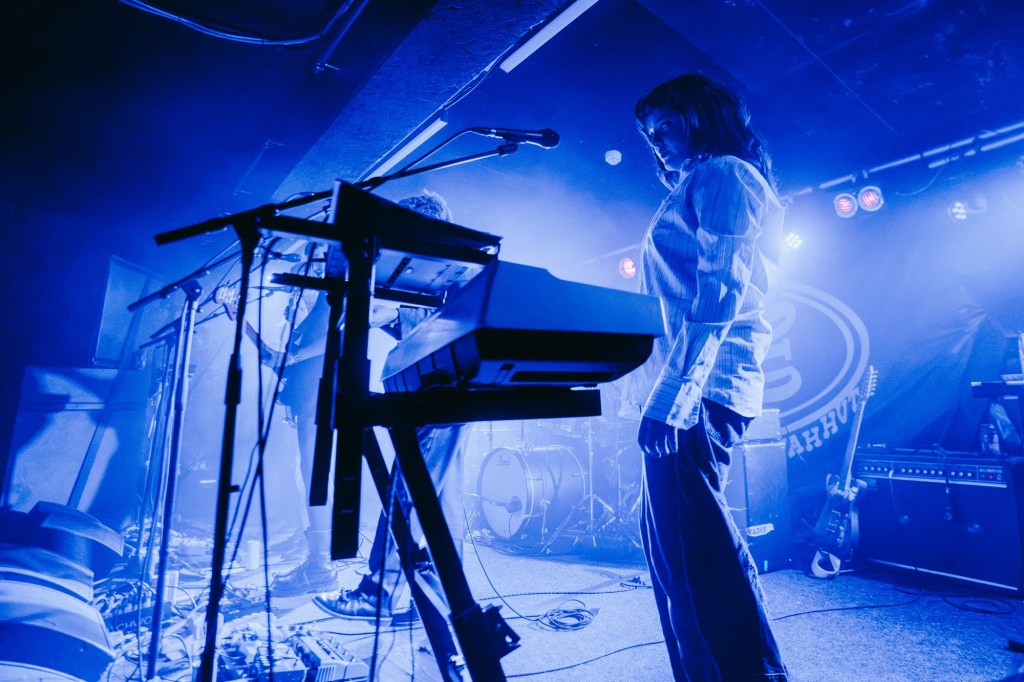
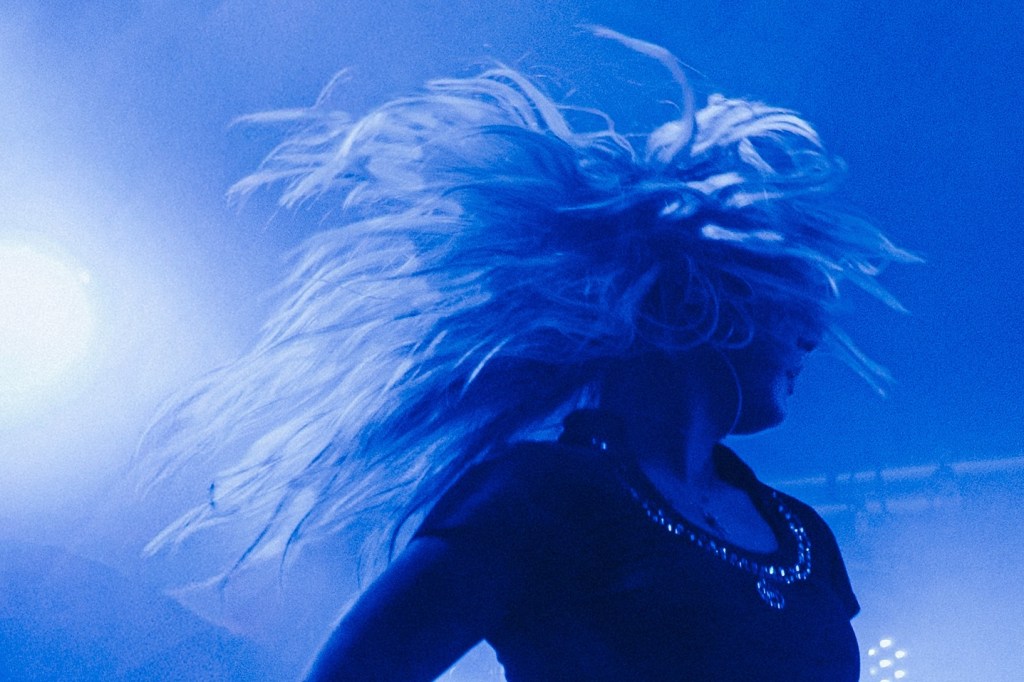
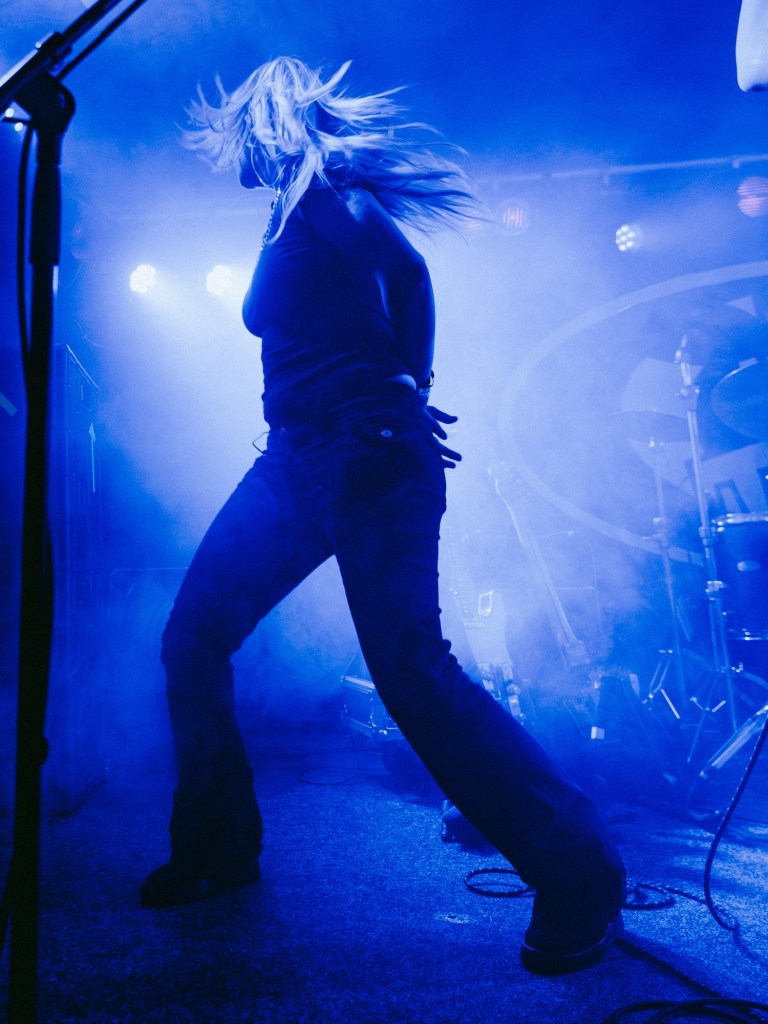
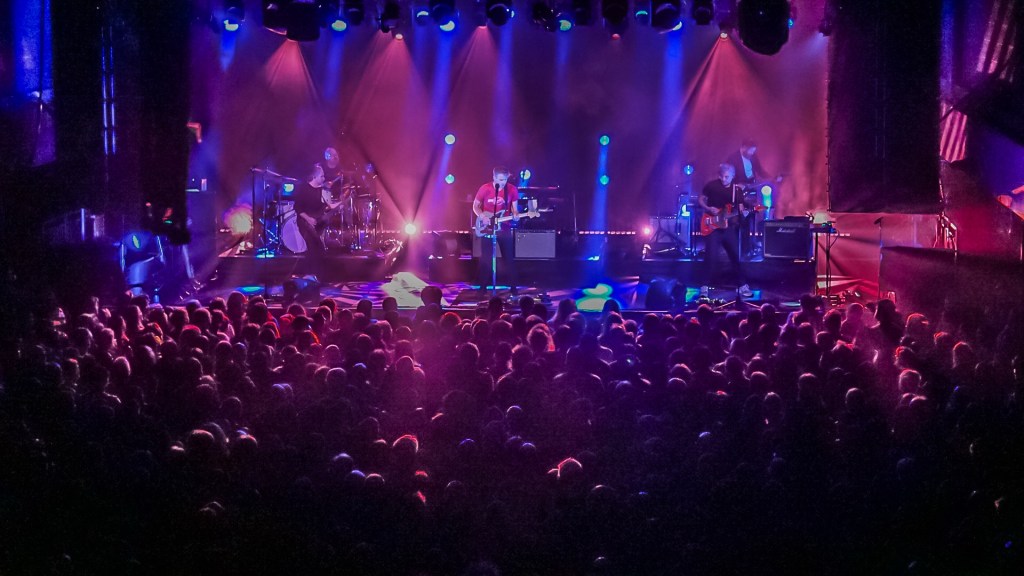
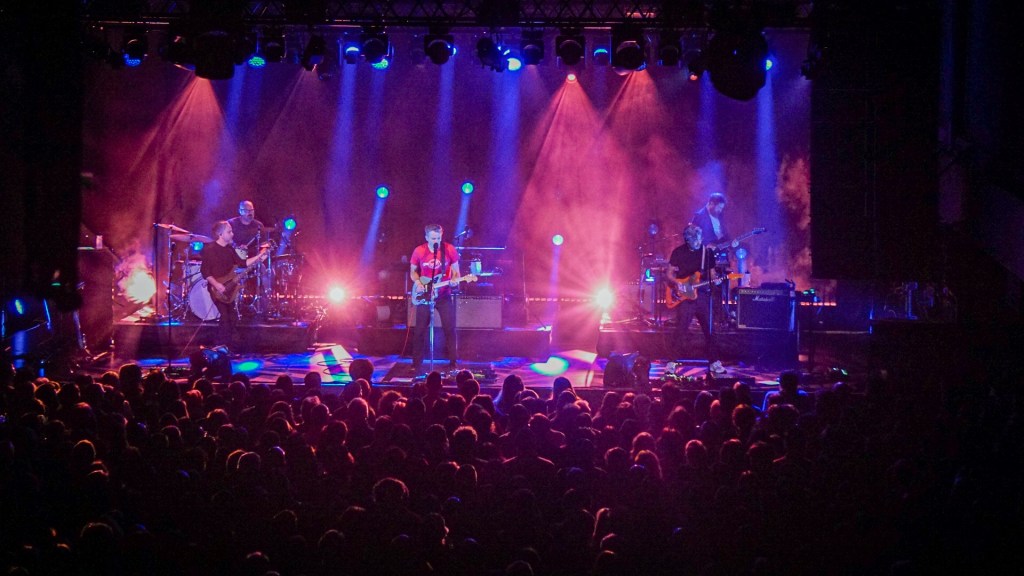
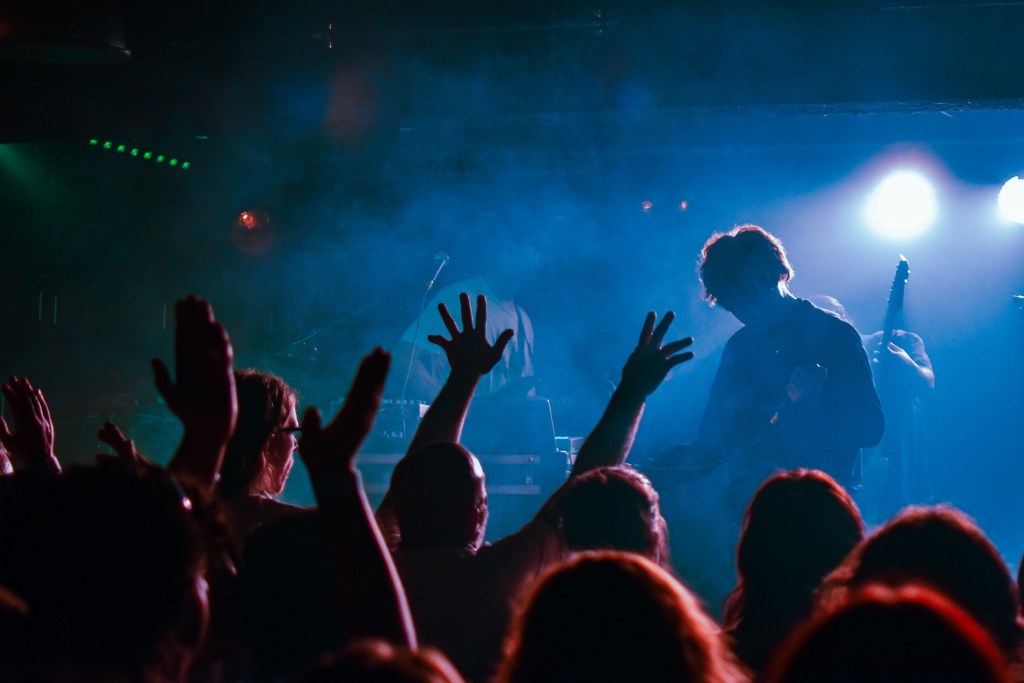
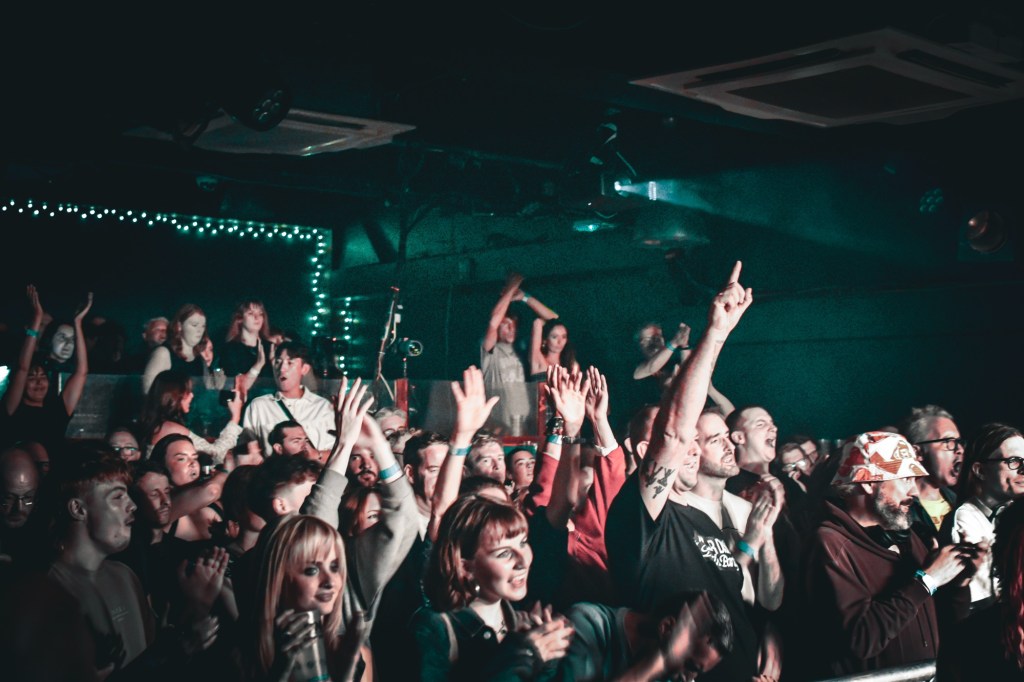
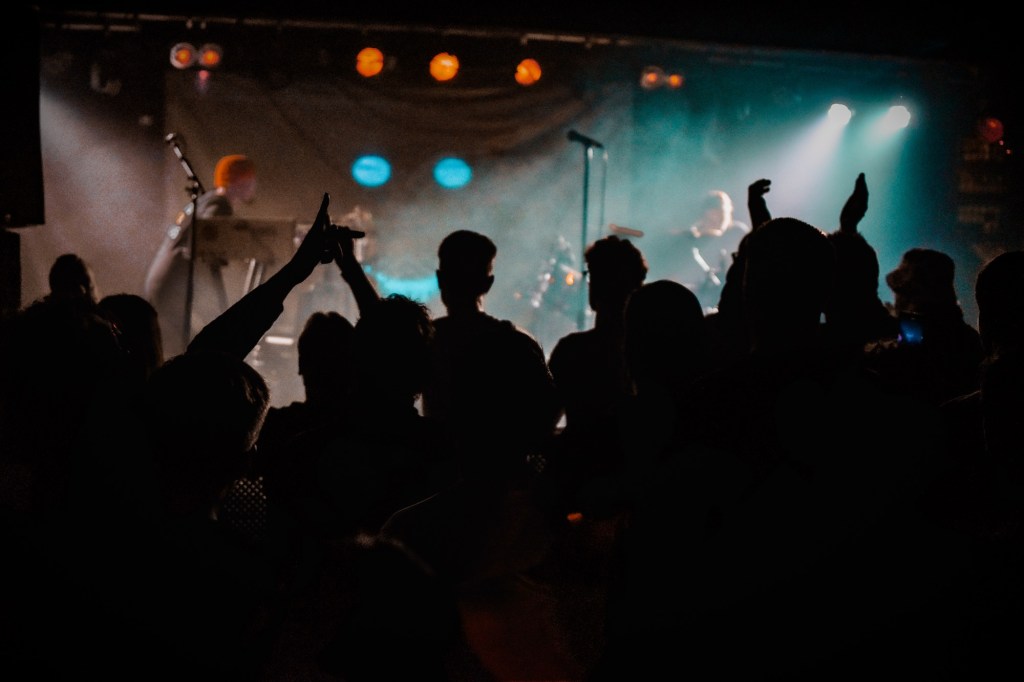
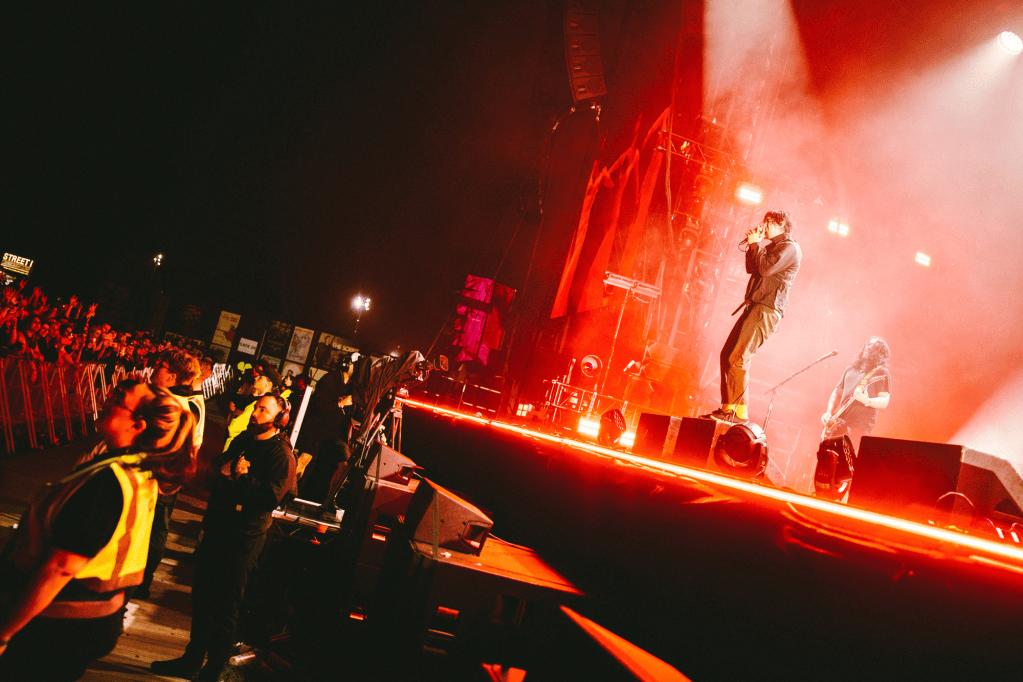
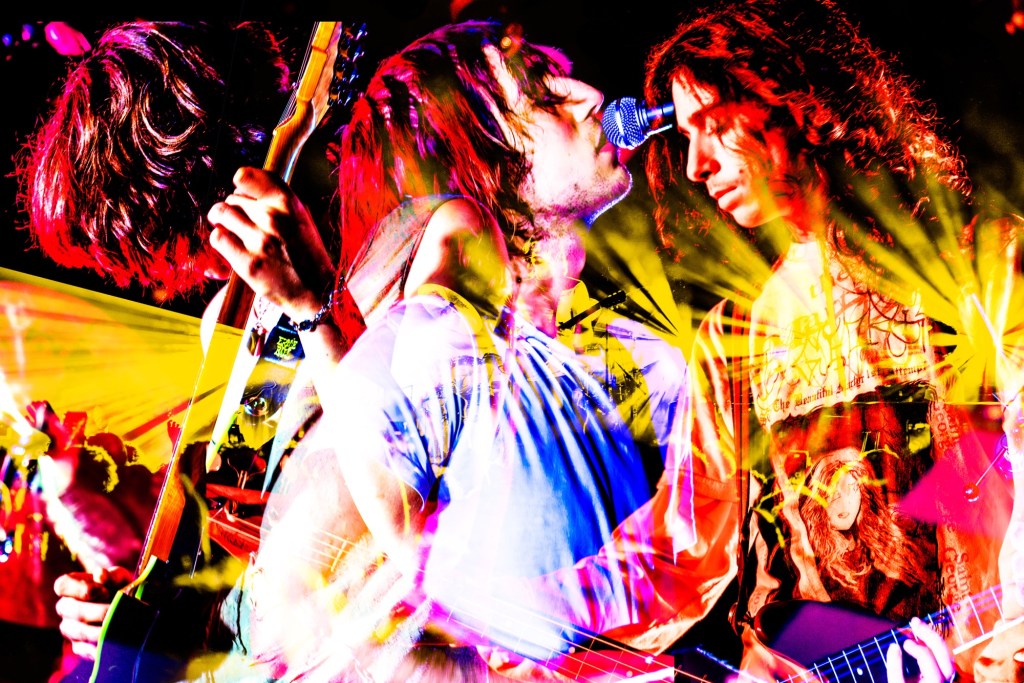
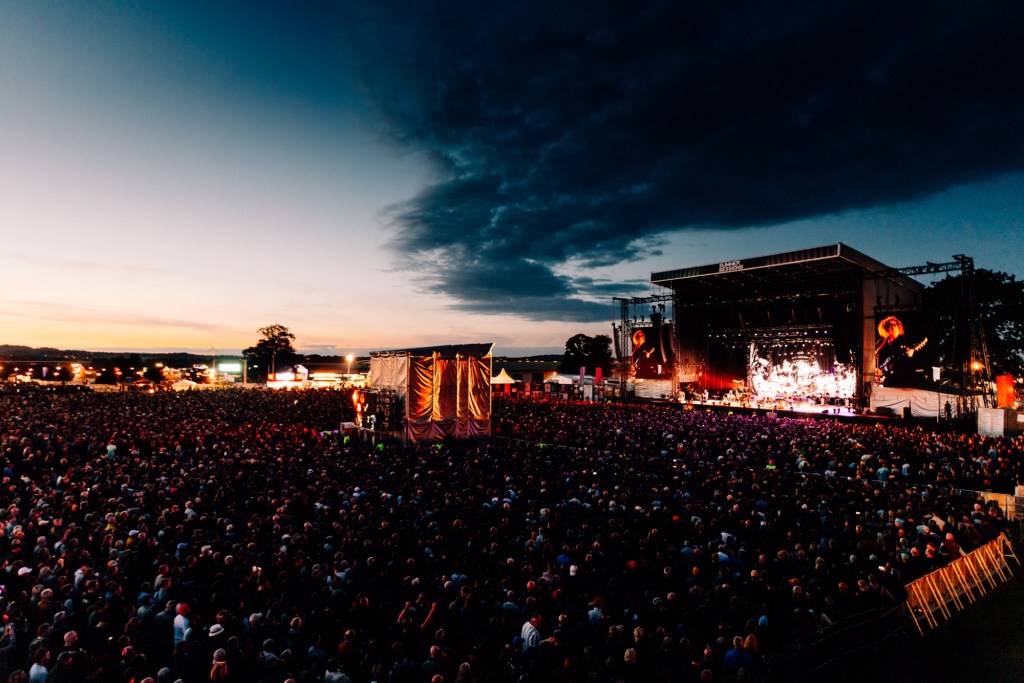
And then there was the atmosphere. Christ. Purple smoke curled around the venue in thick poisonous ribbons while lasers slashed through the darkness like a nightclub operating inside a war zone. The lighting was absurdly theatrical — half warehouse rave, half end-times sermon. CHALK understand something many modern bands don’t: if you are going to make music this intense, you should look like you are summoning a storm while performing it.

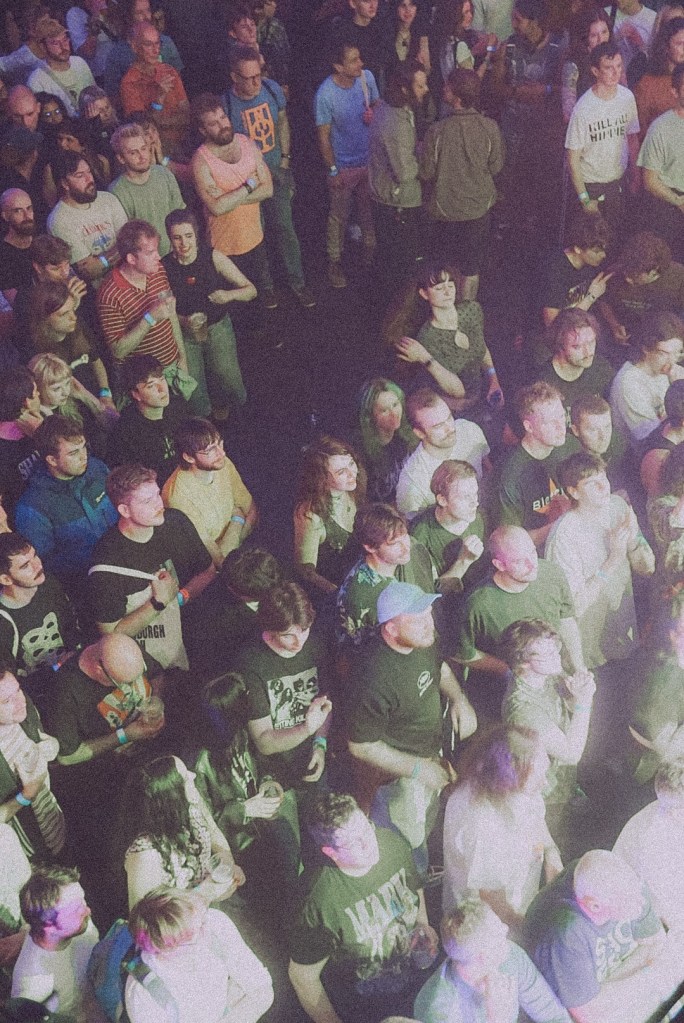
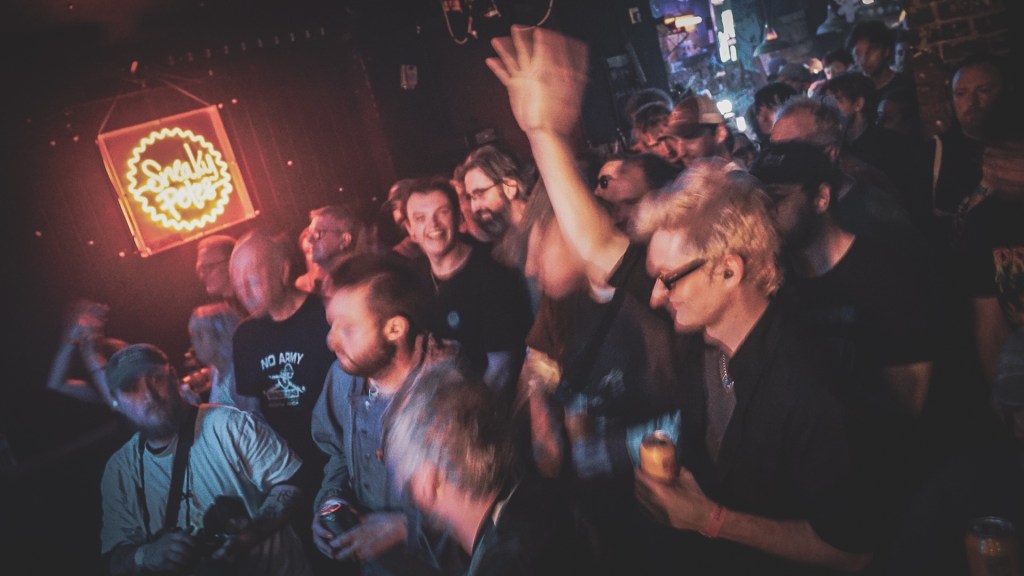
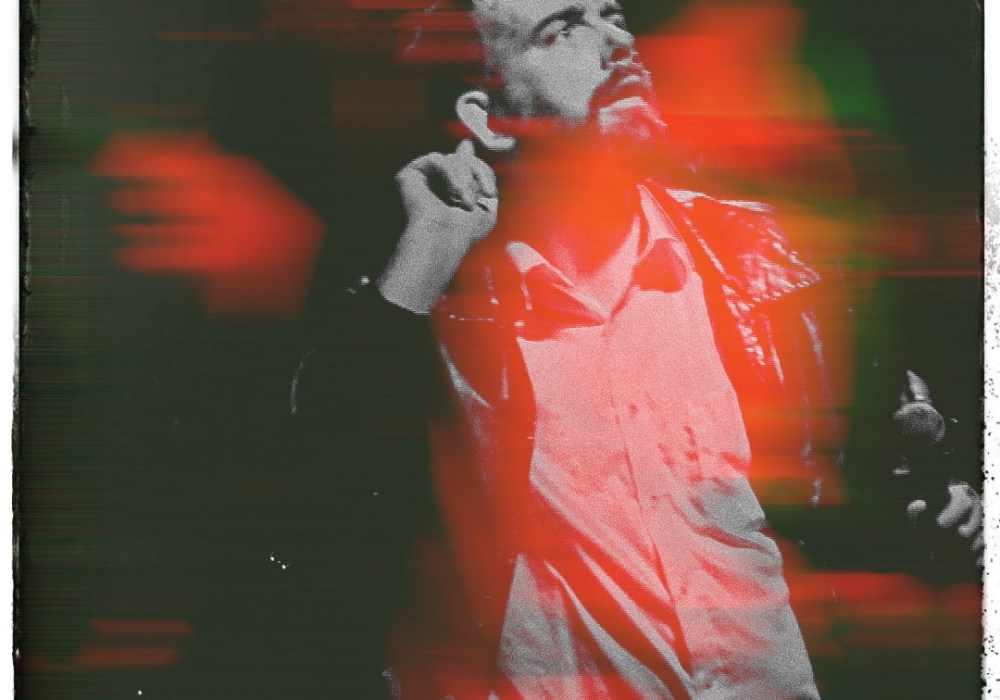
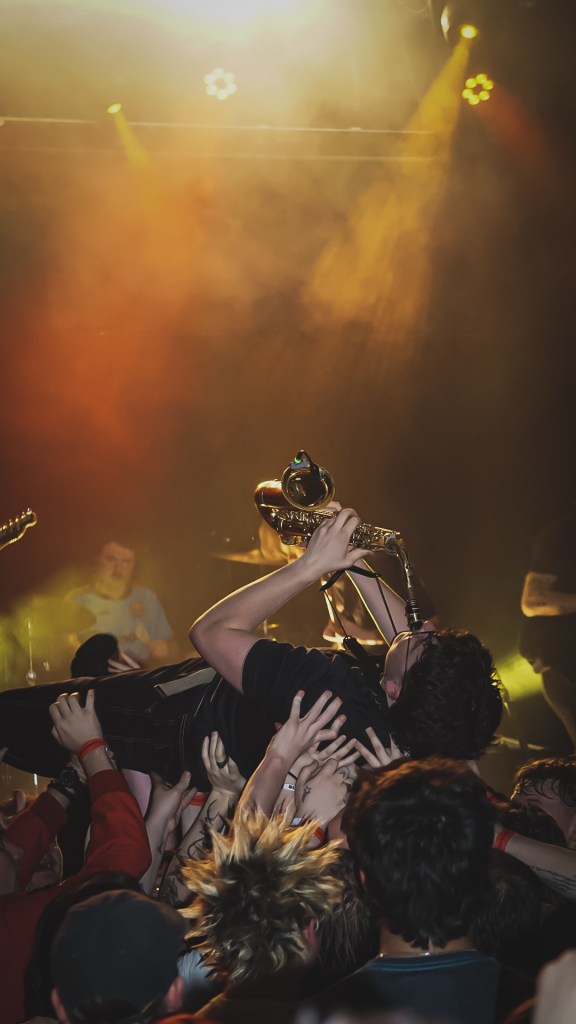
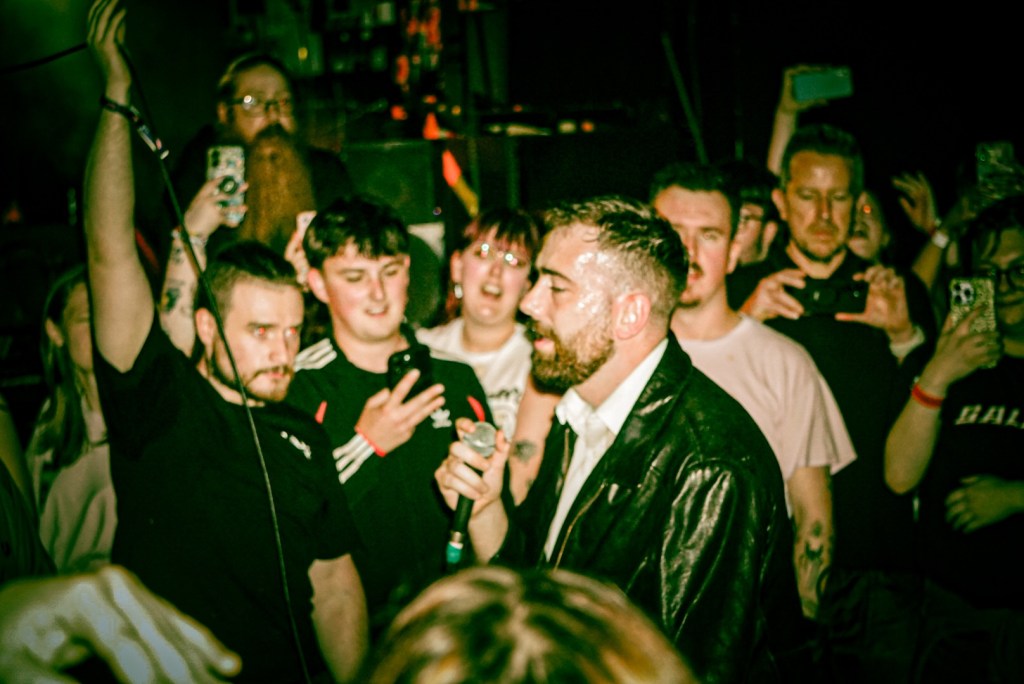
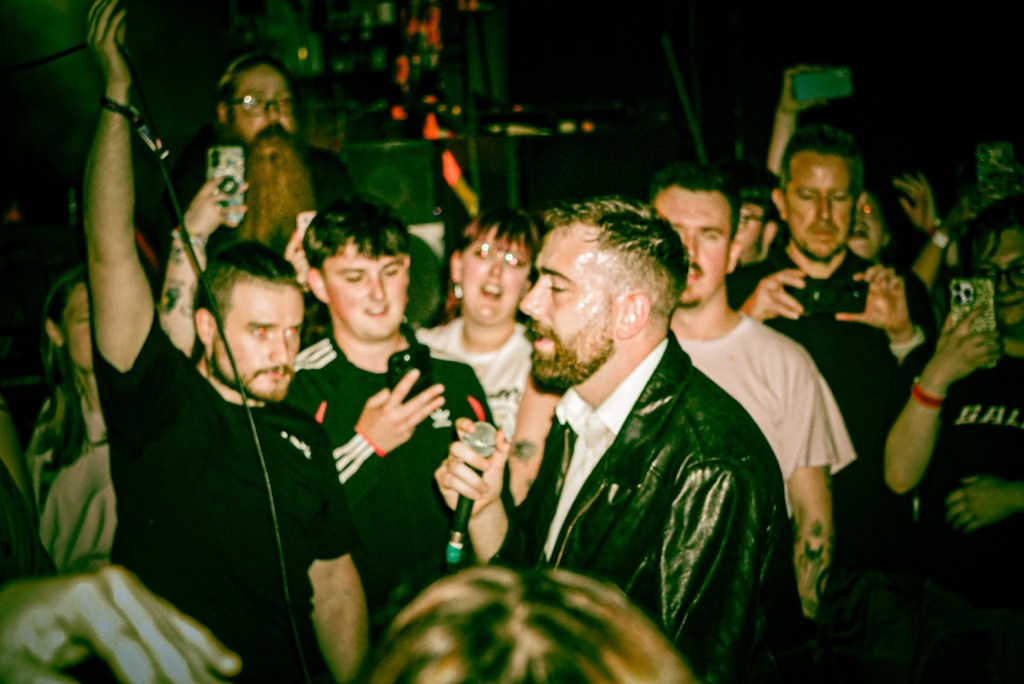
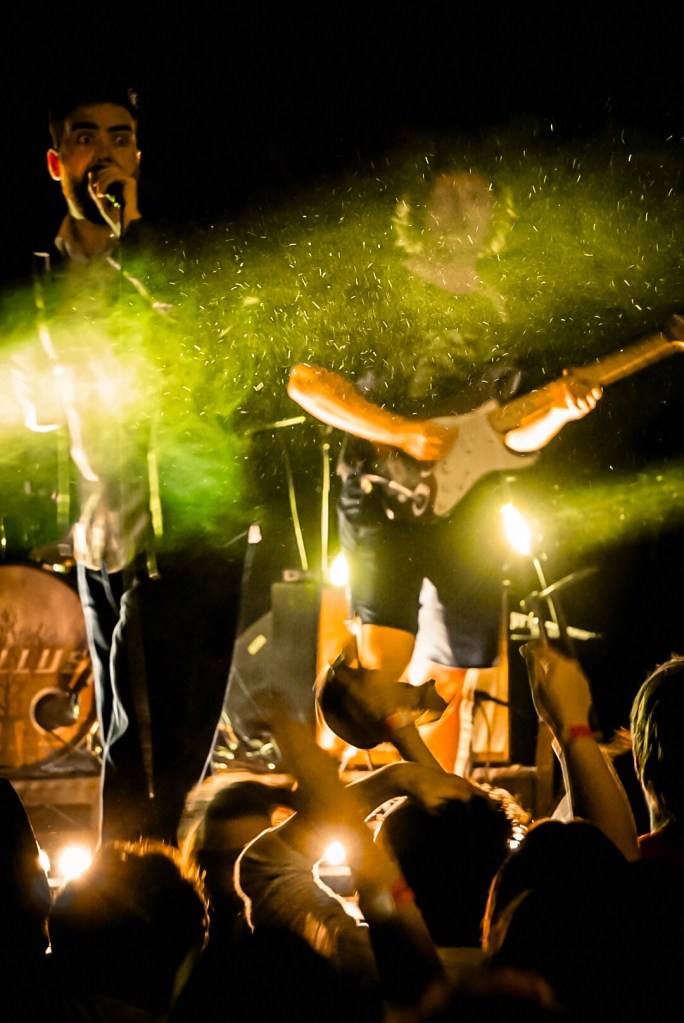
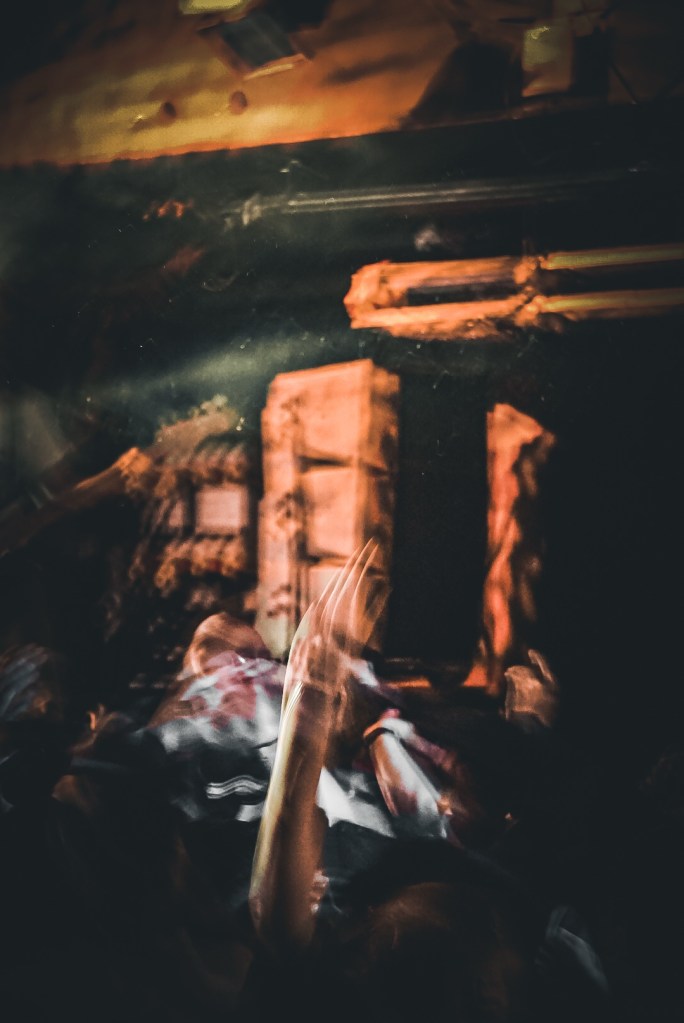
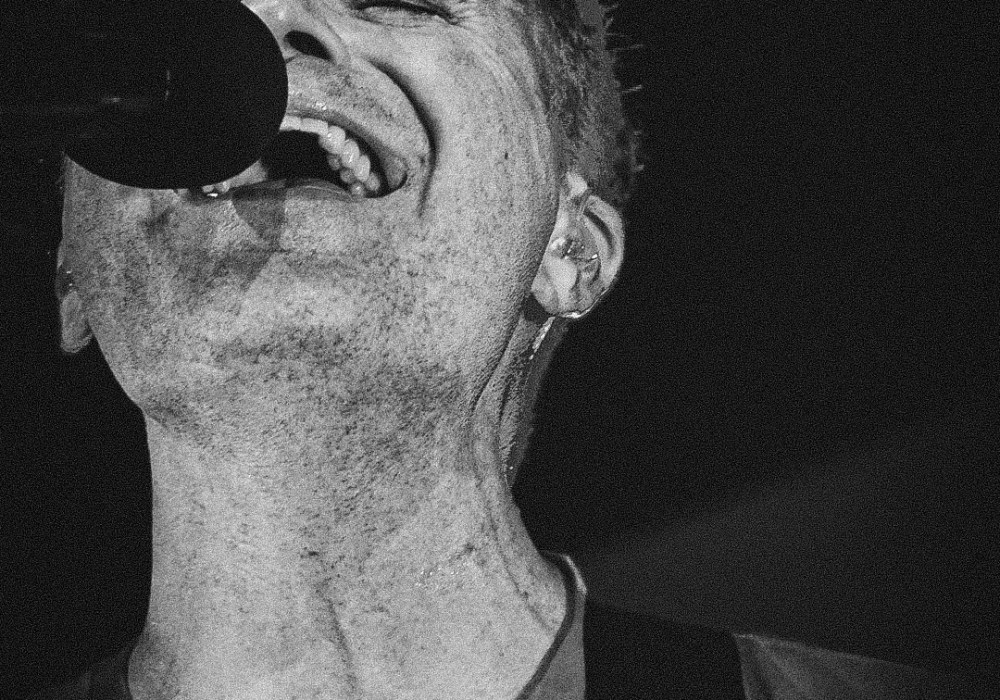
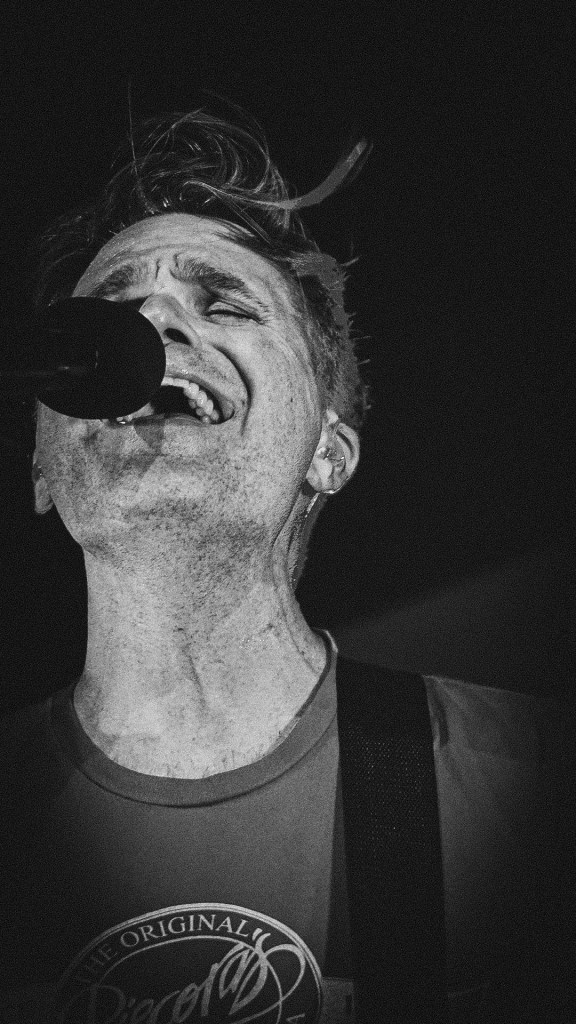
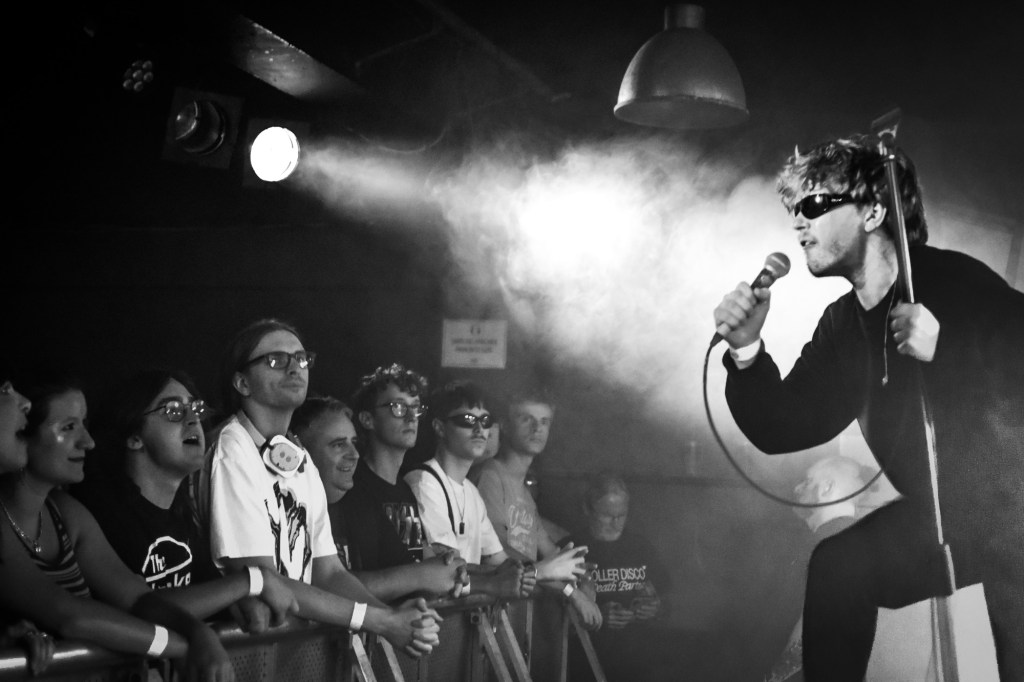
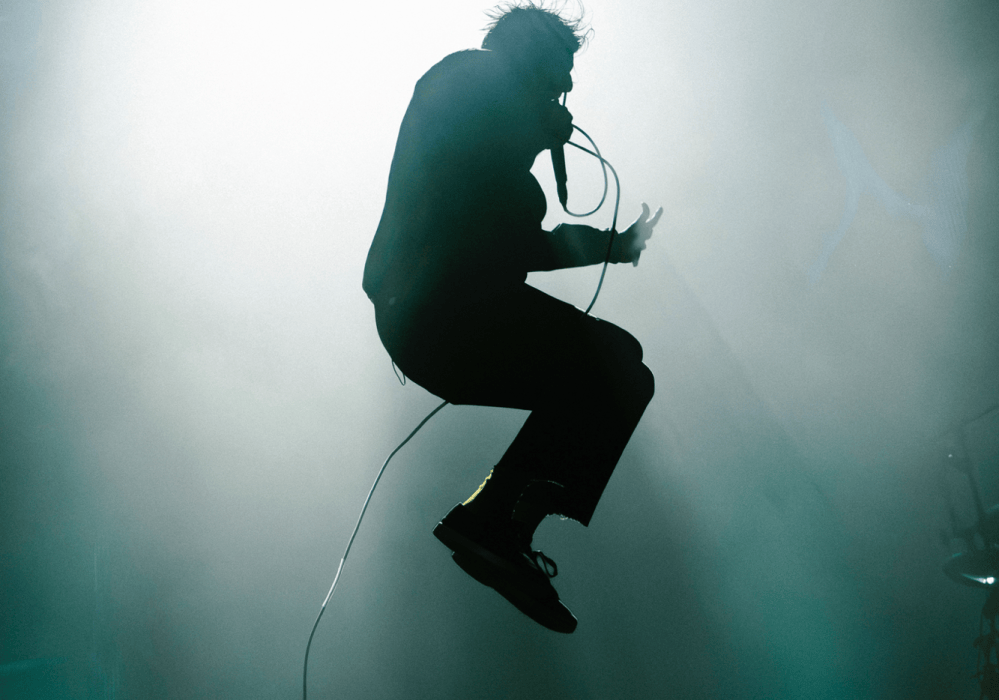
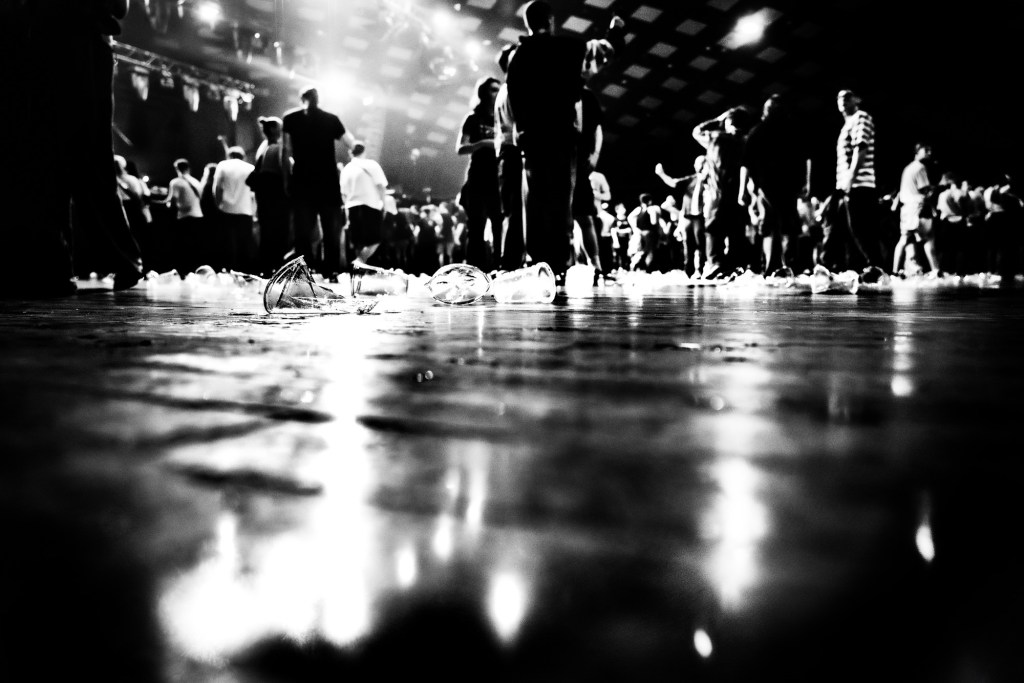
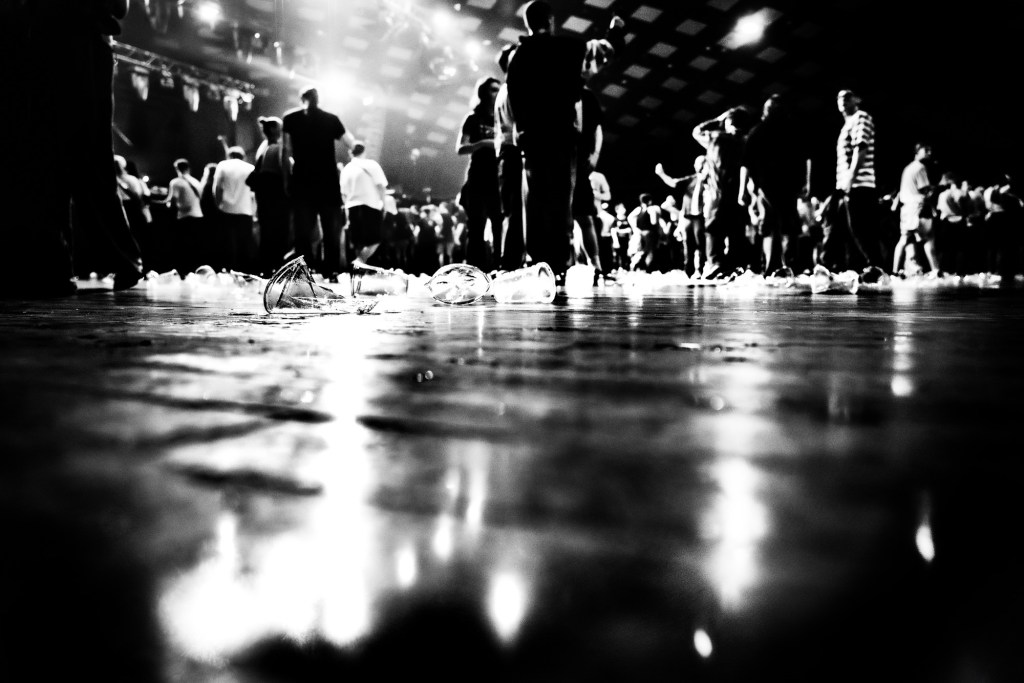
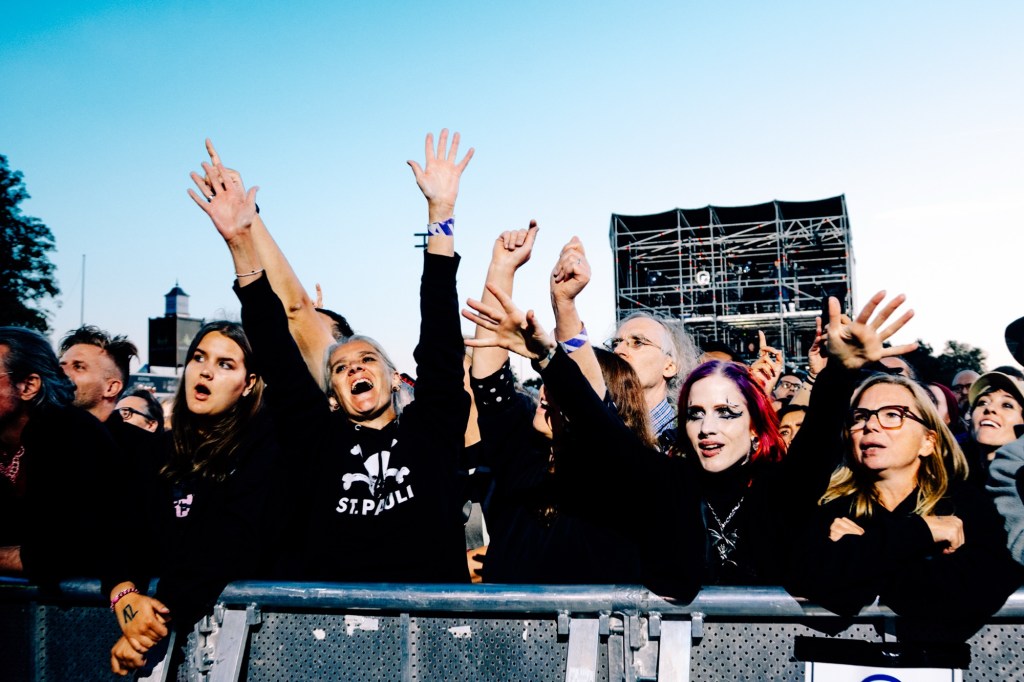
Mid-set, the band plunged into the audience during the heavier material, turning the room into one convulsing organism. There are bands who “work the crowd”, and then there is CHALK, who seem determined to drag the crowd bodily into the songs with them. At one point the room looked like a collapsing nightclub scene from a lost cyberpunk film: bodies flying, smoke choking the air, Ross Cullen barking into faces like a man trying to start a revolution with pure adrenaline.

What makes CHALK so compelling is that they are unmistakably Irish without ever lapsing into cliché. Their music carries the psychological residue of Belfast — division, paranoia, dark humour, identity crisis — but filters it through industrial techno, post-punk and rave culture. You can hear echoes of David Holmes, Stiff Little Fingers and the electronic dread of Aphex Twin, yet they never feel derivative. They sound like the future if the future grew up ducking emotional shrapnel.

The encore was devastating. “Get Fucked” landed with all the elegance of a brick through a cathedral window before “Conditions” closed the night in a delirious wave of catharsis. Hearing that song now, after the evolution from the Conditions EP trilogy into the full-length assault of Crystalpunk, felt strangely emotional. Conditions I, II and III built the mythology piece by piece — all tension, grime and nervous energy — before Crystalpunk arrived as the fully realised manifesto.

There has been online chatter suggesting CHALK intended Crystalpunk to be their final statement or that they would stop recording after it. That does not appear to be accurate. The band recently clarified that the “only album” idea was more a creative mentality than a literal ending, and that they still have more to say as CHALK. Which is fortunate, because the idea of this band disappearing now would feel like somebody bulldozing a cathedral just as the stained glass finally caught the light.

CHALK remain one of the few genuinely exciting bands operating in Britain and Ireland right now. Most contemporary post-punk acts sound like men sadly reading spreadsheets in German nightclubs. CHALK sound like societal collapse you can dance to. I love them with the sort of unhealthy devotion normally reserved for cult leaders and dangerous exes. Long may they continue making beautiful noise.

Article: Angela Canavan

Tame Impala // Hydro // 11.05.26

As I traipse through Finnieston, around the corner from OVO Hydro, I see hordes of twenty-somethings dressed in their finest cropped jackets and loose jeans, slim sunglasses shielding them from the late sun as pints are consumed. They babble excitedly about the evening ahead. Tame Impala, the psychedelic project of Australian musician Kevin Parker, has long soundtracked this particular archetype of Scottish youth. I’m reminded of 2014, the signature mud of T in the Park at the Balado site, and seeing him beneath the blue King Tut’s tent in the wake of his rise after 2012’s Lonerism. I’m sure many here attended, eager to relive the buzz that live music instils in you when you’re seventeen, when everything feels like a momentous discovery you’re dying to tell your friends about when you get back from the summer holidays.

Walking through the red Clyde tunnel, watching pint bottles clink along the approach to the venue, I feel as though I could be back at Balado queuing for my fabric wristband. But when Parker emerges through a torrent of strobes, I quickly understand that enough time has passed for him to outgrow those beginnings entirely. Long gone are the days of psychedelic projections against a fabric stage wall. Now, Parker is part man, part machine, the architect of the most sophisticated production I have ever seen. A flood of lasers pulses rhythmically as Parker plays his anthems one by one, each song paired with its own colour story. Dracula begins awash in blood red before a gold glow falls across the crowd, illuminating the venue beautifully.

Parker drifts into the crowd, greeting fans as he goes, until he disappears from sight altogether. Above us, humorous footage plays of him taking a bathroom break, the camera pointed carefully at his feet for privacy, before he re-emerges on the B-stage at the back of the arena. It is small and stripped back in contrast to the main spectacle, lit by four lamps, softened by patterned rugs, and free of excess. Sitting on the floor with two keyboards, he looks like your friend’s older brother making music alone in his room, unguarded and lost in feeling. He lies back as he sings, lamps pulsing gently around him in shifting colour. His body moves loosely with the sound, knees swaying, one arm raised so the microphone dangles above him. Just when it feels as though the show might never find a quiet moment, the chaos subsides. For a brief spell, it is just Kevin Parker and his makeshift bedroom, looping textures and airy vocals dissolving across the arena.

The lighting rig descends as the song closes, and then he is on the move again, emerging once more for Let It Happen. Pints immediately rise overhead, the Scottish crowd vocalising the iconic bassline. Nangs follows soon after, and the lights behind Parker and his band wobble in time with the song, a detail that speaks to the production’s overall mastery.

Let me look at you quickly… there’s more of you than I thought. I didn’t know this place went so high — it’s beautiful.” He reflects briefly on earlier Scottish shows, name-checking Barrowland Ballroom and The Arches, before adding, “No matter where you were or what time it was, I’m happy you’re all here. In fact, I’m fucking happy you’re all here. The only thing I care about in this whole universe at this moment is the fact you’re here right now.”

There is a slight trade-off to the grandeur. At times, the sheer ambition of the lighting rig becomes almost overbearing, occasionally obstructing sightlines for those seated higher up. Nevertheless, the show is one to be felt as much as it is seen. Confetti spills over the adoring crowd for New Person, Same Old Mistakes, and following the encore, Parker teases “song number two…before delving into one of the most iconic guitar riffs I’ve ever known. The Less I Know the Better is even better than imagined, an experience that will fuel nostalgia for another decade. Finally, End of Summer arrives as a softer closer, nudging the night towards an early exodus as people begin filtering out to catch trains and buses, the evening ending in what can only be described as a comedown.

Article: Anni Cameron

Hater // Nice N’ Sleazy // 03.05.26

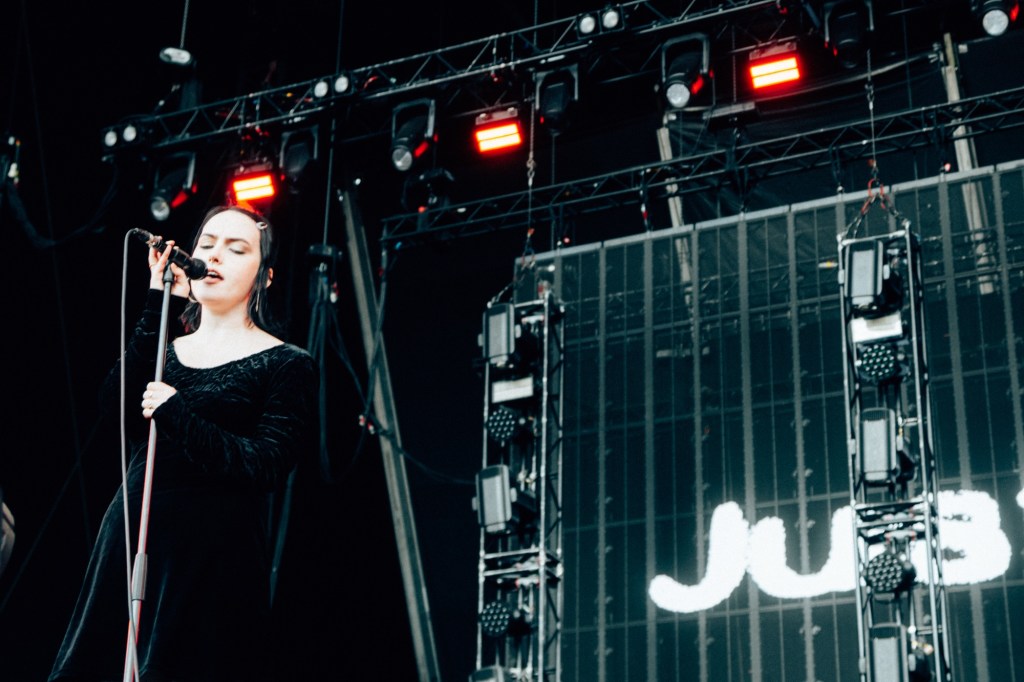
Seeing Hater in a nearly empty pub gave the evening a strangely unreal quality. Their soft-focus indie pop drifted pleasantly enough through the room, but with barely anyone there to respond, the gig often felt less like a performance and more like an extended rehearsal. Even so, a few songs hinted at why the band have built such a loyal following.

The Swedish band follow in a proud tradition of clean, melancholic Scandinavian indie pop, recalling the dreamy restraint of acts that prioritise atmosphere over spectacle. Their music moves slowly and deliberately, carried by shimmering guitars, understated rhythms and a sense of emotional distance that somehow still feels intimate. At times, the sparse crowd almost amplified that feeling, making the set feel oddly personal and detached all at once.

Much of the evening centred on tracks from Mosquito, their latest album, a record that explores longing, uncertainty and romance through a soft, almost mythical lens. Live, those songs retained their hazy beauty, though the subdued atmosphere in the room occasionally drained them of momentum.

Caroline Landahl remained the focal point throughout. Her vocals were controlled, warm and quietly powerful, grounding even the more fragile moments of the set. There is a sincerity to Hater that makes them easy to admire; nothing about the performance felt forced or overly polished. If anything, the evening suggested a band more interested in emotional texture than crowd-pleasing theatrics.

The night may have lacked energy, but not potential. In a different venue, or before a more attentive audience, these songs might have landed with far greater force. As it stood, the performance felt fleeting and strangely intimate — less a triumphant live show than a glimpse into the delicate world Hater have spent years carefully building.

Article: Mona Montella

Saint Sappho // Assai // 02.05.26

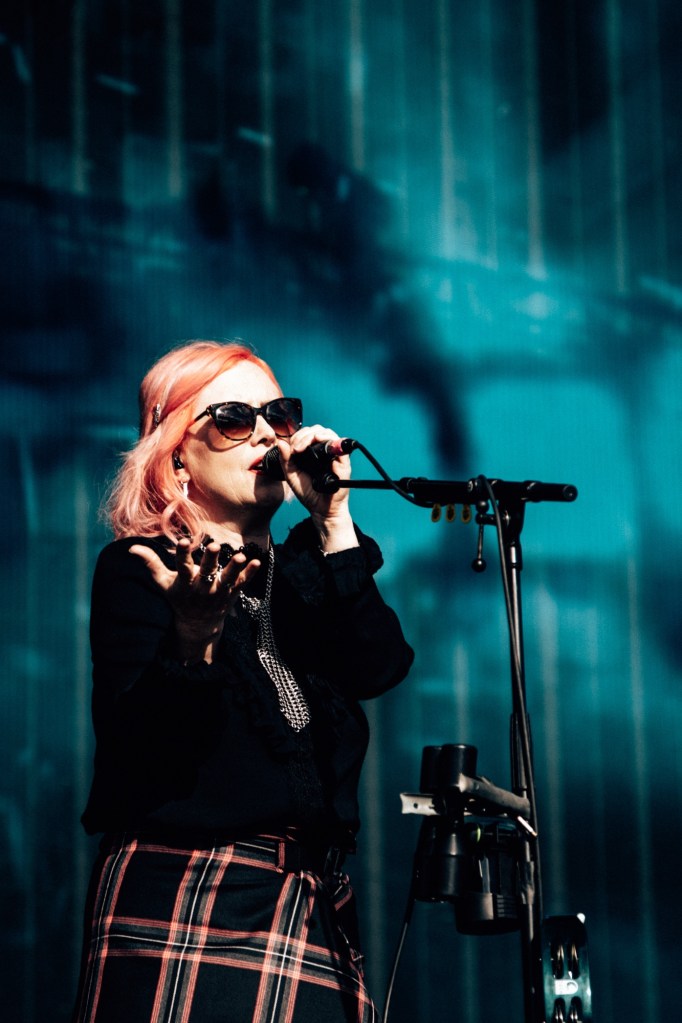
Saint Sappho’s melodic soft-rock debut album immediately recalls early Julien Baker — perhaps an obvious comparison, but an apt one. The Glasgow-based duo, made up of Zoe Young and Tammy Dyson, deliver a confident and emotionally resonant first LP that balances intimacy with moments of powerful intensity.

Performing an in-store set at Assai Records, Saint Sappho proved they can fill even a small venue with a striking presence. Despite the limitations of the setting, the six tracks chosen from the album offered a compelling snapshot of the band’s range and musical identity. The audience was a mix of dedicated fans and curious Assai regulars, all drawn into a performance that felt both skilful and deeply engaging. It is easy to imagine the band thriving in a larger venue with a full headline set.

The album itself moves comfortably across a variety of influences. Tracks such as Tomorrow, Slow Train, and Shoulder to Shoulder lean into shimmering 1980s-inspired synth textures, while People Like Us channels a softer, grunge-adjacent guitar sound reminiscent of early Nirvana. The title track, Between the Lines, begins with a delicate piano introduction before expanding into an atmospheric, choir-like climax that becomes one of the album’s emotional high points.

At times, the record lacks complete cohesion, moving between different styles and moods without fully settling into a singular identity. Yet this variety is also part of its appeal. Rather than feeling unfocused, the album comes across as a band confidently exploring its influences and discovering its voice in real time. It is a strong and memorable debut — one that leaves you wanting to revisit the music long after the final track ends.

Article: Mona Montella

Super Furry Animals // Barrowlands // 08.05.26

There are bands who age like claret, and there are bands who age like the yoghurt forgotten at the back of the fridge in a student flat. Super Furry Animals, gloriously, have become something stranger altogether: a psychedelic communion wine brewed in a lab by druids with access to vintage synthesisers and a sack of recreational pharmaceuticals. At the first of two sold-out nights at Barrowland Ballroom, they didn’t so much play a concert as conduct a mass hallucination with better harmonies.

For the uninitiated, the Furries emerged from Cardiff in the mid-90s, part of that magnificent Welsh cultural uprising that briefly made Britain feel less like a country and more like a benevolent nervous breakdown. Frontman Gruff Rhys remains the group’s resident cosmic geography teacher, all wonky charm and melodies that sound like they were beamed in from a pirate radio station orbiting Neptune. Huw Bunford plays guitar with the kind of graceful precision normally associated with surgeons and particularly elegant burglars. Bassist Guto Pryce anchors everything with a low-end rumble like a contented thunderstorm. Cian Ciaran remains the mad scientist in the corner, slathering songs in electronics, synths and oddball textures like a chef over-seasoning a meal and somehow improving it. Behind it all, Dafydd Ieuan drums with the calm assurance of a man steering a pirate ship through a meteor shower.

Now, confession time: I’ve always leaned more toward Neon Neon, Gruff Rhys’s neon-lit side quest into retro-futurist electro-pop. Neon Neon always felt like the music you’d hear inside an abandoned arcade machine that had developed feelings. But live, Super Furry Animals make a devastating argument for the original mothership. The musicianship is almost offensively good. They play together with the telepathic ease of old bank robbers who’ve escaped every heist. No grandstanding, no macho peacocking, just five men locked into grooves so tight you could bounce a pound coin off them.

Opening with “Wherever I Lay My Phone (That’s My Home)” and “(Drawing) Rings Around the World,” they immediately turned the Barrowlands into the world’s friendliest spaceship launch. The sound was enormous but oddly cuddly, like being mugged by the Teletubbies. “Do or Die” had real brute force, but it was “Golden Retriever” that detonated the place properly — all sunshine hooks and glam-pop swagger, still sounding like T. Rex after a weekend eating serotonin tablets in Snowdonia.

“Juxtapozed With U” arrived midway through the set like a disco ball descending from heaven. Couples hugged, middle-aged men grinned at each other with the watery-eyed sincerity of lads reunited at a funeral, and somewhere near the front a woman danced with the reckless abandon of someone who definitely owns at least three tote bags. The song remains absurdly beautiful: part Giorgio Moroder, part grief counselling session.

The deeper they went into the set, the weirder and better it became. “Mountain People” lumbered magnificently, “Slow Life” drifted by in a narcotic haze, and “Night Vision” sounded like Pink Floyd being remixed by a very stoned Open University lecturer. Then came the final three songs, and suddenly the Furries stopped being an indie band and became a fully operational prog-rock hydra. “The Man Don’t Give a Fuck” was volcanic, all repetition and fury and glorious stubbornness, a song that still feels like swearing at authority through a megaphone made of glitter. The extended jams leaned hard into their proggier instincts — sprawling, hypnotic, ridiculous in exactly the right way. It was less “encore” and more “ritual summoning.”

And then, because subtlety has never really interested them, they returned dressed as gigantic shaggy beasts for the final number. Not chic animal masks. Not ironic costumes. Full-on hairy cryptid energy. They looked like a gang of escaped yetis who’d discovered analogue synths in the woods. The crowd reacted accordingly: total delirium.

The genius of Super Furry Animals has always been that beneath the silliness, the dinosaur helmets, the costumes, the techno freakouts and multilingual psychedelic nonsense, there are songs of startling warmth and intelligence. At Barrowlands, they proved that again. Older now, certainly. But so are cathedrals…

Article: Angela Canavan

Peaches // SWG3 // 18.04.26

There are gigs, and then there are happenings—rituals where sweat, satire and sex collide into something closer to performance art than pop. Peaches at SWG3 in Glasgow is emphatically the latter: a glorious, grubby sermon delivered in latex, hair and righteous noise, dedicated—fittingly—to Pam Hogg, the grande dame of punk couture. Hogg, a Scottish fashion designer whose work has long flirted with provocation and subversion, feels less like a dedication and more like a co-conspirator in spirit.

From the first bars of “Hanging Titties” into “Whatcha Gonna Do About It,” Peaches emerges less as a performer and more as a walking manifesto—encased in a grotesque, glorious boob suit, a kind of surrealist cluster of breasts that looks like it crawled out of a David Cronenberg daydream. It’s absurd, confrontational, hilarious. And then, because subtlety is not on the menu, she strips it off for “Rub” and reappears as a yeti, as if the night itself has decided to moult. Costume changes come thick and fast thereafter: bodysuits emblazoned with trans rights slogans and Free Palestine messaging, heavy breastplates, genderless silhouettes that refuse categorisation. Fashion here isn’t garnish—it’s argument.

Support comes from Bimini, who sets the tone early with a performance that leans into the same anarchic glamour. Later, during the encore, Bimini returns for “Fuck the Pain Away,” turning an already feral crowd into something approaching ecstatic combustion. They stay onstage afterwards, dancing like a high priest of chaos, sealing the night with a sense that this is less gig, more shared uprising.

At one point, Glasgow does what Glasgow does best: chants “here we, here we, fucking go.” Peaches, grinning, mishears it—wants to hear it—as “hairy, hairy fucking boobs,” which, given the outfit, feels spiritually accurate. It’s a moment that captures the entire evening: mischief, miscommunication, mutual complicity. The crowd laughs, but also leans in. This is her language.

For those of us who came up in less forgiving rooms, Peaches has always been something like a patron saint. Back in the early days of my foray into DJing meant grimy corners of old-man pubs, where punters discussed football over pints of Guinness and stared daggers at anything resembling joy, dropping “Fuck the Pain Away” felt like an act of minor terrorism. Me and my sister, jumping, screaming, playing it far too loud, wildly out of place—it was ridiculous, defiant, formative. The Teaches of Peaches wasn’t just an album; it was instruction. A permission slip.

And that’s the thing: Peaches’ importance isn’t just sonic. She’s not easily boxed into LGBTQ+ identity labels, yet her influence on queer culture is undeniable. Her work has long dissolved binaries—gender, genre, taste—into something messier and more honest. There’s no viable modern indie or electroclash-adjacent scene that hasn’t, knowingly or not, borrowed from her playbook: the collision of sleaze and intellect, disco chic dragged through a gutter and reborn as something liberating.

Standouts land hard. “Vaginoplasty” is both grotesque and weirdly triumphant, reclaiming surgical language as something almost celebratory. “AA XXX” hits like a mechanised heartbeat, cold and insistent. And “Fuck the Pain Away,” still, decades on, remains the ur-text—a filthy nursery rhyme for the disaffected, as catchy as it is confrontational.

Peaches belongs in the lineage of artists who weaponised discomfort—think Iggy Pop’s feral physicality or Grace Jones’ sculptural androgyny—but she’s also uniquely her own species. Where others flirt with shock, she builds a whole ecosystem out of it. Her art spills beyond music into drag, theatre, confrontation, philosophy. It asks you not just to listen, but to reconsider the body itself—who owns it, how it’s seen, whether it needs to be defined at all.

By the time she closes with “People,” a cover of Jule Styne the room feels altered. Not cleansed—this isn’t that kind of church—but sharpened, awakened. Peaches doesn’t offer escape. She offers confrontation dressed as fun, humour laced with teeth.

One of the most creative artists of her generation? Easily. Still essential? Absolutely. And in a cultural moment that often feels algorithmically flattened, Peaches remains gloriously, stubbornly, human—loud, lewd, loved and utterly unrepeatable.

Article: Angela Canavan

Just Mustard // Art School // 23.04.26

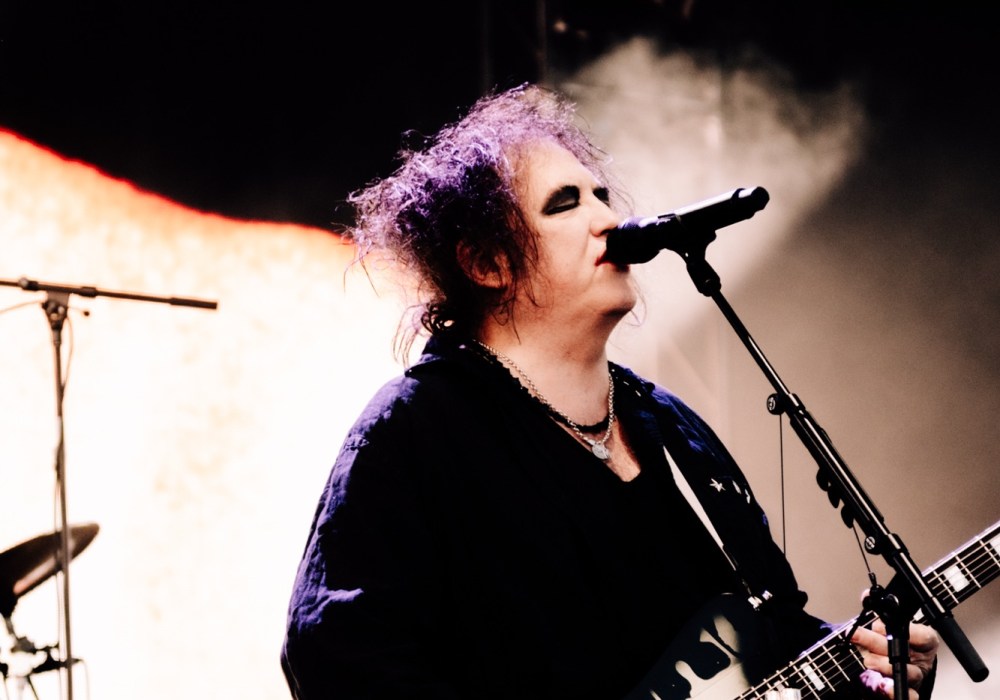
There’s a particular kind of noise that doesn’t just fill a room—it lingers in it, like smoke in your hair the next morning, impossible to shake and faintly addictive. Just Mustard at The Art School didn’t so much perform as envelop, wrapping the audience in a dense, violet-tinted fog of sound that felt half gig, half séance.

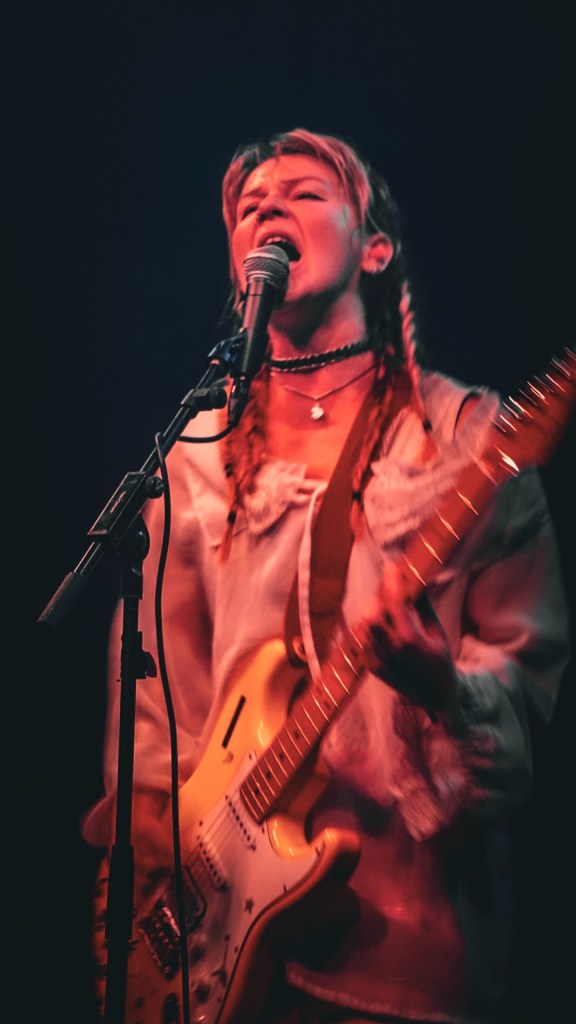
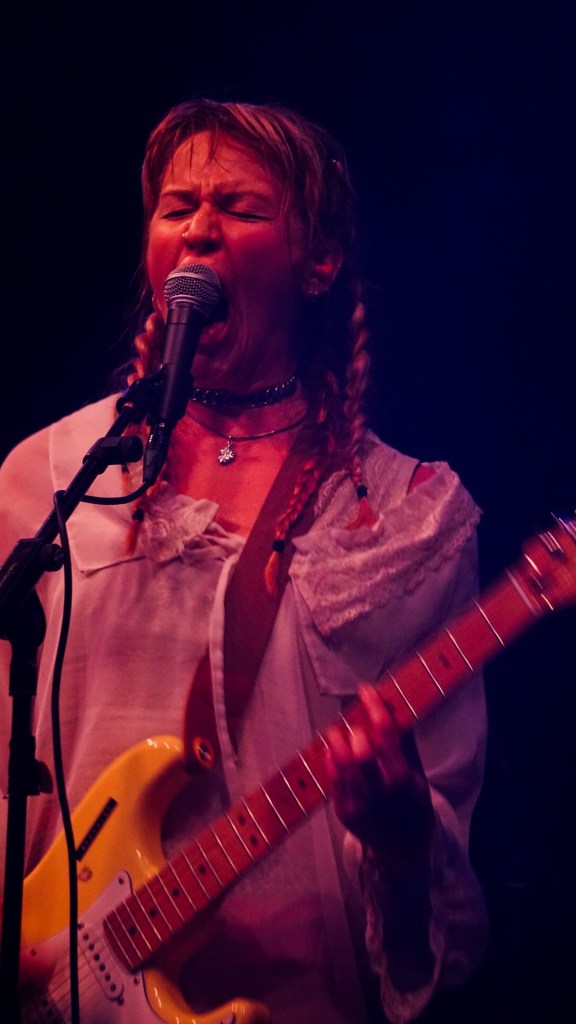
Frontwoman Katie Ball stands at the centre of it all, her voice not quite sung, not quite spoken—more exhaled, like secrets you weren’t meant to overhear. Around her, David Noonan, Shane Maguire, Rob Clarke, and Mete Kalyon construct a sound that feels engineered in a haunted laboratory: guitars wail like banshees dragged through distortion, rhythms throb with industrial menace, and everything is dipped in a kind of narcotic unease. “Sister” may echo My Bloody Valentine to the untrained ear, but that’s like saying a storm sounds like rain—technically accurate, but missing the danger.

They formed, improbably, in Dundalk, that in-between Irish town where nothing much is supposed to happen—yet somehow something this strange and vital did. Ireland’s recent move to actually fund its musicians rather than merely applaud them has clearly paid off. The result is music like this: singular, uncooperative, gloriously uninterested in trends. Just Mustard aren’t following a lane; they’re dissolving the road entirely.

The setlist read like a slow descent. Opening with “Endless” and “Silver,” they immediately locked the room into their frequency—hypnotic, slightly oppressive. “Out of Heaven” and “Seven” followed, the latter twitching like a live wire. “I Am You” and “Somewhere” stretched into something almost romantic, if your idea of romance involves a low-level sense of dread.

Then “Deaf”—the standout, the one that always lands like a revelation. It doesn’t just play; it rearranges you, like someone quietly rewiring your insides while you nod along.

Mid-set came a left turn: a cover of “Just Like Honey.” Recognition spread instantly, the room softening for a moment before the band dragged it back into their own murky universe. Post-show, bassist Mete Kalyon casually mentioned they’d only learned it that day, which feels borderline offensive given how perfectly it slotted into their sound—feedback-drenched, fragile, and strangely euphoric.

Frank” and “Dandelion” kept things taut, while “That I Might Not See” hinted at something almost tender before disappearing back into the haze. Later, a high-BPM track—“Pigs”—sent a ripple of excitement through the crowd, the tempo lifting bodies and spirits in equal measure.

There was moment of disbelief when I spotted Wednesday the bands debut album for sale. just sitting there as if it hadn’t spent years evading capture. (I’ve been on a personal side quests to source this for years) Asking a roadie to hold one back felt like negotiating for contraband, only to be met with a shrug and the assurance it wouldn’t sell out. Rare things aren’t supposed to be that accessible. It felt like a glitch in the universe.

There are echoes in their sound—the gloom of The Cure, the blur of shoegaze, the ghost of post-punk past—but trying to pin them down that way feels reductive. It’s like describing a fever dream by listing the furniture in the room.

With upcoming dates supporting The Cure and a U.S. headline tour on the horizon, the trajectory is clear. This is a band on the verge of becoming everyone’s problem—in the best possible sense. Ireland has quietly produced something exceptional, and it won’t stay quiet for long.

Article: Angela Canavan

Glasvegas // Barrowlands //04.04.26

Launching straight into “Euphoria, Take My Hand”, Glasvegas set the tone for their Barrowlands return with a surge of intensity that immediately gripped the crowd. From there, frontman James Allan’s raw and emotional delivery took hold, while the band created their signature wall of sound around him. Rab’s shimmering guitar, Paul’s driving bass, and Chris’s crashing drums built a sonic backdrop that was both immersive and powerful, allowing James’ vocals to cut through with clarity and impact.

They moved confidently through fan favourites, including “Geraldine”, “The World Is Yours”, and “Go Square Go”, each one landing with the same intensity as their opener. At times, the band pulled things back, letting the crowd take over singing duties. It was in these moments that the strength of their songs stood out most, with themes that continue to connect people well beyond their original release.

Personal highlights came with “Flowers & Football Tops” and “Whatever Hurts You Through the Night”, both delivered with a balance of restraint and power that captured the band at their most poignant.

Two new songs, “Duegello” and “Null”, teased what comes next, hinting at a new album while fitting seamlessly into the set. Closing with “Daddy’s Gone”, a song that still resonates deeply among fans, Glasvegas brought everything back to its emotional core. It was a fitting end to a set that balanced past and future, reinforcing their place as a band that still matters—not just for what they’ve already achieved, but for what they’re still capable of.

With more on the horizon, including their announced show in November at the O2 Academy Glasgow, fans have plenty to look forward to.

Article: Barry Carson

Waterparks // Barrowlands // 19.03.26

There’s a certain kind of band that plays a gig, and then there’s Waterparks—who turn a setlist into something closer to a coming-of-age film played out in real time. On the Prowler Tour, they lean fully into that instinct, structuring the night not just as a performance, but as an emotional narrative with distinct acts: happiness, sadness, vulnerability, anticipation, and finally, catharsis.

At the centre of it all is Awsten Knight, a frontman who oscillates between hyperactive showman and diaristic confessor, often within the same song. His delivery is elastic—bright, biting, and occasionally disarmingly fragile—anchoring a band that thrives on contrast. Guitarist Geoff Wigington provides the tonal palette, shifting from glossy pop textures to jagged, distorted edges, while drummer Otto Wood keeps everything tightly coiled, his rhythms acting like a pulse that accelerates and crashes in sync with the set’s emotional peaks.

Formed in Houston in 2011, Waterparks have spent the better part of a decade refusing to sit still. What began adjacent to pop-punk has since mutated into something far more slippery—part synth-pop, part alt-rock, part internet-age self-awareness. Their evolution mirrors the restless, hyperconnected world they emerged from; genres aren’t so much blended as they are bent out of shape.

That sense of fluid identity is baked directly into the Prowler Tour. Named after the still-unreleased “PROWLER”—aired here only in partial form—the show carries a constant undercurrent of anticipation, as if something is always just about to reveal itself but never fully does. It’s a clever device: the audience isn’t just consuming finished work, they’re participating in something in progress.

The set opens in deceptively bright territory. “Blonde,” “Stupid for You,” and “Dream Boy” arrive like bursts of neon—hook-laden, playful, and immediate. But even in these early moments, there’s a sense that the gloss is intentional, almost performative. Happiness here feels less like a stable state and more like a flickering light—convincing, but fragile. The inclusion of fan-voted tracks like “Telephone” reinforces that connection between band and crowd, giving the opening act a communal, almost celebratory feel.

Then comes the comedown. The shift into “High Definition,” “Not Warriors,” and “Crybaby” pulls the energy inward, trading sheen for something more introspective. It’s the sonic equivalent of stepping out of a party into cold air—sudden, clarifying. “I Felt Younger When We Met” lands particularly hard, a moment of quiet reflection that undercuts the bravado of the opening stretch.

The acoustic section strips things back even further, offering partial renditions that feel deliberately unfinished. Songs like “You’d Be Paranoid Too (If Everyone Was Out to Get You)” and “Sleep Alone” are presented more like sketches than statements, creating a sense of intimacy that borders on voyeuristic. It’s here that Waterparks feel most human—less like a band performing, more like individuals letting the audience in on something unpolished. Ending this segment with “I Miss Having Sex but at Least I Don’t Wanna Die Anymore” captures their tonal tightrope perfectly: dark, funny, and uncomfortably honest.

From there, the tension begins to build. “IF LYRICS WERE CONFIDENTIAL,” “RED GUITAR,” and the teasing glimpse of “PROWLER” act like a slow tightening coil, each track adding pressure without fully releasing it. When that release finally comes—in the closing run of “TANTRUM,” “REAL SUPER DARK,” and “Turbulent”—it hits with a kind of controlled violence. This is Waterparks at their most abrasive, shedding the pop veneer in favour of something sharper, louder, and more immediate.

By the time they return for the encore with “LIKE IT,” there’s a sense not of resolution, but of acceptance. It’s an ending that doesn’t tie things up neatly, but that’s precisely the point. Waterparks have never been interested in clean lines or easy conclusions.

Instead, their sound exists somewhere between a polished pop record and a scribbled diary entry—simultaneously constructed and chaotic. The Prowler Tour leans into that duality, turning a live show into a reflection of the emotional whiplash that defines their music. It’s messy, self-aware, and at times overwhelming—but crucially, it feels real.

Images: Rachel Cuthbert

Words: Iona Stuart

Unknown Mortal Orchestra // Barrowlands // 26.03.26

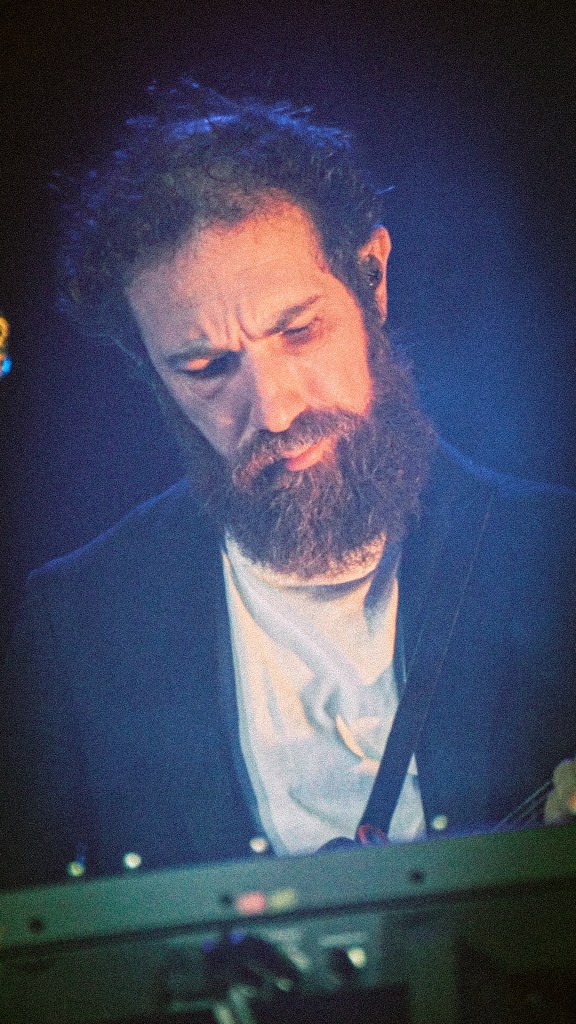
There are bands you love like lovers, and bands you love like books you keep meaning to finish—admired, recommended, endlessly returned to, but never quite consumed in one sitting. Unknown Mortal Orchestra are firmly the latter: a band people speak about in hushed, knowing tones, as if liking them were a small but significant moral victory.

At Barrowland Ballroom—that gloriously scuffed cathedral of sweat and memory—the evening began with “Meshuggah,” a title that promises chaos but instead arrived like a slow exhale. It drifted rather than detonated, blooming gently into the room. Beautiful, certainly, but it set the tone for a night that would favour immersion over impact.

Because Unknown Mortal Orchestra don’t deal in blunt-force thrills. Their music is lacework—intricate, layered, faintly narcotic. On record, it’s the sort of thing you dance to alone in your kitchen on a Sunday morning, sunlight slanting in, life briefly resembling something cinematic. Live, though, that detail can turn to mist if it isn’t anchored, and at times tonight it felt like trying to hold smoke.

That said, there was plenty to admire if you tuned into their frequency. A mid-set run—“So Good at Being in Trouble,” “Multi-Love,” “Hunnybee”—should have been the emotional spine, and in moments it was: warm, familiar, quietly intoxicating. But the setlist had a slightly shuffled feel, like a mixtape assembled by someone half-dreaming, and that looseness, while charming in theory, seemed to cost momentum in practice.

Ruban Nielson’s voice remains a thing of fragile beauty—high, aching, almost celestial—and the band played with an ease that bordered on the hypnotic. At times they seemed locked in their own reverie, but not in a way that excluded the audience entirely; more like they were inviting you to drift alongside them, rather than dragging you to your feet.

The crowd—about three-quarters full—mirrored that push and pull. There was appreciation, even reverence in places, not least from the scattering of musicians in attendance, watching with the keen eyes of people who know just how hard it is to sound this effortless. And yet, around three-quarters of the way through, the room began to thin slightly. Not dramatically, but noticeably—an easing out rather than an exit, as if some had simply decided to leave the dream early.

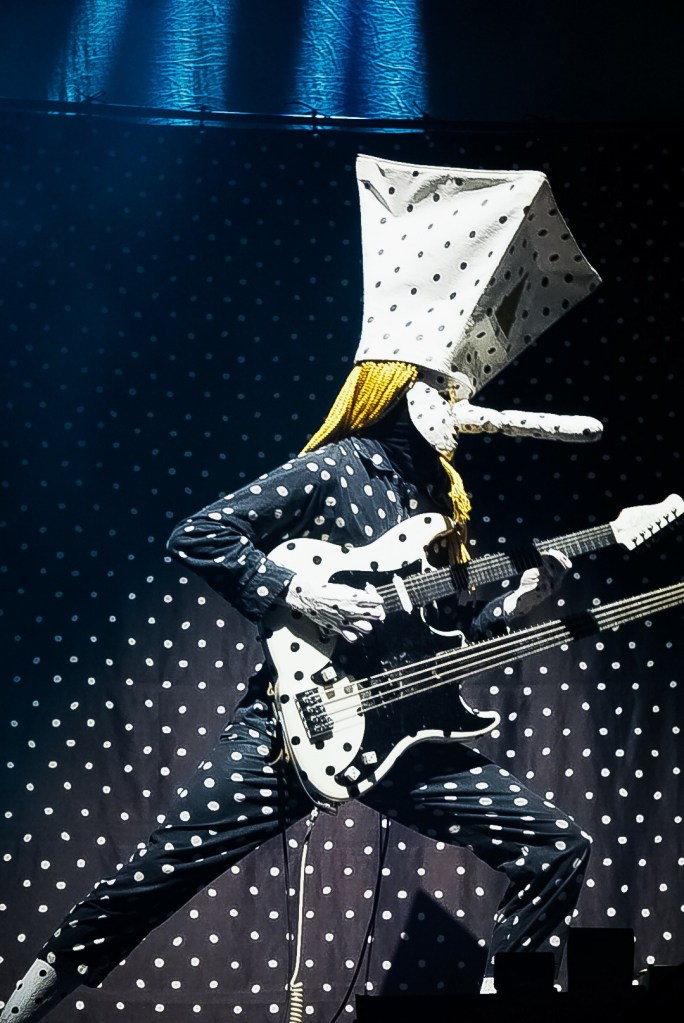
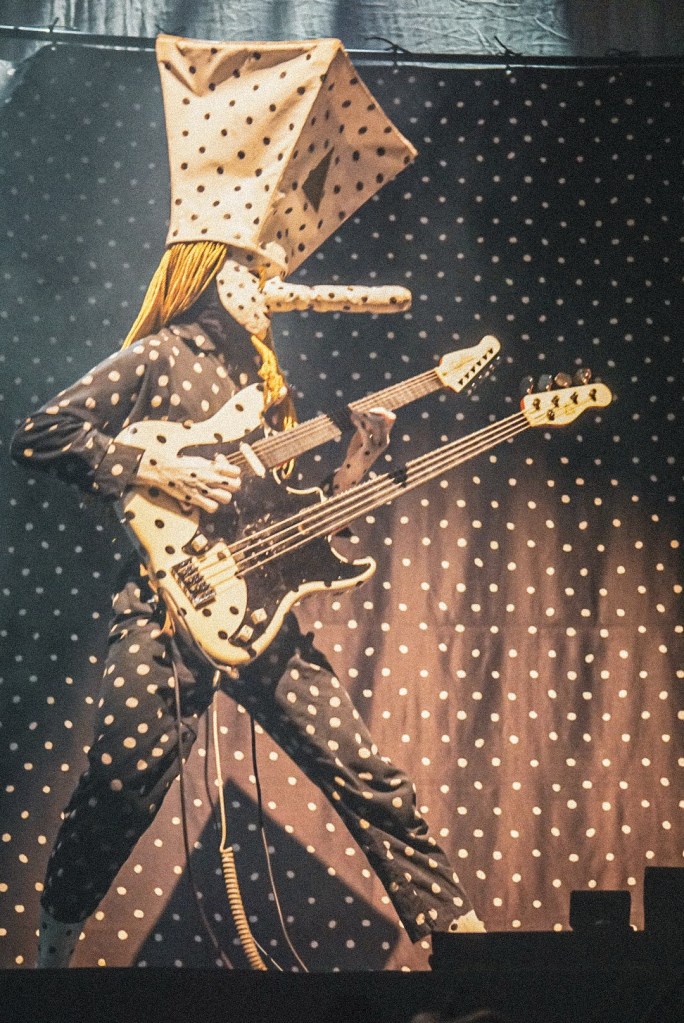
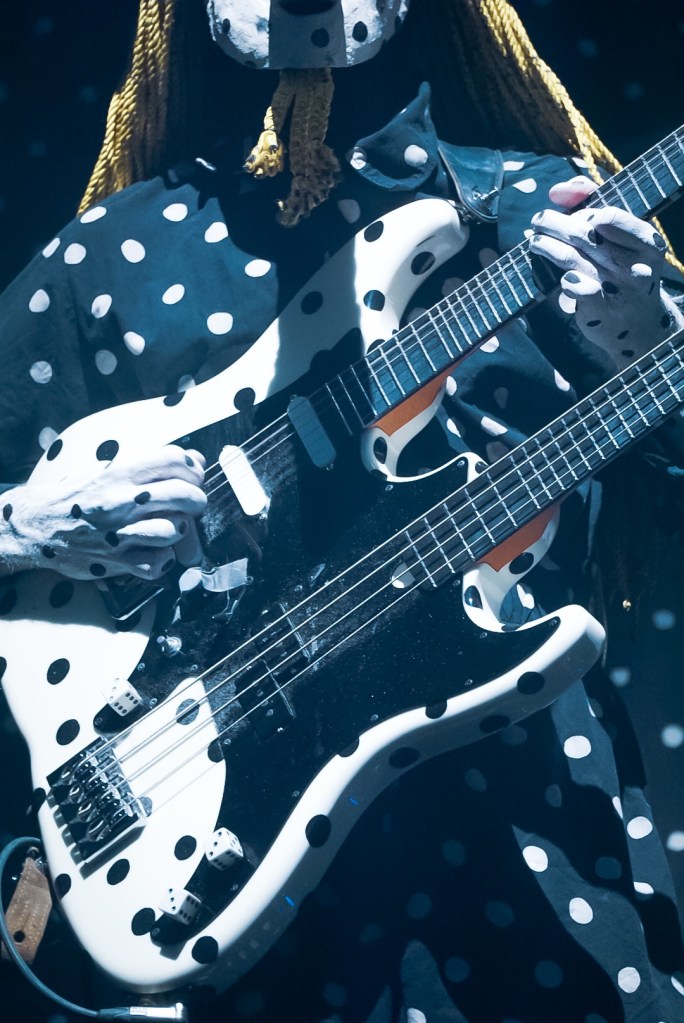
Visually, it didn’t always help. The lighting—so dim it felt almost theoretical—made life near impossible for photographers, especially those dutifully sticking to (as the band requested) analog film. It was less “atmospheric glow” and more “trying to capture a séance,” though it did, in its own way, suit the band’s blurred, dreamlike aesthetic.

By the time they closed with “That Life,” the set had found a gentle lift. Not a euphoric peak, but a kind of soft-focus resolution. And that feels right. Unknown Mortal Orchestra aren’t here to explode; they’re here to seep, to linger, to unfold slowly.

It wasn’t a night of wild abandon, and perhaps that’s where expectations and reality slightly misaligned. But it was still an enjoyable one—full of beautiful, complex music played with care and craft. The kind of gig that might not sweep you off your feet in the moment, but quietly follows you home, waiting for you to notice just how much of it stayed behind

Words: Angela Canavan
Images: Elliot Hetherton