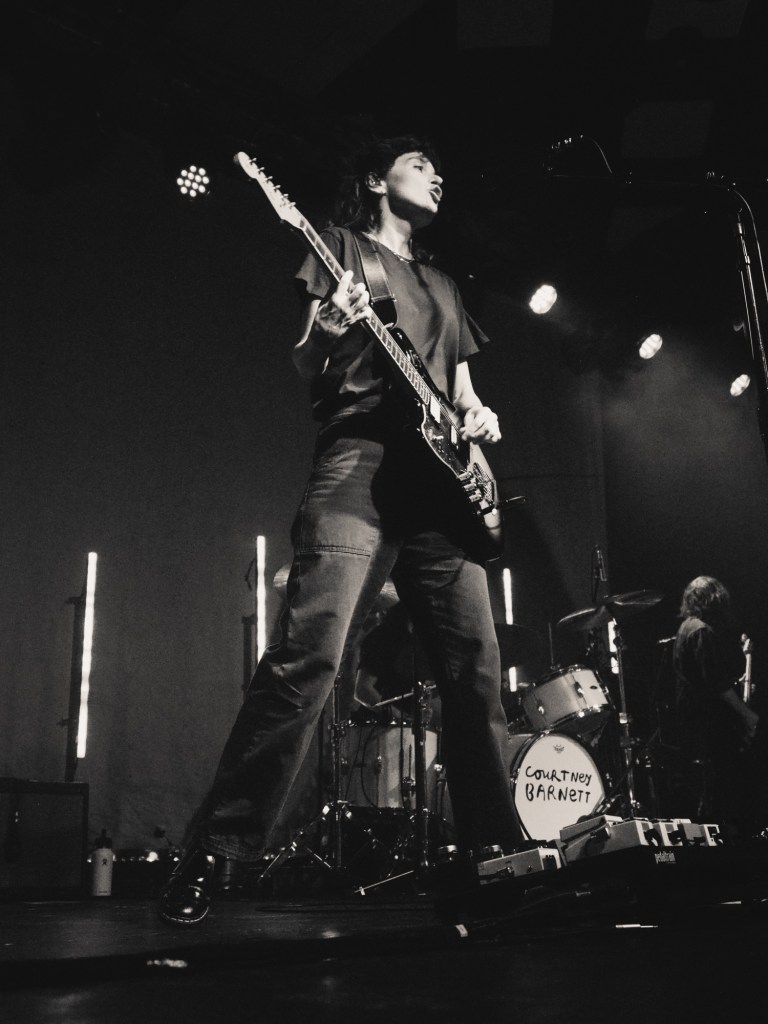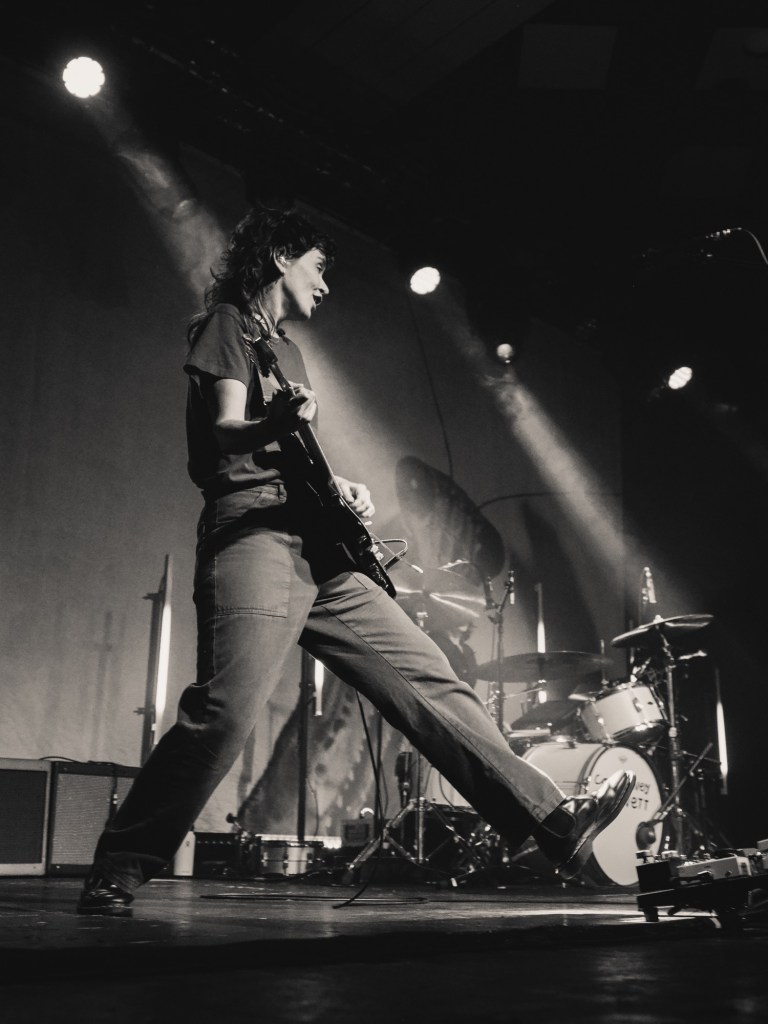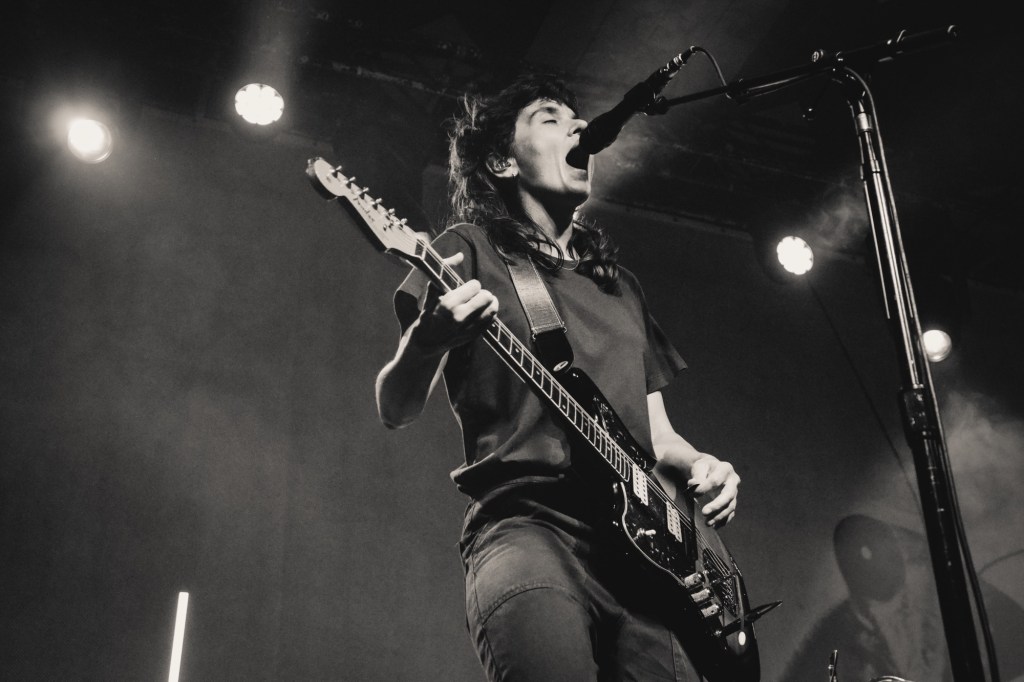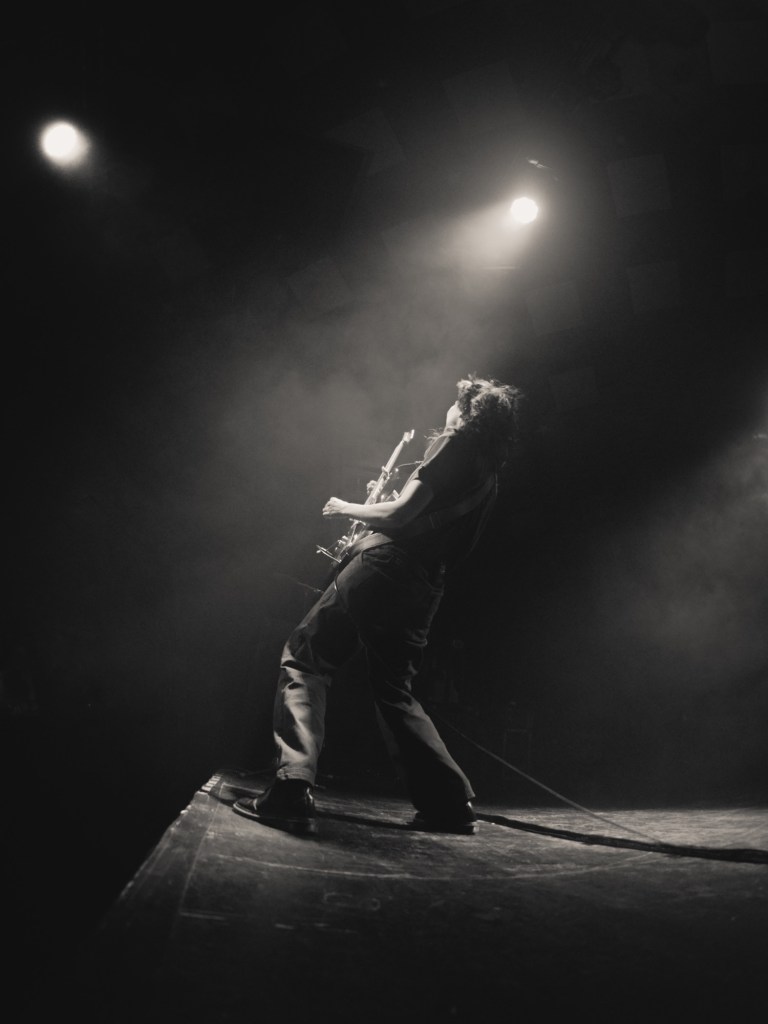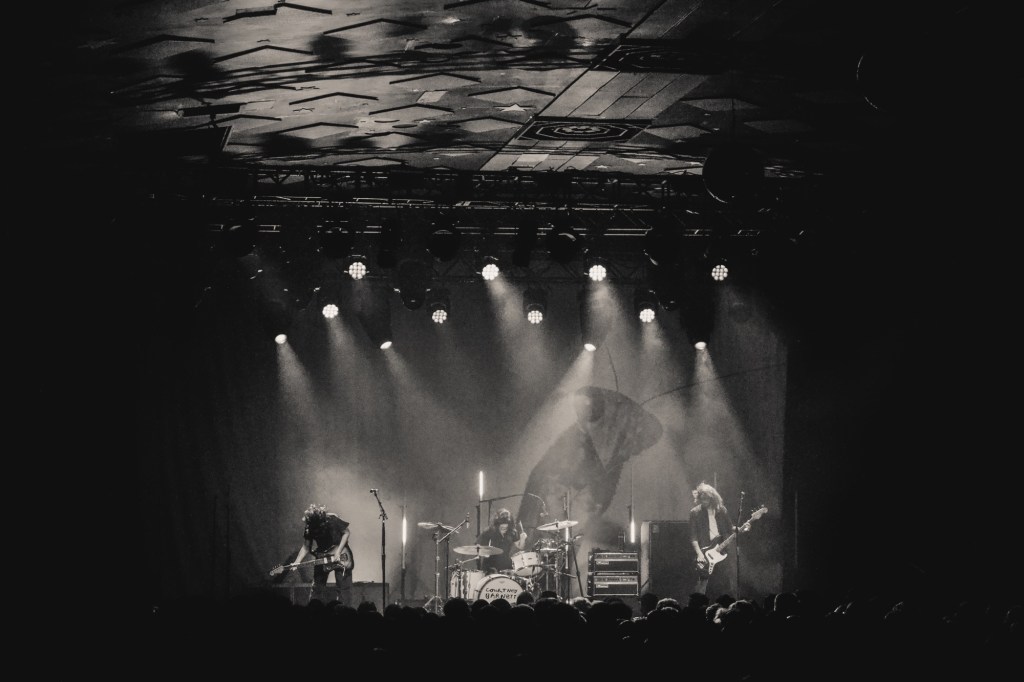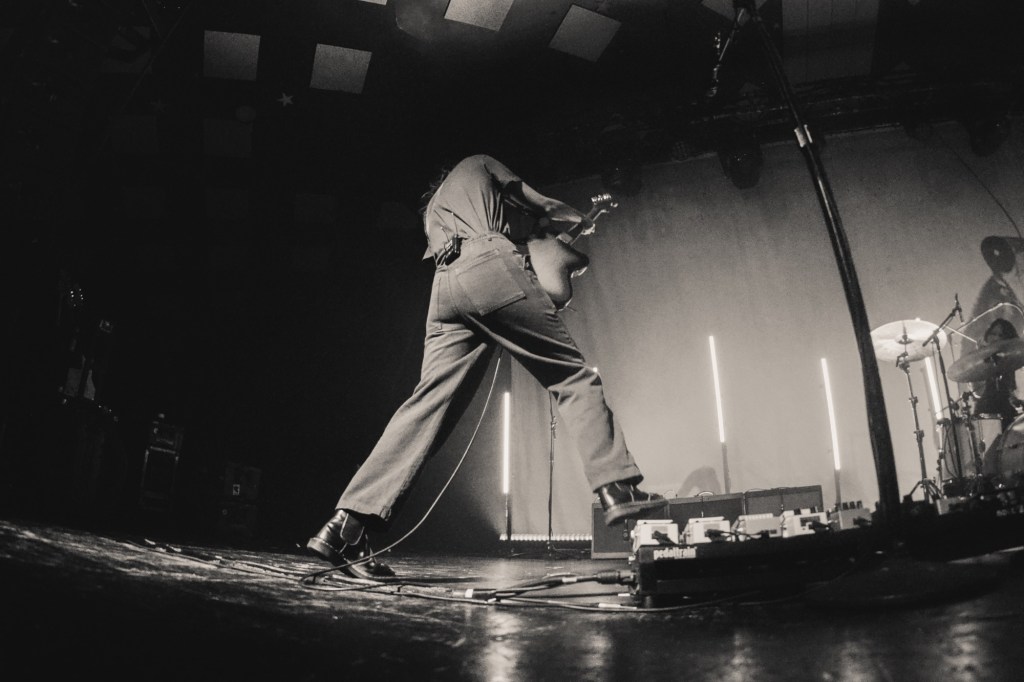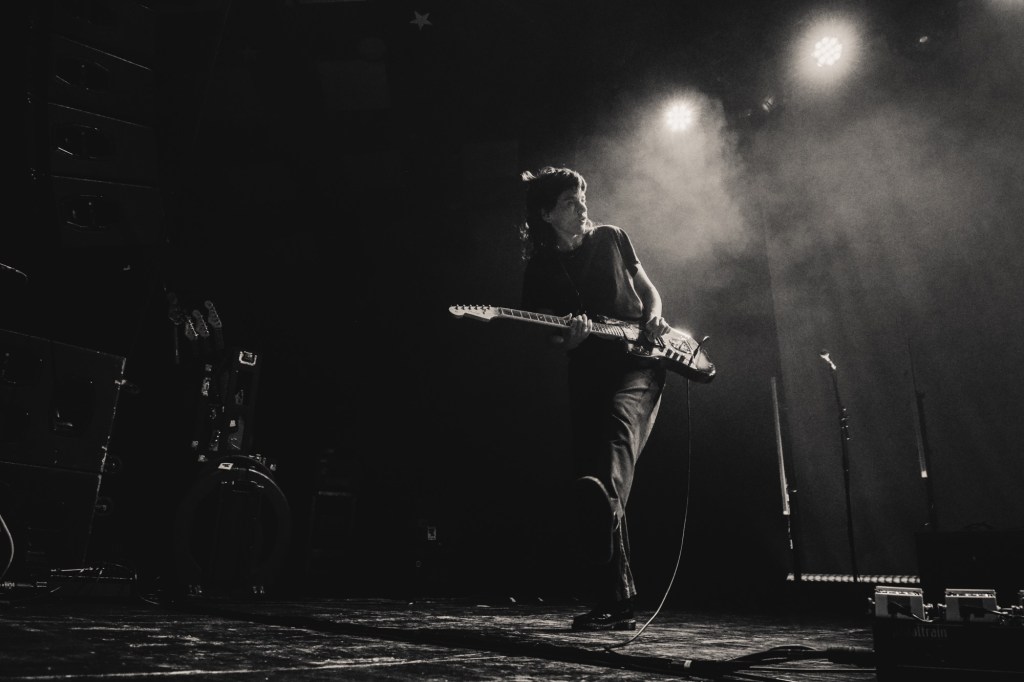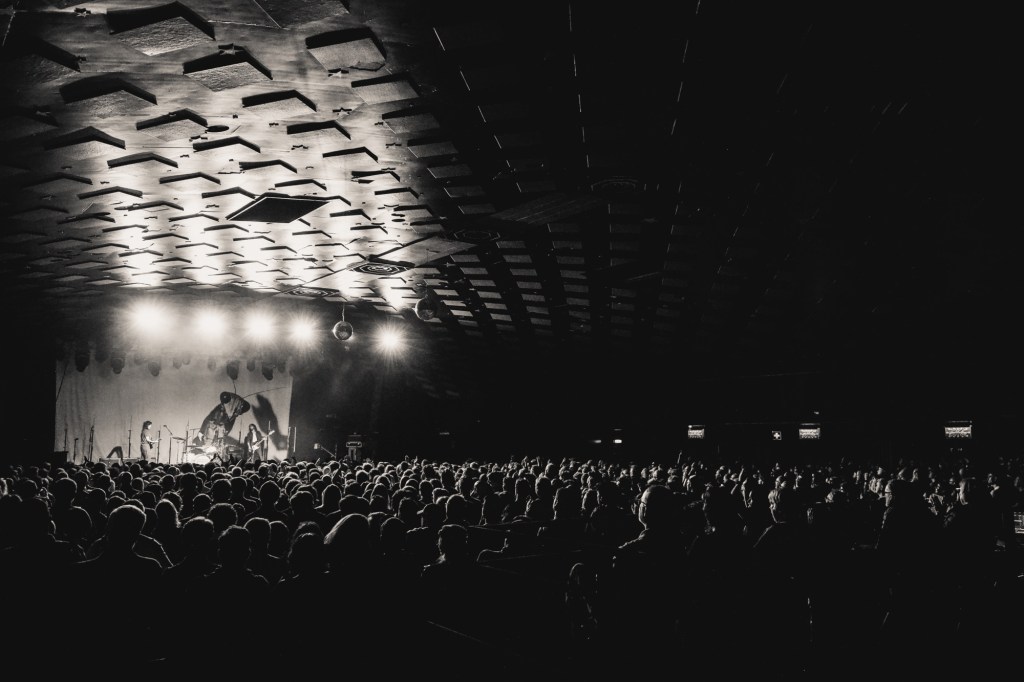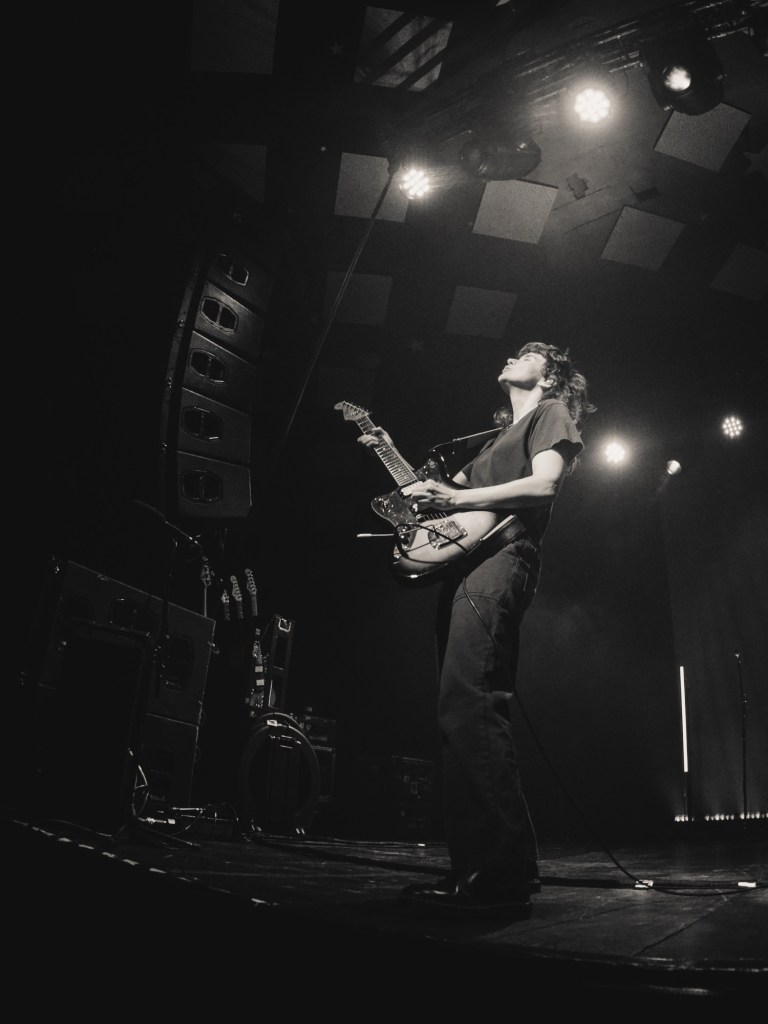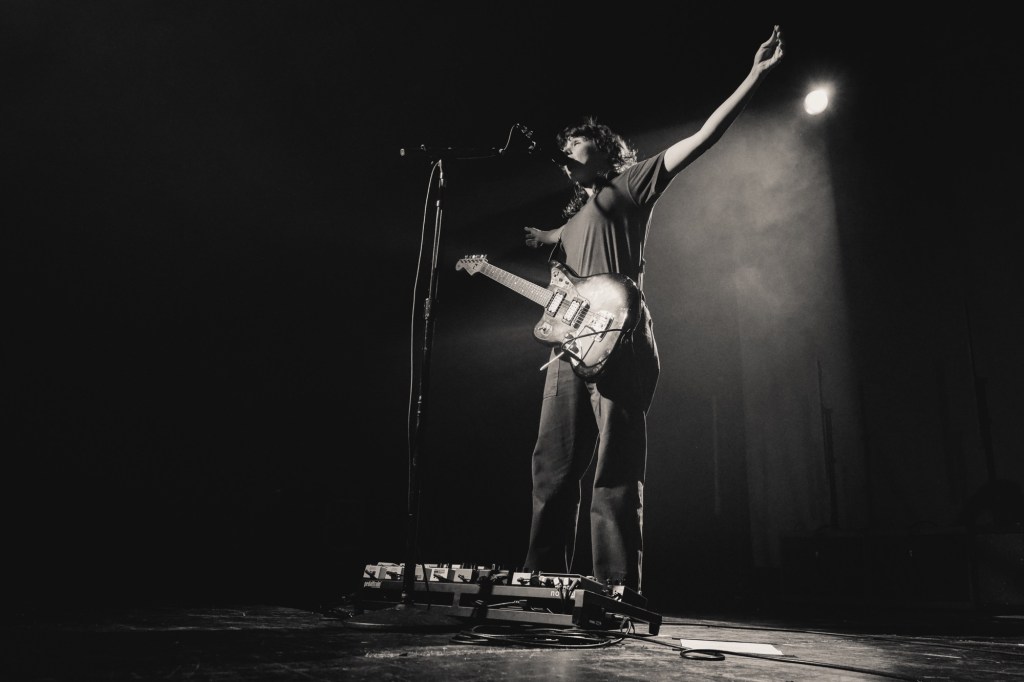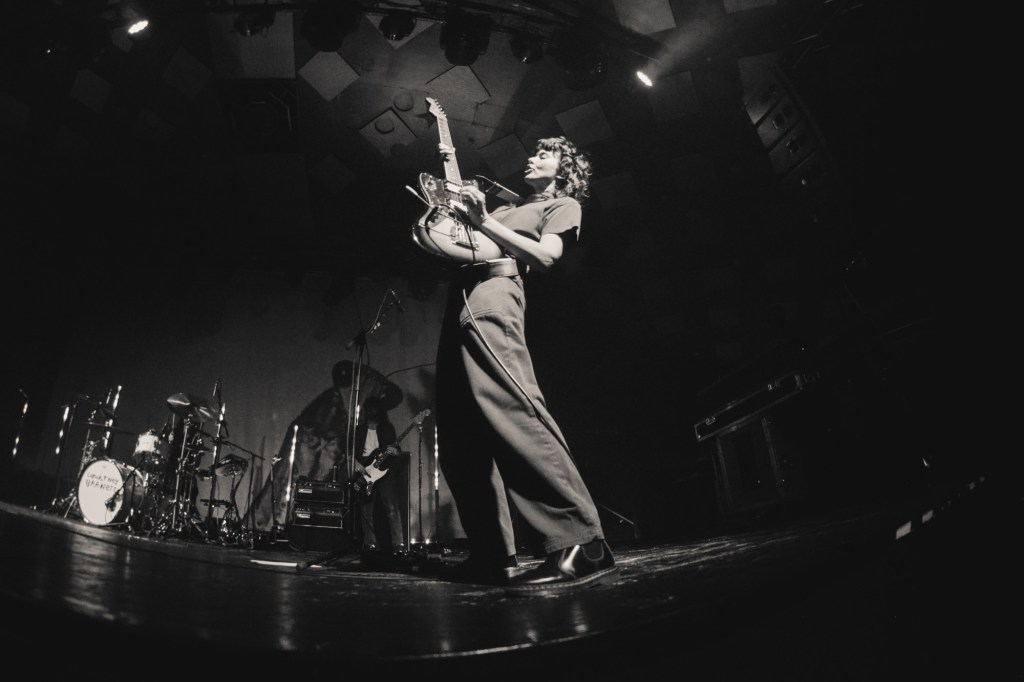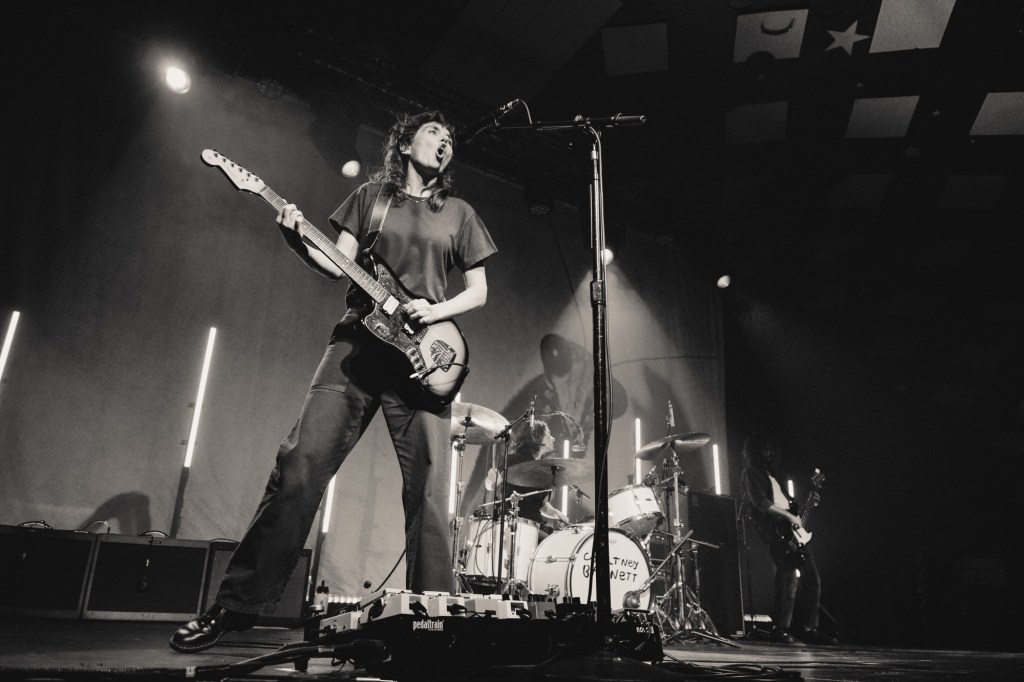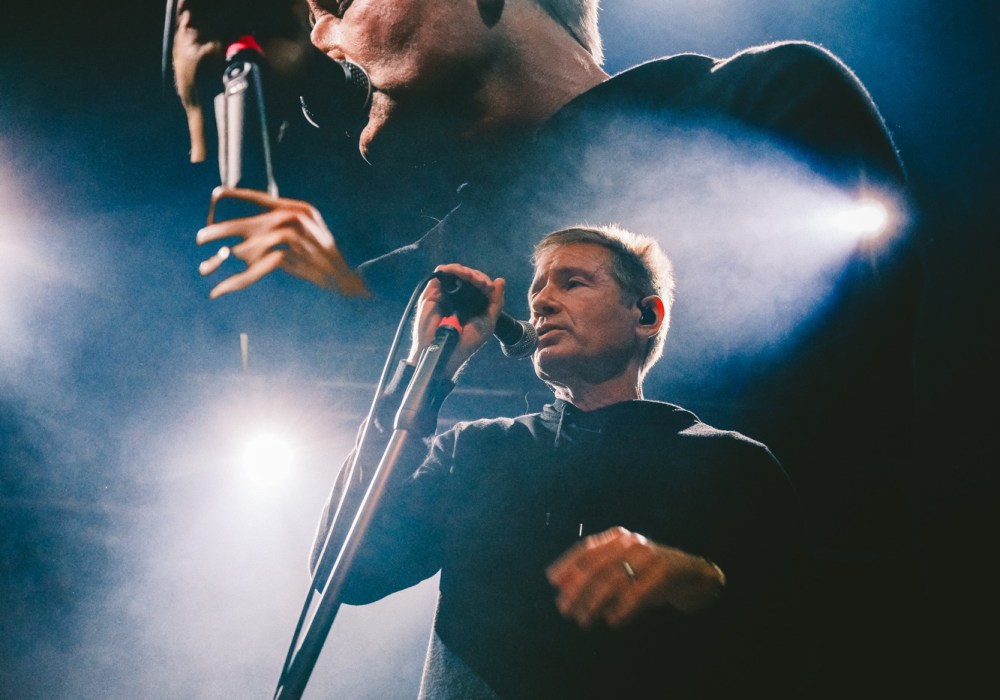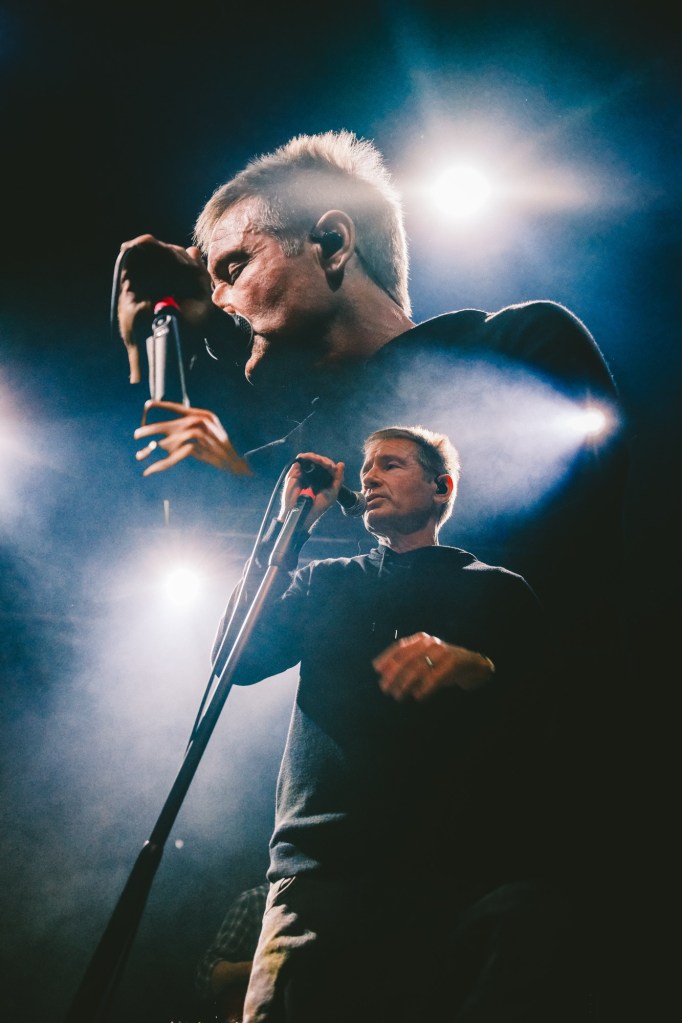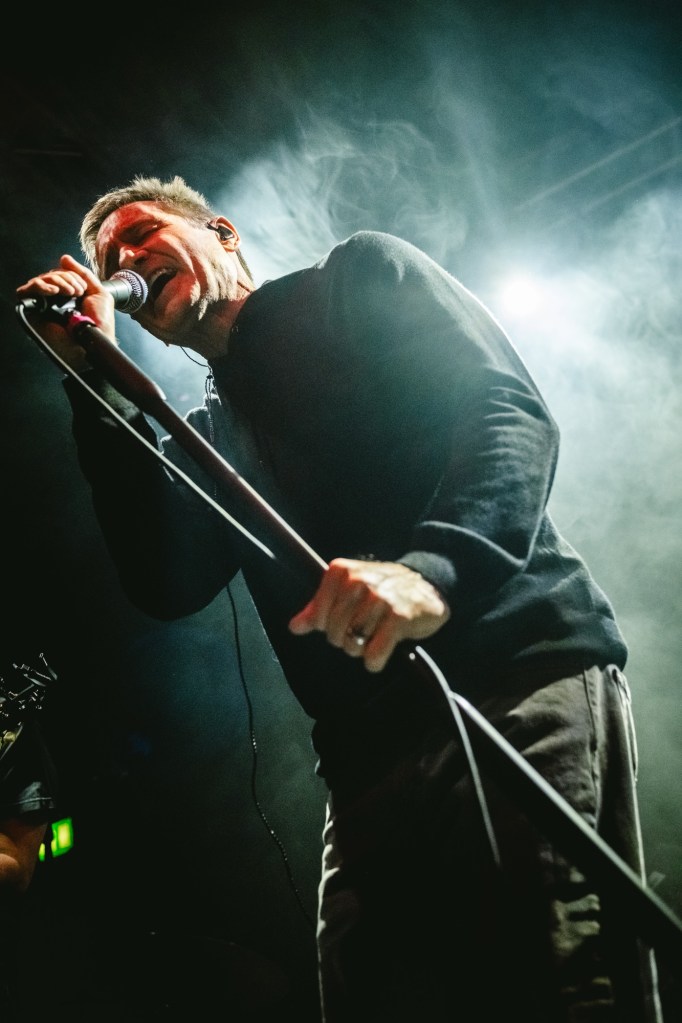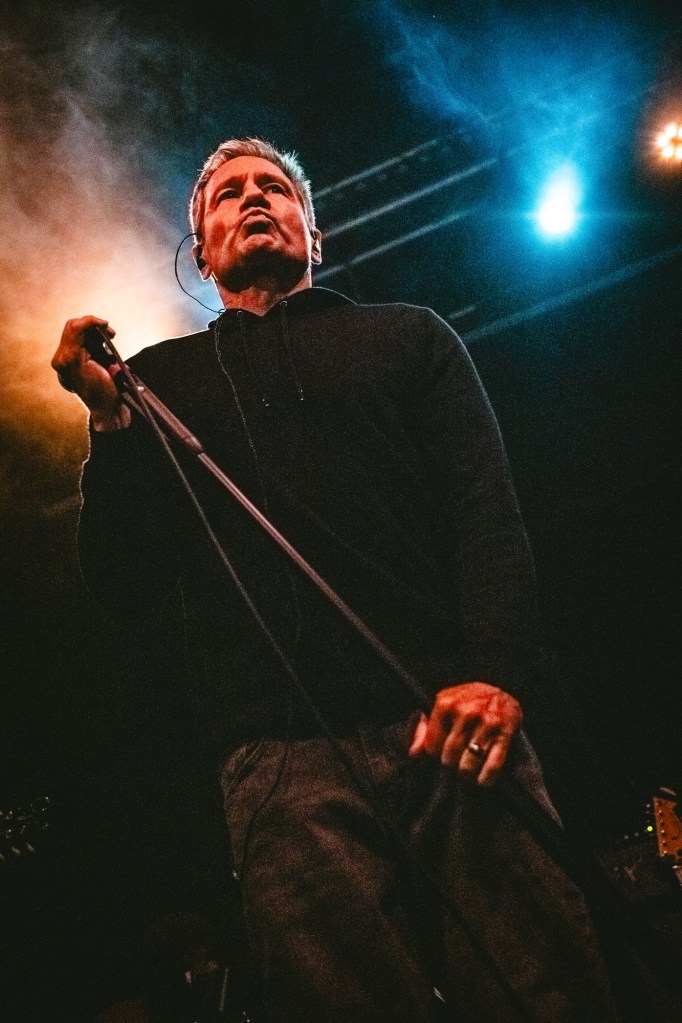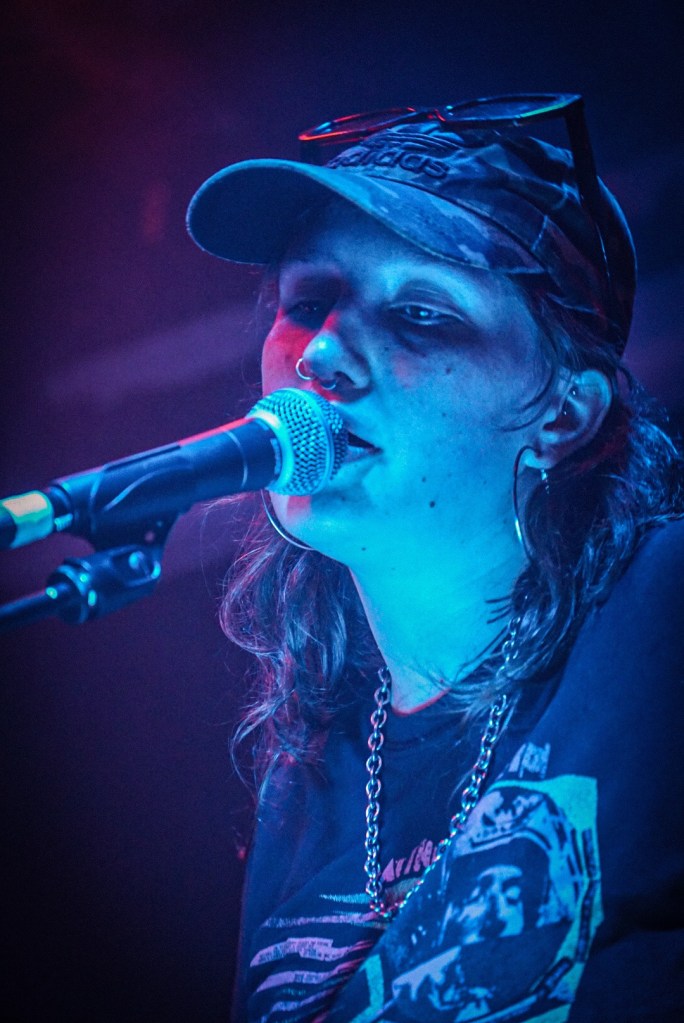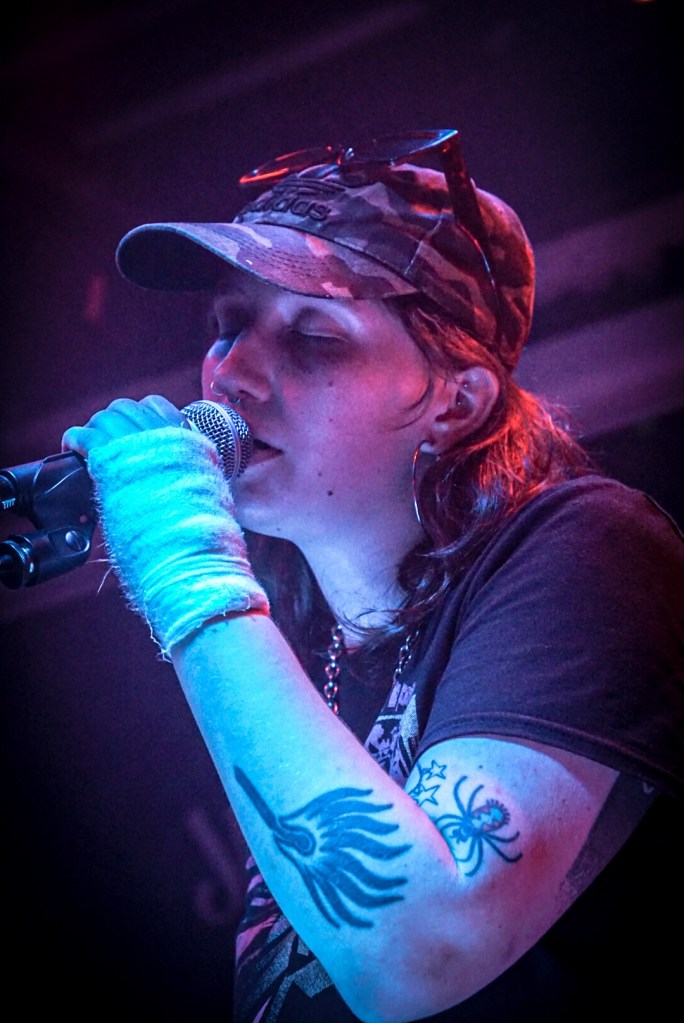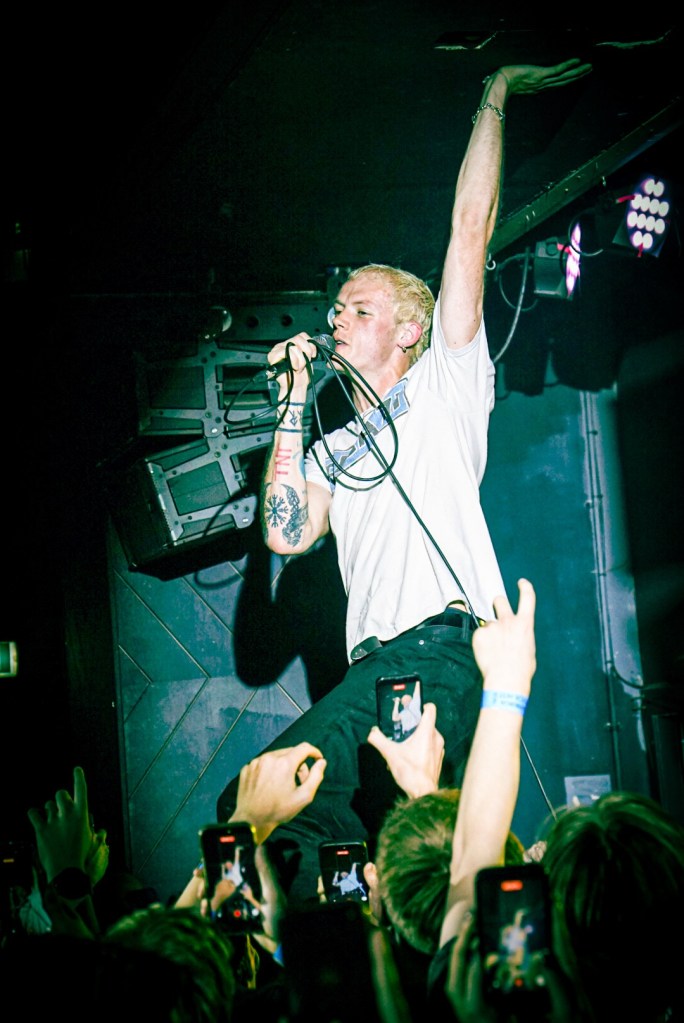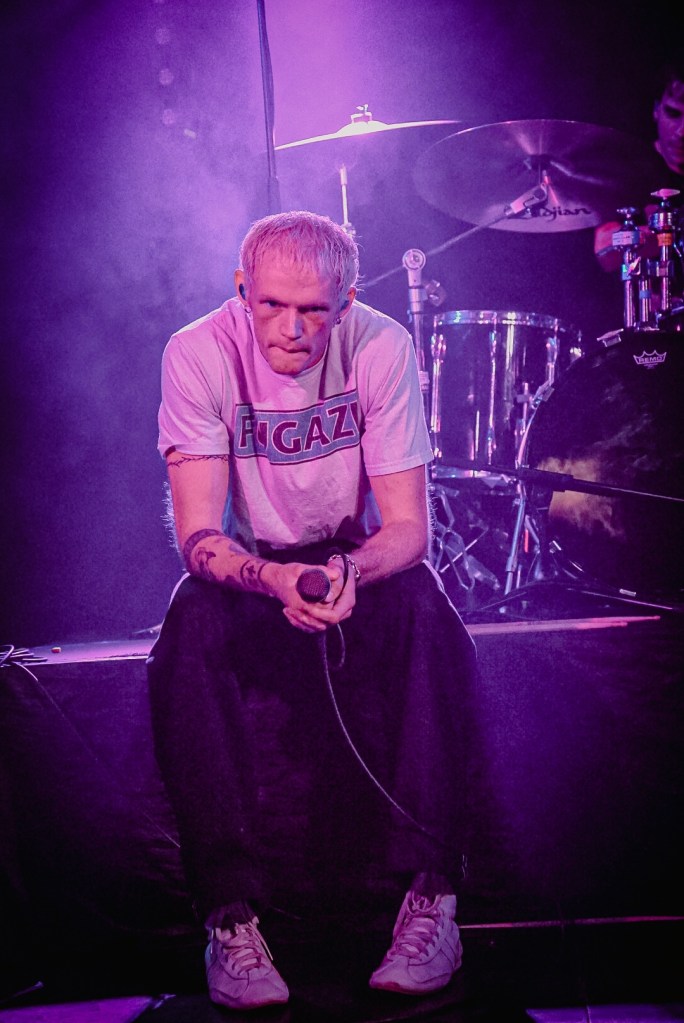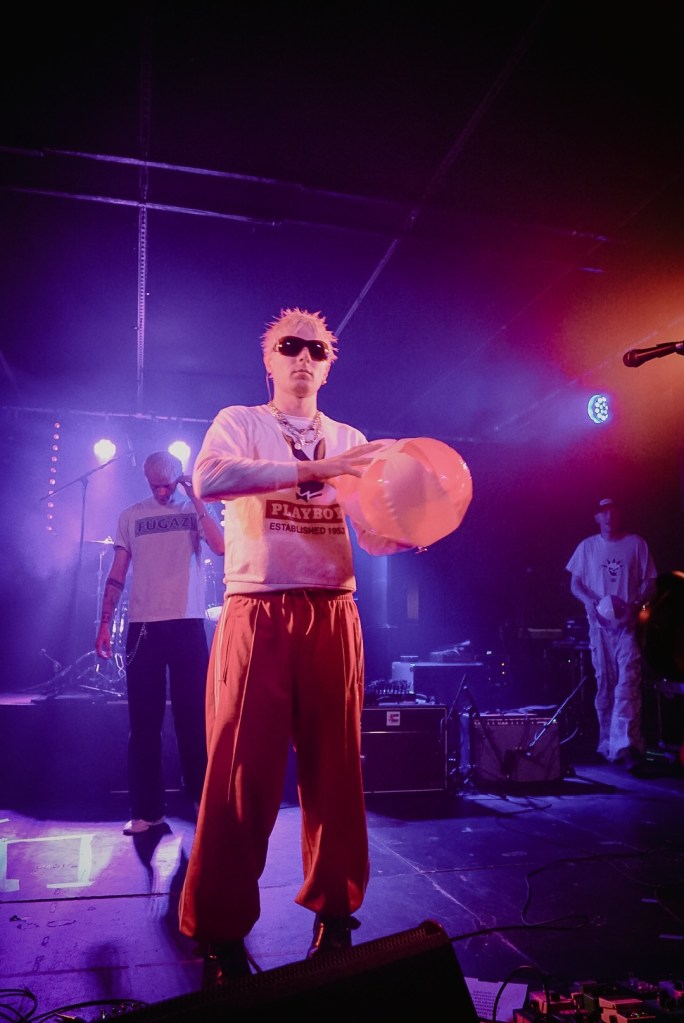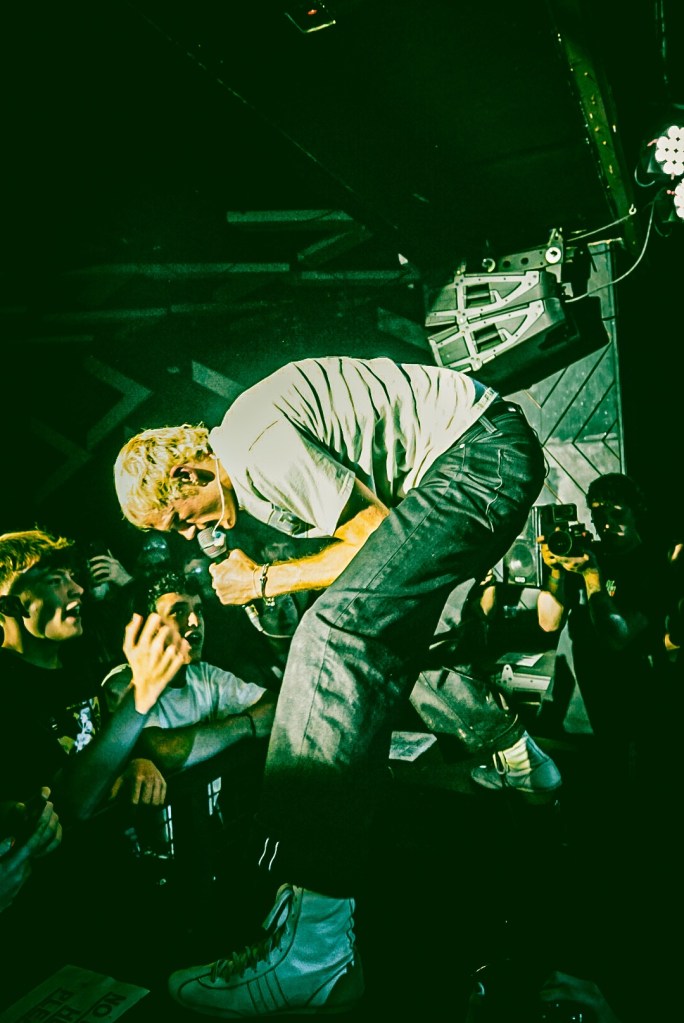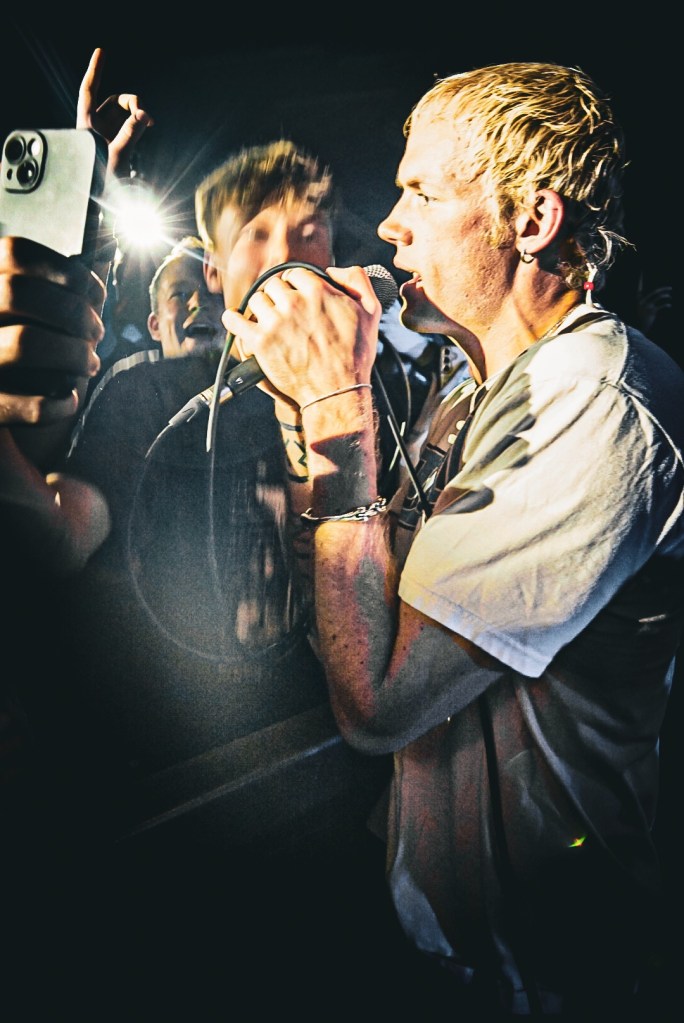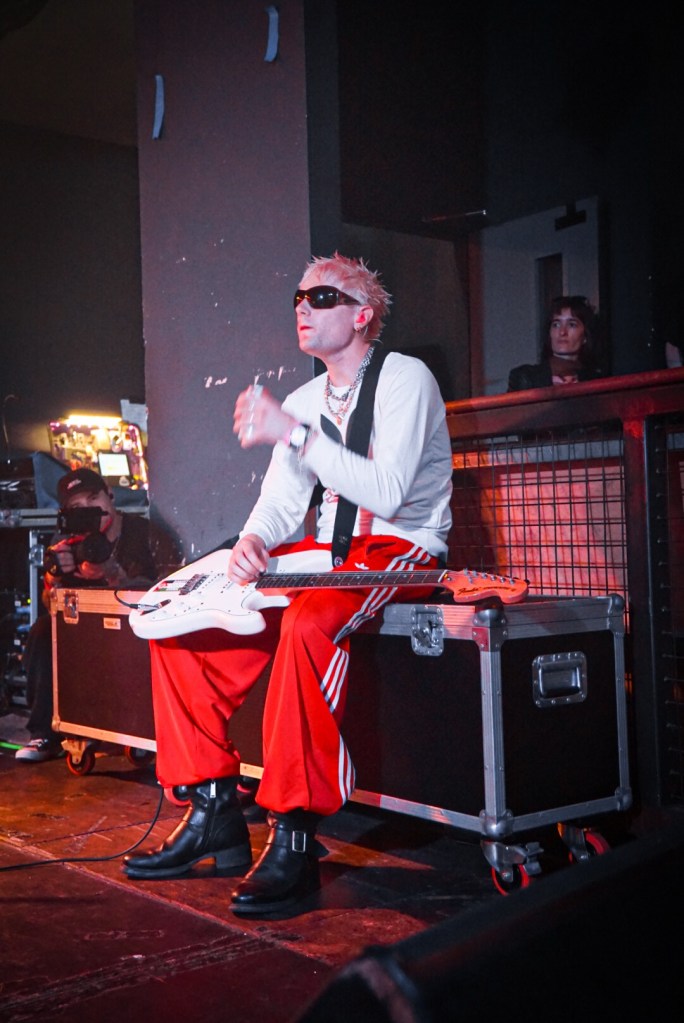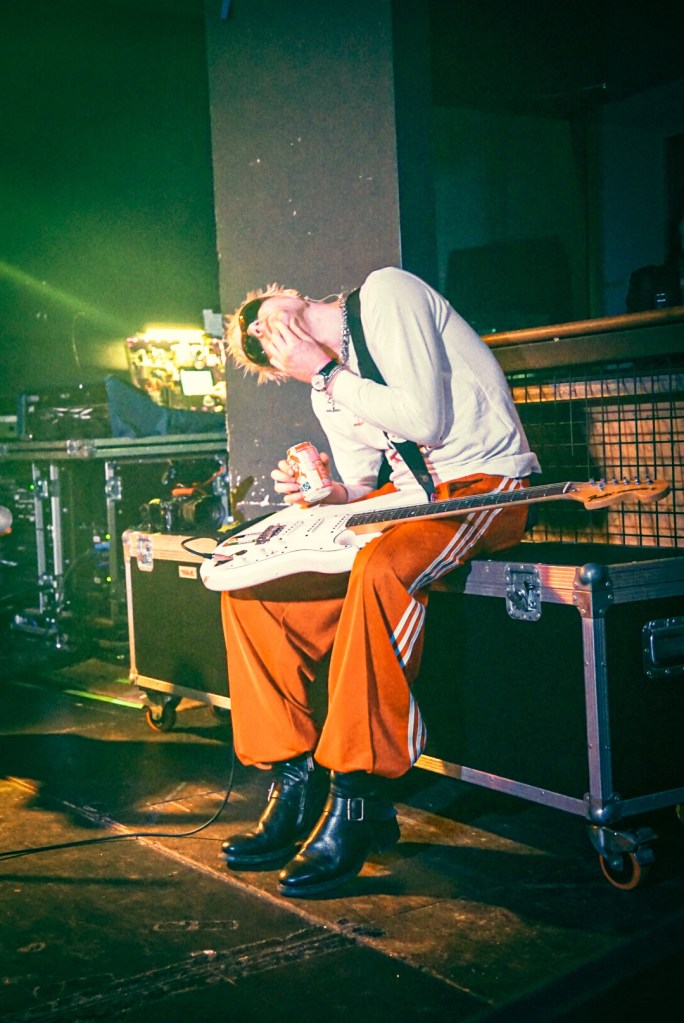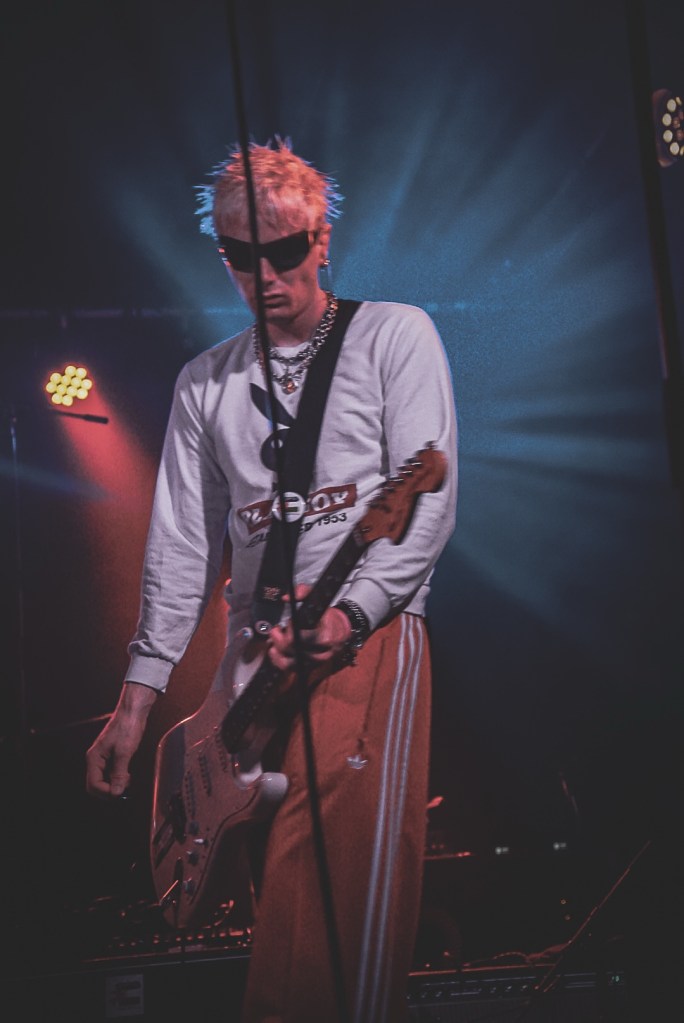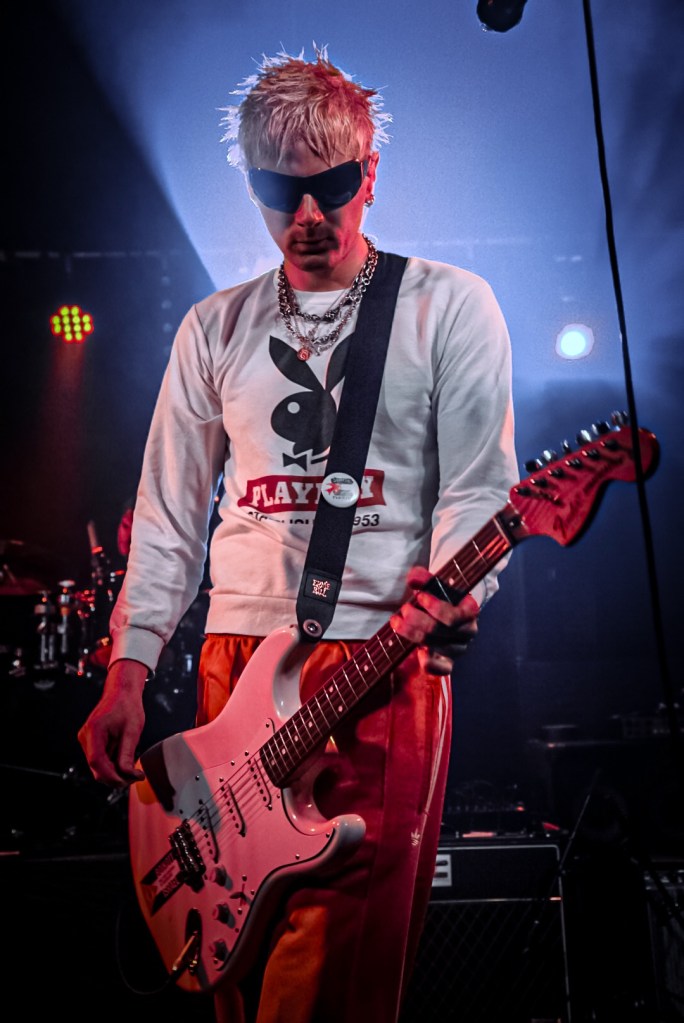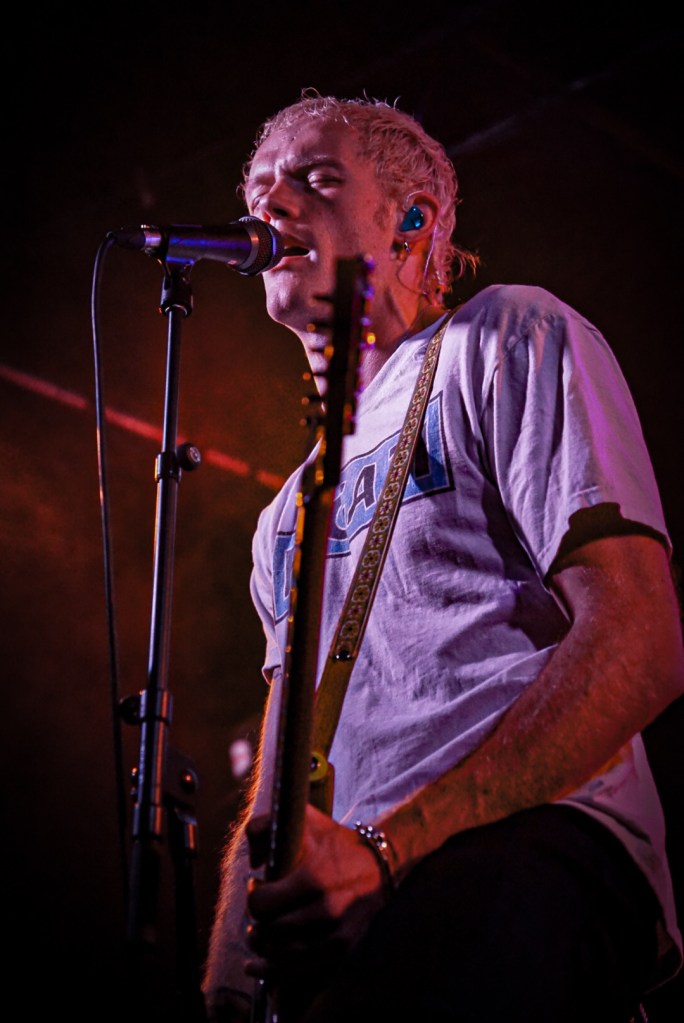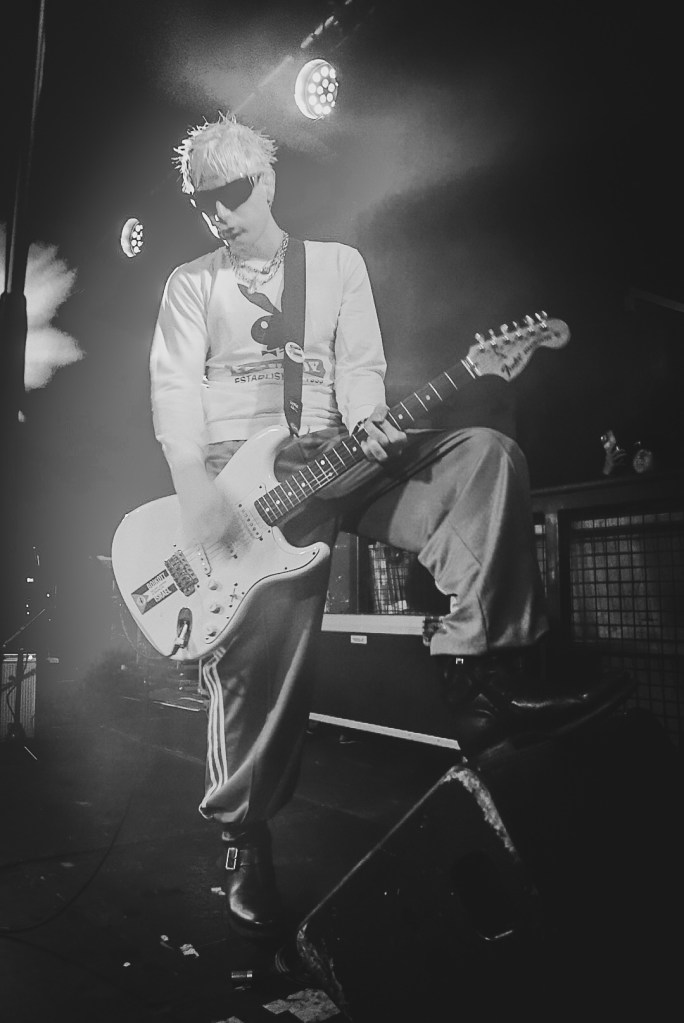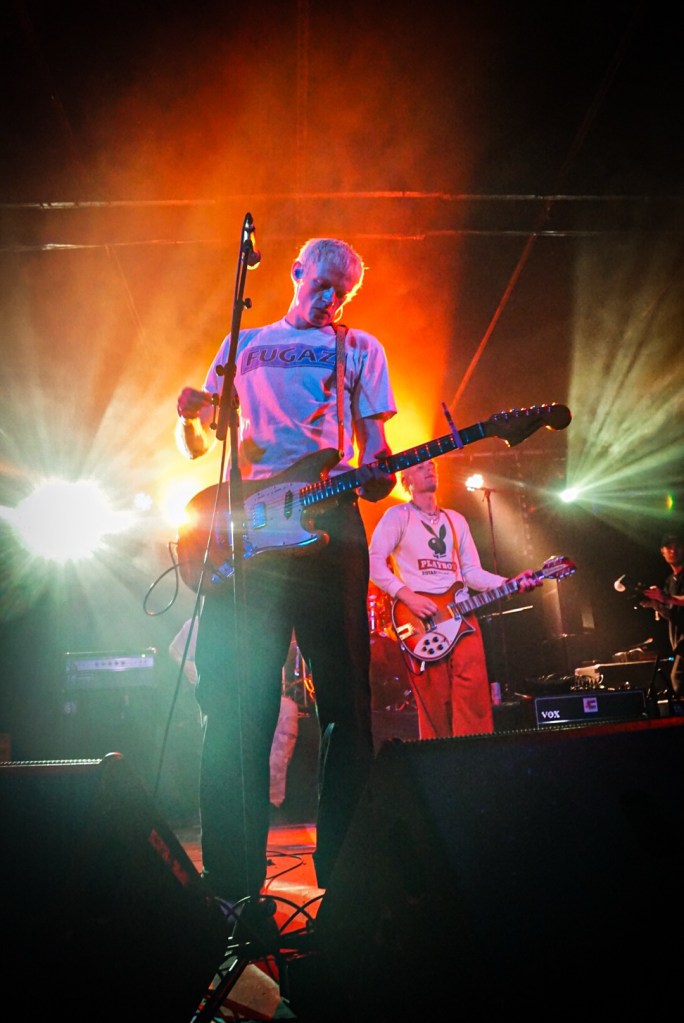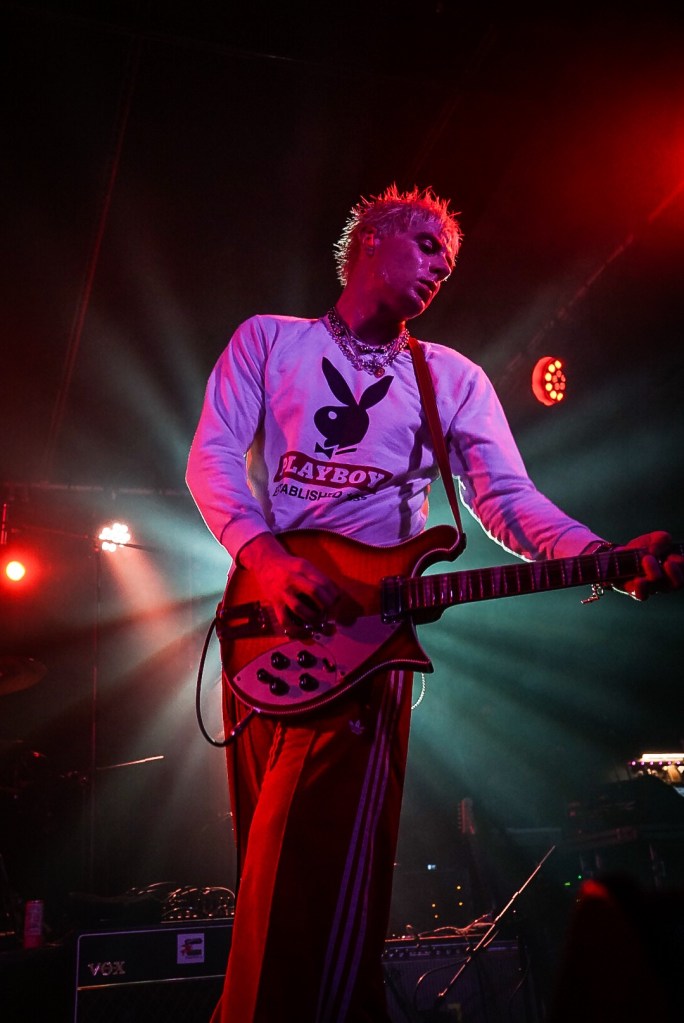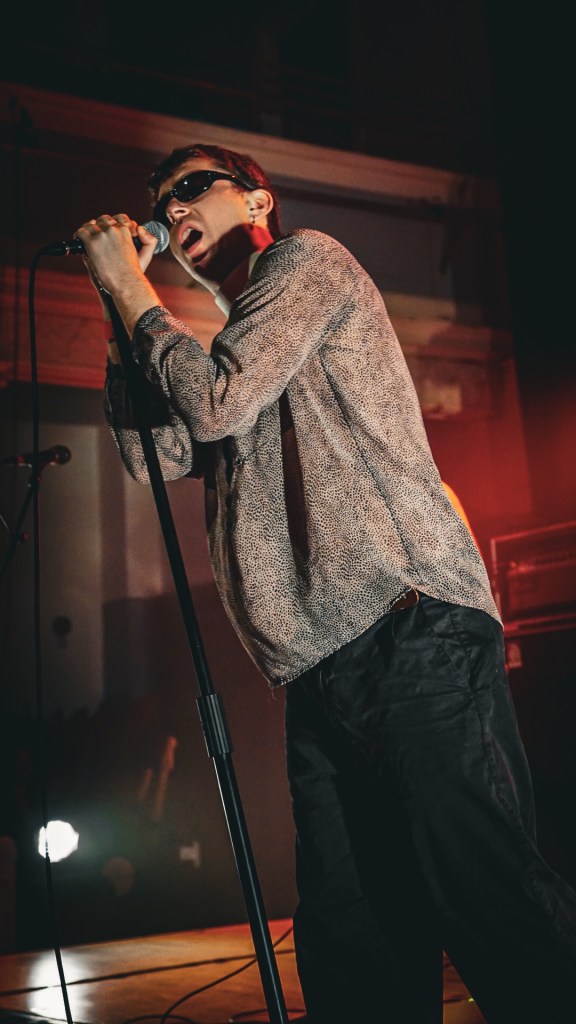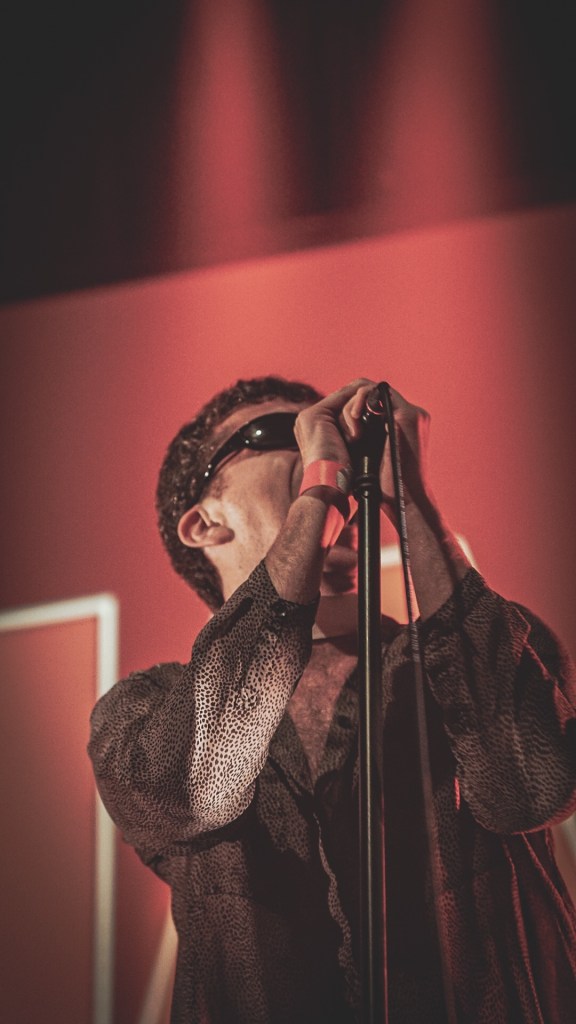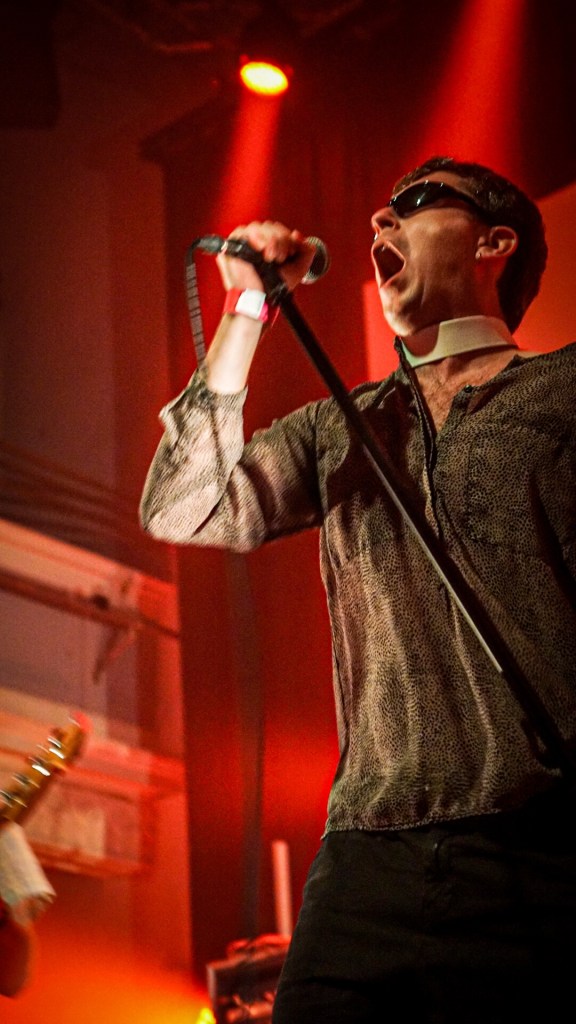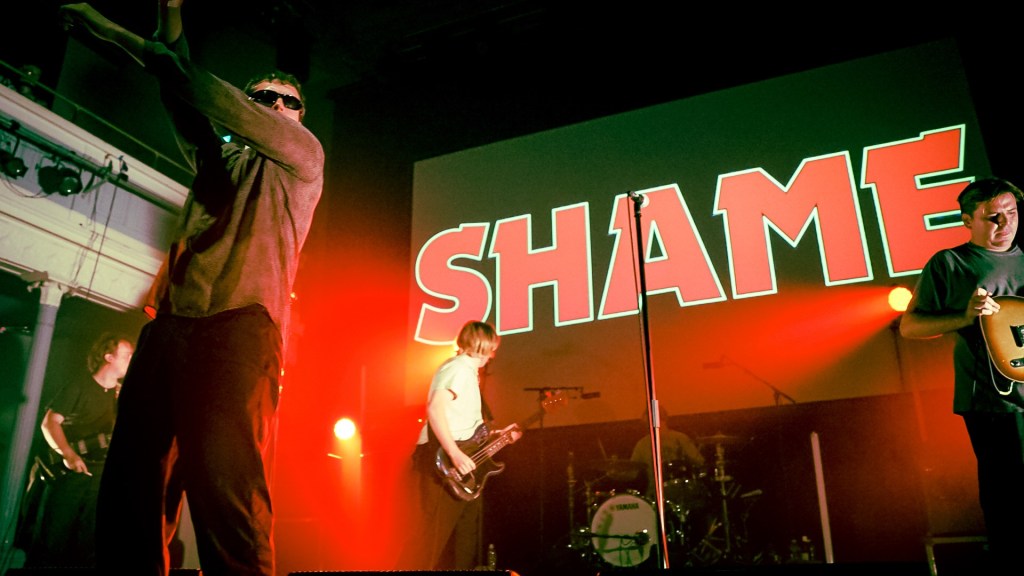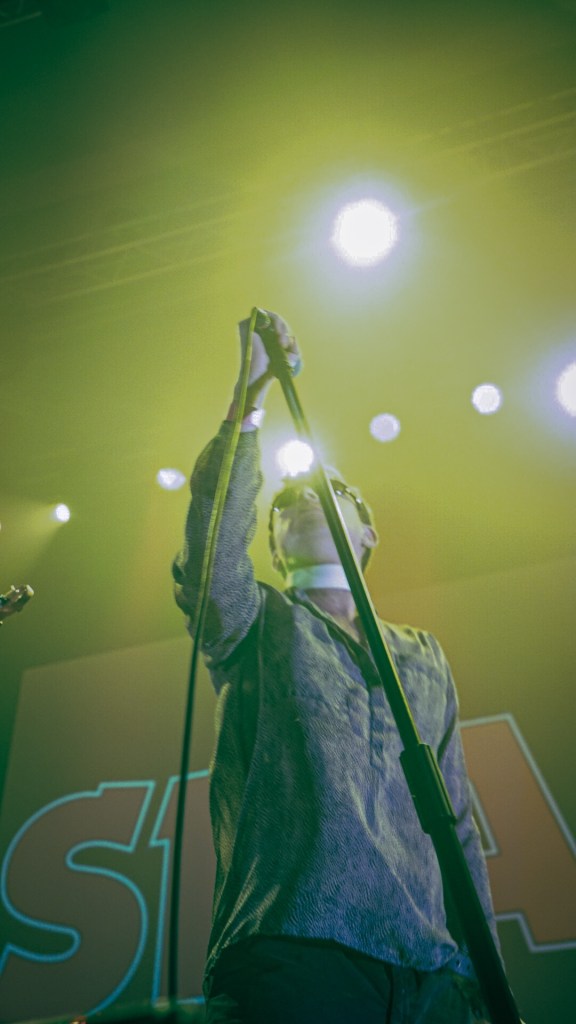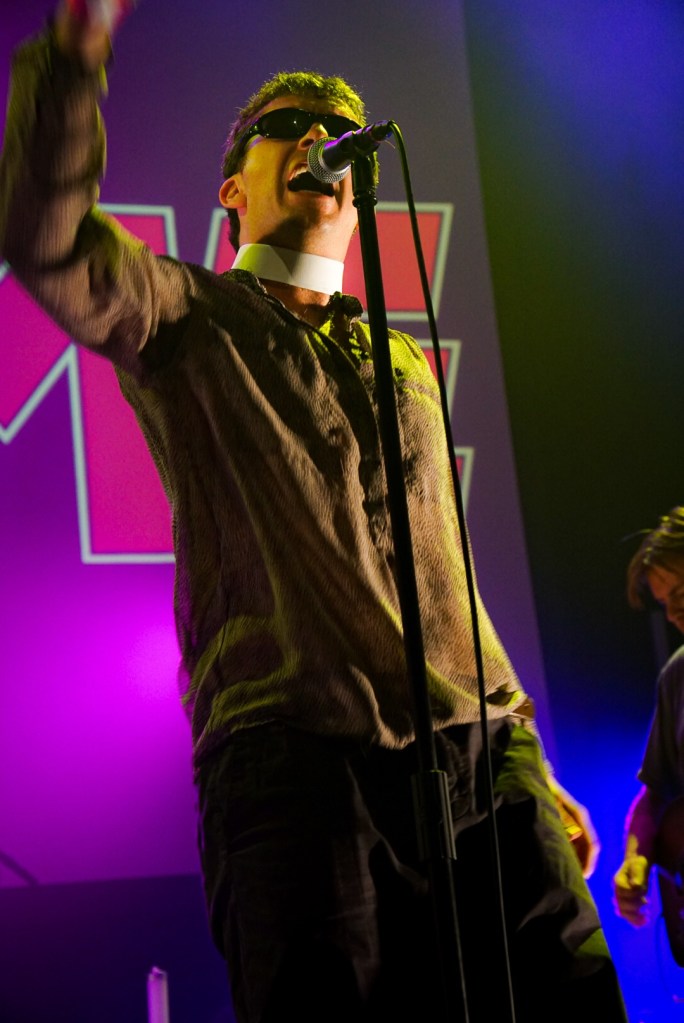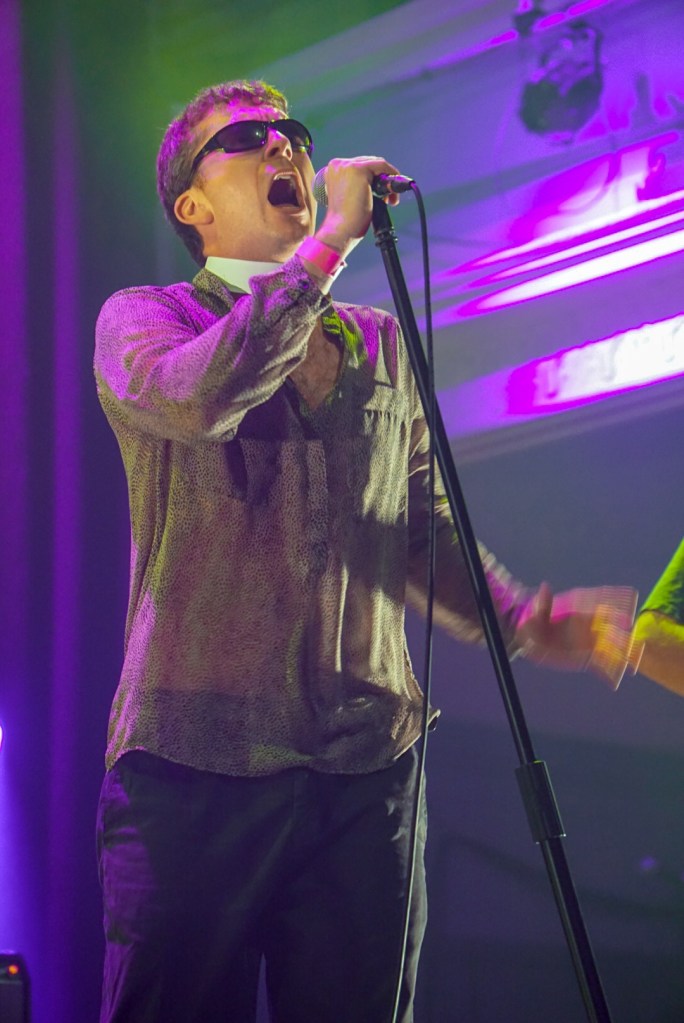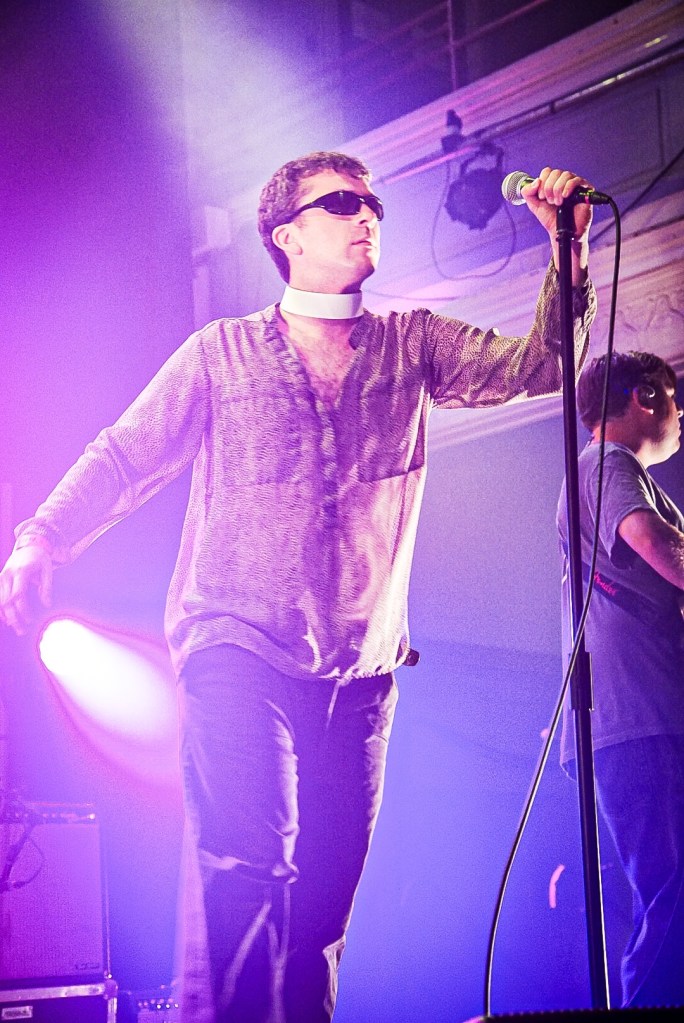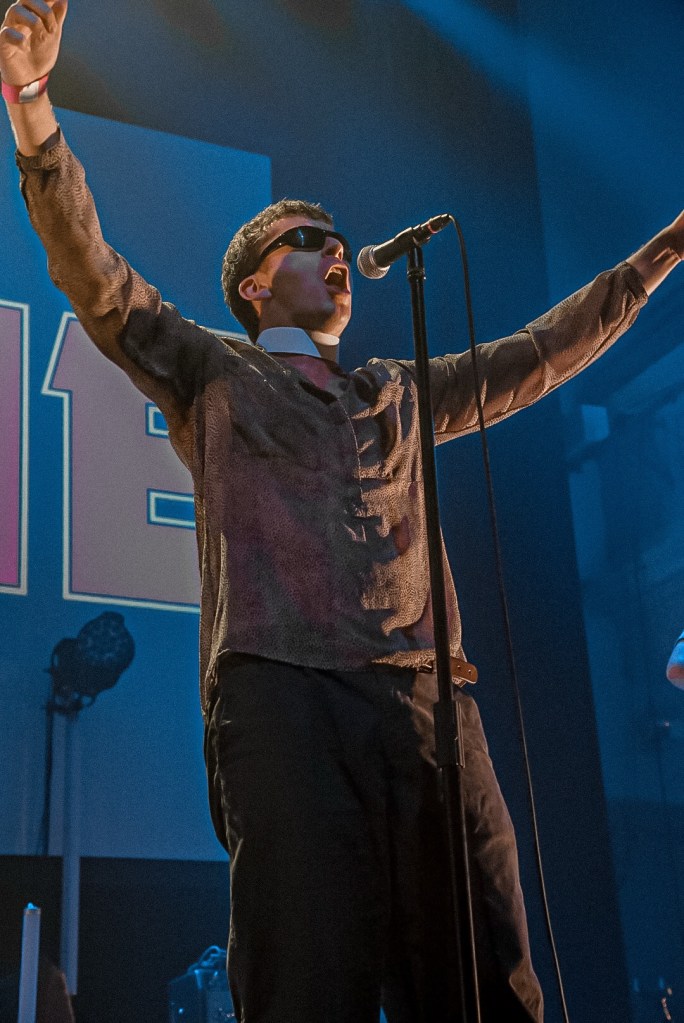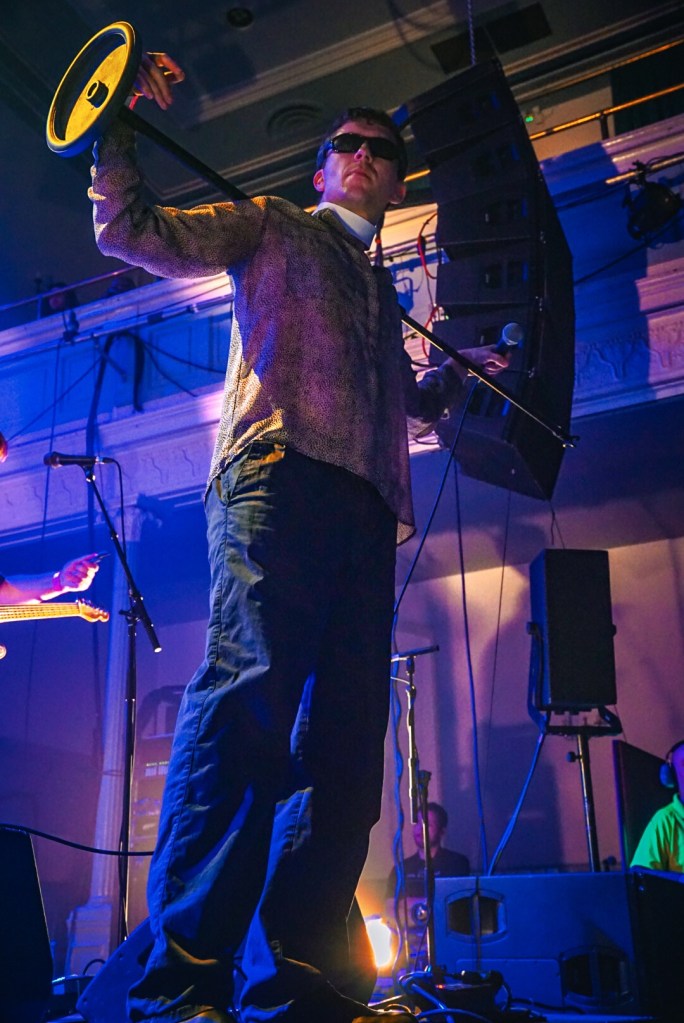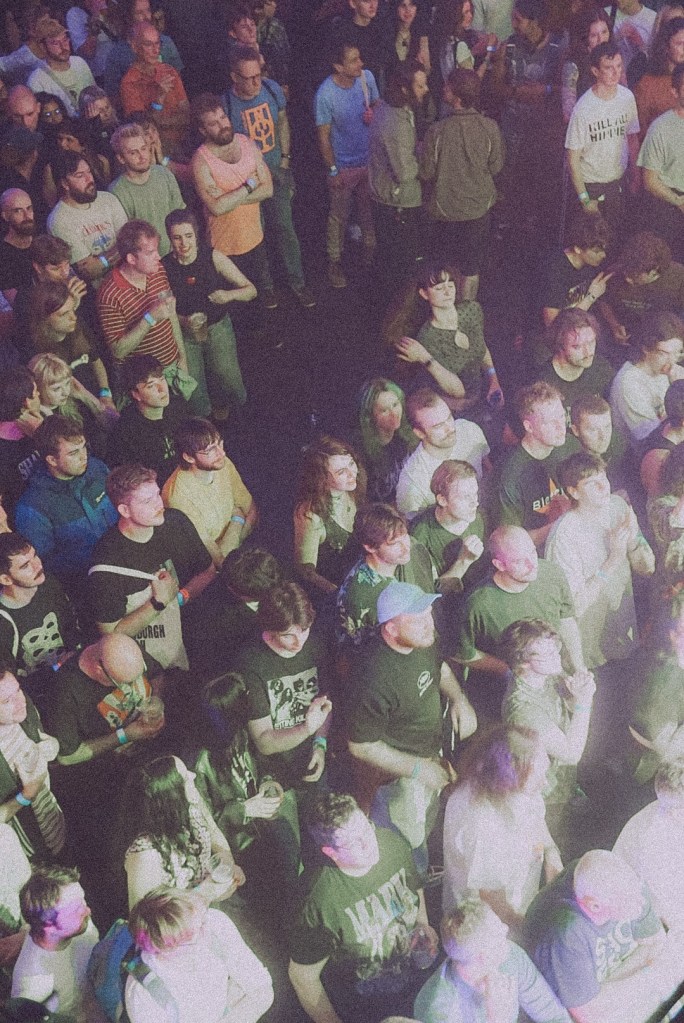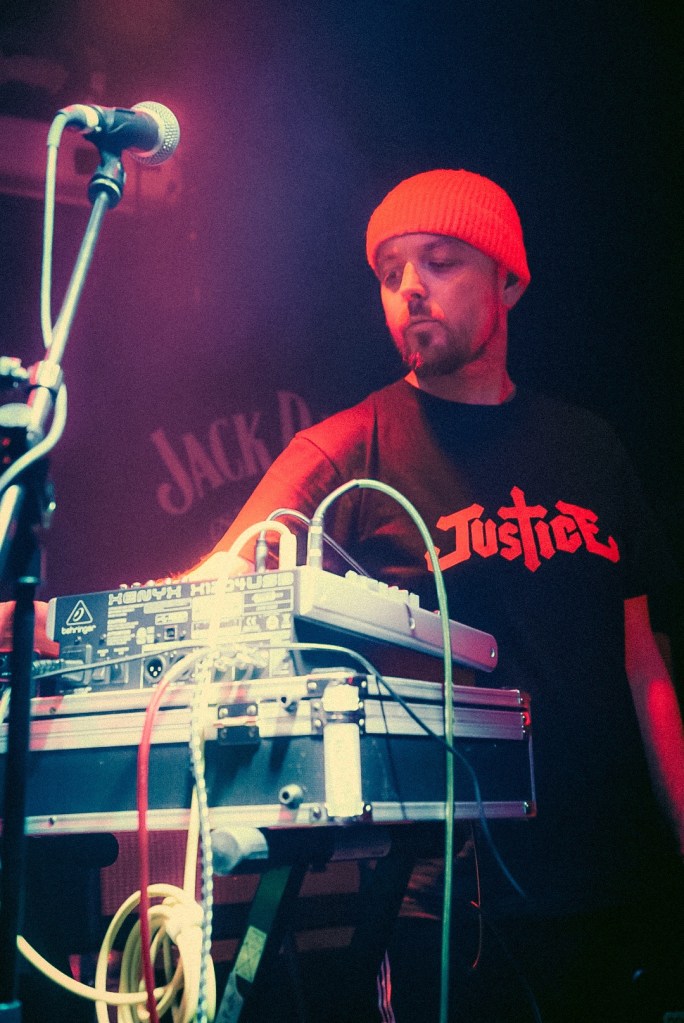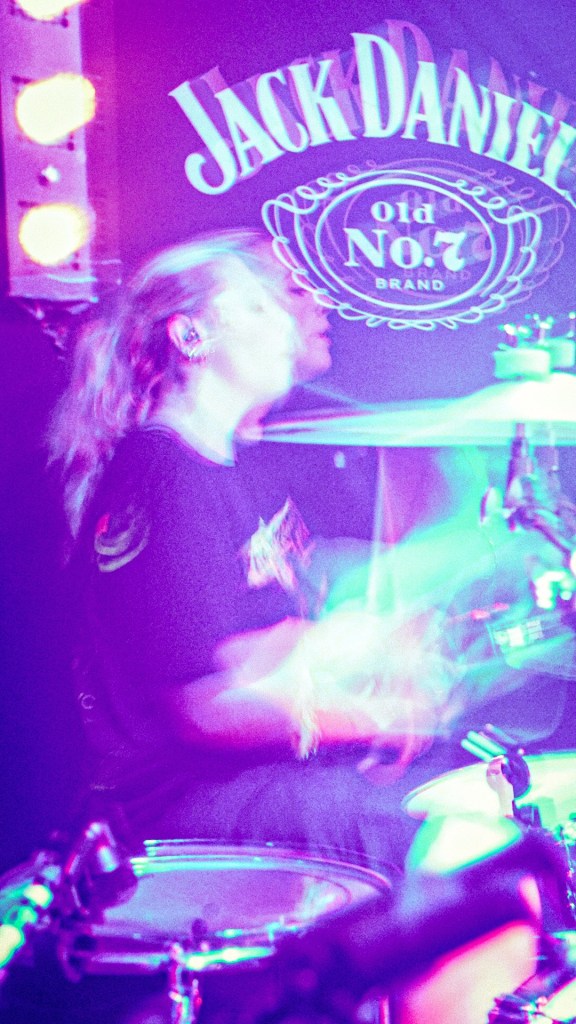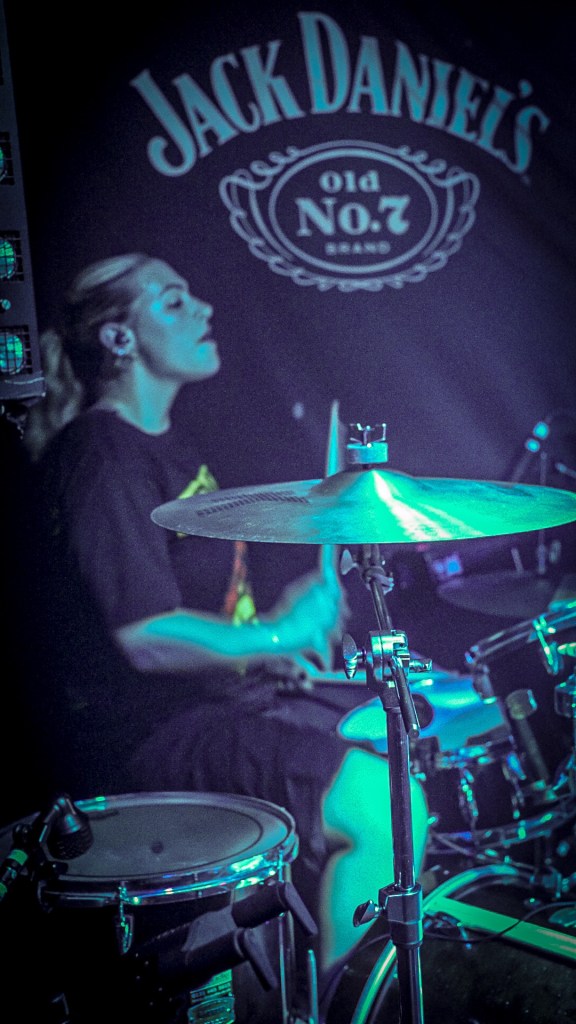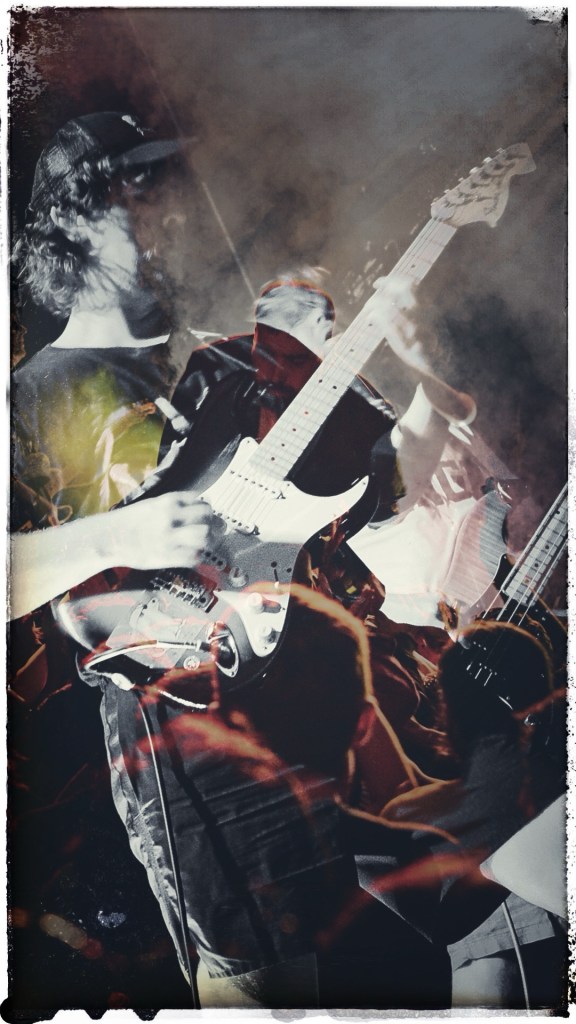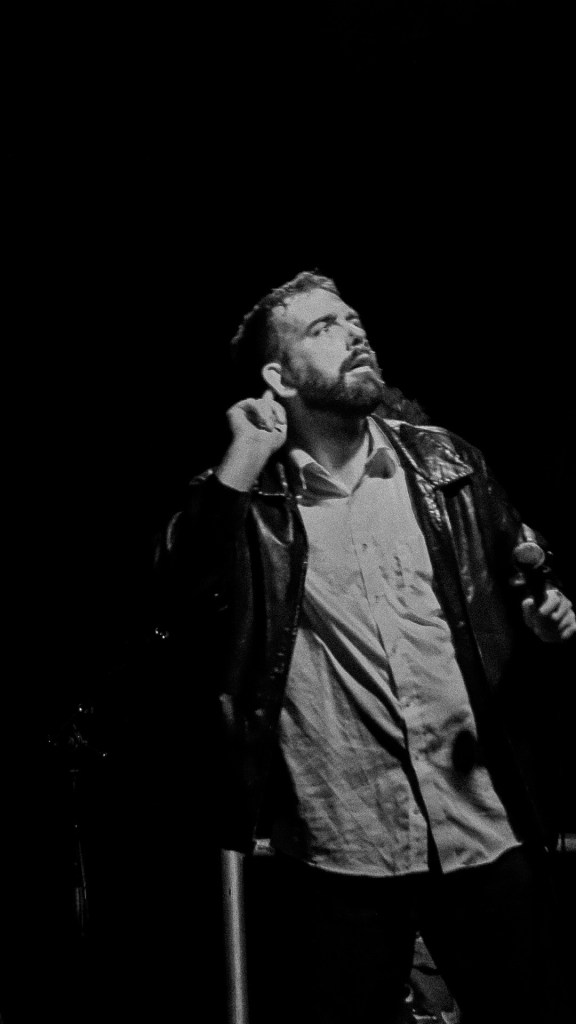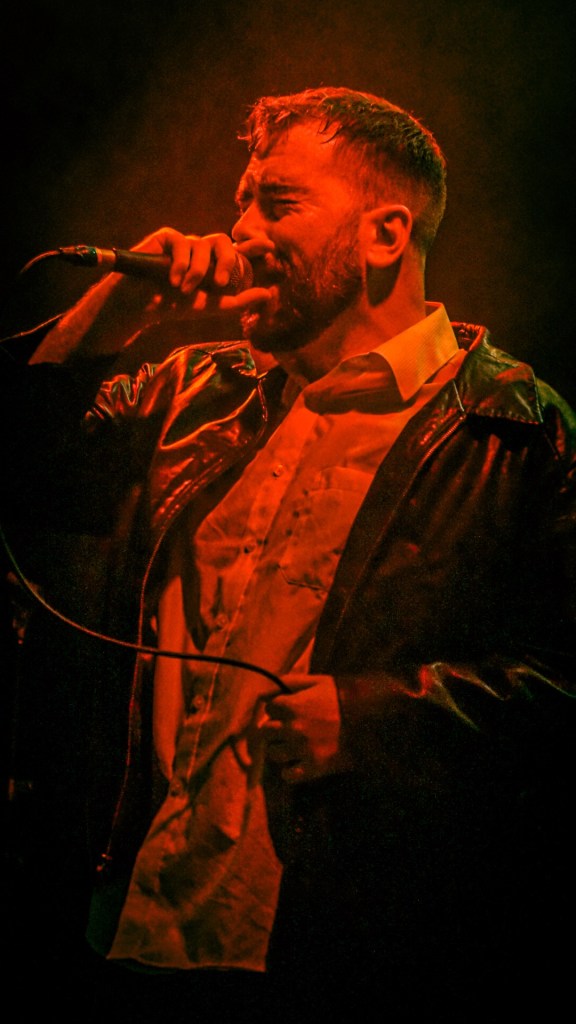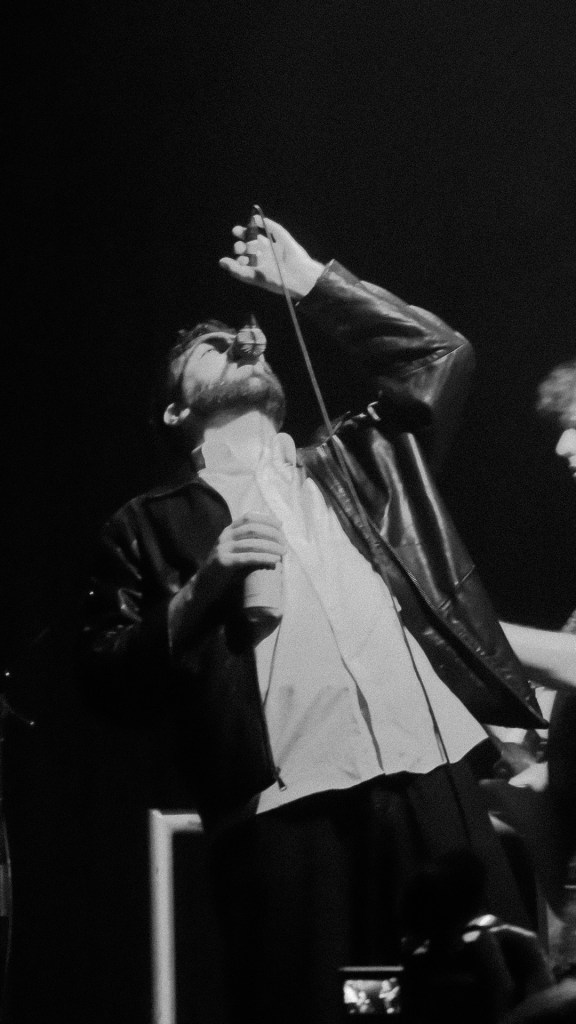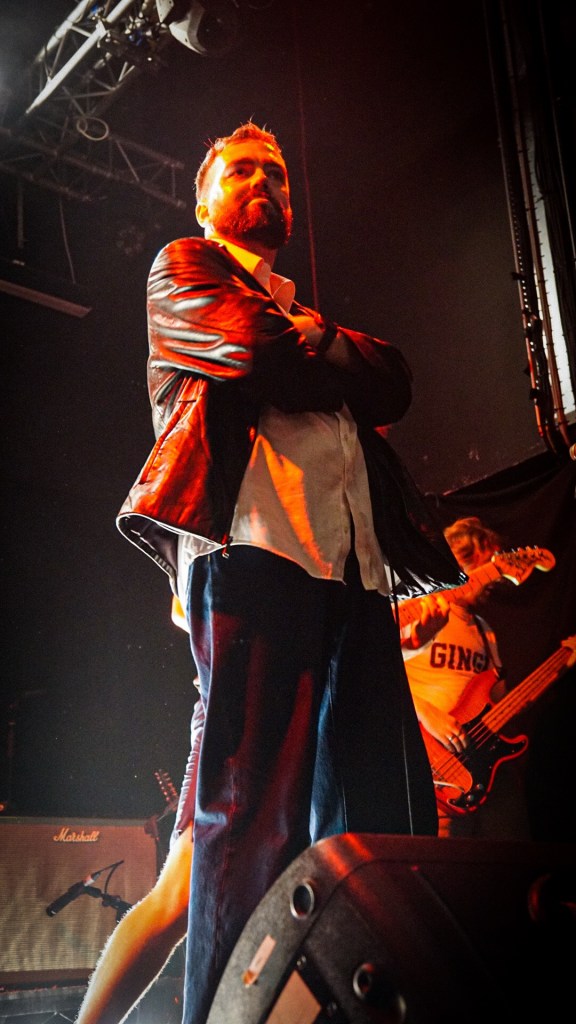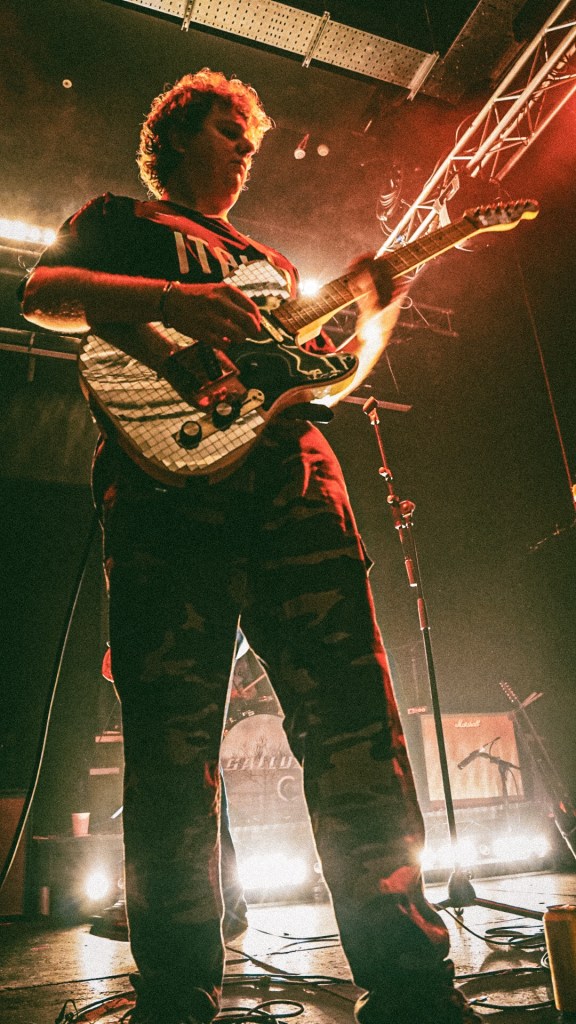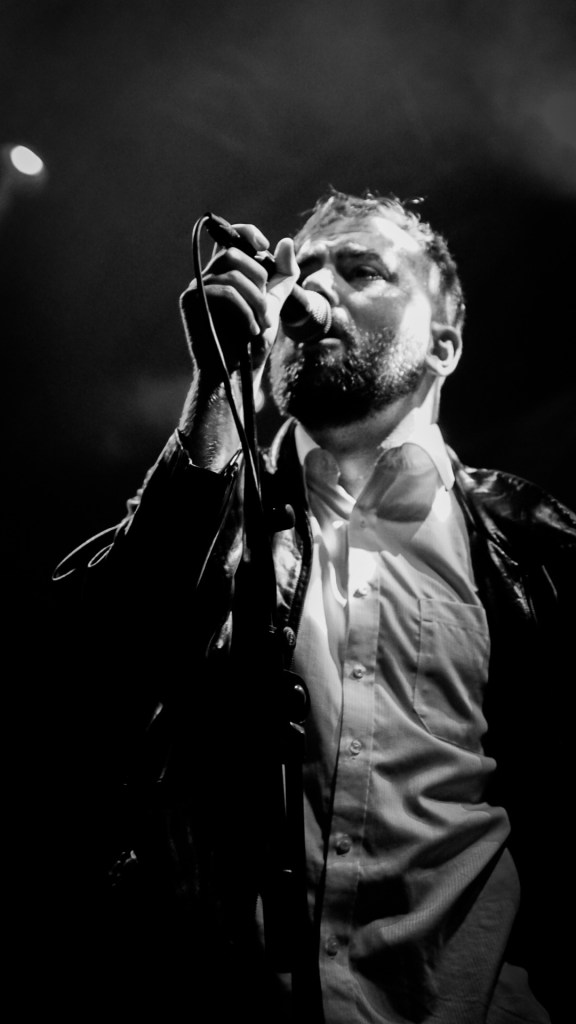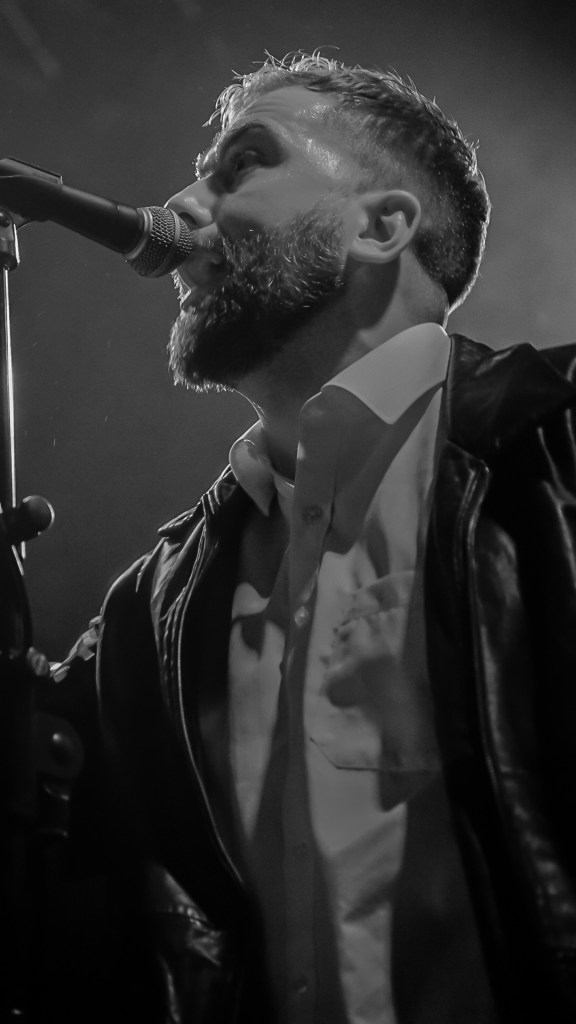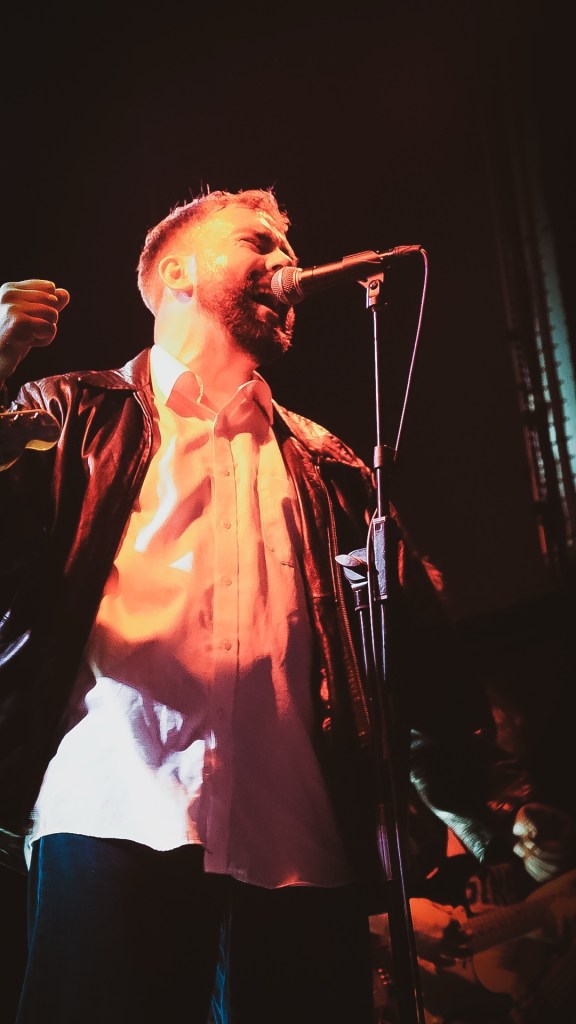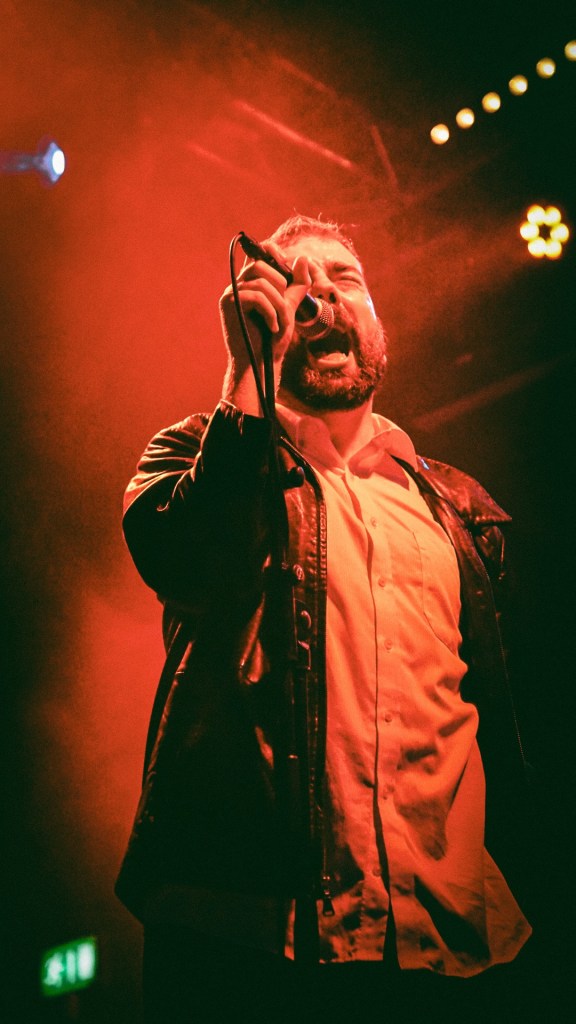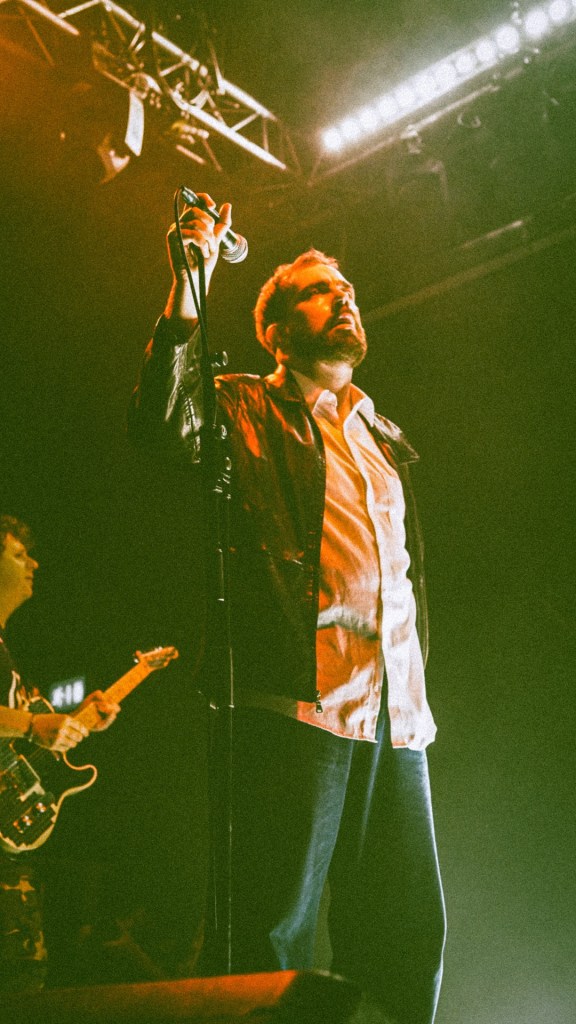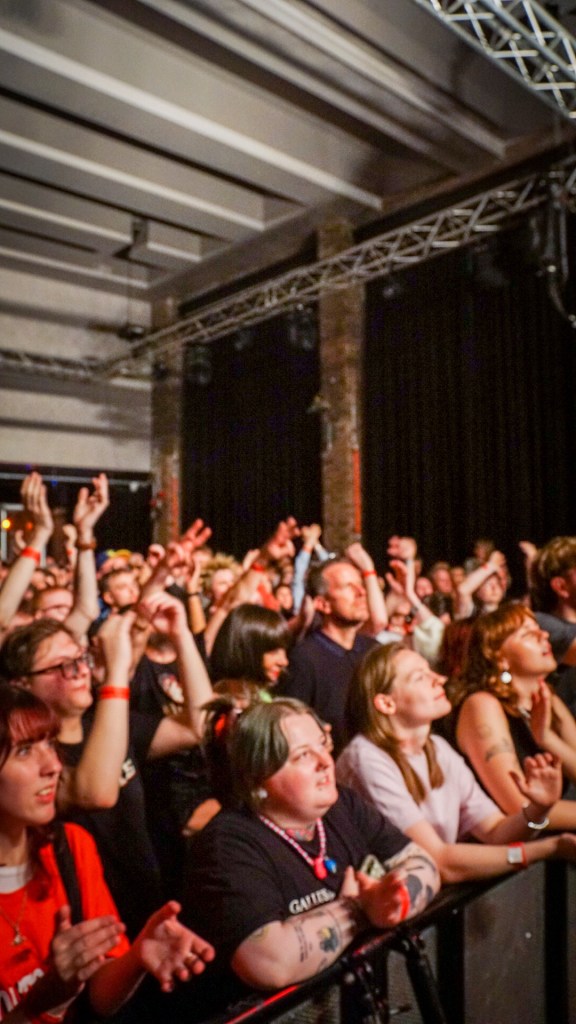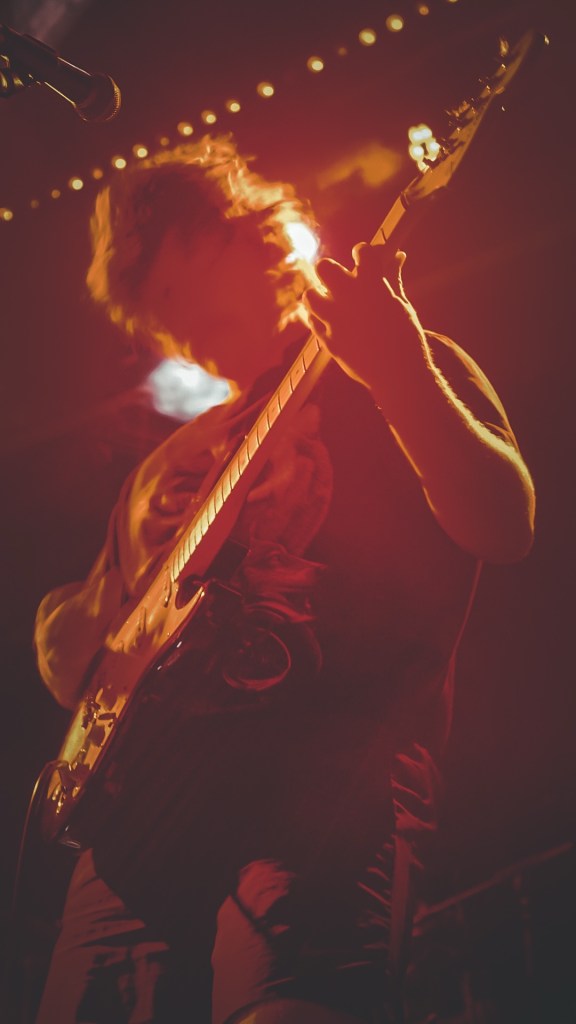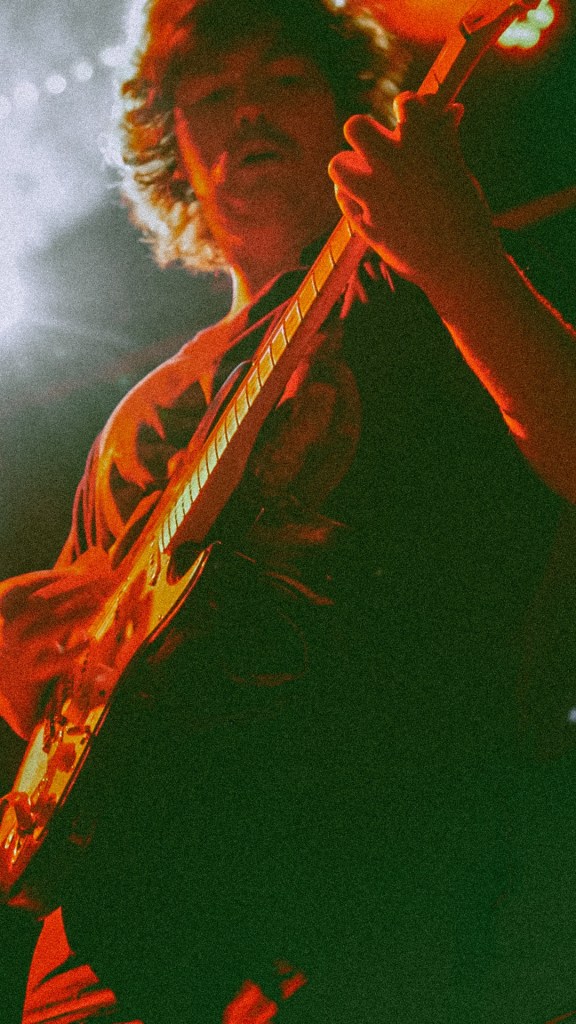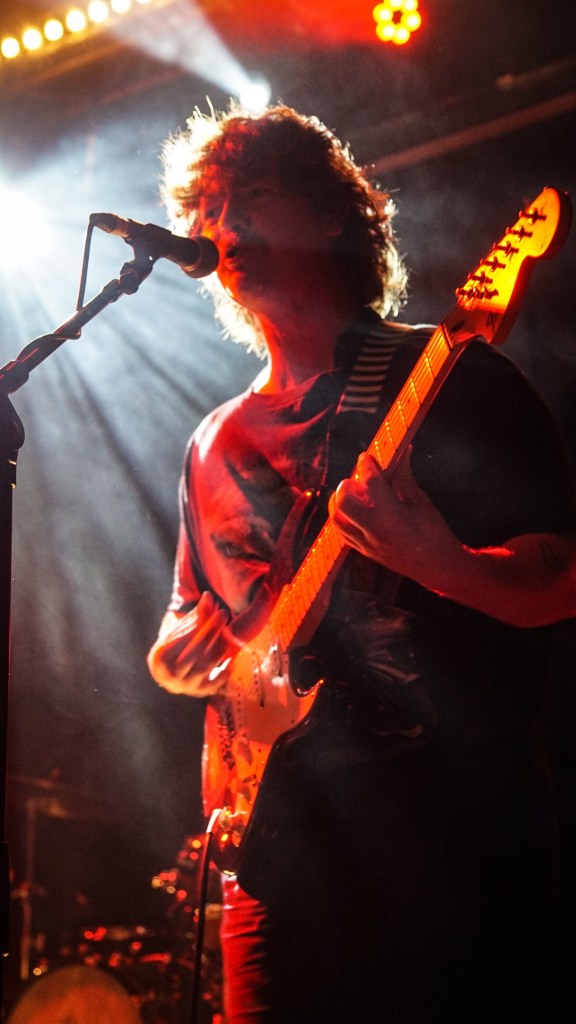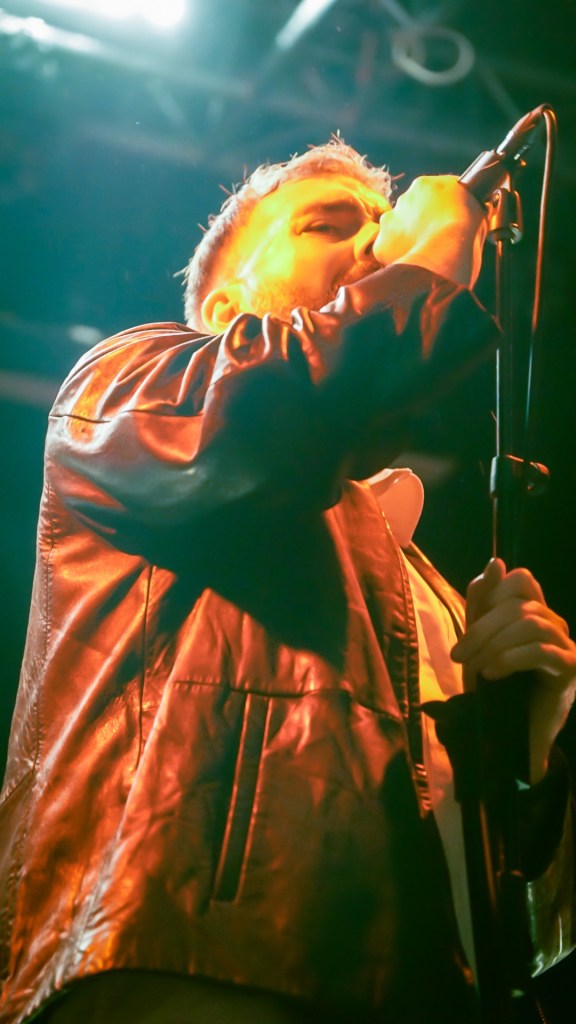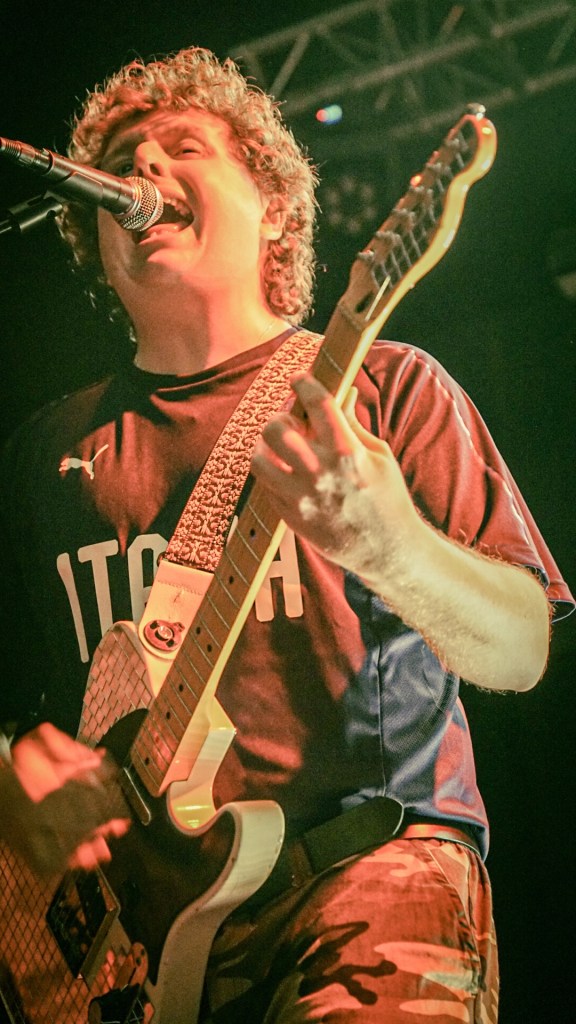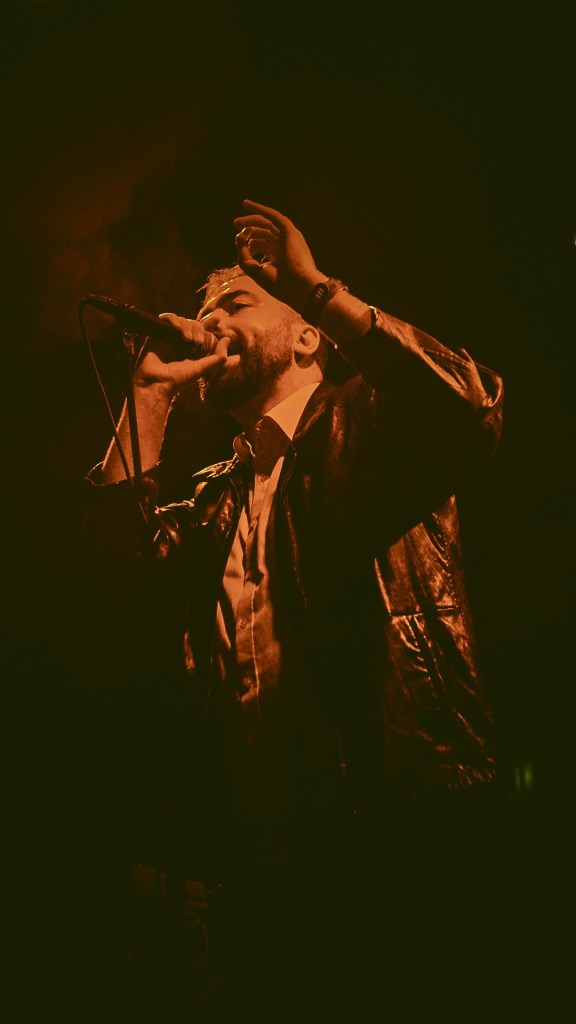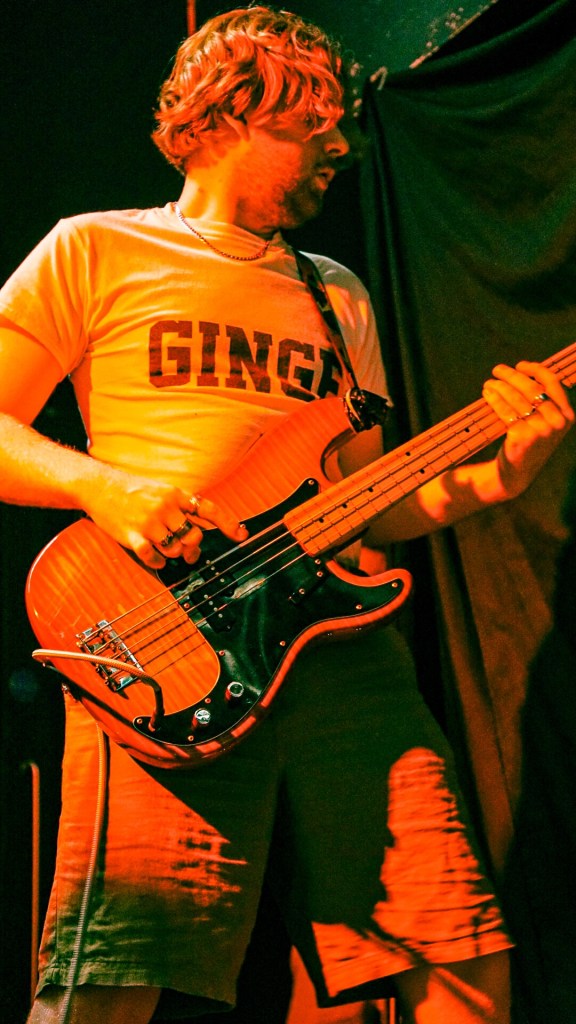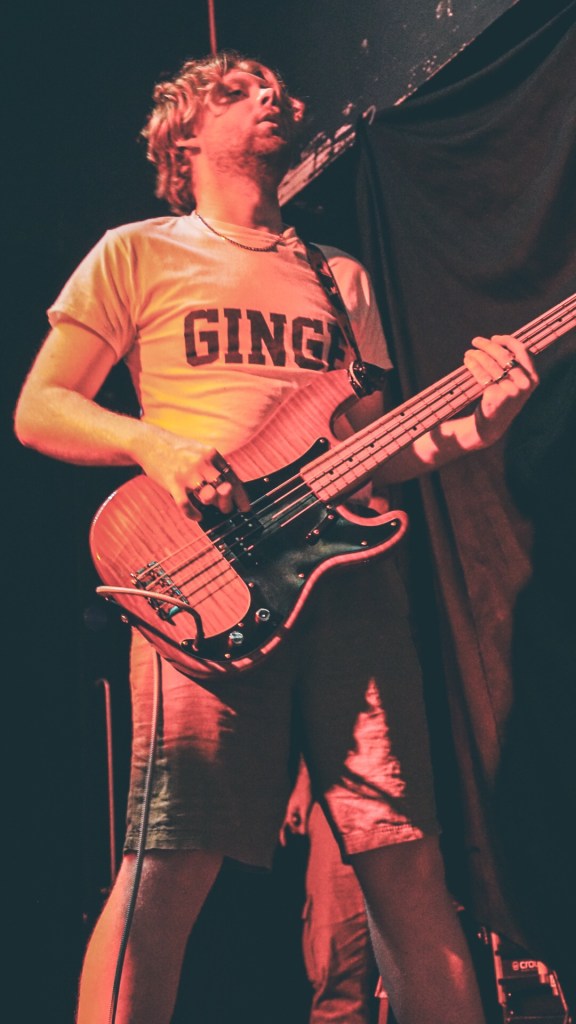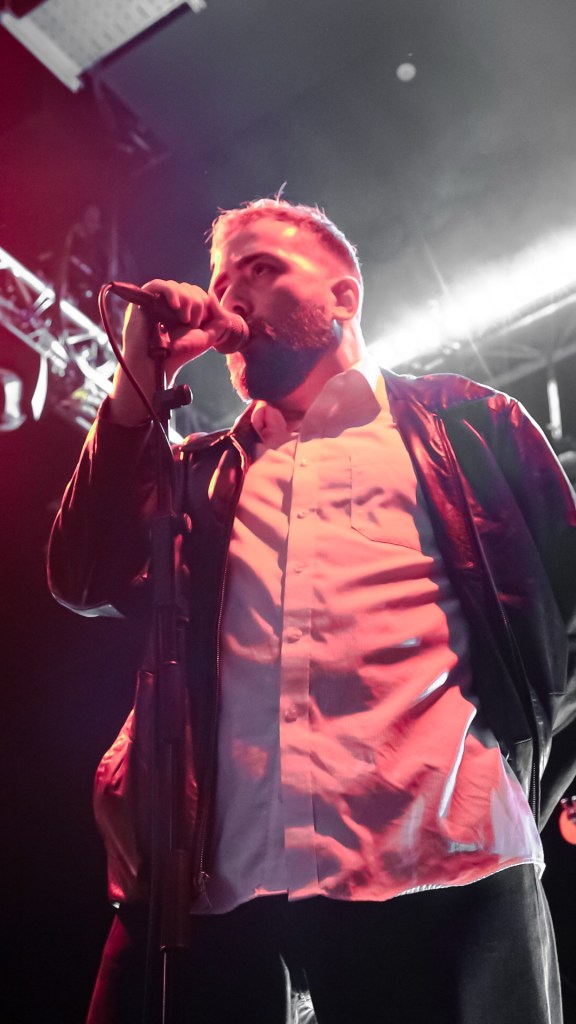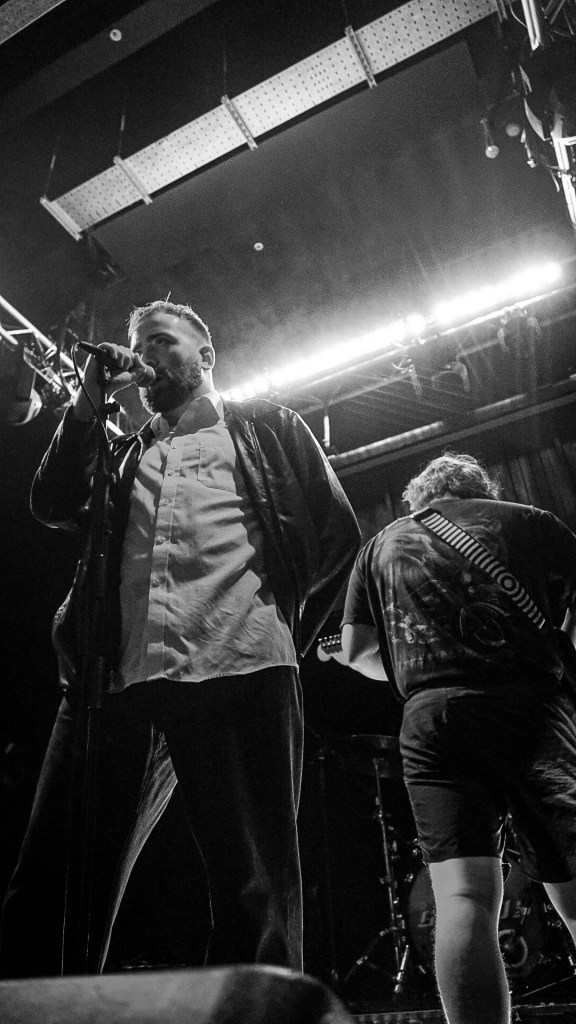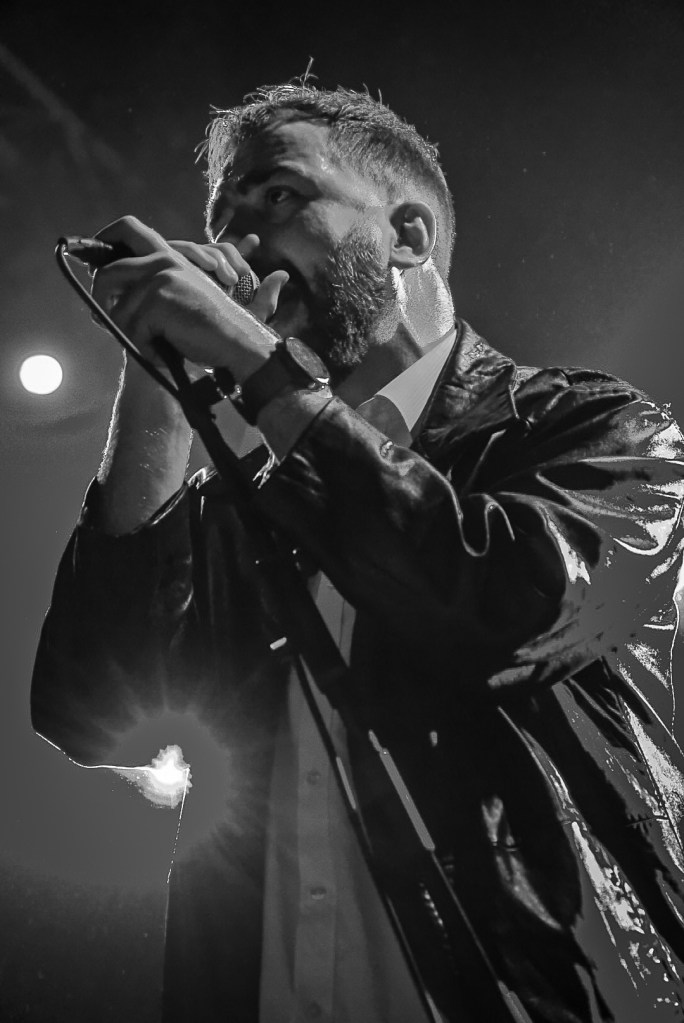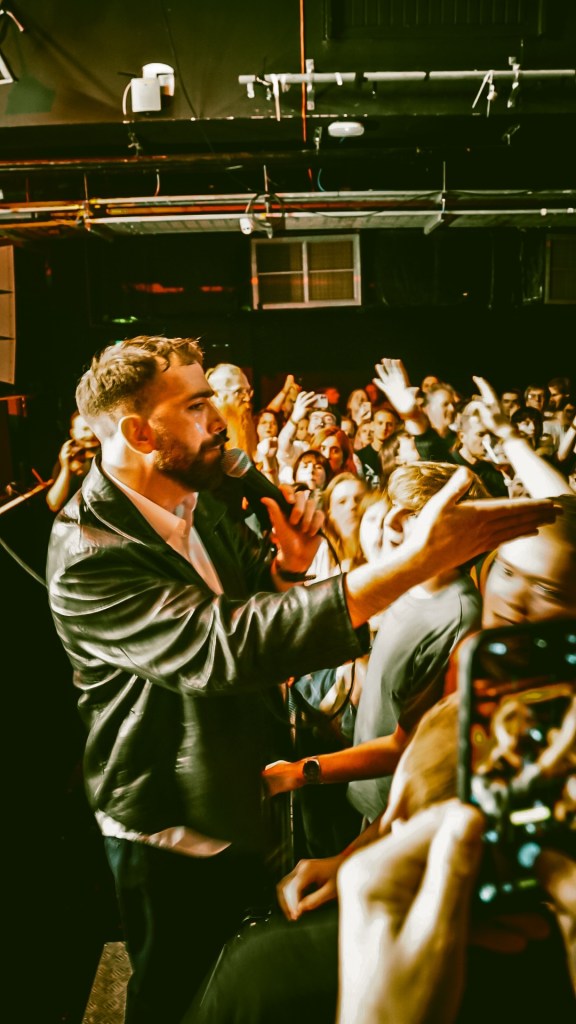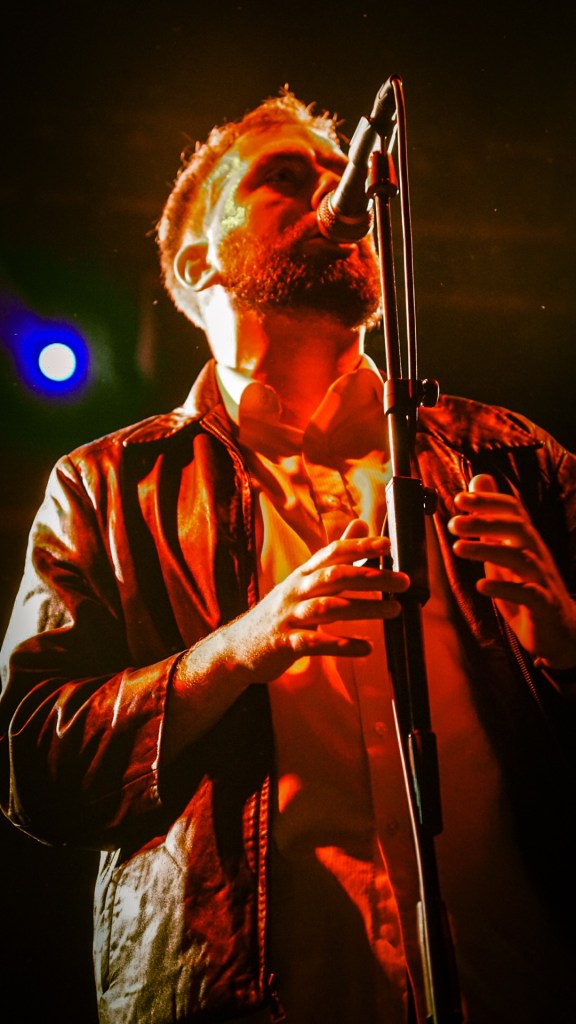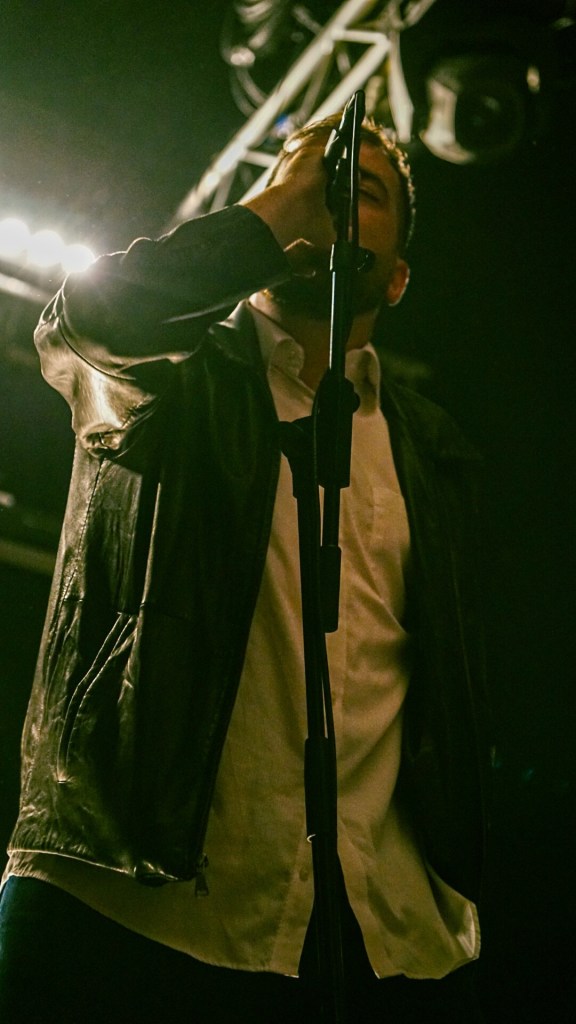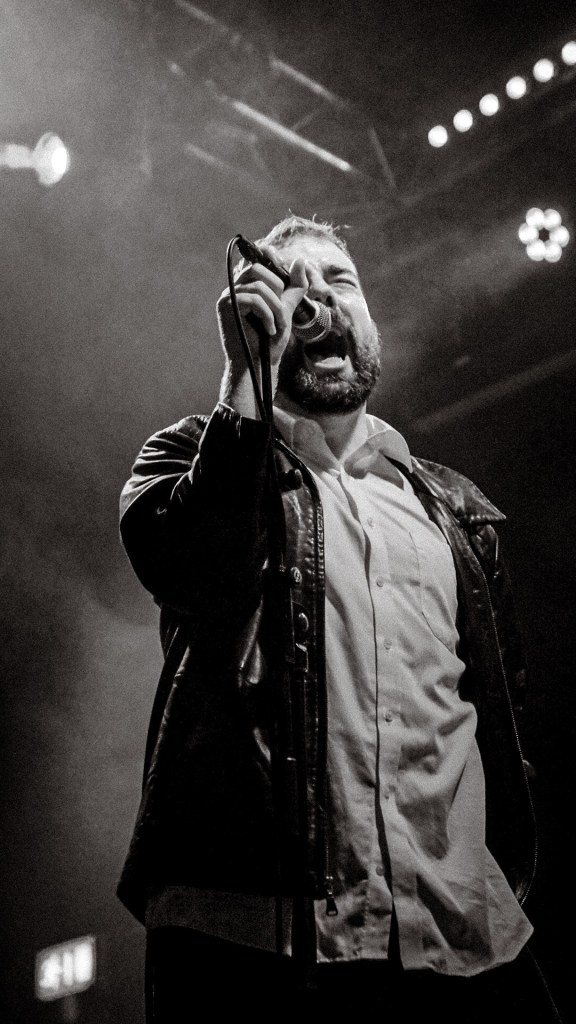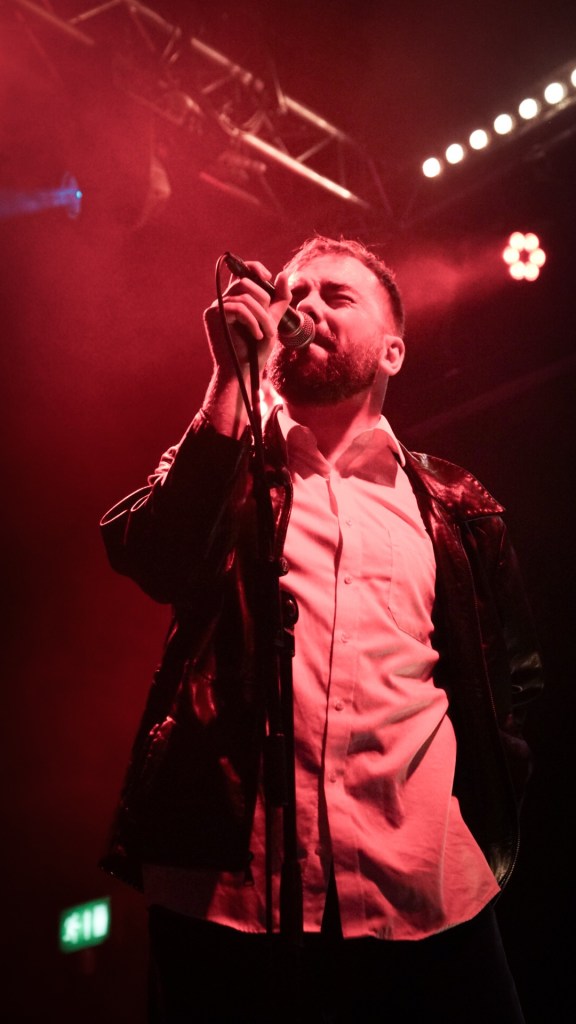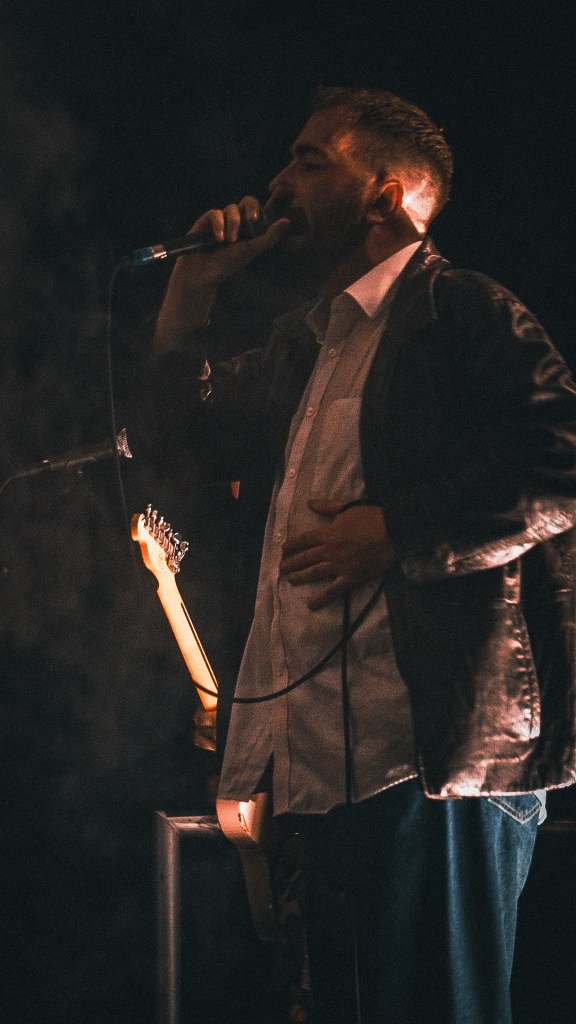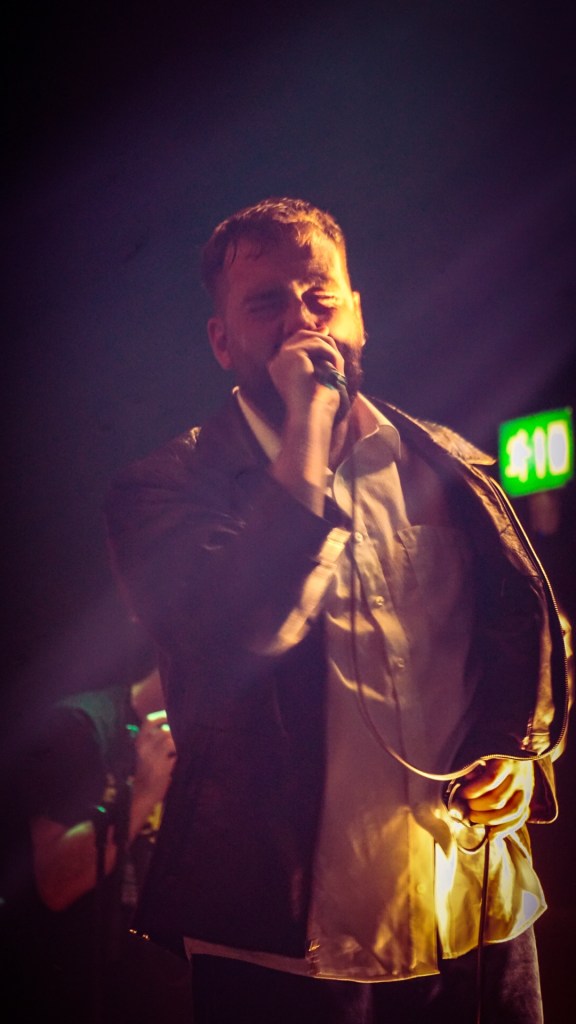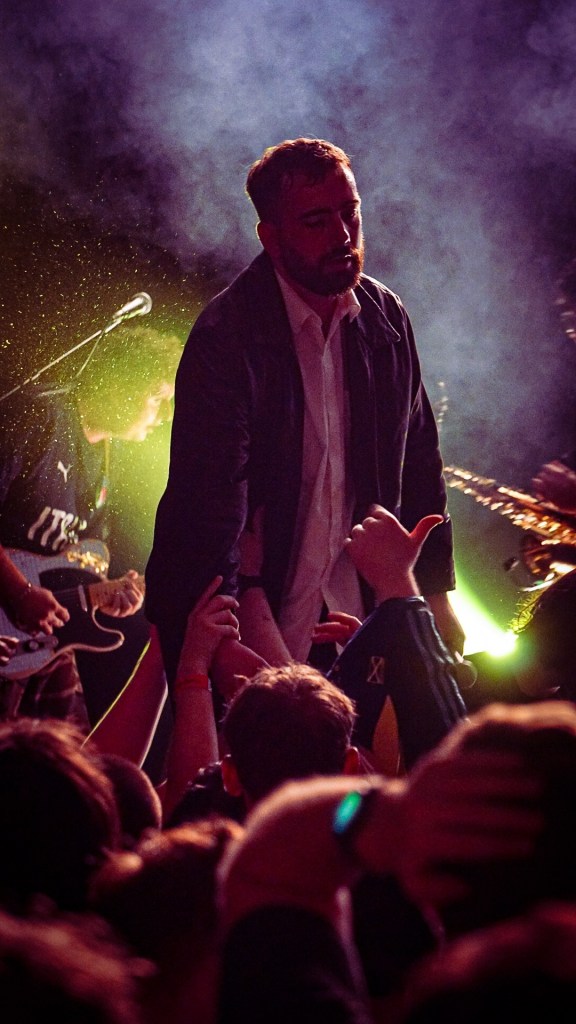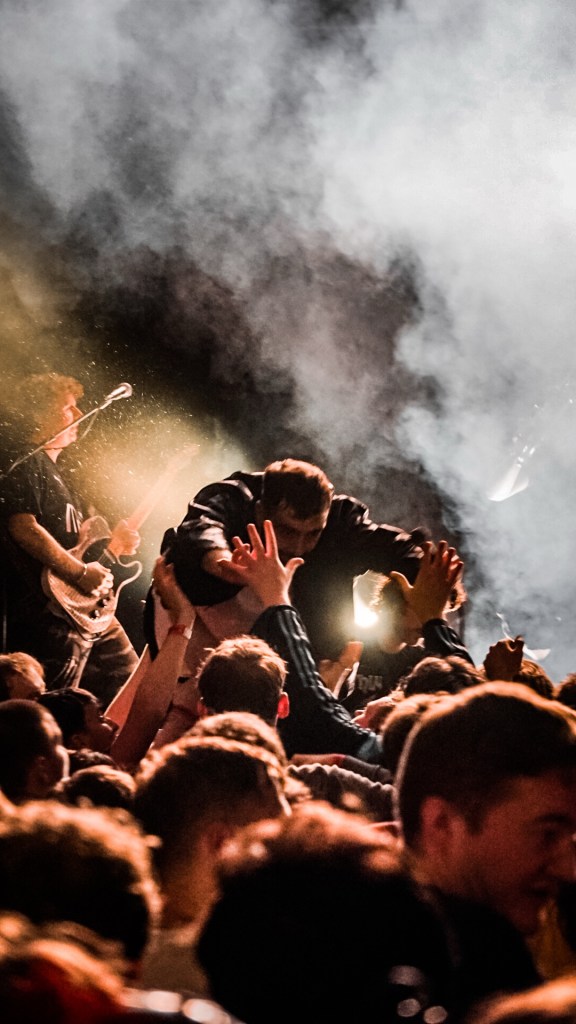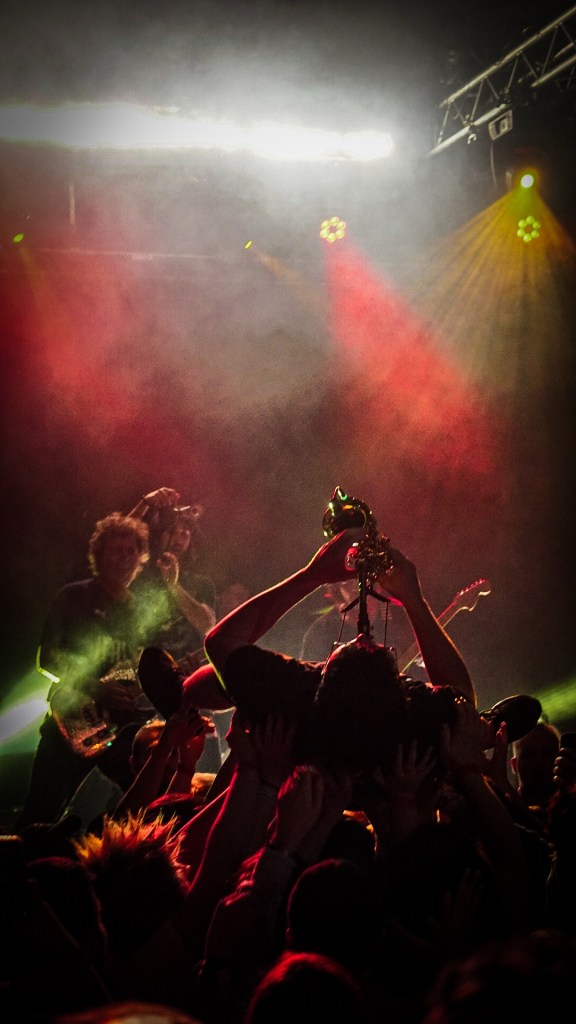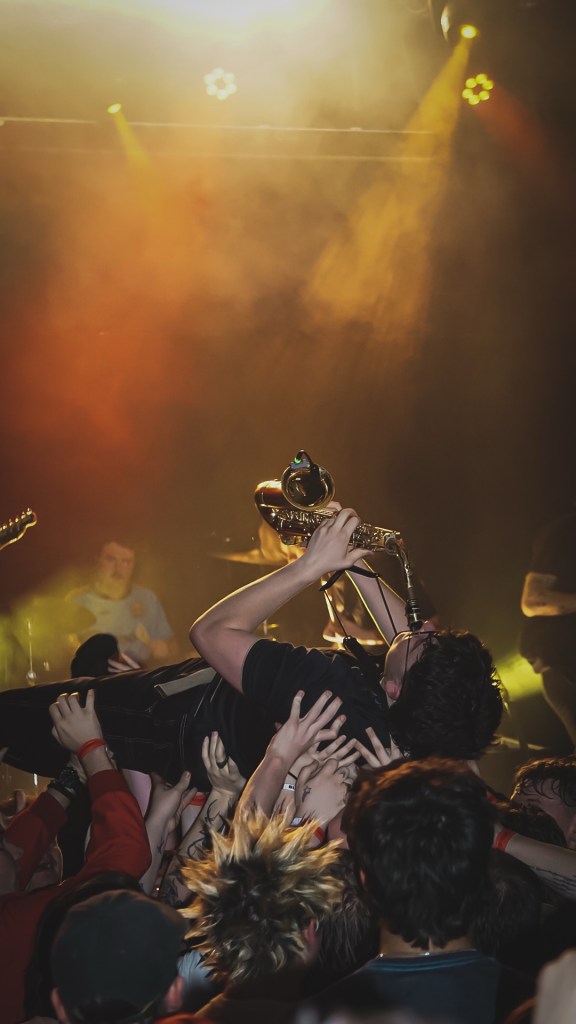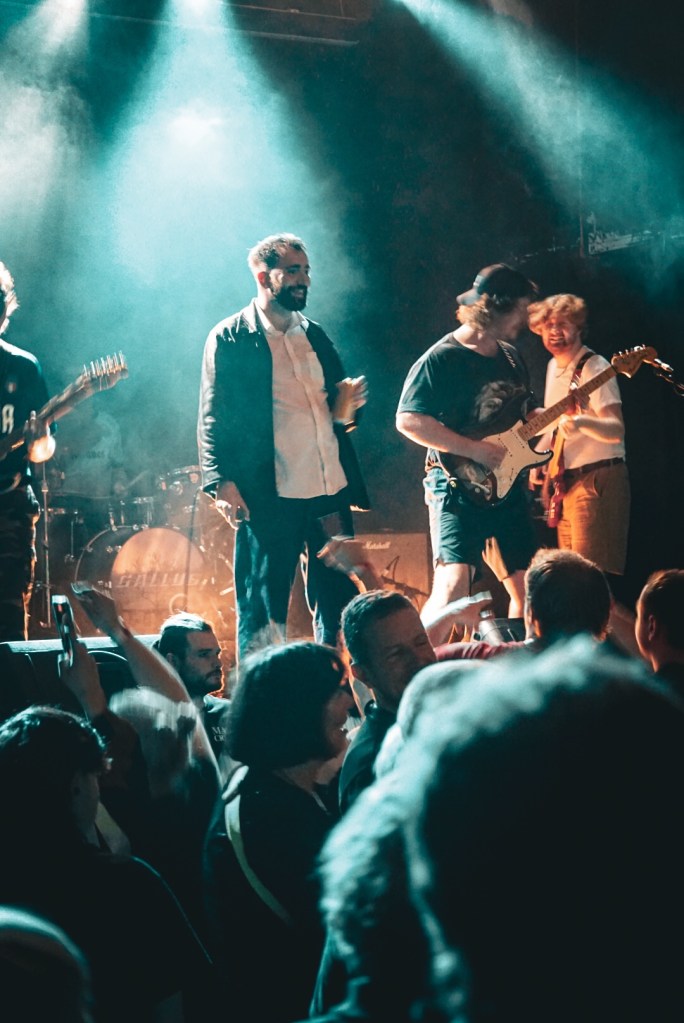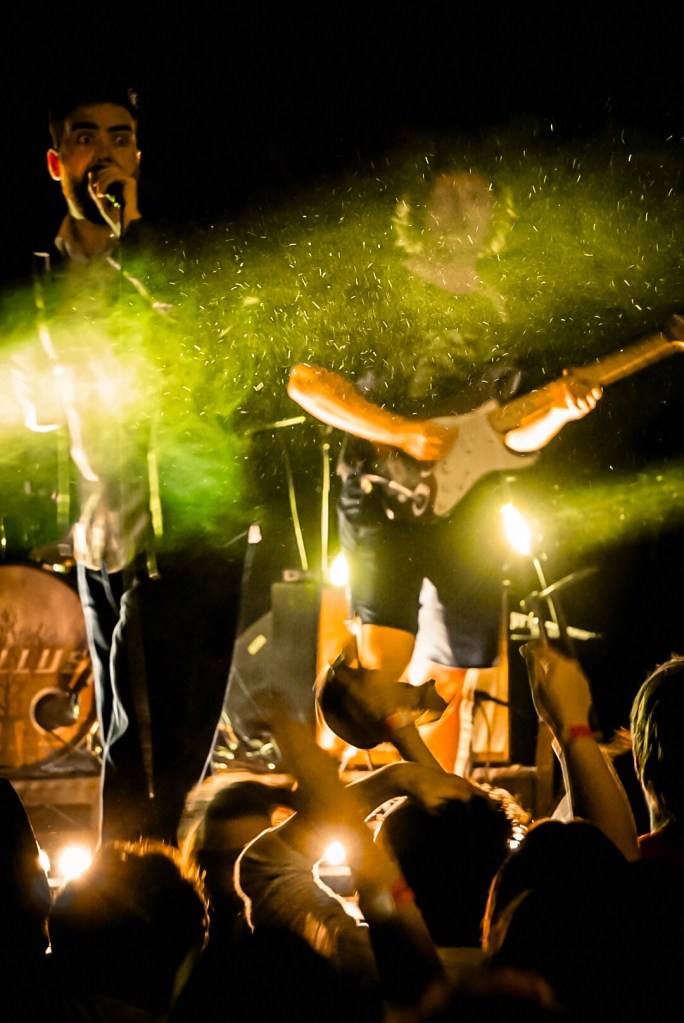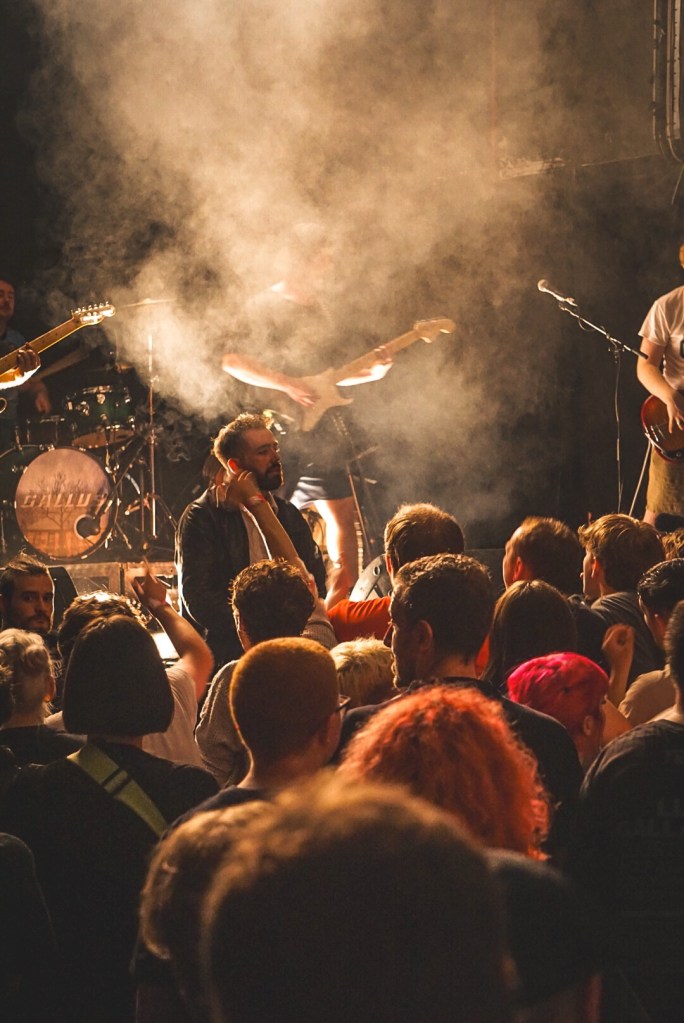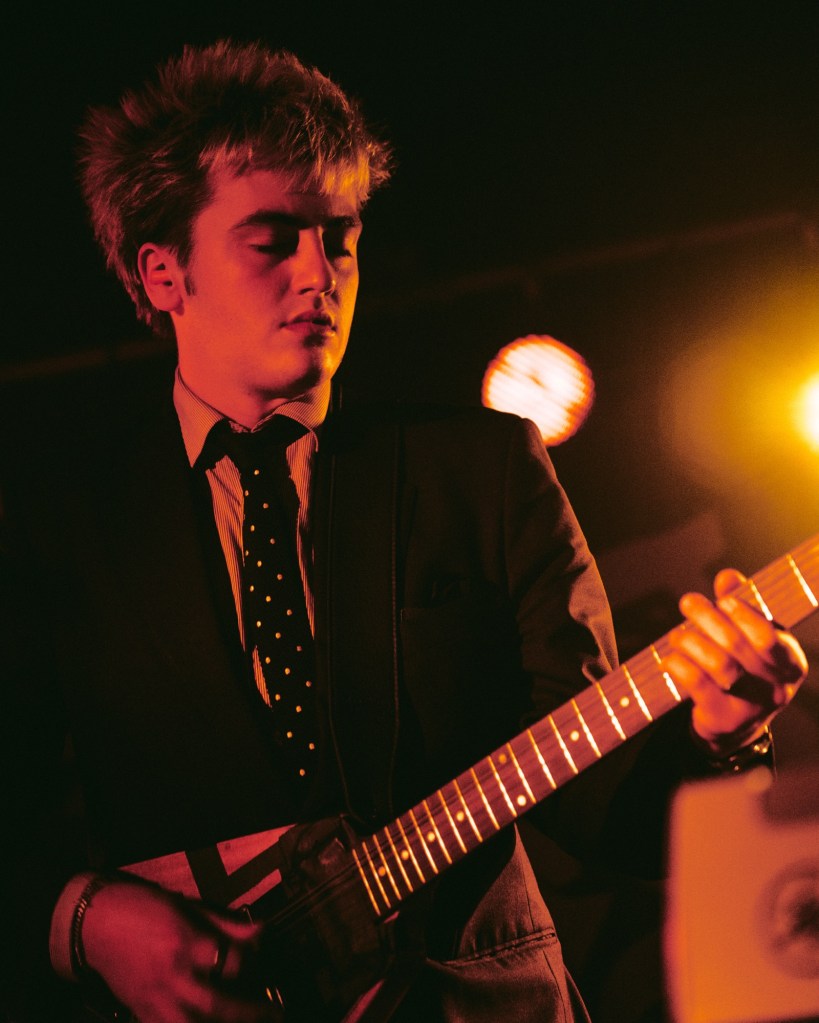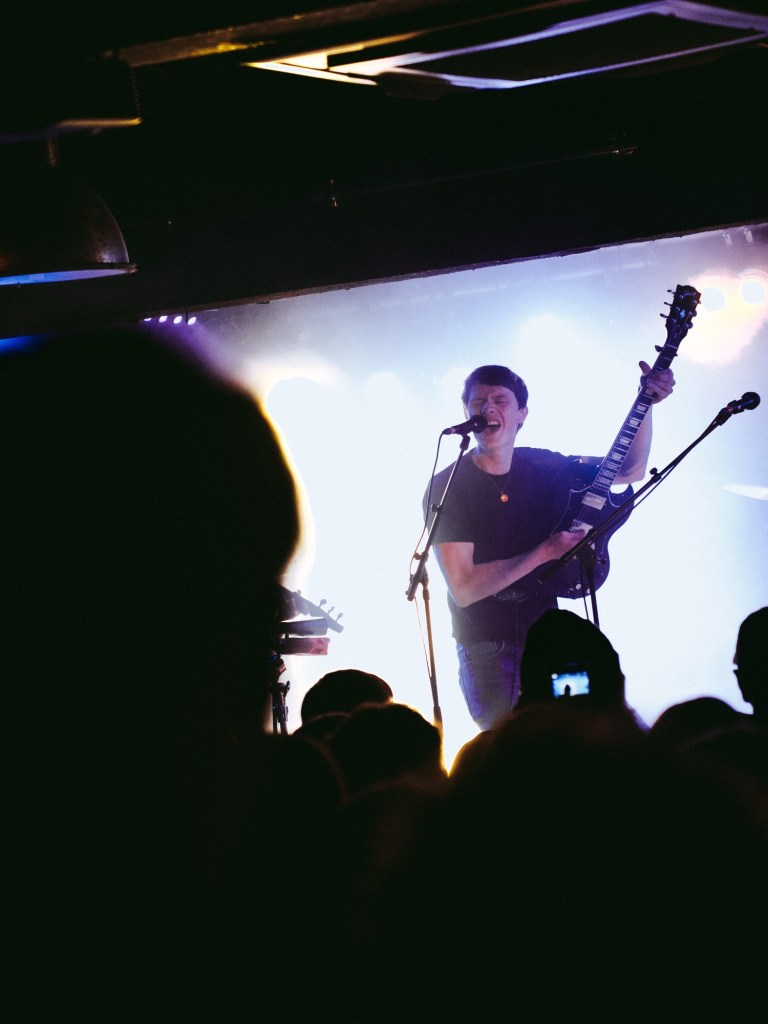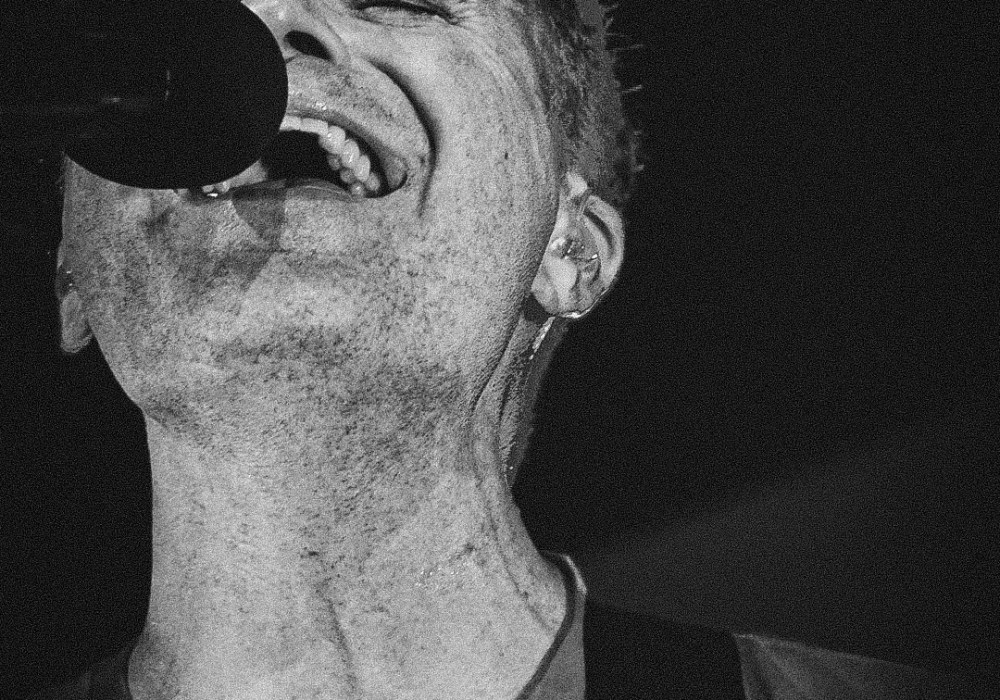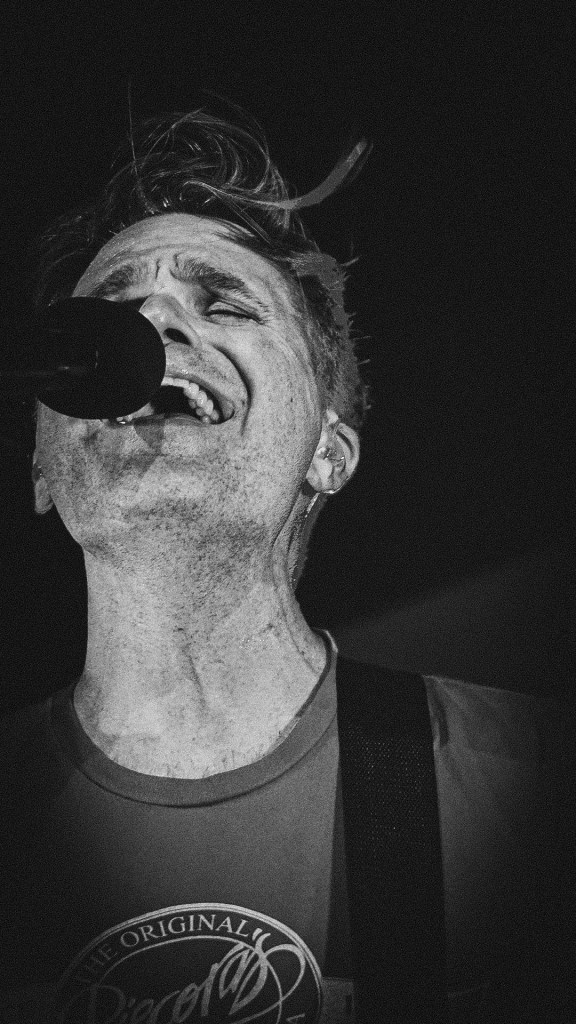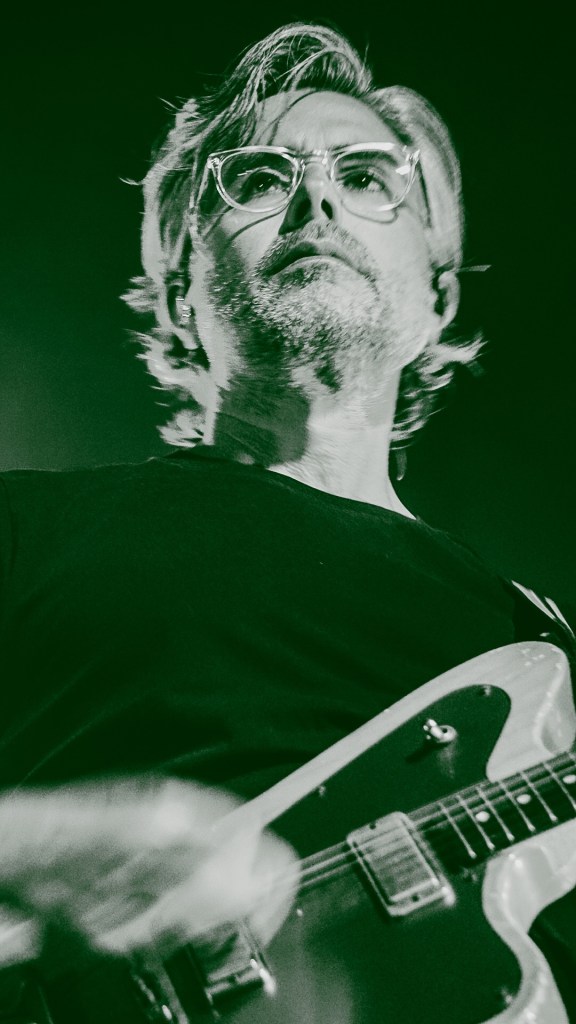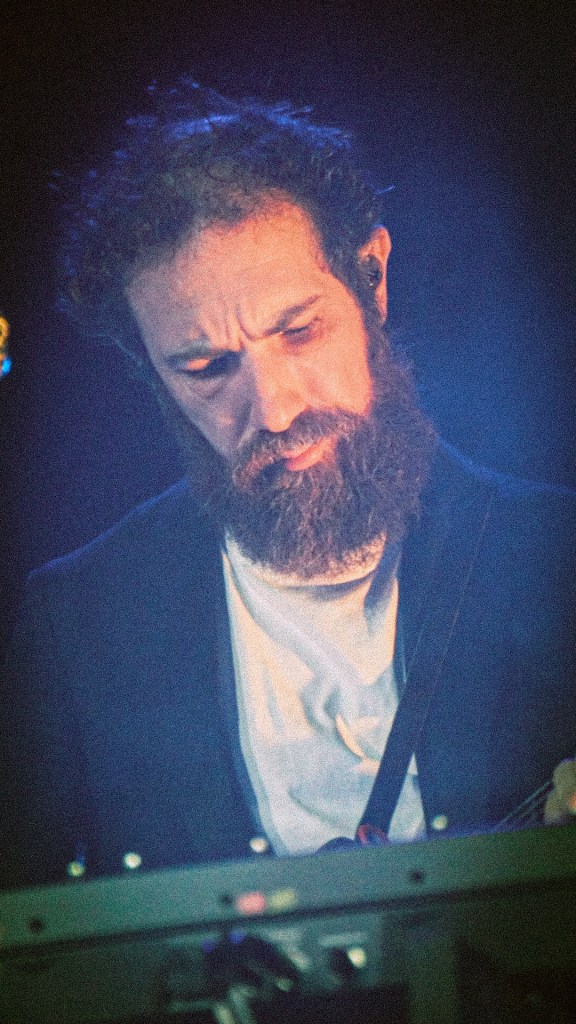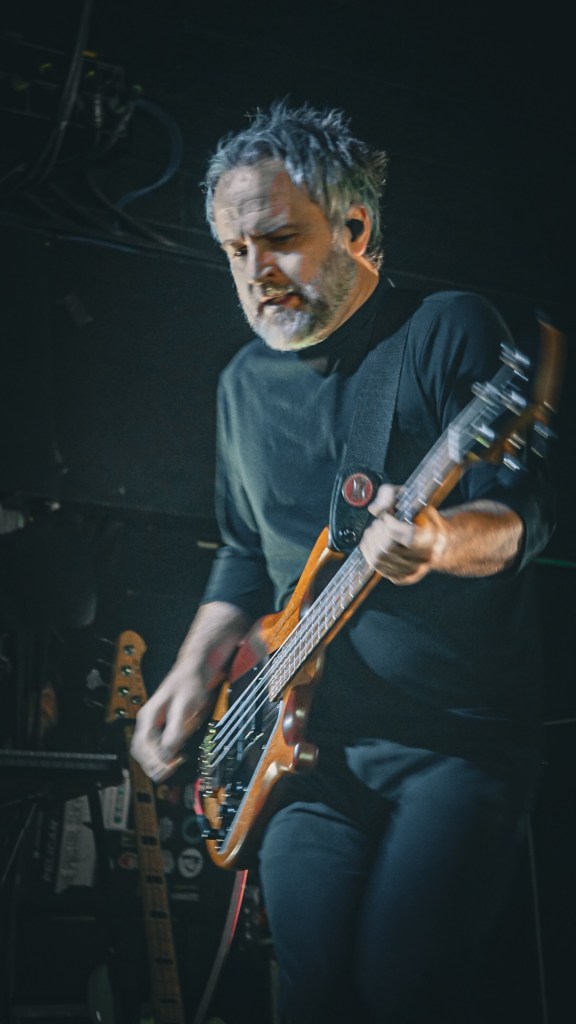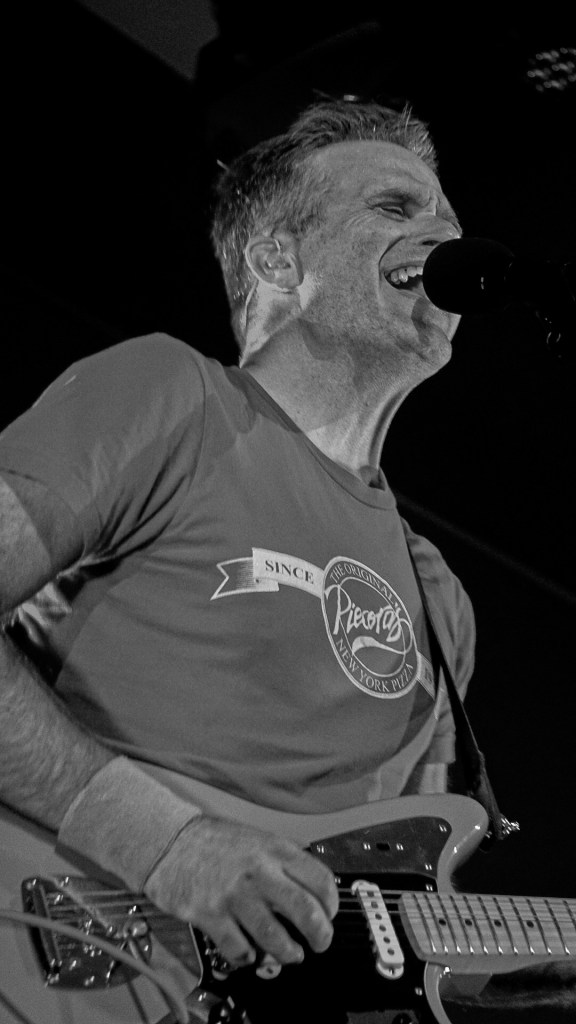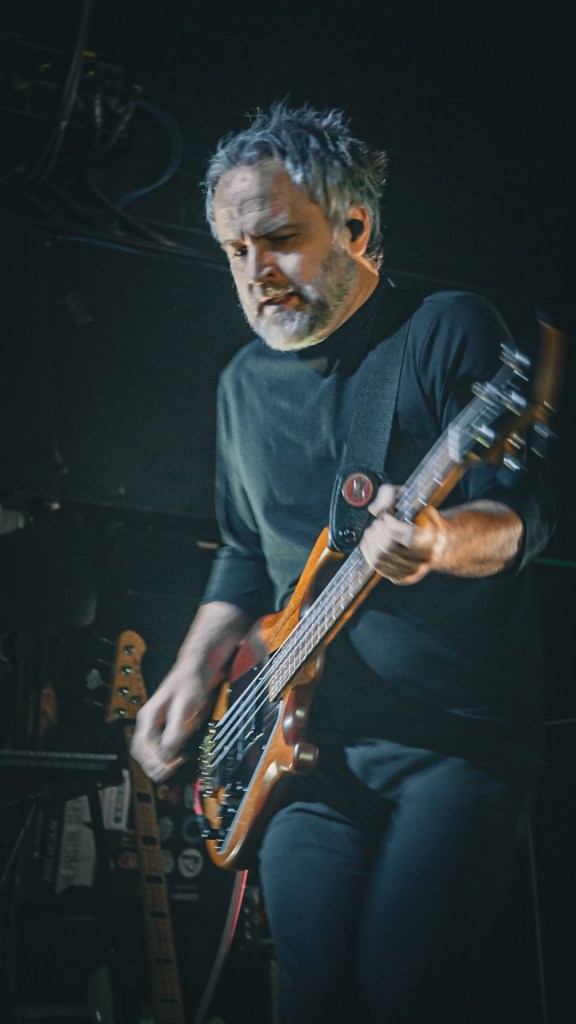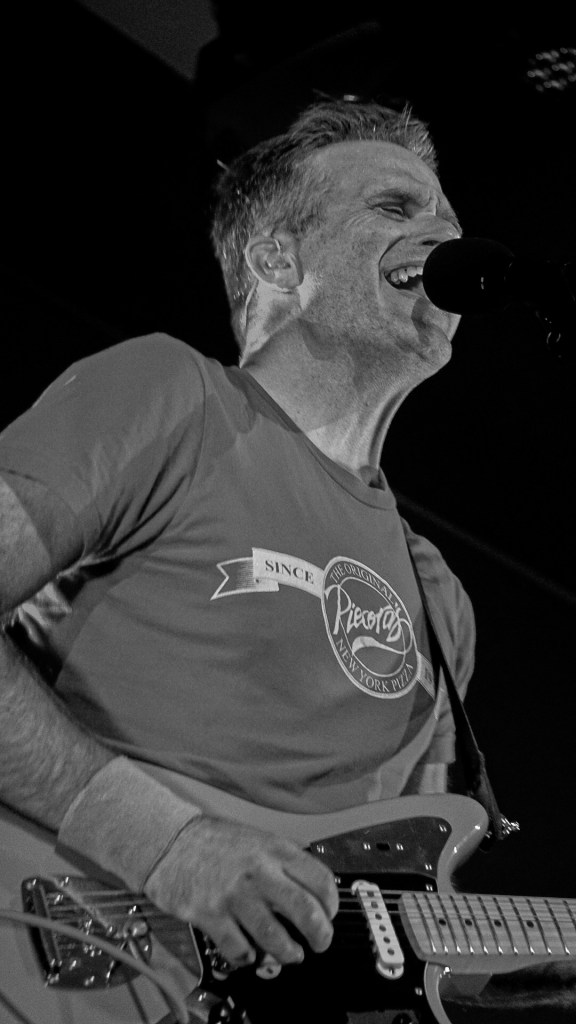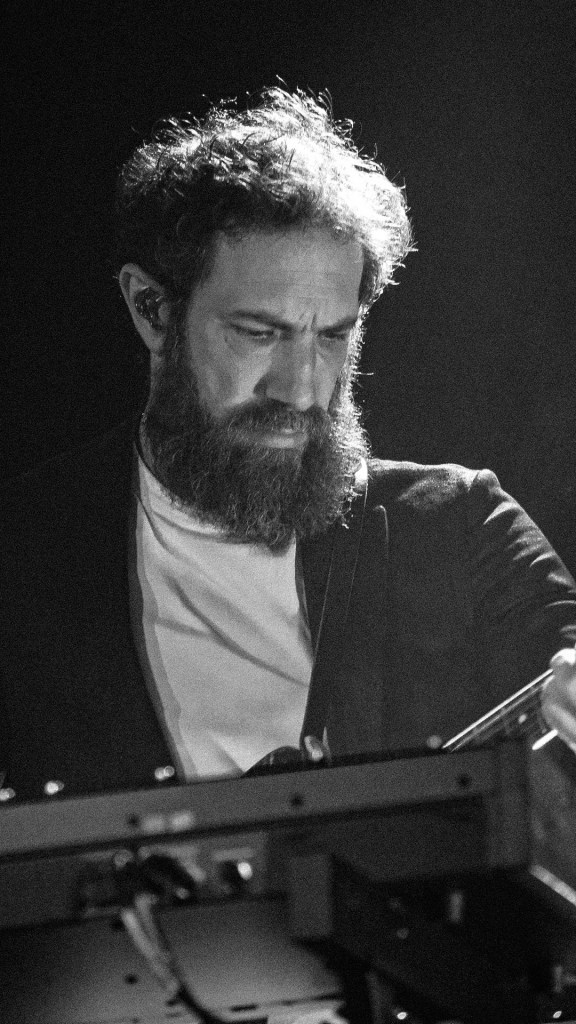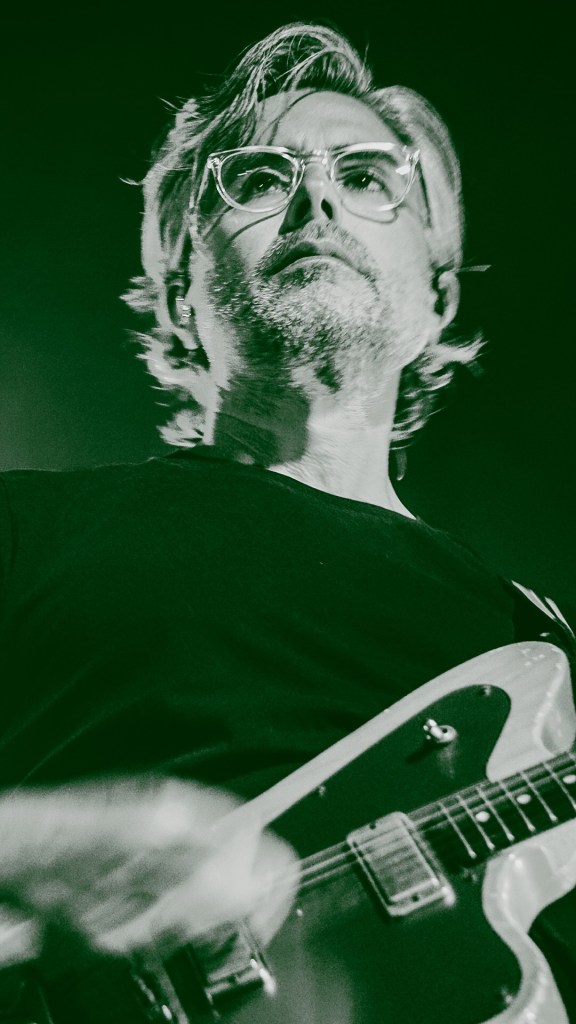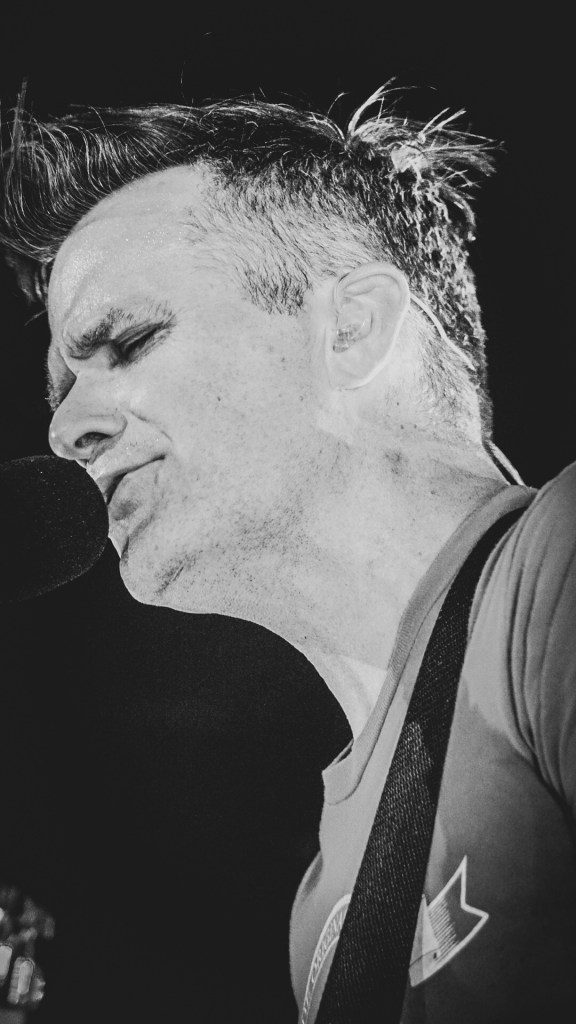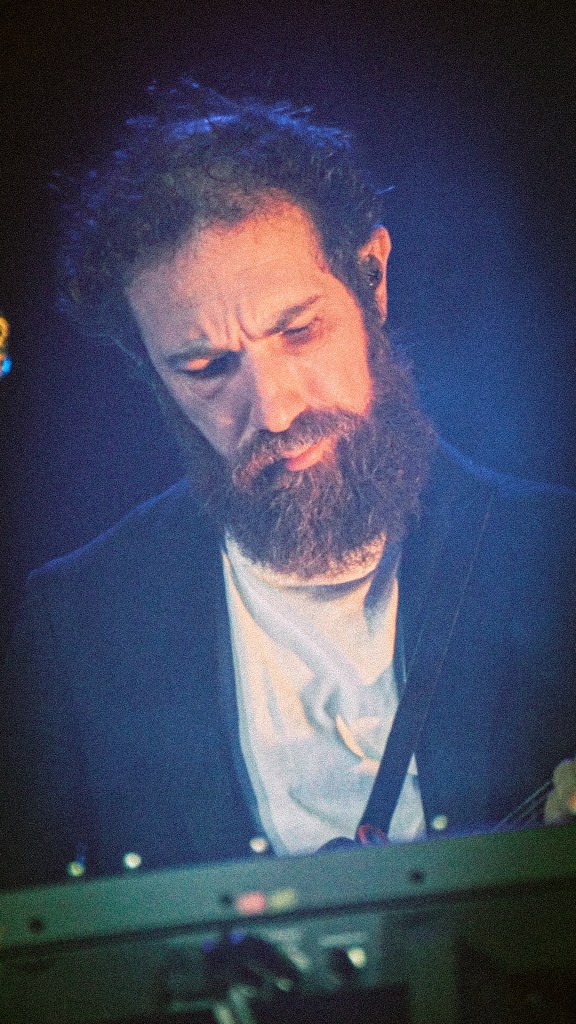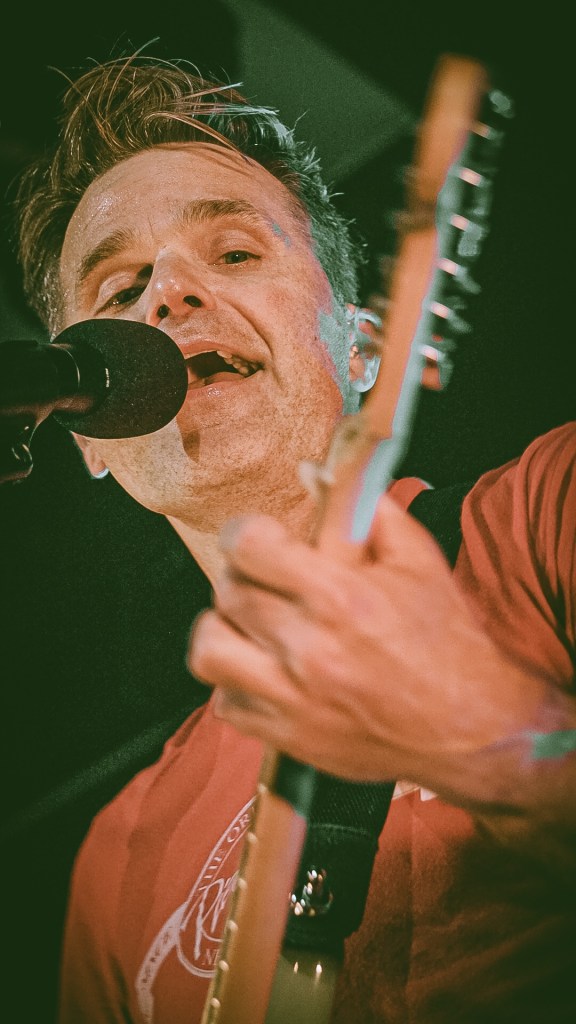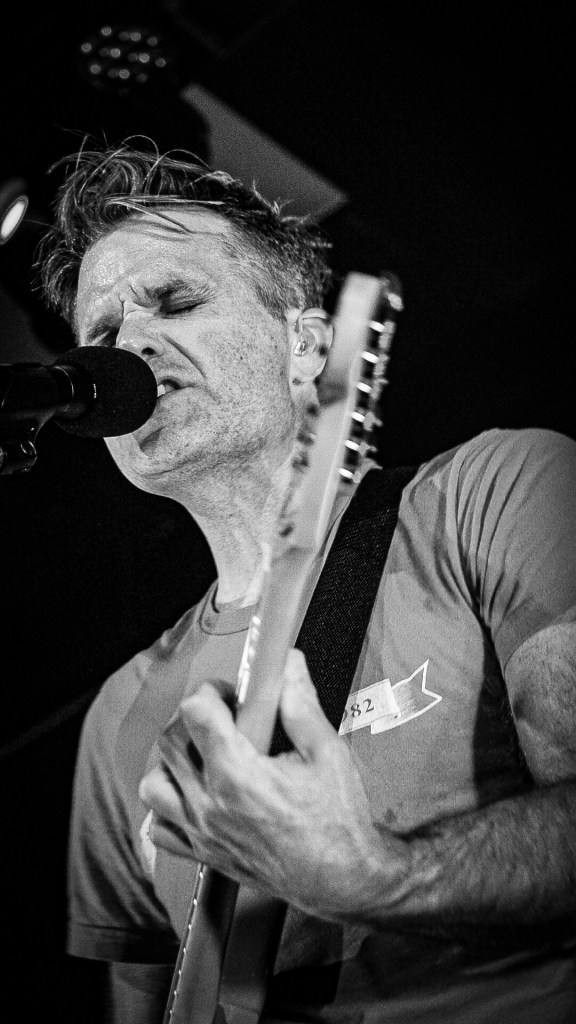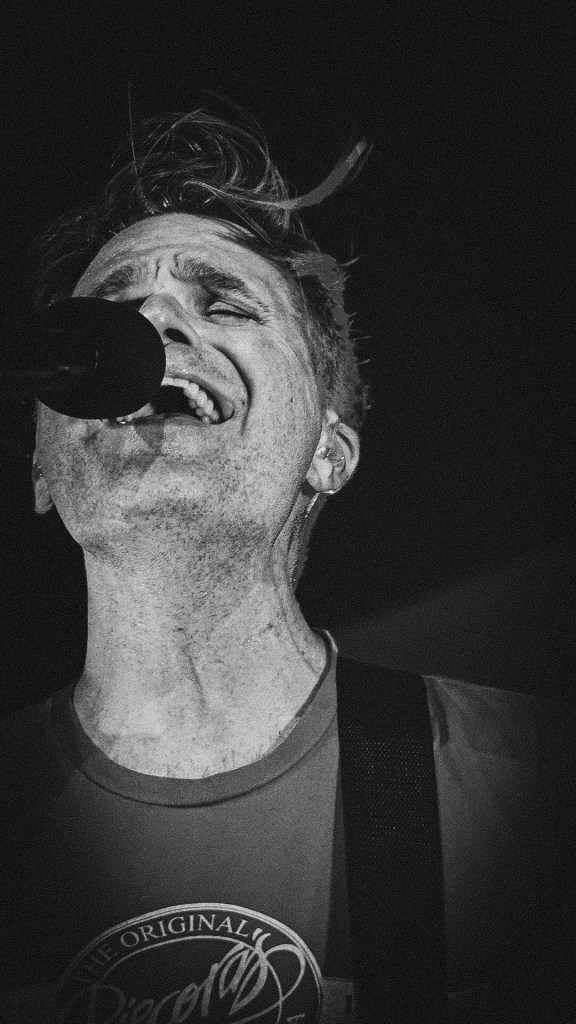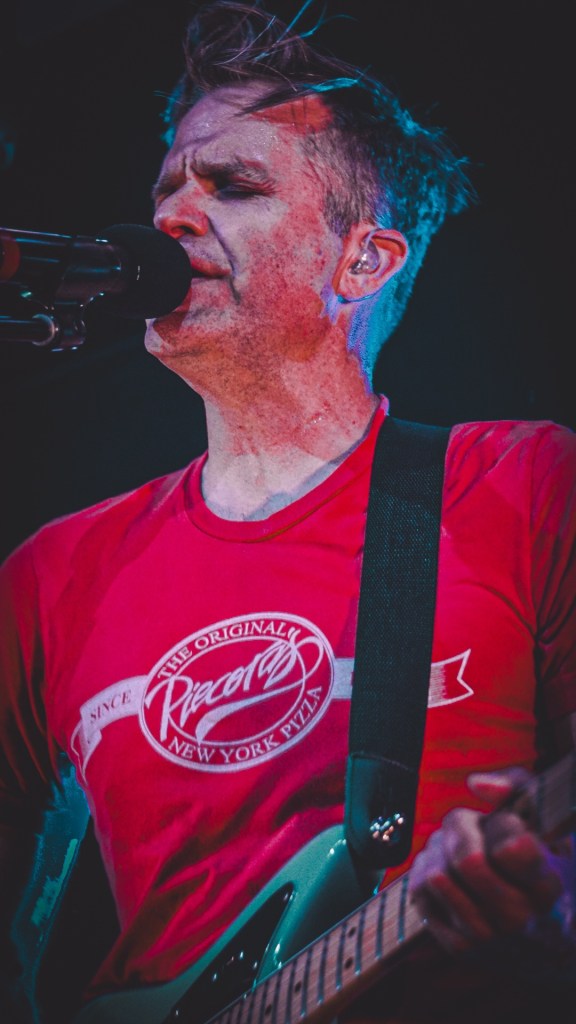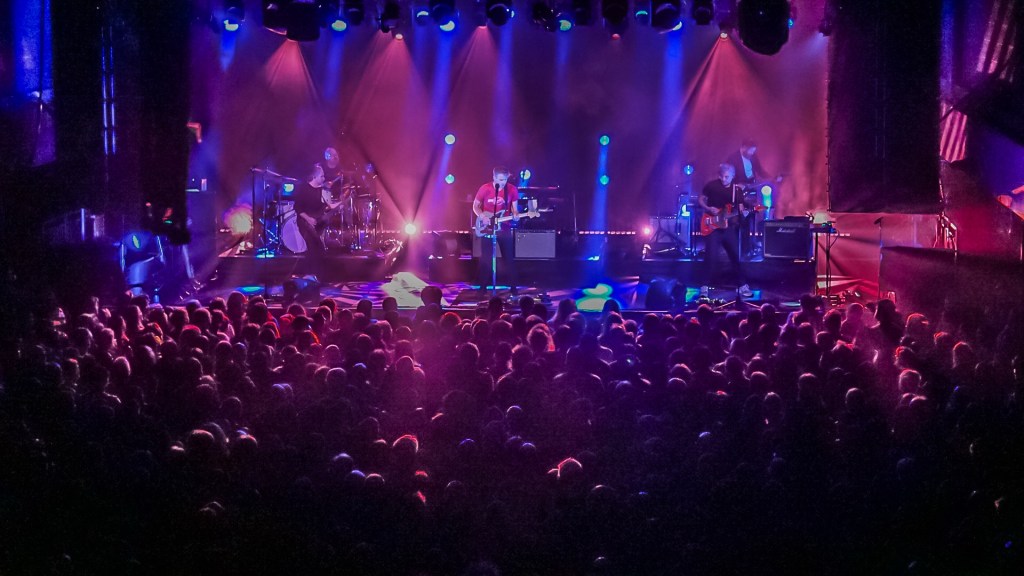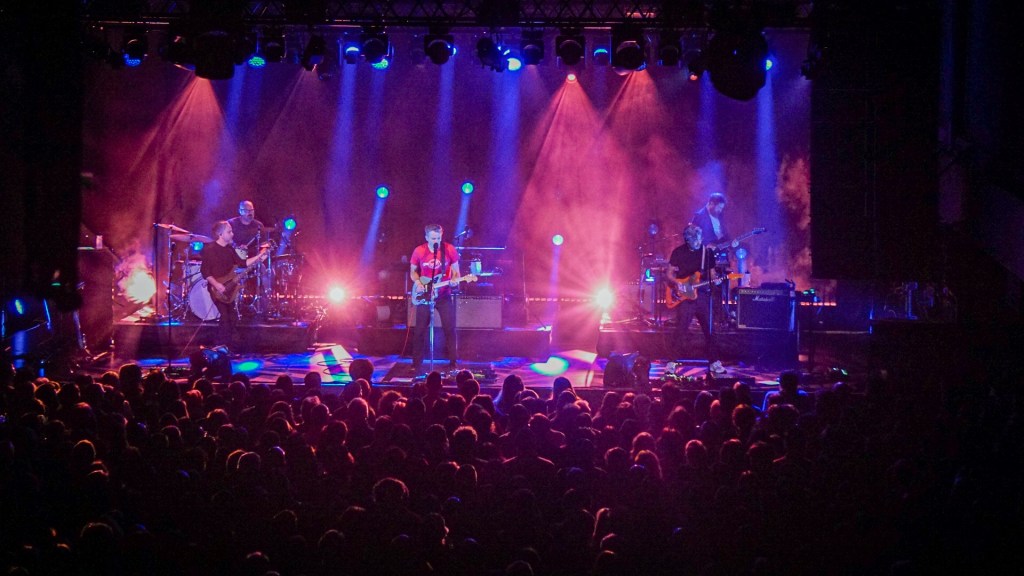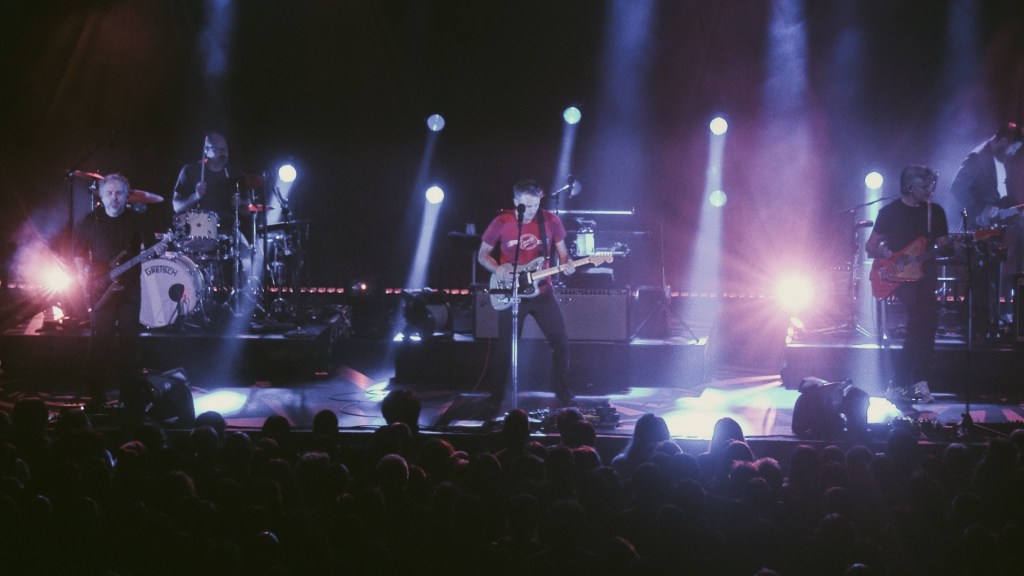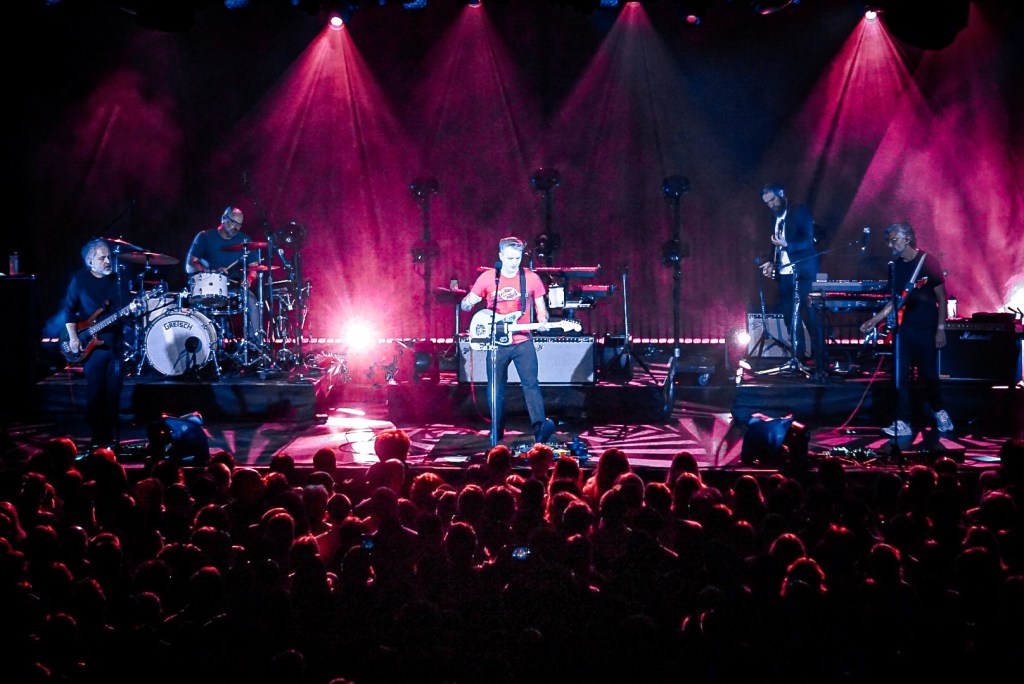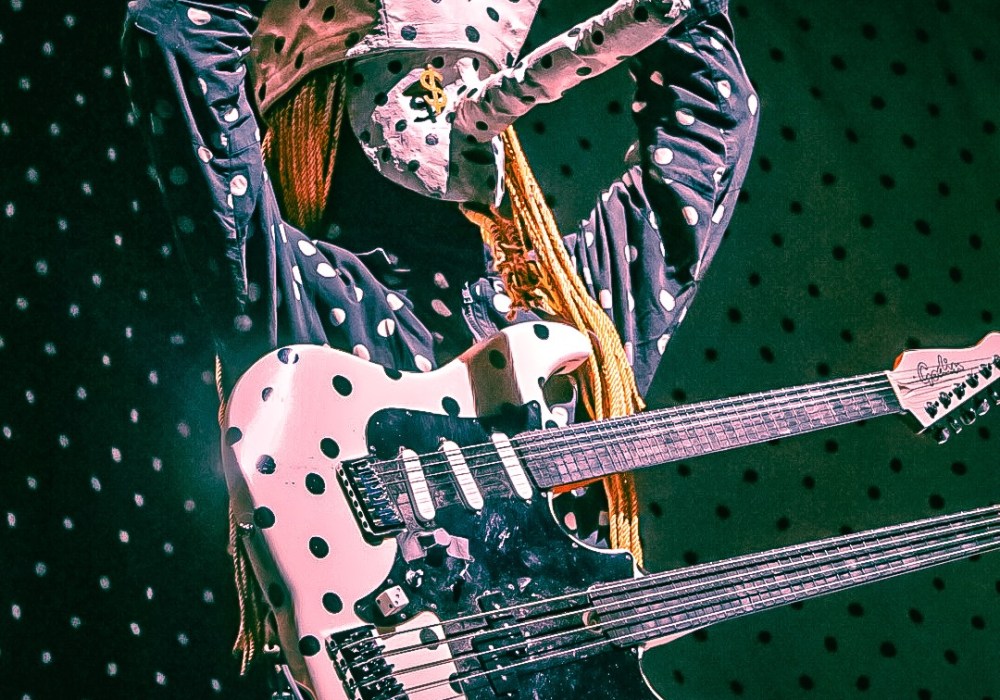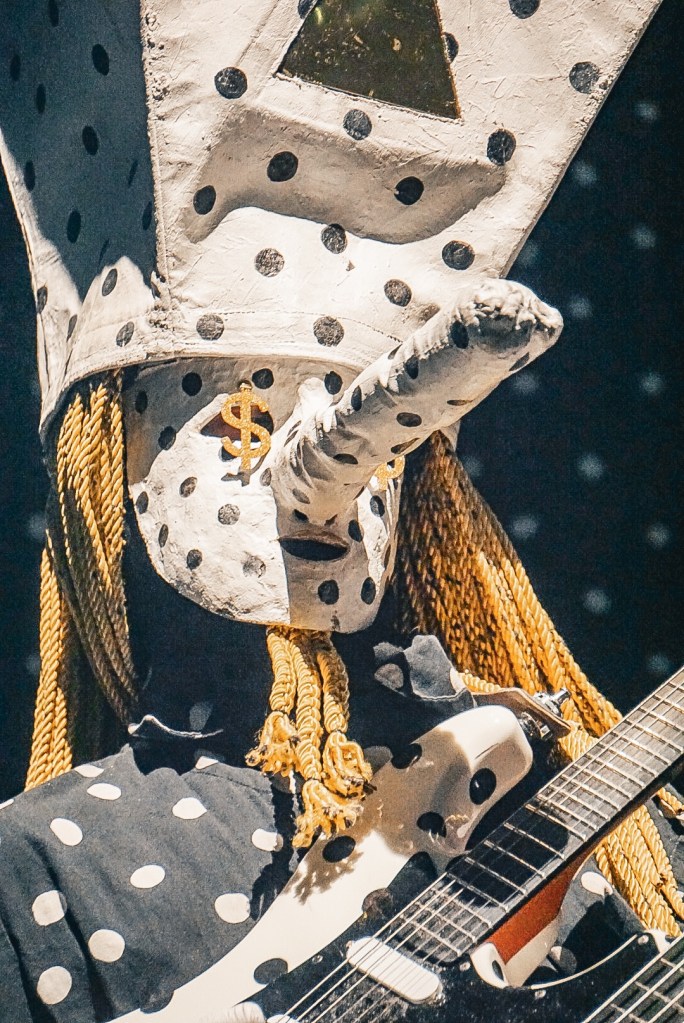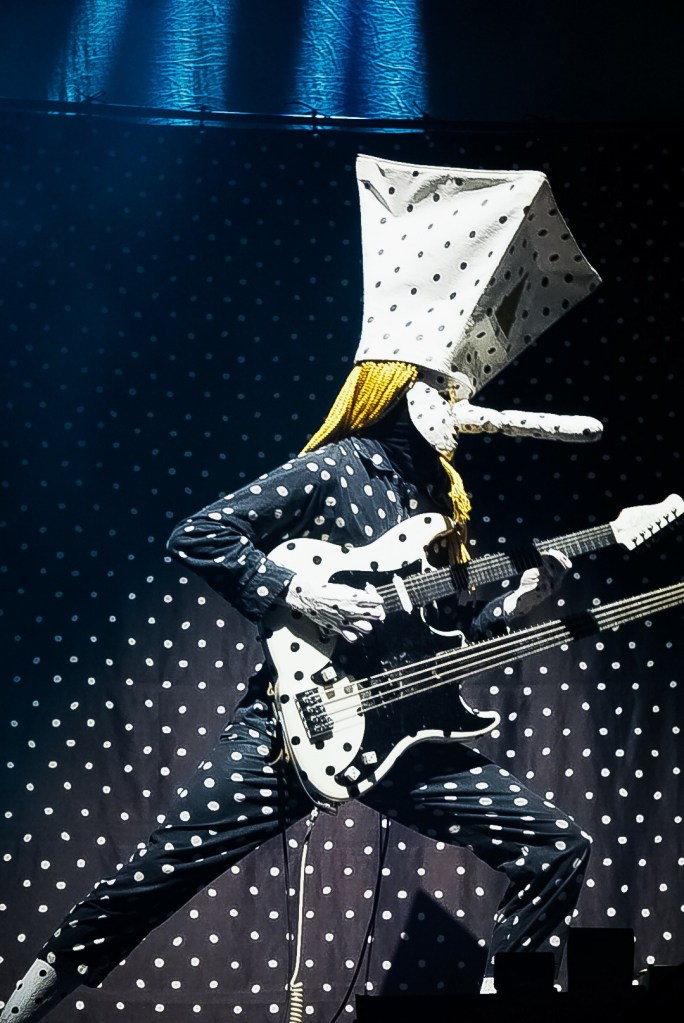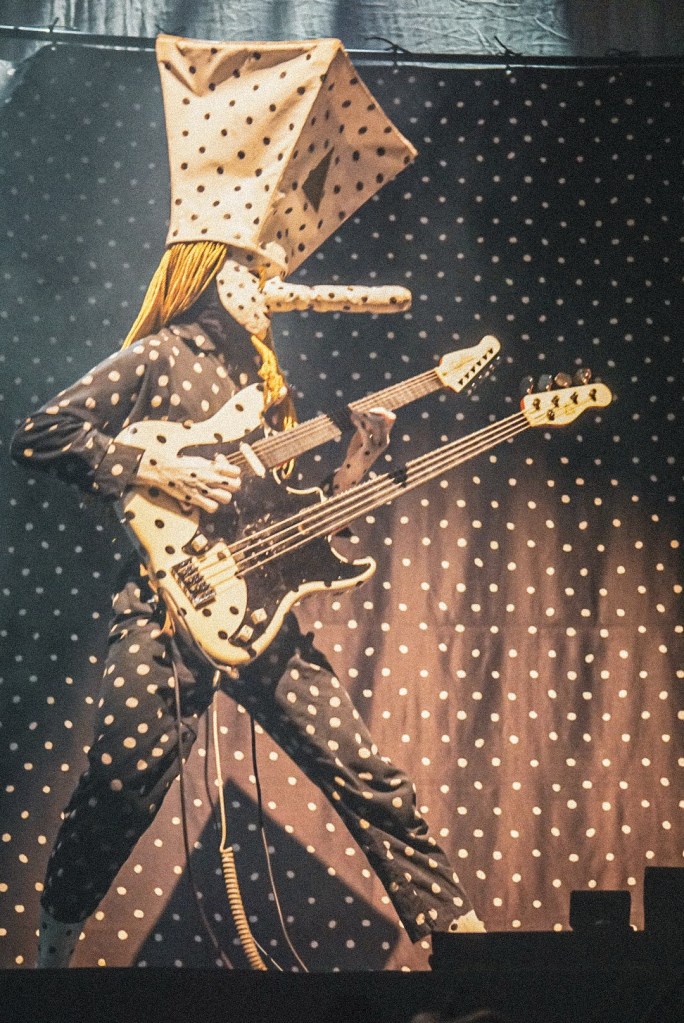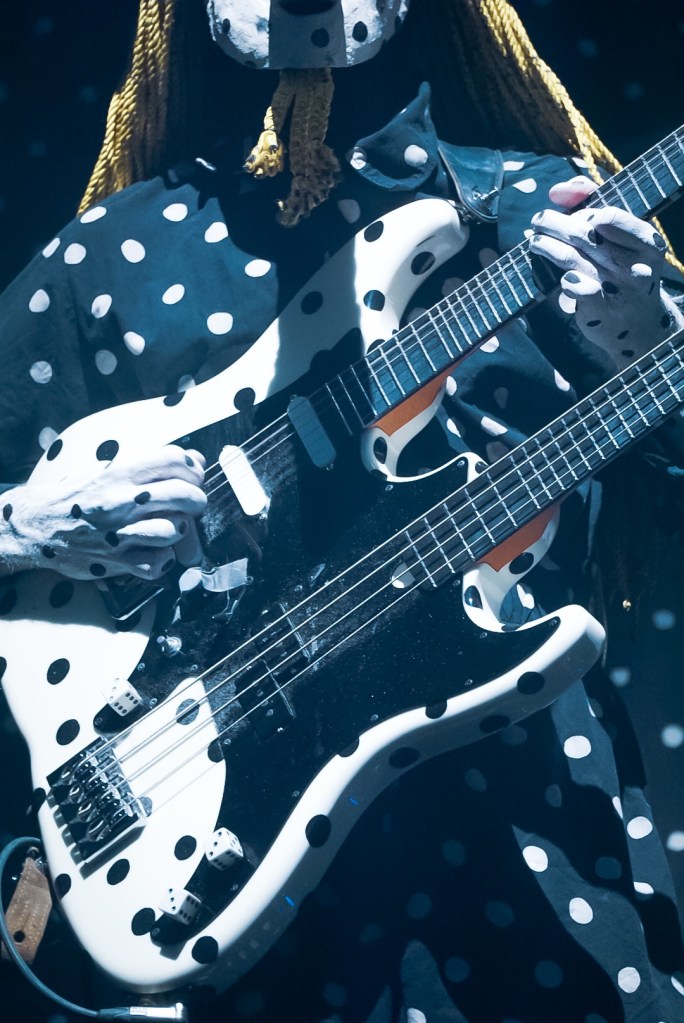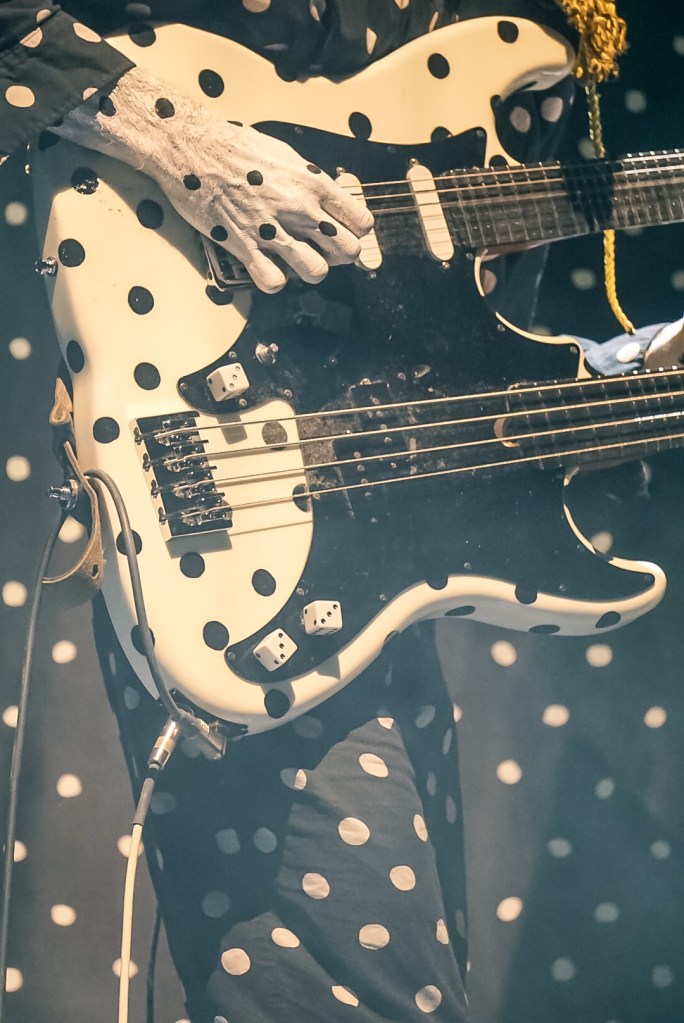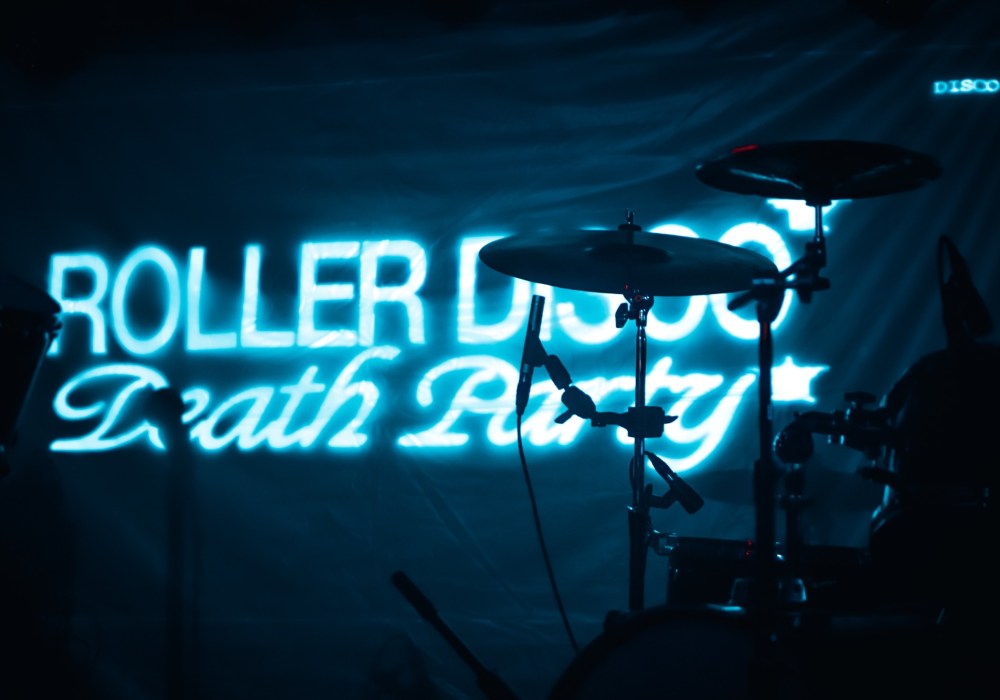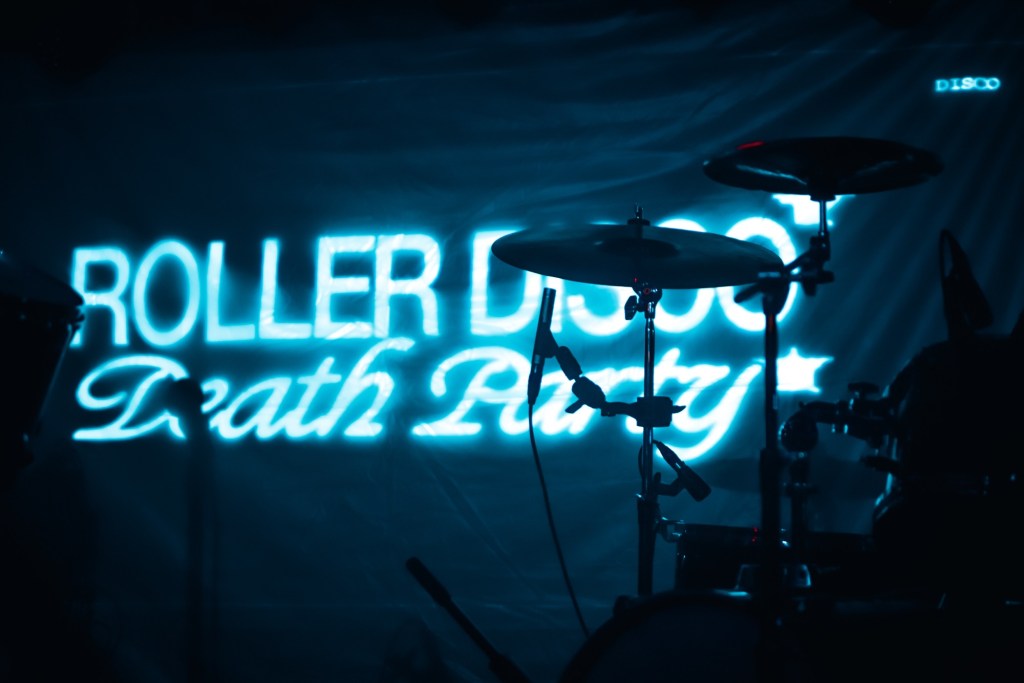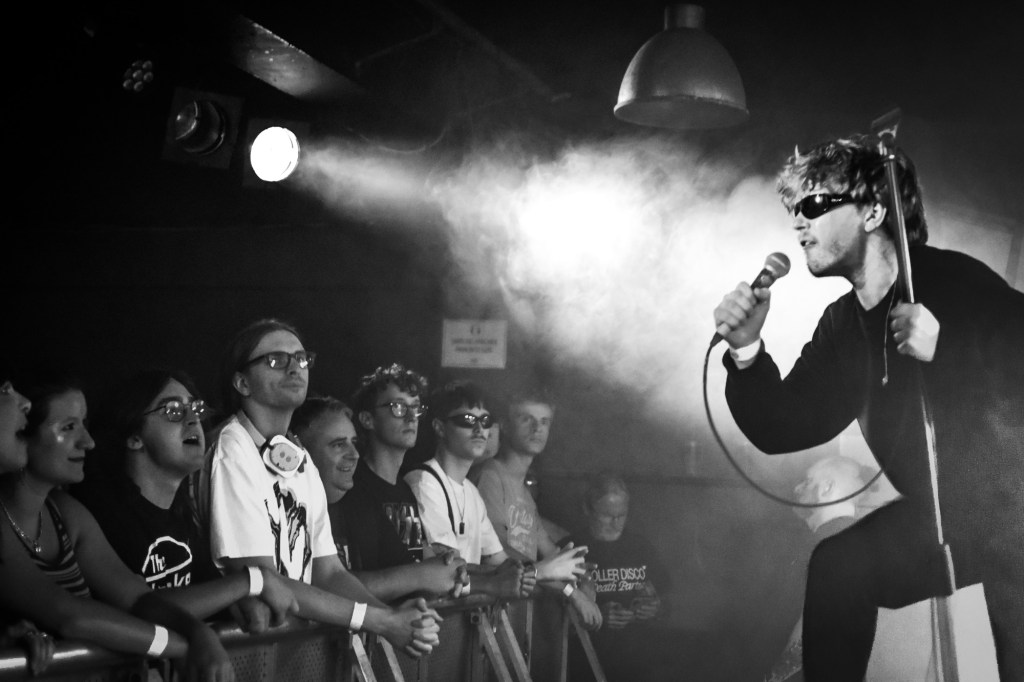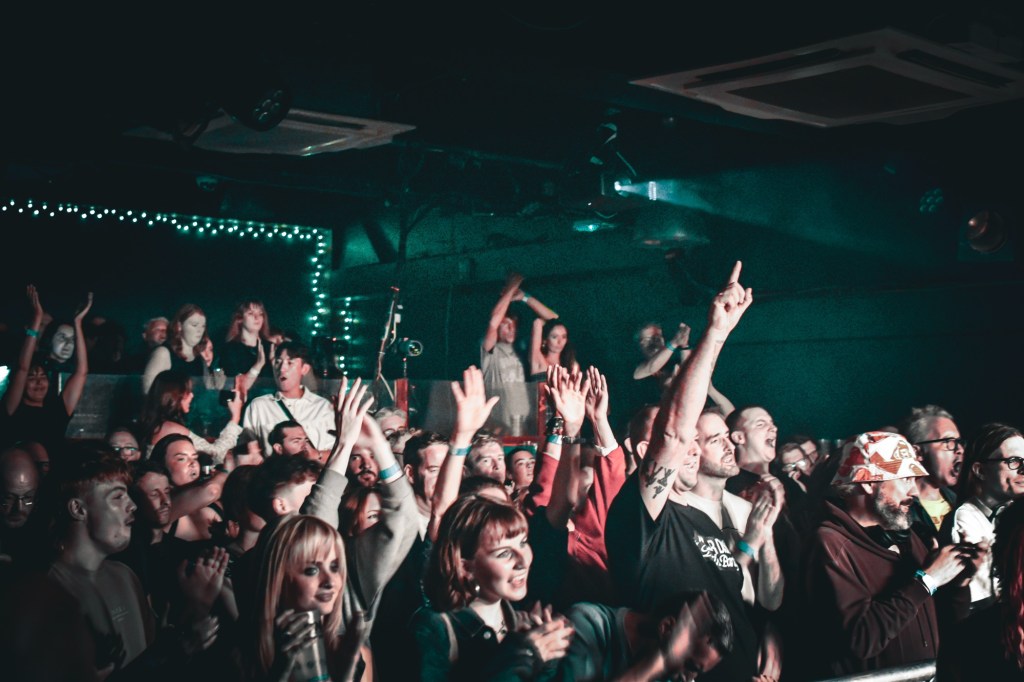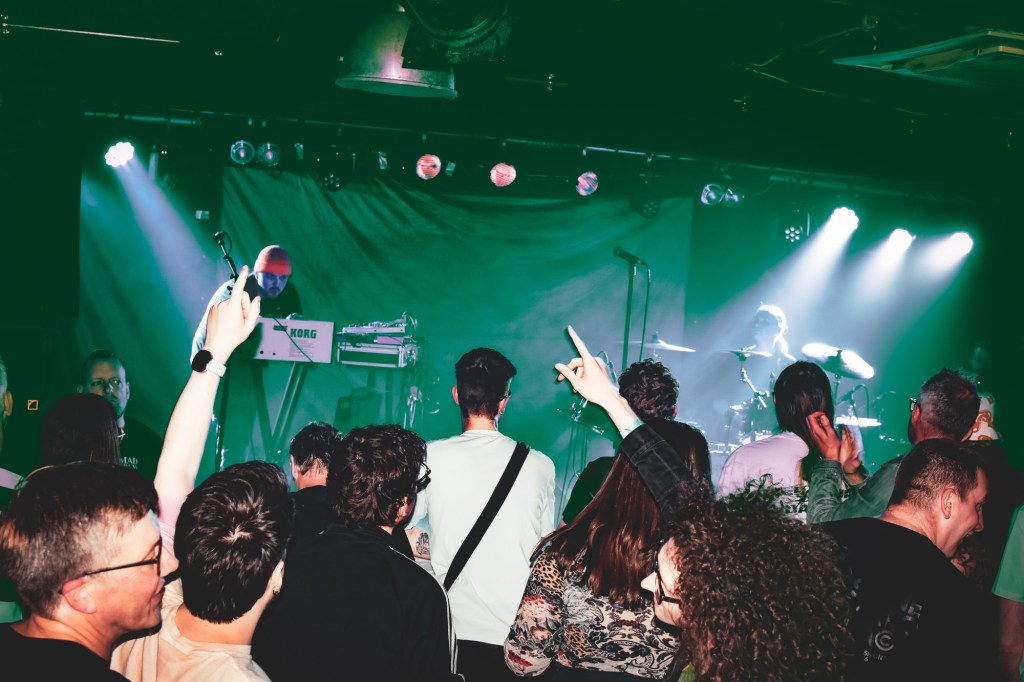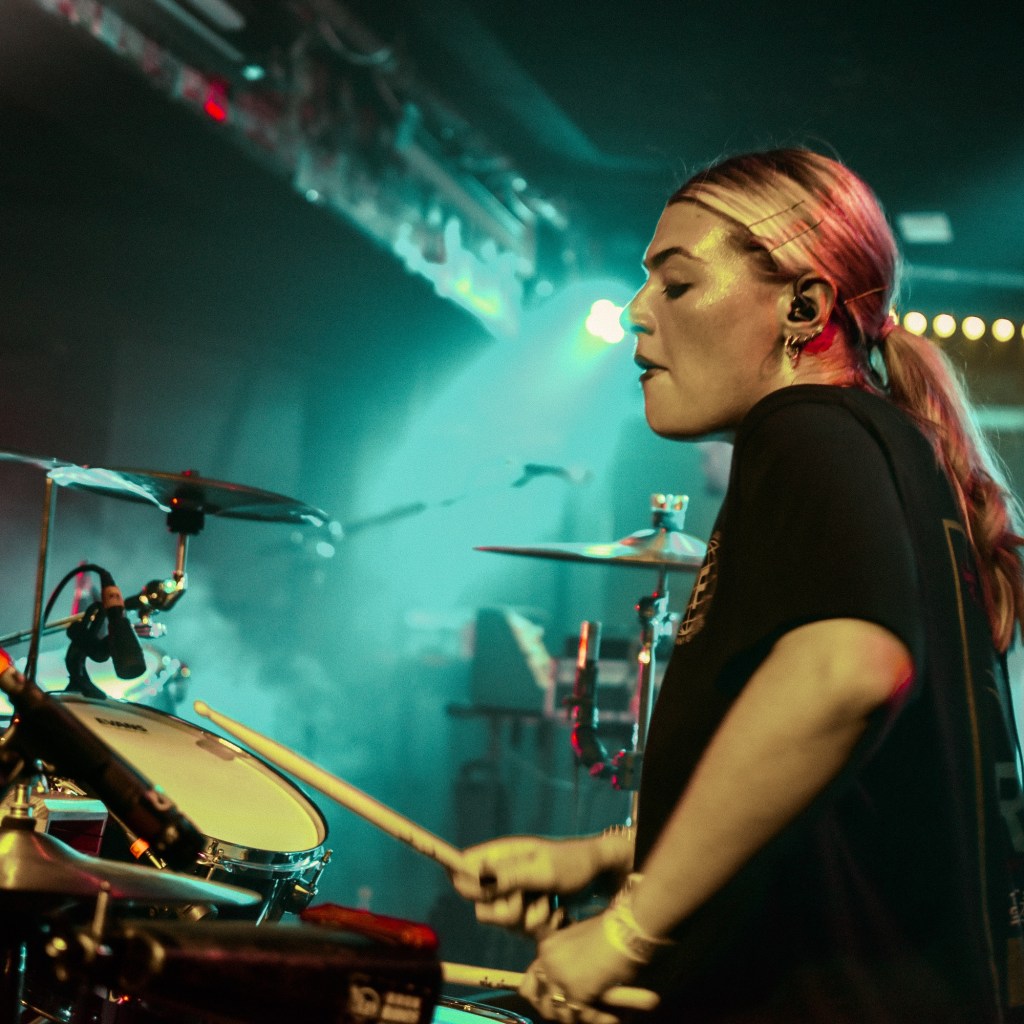
Tenement Trail // 10.10.26 // Glasgow’s East End
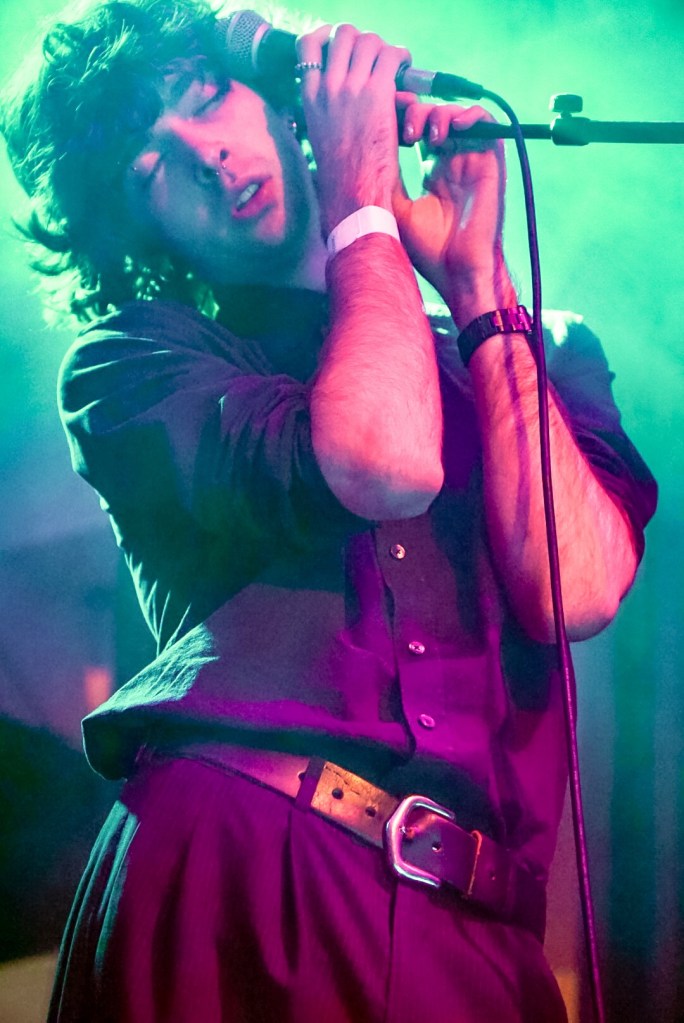
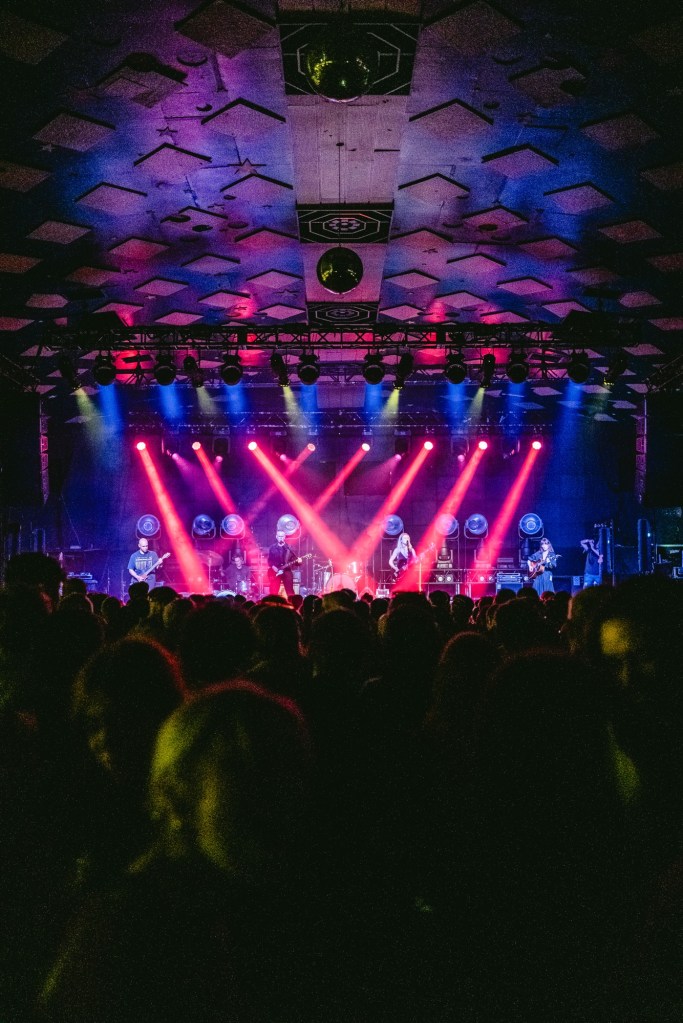
There are festivals that treat music discovery as a marketing slogan, plaster it over a poster alongside a handful of acts you’ve already seen approximately seventeen times, and then charge you the price of a small family holiday for the privilege. And then there is Tenement Trail, which understands that the most exciting thing about music is the possibility that, somewhere between one pint and a frantic dash across the Gallowgate, a band you’ve never heard of will rearrange your entire musical affections.
Once again, Tenement Trail delivered a bespoke bill that stretched across Scotland, Ireland and beyond, cramming more potential favourites into one Saturday than most people have room for in their Spotify libraries. The genius of this festival is that it is practically impossible to know everybody on the bill before you arrive. There will always be somebody whose friend grabs them by the arm and says, “Come and meet me here at this time. You HAVE to see this band.” And, more often than not, you do. You emerge half an hour later with a new obsession, a record to buy, a future gig to attend and the slightly humiliating realisation that your musical education remains incomplete.
Every year, I come home from Tenement Trail with something: an LP, a T-shirt, a ticket for another show or a new band lodged in my affections like a particularly agreeable parasite. This year was no exception.
Sponsored by Pretty Green, the festival once again transformed Glasgow’s East End into a sprawling musical playground. There were pop-ups dotted around the neighbourhood, including the Pure Evil T-shirt pop-up at Blitzkrieg, offering further temptation to people whose wardrobes are already an archaeological record of gigs past. There did appear to be one less stage than in previous years, with the familiar Crowded Flat -curated presence at the Winged Ox seemingly absent. But if anything, that made the business of navigating the festival feel even more like a treasure hunt.
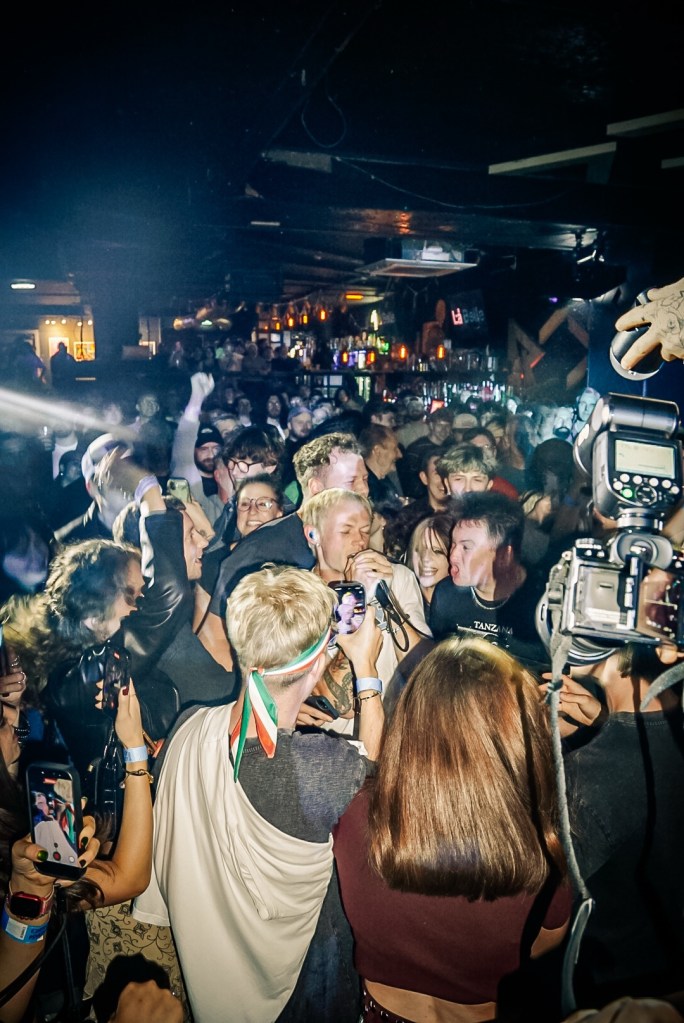
And what treasures there were. From Glasgow’s own purveyors of gloriously heavy musical nonsense to the extraordinary racket coming out of Ireland, from Gaelic-language rave to the glorious unpredictability of a secret set, Tenement Trail 2026 reminded us that the future of music rarely arrives wearing a name badge and standing obediently beside a merchandise table. Sometimes it arrives in a football scarf. Sometimes it arrives with a saw. And sometimes it arrives with a queue so long that you begin to wonder whether you are attending a gig or attempting to evacuate a small country.
Compost Compost Compost — St Luke’s
Opening proceedings at St Luke’s, Compost Compost Compost represented exactly the sort of discovery that makes Tenement Trail worthwhile: a name you might initially dismiss as either a gardening initiative or a particularly depressing council recycling campaign, attached to a band you would be foolish to overlook. The early slot is always a curious business. Some punters are still working out where their first pint has gone, while others are already moving between venues with the grim efficiency of people attempting to complete a military operation. St Luke’s was the place to begin the day’s musical excavation, and Compost Compost Compost set the tone for a festival built on curiosity rather than familiarity.
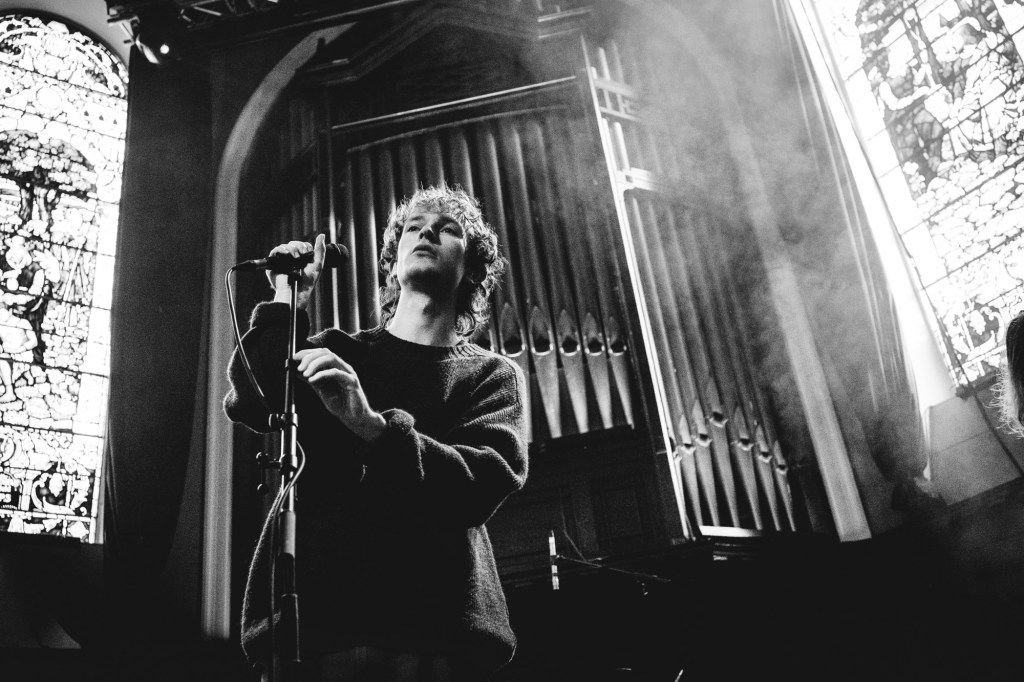
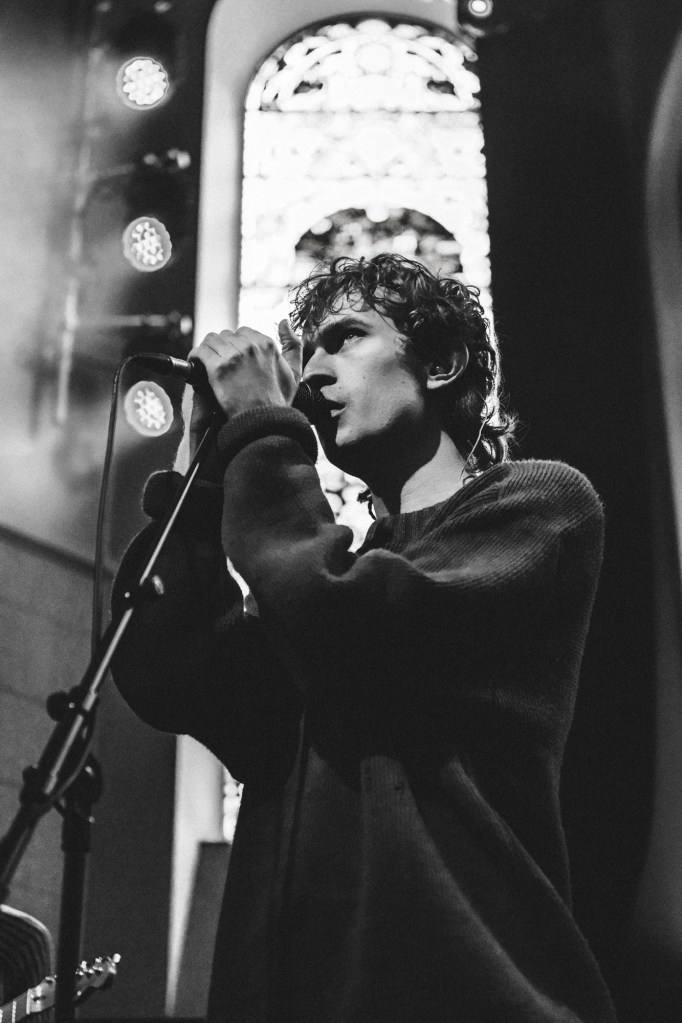
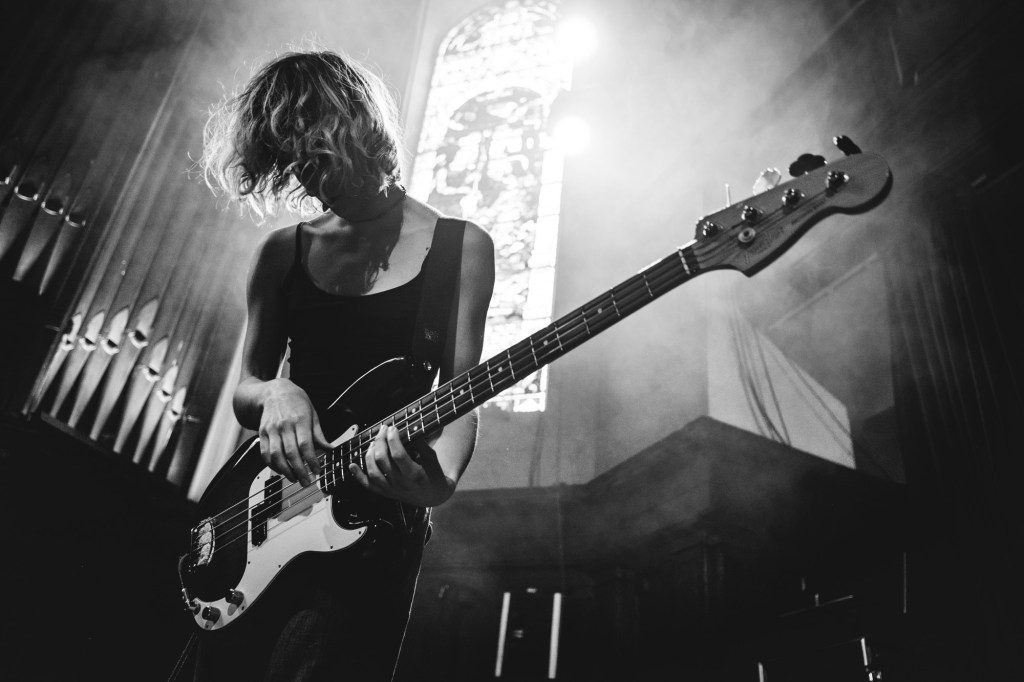
Boxing Club — BAaD
Over at BAaD, Boxing Club offered another reason to resist the temptation to spend the afternoon merely waiting for the headliners. The name suggests bruises, blood and a certain amount of masculine posturing, although a festival bill is rarely so obliging as to tell you what a band actually sounds like. For us Boxing Club are reminiscent of early Kasabian but with more Brit pop overtures that are truly their own, we loved “Kinneshead Avenue”.
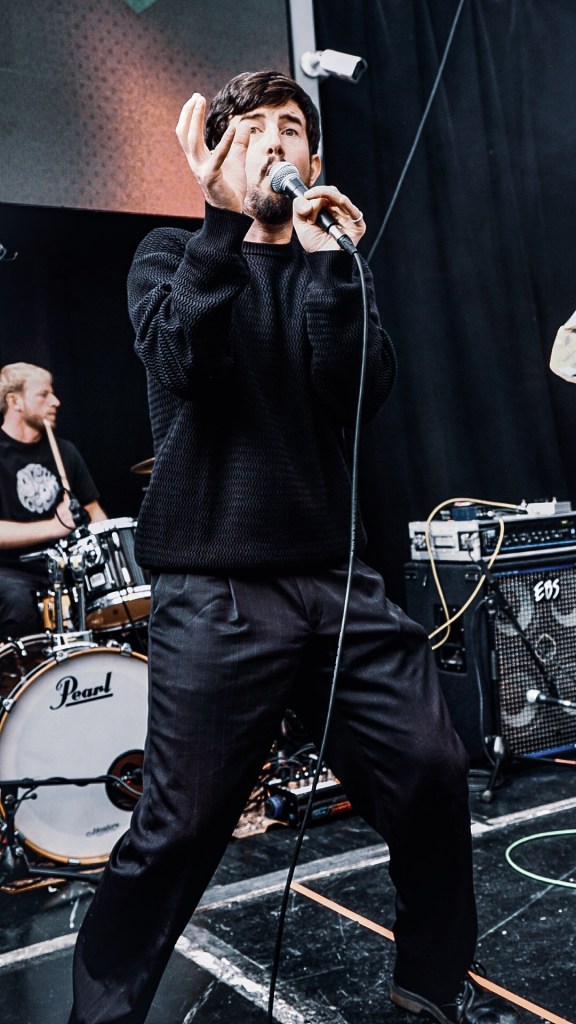
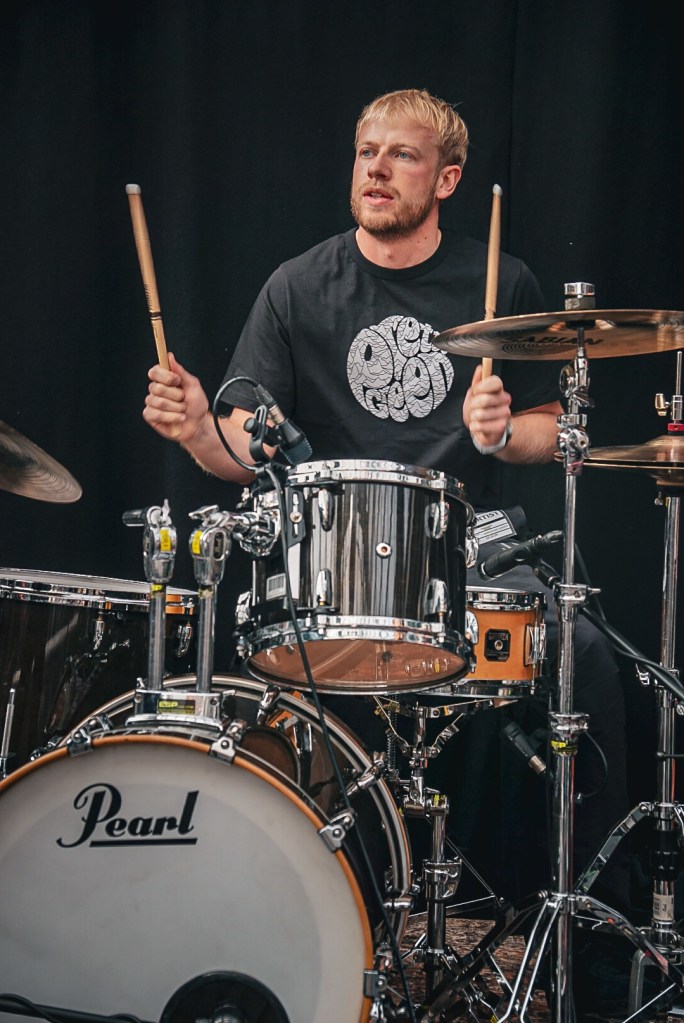
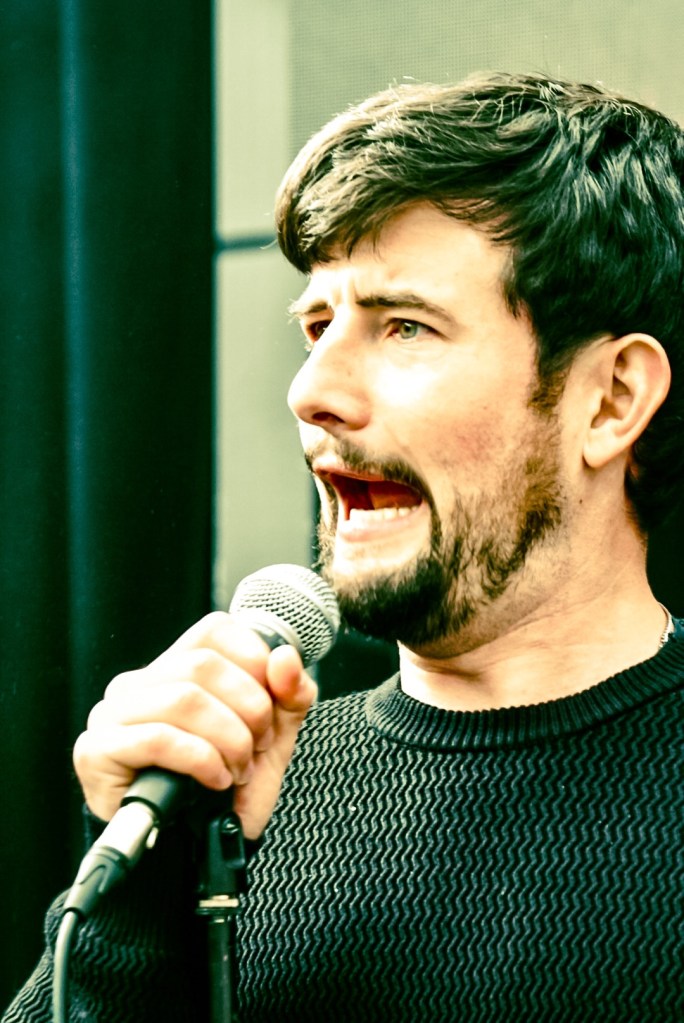
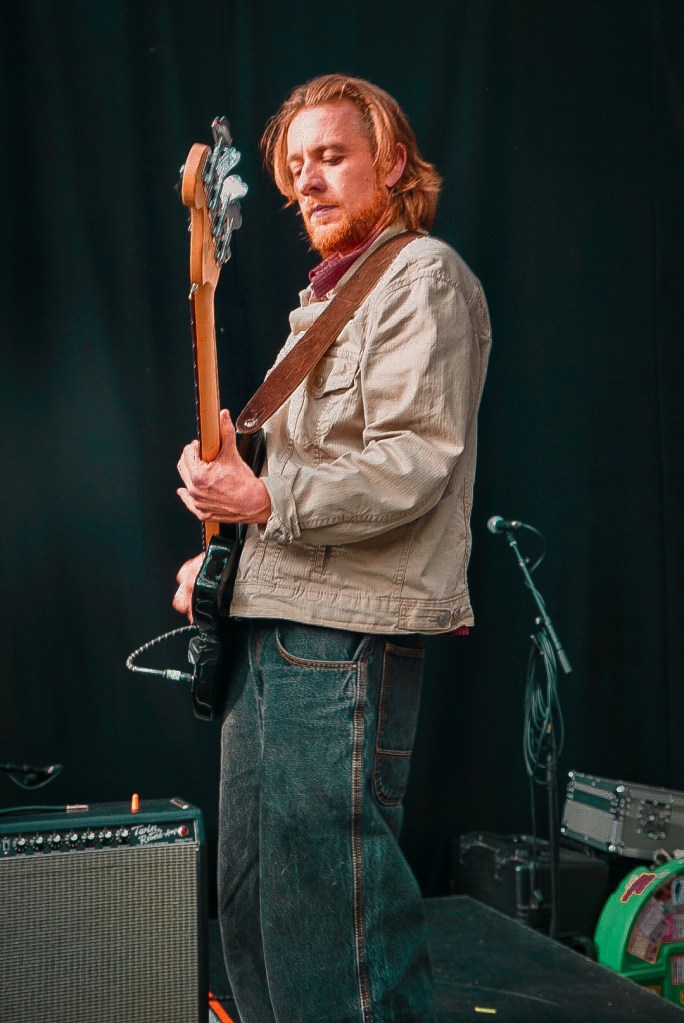
Conscious Pilot — Barrowland 2
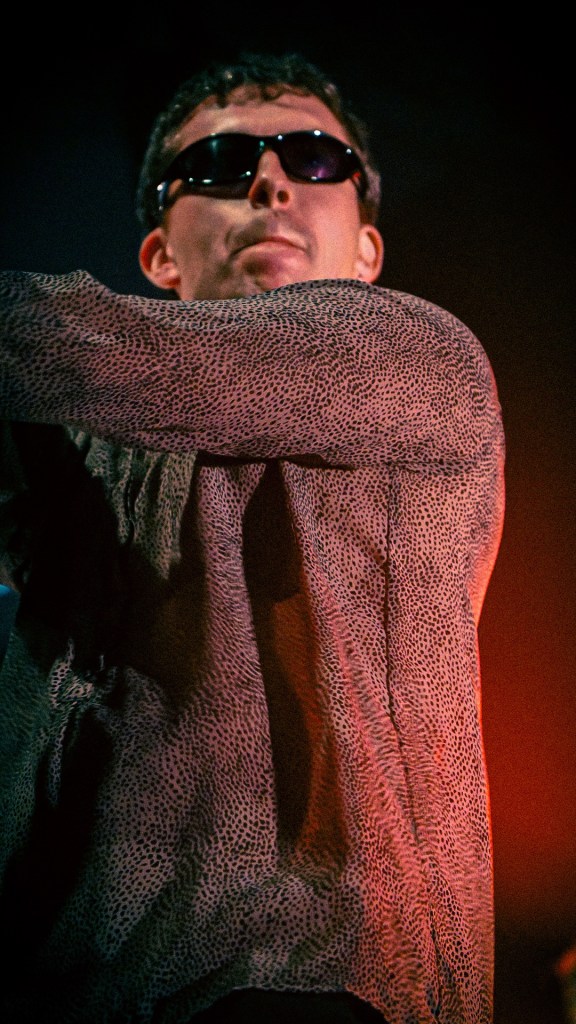
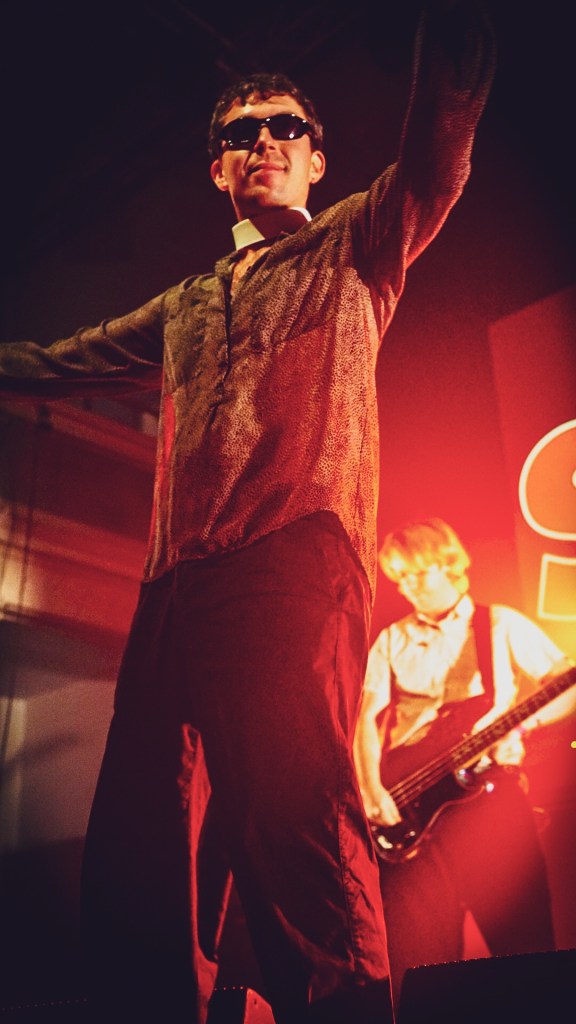
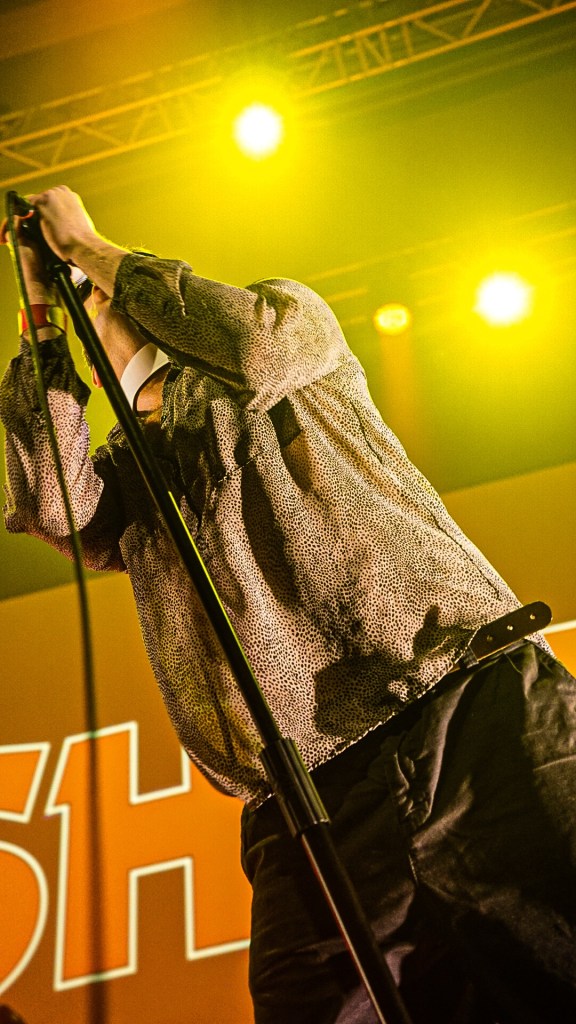
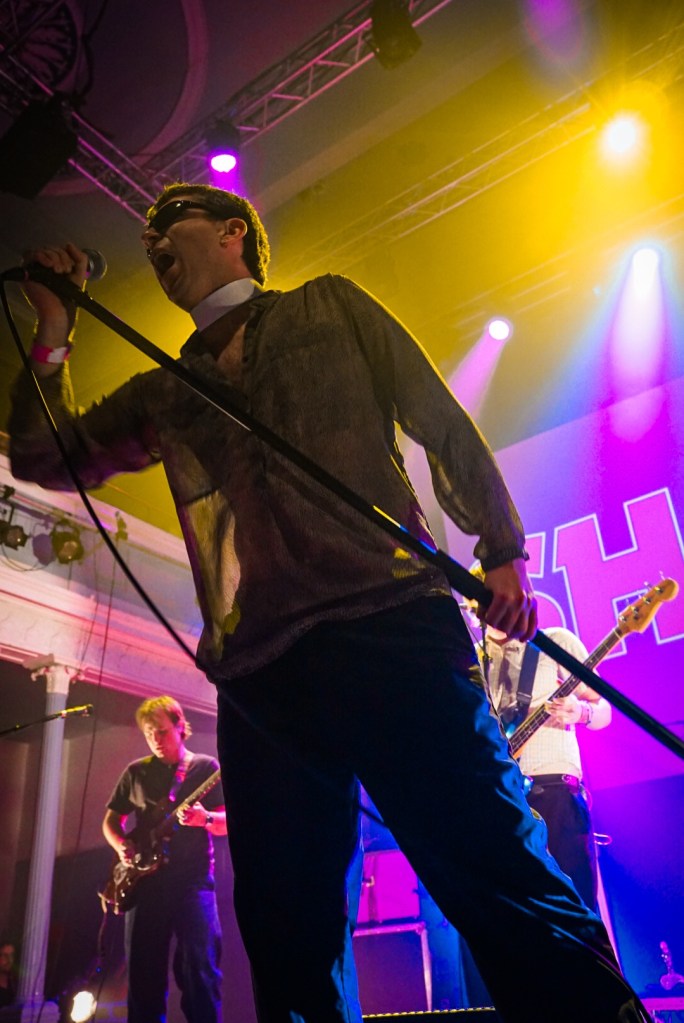
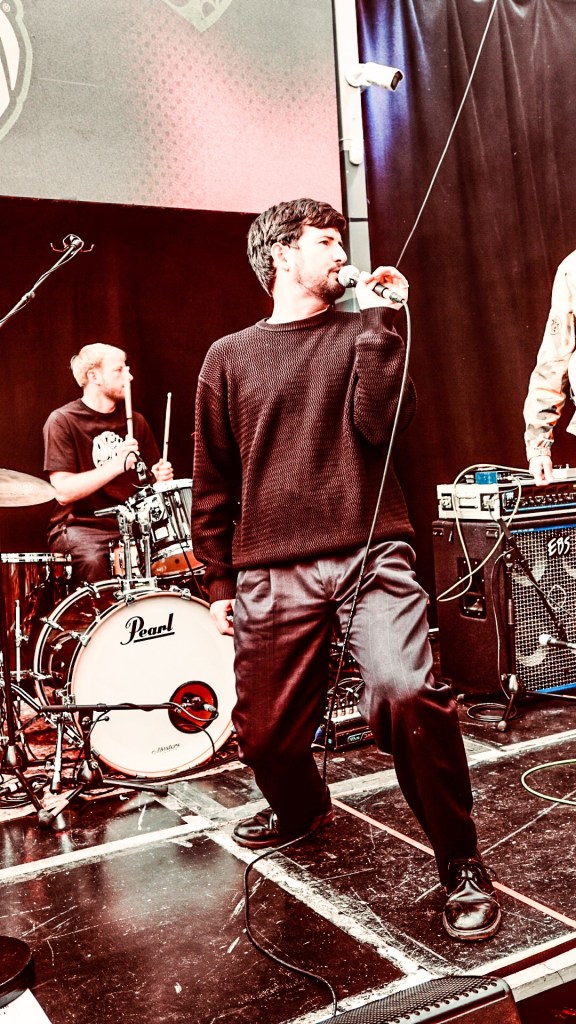
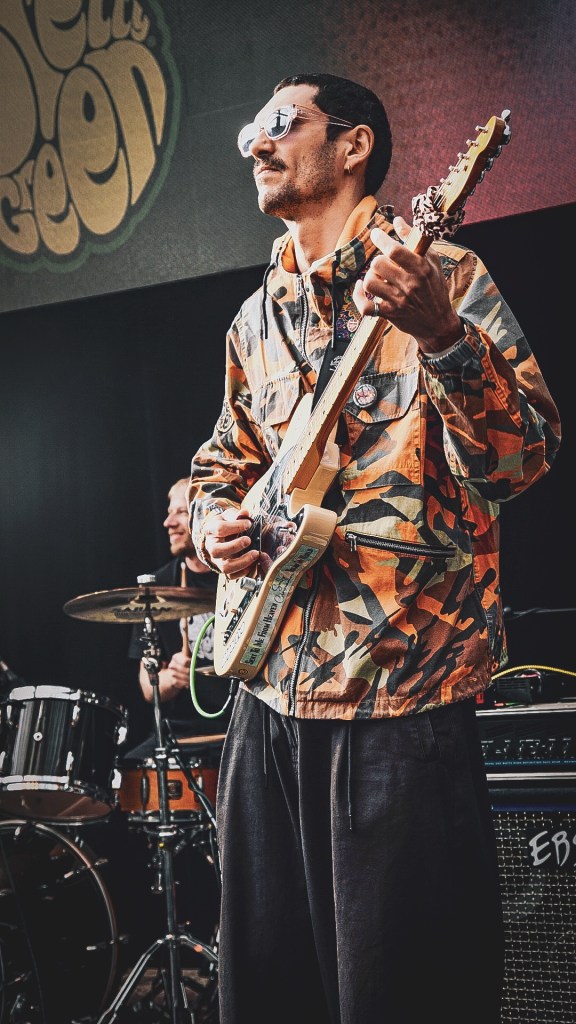
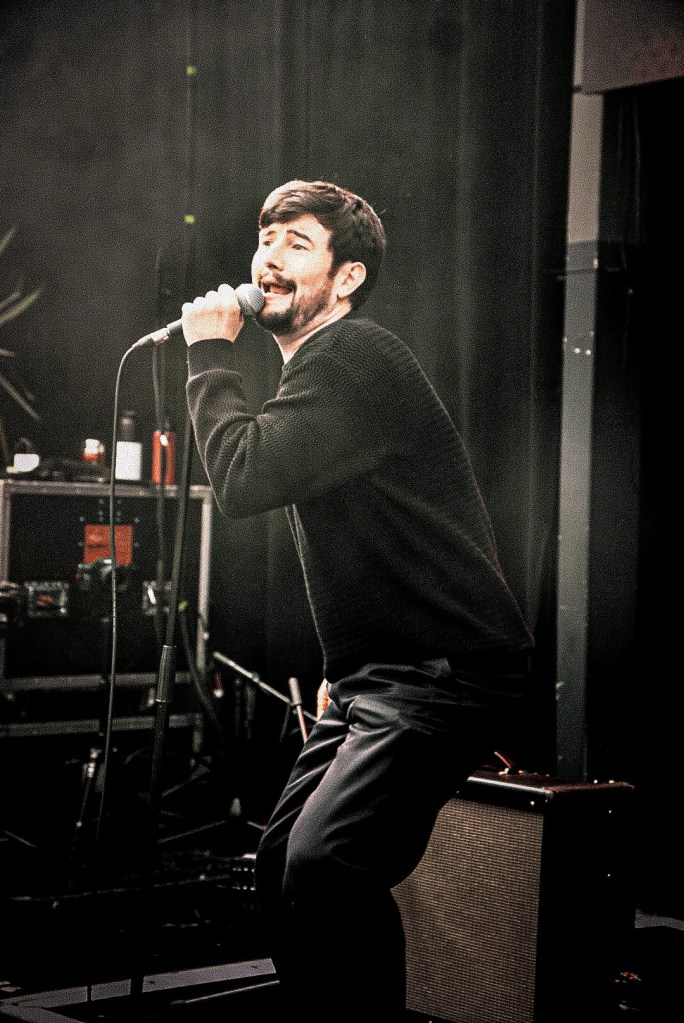
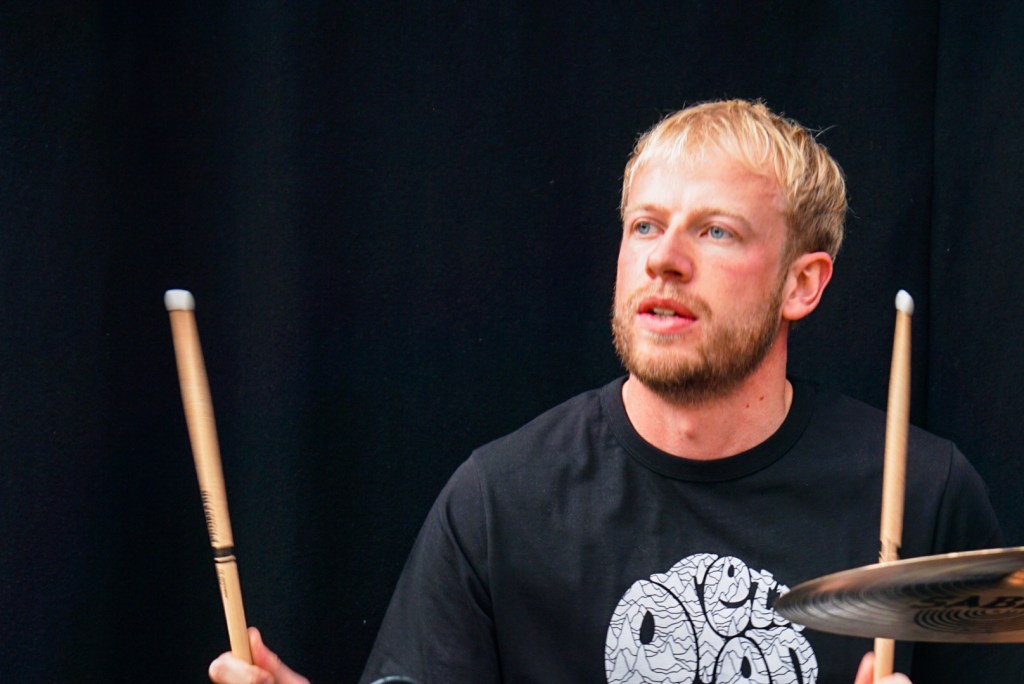
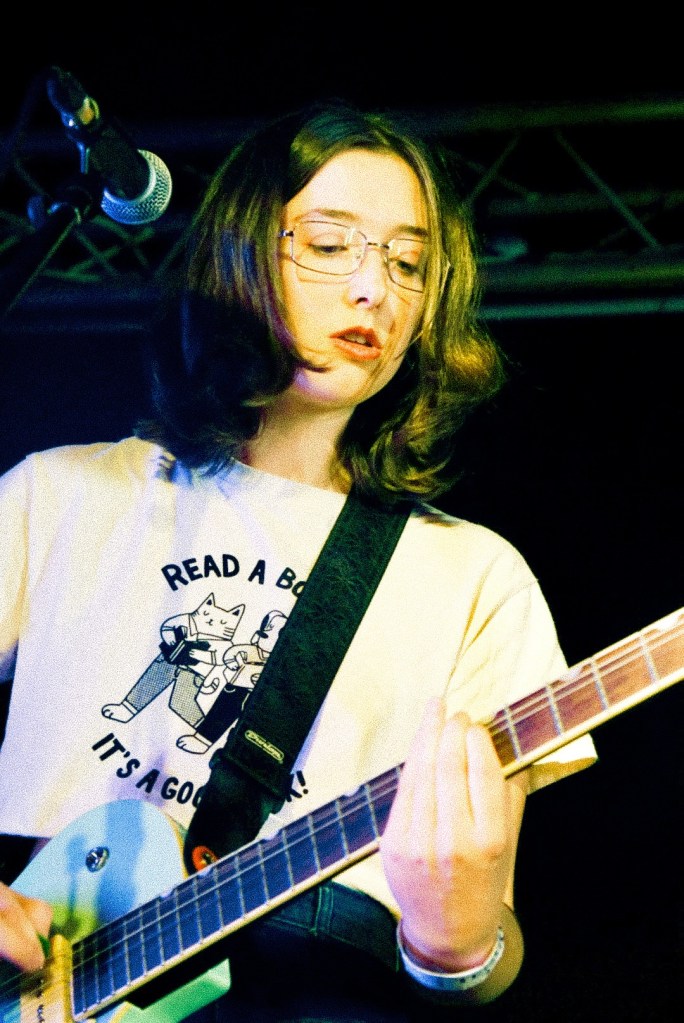
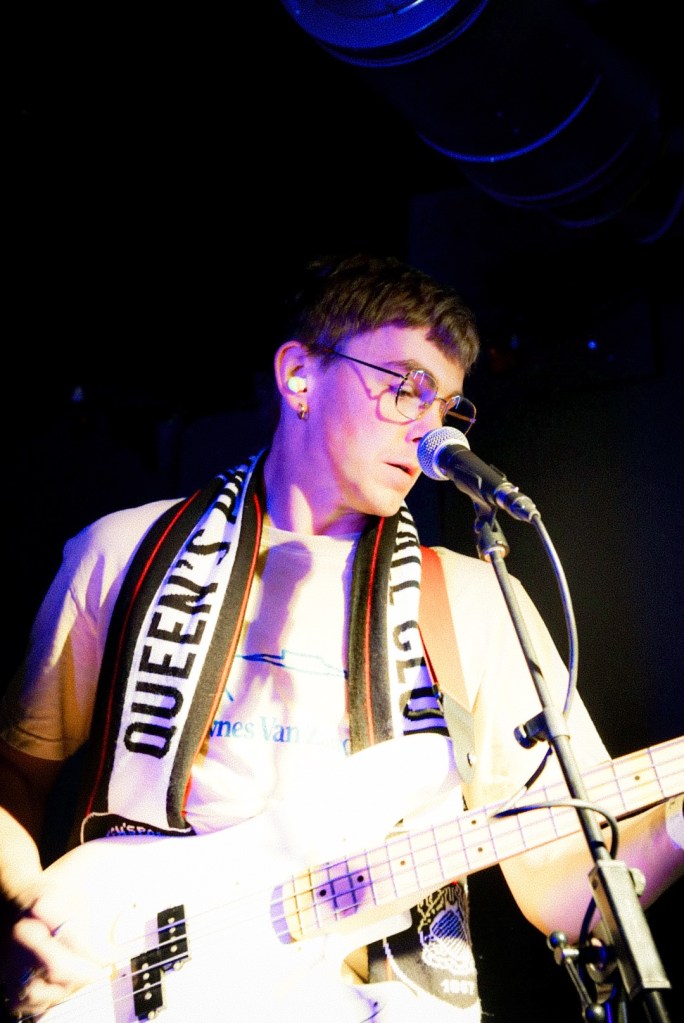
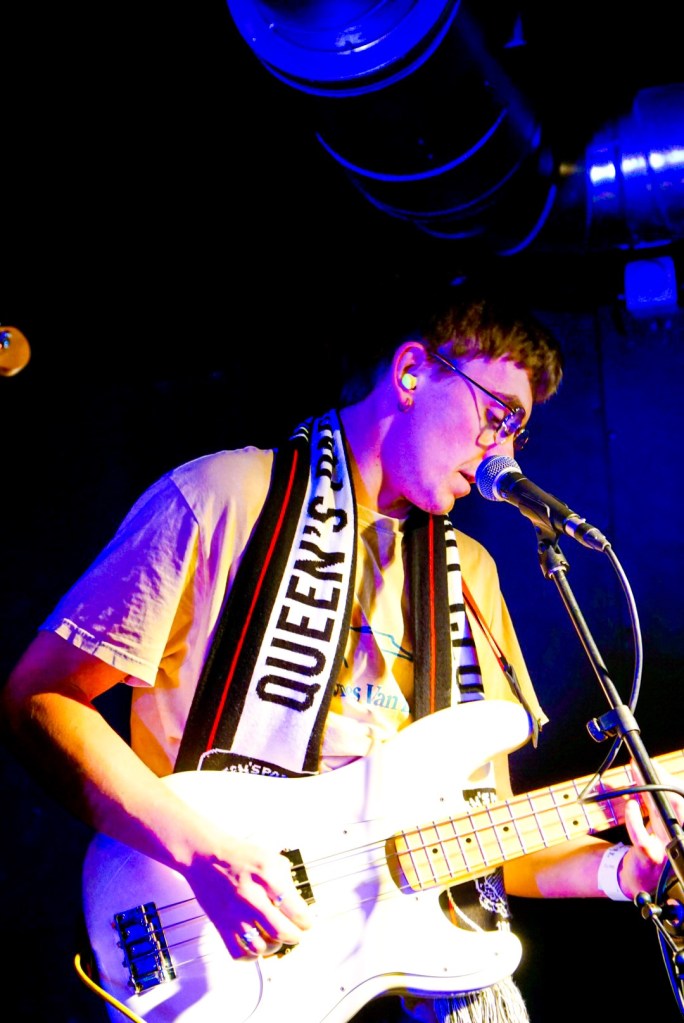
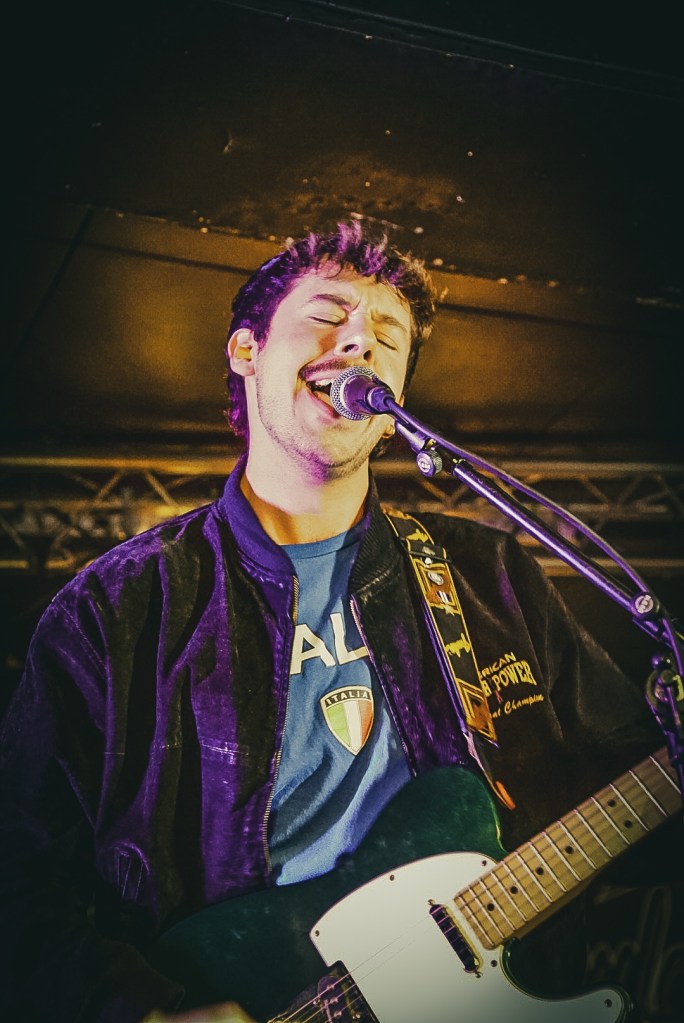
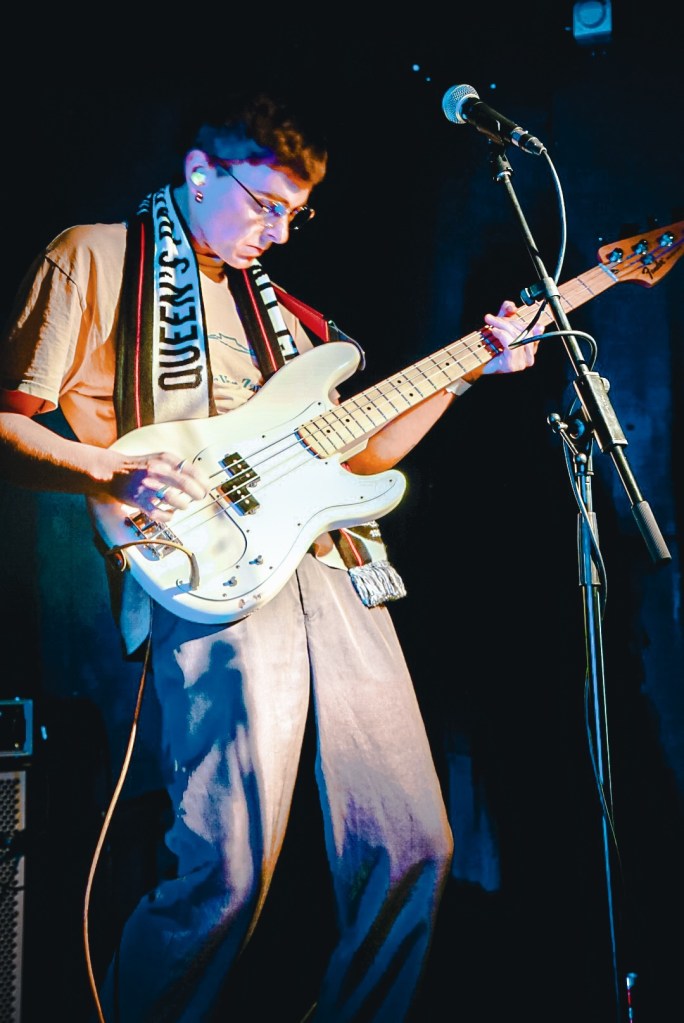
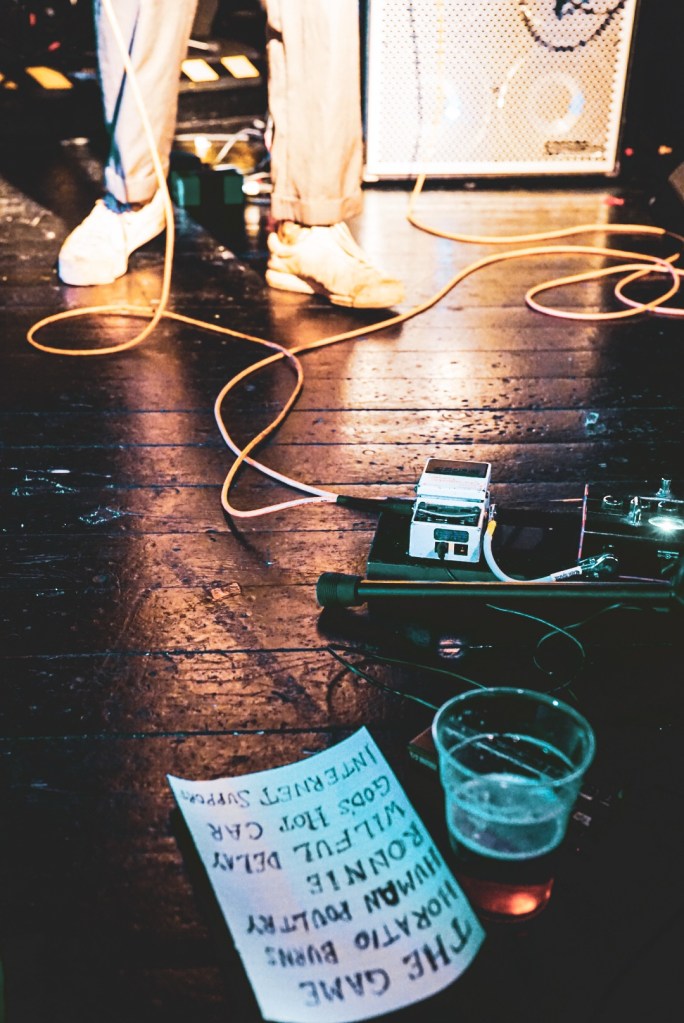
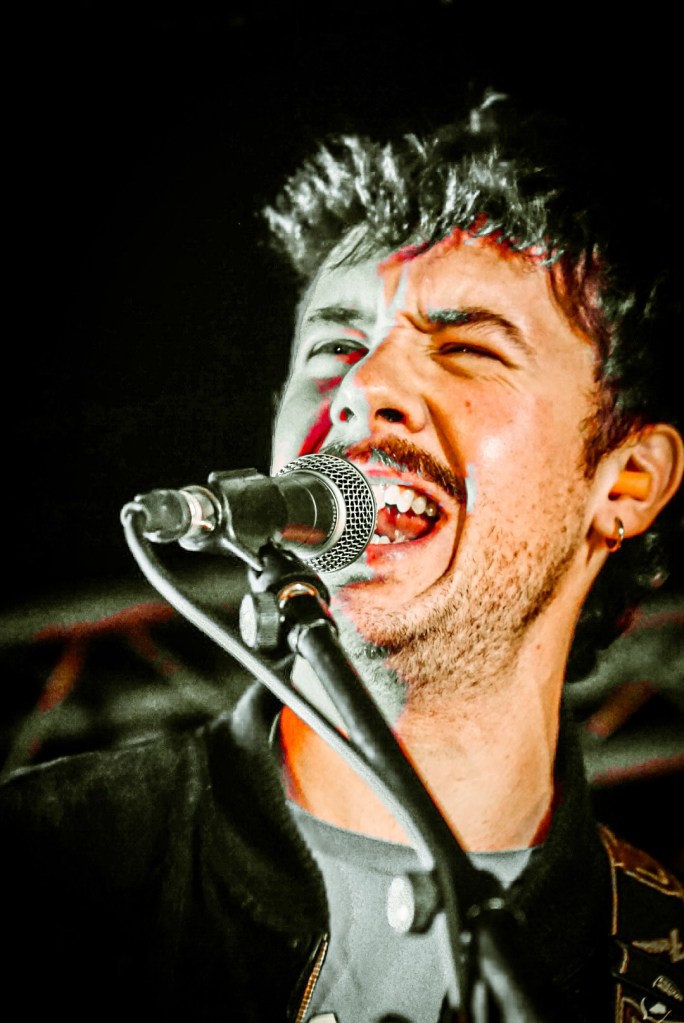
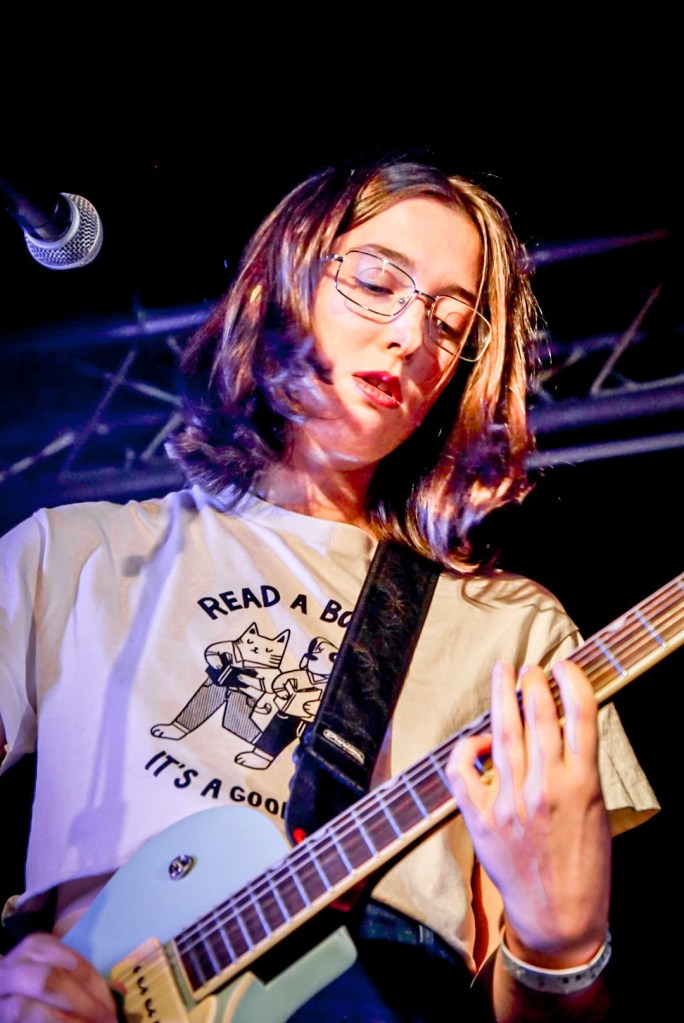
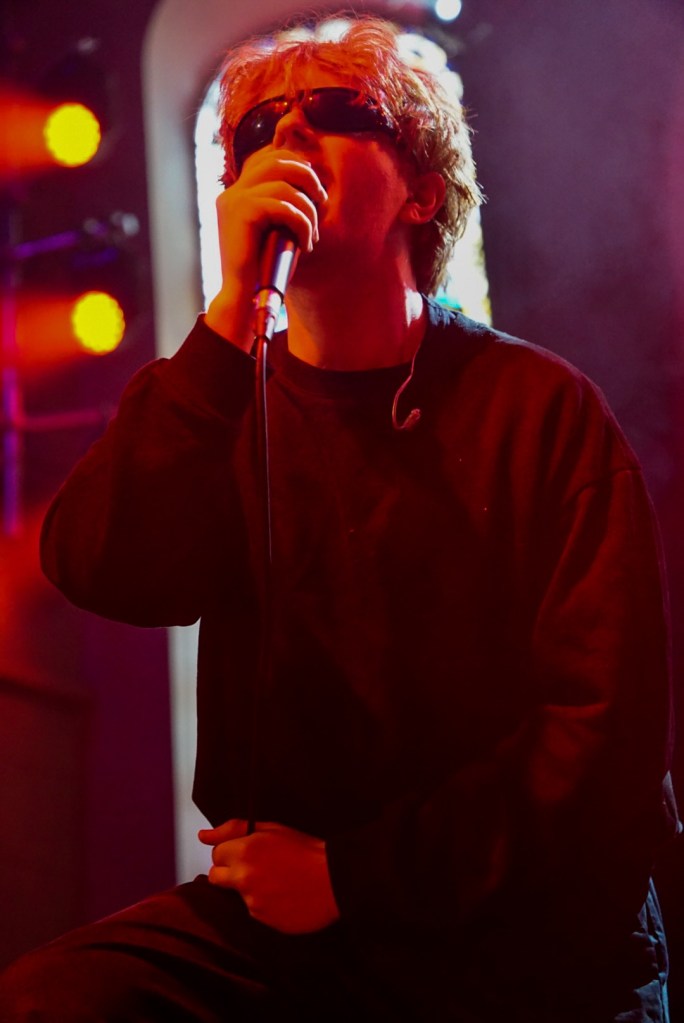
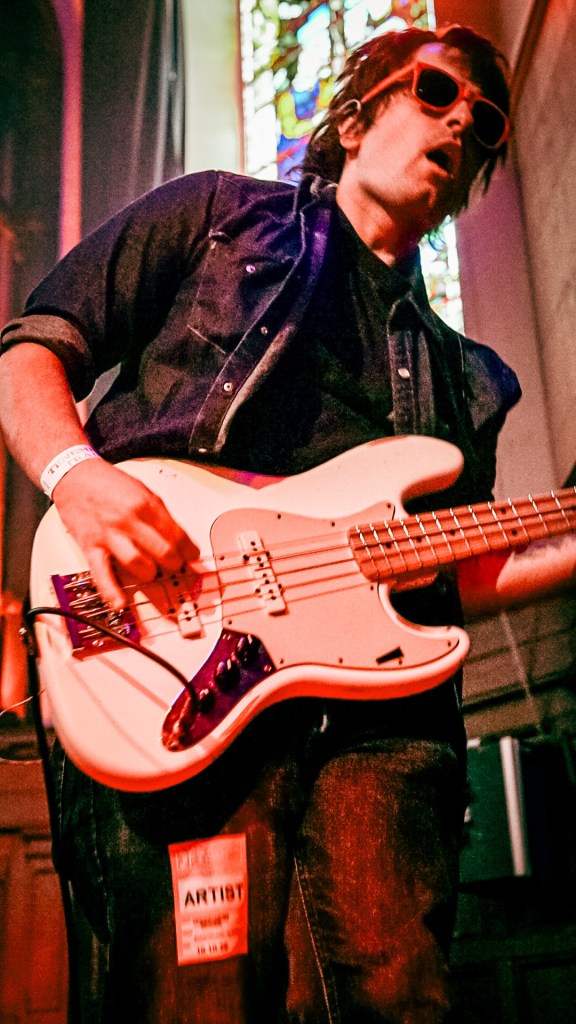
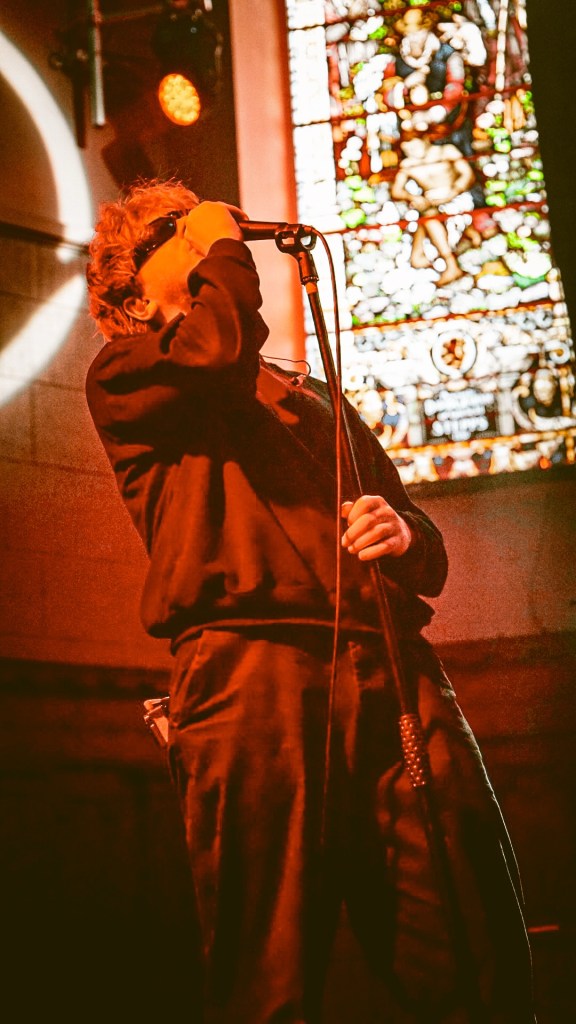
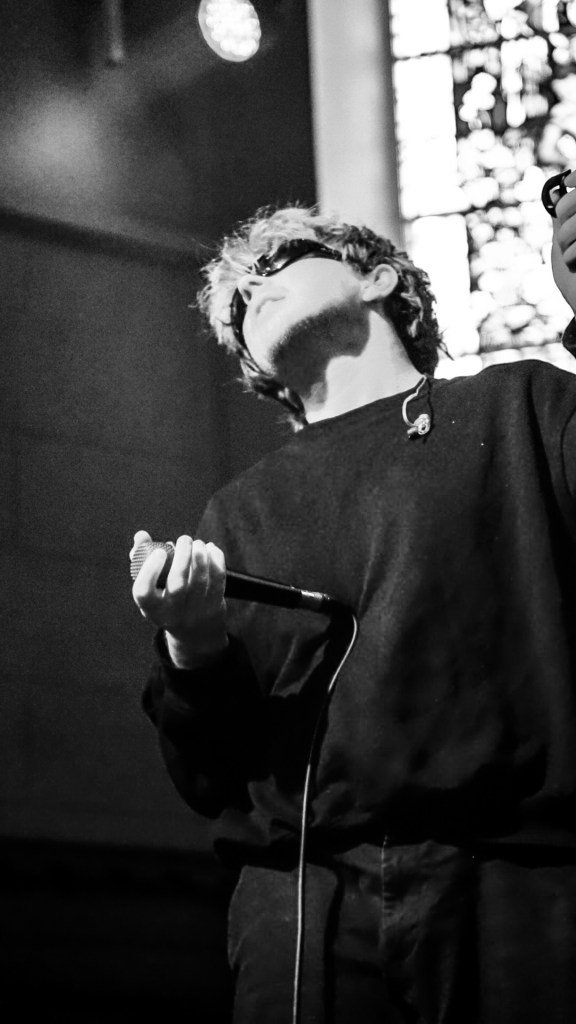
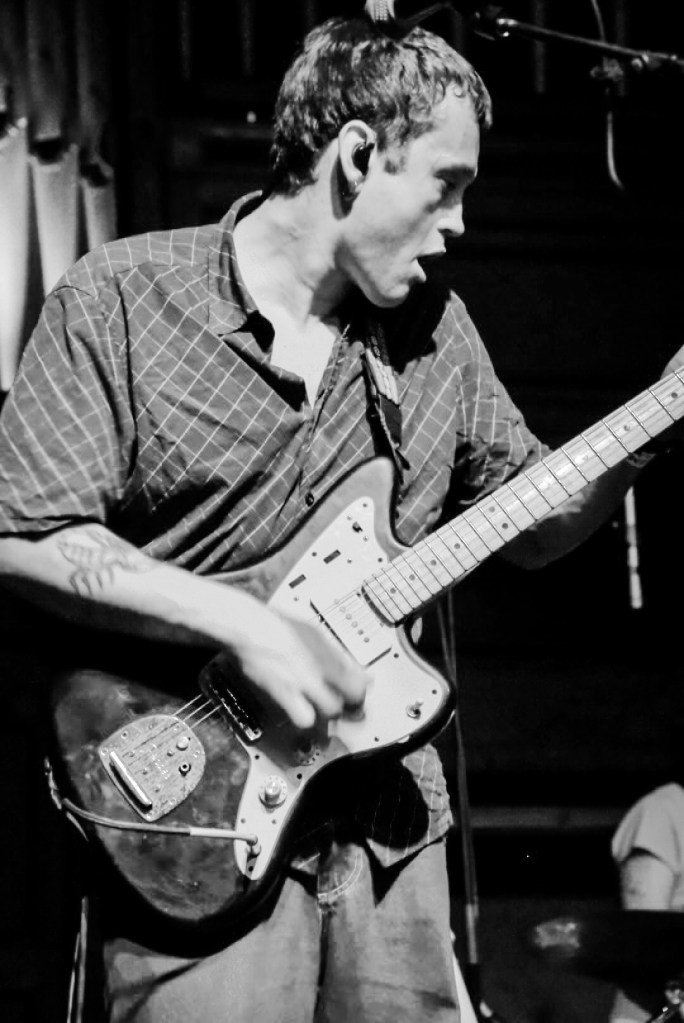
Conscious Pilot were one of my essential stops, and the Glasgow outfit demonstrated why homegrown talent deserves considerably more attention than it sometimes receives. Their music has a wonderfully unruly, literate indie-rock character, with a post-punk edge and lyrics that seem to have been assembled by somebody who has spent too long observing the absurdity of modern life and has decided that the only reasonable response is to write a song about it.
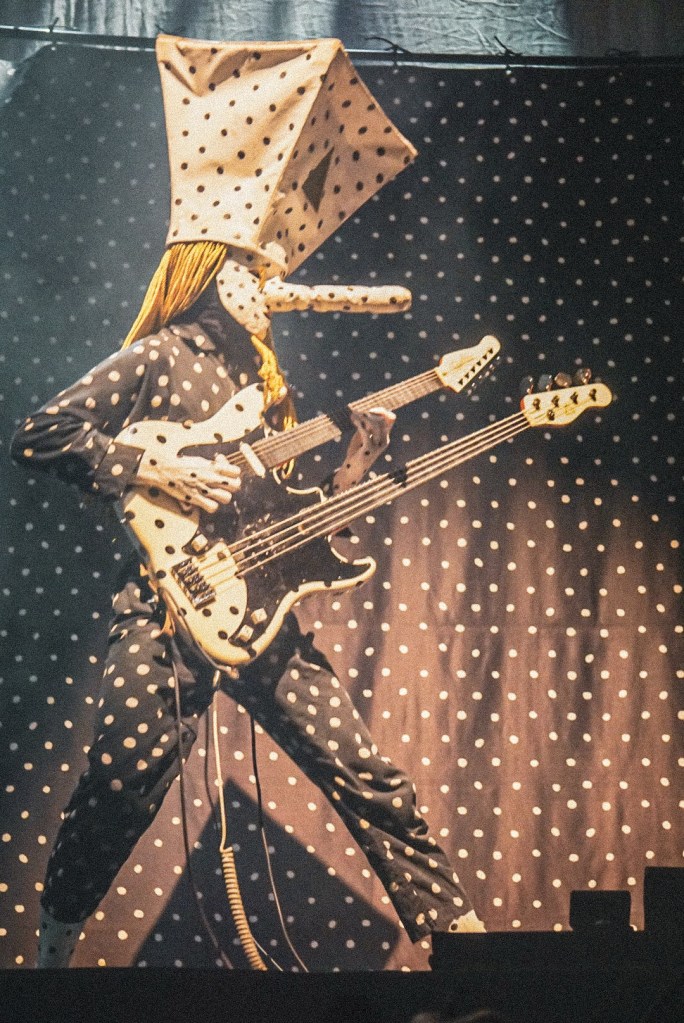
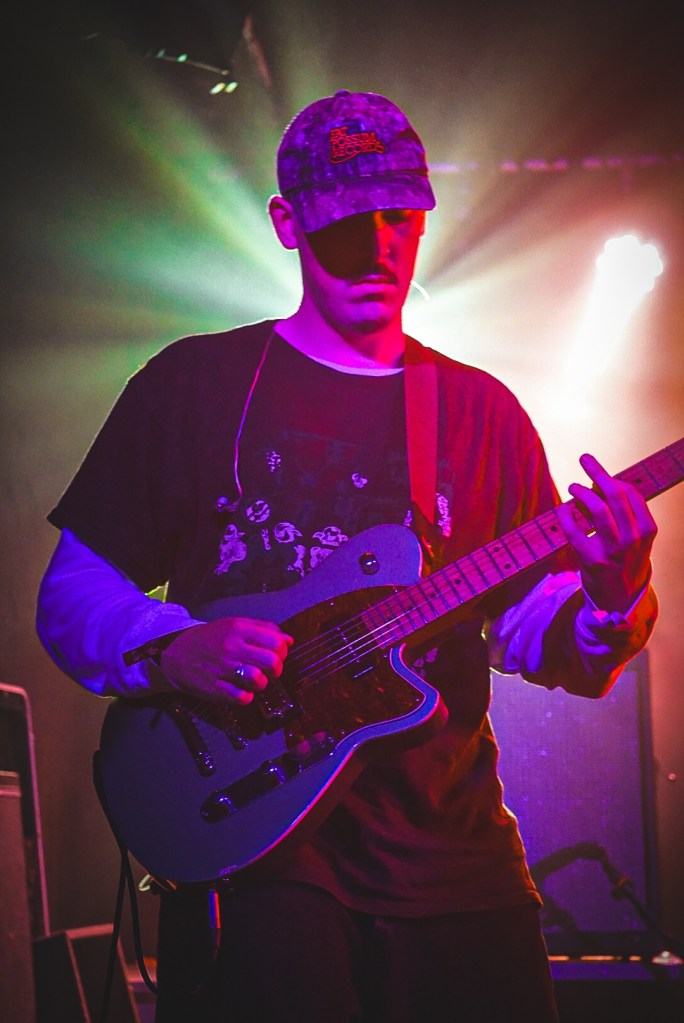
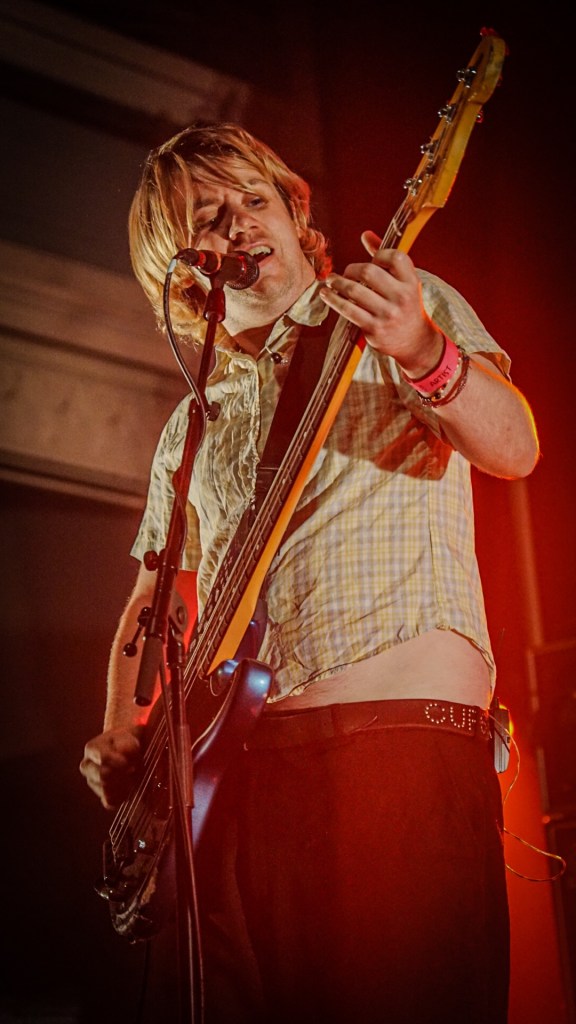
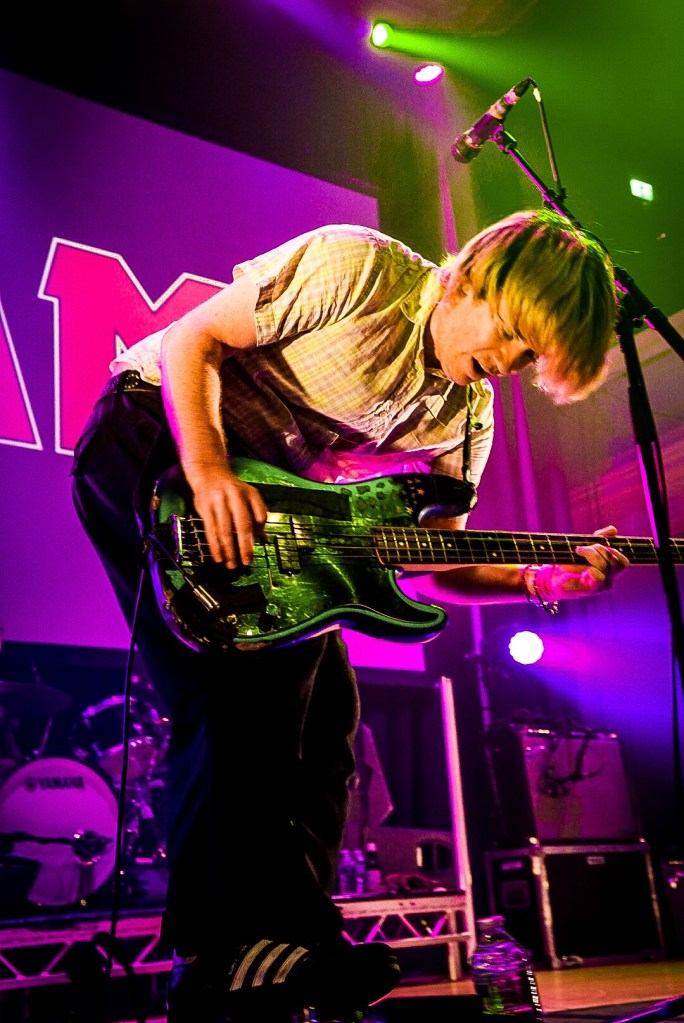
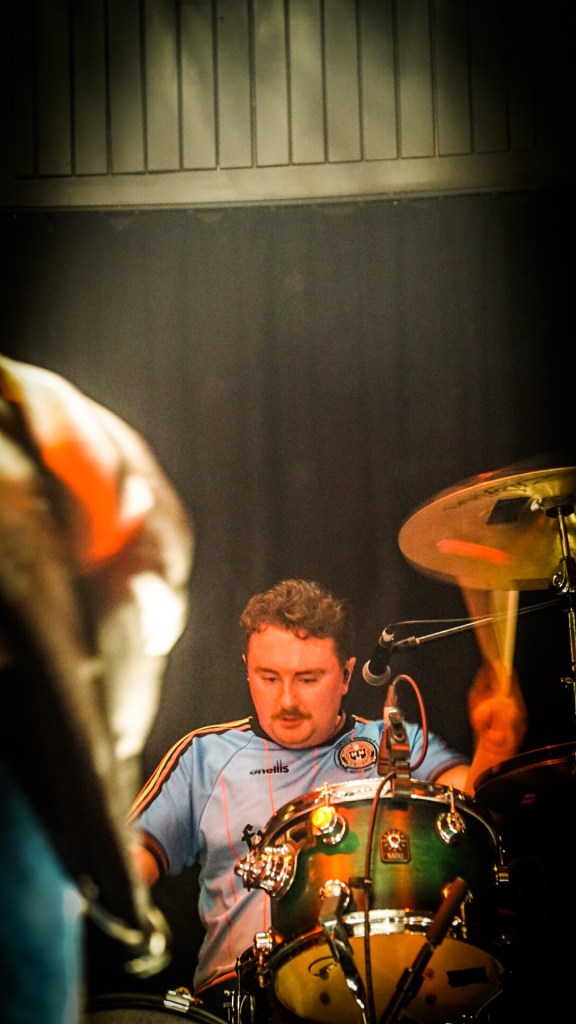
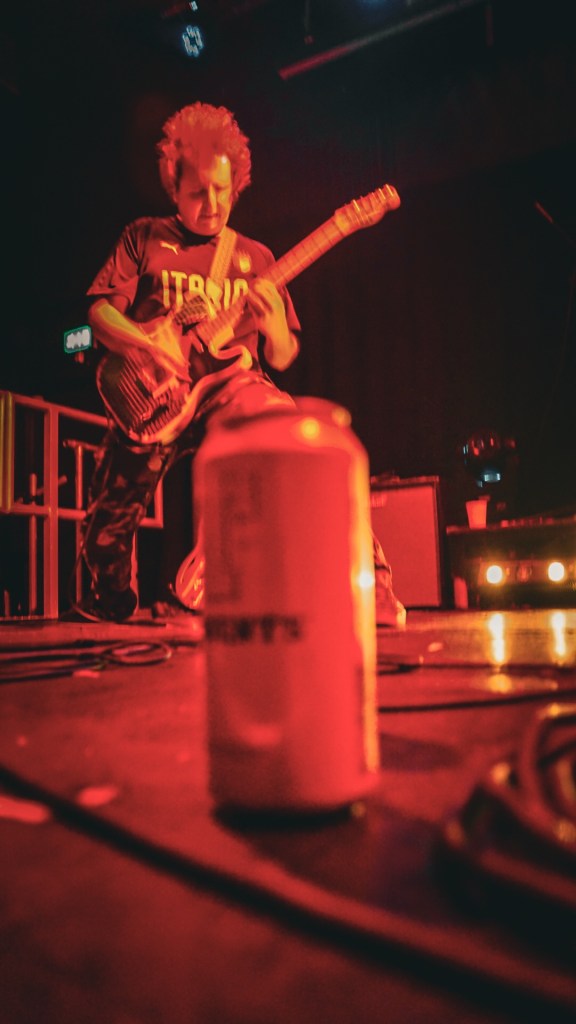
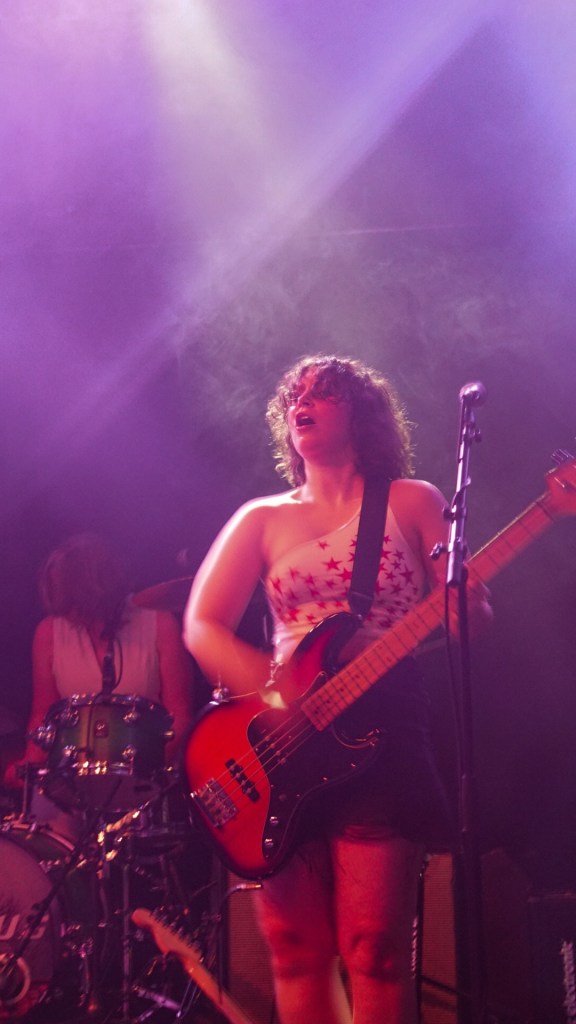
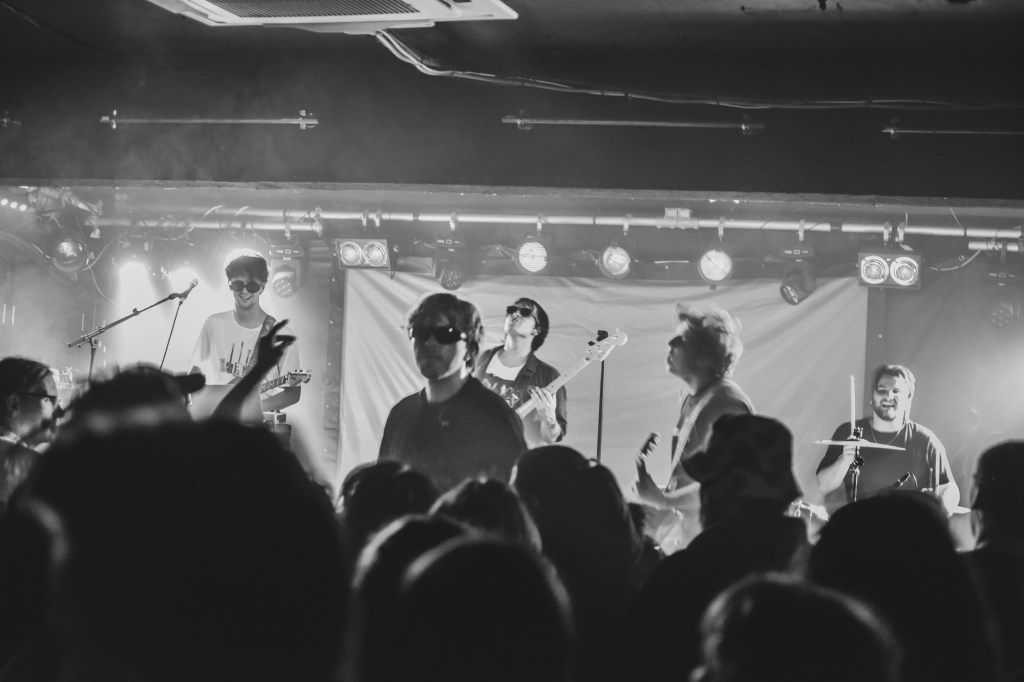
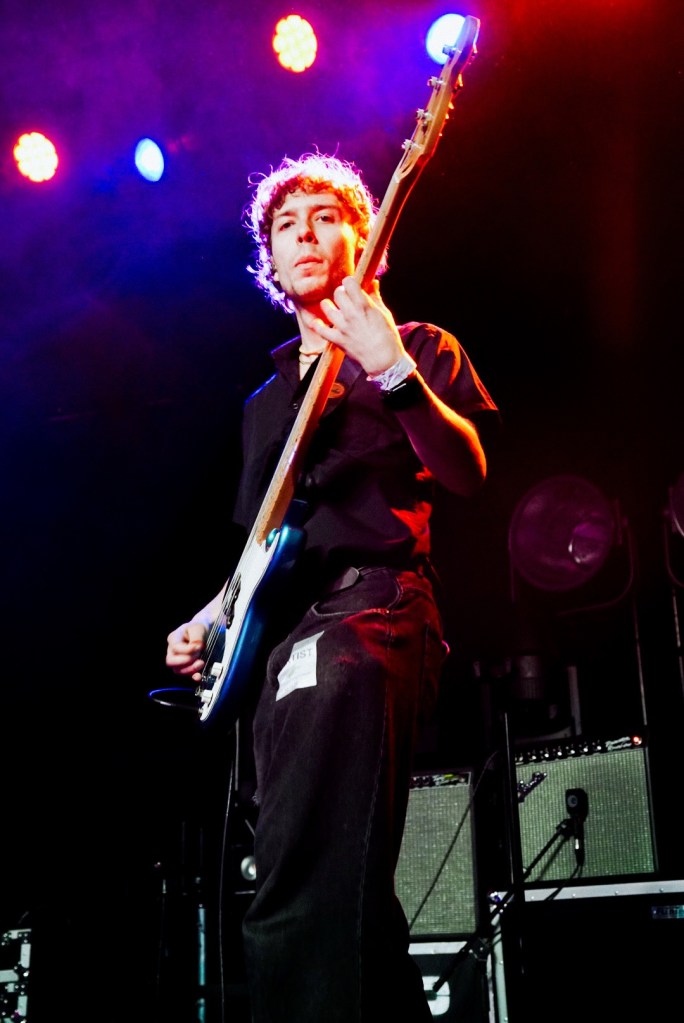
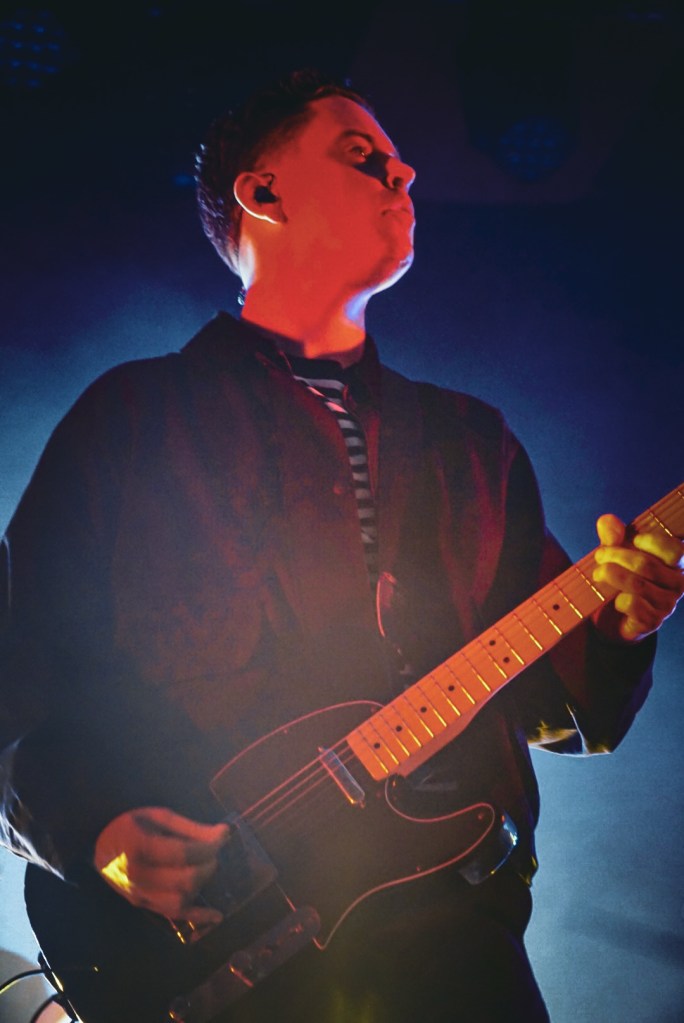
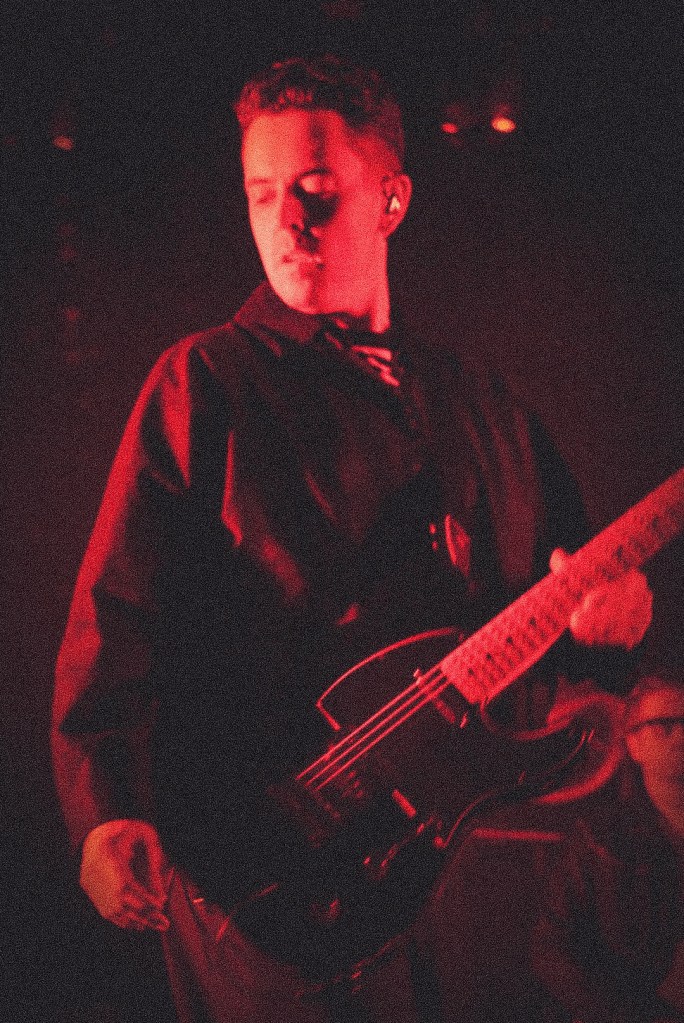
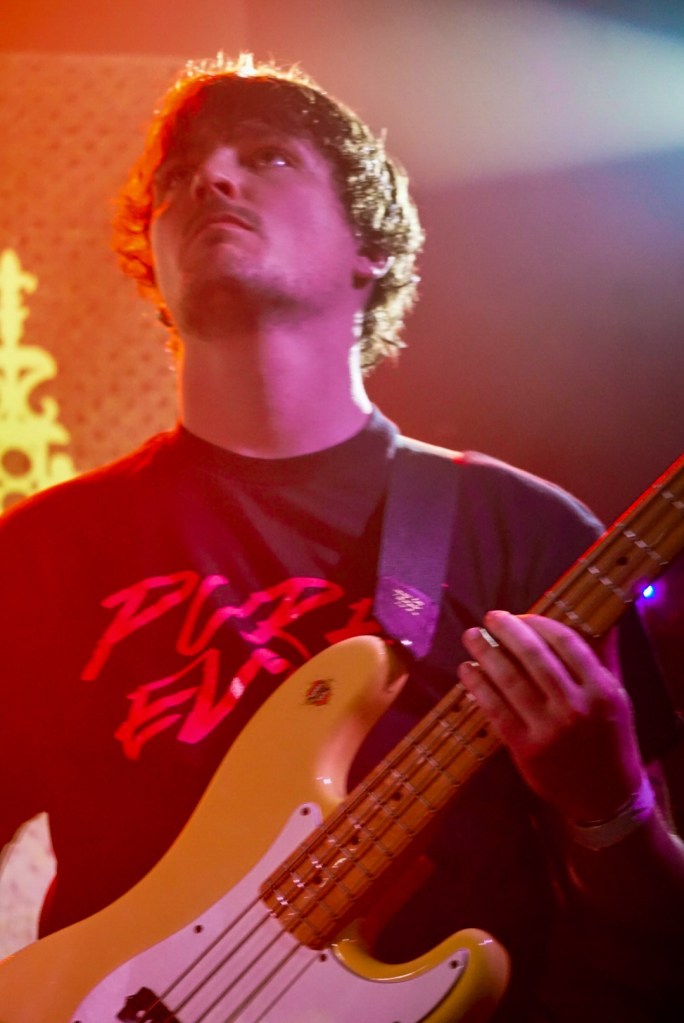
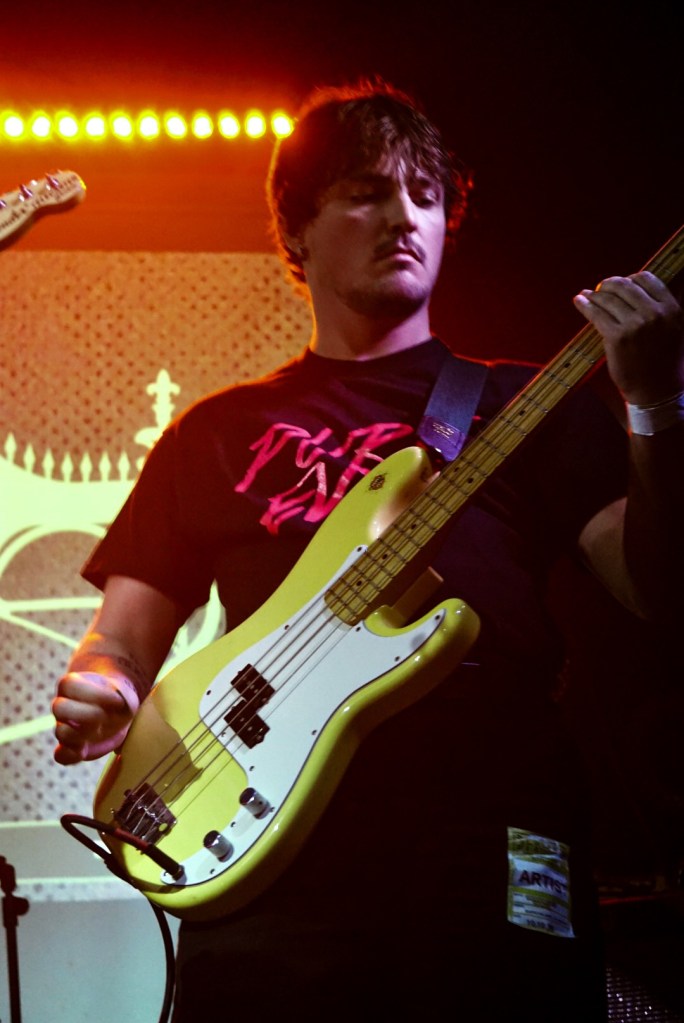
There is something gloriously unmanufactured about them. Their appearance, their attitude and their musical personality suggest a band who would rather be interesting than coordinated. The football-scarf energy was entirely welcome, and the bassist’s Queens Park Rangers scarf was a particularly fine touch. It is difficult not to admire a musician who appears prepared to risk both his fashion reputation and his team’s standing in the same afternoon.
Their newly released material, including the much-discussed “Art Nouveau”, deserves attention, while “God’s Hot Car” is a particularly good entry point into their sardonic world. Conscious Pilot are proof that Glasgow still produces bands who can make the everyday ridiculous sound like a matter of urgent artistic importance.
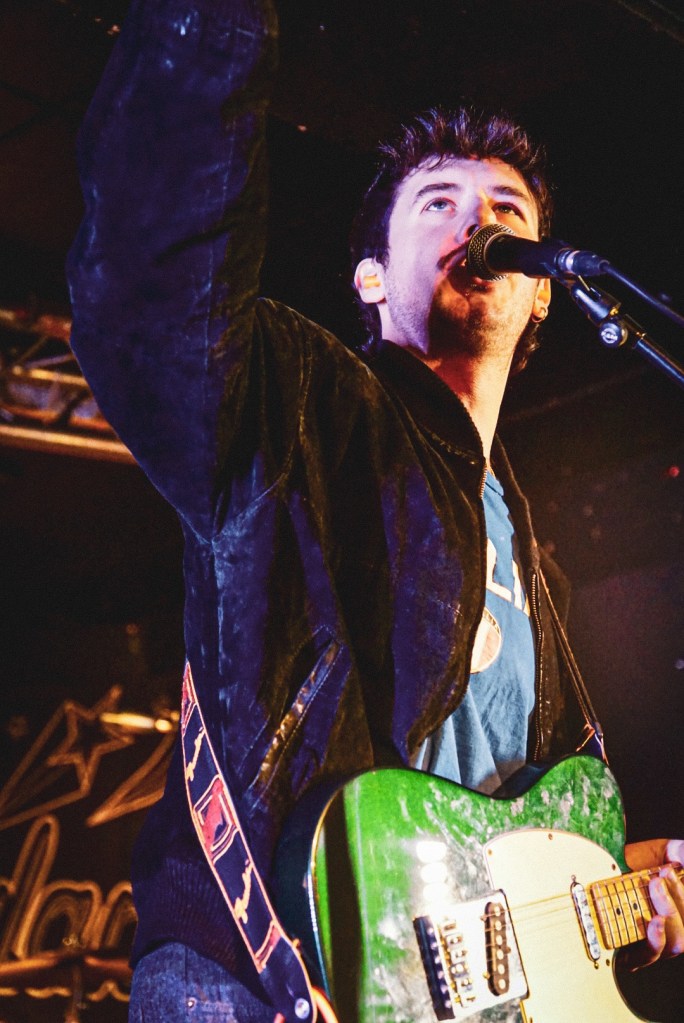
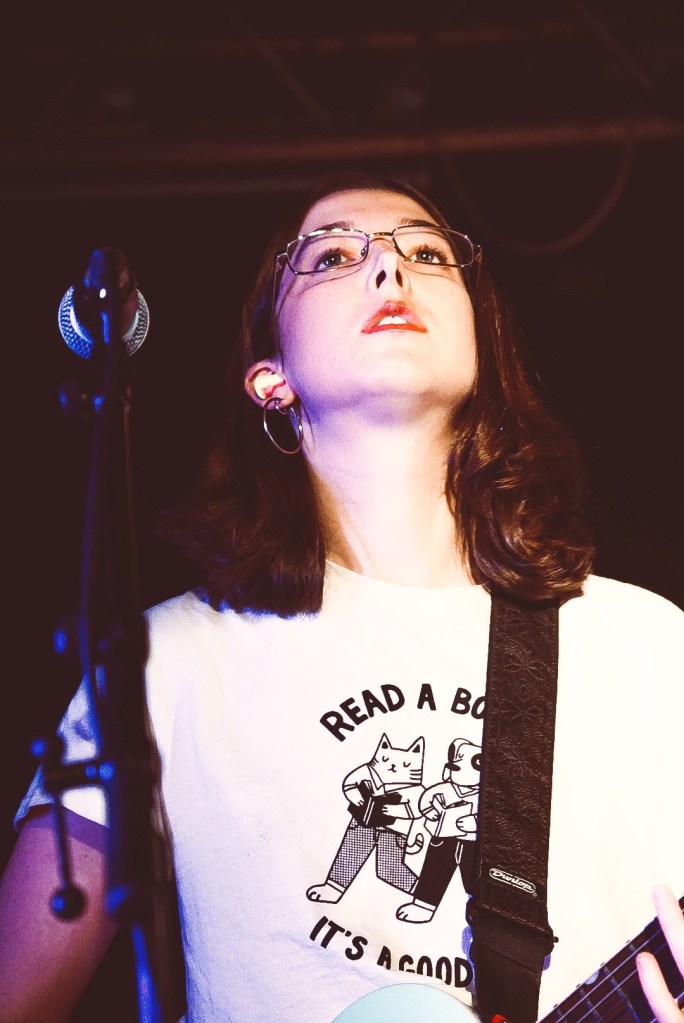

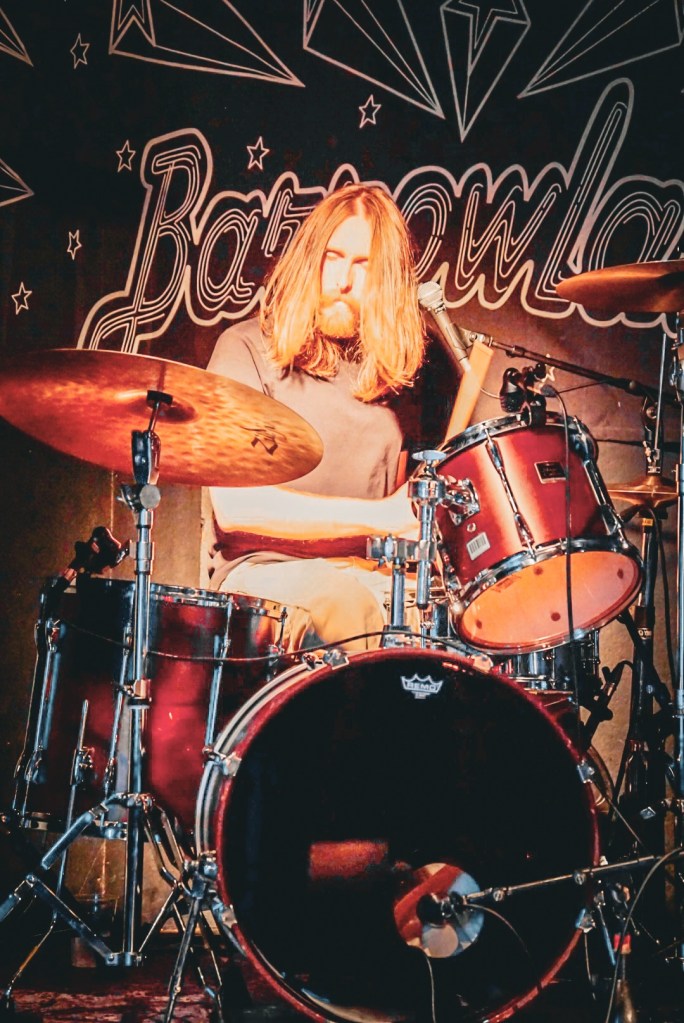
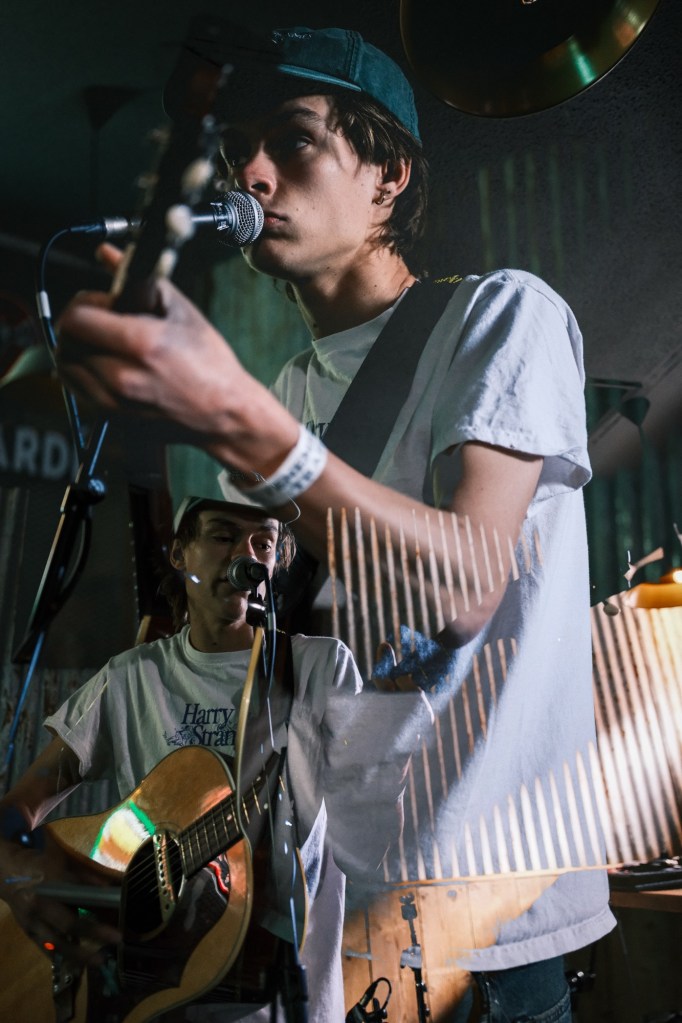
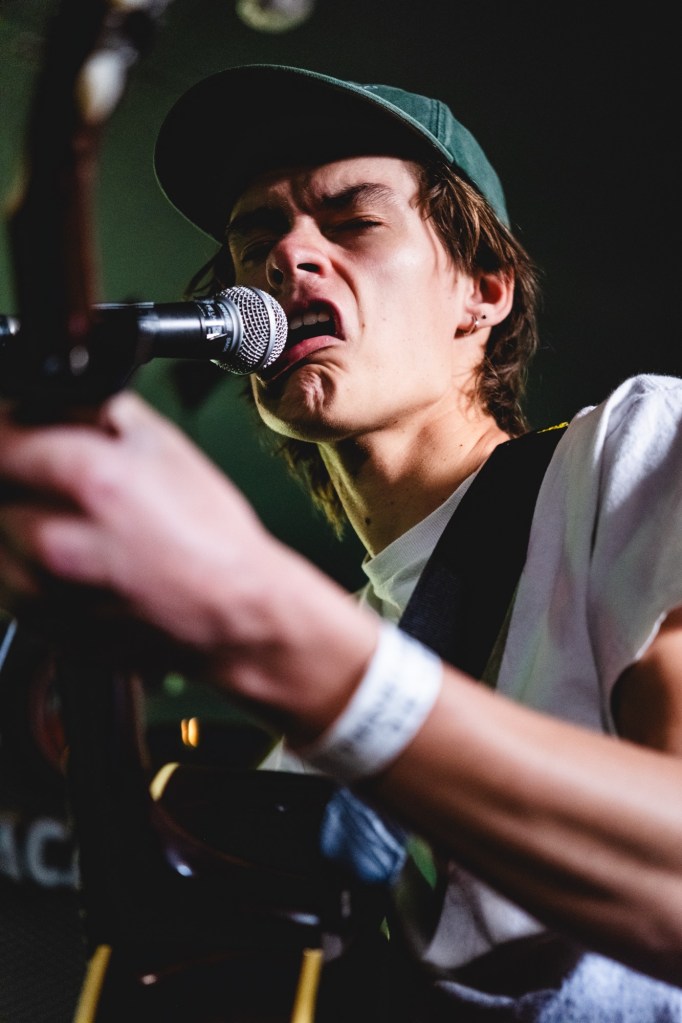
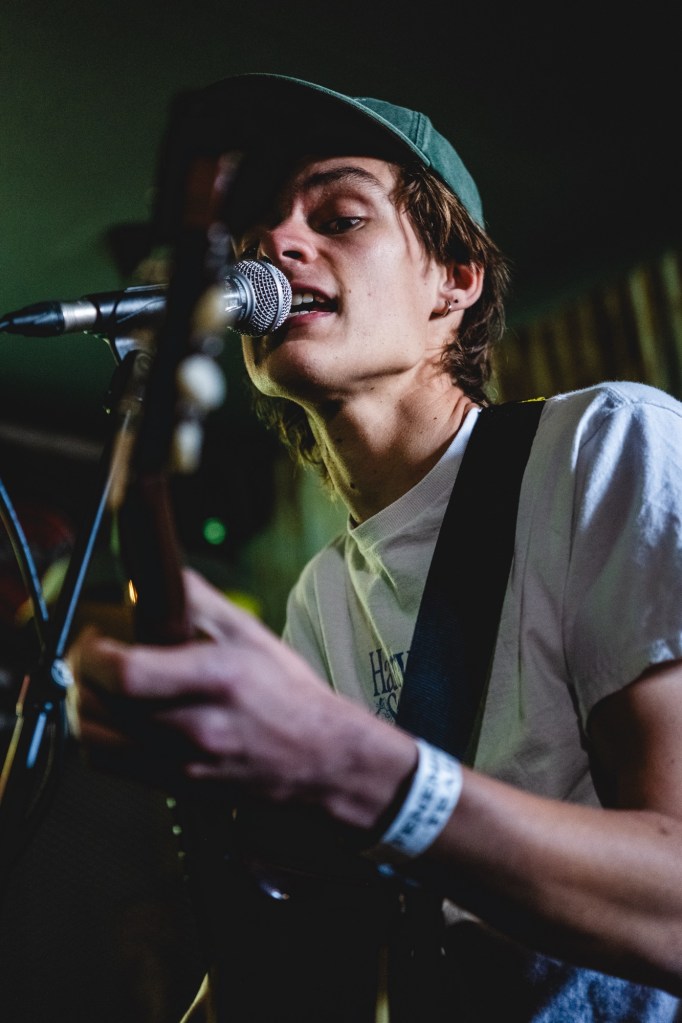
Woody — Van Winkle,
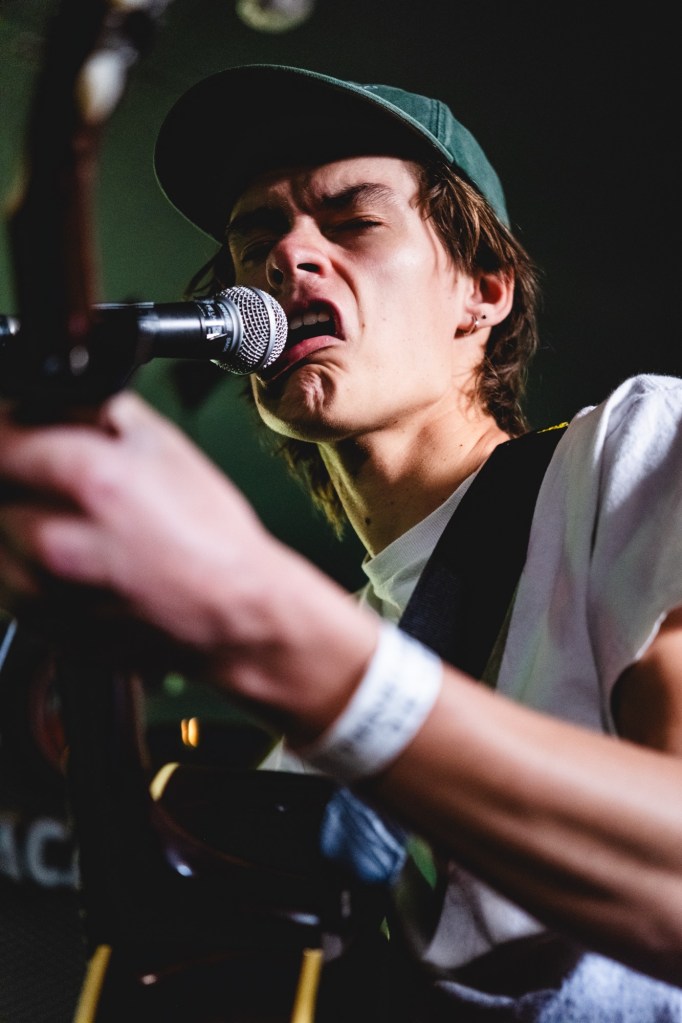
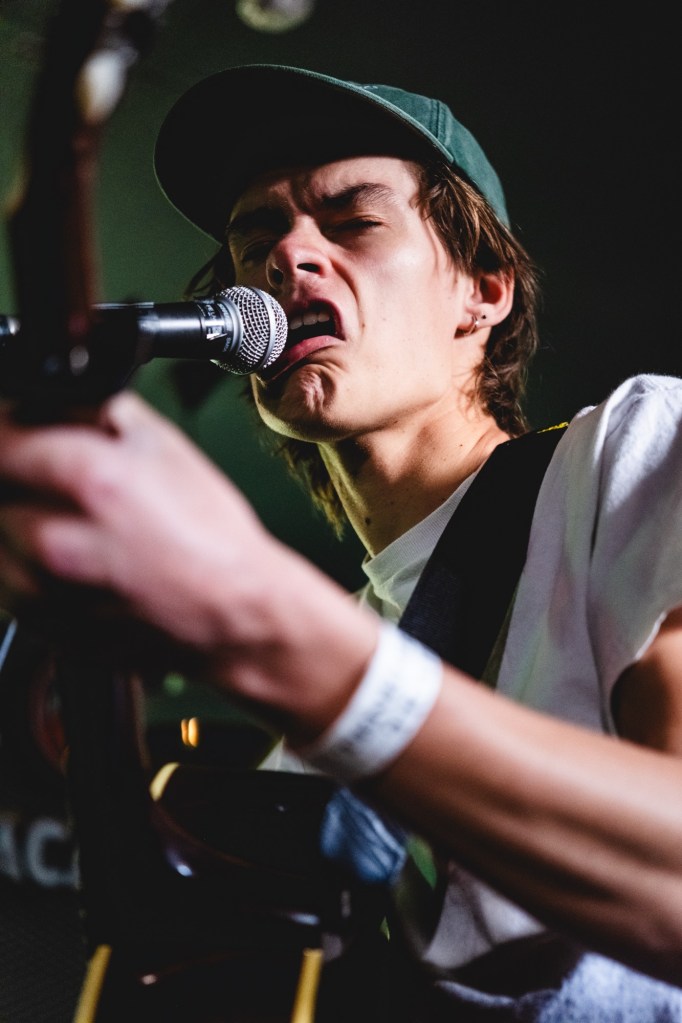
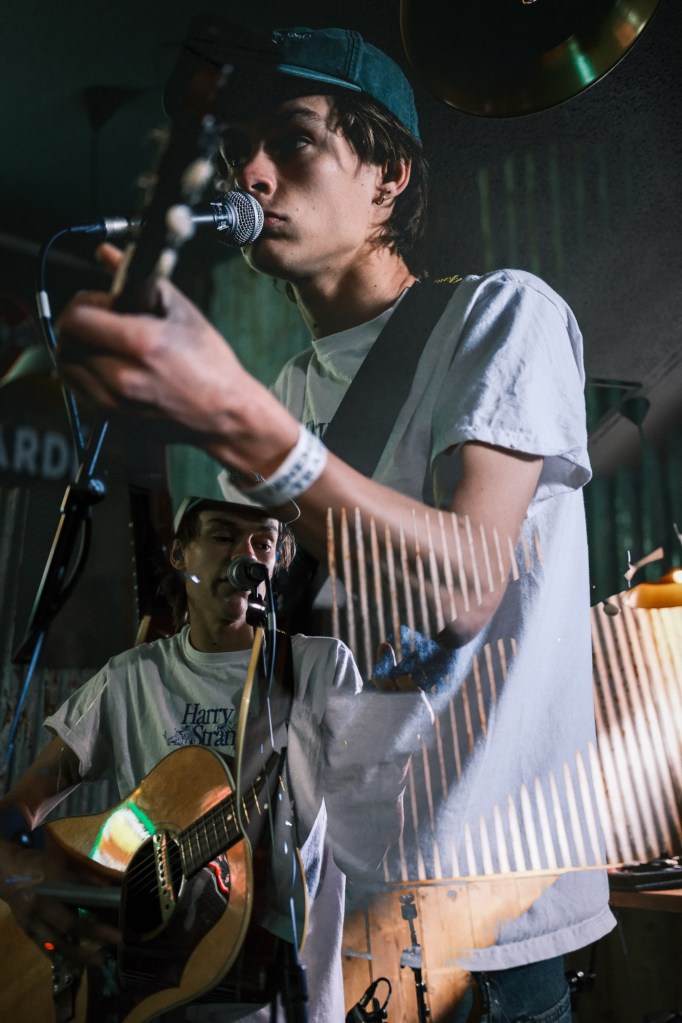
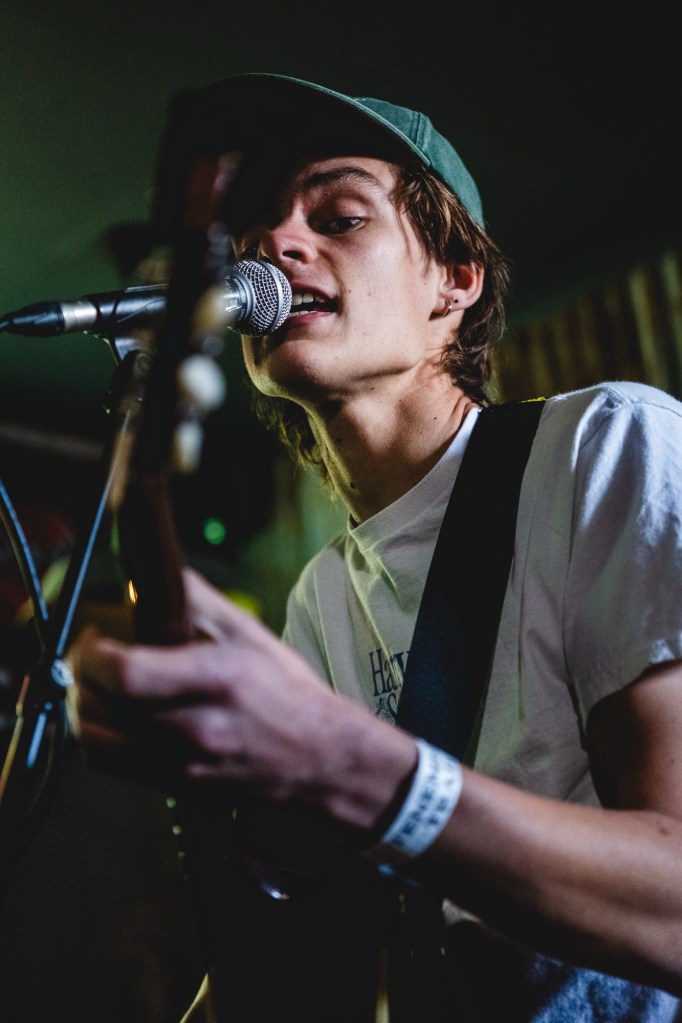
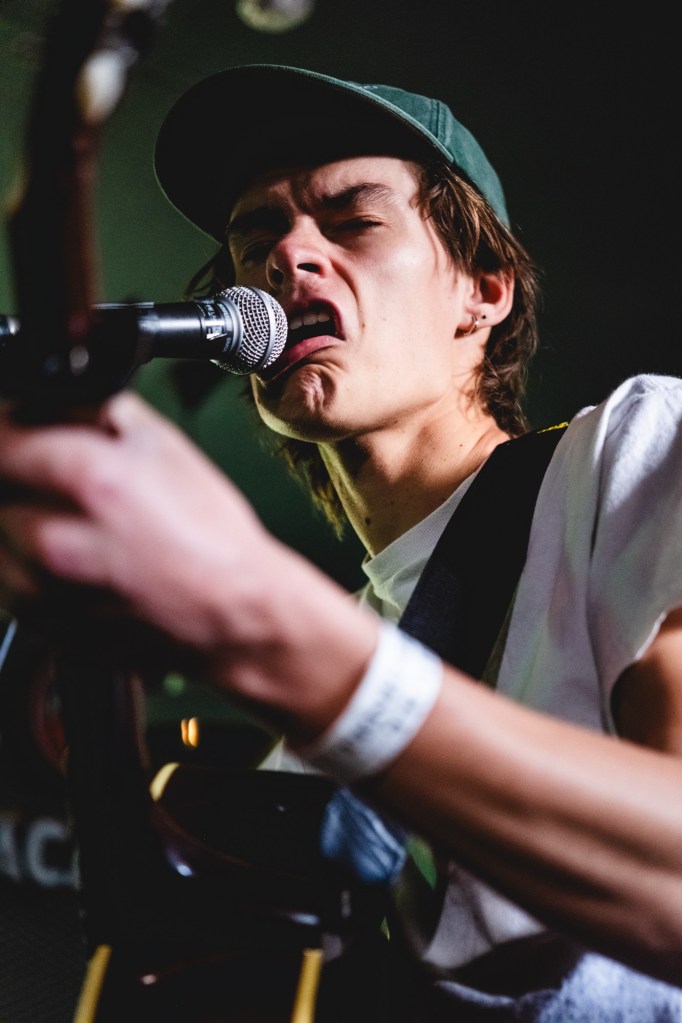
Woody occupied the Van Winkle slot, offering a welcome alternative to the simultaneous racket elsewhere. One of the more pleasurable aspects of Tenement Trail is the way the different venues develop their own personalities as the afternoon progresses. You can move from a packed room where the air feels like soup to a smaller space where the audience is discovering an artist in real time. Van Winkle was a useful stop for anybody looking to expand their itinerary beyond the obvious names. Woody offers up some seriously sun breached whimsical pop out stand out track for us was; “When You Leave”.

Bad Gravy — St Luke’s,
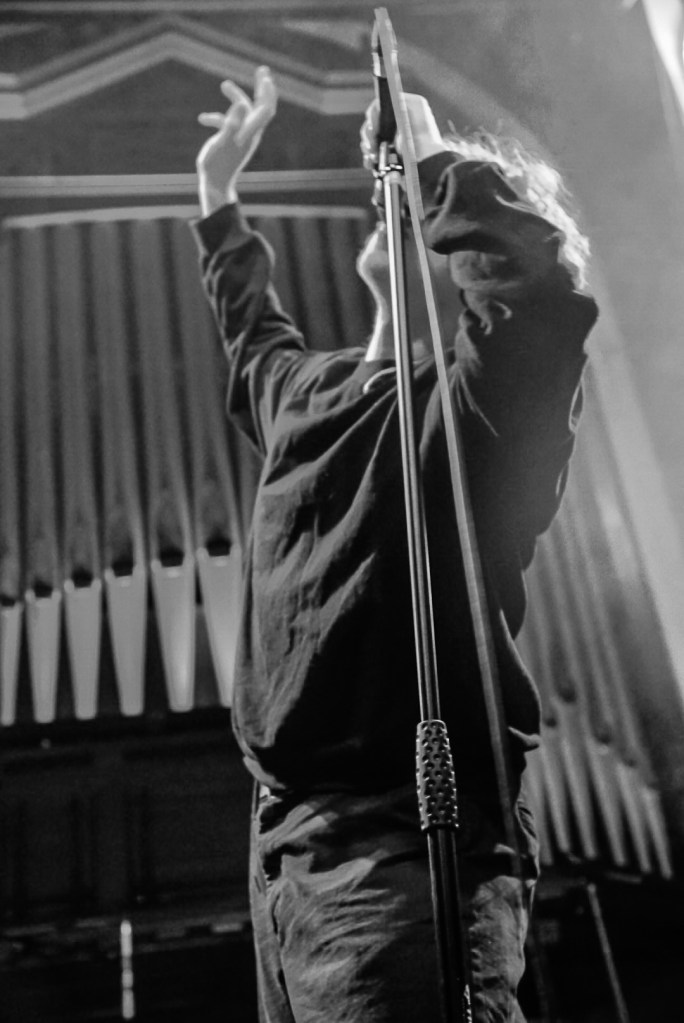
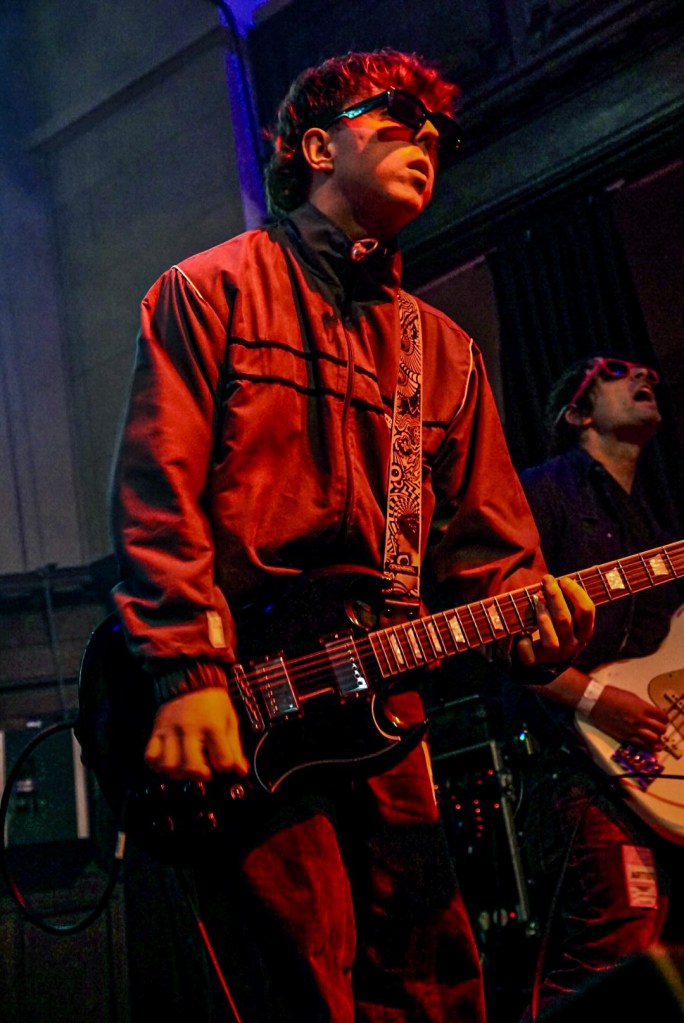
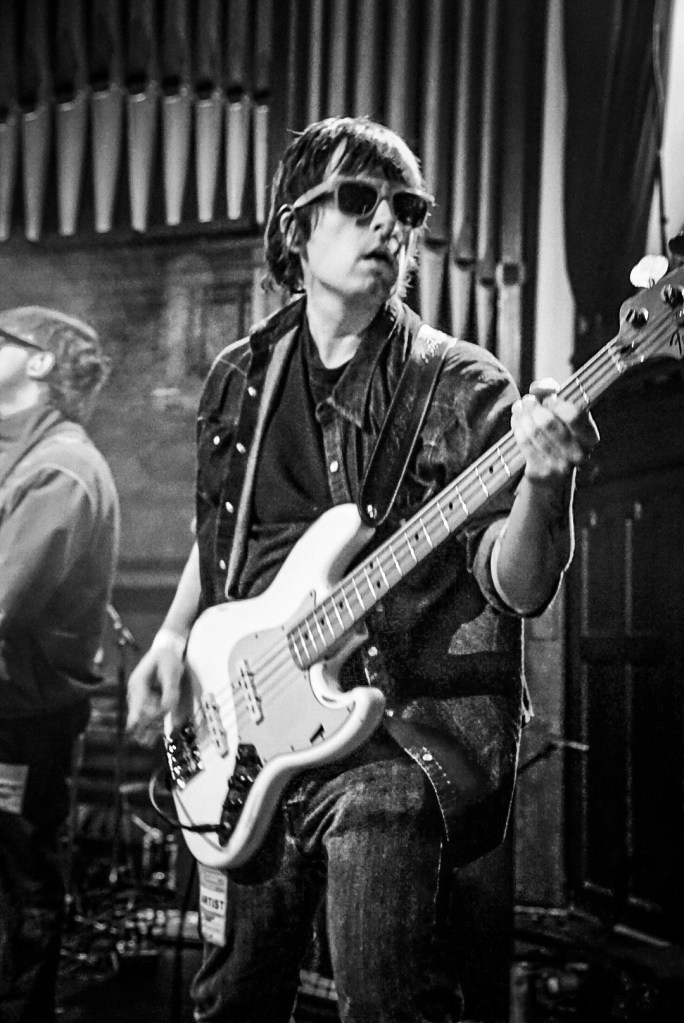
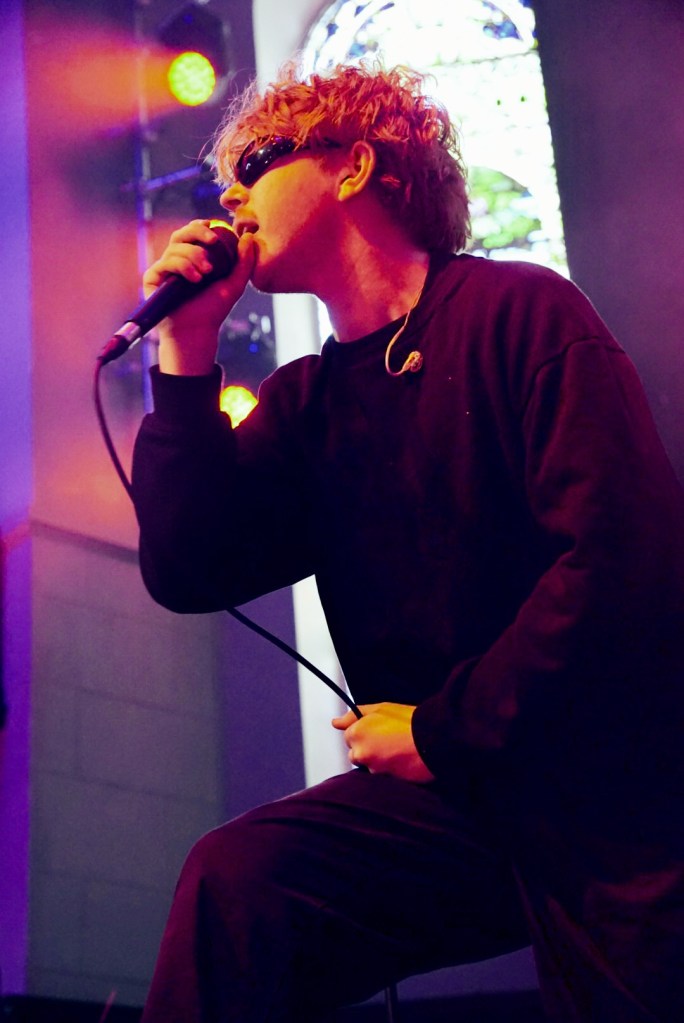
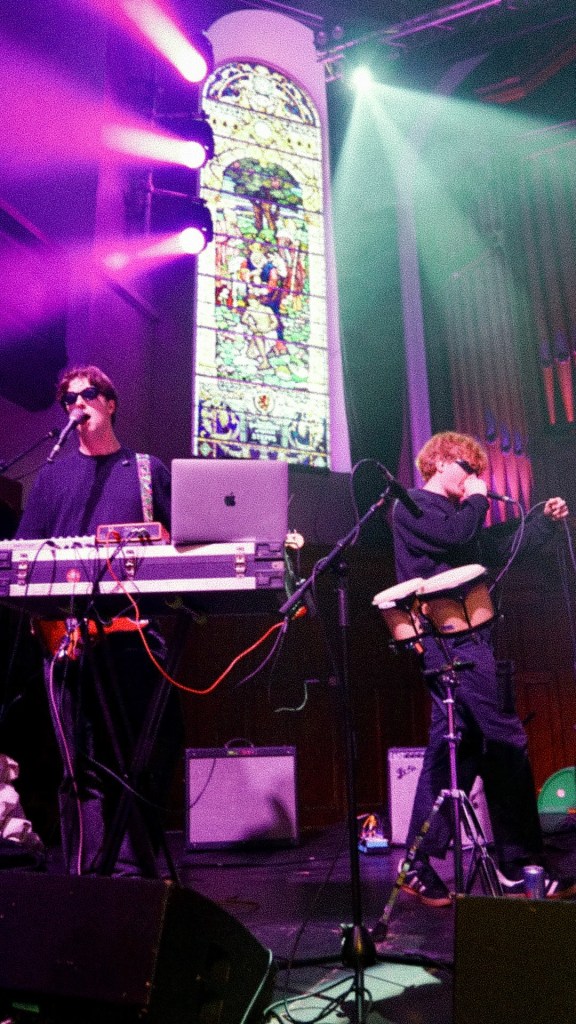
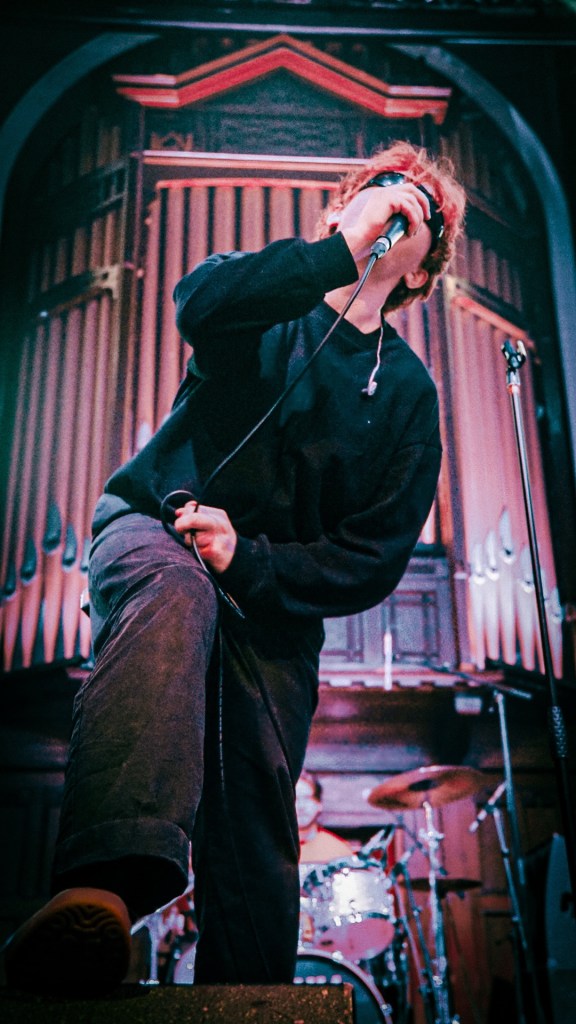
Bad Gravy were my afternoon’s first major triumph. These Glaswegian upstarts have a wonderfully heavy stomp, the sort of sound that seems to rise through the soles of your shoes and insist that sitting still is a sign of moral weakness. They are the banter kings, but that description should not be mistaken for an accusation of musical frivolity. Their satirical observations give their songs a personality that is often missing from bands who mistake solemnity for profundity.
Bad Gravy understand that the world is already absurd enough without a band having to dress up its observations in the language of a university dissertation. Their humour is sharp, their rhythms are danceable, and their heavier passages have the physical force of somebody slamming a door in the face of a particularly tedious bore. “Father and State” is a strong introduction to their knack for turning social observation into a muscular anthem. The band sounded like a group growing into its own identity, with the confidence and irreverence to make an increasingly convincing case for itself. St Luke’s was packed, and deservedly so.
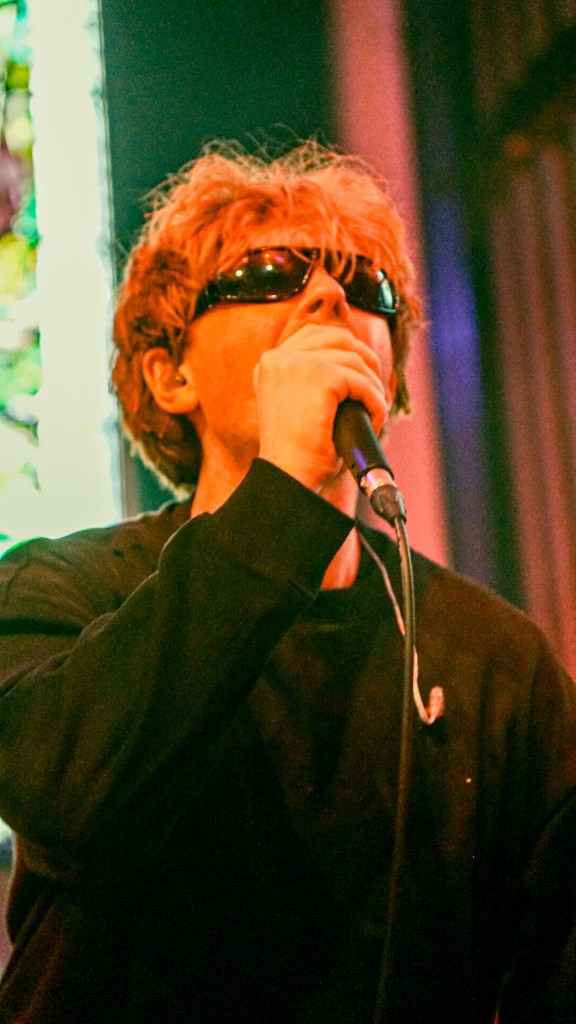
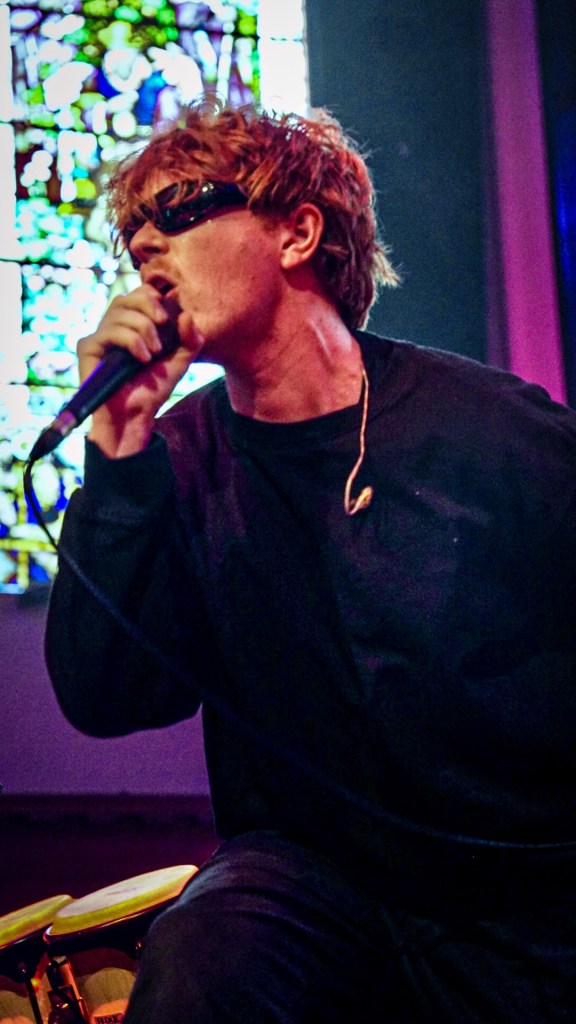
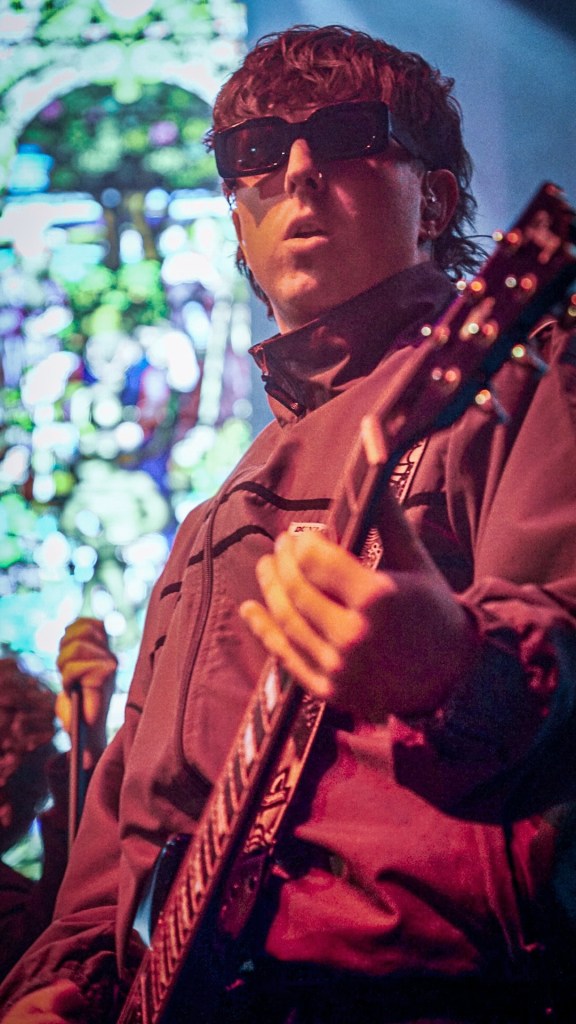
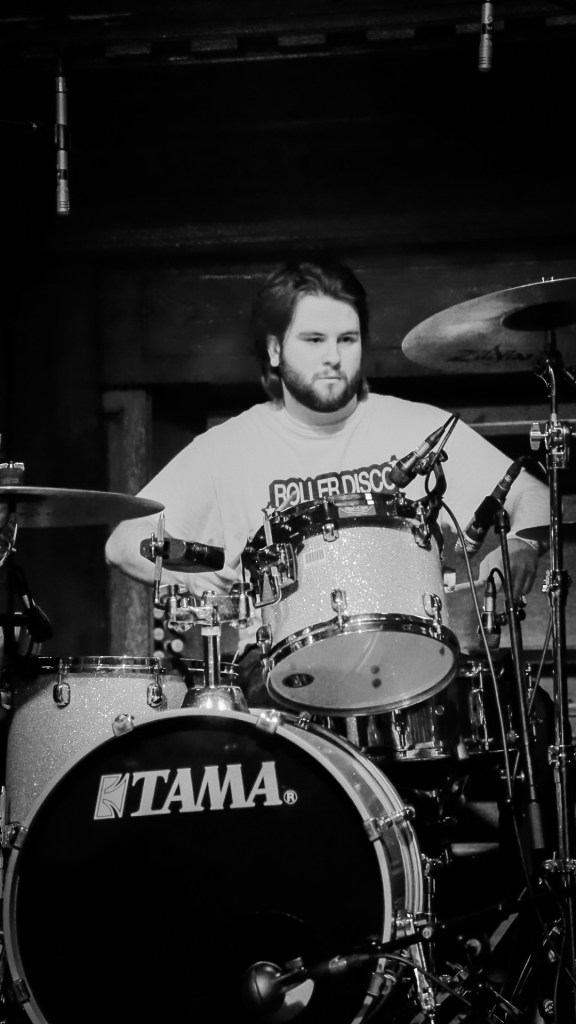

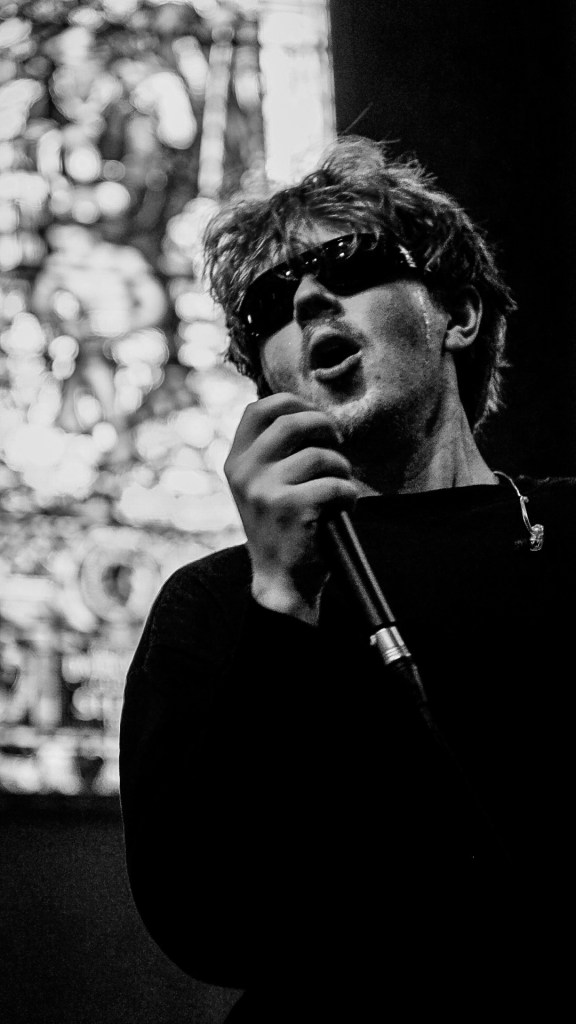
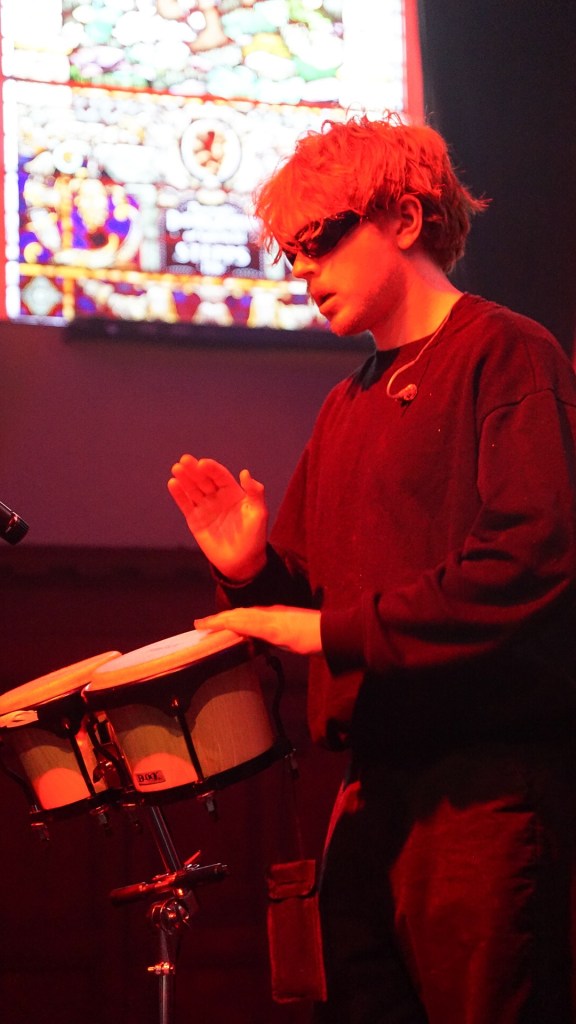
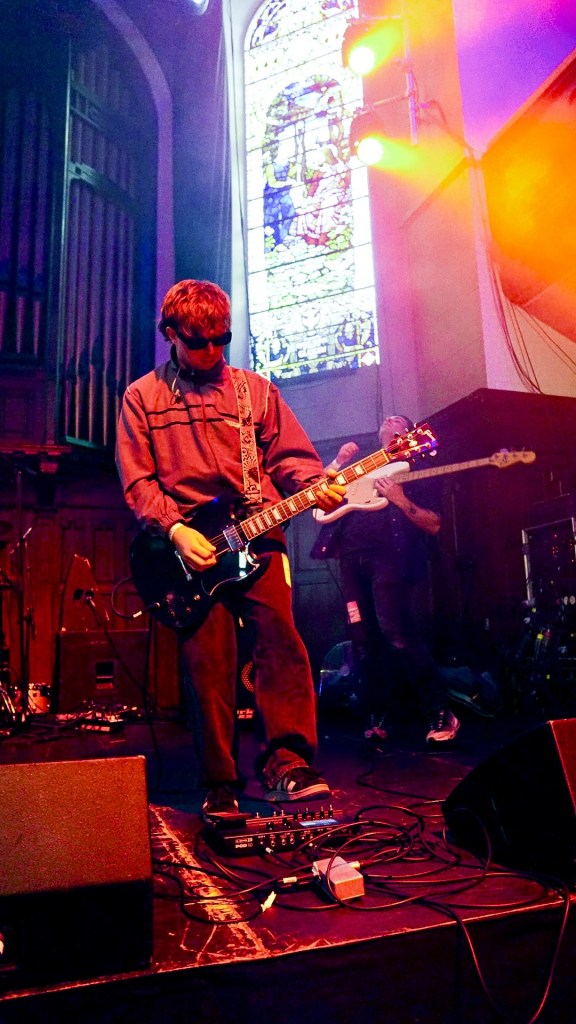
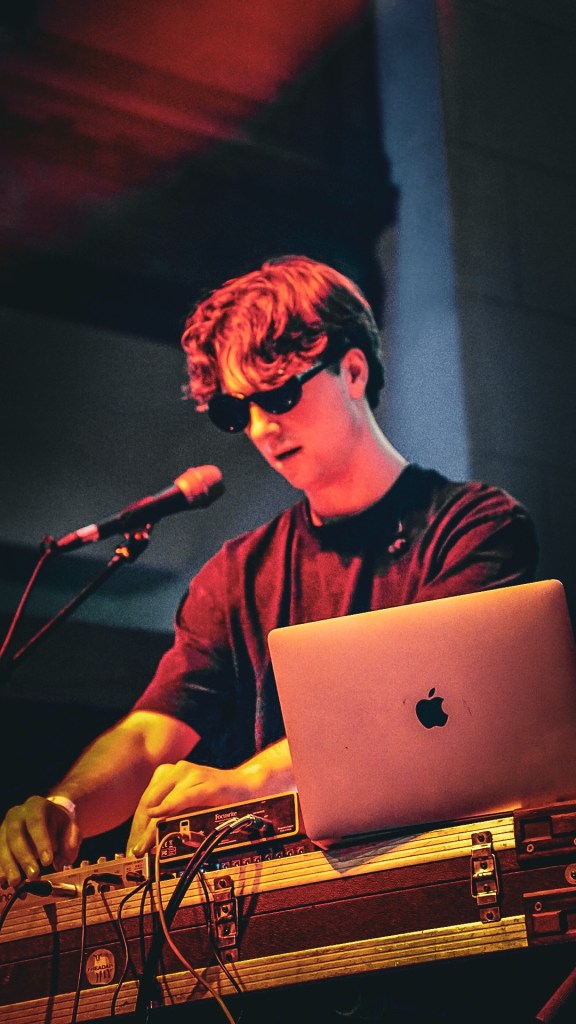
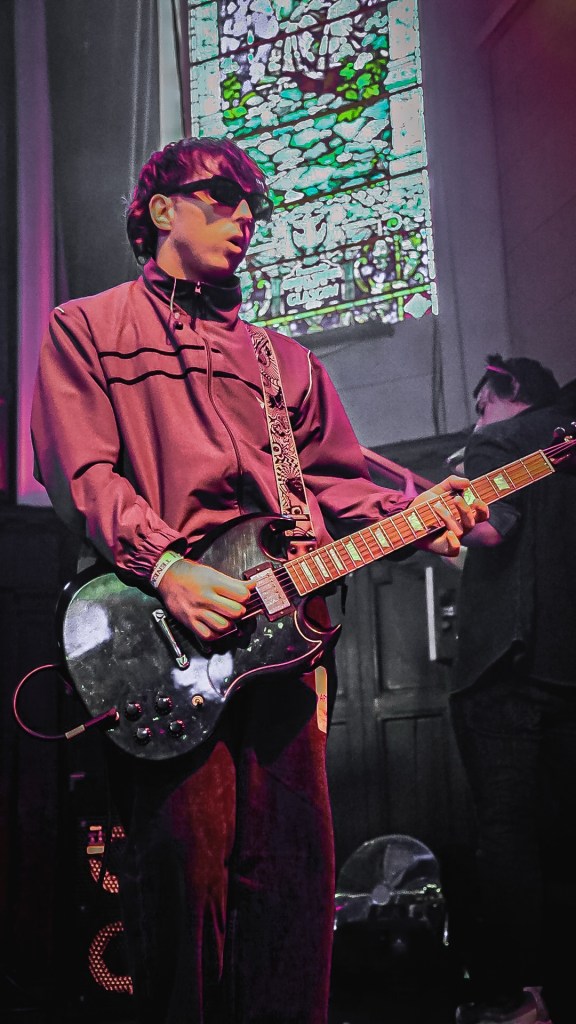
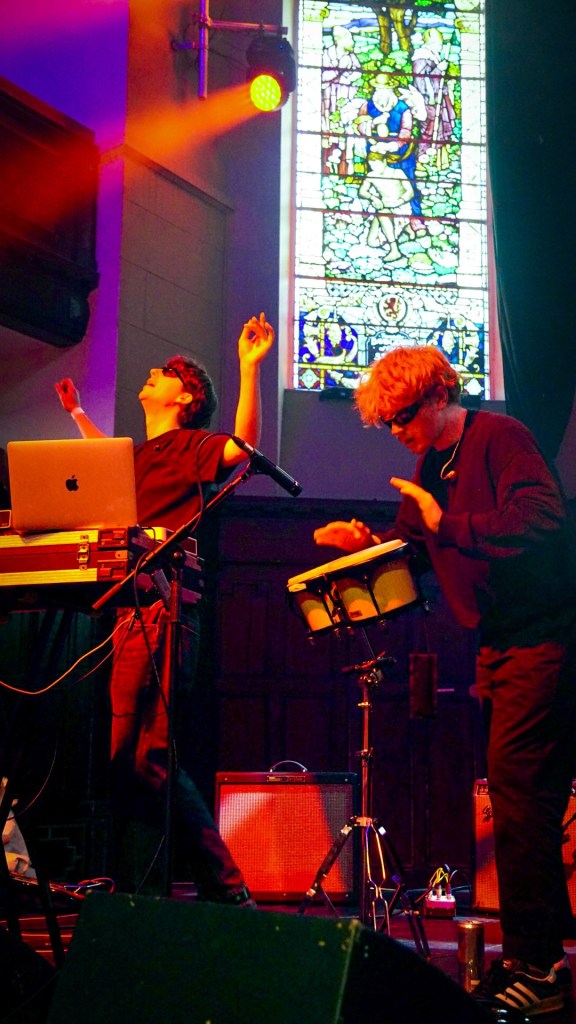
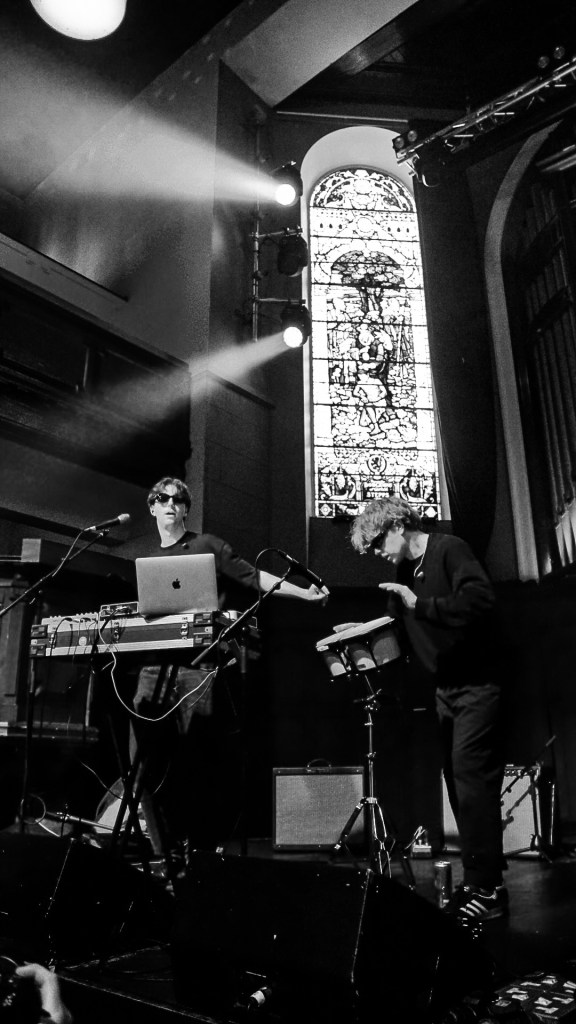
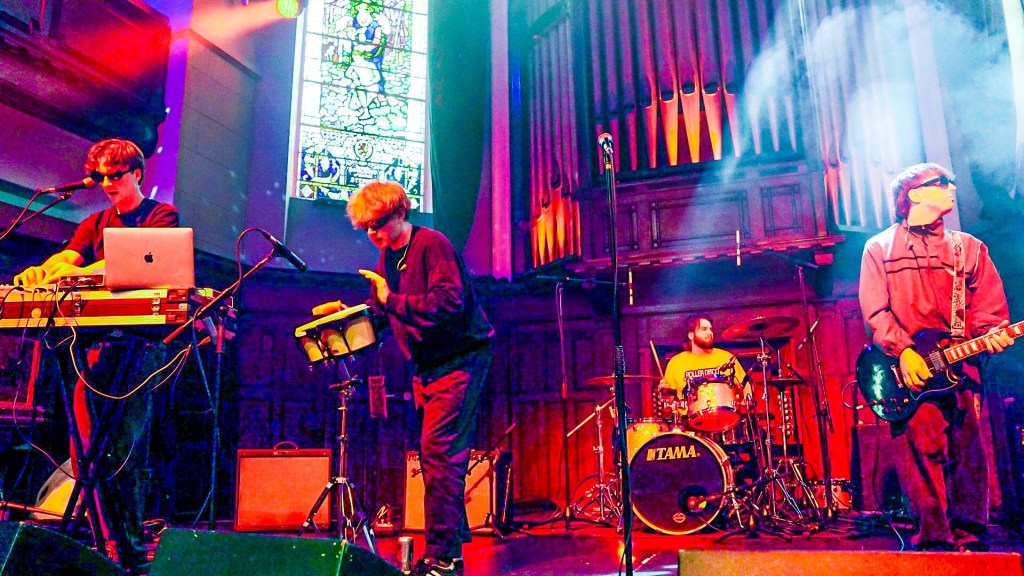
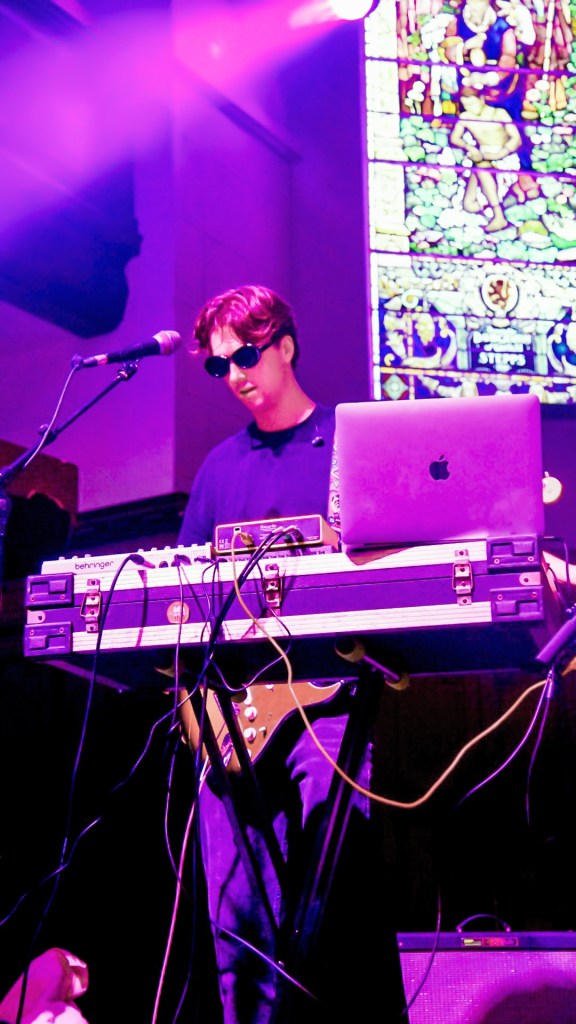
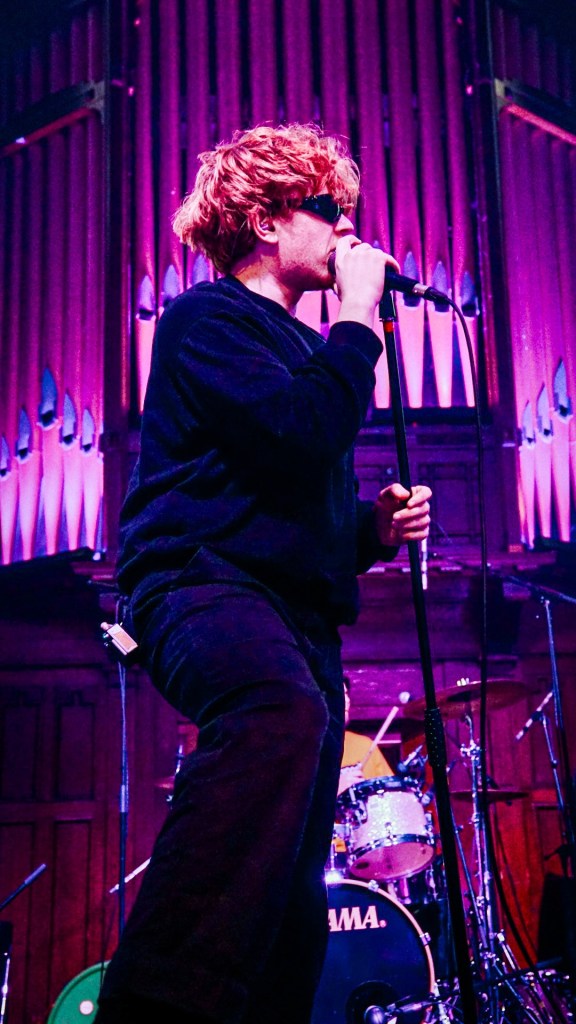
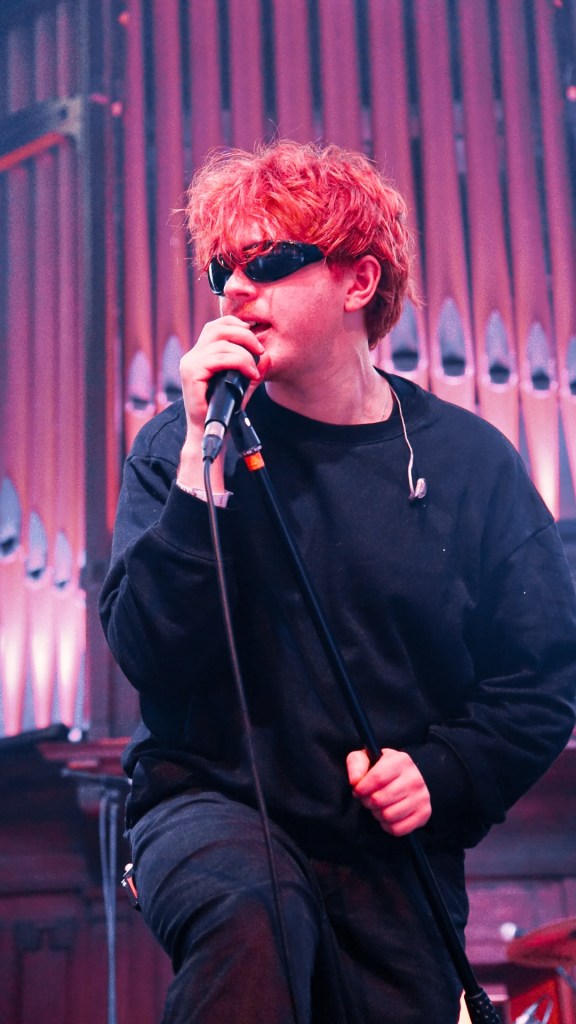
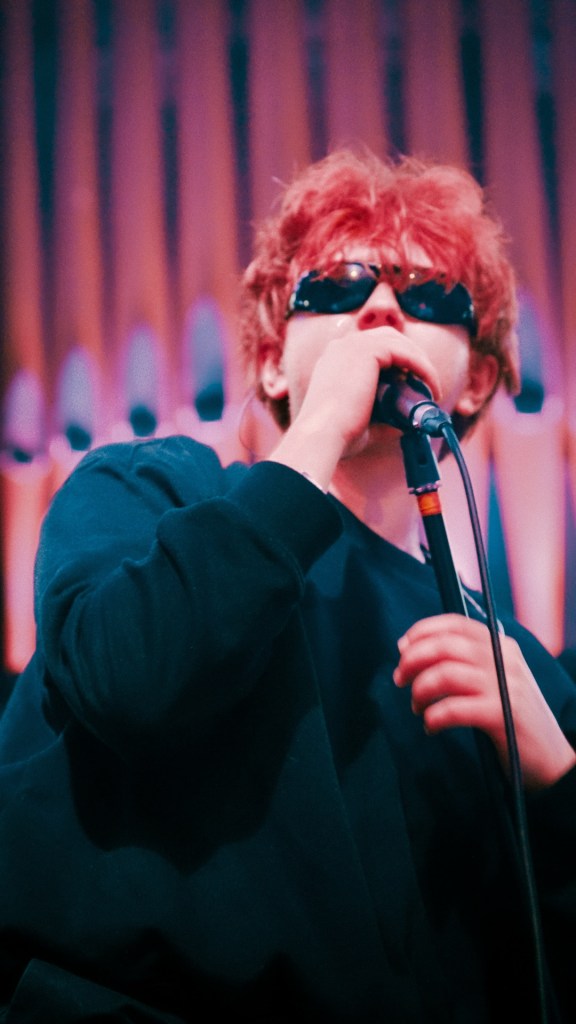
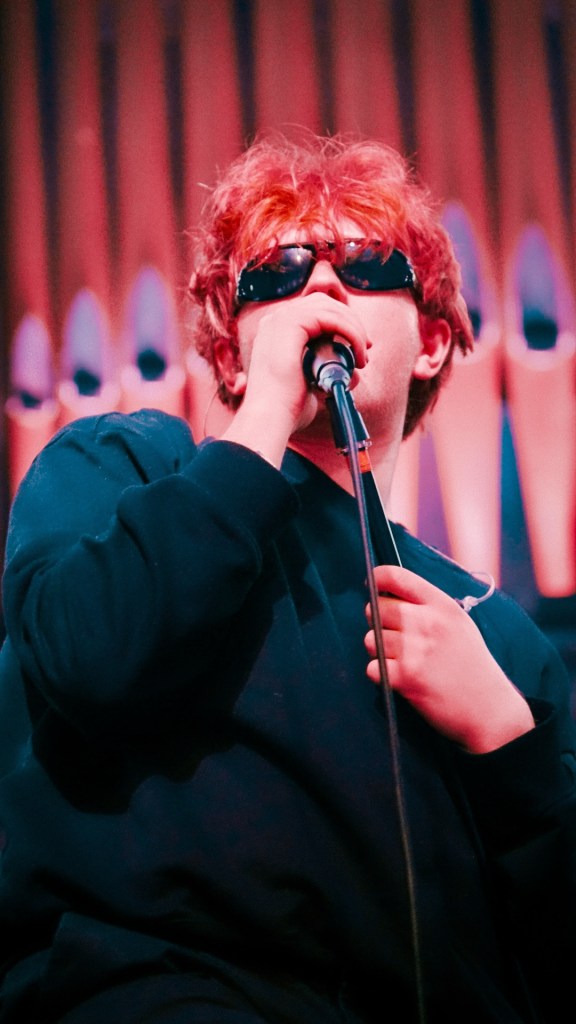
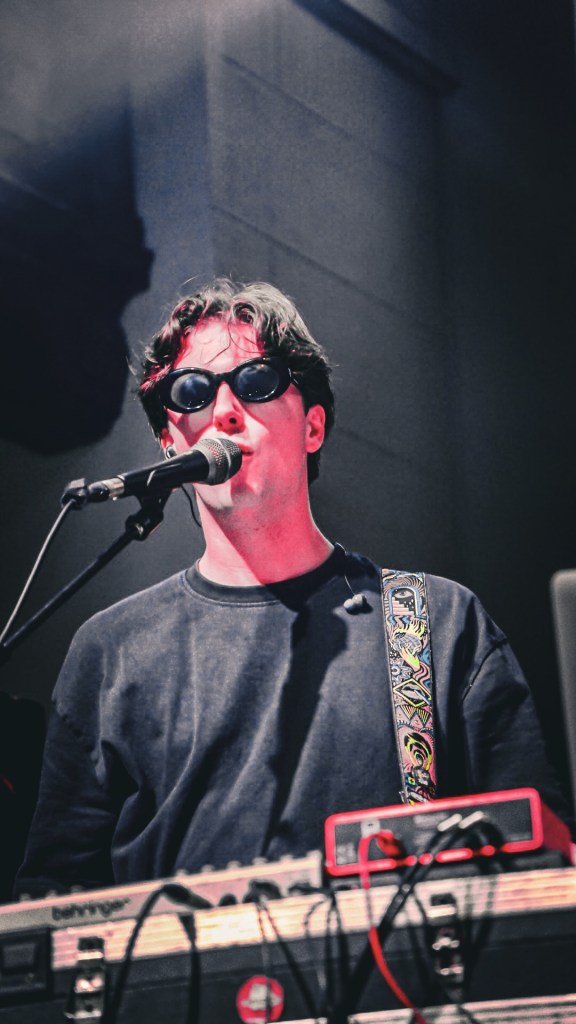
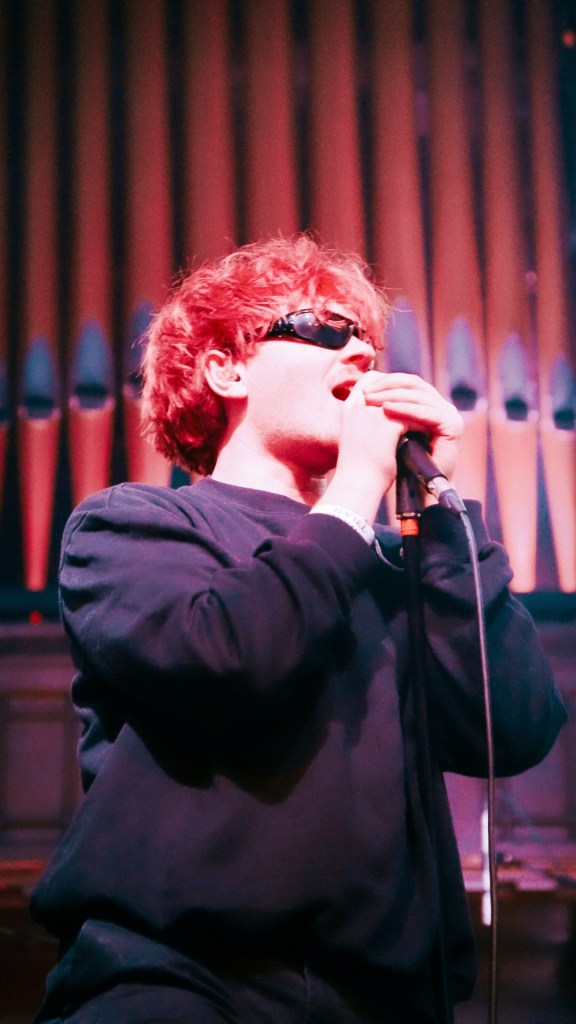
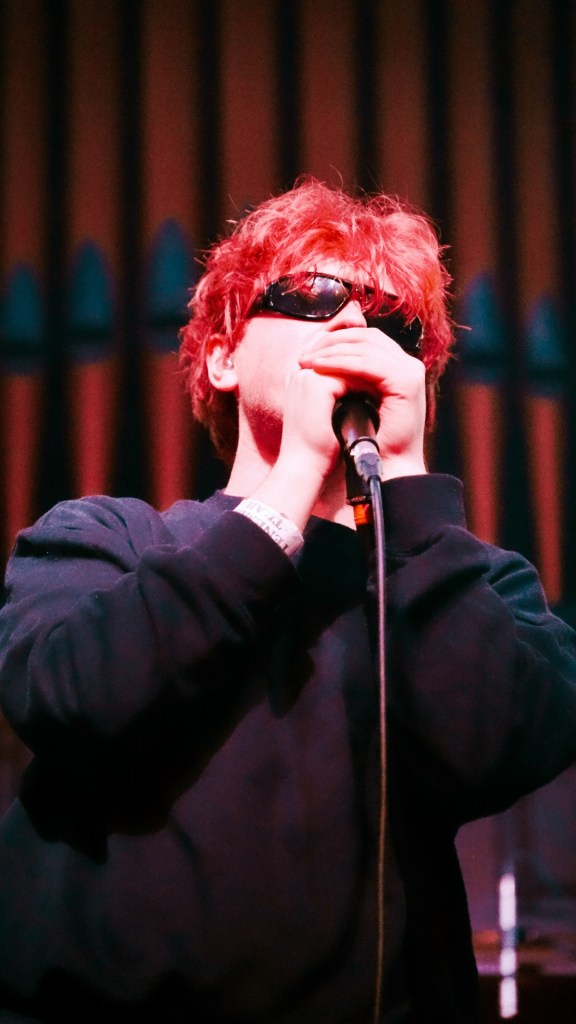
My First Time — BAaD
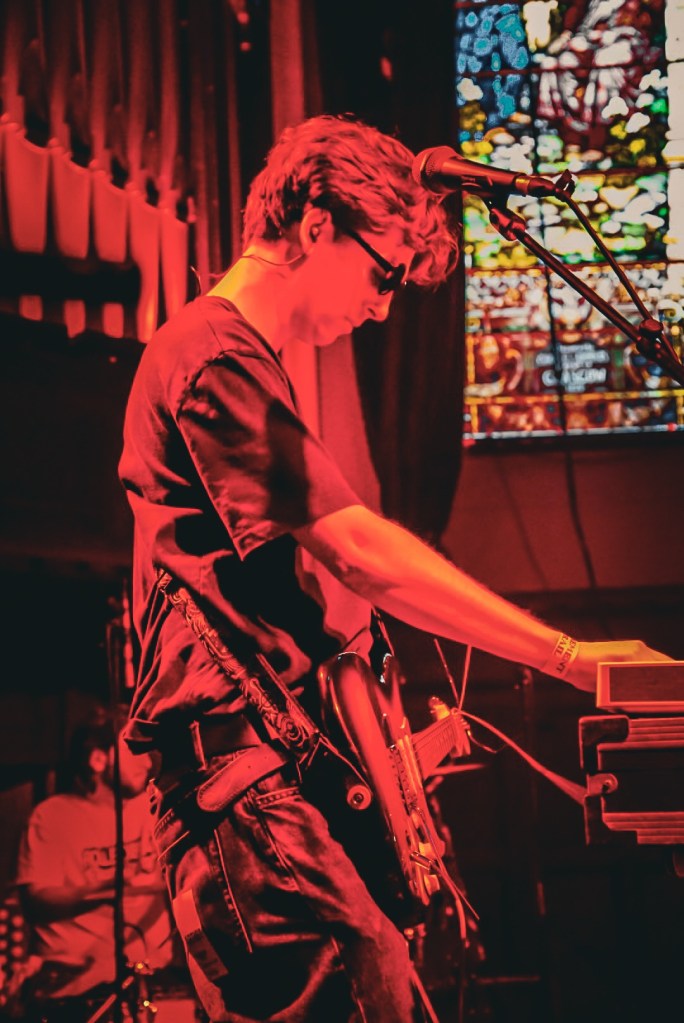
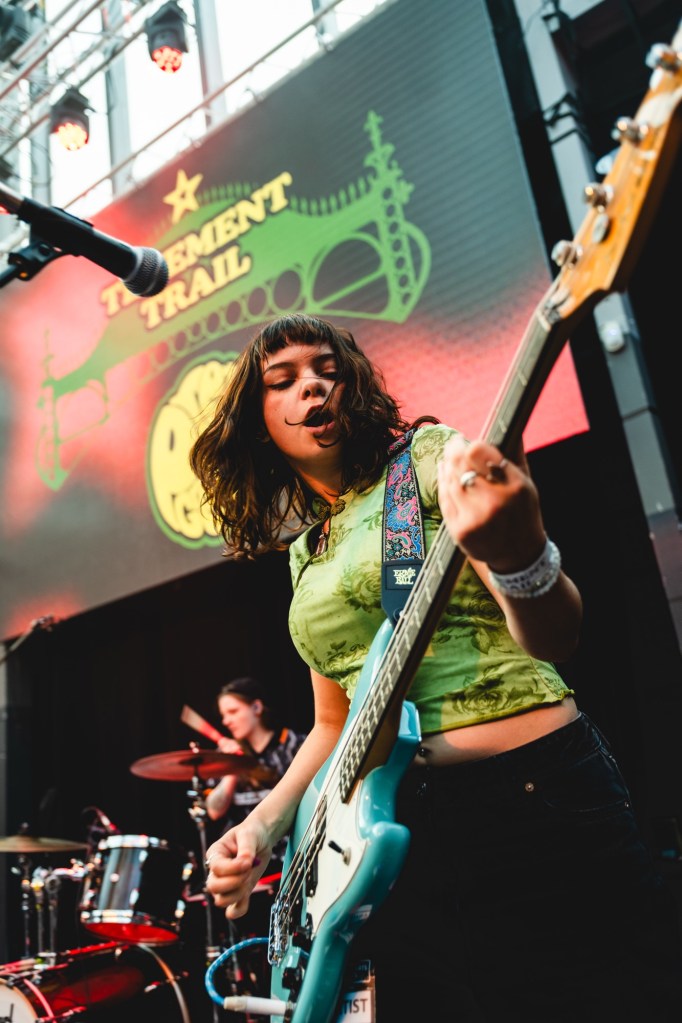
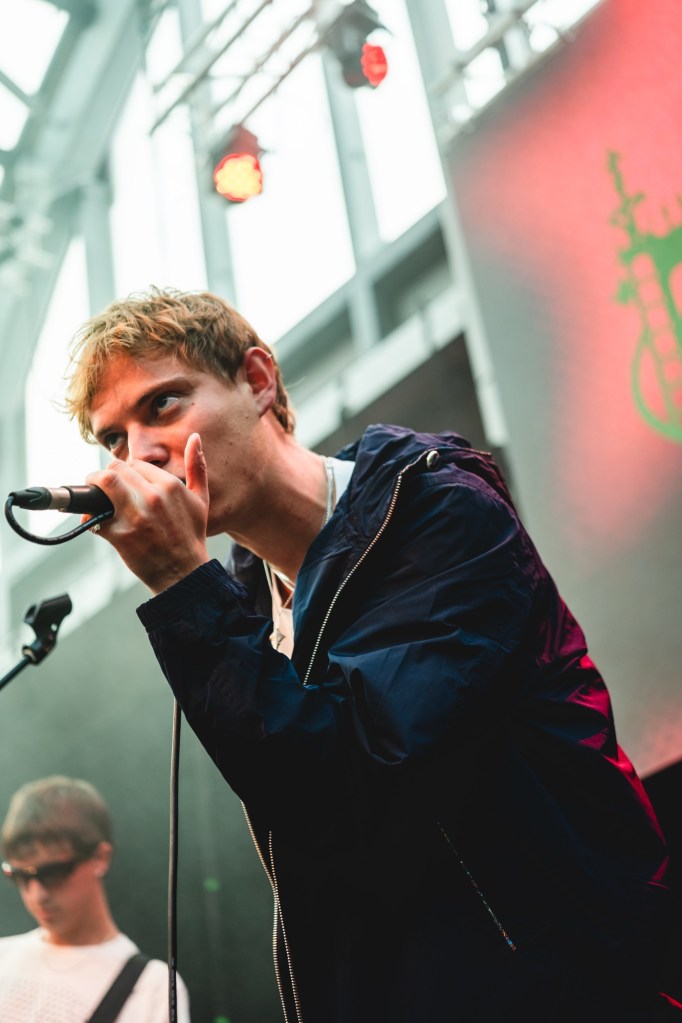
My First Time brought a rather different energy to BAaD. The name is a gift to anybody with an immature sense of humour, which is to say most people at an independent music festival, but the band were there to make a musical impression rather than simply provide a punchline. Cowbell heavy, snarling and witty they arrived with a camp stomp. “Man of Ill Repute” has been on our playlist for months.
Paulie Swan — Barrowland 2,
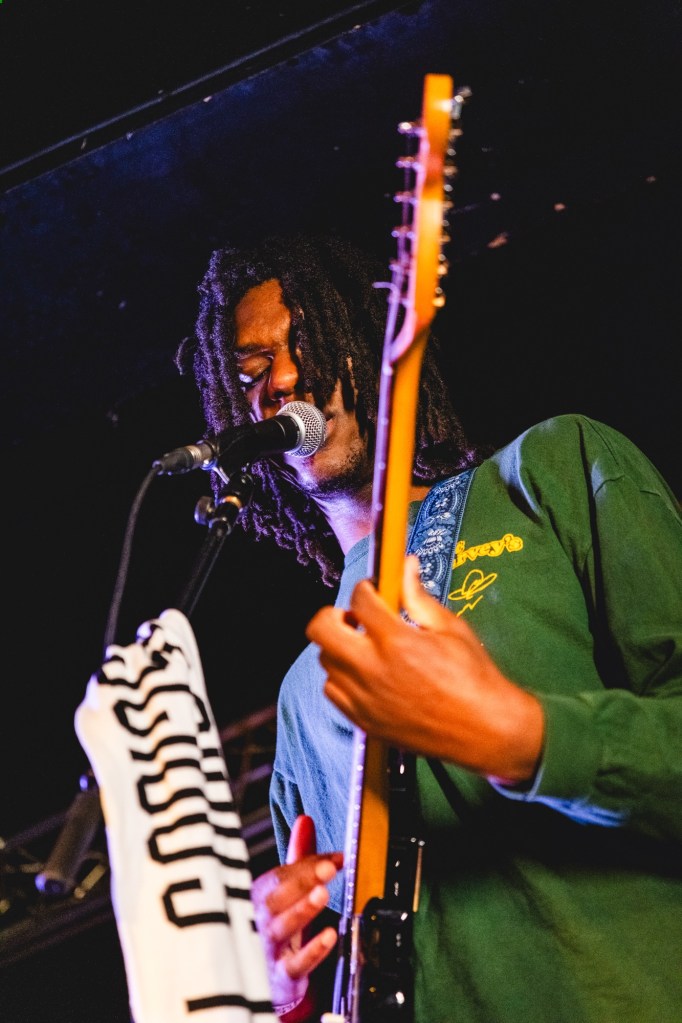
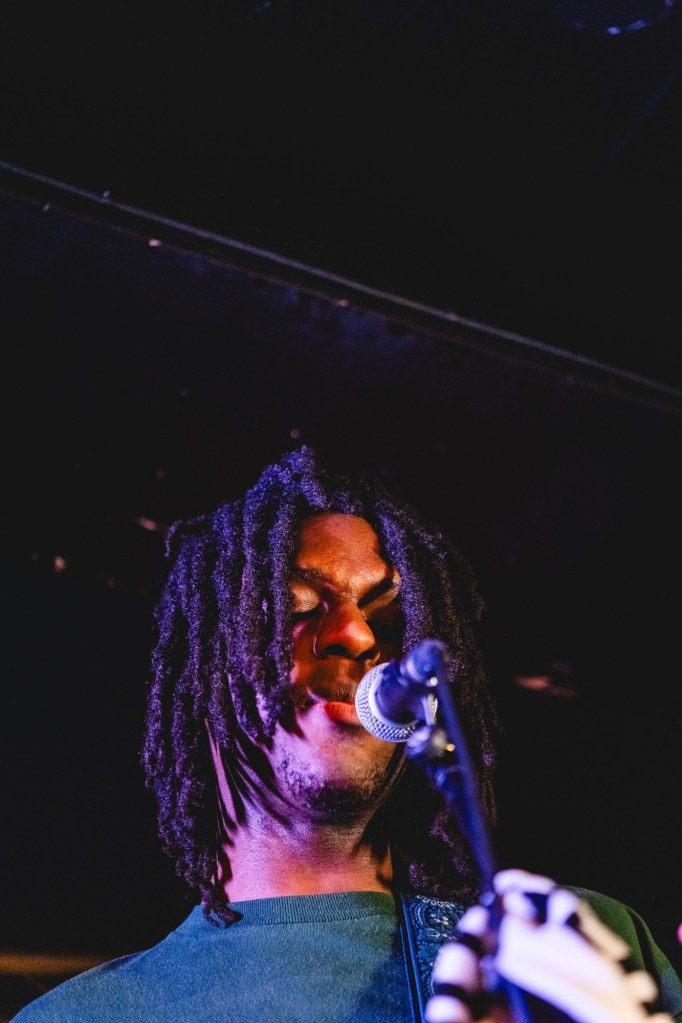
Paulie Swan’s appearance at Barrowland 2 was another invitation to investigate rather than assume. There is a particular intimacy to this room, where emerging artists can feel close enough to touch and a performance can turn a passing curiosity into something more substantial. The afternoon was gathering momentum, the crowds were beginning to move with greater purpose, and the business of choosing between stages was becoming less a question of taste than a test of personal logistics. Paulie Swan’s particular brand of multi-layered, jazz and funk infused brilliance provided accurate titillation, we loved “Shiner”.
Burglar — 226 Gallowgate
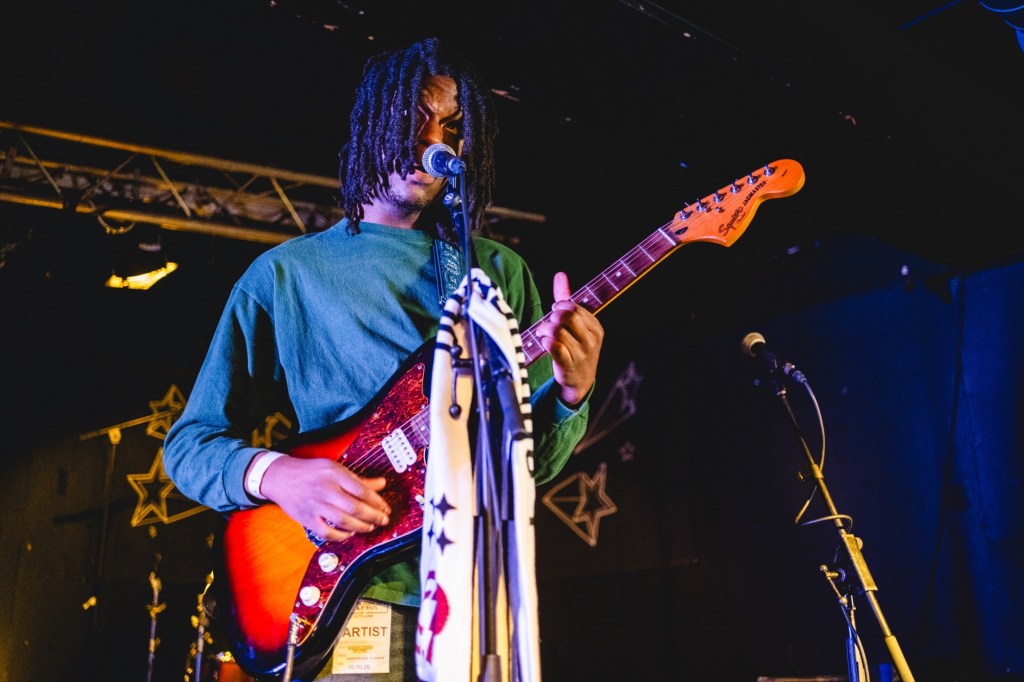
At 226 Gallowgate, Burglar offered another opportunity to venture beyond the best-known names. The venue was part of the festival’s charm: instead of one enormous field and a screen the size of a tower block, Tenement Trail spread itself across real rooms in a real neighbourhood, each with its own atmosphere and its own limitations. You could get close to the music, feel the crowd respond and make up your own mind. Burglar’s afternoon appearance fitted neatly into that spirit of discovery, in a festival where the next favourite band might be playing just around the corner.
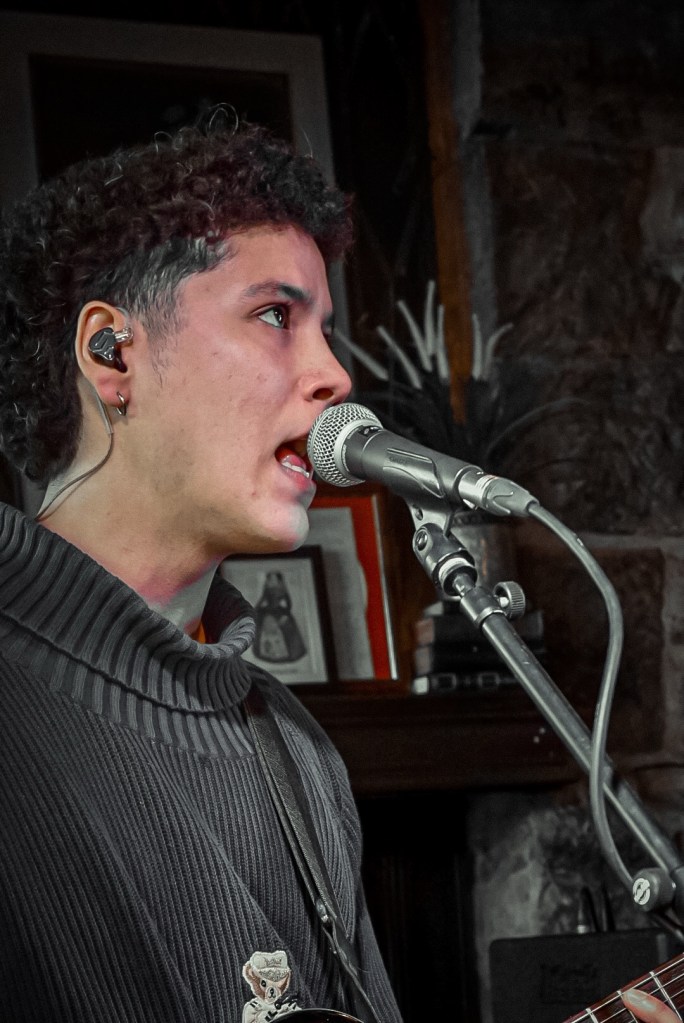
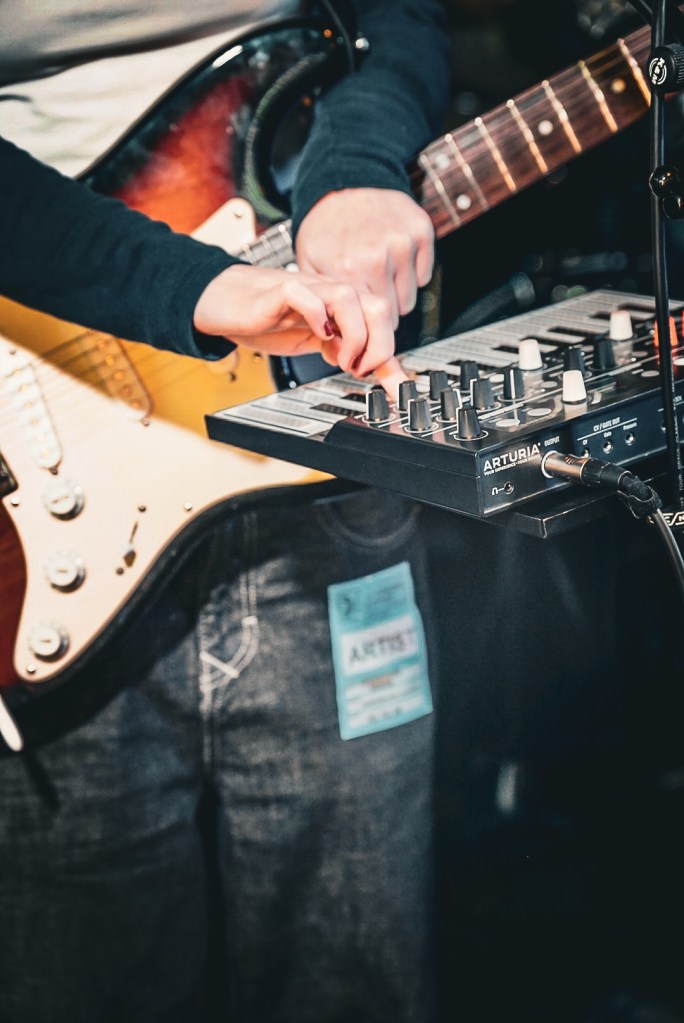
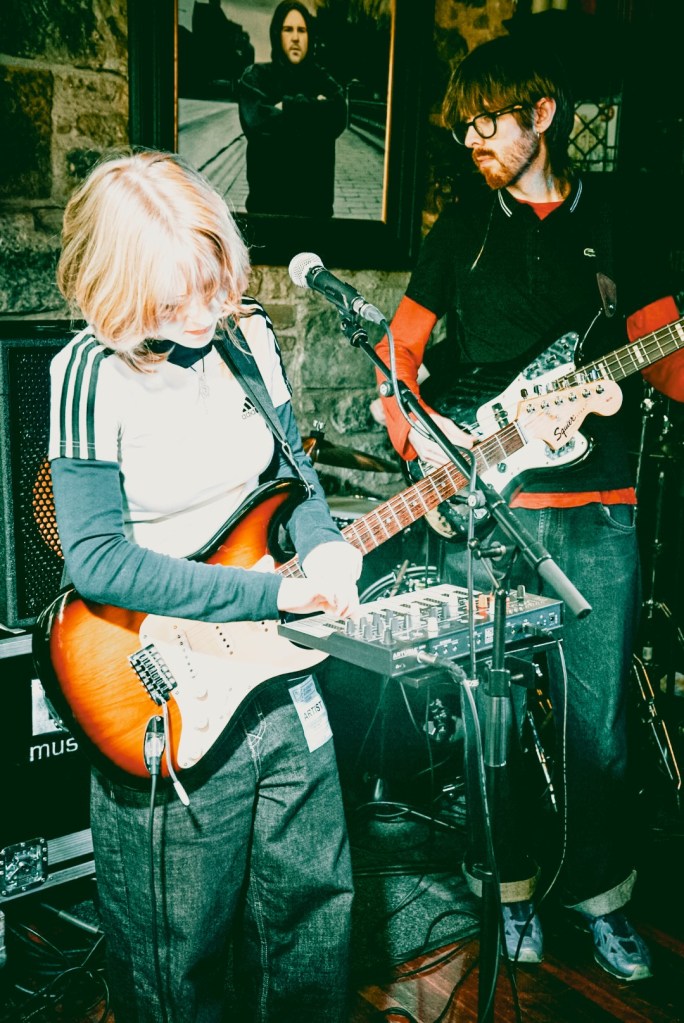
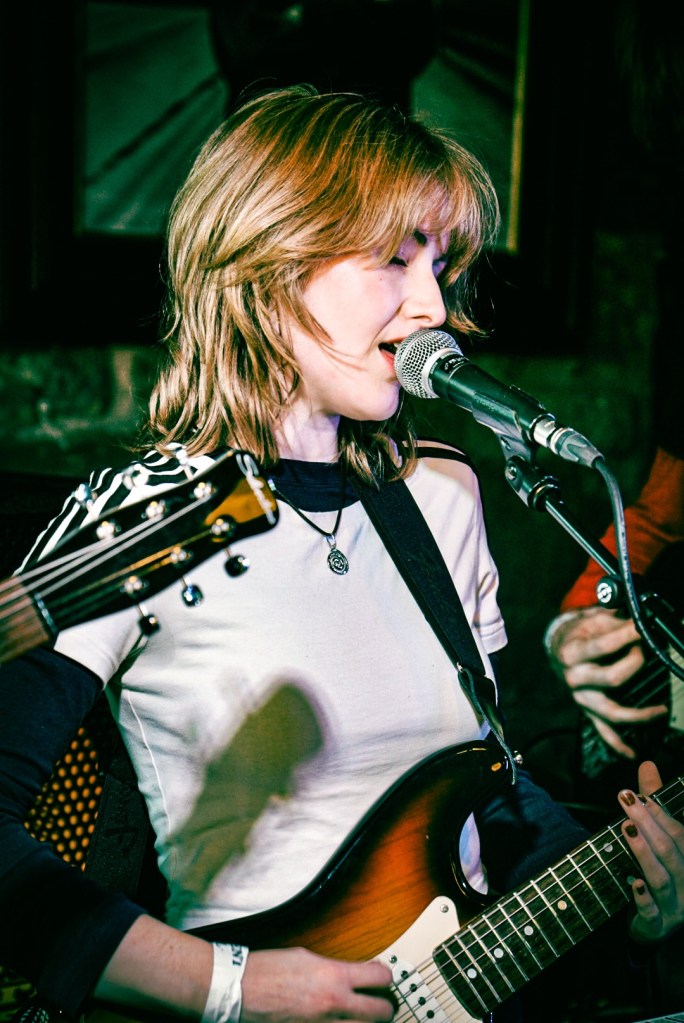
With their alternative indie offerings this Dublin based quartet did not disappoint our favourite track was, “Cappadocia”.
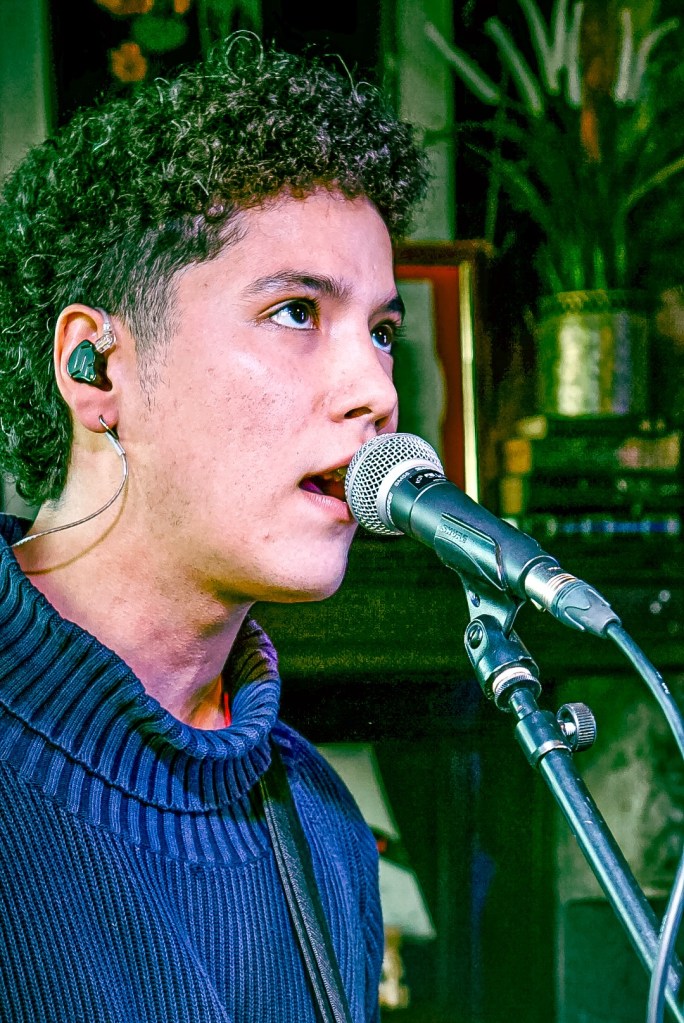
Maicín — Van Winkle
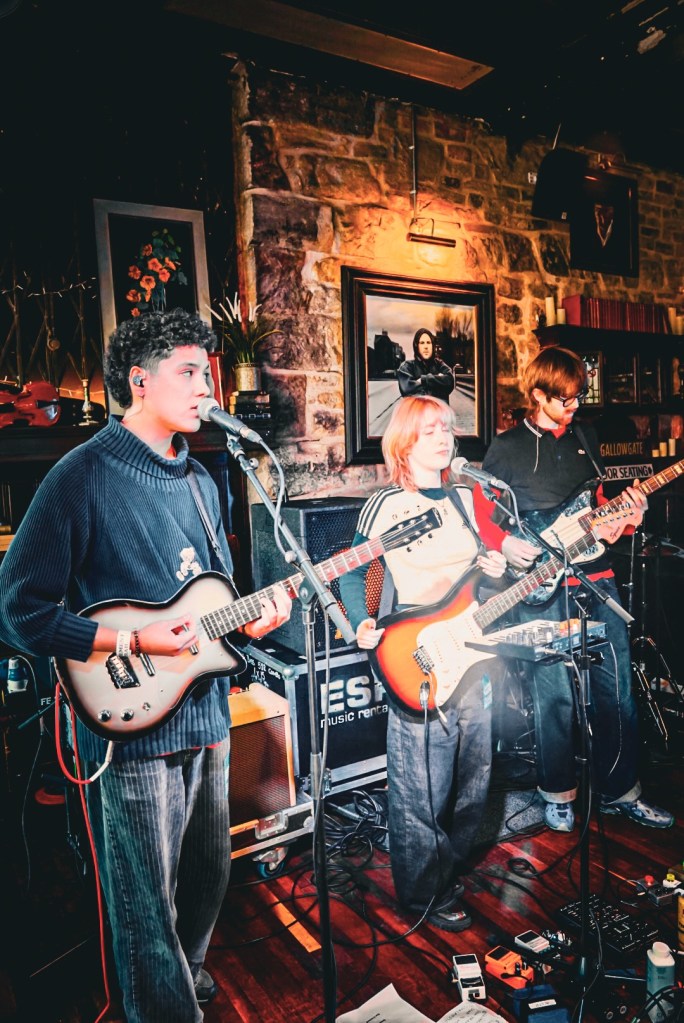
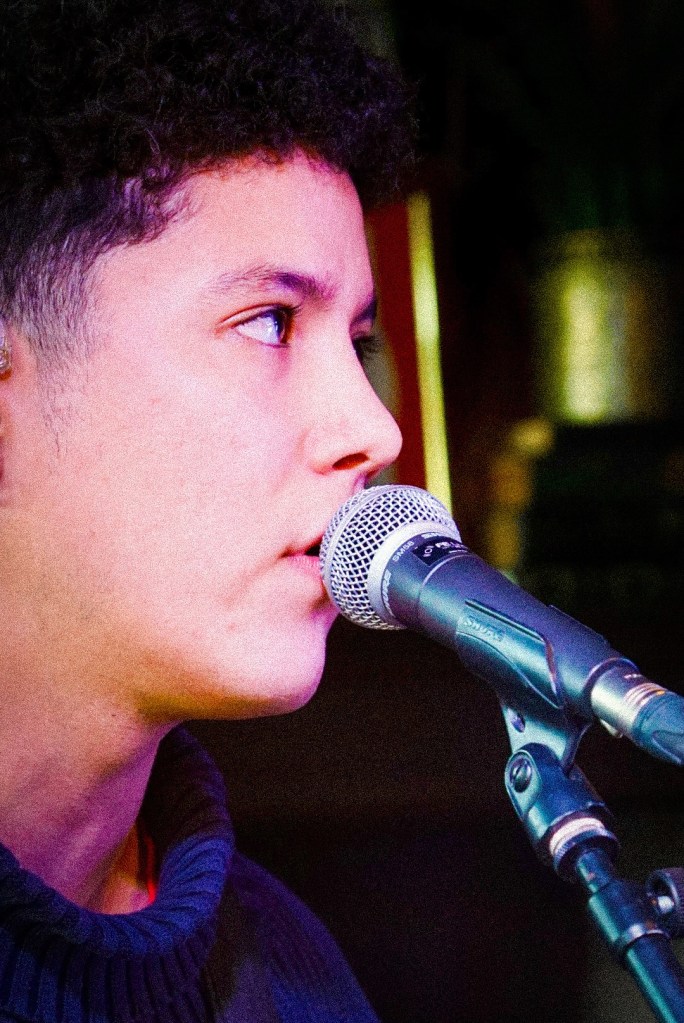
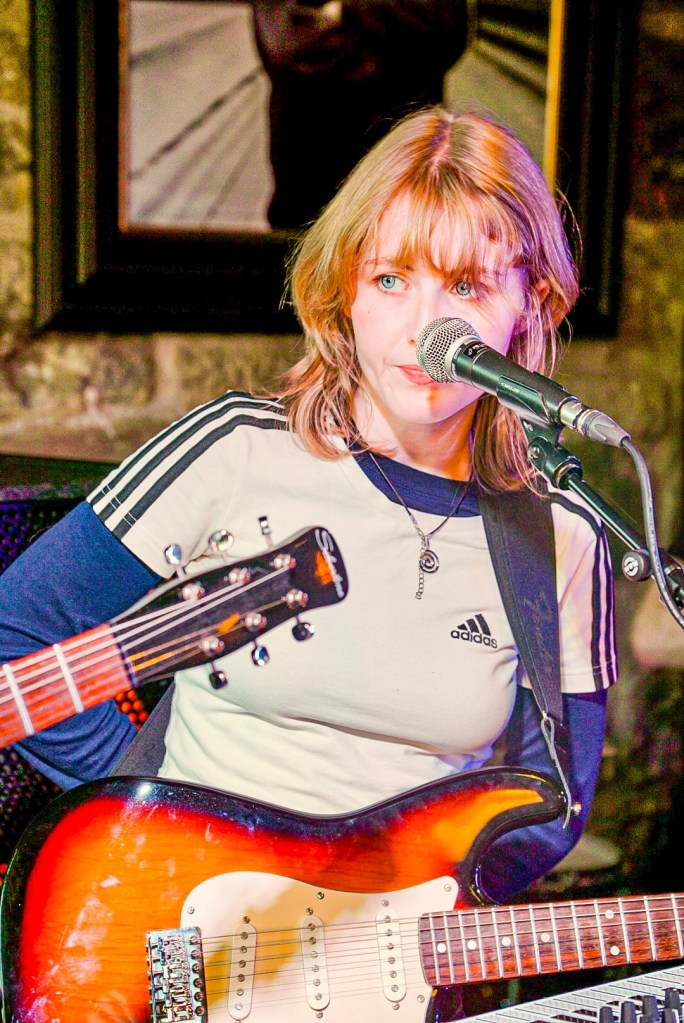
Van Winkle offered a change of temperature with Maicín, whose set brought the pleasures of a smaller room into focus. In a festival where the bigger stages can become a contest of volume and anticipation, there is something satisfying about being close enough to see a band work through a song rather than simply receive it from a distance. Maicín added another shade to the day’s shifting palette, the sort of discovery that can happen because you have ten minutes to spare and decide to follow your ears rather than your timetable.
Their sound sits comfortably in the festival’s broad indie landscape, with melody doing the work of a handrail through the arrangement. For a first listen, seek out “Mouth Open Wide”.
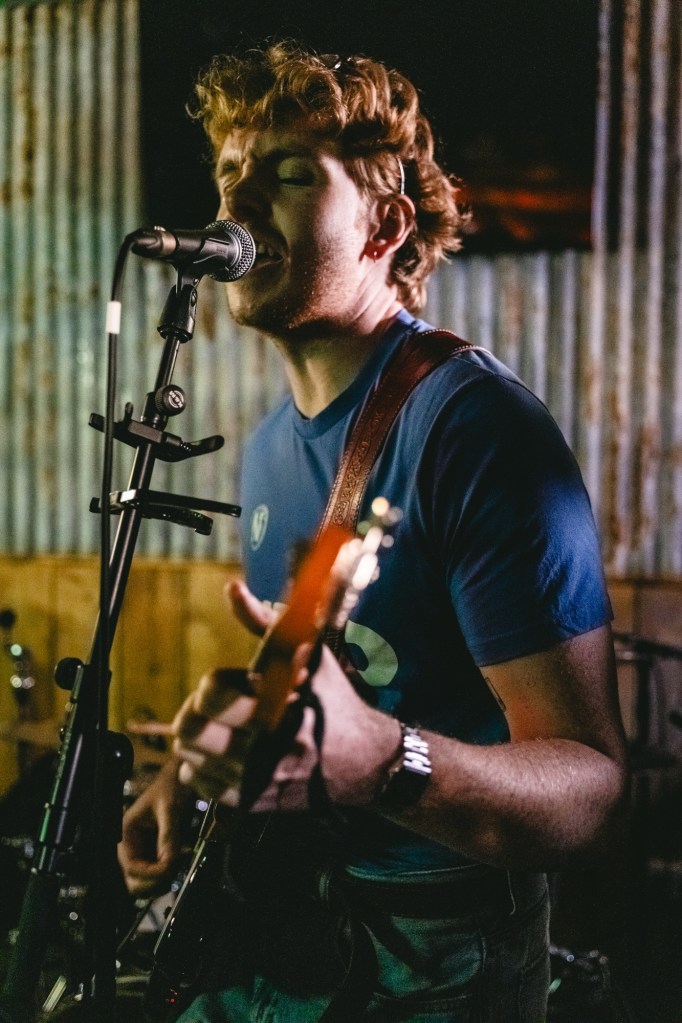

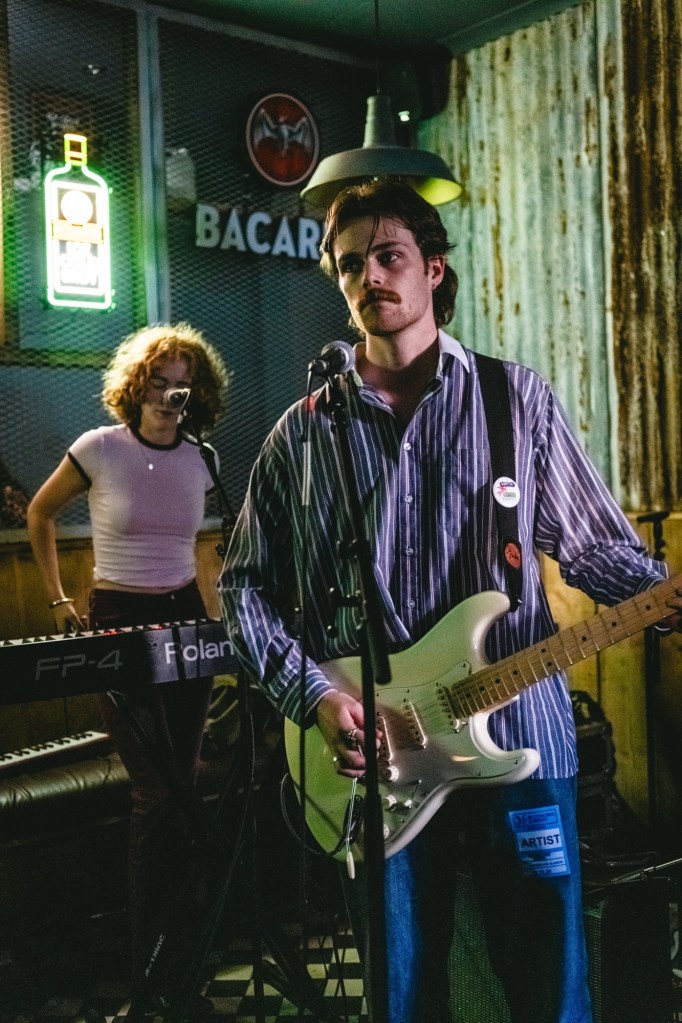
AKA — McChuills
McChuills was one of the day’s more useful places to drift into without a fixed plan, and AKA helped make the case for doing exactly that. Their appearance sat within the more intimate, rough-edged end of the festival, where a set can feel less like a polished showcase and more like catching a band in its natural habitat.
AKA’s place in the programme was another reminder that Tenement Trail is not a single-scene festival. Its appeal comes from the different little musical ecosystems sharing the same streets. “It Grows on Trees (Money)” was a gloriously delightful stomp.
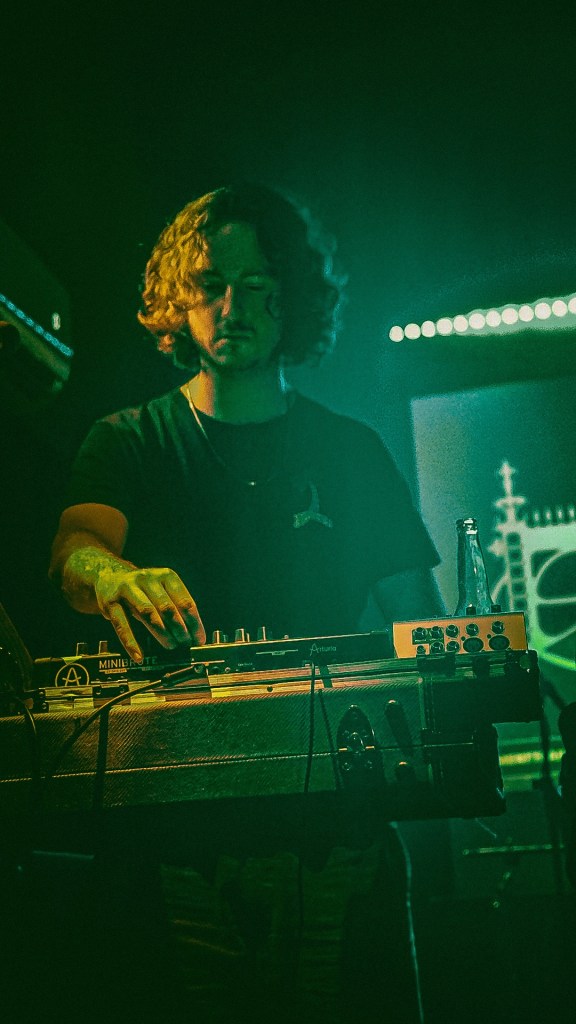
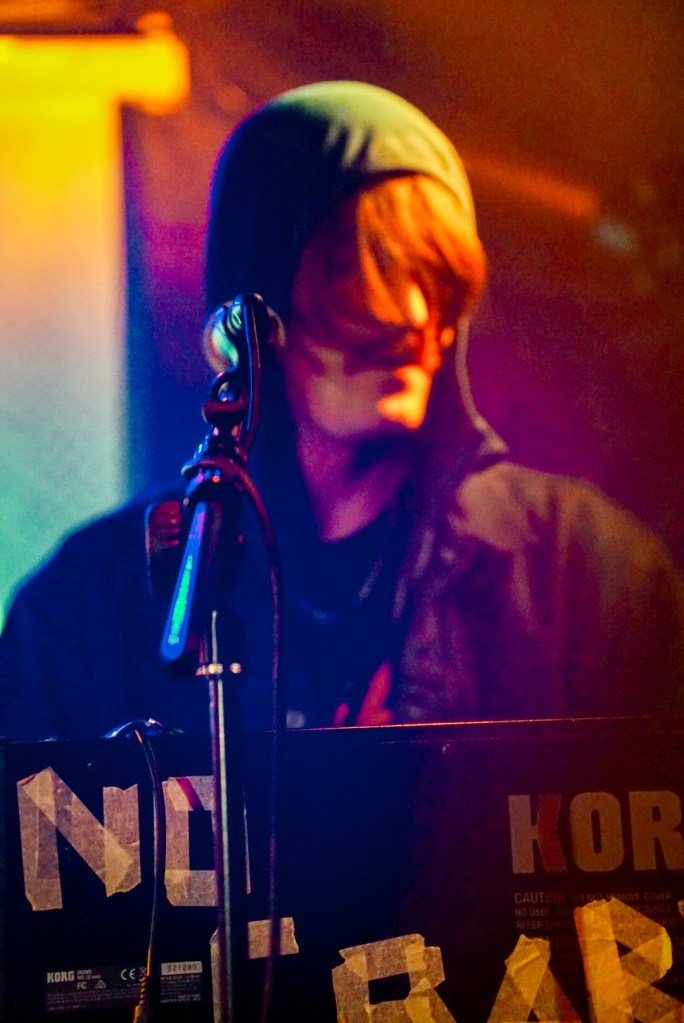
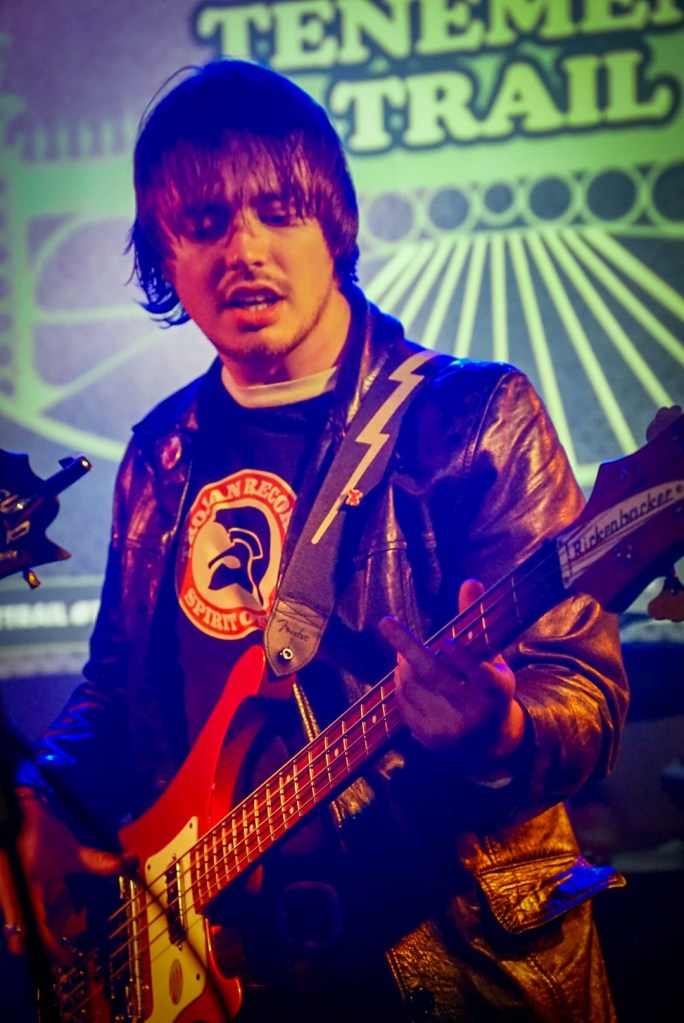
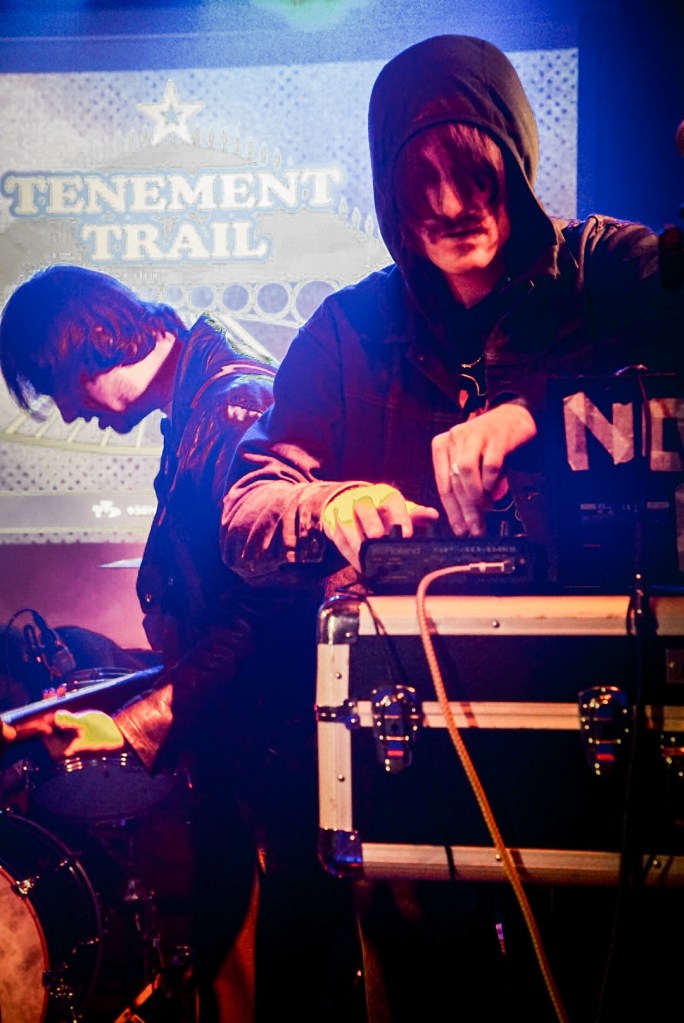
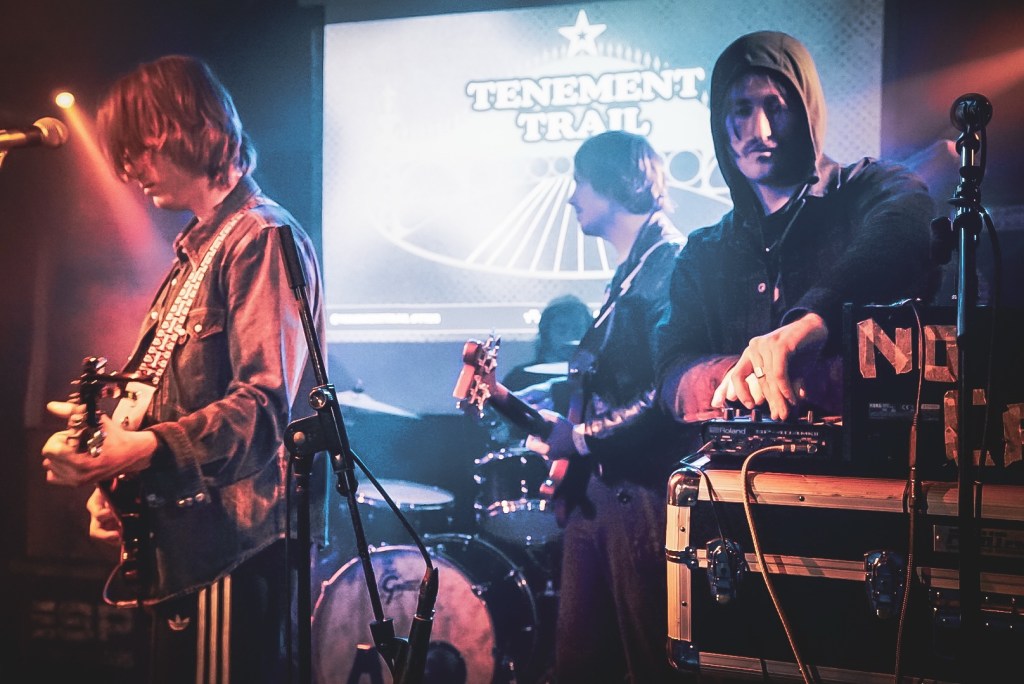
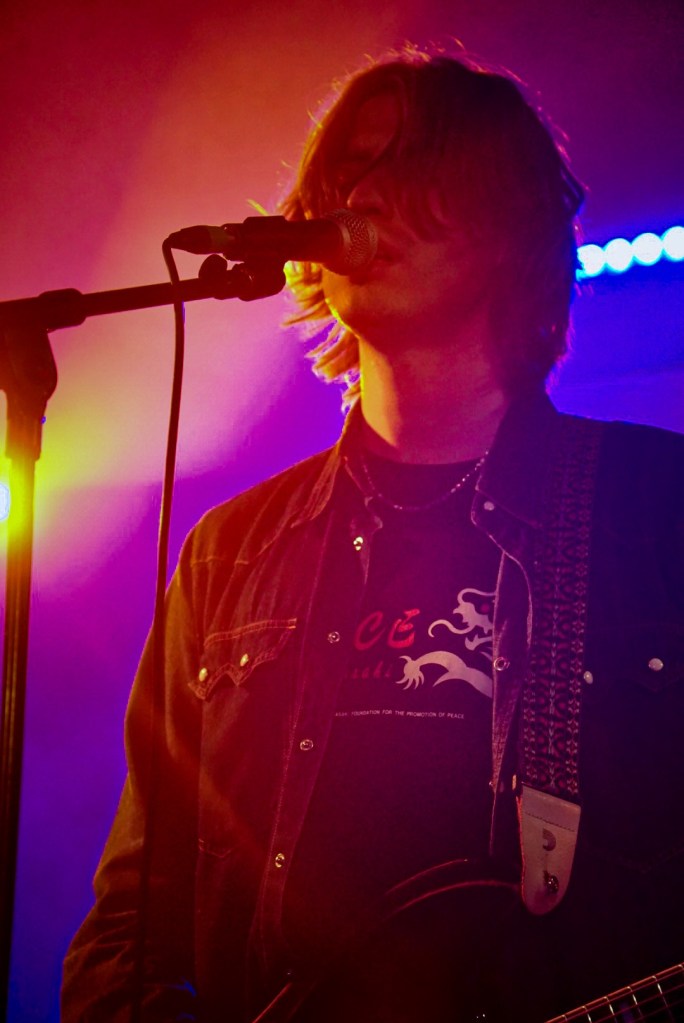
The Joy Hotel — BAaD
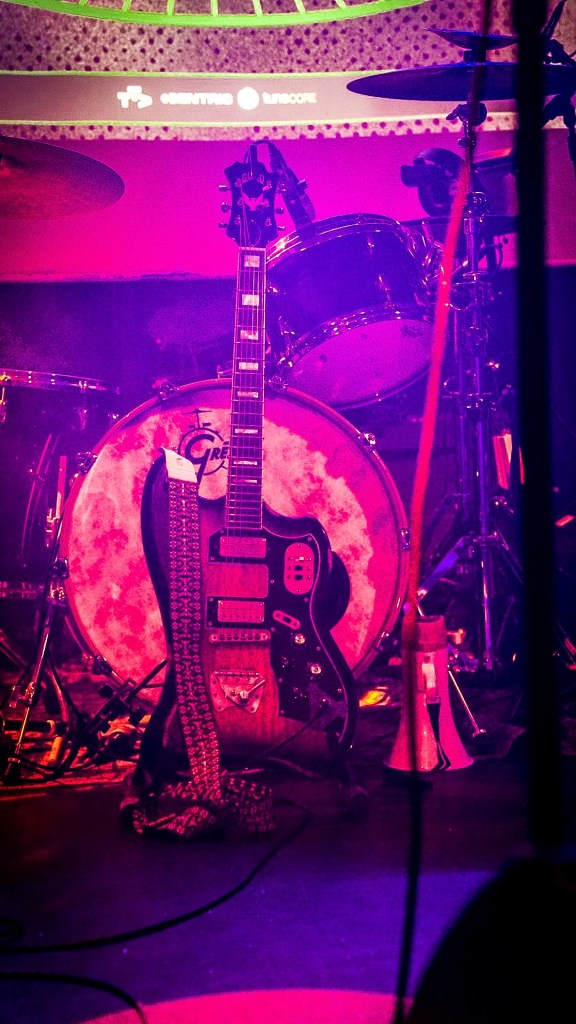
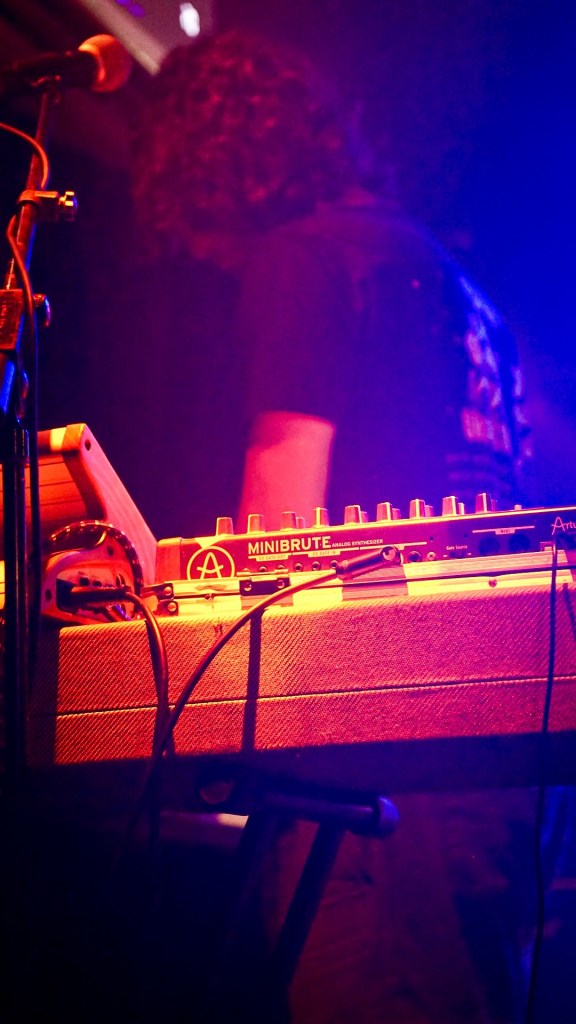
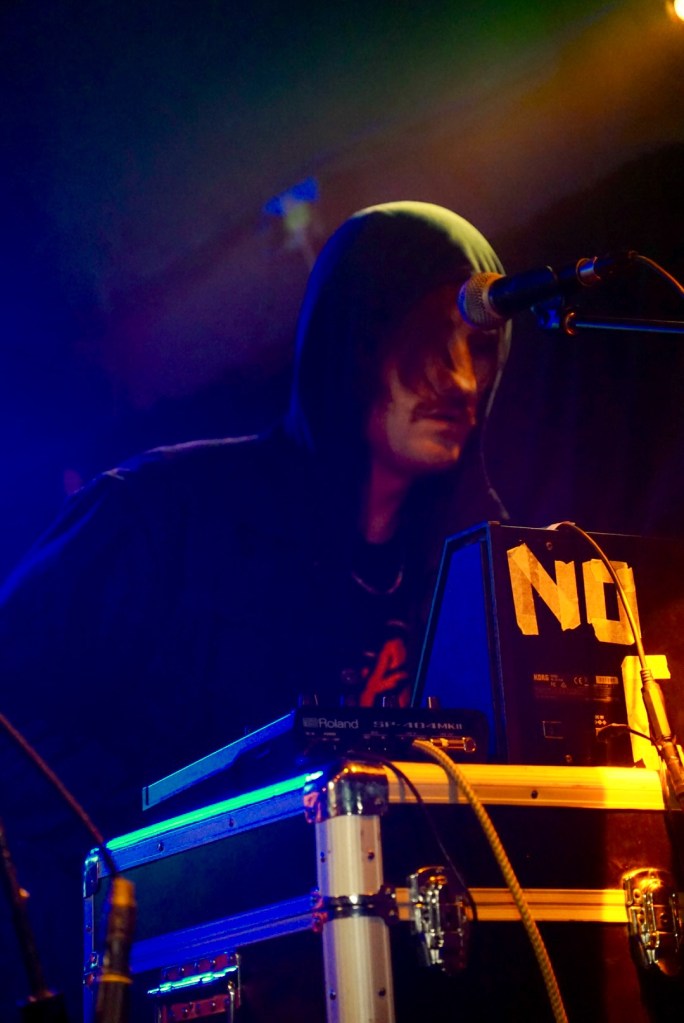
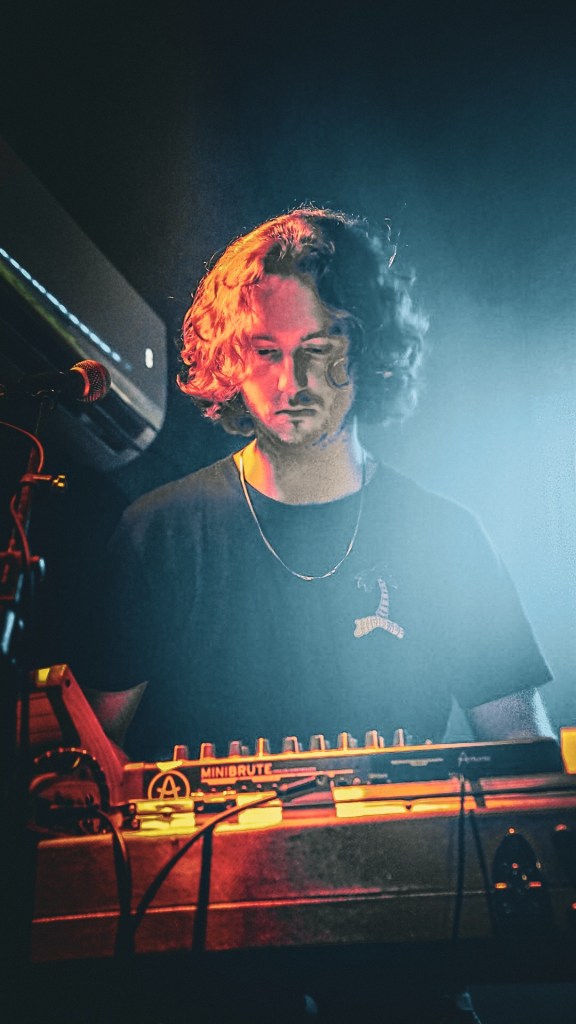
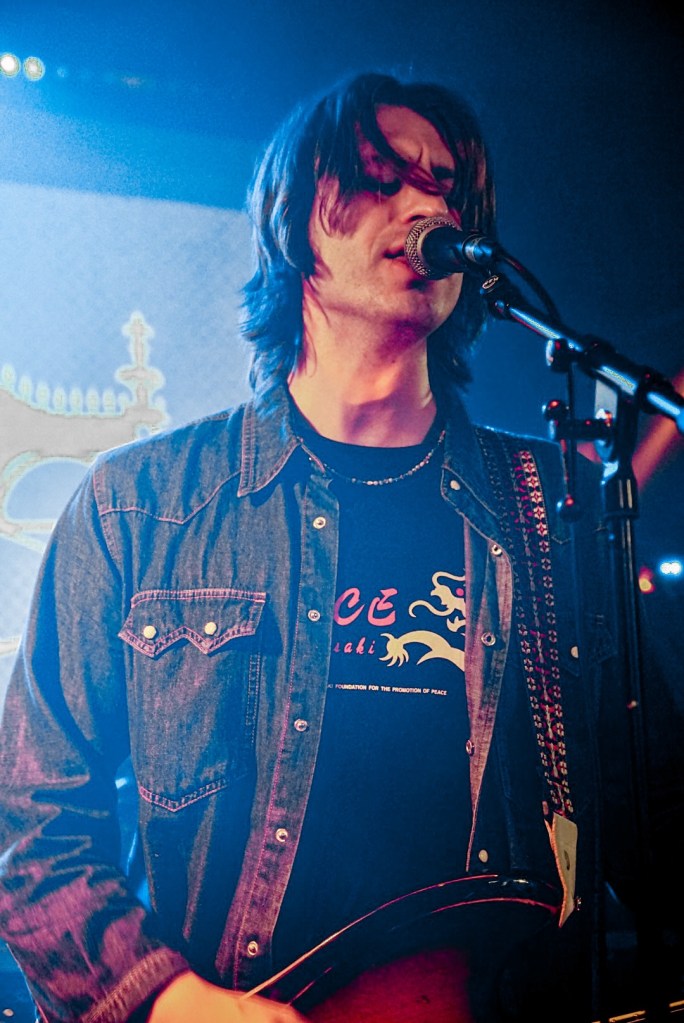
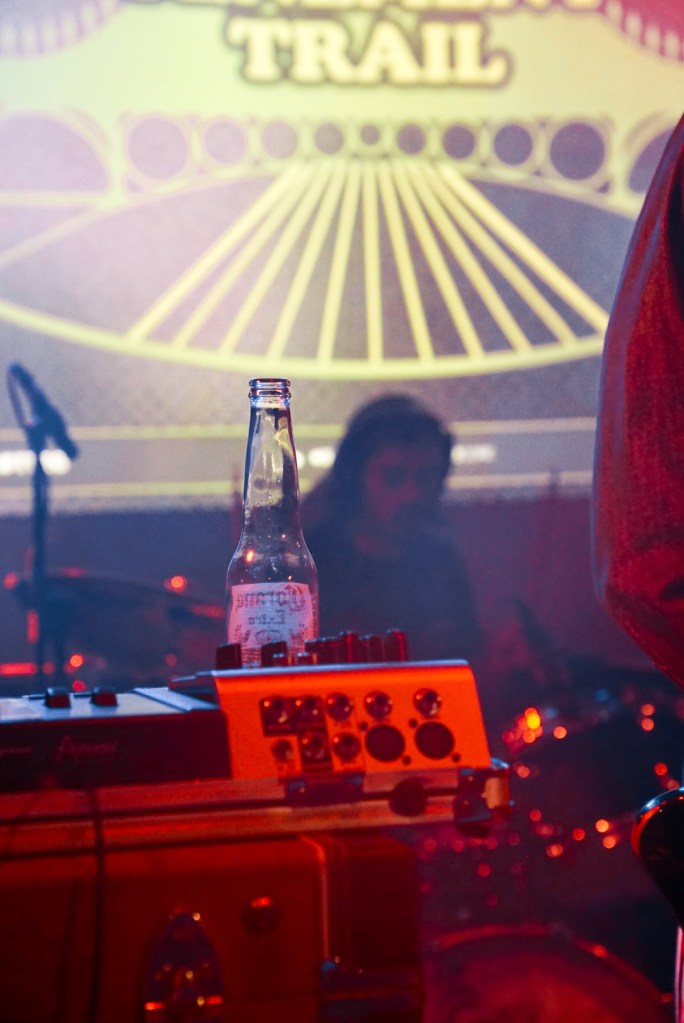
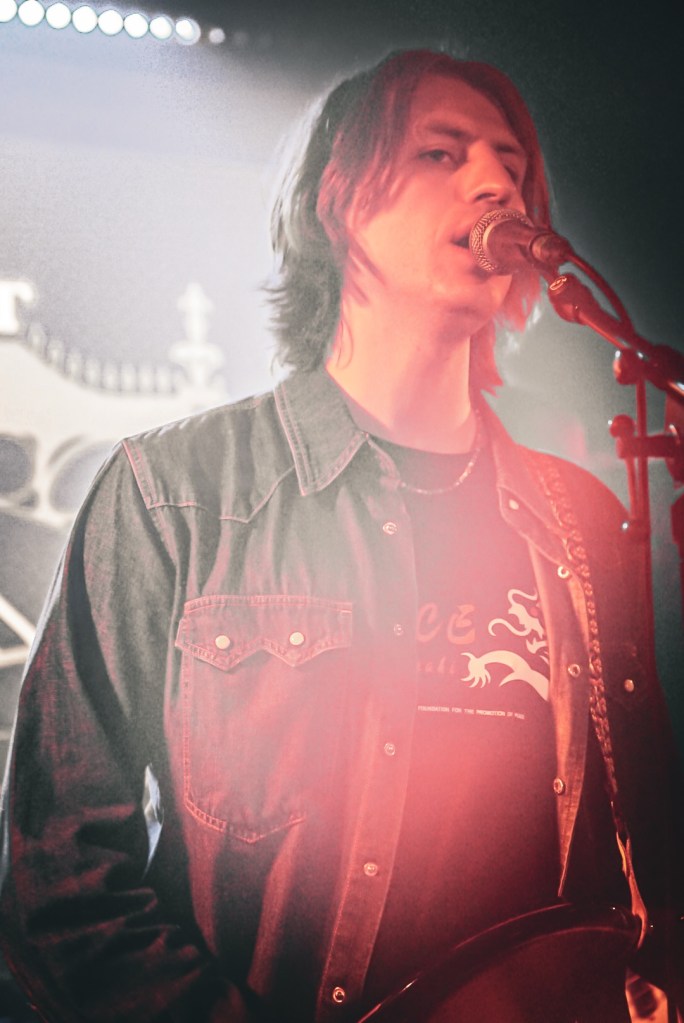
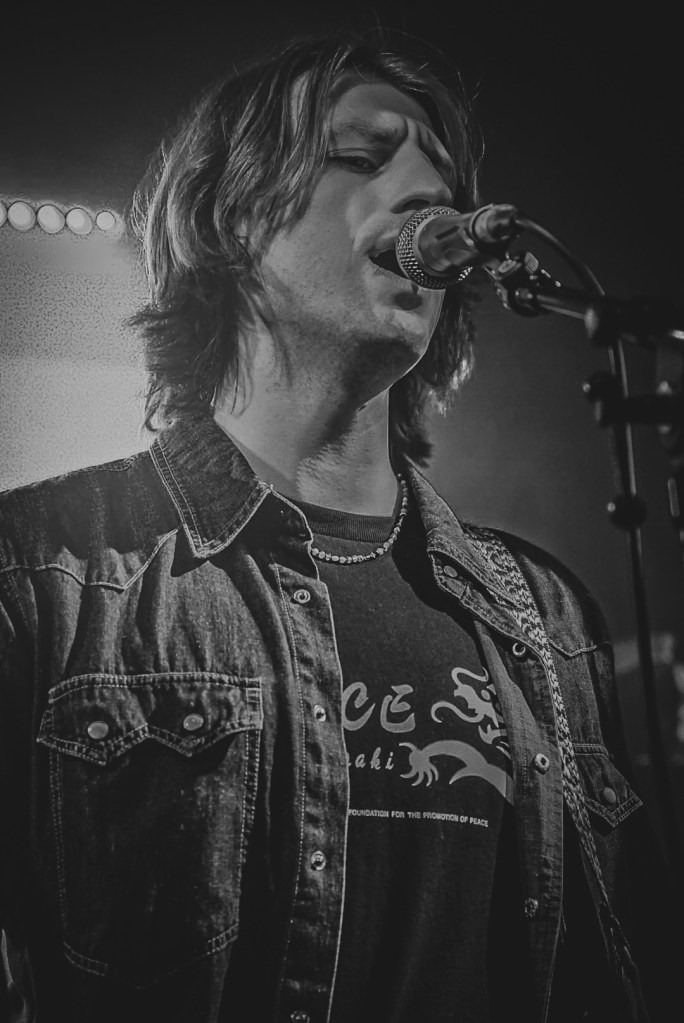
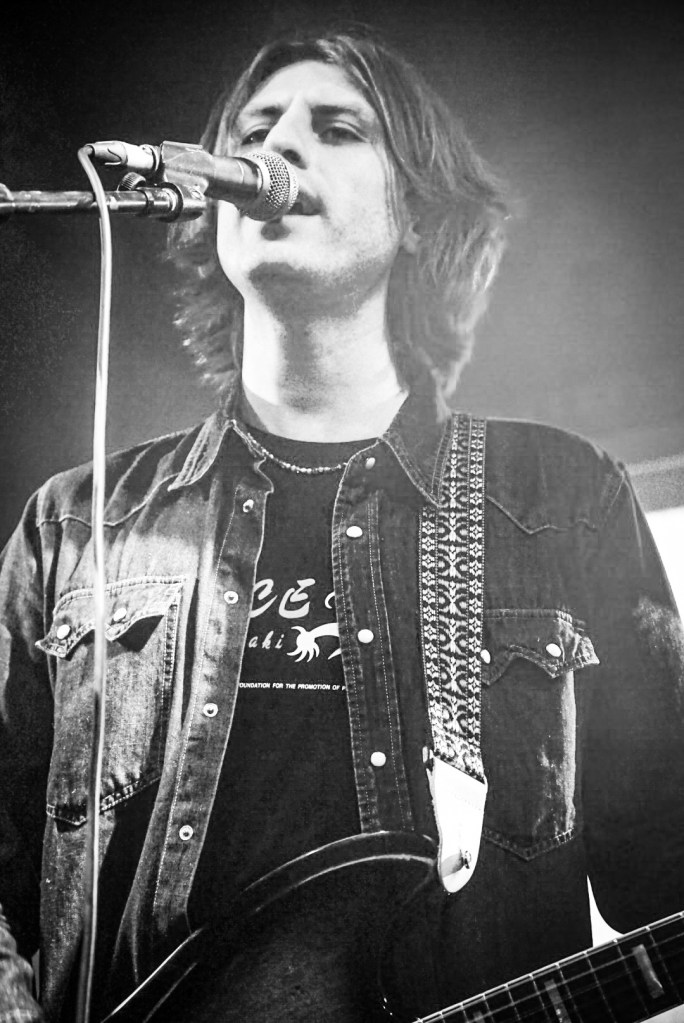
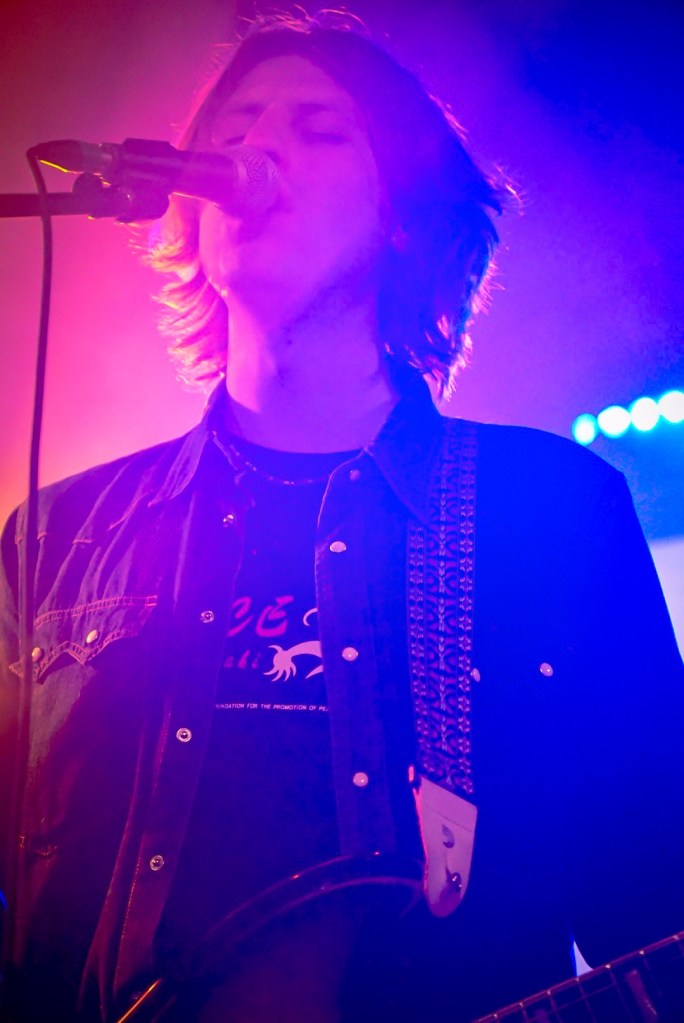
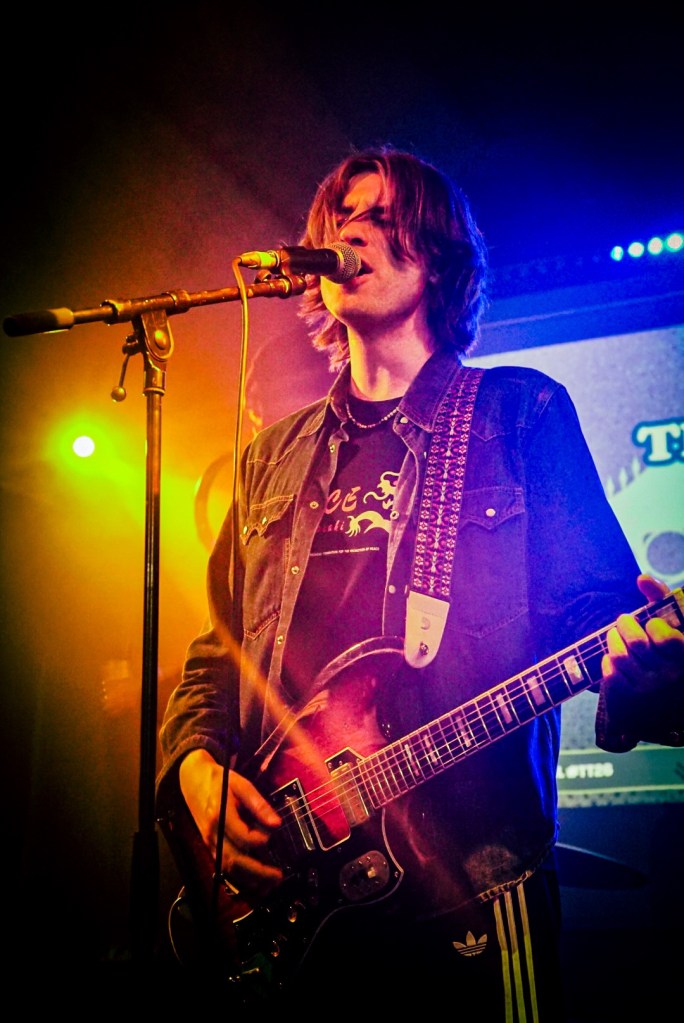
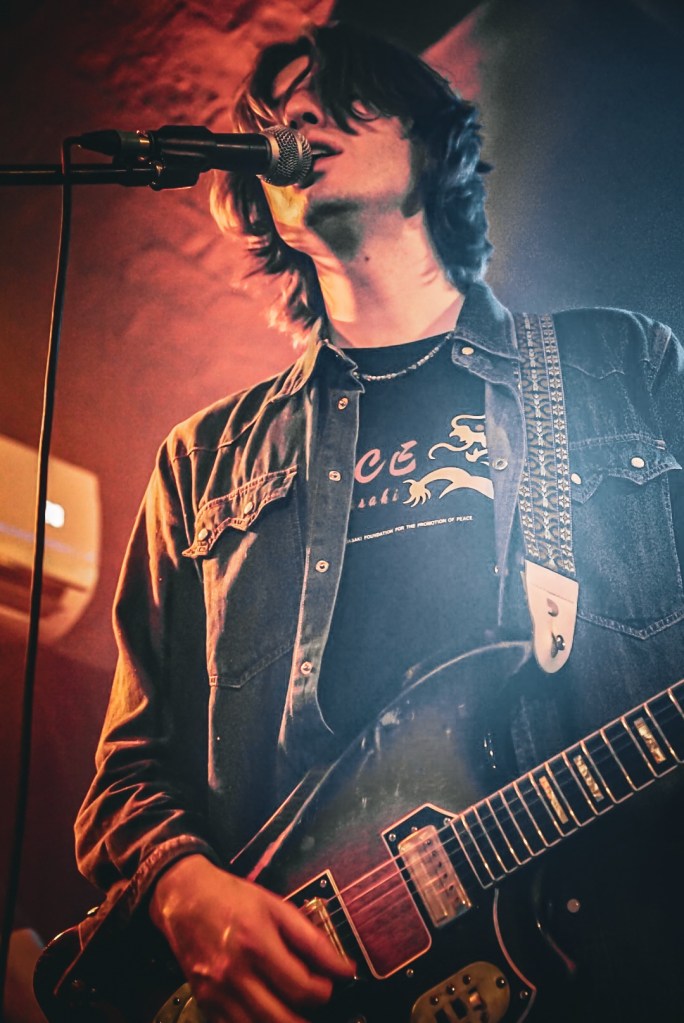
Glasgow septet The Joy Hotel brought a more expansive, unpredictable kind of indie to BAaD. Their music draws on pop, country and psychedelic rock, with multi-part vocal harmonies and arrangements that can move from delicate balladry to something noisier and more unruly. Imagine a country song wandering into a Sixties psych-rock party, finding a choir in the kitchen and deciding to stay until dawn. There is a cinematic quality to their music, but also a welcome sense of humour; the grandeur rarely becomes self-important.
Their song “Jeremiah” is the one to seek out. It swells from a brooding beginning into something rapturous, with the harmonies opening up like curtains at the end of a particularly strange stage play. It gives you the full Joy Hotel proposition: big emotions, curious arrangements and a Glasgow DIY sensibility that has grown into something much larger without losing its oddness.
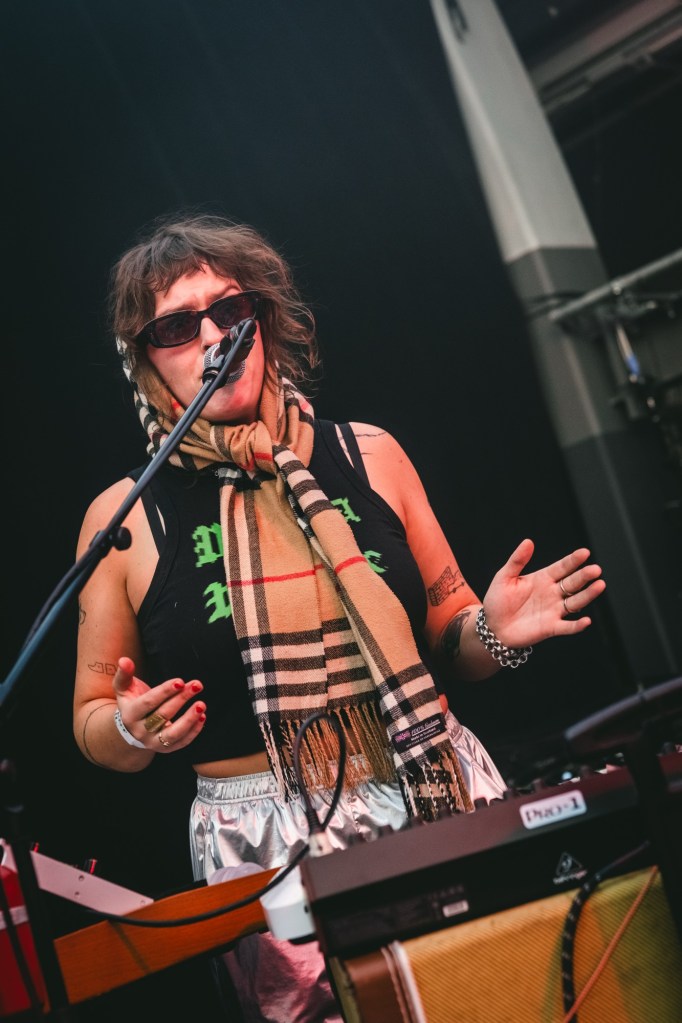
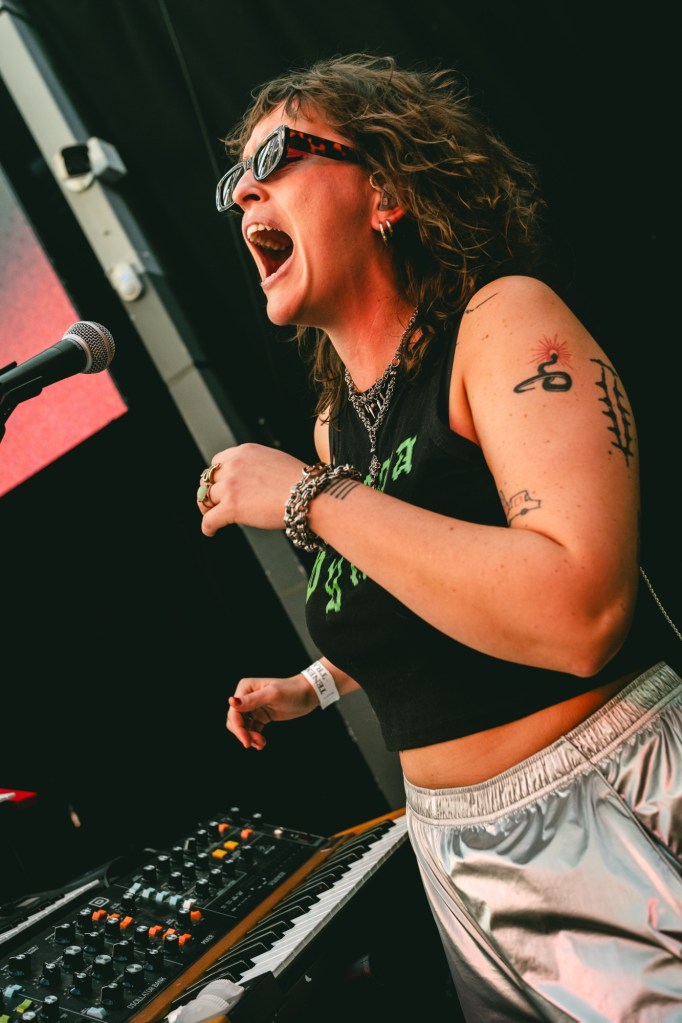
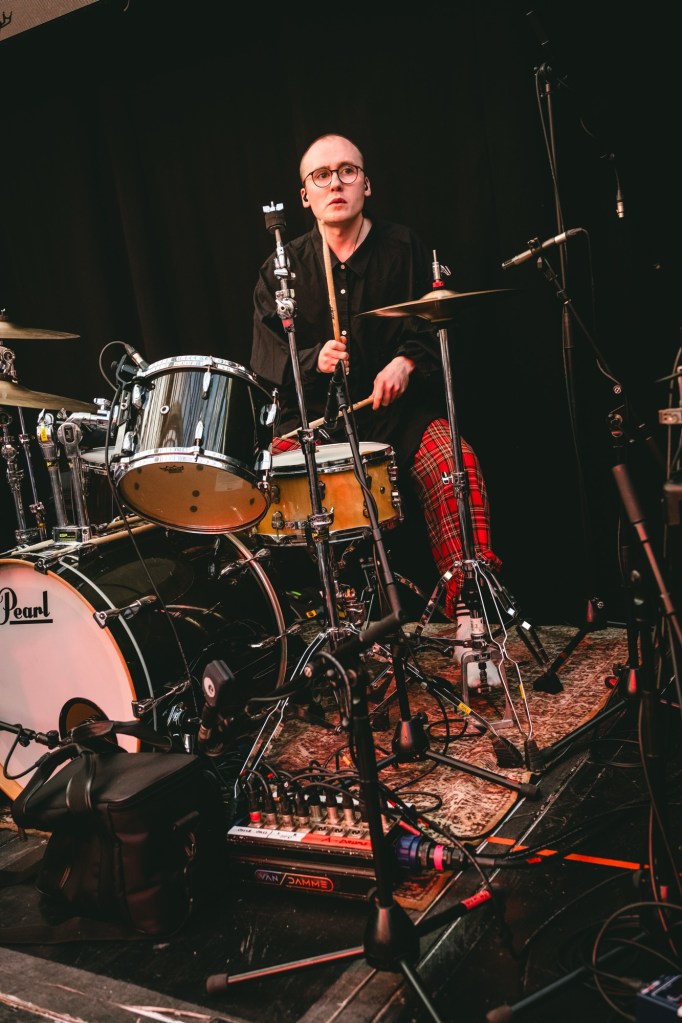
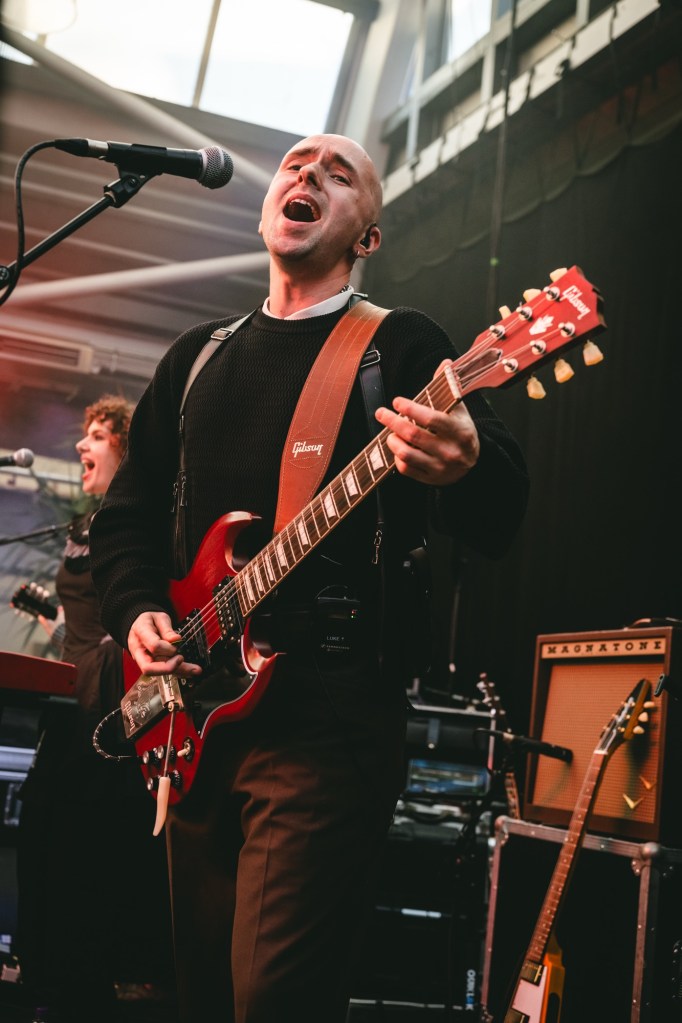
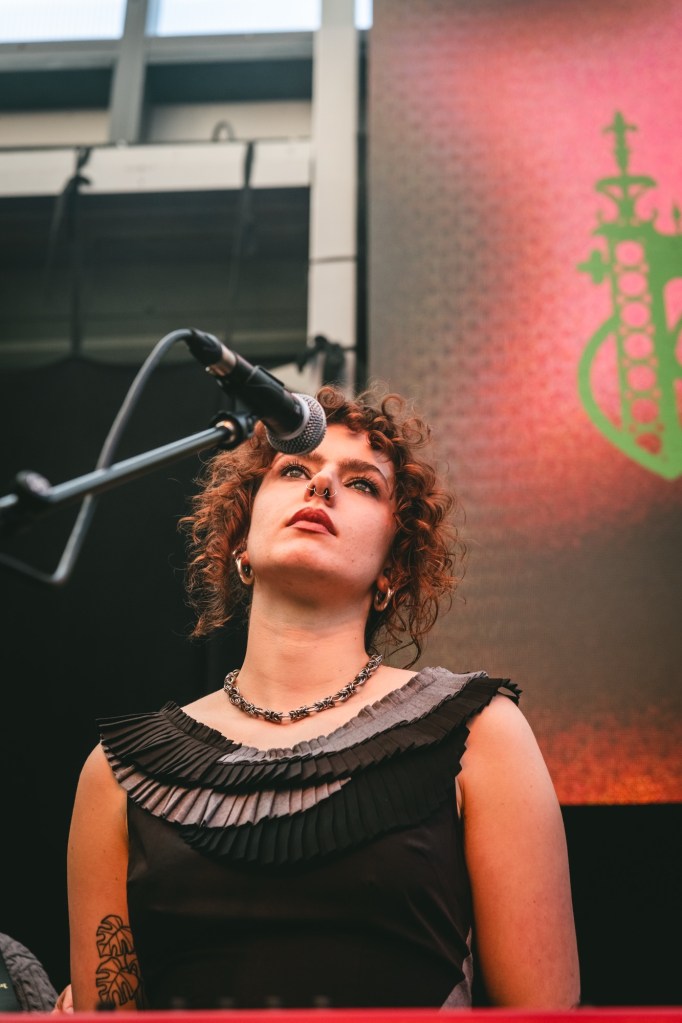
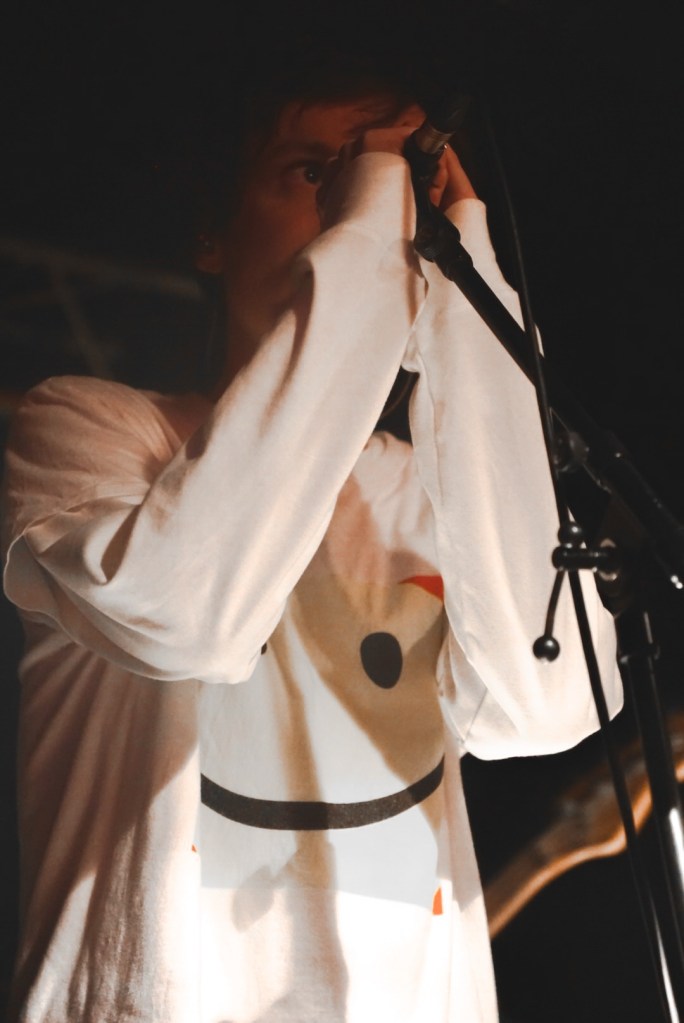
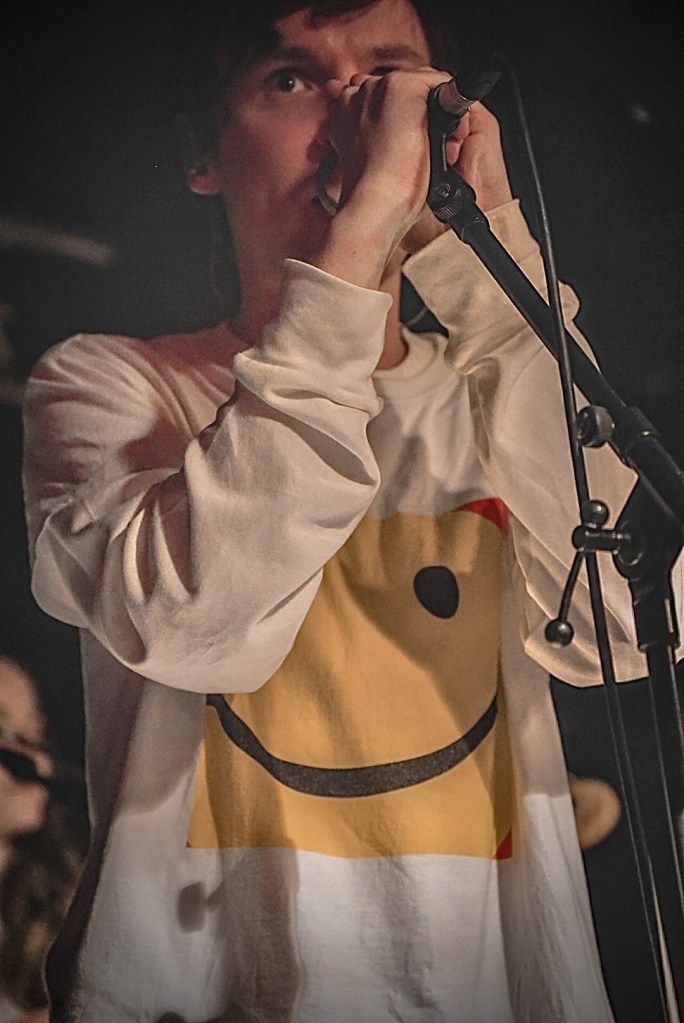
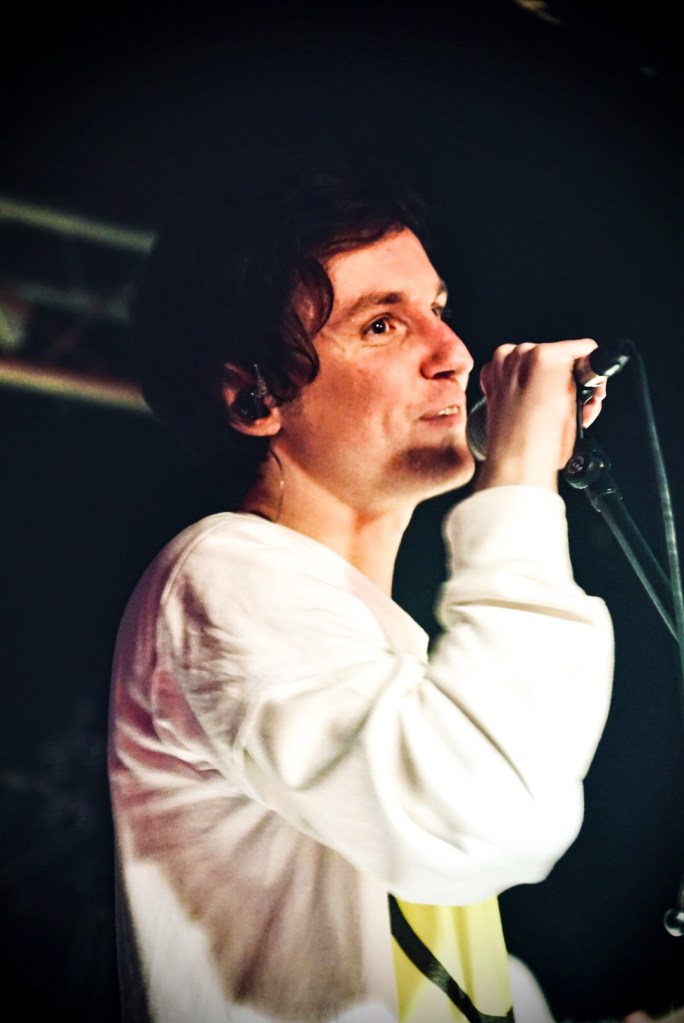
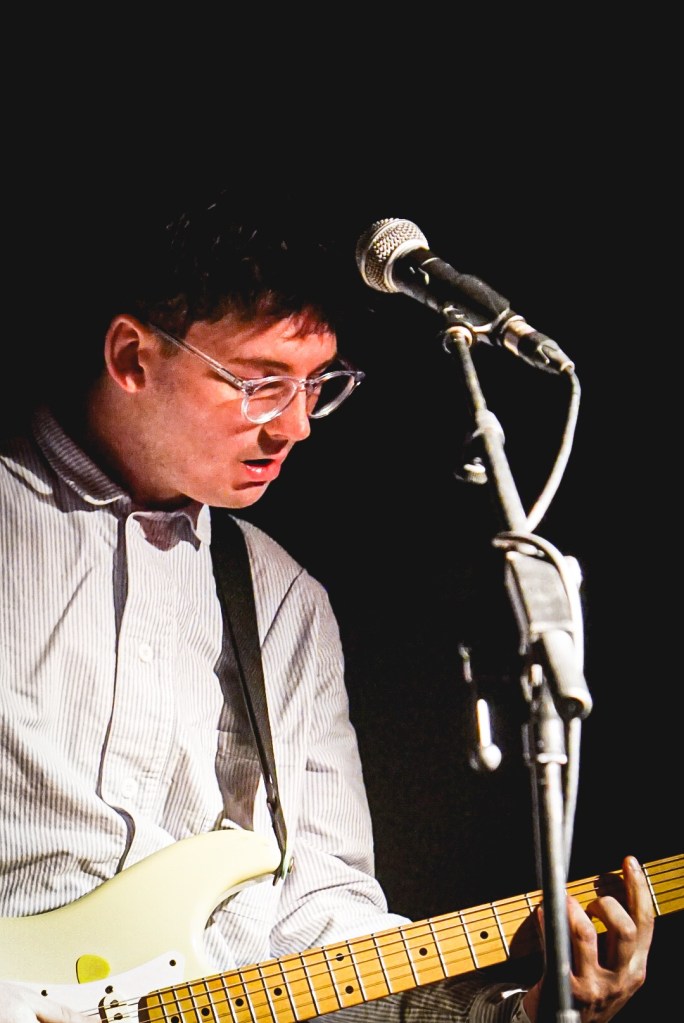
Ferguson Hi-Fi — Barrowland 2
Ferguson Hi-Fi brought a rush of guitar-pop energy to Barrowland 2. Led by Glasgow musician Pete Ferguson, formerly of Wuh Oh, the project has an appealing ad-hoc supergroup quality: the debut single “Get Over It” features Stevie Jackson of Belle and Sebastian and Dave McGowan of Teenage Fanclub. That is a formidable bit of Scottish indie DNA to have in the bloodstream, but the song doesn’t feel like a heritage project. It has the fizz of a fresh idea caught before it has time to become respectable.
The sound is bright, immediate and guitar-led, with a hook that seems to come bounding through the door before the rest of the band has taken off its coat. “Get Over It” is the track to try: a burst of power pop that makes starting again sound less like a crisis and more like a very good excuse to turn the amplifier up.
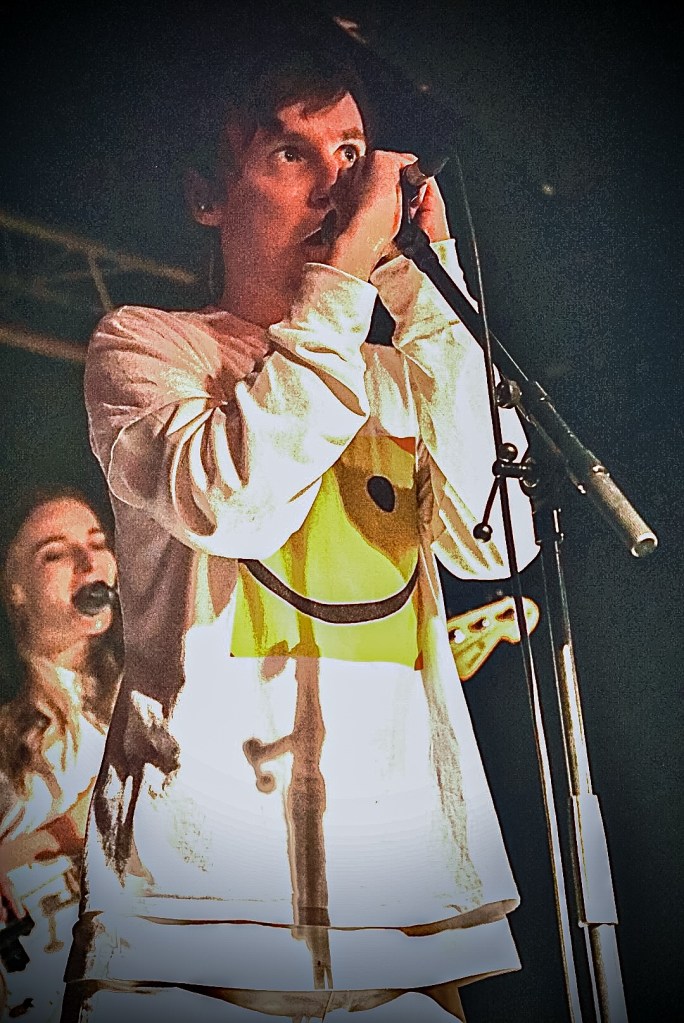
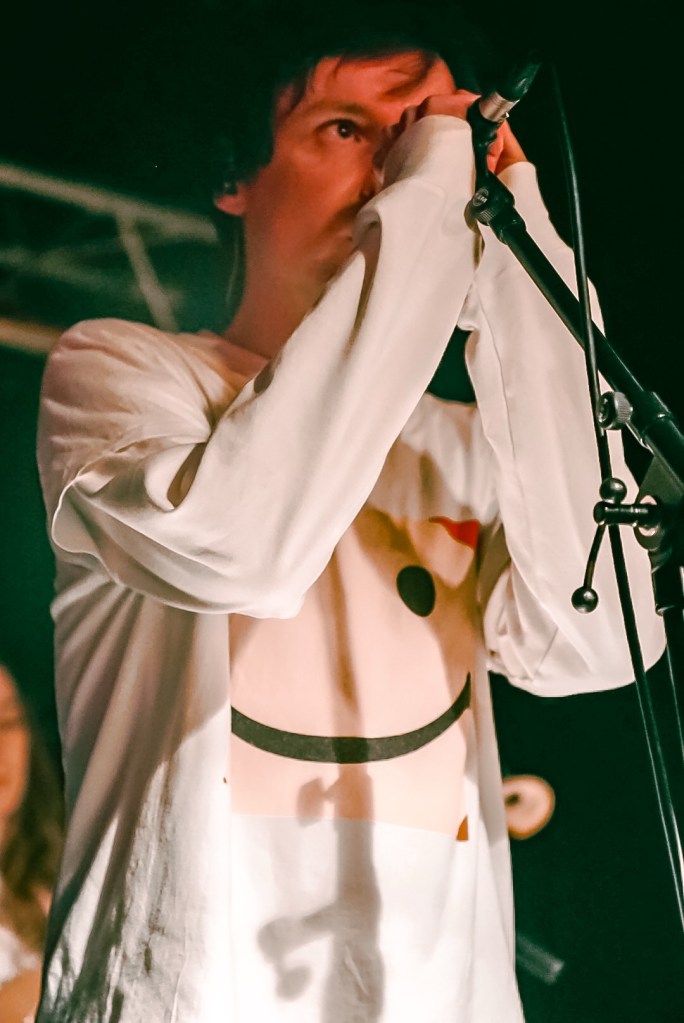
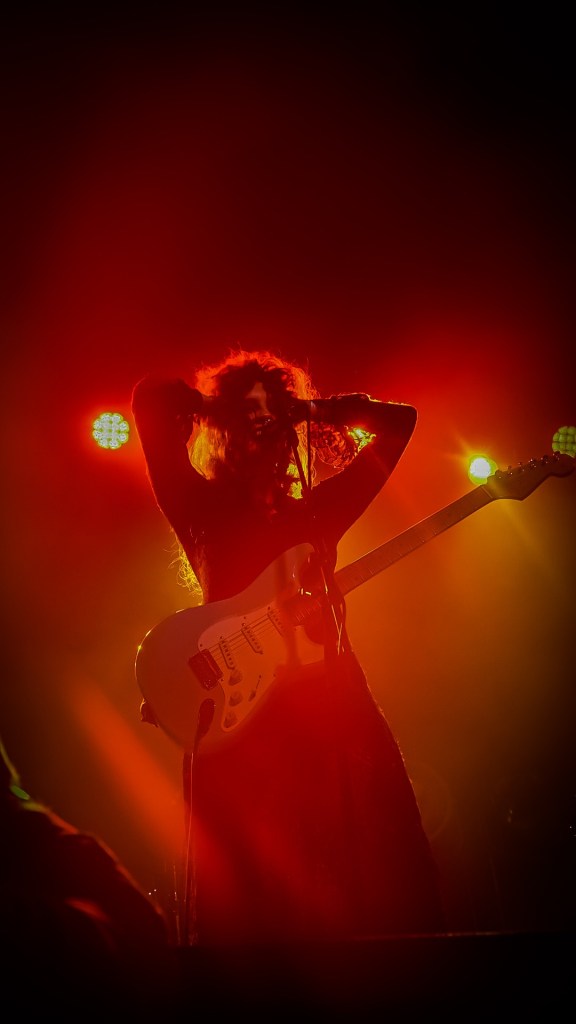
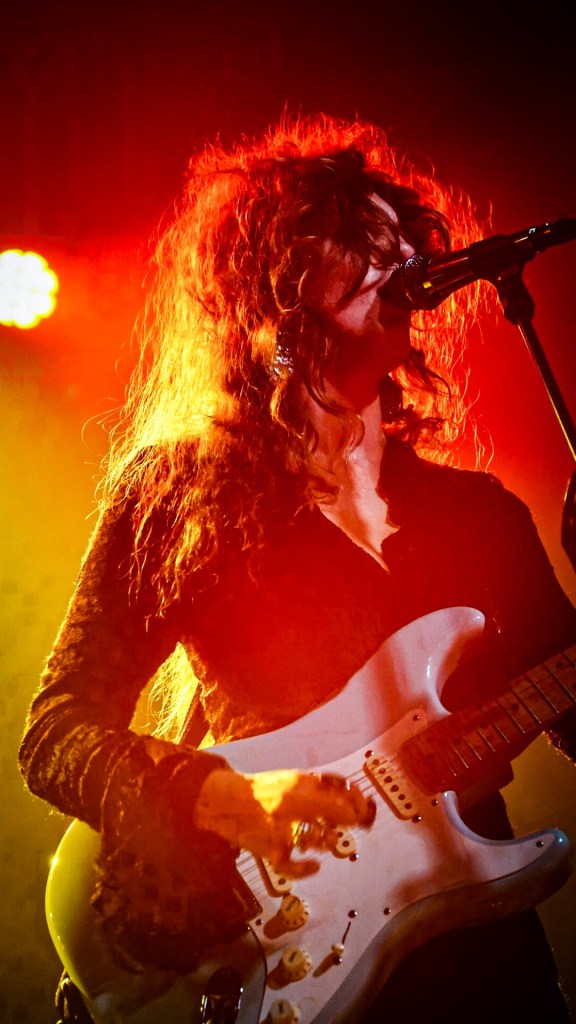
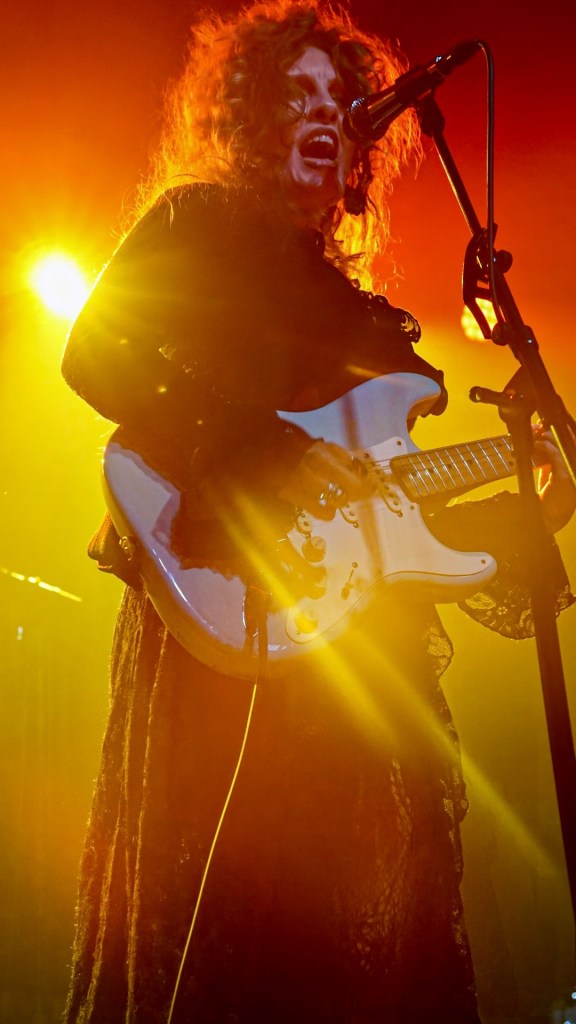
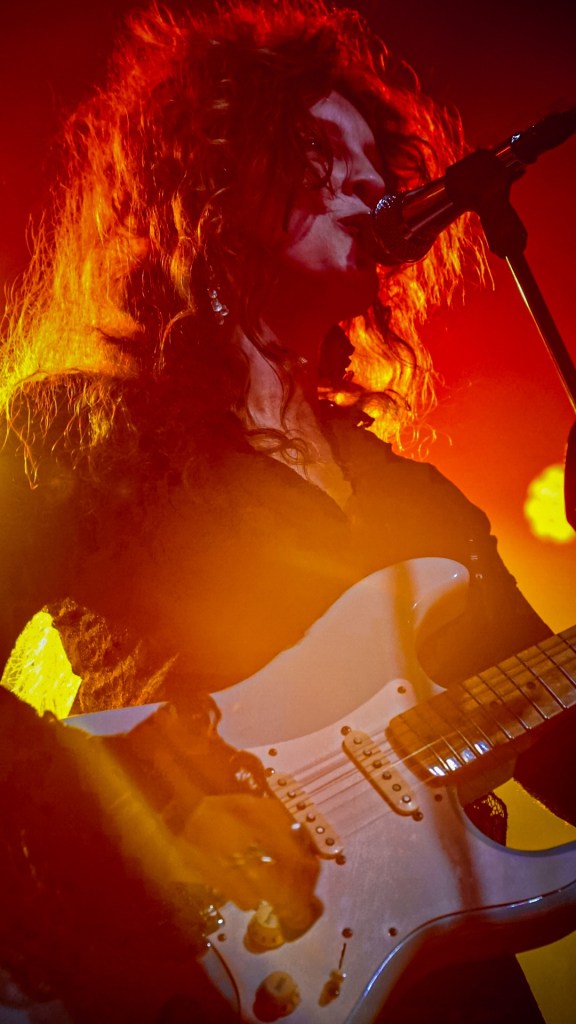
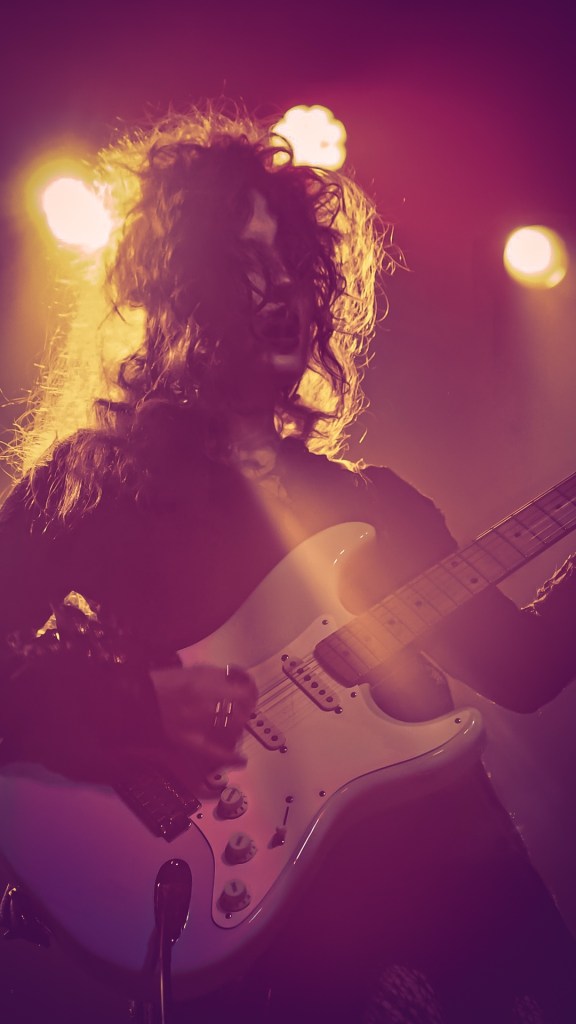
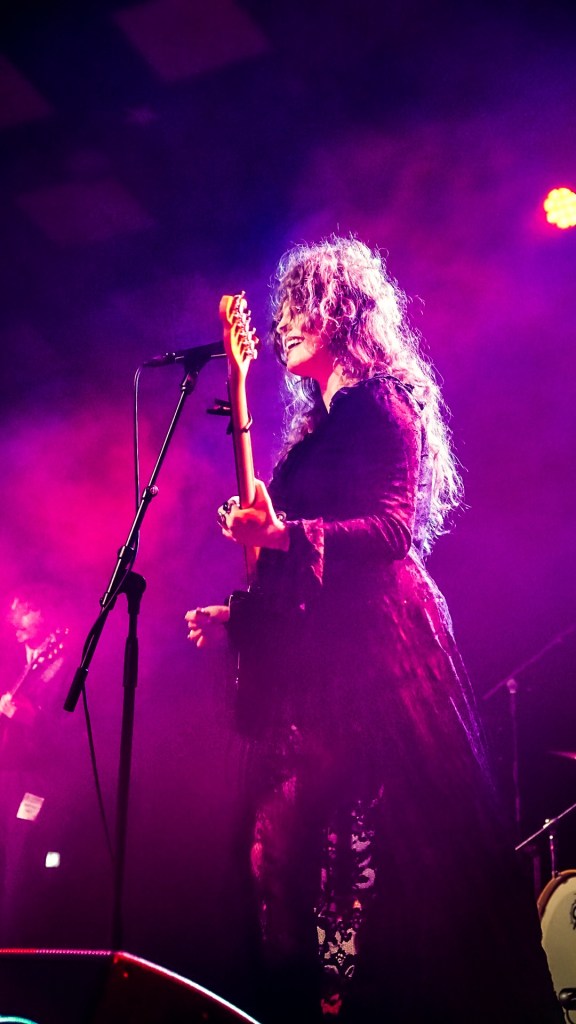
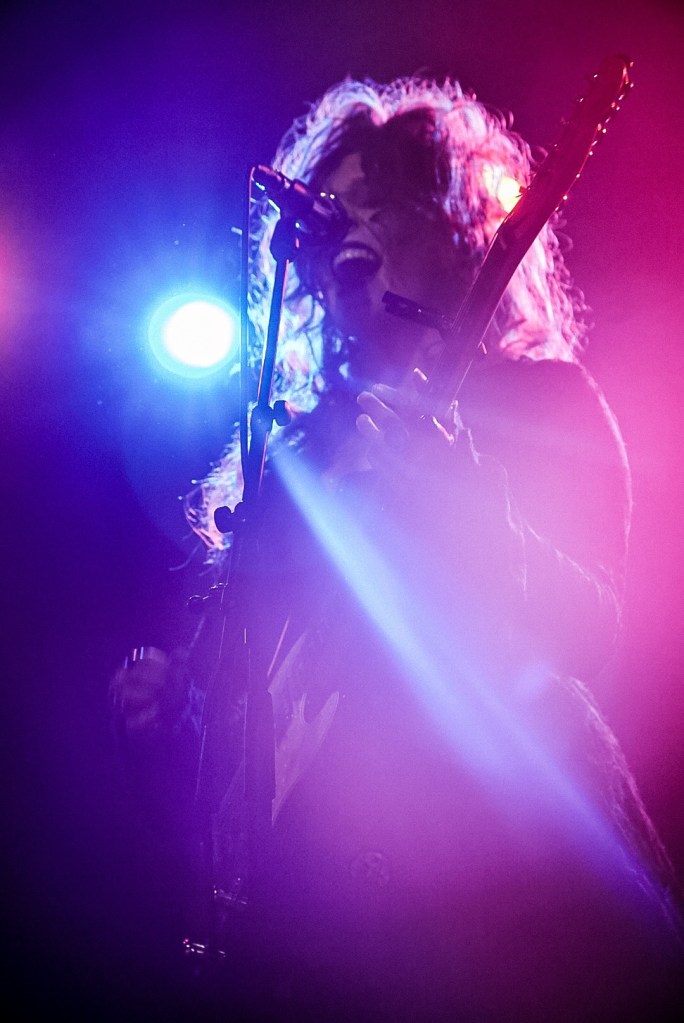
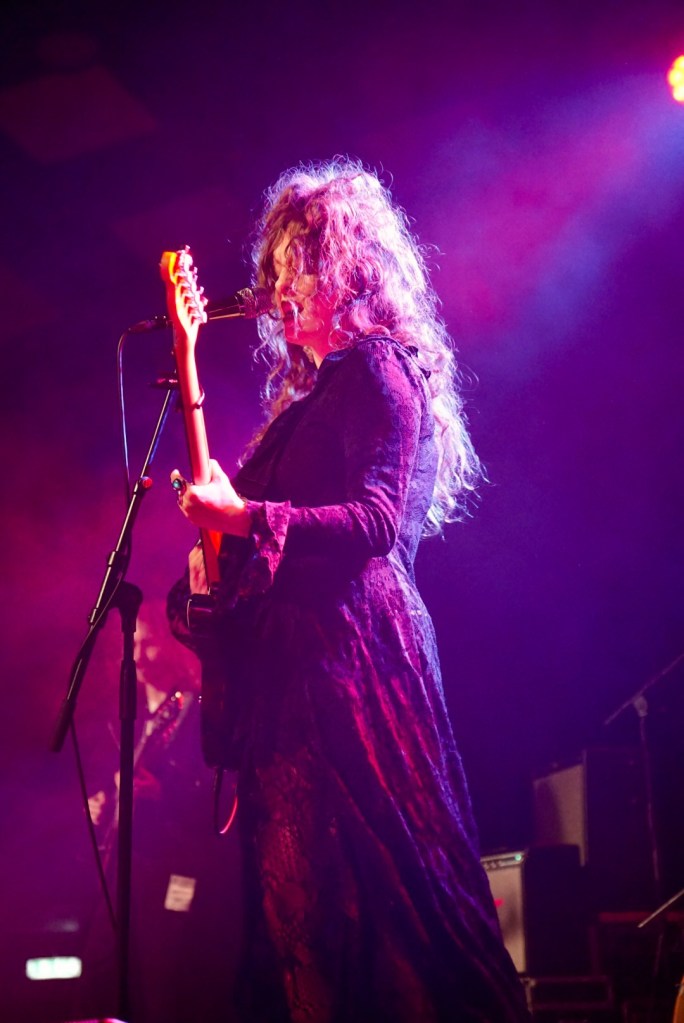
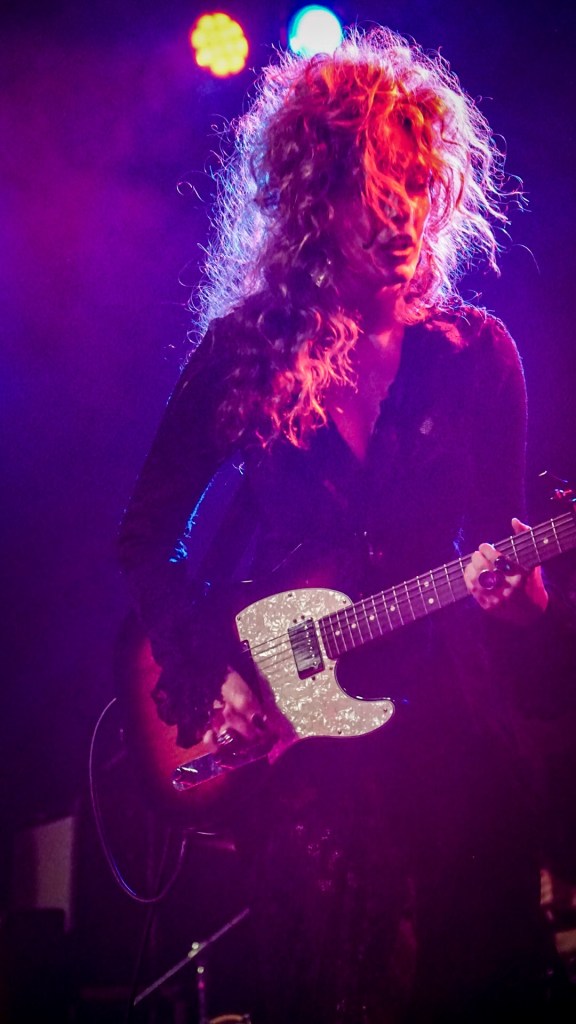
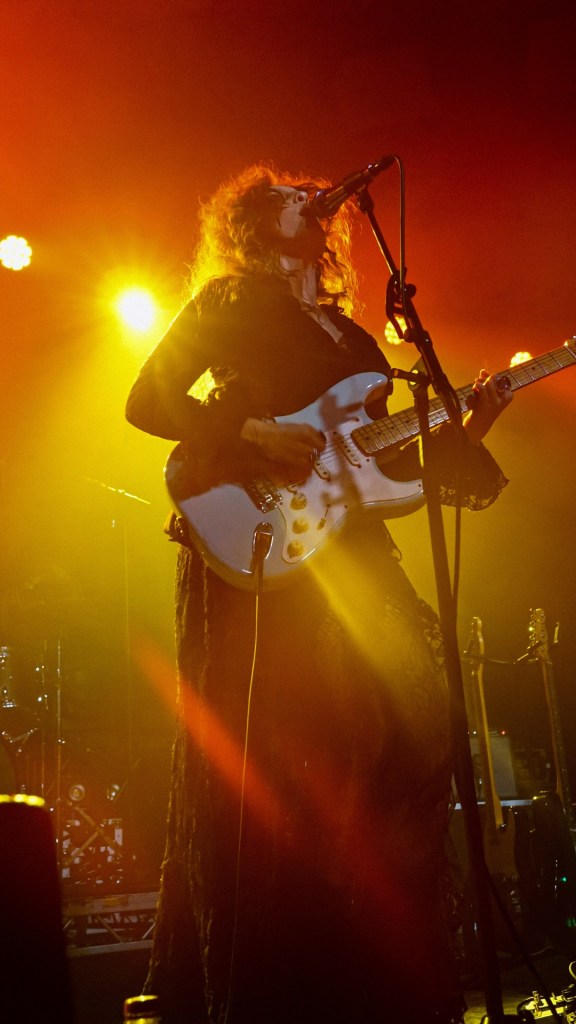
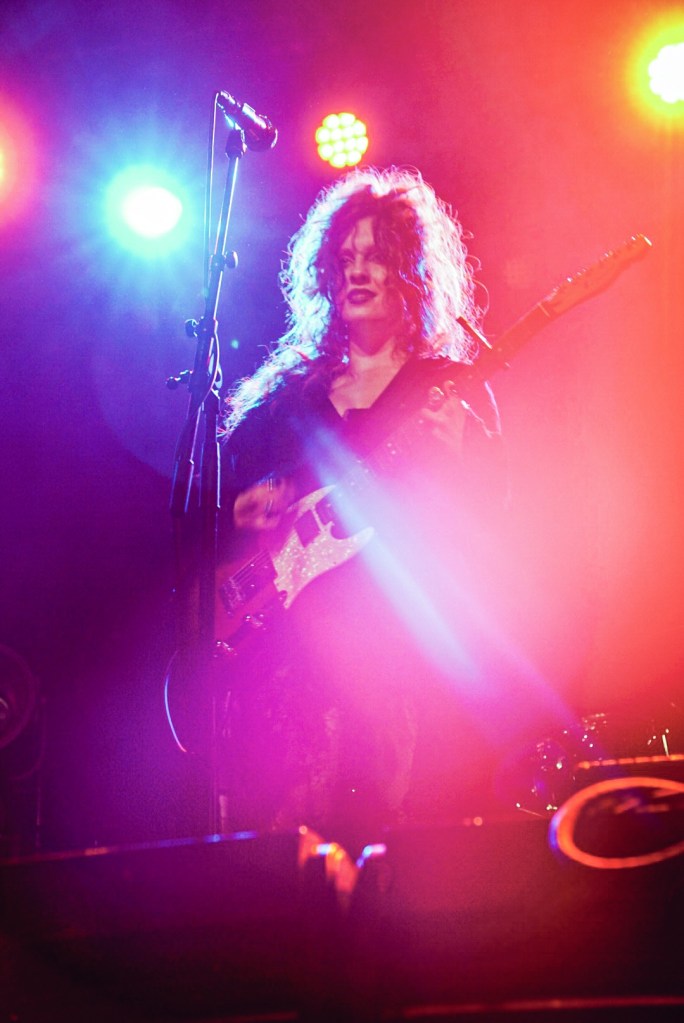
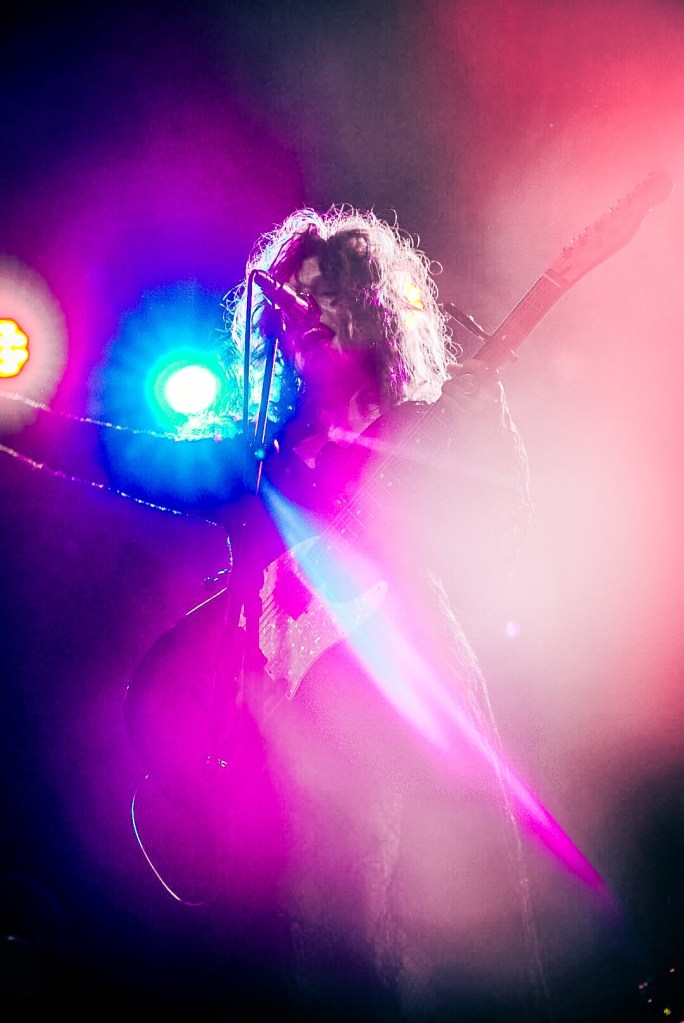
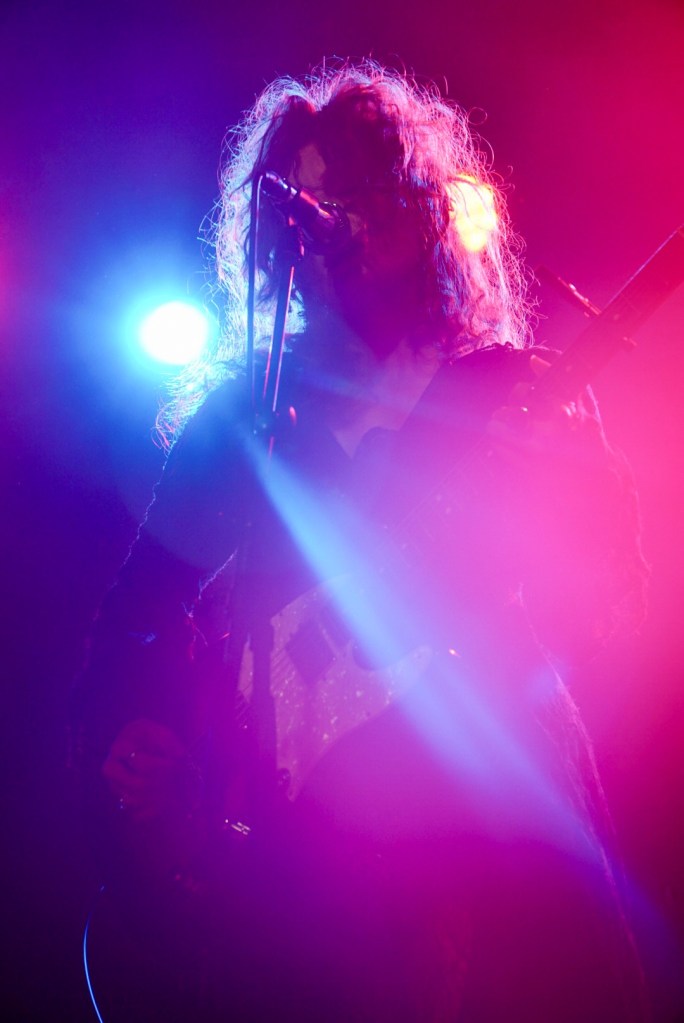
Heidi Curtis — Barrowland
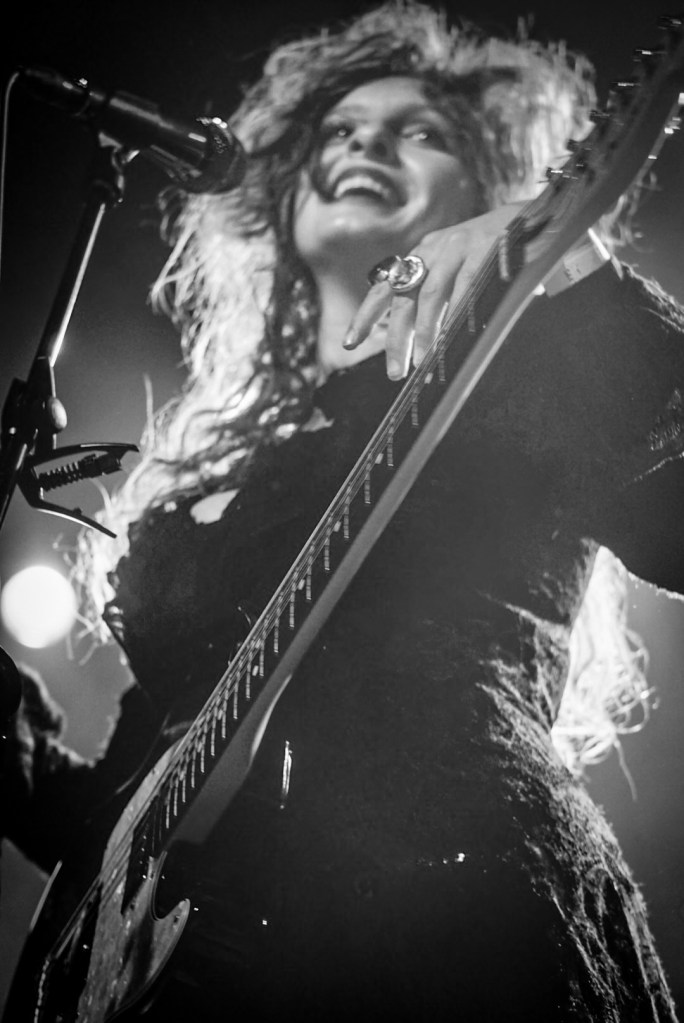
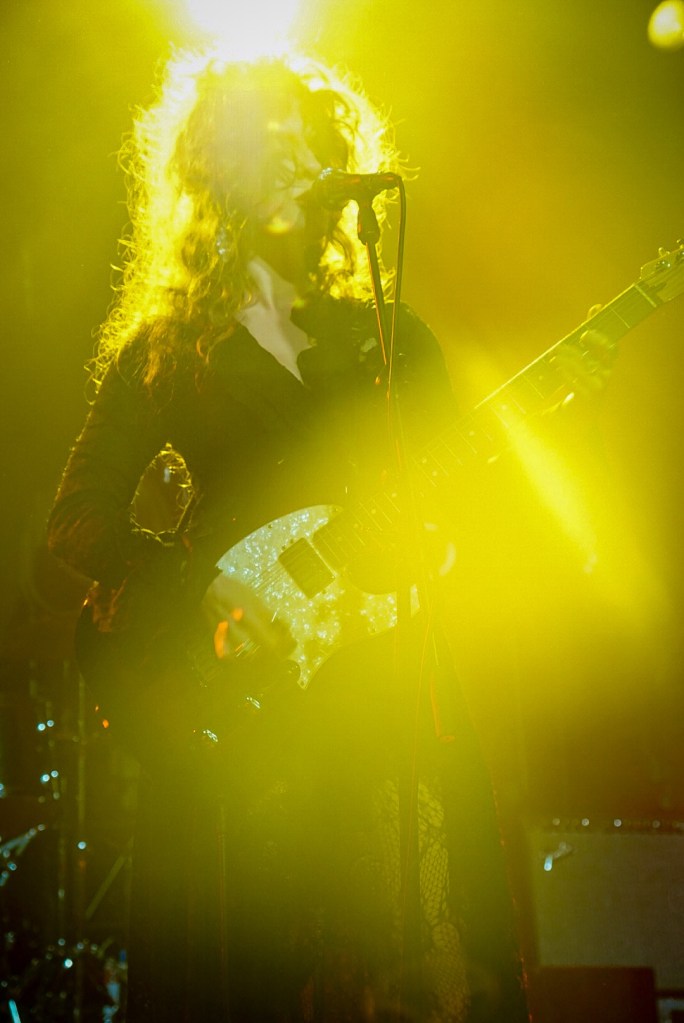
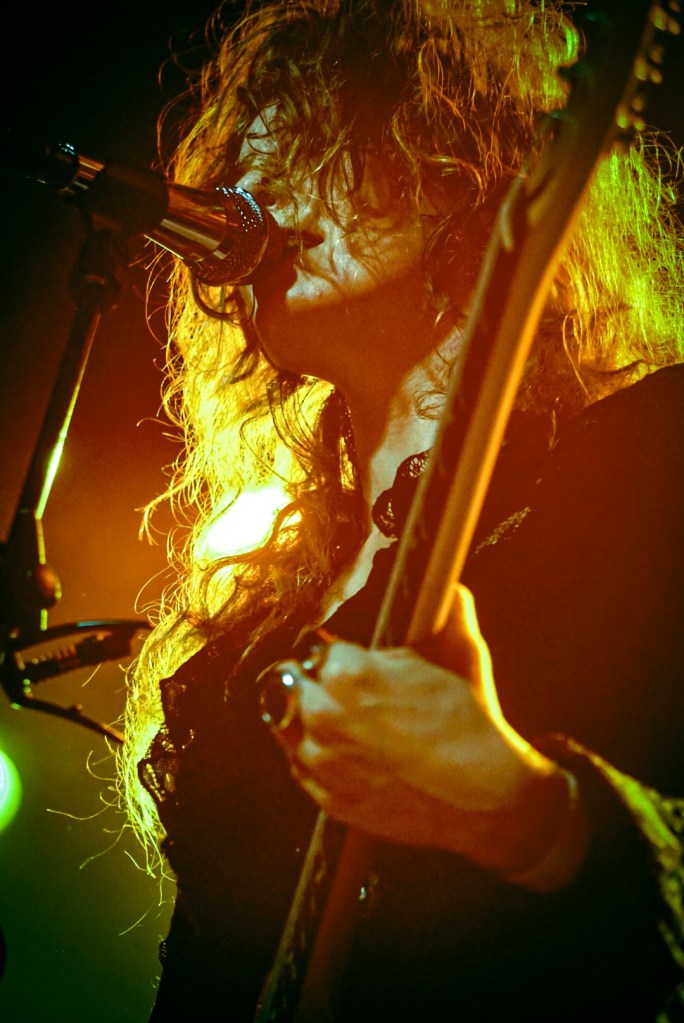
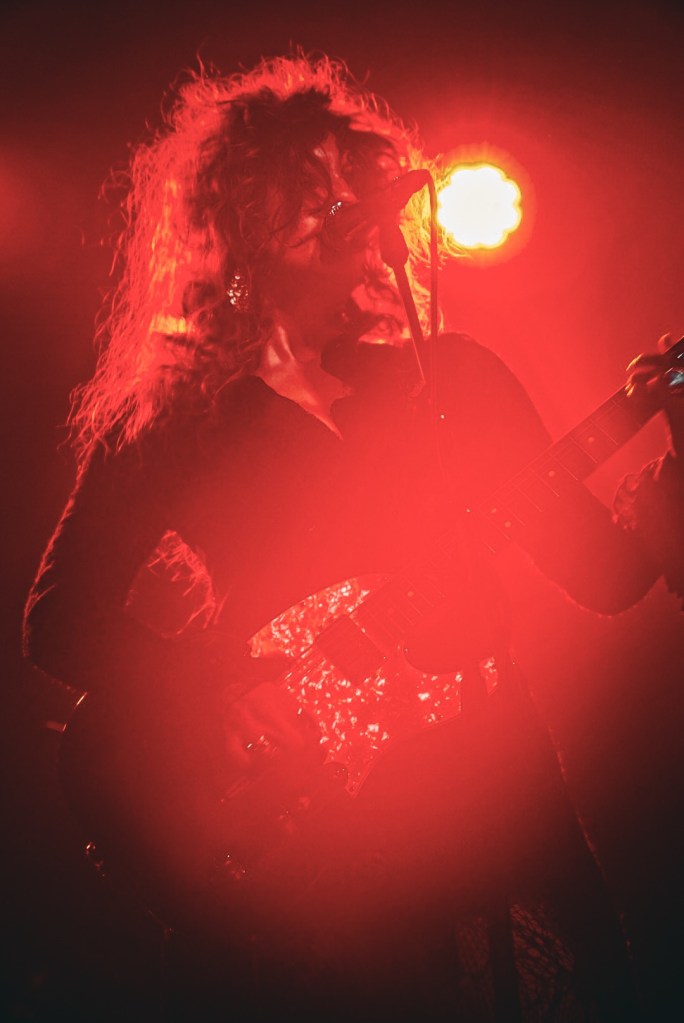
The pleasure of catching artists in rooms like Barrowland is that the music arrives without much cushioning: a voice, a song and the audience’s willingness to meet it halfway. Curtis’s performance offered a more inward-looking contrast to the swagger and distortion elsewhere, giving the day room to breathe between its louder declarations.
“Hollow Heart” showcases her voice that has a whiskey soaked ragged edge to it that belies her 24years.
Sodakill — McChuills
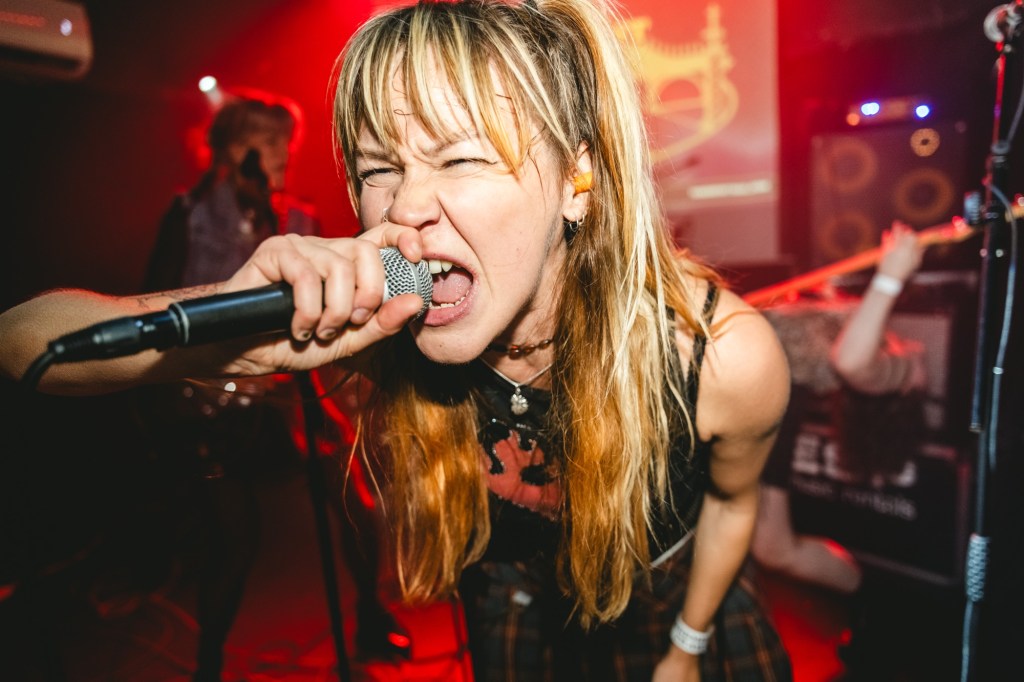
Sodakill brought riot-grrrl energy to McChuills, adding a welcome shot of punk abrasion to the afternoon. Their music is the sonic equivalent of a marker pen scrawled across a pristine wall: confrontational, immediate and not especially interested in asking permission. In a festival full of different shades of guitar music, their roughness was a useful reminder that punk’s most enduring quality is not a particular sound but an attitude.
We caught this band supporting Gallus a week previously and we even spied some members of the band watching from the crowd, a definite set high was, “Easy”.
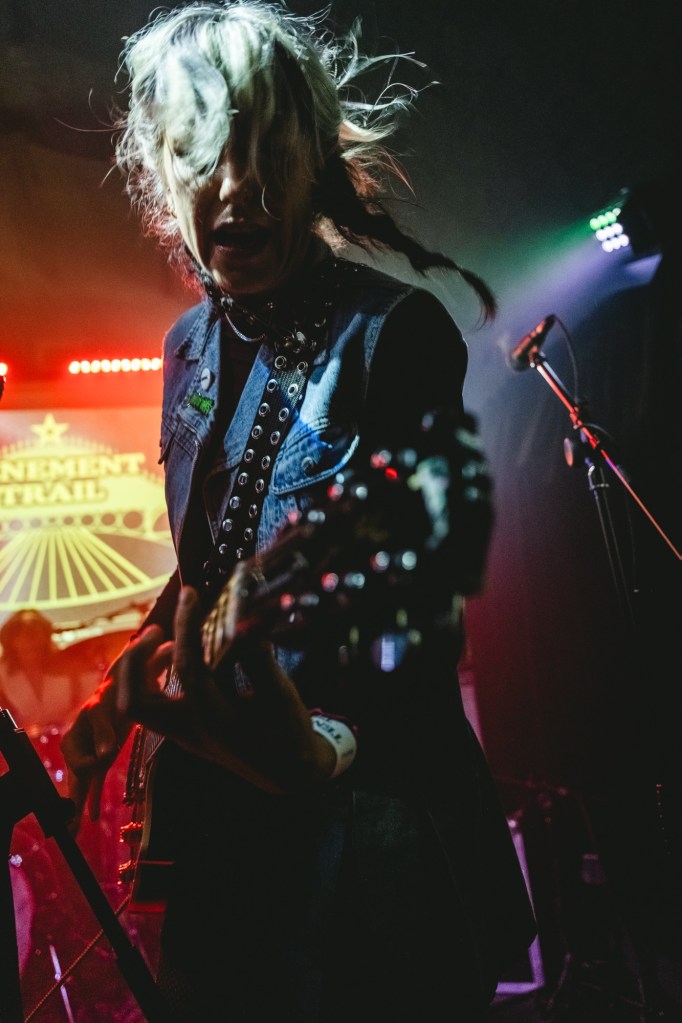
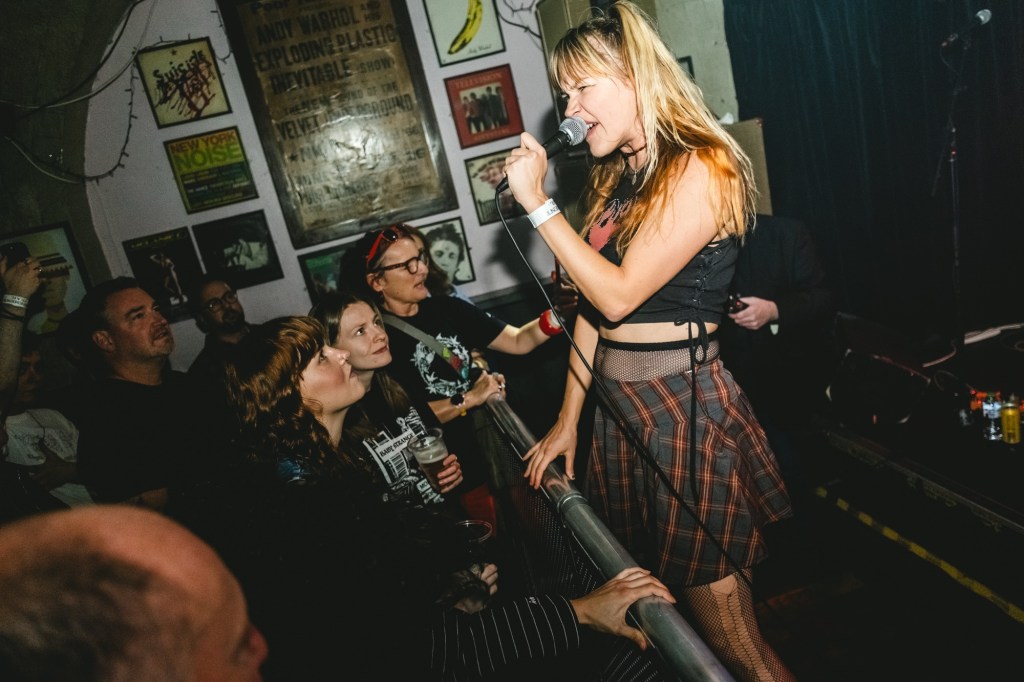
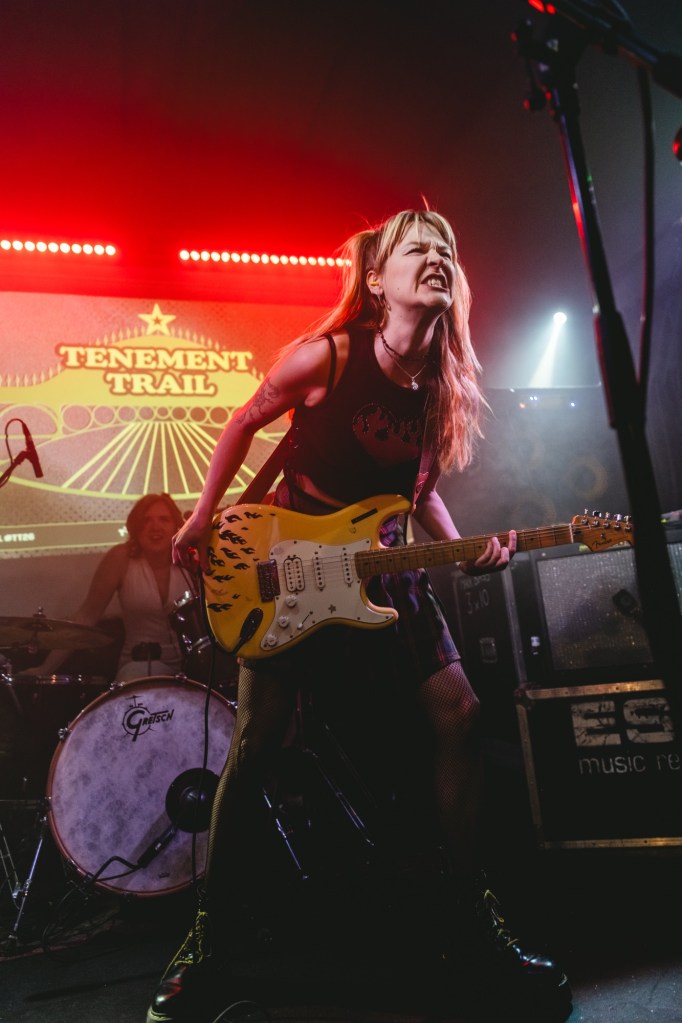
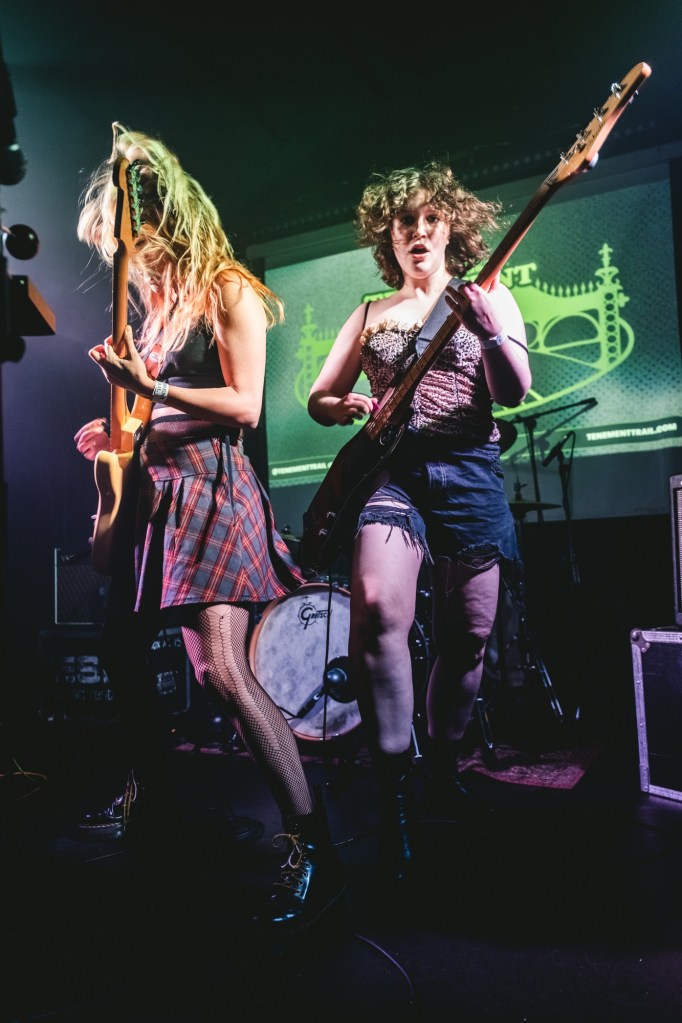
THEATRE — St Luke’s
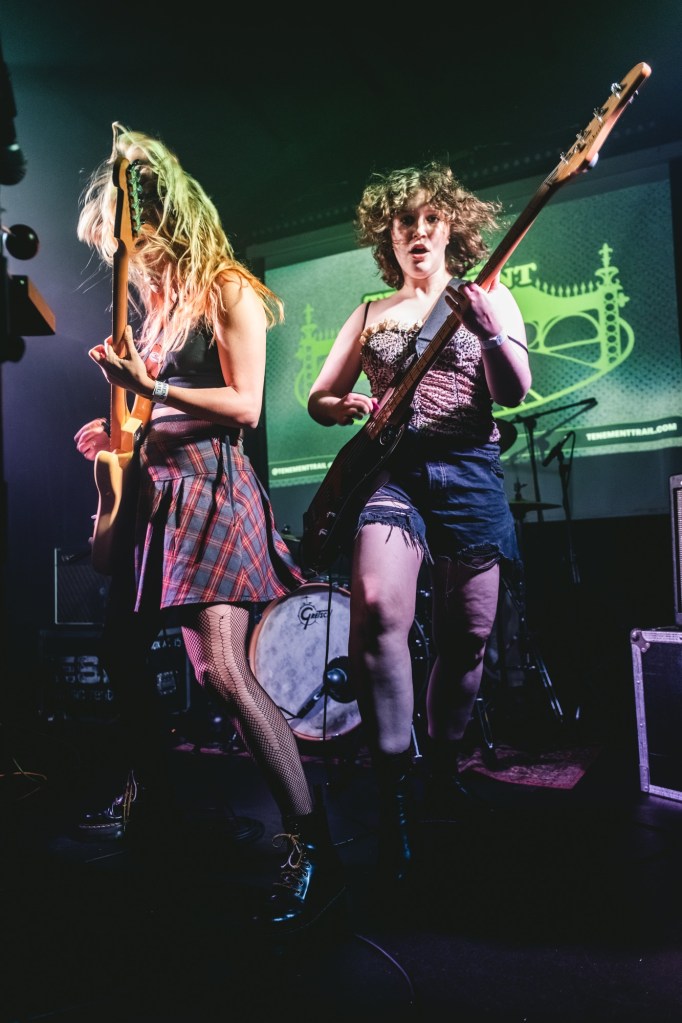
THEATRE, a Scottish band whose sound leans towards dense, muscular shoegaze, made St Luke’s feel like a room slowly filling with weather. Their reverb-soaked guitars created a thick, shifting wall of sound, while the vocals retained an intimate, folk-influenced quality. It is a pleasing contradiction: music that can sound enormous without losing the sense that someone is singing directly into your ear.
They were atmospheric and effortlessly cool, and “The Fall” is the track to try if you want to understand the balance. The guitars bloom like fog under streetlights, but the melody gives the song a human centre. It is not shoegaze as an excuse to disappear into the effects pedal; there is a song in there, and it knows exactly when to emerge.
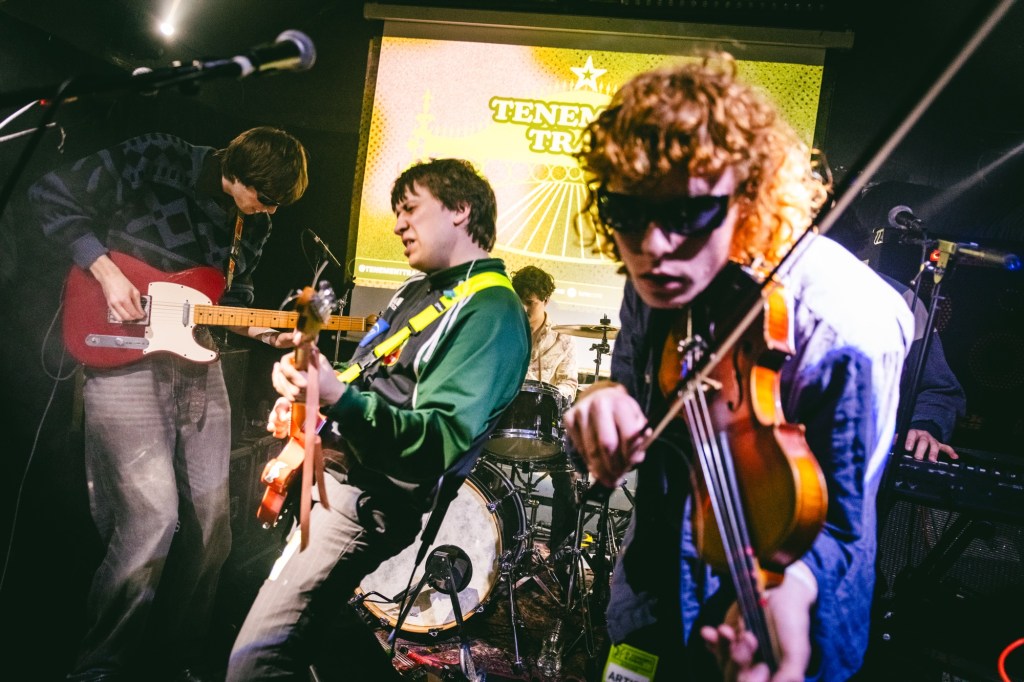
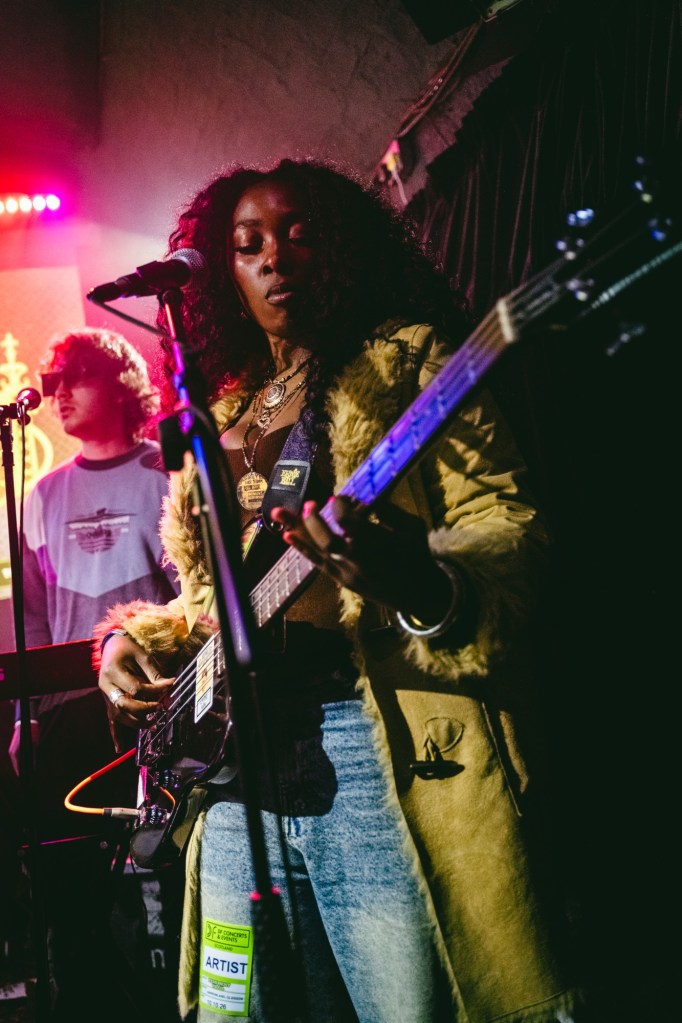
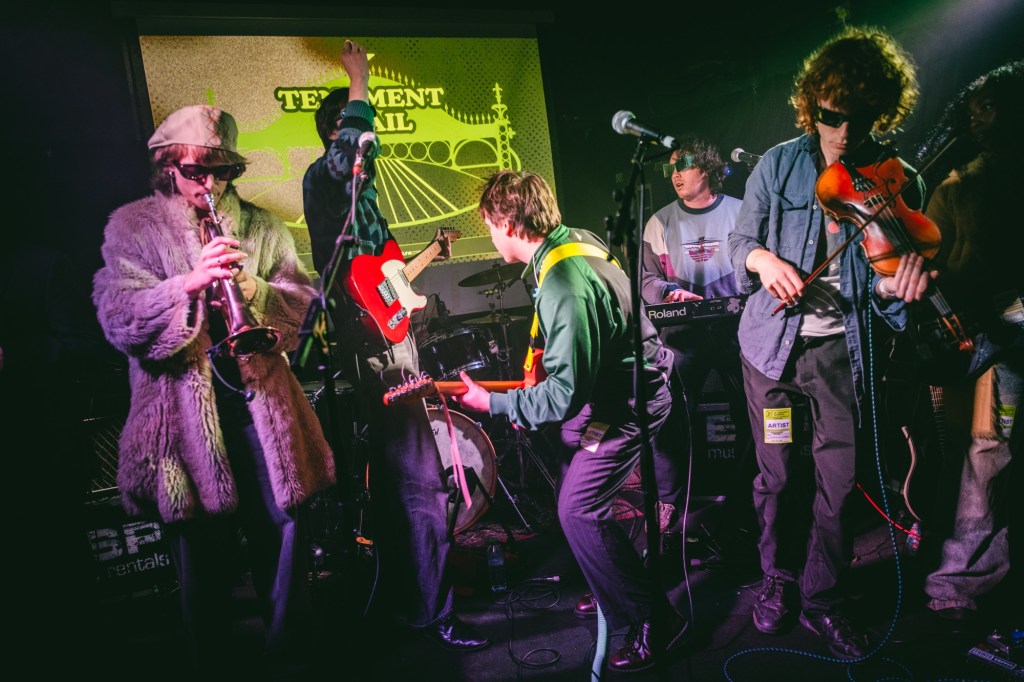
Oedipus and the Mama’s Boys — McChuills
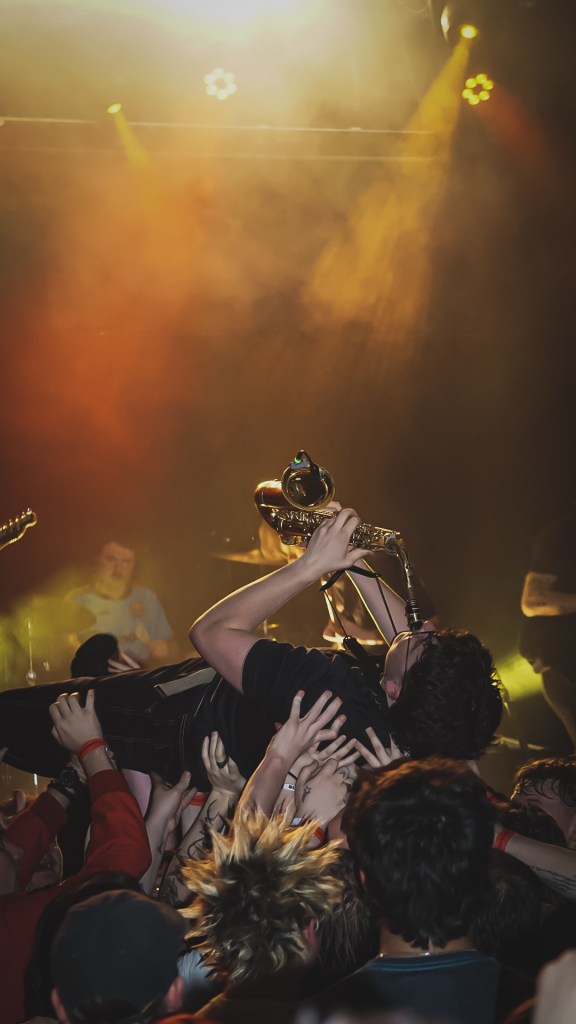
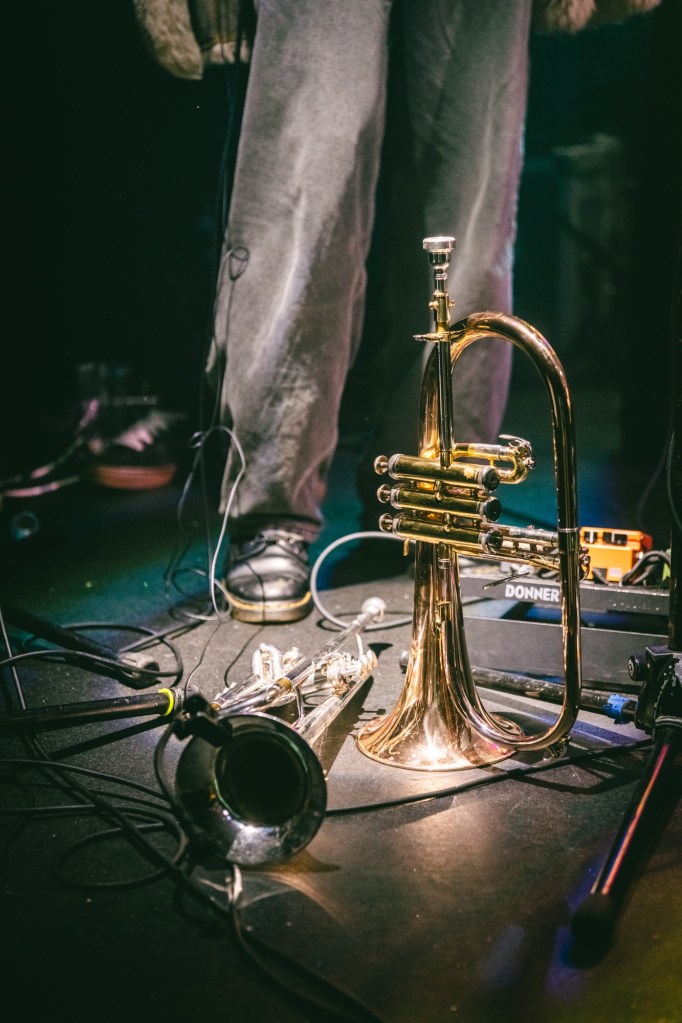
Oedipus and the Mama’s Boys, from Edinburgh, brought a gloriously unruly multi-instrumental approach to McChuills. With guitar, bass, saxophone, violin, drums and synth in the mix, they occupy the messy borderland between post-punk and experimental noise rock. Think of the nervy propulsion of IDLES or Squid pushed through a machine that has been fed too many instruments and not quite enough rules. Their music can feel like several different bands trying to escape through the same fire exit.
The single “Stretched/Kitchens” is the one to seek out. It gives a taste of the group’s collision of rhythmic drive and experimental textures, with the sense that the arrangement might veer off the road at any moment but somehow keeps hurtling forward. They were one of the acts that made McChuills feel less like a side room and more like a laboratory for strange ideas.
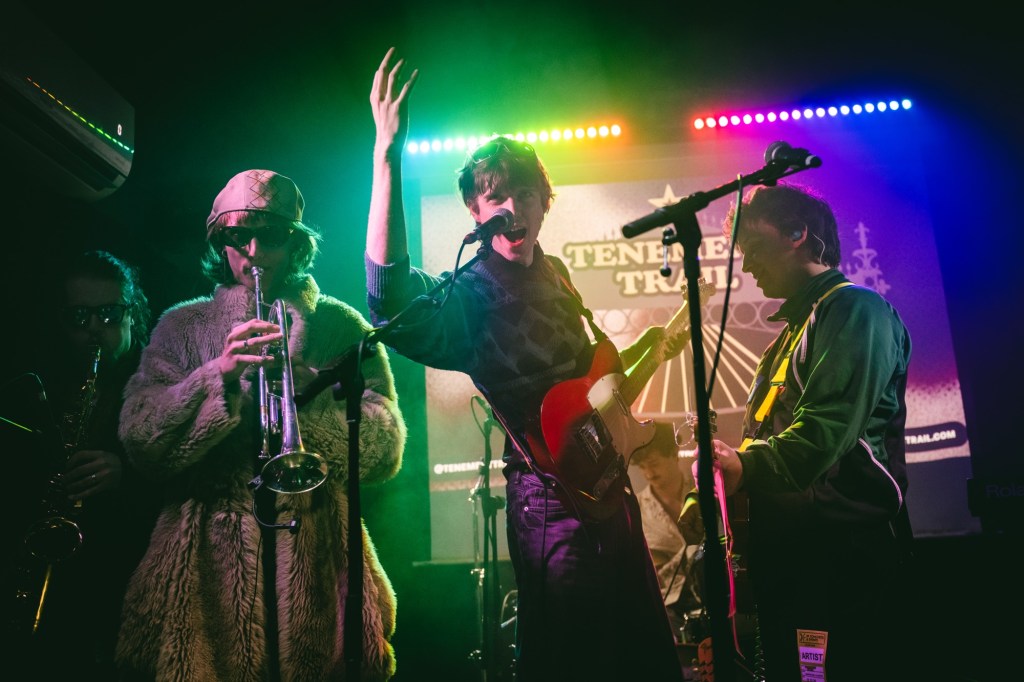
Makeshift Art Bar — St Luke’s
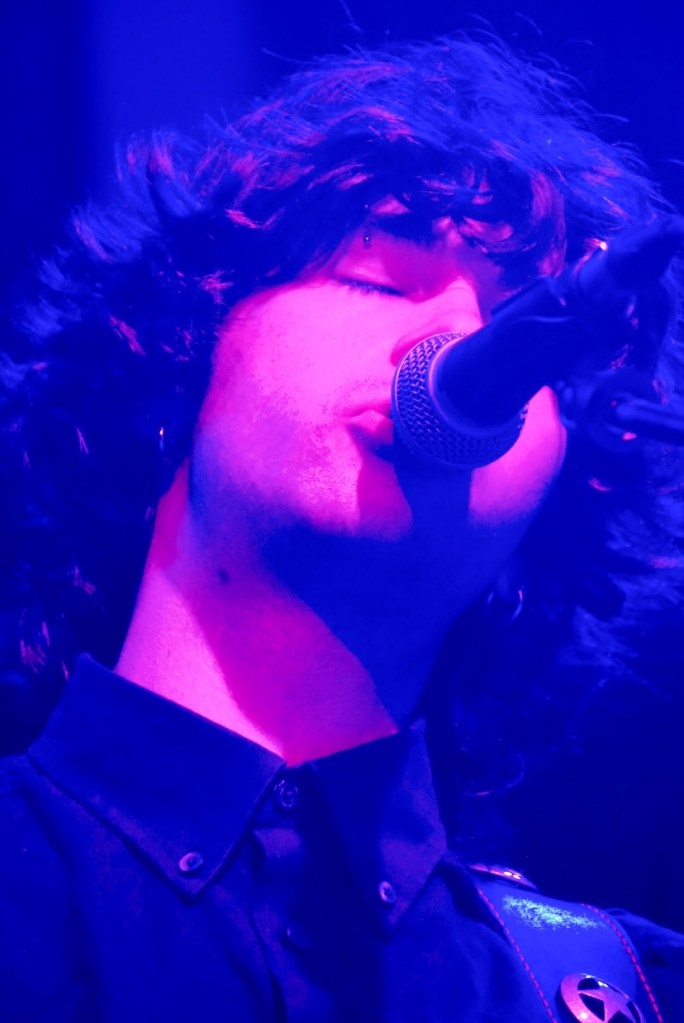
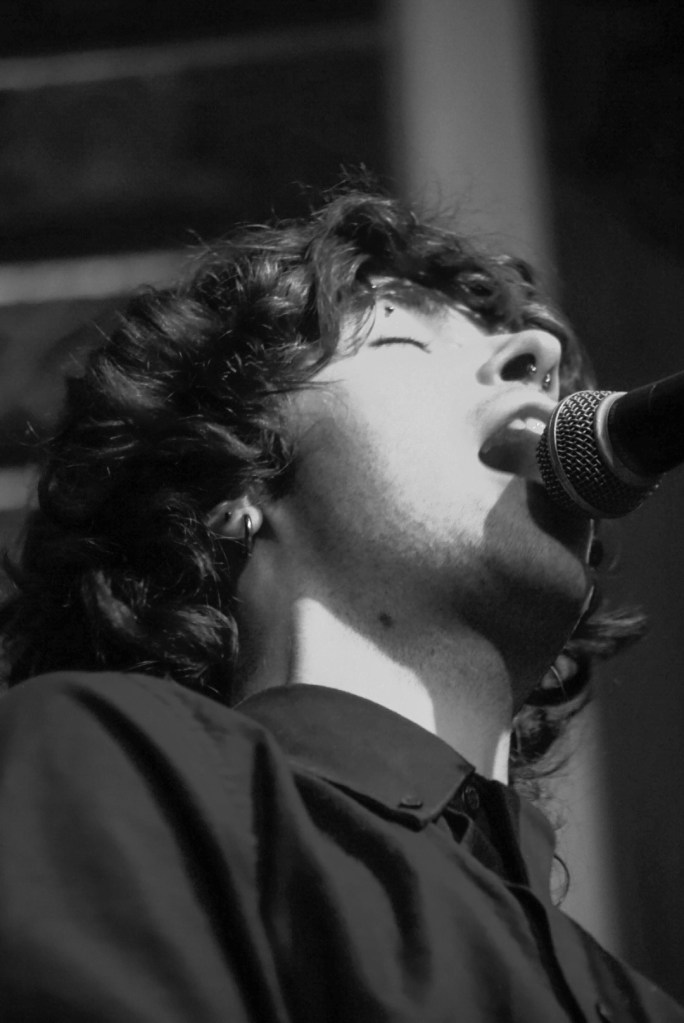
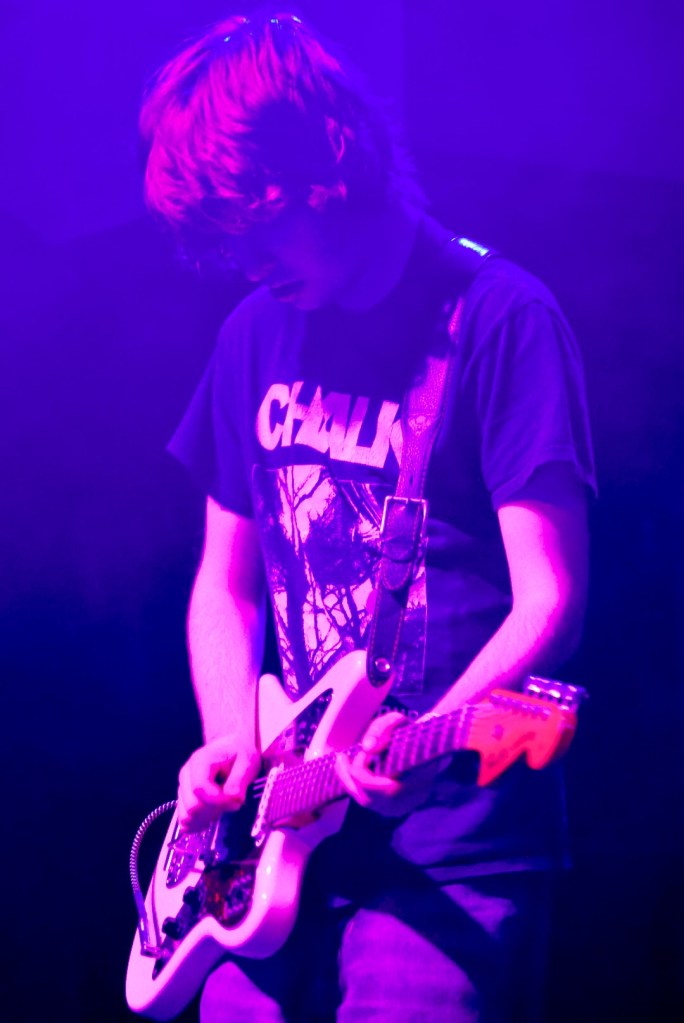
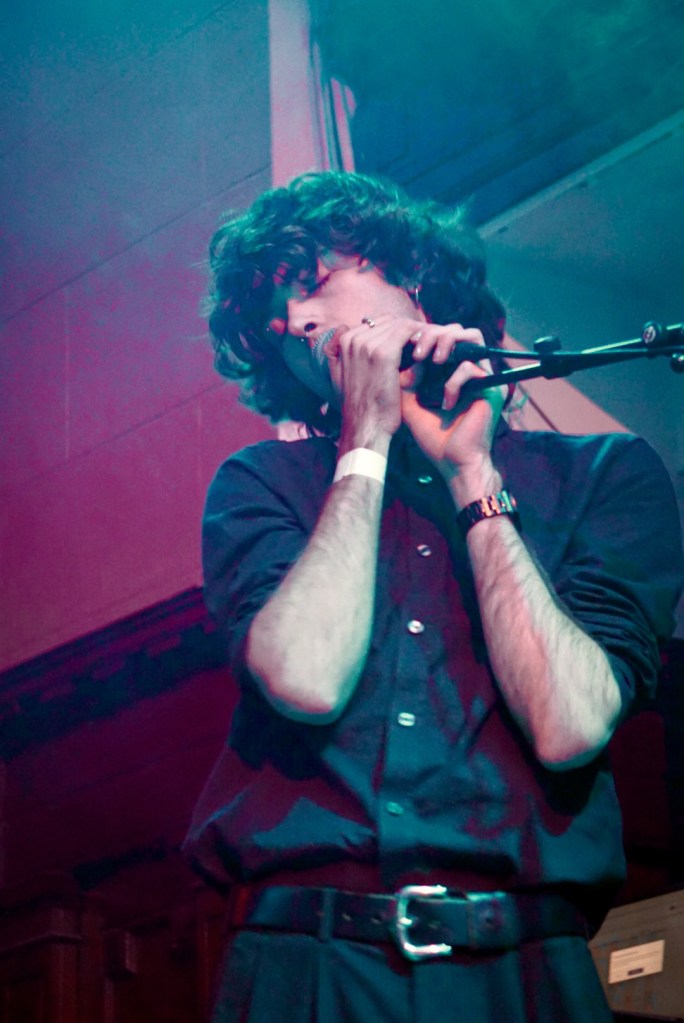
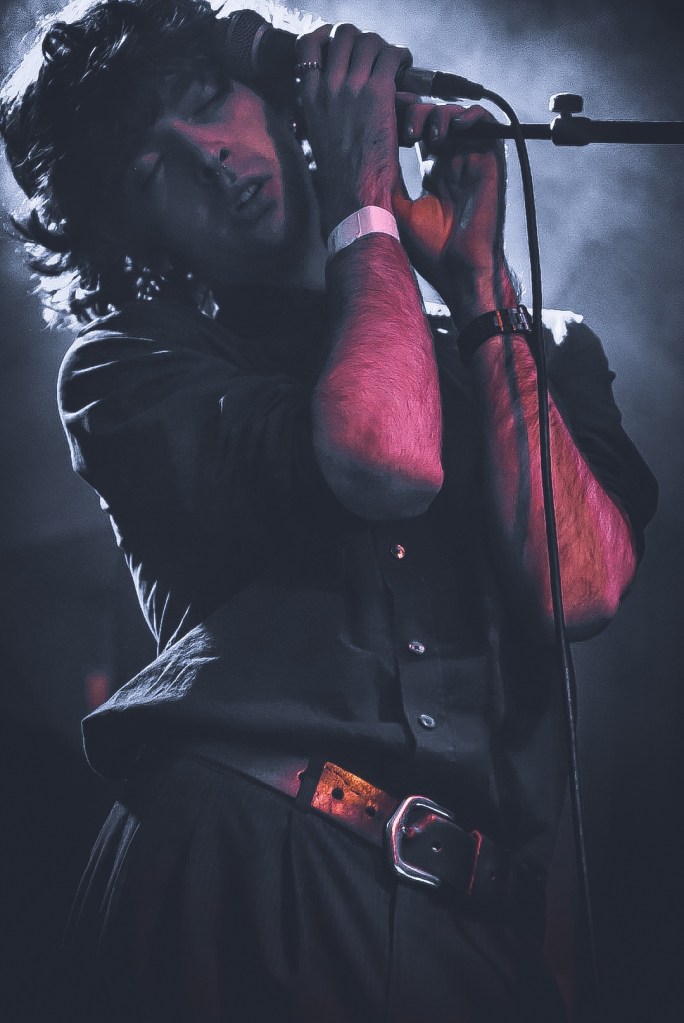
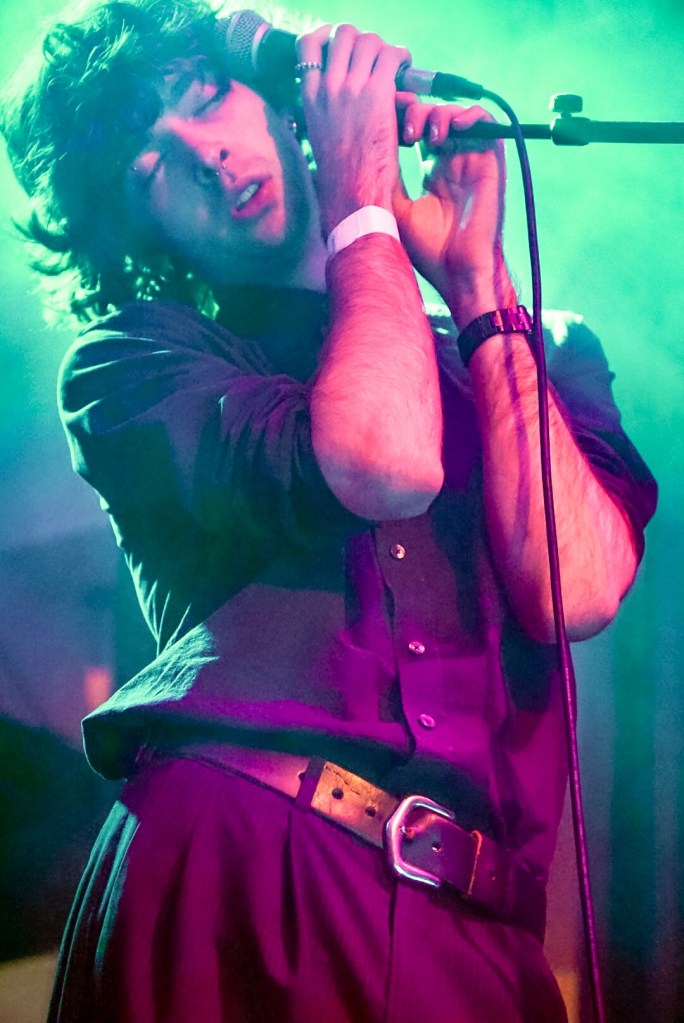
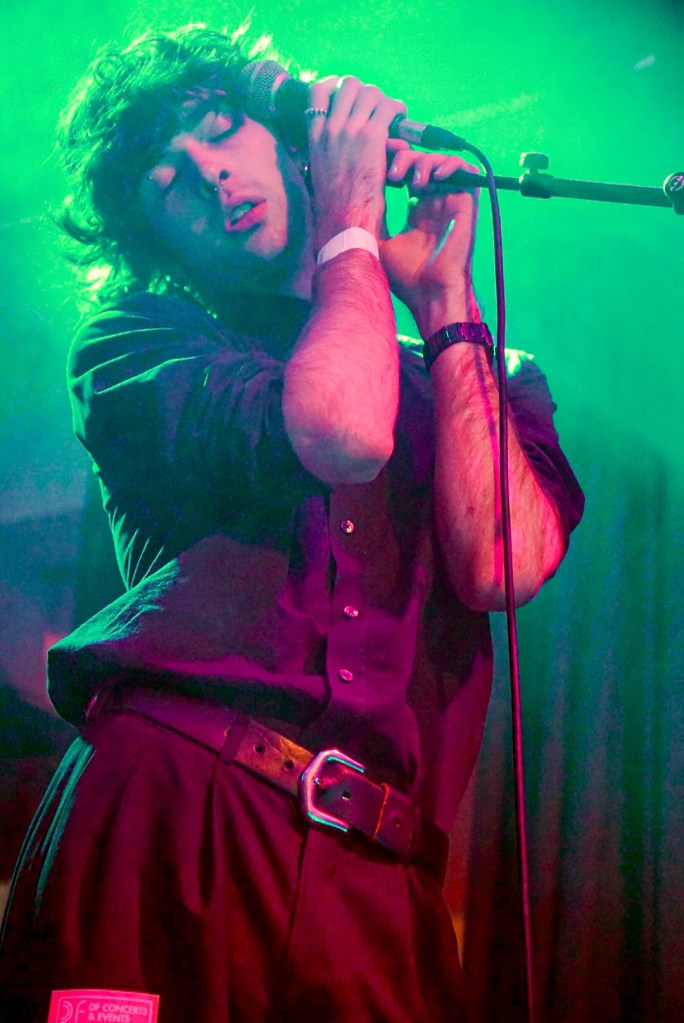
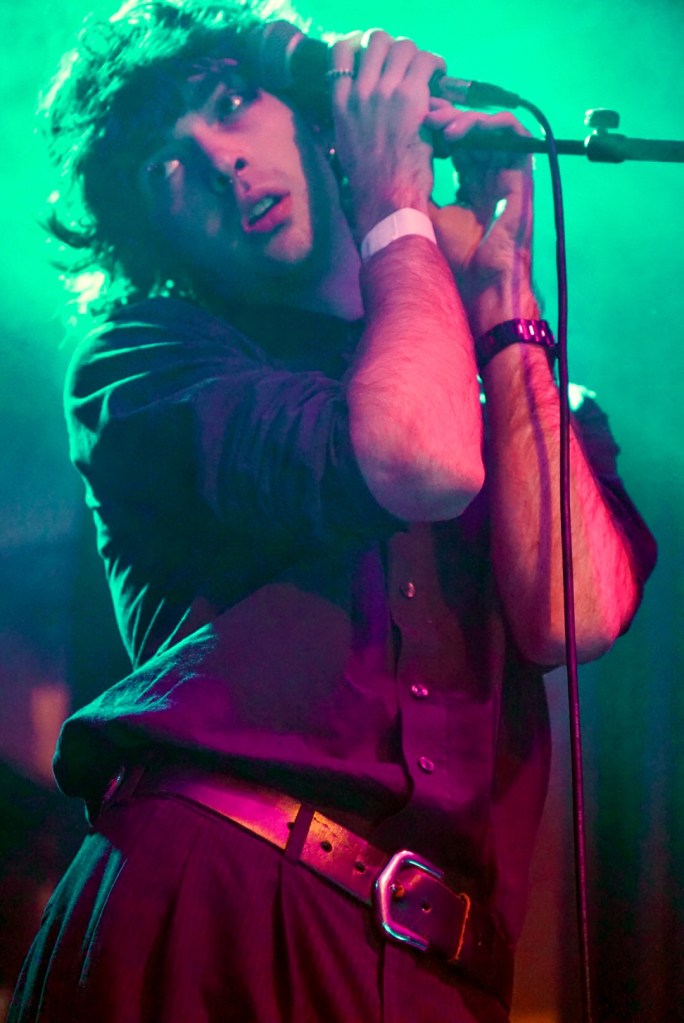
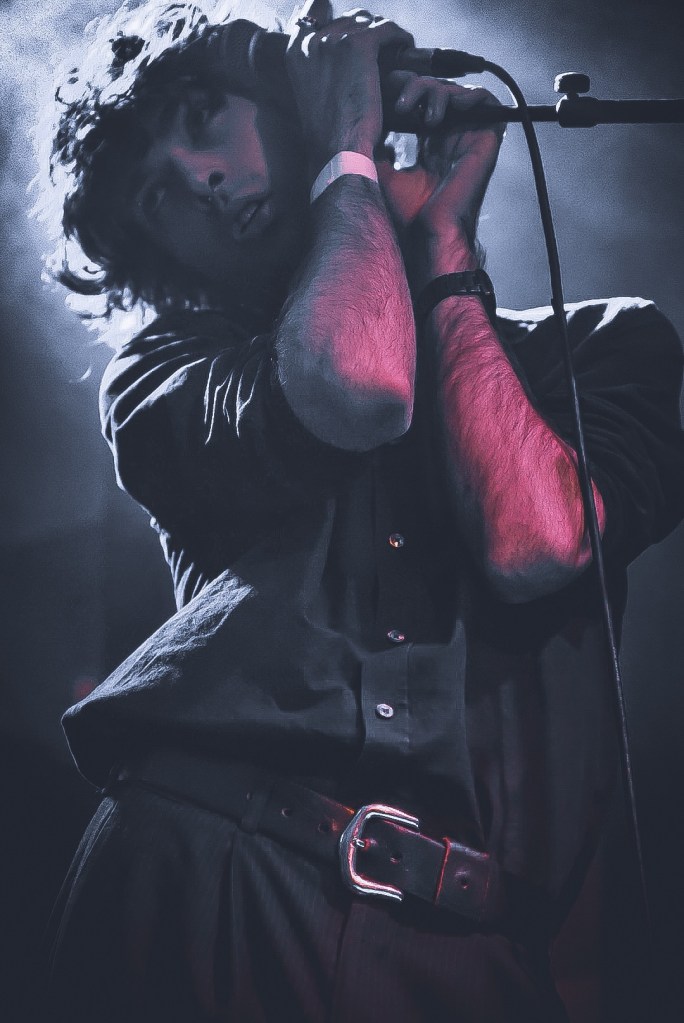
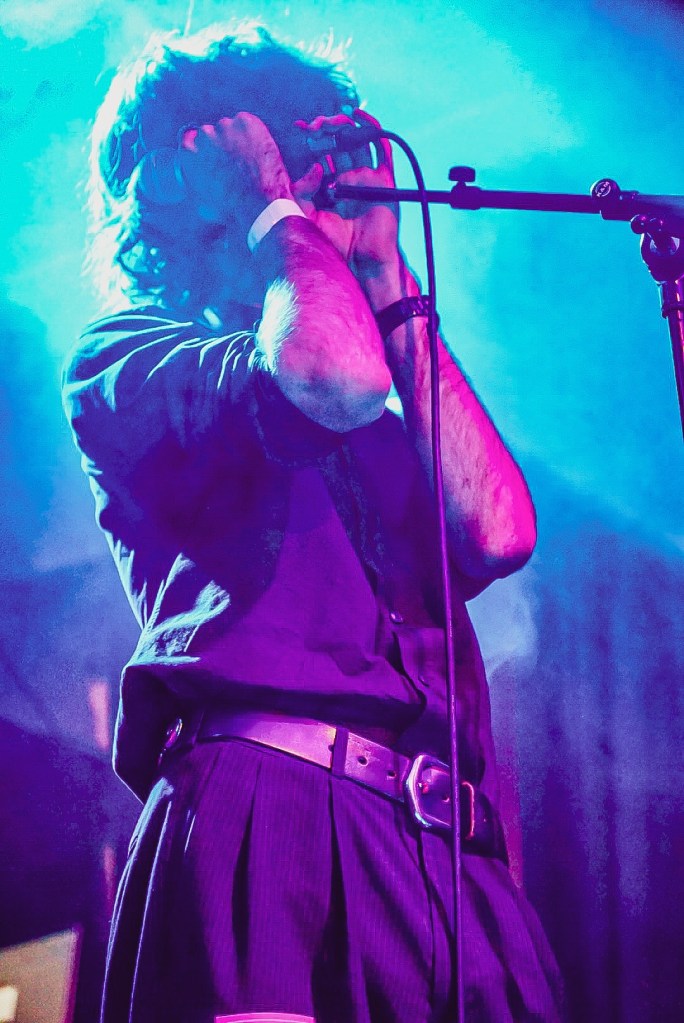
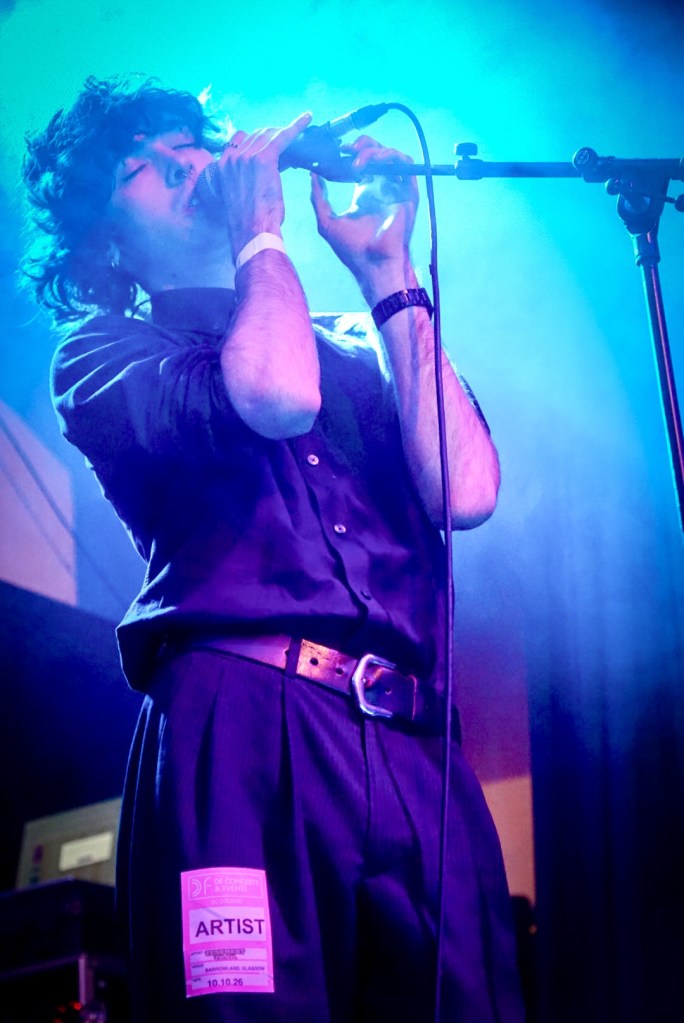
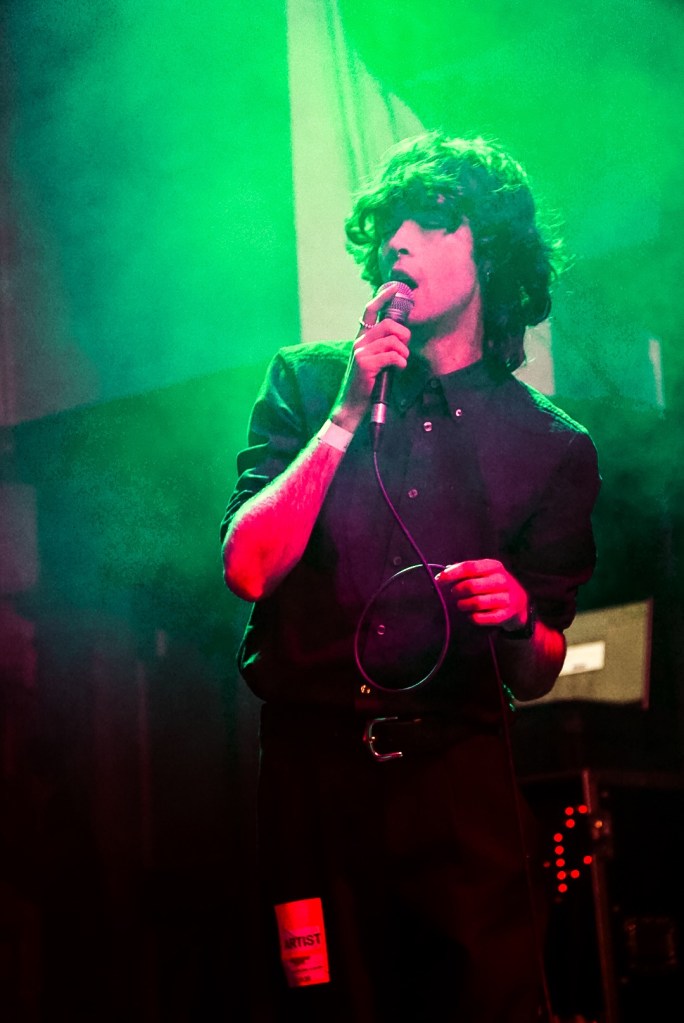
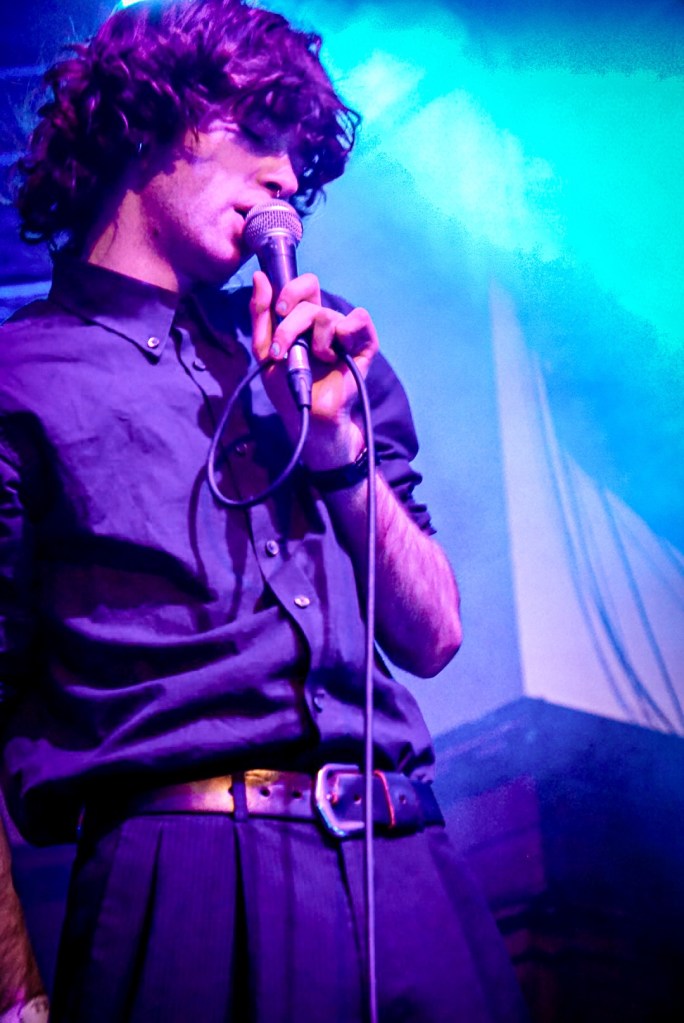
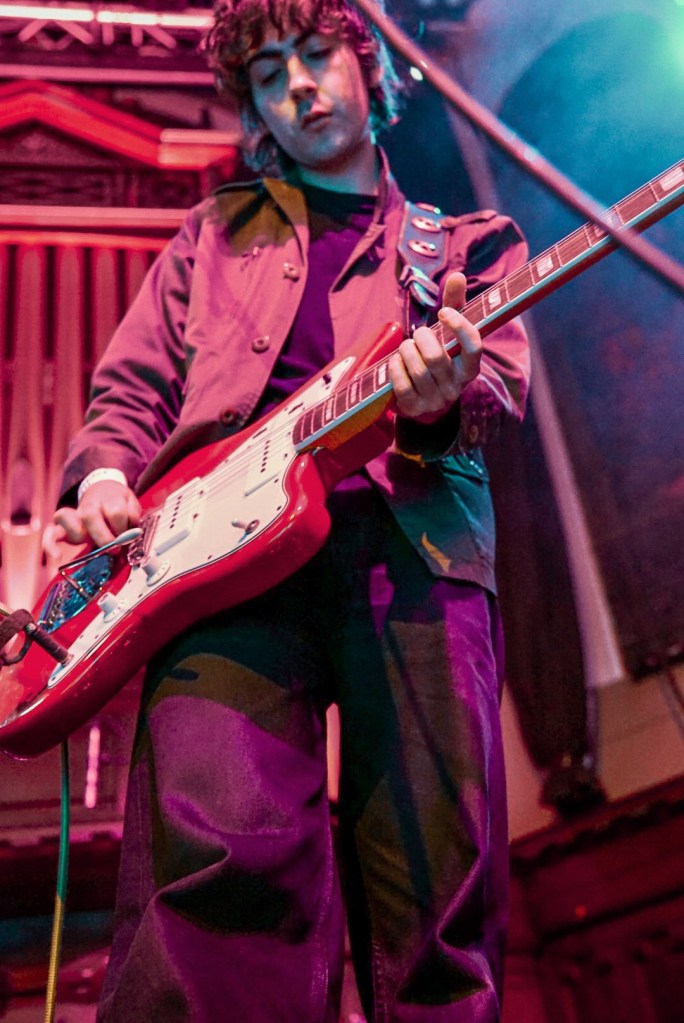
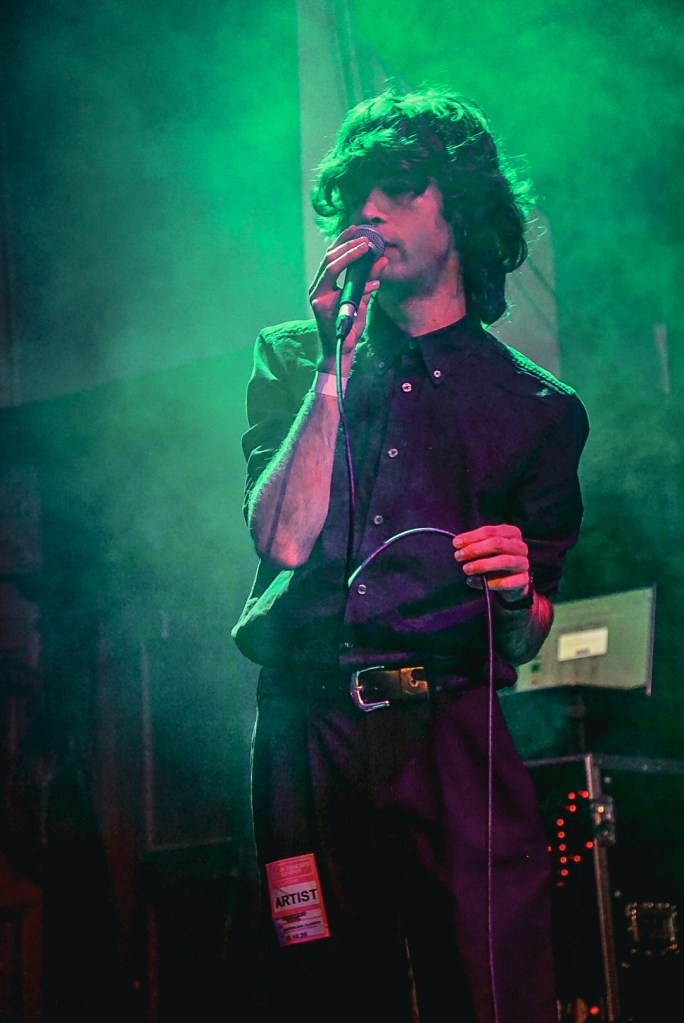
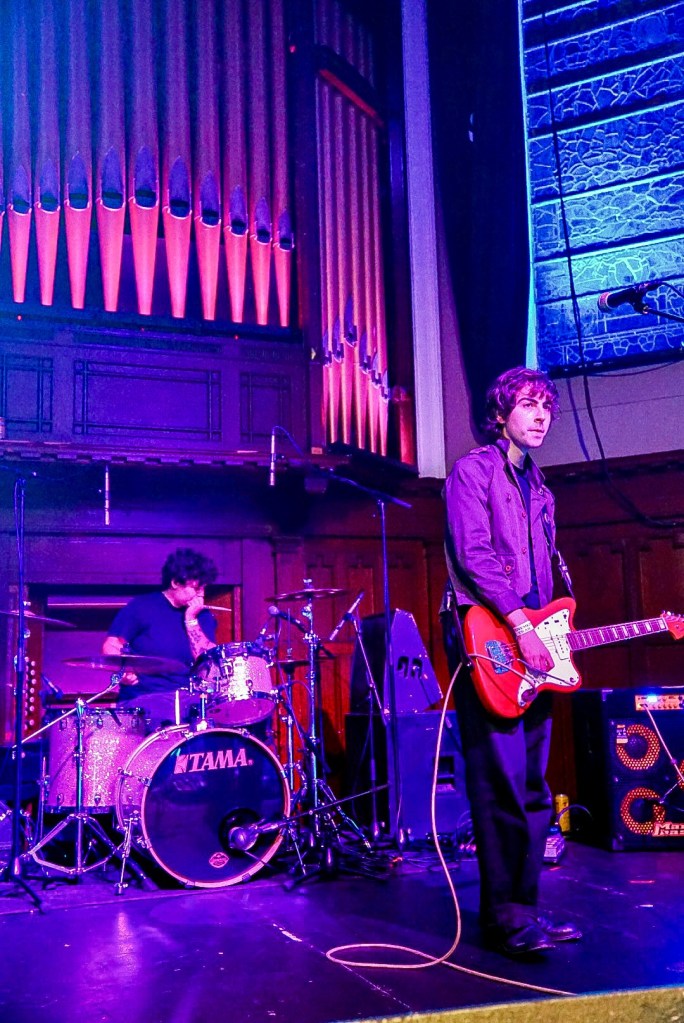
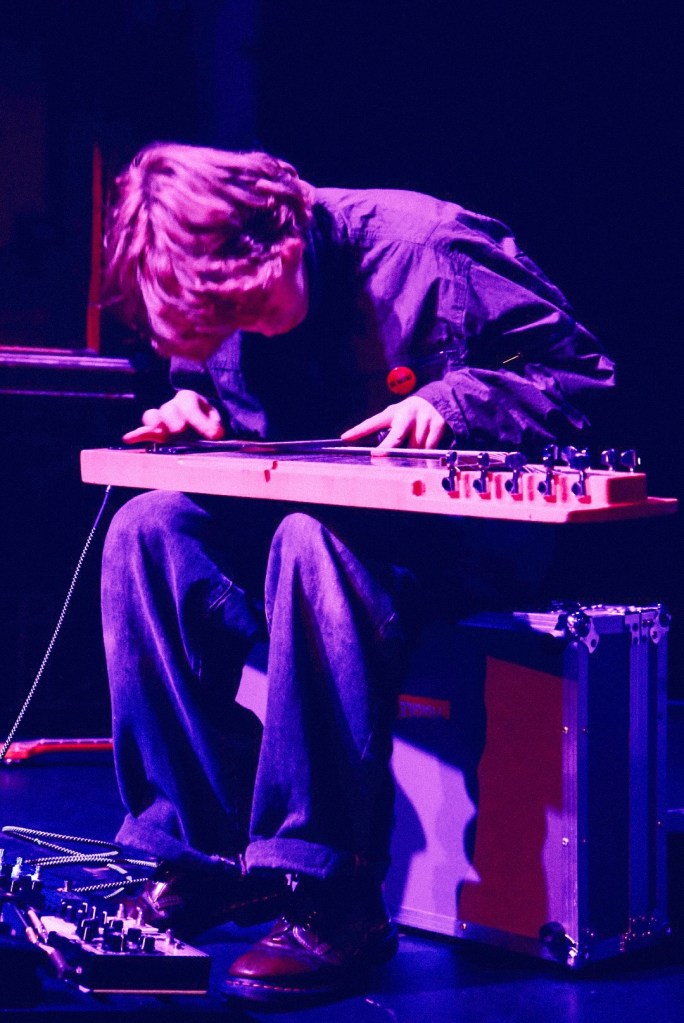
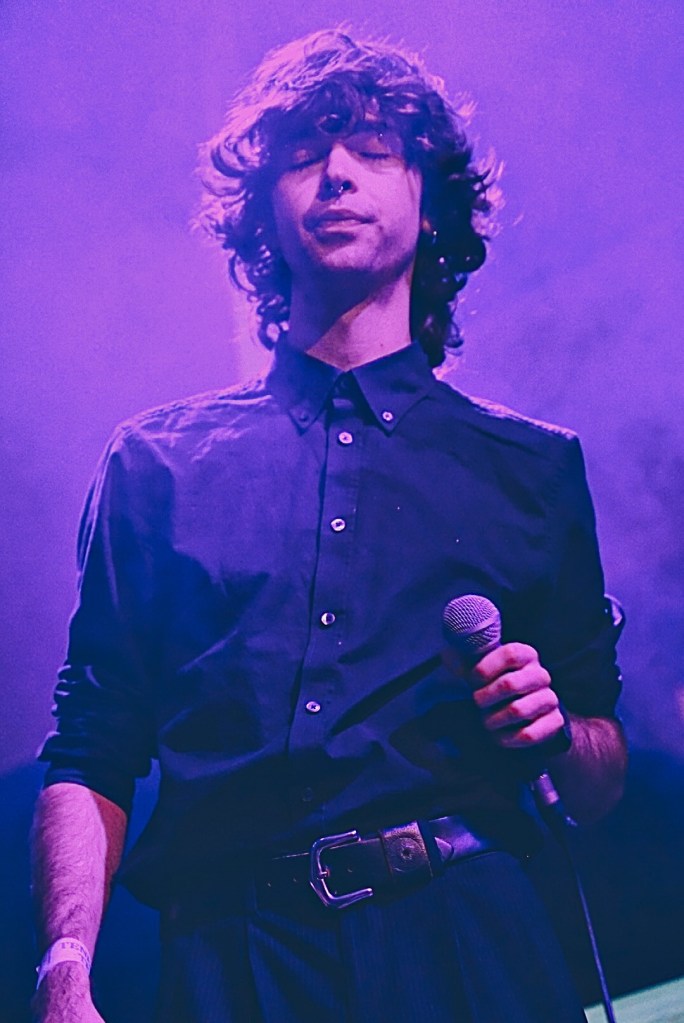
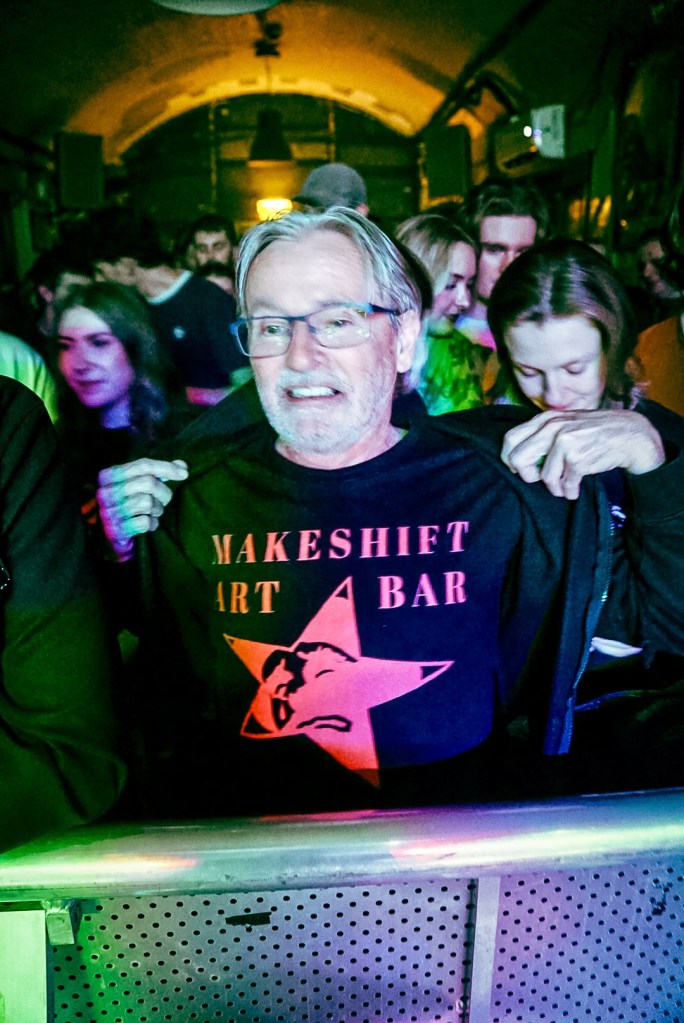
Makeshift Art Bar, from Belfast, were one of the more compelling propositions for anyone drawn to music with its elbows out. Their music video for “Discipline” featuring a Harry Styles lookalike all over Benidorm has been soundtracking my summer. Their sound occupies the noisy intersection of grunge, noise rock and punk: rumbling bass, jagged guitars and the satisfying push and pull between quieter passages and sudden eruptions. It is music that seems to be held together by sheer force of will, then deliberately pulled apart again.
There was an extra little connection for anyone following the Irish alternative scene: band members were wearing Chalk T-shirts. Chalk’s touring with Fontaines D.C. has helped shine a light on the wider ecosystem of Irish bands making intense, contemporary guitar music, and Makeshift Art Bar fit comfortably into that conversation without sounding like anyone’s understudy.
Their appeal is in the abrasion. They don’t polish away the rough edges; they use them as the point. “Bedwetter” is noisy, jagged and full of grunge-punk tension, with the quiet-loud dynamics of a door repeatedly slammed in your face. It’s a good introduction to a band whose music is less a neat indie-rock product than a slightly unstable object that might fall apart at any second — which is precisely why you keep watching.
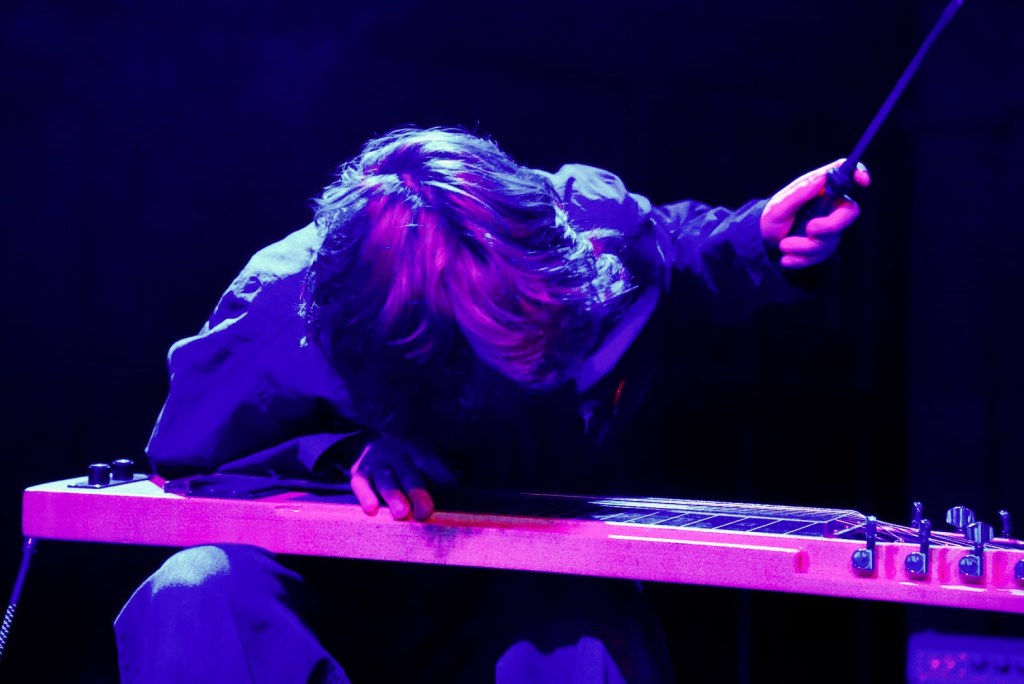
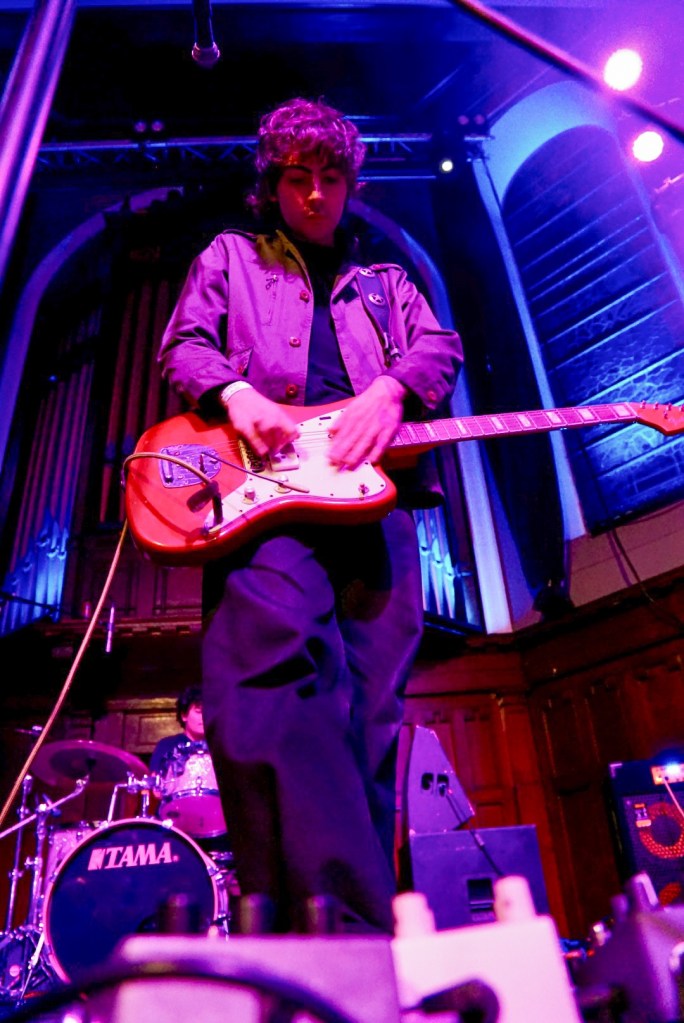
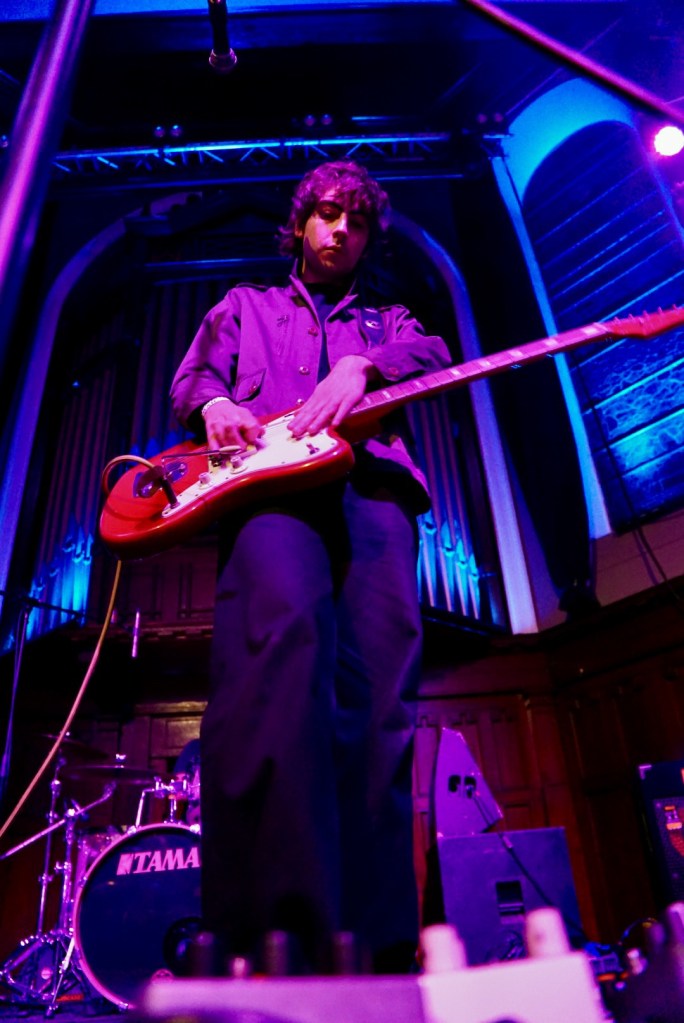
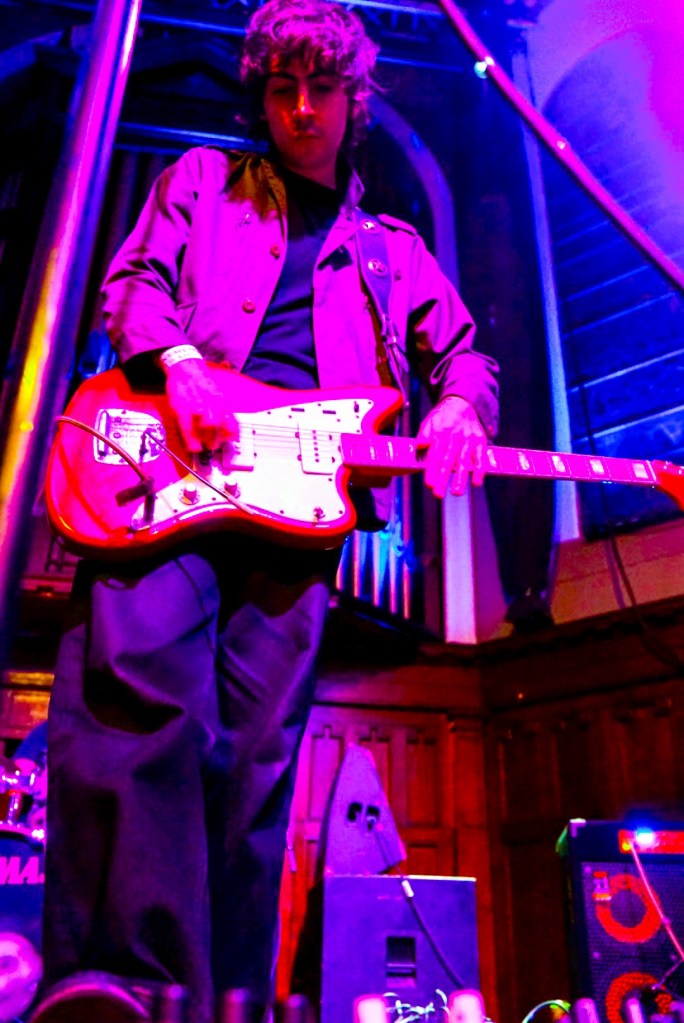
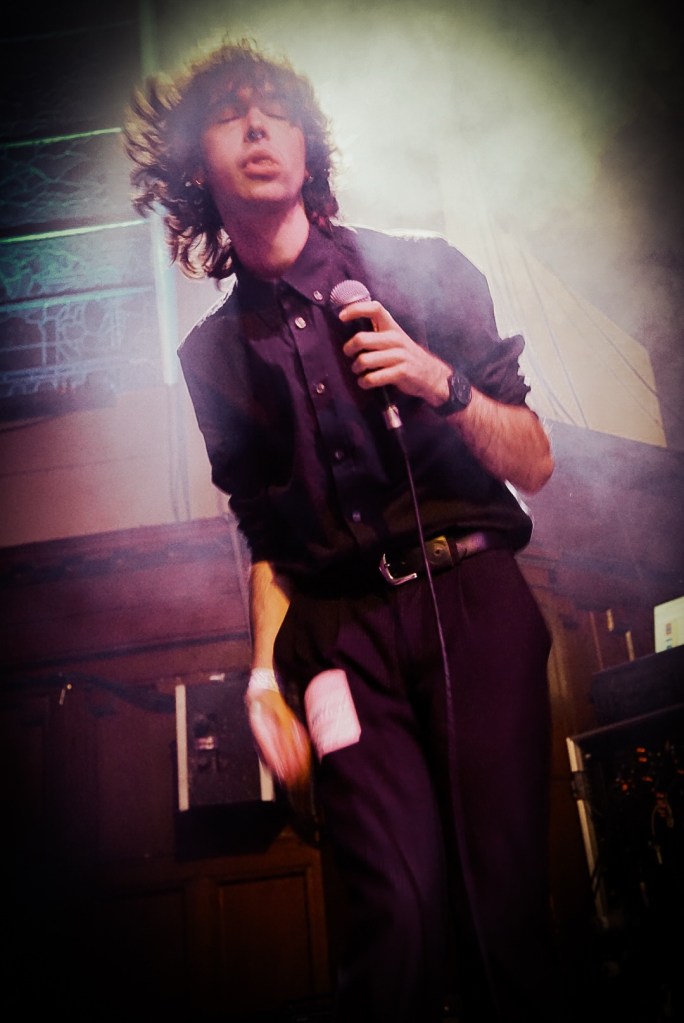
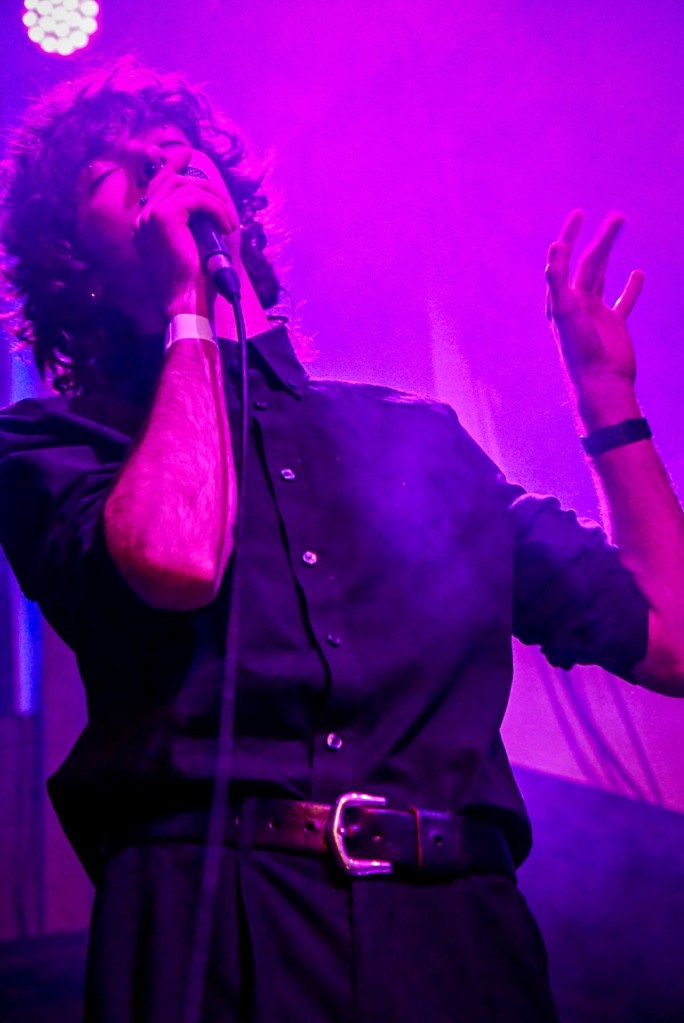
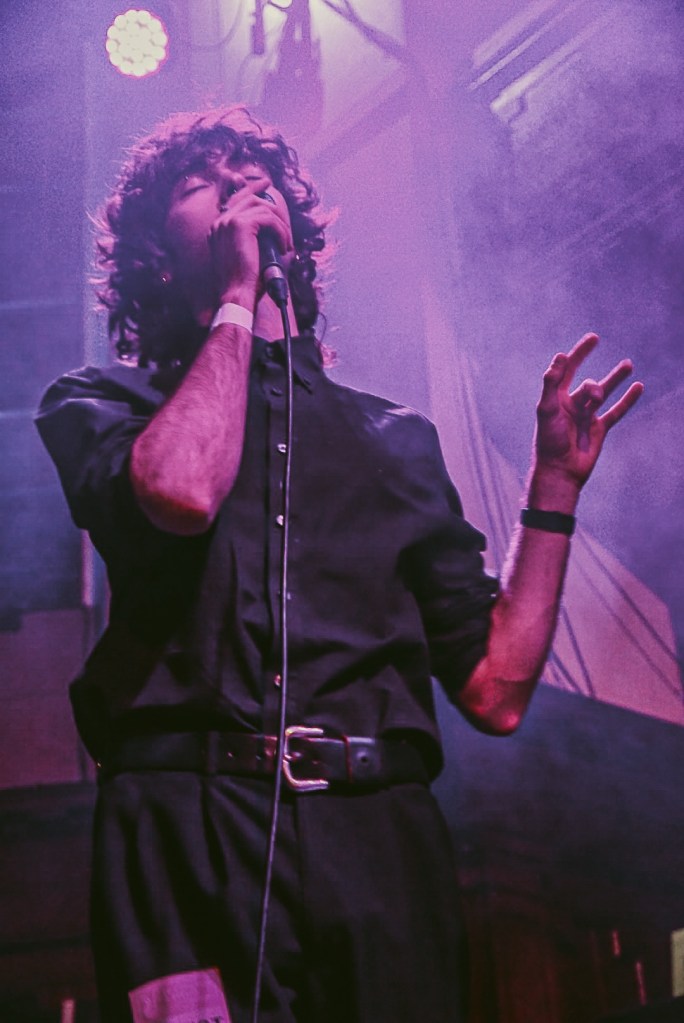
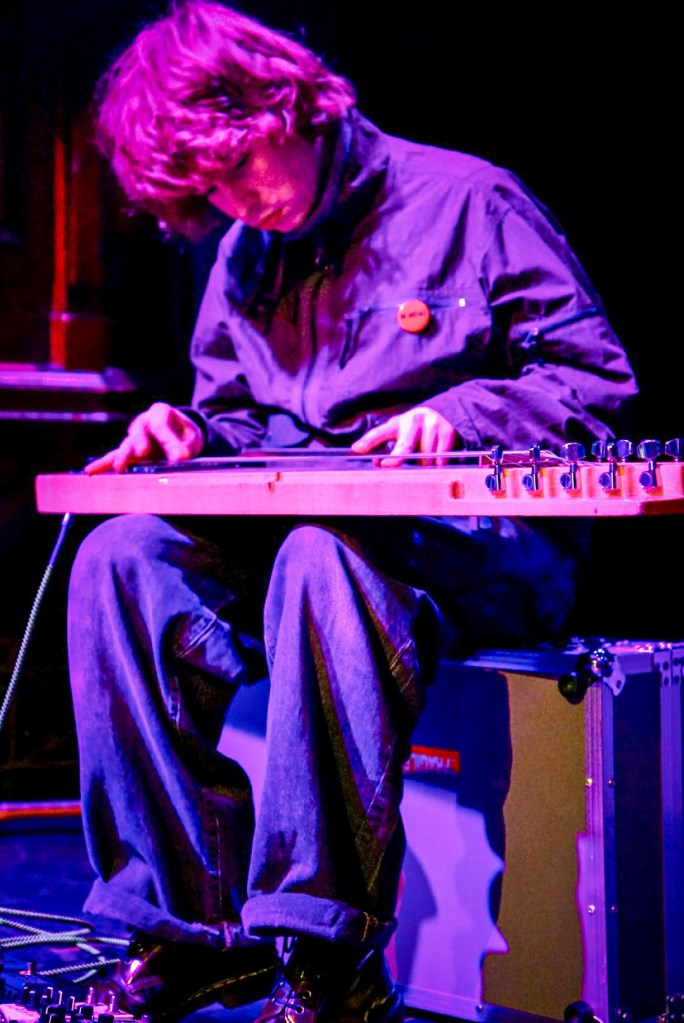
Tom A Smith — BAaD
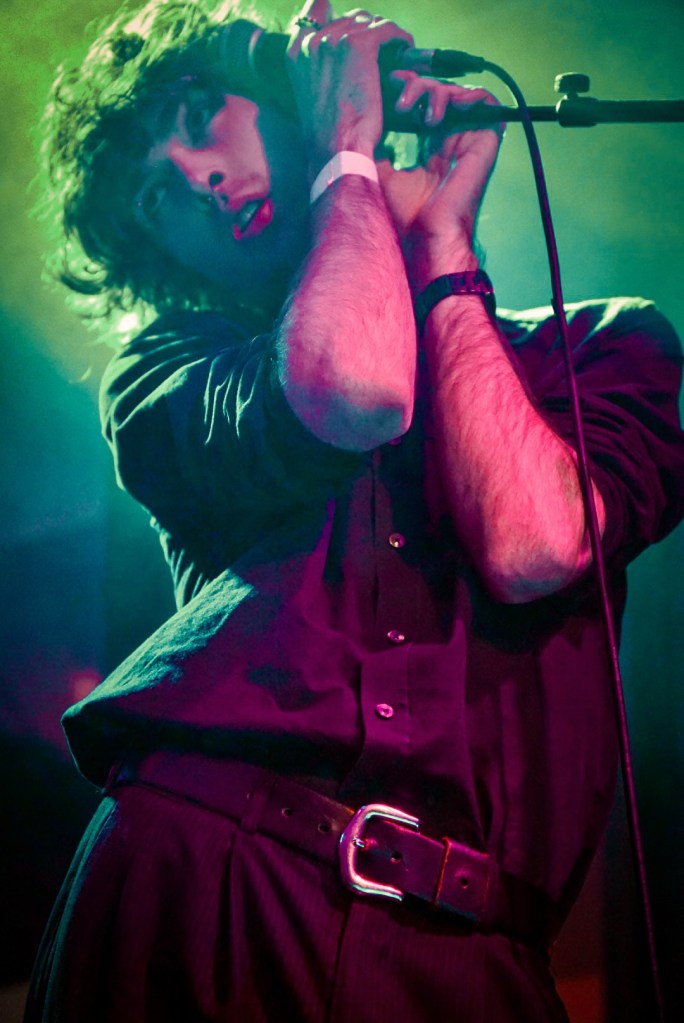
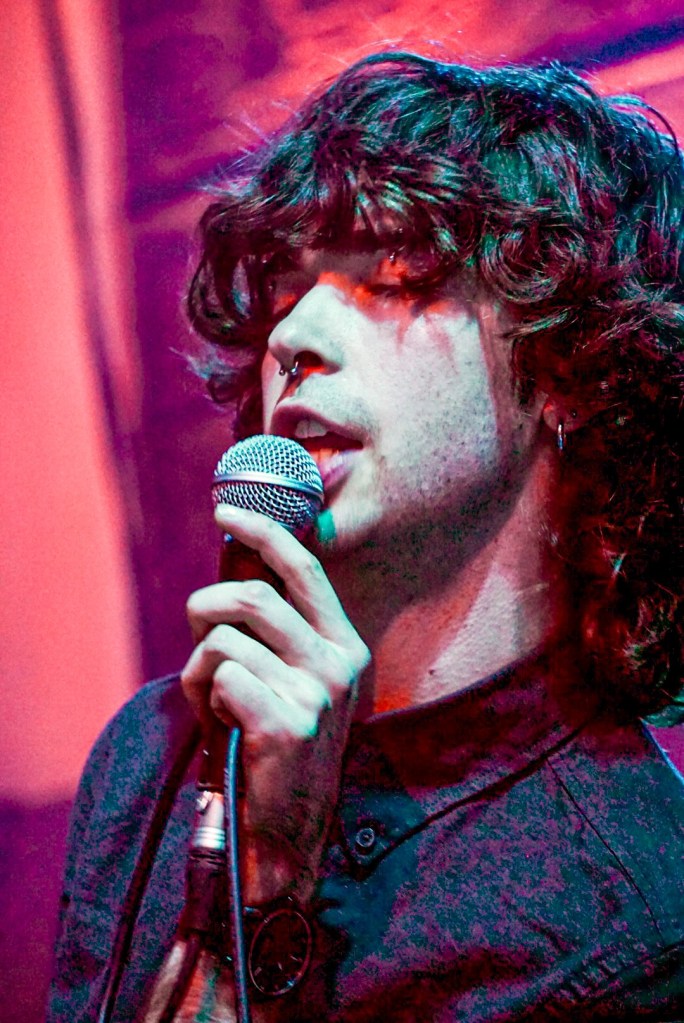
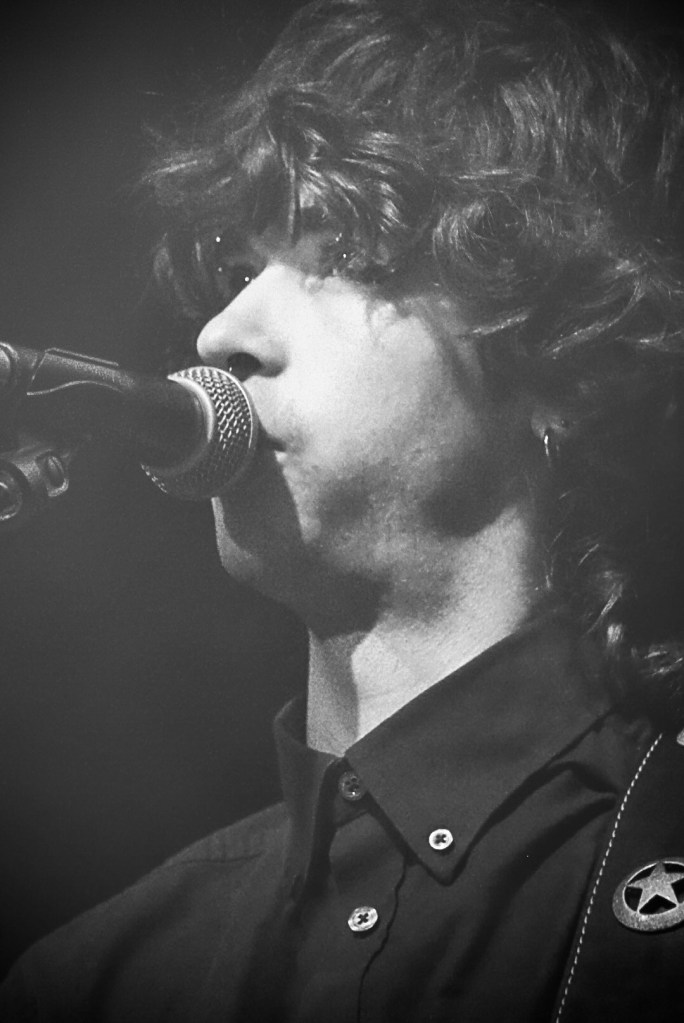
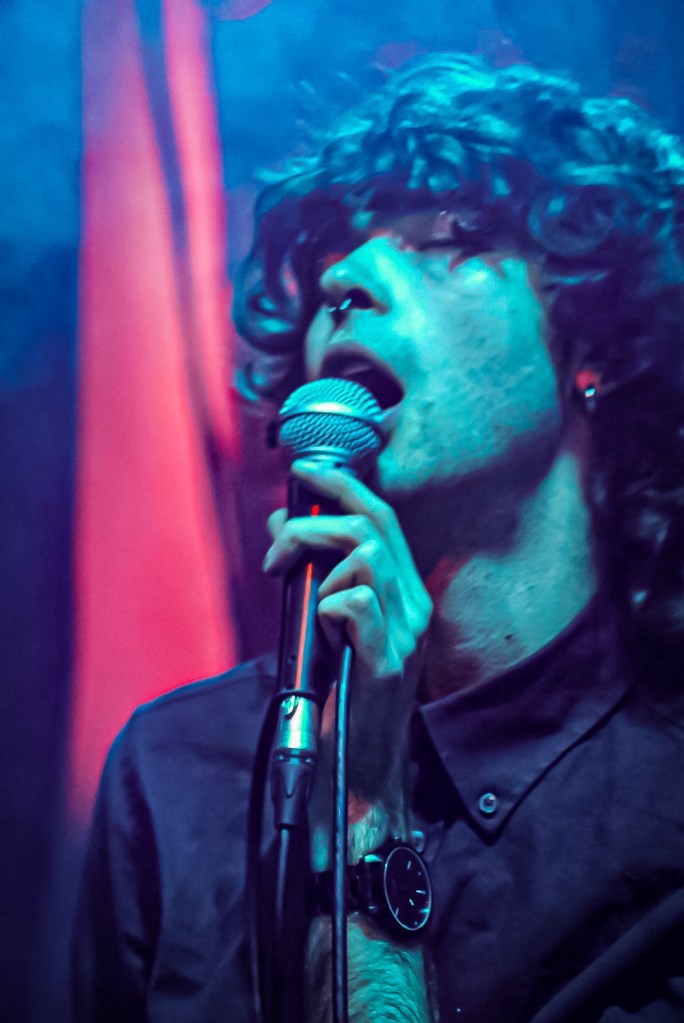
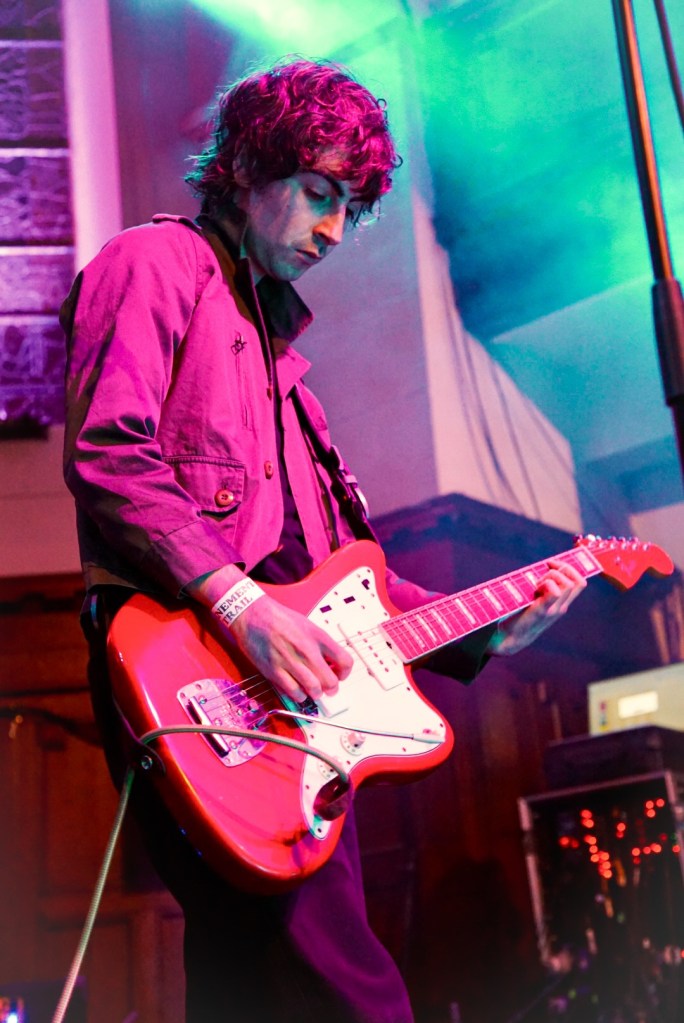
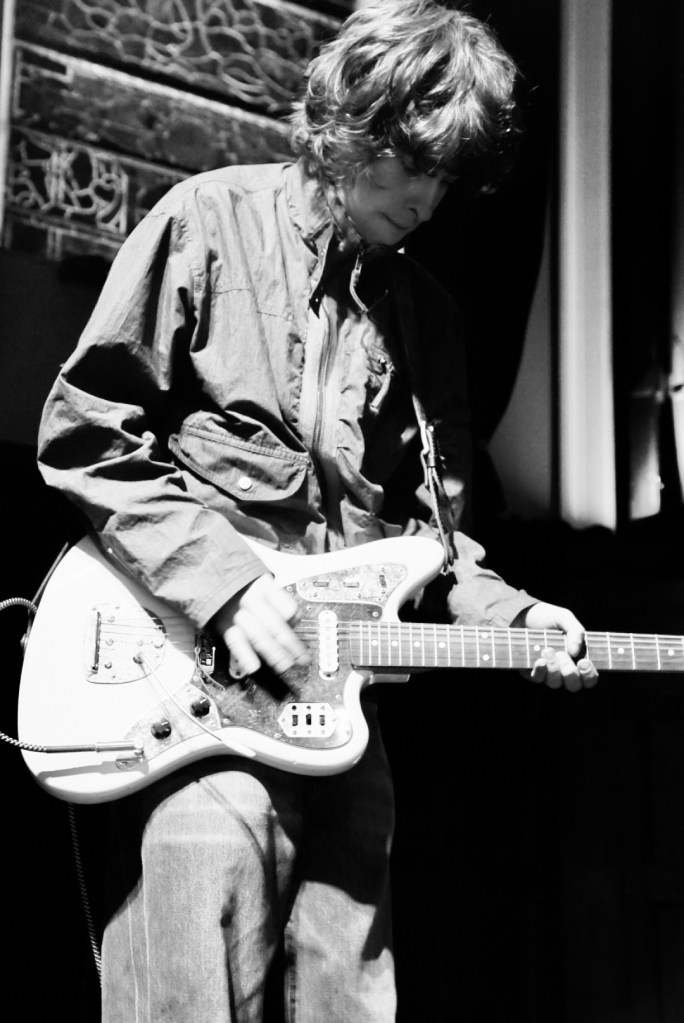
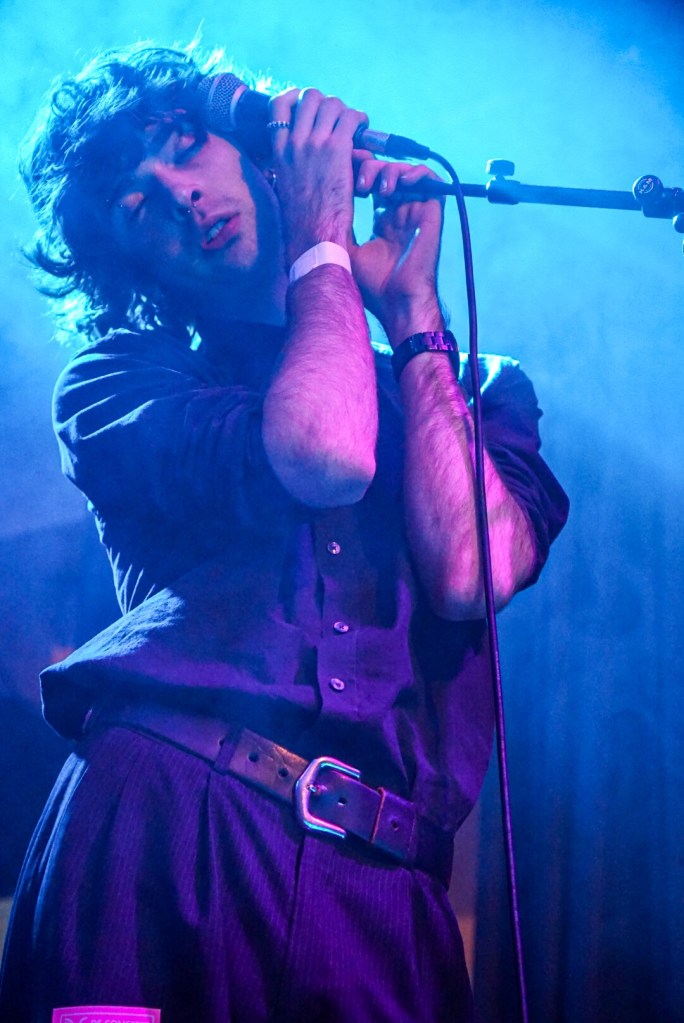
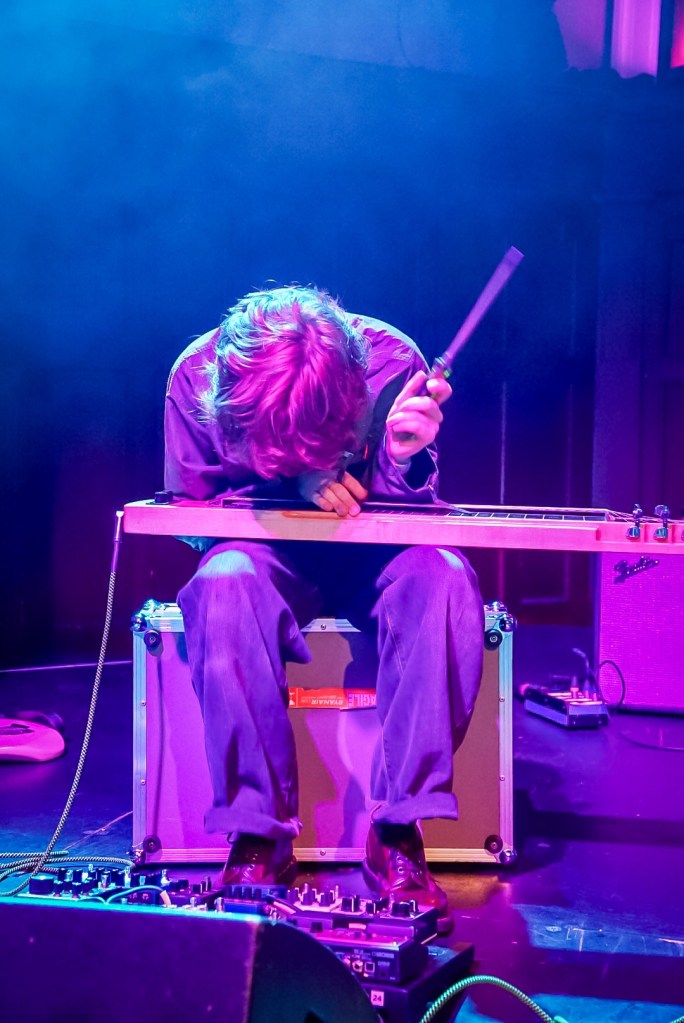
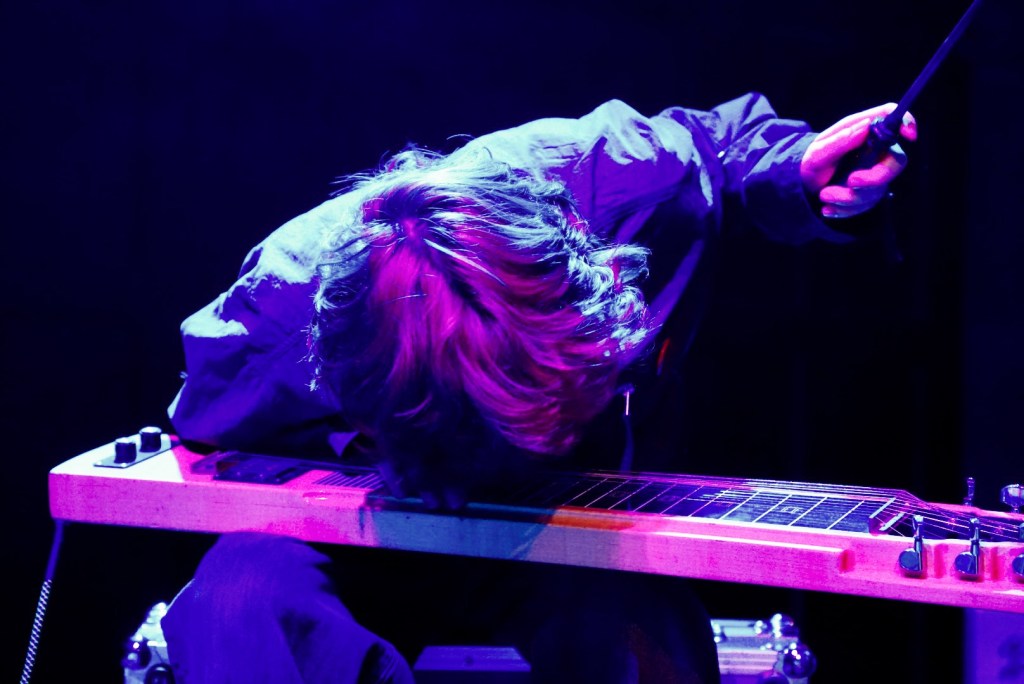
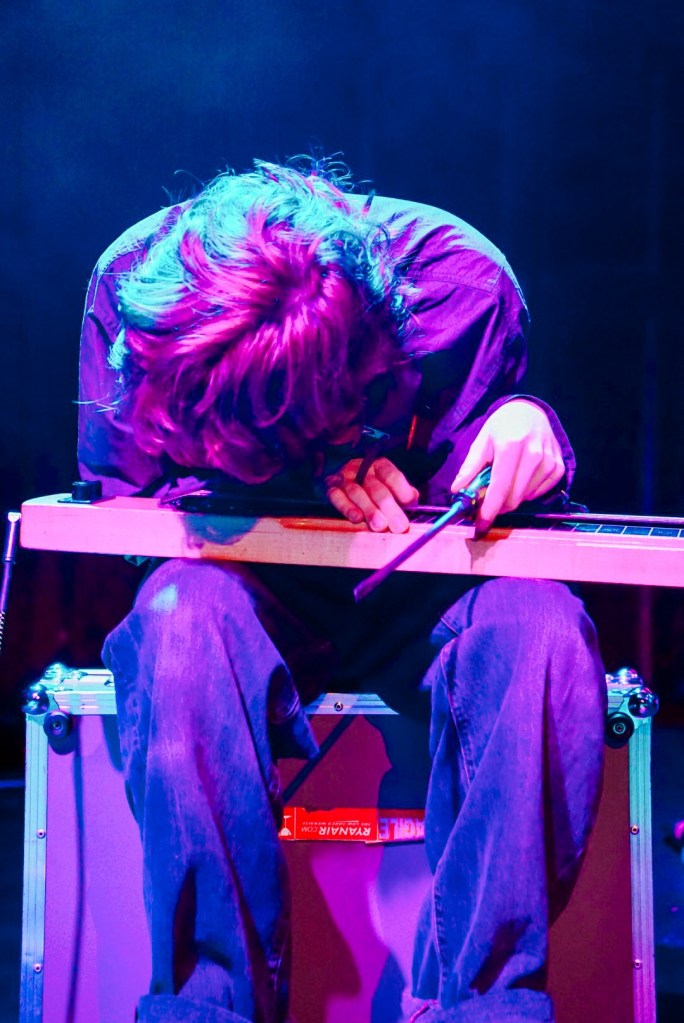
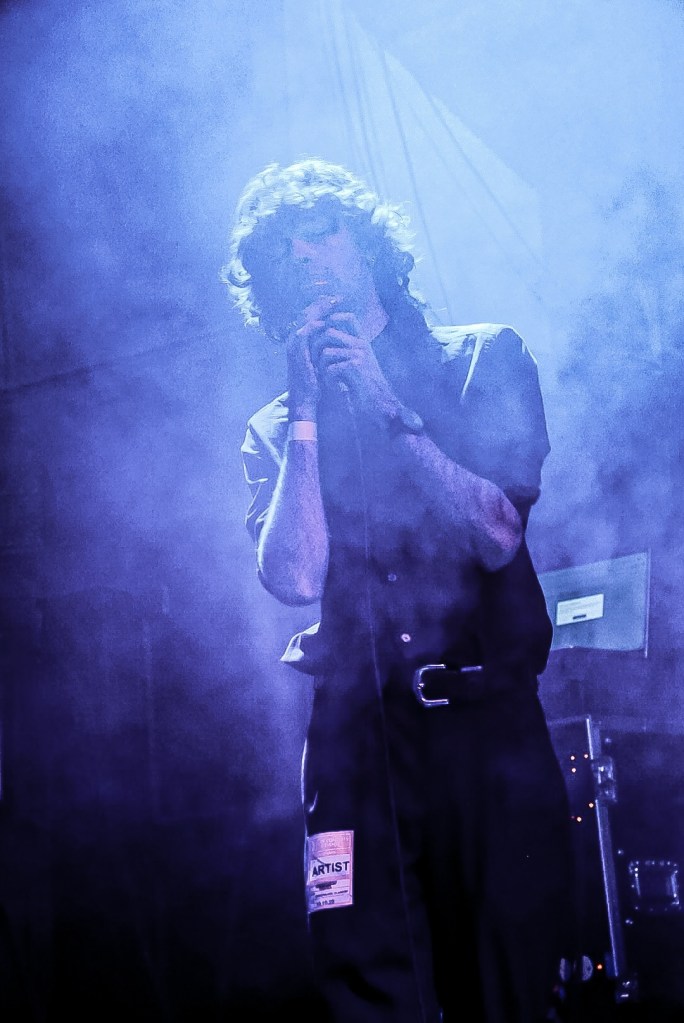
Tom A Smith brought a more direct, melodic form of alternative rock to BAaD. The Sunderland artist works in a broad British guitar tradition, but his appeal lies in the mix of sharp hooks, youthful urgency and a performance style that makes the songs feel larger than their running time. There is a lineage here that runs through Jamie T and the more restless end of British indie, though Smith’s material has its own bright, punchy personality.
The Ninth Wave — Barrowland
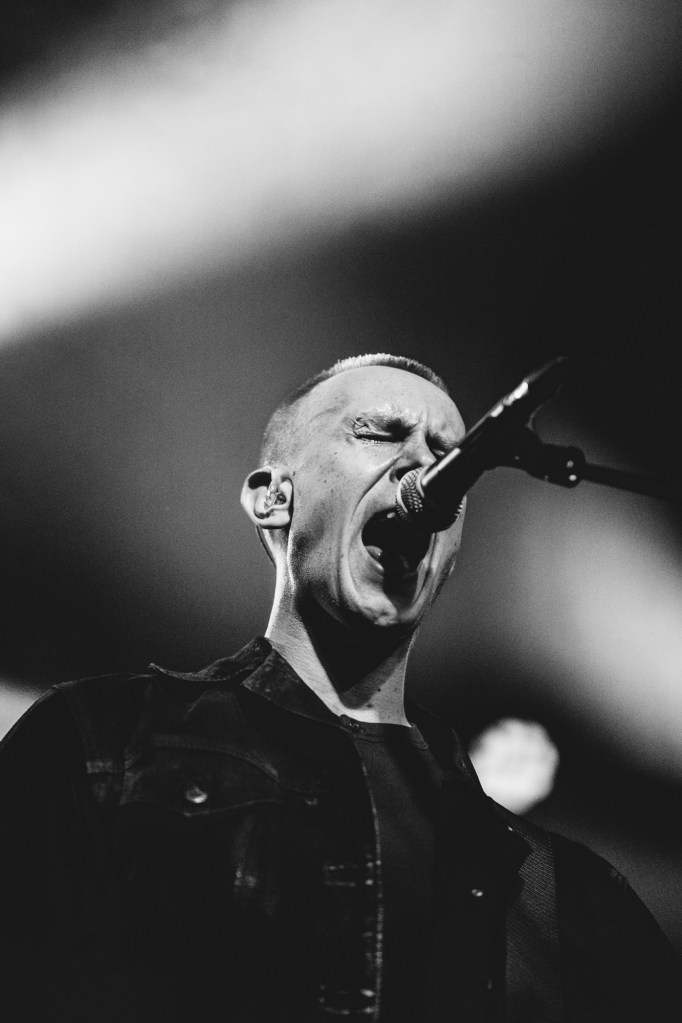
The Ninth Wave brought the sort of dark, propulsive guitar music that makes a larger room feel like a pressure chamber. The Glasgow band balance post-punk drive with a bruised, emotionally charged atmosphere; they can sound both urgent and detached, as if the music is racing forward while the lyrics are stuck somewhere in the past. Their rhythms keep pushing, while the melodies carry the weight of something unresolved.
There is a satisfying contrast between their muscular sound and their more vulnerable emotional register. They understand that gloom need not mean sluggishness, and that a song can be bleak without losing its pulse. “This Broken Design” is a strong place to start: restless, shadowy and full of forward momentum, like a night bus cutting through wet streets while the city outside blurs into neon.
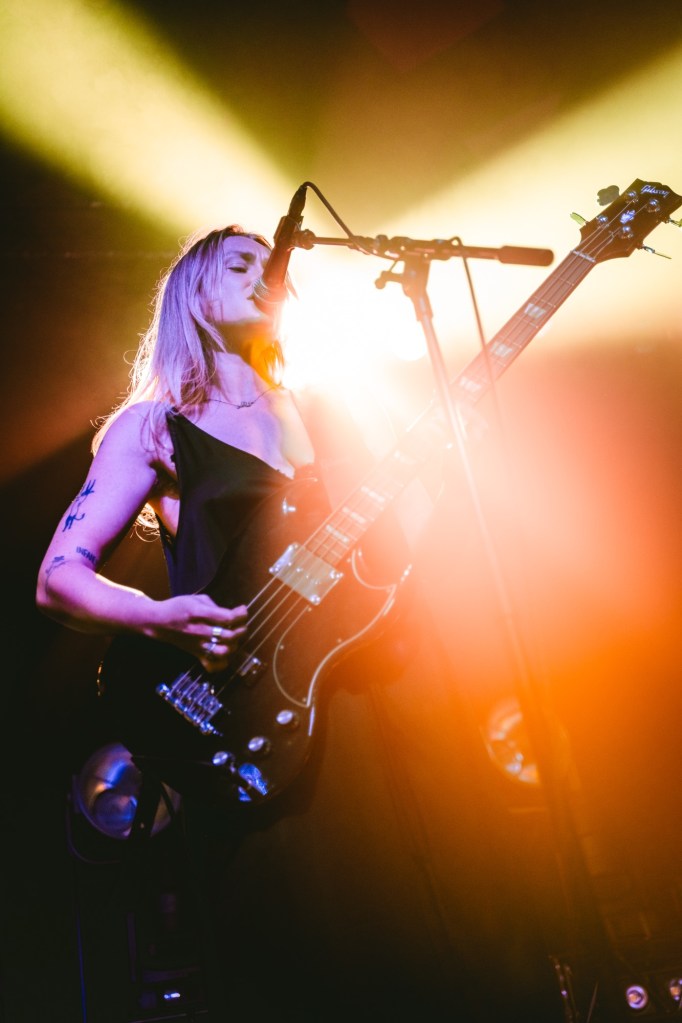
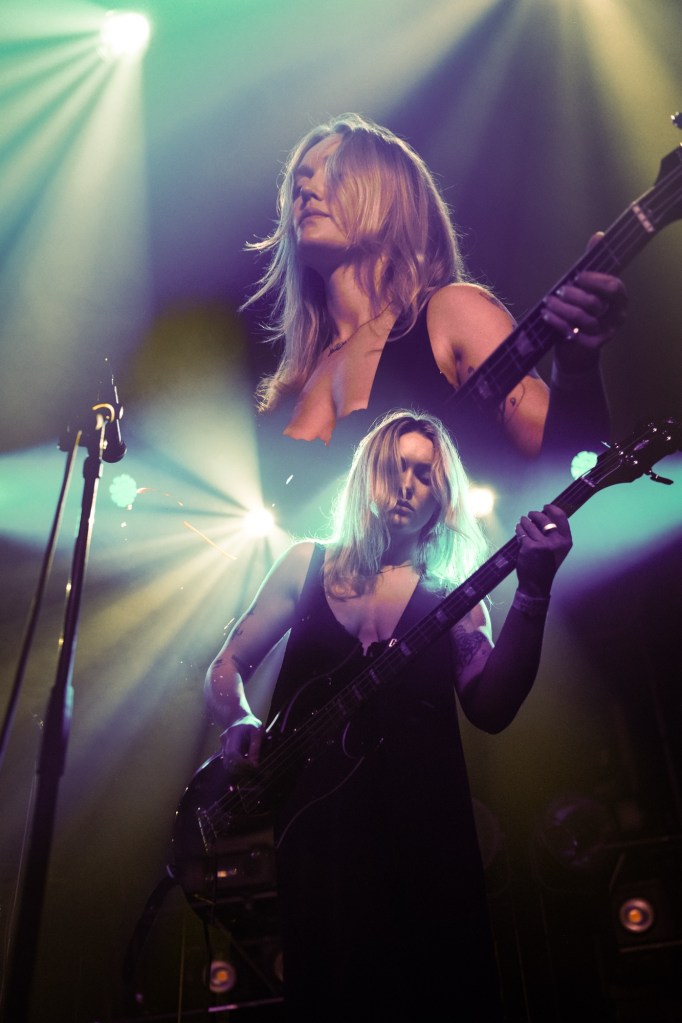
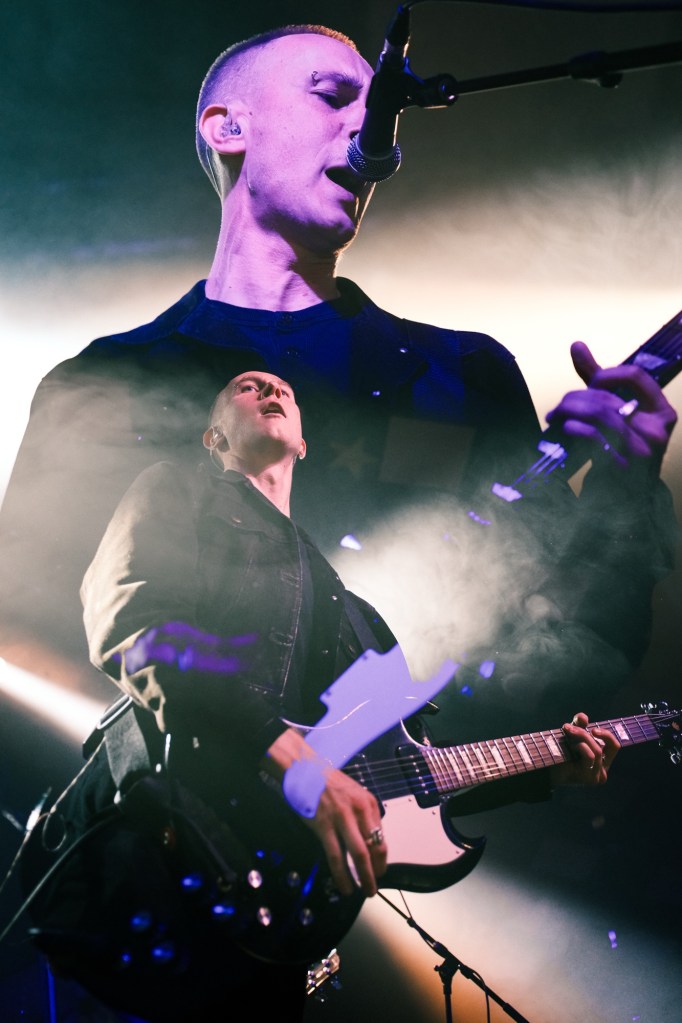
Limonead — Van Winkle
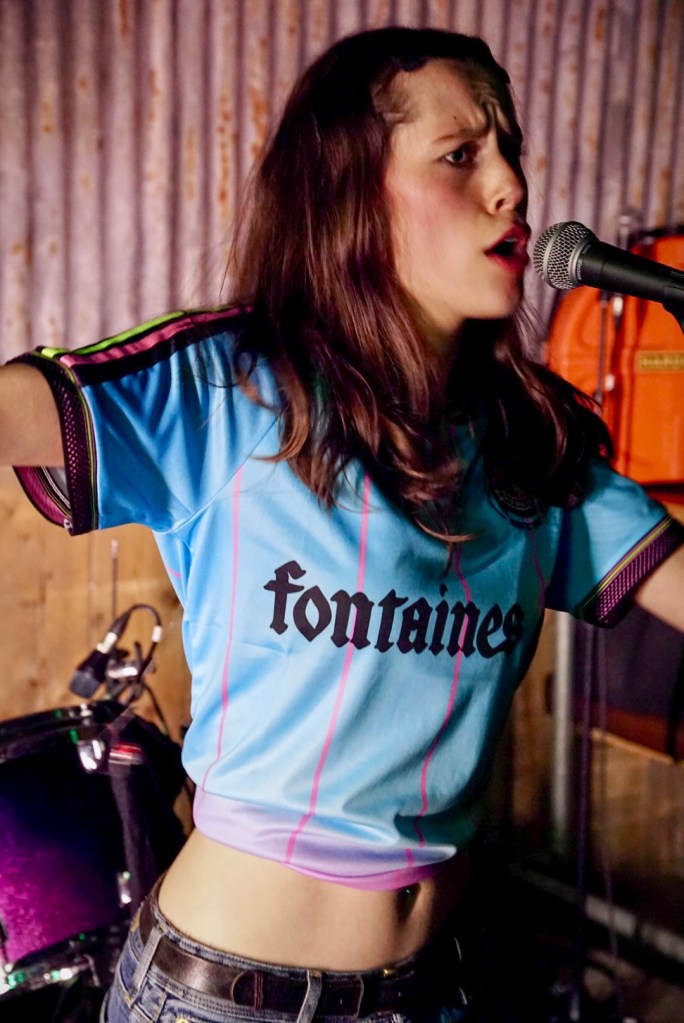
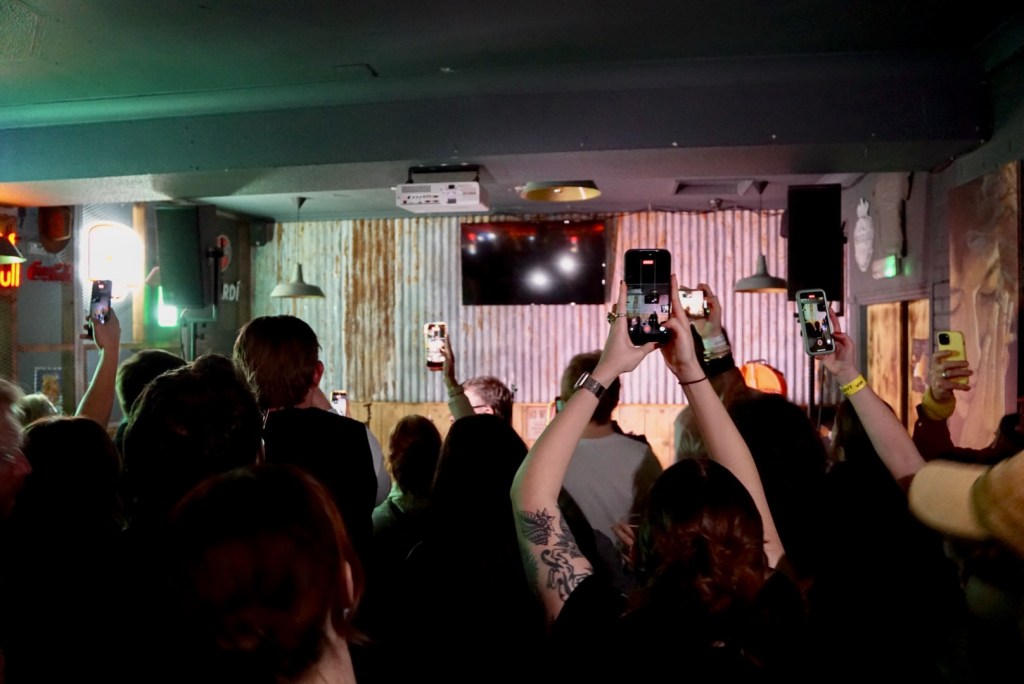
Then came Limonead, whose Gaelic-language rave was one of the day’s most distinctive propositions. The Scottish artist combines Gaelic vocals with hip-hop beats, synths and pop production, taking a language too often treated as a cultural heirloom and throwing it straight into the middle of the dancefloor. The result is not a solemn exercise in preservation but something playful, contemporary and built to move bodies.
There is a tendency to treat music in Gaelic as something that must be presented with solemnity, heritage and a little respectful distance. Limonead takes a different route: the language is alive, rhythmic and entirely capable of sitting over a beat that belongs in a contemporary club. Her sound makes tradition feel like a material to be played with, not a museum exhibit to be admired from behind glass.
“Nàche Buidhe Dhut” combines the bounce of hip-hop with big synths and pop immediacy, and it helps explain why Limonead’s music travelled beyond the usual circles. In Van Winkle, the idea made perfect sense: the pub became a tiny rave, and the festival’s discovery ethos suddenly had a bassline.
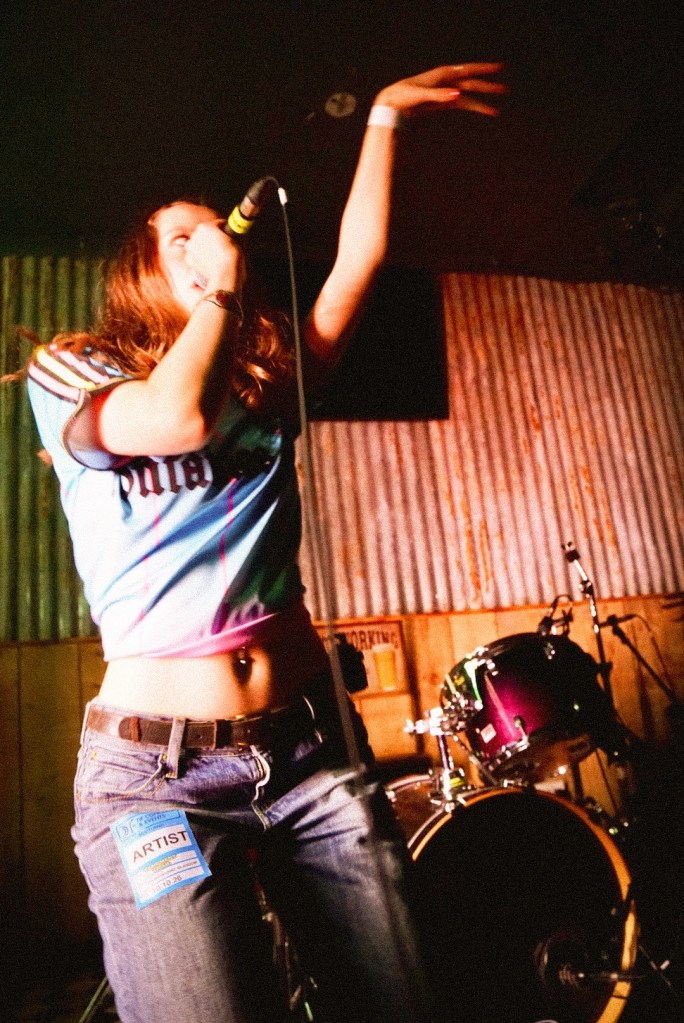
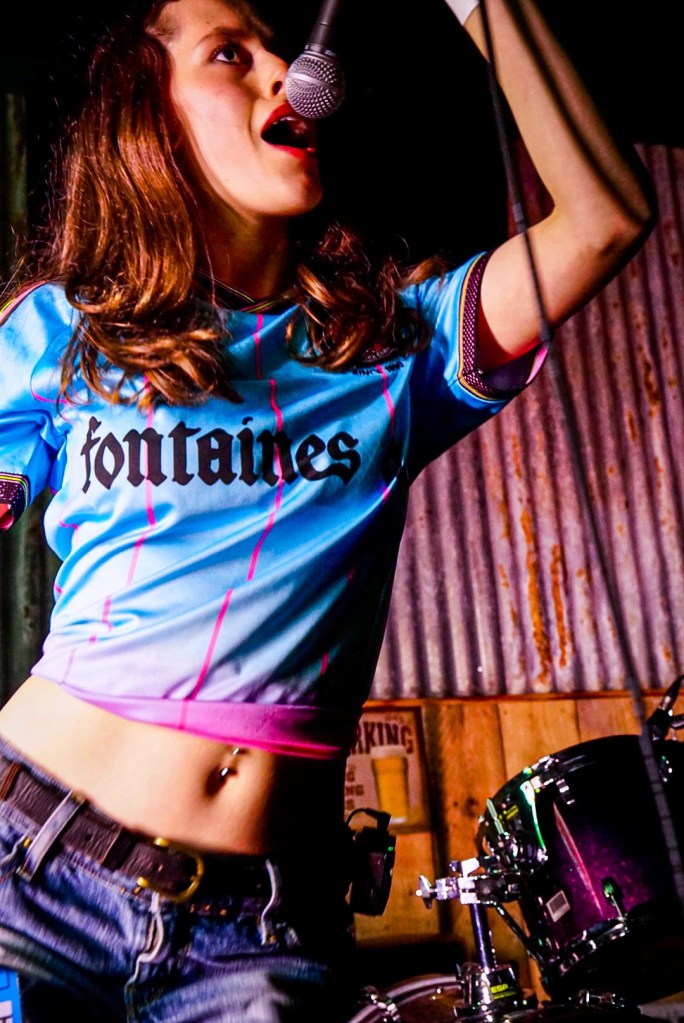
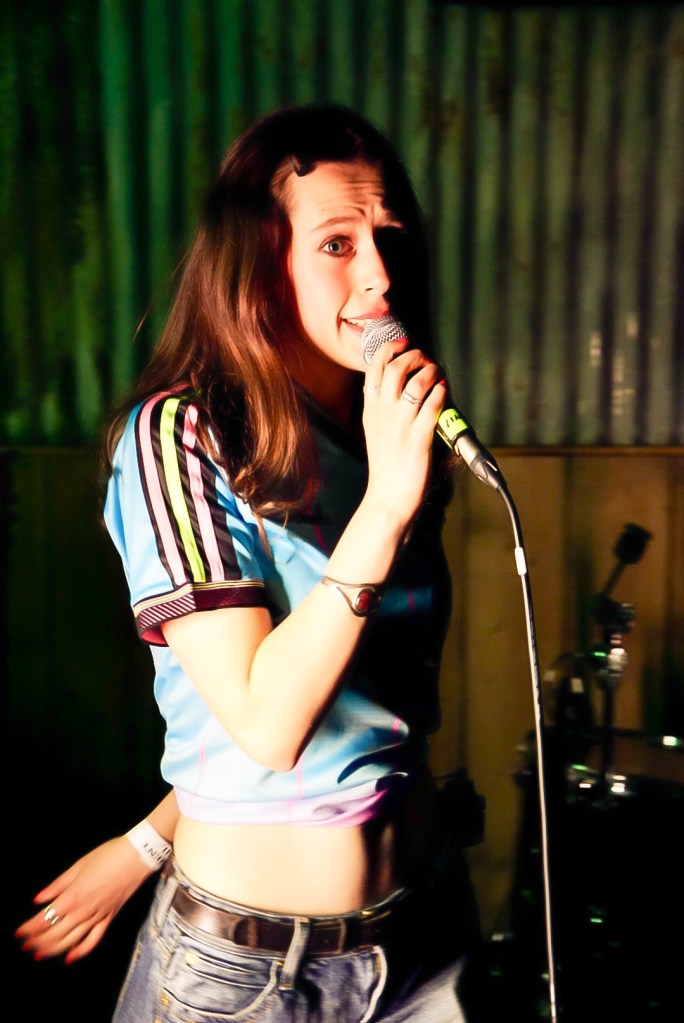
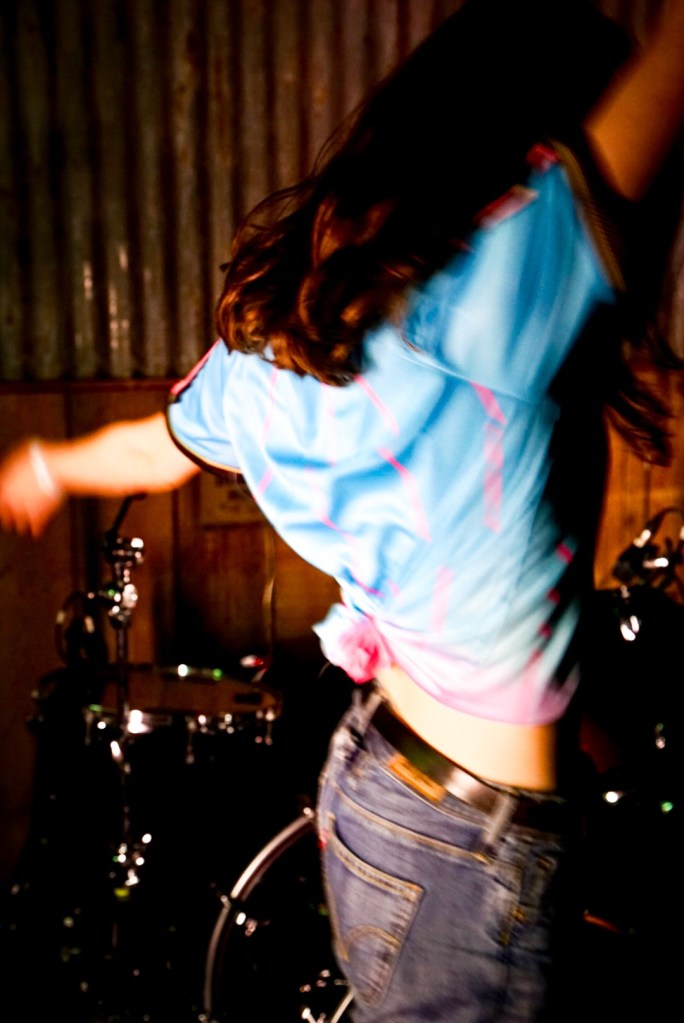
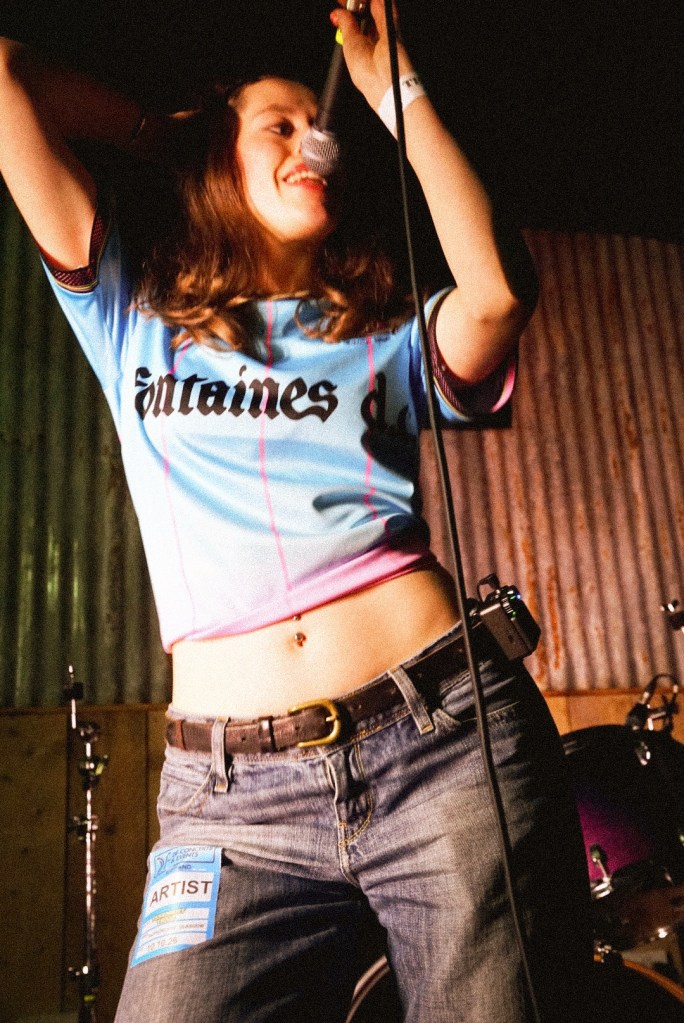
The Orielles — St Luke’s
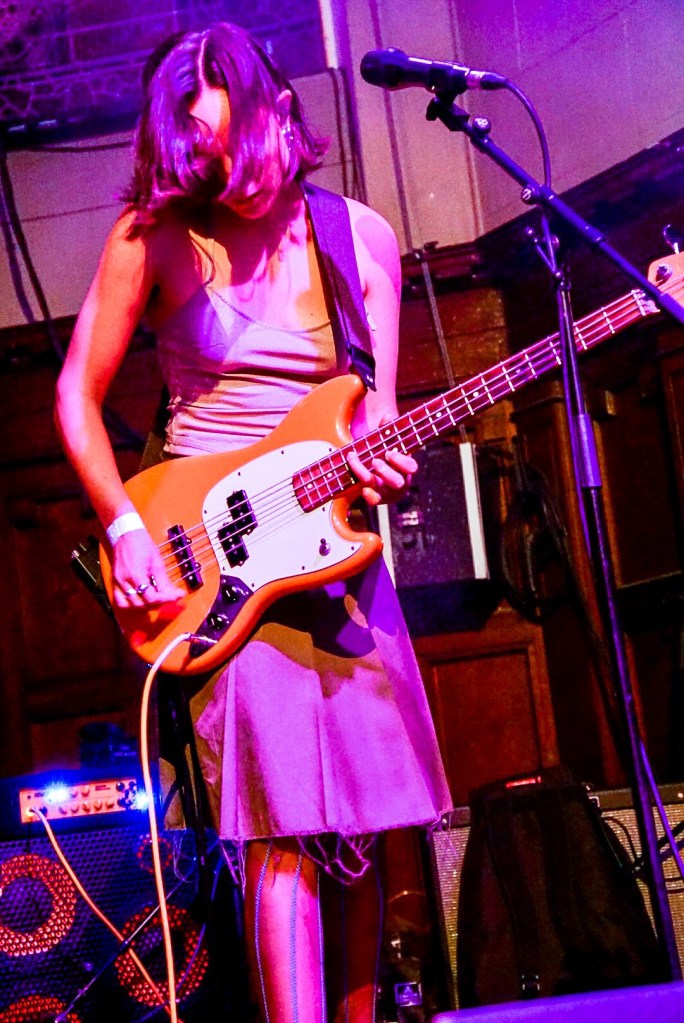
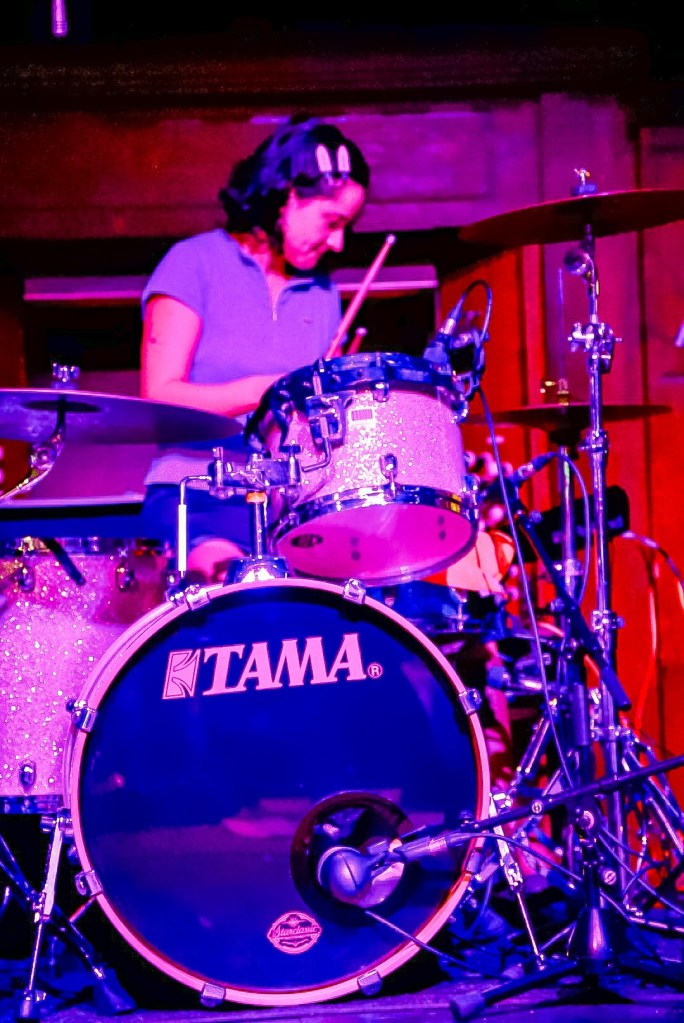
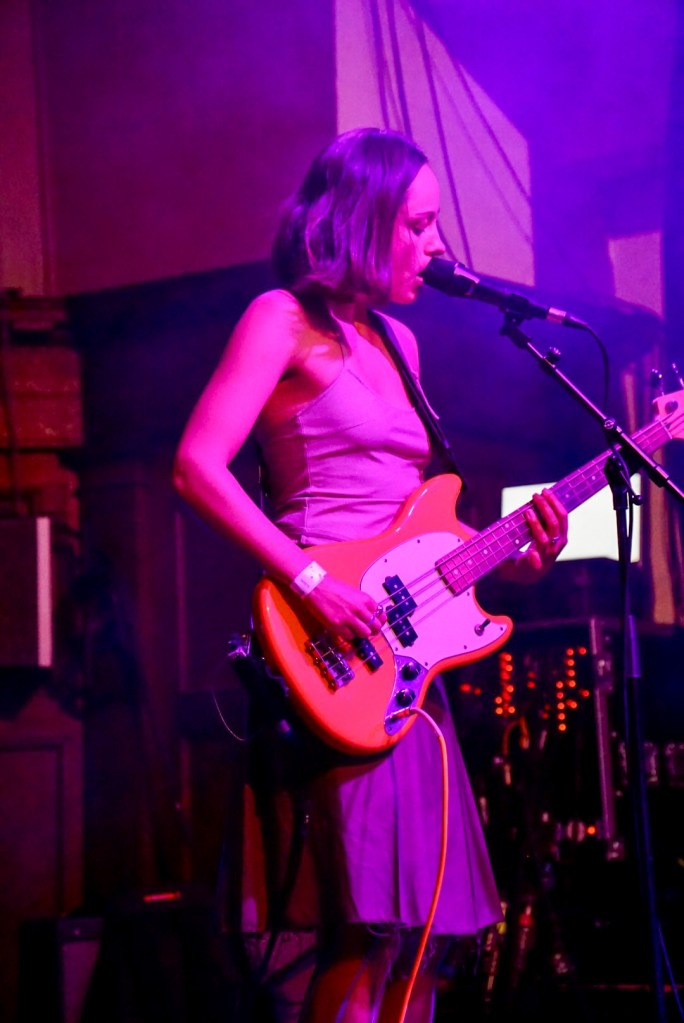
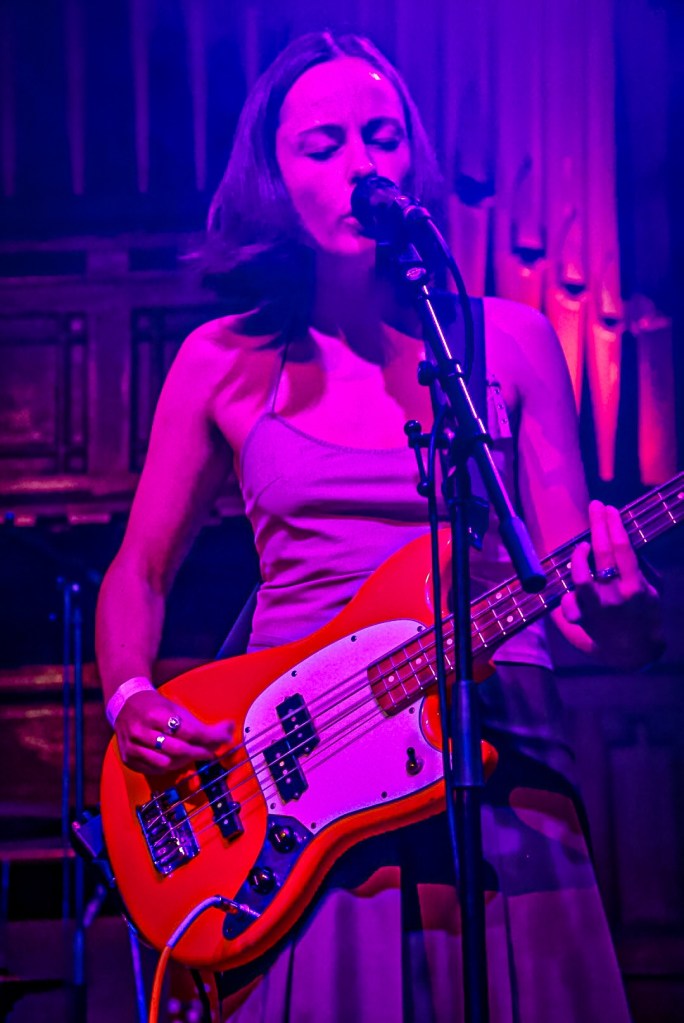
The Orielles brought a more adventurous kind of indie to St Luke’s. The Halifax band have never been especially interested in staying inside one genre, moving between post-punk, disco, psychedelia and dream-pop with the ease of people changing lanes on an empty motorway. Their music can be wiry and danceable one moment, hazy and expansive the next.
That combination makes them an ideal festival band. They can give a crowd a rhythm to lock into while allowing the arrangement to wander off into stranger territory. “Sugar Tastes Like Salt” is an expansive, shape-shifting track where motorik rhythms, psychedelic guitar and danceable indie seem to be sharing the same bloodstream. Their music is too curious to be reduced to a single label, and that refusal to settle is part of the attraction.
Pixie McCann — BAaD
Pixie McCann brought a pop sensibility to BAaD, adding a different kind of immediacy to a bill heavy with guitars. Her songs move through personal territory with the clarity of someone writing down a thought before it has had time to become a cliché. The sound has a contemporary pop directness, but it also leaves space for the emotional details to breathe.
For a first listen, try “Deja Vu” or “Living in Memory”. Both offer a way into her songwriting without reducing her to a generic festival-pop slot. In a day of dense guitars, shifting time signatures and pub-sized dancefloors, that melodic clarity was a welcome change of pace.
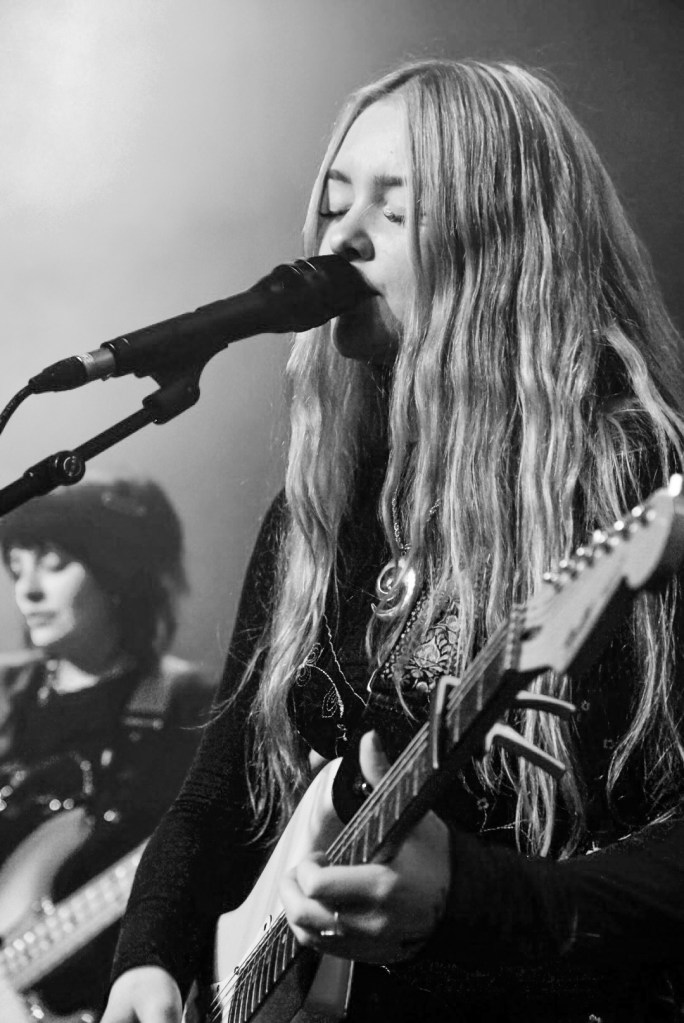
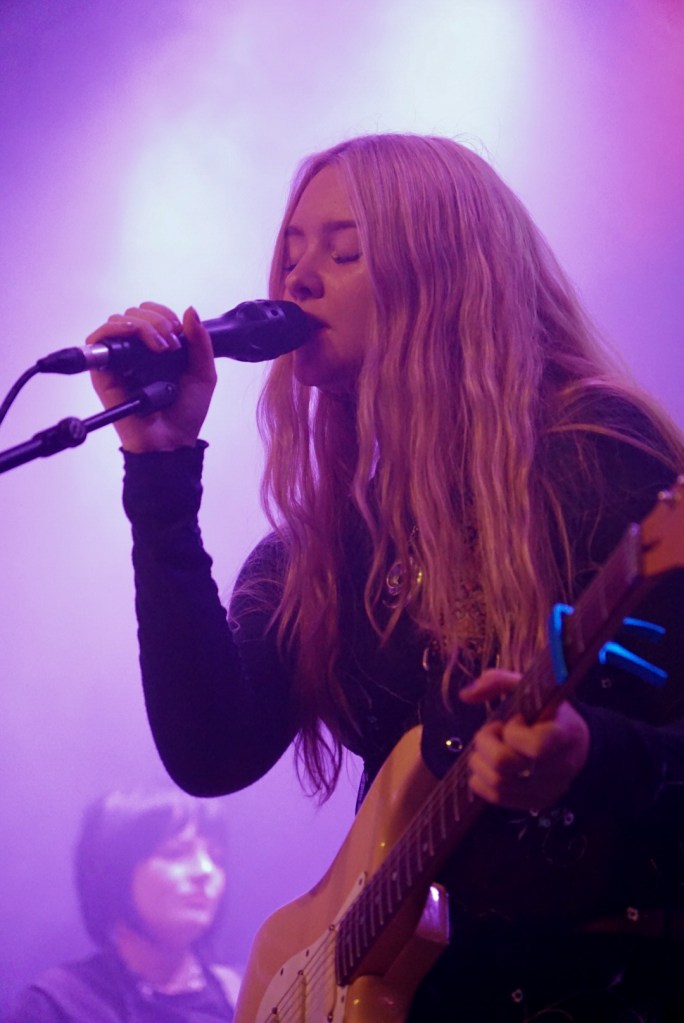
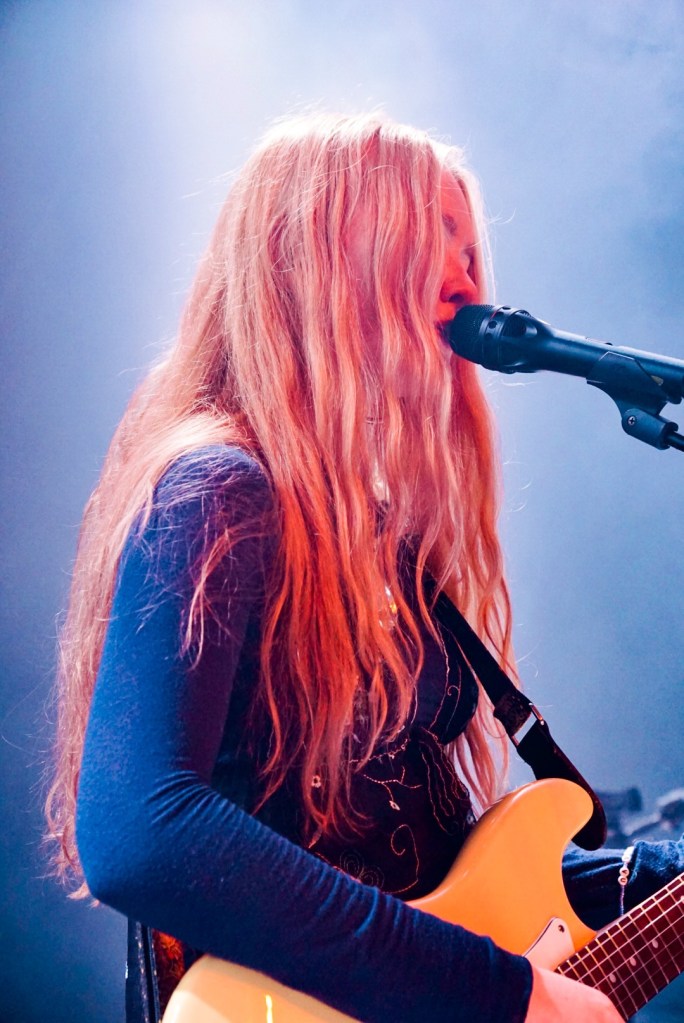
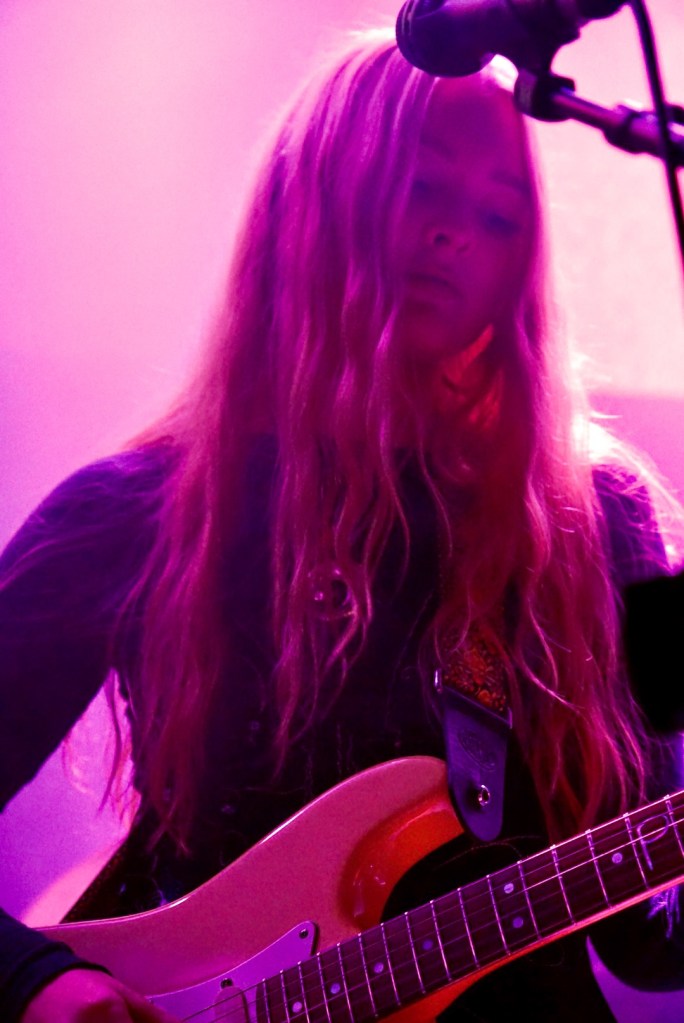
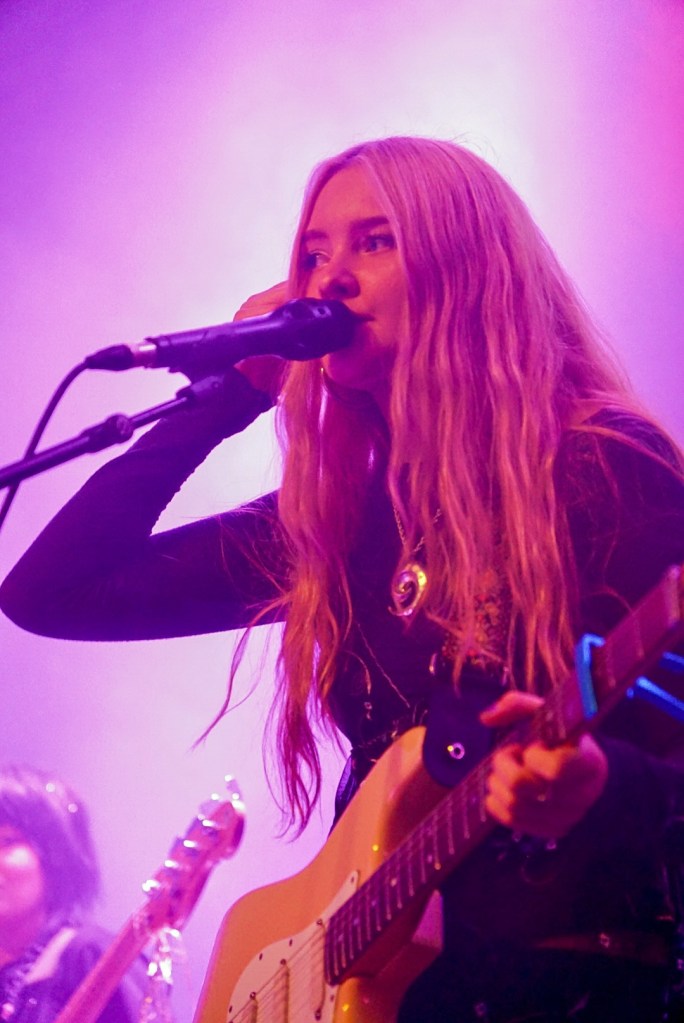
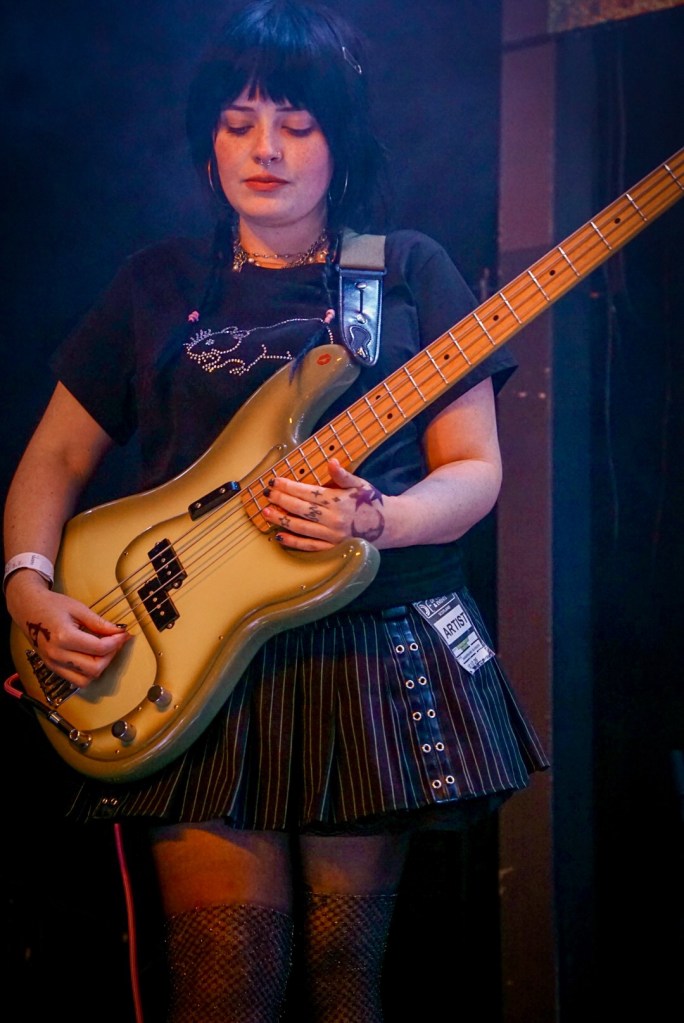
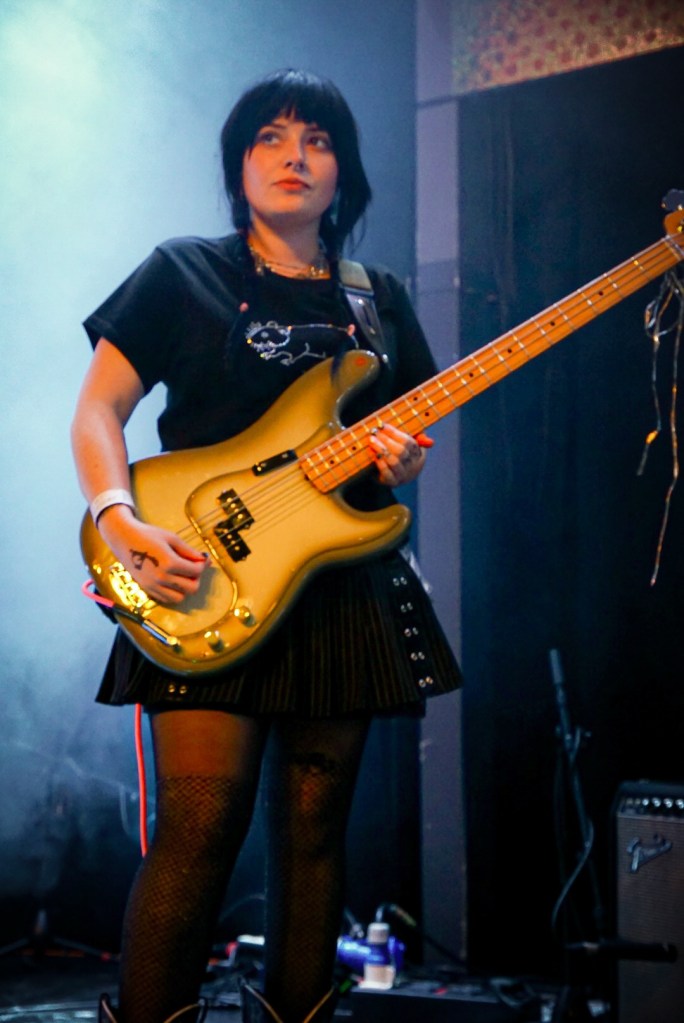
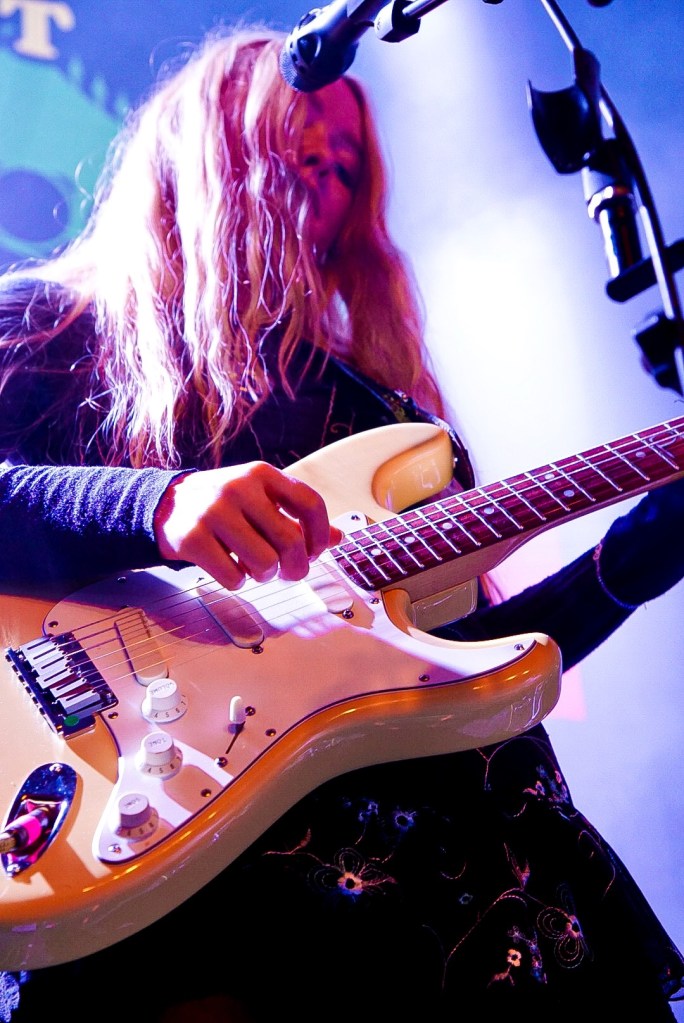
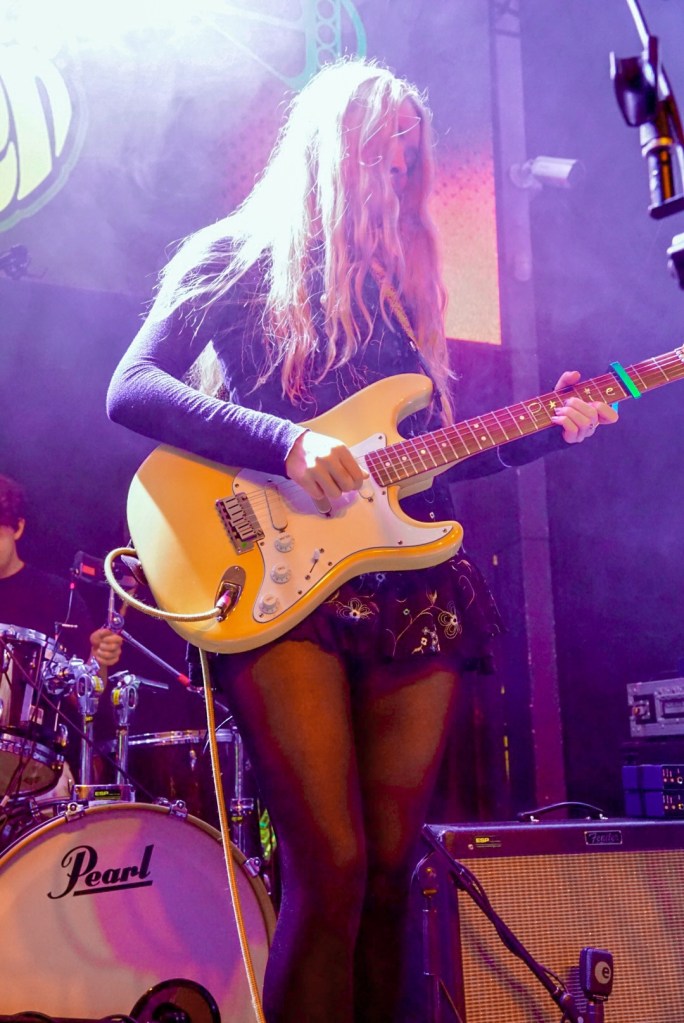
Lucia & The Best Boys — Barrowland 2
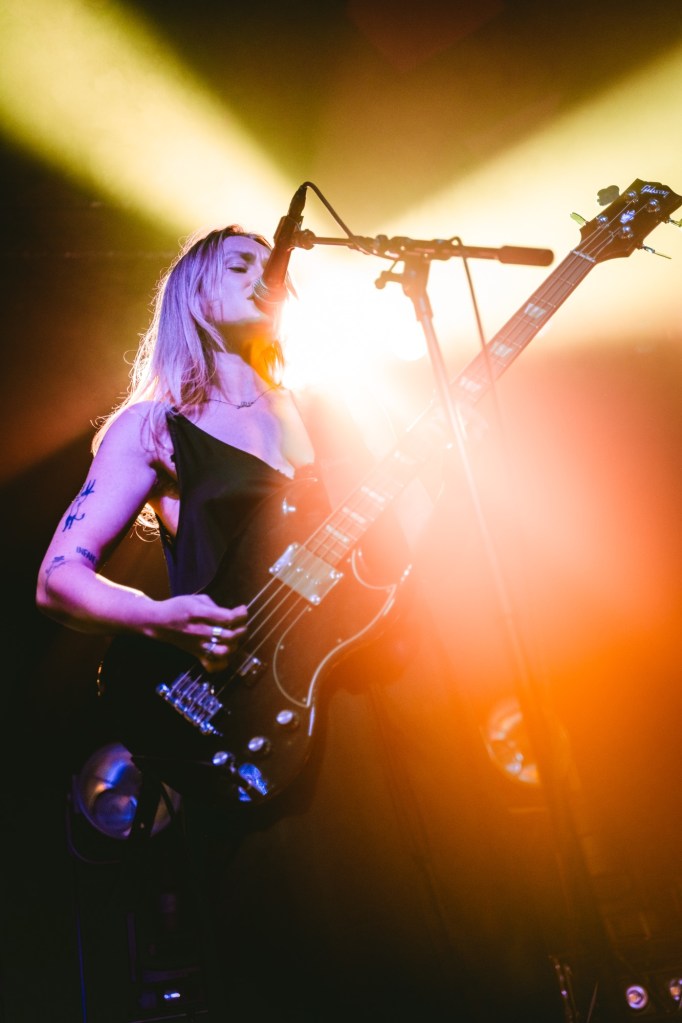
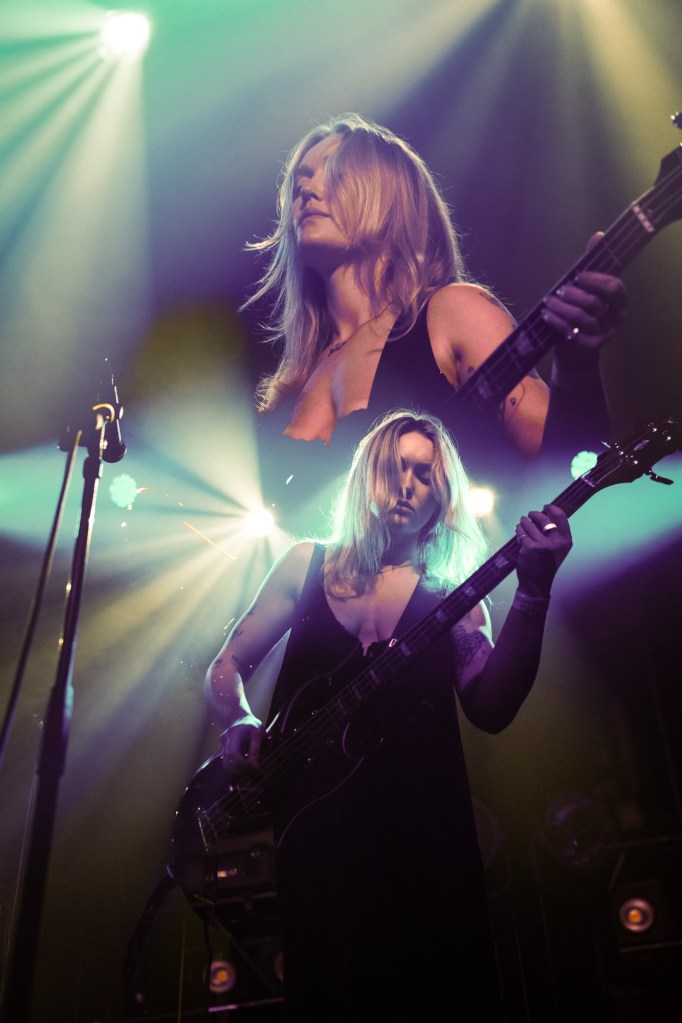
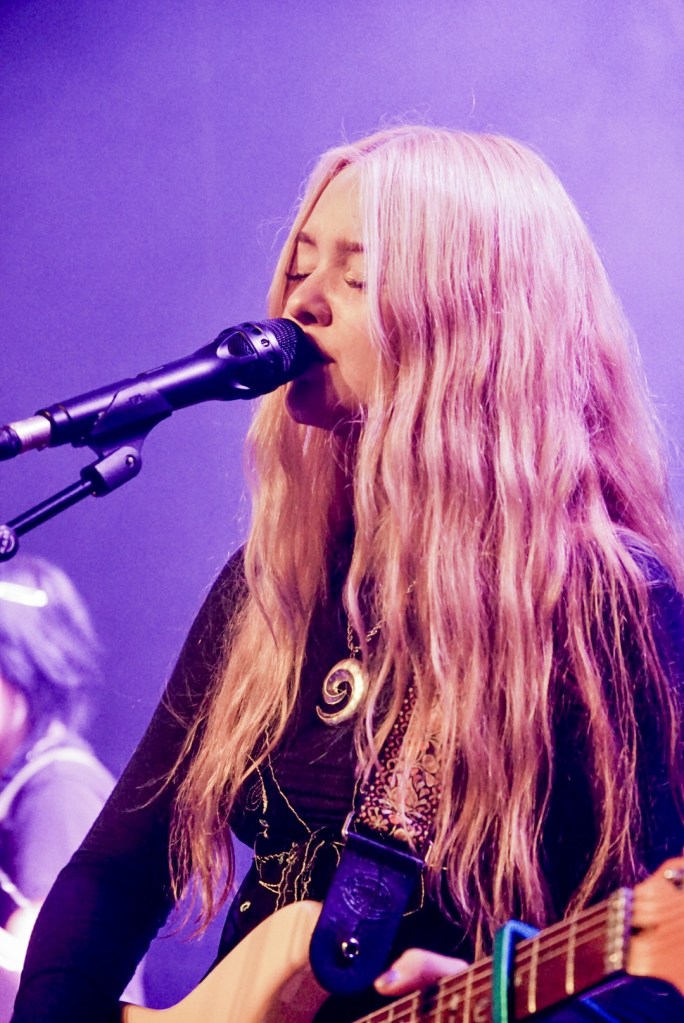
Trying to get into Barrowland 2 for Lucia & The Best Boys was an exercise in crowd management, or rather, in discovering that crowd management had apparently been abandoned as a concept. The queue had the air of an event whose popularity had taken its organisers by surprise. Lucia, the Glasgow artist led by singer Lucia Fairfull, was hardly a secret, though. Her dramatic, synth-driven pop has been steadily building its audience, and her music makes a virtue of the gap between intimacy and grandeur.
There are shades of Kate Bush, Bat for Lashes and Stevie Nicks in the theatricality, but Lucia’s songs have their own distinctly modern, emotionally unsettled atmosphere. The arrangements can feel like a room slowly filling with smoke: brooding synths, sudden surges of sound and vocals that move from a whisper to a full-throated release. The Picking Petals material has a strong emotional core, and her performance made the songs feel like private thoughts suddenly projected across a ballroom.
“Perfectly Untrue” captures that delicious tension between vulnerability and drama: pop music with its eyeliner running, but still perfectly capable of hitting the high notes.
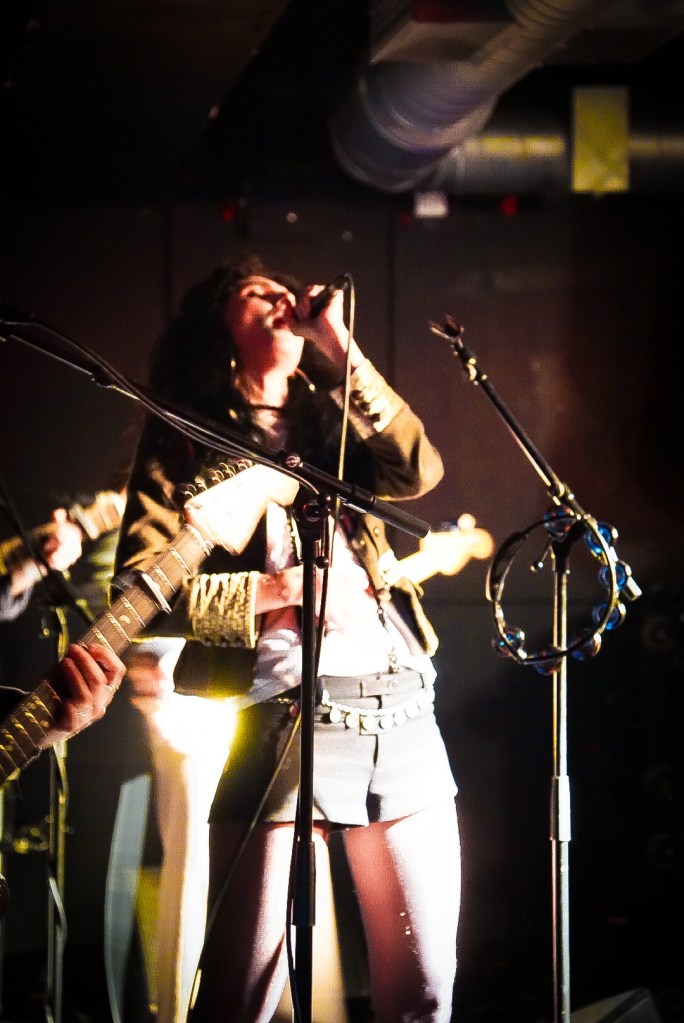
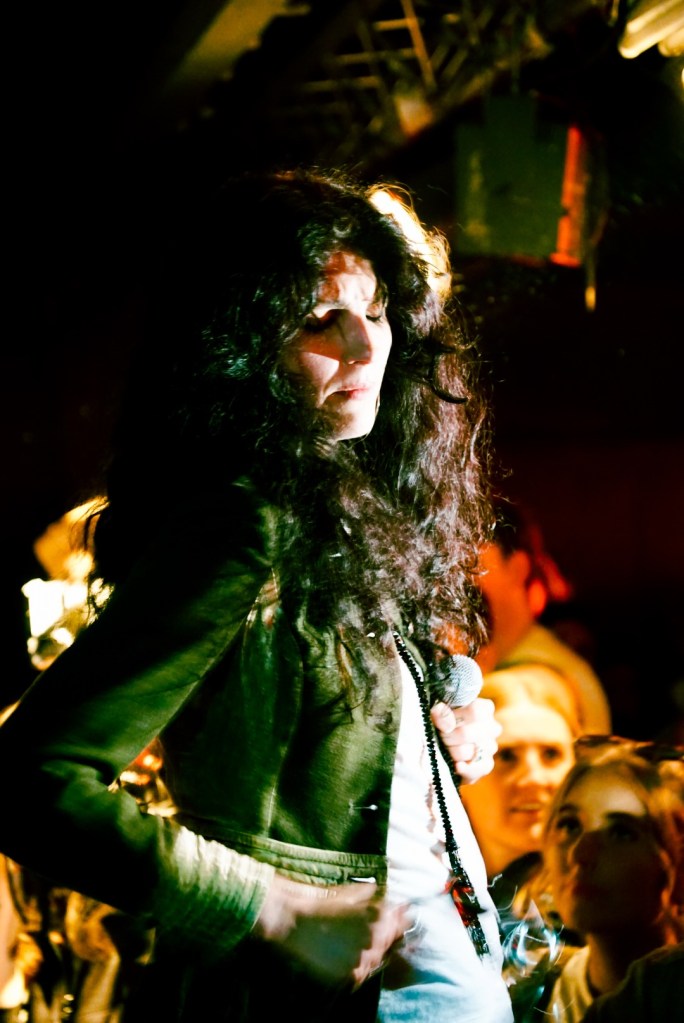
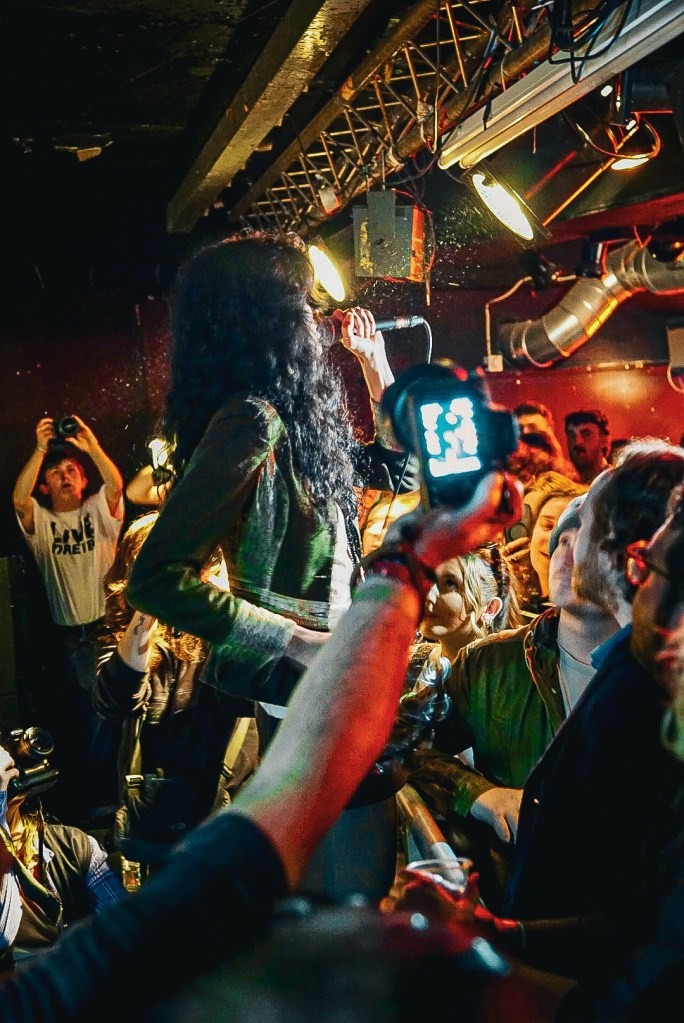
Diva Down — McChuills
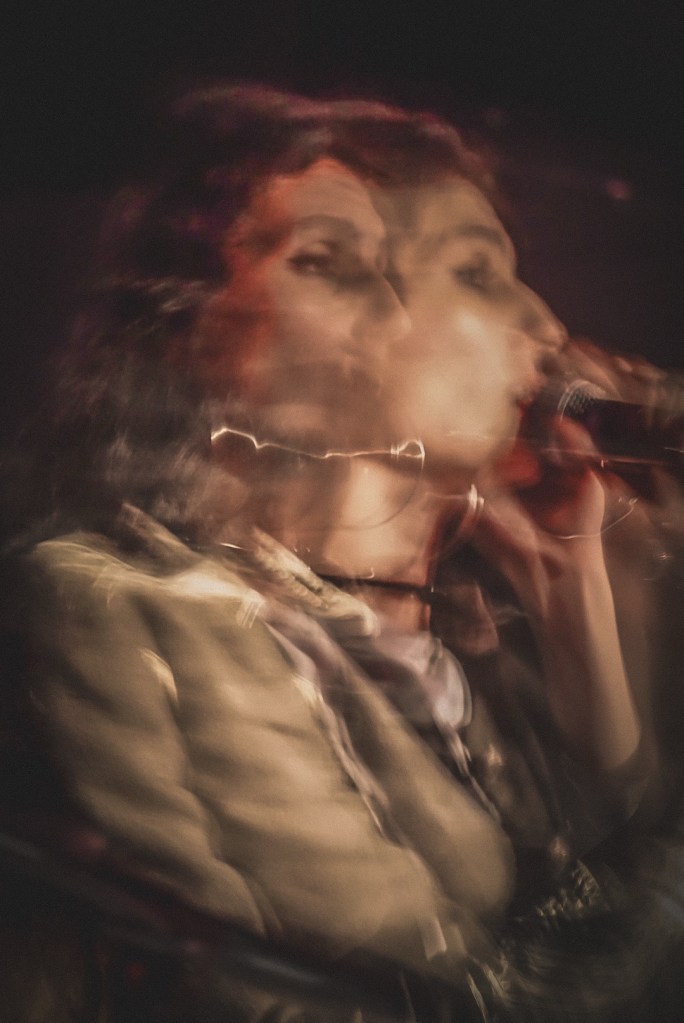
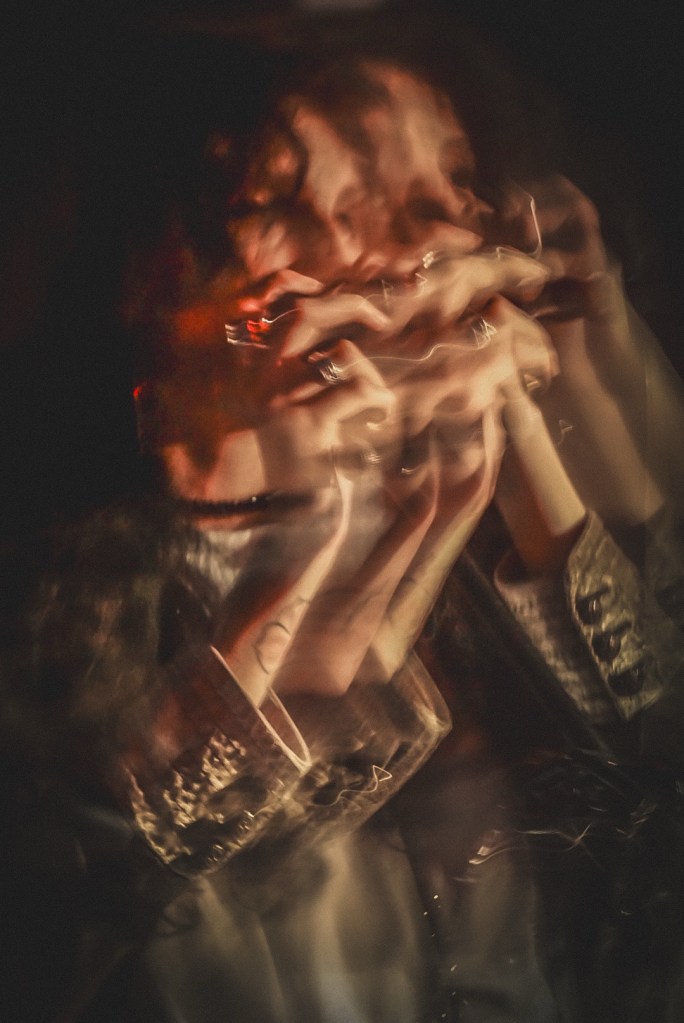
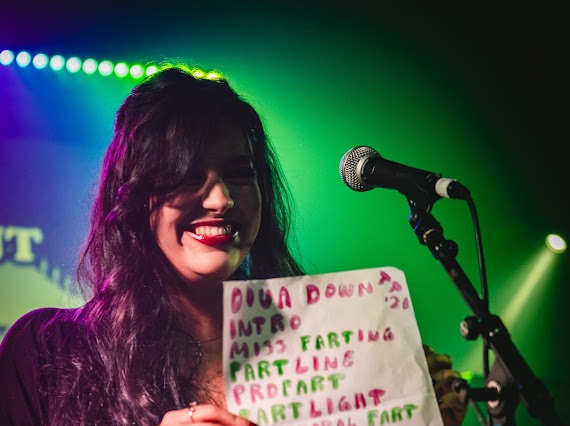
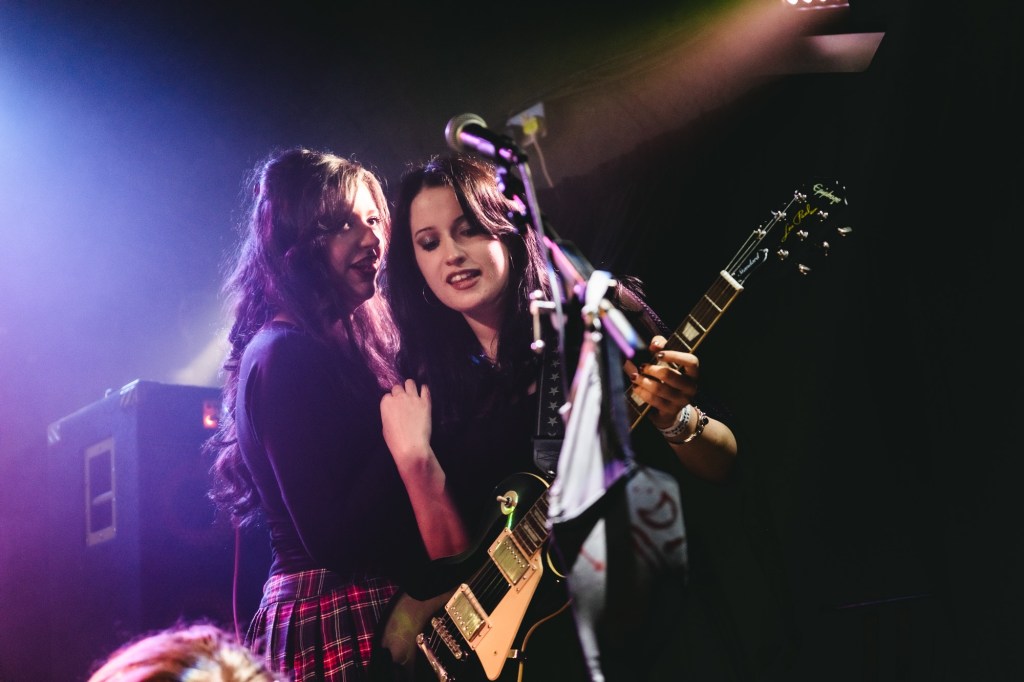
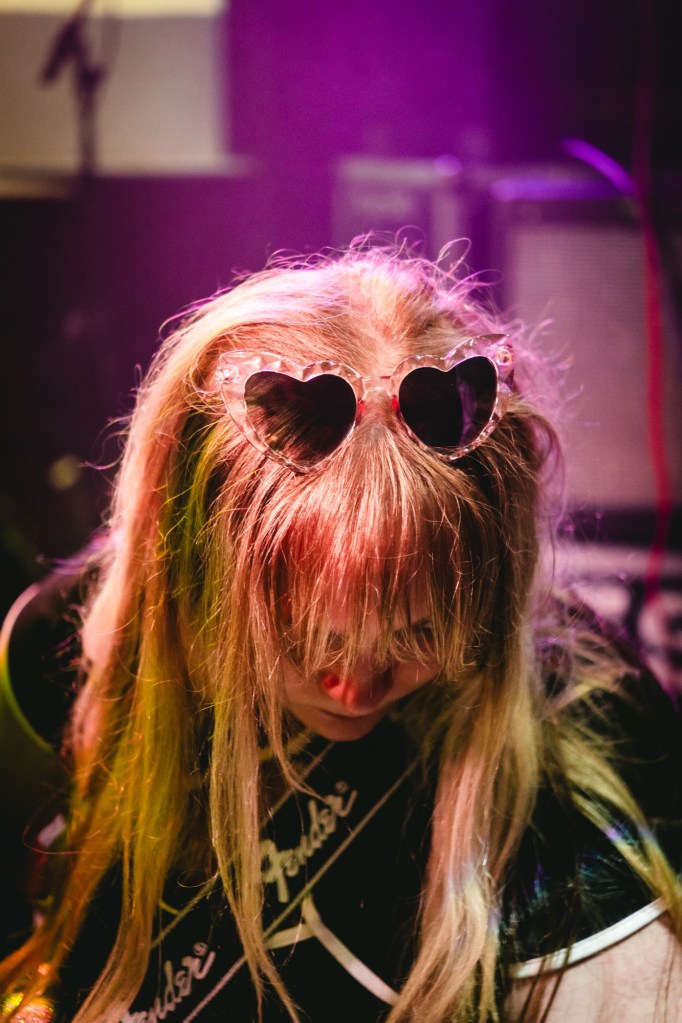
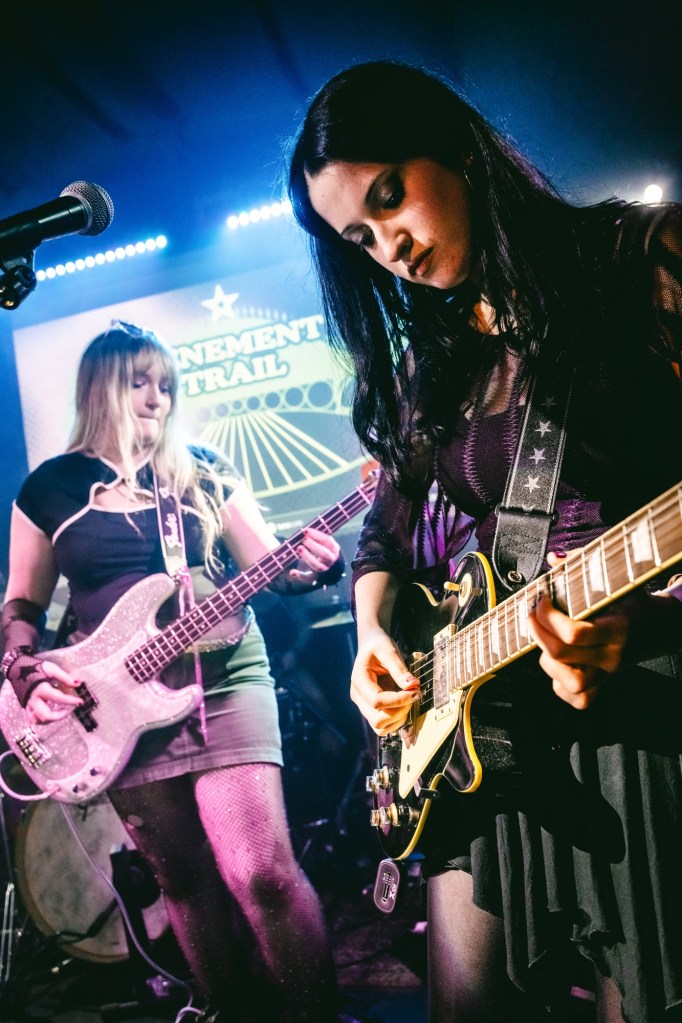
Diva Down, an all-girl rock band from Glasgow, brought a shot of full-band energy to McChuills. Their sound is direct and unapologetic, with the kind of rock attitude that doesn’t need to be softened by elaborate production. They fit the room well: close enough to the audience for the performance to feel like a shared undertaking, rather than a polished product being delivered from a safe distance.
Their first single, “I’m Your Girl”, is : confident, guitar-led and not especially interested in waiting for permission. There is a straightforward pleasure in a band that turns up ready to make noise and lets the songs do the persuading.
Baby Strange — Barrowland
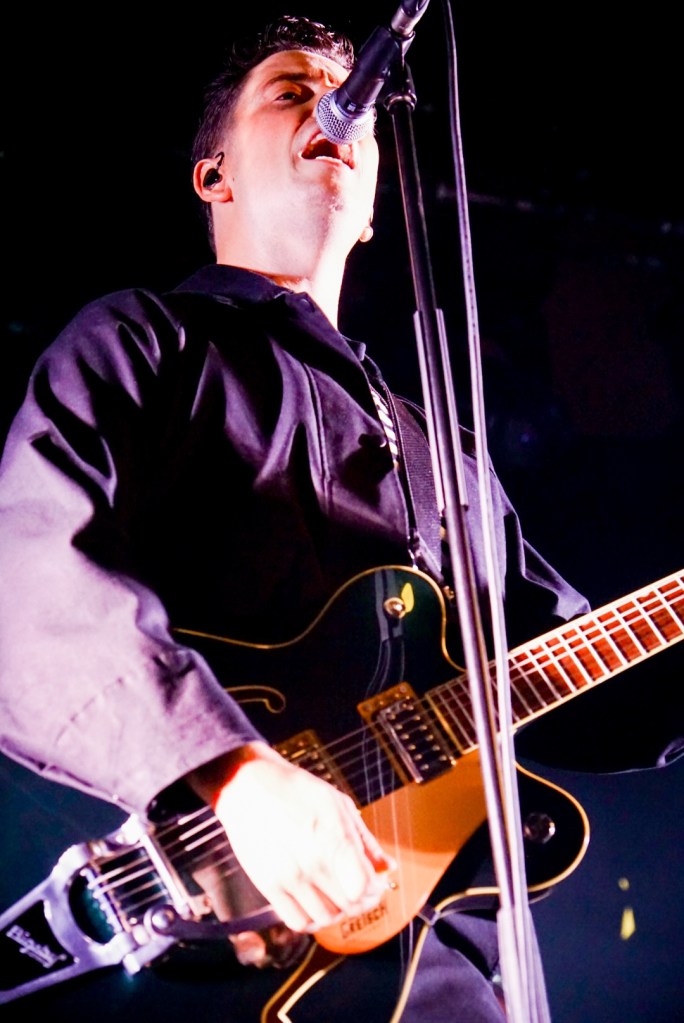
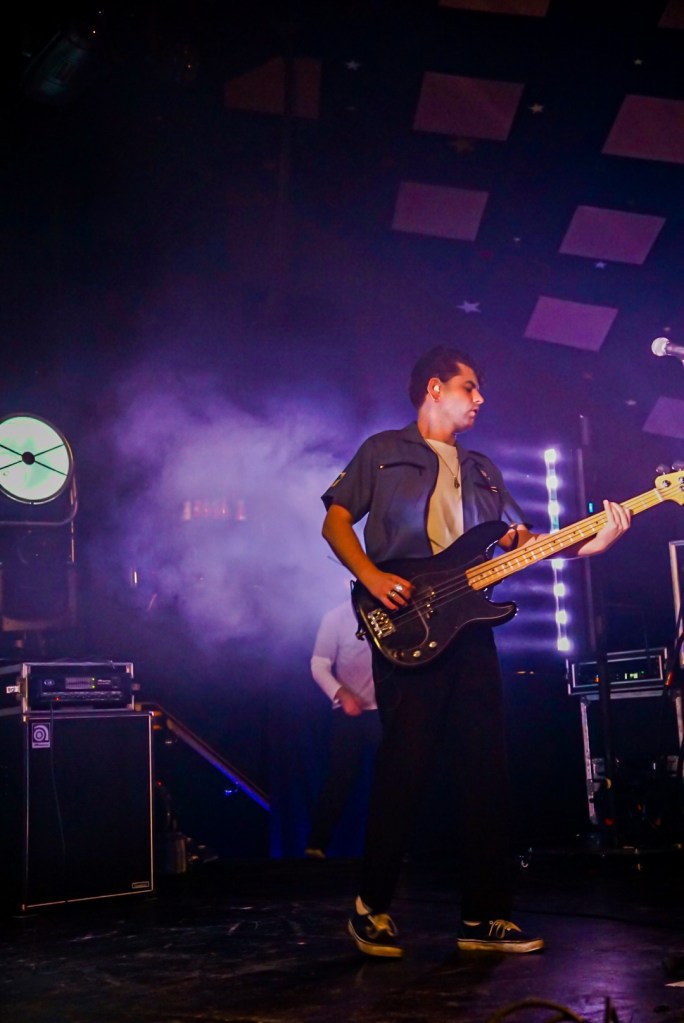
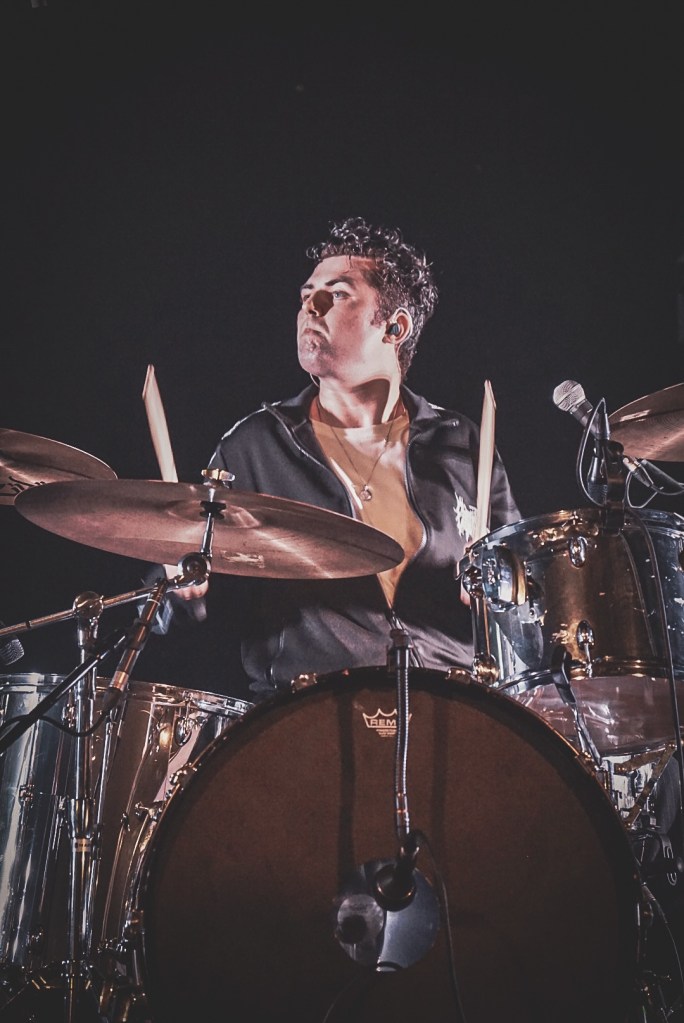
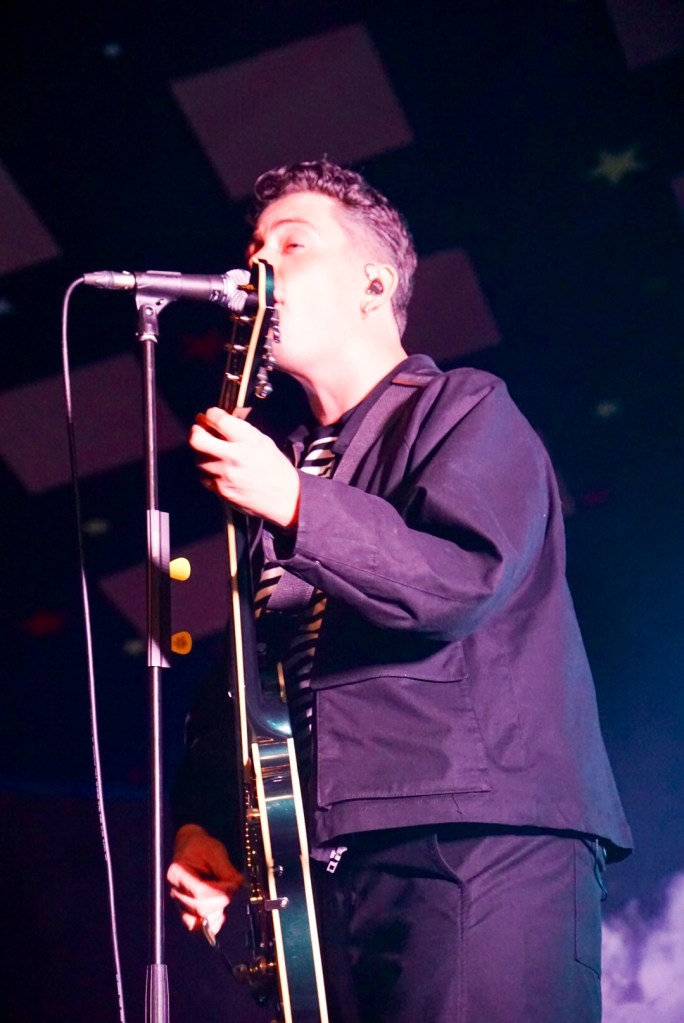
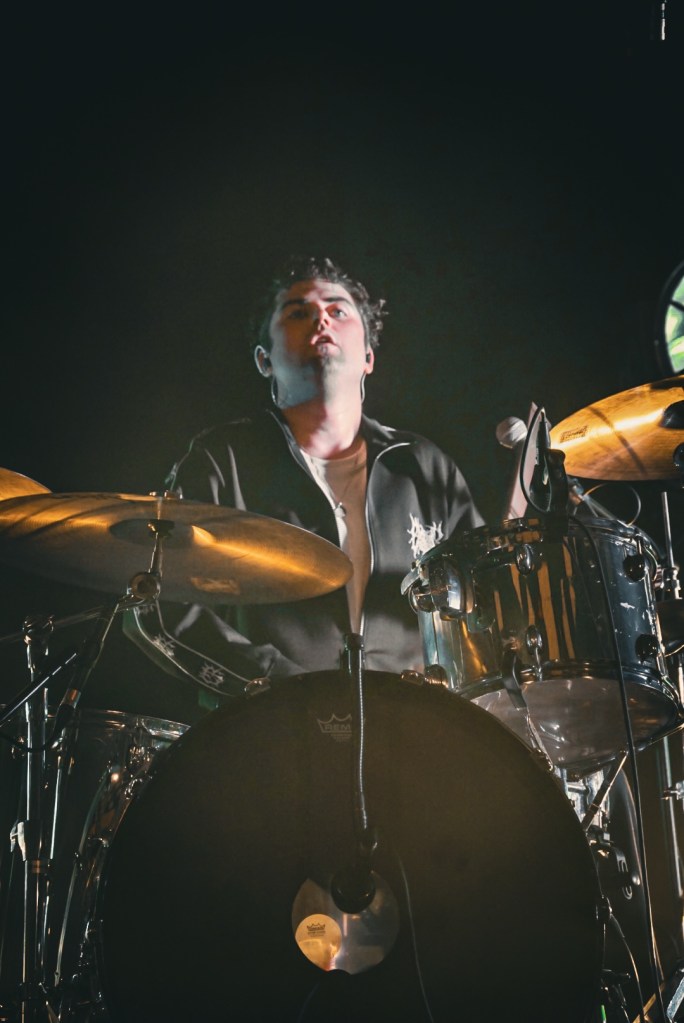
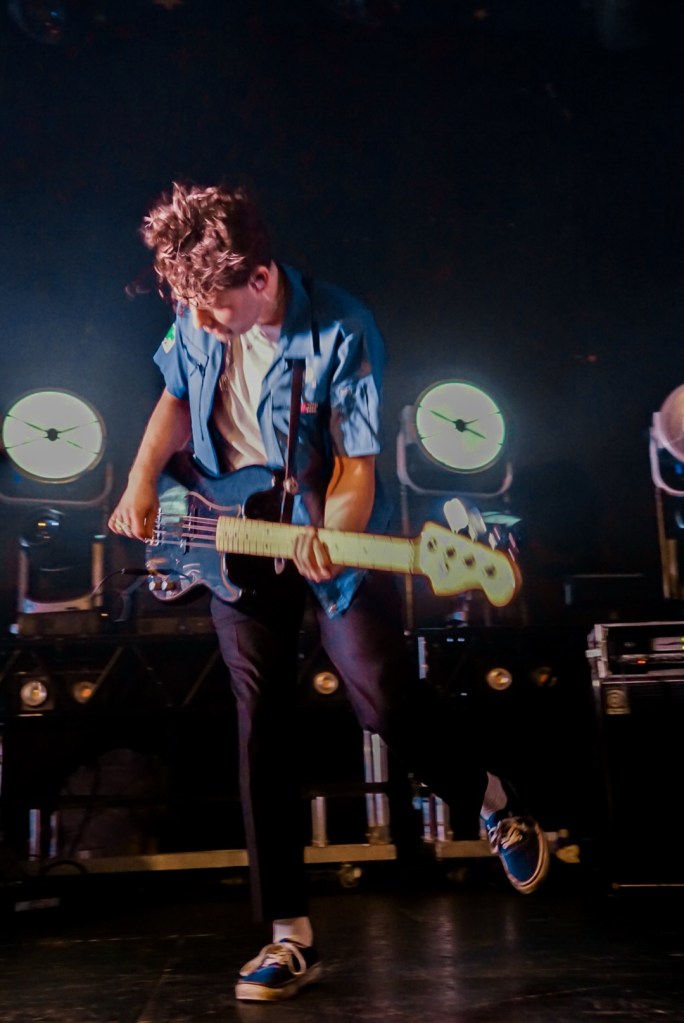
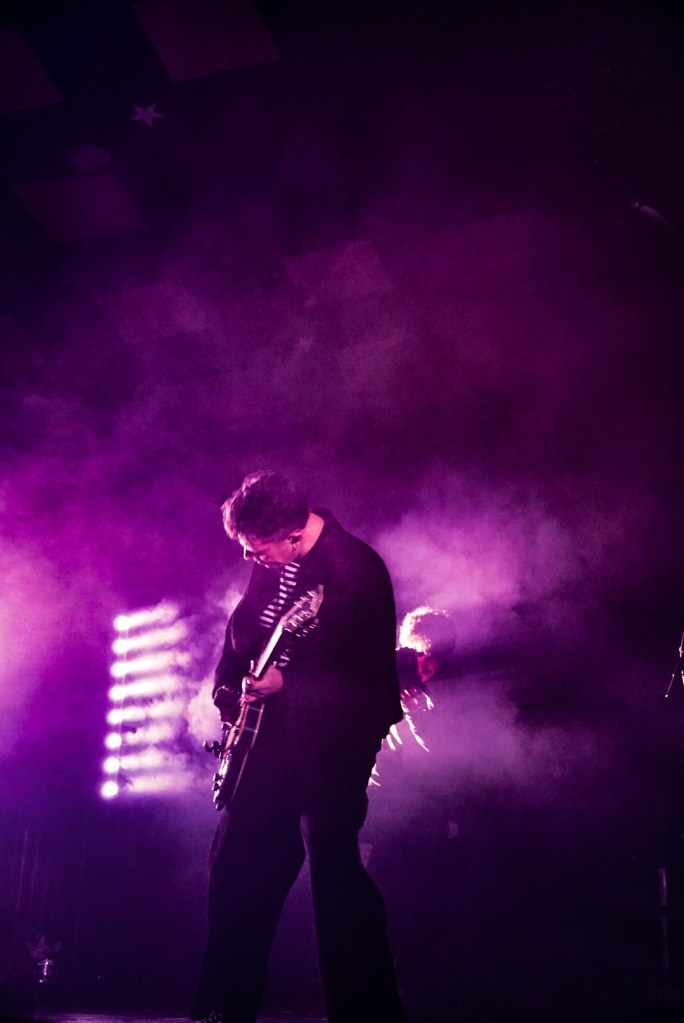
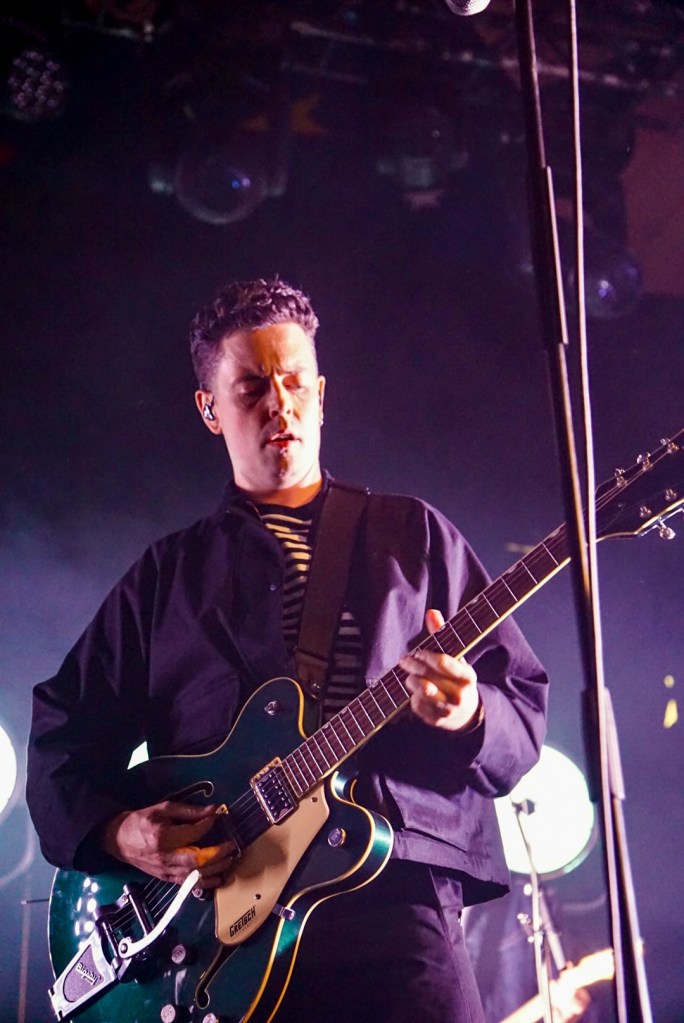
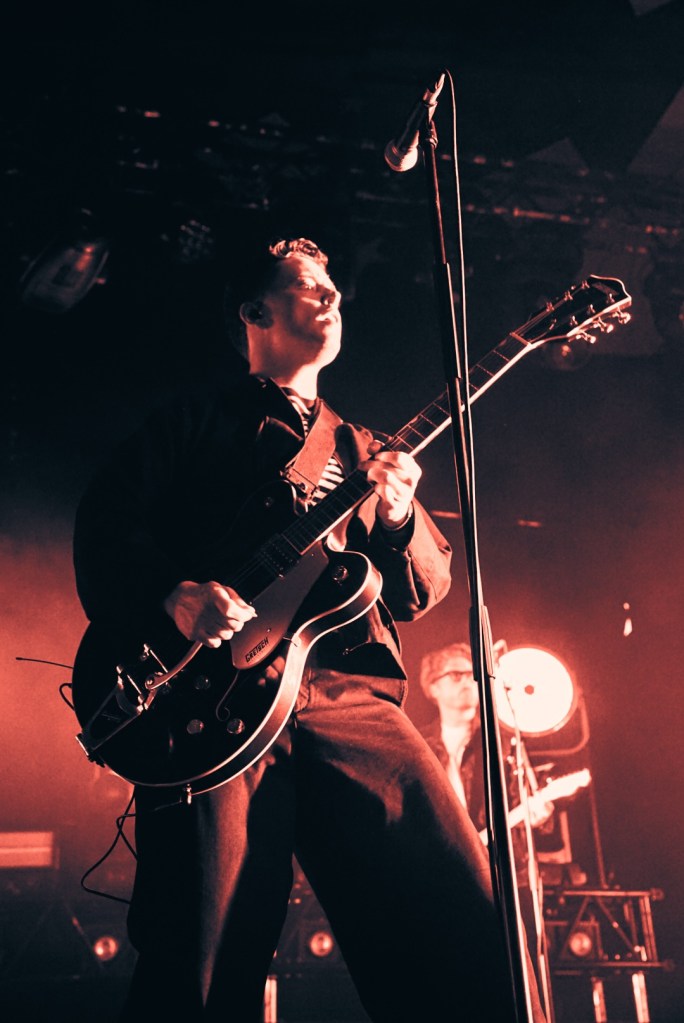
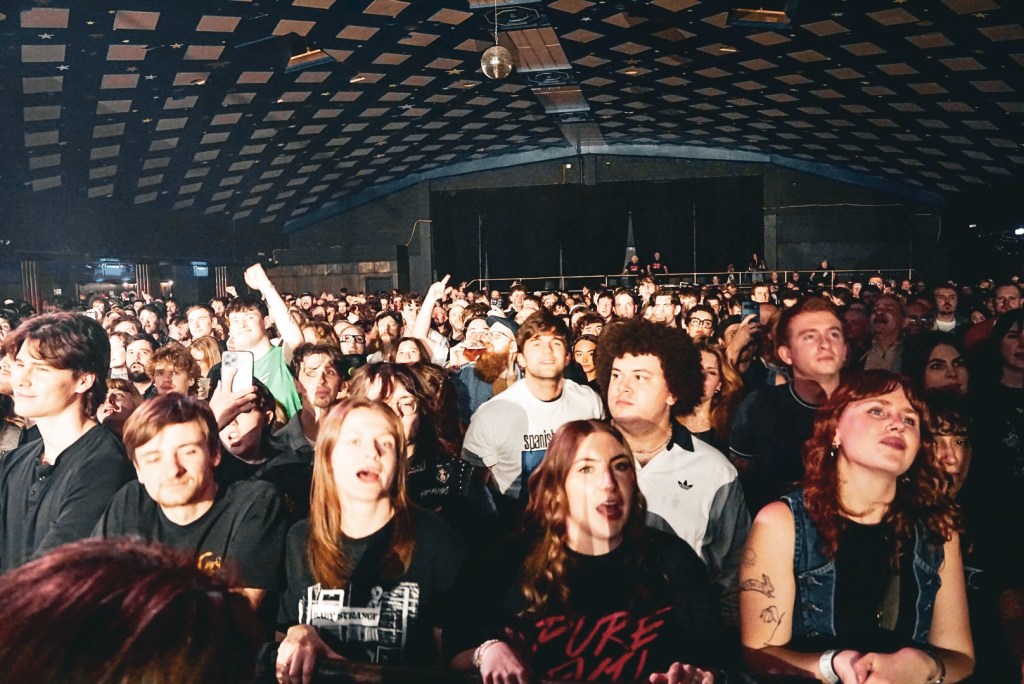
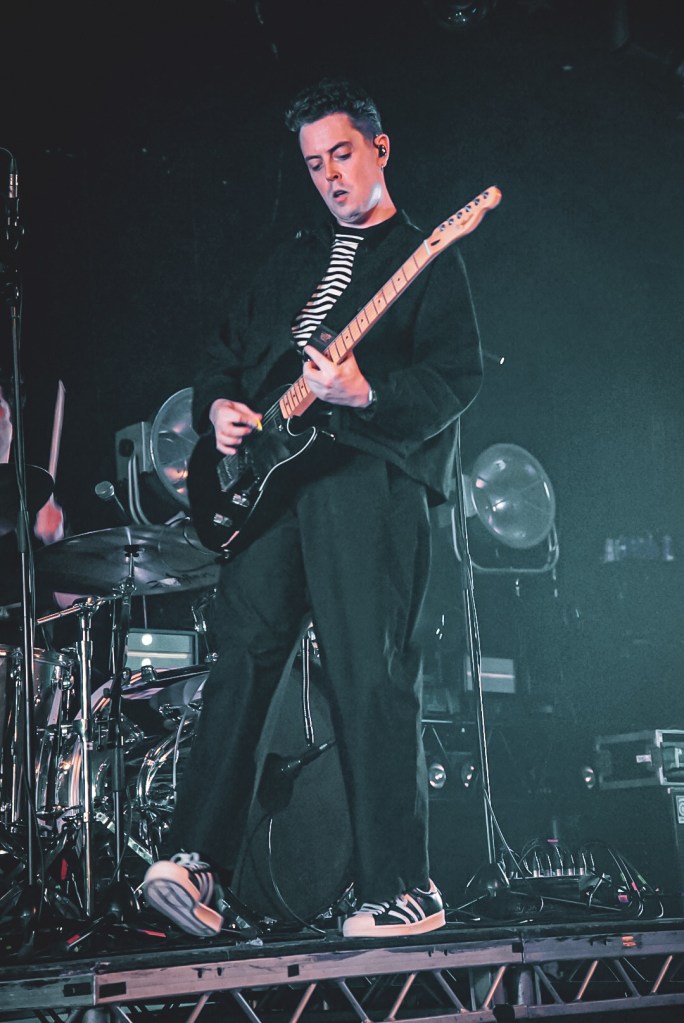
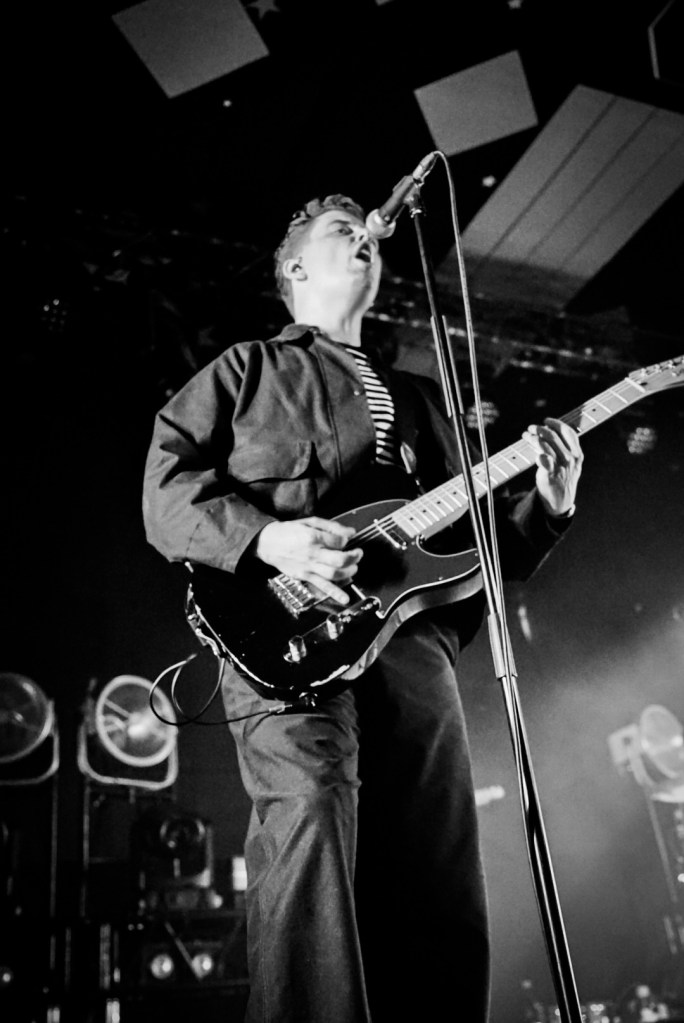
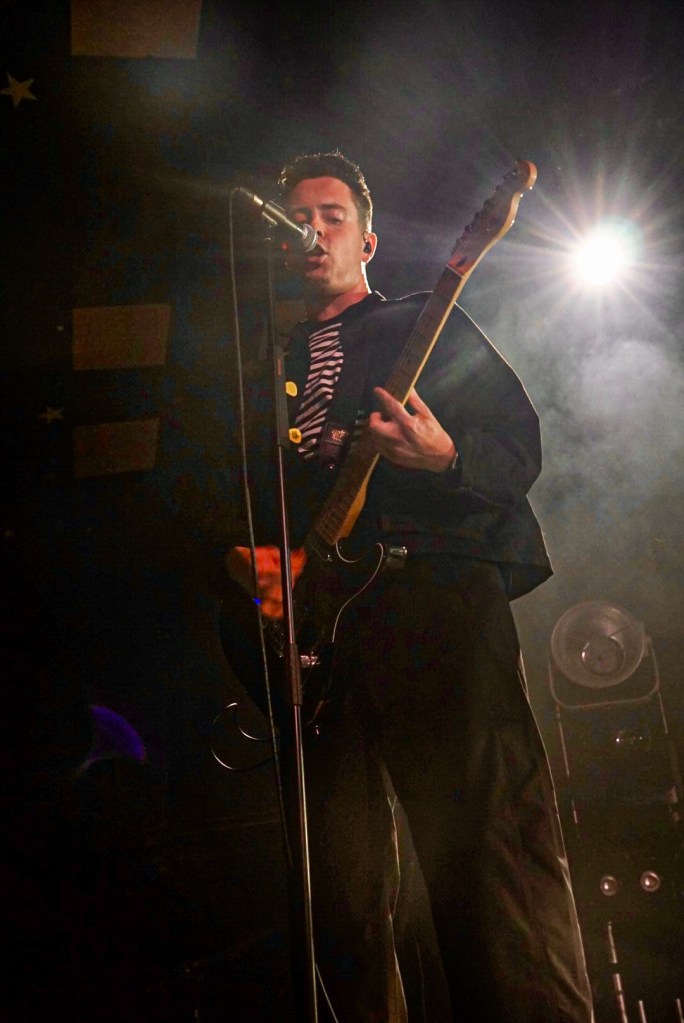
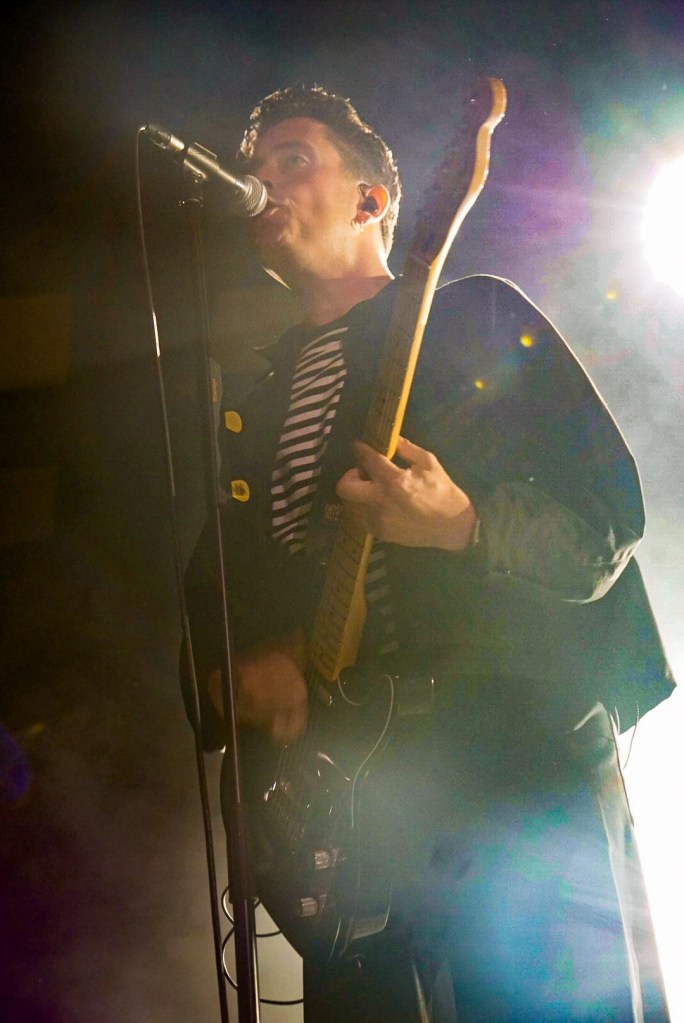
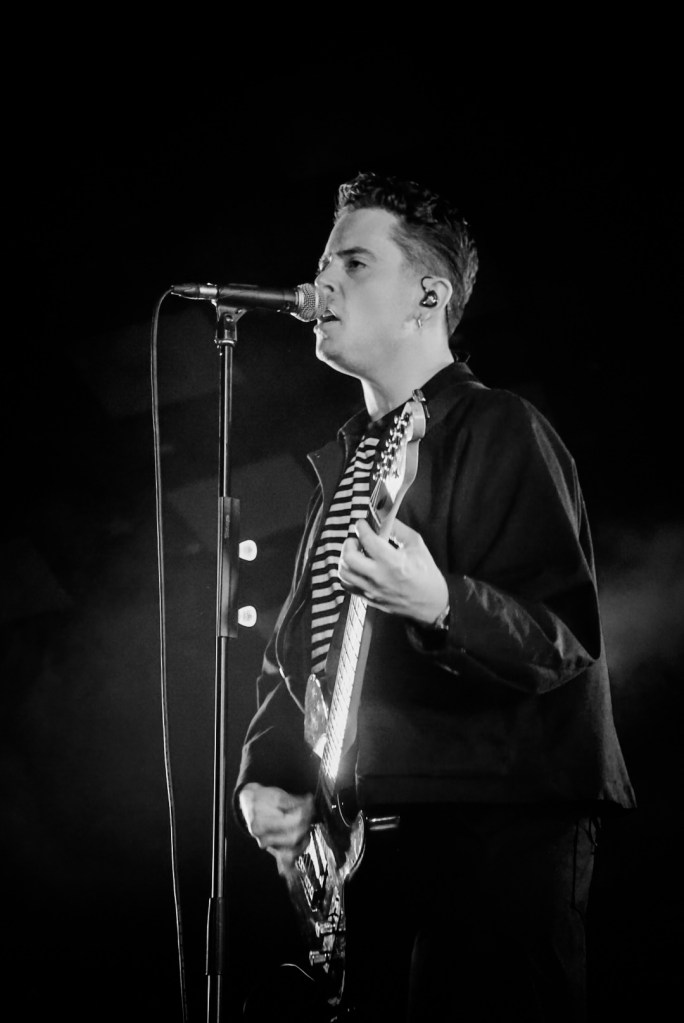
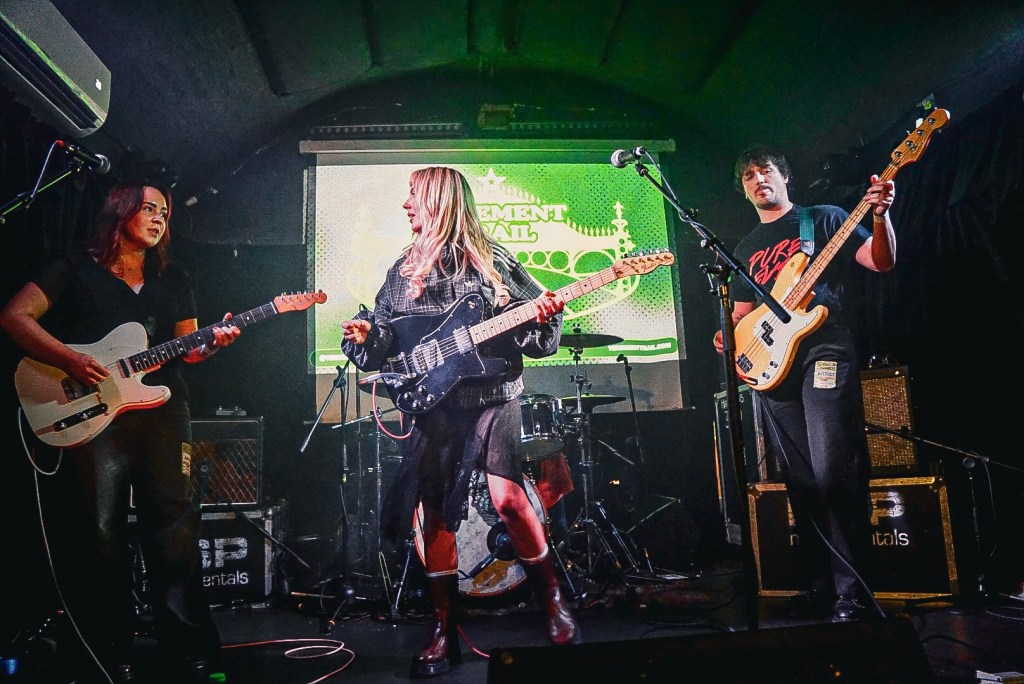
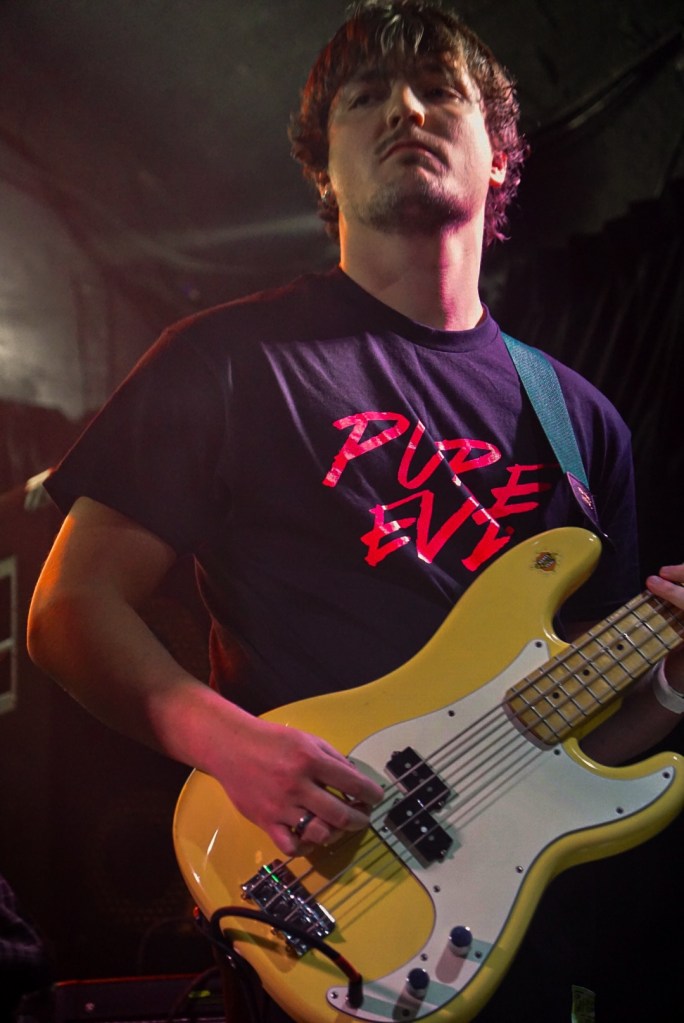
Baby Strange were among the natural focal points of the day. The Glasgow trio have built their identity around a wiry, confrontational form of guitar music: punk attitude, post-punk tension and choruses that arrive with the confidence of someone who has never once wondered whether they belong in the room. Their one-off reunion show celebrated ten years of their debut album Want It Need It, giving the set the added charge of a band revisiting the music that helped establish them.
They played “Pure Evil”, “Trouble” and “Pleasure City”, with Lucia joining them for “California Sun”. That guest appearance was a neat bit of festival cross-pollination: artists who had occupied different corners of the day suddenly sharing the same stage, making the programme feel like a connected scene rather than a collection of isolated slots.
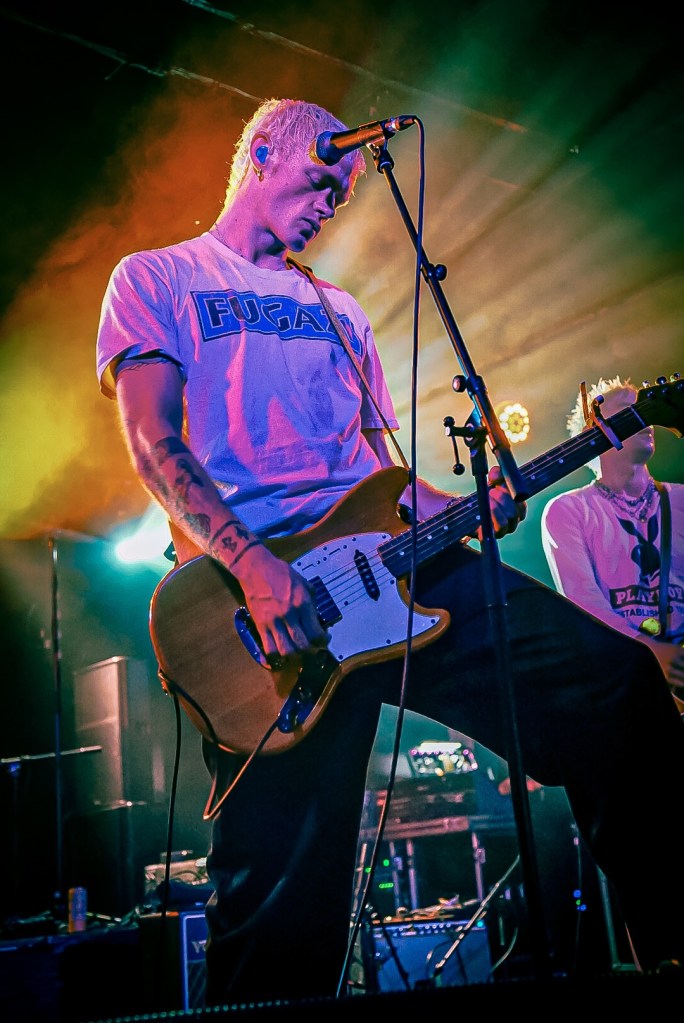
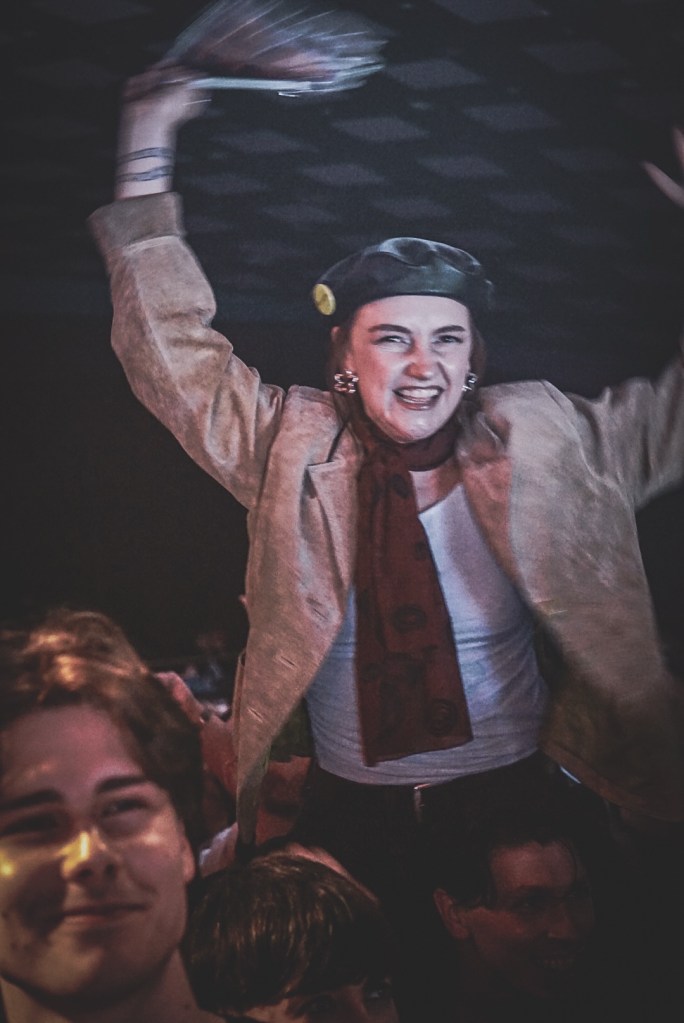
Baby Strange are good at making swagger sound like a musical strategy rather than a pose. Their songs have bite, but there is craft beneath the sneer; the hooks make sure the attitude has somewhere to go. “Pure Evil” was one of the highlights of the set, and it remains a fan favourite characterised by the festival literally being awash with people wearing the T-Shirt. You can instantly understand their sharp-edged, snarling charm. It sounds like Glasgow guitar music with its fists in its pockets and absolutely no intention of apologising.
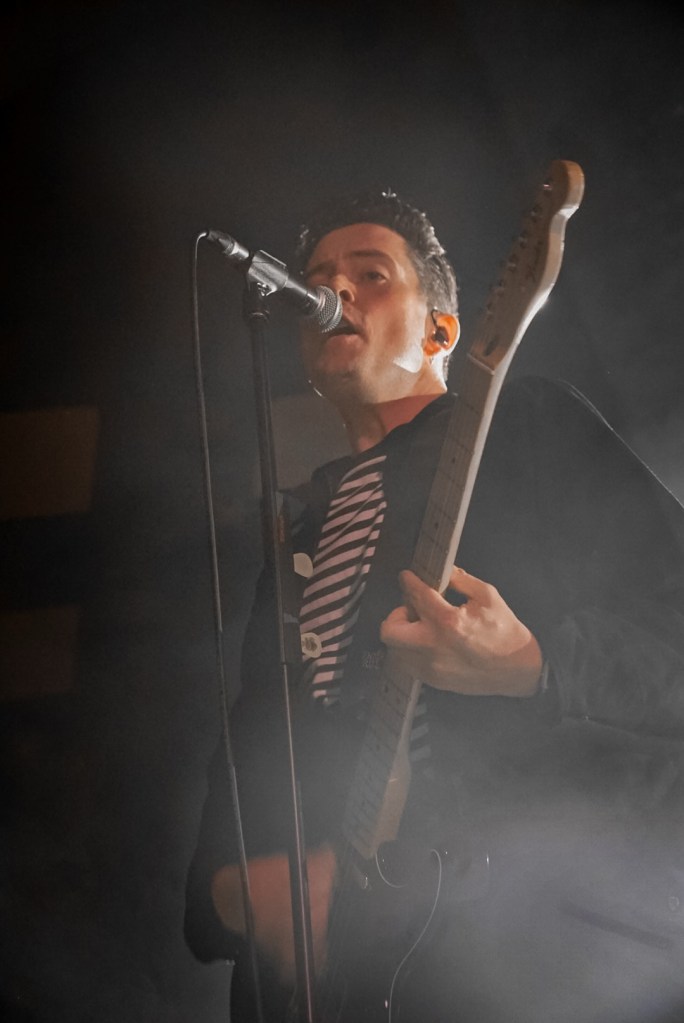
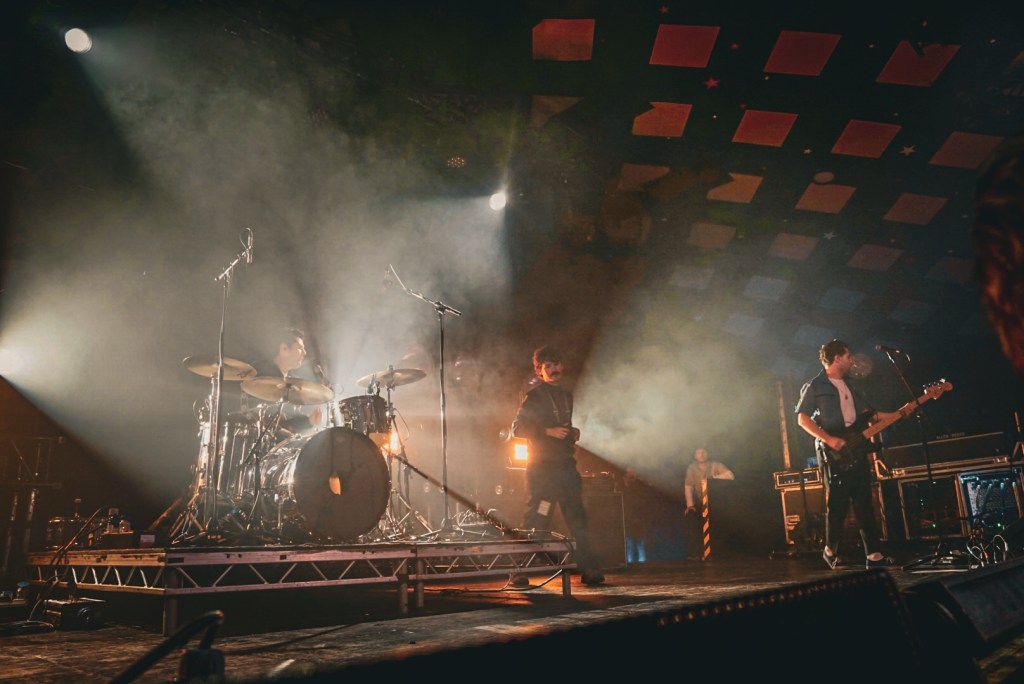
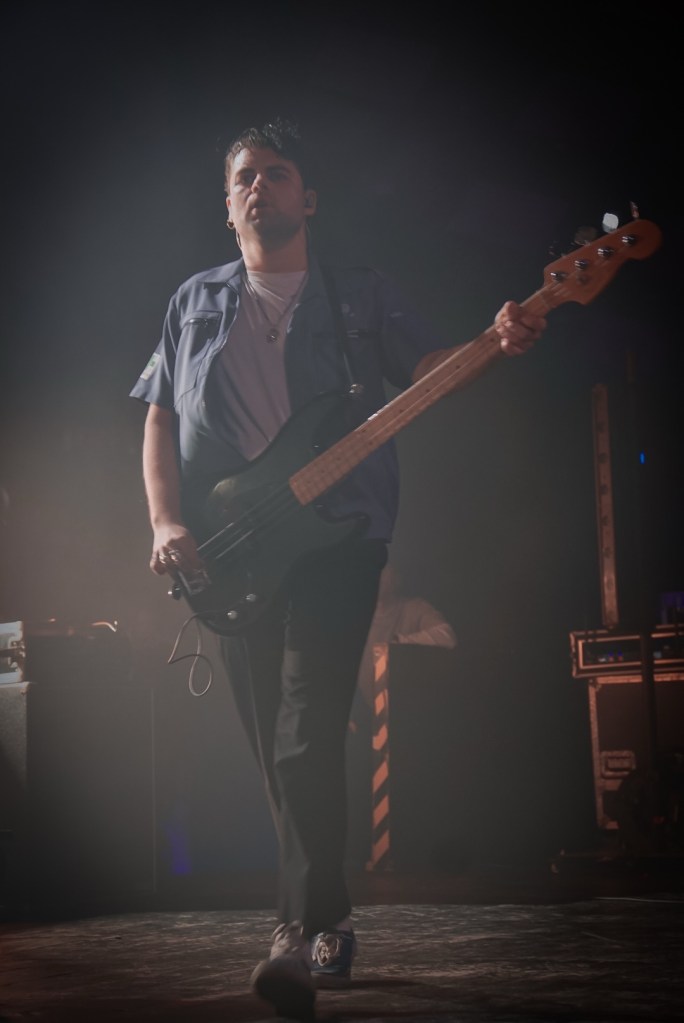
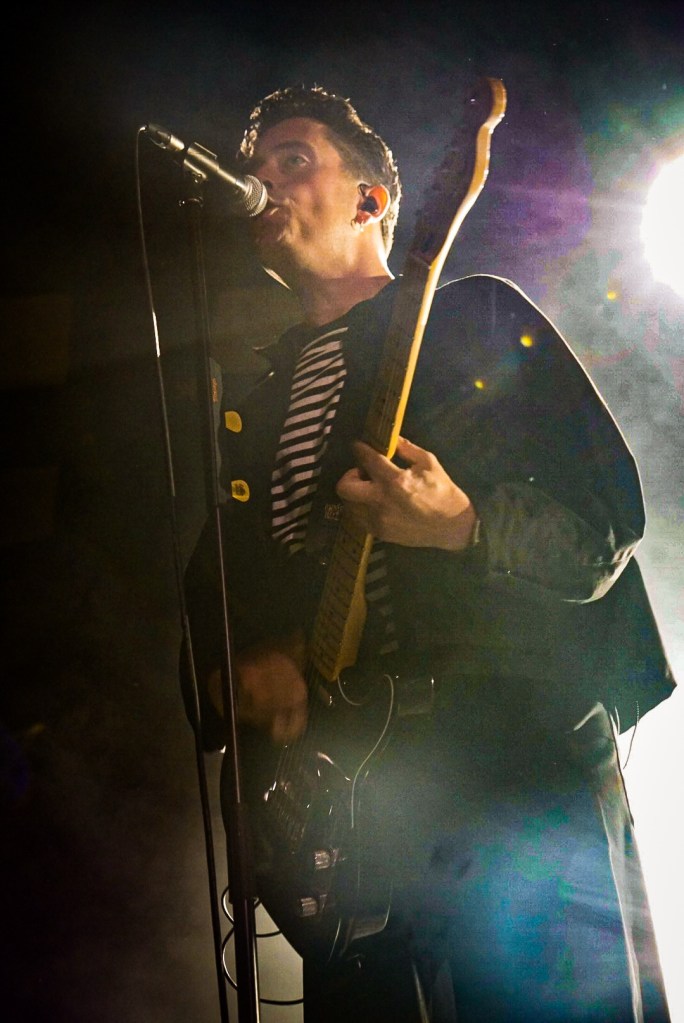
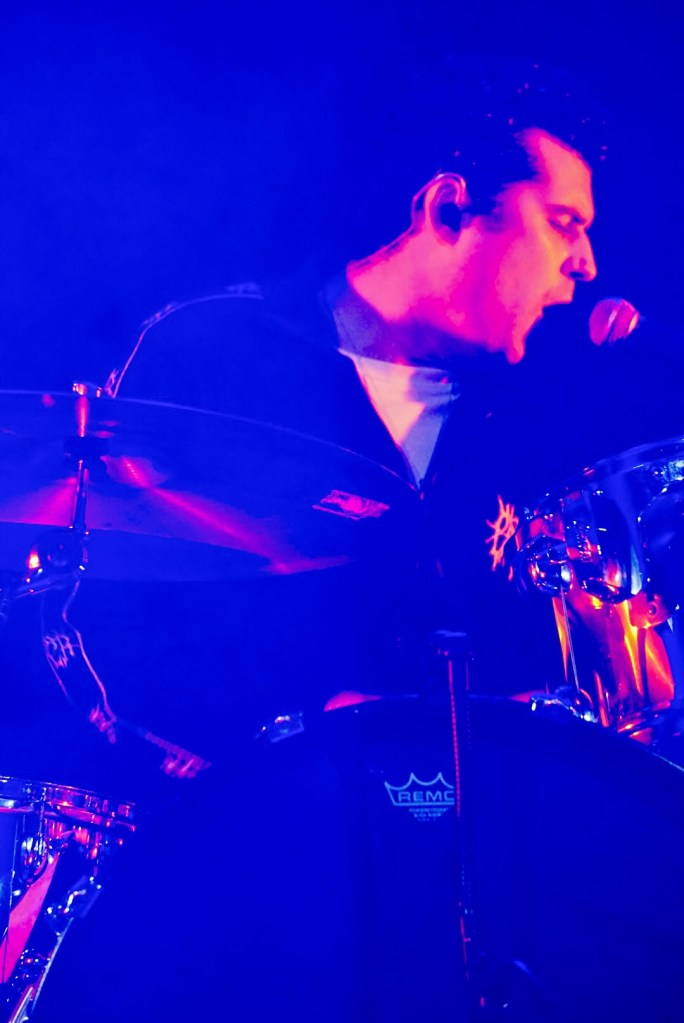

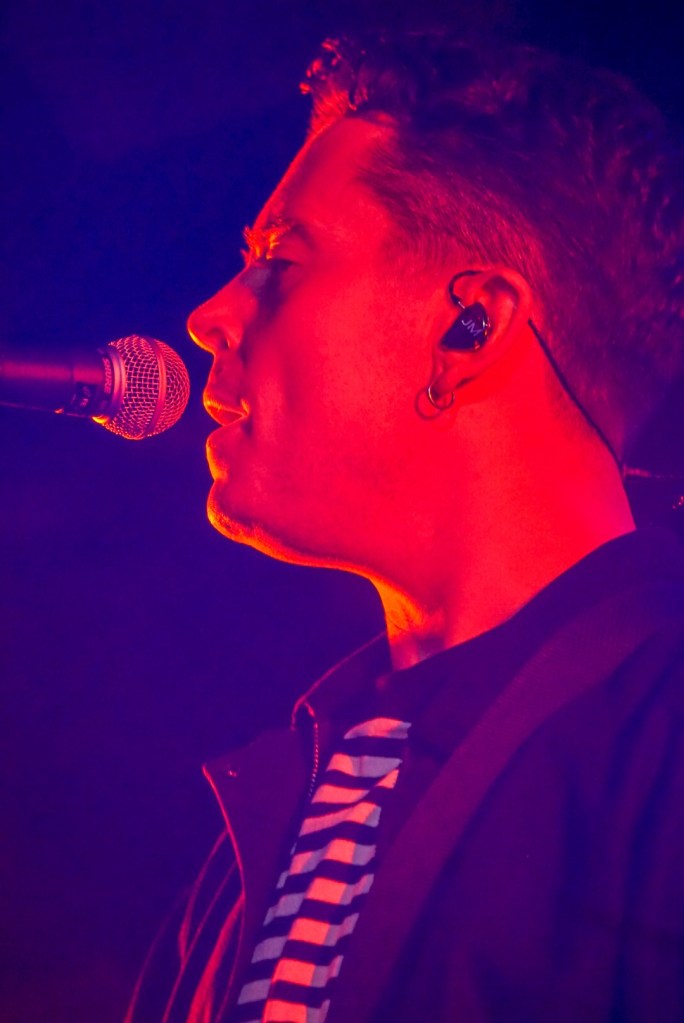
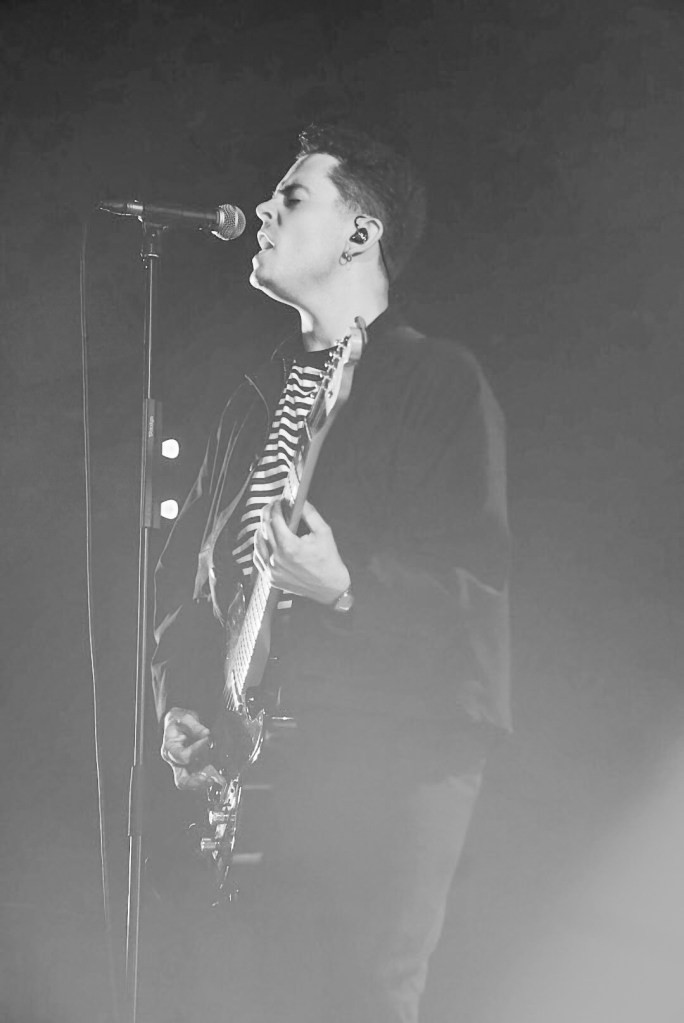
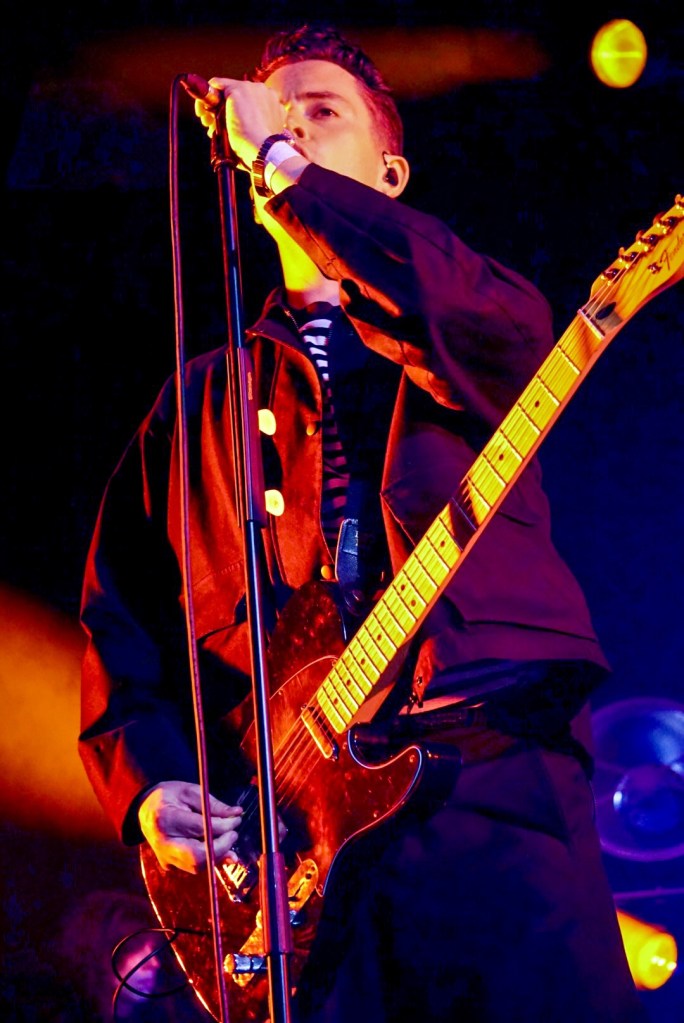
Willie J Healey — St Luke’s
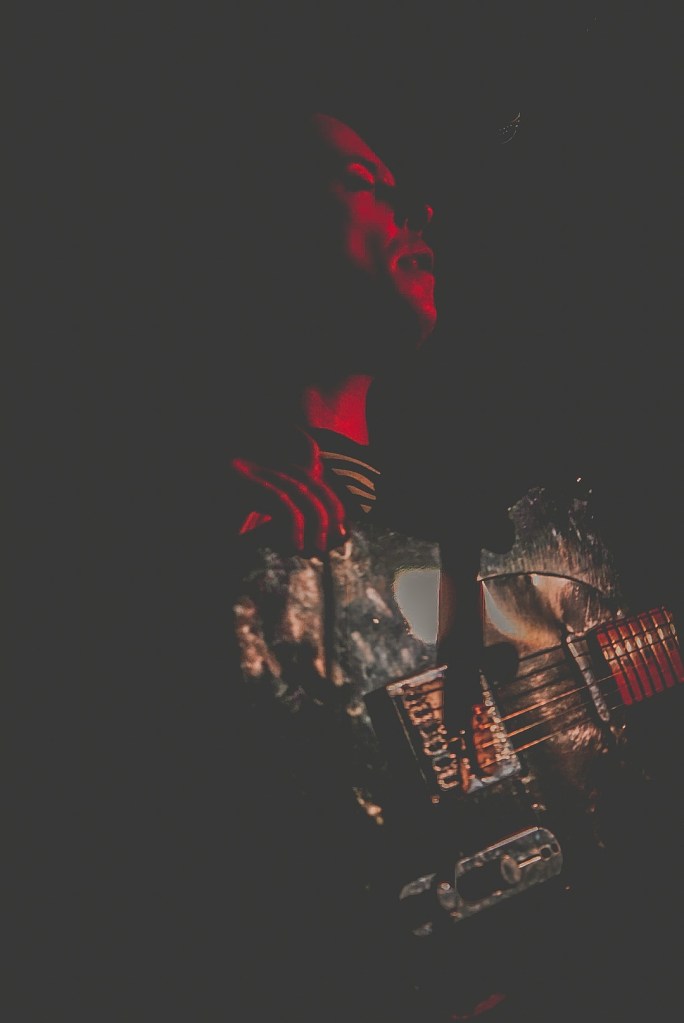
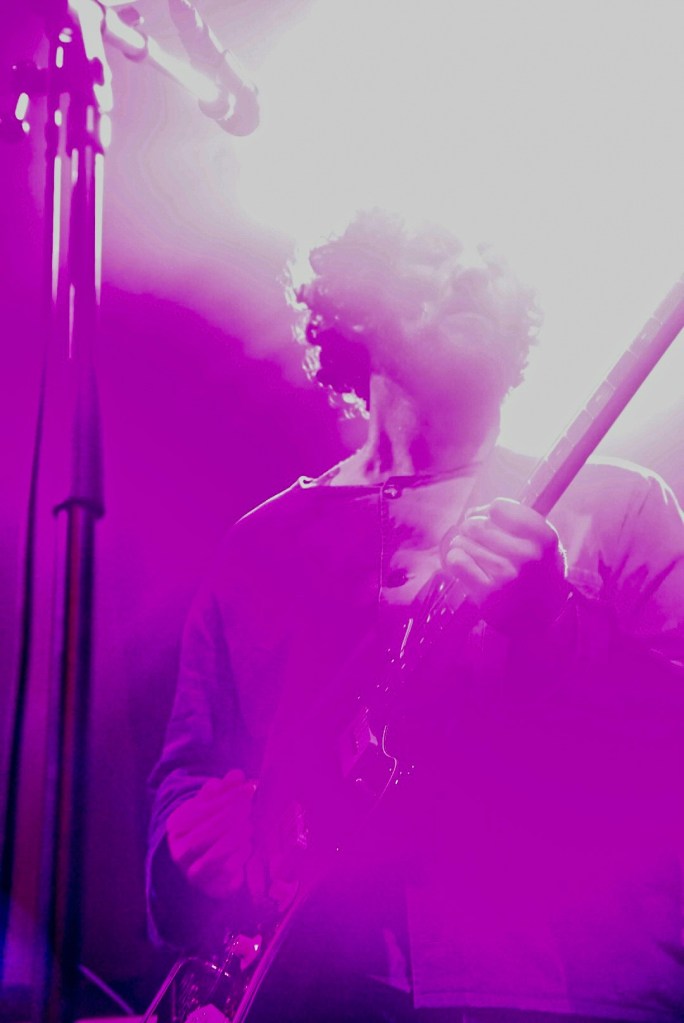
Willie J Healey, from Oxfordshire, offered a looser, more melodic alternative at St Luke’s. His indie rock has a slightly crooked charm, mixing strong melodies with offbeat turns of phrase and a relaxed, sometimes soulful delivery. There is a sense of a songwriter who knows the rules of a good pop song but prefers to leave a few fingerprints on the glass.
His music can feel like a conversation with someone who keeps changing the subject just as you think you’ve worked them out. That looseness is part of the appeal: the songs are accessible without becoming predictable, and the personality keeps them from dissolving into generic festival indie. “Sure Feels Good” is the track to try for a first taste of that melodic, slightly askew approach.
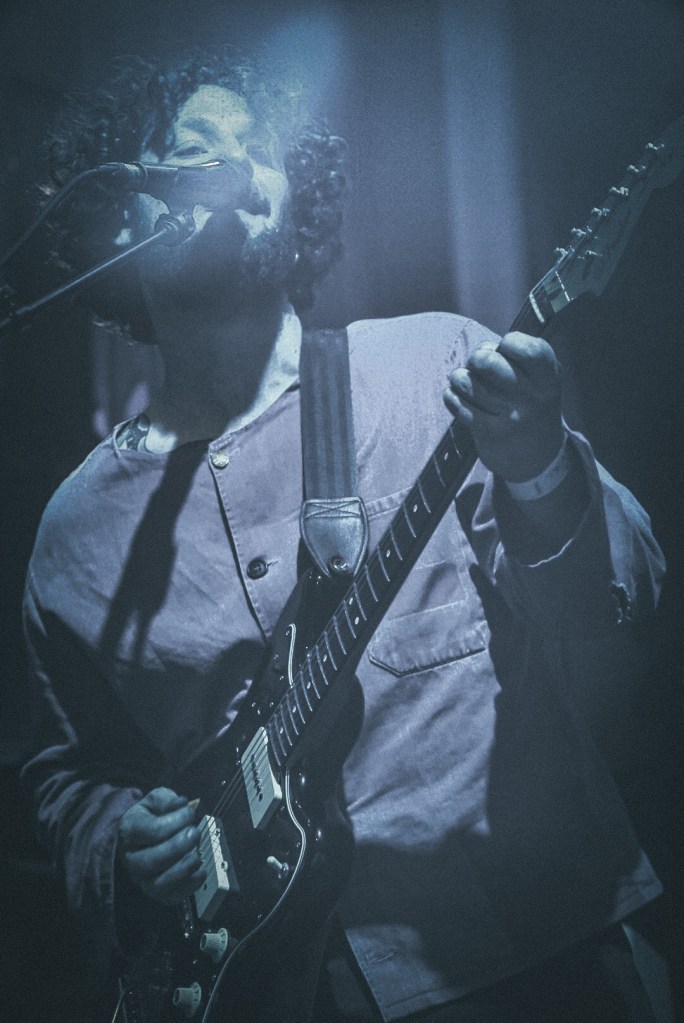
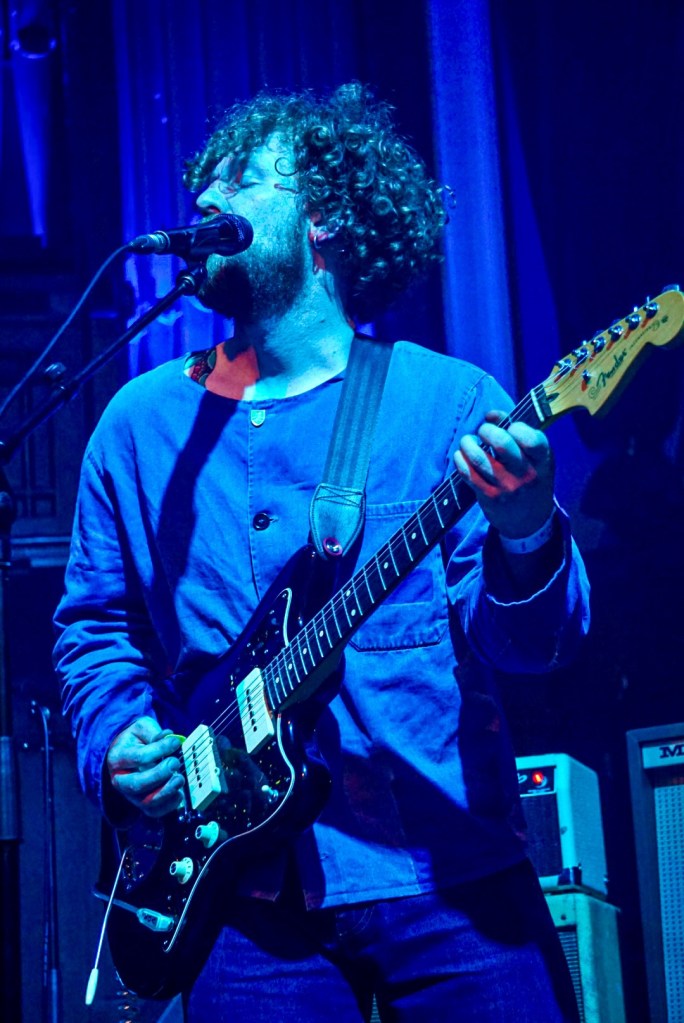
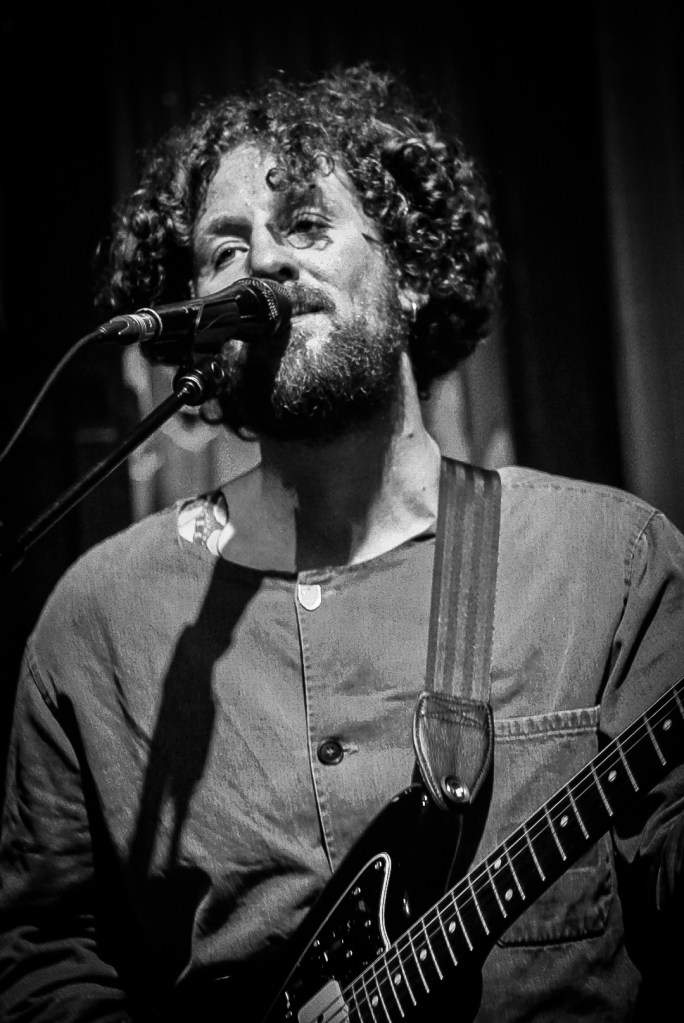
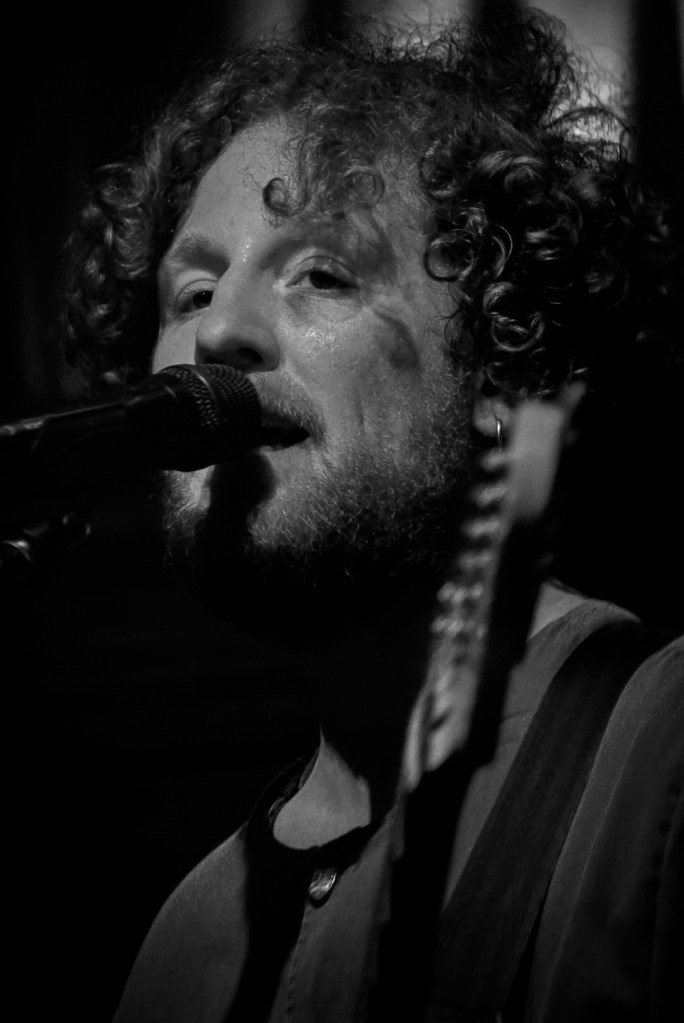
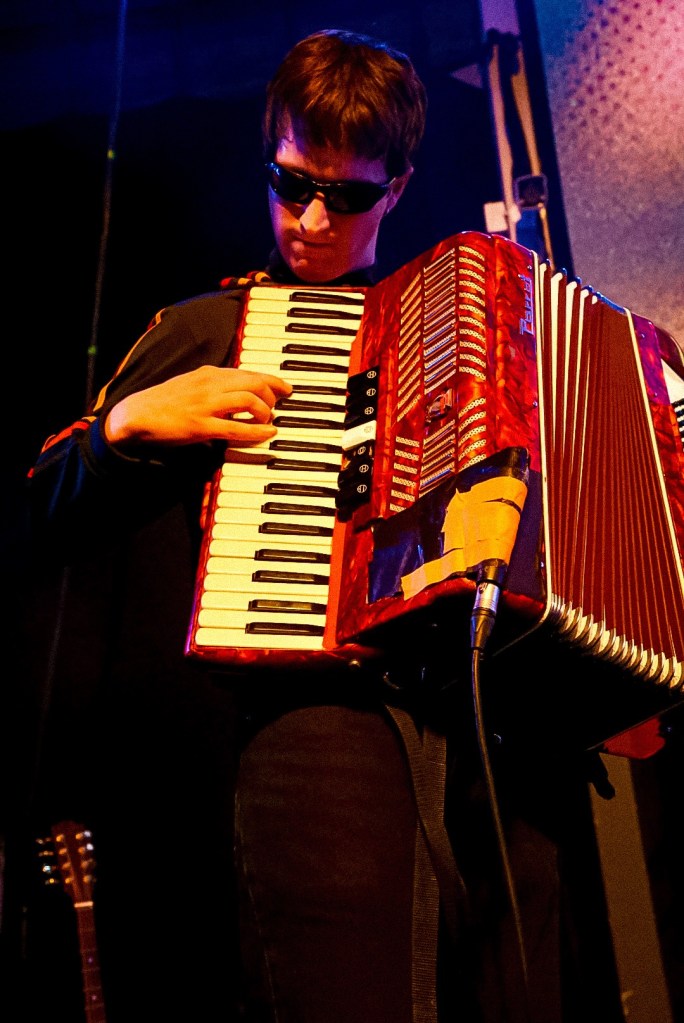
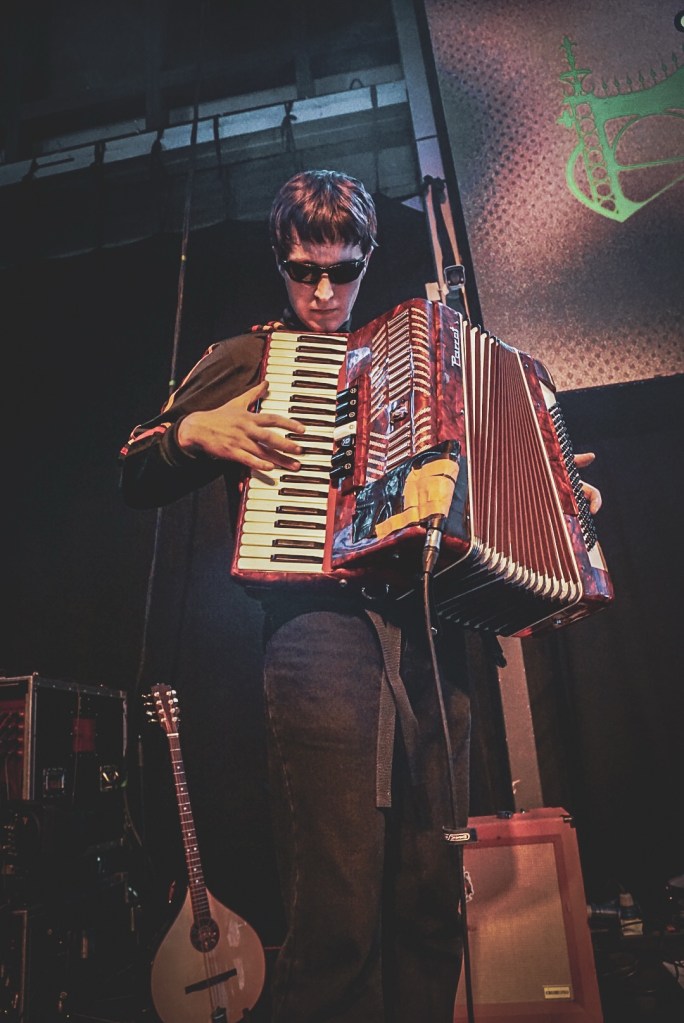
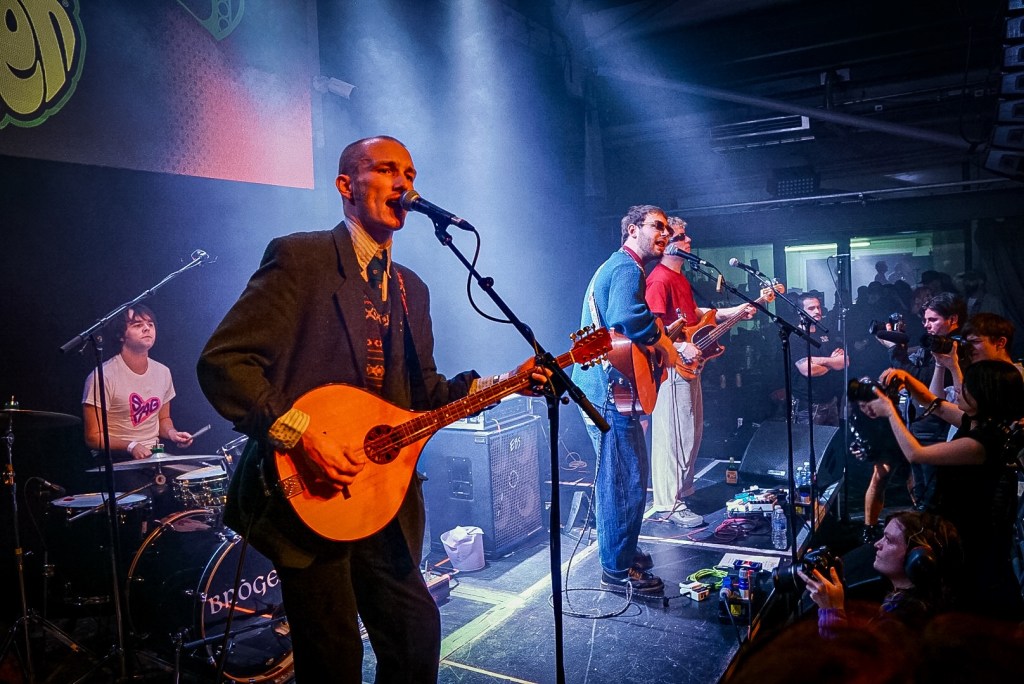
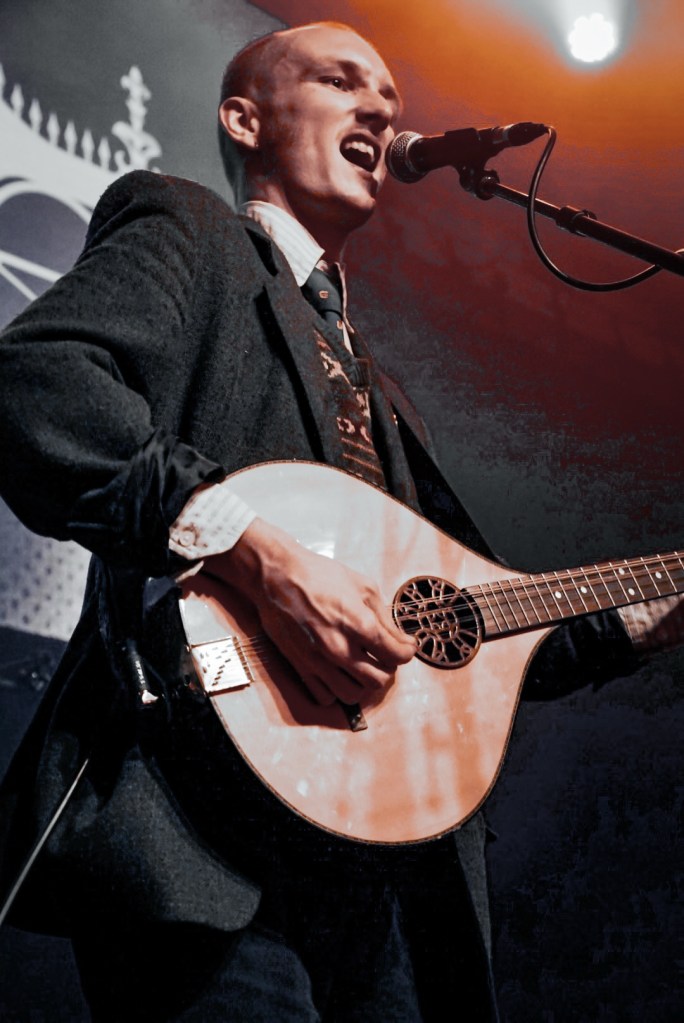
Brògeal — BAaD
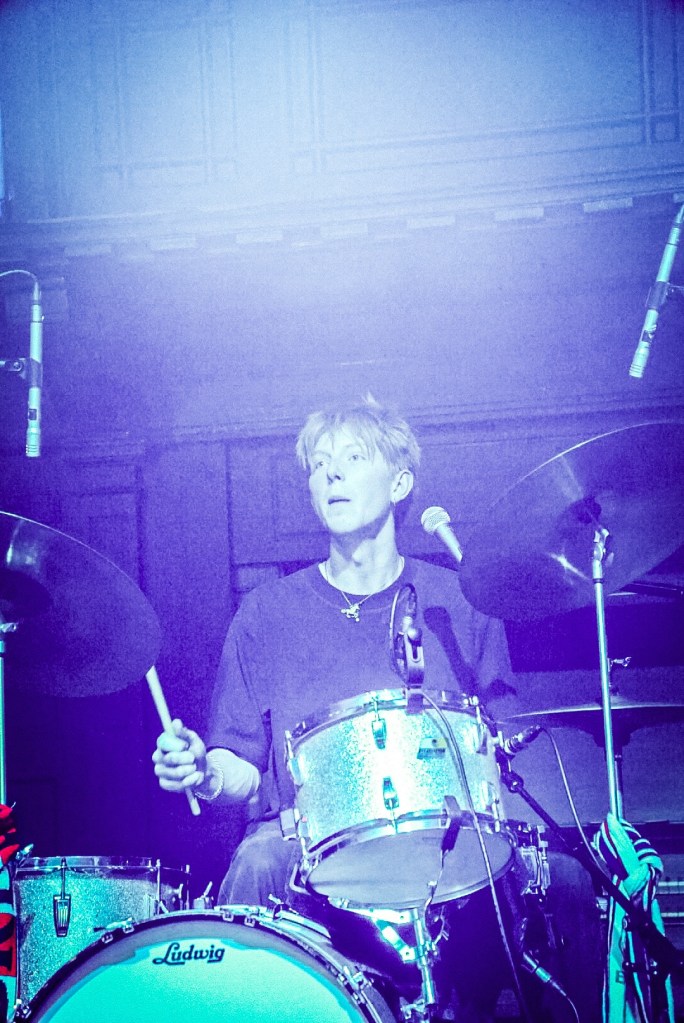
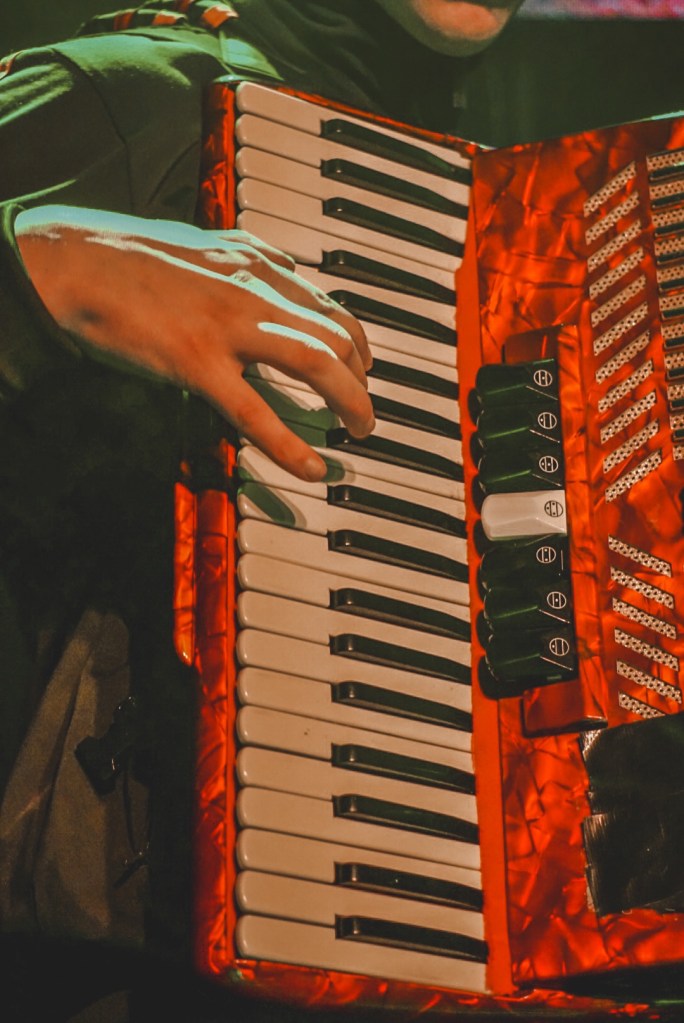
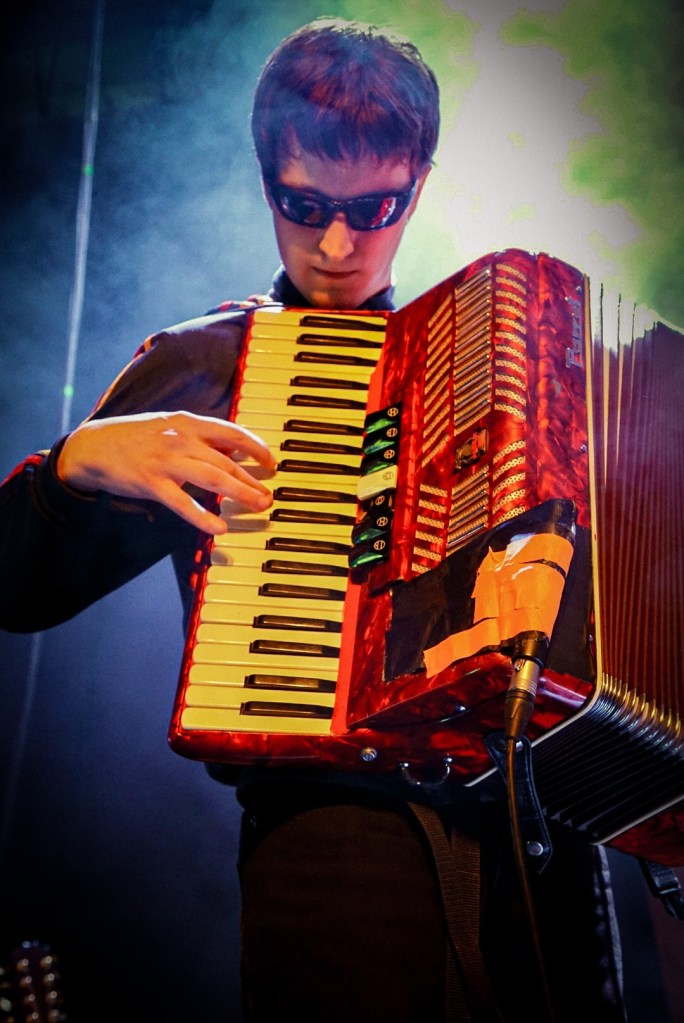
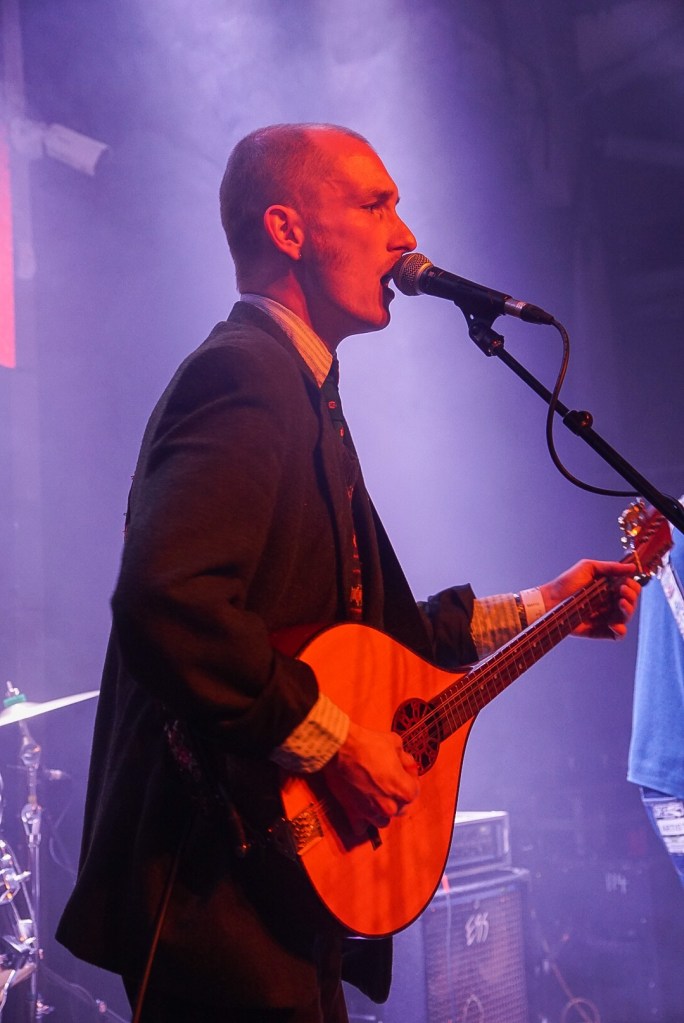
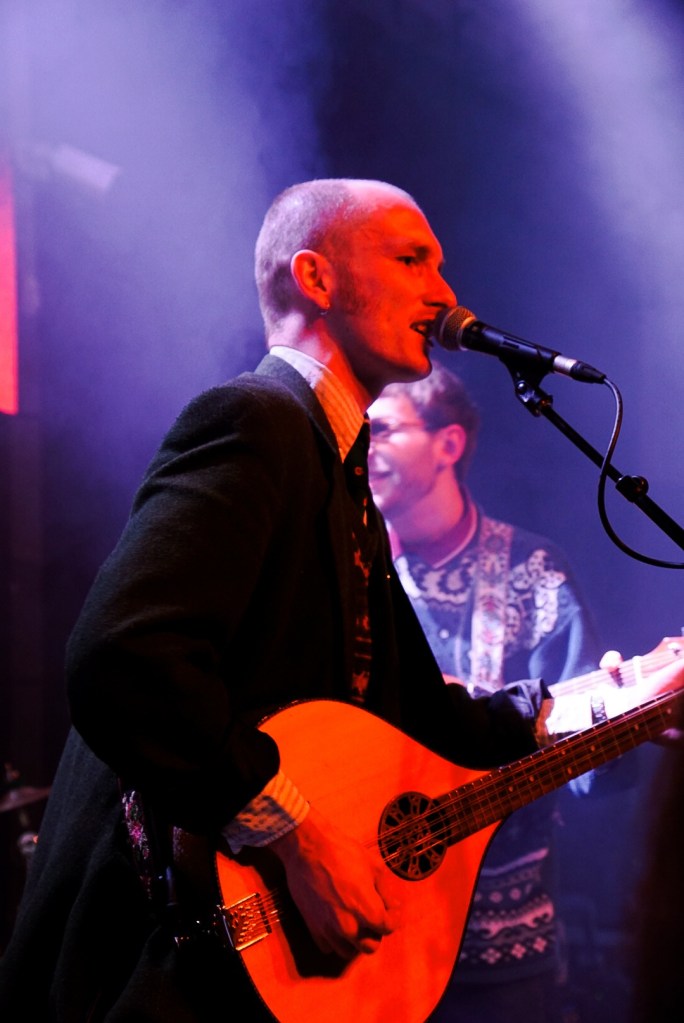
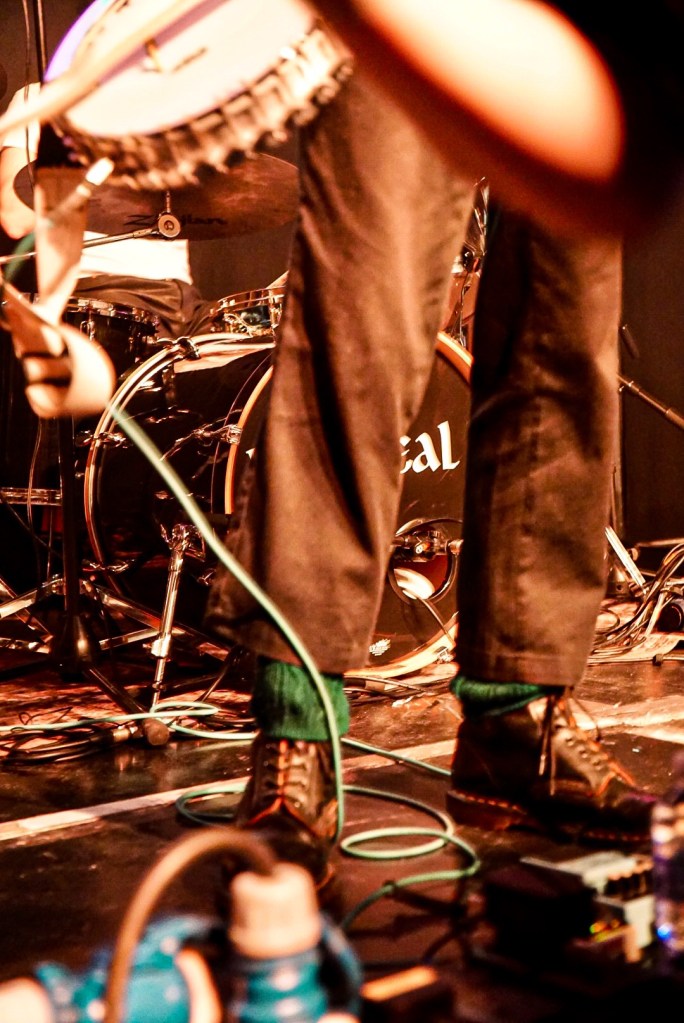
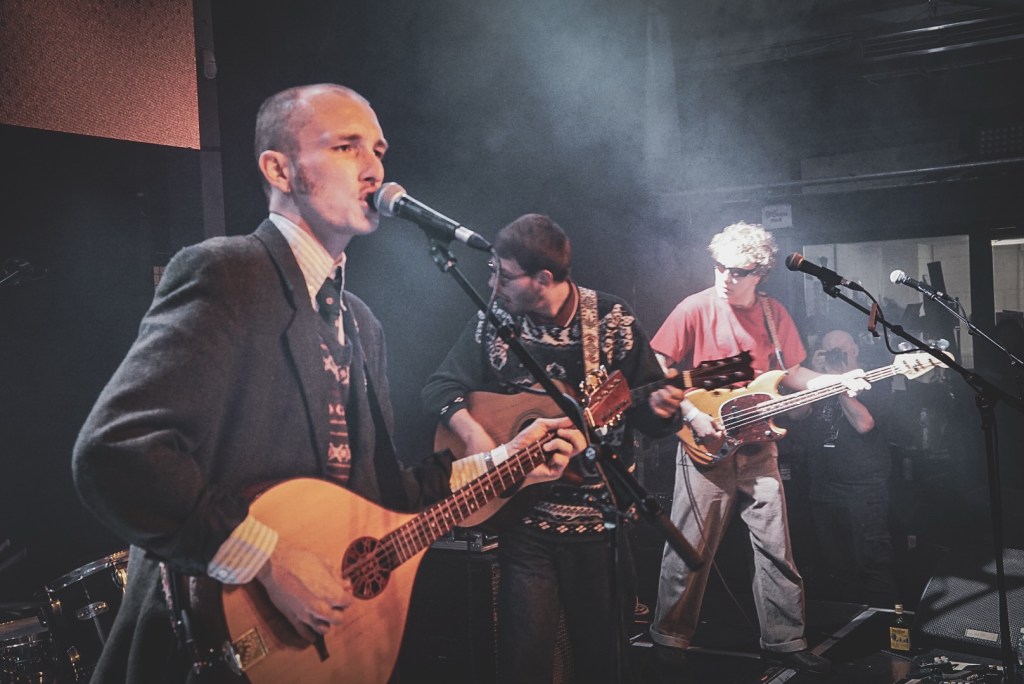
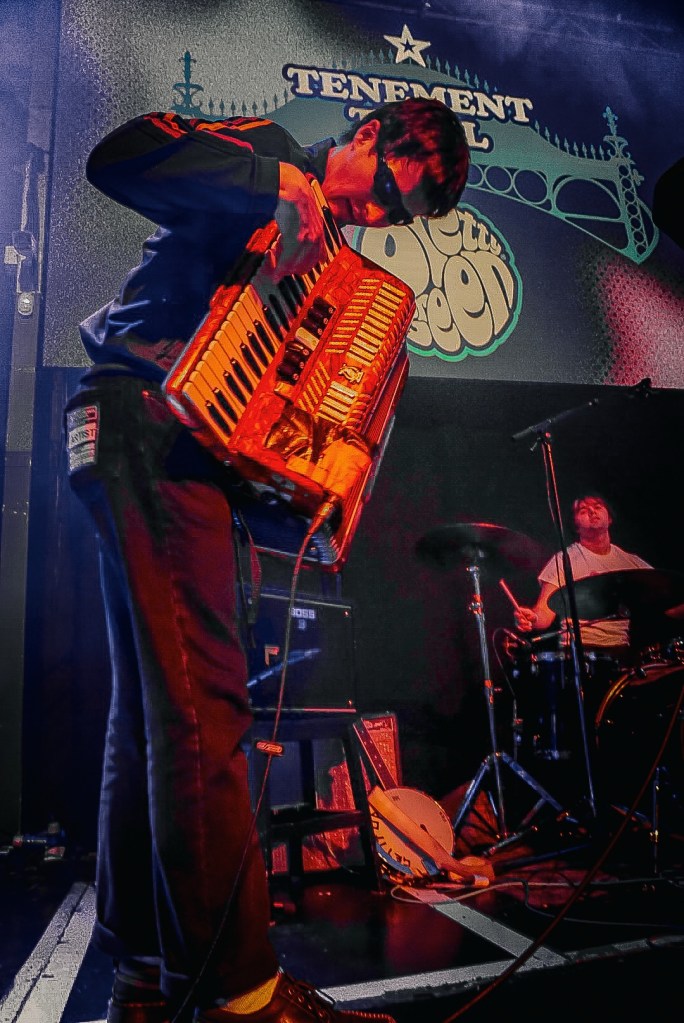
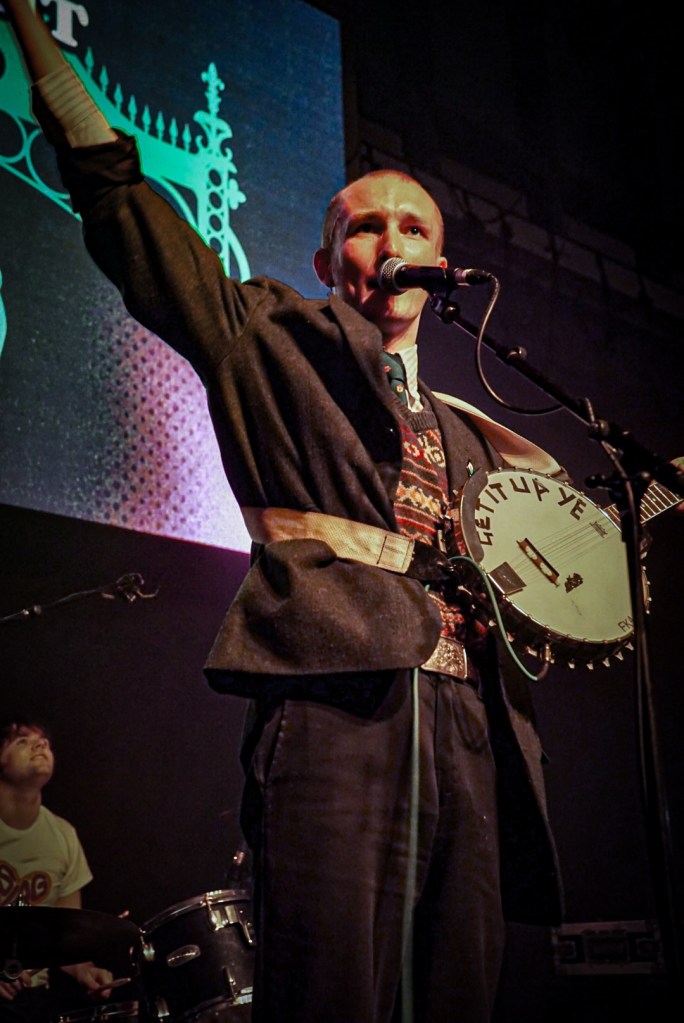
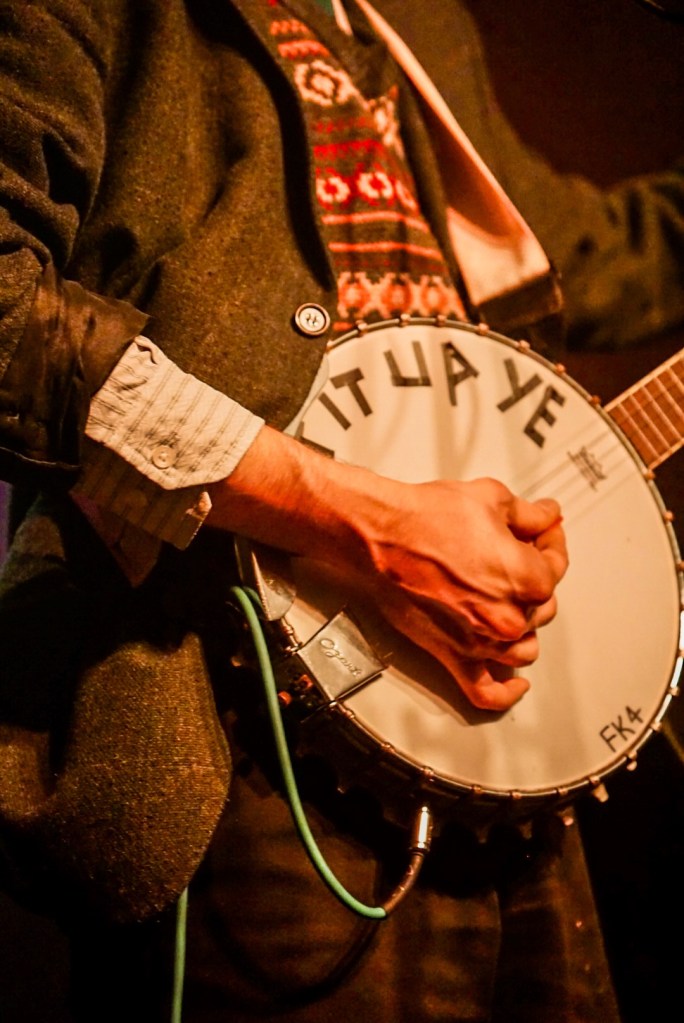
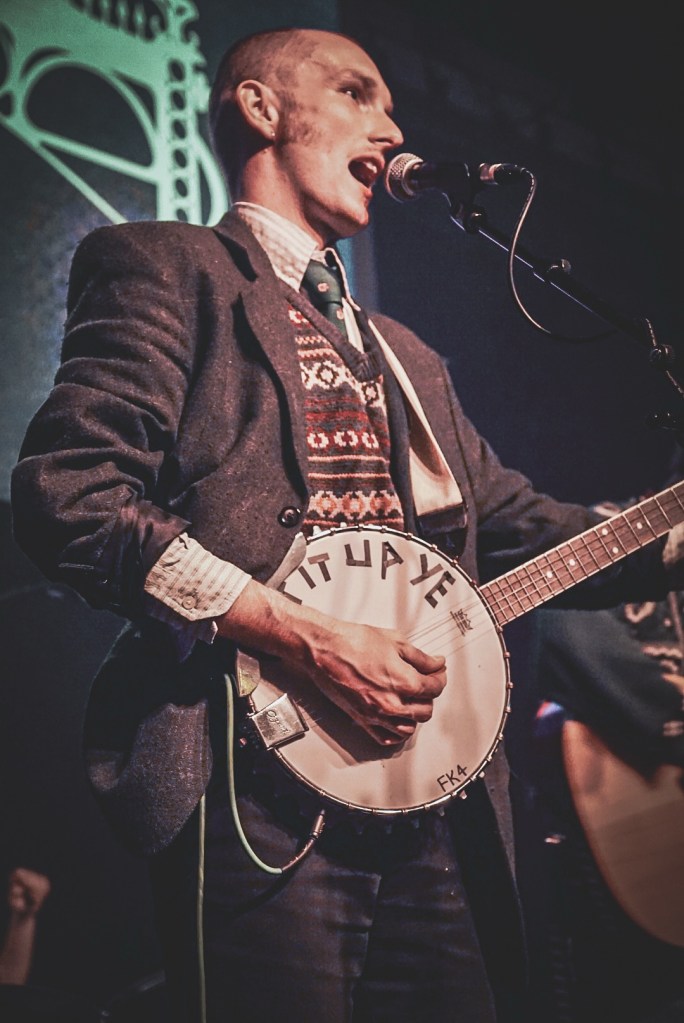
Brògeal’s folk-punk energy made them a natural fit for BAaD. Hailing from Falkirk, the five-piece draw on traditional folk textures and the communal force of punk, turning songs into something that feels built for a crowd rather than a solitary listen. Their backstory — meeting on a football supporters’ bus — feels entirely appropriate for a band whose music thrives on shared enthusiasm, big voices and the feeling that everybody in the room should be joining in.
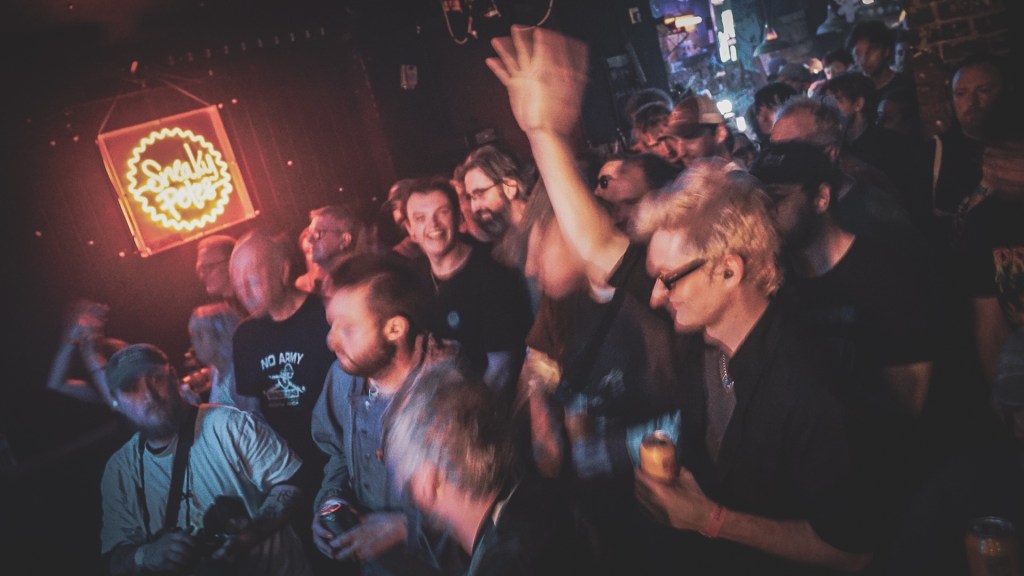
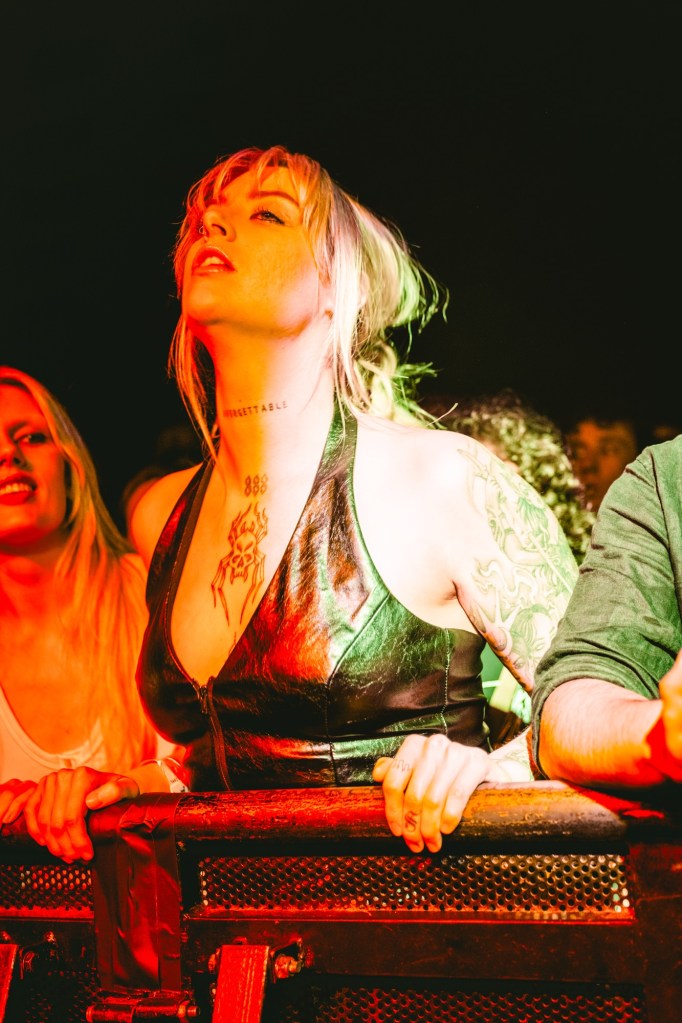
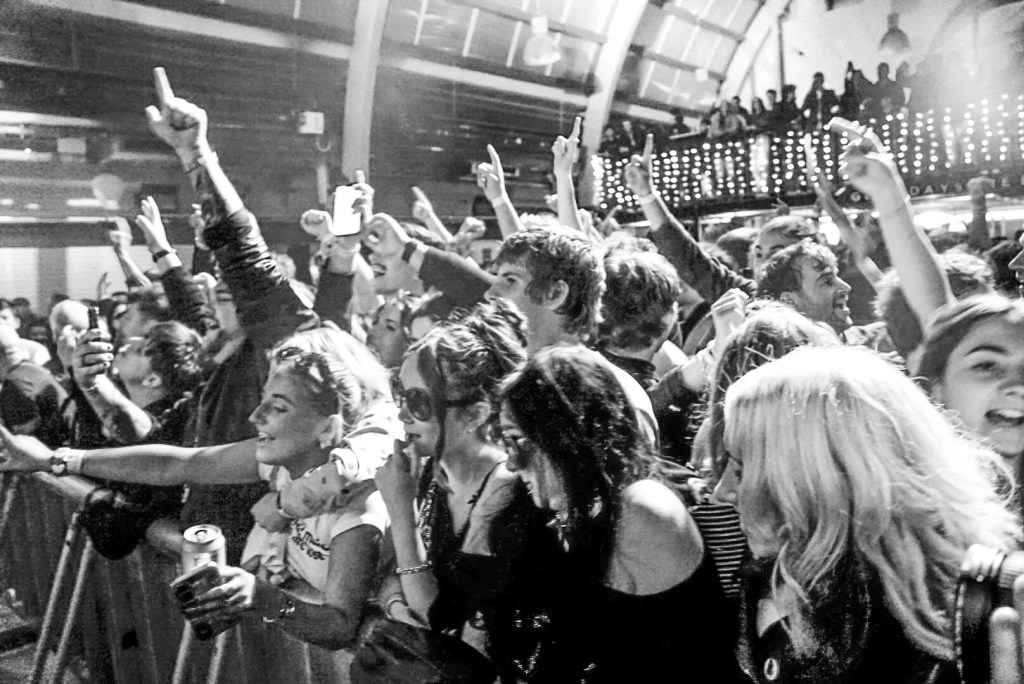
The queue for entry snaked all the way around the BAaD and inside was a seething mosh pit right from the first few chords.
The trick with folk-punk is to make the tradition feel lived rather than decorative. Brògeal understand that. Their songs have the lift of a pub singalong, but the momentum and scruff of a band that wants to push the music forward rather than merely preserve it. It is a sound with room for sentiment and a good deal of noise.
Their set closed with “The Lonesome Boatman”, a fitting choice for a band who can make a familiar folk melody feel like a communal event. It was one of those moments when the room seemed to stop being an audience and become a chorus.
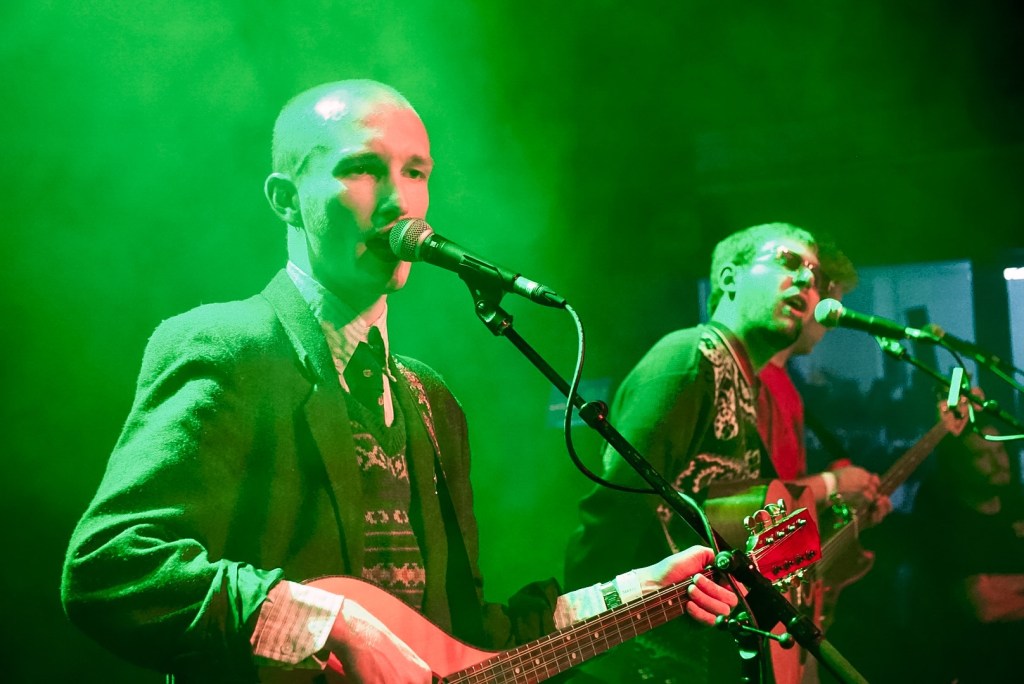
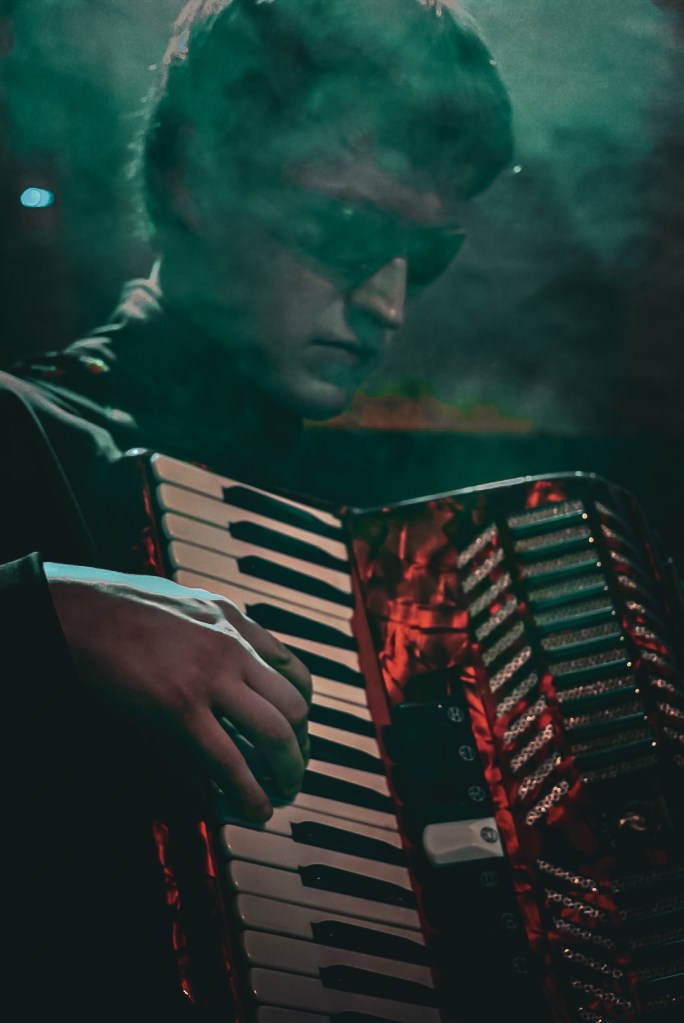
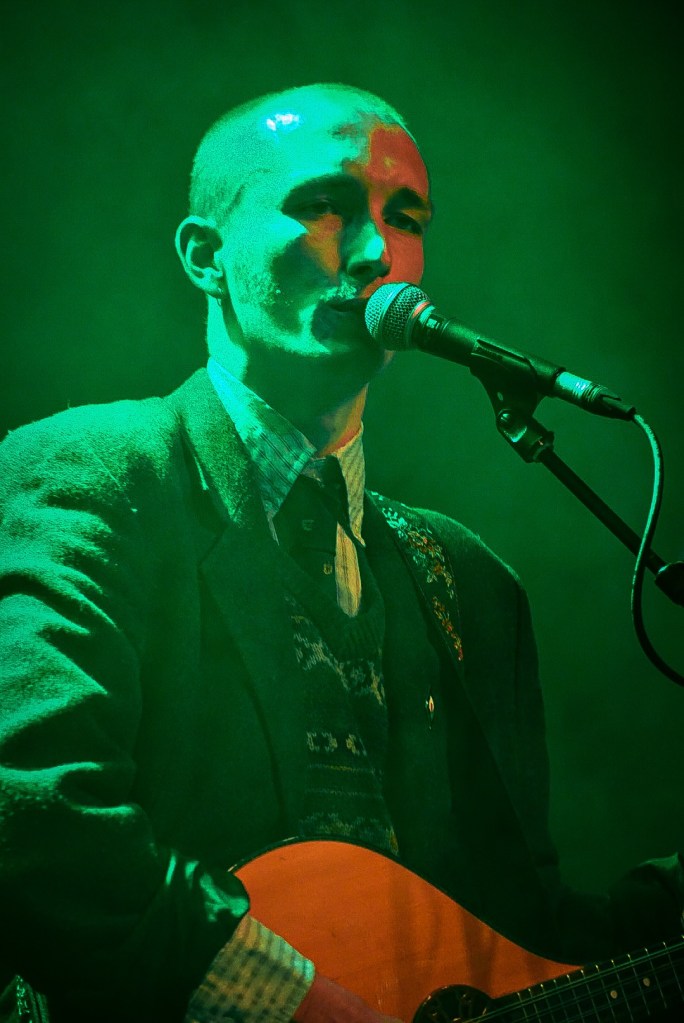
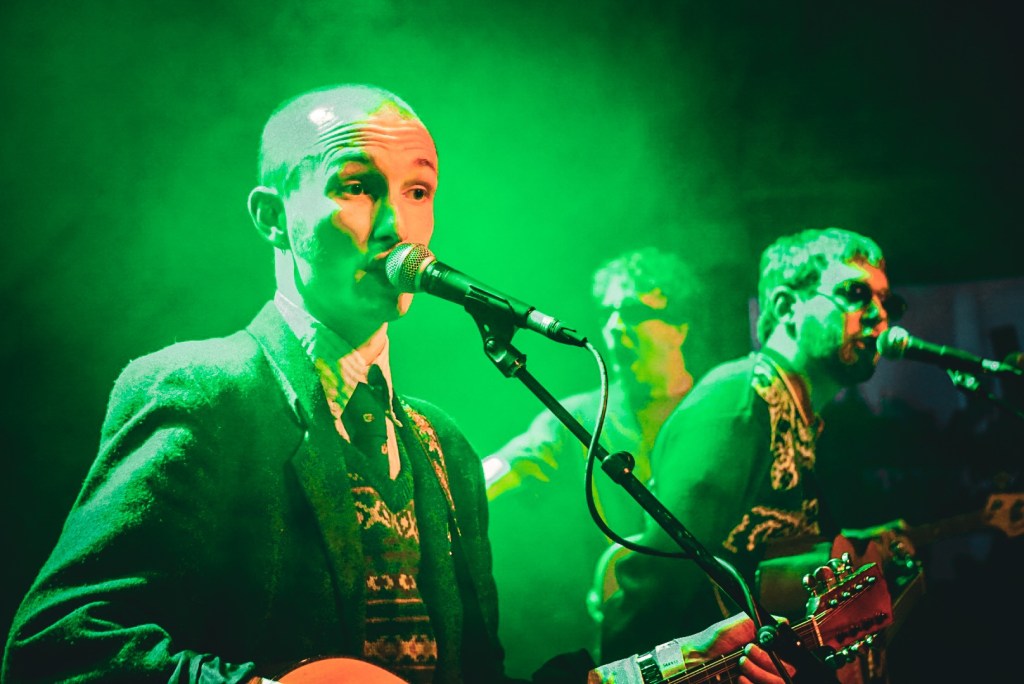
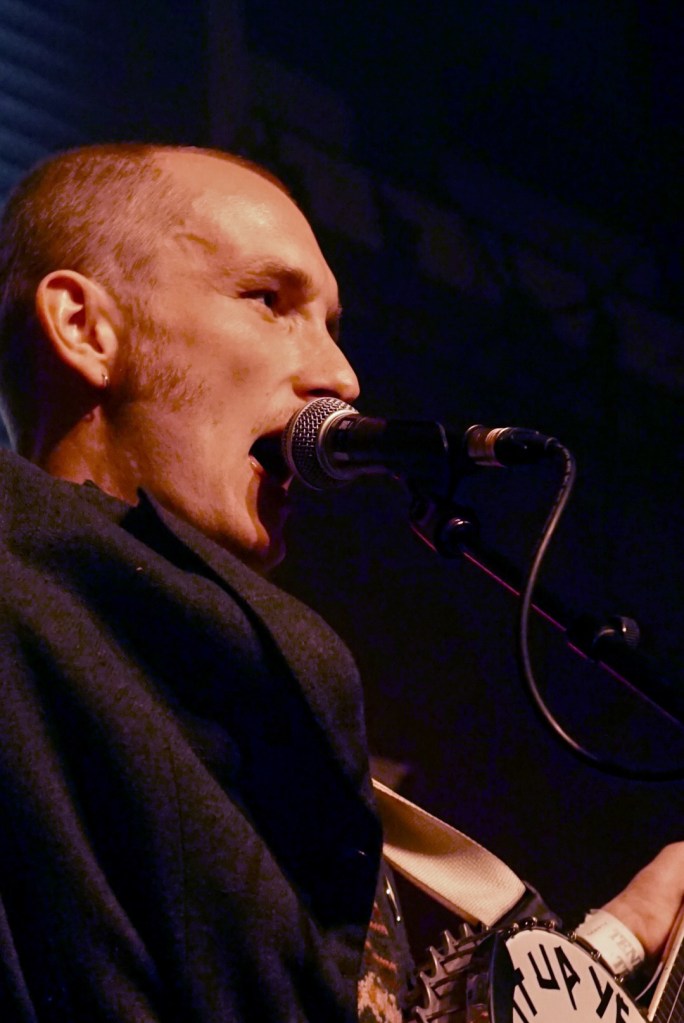
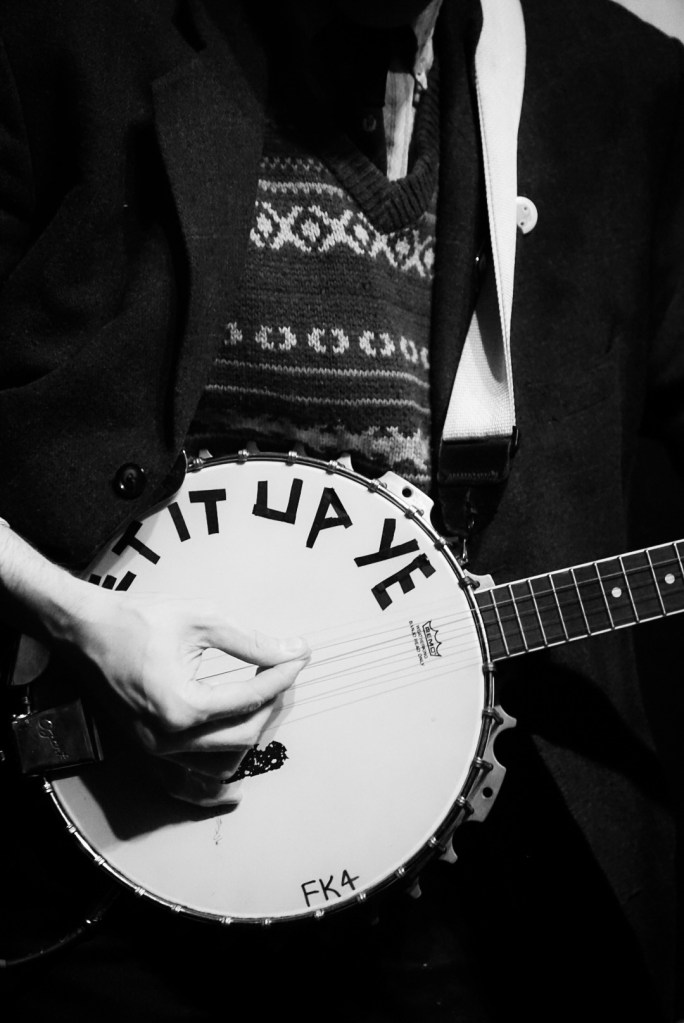
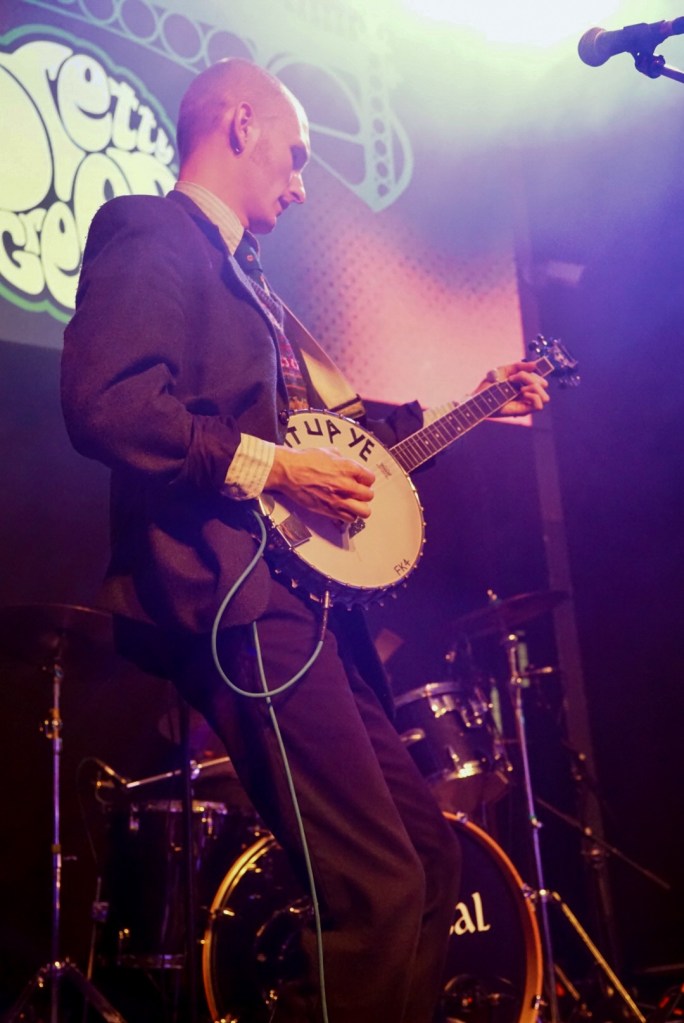
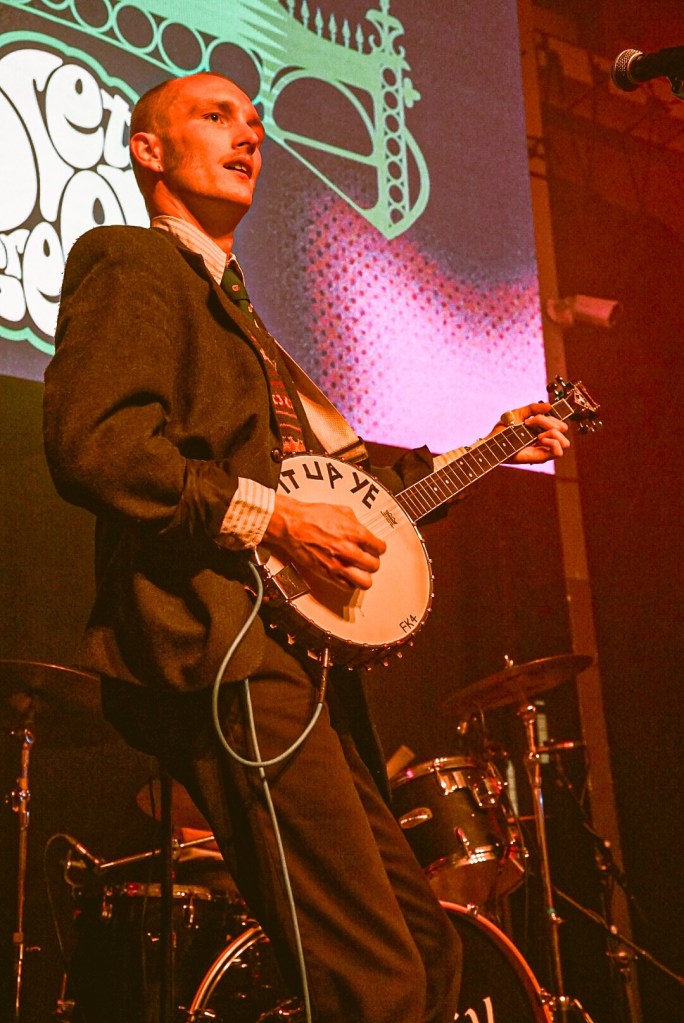

Club Sabbath: Tina Sandwich and Spyres — McChuills
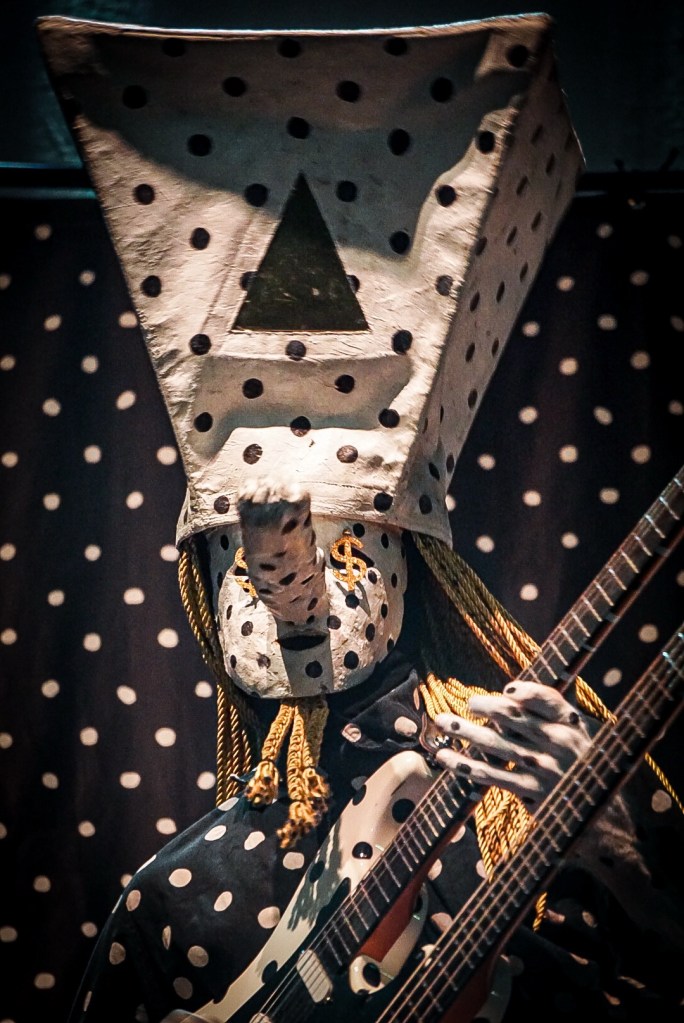
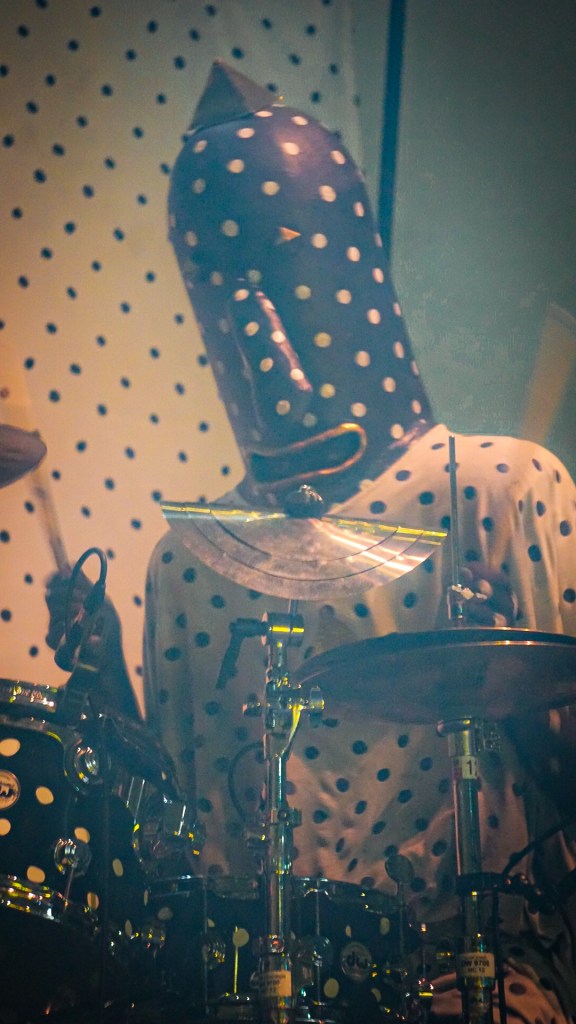
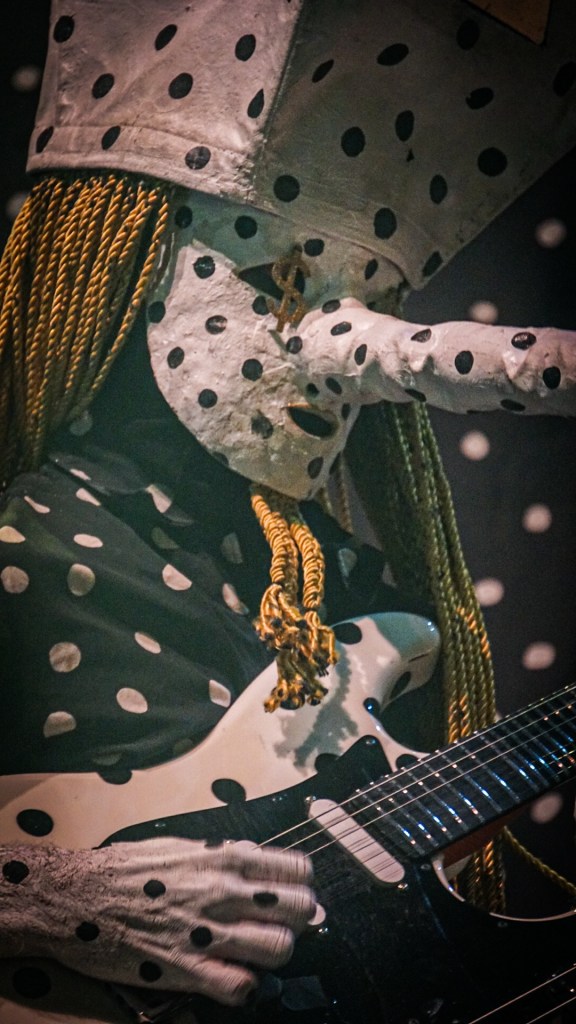
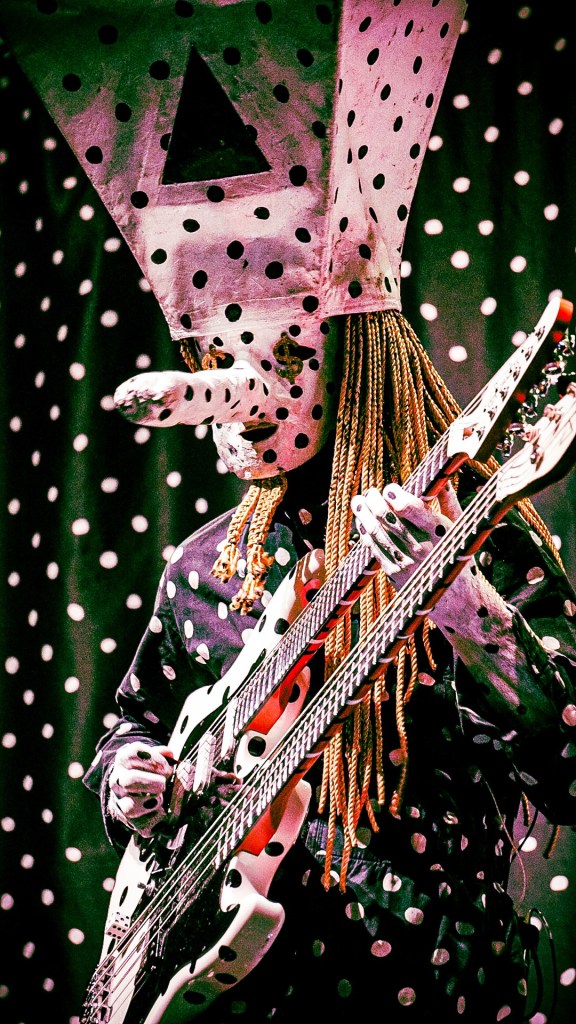
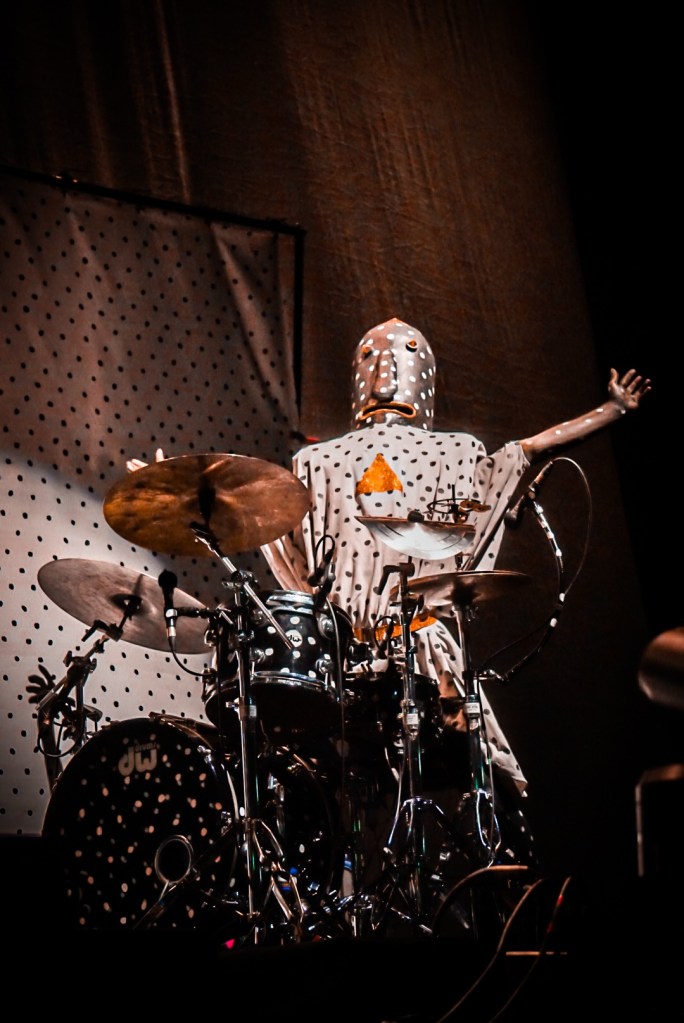
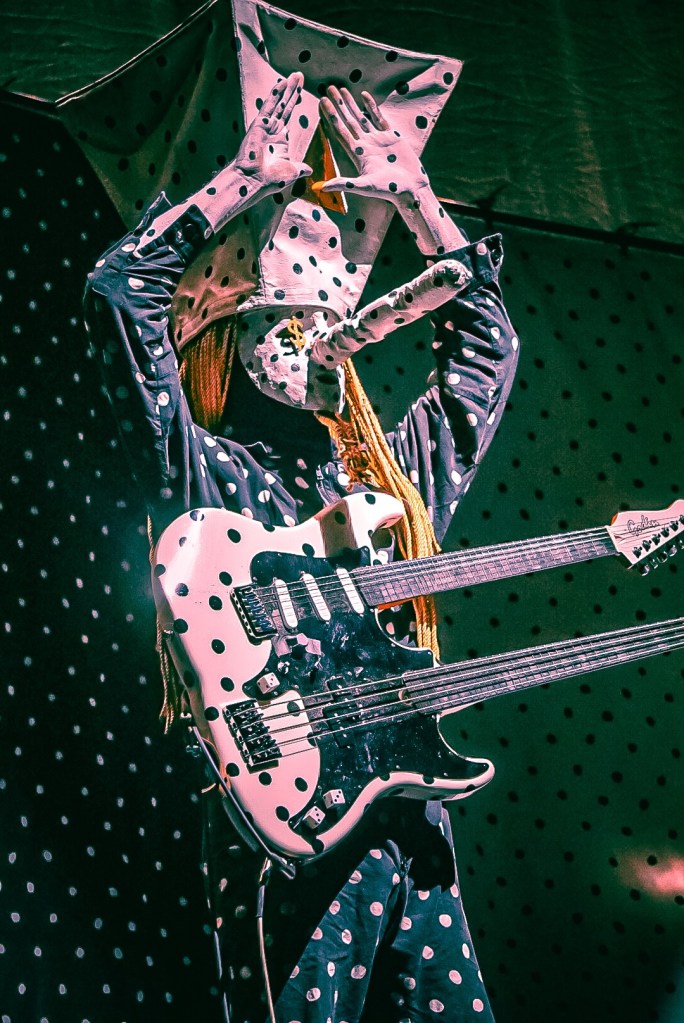
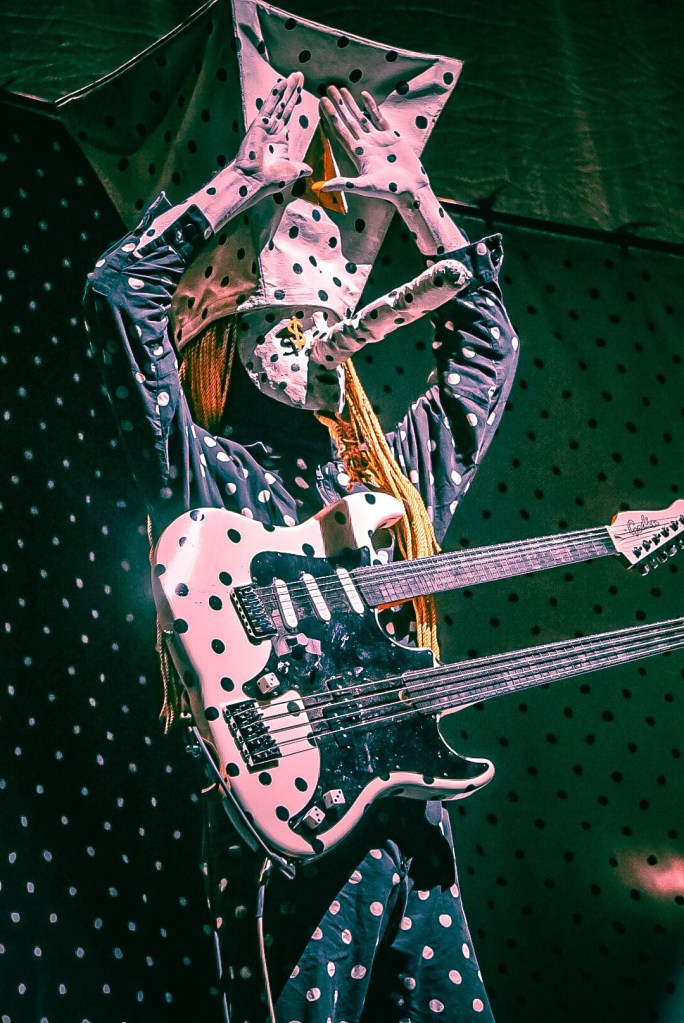
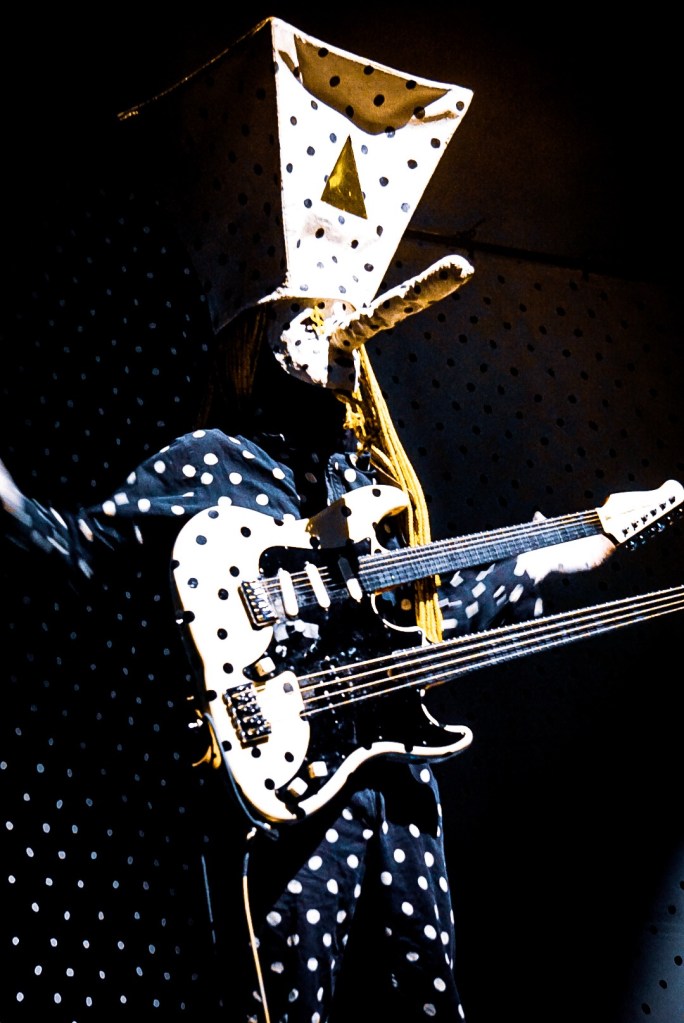
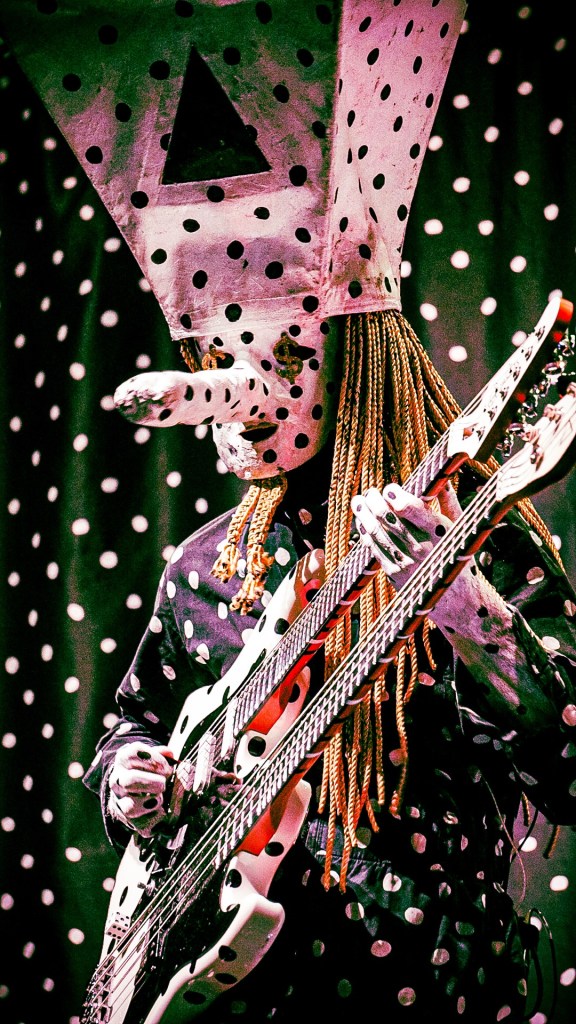
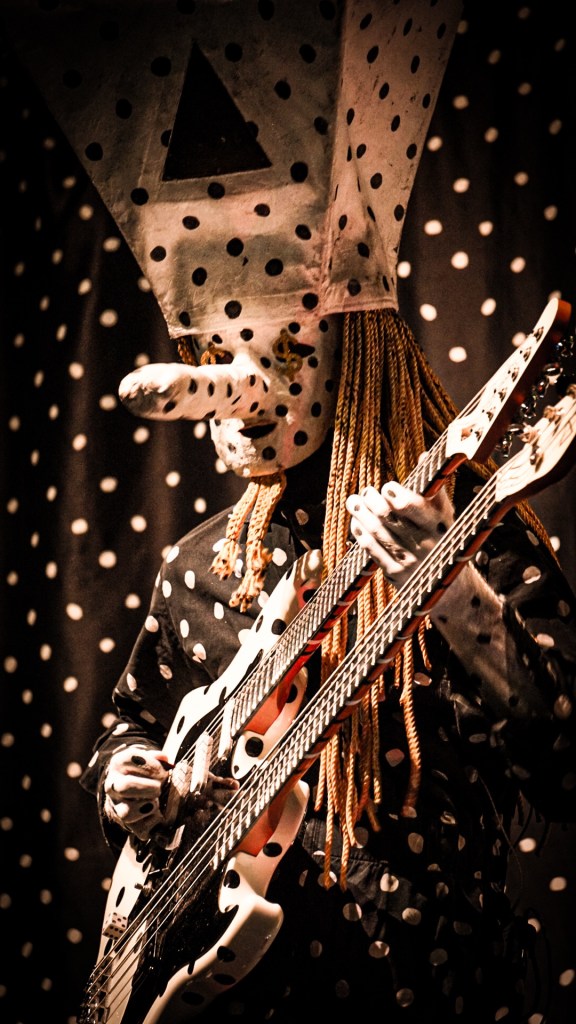
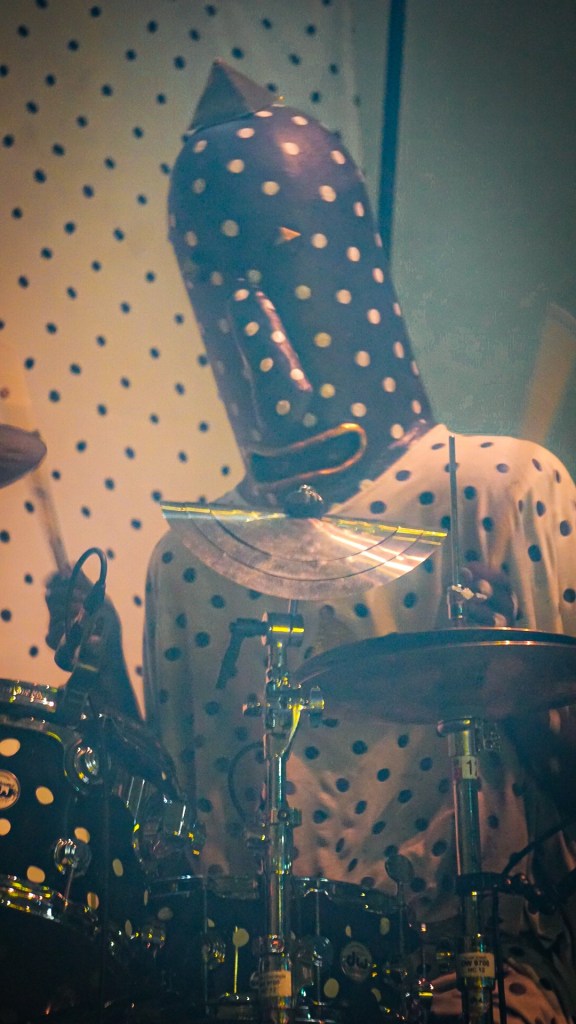
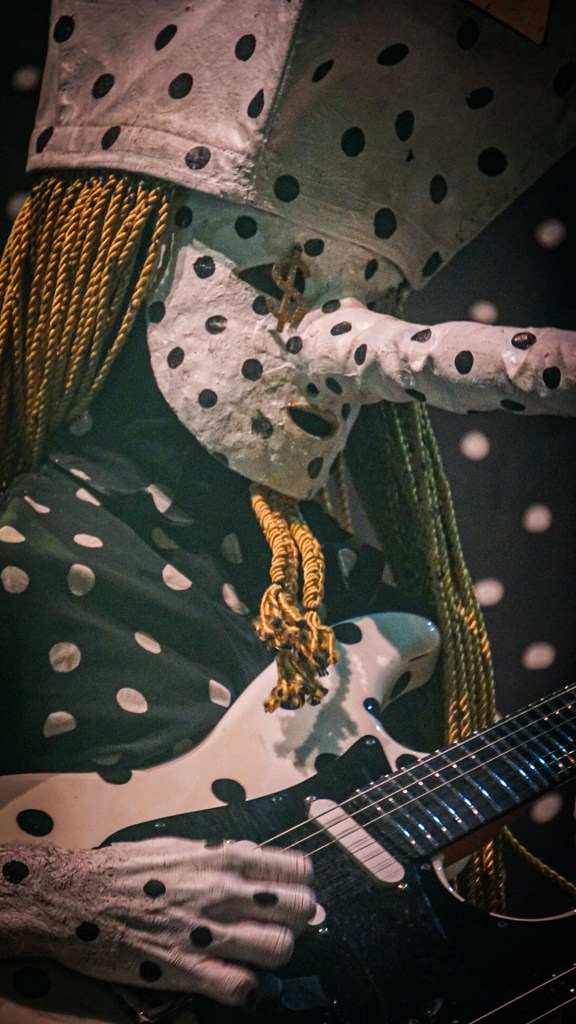
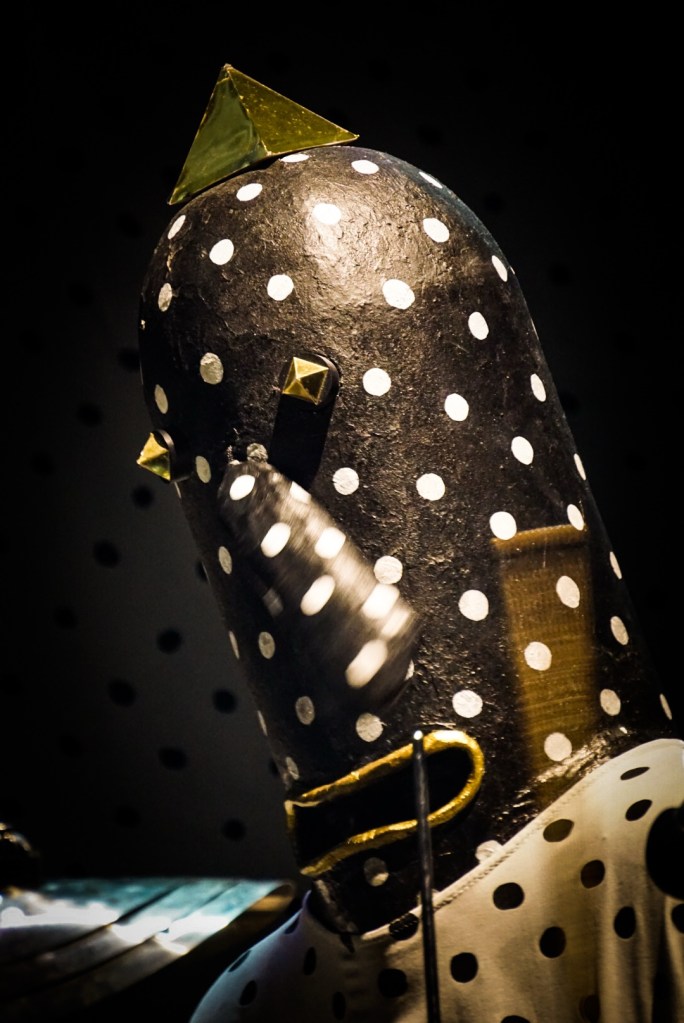
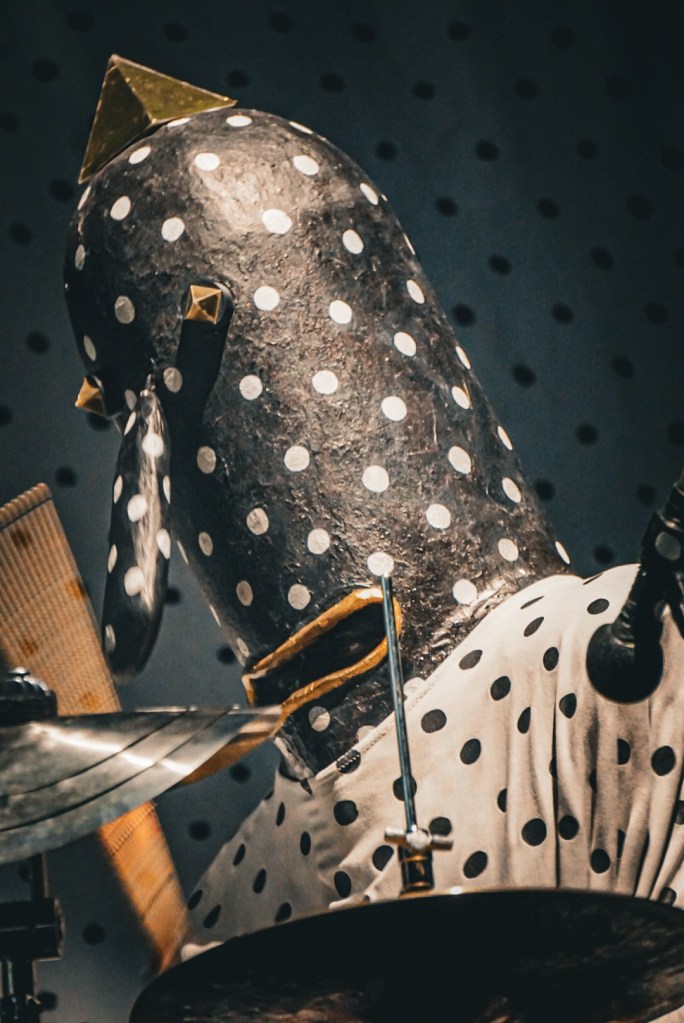
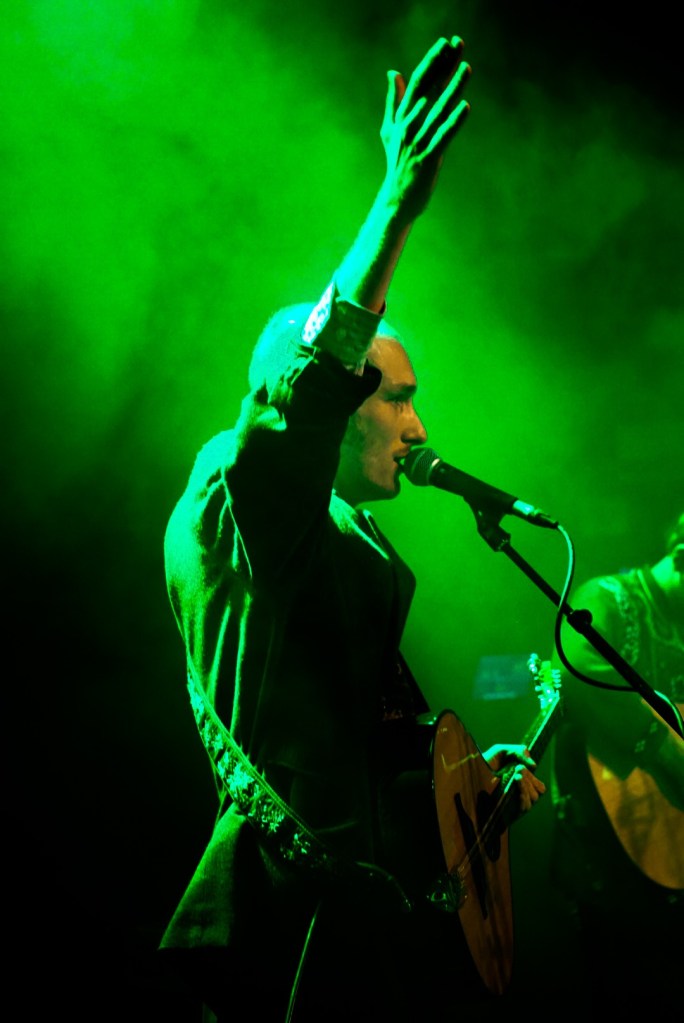
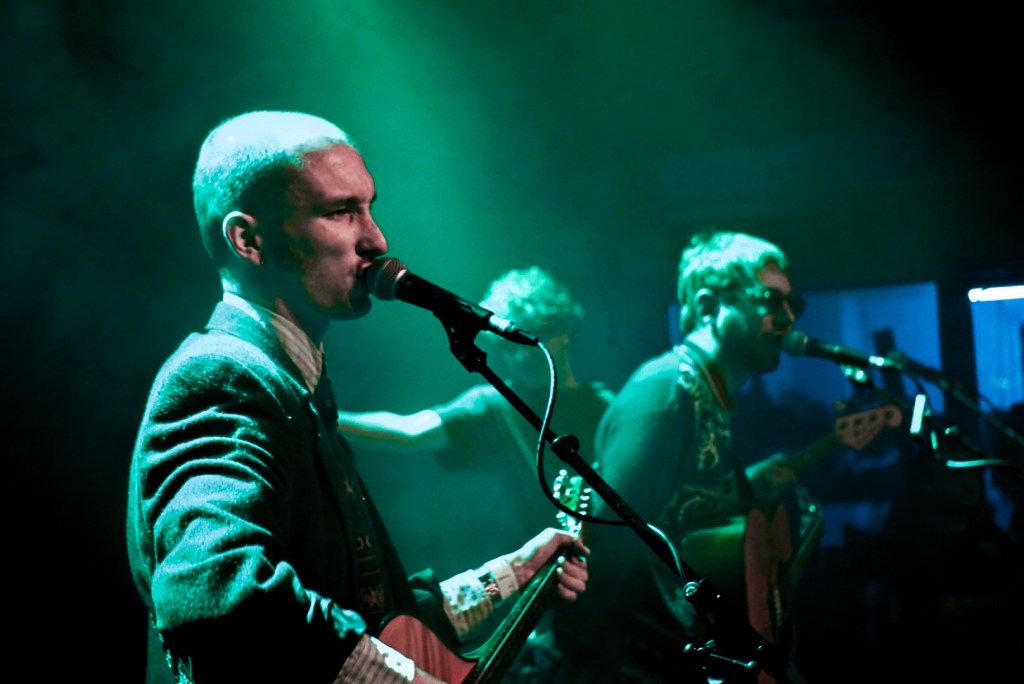
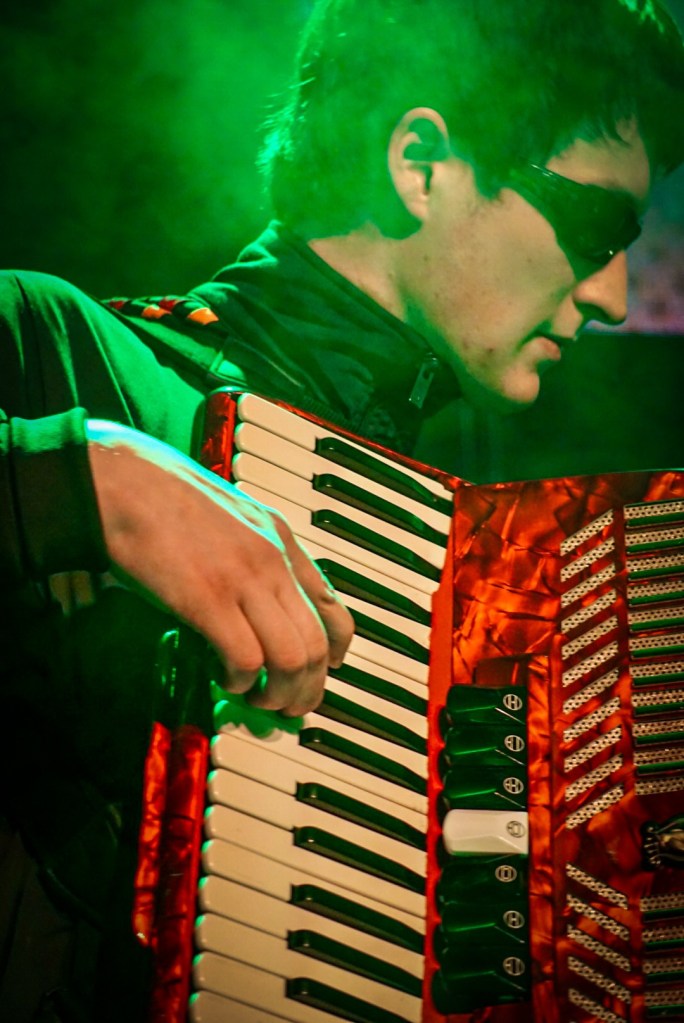
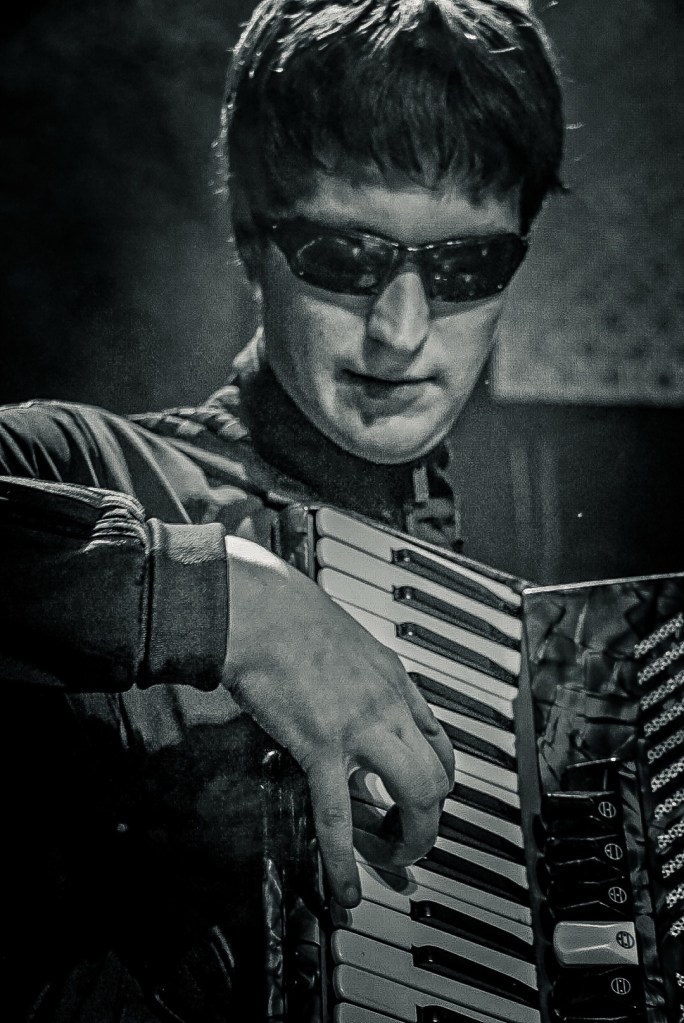
The night ended with the sort of surprise that makes a long day of venue-hopping worthwhile. Club Sabbath’s secret sets brought Tina Sandwich and Spyres into the picture, turning the final stretch into a last-minute bonus rather than a simple procession towards the exit.
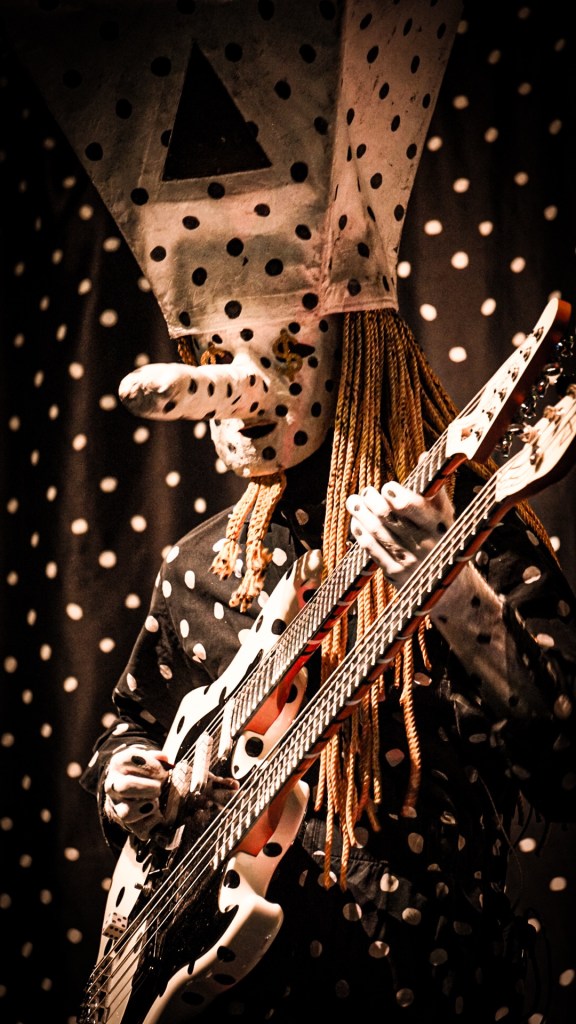
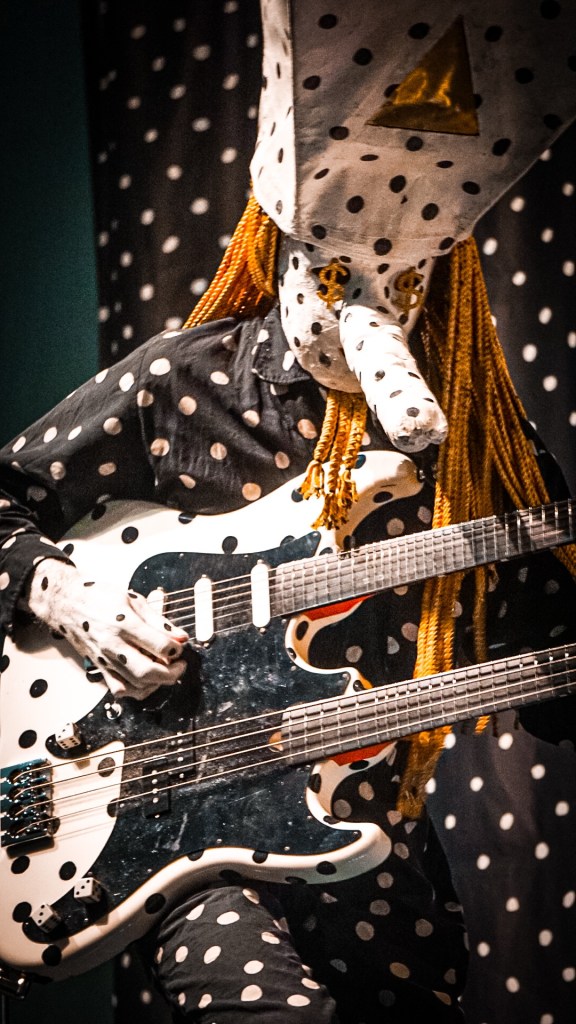
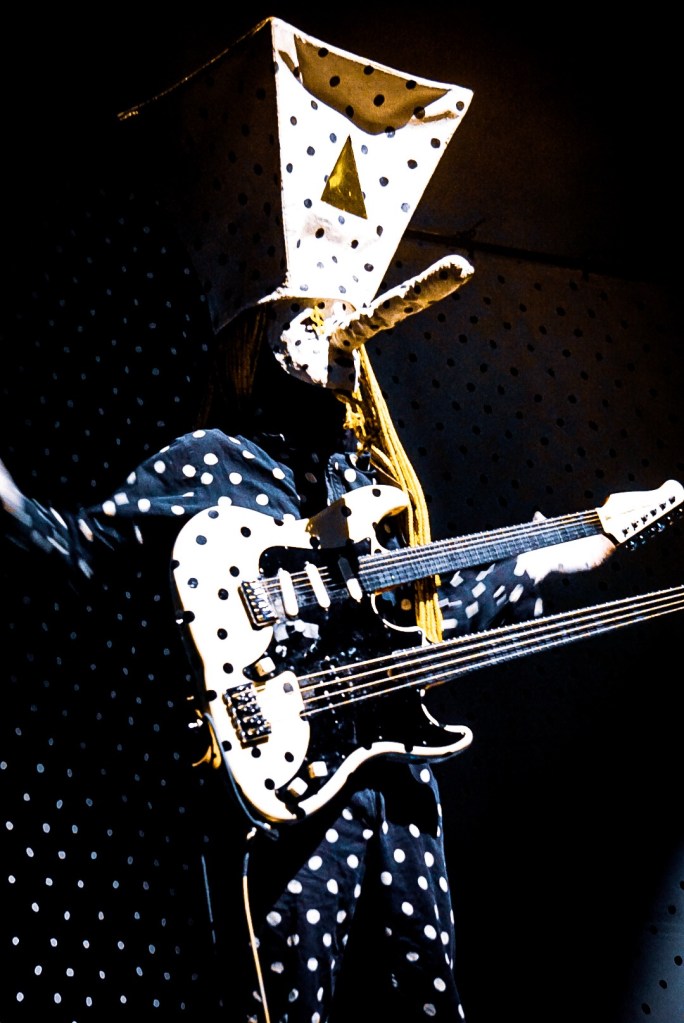
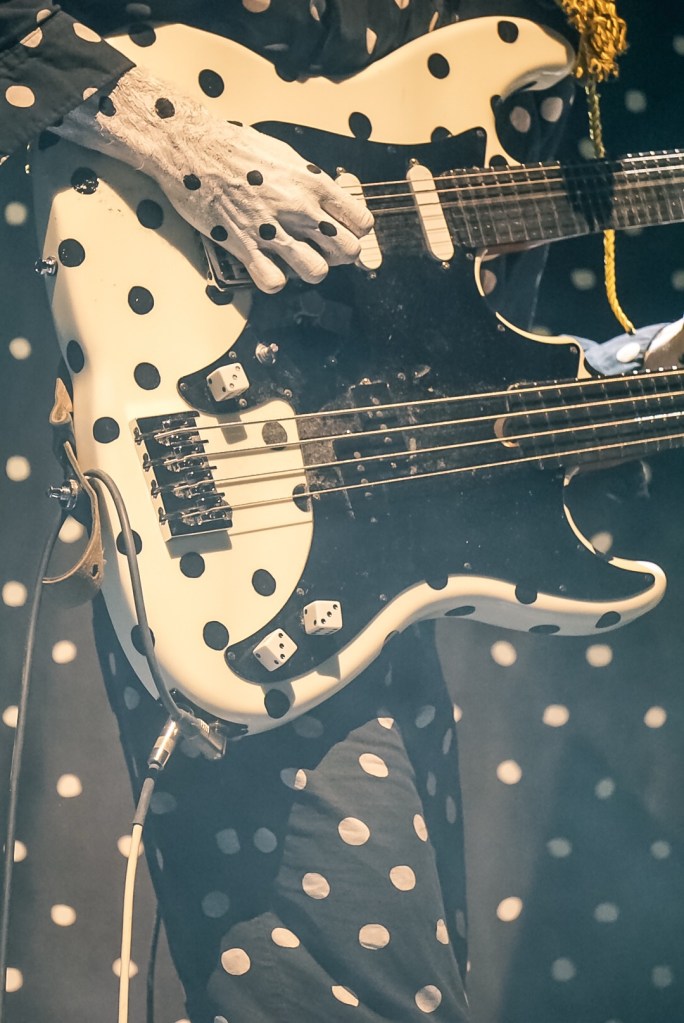
Spyres offer a more direct, guitar-driven indie-rock rush, with the kind of hooks that can make a late-night set feel suddenly more consequential than its place on the timetable might suggest. “Only This Could Happen to Me” is a good place to start if you want to hear their melodic, guitar-led side; “Otherside” is another worth a listen.
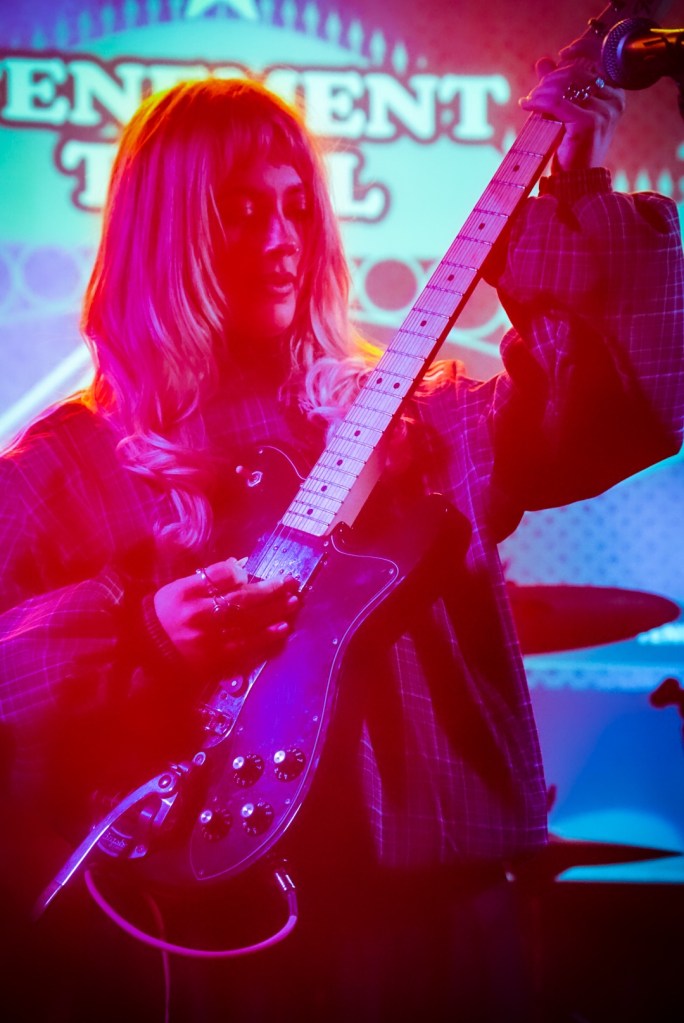
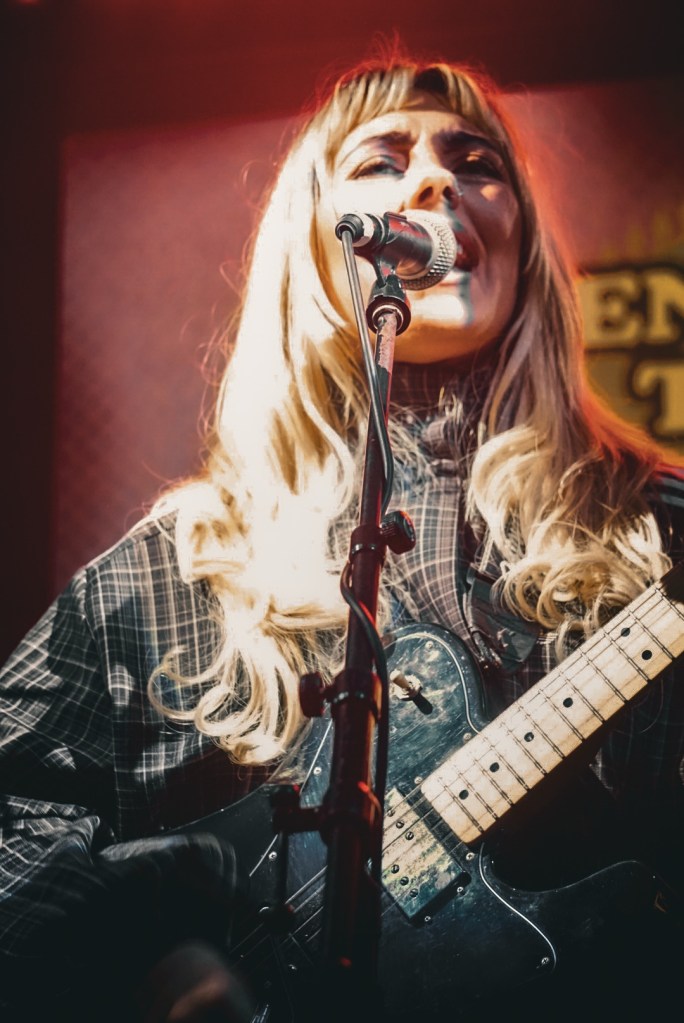
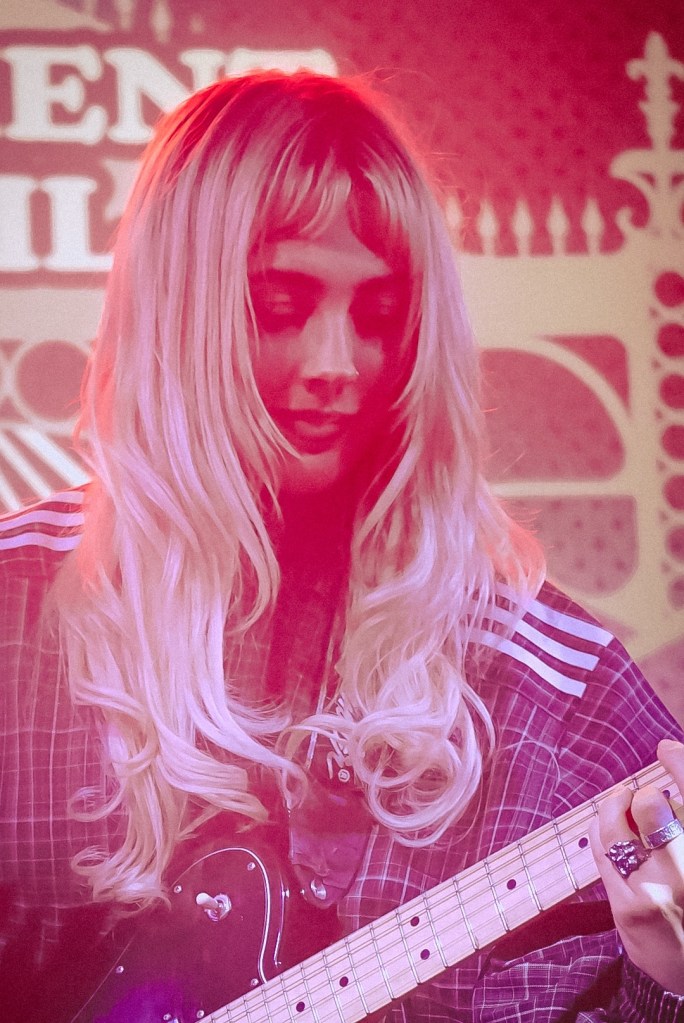
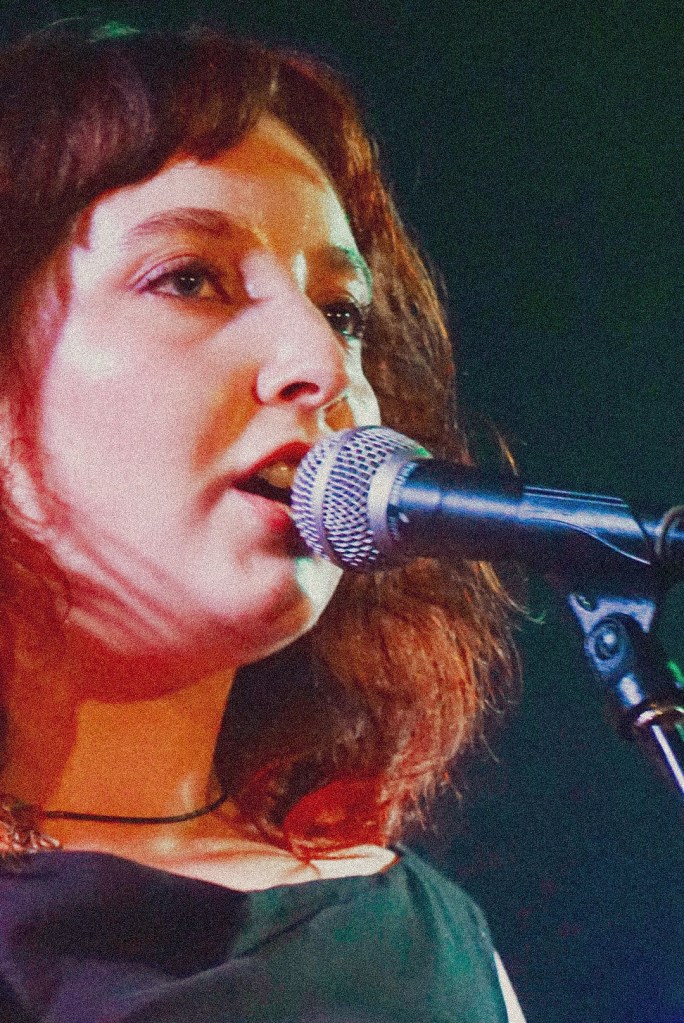
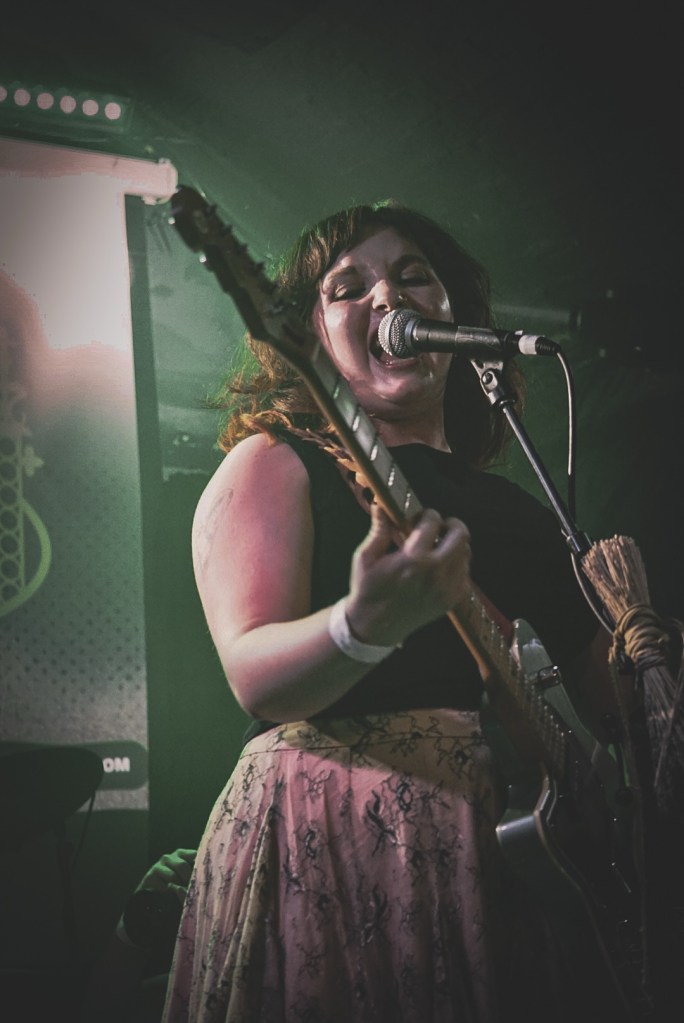
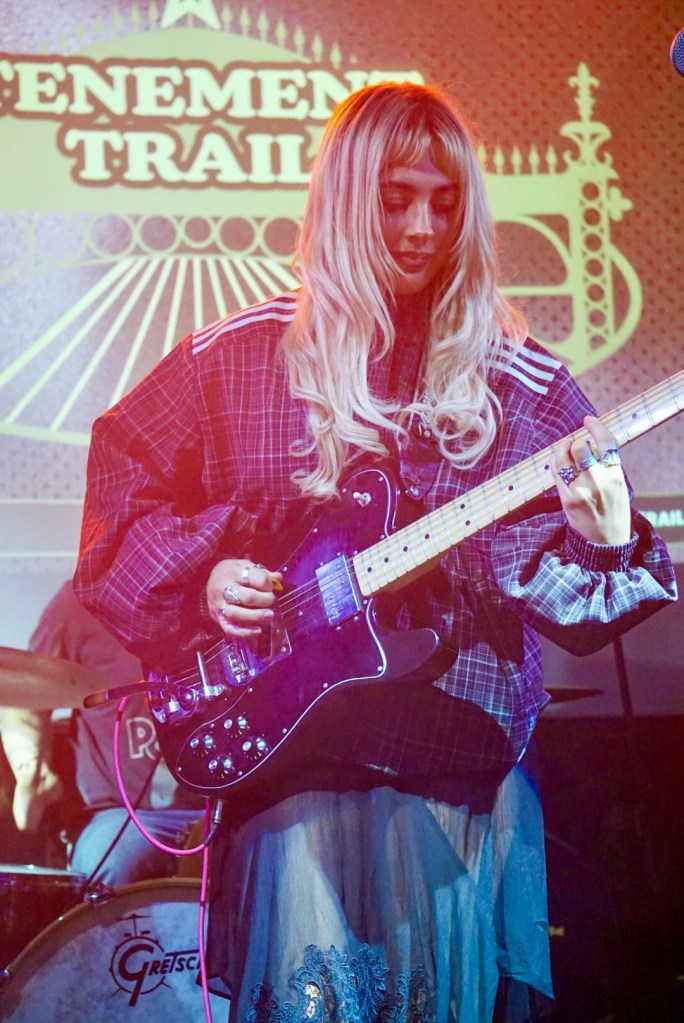
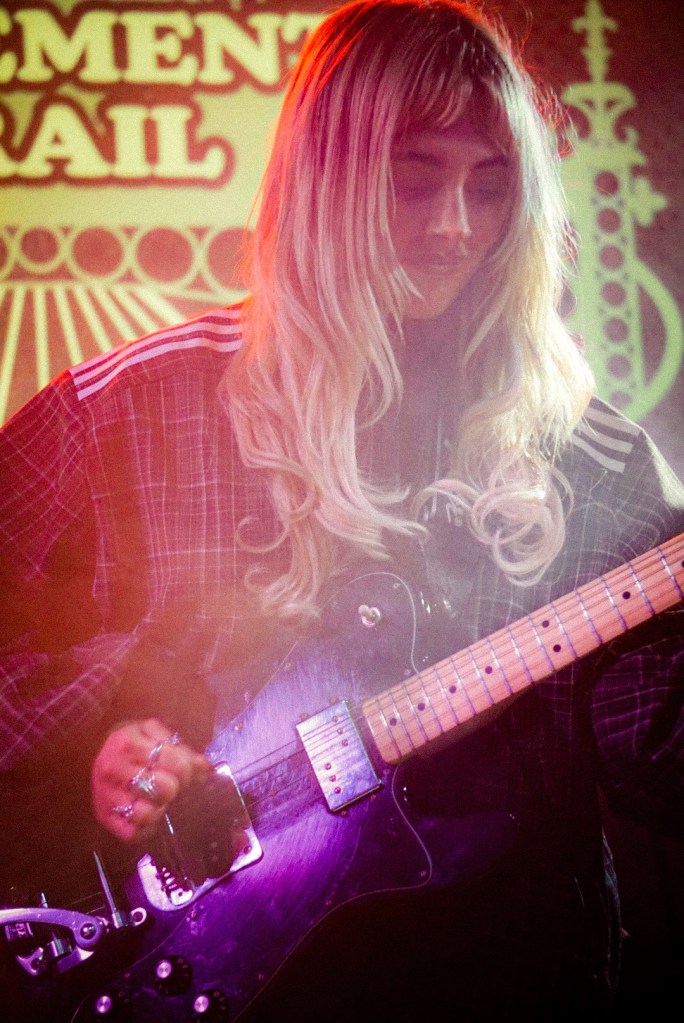
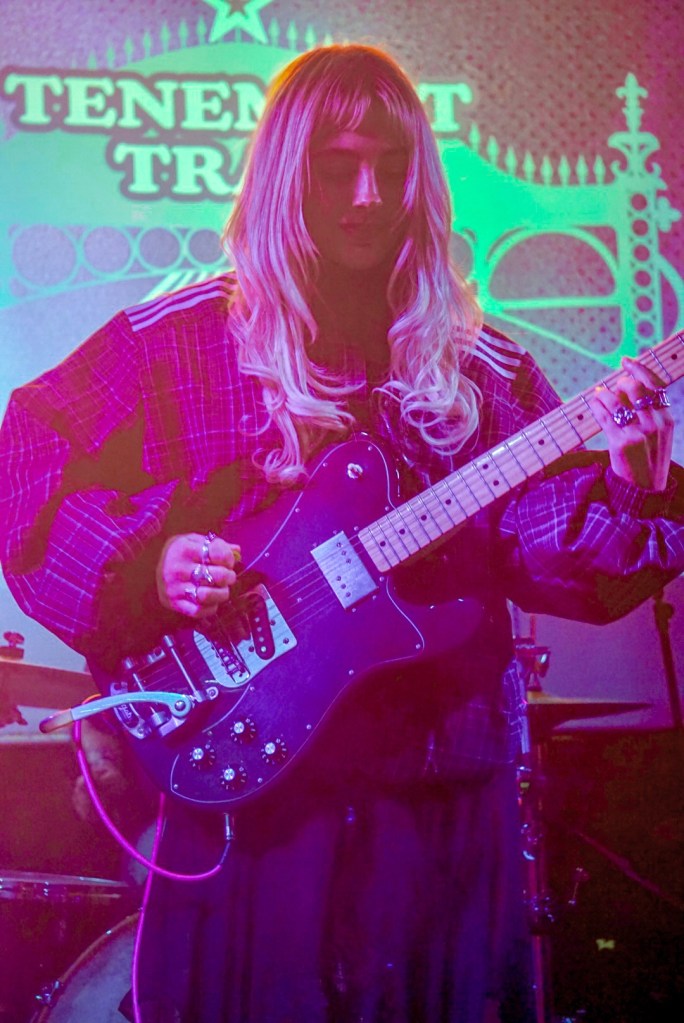
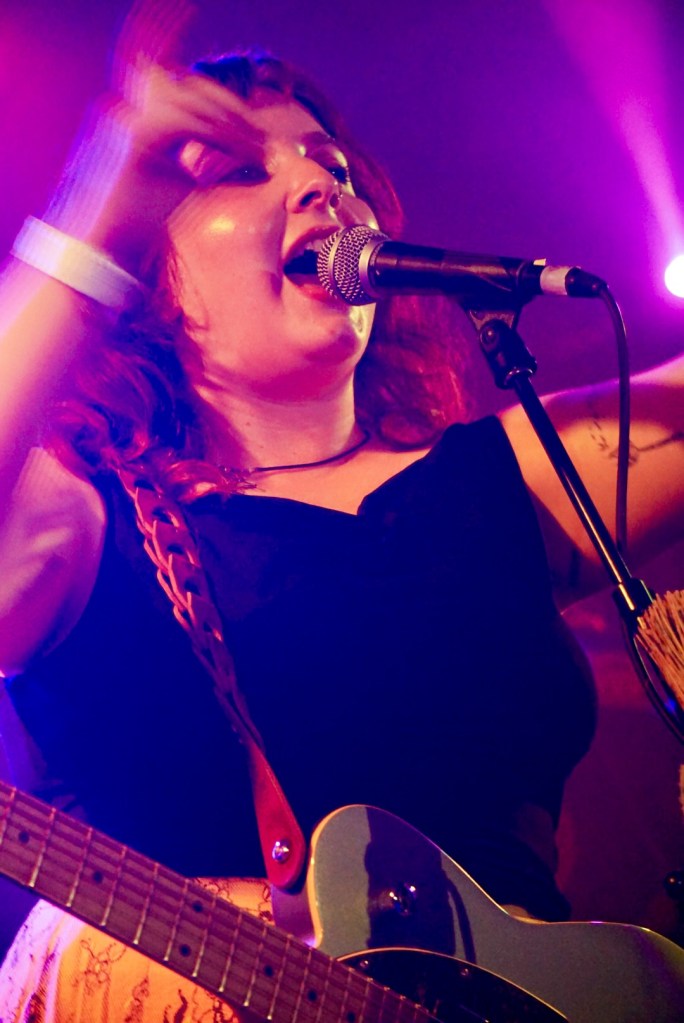
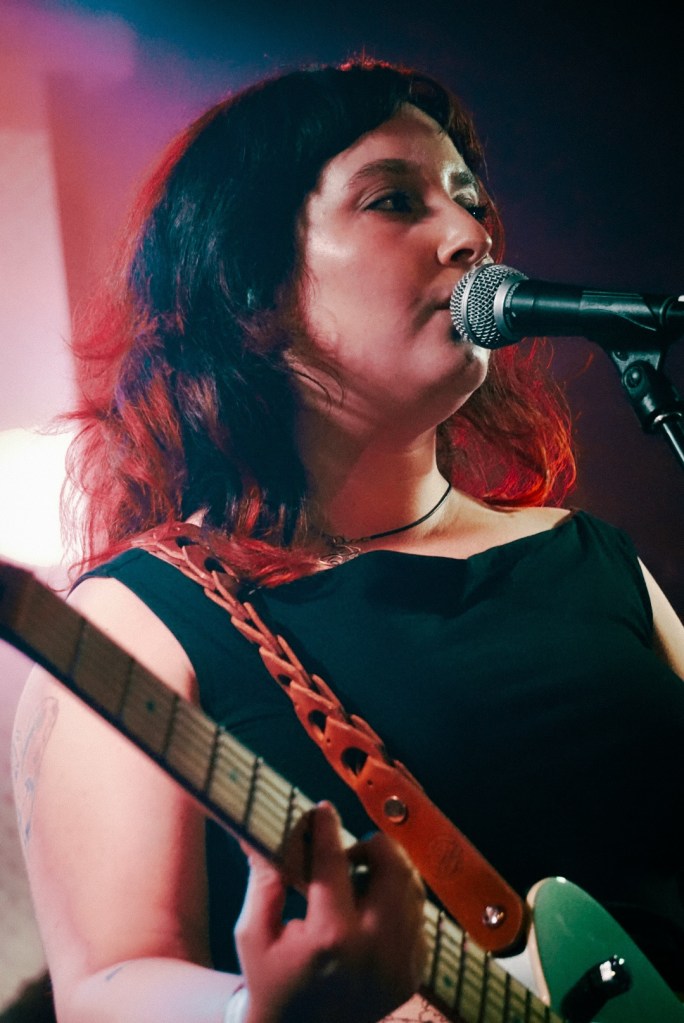
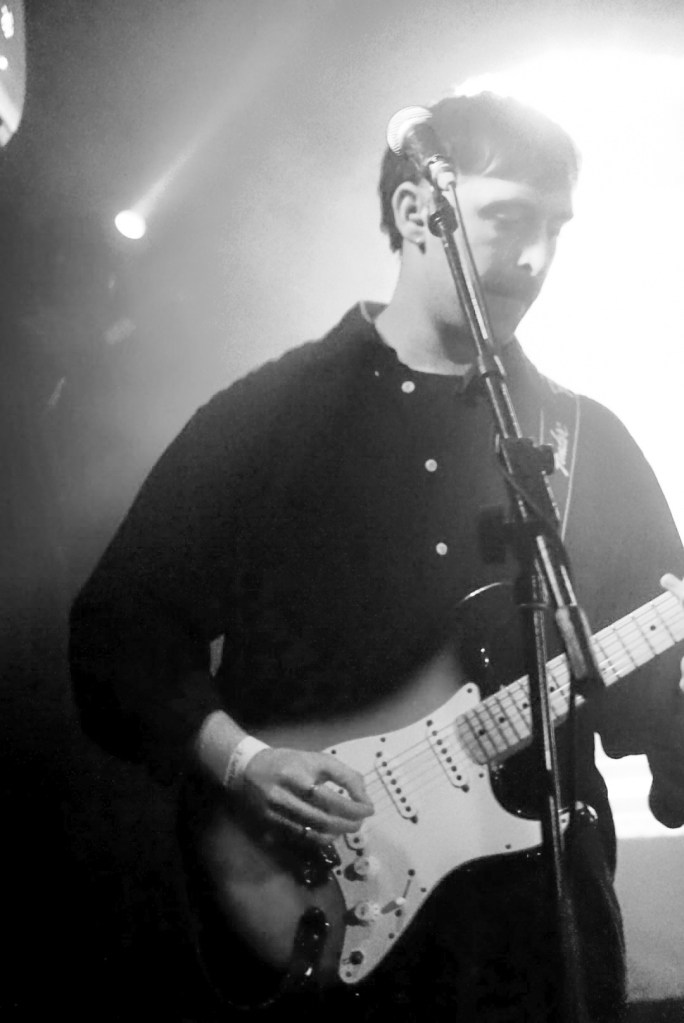
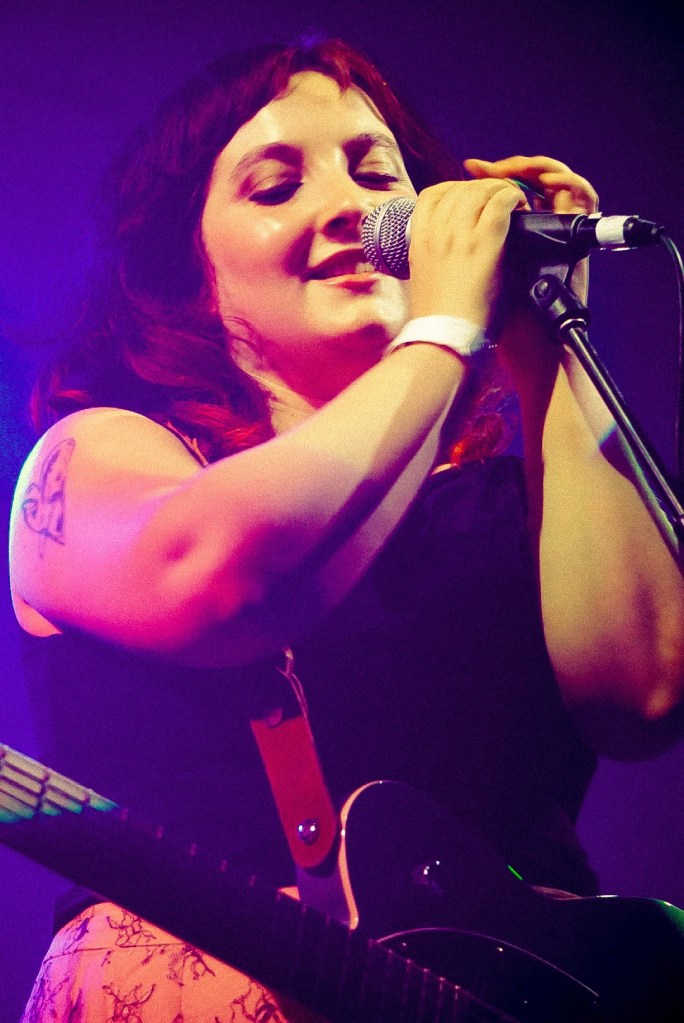
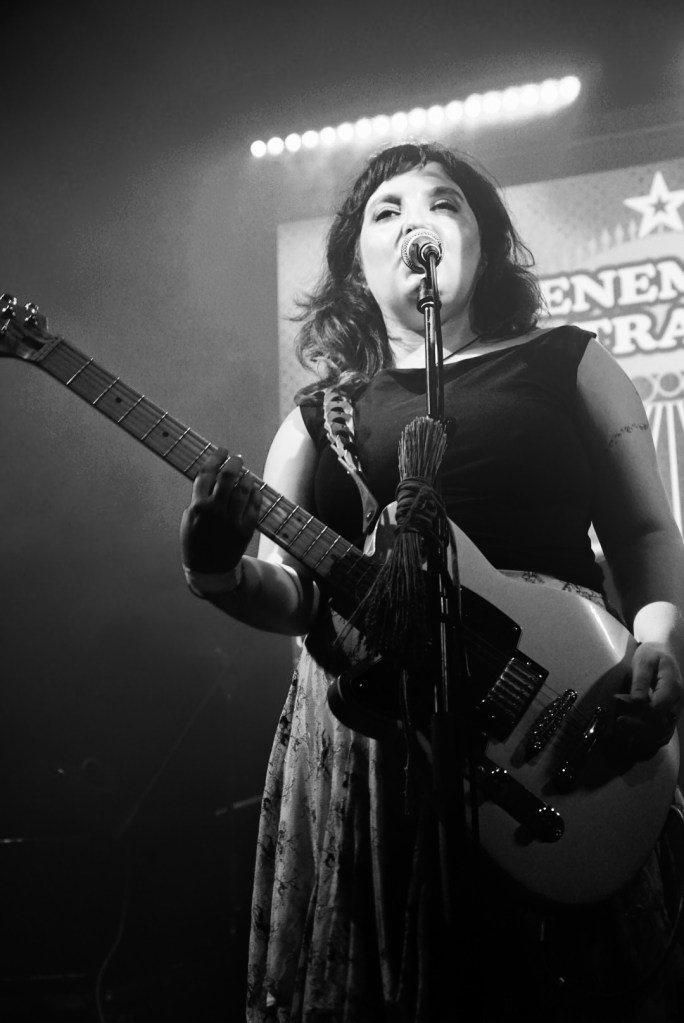
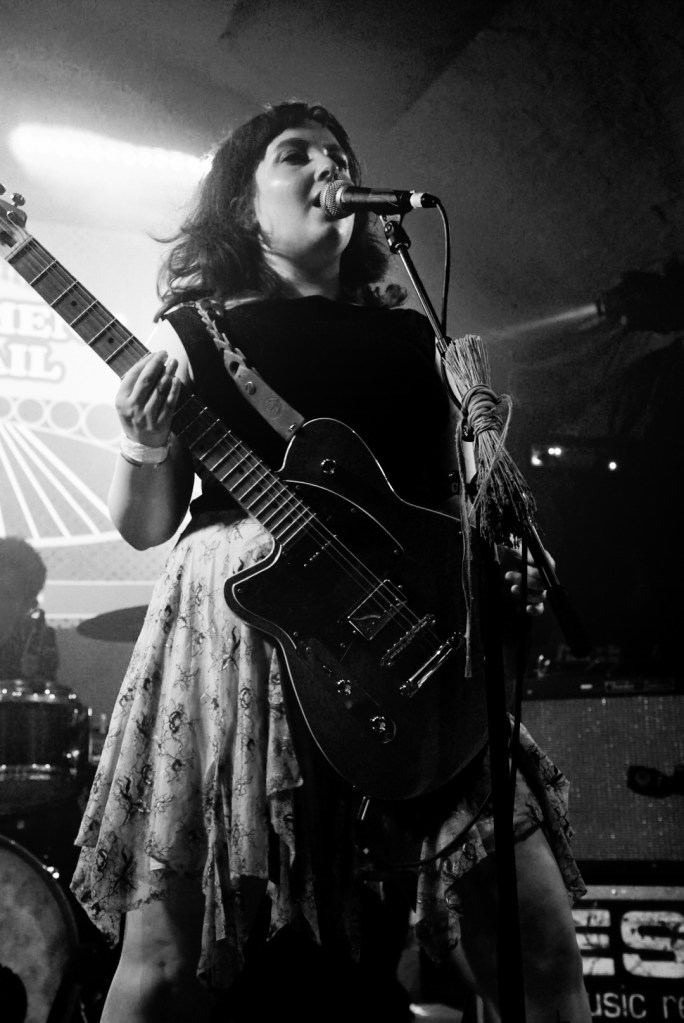
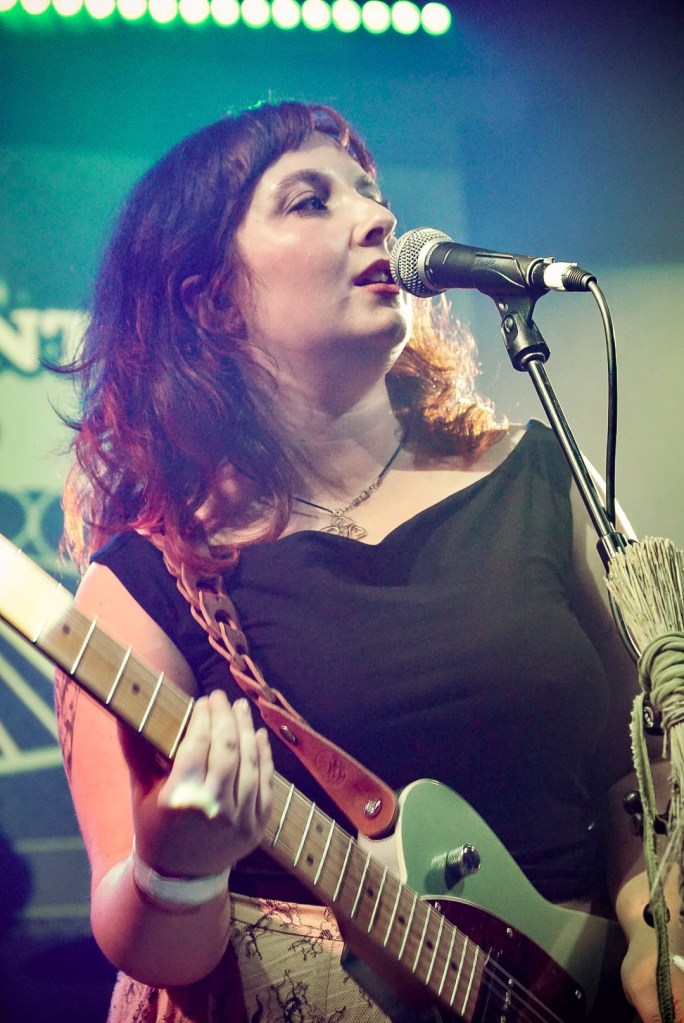
Tenement Trail 2026 was a reminder that Glasgow’s musical life is most compelling when it refuses to sit still. The festival’s crowded schedule can make it difficult to see everything, and the queues occasionally threatened to turn discovery into an endurance sport. But the same sprawling, slightly unruly structure is what gives the event its character.
The strongest moments came from the collisions: Lucia’s theatrical pop meeting Baby Strange’s guitar-driven swagger; Limonead bringing Gaelic into the world of contemporary rave; Brògeal turning folk into a mass singalong; Makeshift Art Bar carrying Belfast noise-rock into a Glasgow room. These were not all variations on one sound, and that was the point.
A festival this size will inevitably produce missed sets, imperfect choices and the nagging suspicion that the best thing happening in the city is taking place in the venue you didn’t choose. That is part of the deal. Tenement Trail is a map of possibilities rather than a checklist, and the reward is not necessarily seeing every big name. It is finding something you didn’t know you needed to hear.
Glasgow has never lacked for bands, attitude or people prepared to argue about both. Tenement Trail gathers those instincts into one gloriously overstuffed day — occasionally chaotic, frequently surprising and at its best when it lets the music do the talking.
Article: Angela Canavan & Natalie Vanderpool
Images: Angela Canavan & Marco Cornelli