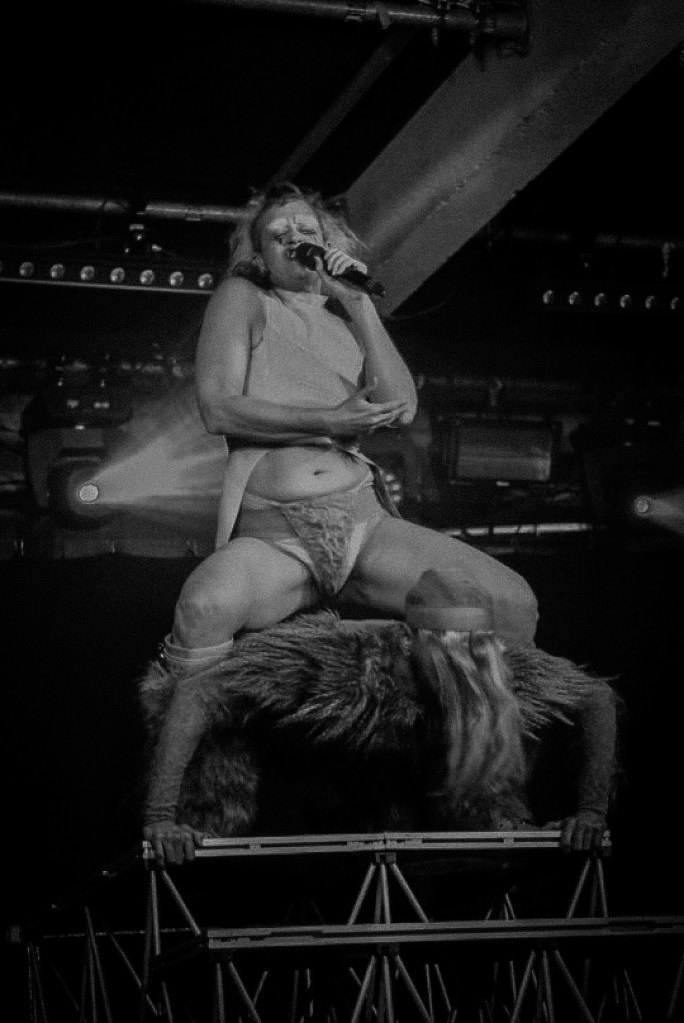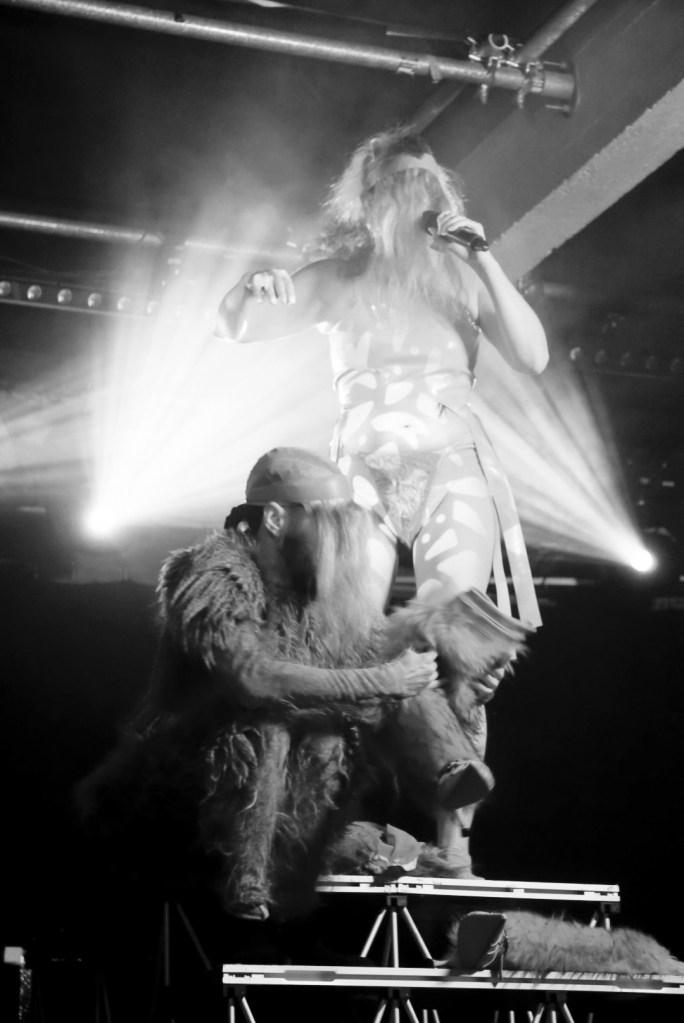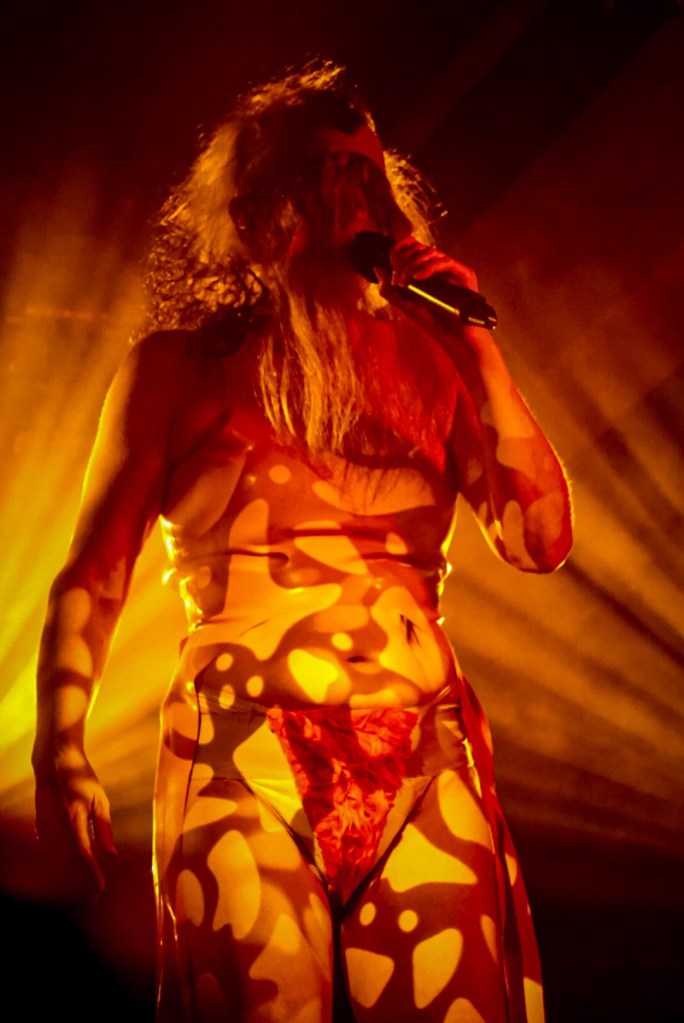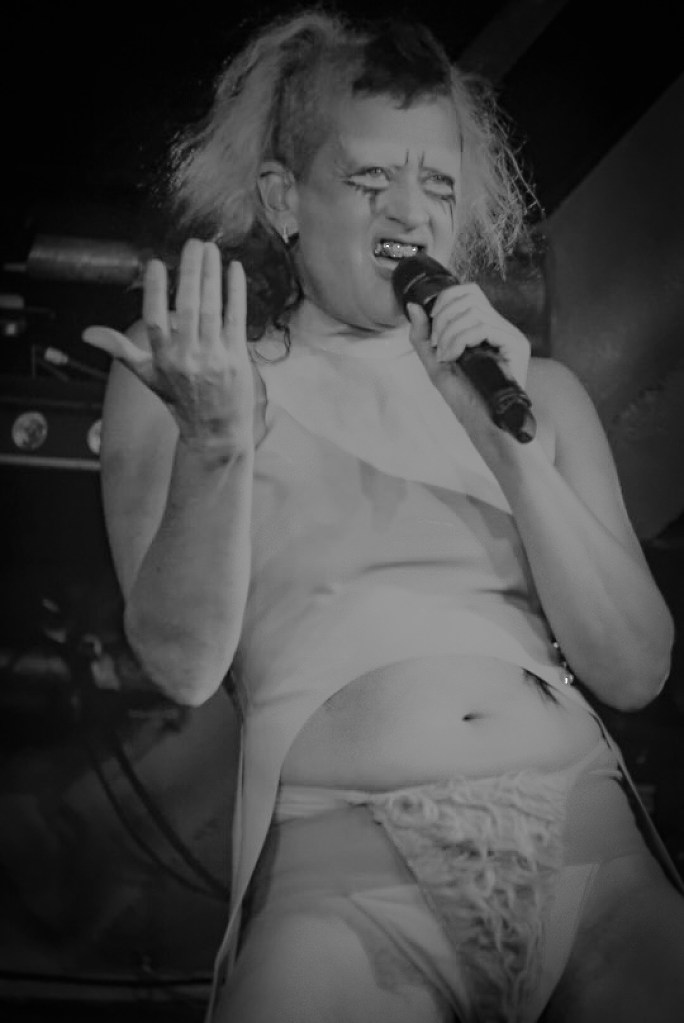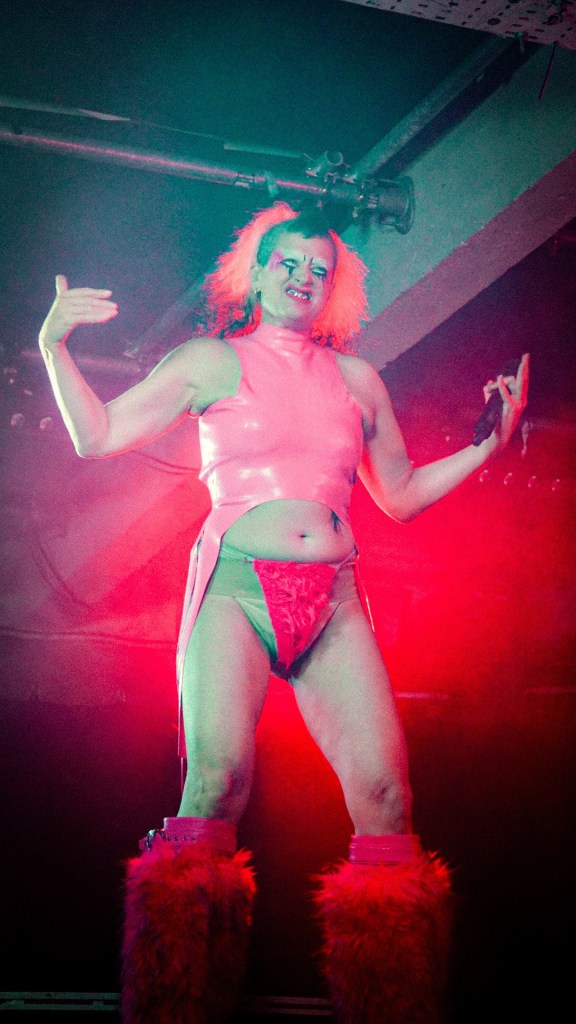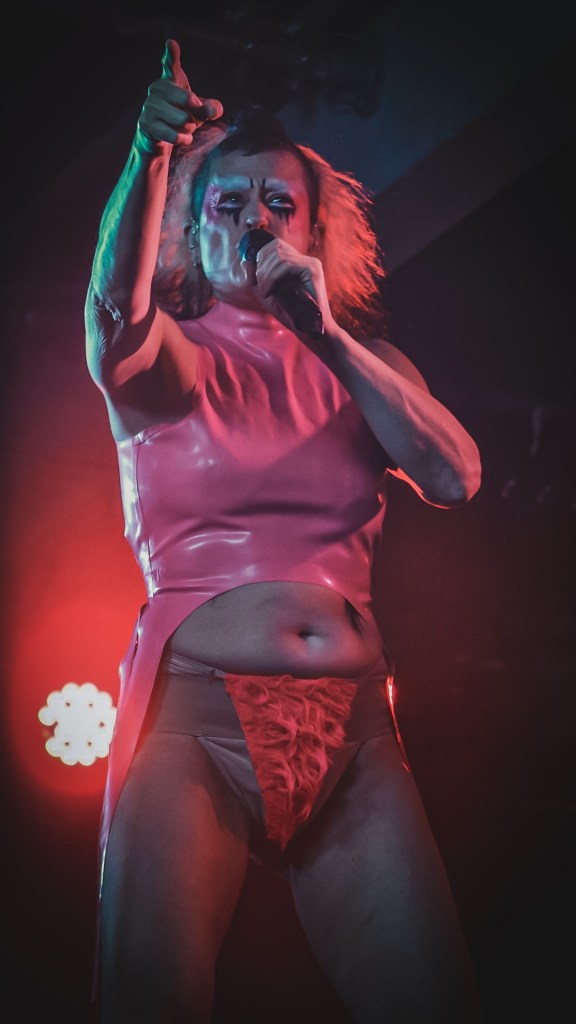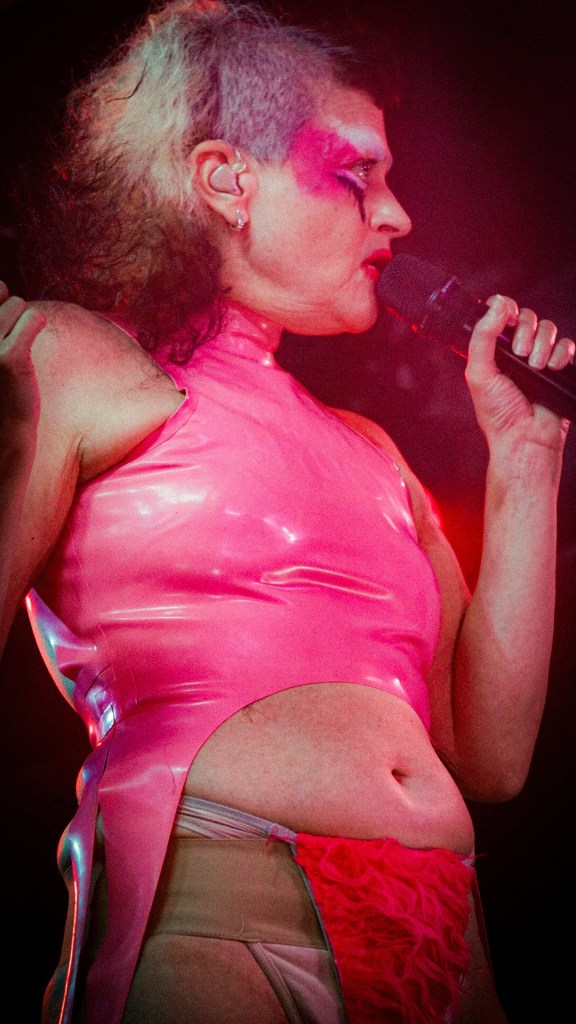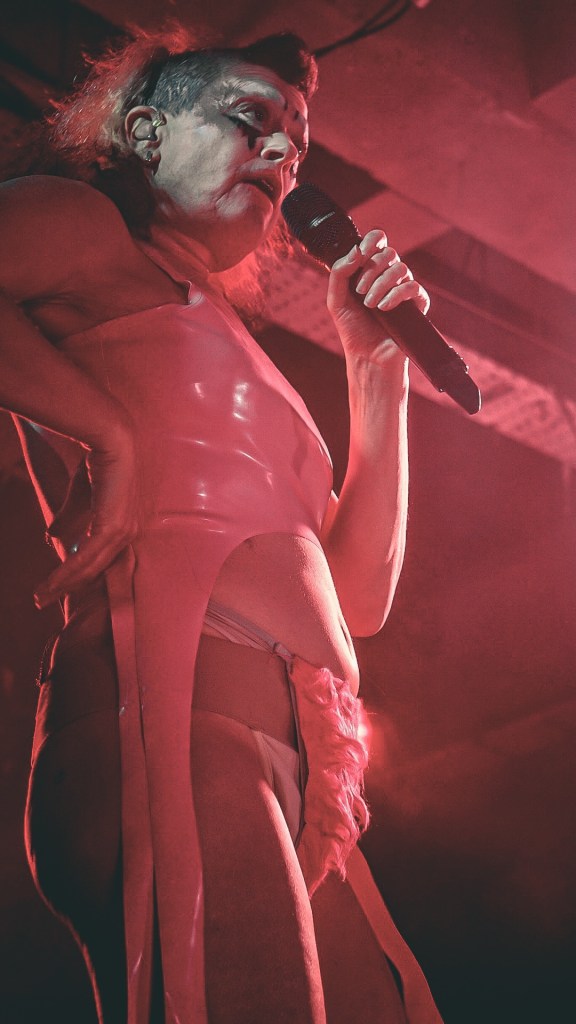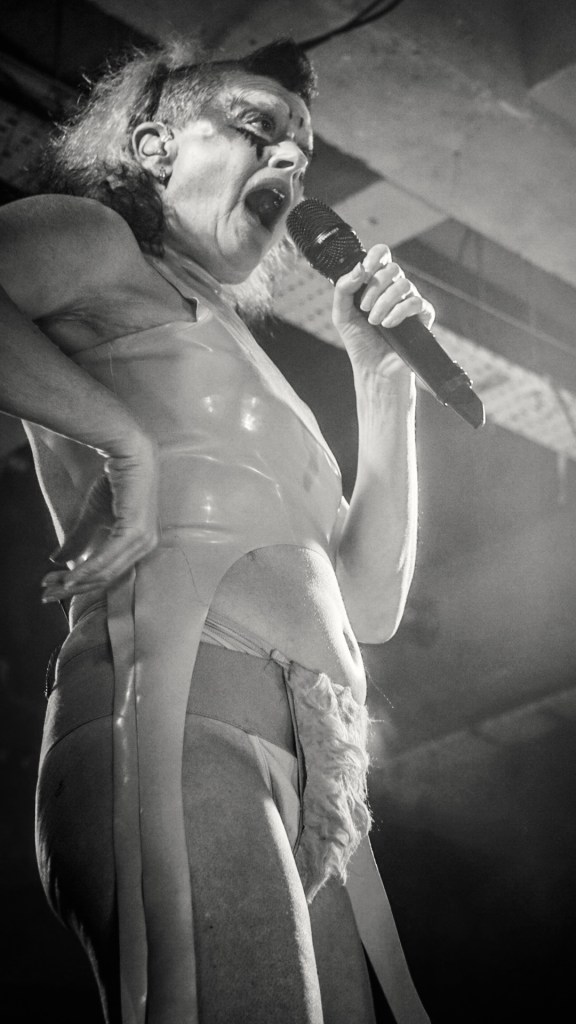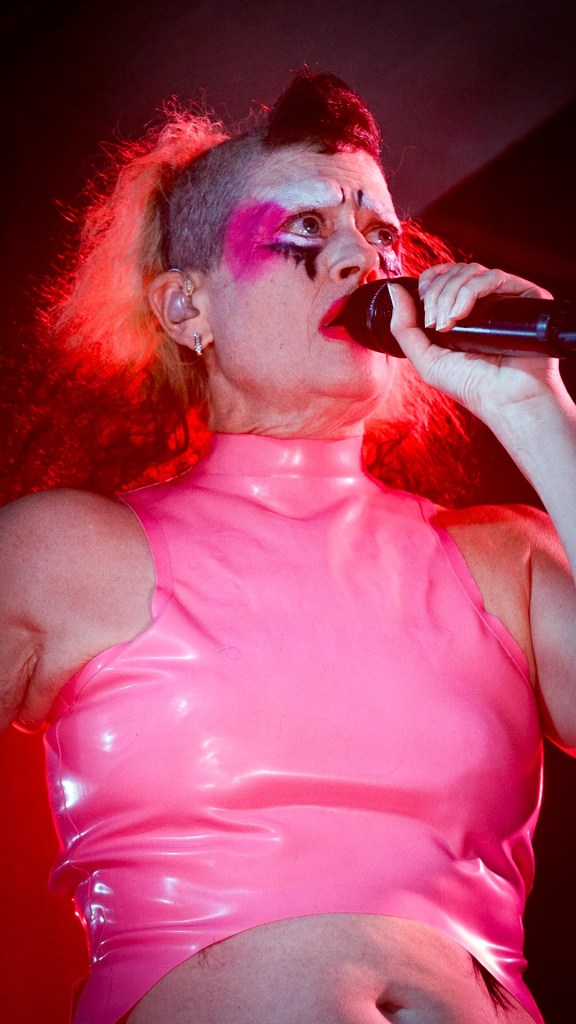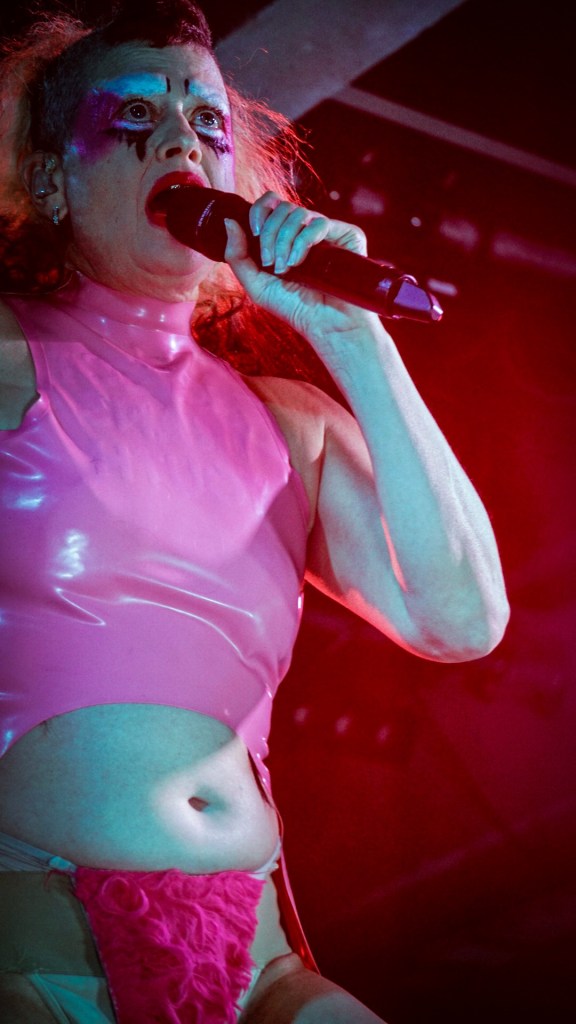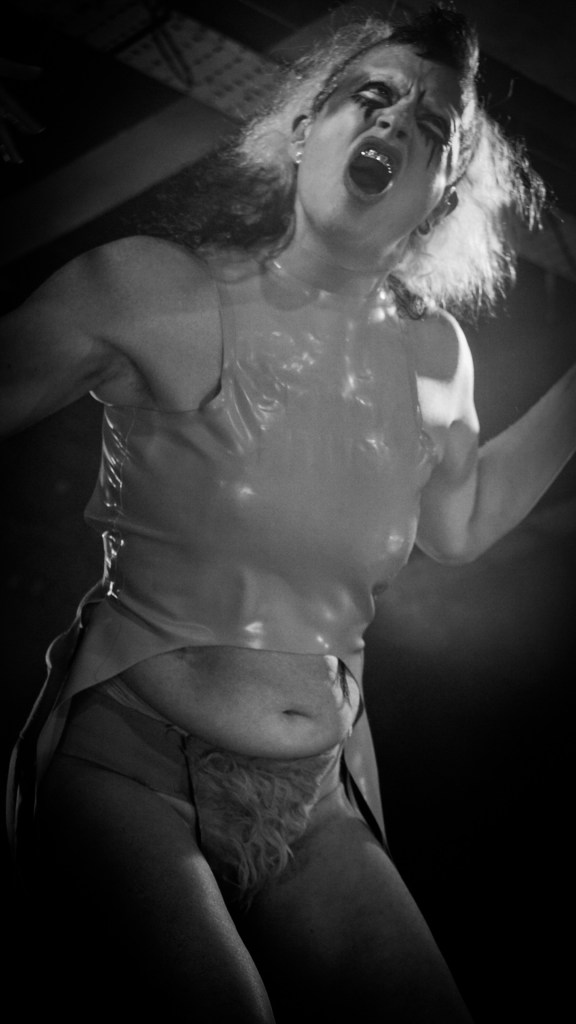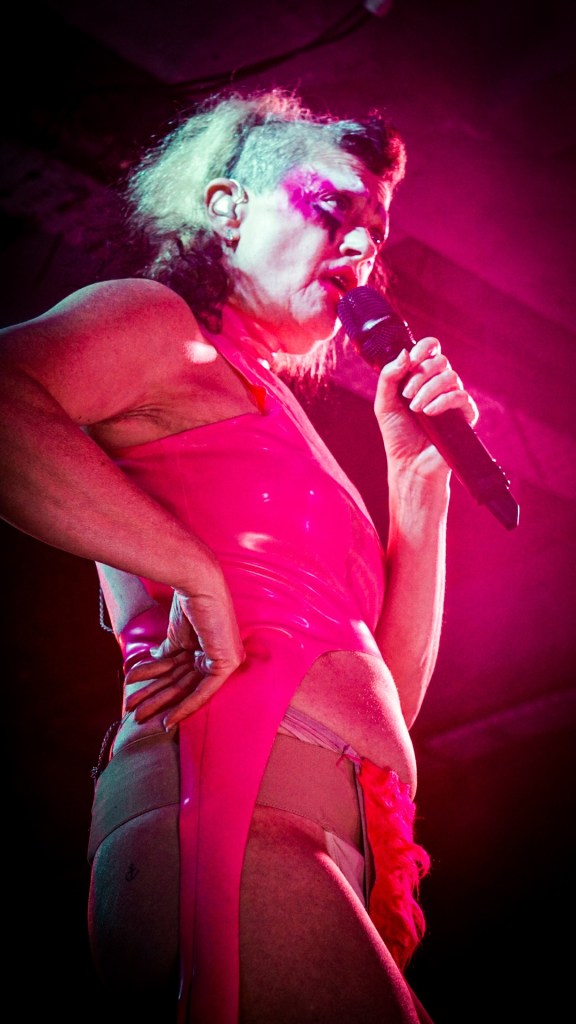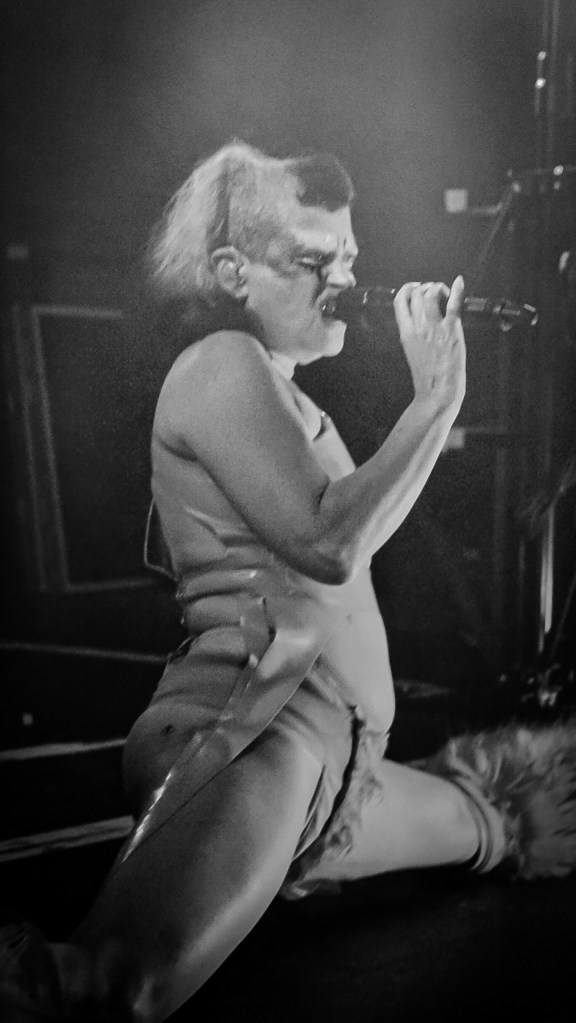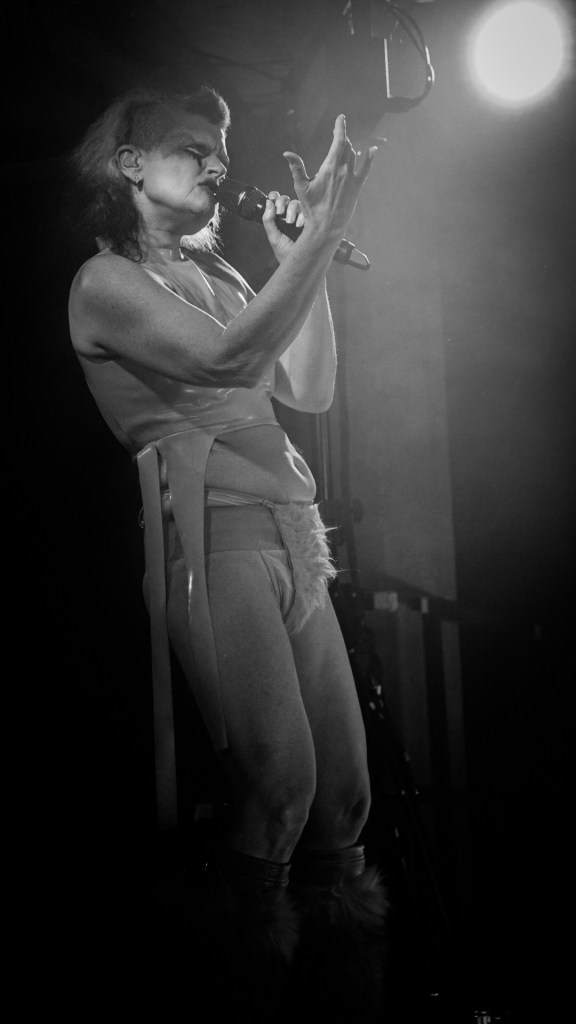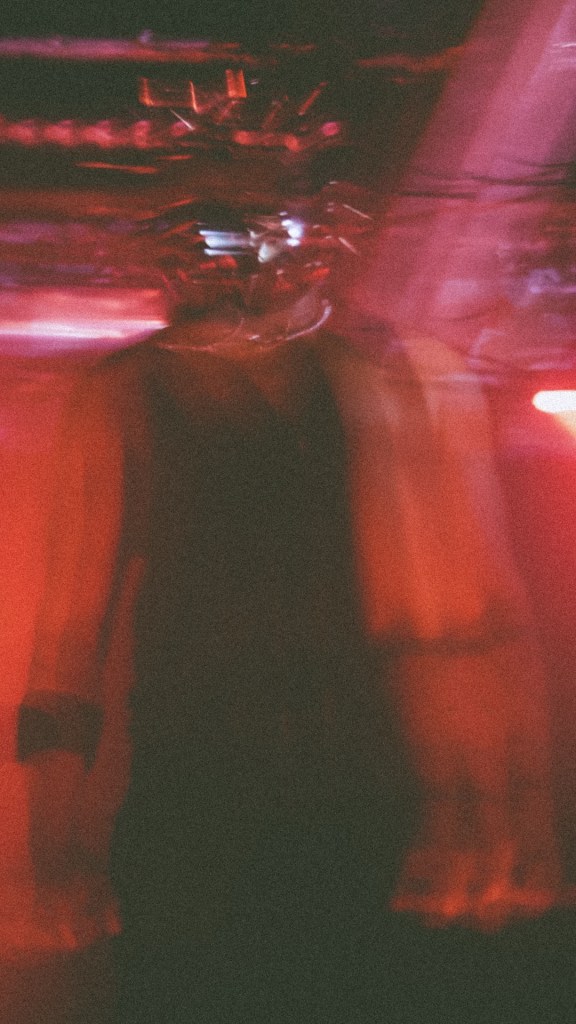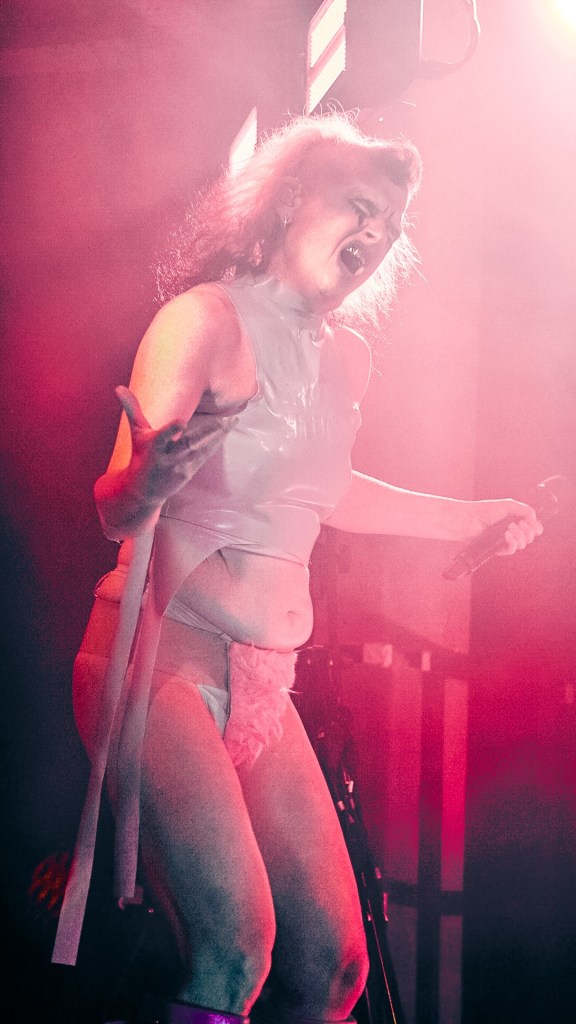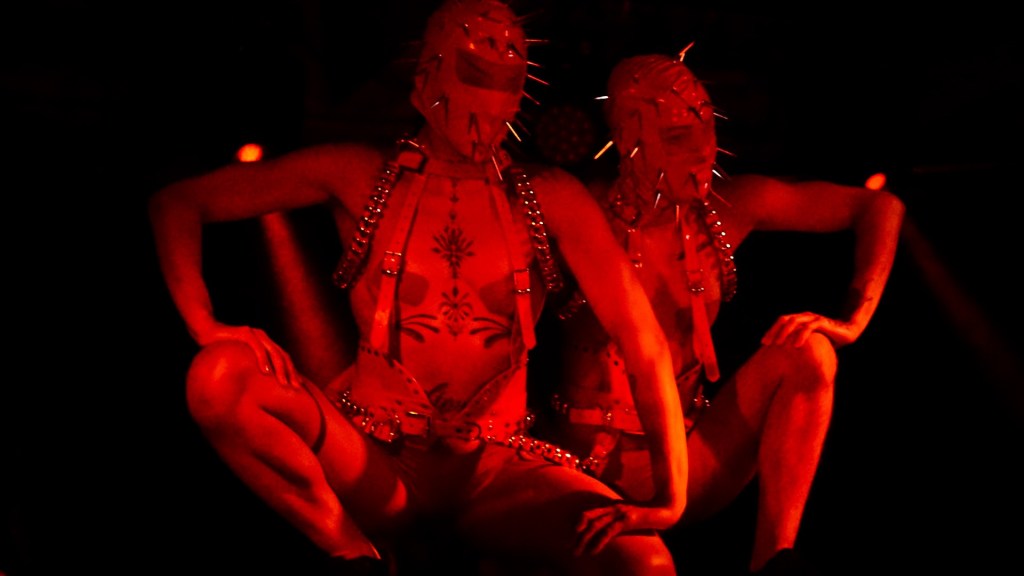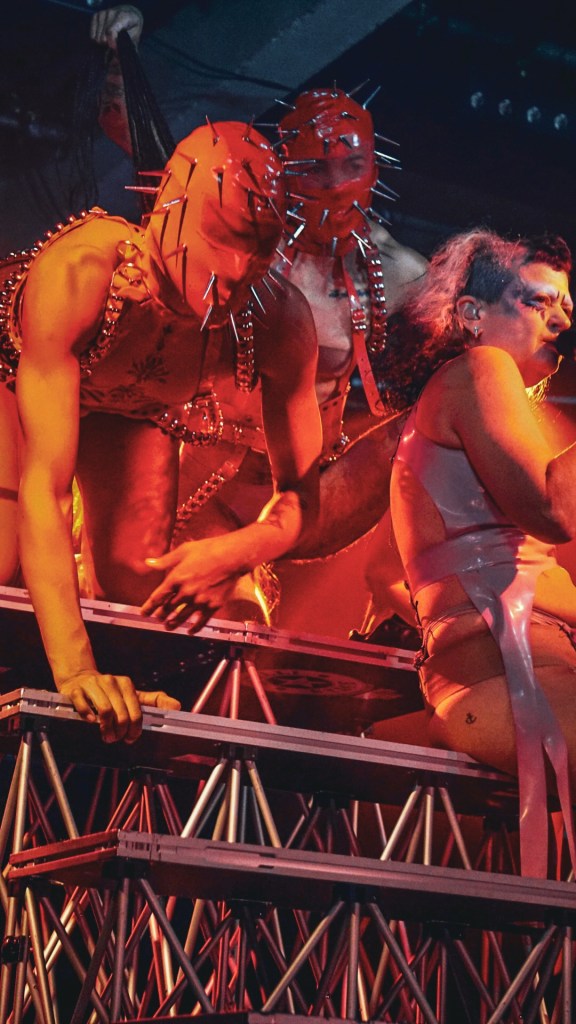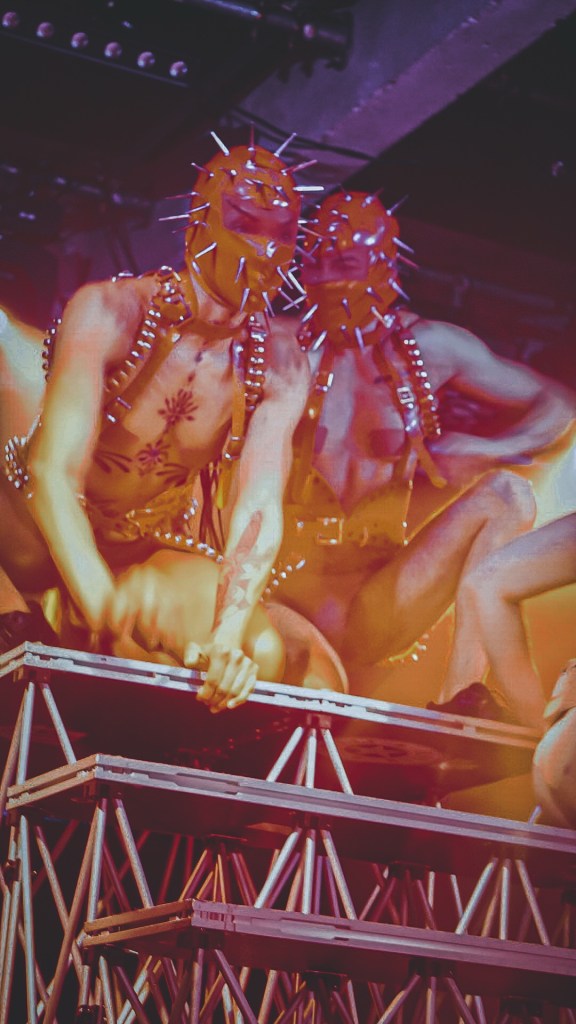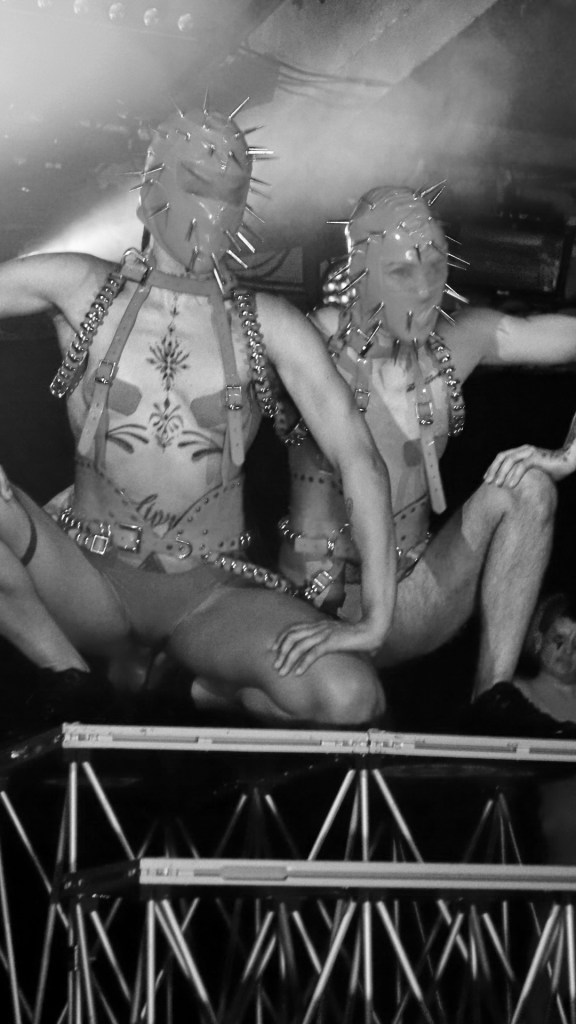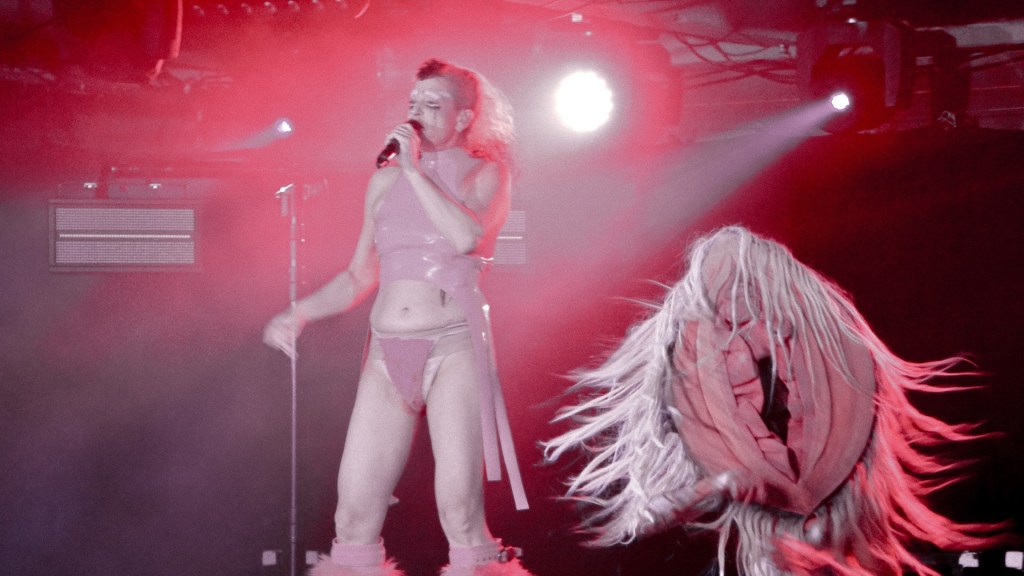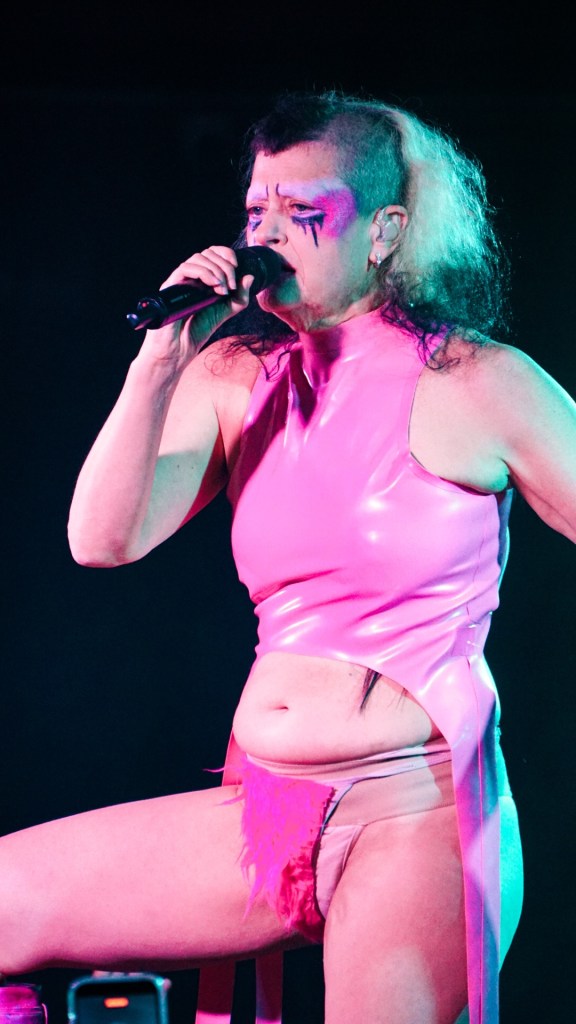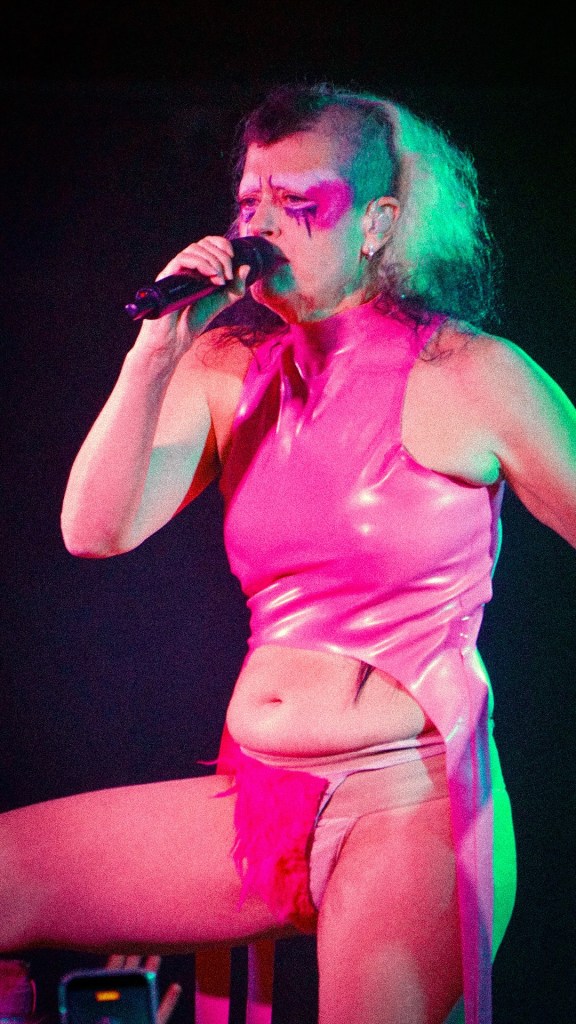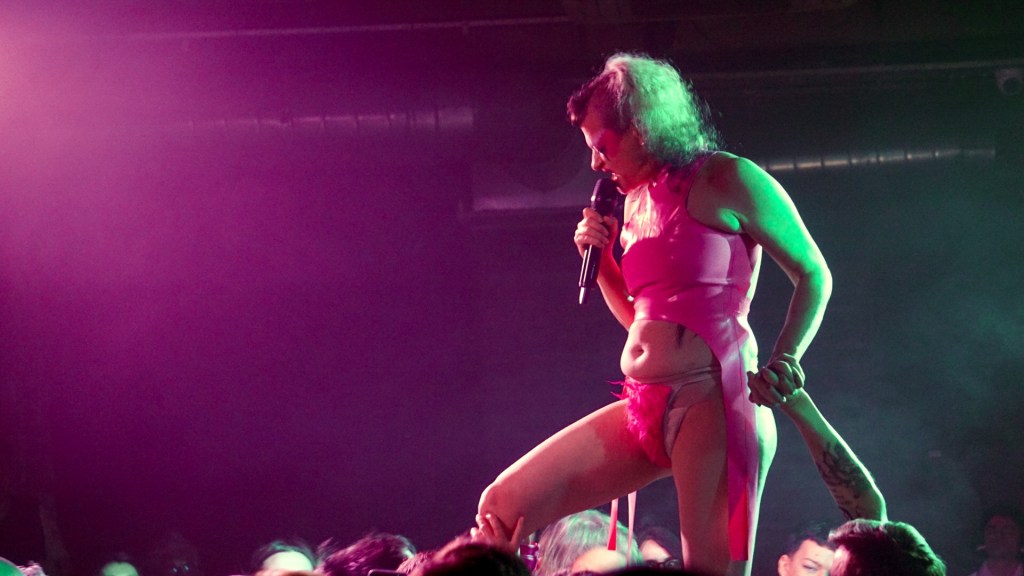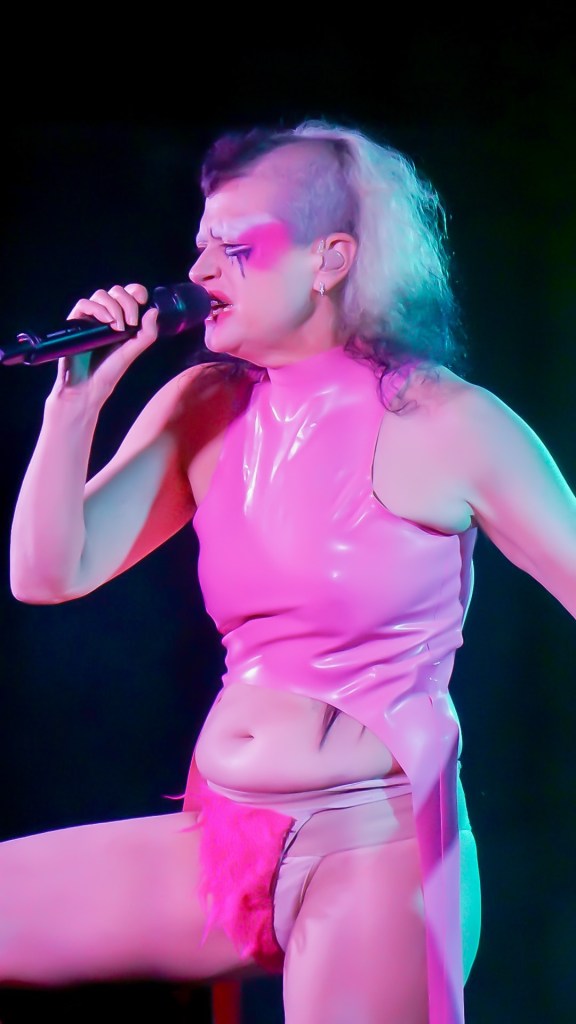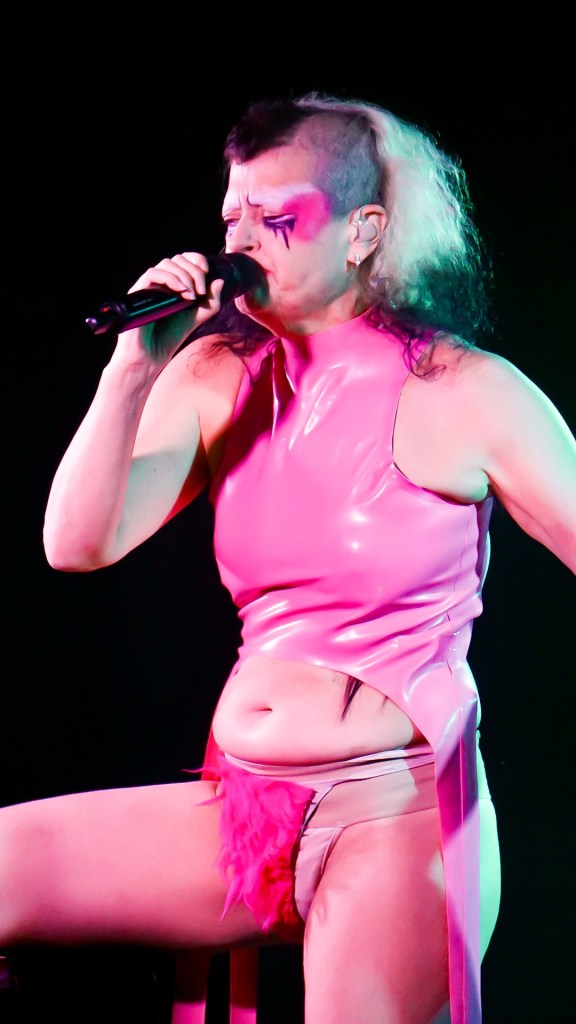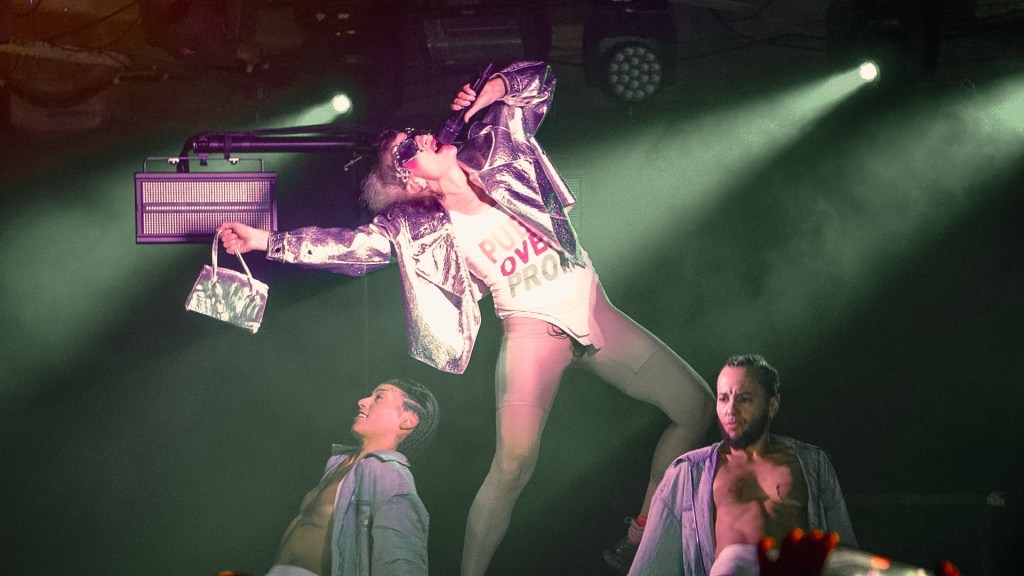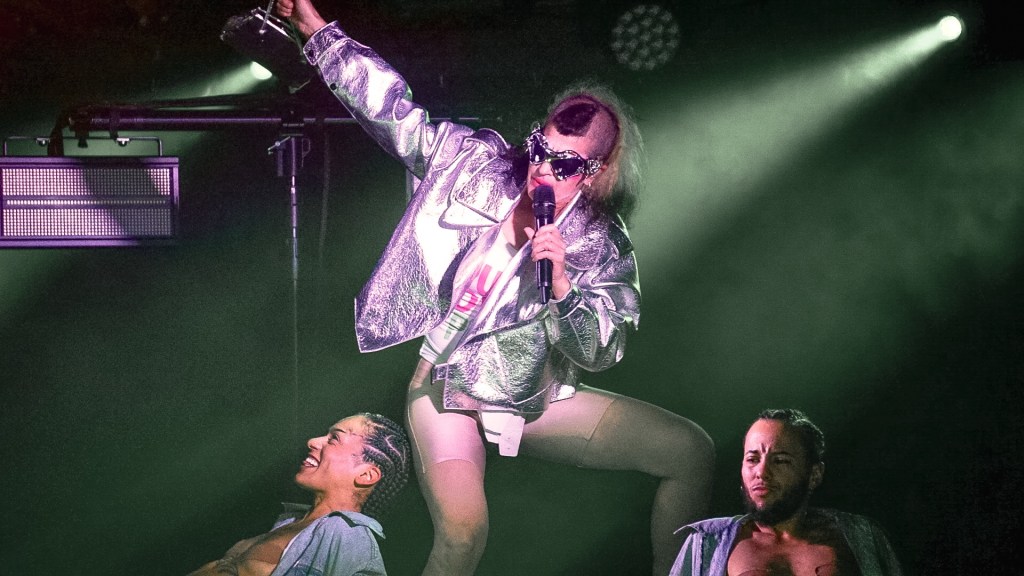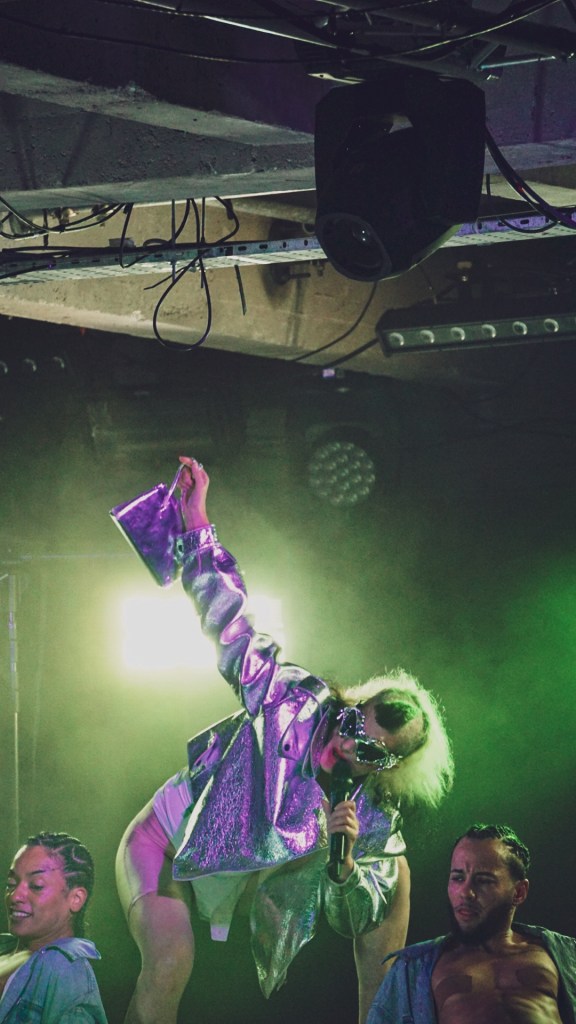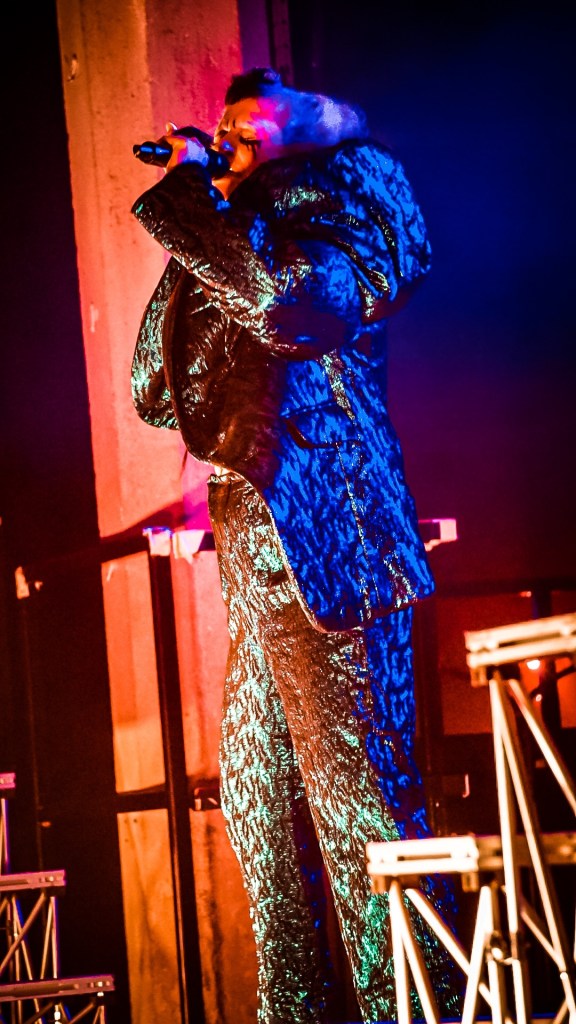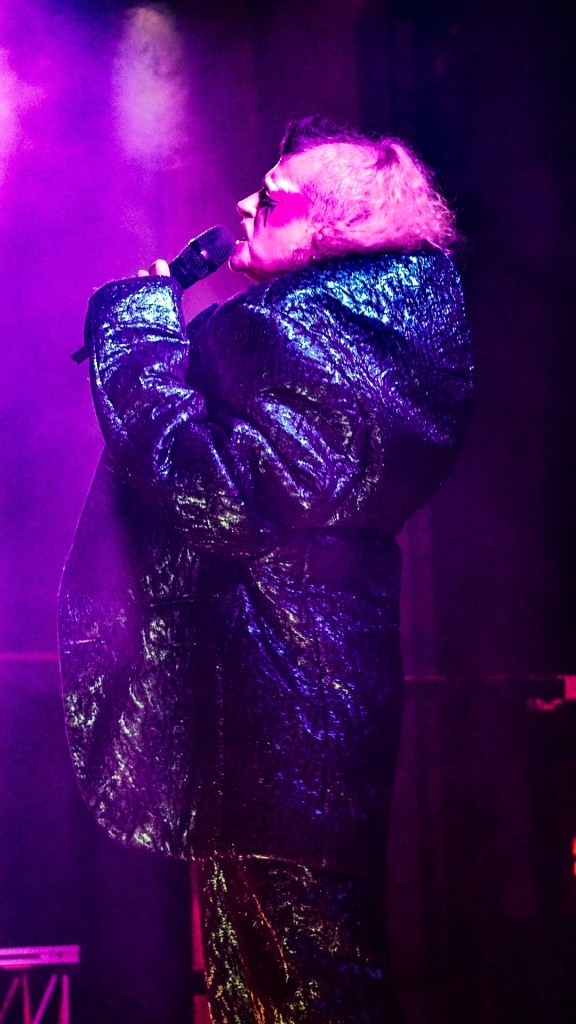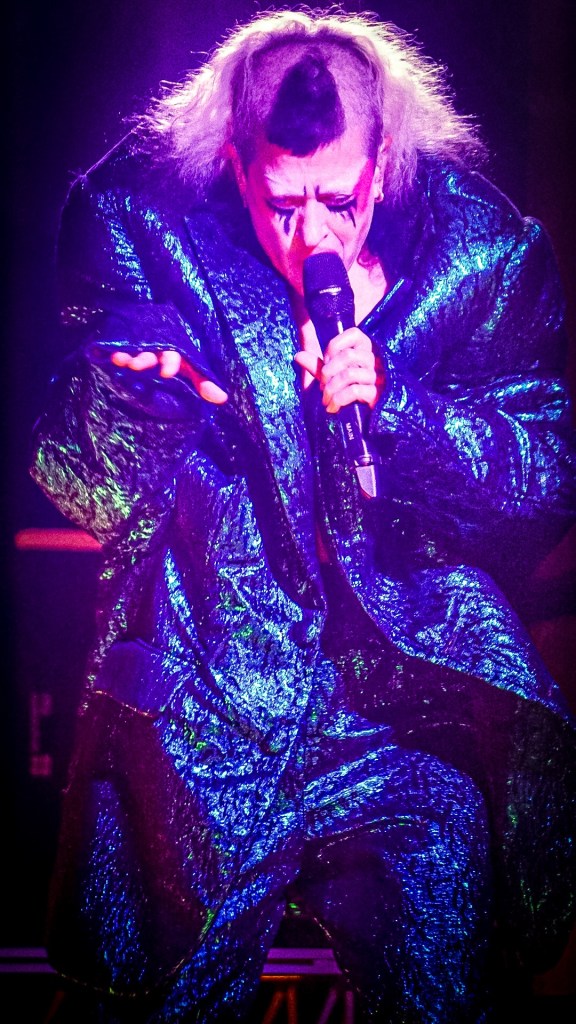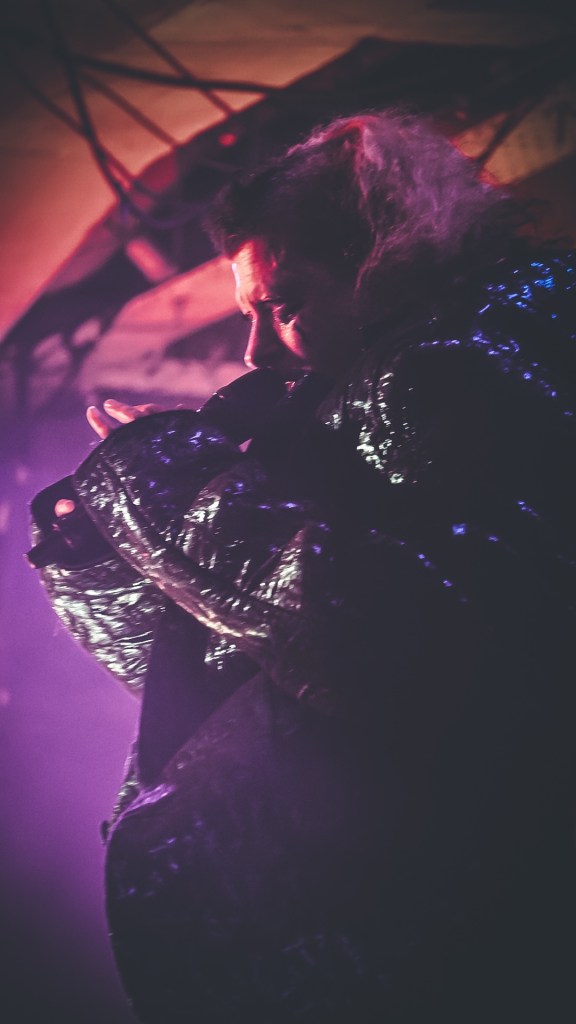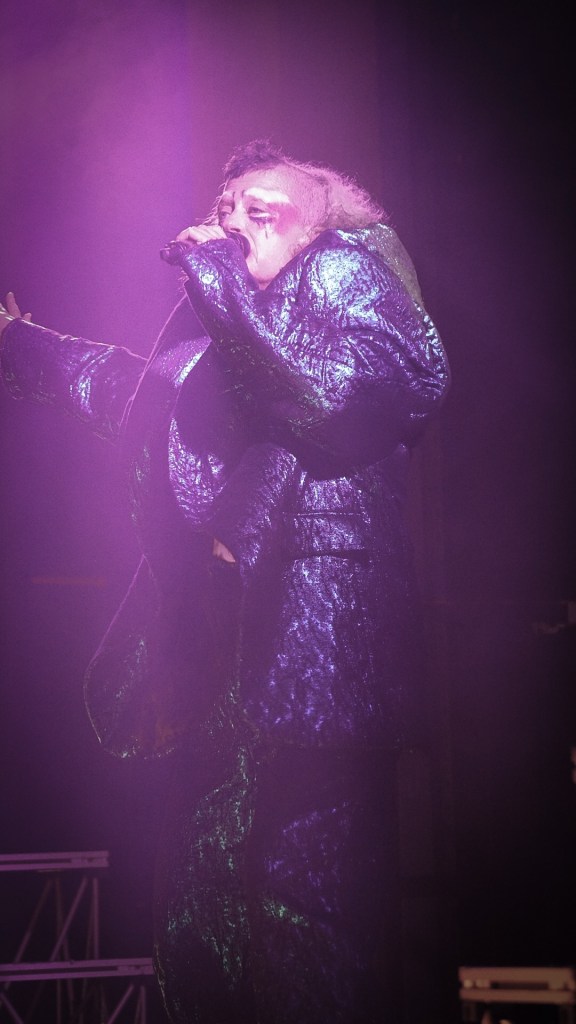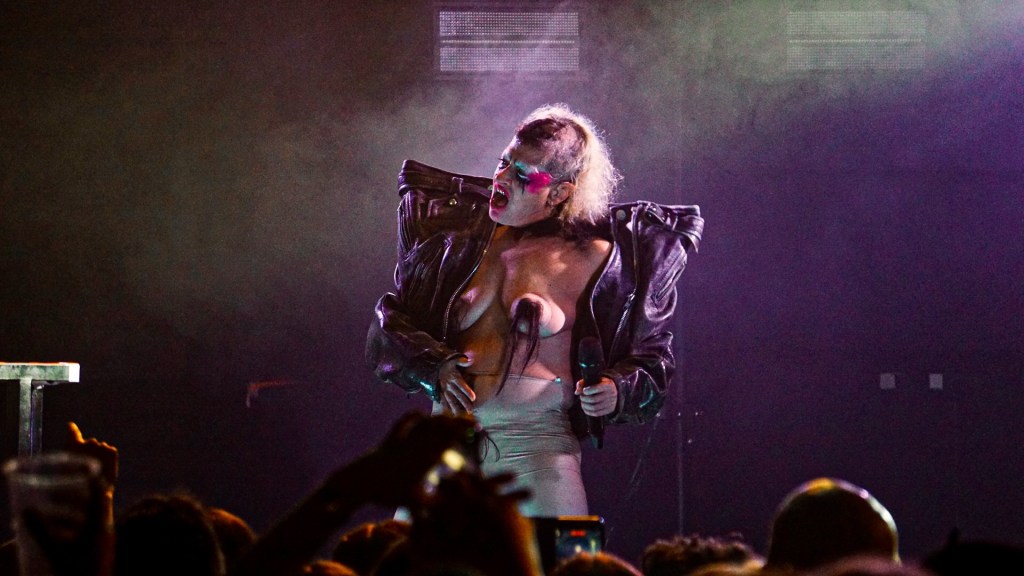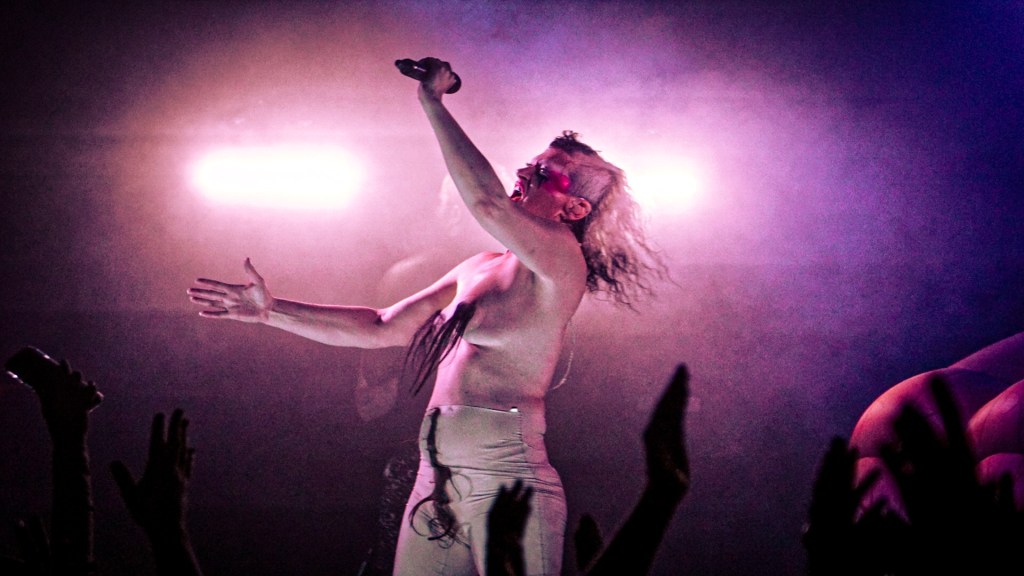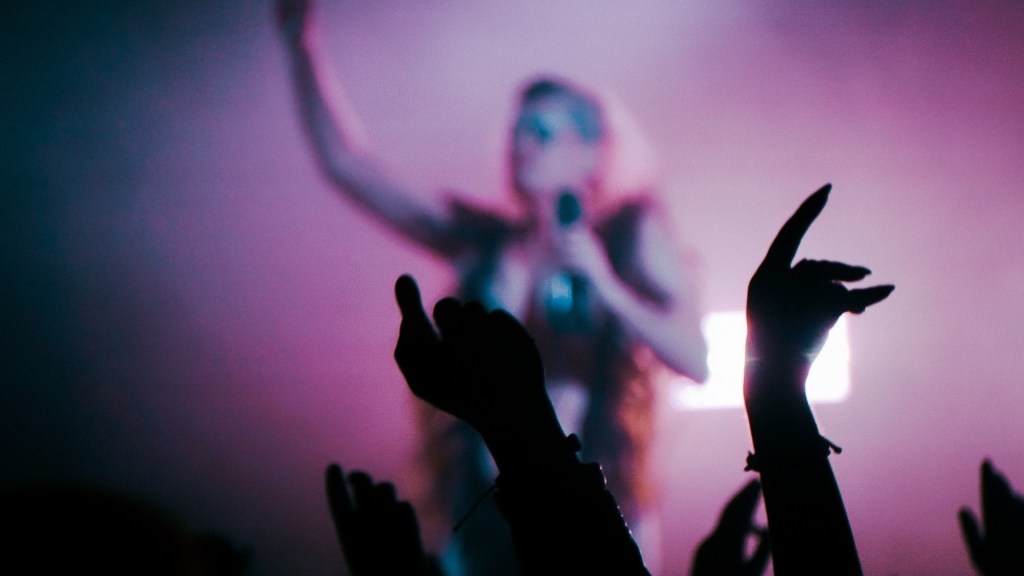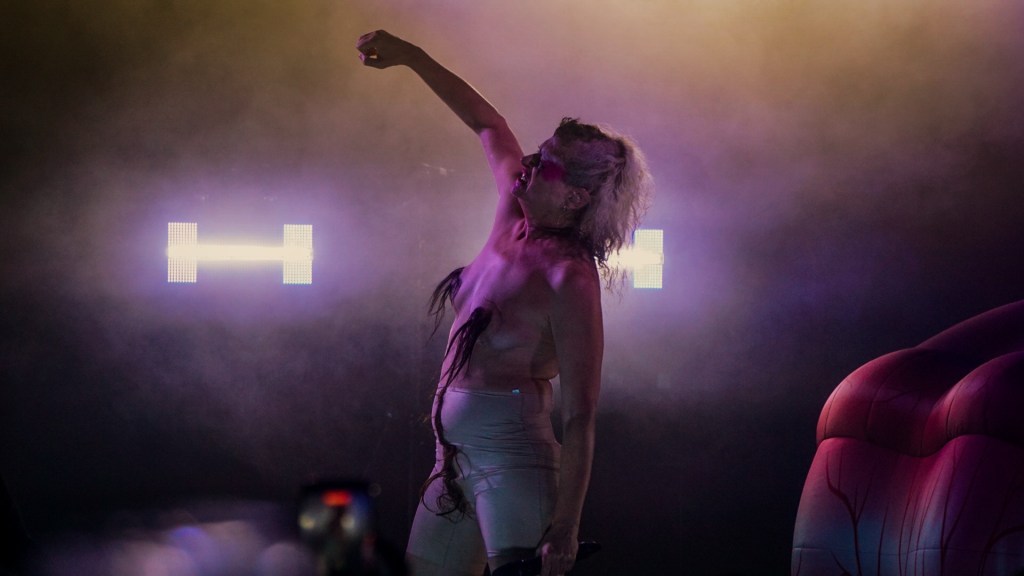
There are gigs, and then there are happenings—rituals where sweat, satire and sex collide into something closer to performance art than pop. Peaches at SWG3 in Glasgow is emphatically the latter: a glorious, grubby sermon delivered in latex, hair and righteous noise, dedicated—fittingly—to Pam Hogg, the grande dame of punk couture. Hogg, a Scottish fashion designer whose work has long flirted with provocation and subversion, feels less like a dedication and more like a co-conspirator in spirit.
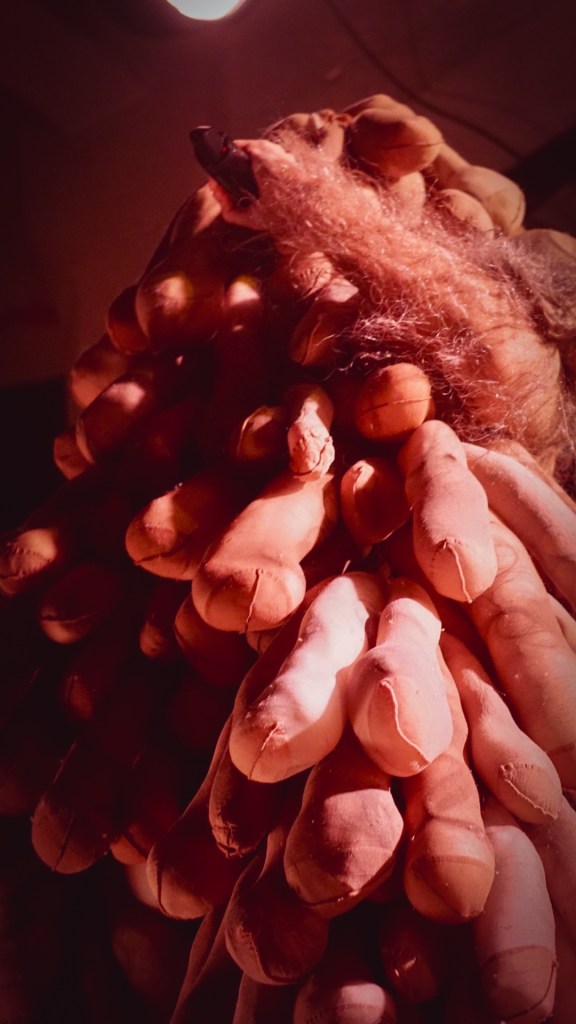
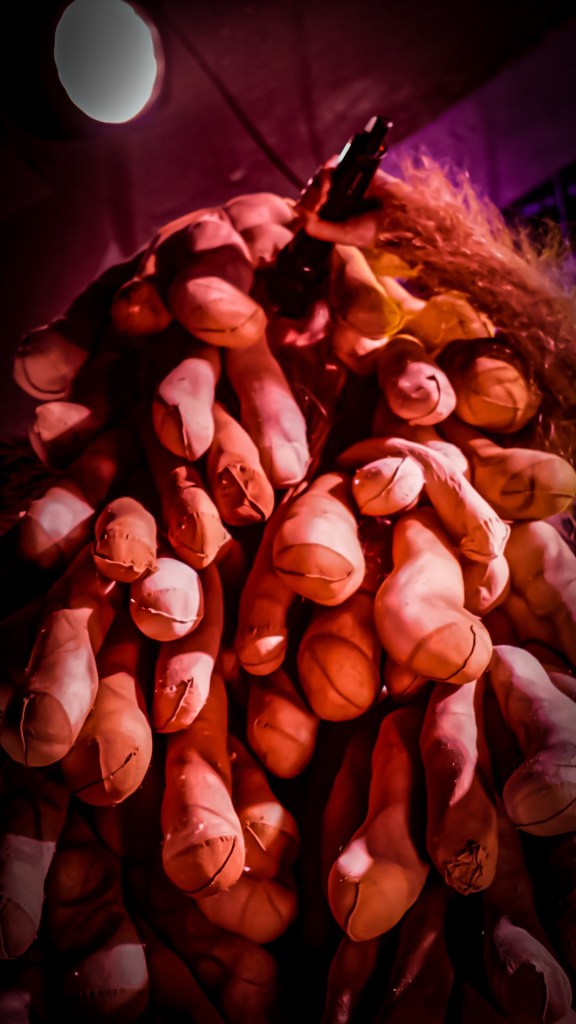
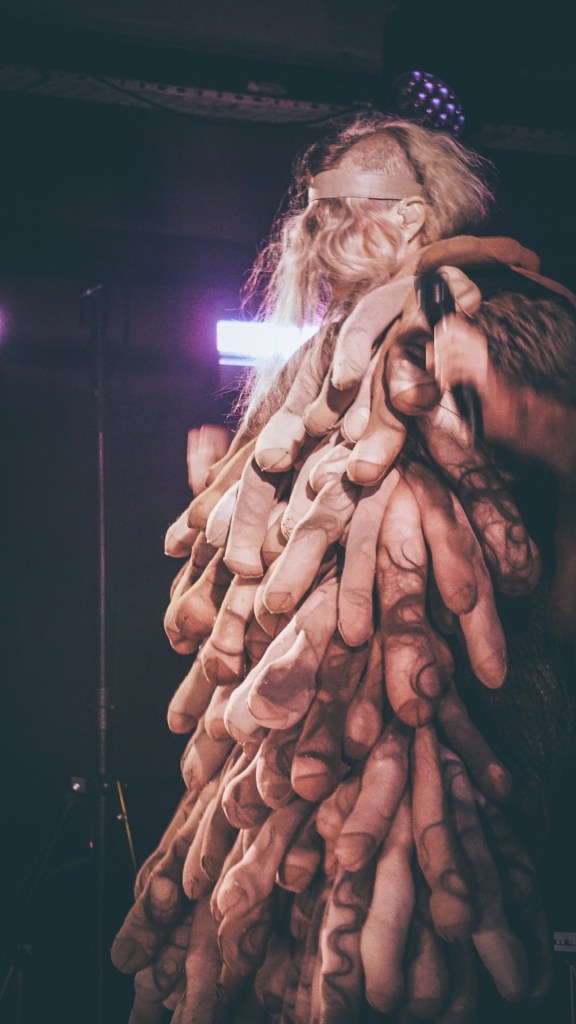
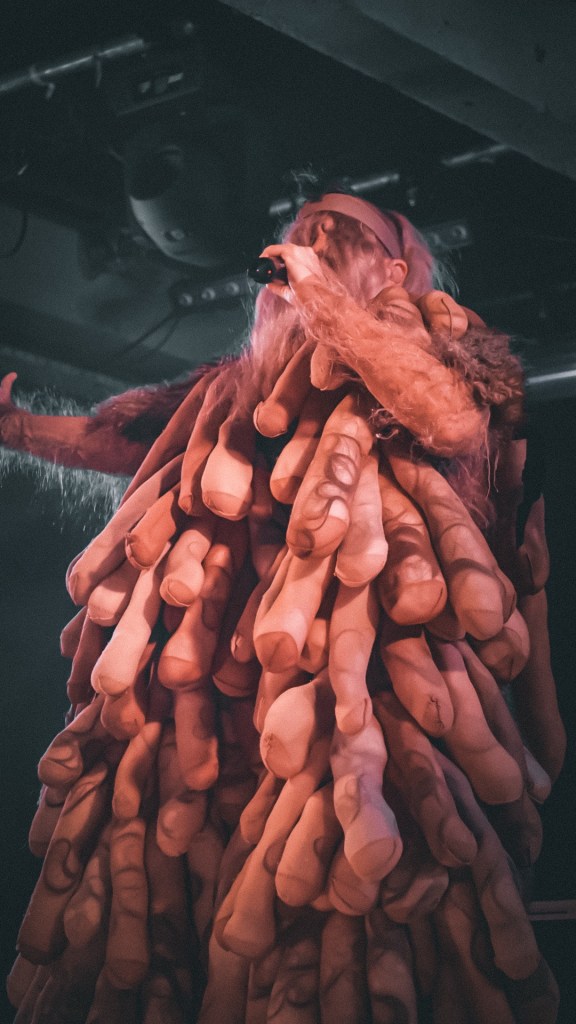
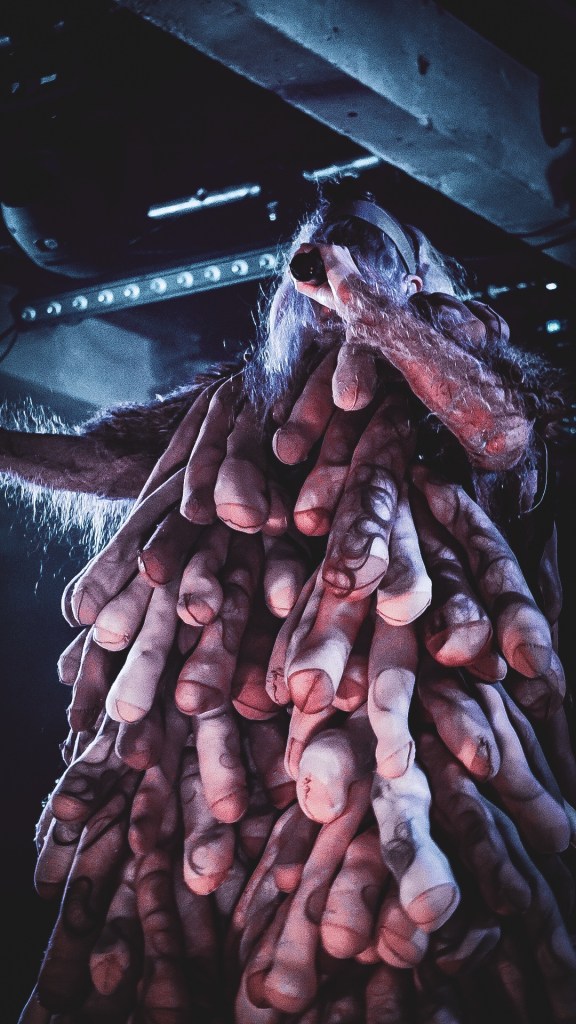
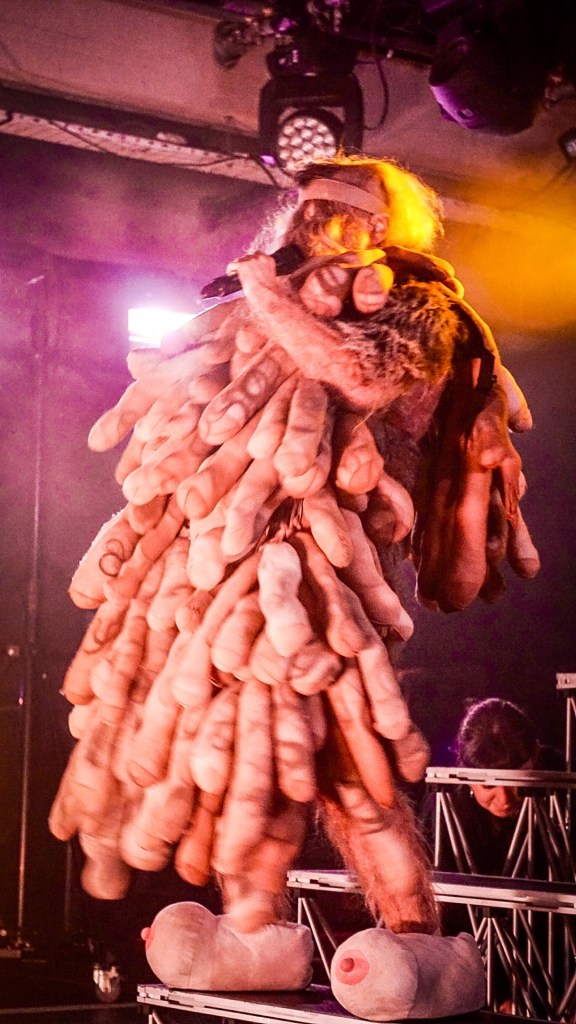
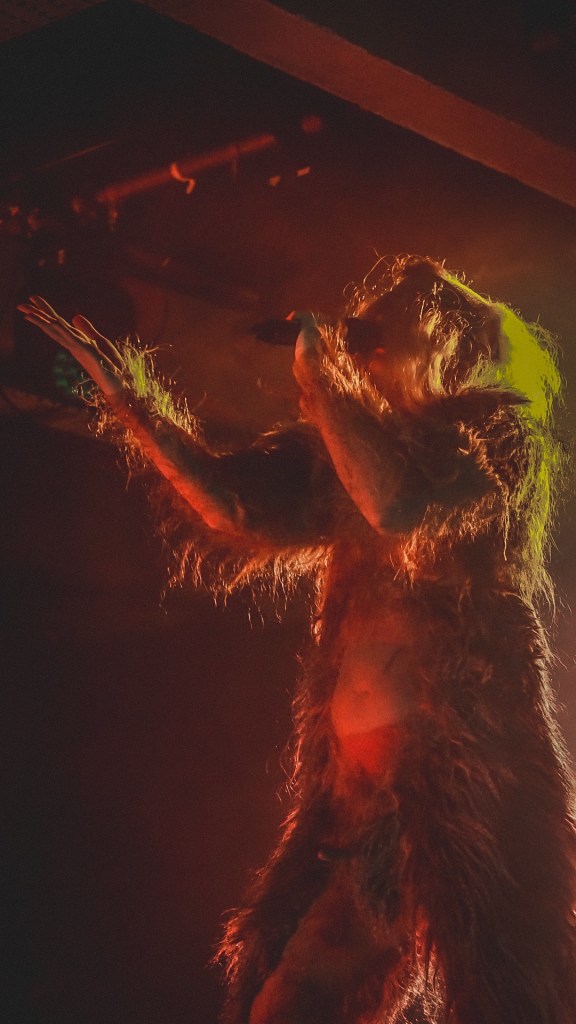
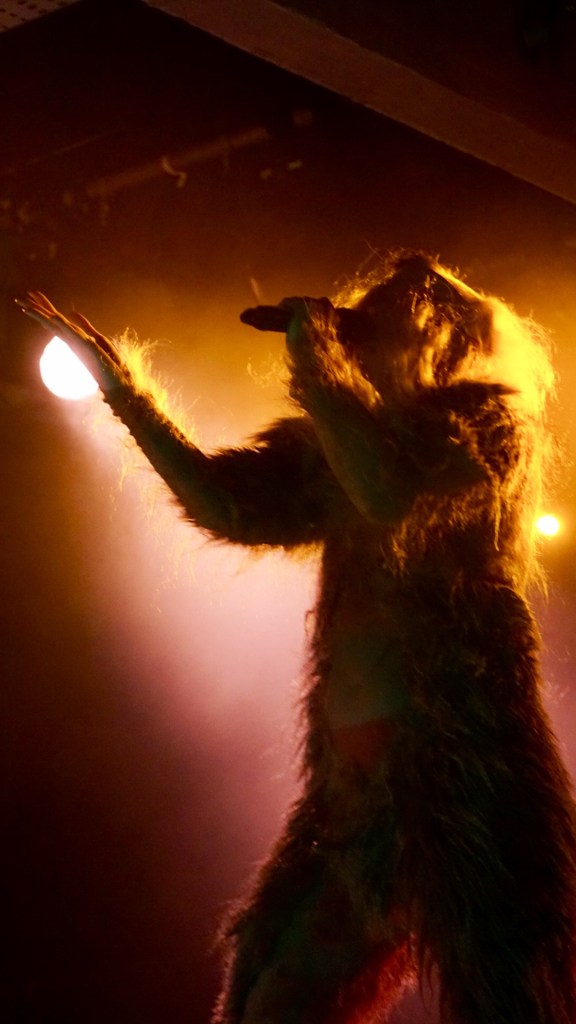
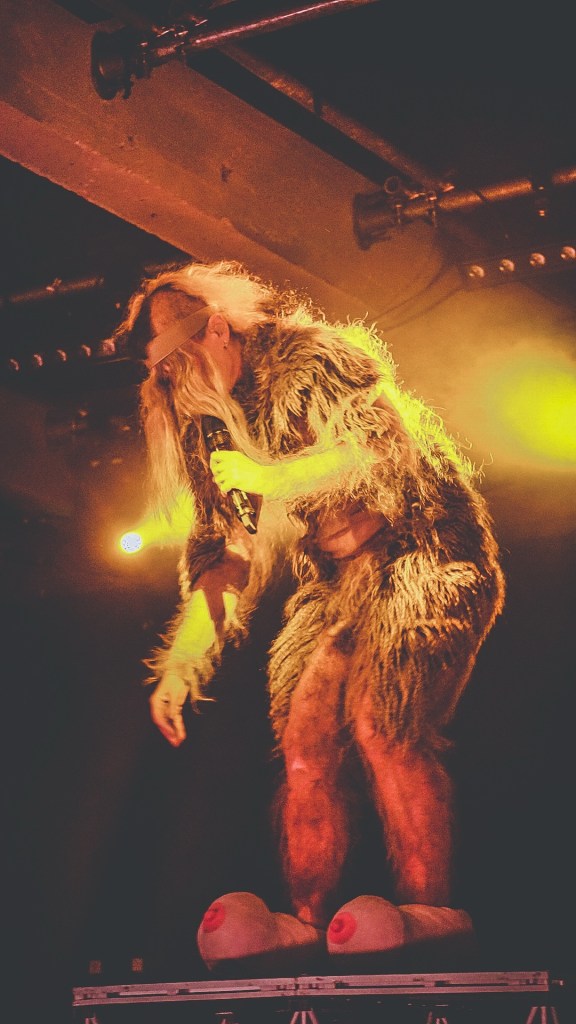
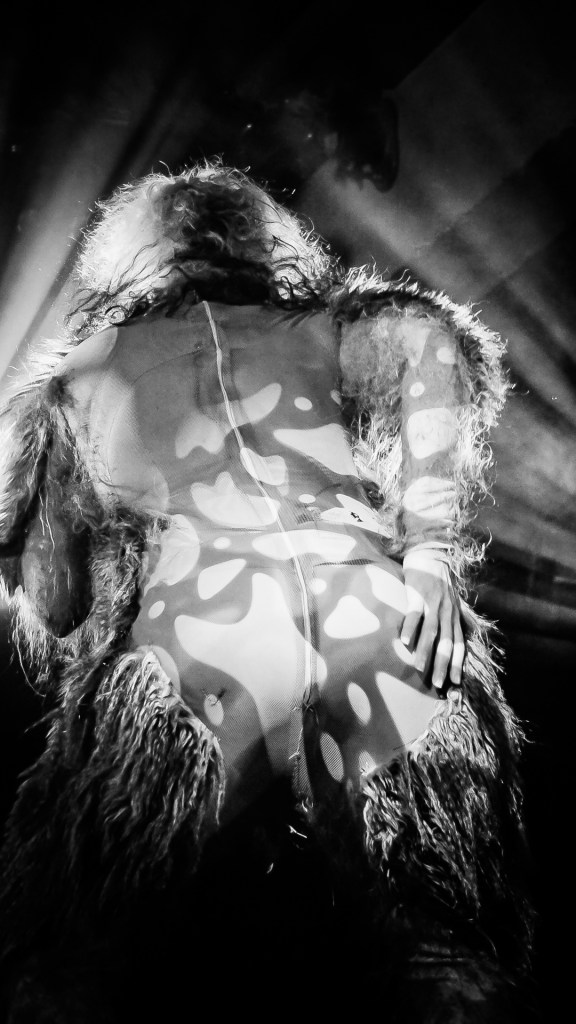
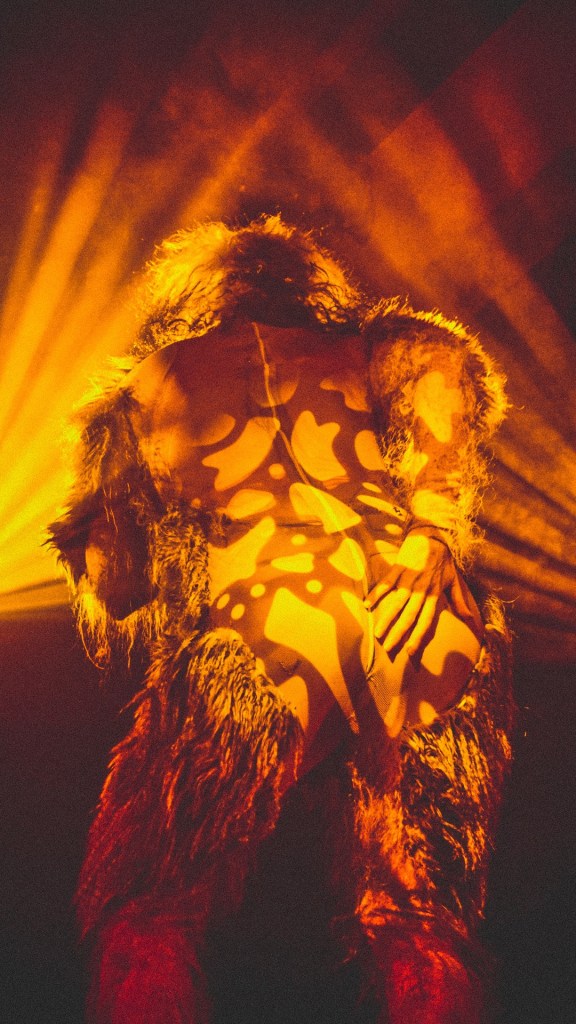
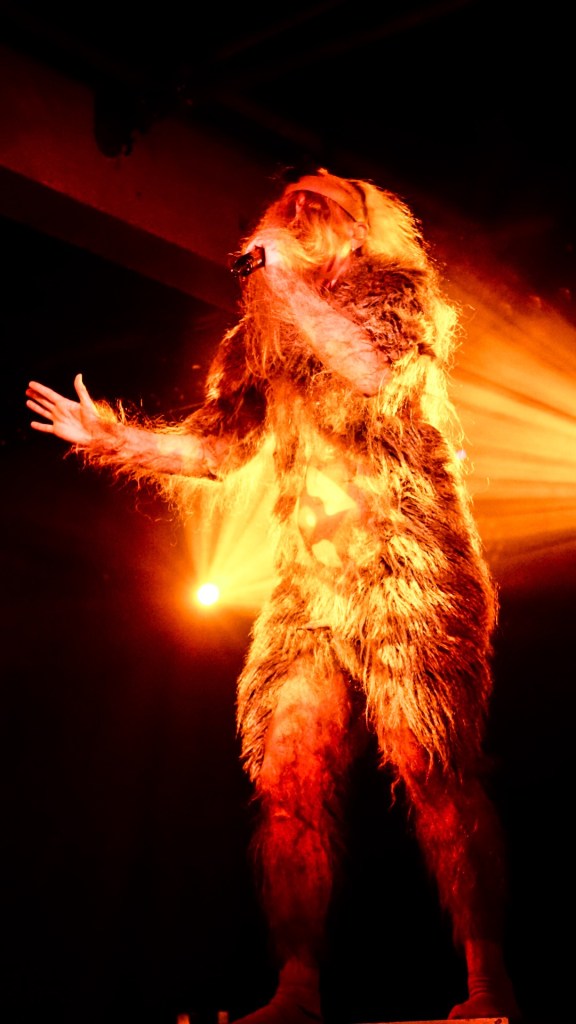
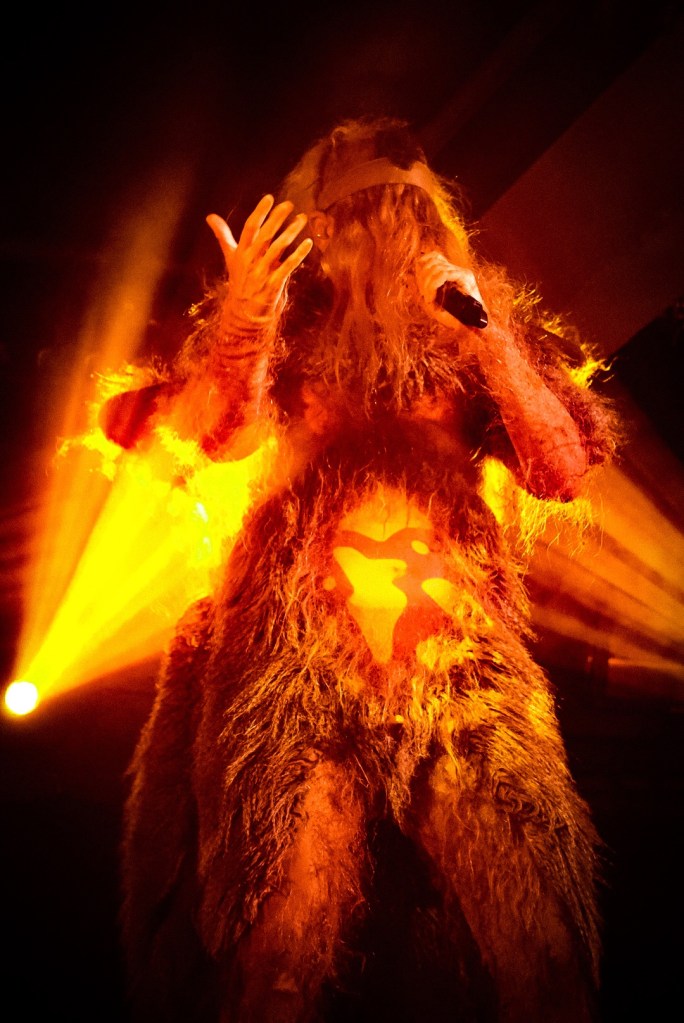
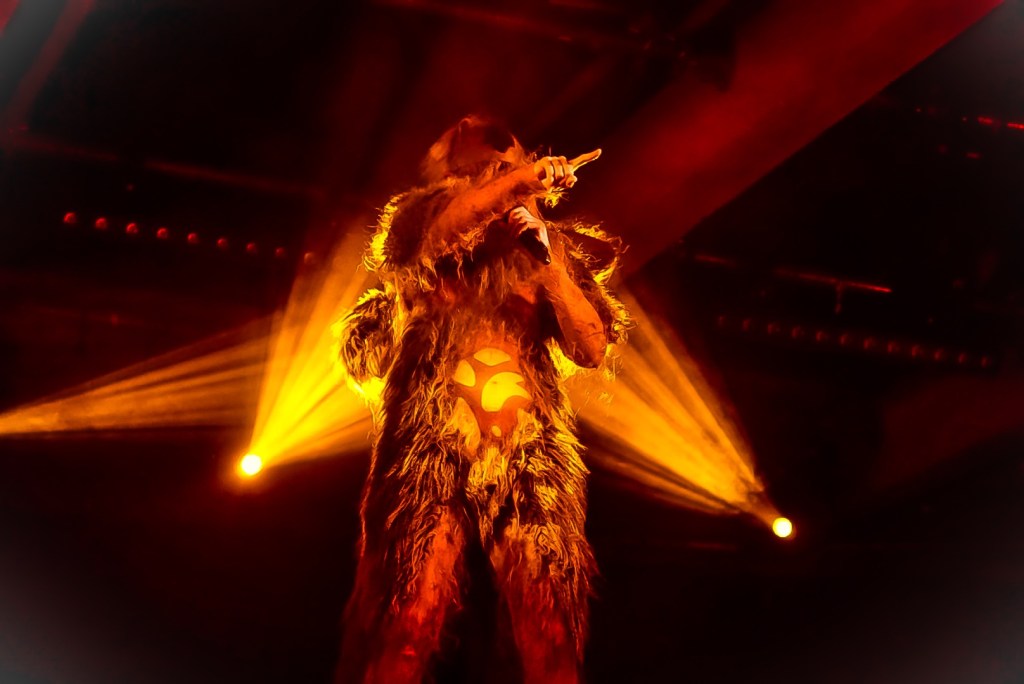
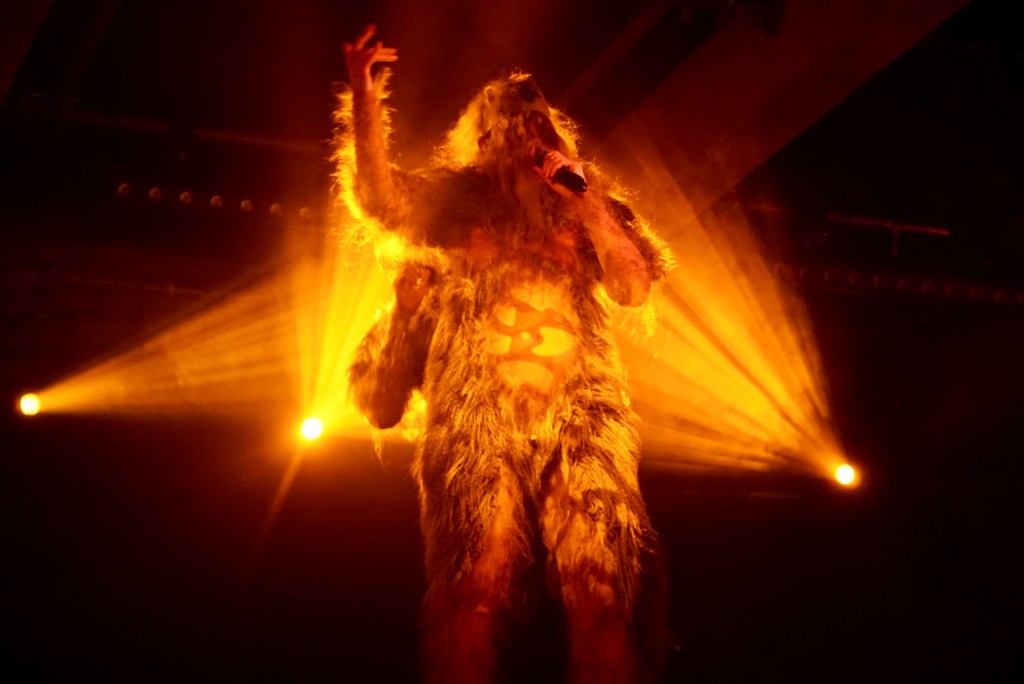
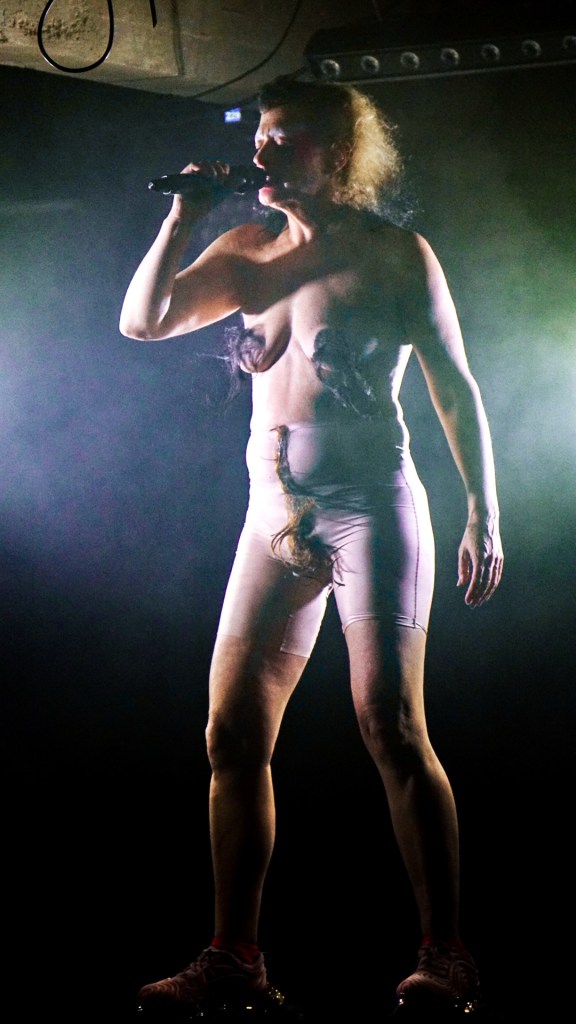
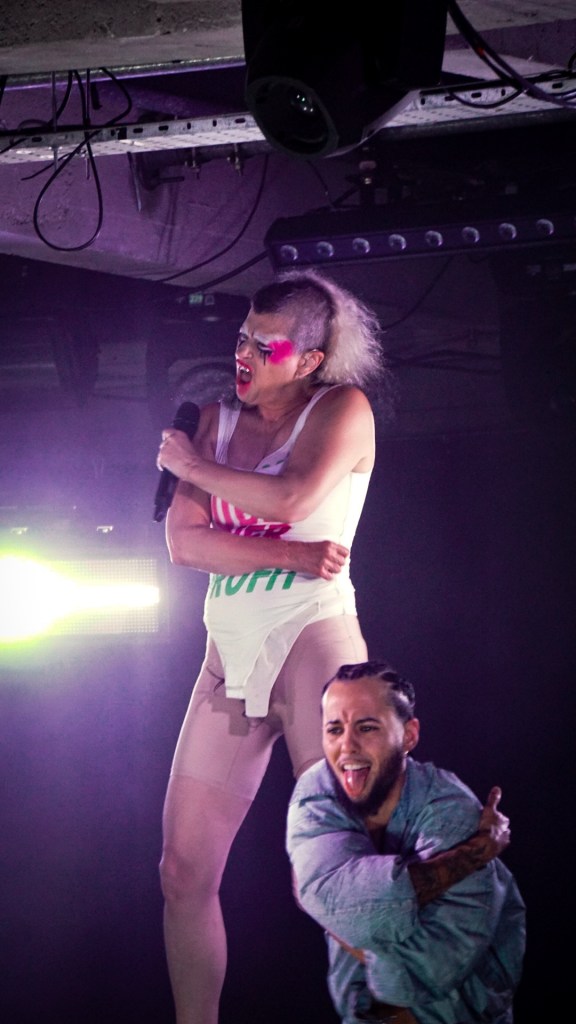
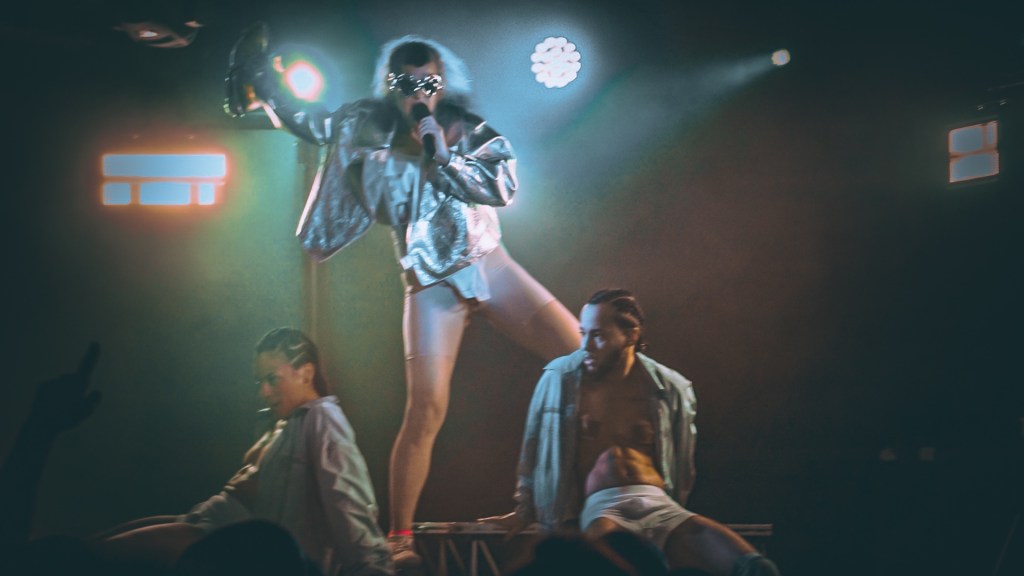
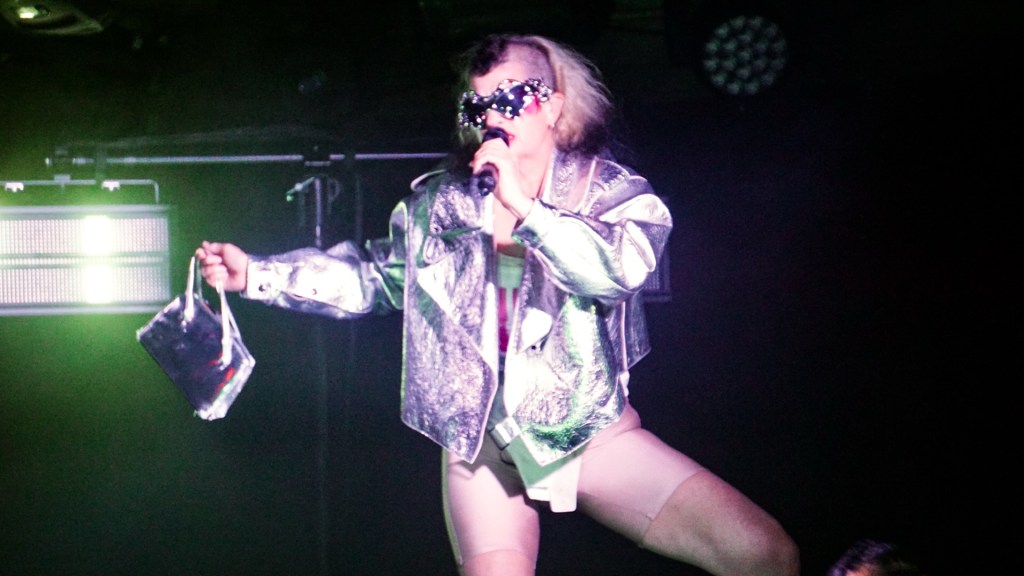
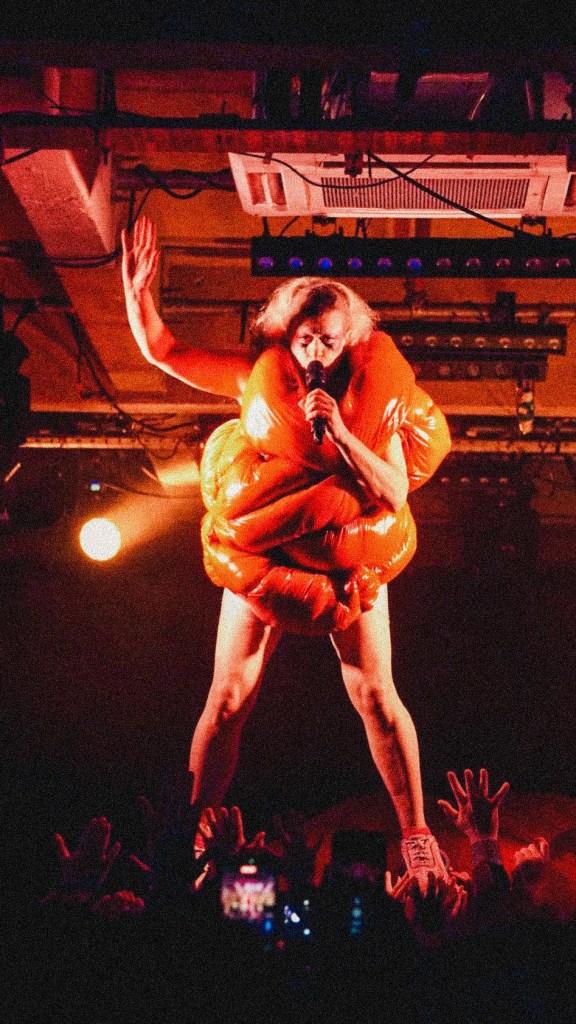
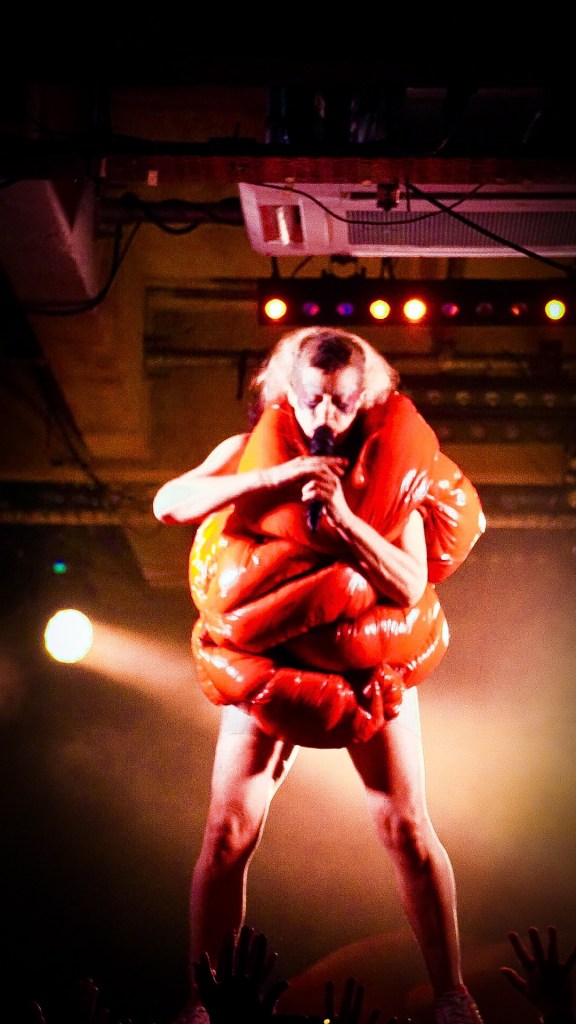
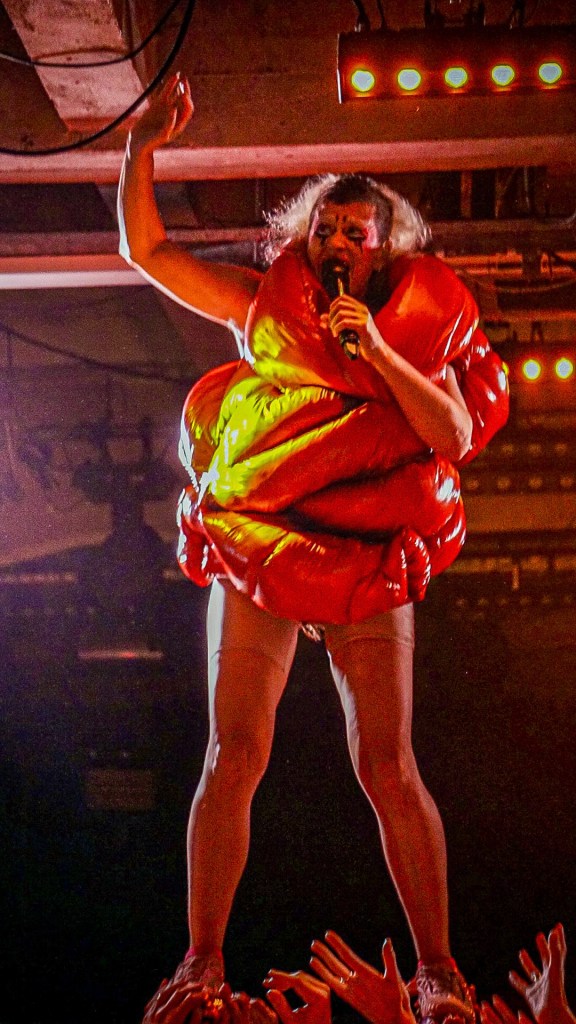
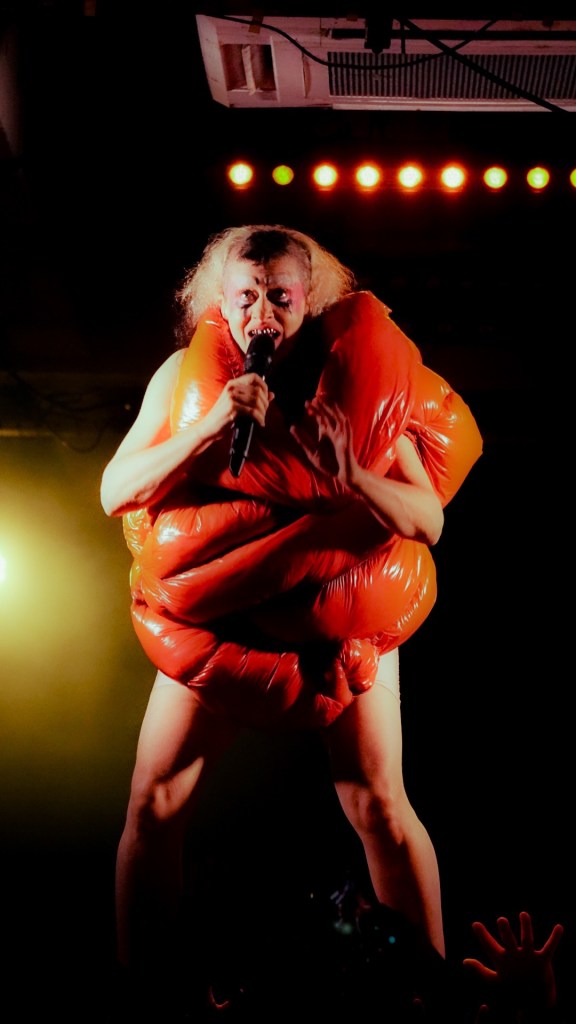
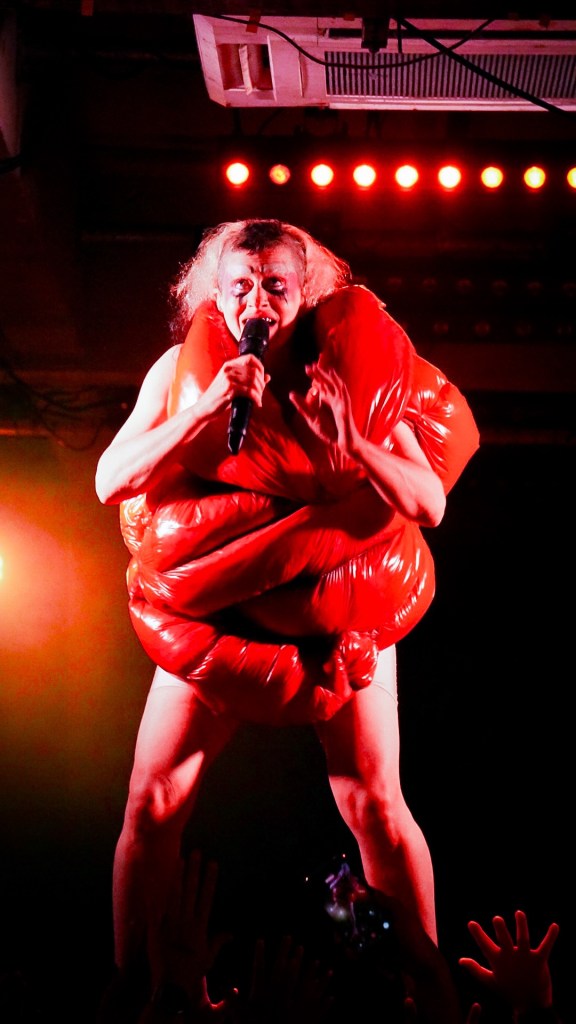
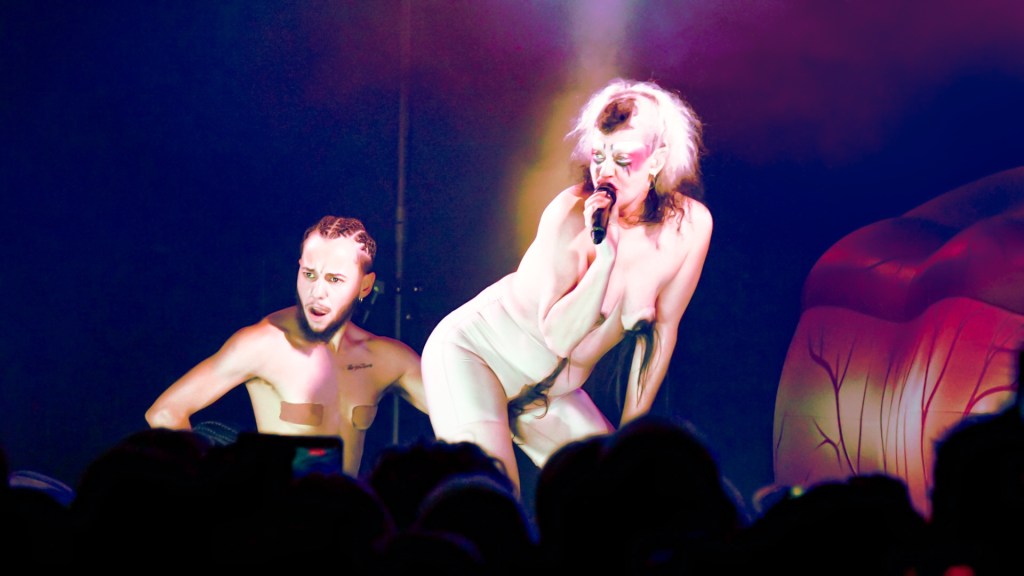
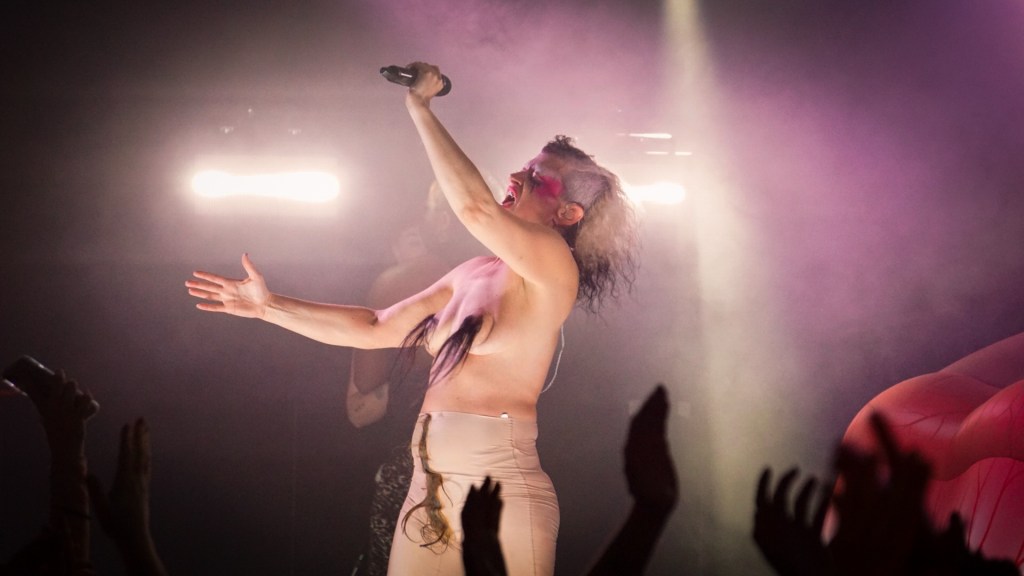
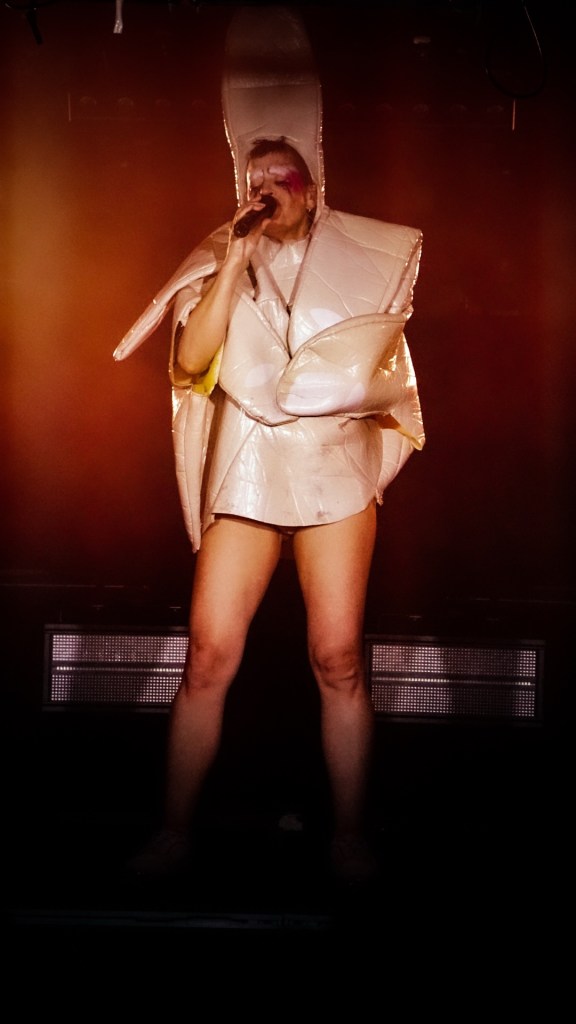
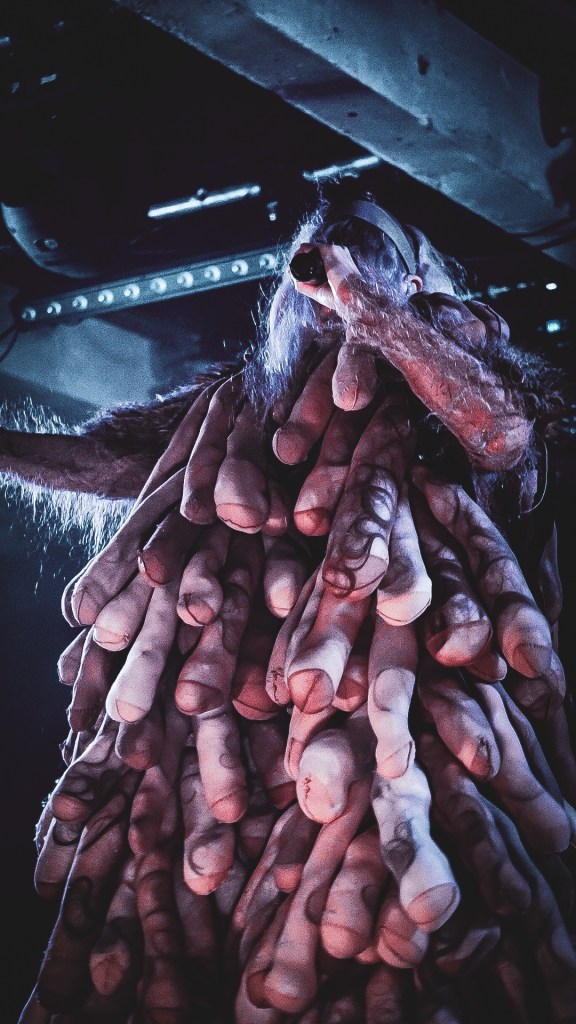
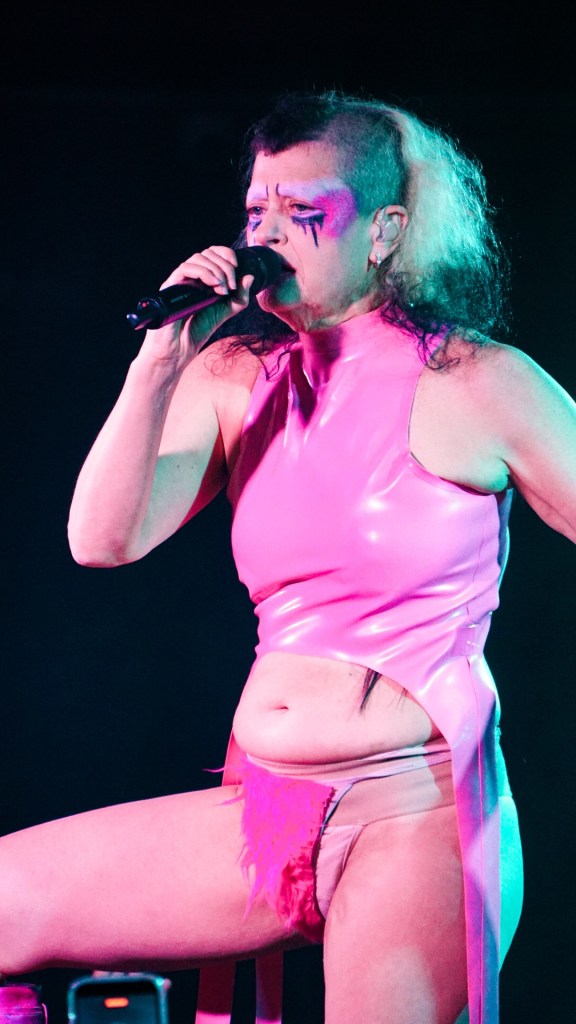
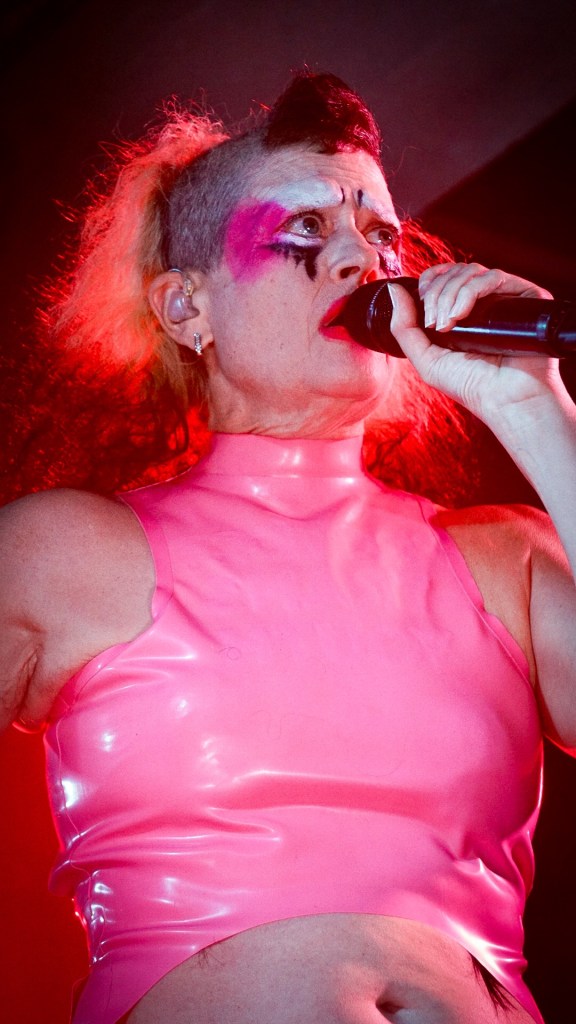
From the first bars of “Hanging Titties” into “Whatcha Gonna Do About It,” Peaches emerges less as a performer and more as a walking manifesto—encased in a grotesque, glorious boob suit, a kind of surrealist cluster of breasts that looks like it crawled out of a David Cronenberg daydream. It’s absurd, confrontational, hilarious. And then, because subtlety is not on the menu, she strips it off for “Rub” and reappears as a yeti, as if the night itself has decided to moult. Costume changes come thick and fast thereafter: bodysuits emblazoned with trans rights slogans and Free Palestine messaging, heavy breastplates, genderless silhouettes that refuse categorisation. Fashion here isn’t garnish—it’s argument.
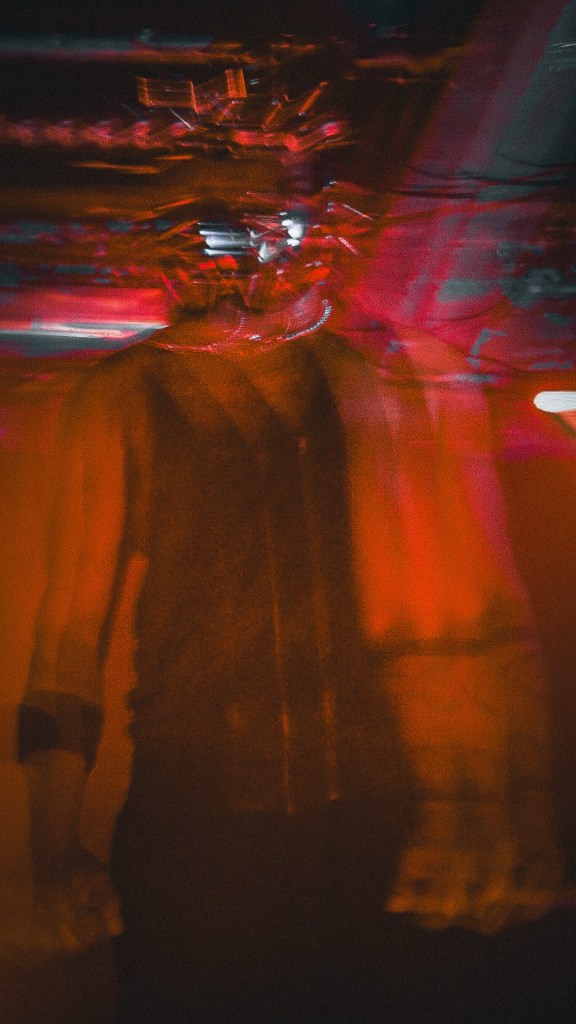
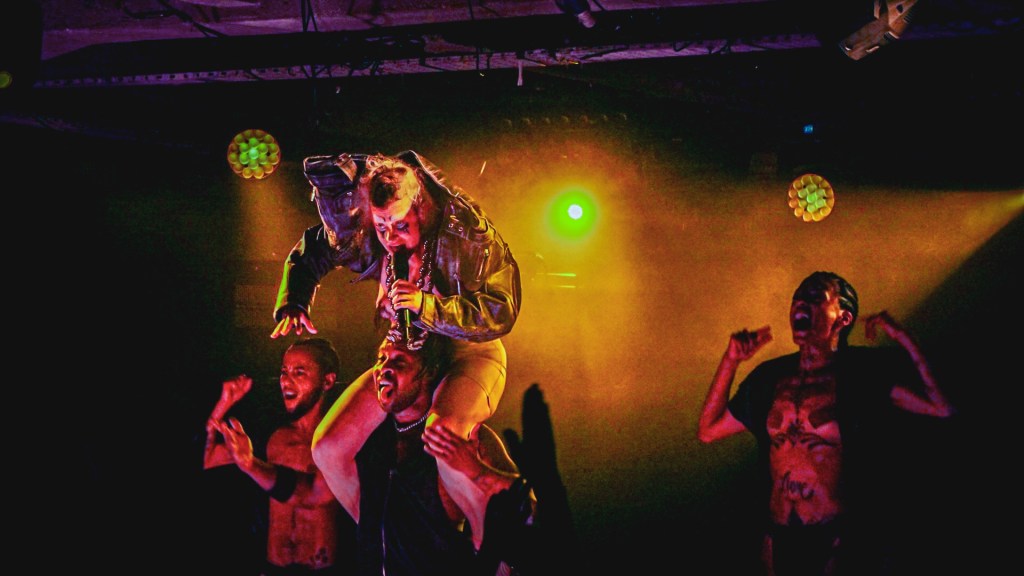
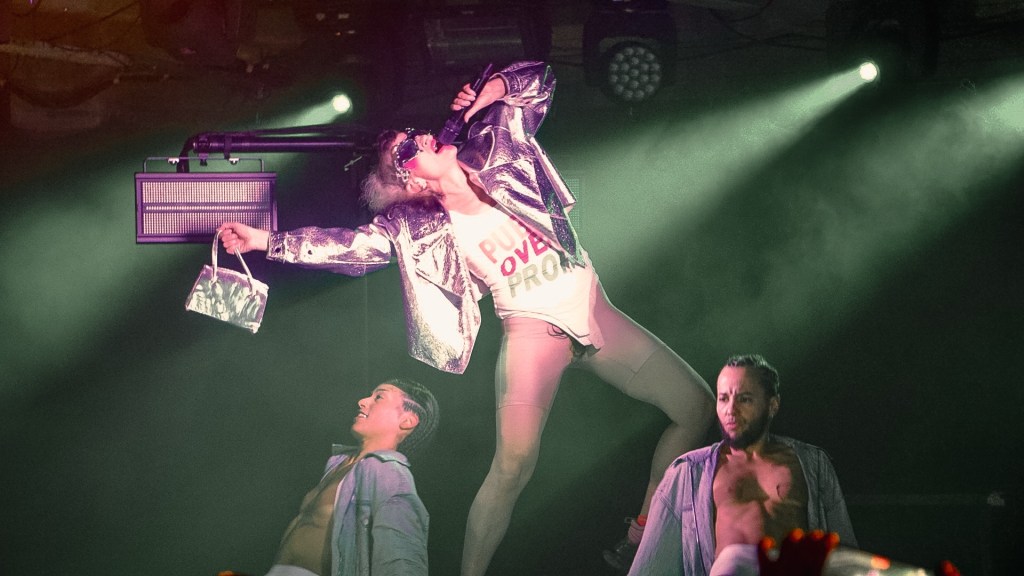
Support comes from Bimini, who sets the tone early with a performance that leans into the same anarchic glamour. Later, during the encore, Bimini returns for “Fuck the Pain Away,” turning an already feral crowd into something approaching ecstatic combustion. They stay onstage afterwards, dancing like a high priest of chaos, sealing the night with a sense that this is less gig, more shared uprising.
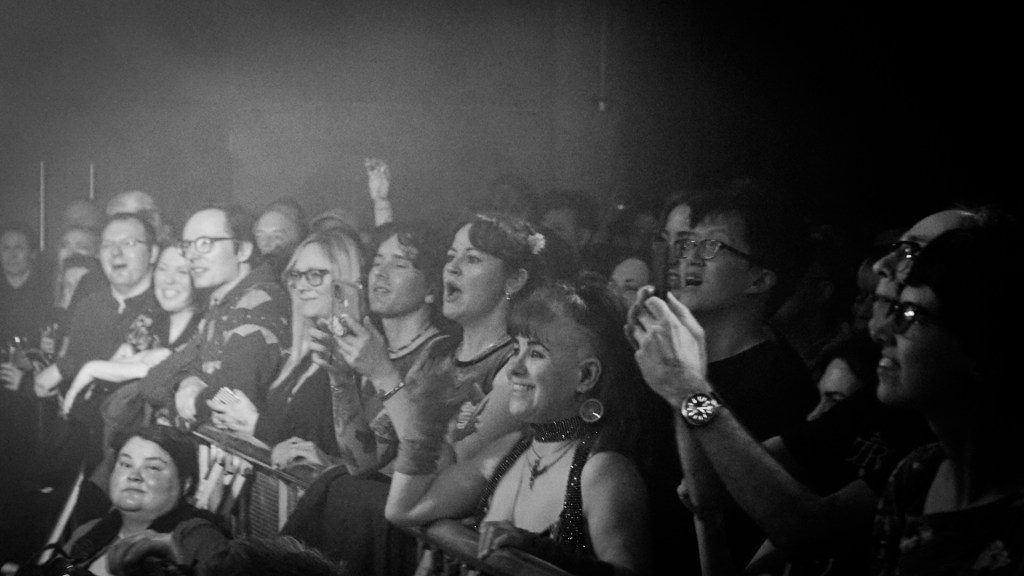
At one point, Glasgow does what Glasgow does best: chants “here we, here we, fucking go.” Peaches, grinning, mishears it—wants to hear it—as “hairy, hairy fucking boobs,” which, given the outfit, feels spiritually accurate. It’s a moment that captures the entire evening: mischief, miscommunication, mutual complicity. The crowd laughs, but also leans in. This is her language.
For those of us who came up in less forgiving rooms, Peaches has always been something like a patron saint. Back in the early days of my foray into DJing meant grimy corners of old-man pubs, where punters discussed football over pints of Guinness and stared daggers at anything resembling joy, dropping “Fuck the Pain Away” felt like an act of minor terrorism. Me and my sister, jumping, screaming, playing it far too loud, wildly out of place—it was ridiculous, defiant, formative. The Teaches of Peaches wasn’t just an album; it was instruction. A permission slip.
And that’s the thing: Peaches’ importance isn’t just sonic. She’s not easily boxed into LGBTQ+ identity labels, yet her influence on queer culture is undeniable. Her work has long dissolved binaries—gender, genre, taste—into something messier and more honest. There’s no viable modern indie or electroclash-adjacent scene that hasn’t, knowingly or not, borrowed from her playbook: the collision of sleaze and intellect, disco chic dragged through a gutter and reborn as something liberating.

Standouts land hard. “Vaginoplasty” is both grotesque and weirdly triumphant, reclaiming surgical language as something almost celebratory. “AA XXX” hits like a mechanised heartbeat, cold and insistent. And “Fuck the Pain Away,” still, decades on, remains the ur-text—a filthy nursery rhyme for the disaffected, as catchy as it is confrontational.
Peaches belongs in the lineage of artists who weaponised discomfort—think Iggy Pop’s feral physicality or Grace Jones’ sculptural androgyny—but she’s also uniquely her own species. Where others flirt with shock, she builds a whole ecosystem out of it. Her art spills beyond music into drag, theatre, confrontation, philosophy. It asks you not just to listen, but to reconsider the body itself—who owns it, how it’s seen, whether it needs to be defined at all.
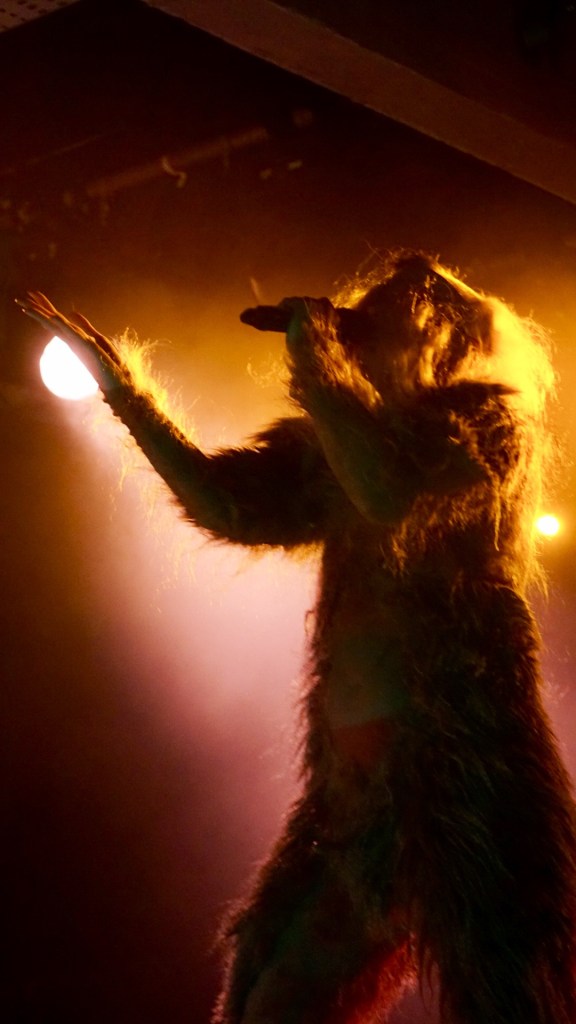
By the time she closes with “People,” a cover of Jule Styne the room feels altered. Not cleansed—this isn’t that kind of church—but sharpened, awakened. Peaches doesn’t offer escape. She offers confrontation dressed as fun, humour laced with teeth.
One of the most creative artists of her generation? Easily. Still essential? Absolutely. And in a cultural moment that often feels algorithmically flattened, Peaches remains gloriously, stubbornly, human—loud, lewd, loved and utterly unrepeatable.
Article: Angela Canavan