
Dinosaur Jr. walked onto the Barrowland stage like elder statesmen of slacker noise, greeted by a crowd that looked like a sartorial time warp: mullets flapping, flannel shirts swinging, and enough baggy trousers to clothe an entire Pearl Jam tribute act. This wasn’t just a concert; it was a full-blooded 90s revival, complete with the lingering scent of nostalgia, sweat, and something very close to joy.
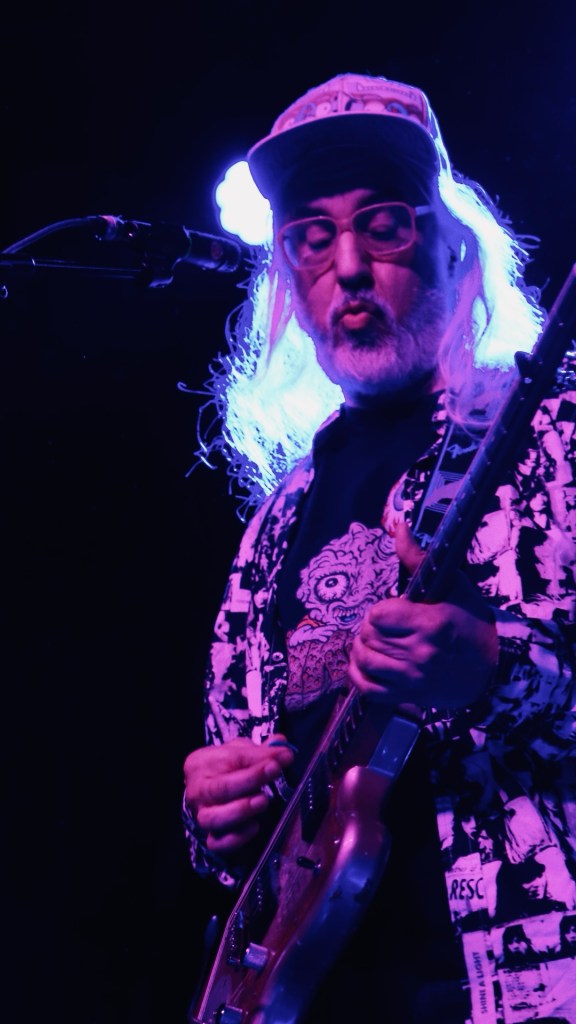
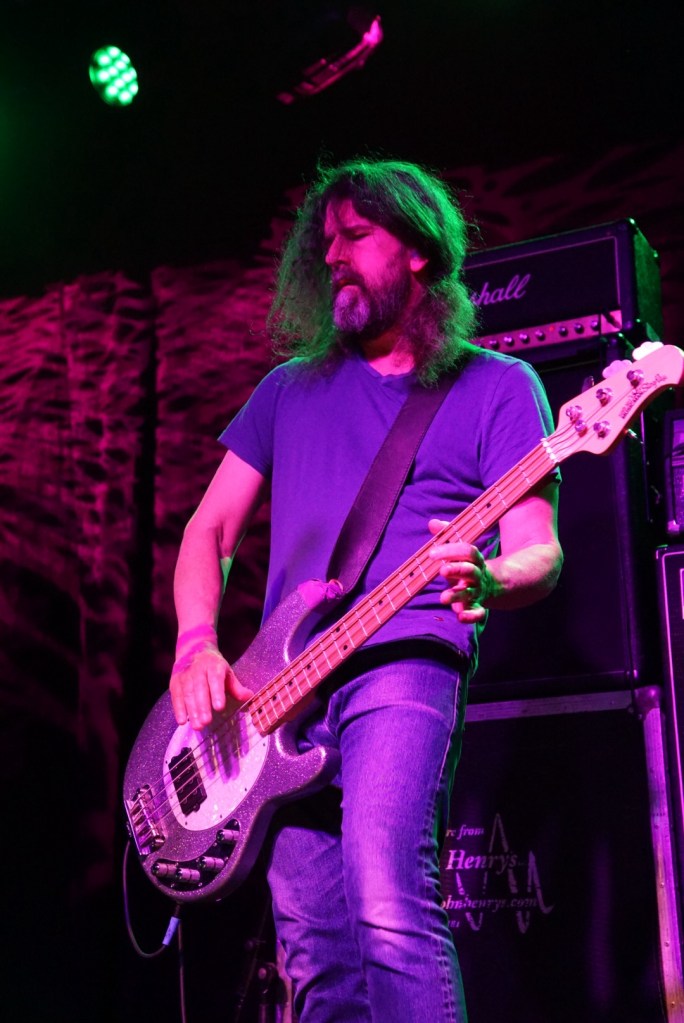
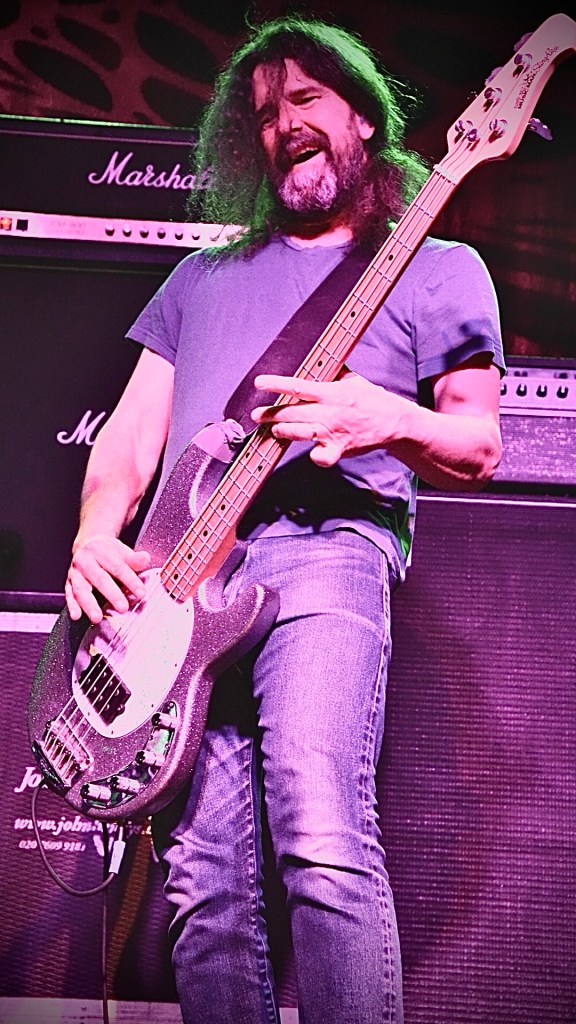
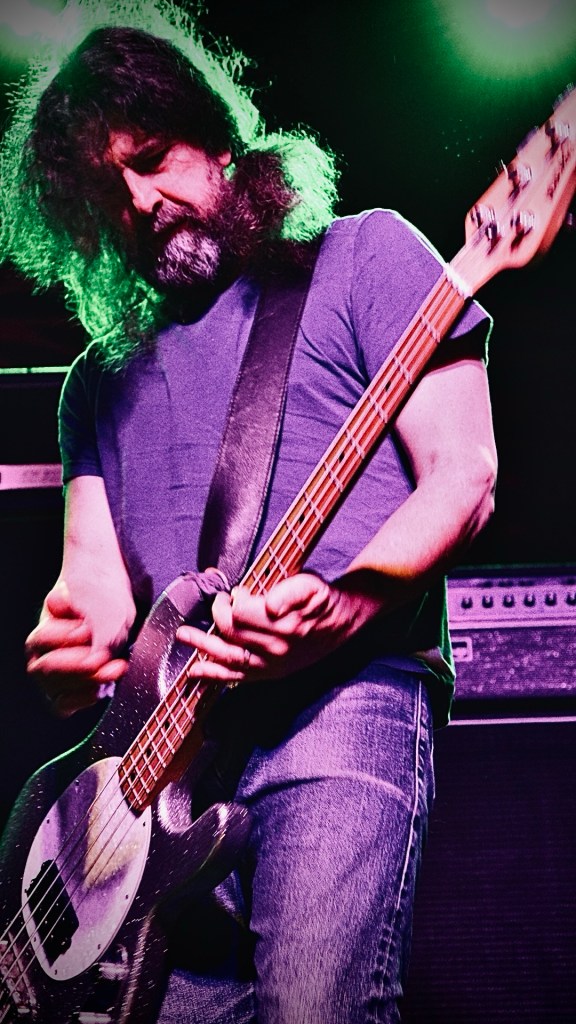
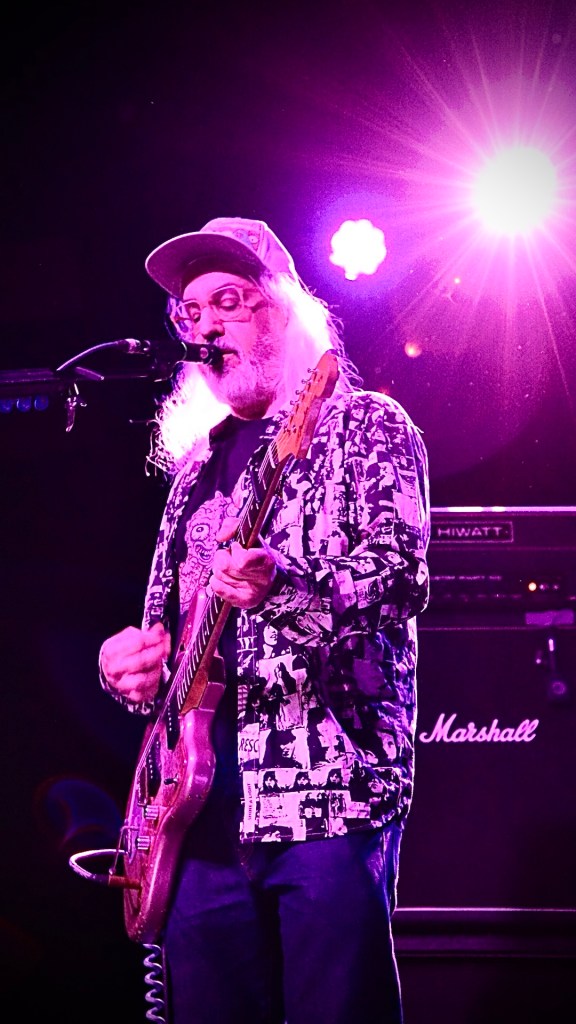
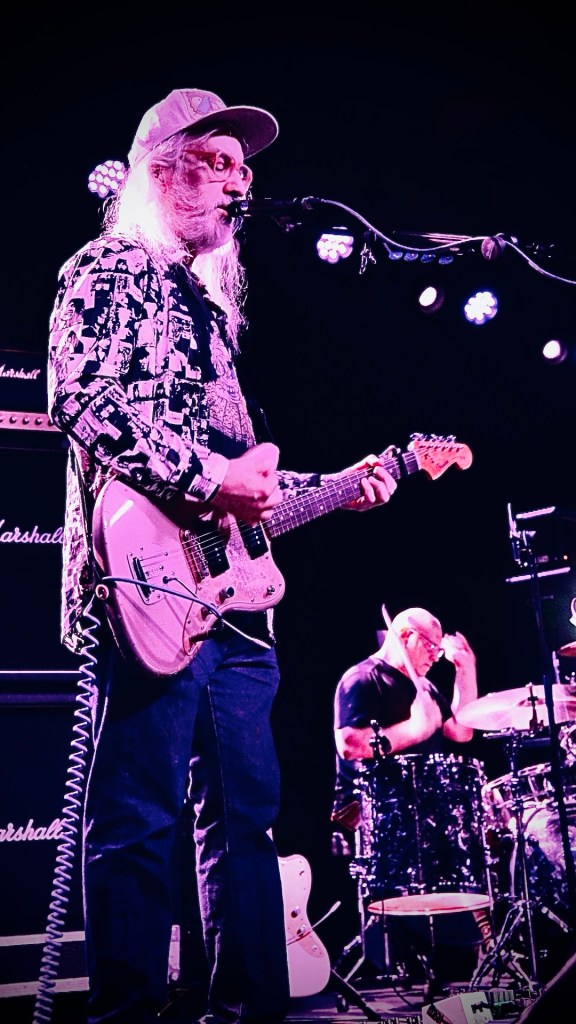
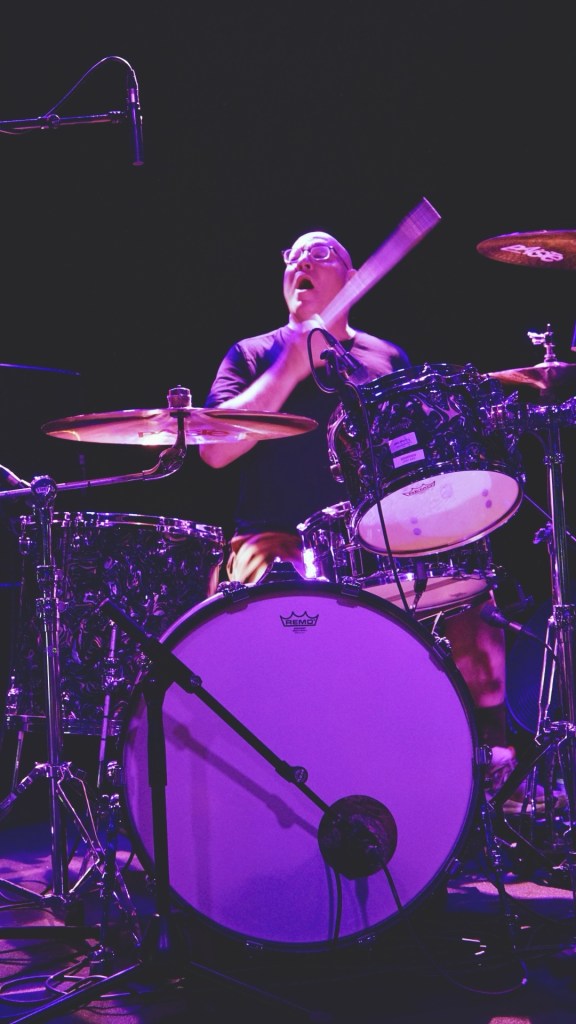
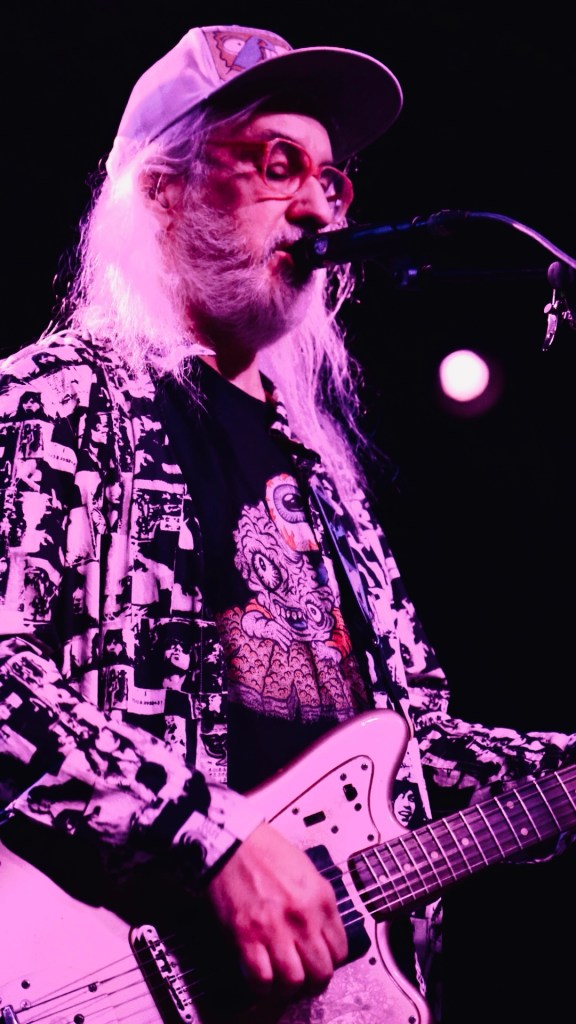
The trio — J Mascis on guitar and vocals, Lou Barlow on bass and backing vocals, and Murph on drums — are a sonic power structure as solid and essential as granite. Mascis, ever the enigmatic centrepiece, shuffled to the mic and unleashed the first riff of the night: “Feel the Pain”, that yawning, yearning opener from 1994’s Without A Sound. It roared out like a storm caught in slow motion — melodic yet wounded, sludgy but tender. If Teenage Fanclub ever decided to collapse inward under the weight of their own distortion, they might sound something like this.
The follow-up, “I Don’t Think So”, was leaner, meaner — a snarling track that moves with the agitated rhythm of someone pacing in a kitchen at 2AM, all tight spirals and no resolution. It bristled with pent-up energy, and Barlow’s bass lines gave it a grounding throb, like a heart trying to steady itself in a crisis.
Without A Sound celebrating its 30th anniversary was performed in full. It’s an album that, despite being old enough to legally rent a car in the States, hasn’t lost its emotional punch or textural grit. For a record often seen as Dinosaur Jr.’s most accessible, it was played with the rough edges intact — no polish, no pretence. The crowd, which included a healthy number of younger fans, greeted every track like a long-lost friend crashing through the door, arms open.
Mascis doesn’t speak much — his guitar does the talking — but when the band let the album’s final notes fade, a warmth spread across the room. Then came the real treats: a handful of gems from the back catalogue that reminded everyone why Dinosaur Jr. remain alt-rock royalty.
“Little Furry Things” drifted in with all the grace of a shoegaze lullaby before erupting into noise. One of the evening’s most touching moments came during this song — mothers and daughters waltzing together beneath the pulsing lights, the fuzzed-out lull of the song casting a strangely romantic spell.
And then, “Freak Scene”. The crowd roared. Phones briefly dropped. And then, like a flicker from a lost era, a single lighter was held aloft. A lone flame, trembling in the thick, distorted air — a sight not seen in many moons, reminding us all that some rituals are simply too sacred to vanish.
The band didn’t coast. “Gargoyle” snarled and punched, a beast of a song still full of teeth. They wrapped up the main set, but the room was nowhere near done.
Returning to the stage, Lou Barlow grinned into the mic.
“The chips have been counted and you are the best audience for us ever. It’s like you got some vitamin D or something. I was here 25 years ago in Glasgow when this song first came out and I’ve never seen so many sunburnt faces.”
They launched into “Garden”, a slow-burning track that unfurled like dusk over a long summer day. Couples danced, friends embraced, families swayed — the Ballroom was suspended in shared rhythm, like a lullaby for the grown-up grunge generation.
Then, as if conjured from the ether, came a shouted request from a devoted fan: “Sludgefeast!” Mascis nodded, and the band obliged. What followed was a thunderous, exhilarating rendition — all heavy riffs and layered distortion, a beautiful racket that rattled the bones and fed the soul.
Finally, with barely a word, they closed with their beloved cover of The Cure’s “Just Like Heaven”. Reimagined through Dinosaur Jr.’s lens, it became something different entirely — tender and raw, hopeful but scarred. It was the perfect bookend to a set that fused nostalgia with vitality, past with present.
After all these years, Dinosaur Jr. haven’t mellowed. They’ve matured like an old amplifier: still loud, still essential, and buzzing in all the right places.










Article: Angela Canavan
 The Golden Bough