
There are nights at the OVO Hydro when Glasgow feels like the capital of something bigger than itself, when the rain outside turns into a badge of honour and nostalgia comes roaring back not as a memory, but as a living, sweating thing. Stereophonics, playing to a sold-out Hydro, delivered exactly that: a two-hour sermon on why British guitar bands from the 90s and 00s refuse to lie down quietly and become “heritage”.
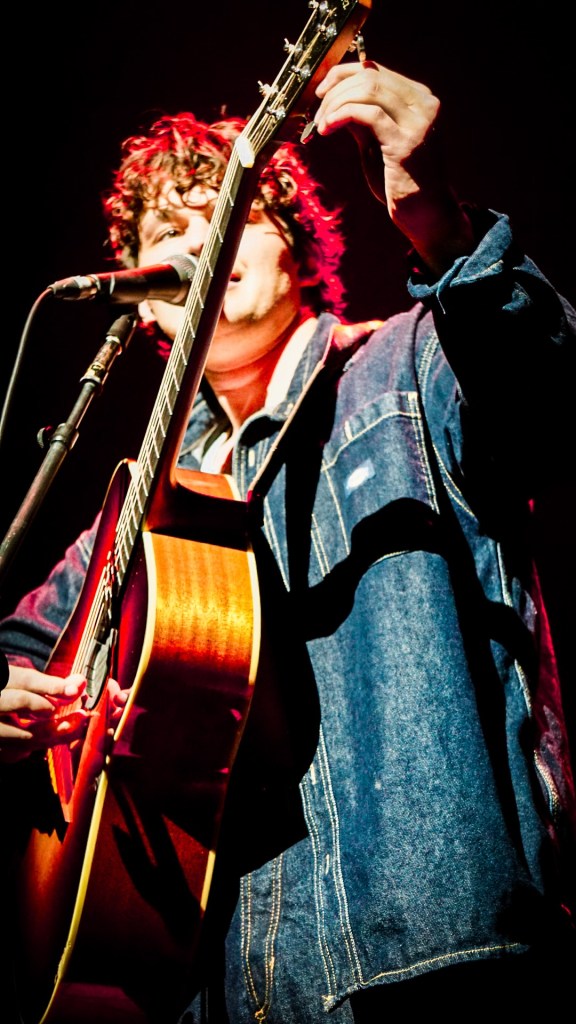
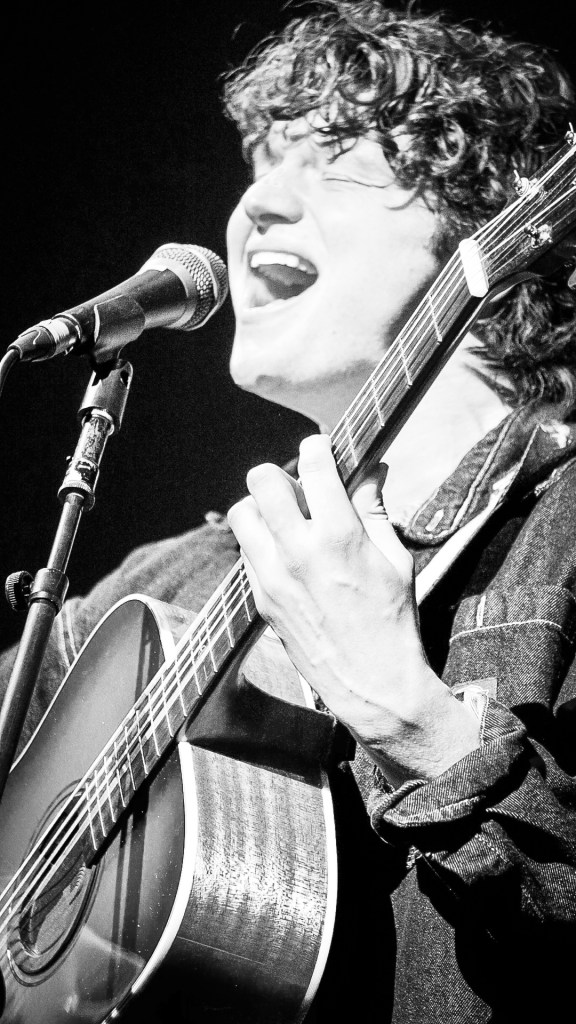
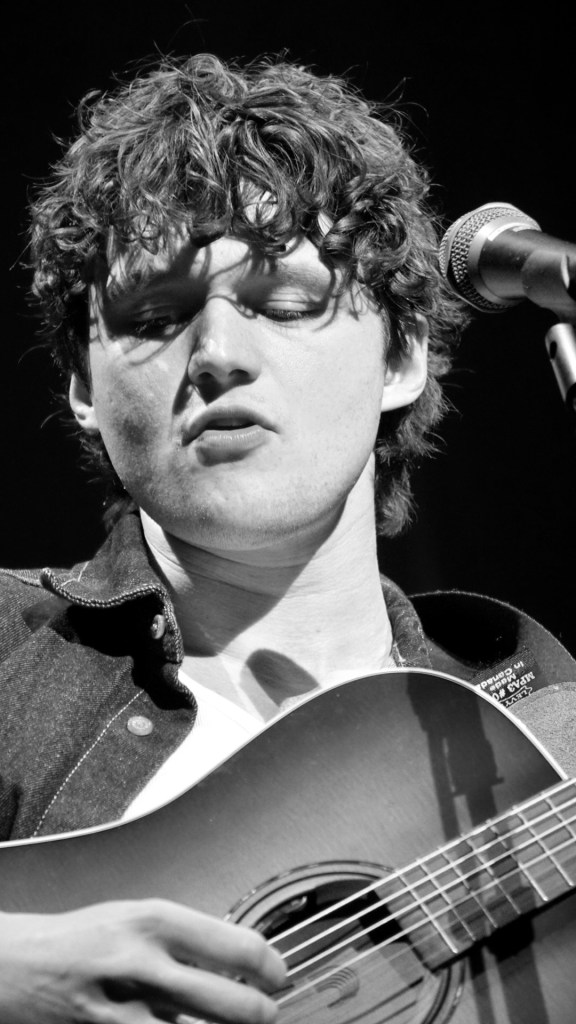
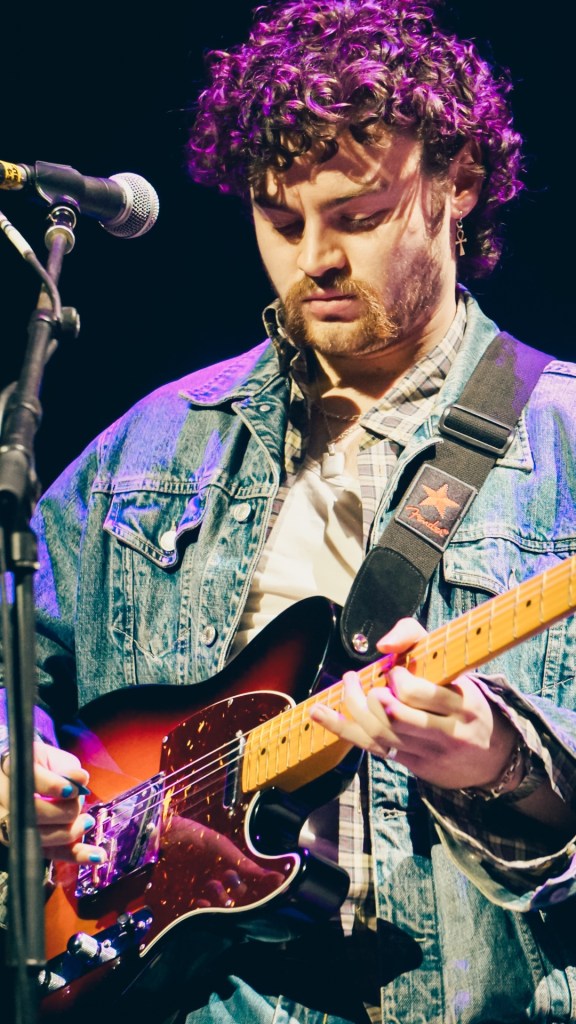
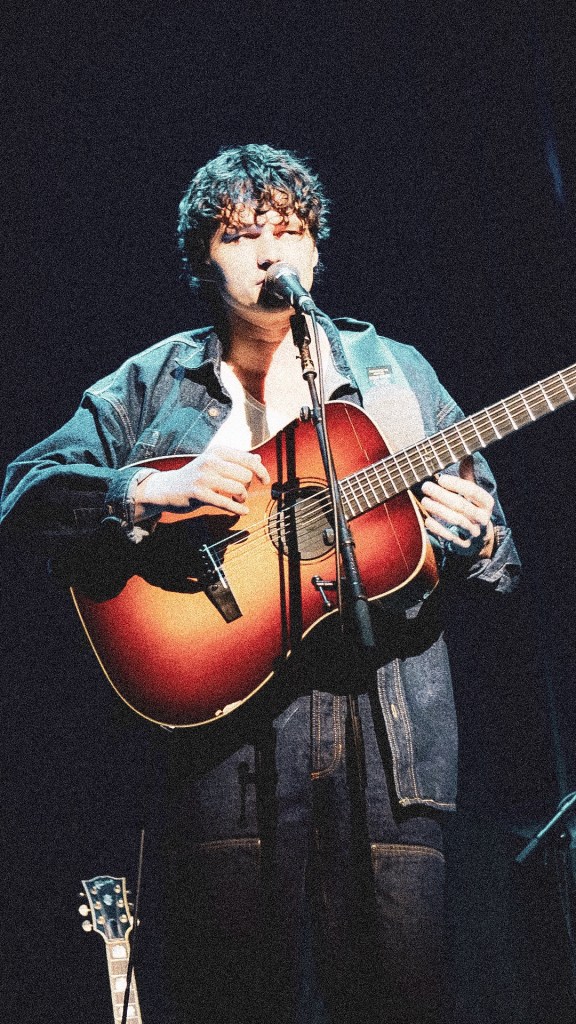
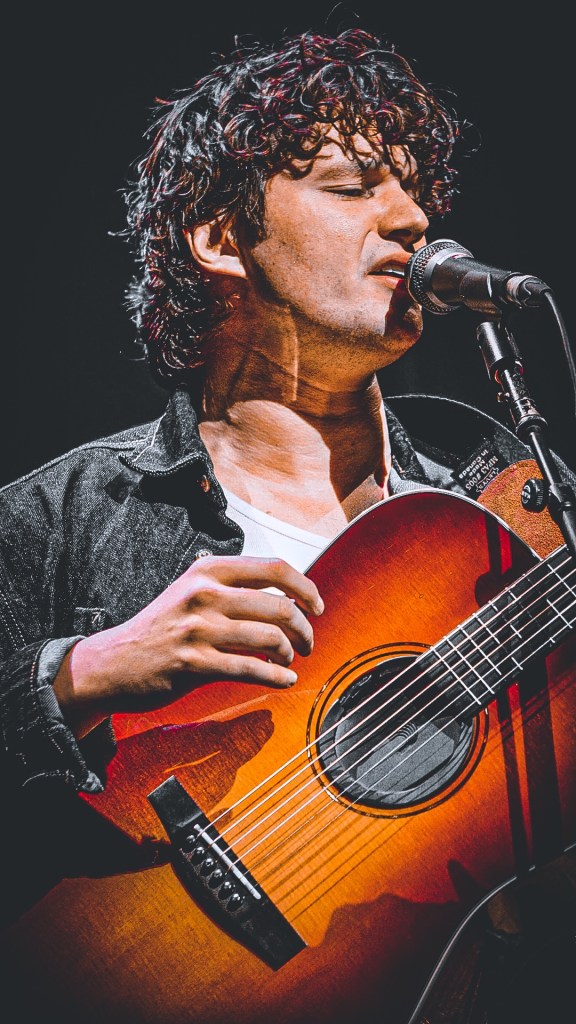
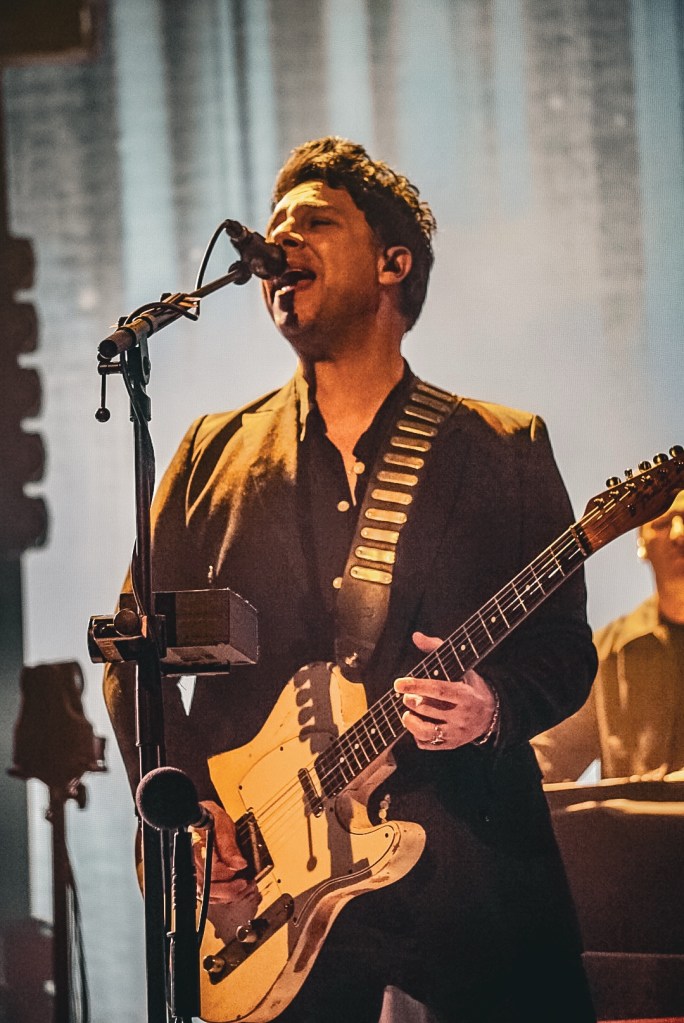
Opening the night in support of Stereophonics, Finn Forster carried himself with the wide-eyed gratitude of an artist fully aware of the scale of the moment. Between songs there was easy, self-deprecating chatter, thanks offered sincerely for being invited onto such a vast arena tour. Hailing from a small-town upbringing that still clings to his songwriting, Forster introduced “Sisters” with a quiet dedication to his siblings, a track born from family bonds and formative days that clearly still shape his perspective. It was an early reminder that his songs are rooted not in spectacle, but in lived-in emotion.
“Circle” proved another standout, its indie-folk guitar work looping and unfurling like thought patterns you can’t quite escape. Forster’s sound trades in sharp metaphor rather than polish — earnest without being soft, reflective without drifting. There are echoes of modern folk storytellers like Sam Fender and Ben Howard, but Foster’s delivery feels more intimate, like overhearing a confession rather than being preached a chorus. His music doesn’t chase the zeitgeist; it walks alongside it, hands in pockets, eyes wide open.

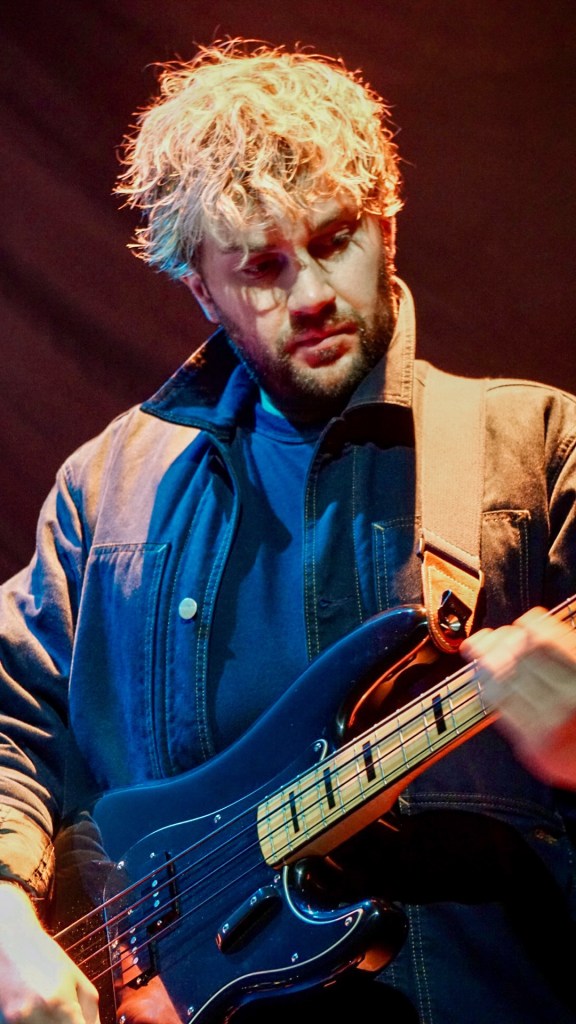
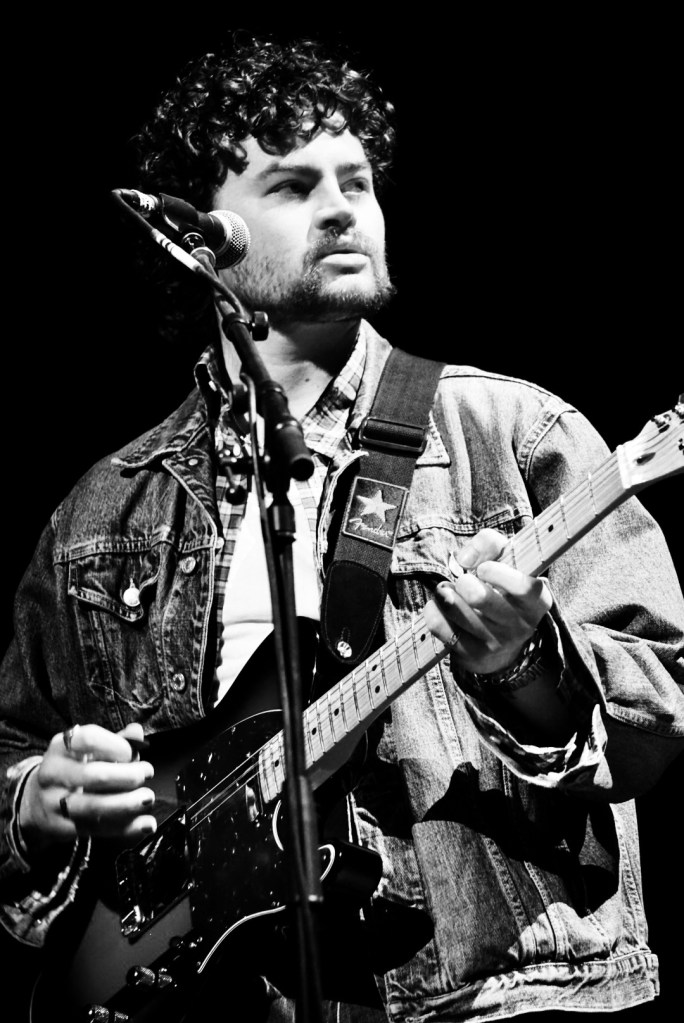
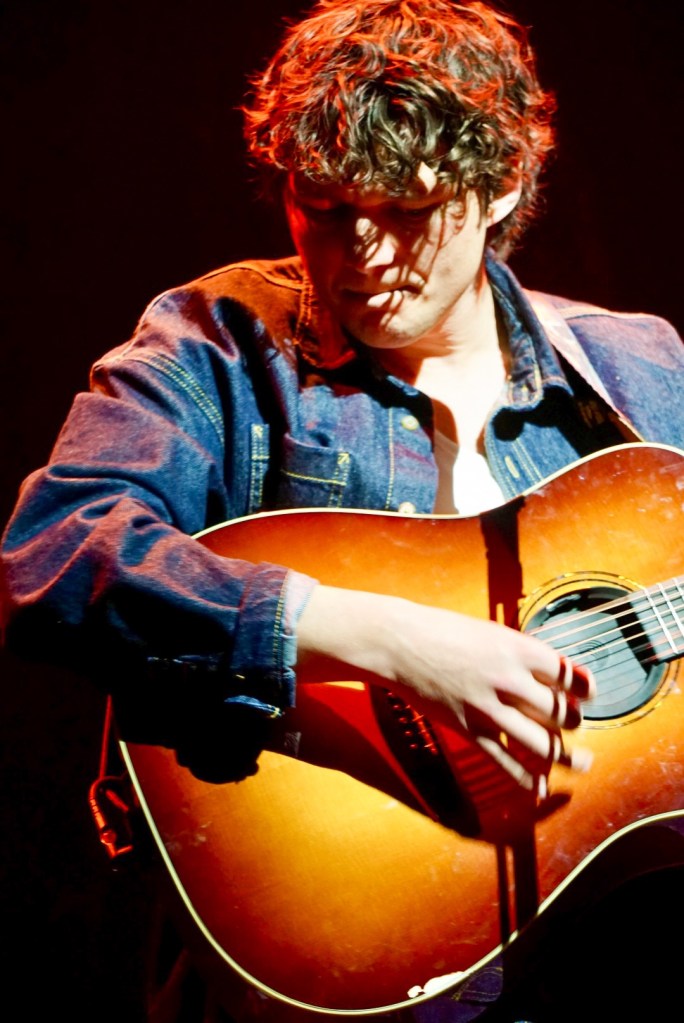

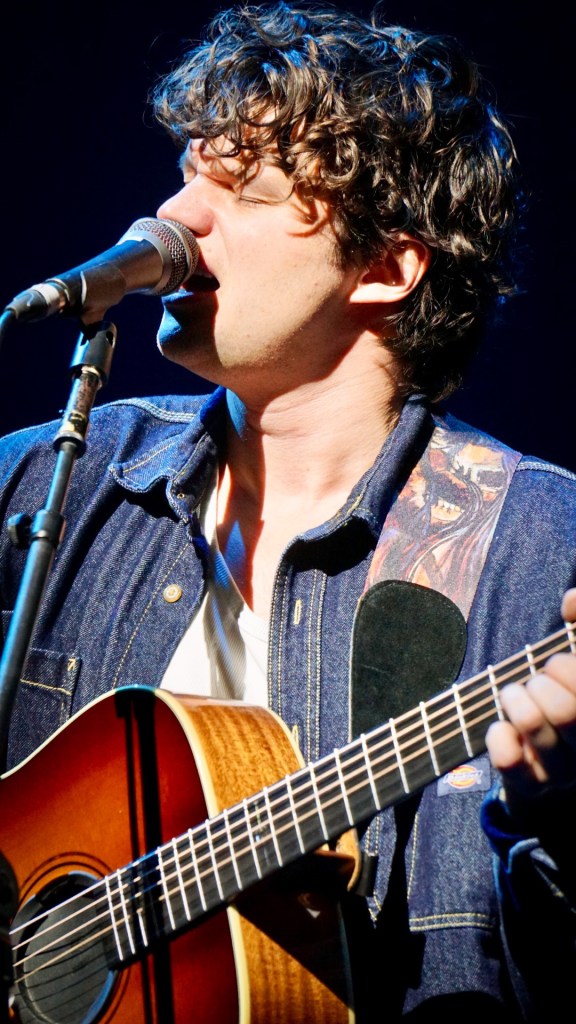






By the time Stereophonics bounded energetically on stage the crowd were raring to go. They opened with “Vegas Two Times” and “I Wanna Get Lost With You”, instant crowd pleasers that immediately filled the room with a buoyant jubilation. No easing in, no polite overture. “Vegas Two Times” clattered in like a pub door kicked open at last orders, all chug and swagger, while “I Wanna Get Lost With You” arrived glowing and widescreen, a chorus that swelled like headlights on a motorway at midnight. An opening salvo of songs that won the Hydro over instantaneously the crowd was already theirs, arms up, voices cracked, hearts willingly mugged.
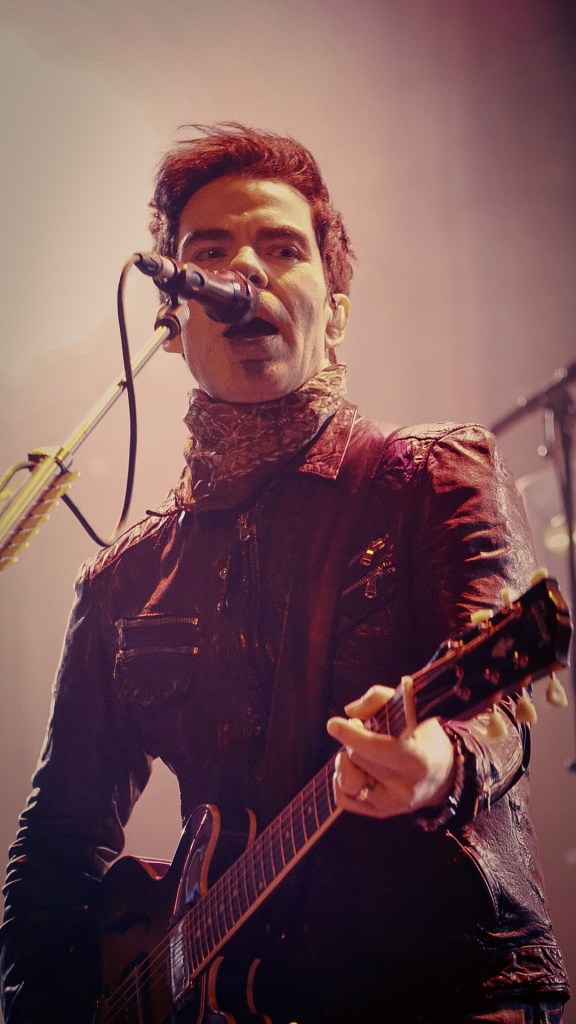
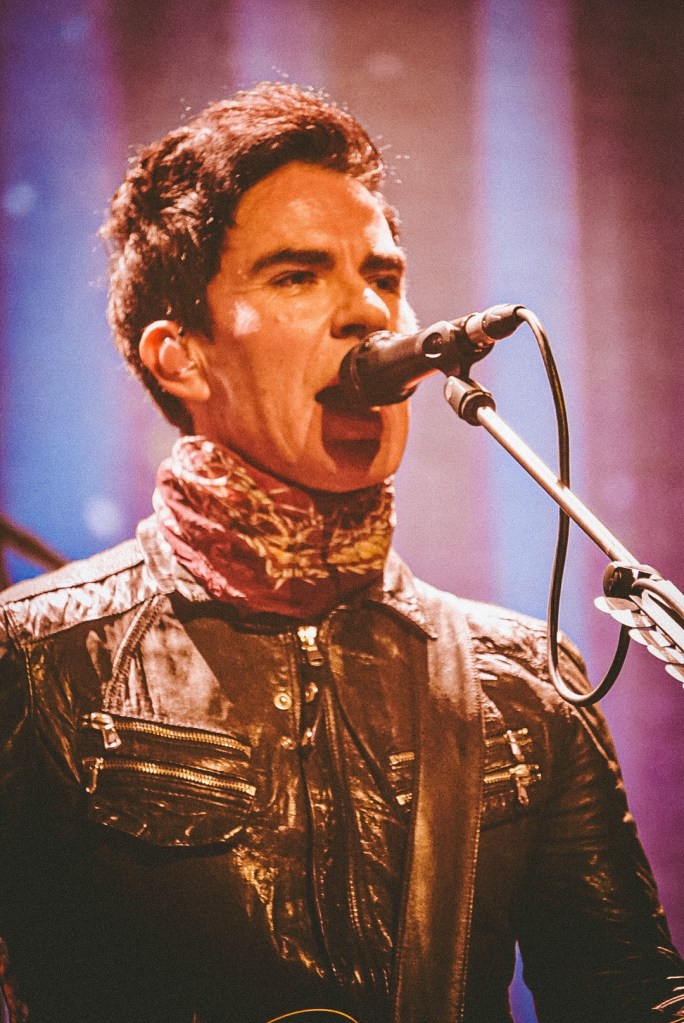
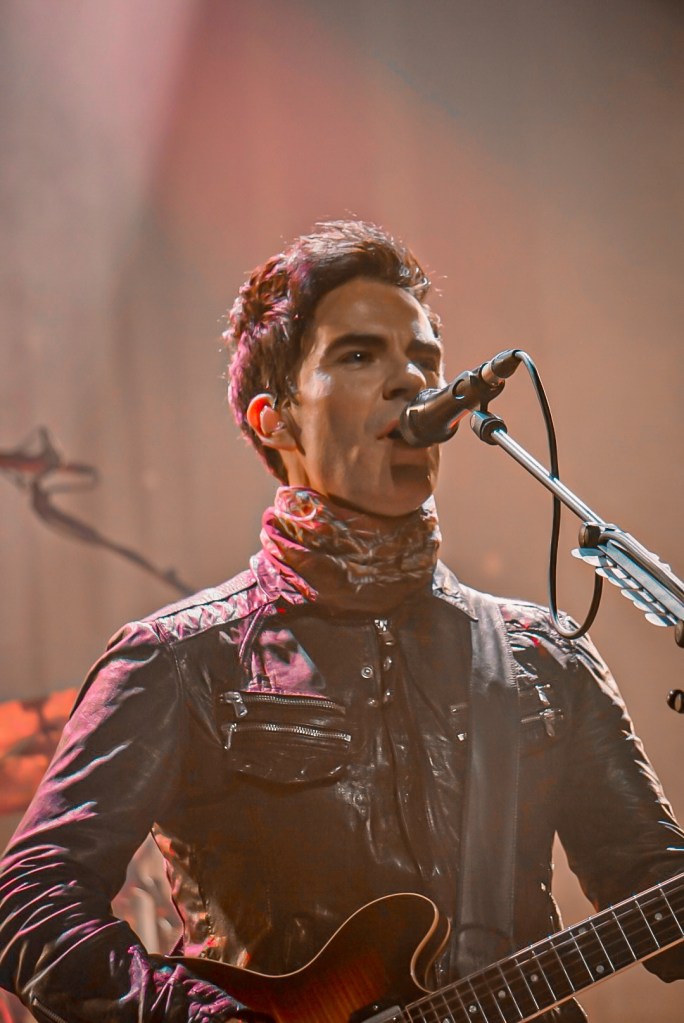
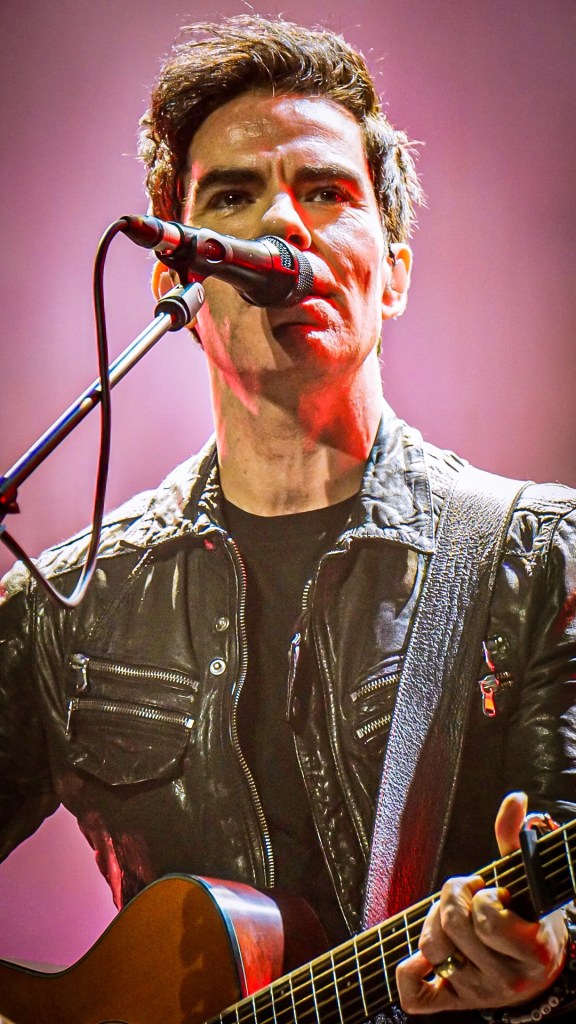
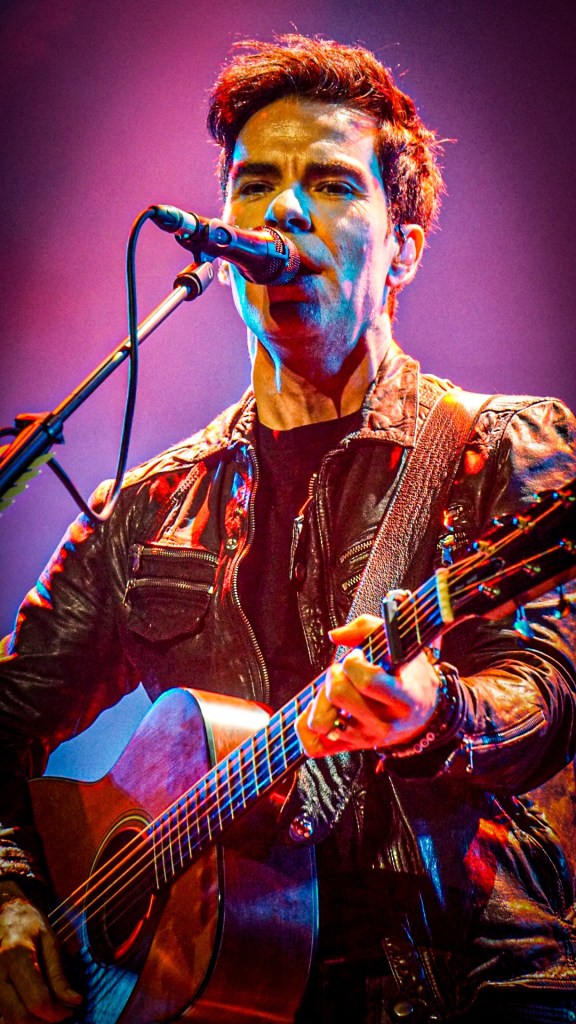
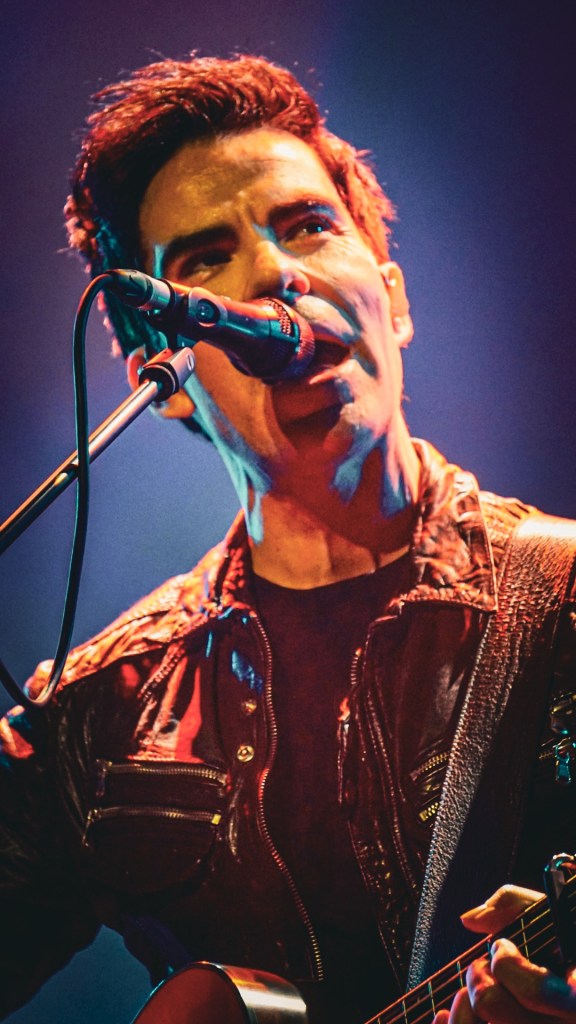
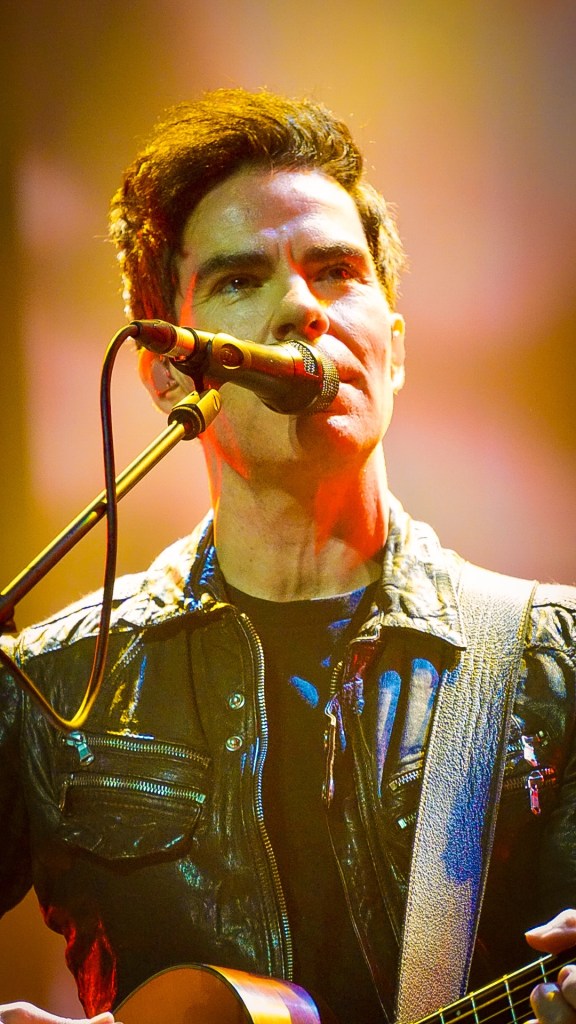
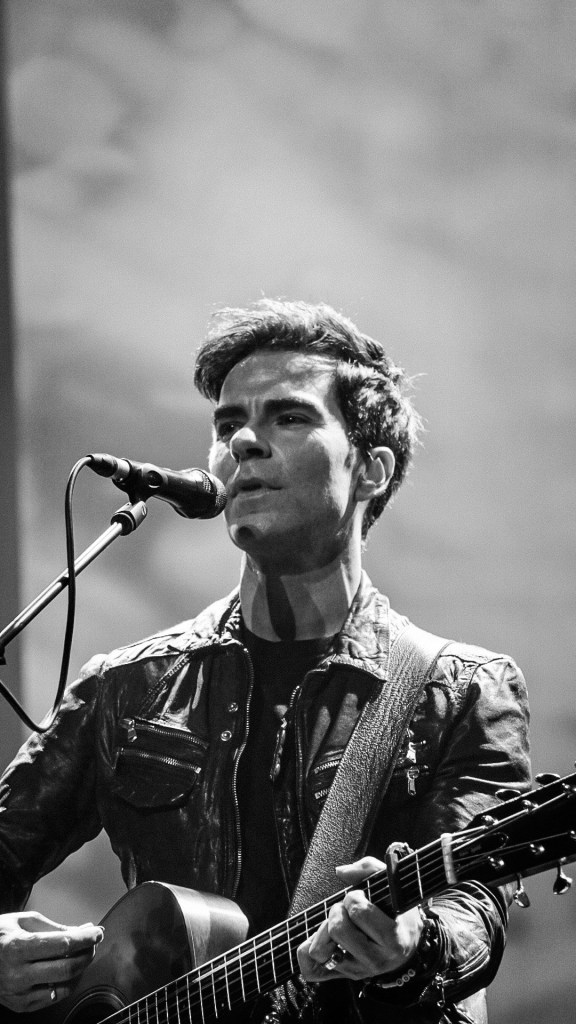
Kelly Jones remains one of British rock’s great frontmen: part preacher, part street poet, part man who looks like he’s seen some things and written them down anyway. His voice — that unmistakable sandpaper rasp — still sounds like it’s been dragged through a coal mine and polished with melody. On guitar, he slices rather than shreds, letting riffs breathe and bruises show.
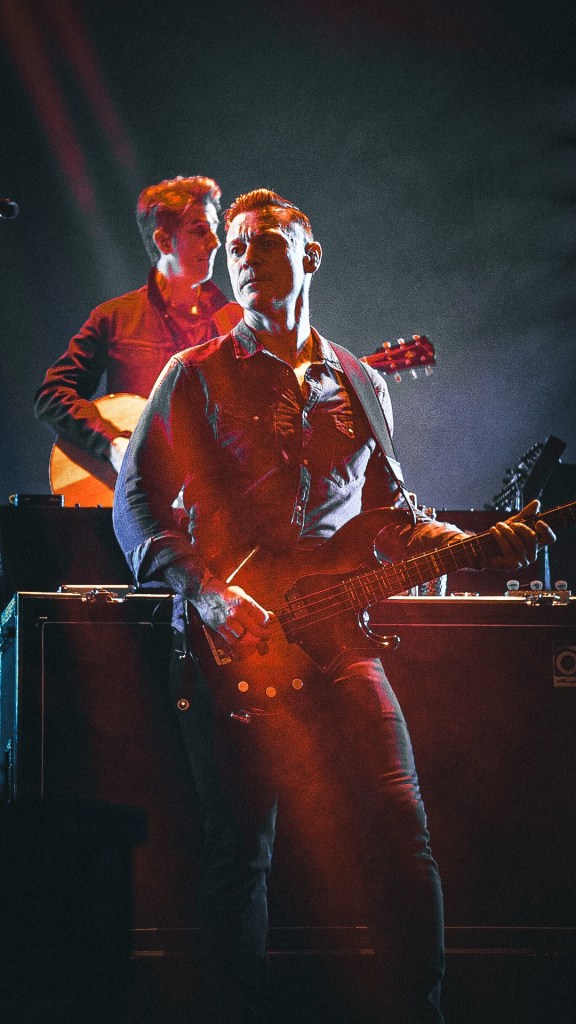
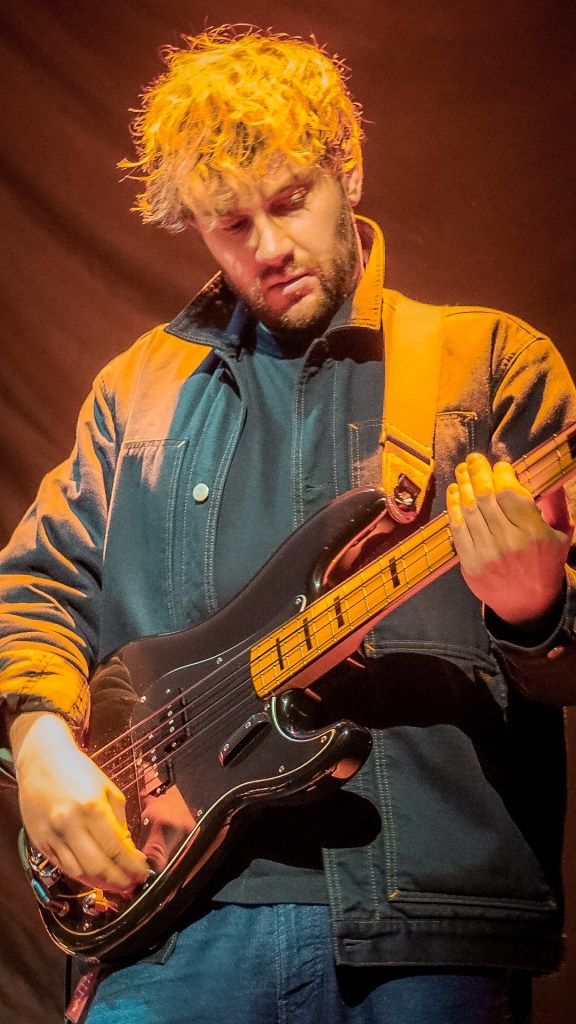
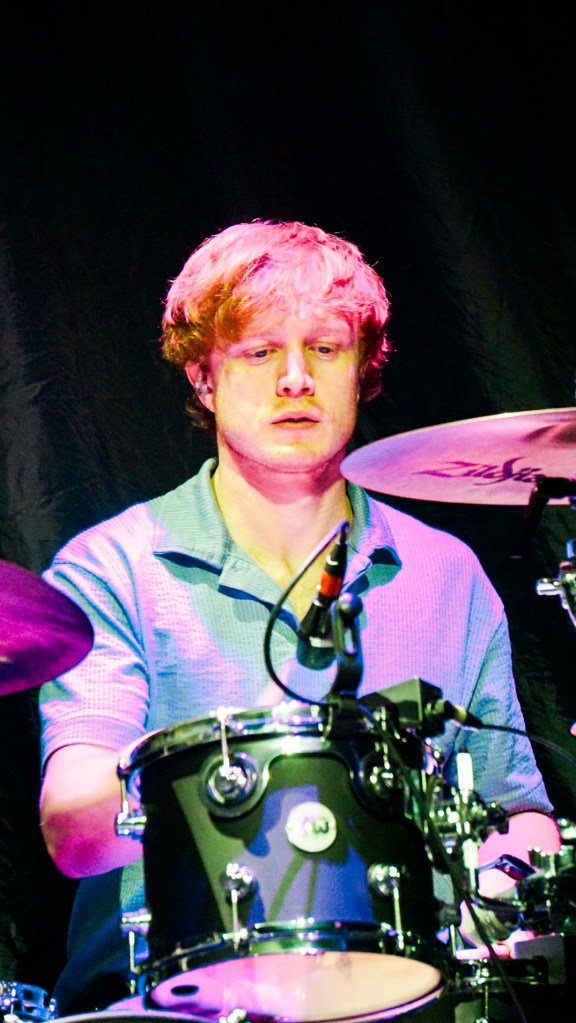
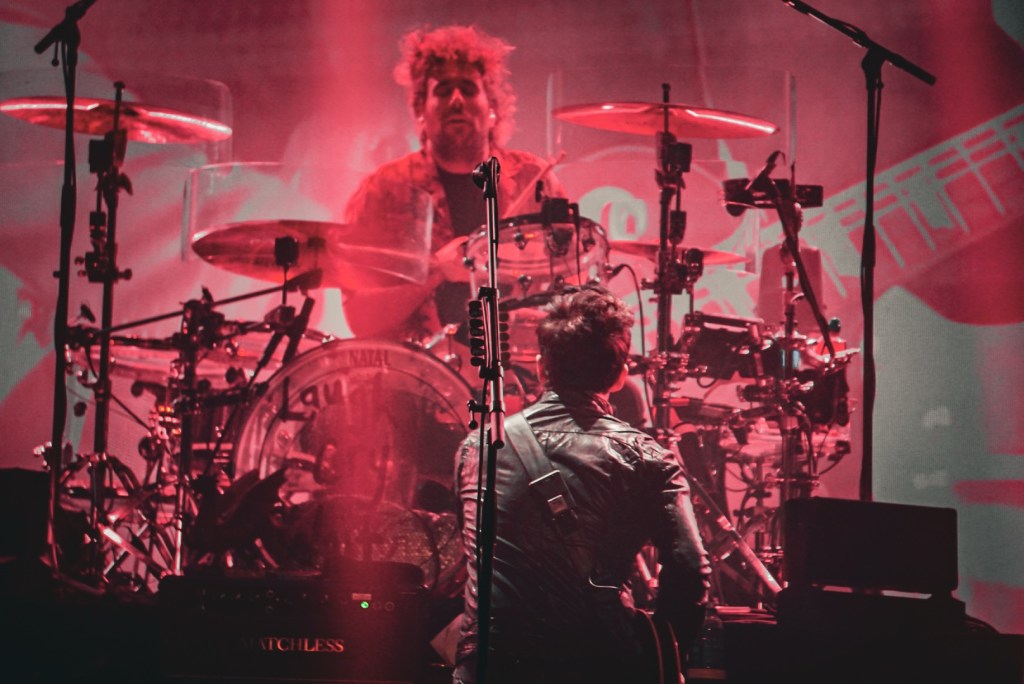
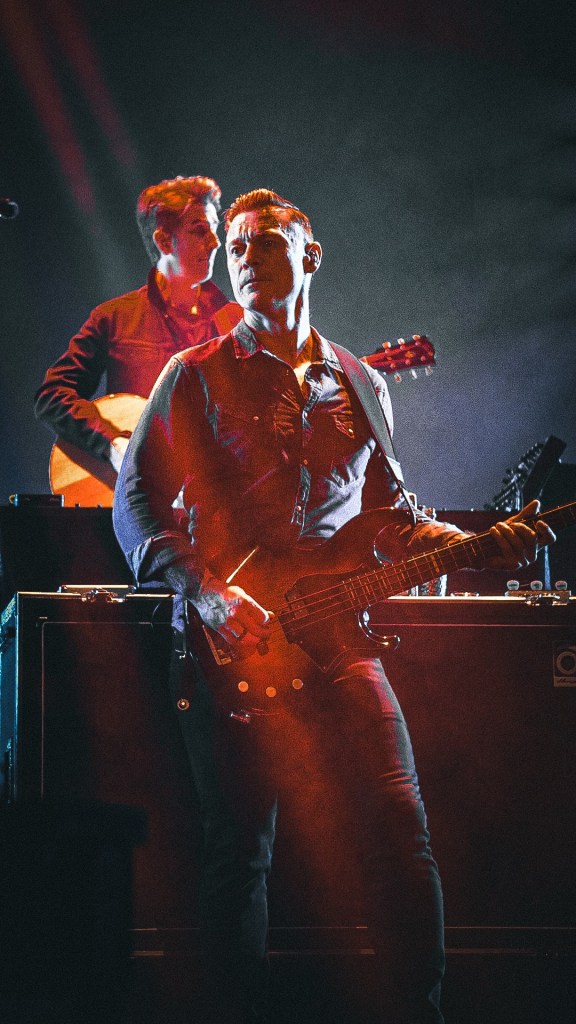
Beside him, Richard Jones on bass is the band’s quiet gravitational pull, holding everything in place with lines that roll like tidewater — steady, essential, impossible to ignore once you notice them. Adam Zindani, on guitar, brings colour and lift, his parts threading through the songs like sunlight through a grey Welsh sky. And on drums, Jamie Morrison plays with power and restraint, driving the songs forward without ever overplaying — a modern engine built to honour an older blueprint.
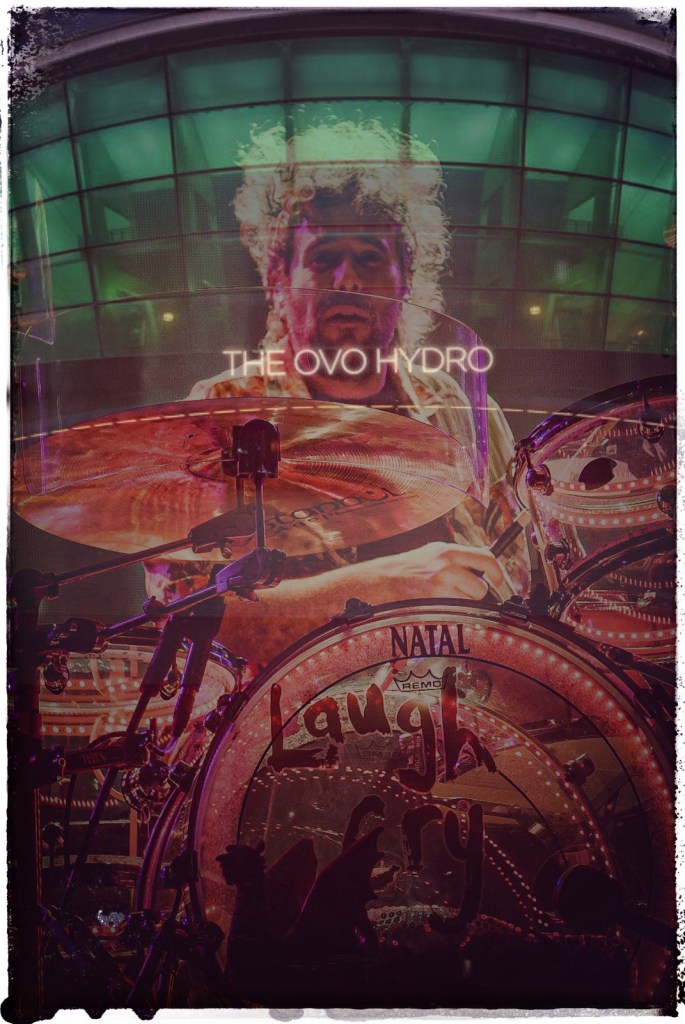
That blueprint, of course, belongs to Stuart Cable, the band’s original drummer and founding member, whose spirit hung heavy and proud over the night. There was something deeply moving about hearing these songs thundered out in an arena, knowing they were born in rehearsal rooms, teenage dreams, and chaos. Kelly addressed it with characteristic self-deprecation and warmth:
“Those pictures are from our first ever ever tour when Stuart Cable did our first gig. I was about 12 and Stuart was about 15, we used to wheel our drum kit around in a shopping trolley. Now we are on tour with eight buses, we are contractual to be here and to have every one of you, but basically what I’m trying to say is — has anyone seen my shopping trolley?”
It landed exactly right: funny, tender, and quietly devastating. A fitting tribute to Cable, who may be gone but remains embedded in the DNA of every beat.

Stand-out moments came thick and fast. “Have a Nice Day” shimmered with irony and uplift, a song that has aged like a favourite leather jacket — scuffed, but better for it. “Mr. Writer” still bites, its sneer intact, while “Maybe Tomorrow” unfurled like a lighter held aloft in a stadium of strangers who suddenly feel like friends. “Fly Like an Eagle” soared without bombast, proving Stereophonics know the difference between arena rock and music that simply belongs in arenas.
Then came “I Wouldn’t Believe Your Radio”, reimagined as a semi-acoustic left-turn, complete with a ukulele party solo from Kelly that felt like a pub sing-along gatecrashing a rock show. It was joyous, ridiculous, and utterly perfect — the sound of a band comfortable enough in its legacy to mess with it.

And here’s the thing: 14-year-old me would be quite shocked to be standing here, loving — genuinely loving — the resurgence of millennial indie bands from the 90s and 00s. Shocked not because it’s happening, but because it works. Because these songs haven’t shrunk with age; they’ve expanded. They’ve picked up life along the way.
There is a steadfast fan front of stage holding up a sign pleading “Please Play 1000 Trees” a song untill tonight had remain off of the tour set list. Instantaneously 14,000 Glaswegians participate in an en masse singalong – a moment of untold joy for this writer and the gathered crowed.

The encore sealed it. Balloons were released into the crowd like stolen childhoods, bouncing overhead as the band tore through “100MPH”, “Traffic”, “C’est la vie”, and finally “Dakota” — a closer so colossal it feels less like a song and more like a communal out-of-body experience. Thousands of voices yelling “I don’t know where we are going now” as if the answer matters less than the journey.
Stereophonics at the Hydro weren’t trading on nostalgia. They were weaponising it — turning memory into momentum, grief into gratitude, and a shopping trolley into eight tour buses without ever forgetting where the wheels first touched the ground.





Article: Angela Canavan
 The Golden Bough