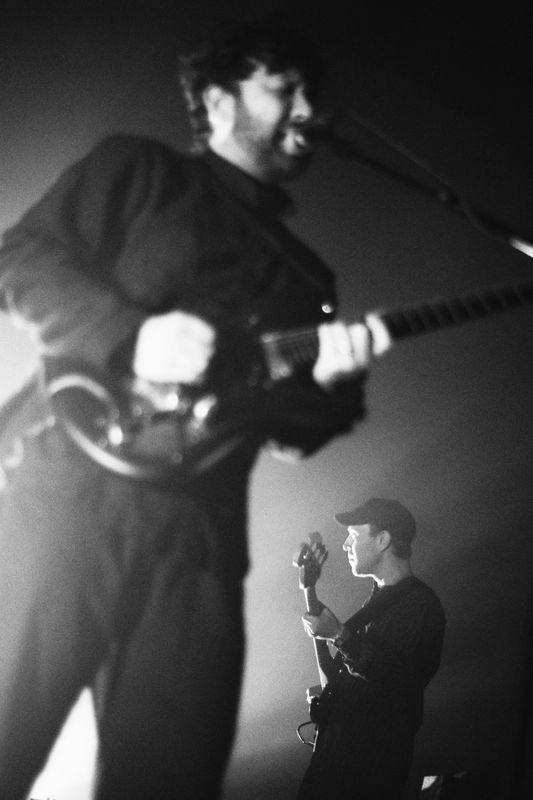
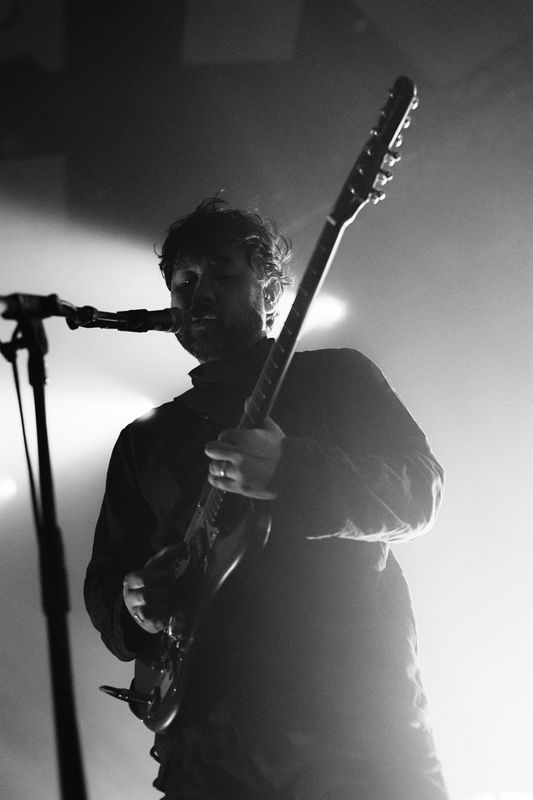
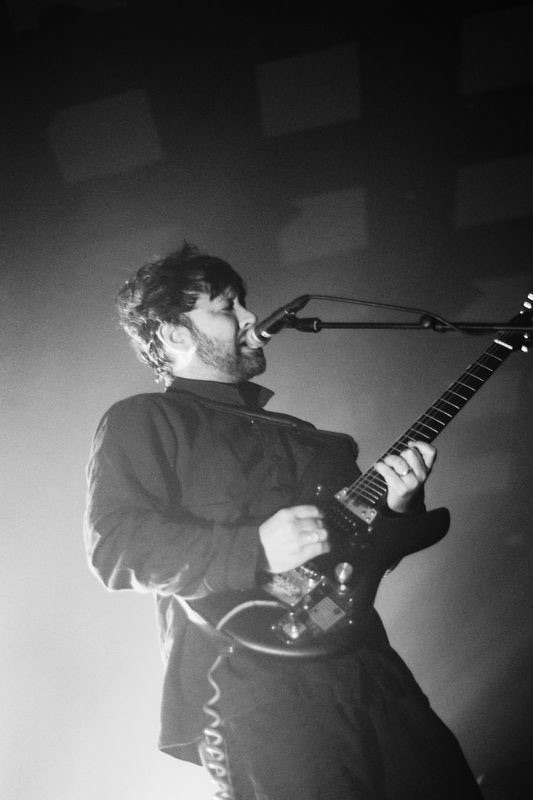
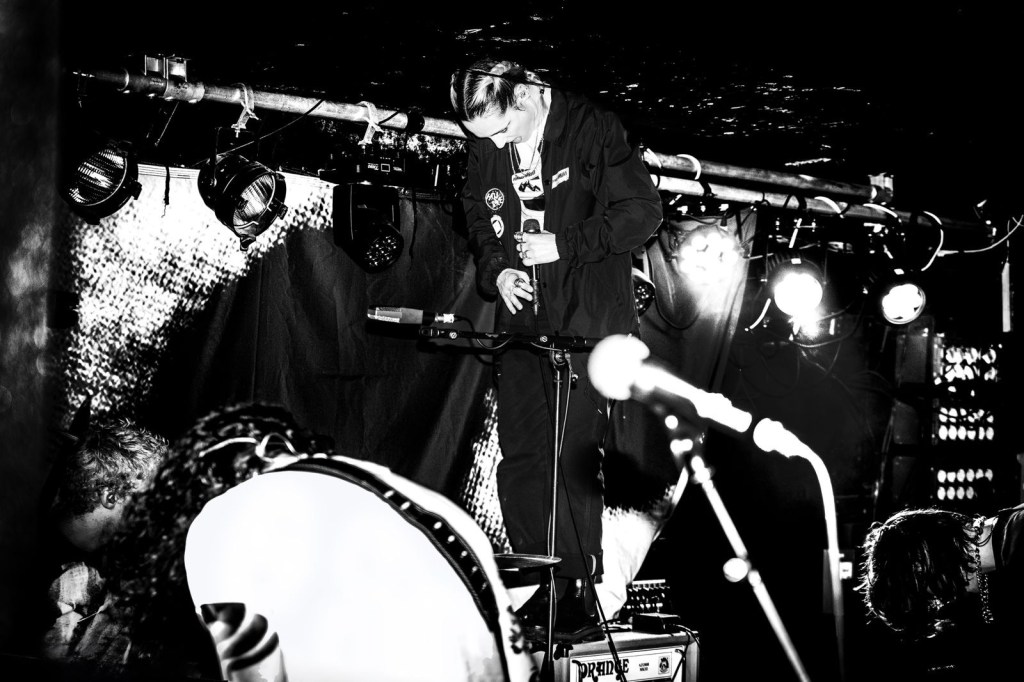
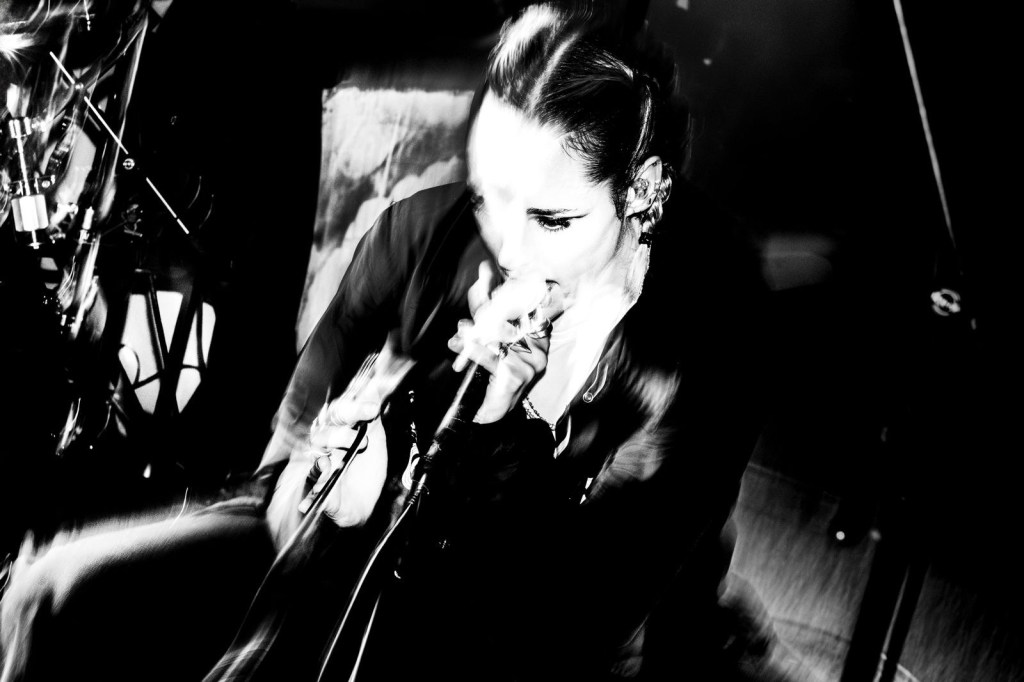
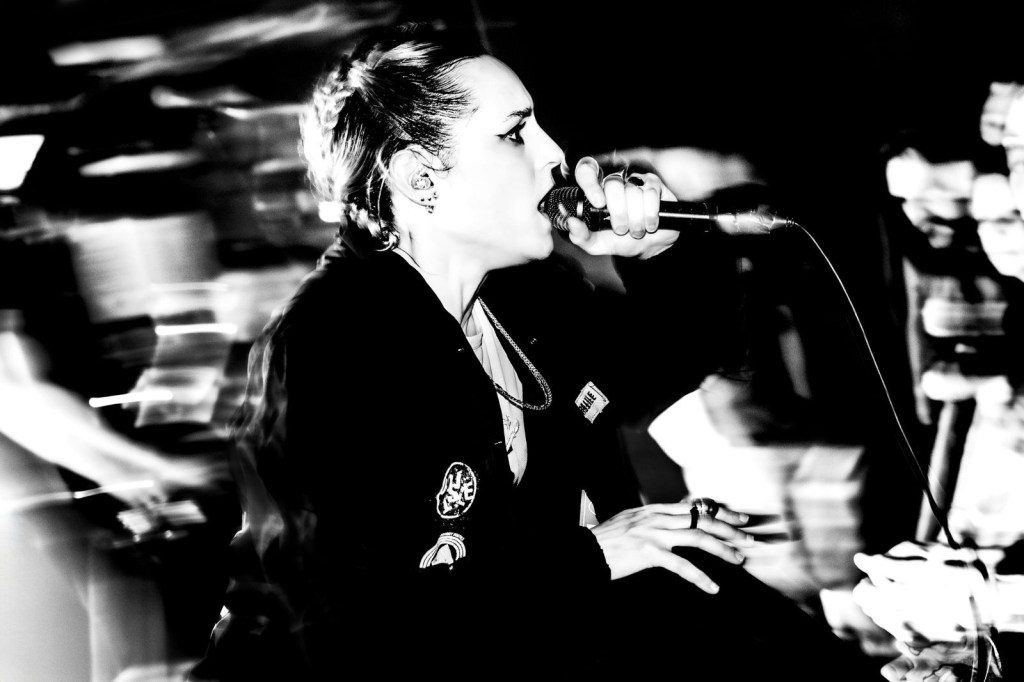
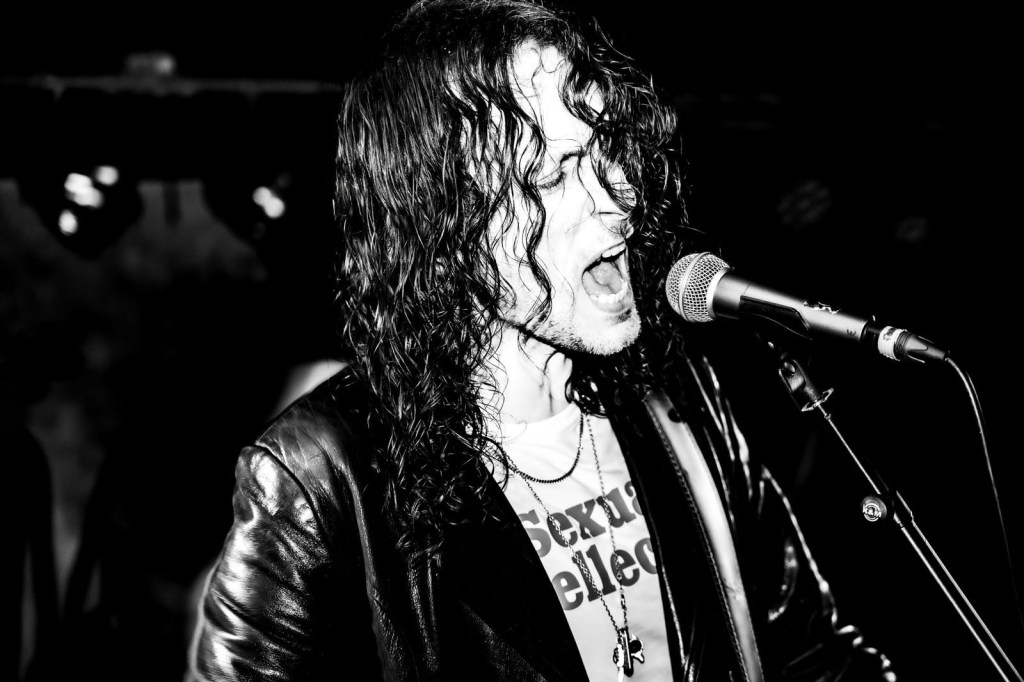
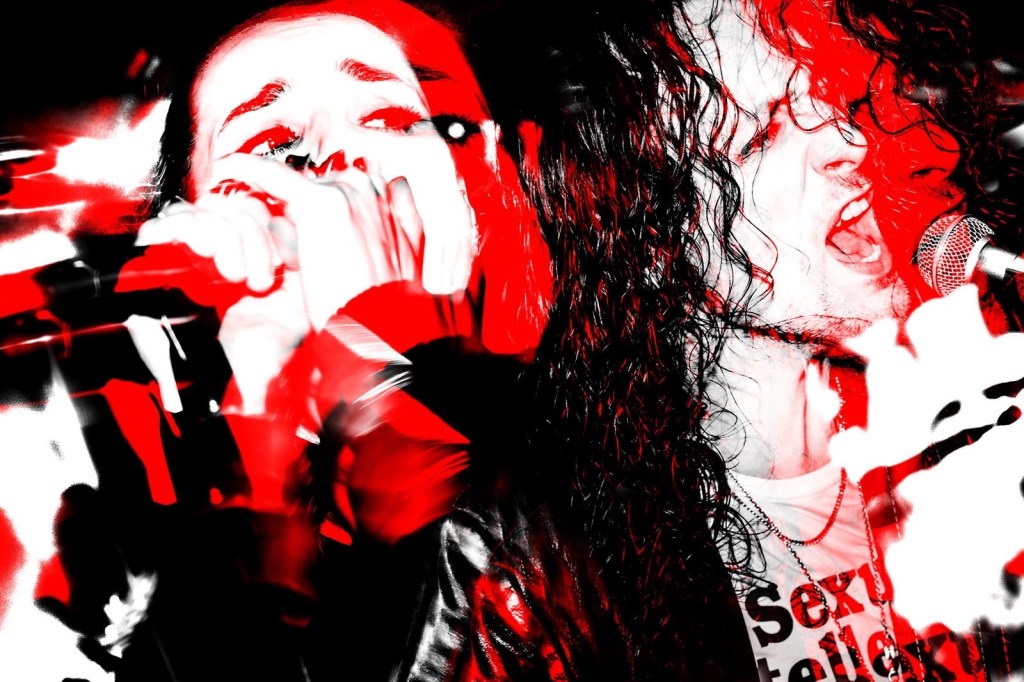
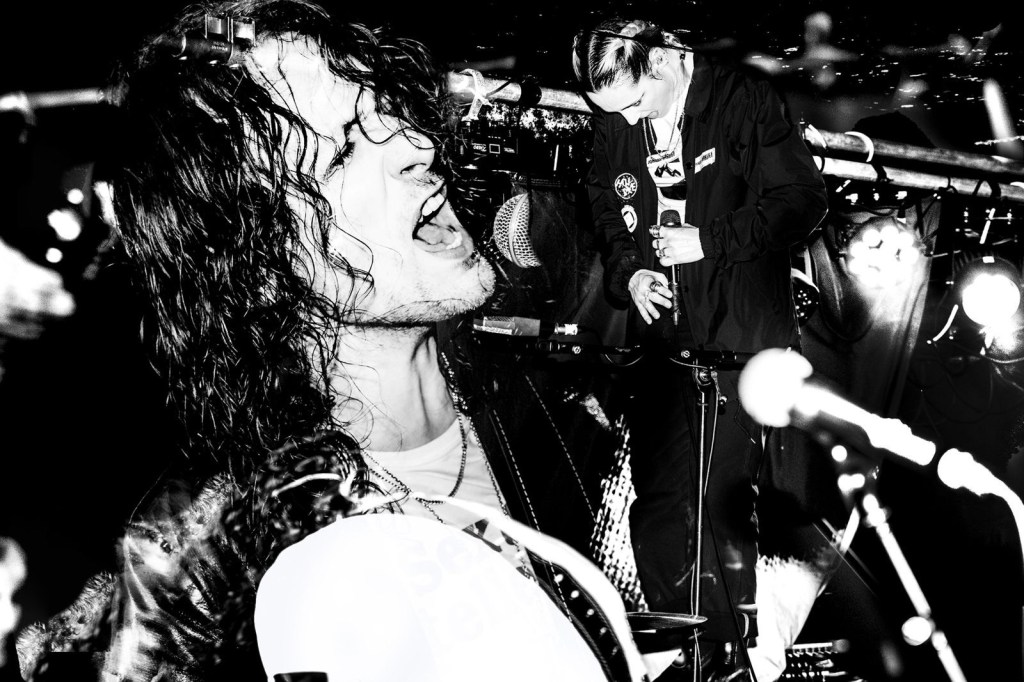
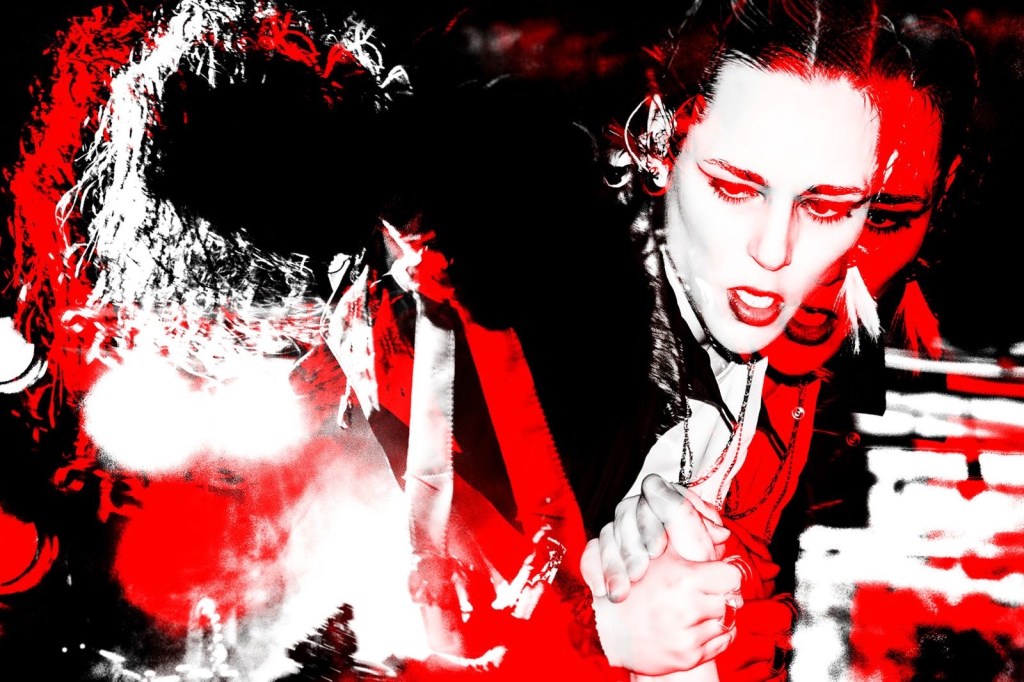
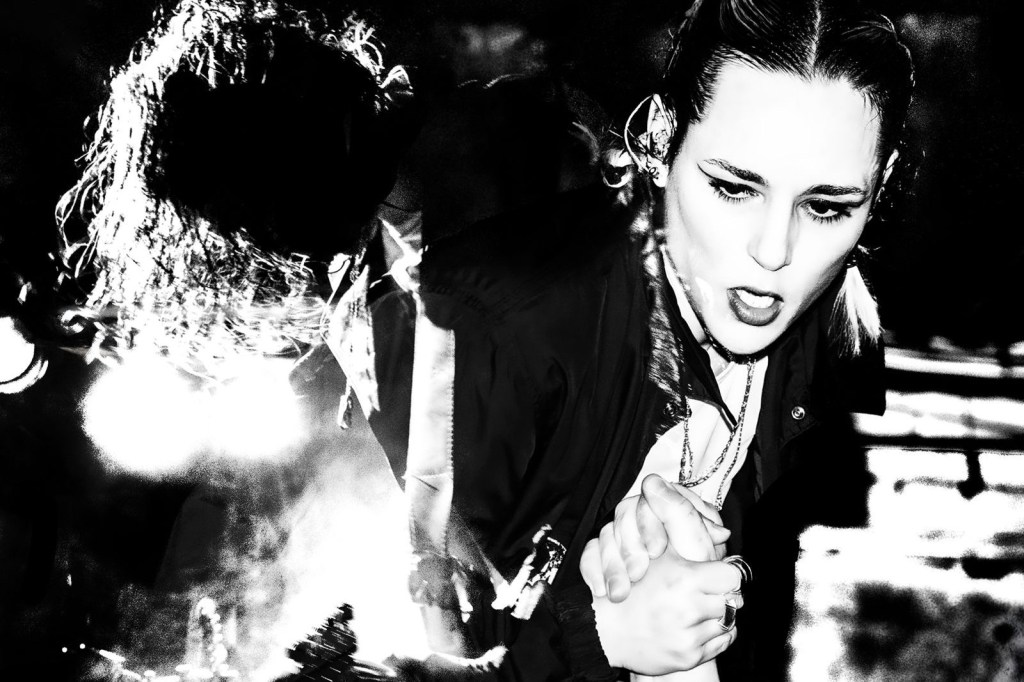
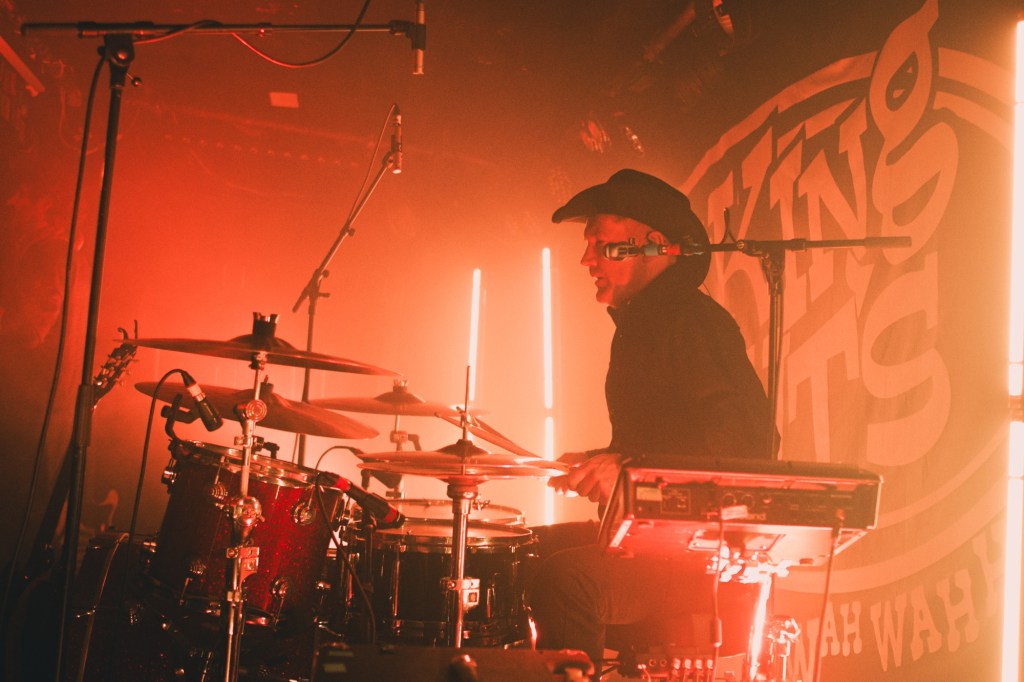
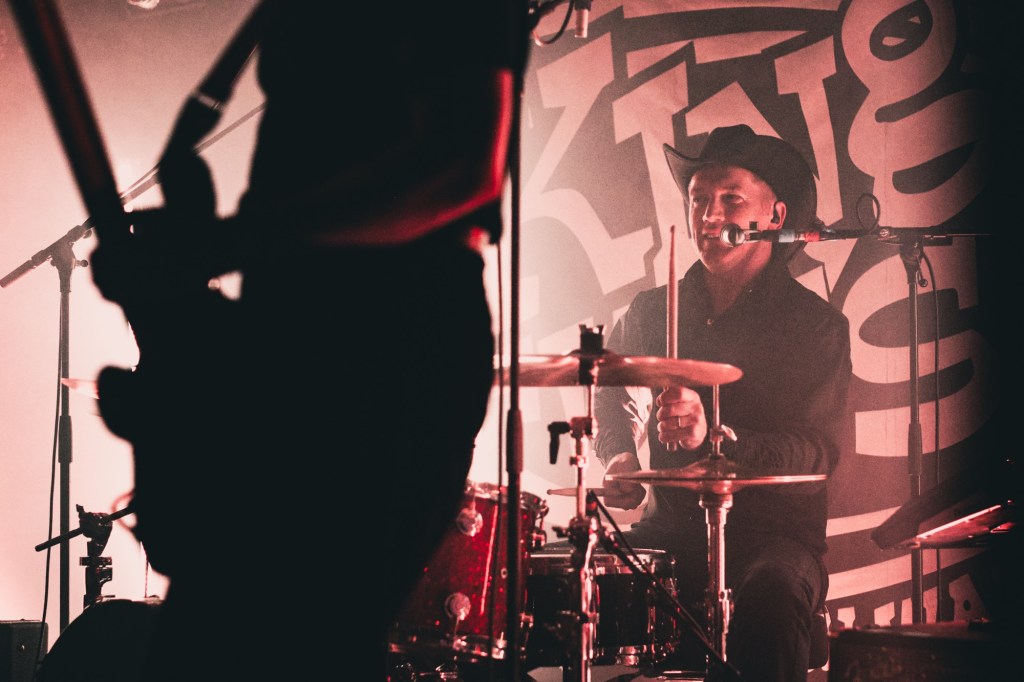
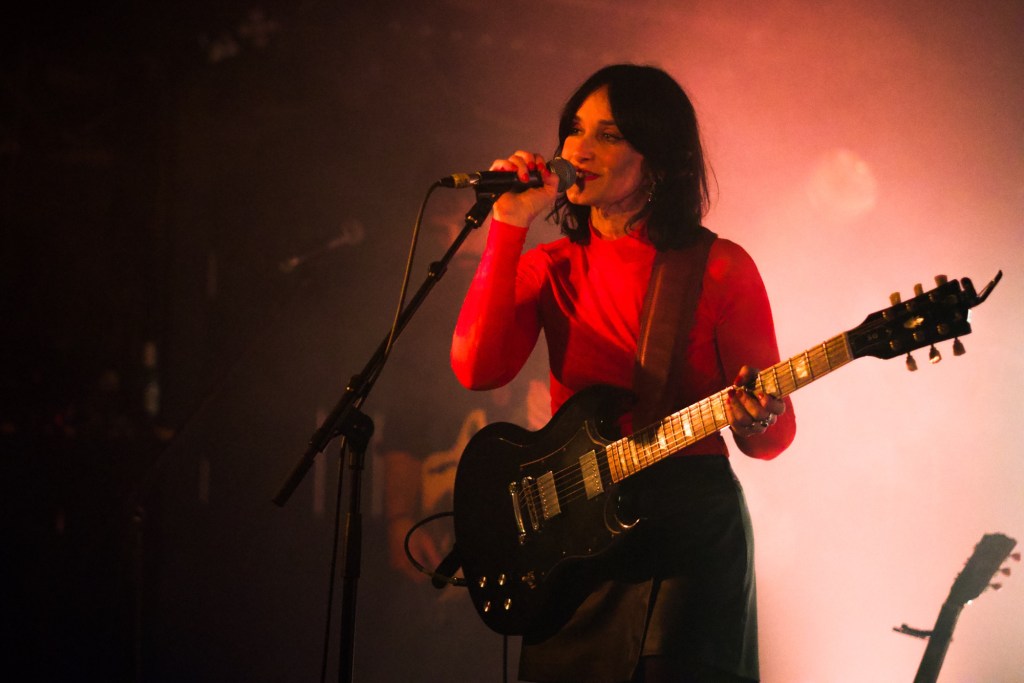
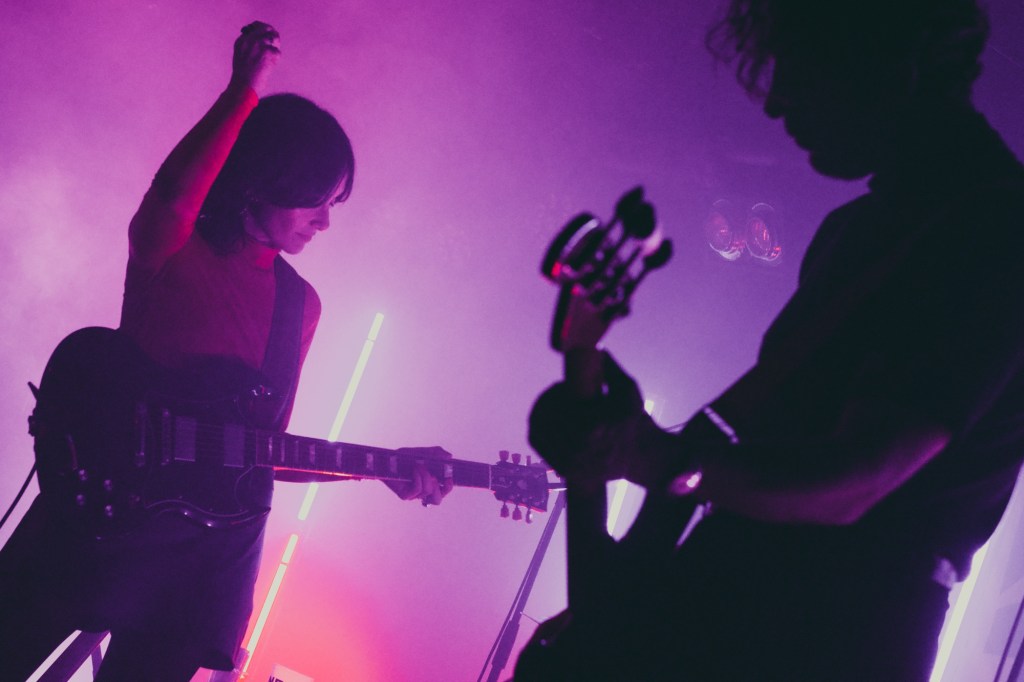
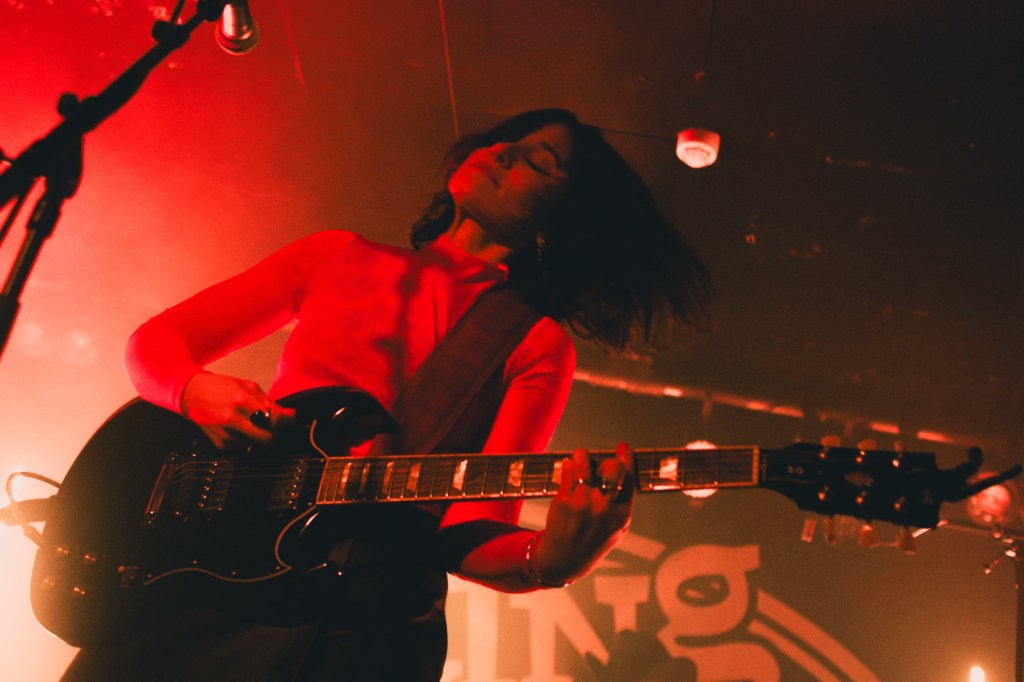
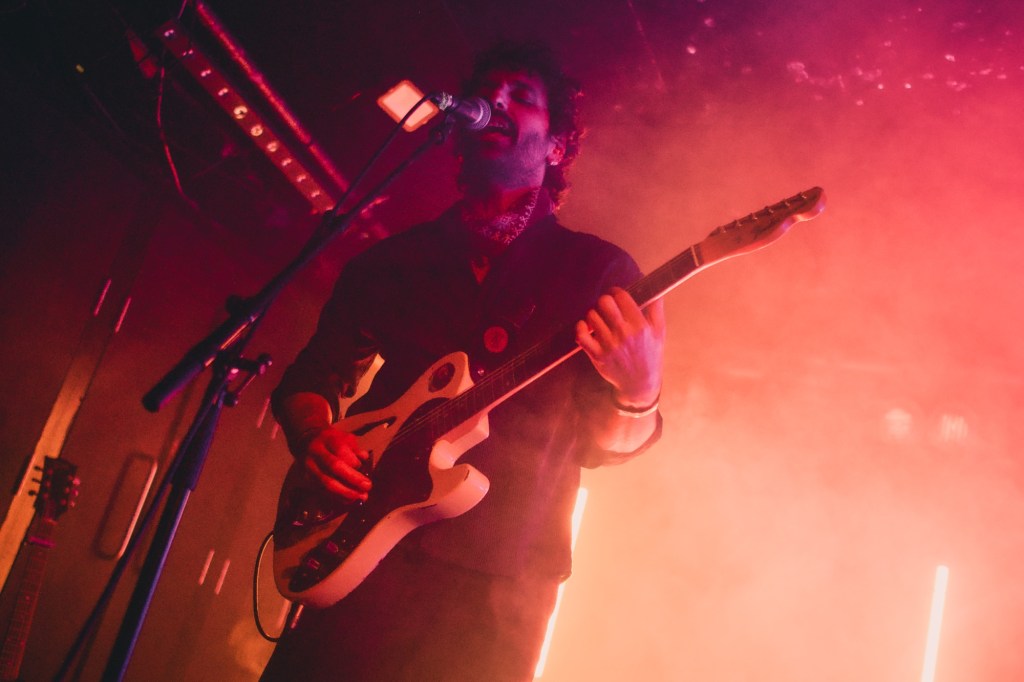
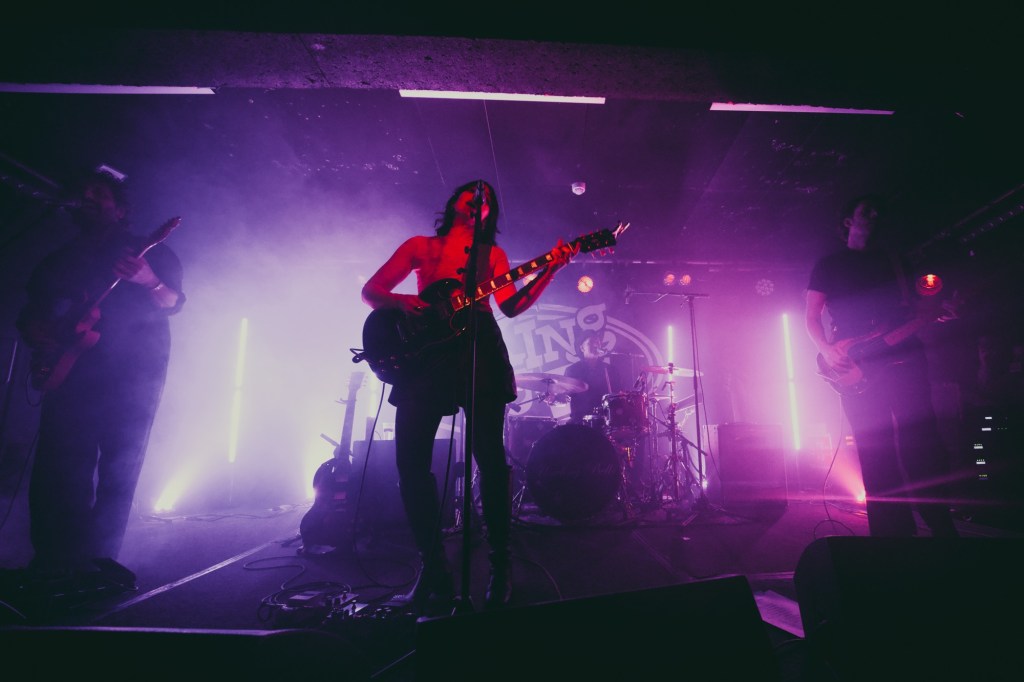
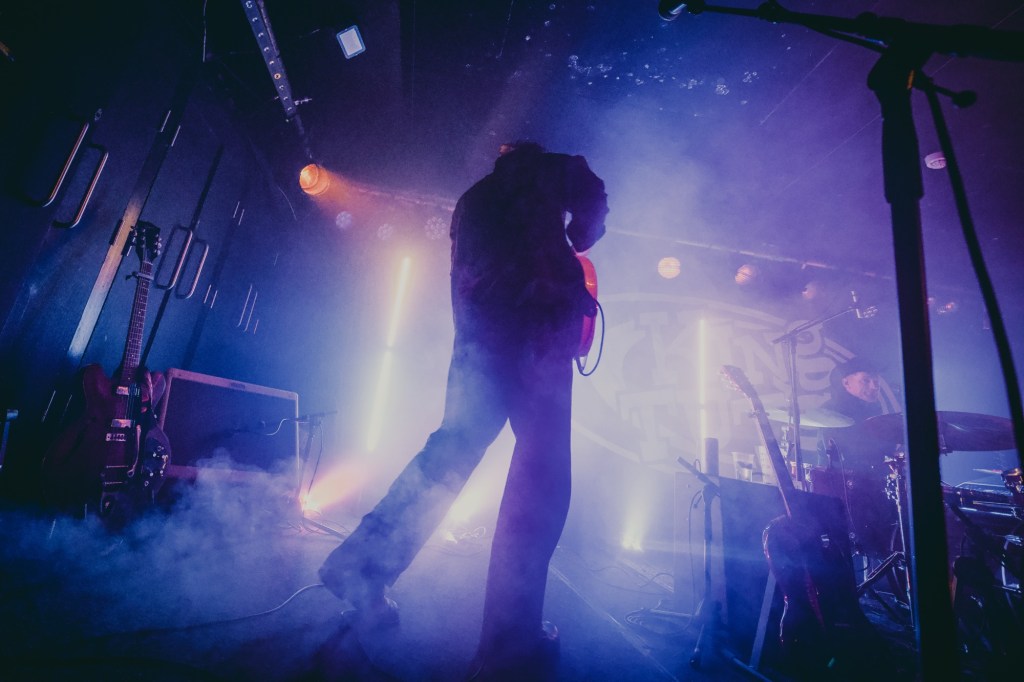
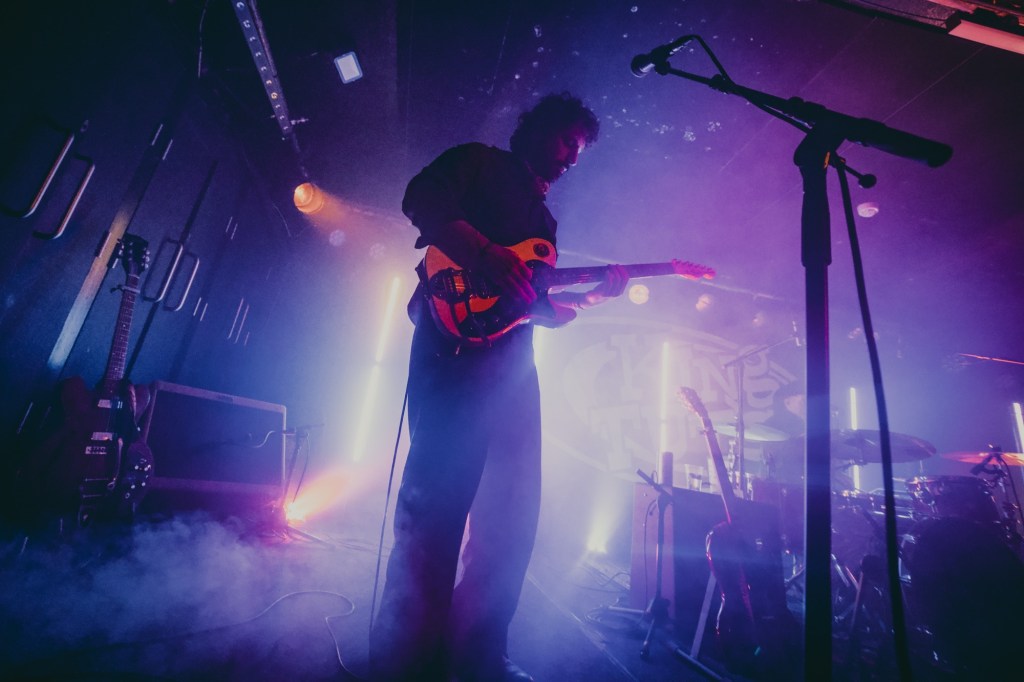
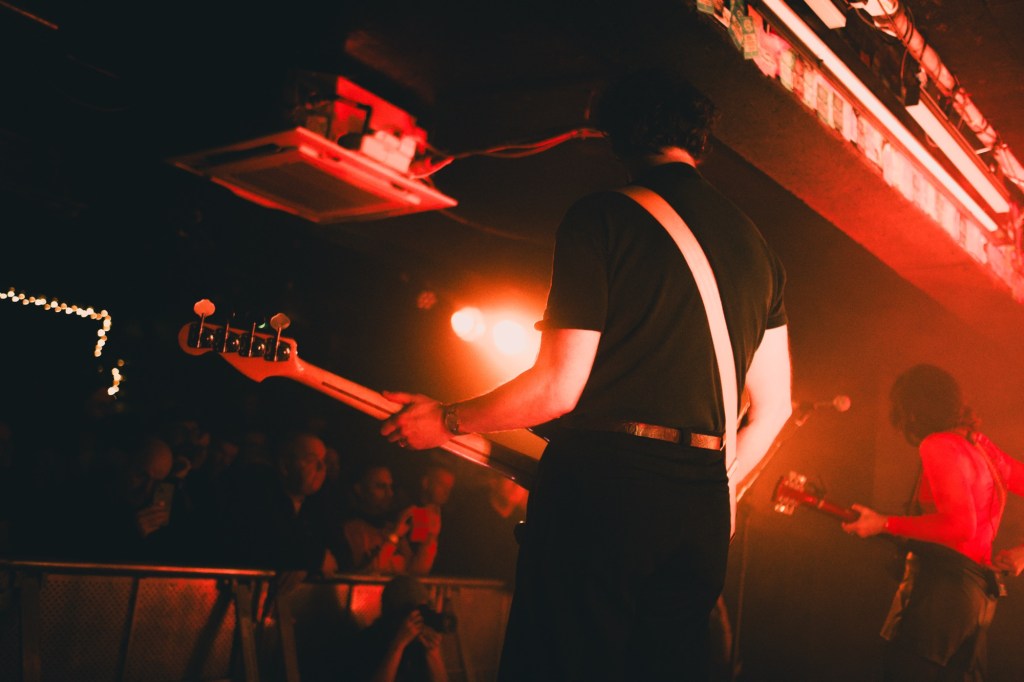
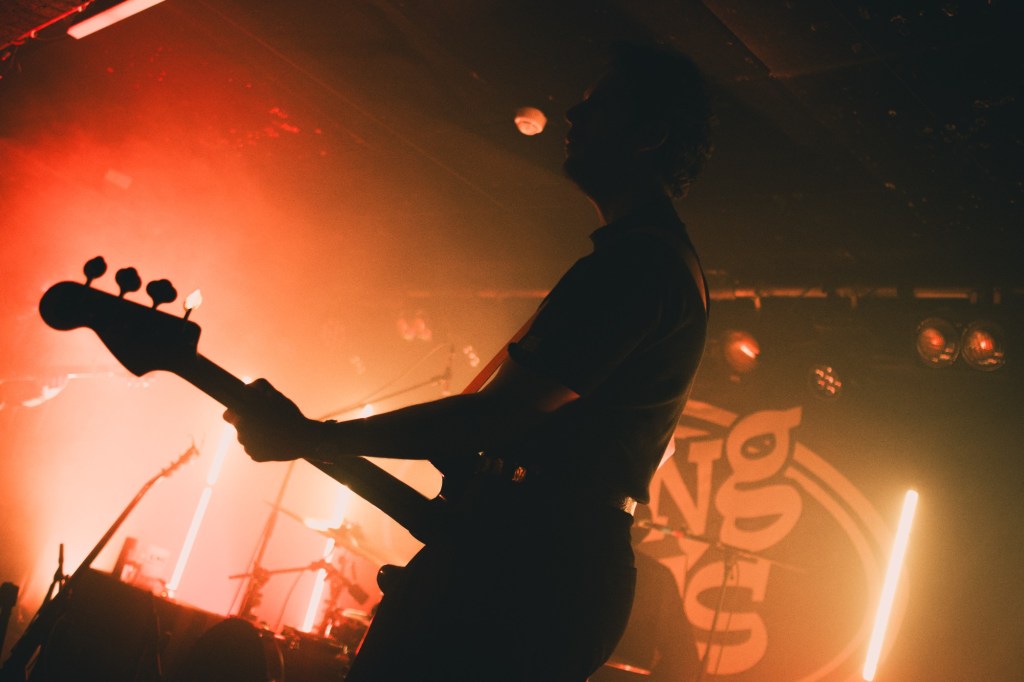
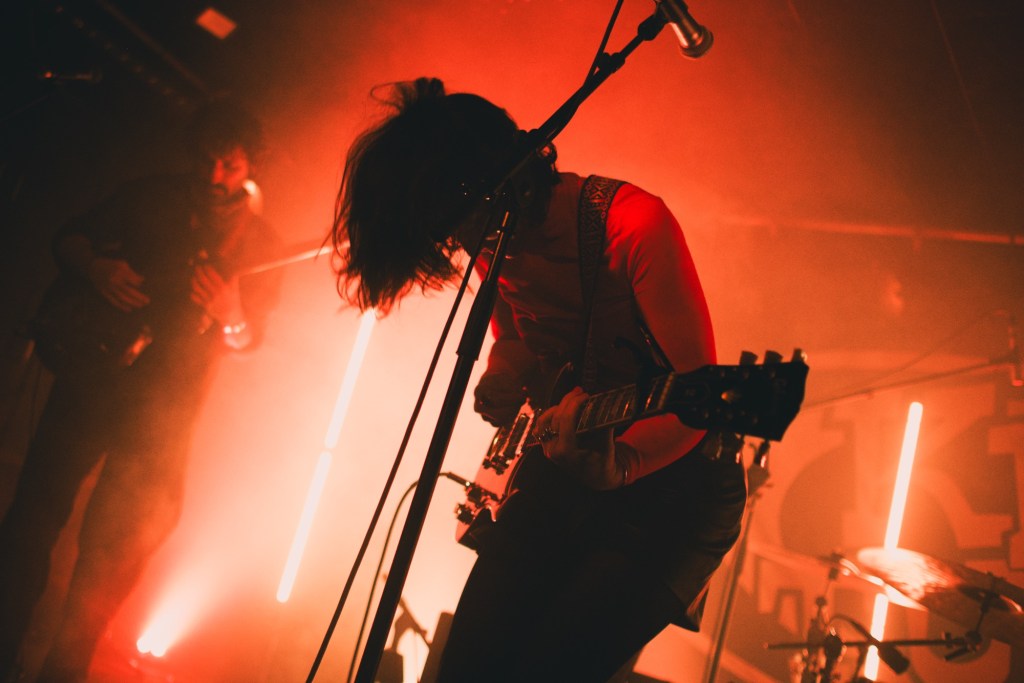
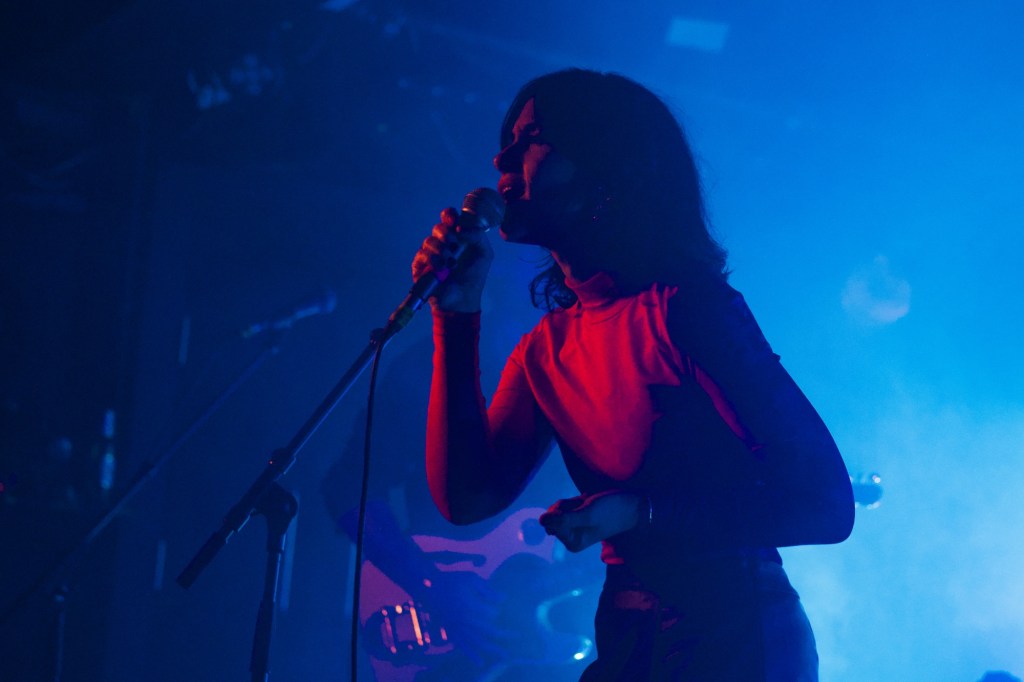
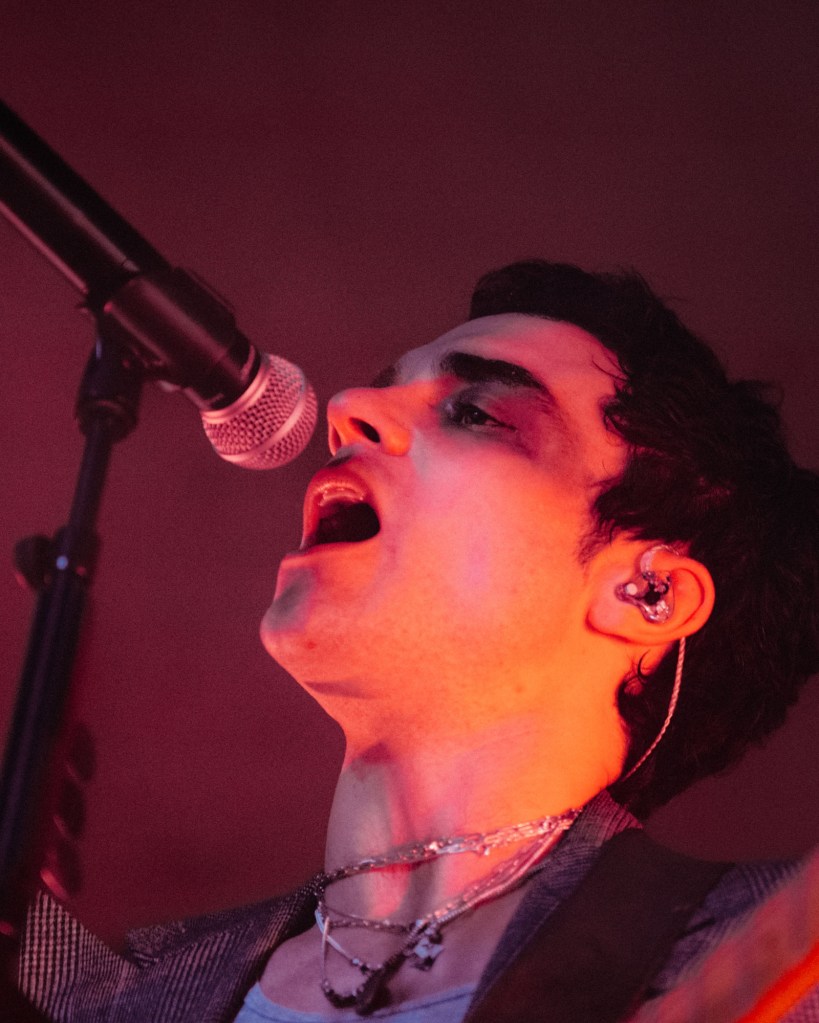
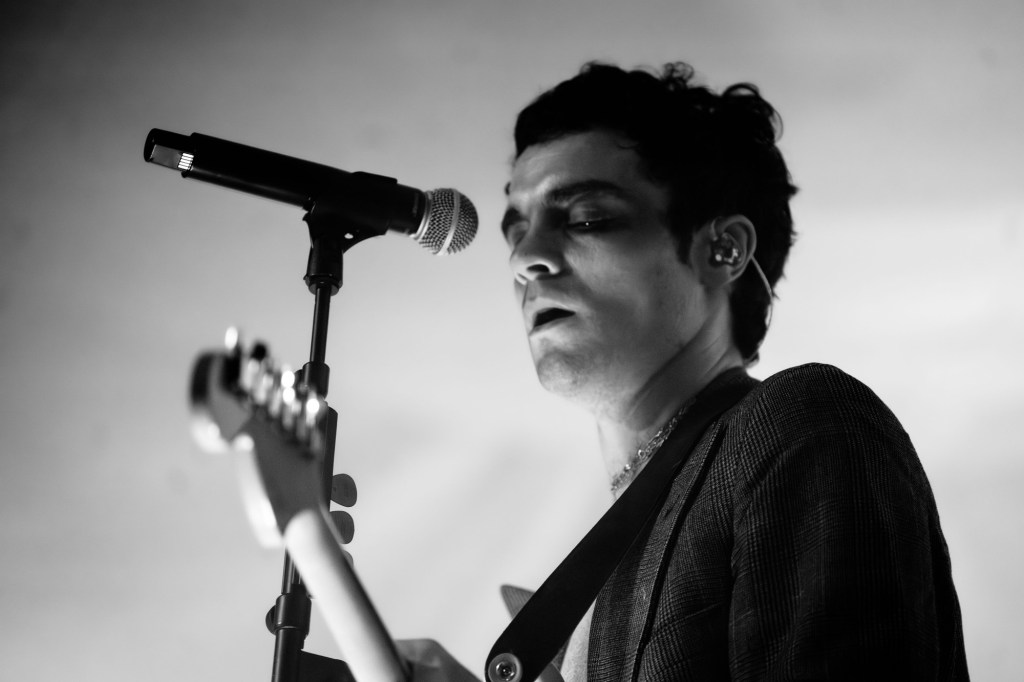
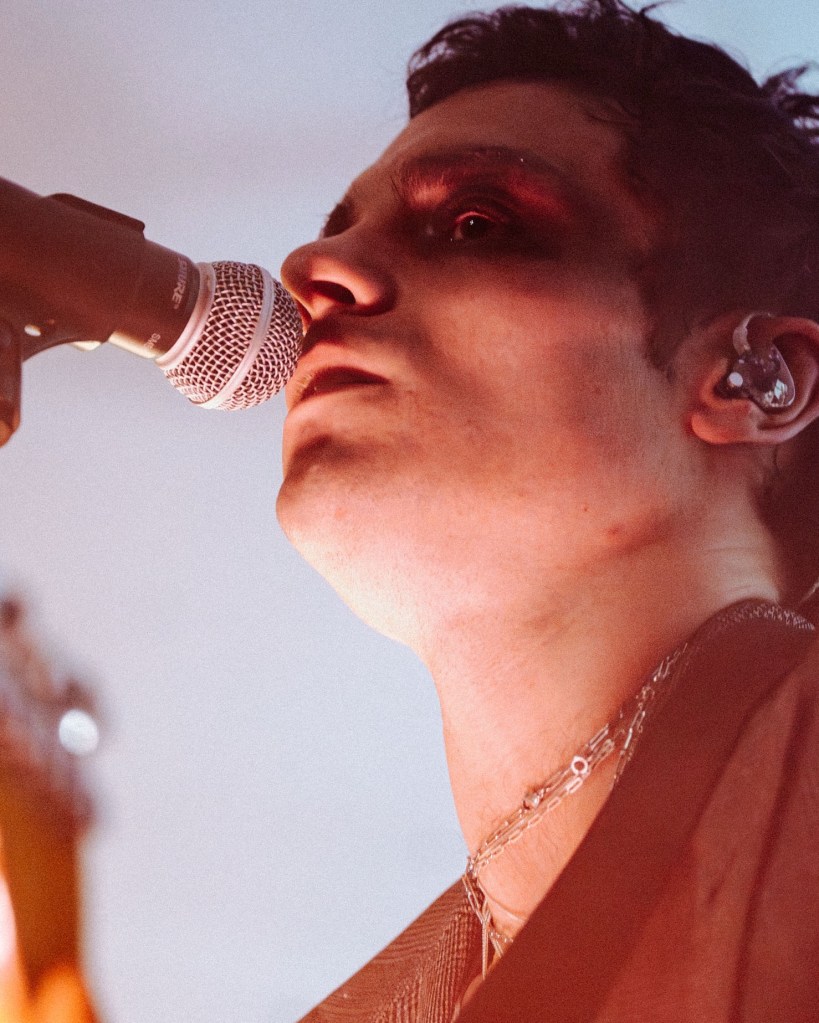
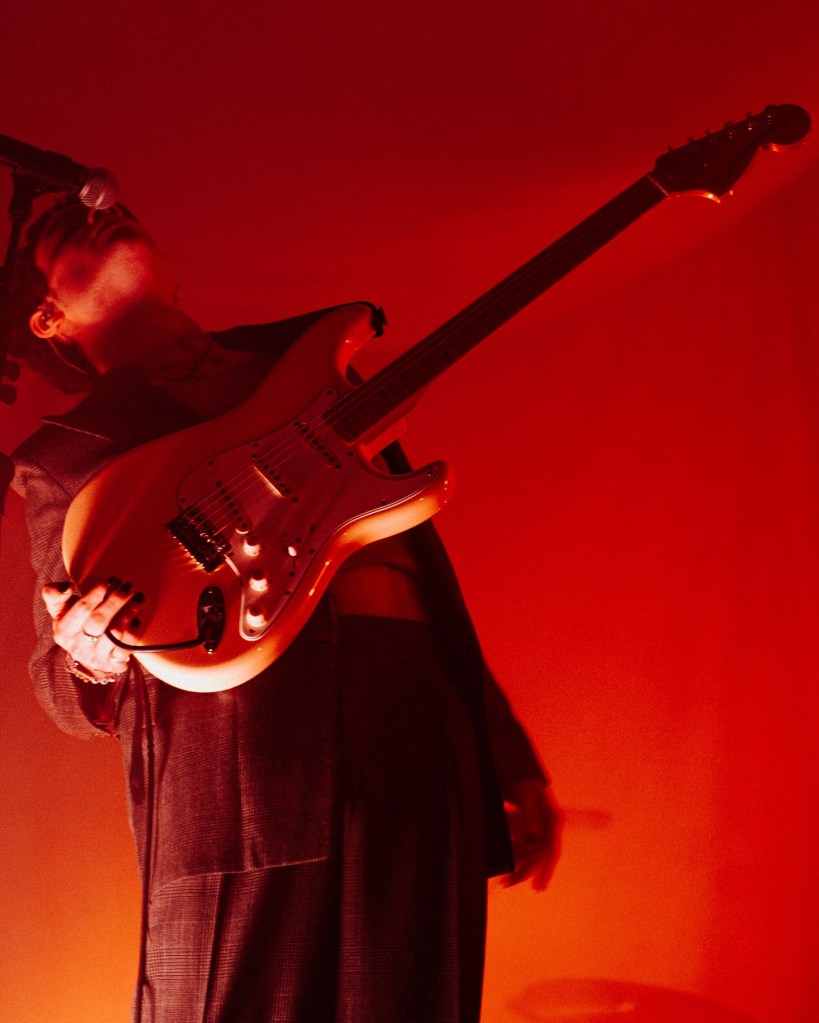
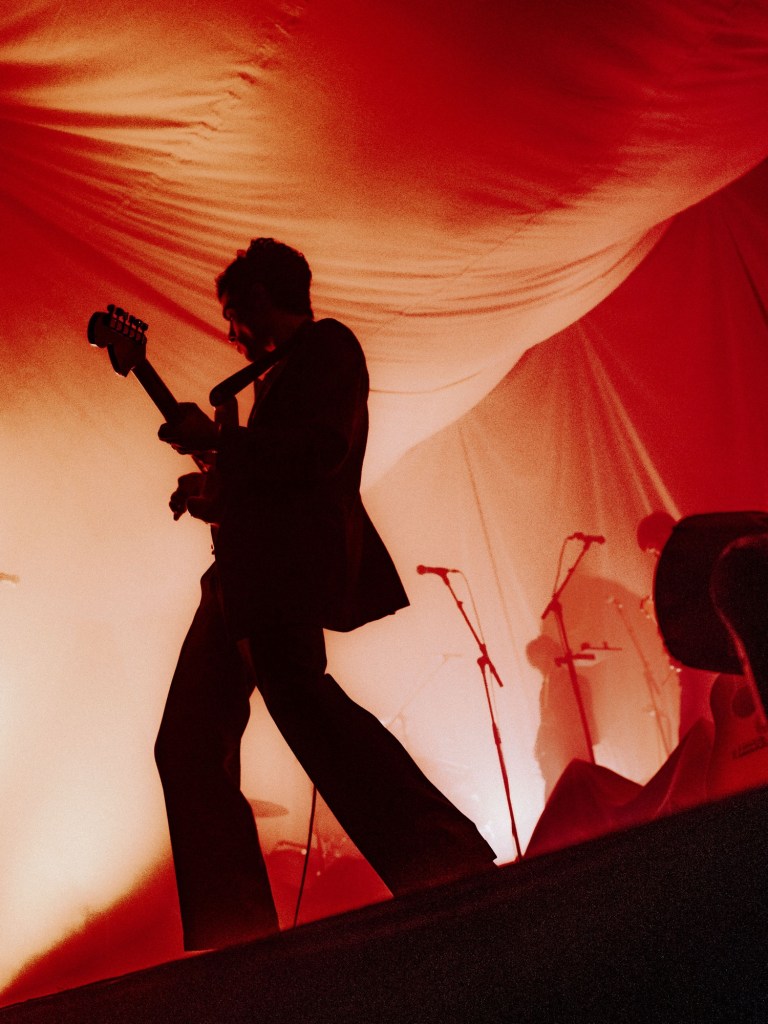
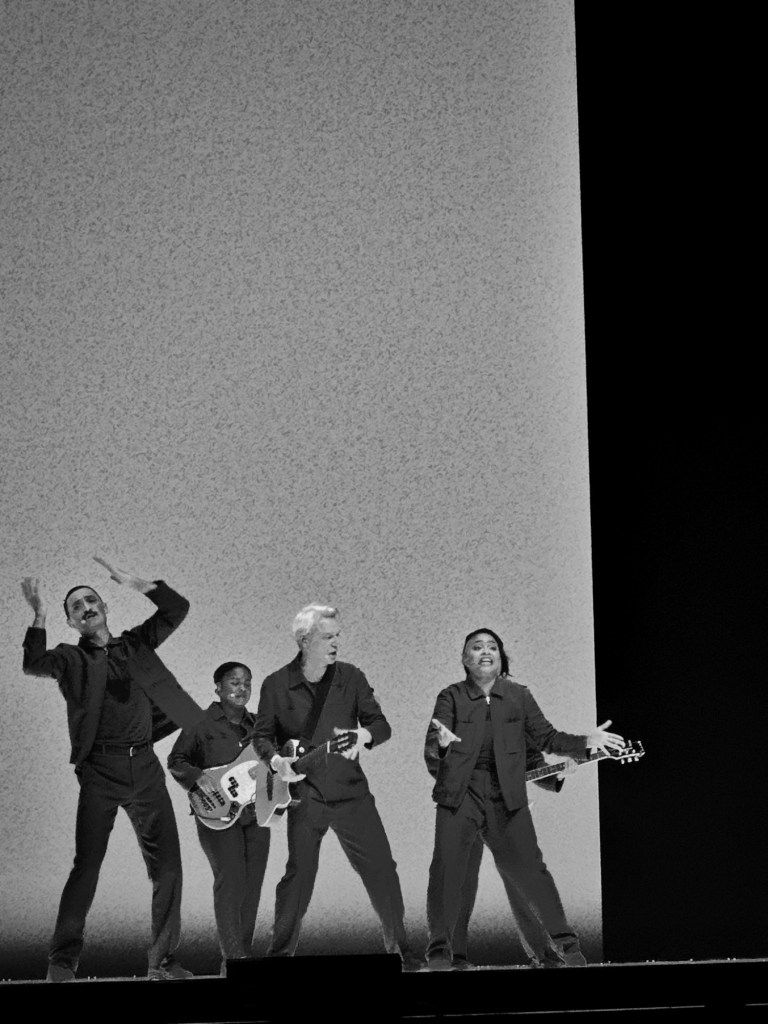
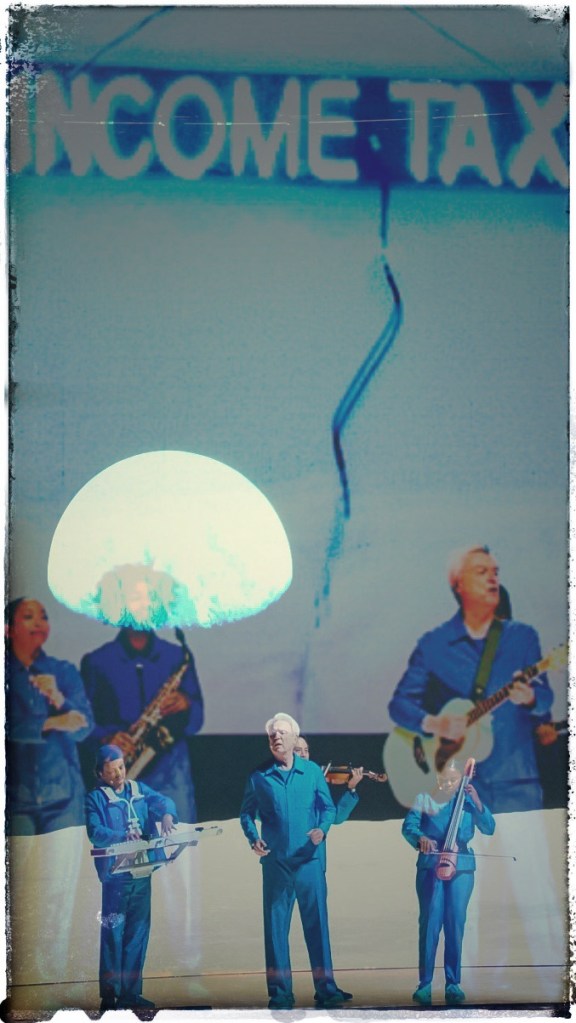
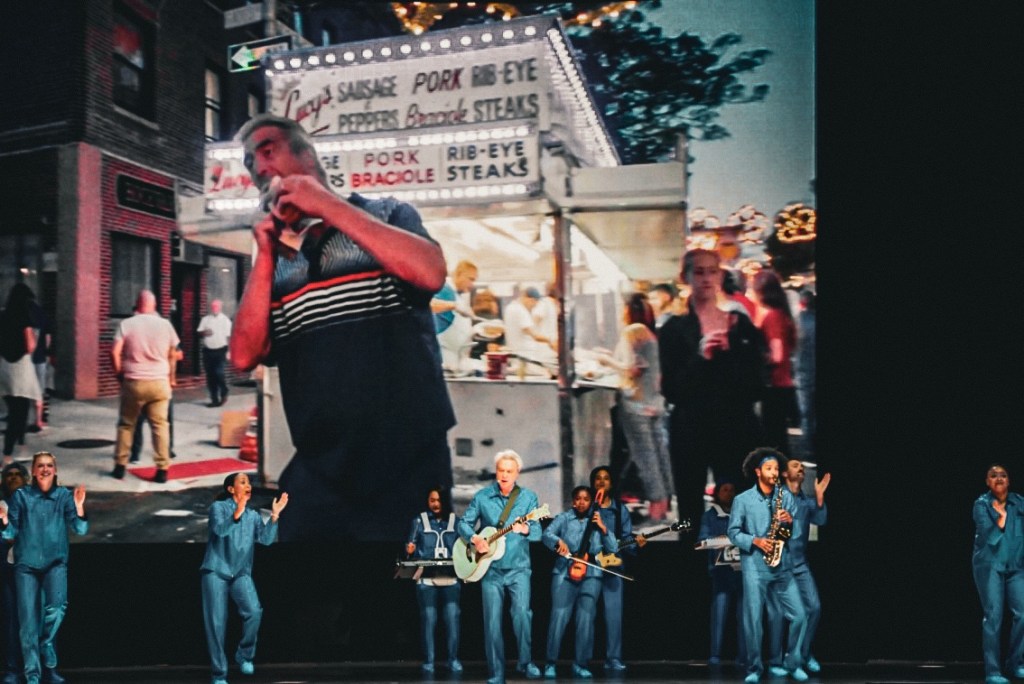
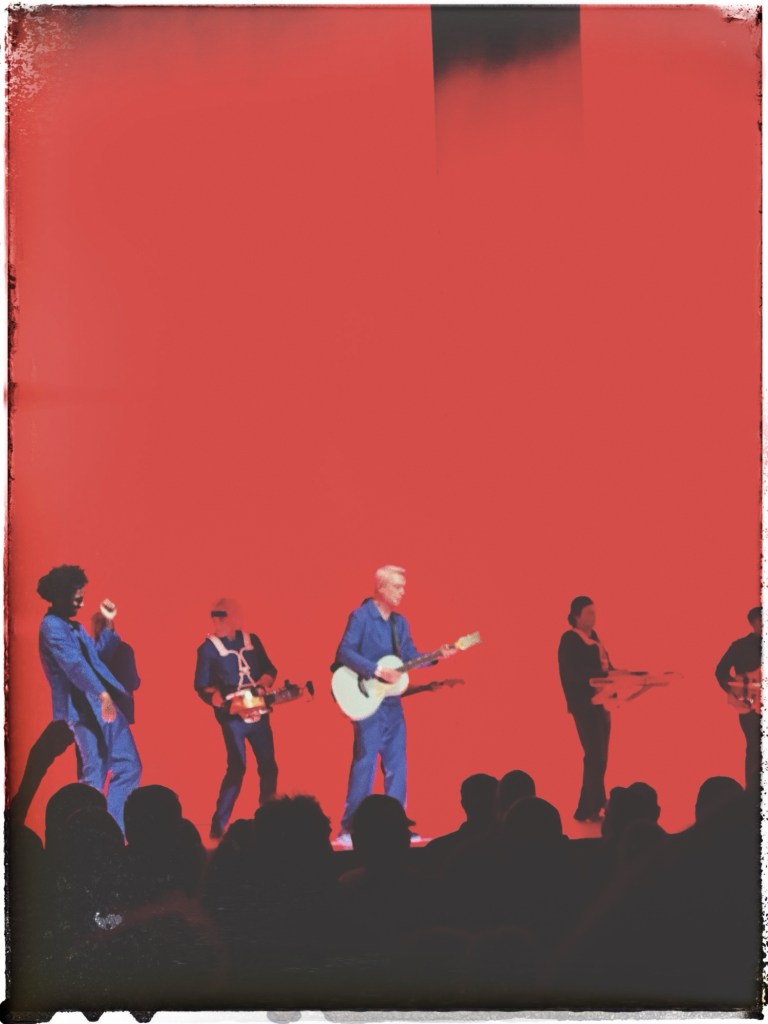
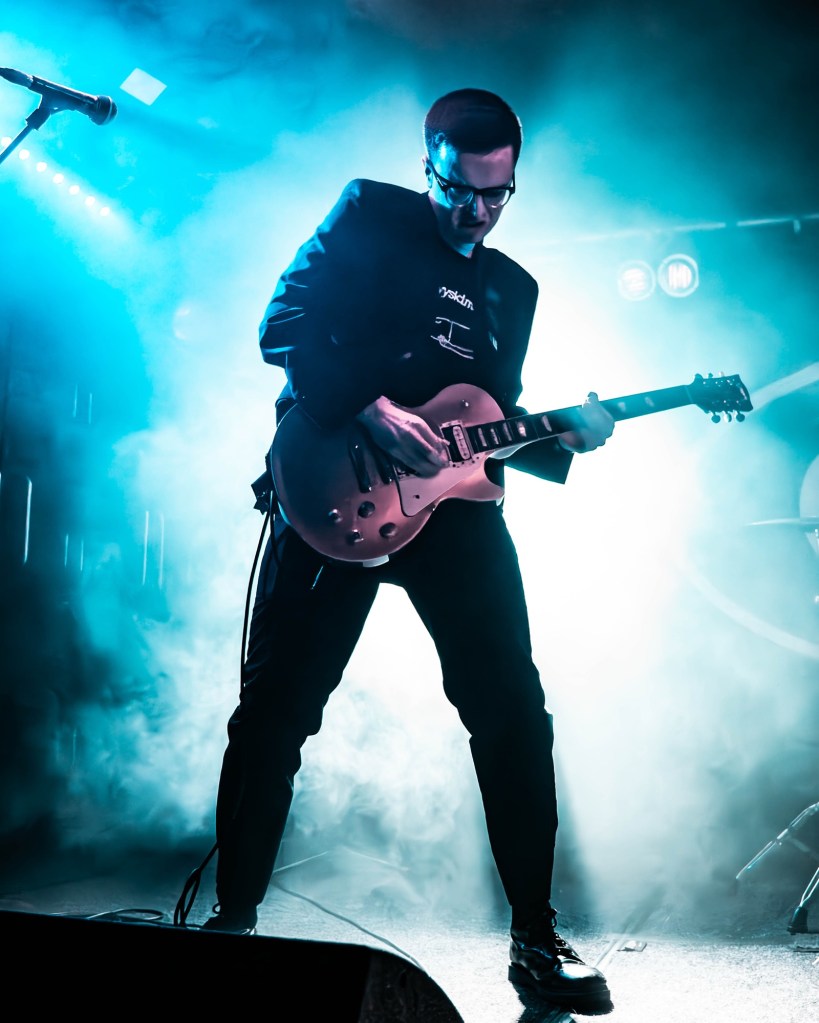
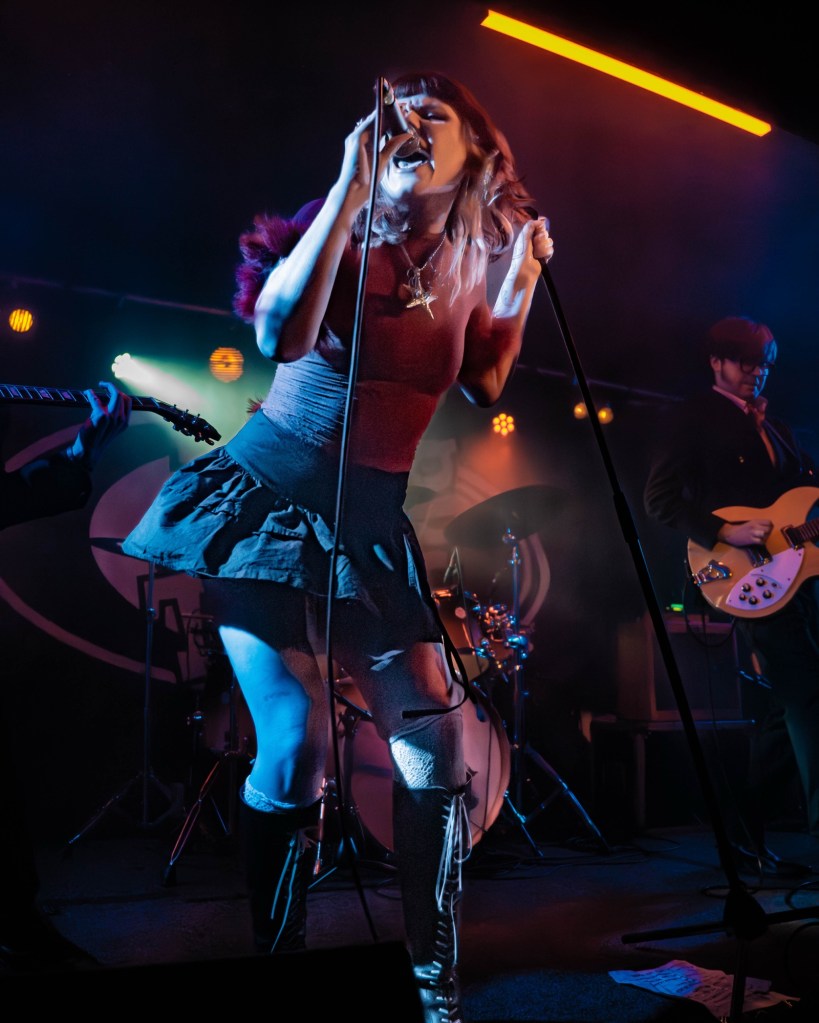
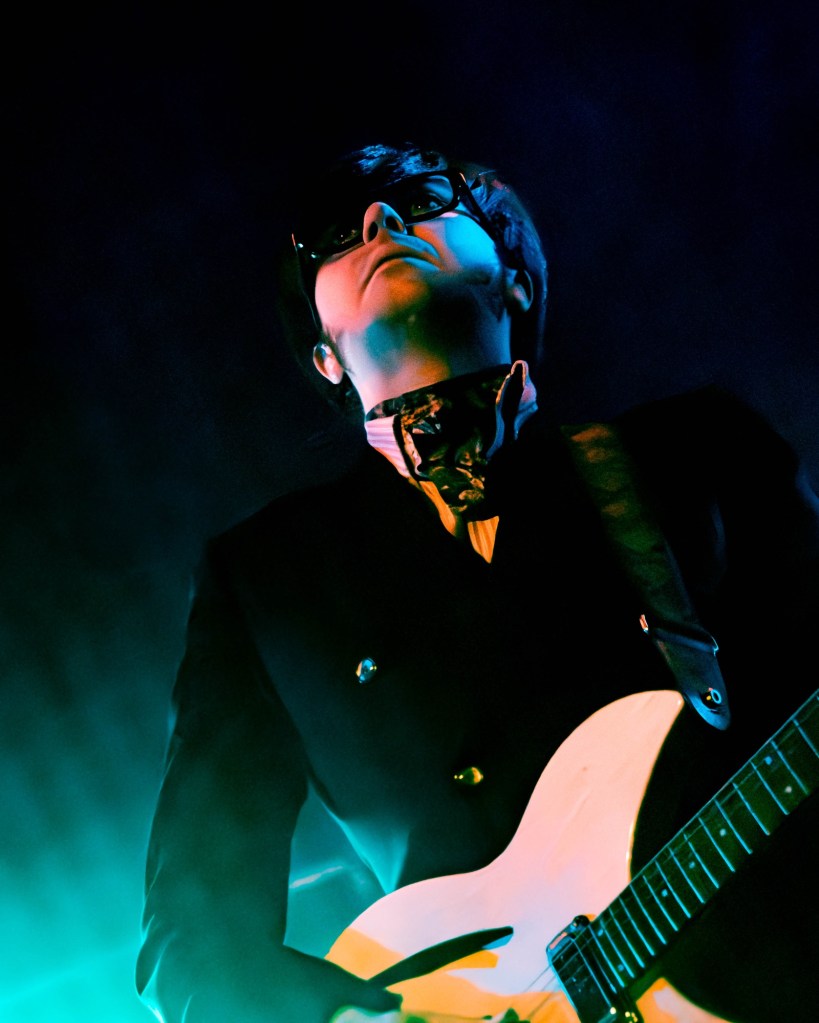
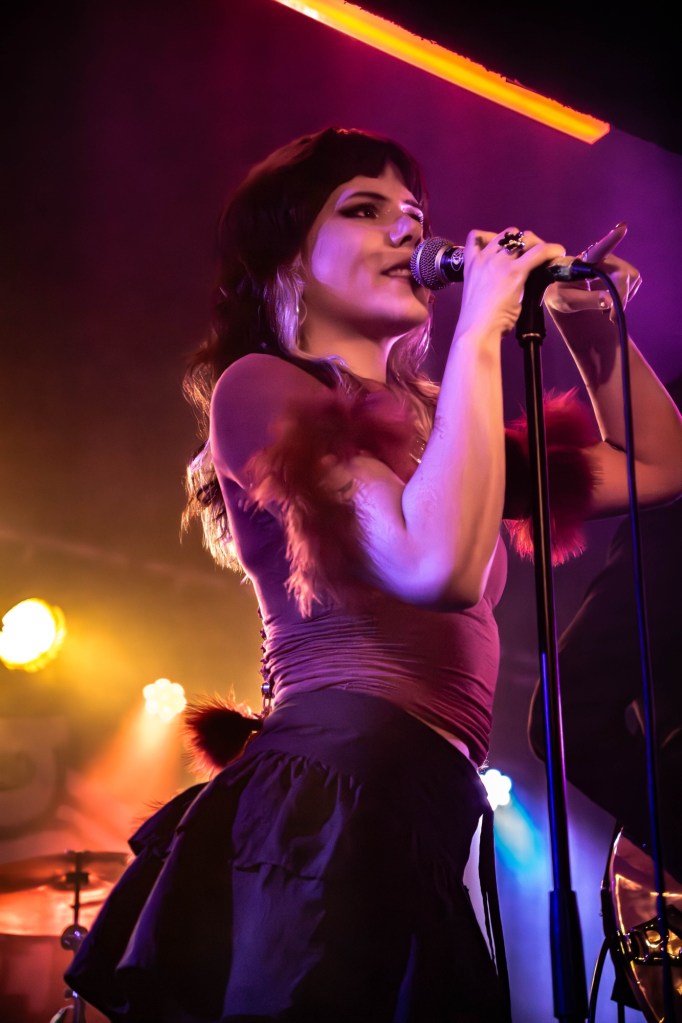
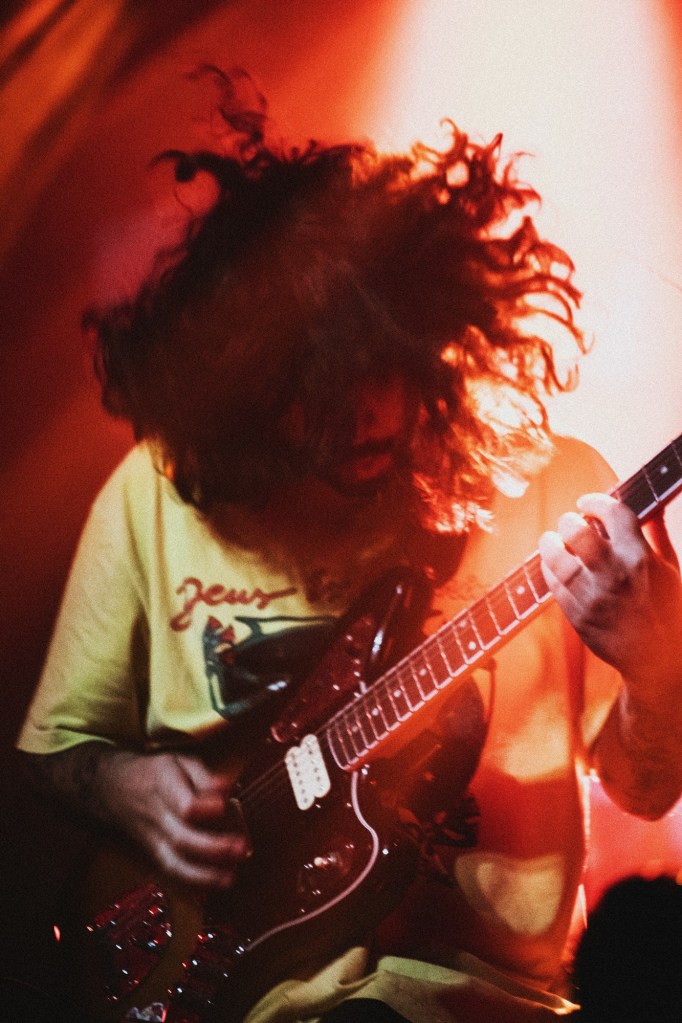
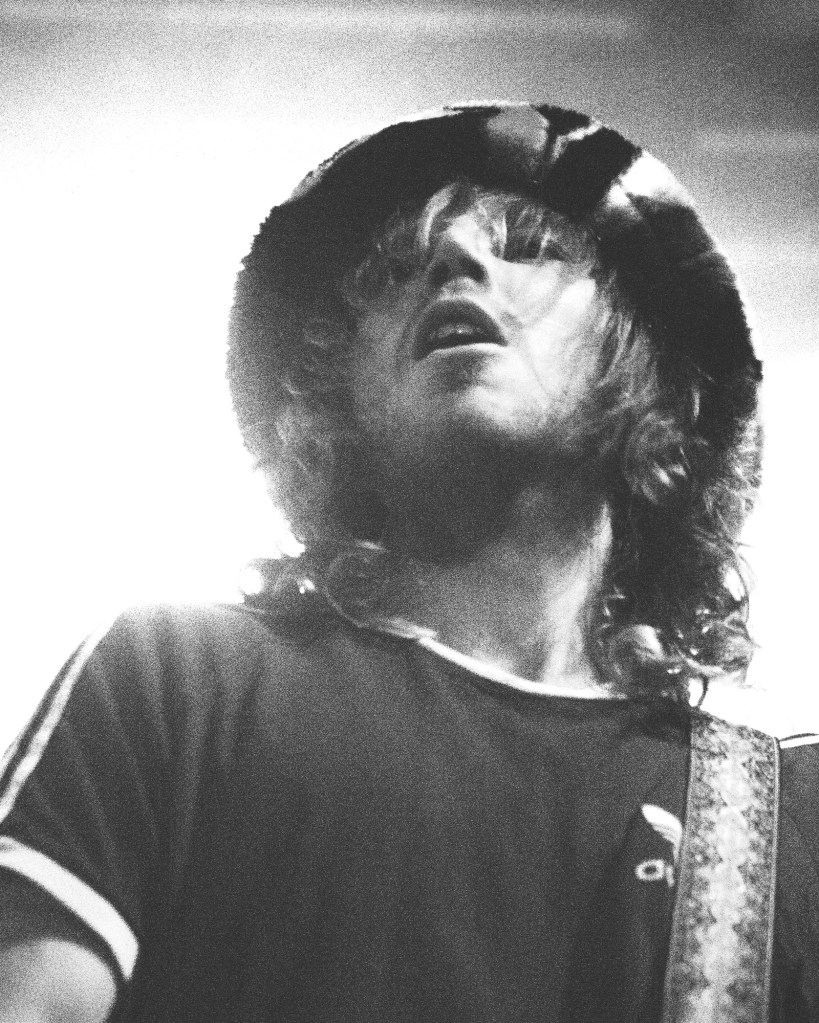
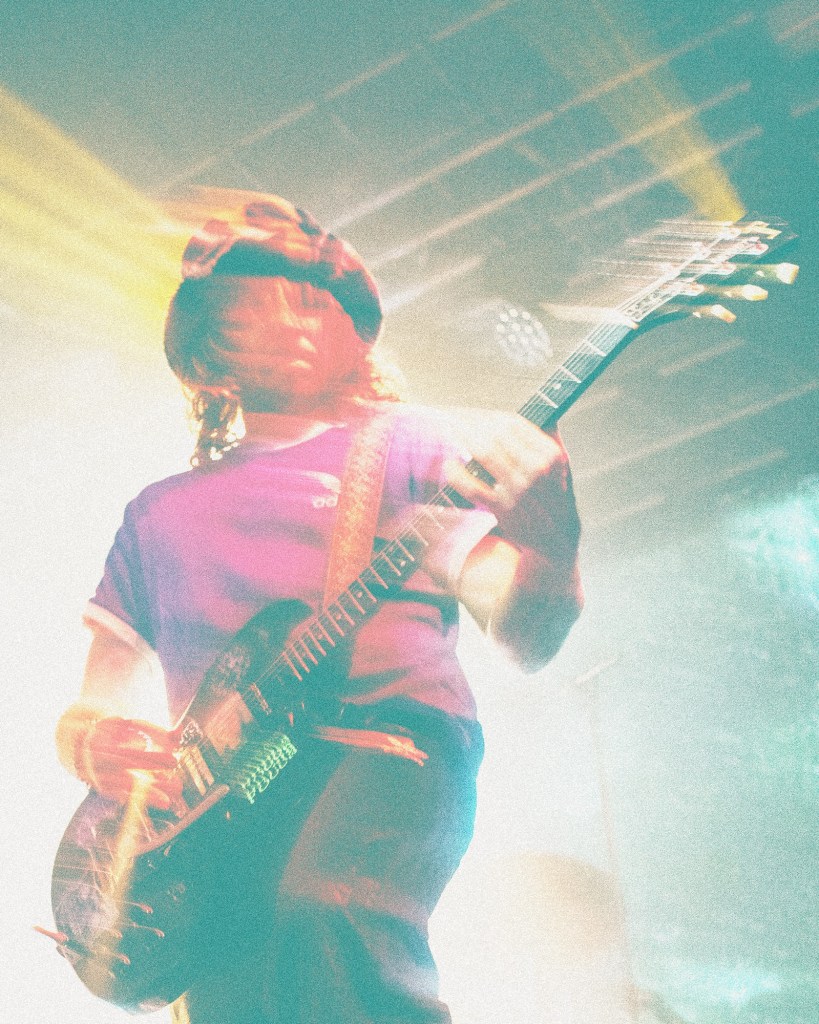
Stereophonics // Hydro // 10.12.25

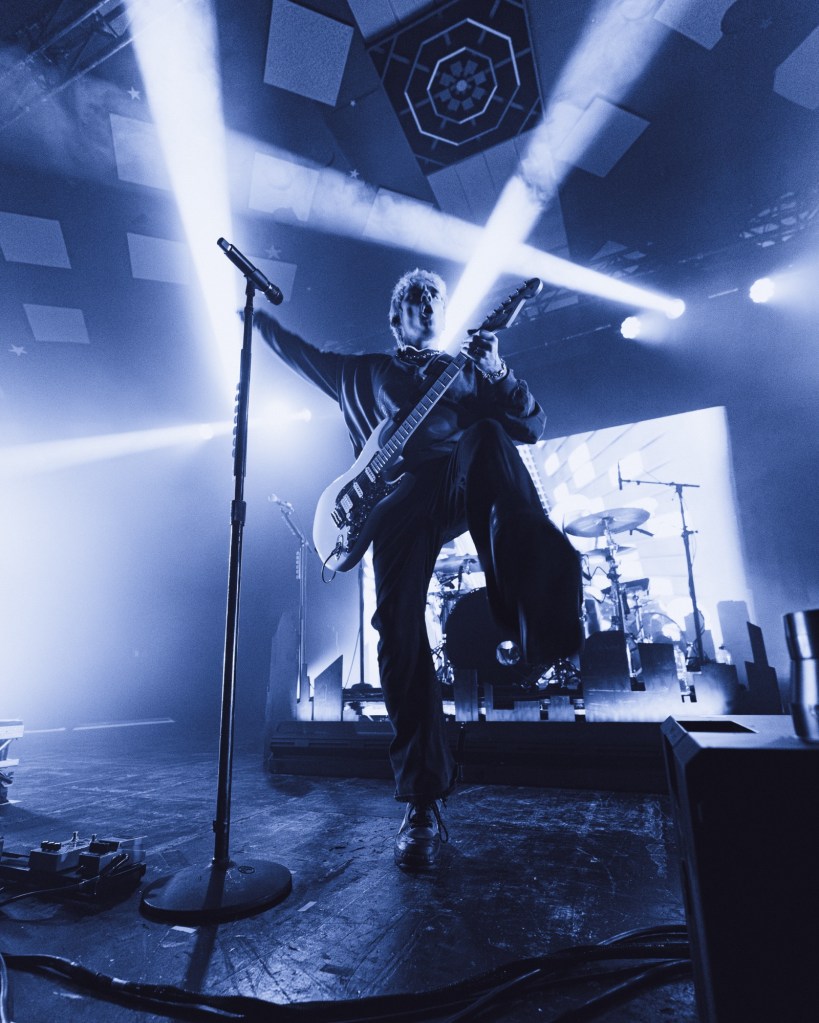
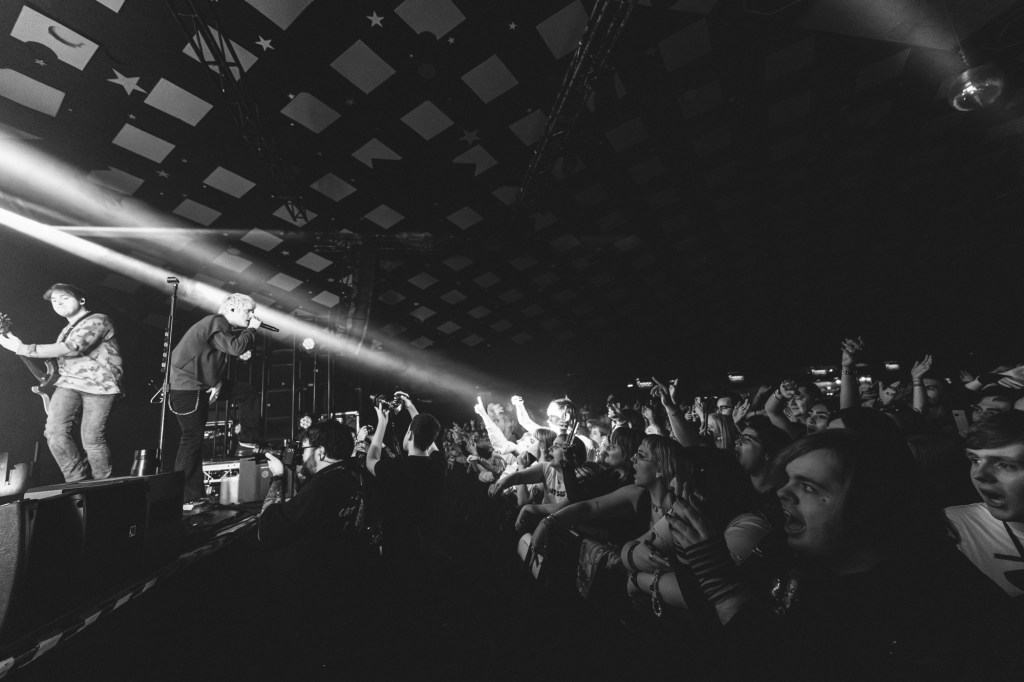
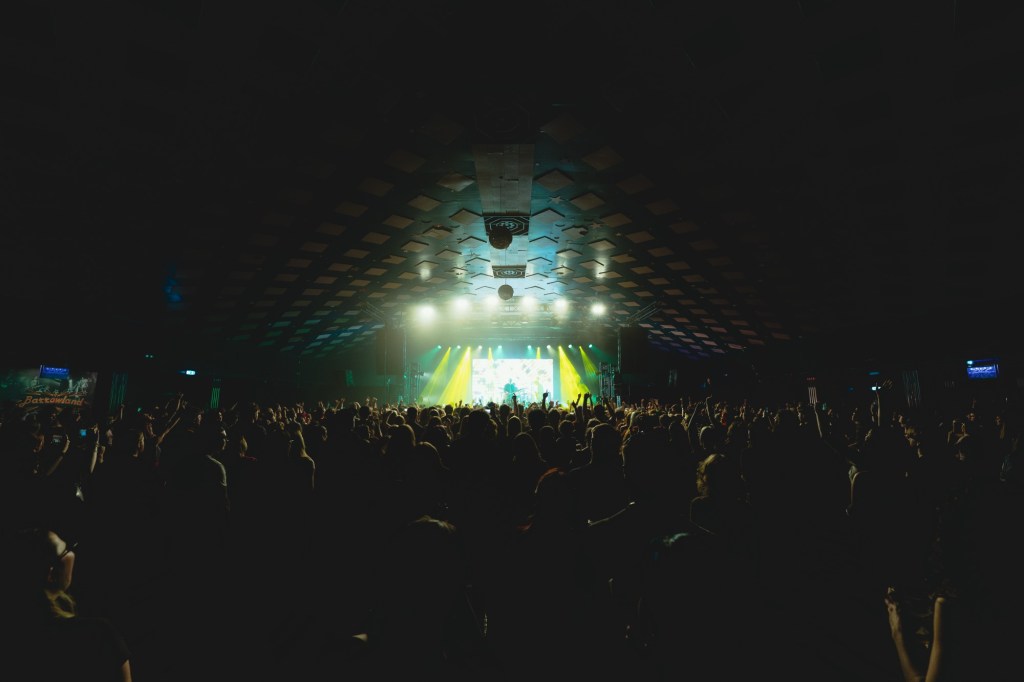
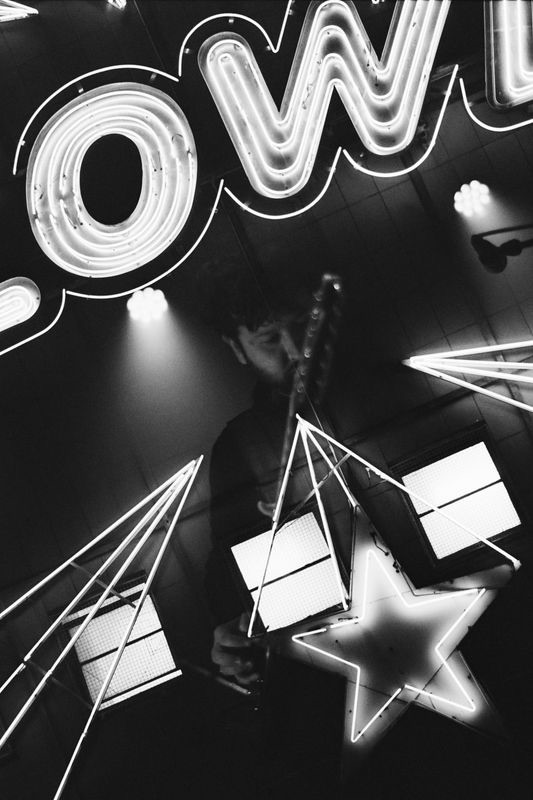
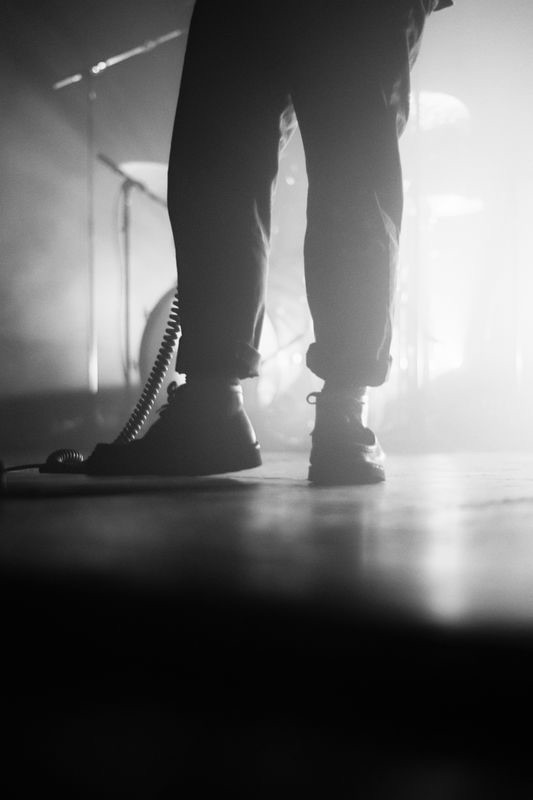
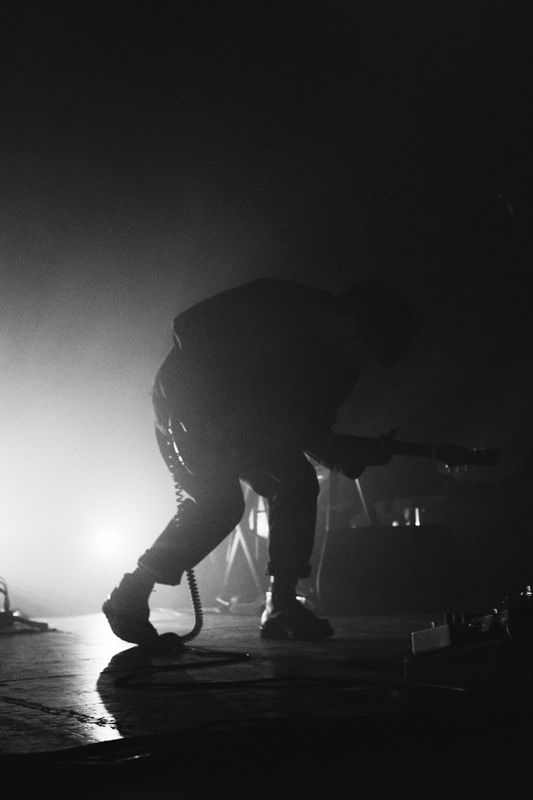
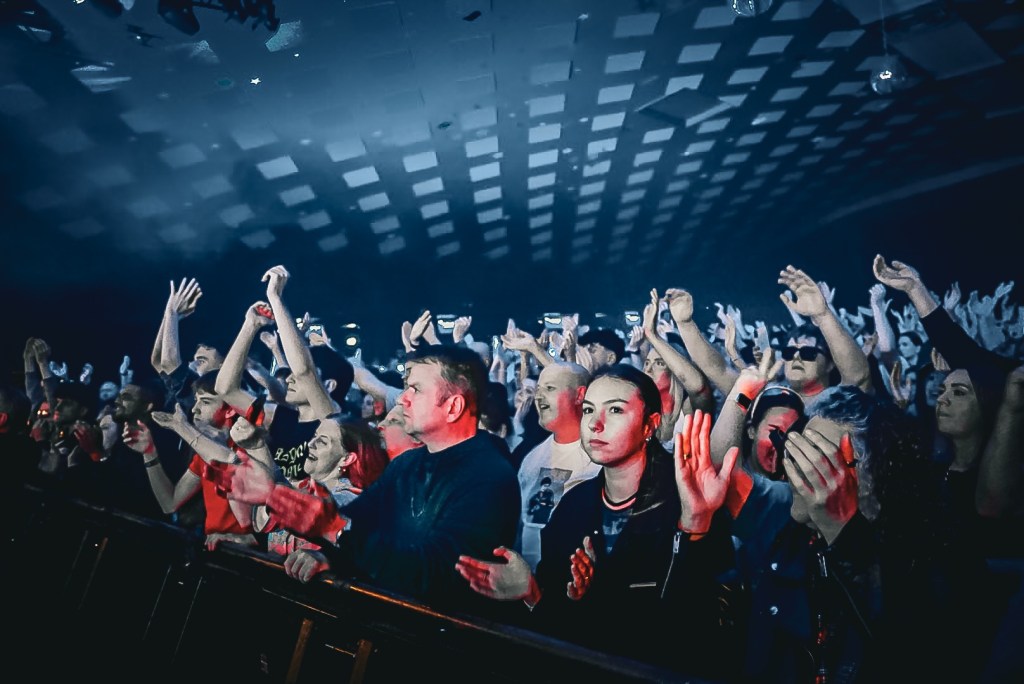
There are nights at the OVO Hydro when Glasgow feels like the capital of something bigger than itself, when the rain outside turns into a badge of honour and nostalgia comes roaring back not as a memory, but as a living, sweating thing. Stereophonics, playing to a sold-out Hydro, delivered exactly that: a two-hour sermon on why British guitar bands from the 90s and 00s refuse to lie down quietly and become “heritage”.

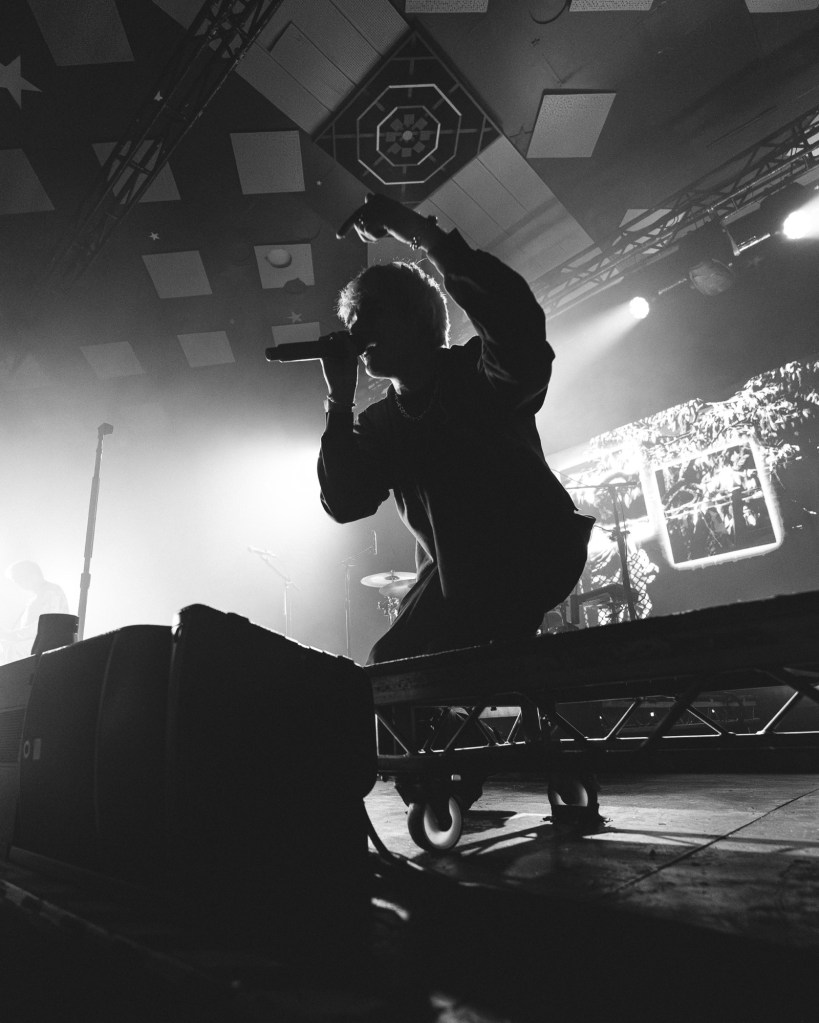
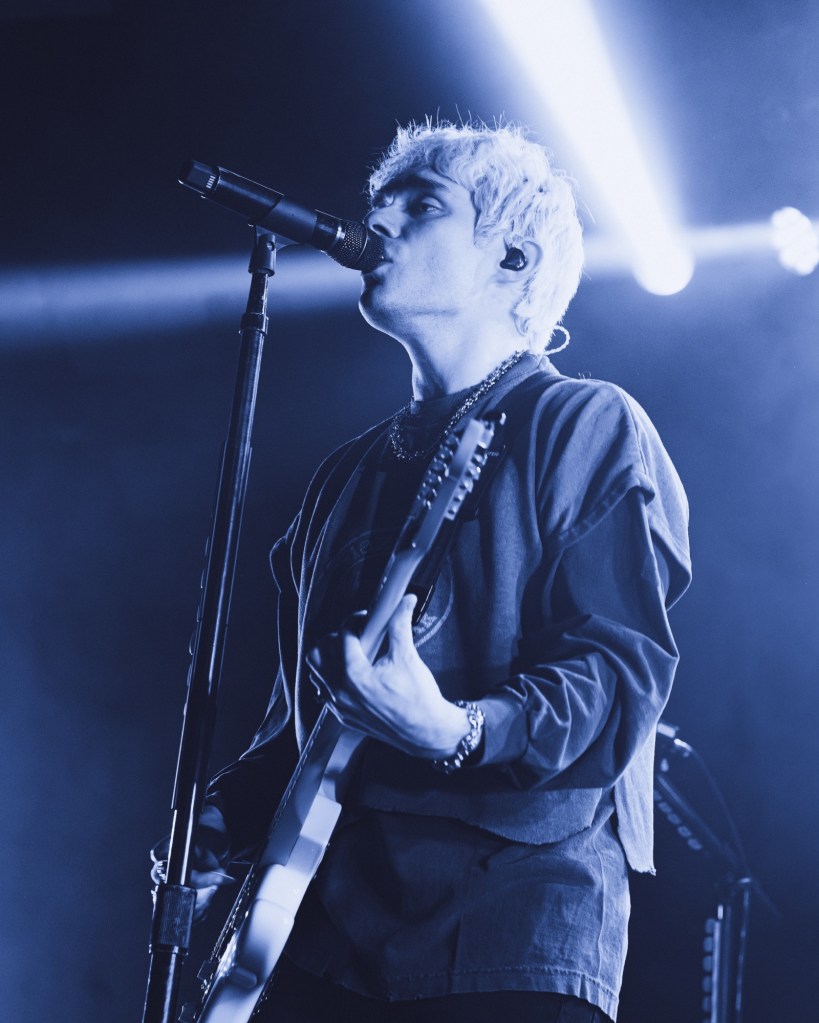
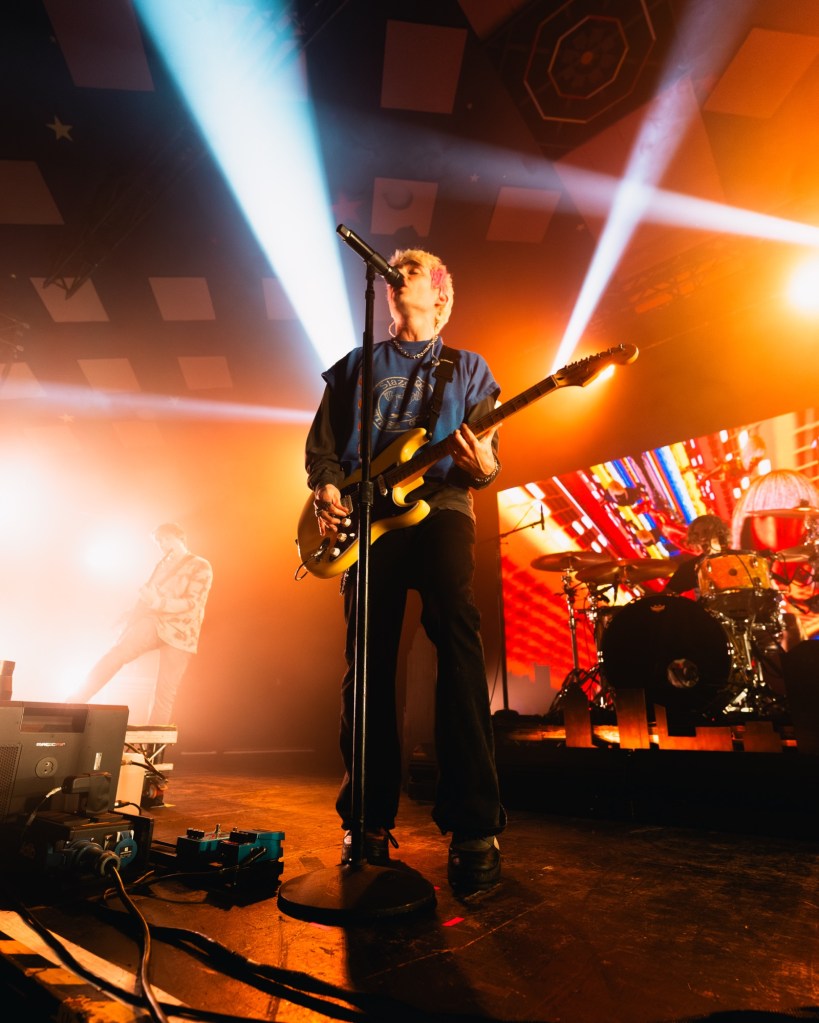
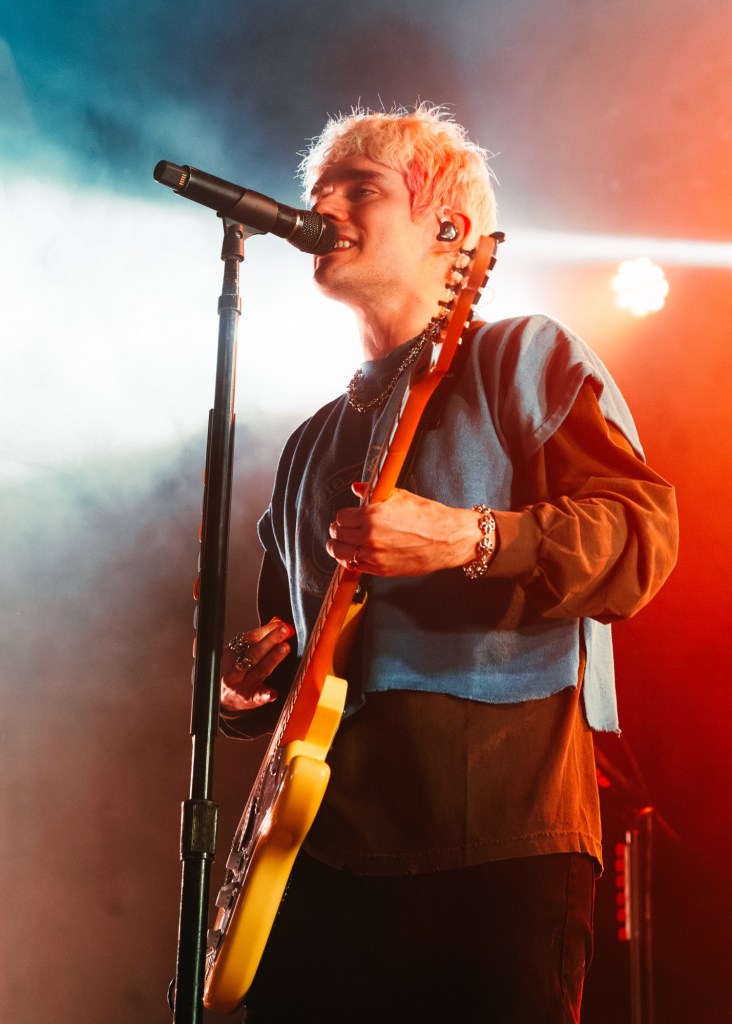
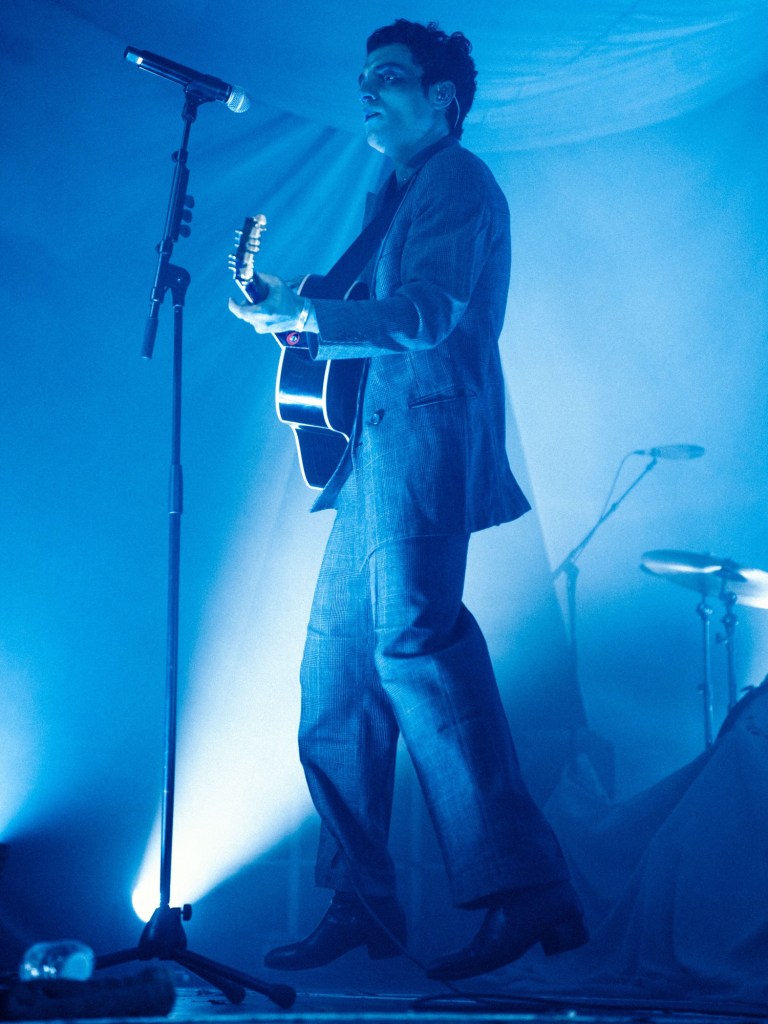
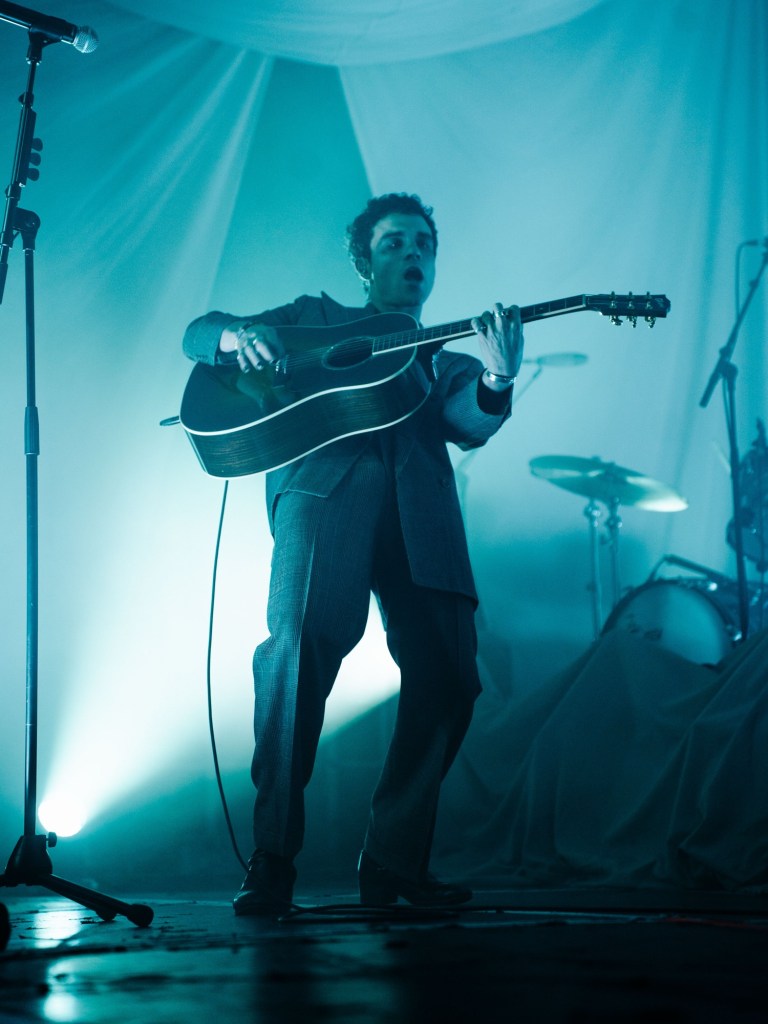
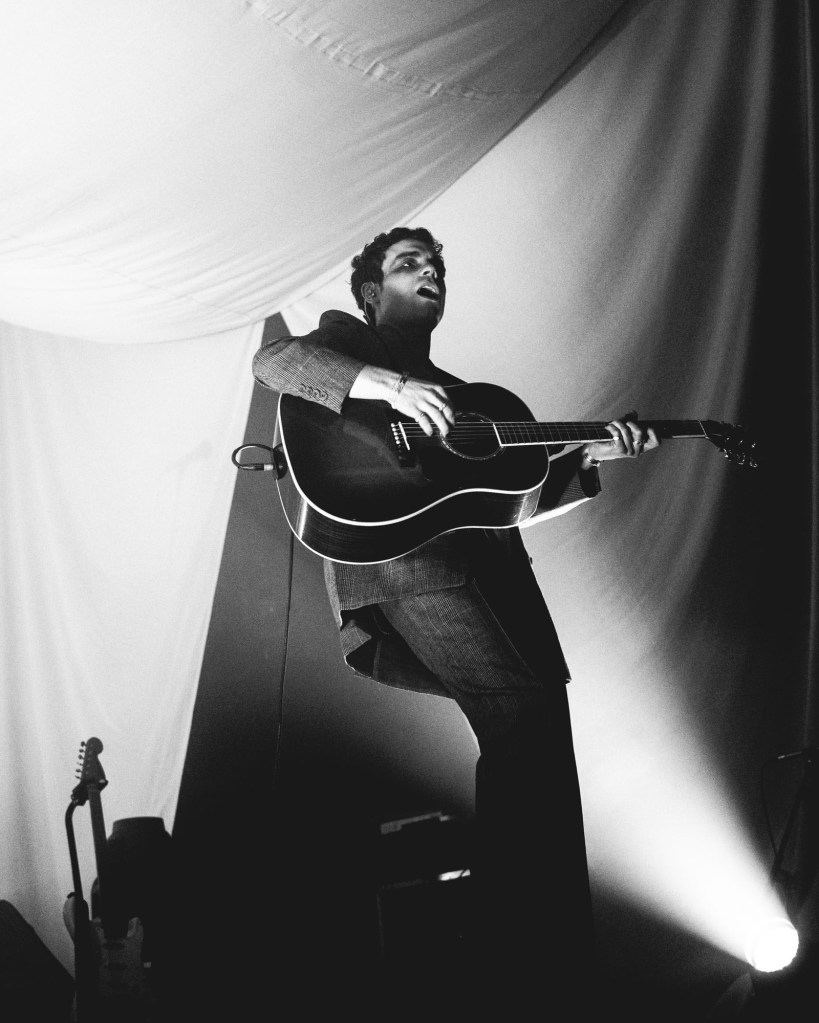
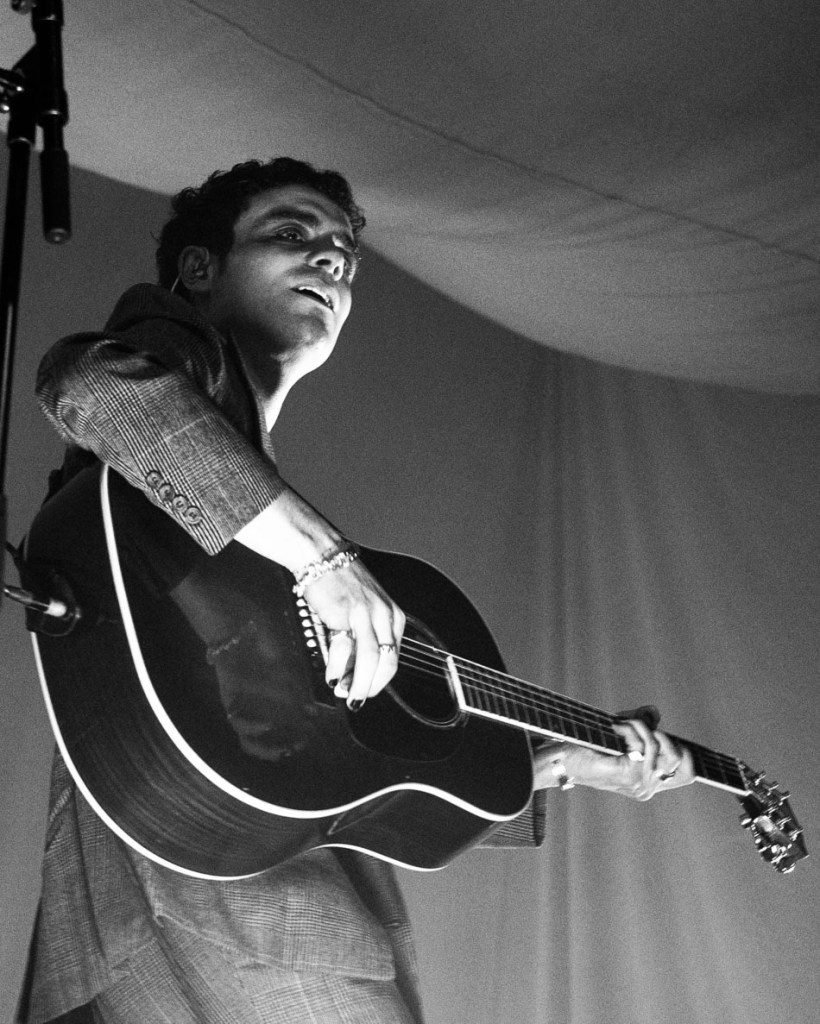
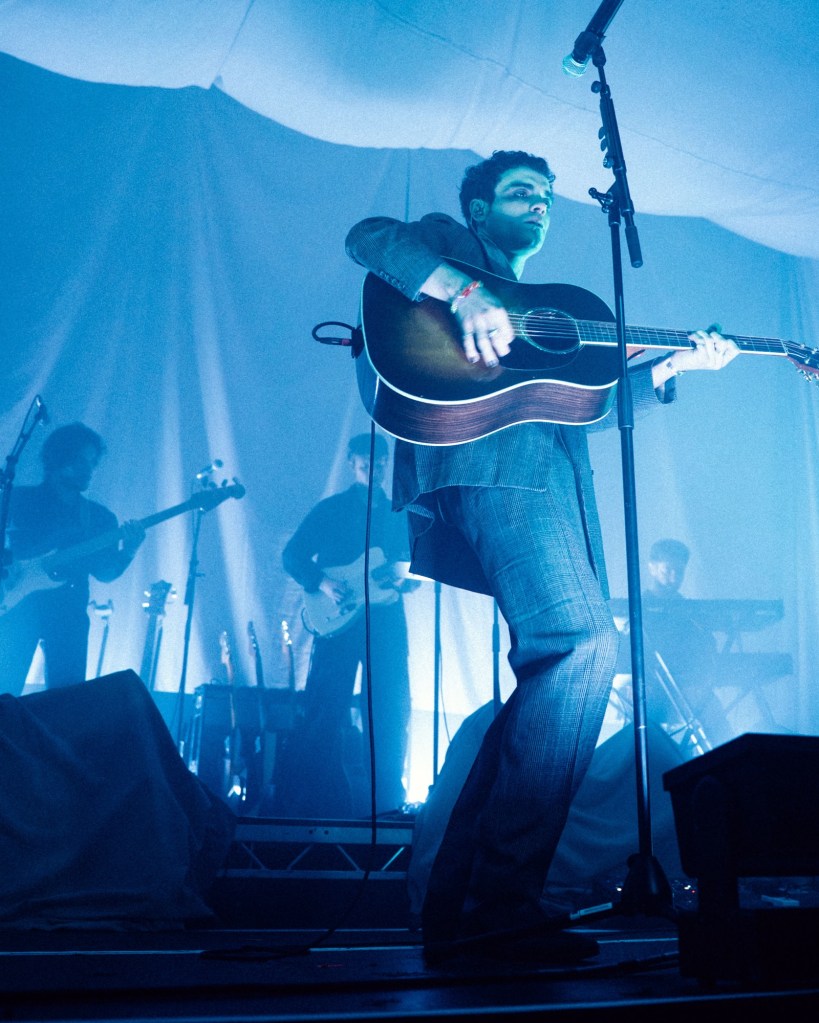
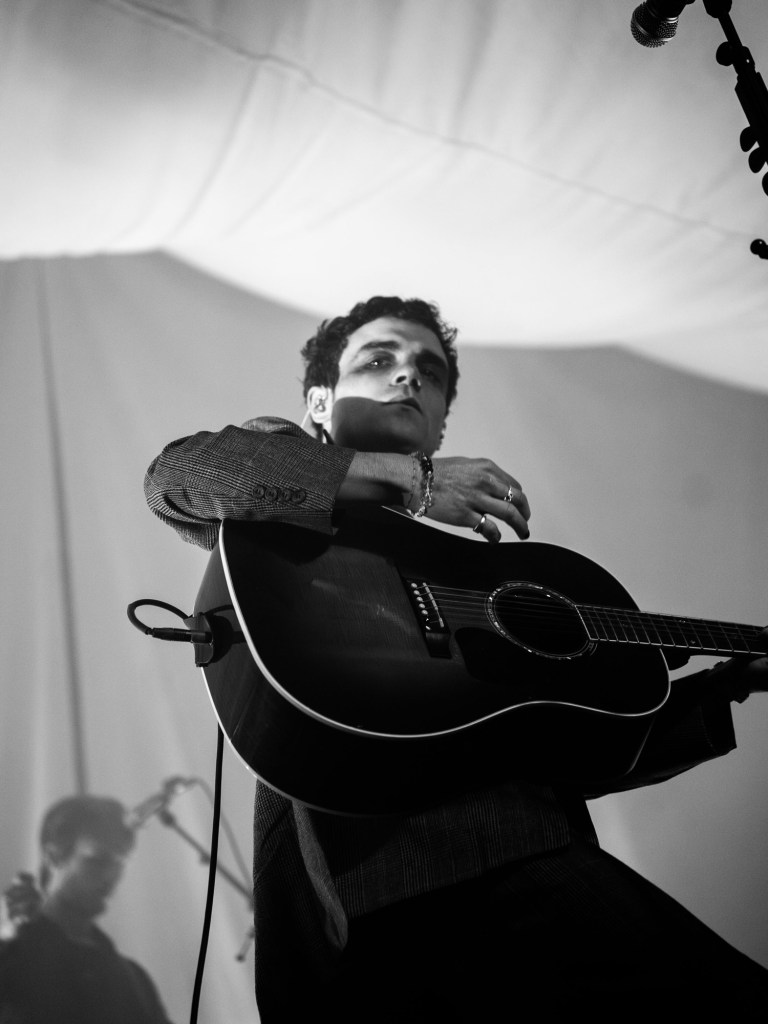
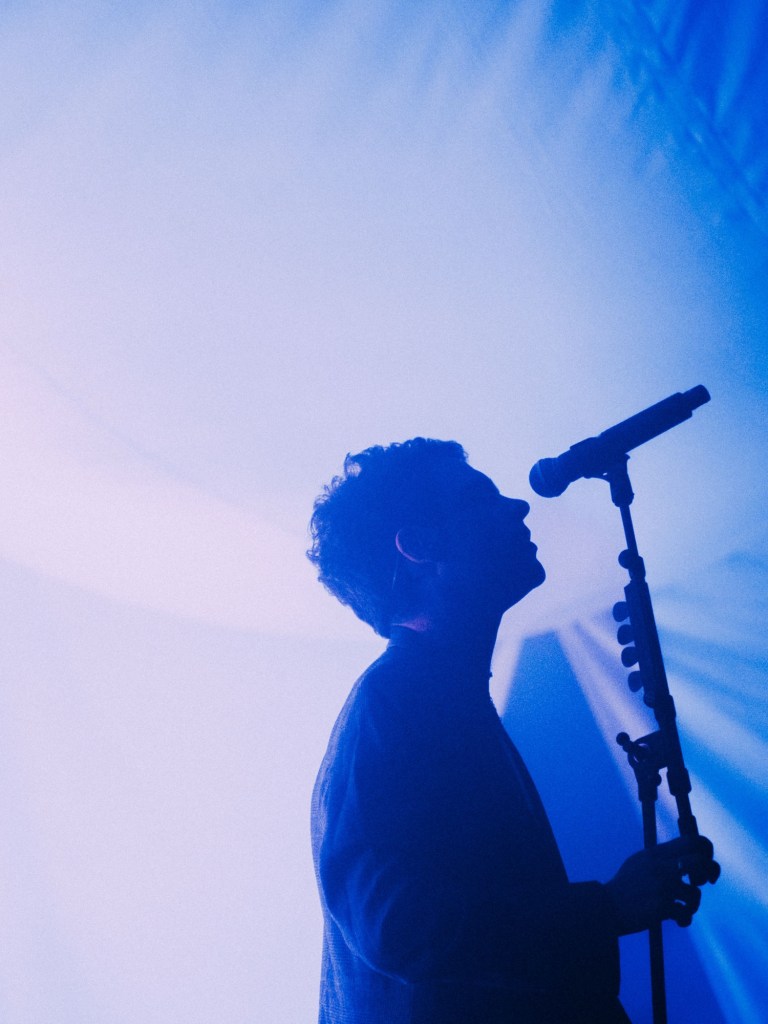
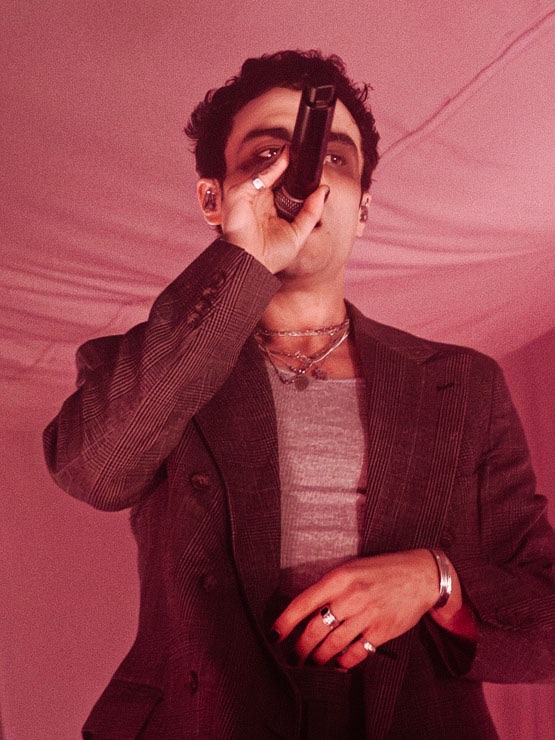
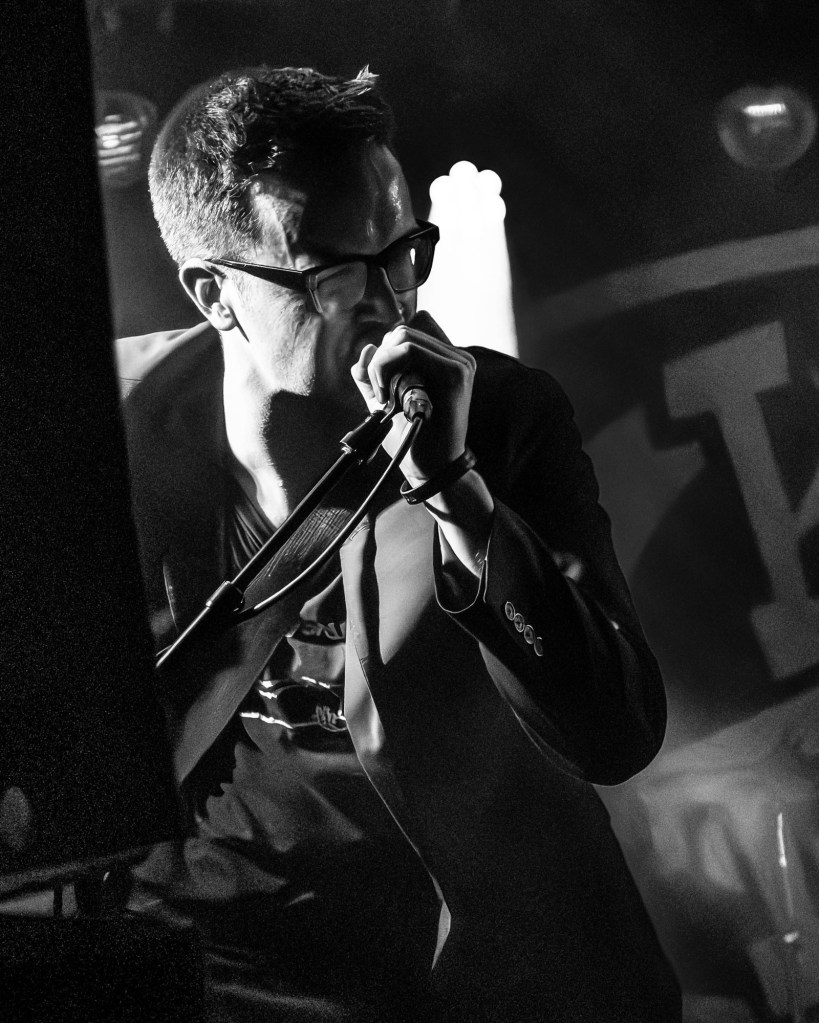
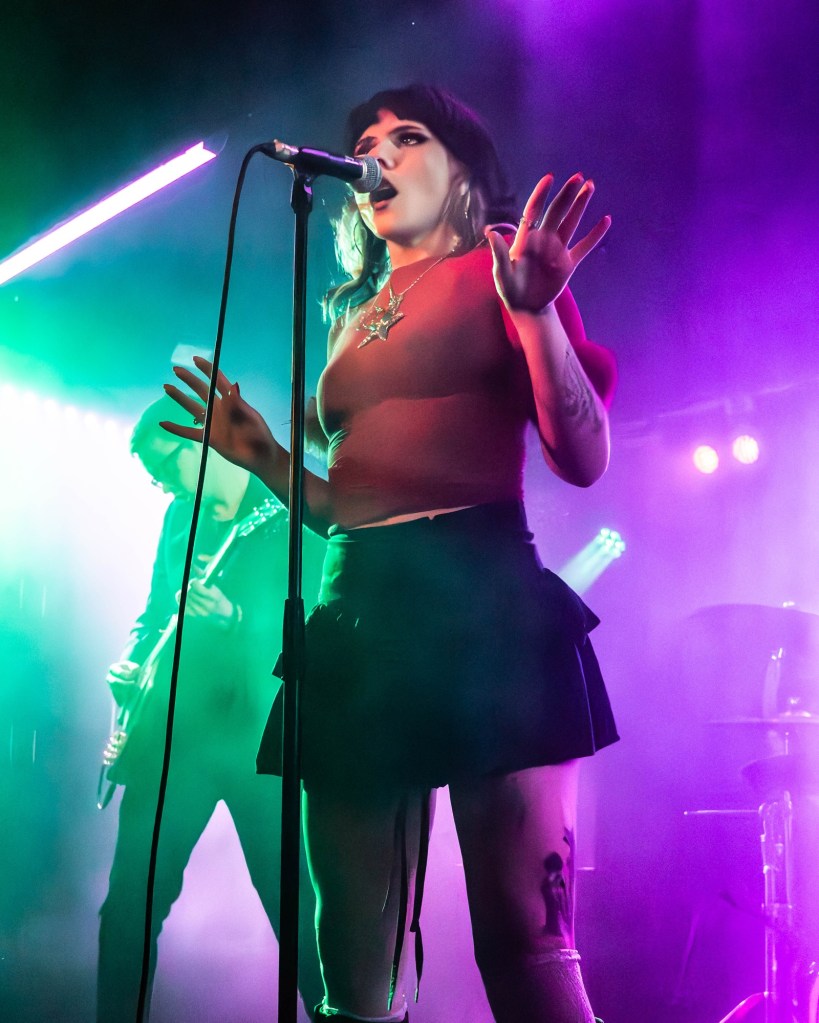
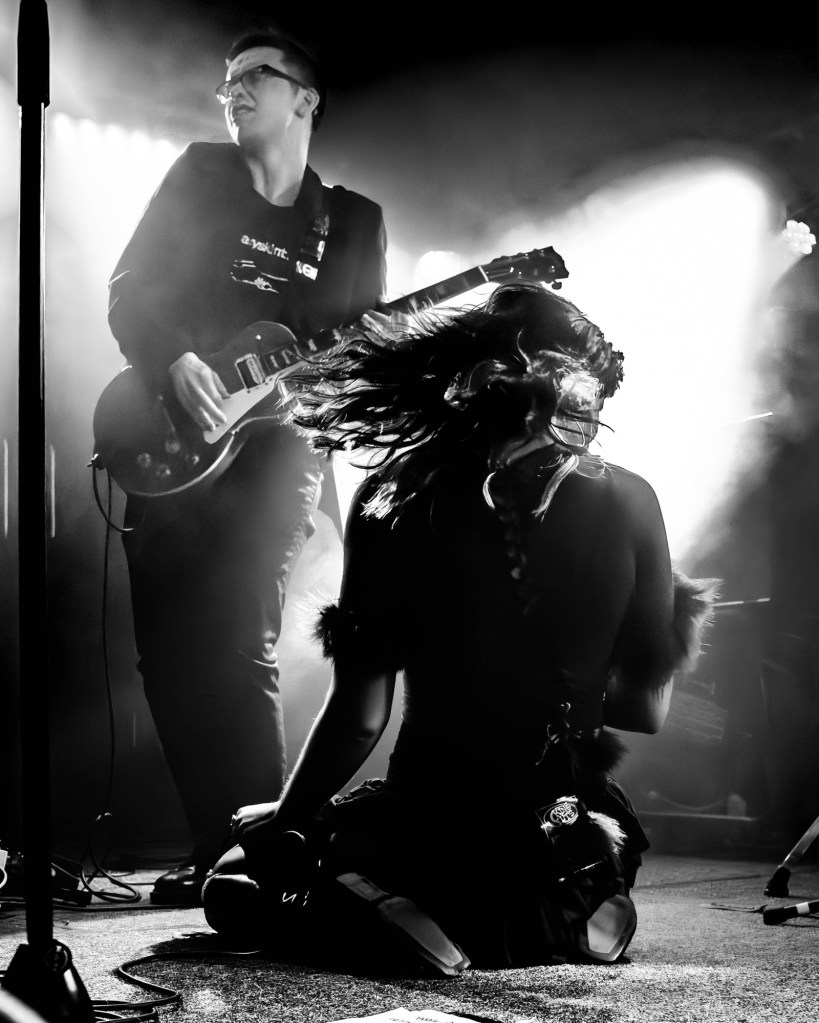
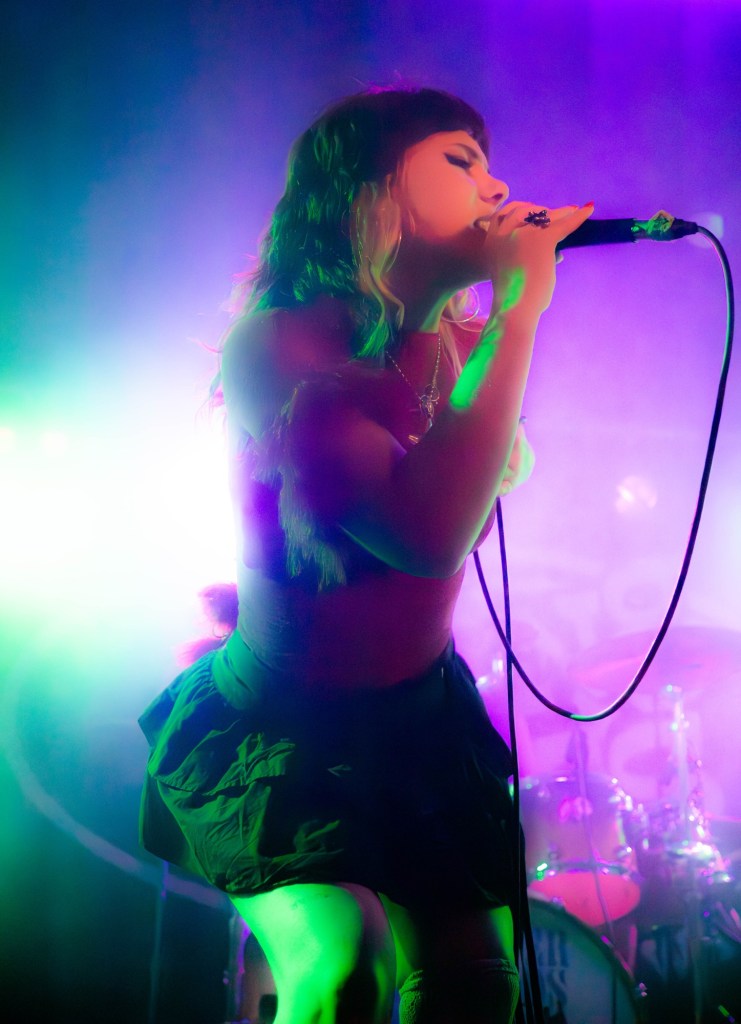
Opening the night in support of Stereophonics, Finn Forster carried himself with the wide-eyed gratitude of an artist fully aware of the scale of the moment. Between songs there was easy, self-deprecating chatter, thanks offered sincerely for being invited onto such a vast arena tour. Hailing from a small-town upbringing that still clings to his songwriting, Forster introduced “Sisters” with a quiet dedication to his siblings, a track born from family bonds and formative days that clearly still shape his perspective. It was an early reminder that his songs are rooted not in spectacle, but in lived-in emotion.

Circle” proved another standout, its indie-folk guitar work looping and unfurling like thought patterns you can’t quite escape. Forster’s sound trades in sharp metaphor rather than polish — earnest without being soft, reflective without drifting. There are echoes of modern folk storytellers like Sam Fender and Ben Howard, but Foster’s delivery feels more intimate, like overhearing a confession rather than being preached a chorus. His music doesn’t chase the zeitgeist; it walks alongside it, hands in pockets, eyes wide open.

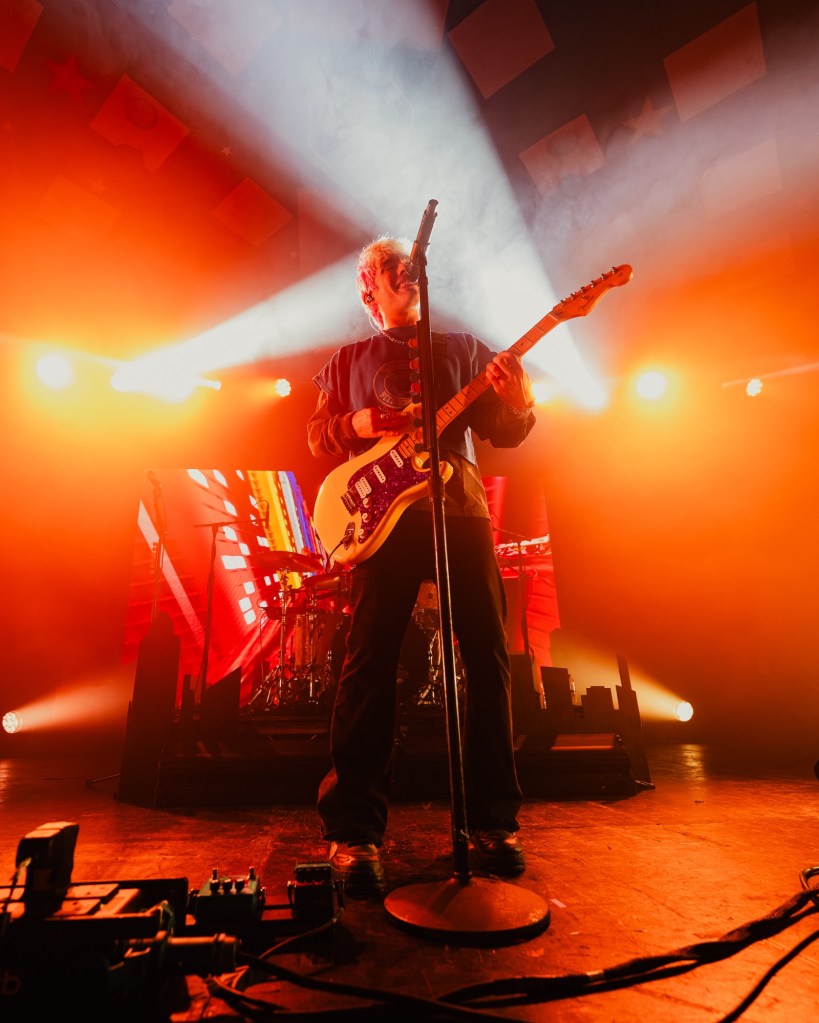
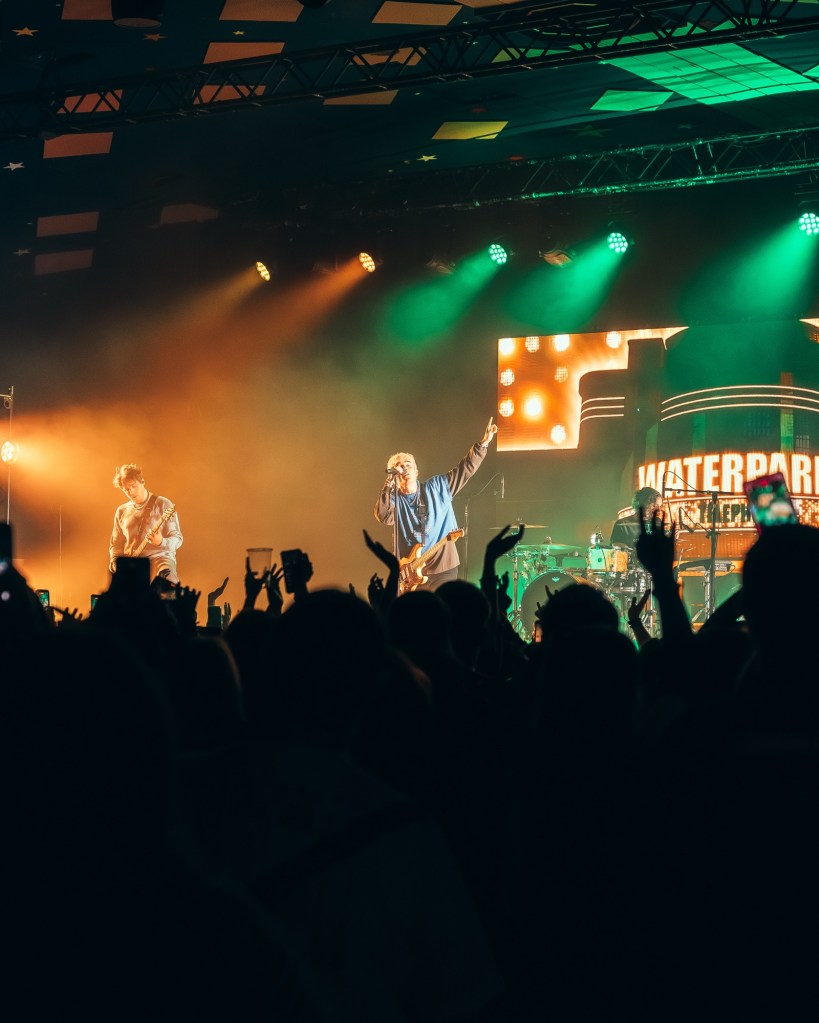
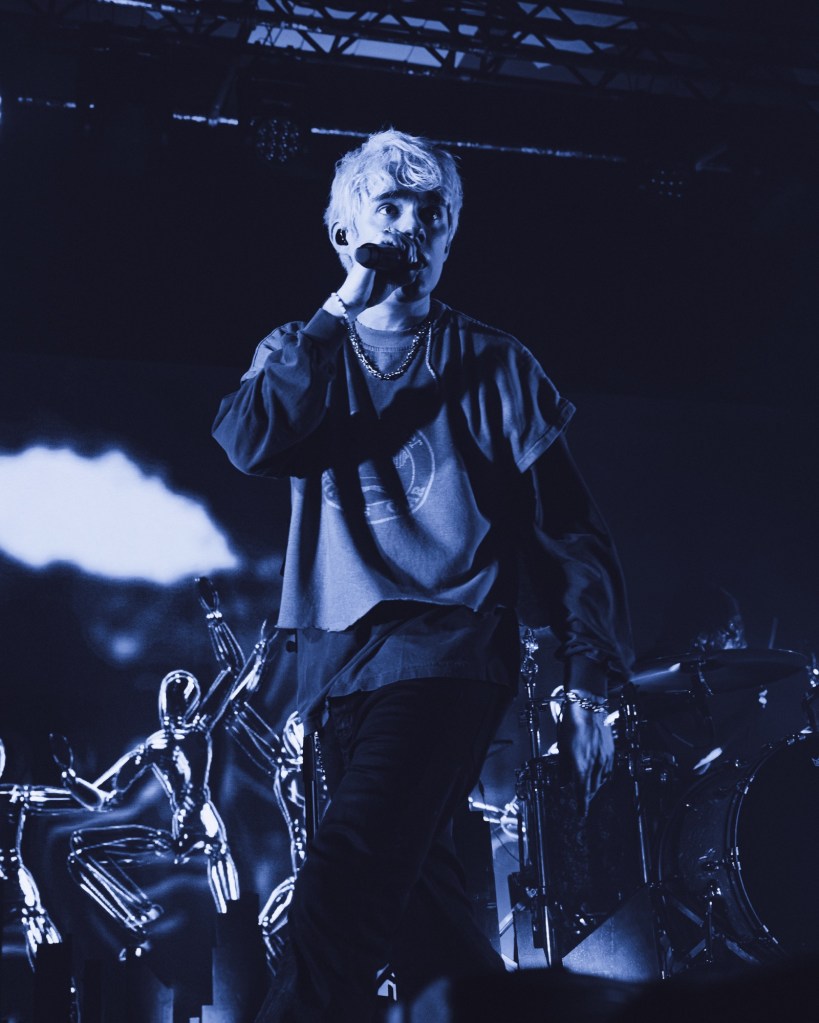
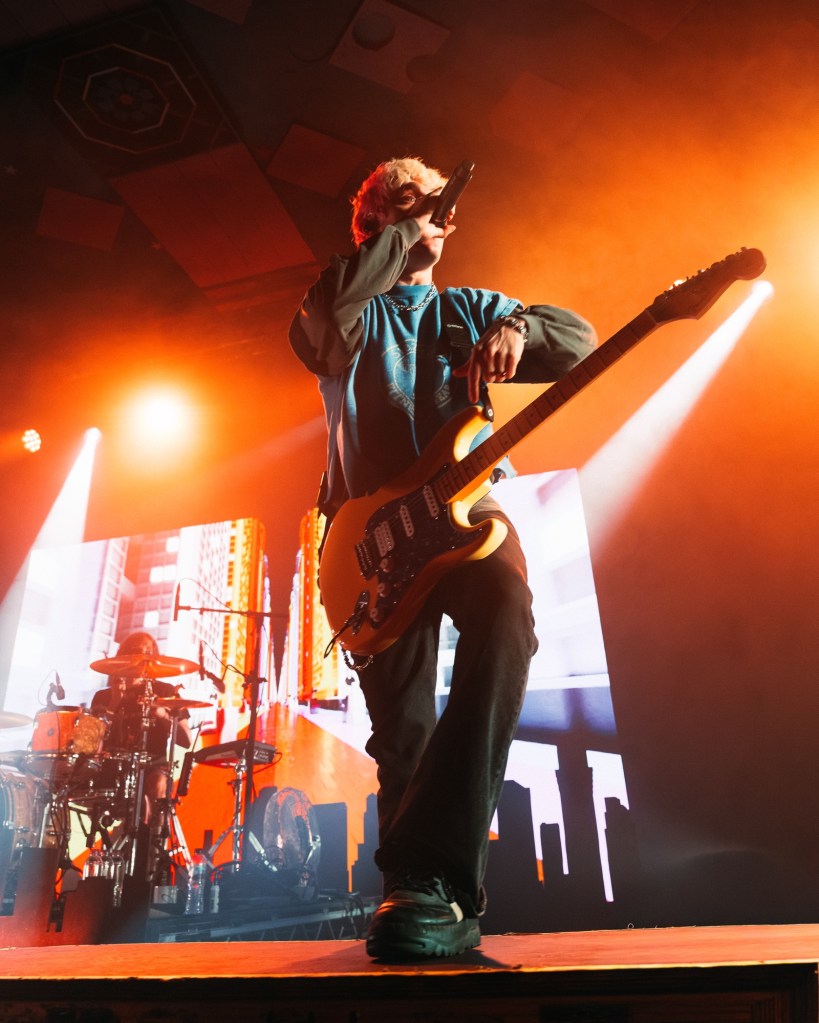
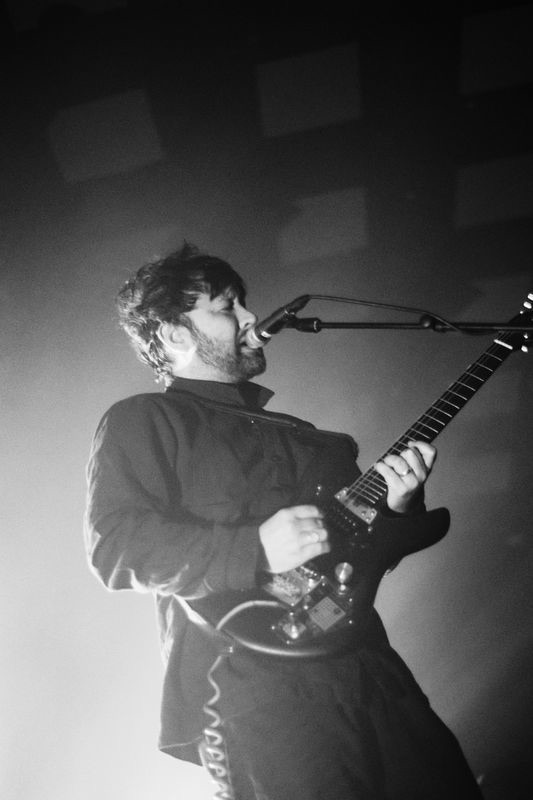
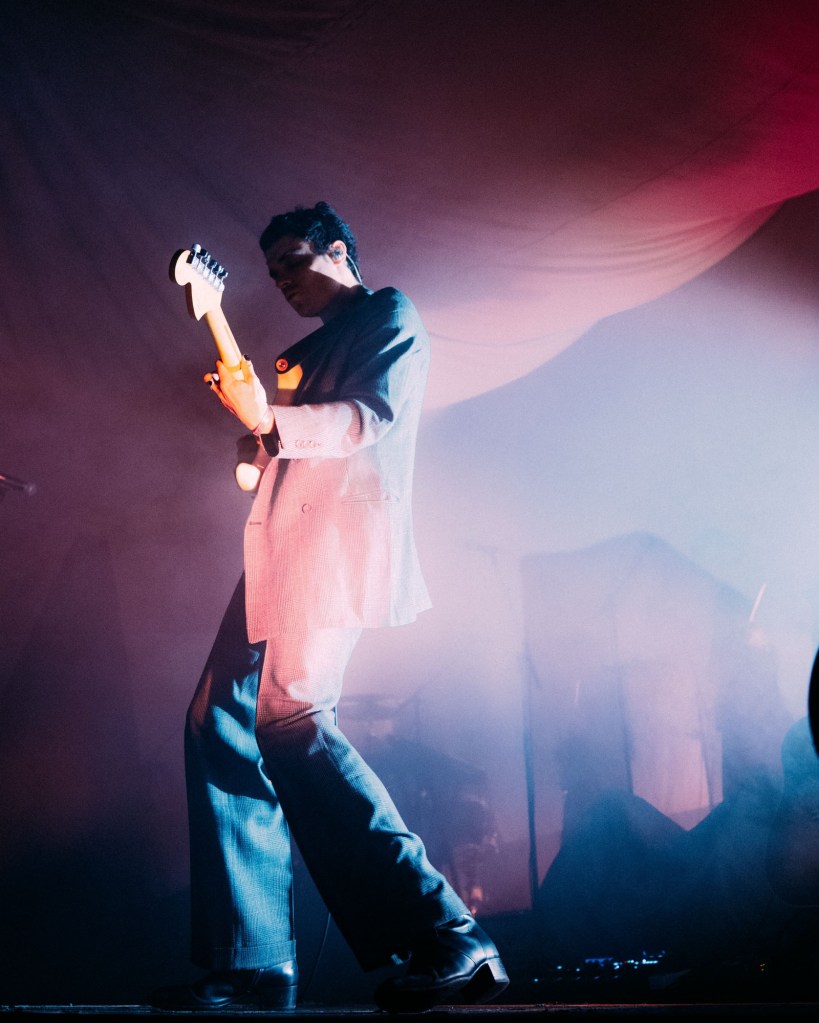
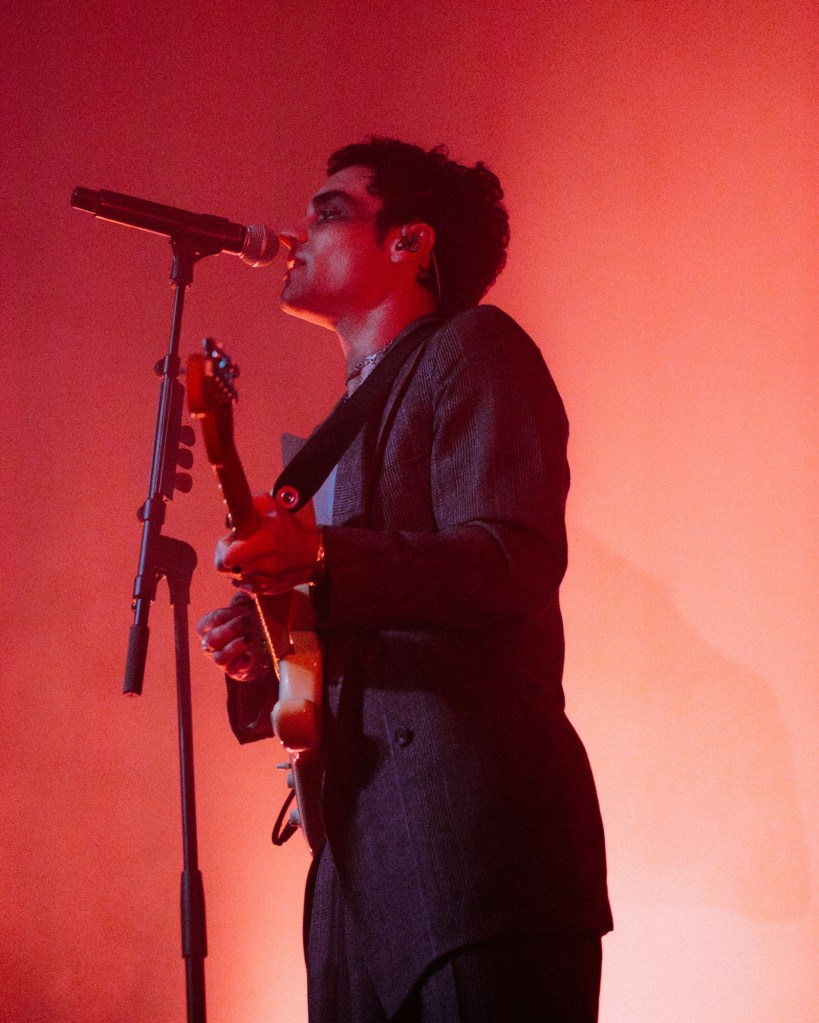
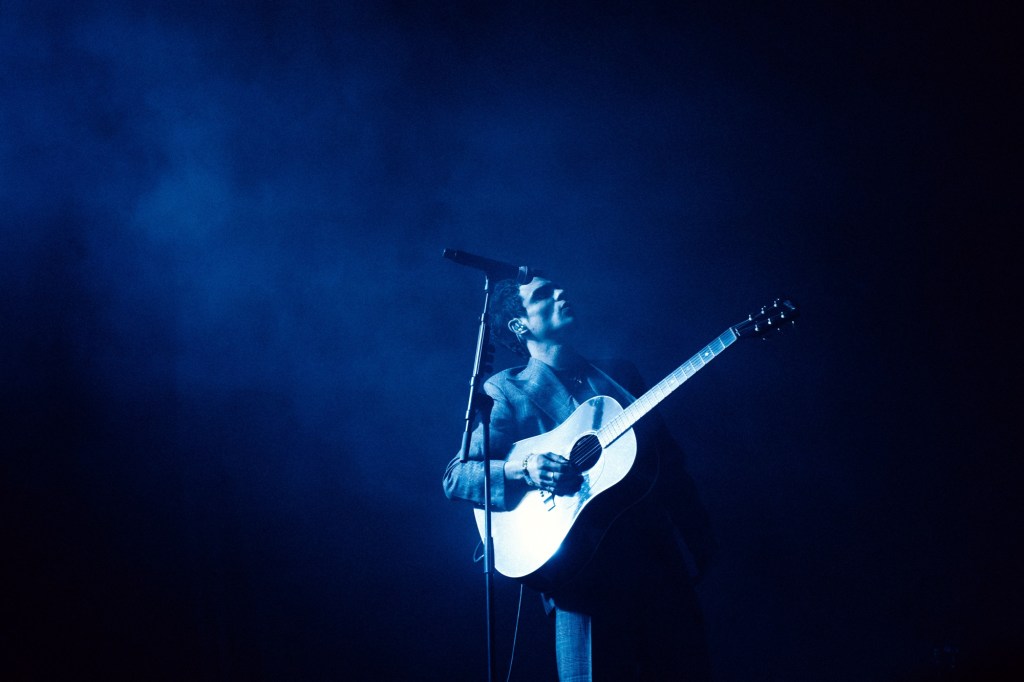
By the time Stereophonics bounded energetically on stage the crowd were raring to go. They opened with “Vegas Two Times” and “I Wanna Get Lost With You”, instant crowd pleasers that immediately filled the room with a buoyant jubilation. No easing in, no polite overture. “Vegas Two Times” clattered in like a pub door kicked open at last orders, all chug and swagger, while “I Wanna Get Lost With You” arrived glowing and widescreen, a chorus that swelled like headlights on a motorway at midnight. An opening salvo of songs that won the Hydro over instantaneously the crowd was already theirs, arms up, voices cracked, hearts willingly mugged.

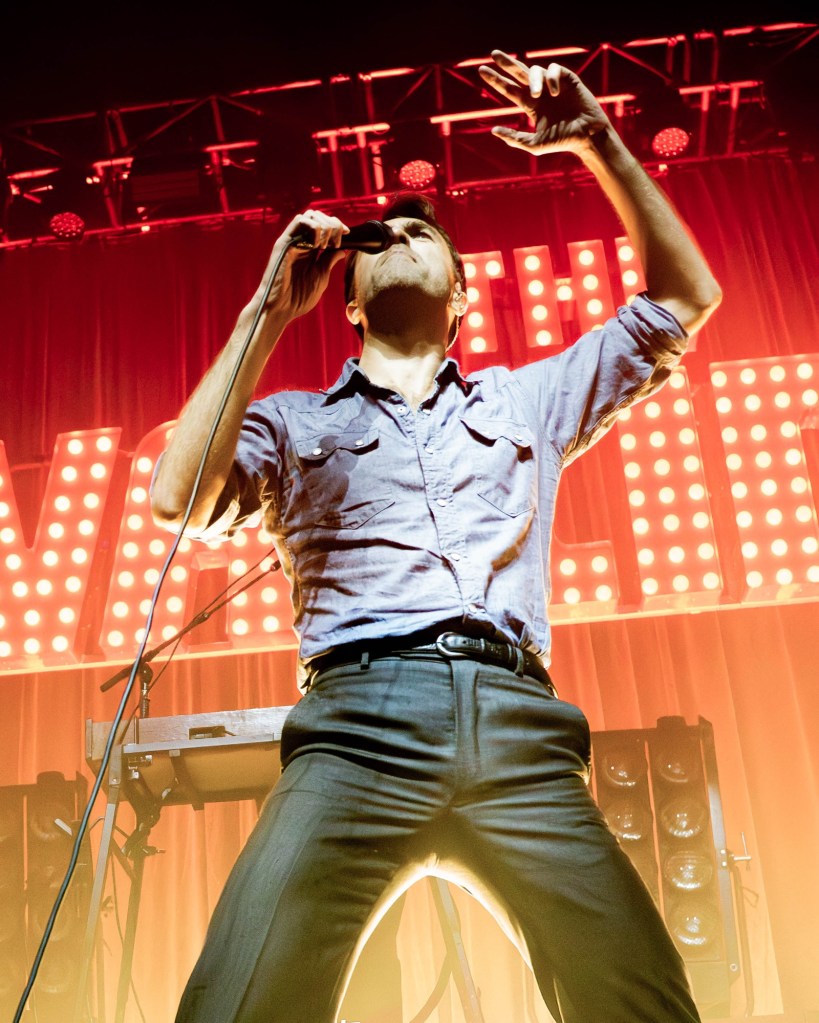
Kelly Jones remains one of British rock’s great frontmen: part preacher, part street poet, part man who looks like he’s seen some things and written them down anyway. His voice — that unmistakable sandpaper rasp — still sounds like it’s been dragged through a coal mine and polished with melody. On guitar, he slices rather than shreds, letting riffs breathe and bruises show.

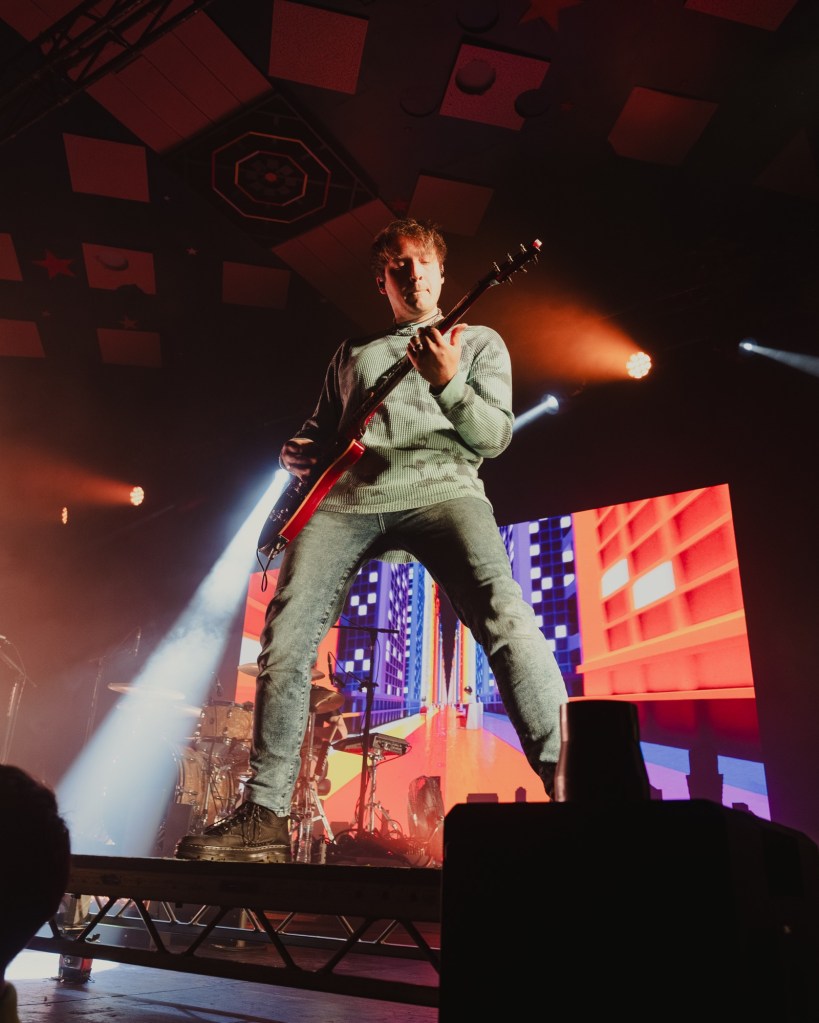
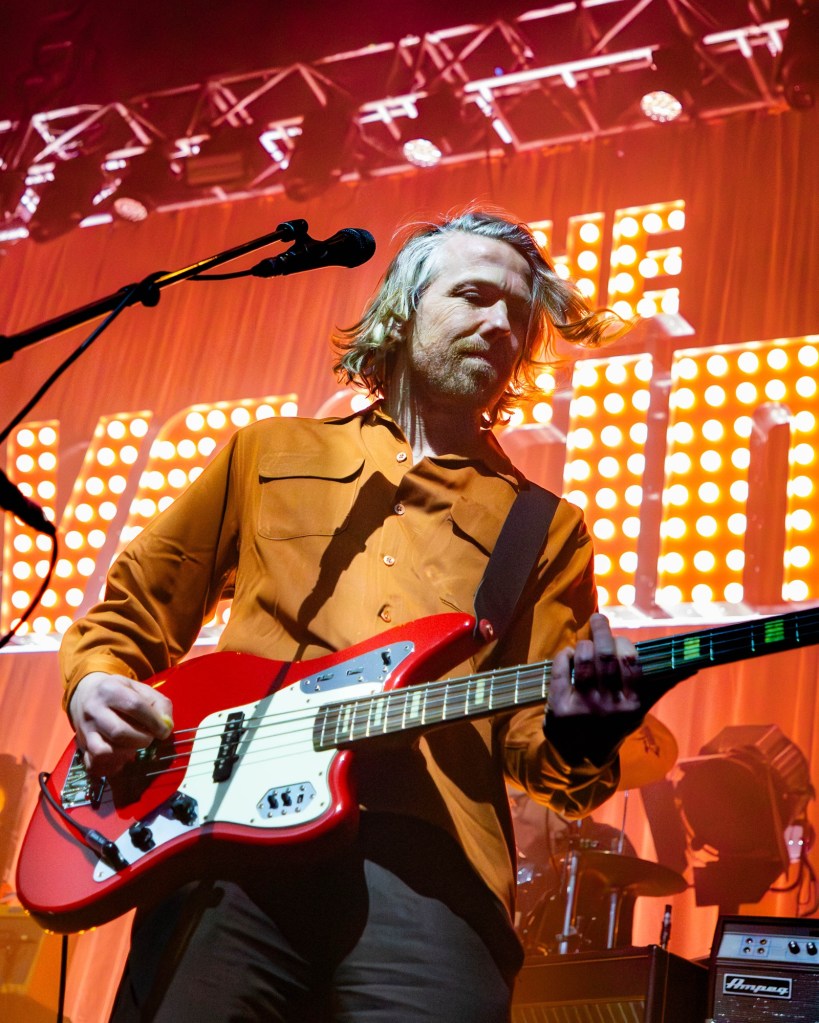
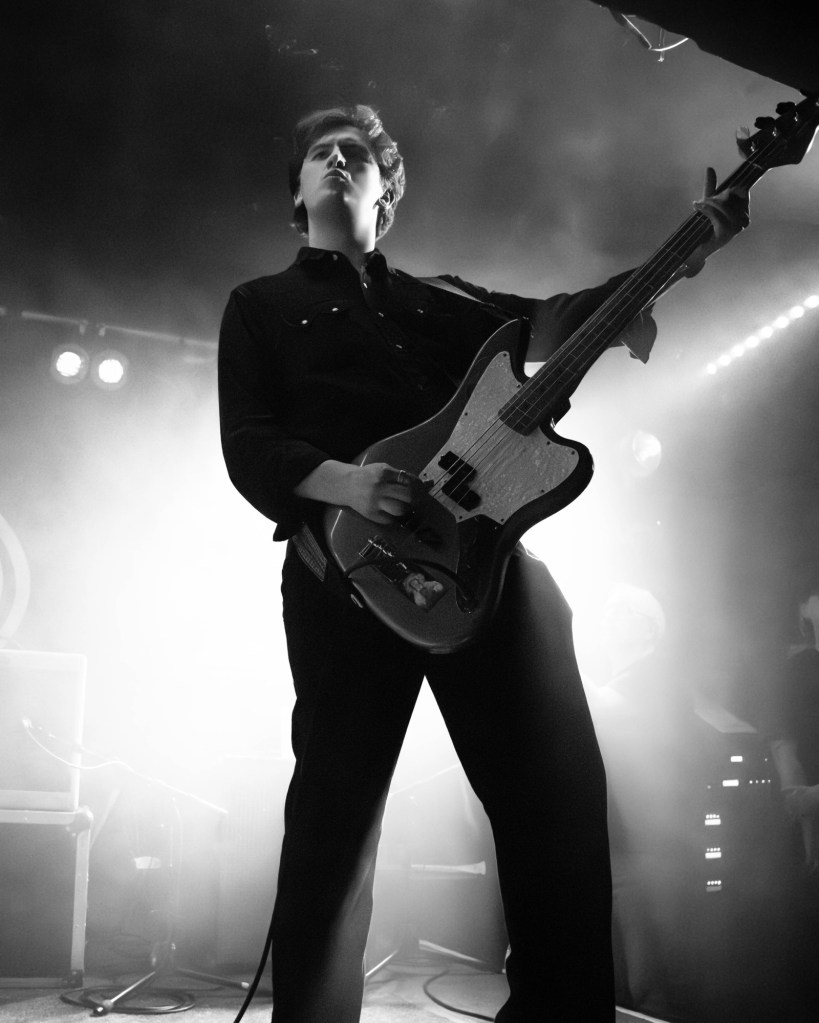
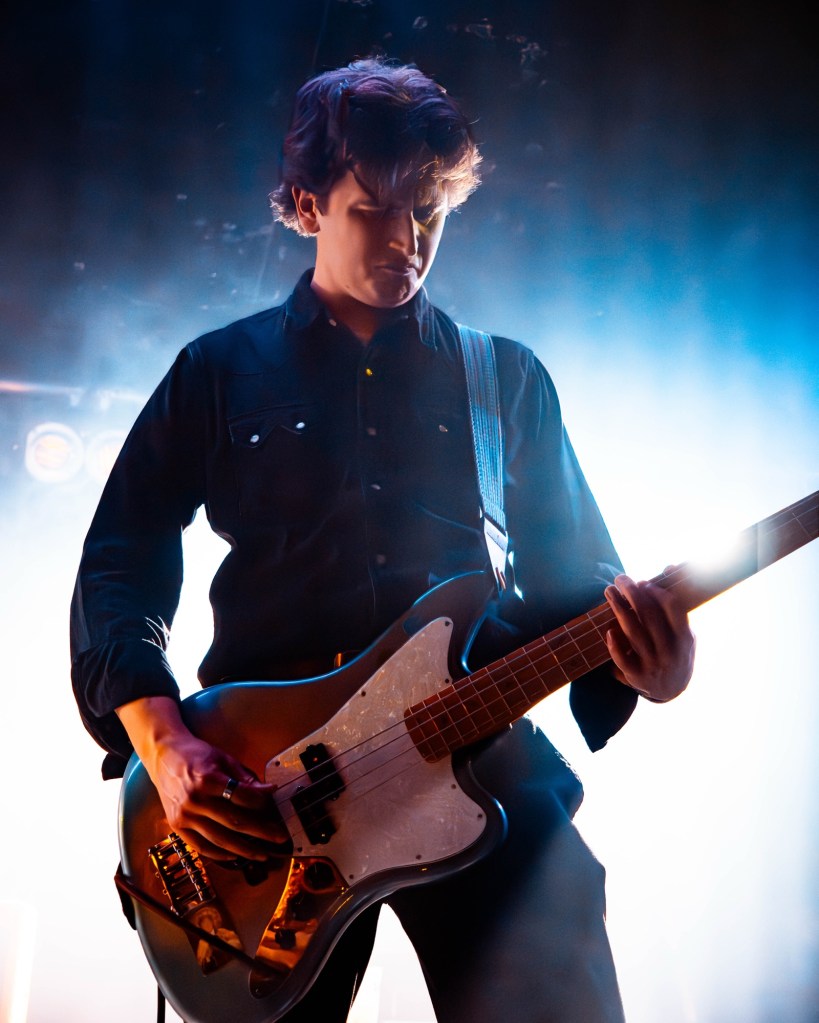
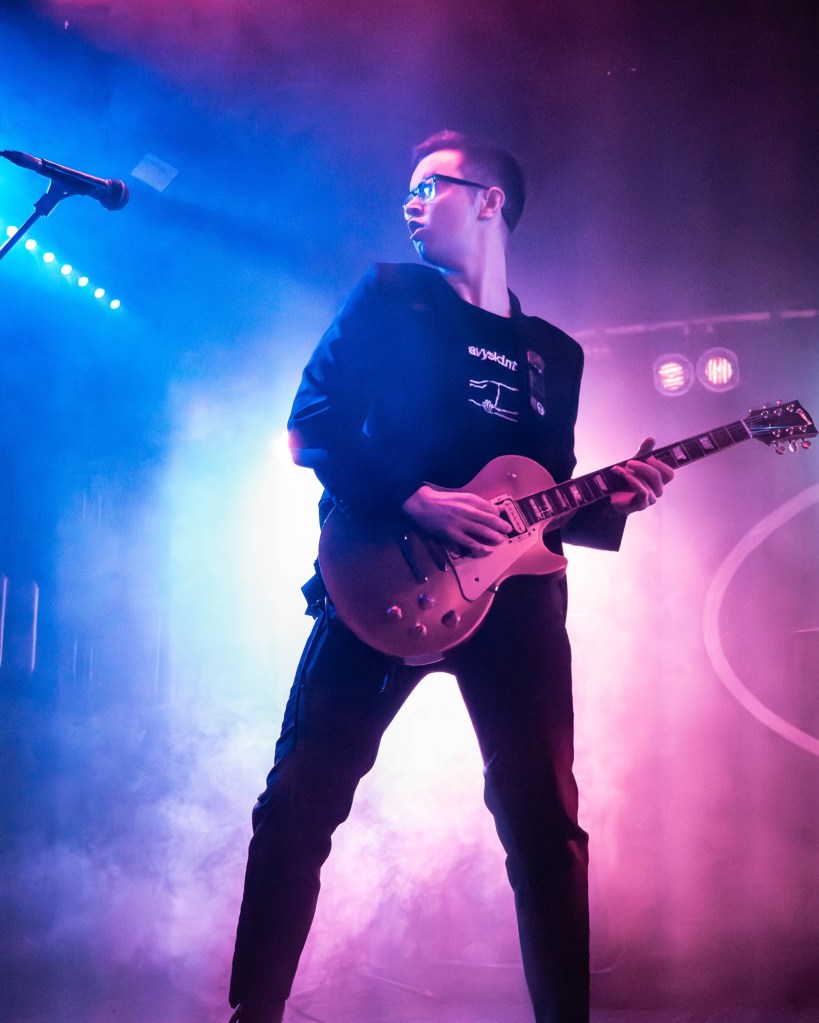
Beside him, Richard Jones on bass is the band’s quiet gravitational pull, holding everything in place with lines that roll like tidewater — steady, essential, impossible to ignore once you notice them. Adam Zindani, on guitar, brings colour and lift, his parts threading through the songs like sunlight through a grey Welsh sky. And on drums, Jamie Morrison plays with power and restraint, driving the songs forward without ever overplaying — a modern engine built to honour an older blueprint.

That blueprint, of course, belongs to Stuart Cable, the band’s original drummer and founding member, whose spirit hung heavy and proud over the night. There was something deeply moving about hearing these songs thundered out in an arena, knowing they were born in rehearsal rooms, teenage dreams, and chaos. Kelly addressed it with characteristic self-deprecation and warmth:
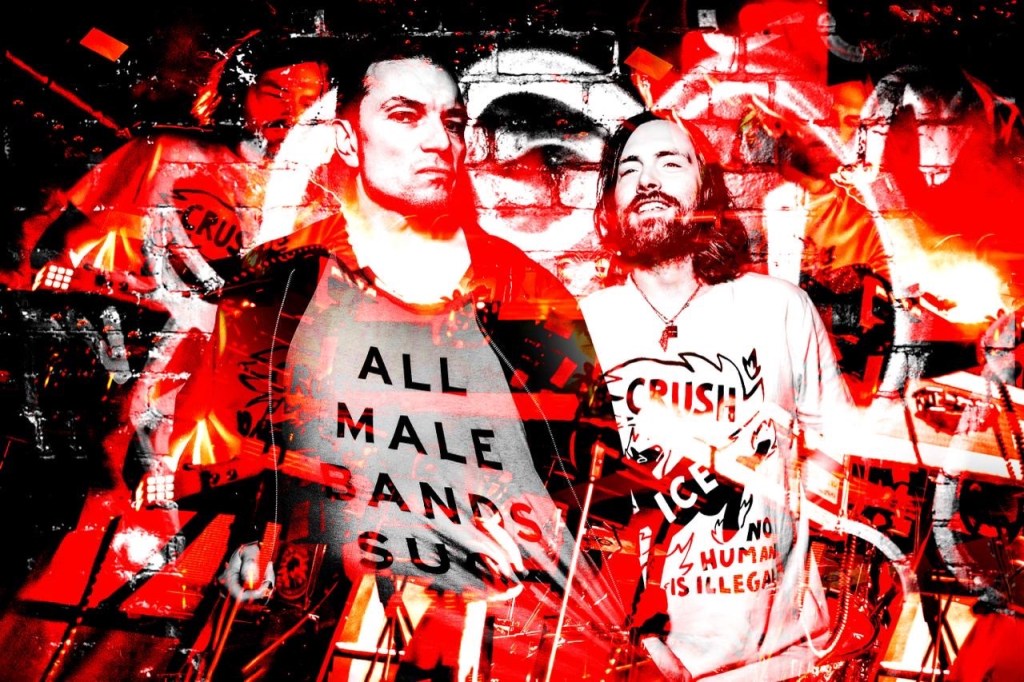
Those pictures are from our first ever ever tour when Stuart Cable did our first gig. I was about 12 and Stuart was about 15, we used to wheel our drum kit around in a shopping trolley. Now we are on tour with eight buses, we are contractual to be here and to have every one of you, but basically what I’m trying to say is — has anyone seen my shopping trolley?”
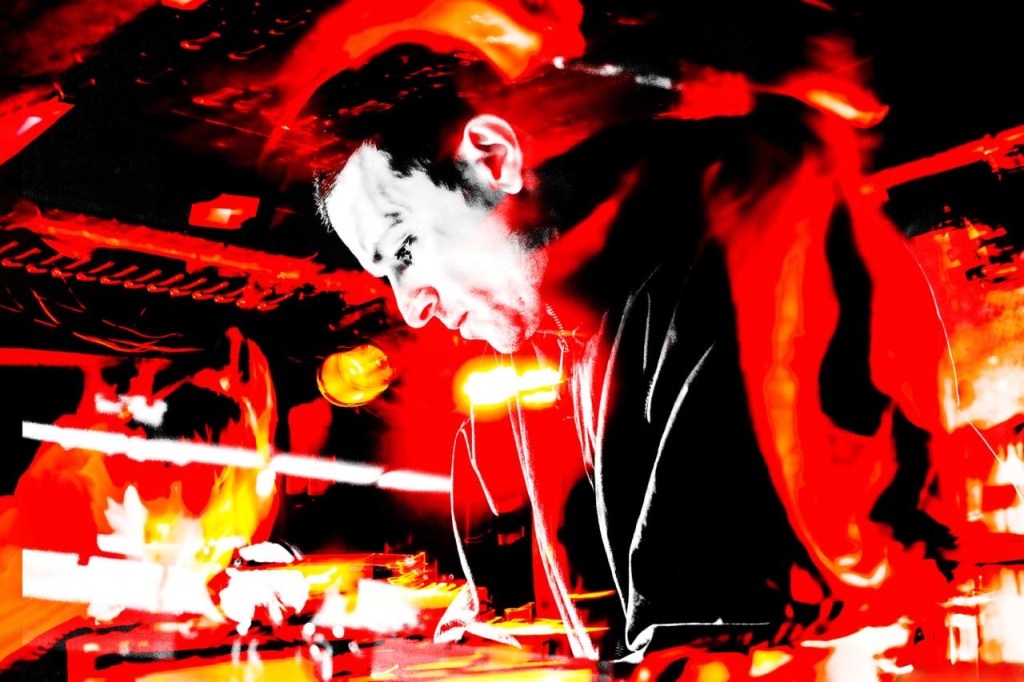

It landed exactly right: funny, tender, and quietly devastating. A fitting tribute to Cable, who may be gone but remains embedded in the DNA of every beat.

Stand-out moments came thick and fast. “Have a Nice Day” shimmered with irony and uplift, a song that has aged like a favourite leather jacket — scuffed, but better for it. “Mr. Writer” still bites, its sneer intact, while “Maybe Tomorrow” unfurled like a lighter held aloft in a stadium of strangers who suddenly feel like friends. “Fly Like an Eagle” soared without bombast, proving Stereophonics know the difference between arena rock and music that simply belongs in arenas.

Then came “I Wouldn’t Believe Your Radio”, reimagined as a semi-acoustic left-turn, complete with a ukulele party solo from Kelly that felt like a pub sing-along gatecrashing a rock show. It was joyous, ridiculous, and utterly perfect — the sound of a band comfortable enough in its legacy to mess with it.

And here’s the thing: 14-year-old me would be quite shocked to be standing here, loving — genuinely loving — the resurgence of millennial indie bands from the 90s and 00s. Shocked not because it’s happening, but because it works. Because these songs haven’t shrunk with age; they’ve expanded. They’ve picked up life along the way.

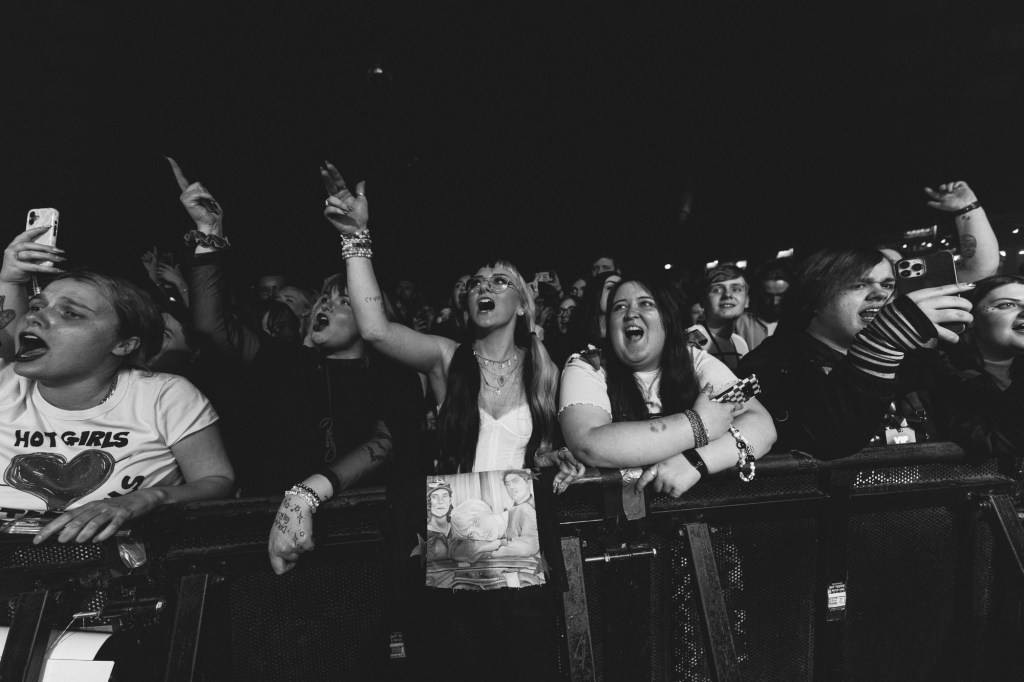
There is a steadfast fan front of stage holding up a sign pleading “Please Play 1000 Trees” a song untill tonight had remain off of the tour set list. Instantaneously 14,000 Glaswegians participate in an en masse singalong – a moment of untold joy for this writer and the gathered crowed.

The encore sealed it. Balloons were released into the crowd like stolen childhoods, bouncing overhead as the band tore through “100MPH”, “Traffic”, “C’est la vie”, and finally “Dakota” — a closer so colossal it feels less like a song and more like a communal out-of-body experience. Thousands of voices yelling “I don’t know where we are going now” as if the answer matters less than the journey.

Stereophonics at the Hydro weren’t trading on nostalgia. They were weaponising it — turning memory into momentum, grief into gratitude, and a shopping trolley into eight tour buses without ever forgetting where the wheels first touched the ground.

Article: Angela Canavan

Wolf Alice // OVO Hydro// 07.12.25

My first time at the OVO Hydro also happened to be my first time seeing Wolf Alice live. Until recently, I’d somehow let their first three albums — My Love Is Cool, Visions of a Life, and Blue Weekend — slip past me. But arriving on 7 December, fully caught up and newly immersed in their catalogue, I was ready to experience the band touring The Clearing, their fourth studio record. Outside, Glasgow was soaked in hours of rain, but the queue remained buoyant, chatter carrying a sense of collective anticipation. Hope, it seemed, was already circulating long before the lights dimmed.

The evening opened at 7pm with Bria Salmena, performing to a still-settling crowd. Her set was moody and atmospheric, weaving a brooding ambience that felt almost ritualistic — the kind of slow-burn introduction that rewards attentive ears. By the time she finished, the Hydro had quietly filled to capacity.

Next up were Sunflower Bean, whom I’d last caught in late 2024 supporting Cage The Elephant. Their energy arrived like a jolt: a snappy blast of indie-rock, all confident vocals, taut musicianship, and the visual flourish of a bottle of Buckfast. Their sound hit cleanly in the cavernous venue, building the sense that something bigger was imminent.

When Wolf Alice finally emerged, the arena shifted entirely. The stage glimmered — silver fringe, glam-rock sheen, a cascade of shimmering lights. They opened with “Thorns,” a slow, tension-building cut that immediately showcased Ellie Rowsell’s vocal elasticity. From there, “Bloom Baby Bloom” and “White Horses” snapped the crowd fully awake, a one-two punch bridging the new album’s aesthetics with the band’s established dynamic.

Across the setlist, they moved fluidly between nostalgia and reinvention. Fan favourites “Bros,” “How Can I Make It OK?,” “Delicious Things,” and “Formidable Cool” delivered full-throttle sing-along moments, while the feral charge of “Yuk Foo,” “Play the Greatest Hits,” and “Giant Peach” stirred the arena into something closer to catharsis — a reminder of the volatility that first set them apart.

Rowsell and bassist Theo Ellis commanded the stage with an instinctive dual pull: her voice drifting from fragile confessionals to soaring raw power, his presence adding kinetic flare and showmanship. Together they anchored the band’s shifting emotional terrain.

The encore brought the night to a near-mythic close. “The Last Man on Earth” unfurled with the kind of slow-motion grandeur that feels almost too big for a room, even one the size of the Hydro. Then came “Don’t Delete the Kisses,” a crowd-wide chant that softened the edges of the night into something warm, communal, and dreamlike.

And just like that, the band vanished backstage, leaving us glowing in the mid-lit pit as “Bohemian Rhapsody” blasted through the speakers. Neon lights flickered; strangers danced; the final traces of adrenaline settled into the realisation that Wolf Alice would return to Glasgow in just a few months — headlining TRNSMT next summer.

If The Clearing is a record about searching for meaning in the debris, then this show proved the band are still experts at building something transcendent from the noise.

Article: Marco Cornelli

Mumford & Sons // Hydro // 02.12.25

Mumford & Sons made a triumphant return to Glasgow last week, marking their first performance in the city since 2018. The audience in the sold out OVO Hydro offered a warm Scottish welcome to the band, who were met with enthusiasm and excitement. The eagerly anticipated setlist was stacked, featuring chart-topping anthems such as ‘Little Lion Man‘ and ‘I Will Wait’, and new songs such as ‘Run Together’.

Taking the stage at 9:00pm, the band opened their set with a song off their new album. Visually, the production was striking, featuring a beautiful and elaborate overhead lighting rig configured into shapes of doves, stars, and hearts. There was no doubt that the band spared no expense on their engaging stage design. Their beautiful set was complemented throughout the performance by pyrotechnic displays and cascading fairy lights that illuminated the arena.

A highlight of the evening was a mid-set transition where the band ran through the crowd to a smaller B stage. The stripped back, intimate performances delivered a rare and welcome sense of connection, often difficult to achieve in Scotland’s largest concert venue.

The night overall was a beautiful celebration of folk indie music: families sang together, couples embraced, and individuals danced wholeheartedly. This wholesome evening successfully generated excitement for the band’s much-anticipated new album,’Prizefighter’, due to be released in February 2026. The show concluded with the track ‘Conversation with my Son (Gangsters & Angels),‘ leaving the contented crowd eagerly awaiting the band’s next chapter.

Article: Rachel Cuthbert

Idelwild // Barrowland // 07.12.25

Returning to the legendary ballroom 25 years after they first headlined, Idlewild’s performance was a triumphant climax to a stellar year for the band.

The band’s fondness for the moment was clearly visible as they took to the stage with big smiles, opening with Roseability

Their live sound is as good as it’s ever been. The current lineup of the band with the rhythm section of Andrew Mitchell on bass and Colin Newton on drums is solid and deep, allowing guitarists Allan Stewart and Rod Jones to create a gnarly melodic thrash on top. The addition of keyboards from Luciano Rossi in this latest incarnation of the band adds extra sonic depth whilst the  powerful voice of Roddy Woomble remains the ever constant.
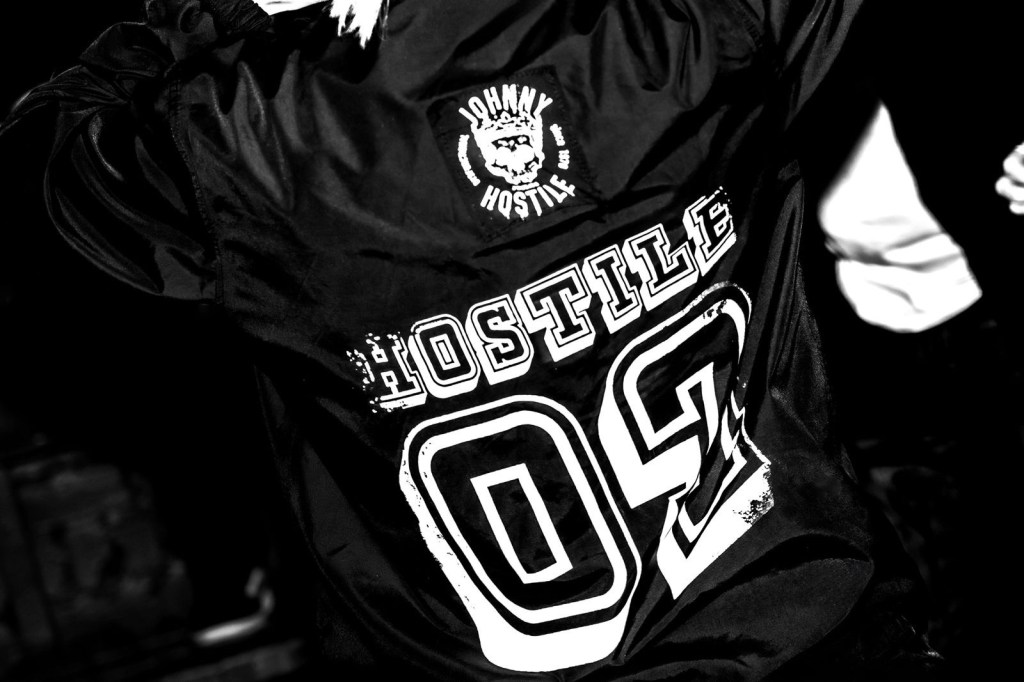
The setlist seemed eager to please with the majority of cuts from the fan favourite eras of 100 Broken Windows and The Remote Part. Songs from the new record slotted in nicely as the band cranked out hit after hit. The reaction from the crowd was ecstatic, particularly during the fierce encore of Everyone Says You’re So Fragile, A Modern Way of Letting Go, A Film for the Future and In Remote Part/Scottish Fiction. 

For a band that has been slightly overlooked in recent years this was a victorious return – a perfect blend of nostalgia and new ideas.

Words by Gary Sargenson

Images: Barry Carson

Humour // King Tut’s // 06.12.25

Under the iridescent green lights of the iconic King Tut’s, Humour confidently showcased the full extent of their talent. I picked up this gig based on the overwhelming number of positive comments circulating within the local music scene, and, as expected, the audience was filled with familiar faces I’ve seen around gigs both on and off stage throughout the year.

Their blend of post-punk and post-hardcore has been described as unpredictable, improvised, and wild — a statement I can absolutely support after a night spent at their Glasgow soirée. At first impact, I felt disoriented by the abrasive, harsh, half-screamed lyrics, which I believe is entirely the point: disorientation as an aesthetic, a deliberate jolt to the system.
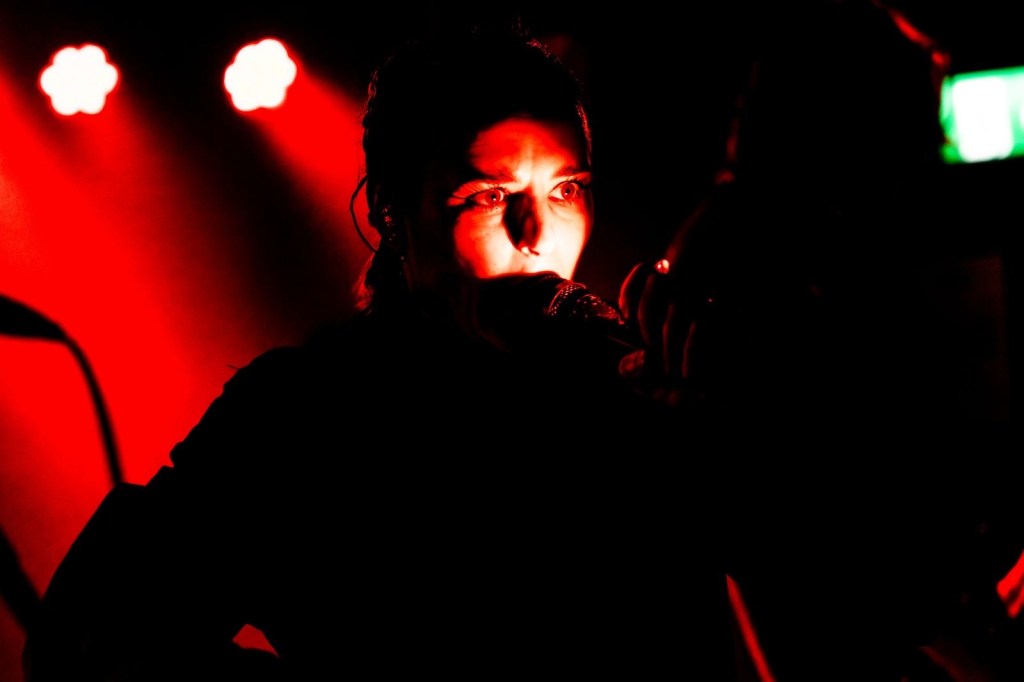
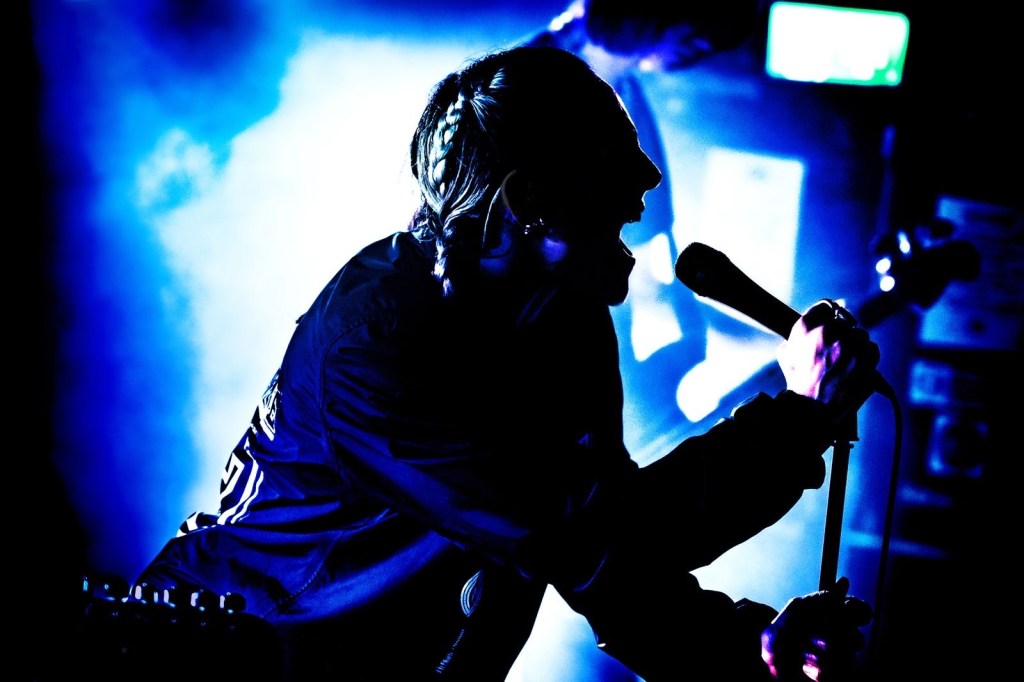
The night opened with Aphid, from their latest album Learning Greek — a smart, nae, brilliant reflection on the absurdity of existence — and closed with Plagiarist, a piece centred on the tremendous pressure of creativity when it feels as though everything meaningful has already been created before your time. Yet everything I witnessed during my time at King Tut’s felt new and original in a way that demands time to fully absorb.

Nonetheless, they remain a perfectly imperfect example of the talent still emerging from Scotland, and of a willingness to avoid bending or compromising one’s creative vision. It might not click immediately if you’re not into noise-heavy, loud-guitar-driven music, but there is a purity and honesty in their work that transcends genre-specific tastes — something audiences can support and appreciate beyond the music itself: the bravery of going out there and doing your own thing.

Article: Mona Montella

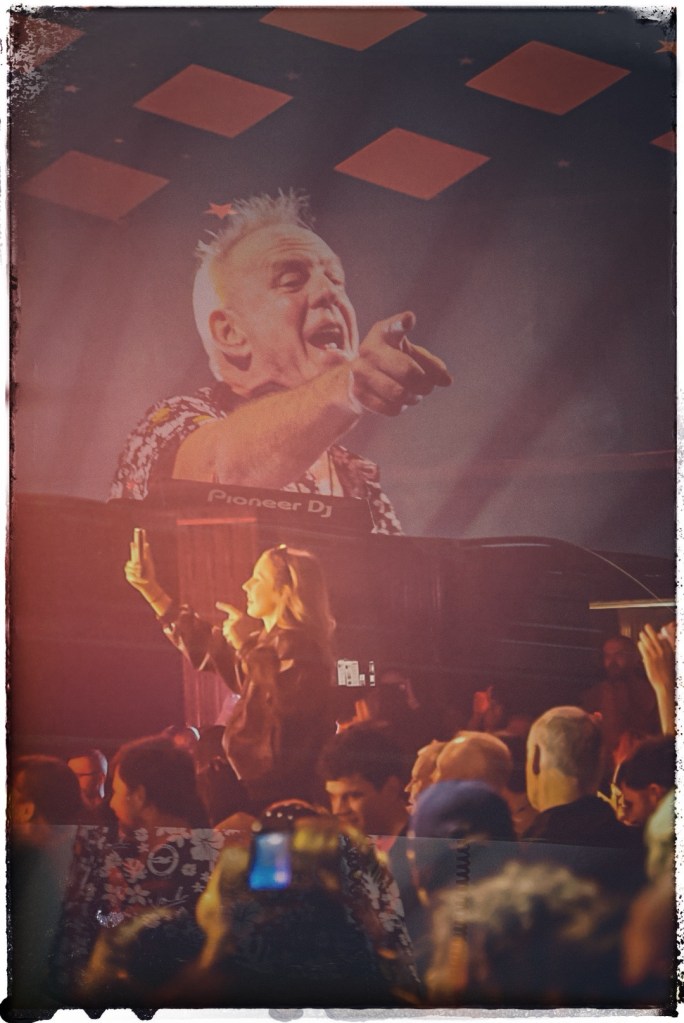
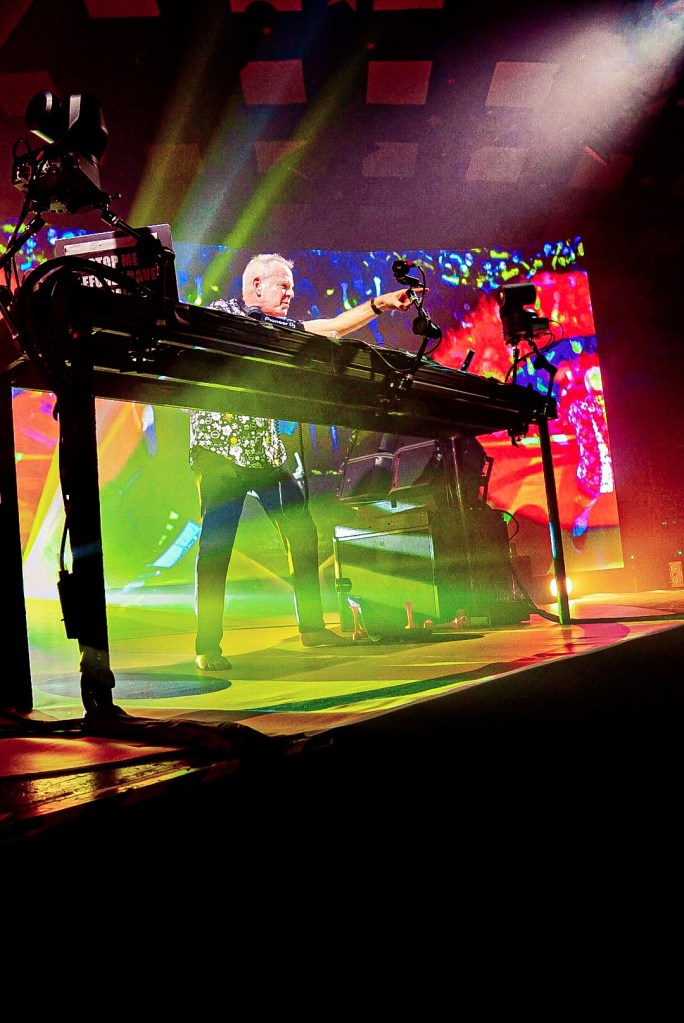
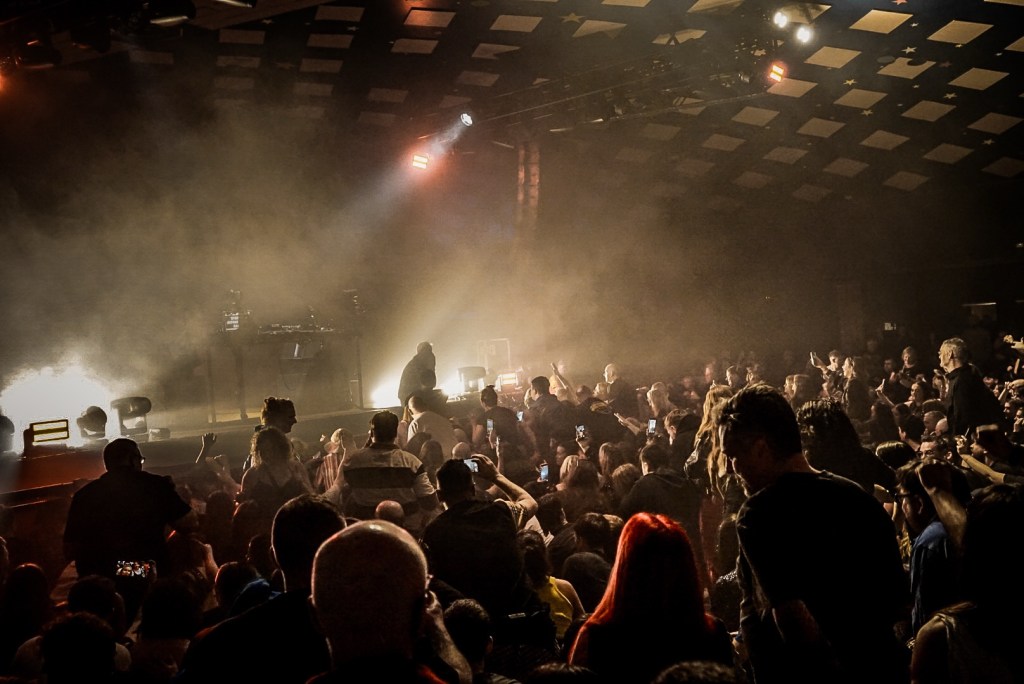
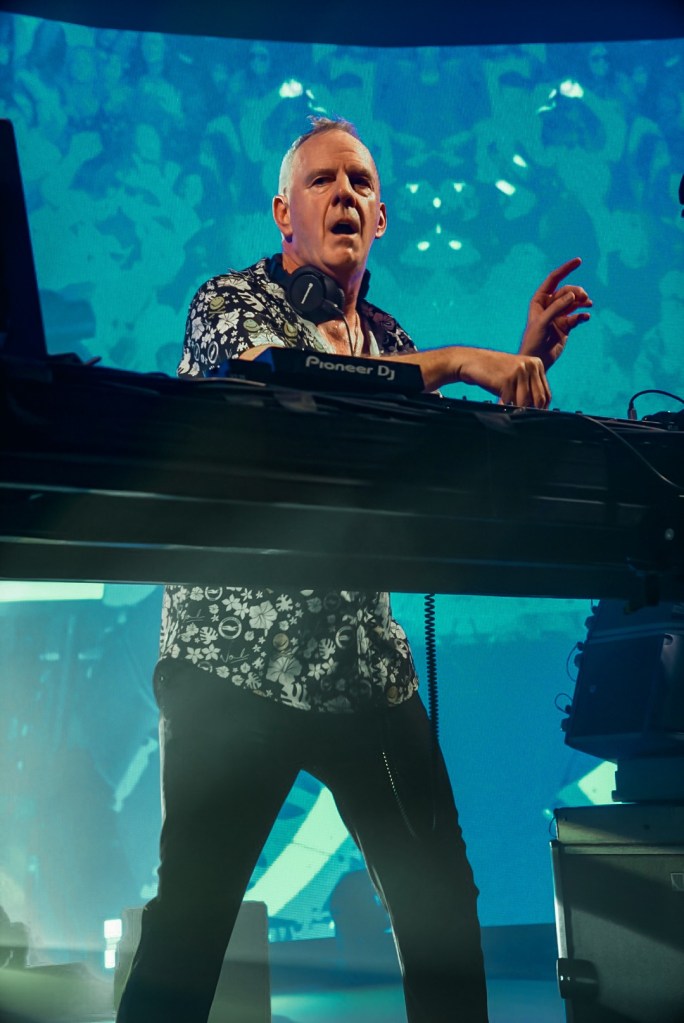
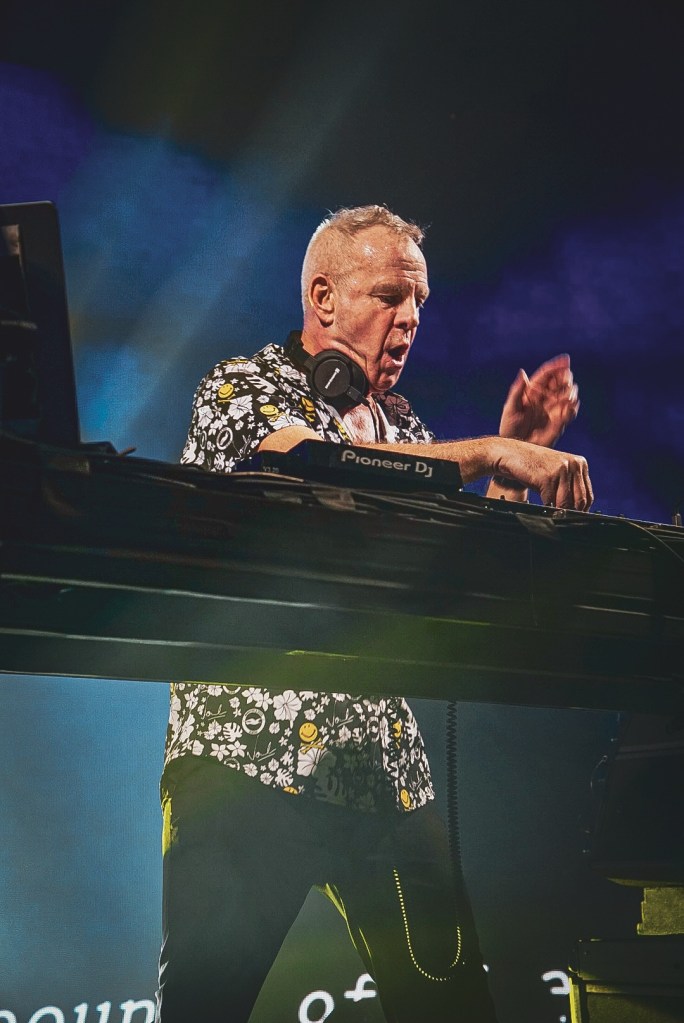
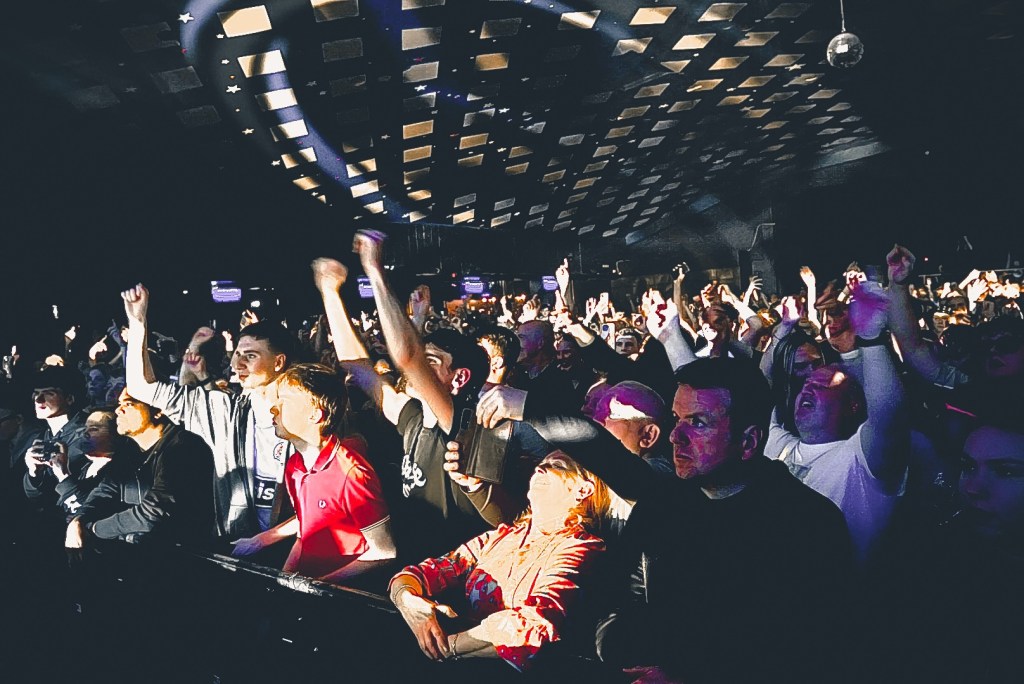
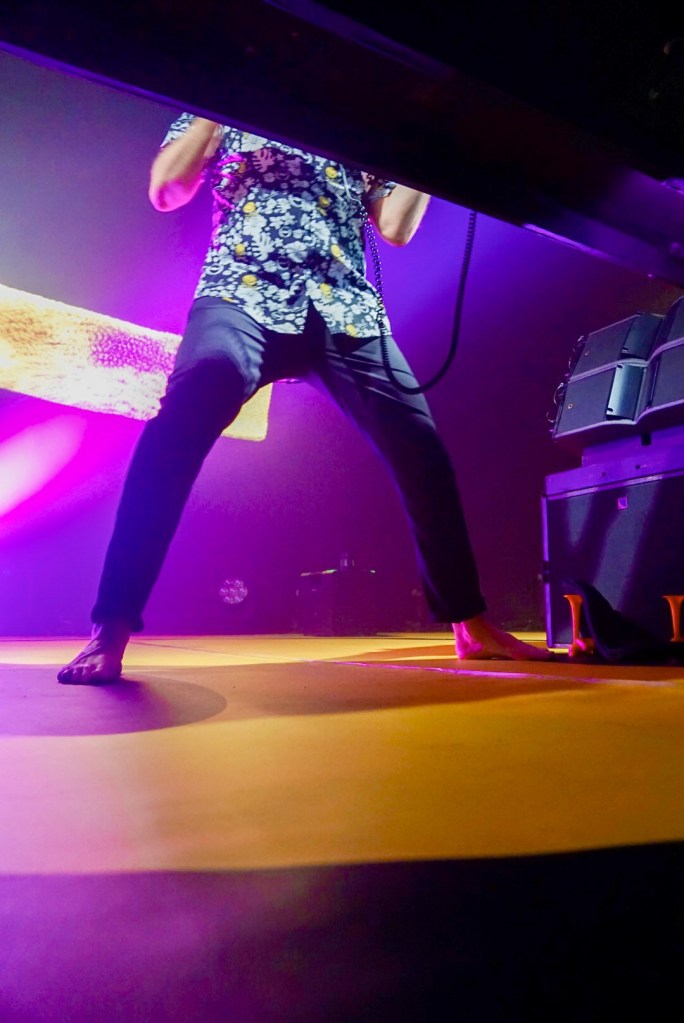
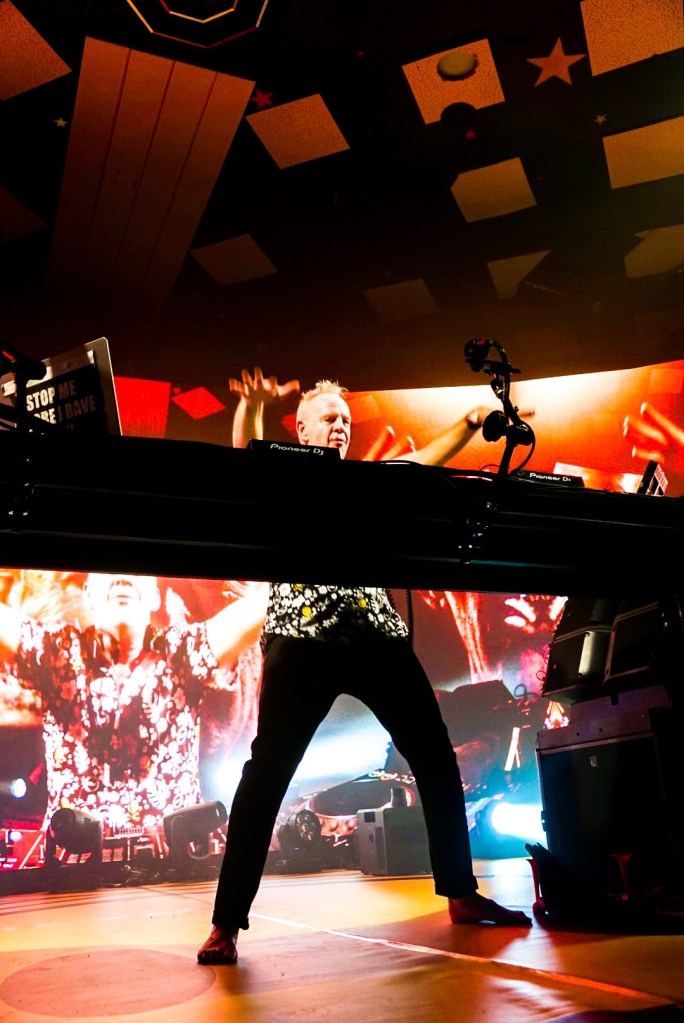
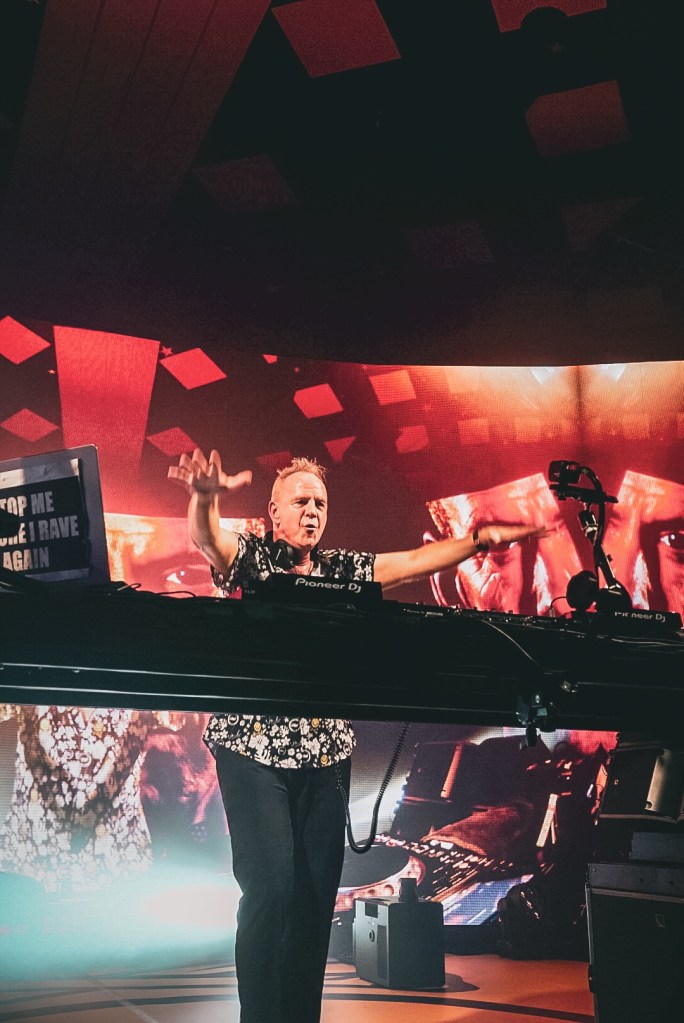
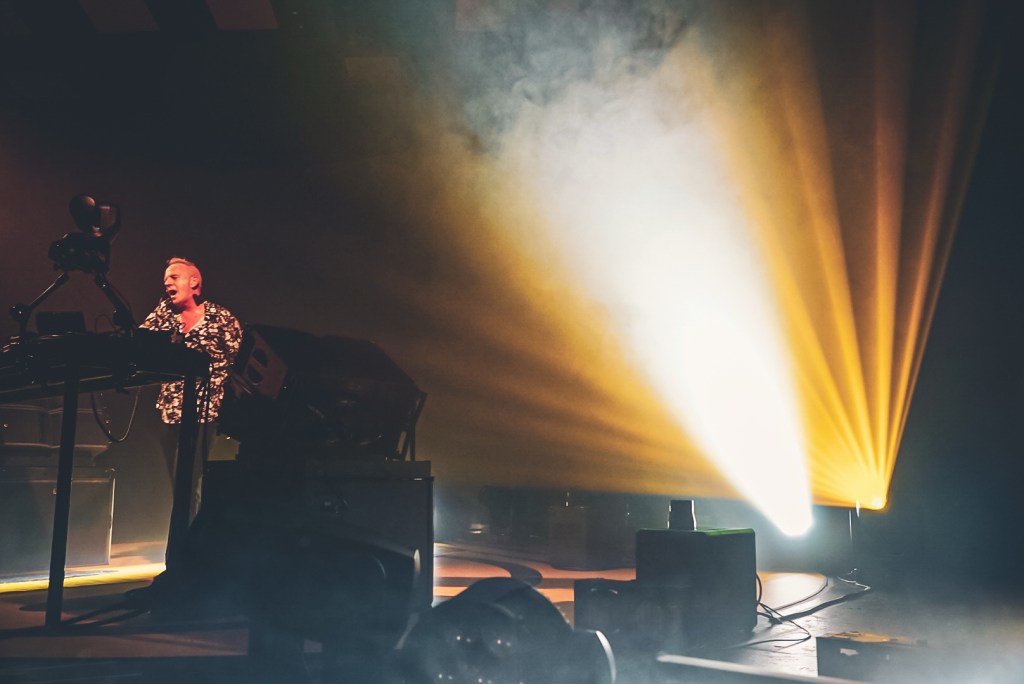
Jamiroquai // Hydro // 03.12.25

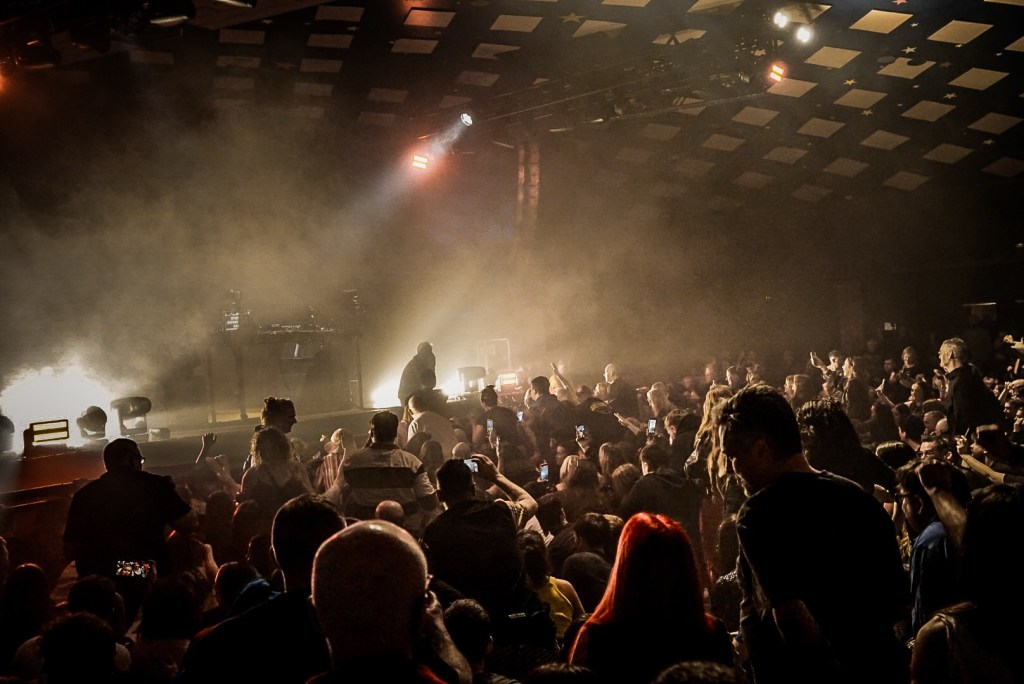
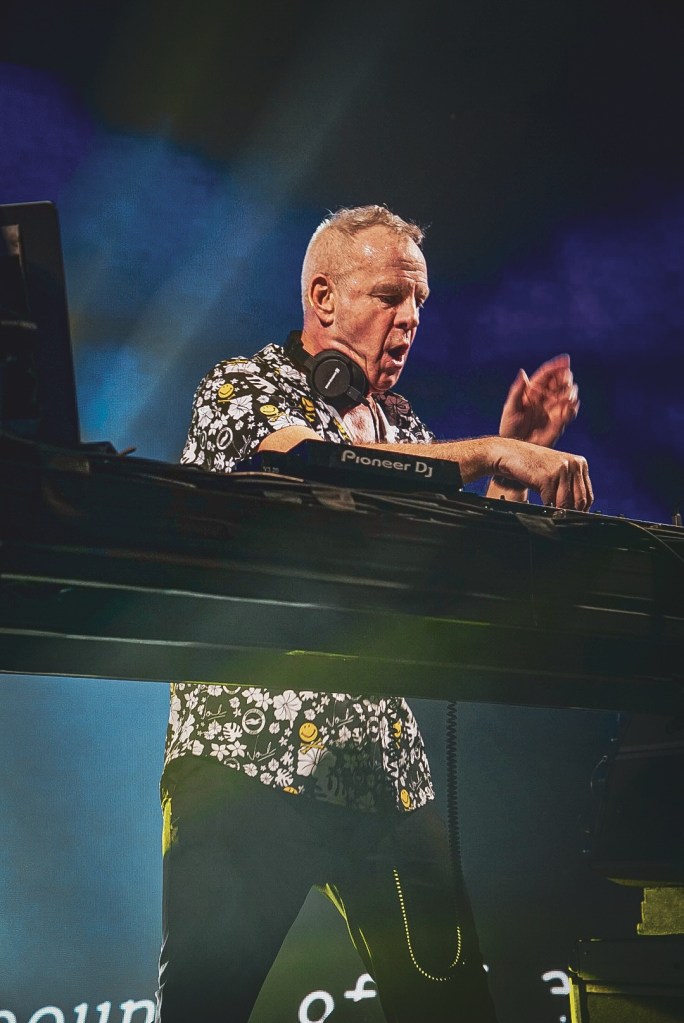
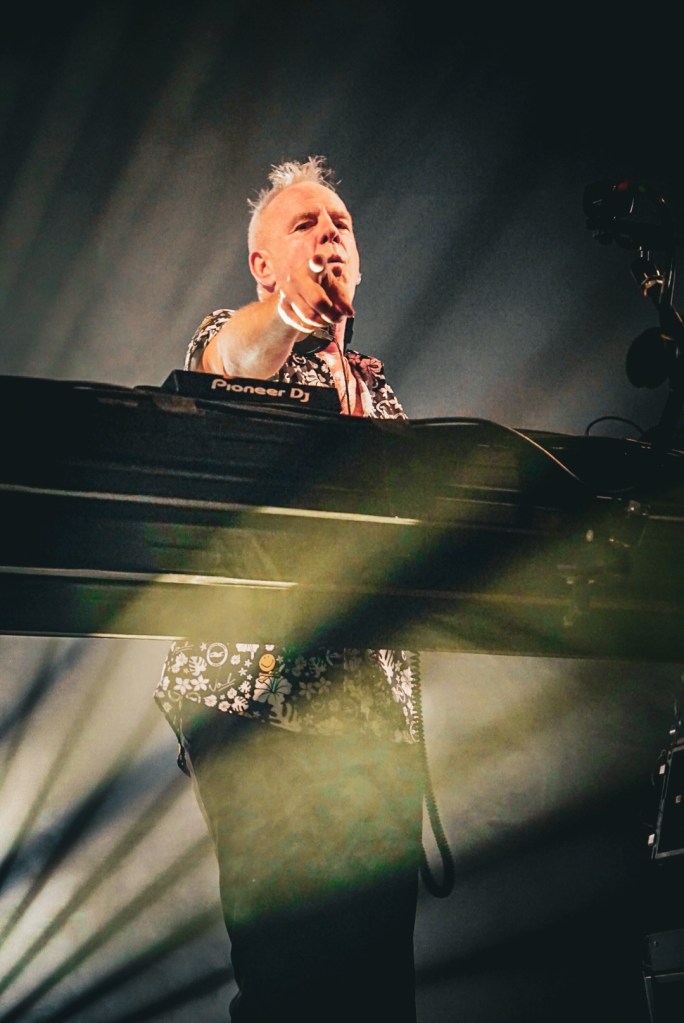
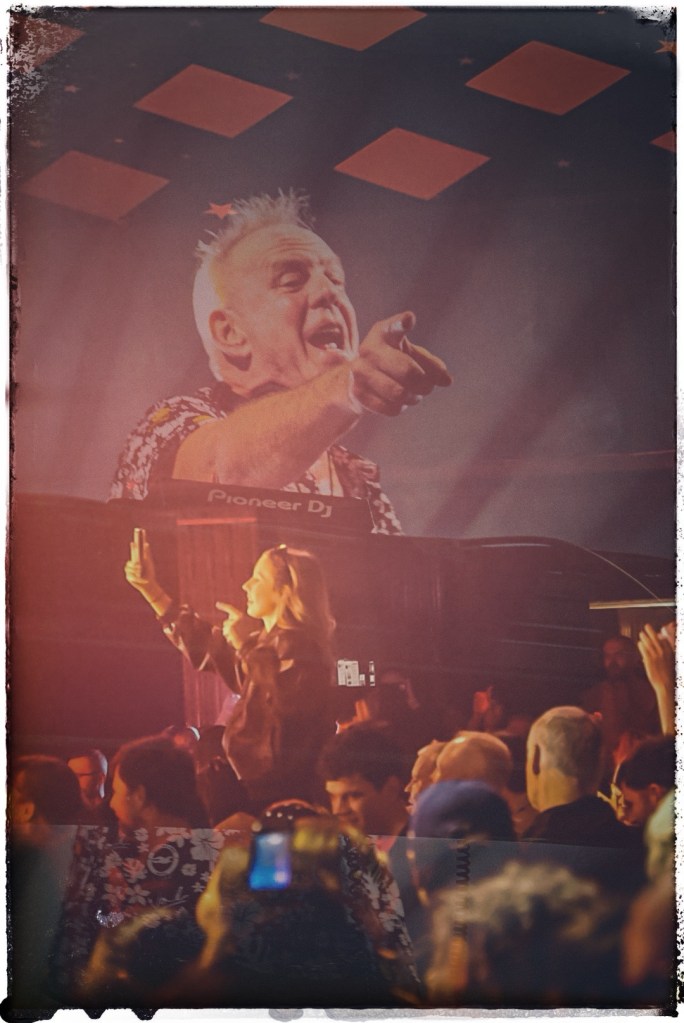
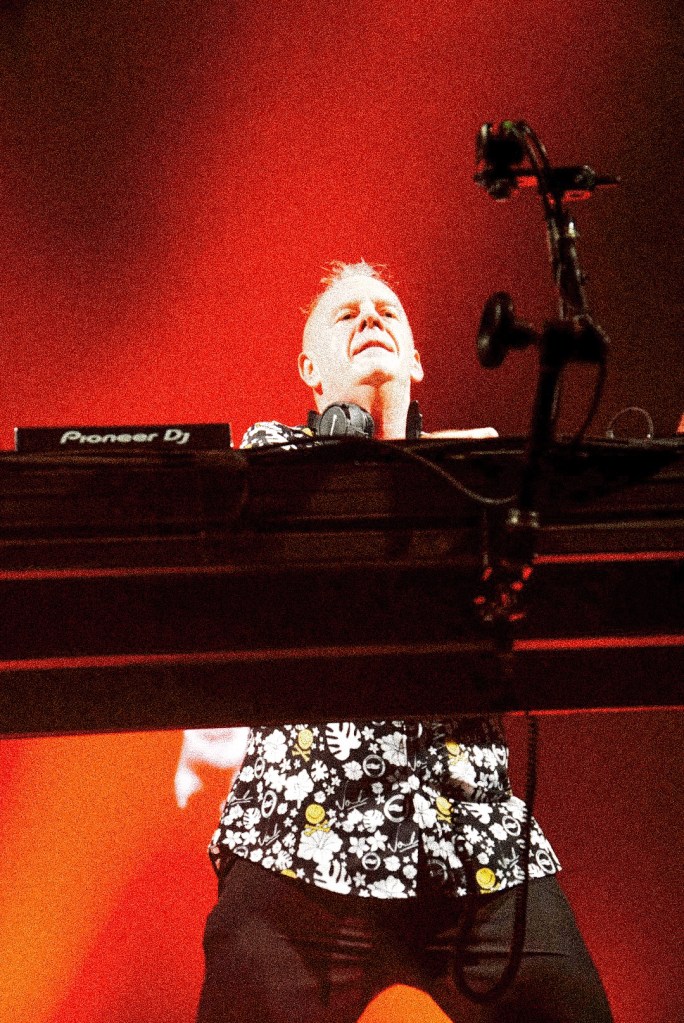
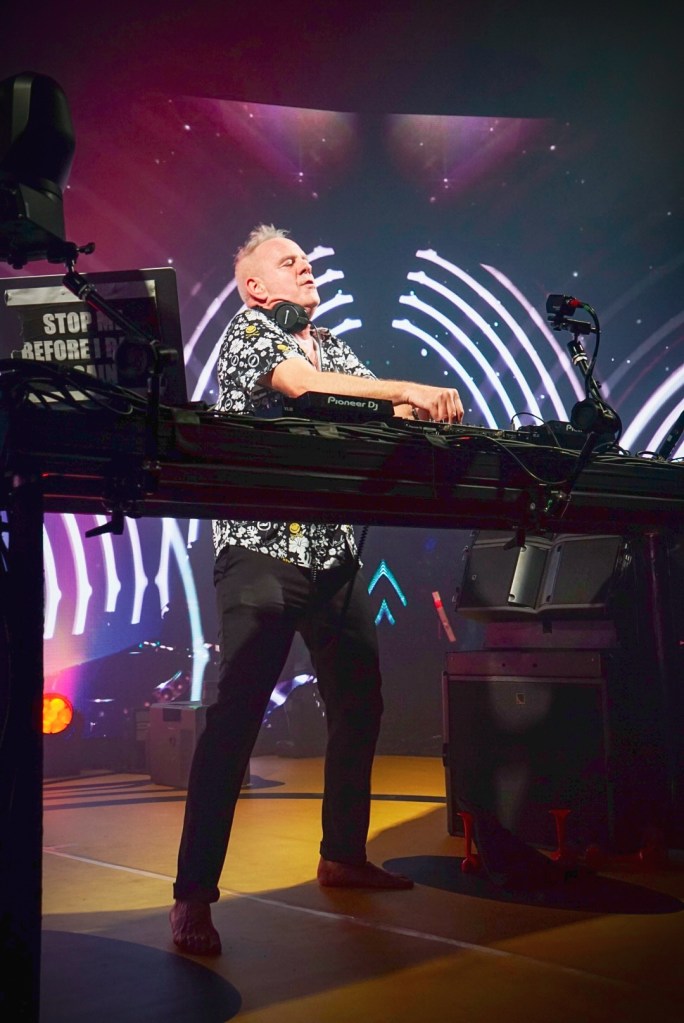
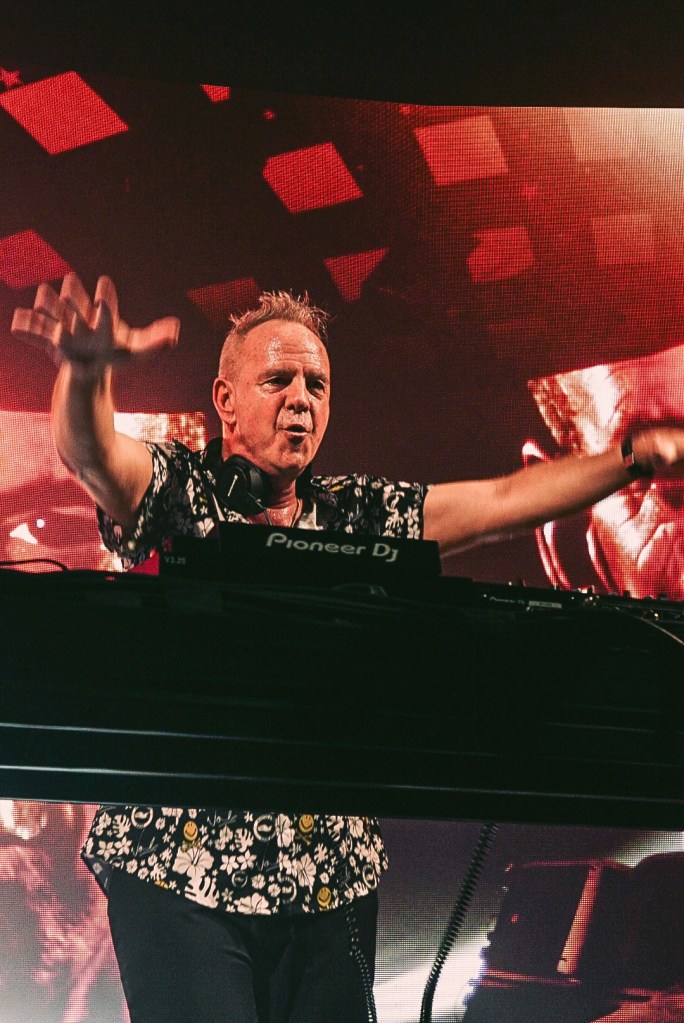
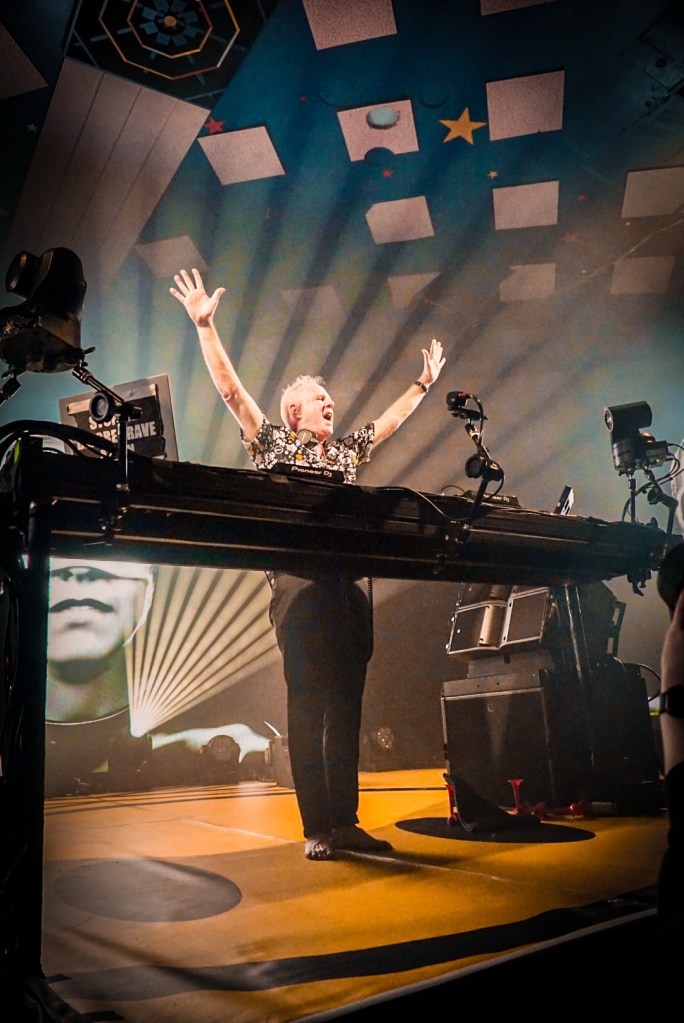
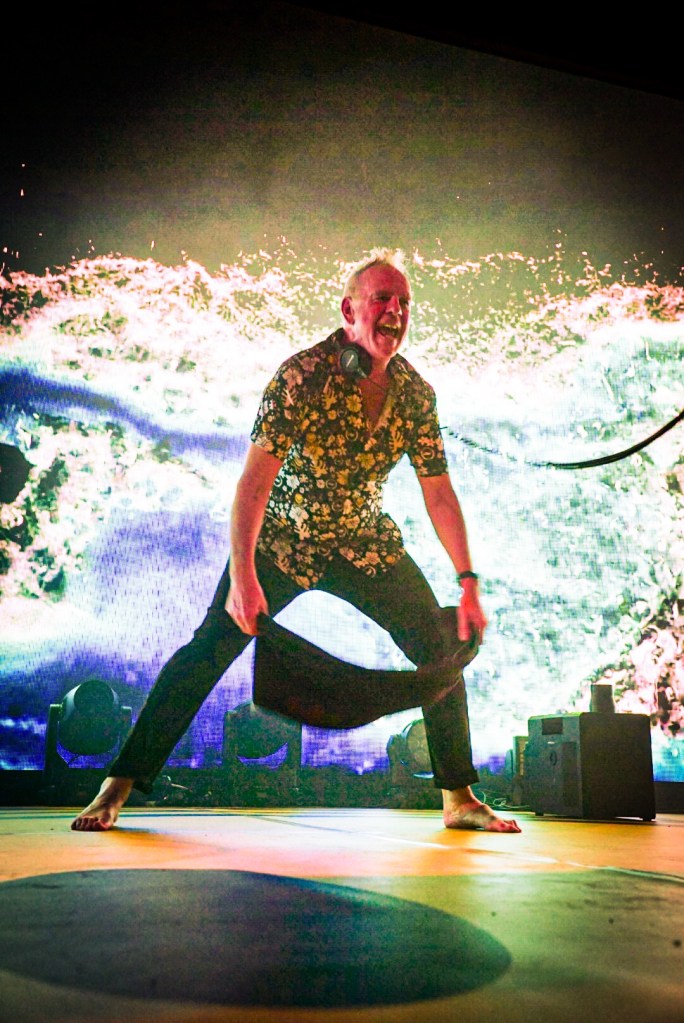
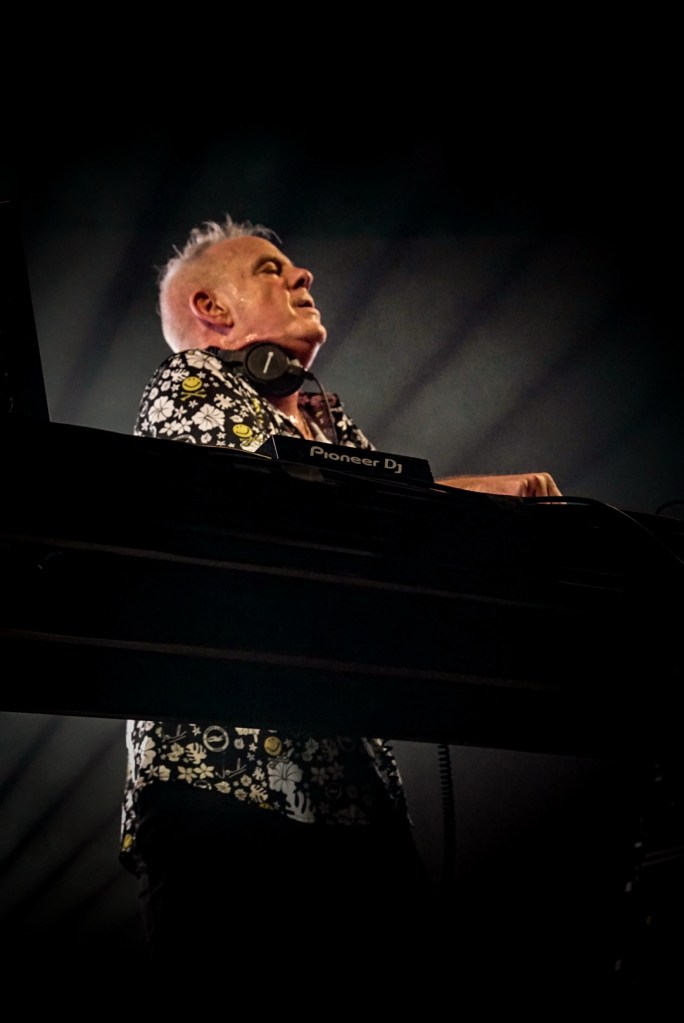
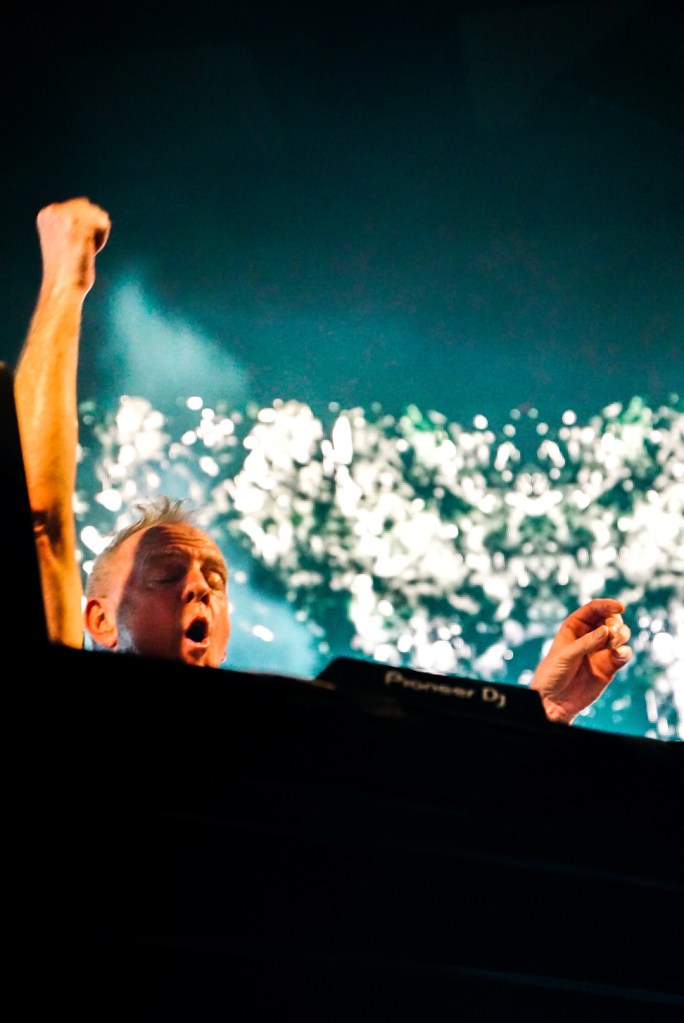
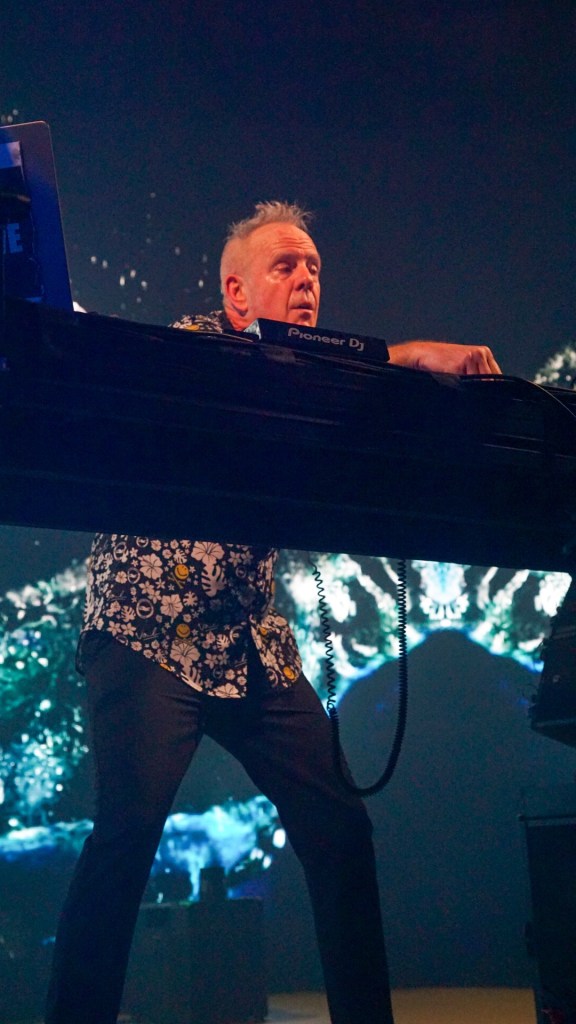
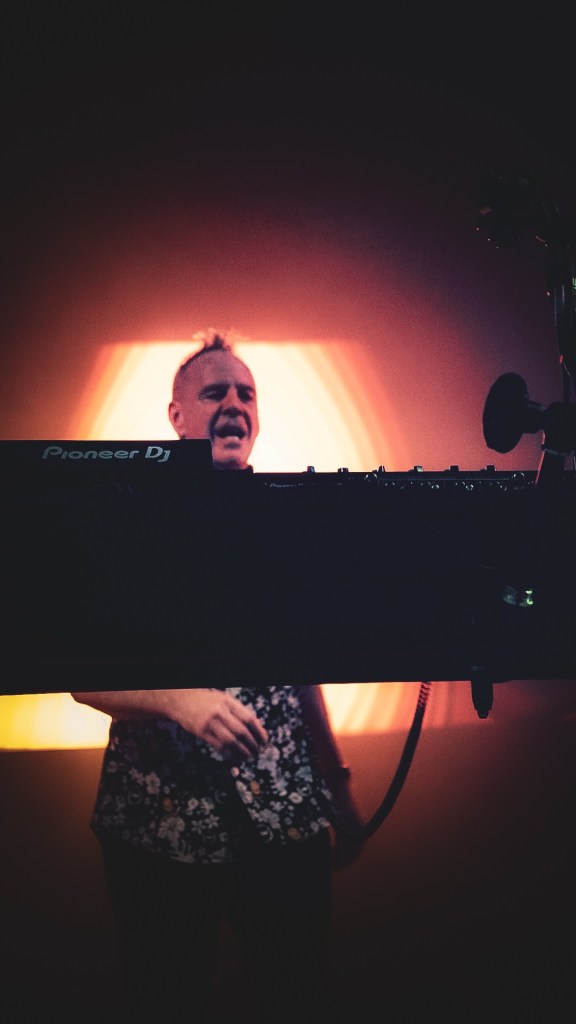
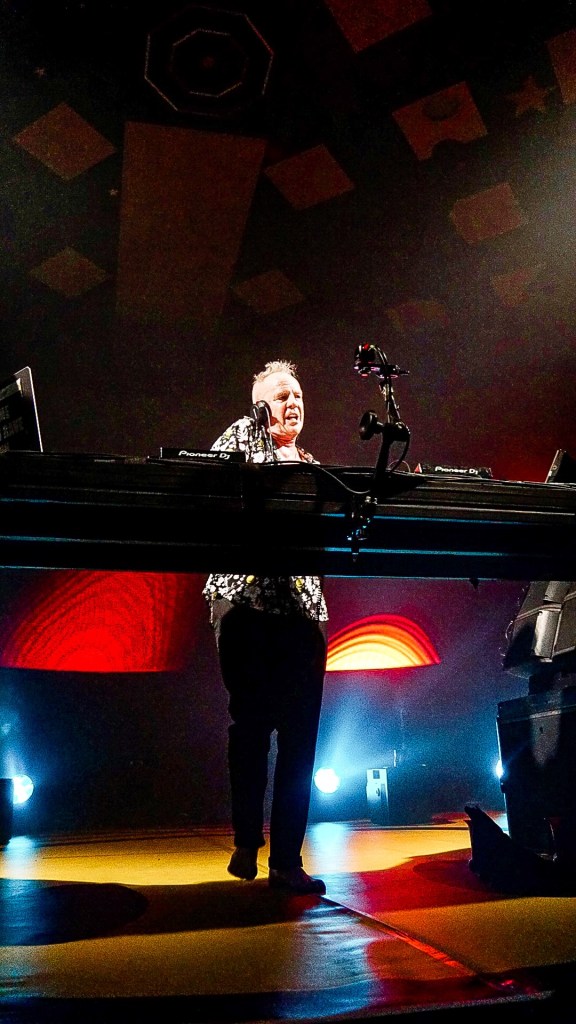
If you could bottle shenanigans and sell them in neon-lit corner shops across Britain, Jamiroquai would have the patent. From the moment Jay Kay bounced onstage at the Hydro—strutting, high-kicking, moonwalking and pirouetting like a man determined to prove that the laws of physics are for civilians—it felt like being shot out of a glitter cannon straight back into the 90s. And not the drab Britpop-hangover 90s, but the fantasy 90s: the one where we all wore silver trousers, danced like no one sensible was watching, and believed the future might actually be fun.

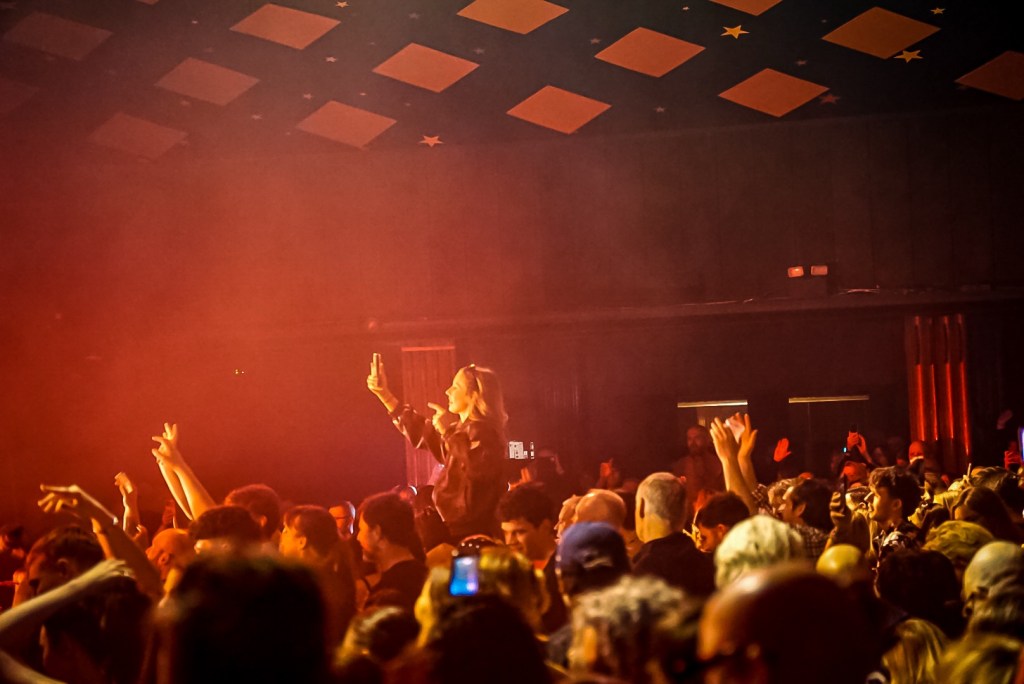
The audience was a glorious 50/50 cocktail of Glaswegians and Geordies—two tribes united by a shared ability to create chaos at will. They bathed in visuals that slipped from outer space to rainforest to under the sea, as though someone had handed Attenborough a disco ball and told him to go wild. No ecosystem was spared the cosmic stardust trail of the man himself.

Jay Kay arrived armed with three soul singers—Rankin Johns, Hazel Fernandez and Fabio GolIeeeera—each in star-studded jumpsuits, plus two full drum kits (because of course), a jungle of percussion, Mat Johnson on keys, a synth sorceress also in star-threads, Michael Harrison keeping the guitar deliciously funky, and Paul Turner on bass: possibly the hardest-working wah-wah merchant this side of the Milky Way. Derrick McKenzie on drums held the whole starship together.

From the opening bars of “(Don’t) Give Hate a Chance”, the Hydro was transported to the utopian era of Nokia bricks, tribal tattoos and CDs that cost £12.99. “Little L” followed, bouncing with that Italo-disco DNA—glossy, skittish, irresistible—like Chic had a love child with a glitter-covered pinball machine. “Alright” erupted into a mass singalong, the kind that makes your eardrums throb and your heart swell.
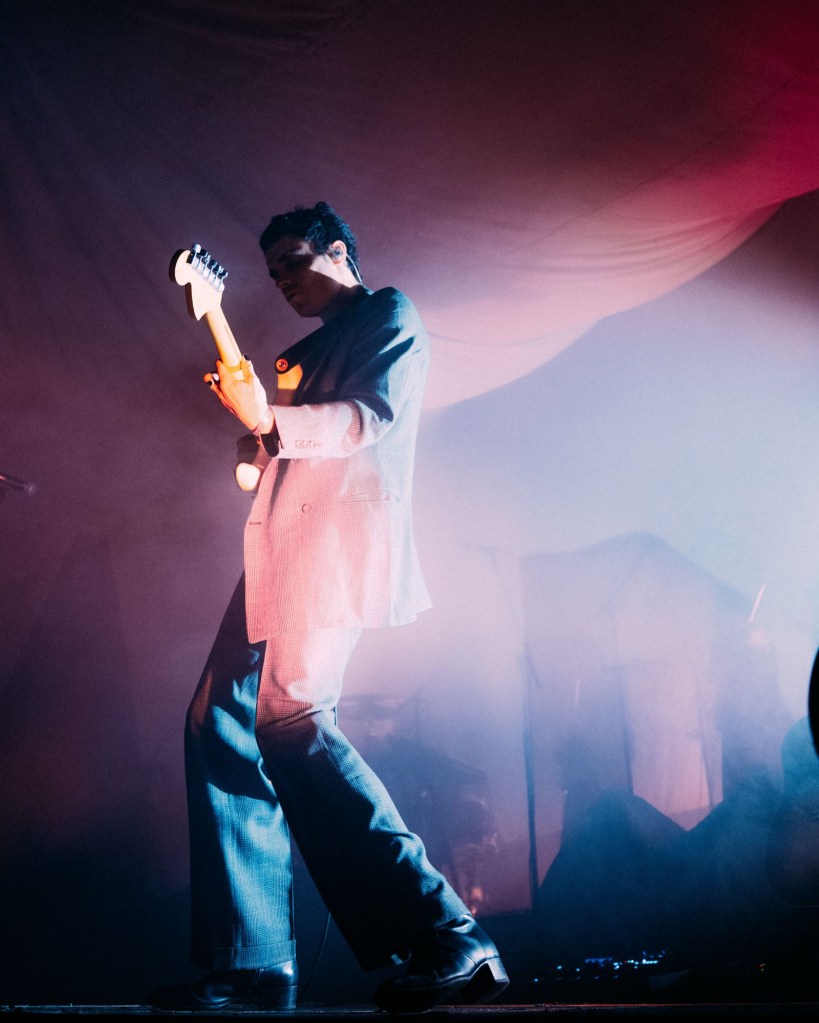
Jay Kay paused to congratulate Glasgow on their World Cup qualification performance—a comment that landed like a warm smack of civic pride across the arena.

Outfit changes arrived thick and fast. For “TahlulahJay emerged in a white coat and purple-brimmed hat, looking like a flamboyant space-pimp lost on his way to the MOBOs.

Mid-song, Jay vanished, only to reappear minutes later sporting a cosmic-warrior headdress and fresh tracksuit, like a man who’d nipped backstage to fight off interstellar intruders before returning to finish his own show.

Disco Stays the Same” fired lasers in every direction, a Tron-esque riot of colour and nostalgia. A brand-new track from next year’s album, “Shadow in the Night”, throbbed with bongo-laced scat and midnight swagger—a promise that Jamiroquai still has whole galaxies left to explore.

And then the home stretch: “Canned Heat”, “Cosmic Girl”, “Love Foolosophy”—hit after hit, Scotland screaming with the joy of a nation that absolutely believes “No Scotland, No Party” should be a constitutional clause.

He ran right over the 11 p.m. curfew, reportedly incurring a fine—because of course he did. Jay Kay has never met a rule he didn’t treat as a dancefloor.

The encore, “Virtual Insanity,” felt like time travel: a reminder of how a man in a moving room once took over the world, and might well do it again if given half a chance.

Article: Angela Canavan

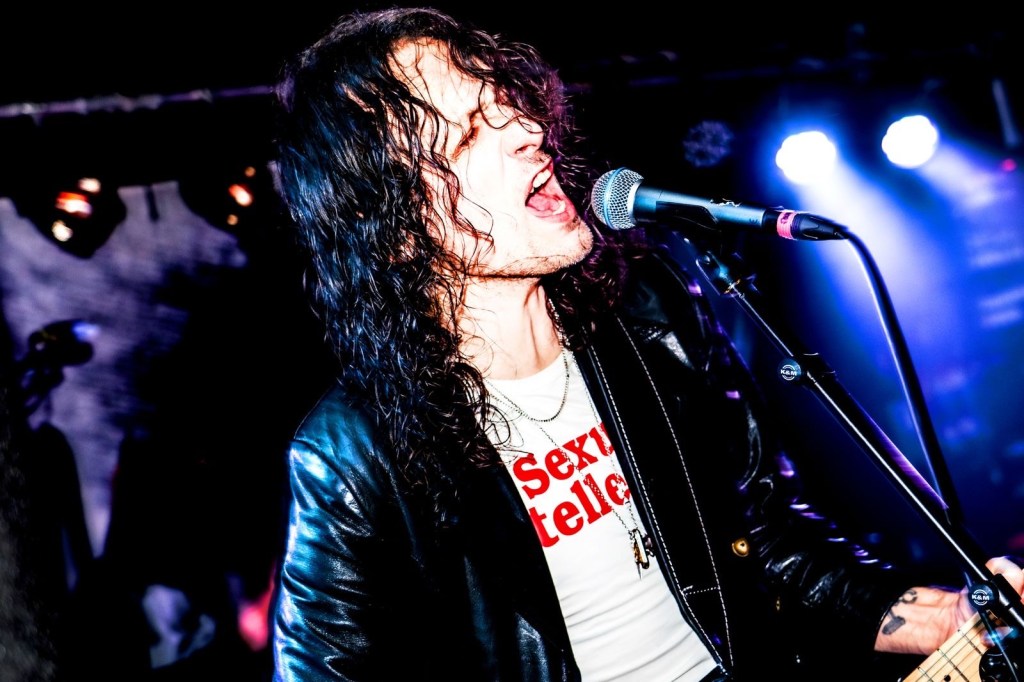
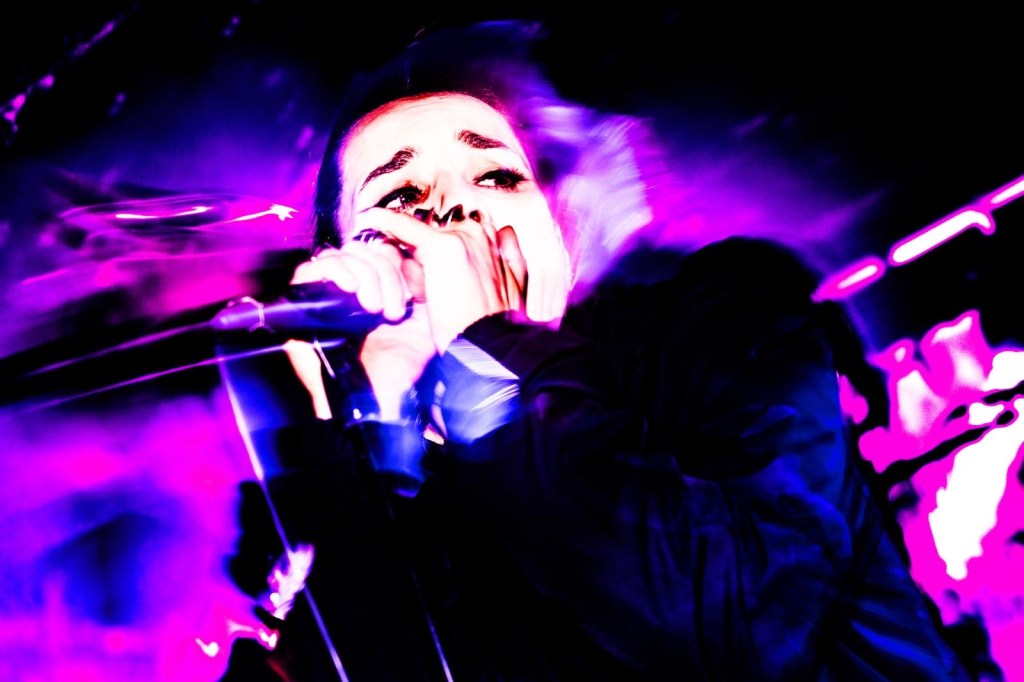
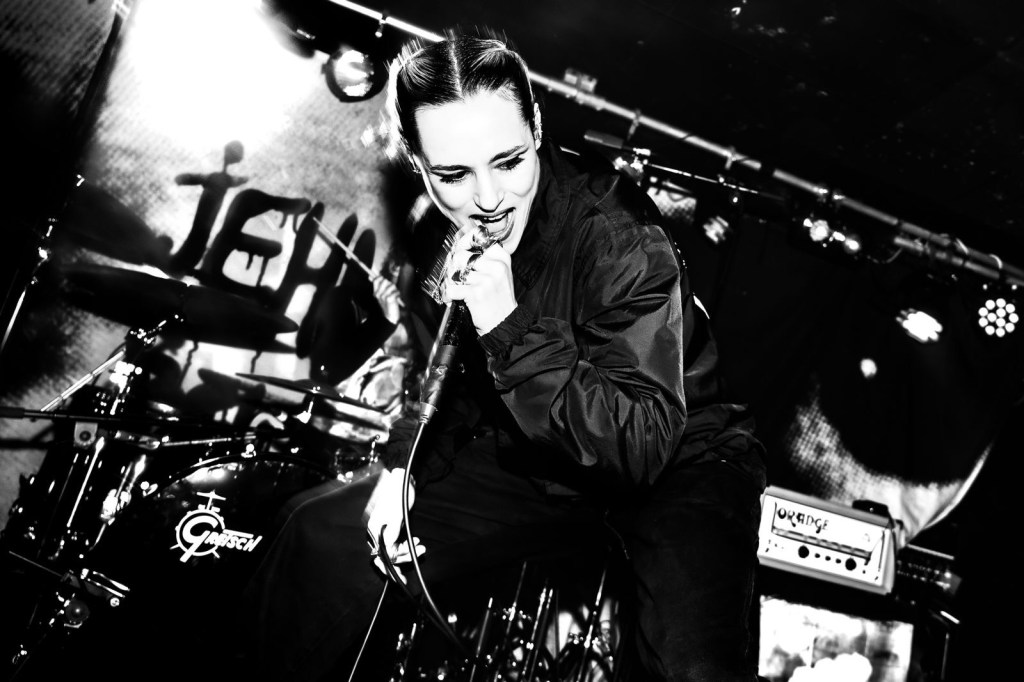
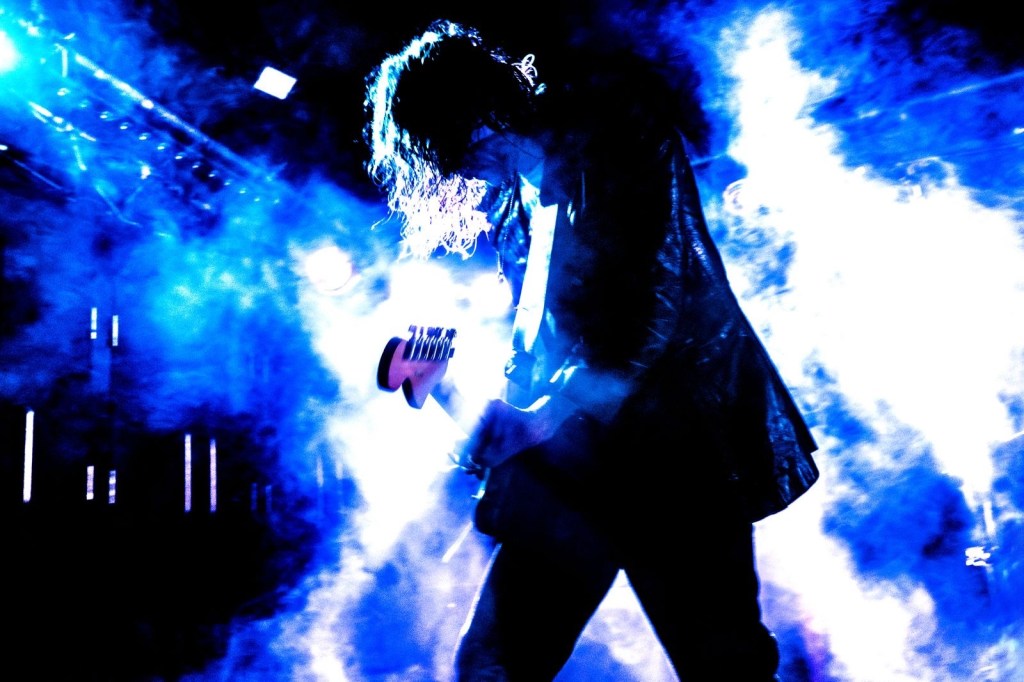
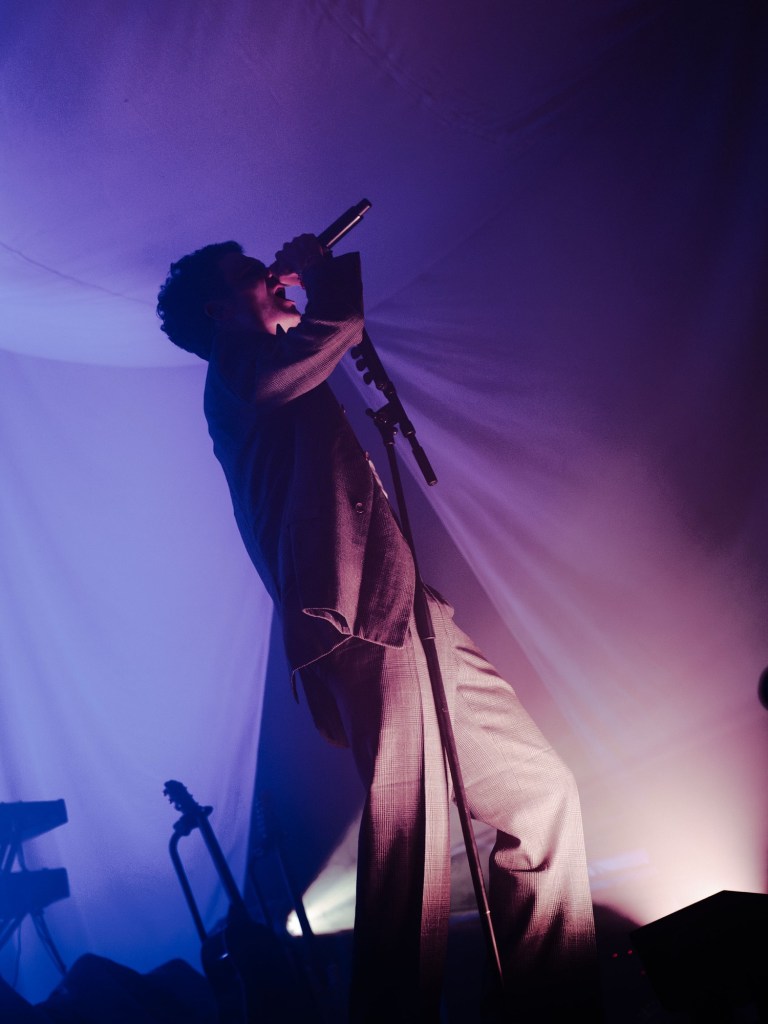
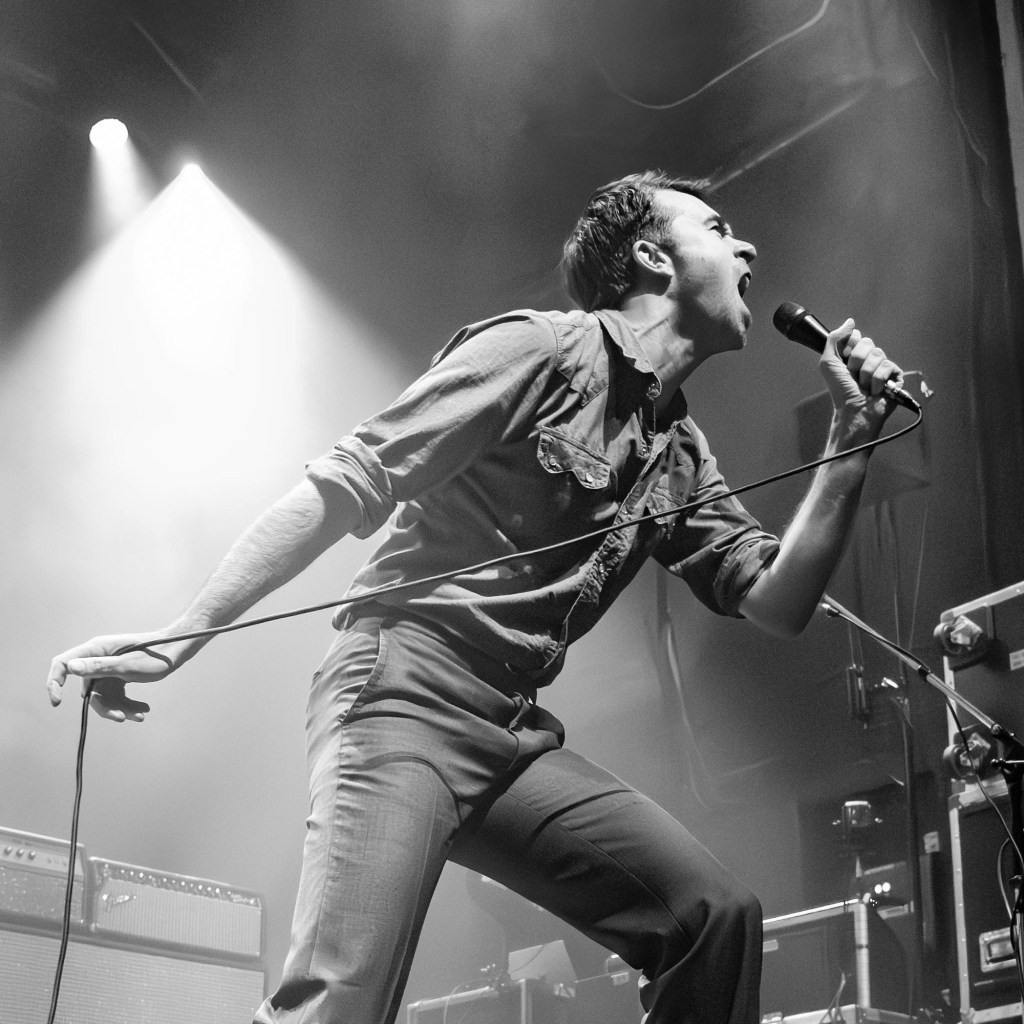
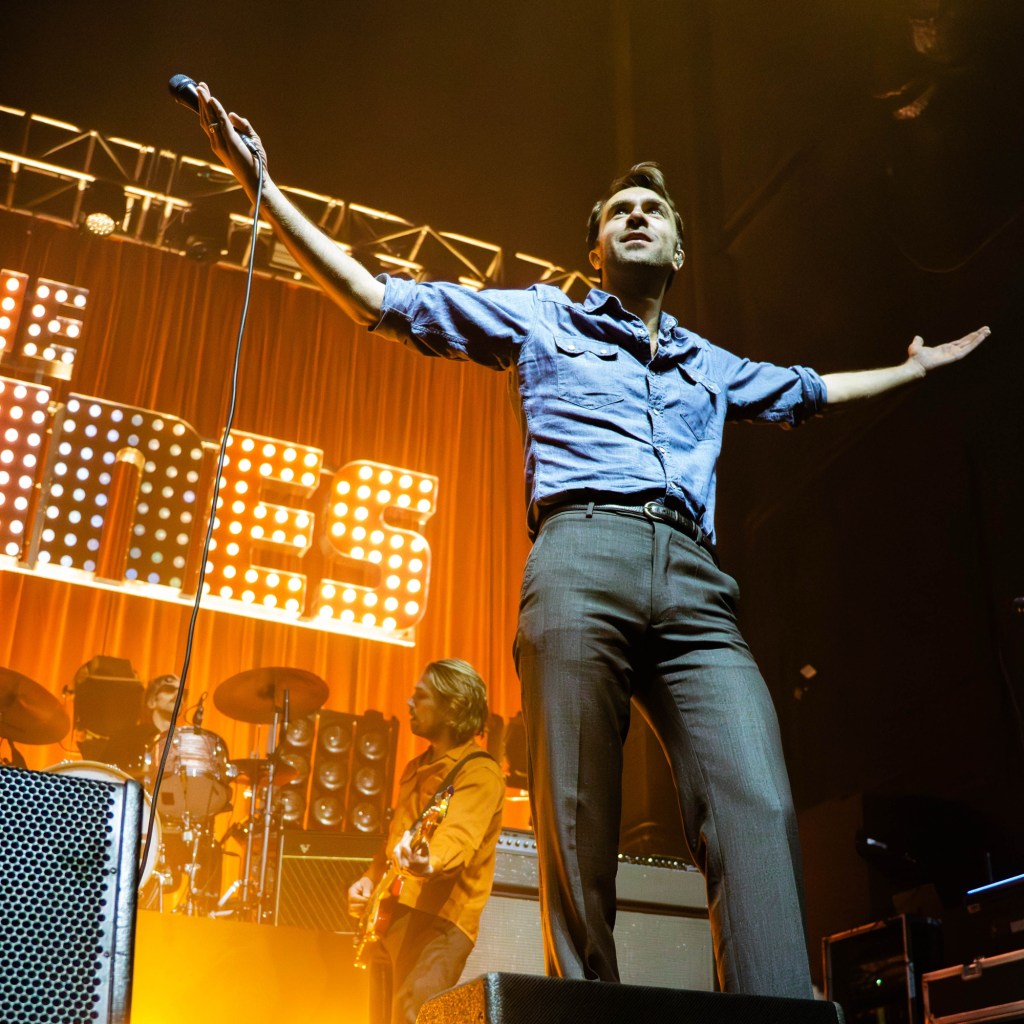
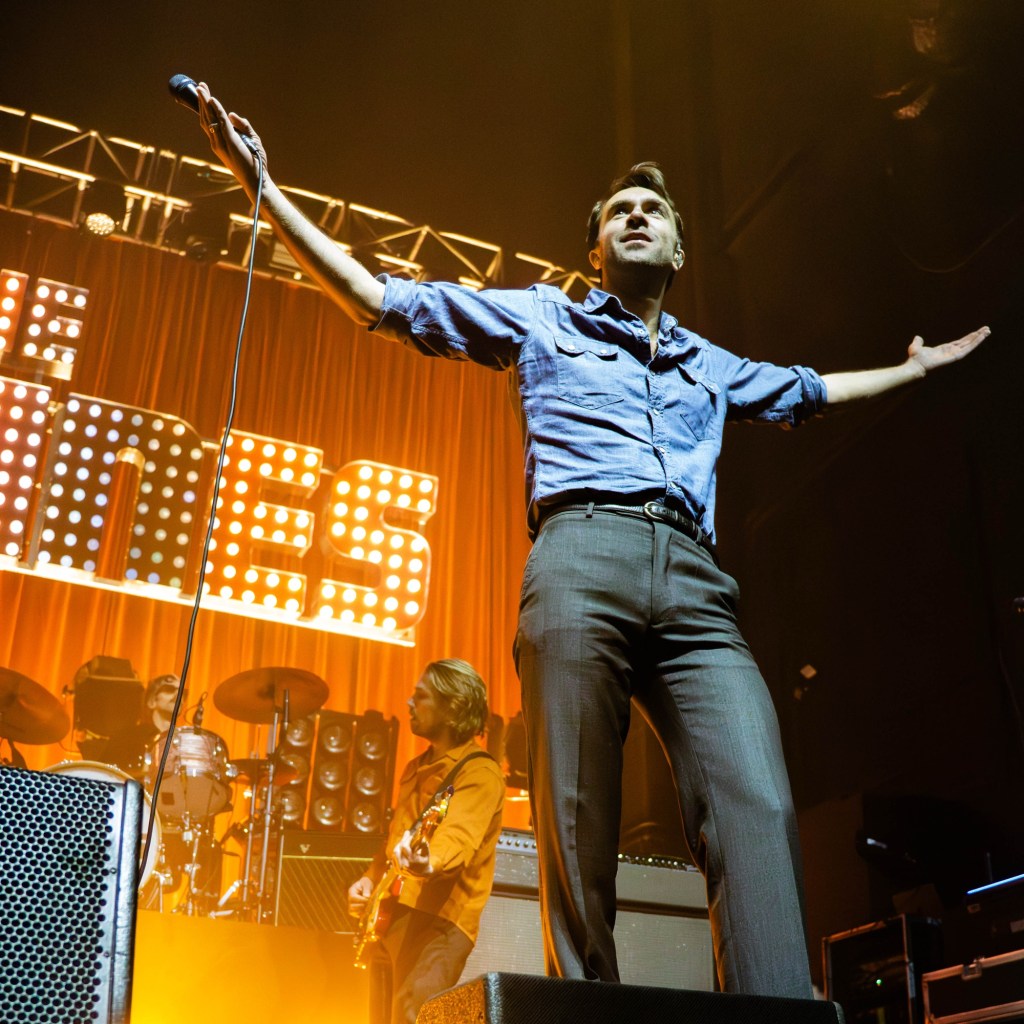
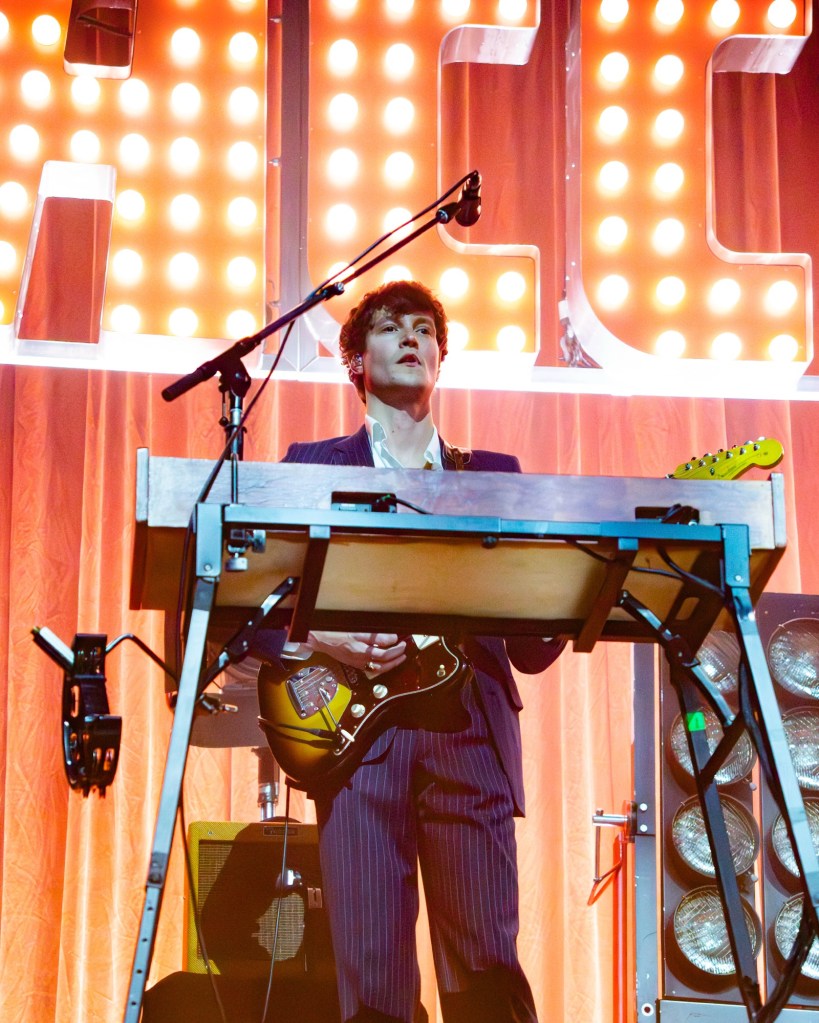
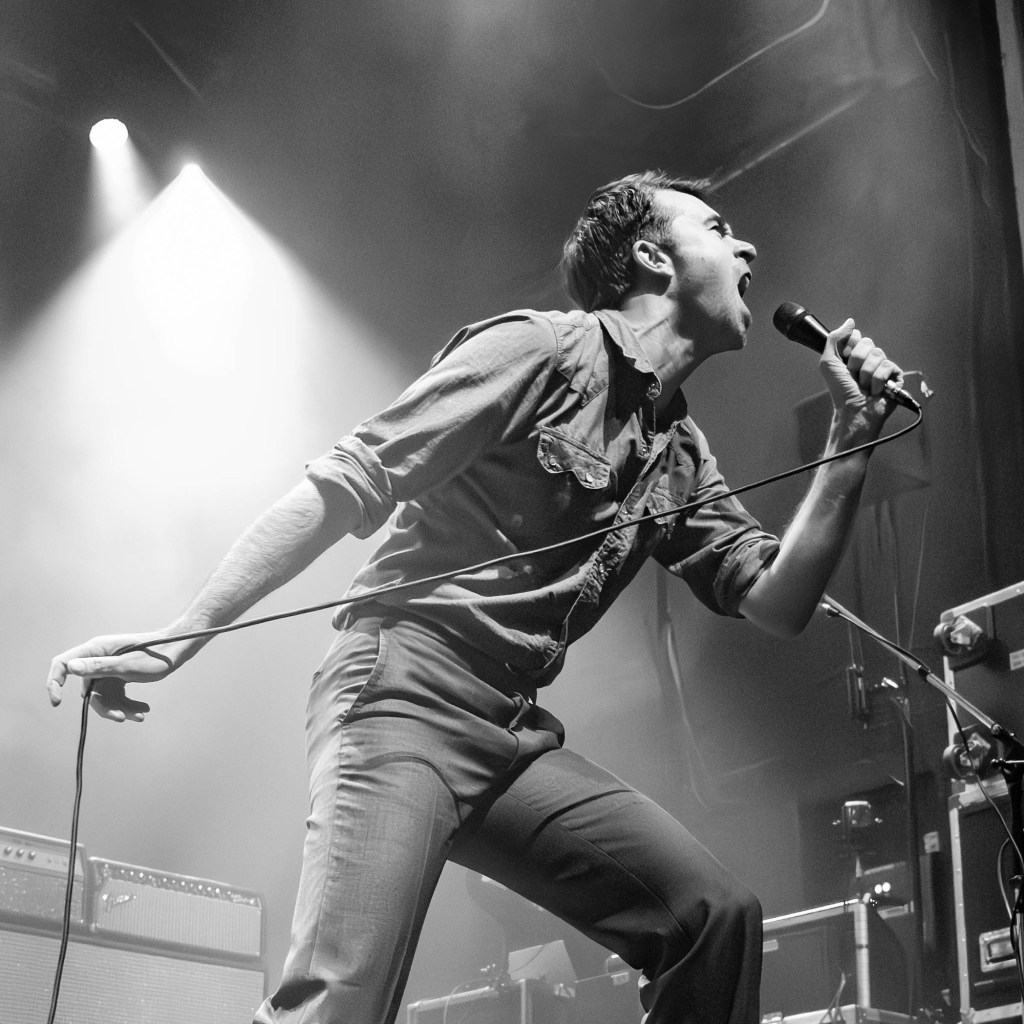
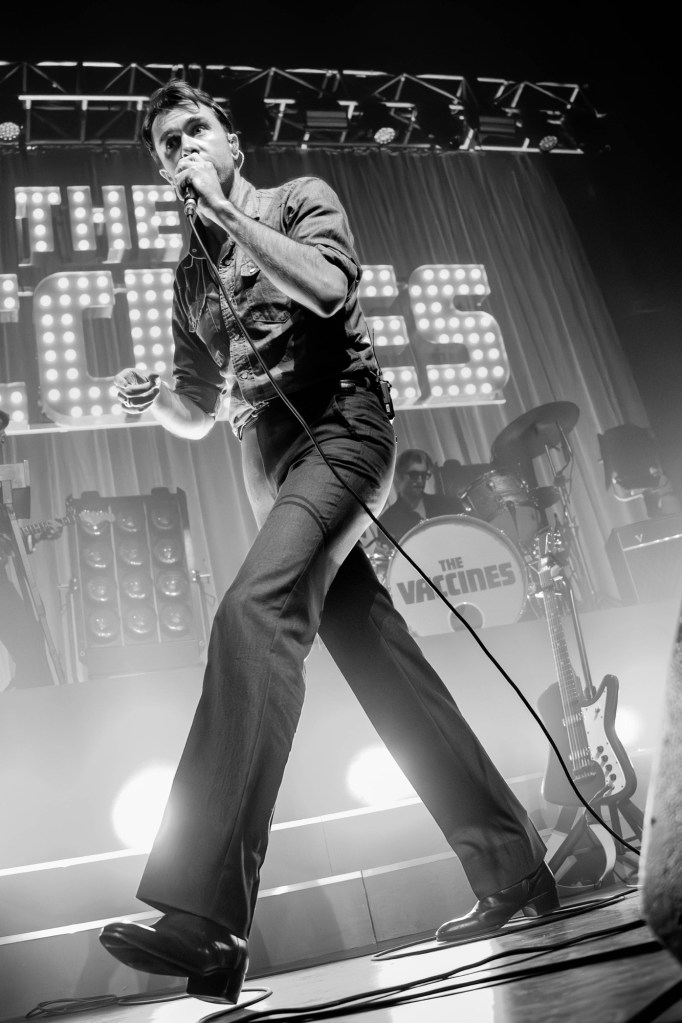
THE HIVES // St. Luke’s & 02 Academy // 25&26.11.25

By the time you read this, I may have just recovered from this double whammy of Hives-induced euphoric excess. May being the operative word. Some experiences don’t release their grip easily.

Night One. St Luke’s.

A gig almost too visceral to process, too perfect to believe — and everyone there knew it was an “I was there” moment.

With nowhere to hide and no support act, the anticipation of what was to come was almost physical — touchable, electric. No room for unnecessary fluff, not even space on stage for the usual production you’d expect. Just raw, undiluted intention.
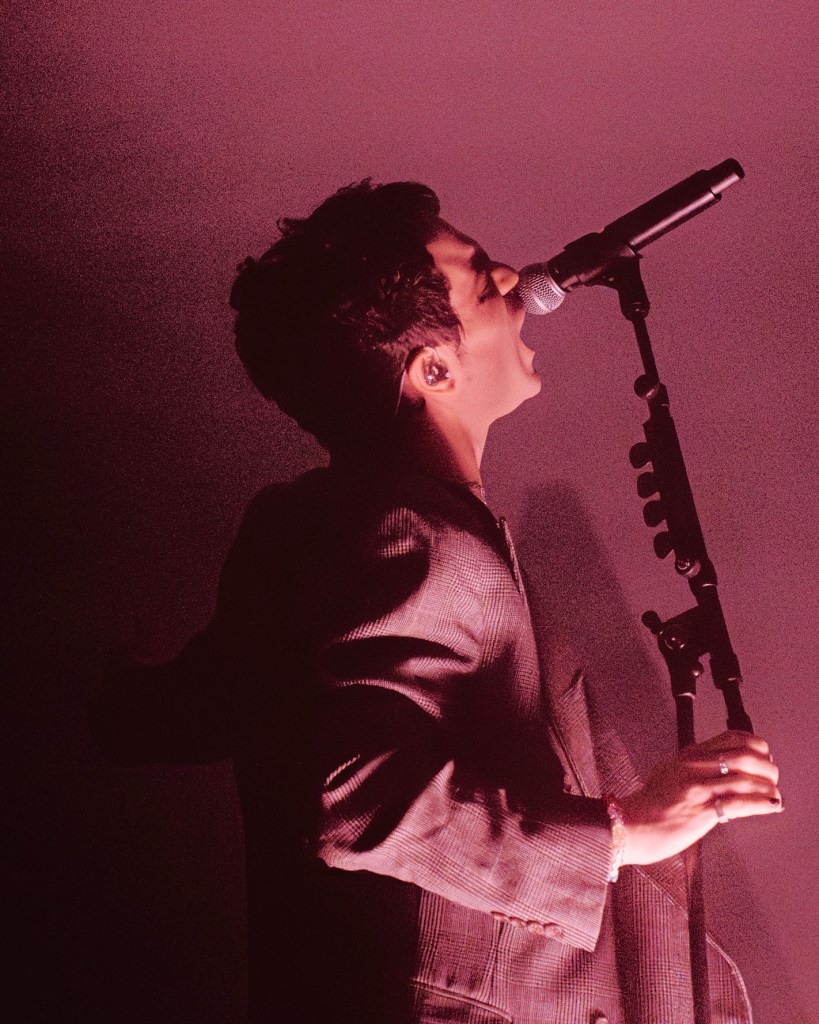
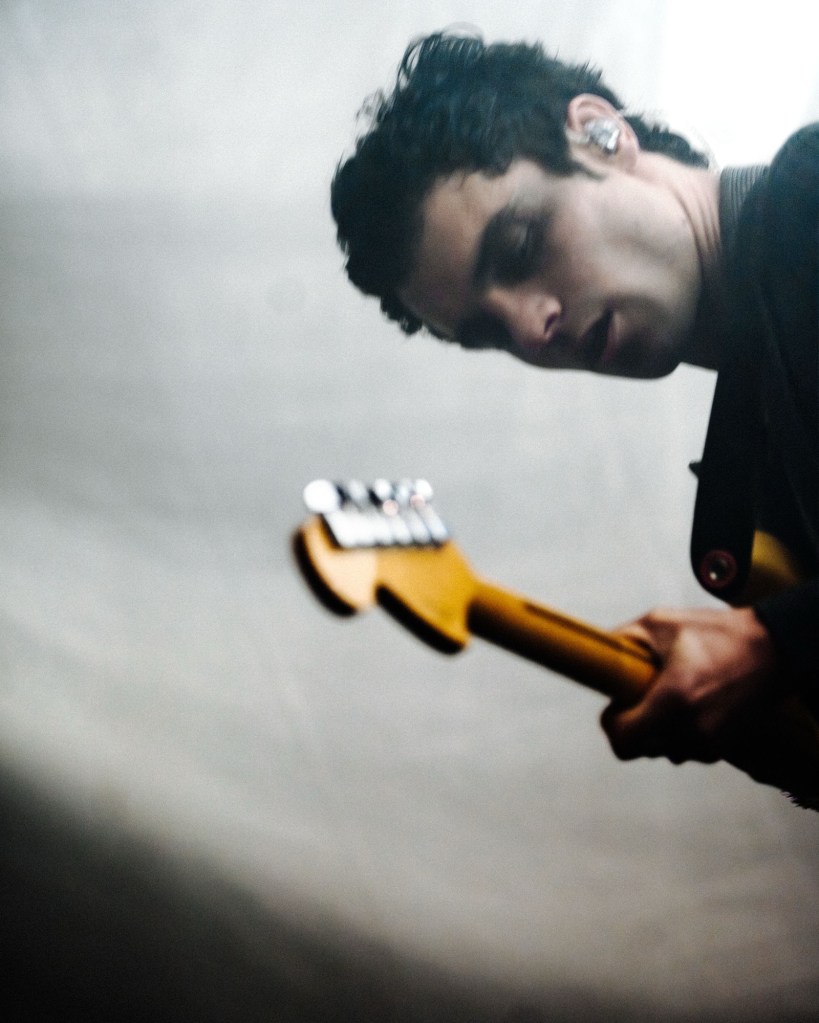
A step back in time: The Hives, stripped bare to the bone. Garage punk ready to rewind and explode.

Howlin’ Pelle’s opening salvo of “Everyone’s a F*ing Little Bitch and I’m Getting Sick and Tired of It” strikes hard and connects directly to the feeling of many in the room. The effect is immediate and devastating: explosive. The band so close, so dangerously accessible, you could hear the backline bleeding over the PA — raw, unfiltered, gloriously chaotic.

Pelle and Niklas combine — frantic and psyched — continually engaging, attacking, diving into the pit, repeatedly playing to and with the crowd in a communion of sweat and sound. A transcendent transference of power from stage to floor and back again in an endless, intoxicating loop.

Pelle has such a magnetic way about him that it’s impossible not to be sucked in, seduced, brought willingly onside. Humorous, humble, and yet unapologetically bombastic — a contradiction that somehow makes perfect sense in the moment. He knows how devastatingly good he and the band are, and he knows you know, and plays with it. The intensity is relentless, energising the crowd, who are, in many ways, still disbelieving.

Right now, The Hives are probably at the absolute zenith of their powers, promoting one of their best albums to date and proving — as they will gleefully, arrogantly, correctly tell you — that they are “The Best Band in the World.” Few in St Luke’s would have argued, and many walked out smiling, chatting… convinced they’d just witnessed one of the best gigs ever.

But what was the following night to bring? Could lightning strike twice?

Night Two. O2 Academy.

The previous night had caused quite a stir on social media, and as I entered the venue, a Hives crew member I was chatting to very much felt that the O2 crowd was really “up for it.” The vibe from the floor affirmed it tenfold. I never thought the euphoria of St Luke’s could be surpassed, but the collective mind at the O2 had a different plan altogether.

As the lights dimmed to total darkness, The Hives walked on, lit up by the trim on their suits. The crowd erupted into the now-familiar chant: “Here we… Here we… Here we F*ing go!” The touch paper is lit, the pin is pulled, and the place erupts. Literally erupts.

The mix of old and new songs merges seamlessly, creating a ceaseless, glorious stream of sonic assault. Old favourites like “Main Offender” and “Hate to Say I Told You So” have huge sections of the crowd pogoing, arms raised — a seething mass of connected energy and shared ecstasy.

I’ve seen some monumental punk bands at the O2, but I’ve never quite witnessed this audience reaction — this total, beautiful abandon, this collective loss of control.

Tick Tick Boom” sees Pelle literally dividing the crowd like the Red Sea as he wanders into the throng, becoming one with the masses. Everyone involved, everyone craning their necks, standing on tiptoes, desperate not to miss a single second. I saw men losing it in fervent — maybe slightly over-the-top — adoration. Imagine the effect of the Fab Four in the early sixties, then think again. This is now. This is not retro.

The Hives cut to the pure essence of rock and roll. Loud, wild, and unforgettable.

This is pure electric zeitgeist in human form.

This is Hivesmania, and resistance is futile.

Words: Nick Tamer

Images: Chris Hogge

Eternal thanks to Chaline, Tam at St Luke’s, and Kate, Hannah and Breagha for making all of this possible.

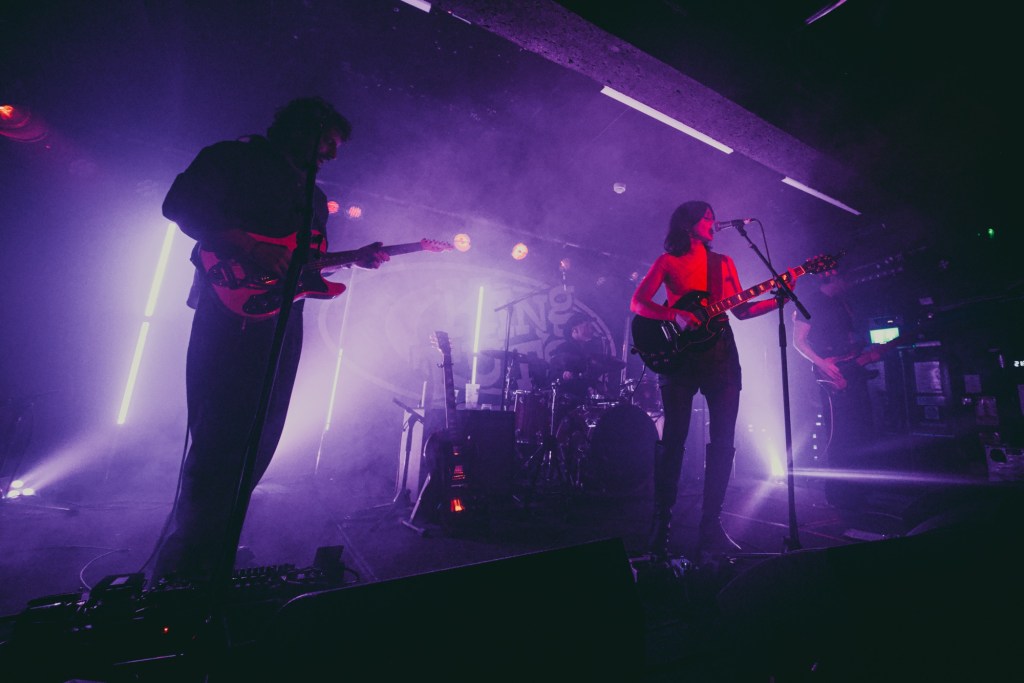
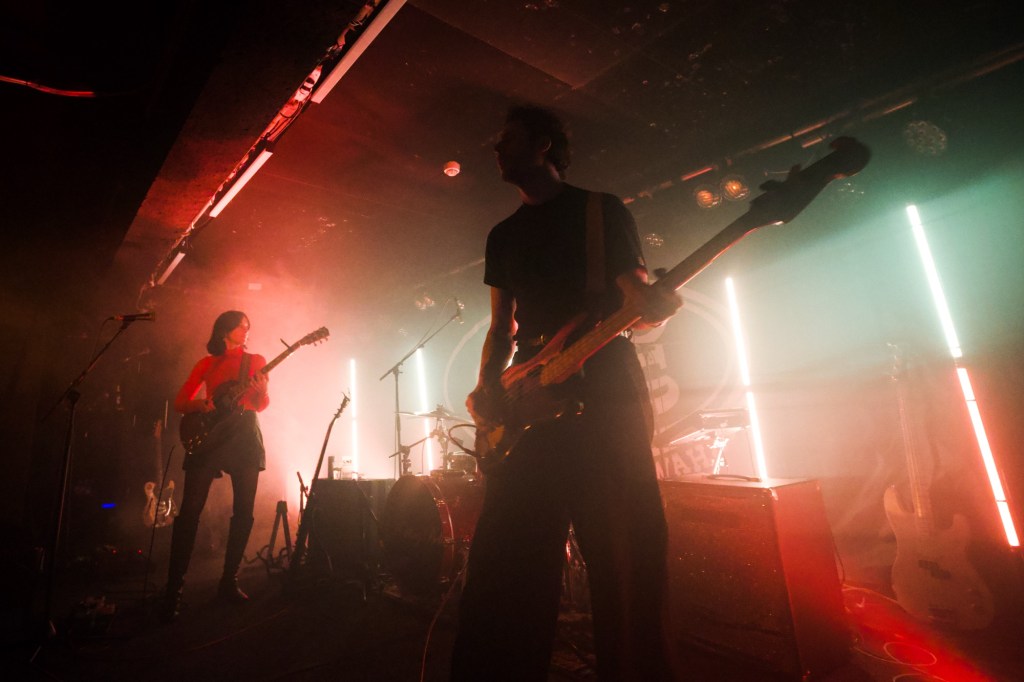
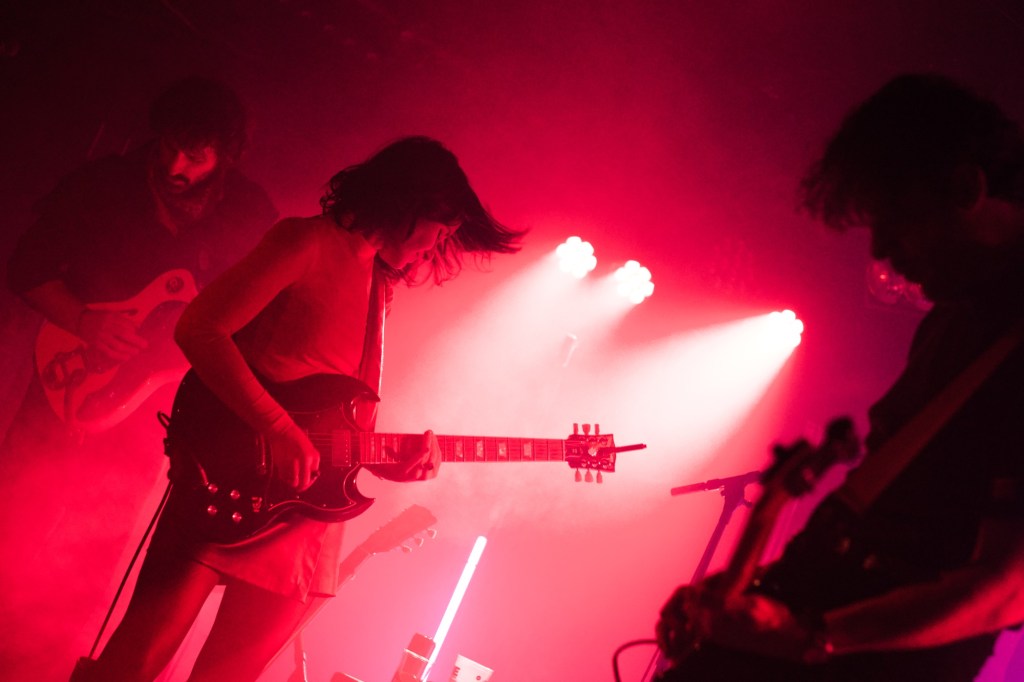
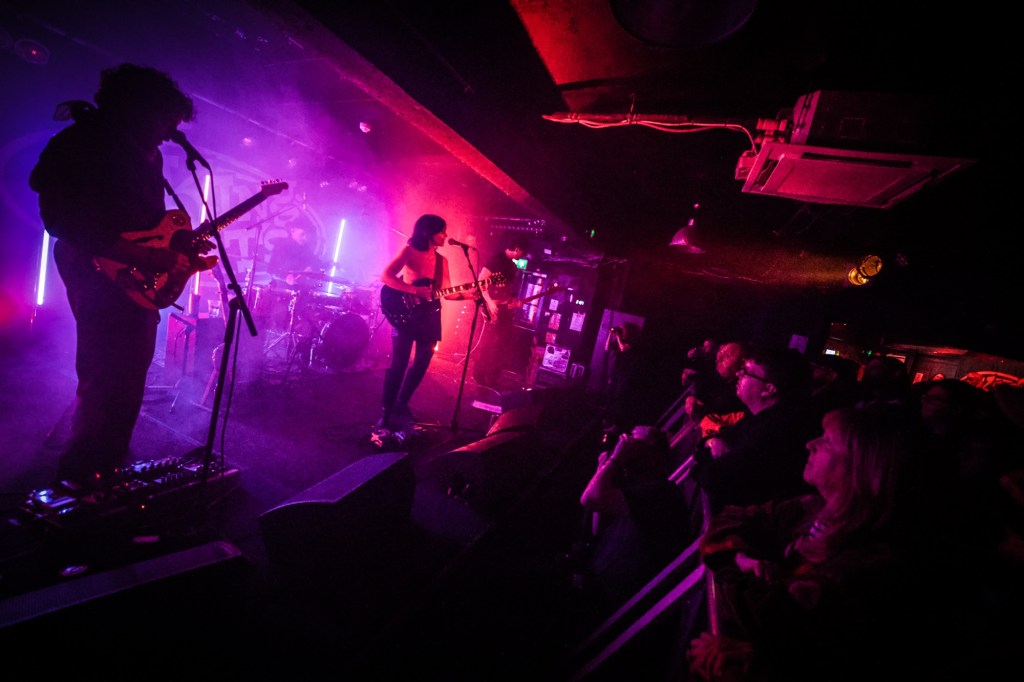
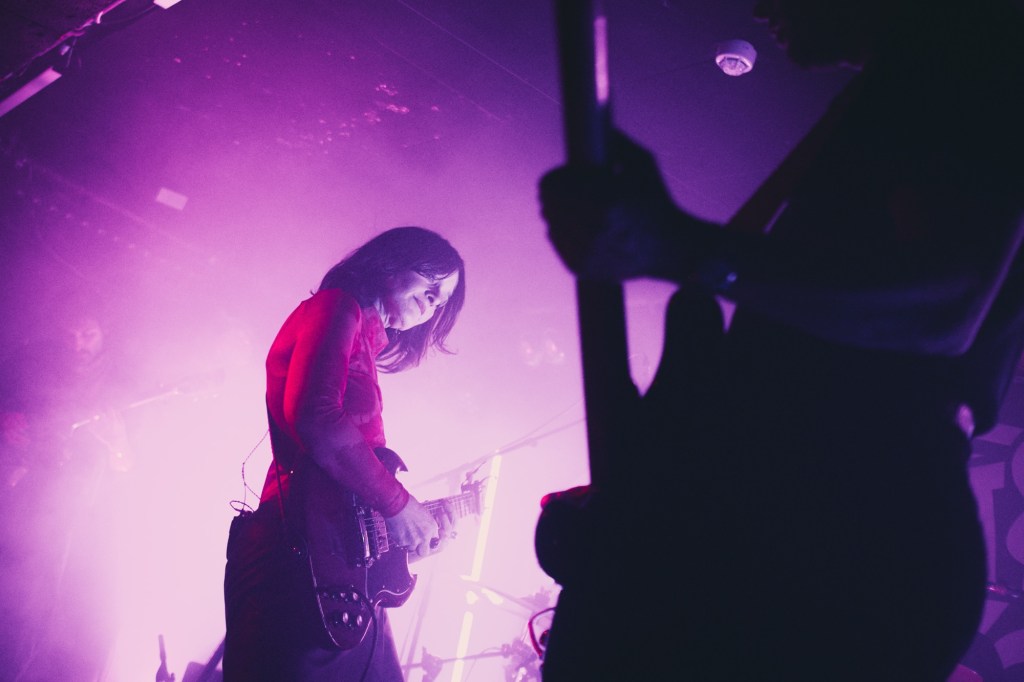
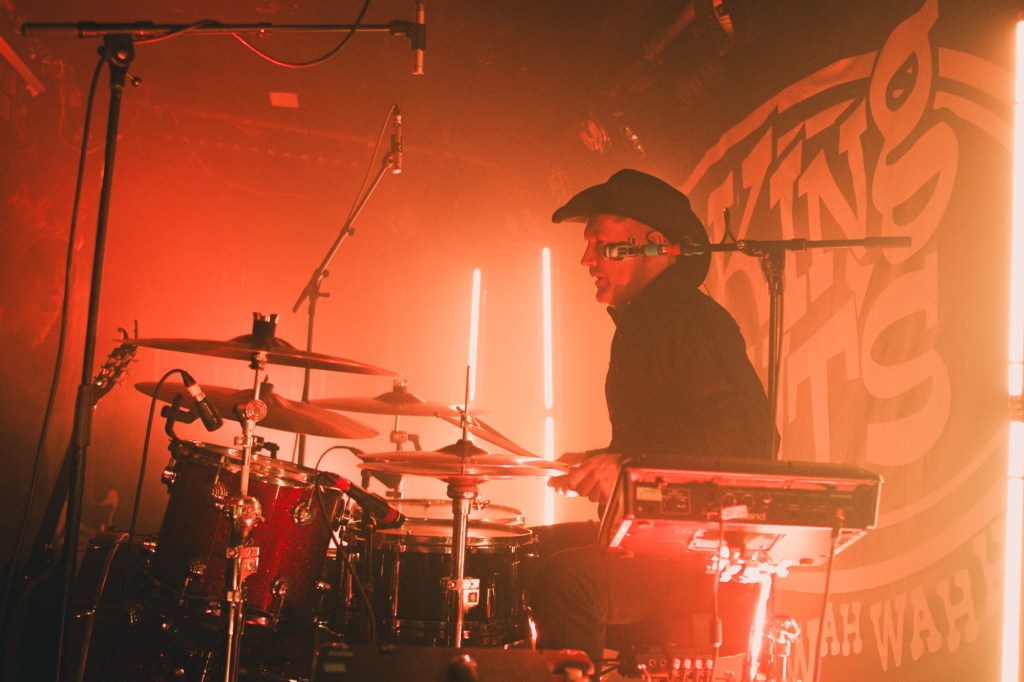
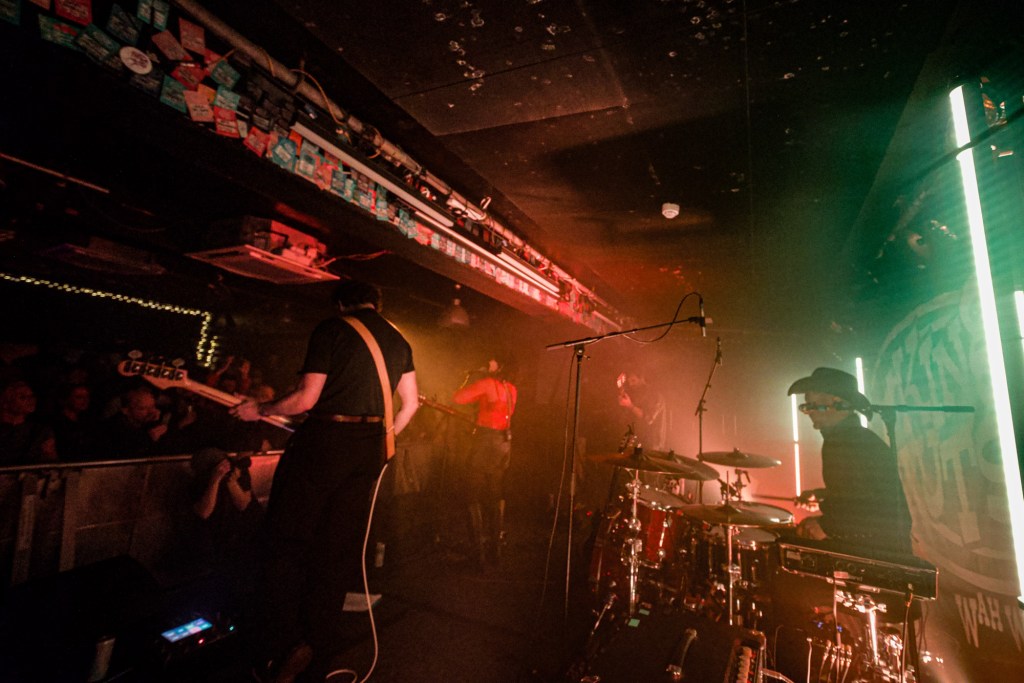
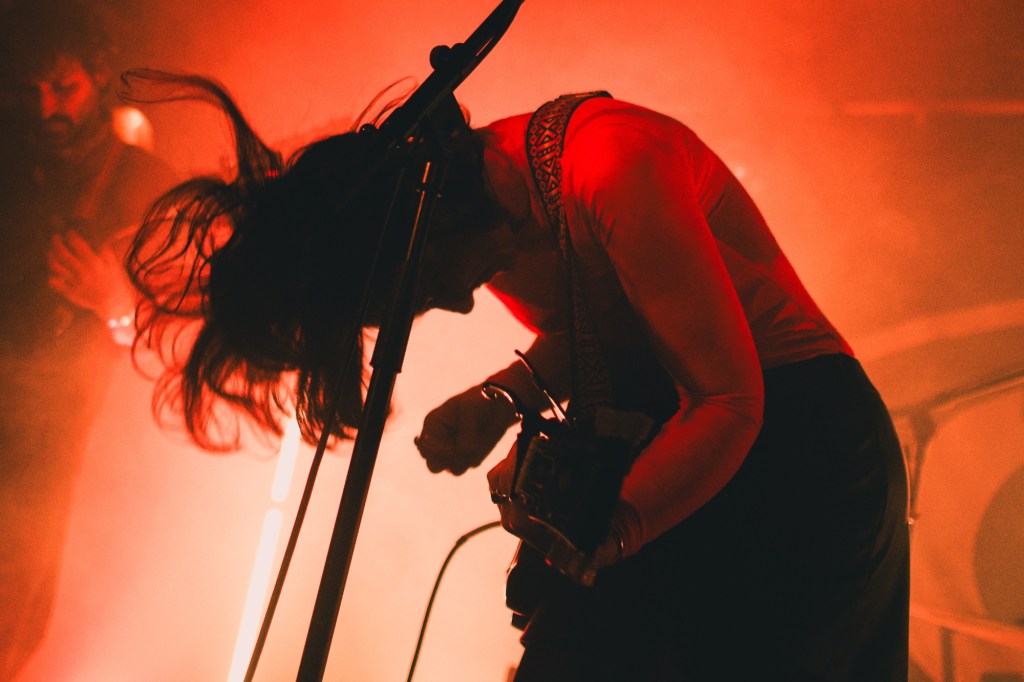
BelAir Lip Bombs // Stereo // 30.11.25

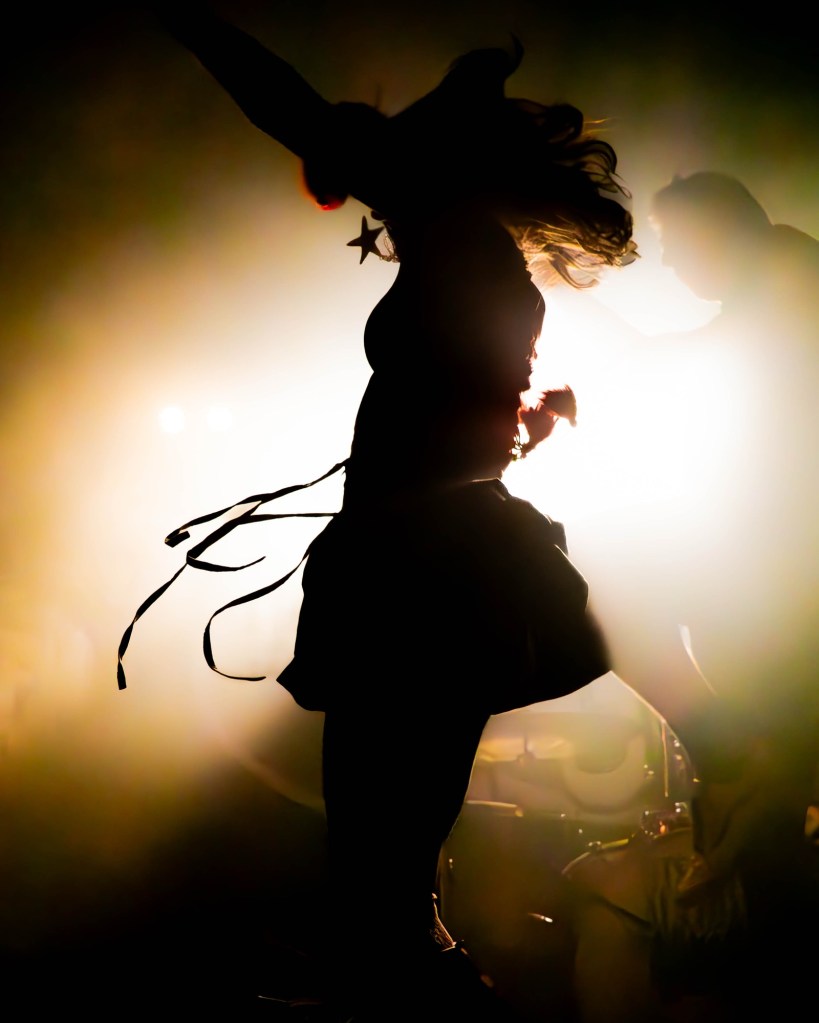
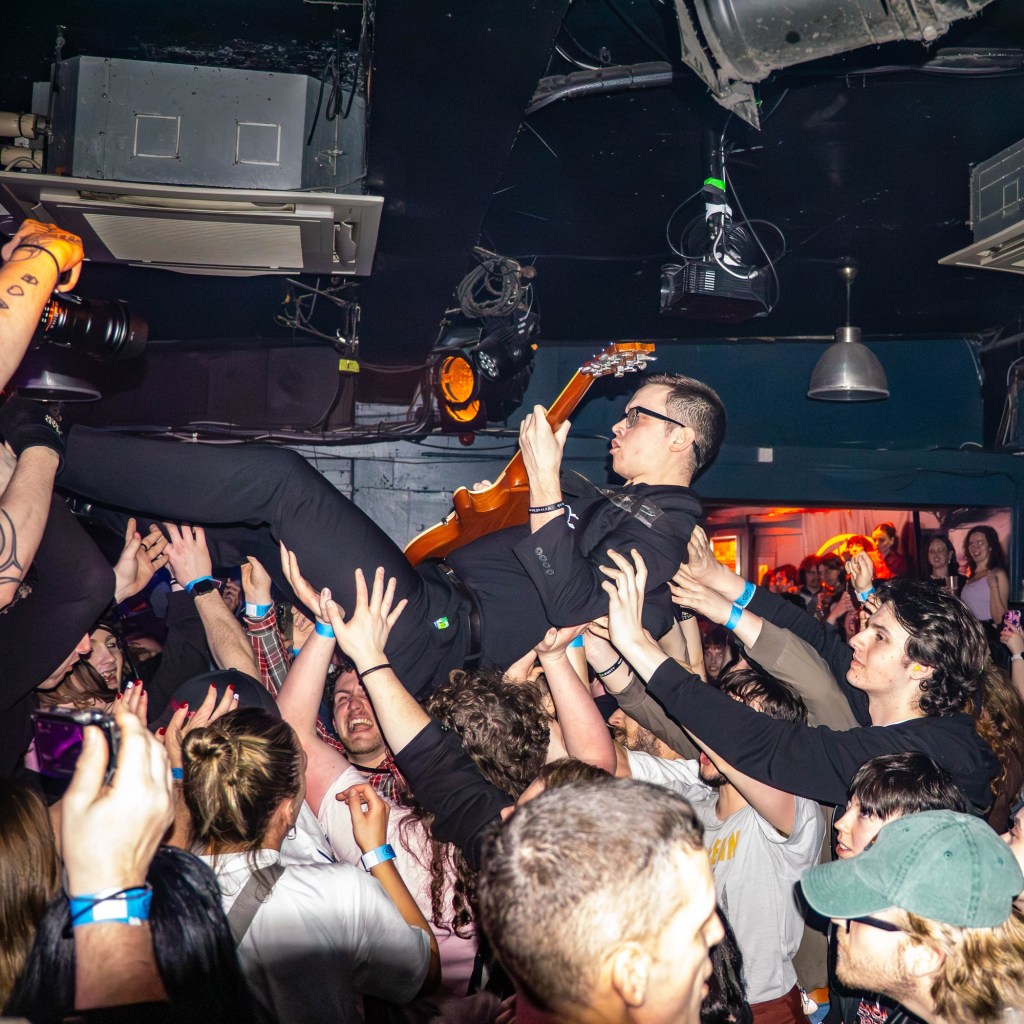
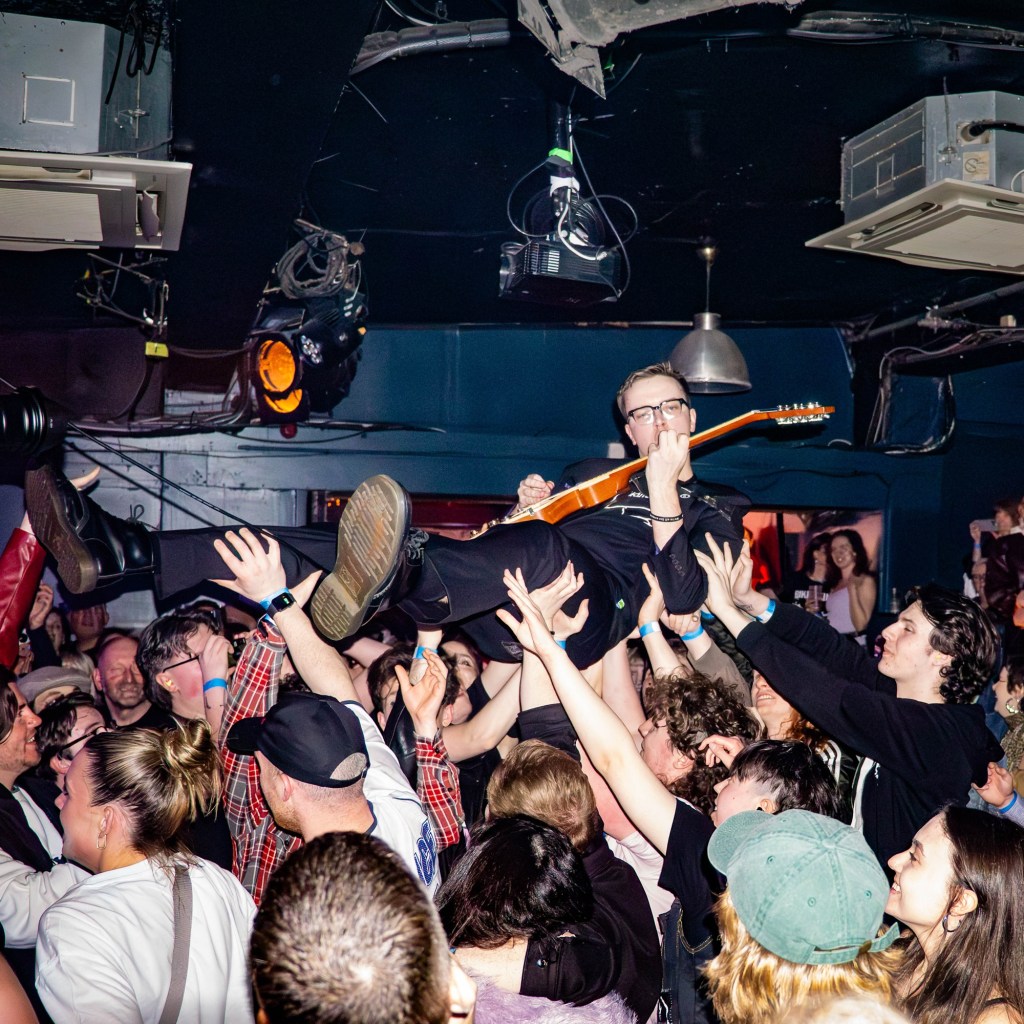
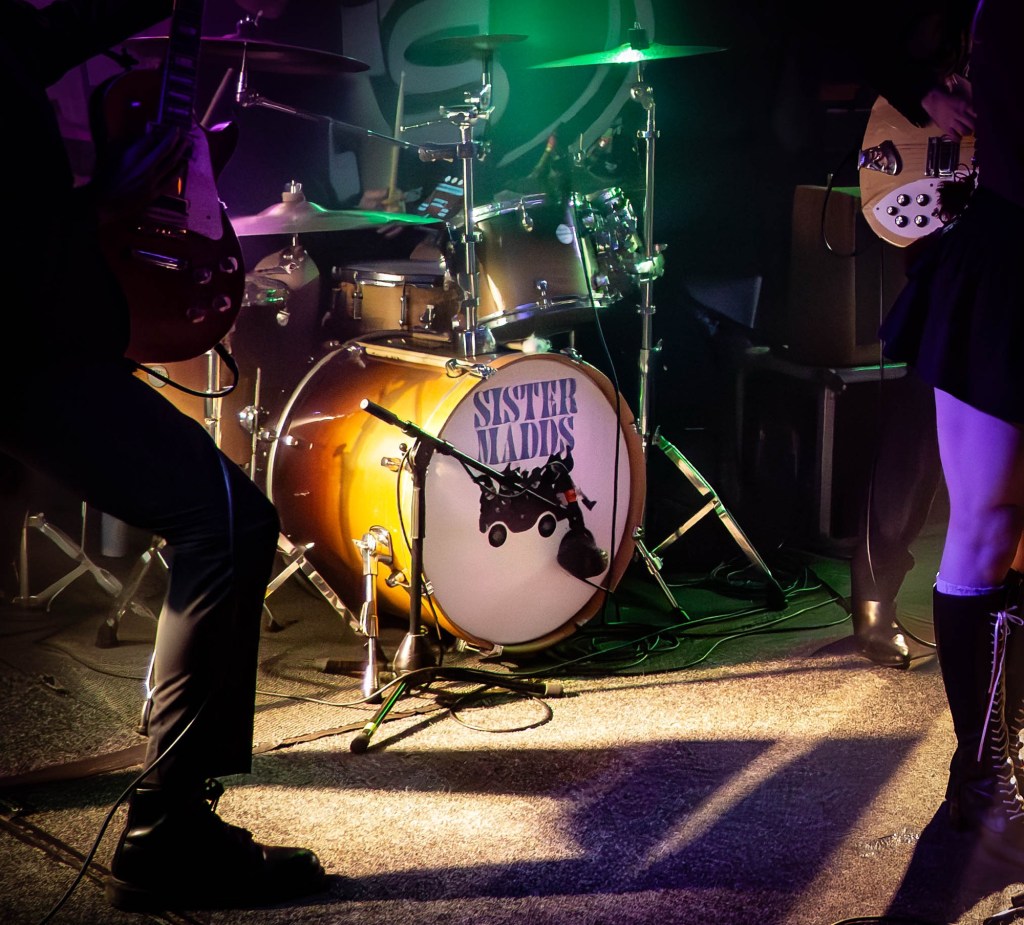
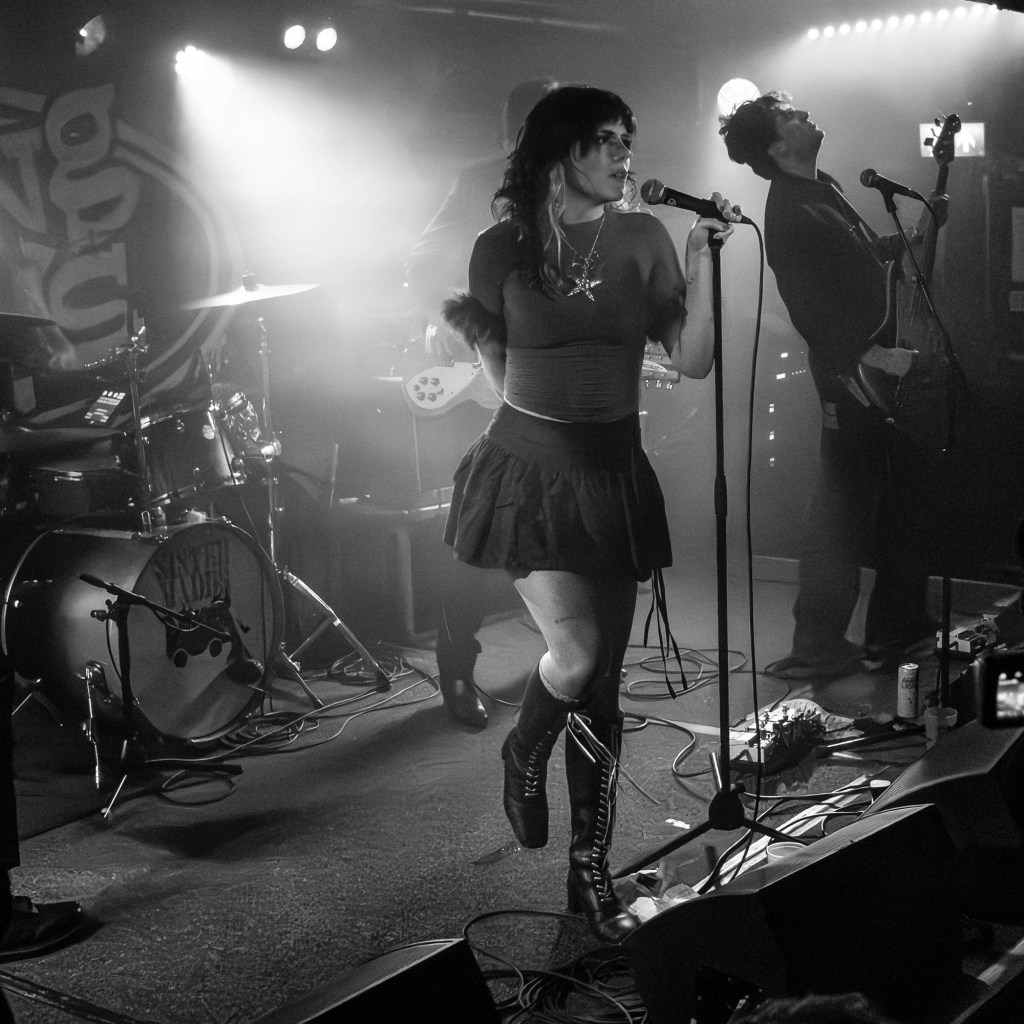
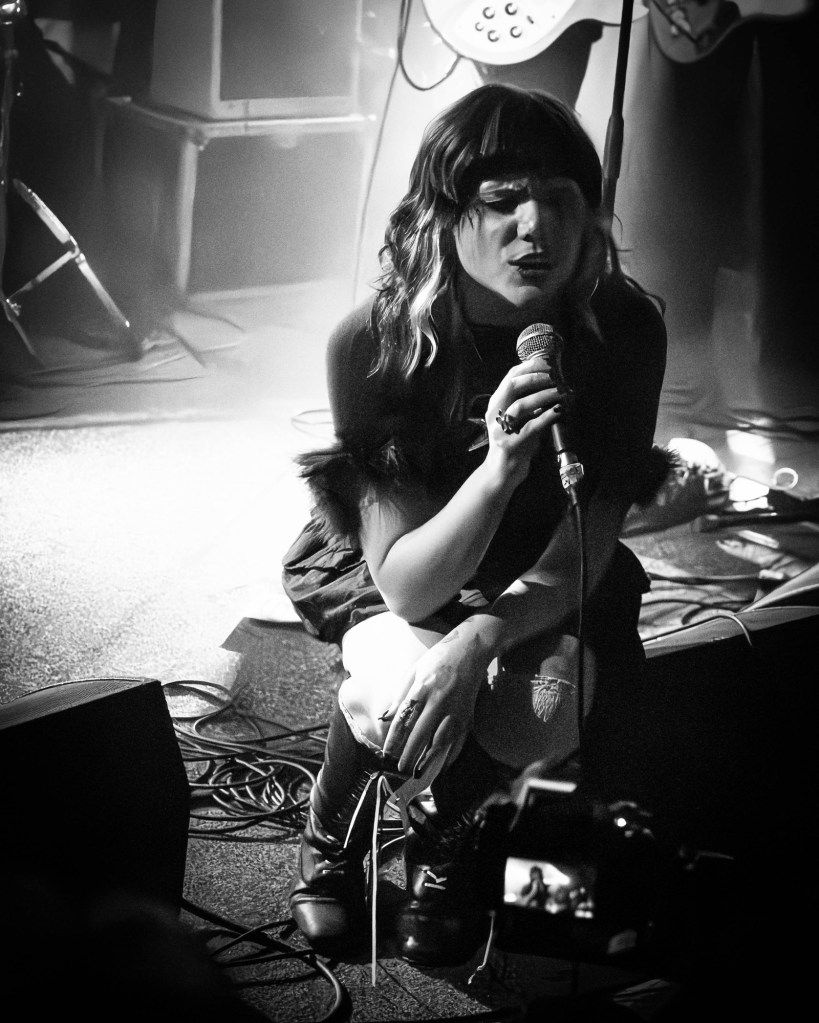
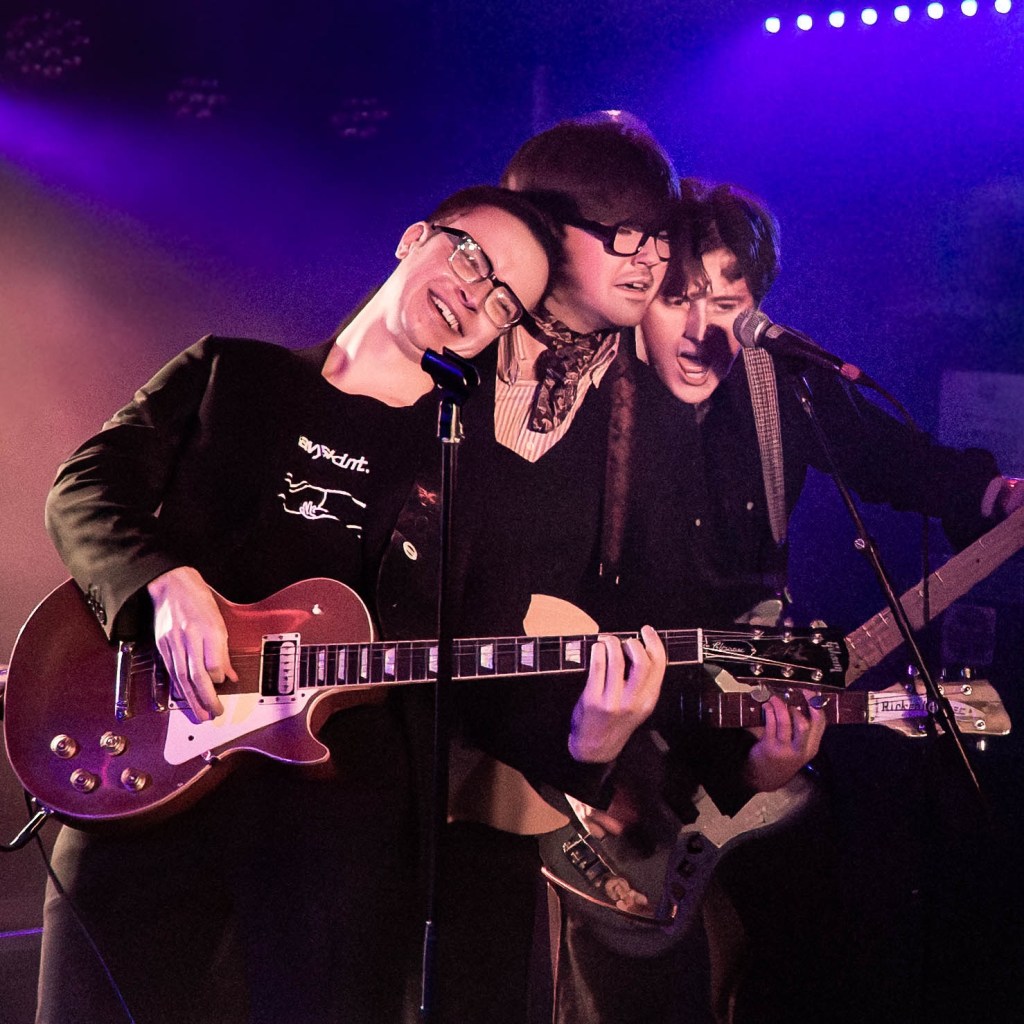
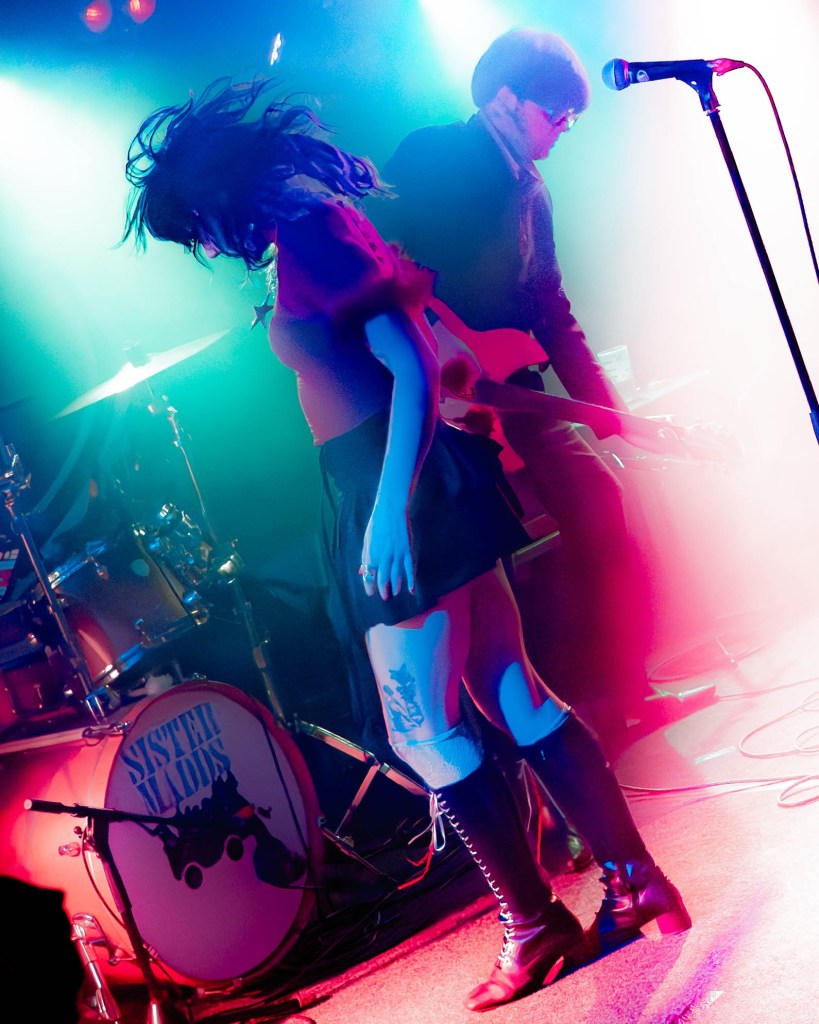
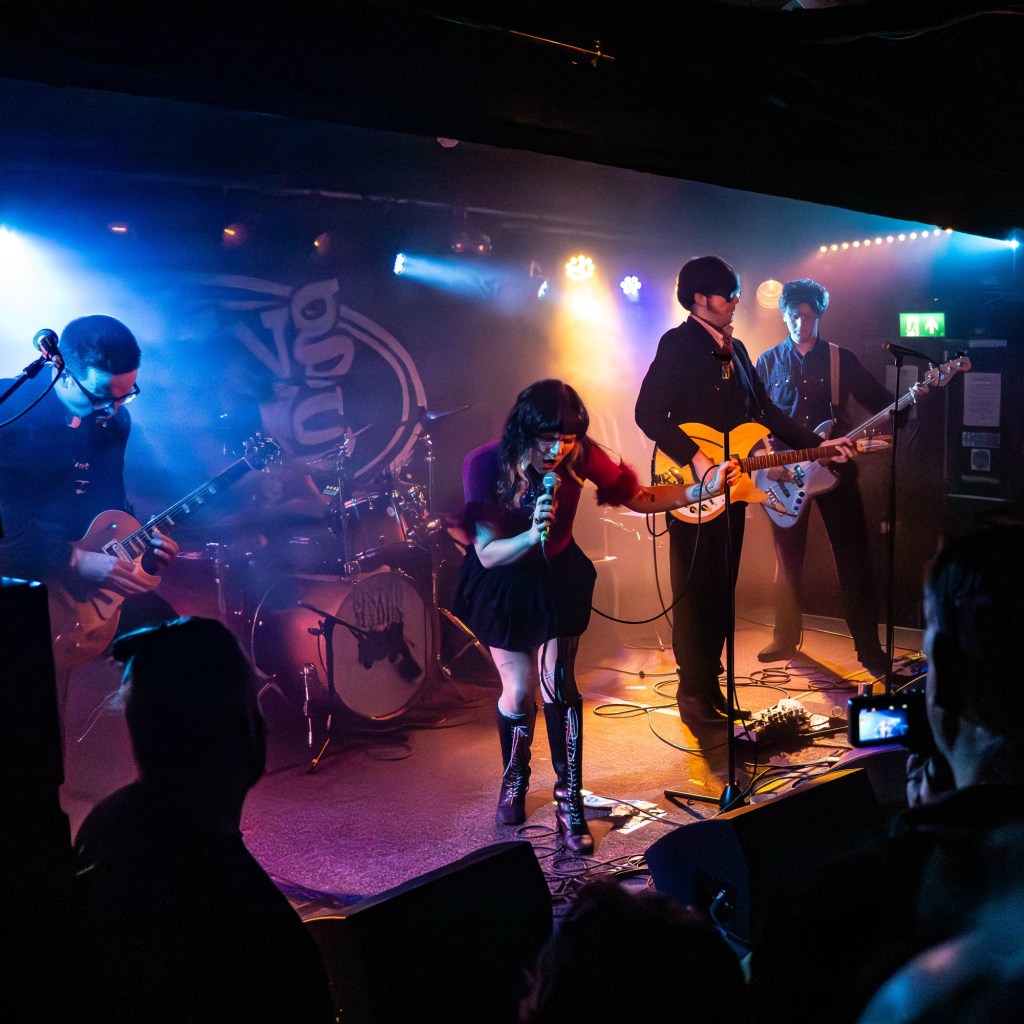
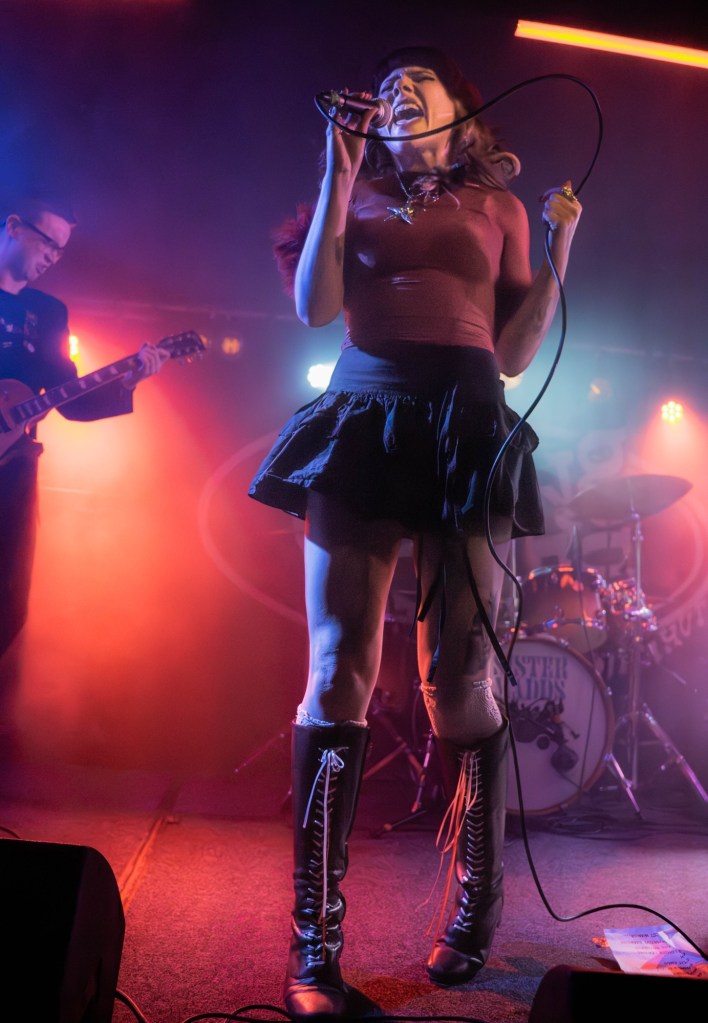
Glasgow on a cold night always feels like a dare, and Stereo answered it by packing itself to the rafters with a sold-out crowd hungry for something loud, something messy, something alive. The BelAir Lip Bombs — Melbourne’s suburban surf-punk sweethearts with a knack for turning heartbreak into a contact sport — obliged with unbothered aplomb. With Kneecap wreaking havoc elsewhere in the city, it was left to this Frankston four-piece to bring the chaos underground, and they did so with a grin you could practically hear.

Opening tonight was Trout aka Cesca who is the solo artist armed with a loud Roland drum machine and a Fender Mustang and they have come to earn many nods of approval from the crowd. Stand out track for us was “T.V” and we highly recommend checking out their latest e.p. “Colourpicker” out now on Chess Club Records.

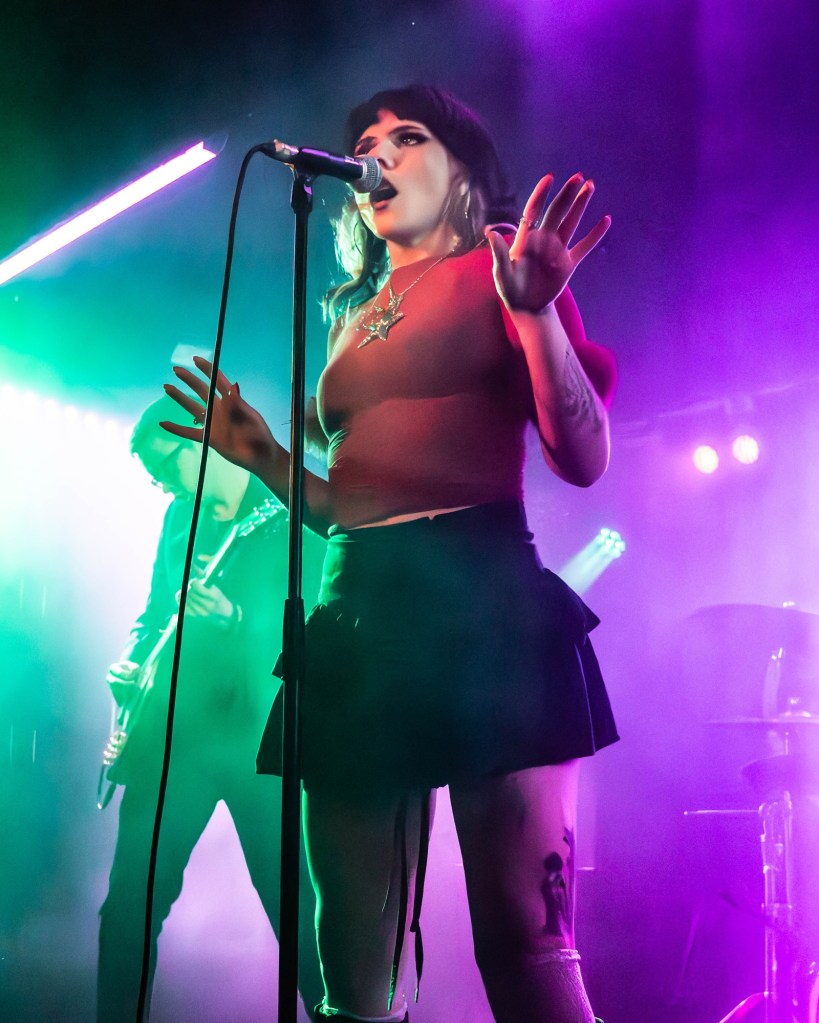
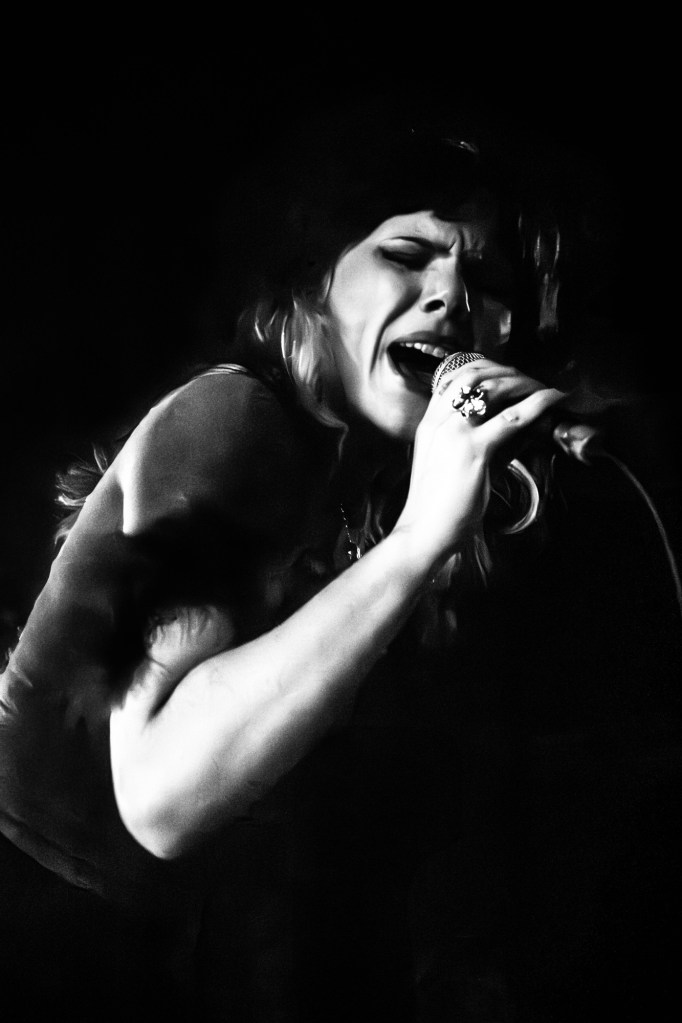
The BellAir LipBombs cracked open the set with “Again and Again,” which hit like someone switching the lights on in your bedroom at 6 a.m. — rude, honest, and impossible to ignore. The guitars did that shimmering-snarl thing the band does better than anyone, while Maisie Everett sang as though she were whispering a secret into your mouth. The song’s relentlessness — that glorious surge that never quite peaks, never quite settles — felt like being shoved into the deep end by someone who insists it’s good for you.

Maisie Everett — formerly the bass-wielding bruiser in Clamm, and yes, I did once see her tearing it up across the road in the didn’t miss a beat, they tore straight into “If You’ve Got Time,” a track that swaggered out of the speakers with the lazy confidence of someone who knows you’ll wait for them. It’s a song built on restraint — tight drums, bass thick enough to chew — and Maisie’s voice floating over the top, a half-sigh, half-challenge. In lesser hands, it would be a placeholder; here, it sounded like a manifesto. Time is the one thing this band refuses to waste.

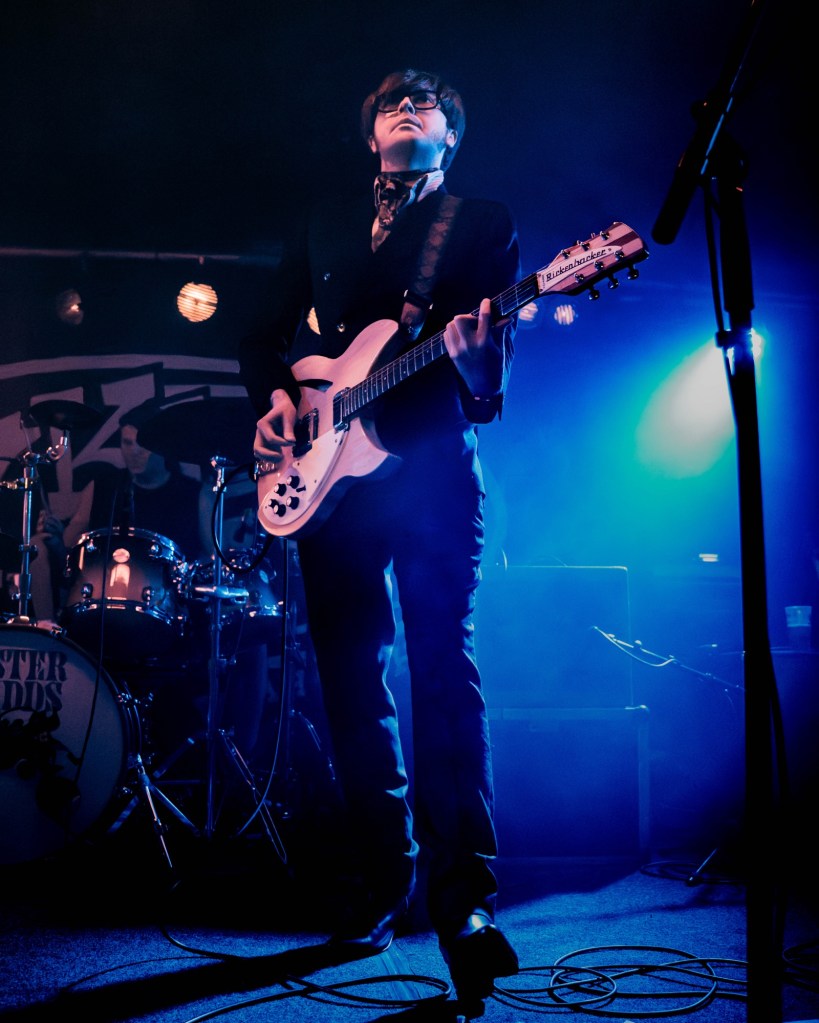
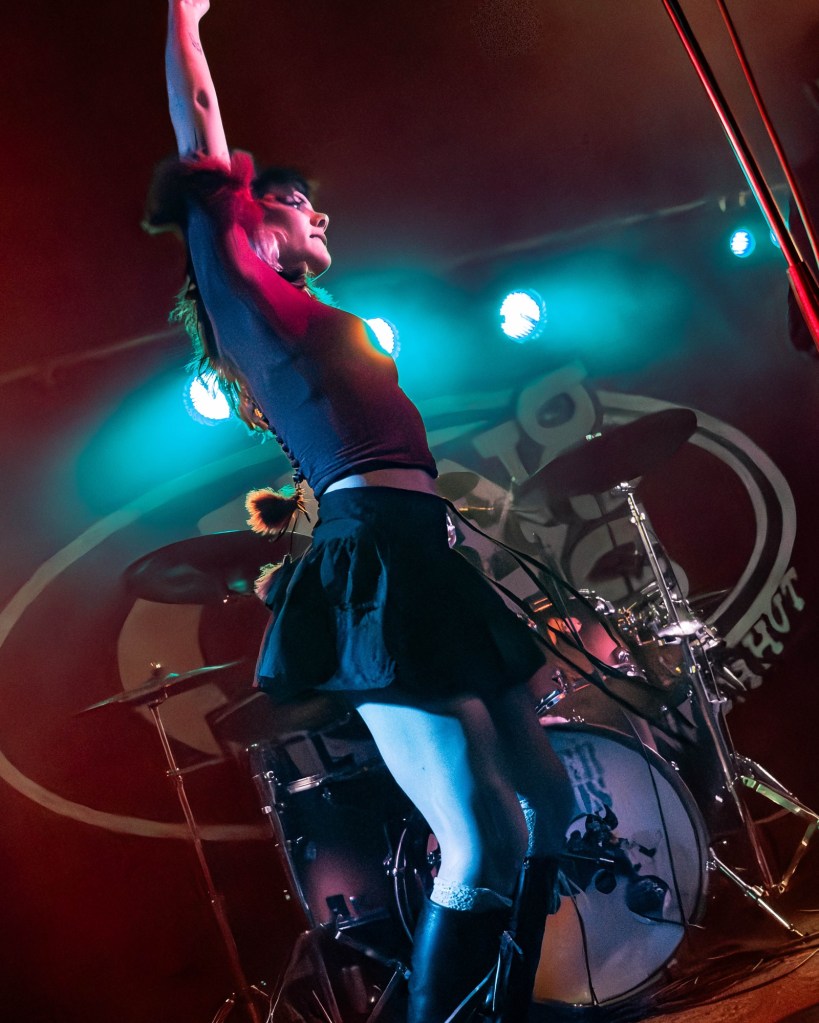
From there, the set rollicked along in a glorious mess of riffs and rhythms, the kind that remind you why bands formed in suburban garages always sound better than anything birthed in a factory-sterile studio. Maisie stalked between guitar and keys, the crowd roaring every time she switched — Scotland loves a multitasker — and Mike Bradvica’s guitar jangled like it had been wired directly to his bloodstream. Jimmy Droughton’s bass remained the hero of the night, rolling thick and warm under every melody like a lover who refuses to let go. Daniel Devlin kept it all stitched together, drumming with the clipped authority of someone who knows that if he stops, the entire building will collapse.

Mid-set came “You Look the Part,” which strutted in like a runway model who knows the audience isn’t worthy. It’s one of those songs that belongs in a coming-of-age film — the moment the protagonist realises all the cool kids are faking it. Live, it turned into a sneer dipped in velvet. Maisie’s delivery was pure deadpan grunge, undercut with a smirk, while the rest of the band revved behind her like an engine redlining on the freeway. Glasgow lapped it up.

Later, as promised, the band eased into material from their brand-new album Again, introduced with the kind of modesty only Australians can get away with. They talked about loving Scotland, about this feeling like a “hometown gig,” and for a moment the room went soft around the edges. “Burning Up,”Cinema,” and the keyboard-led moments felt bigger, more ambitious — as though the band had stepped onto a wider emotional canvas and decided to paint with neon instead of charcoal.

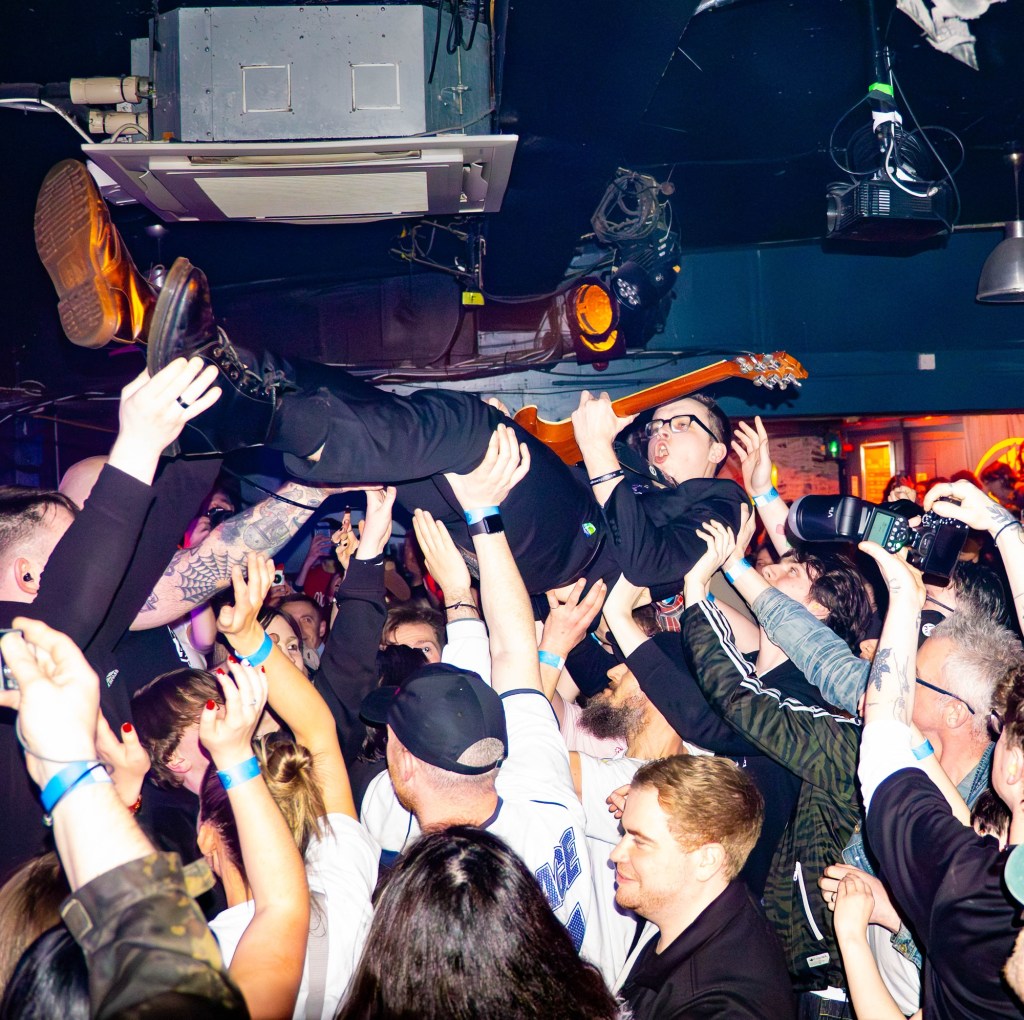
The crowd responded accordingly: “Say My Name” descended into a miniature mosh pit, which looked half ecstatic, half confused, but fully committed. A couple at the front took a selfie mid-chaos, the flash popping like a tiny explosion of narcissism in a sea of sweaty sincerity. It was perfect.

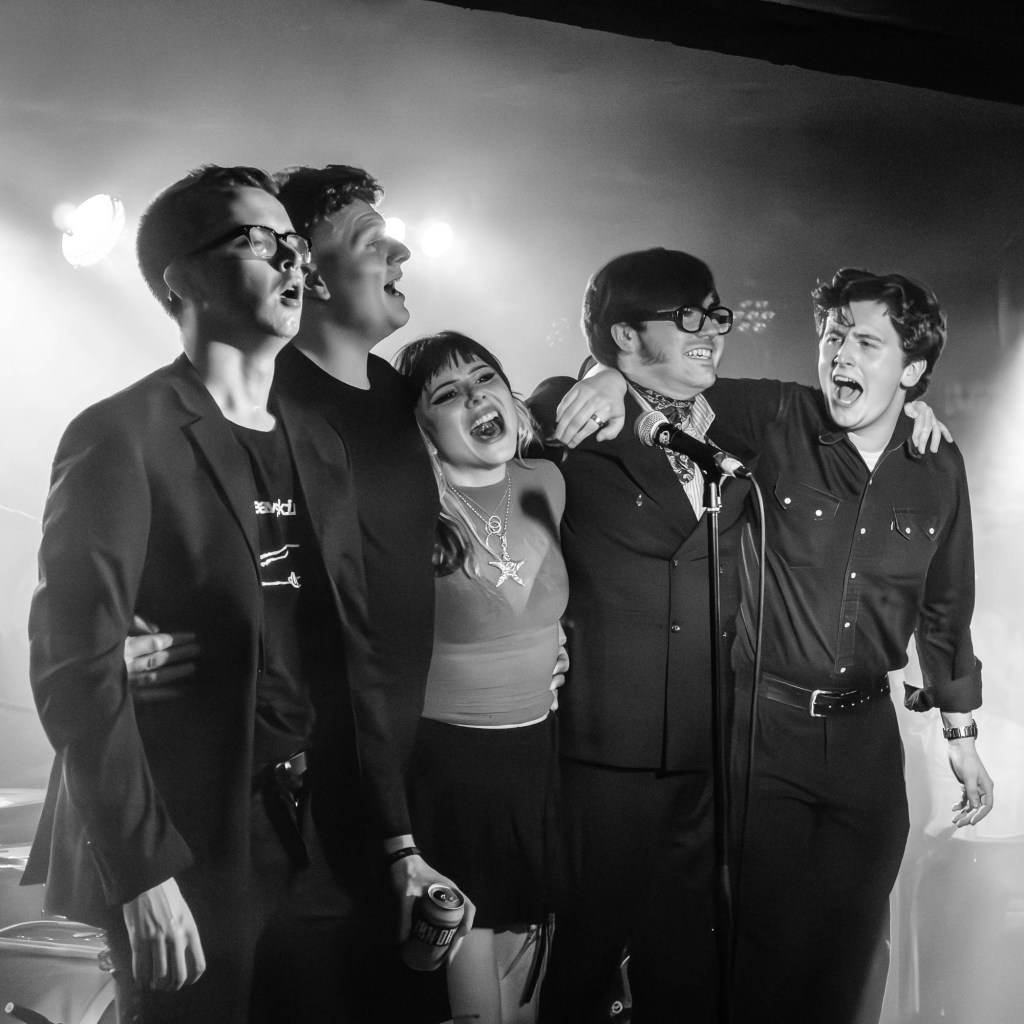
By the time the set moved toward its finale, the band had the room eating out of their hands. They closed with “Smiling” — which does that exquisite BelAir thing of sounding joyful and devastating in the same breath — and “Don’t Let Them,” a track that feels like a rallying cry for every misfit who ever wanted to kick the door down rather than knock politely. The jam at the end stretched luxuriously, defiantly, as if the band couldn’t bear to sever the connection just yet.

Maisie announced that Mike had broken his foot, so they couldn’t do the traditional encore exit-and-return routine, but frankly, no one cared. The audience didn’t want theatre; they wanted truth, noise, and heart — and they’d been given all three in obscene abundance.

Walking out into the Glasgow night, I felt that familiar tug — the sharp ache of missing Melbourne where I once lived. The place that births bands like this, nurtured by community radio, held together by duct tape, caffeine, and blind faith. A city where ambition grows wild like weeds and kids with three chords and a borrowed pedal believe, beautifully, that it’s enough. And watching BelAir Lip Bombs tonight — all sweat and spark and suburban mythology — I believed it too.

Article: Angela Canavan

Henge & Gong // St. Luke’s // 23.11.25

My first exposure to HENGE was a friend’s cool T-shirt depicting a solemn, wizard-like figure, several lizardy aliens and a planetary eclipse. I assumed it was from some forgotten ’80s sci-fi space opera – it looked both familiar and epic. When he told me they were a band, a band who were still touring, I didn’t need to hear their music to know I wanted to see them…

And so it was that I found myself in the atmospheric surroundings of St Luke’s on a cold Sunday night in November as the lights flickered and electronic feedback rang out. A robotic voice warned us that there was an “unidentified return signal detected”, and we were treated to the unusual spectacle of HENGE taking the stage.

Despite having travelled across the cosmos, they looked fresh and energetic, led by their leader Zpor, the aforementioned wizard-like figure dressed in mad robes with a pulsing plasma globe embedded in his headgear, who claims to hail from Agricular in Cosmos Redshift 7. It’s hard to capture just what an unhinged presence he is – think David Harbour cast as an avuncular, slightly deranged children’s TV presenter (who thinks he’s an alien), replete with plummy accent and overblown facial tics. When he’s not blinking and sticking his tongue out, he engages the crowd (“a fine selection of lifeforms”) in zany banter (“Do we have any non-humanoids here?”, prompting shouts of “Mancunian” and “Aberdonian”) and waves his arms around in vaguely messianic fashion.

He’s flanked by Sol, a slightly fey “humanoid” with long blond hair and robes, who the band apparently found wandering aimlessly and enlisted to play synth. Then there’s Goo on guitar, a somewhat taciturn green man who takes centre stage singing in his native tongue on The Great Venusian Apocalypse, but otherwise mostly keeps his own counsel. And lastly there’s Nom, another green man with lots of facial tentacles (a beard?), who puts in what must have been a seriously sweaty shift on the drums.

But is the music any good? Surprisingly, yes! Their four albums to date have been almost as varied as more celebrated bands like King Gizzard, at points resembling surf-rock psychedelia on Slingshot, then veering into ravey electronica. Wanderlust and Get a Wriggle On (the latter an urgent plea to stop wrecking the planet) both could be themes to forgotten ’80s children’s TV shows or video games.

If this all sounds vaguely ridiculous, it is! There’s more than a whiff of Galaxy Quest to their endeavours. But much like that movie, they are tremendous fun and impossible not to get swept along with.

And despite the wackiness of their stage show, the strong underlying message about taking care of this planet really resonates and hits home.

After an hour-long set Zpor sadly informed the audience that they would need to “blast off”. They closed with a rousing version of Demilitarise – with Sol holding up flashcards and the crowd bellowing out the refrain:

We demand that the weapons of war are manufactured no more –Demilitarise.”

They may be mad and rather comical, but it’s a genuinely powerful song. Somehow they manage to be both hilarious and heartfelt, a difficult balance to strike.

They are certainly a tough act to follow, a task which falls to Gong, the classic psychedelic band whose roots date all the way back to the ’60s. An indication of Gong’s almost mythic status comes on the way to the gig – my friend popped into Vinyl for a pint and was informed by the excited barman (apparently a Gong fan) that Jimi Hendrix once gave a guitar to one of their founder members. I can’t vouch for the veracity of this claim, but their sound does feature some wonderful psychedelic guitars.

After a short intermission, a loud gong was rung (of course!) and the band appeared onstage: a drummer, a saxophone player and three guitarists including their charismatic leader Kavus Torabi, all wild, wiry hair and wide-eyed excitement.

Over the past 50-plus years there have been multiple changes in both personnel and name, but the current line-up has been together for 12 years and it shows – their playing is incredibly tight. It is a very different experience to the first half of the gig, but no less engrossing, with several songs building and building to spectacular crescendos. It would feel almost solemn if Kavus wasn’t such an effusive presence, chatting to the crowd between songs.

The set list includes My Guitar is a Spaceship, Kapital, All the Clocks Reset, Choose Your Goddess and Stars in Heaven, before a closing medley ends with the inevitable Master Builder. I’m only slightly familiar with their back catalogue (Riley and Coe are fans and play them on 6 Music) and yet I’m swept up, almost hypnotised by the end – a spell which even the presence of that stray saxophone can’t break.

When the lights come up everyone else seems to be similarly bewitched, and it takes a while to come round to our senses and shuffle through to the bar for a final (unwise) nightcap.

All in all, a fabulous night, with my only regret being not making it to the merch stand to get myself one of those cool T-shirts.

Images: Angela Canavan

Words: Matthew Turner

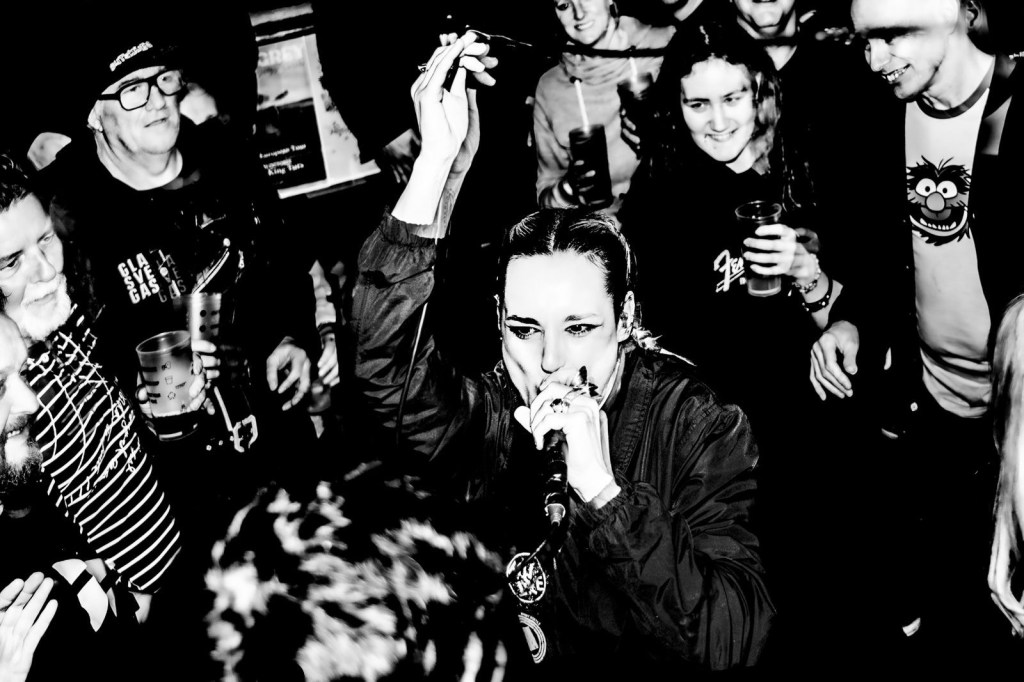
Lambrini Girls // La Belle Angele // 25.11.25

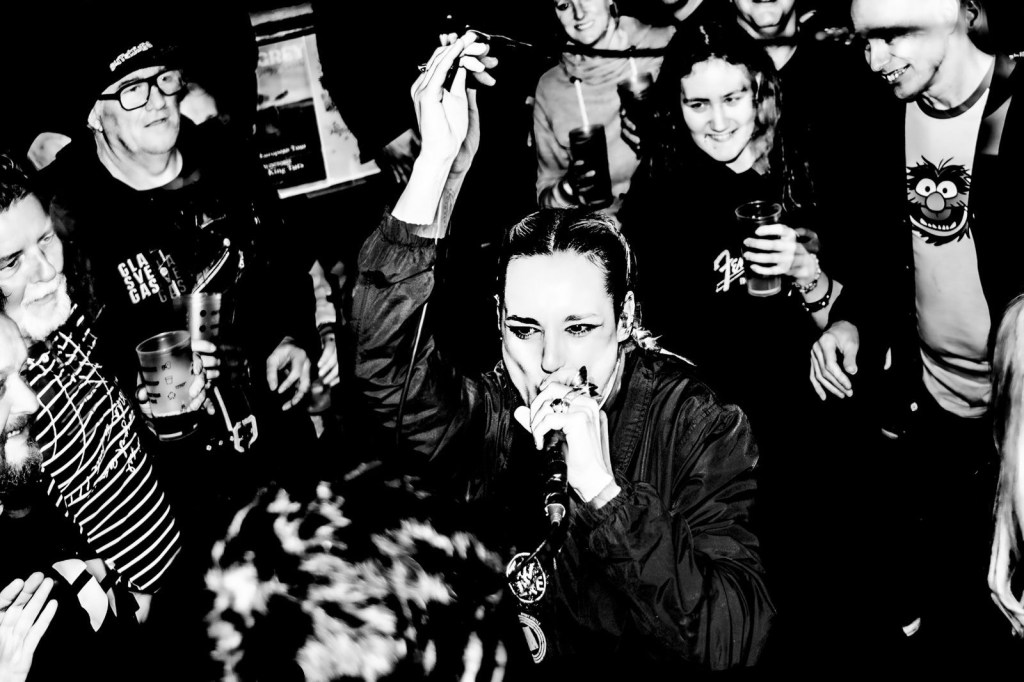
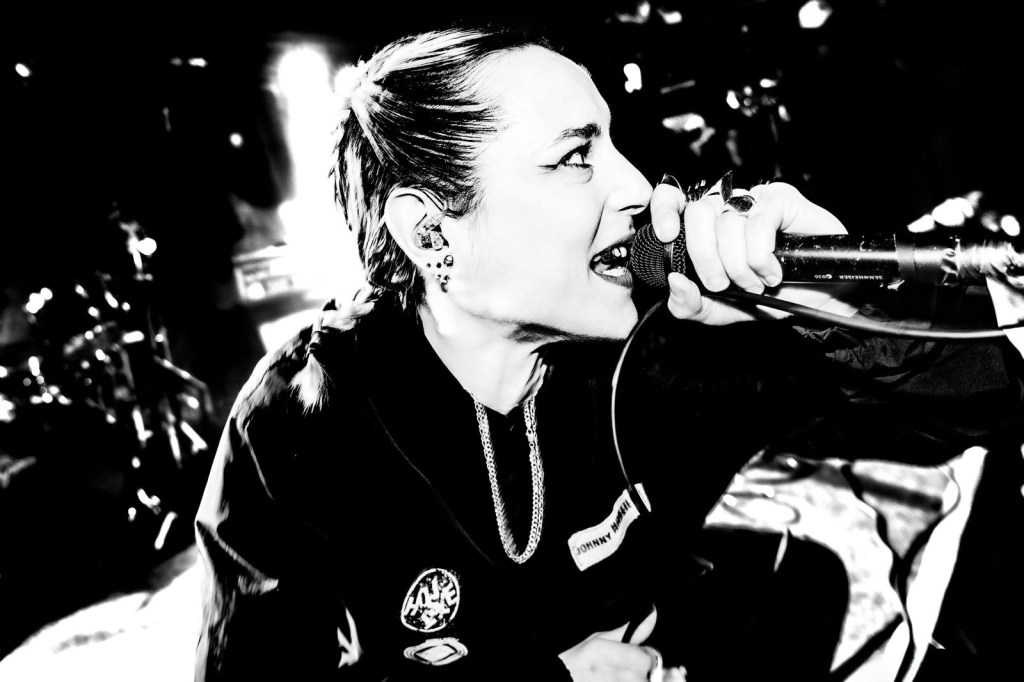
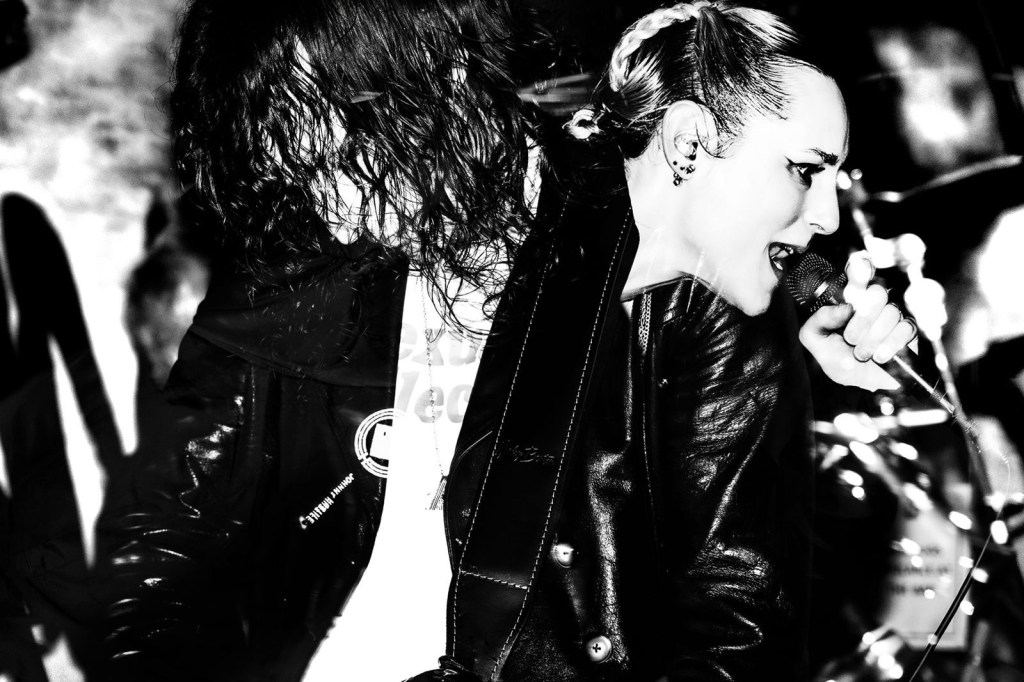
Lambrini Girls delivered a night of political engagement and queer joy at La Belle Angele. The Brighton rock duo took Edinburgh by storm with their hard-edged sound and punchy political lyrics—a mix that resonated powerfully with their audience, composed mainly, though not exclusively, of young and rightfully angry women.

They opened the night strong with Bad Apple, Company Culture, and the fan favourite Help Me I’m Gay. Each track was intertwined with pointed messaging and an unrelenting, unapologetic commitment to their beliefs—beliefs that are easy to rally behind. New generations are determined to land on the right side of history.

Their music speaks to a generation unafraid to be bold, loud, and unapologetically “cunty”, to borrow the internet slang echoed in one of the night’s highlights: Cuntology 101. The track plays like a fast-paced crash course in being yourself, caring for yourself, and setting boundaries in a world that seems to make all of that increasingly difficult.

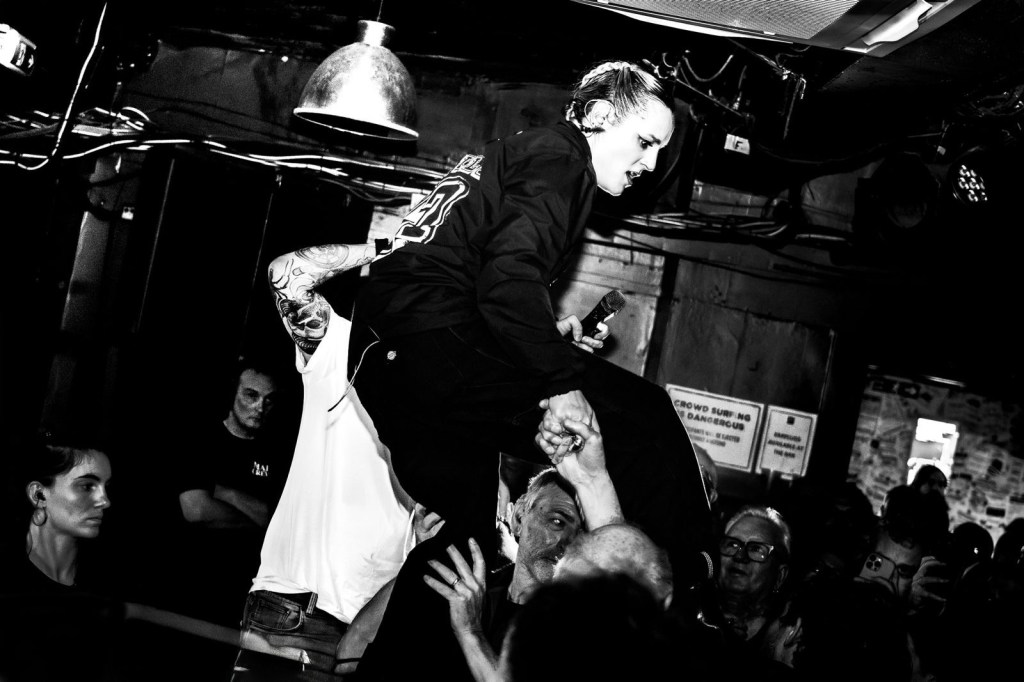
The band’s interaction with the crowd made for some memorable moments, especially when lead singer Phoebe Lunny encouraged a mosh pit and later dove in herself, singing directly to the fans. The crowd was vibrant, joyful, and louder than ever—a pleasure to witness.

Lambrini Girls were a step outside my comfort zone, but one that left me pleasantly surprised—and hopeful. If this is where the next generation of musicians is headed, bold enough to speak up for what they believe in, then the future looks exciting.

Article: Mona Montella