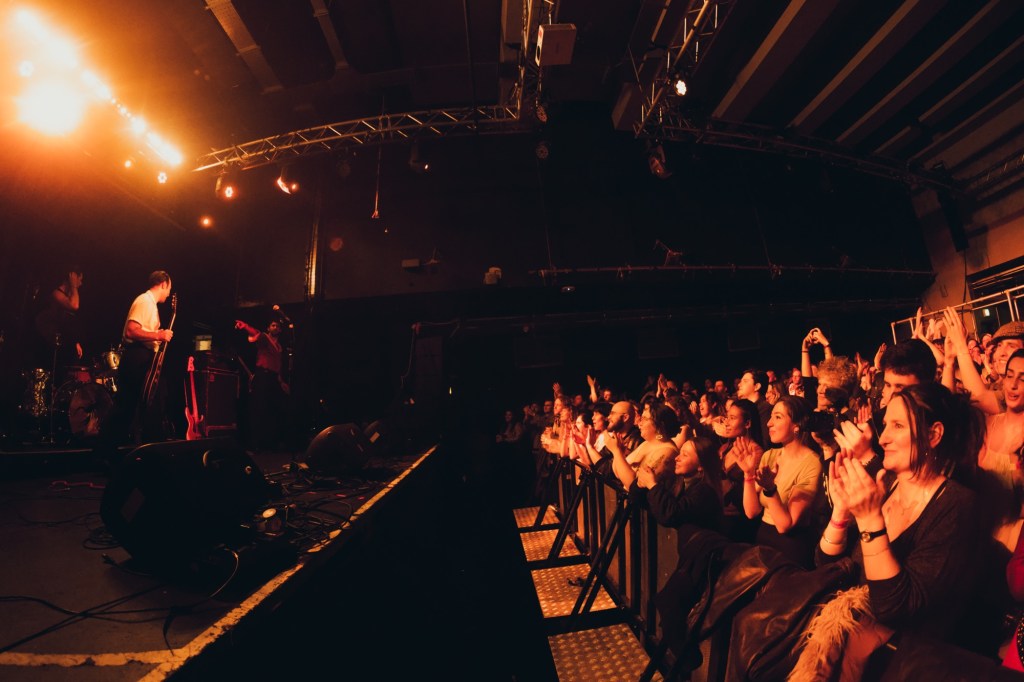
On a cold but dry February evening, fans welcomed the return of La Dispute to SWG3, with a long but patient queue arriving early doors. They eagerly filled the TV Studio, turning up in force for the two support acts, ‘PIJN’ and ‘Vs Self’.
Their new album, No One Was Driving the Car, focuses on relevant topics about the current state of the environment we are all living in and experiencing, exploring the looming apocalypse made worse by the advancement of technology. It was also partly inspired by the 2017 psychological thriller First Reformed.
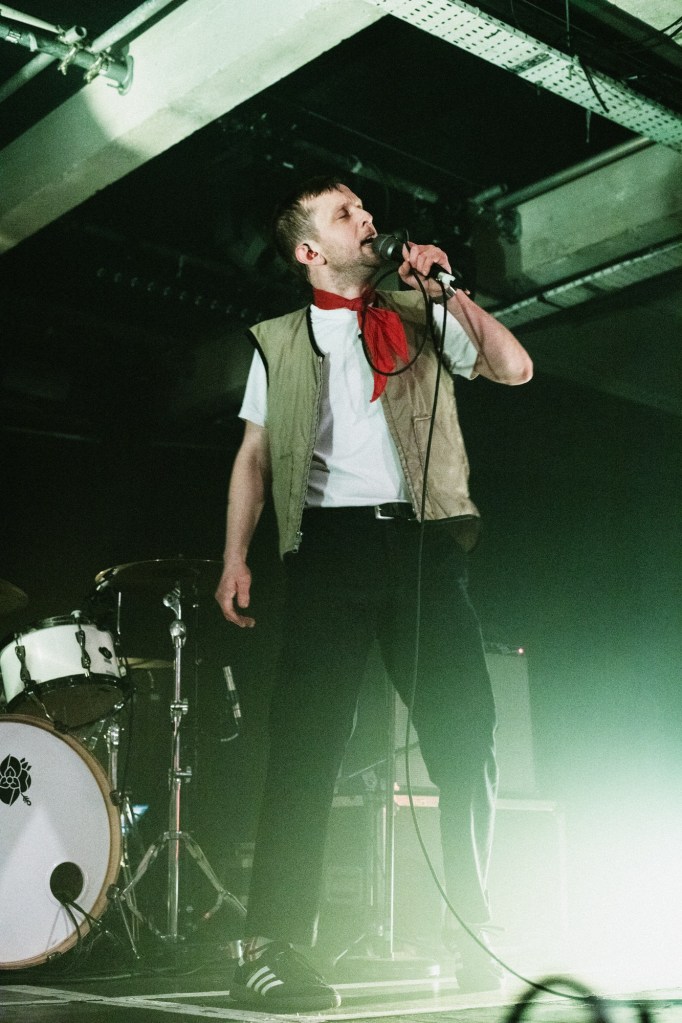
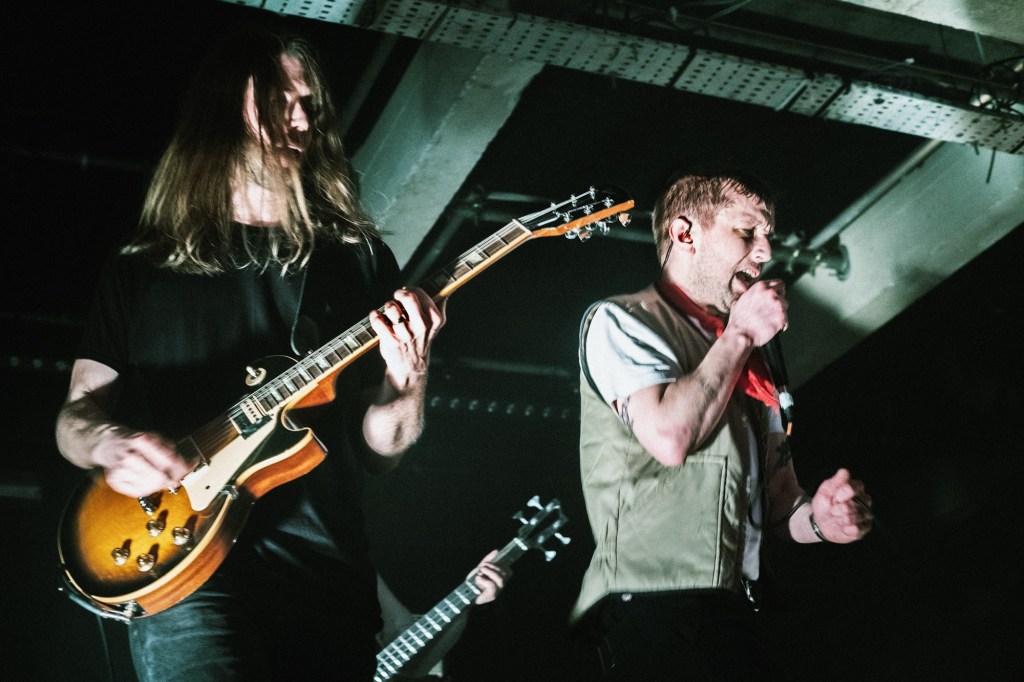
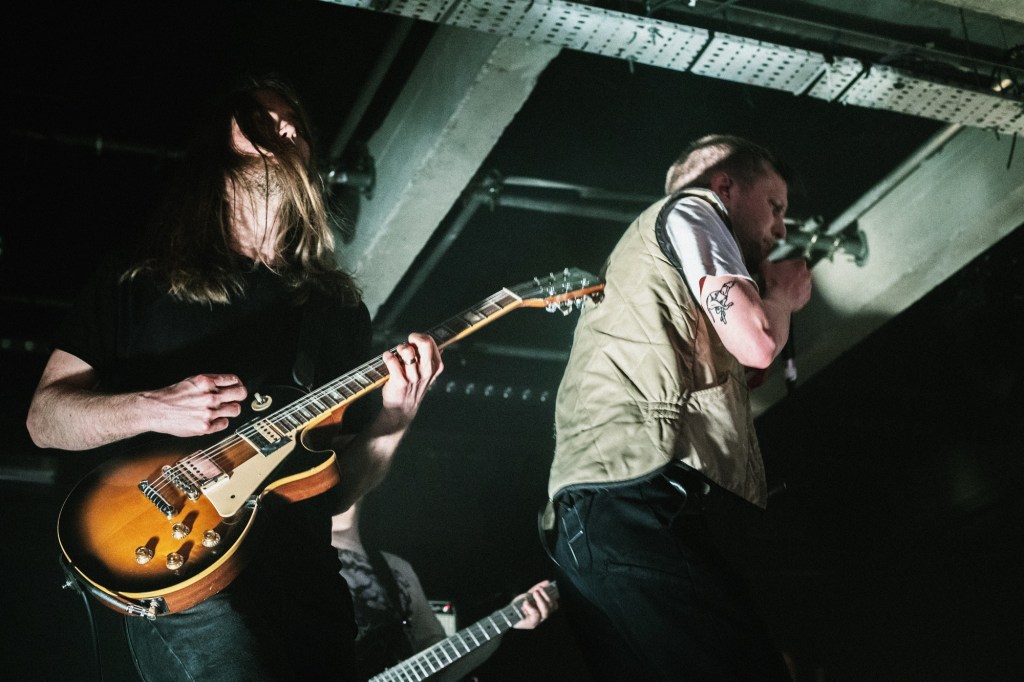
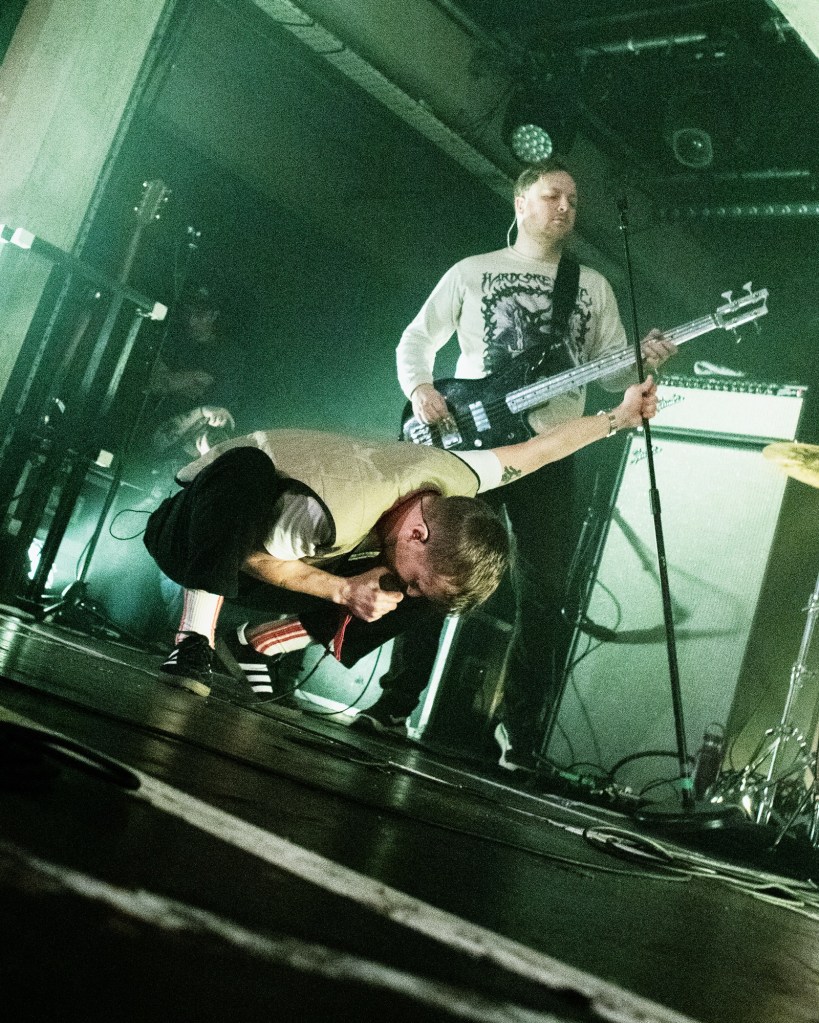
La Dispute started the night as if you were listening to their new album from the beginning, with the first two songs being ‘I Shaved My Head’, followed by ‘Man with Hands and Ankles Bound’. This was received positively by the crowd, with cheers ringing out at the first beat.
The set contained some fan favourites from their ever-popular 2011 album Wildlife, including ‘The Most Beautiful Bitter Fruit’, with a highlight being ‘King Park’. The grief-ridden lyrics were felt deeply by the crowd as they sang along: “Can I still get into heaven if I kill myself…”.
They couldn’t play a set without including ‘Andria’ from mine — and many others’ — favourite album, Somewhere at the Bottom of the River Between Vega and Altair.
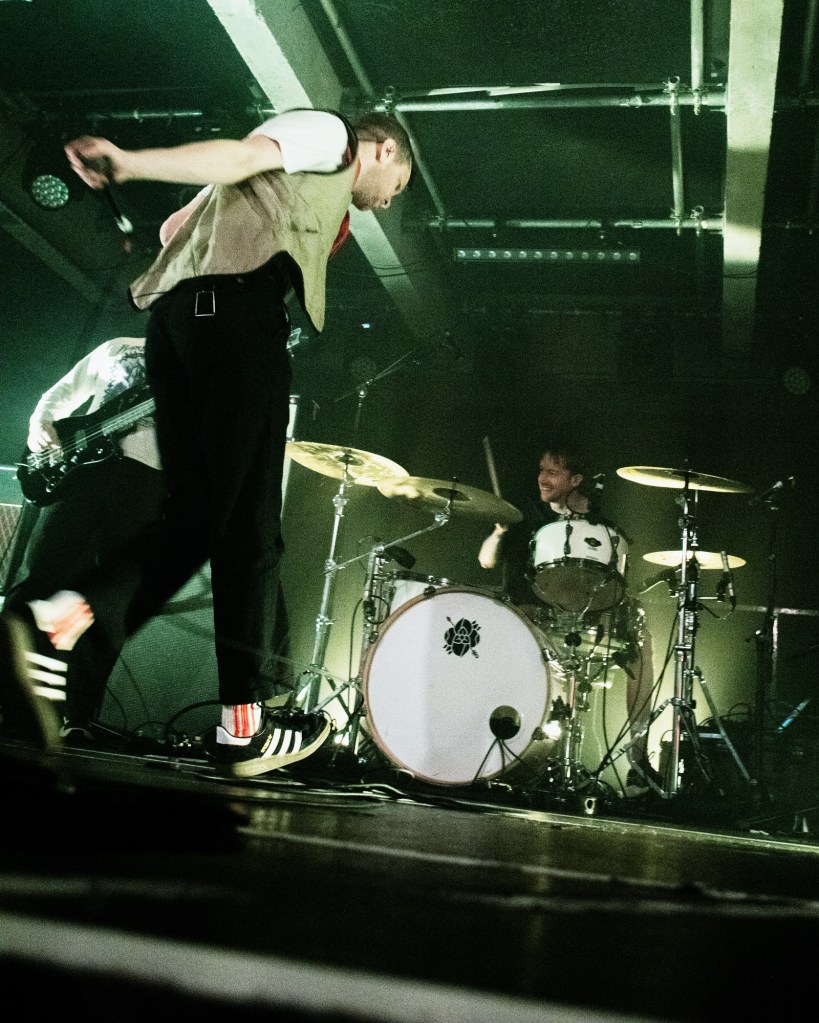
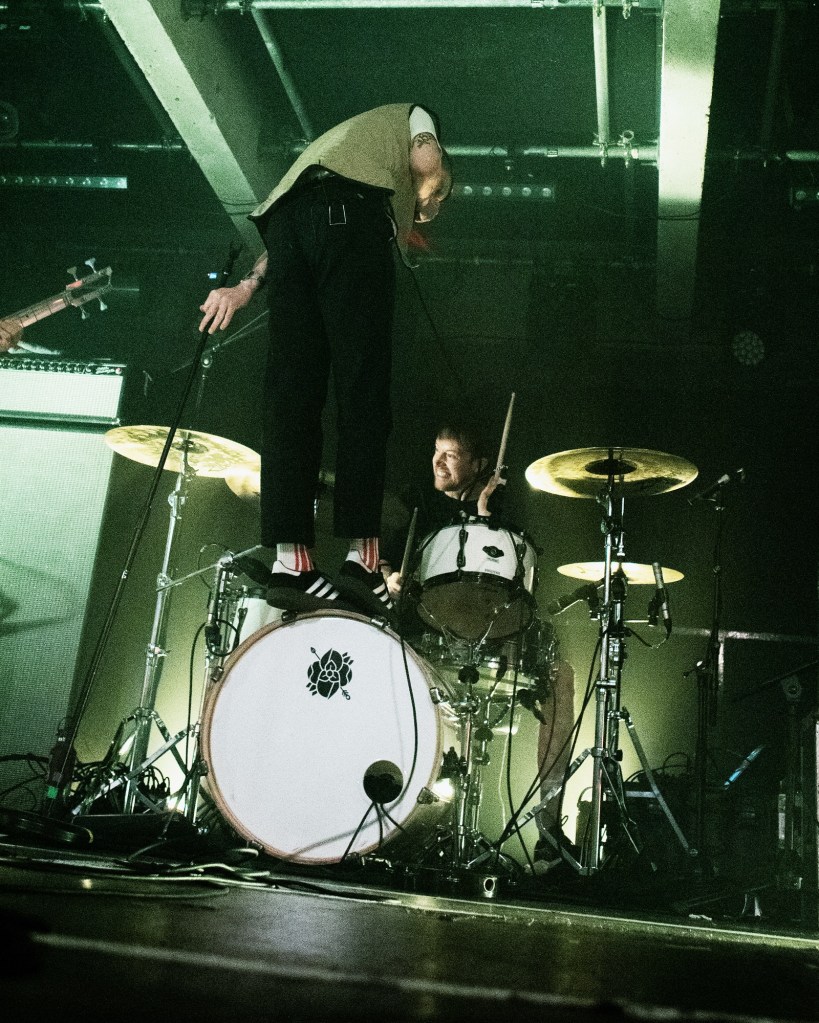
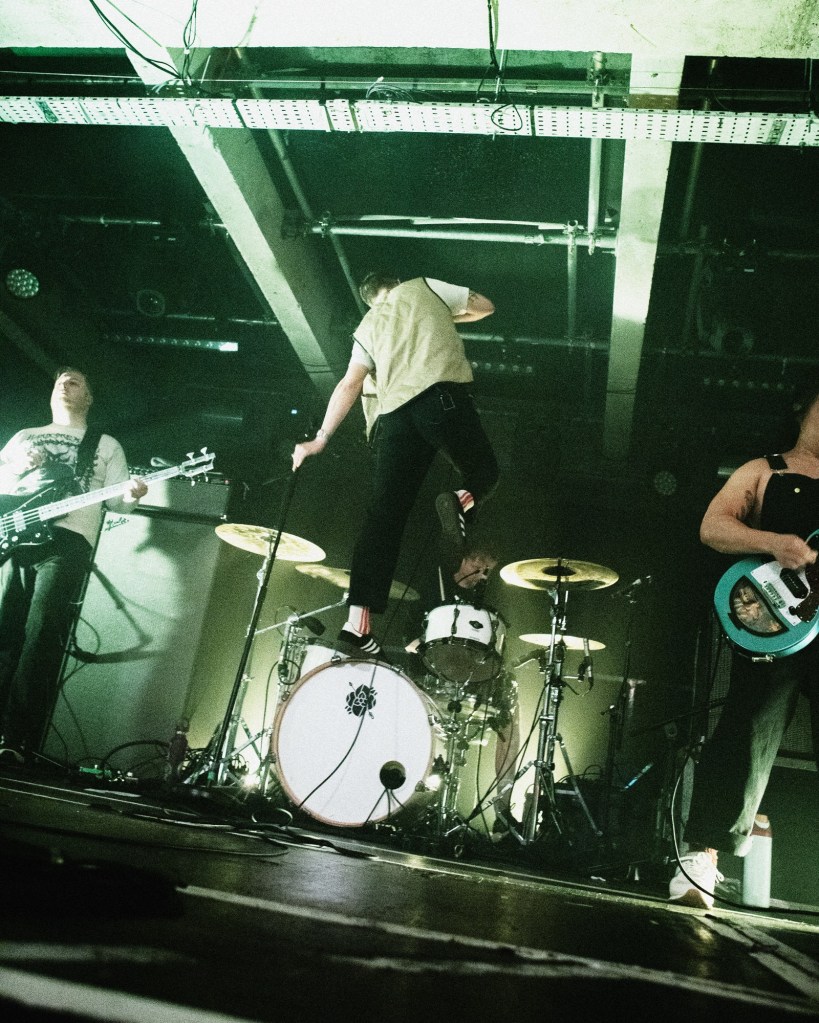
Frontman Jordan Dreyer gave it his all from the start, using all the space available on stage to jump back and forth, even climbing onto the bass drum at one point. This energy reverberated through the crowd, with many people crowd-surfing over the barrier. At one point between songs, he addressed the audience, speaking about the importance of inclusivity, being kinder to one another, and also “pushing back these fucking fascists”. This riled the crowd up, giving way to chants of “Free, free Palestine” and the Glasgow classic, “Here we, here we, here we fucking go!”.
They finished with the topical ‘No One Was Driving the Car’, the album’s title track. The song is about an article Dreyer read in which a driverless Tesla crashed, causing fatal damage — an odd event that highlights the lack of control we have in our own lives amidst advancing technology.
Overall, it was an affirming and enjoyable night, with the topical themes of La Dispute forever reminding us of the world around us.
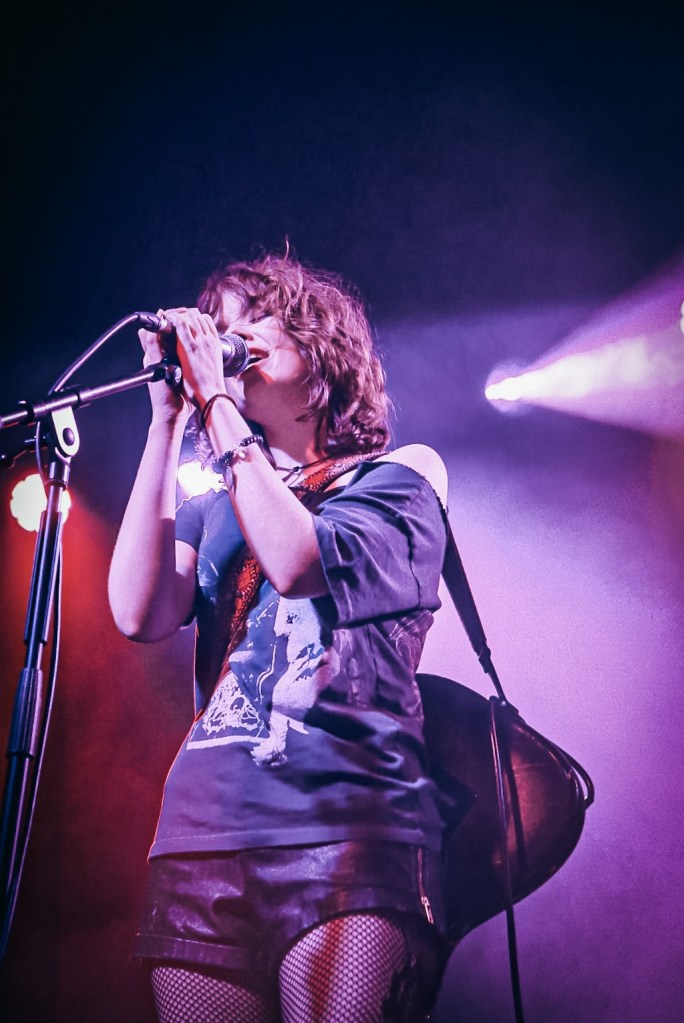
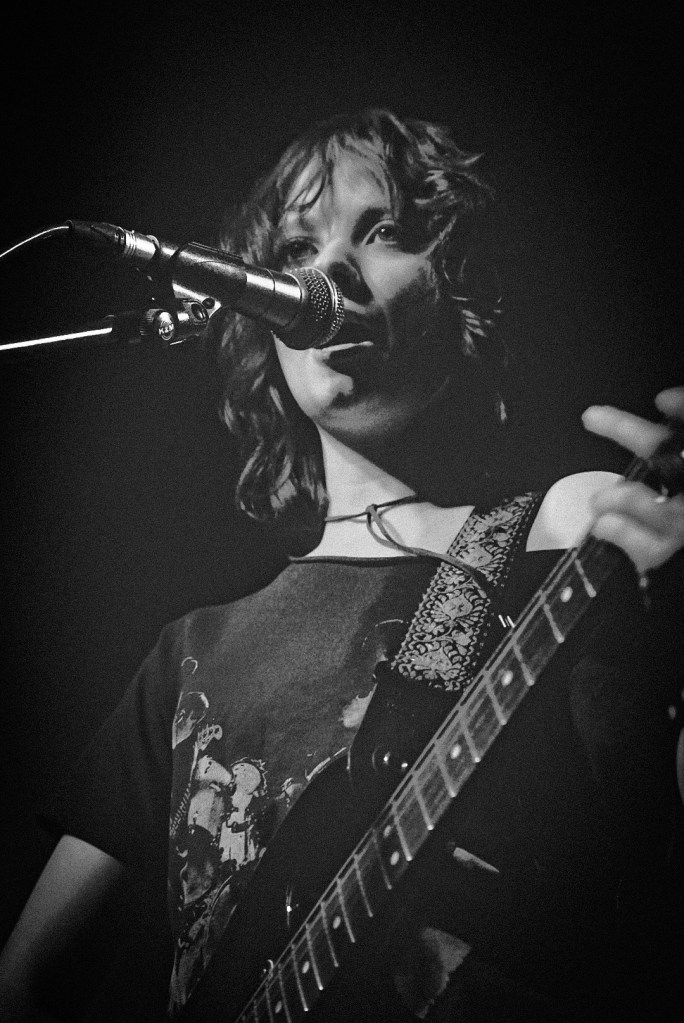
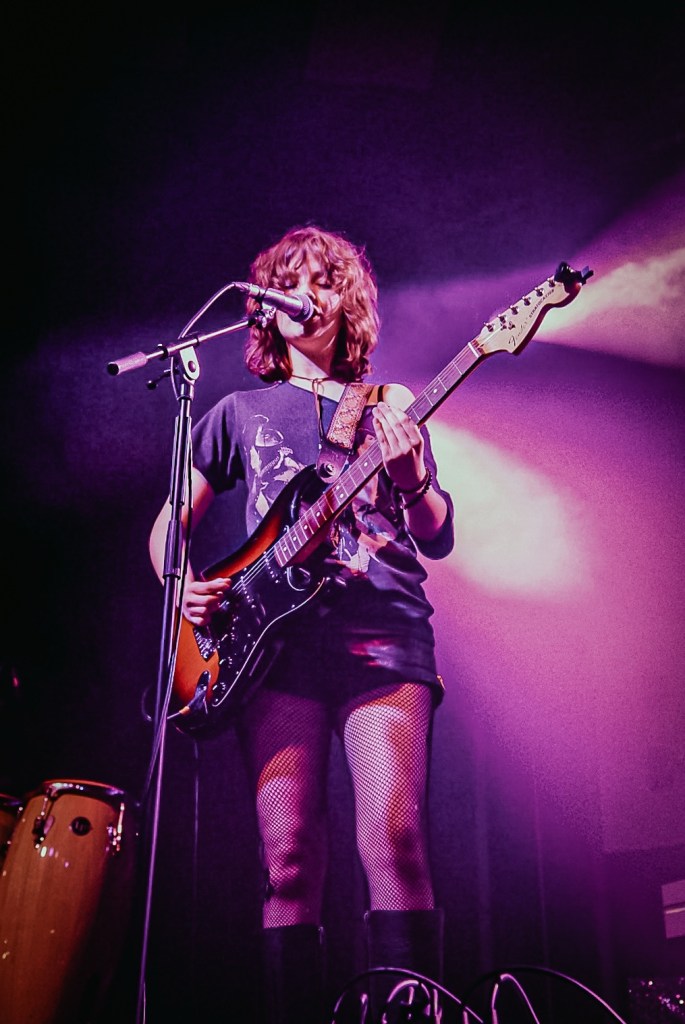
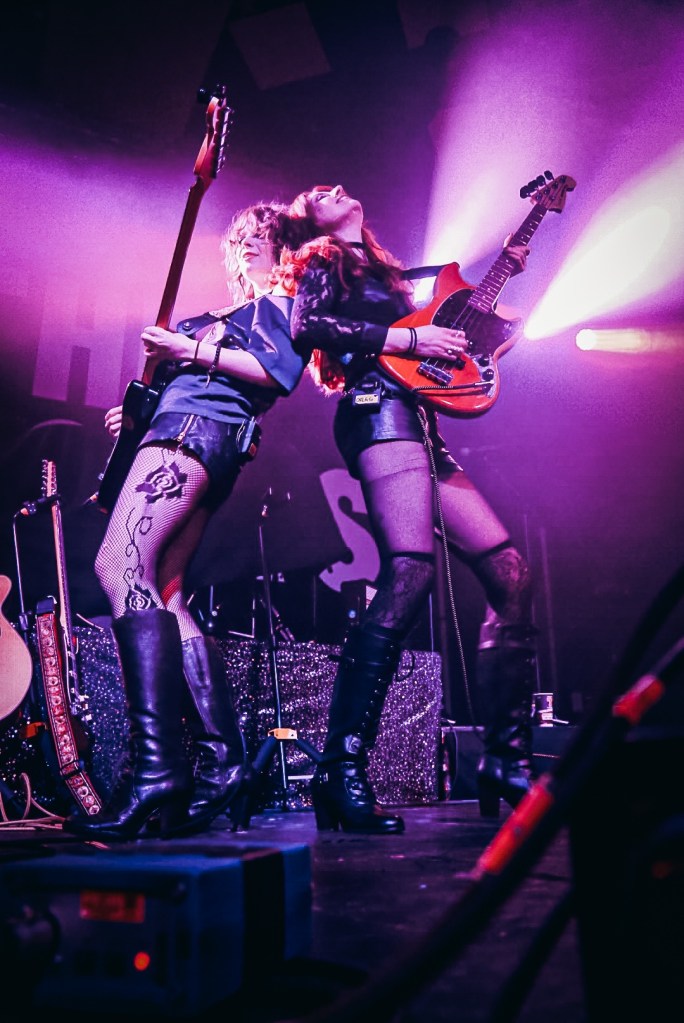
Last Thursday at King Tut’s Wah Wah Hut, Glasgow’s beloved sweatbox of broken dreams and brilliant noise, Die Spitz proved that hype is only irritating when it’s undeserved.
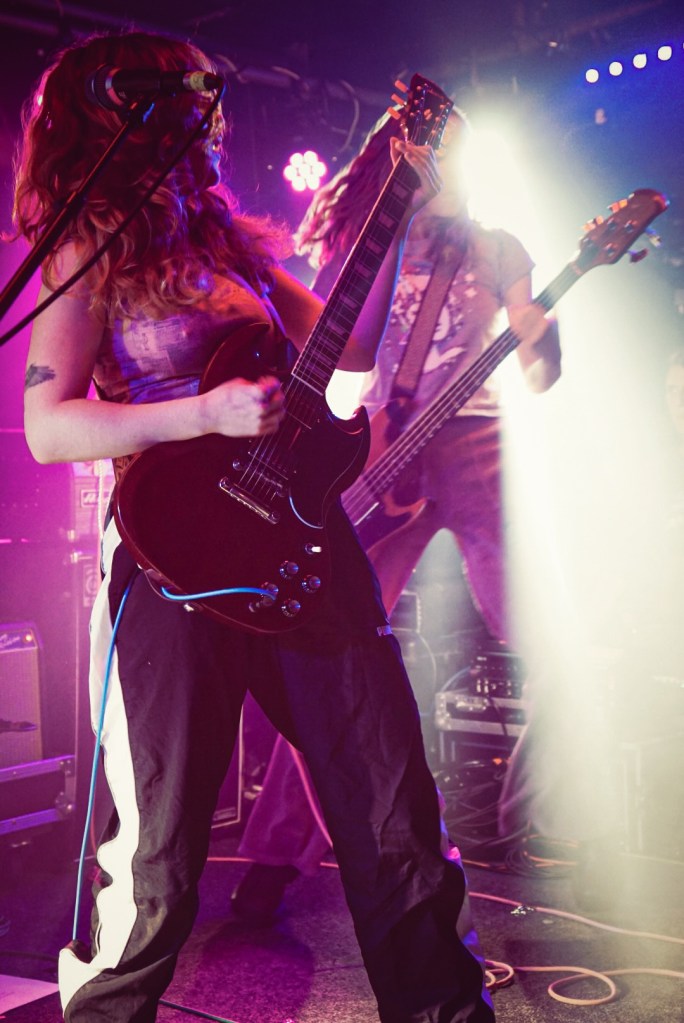
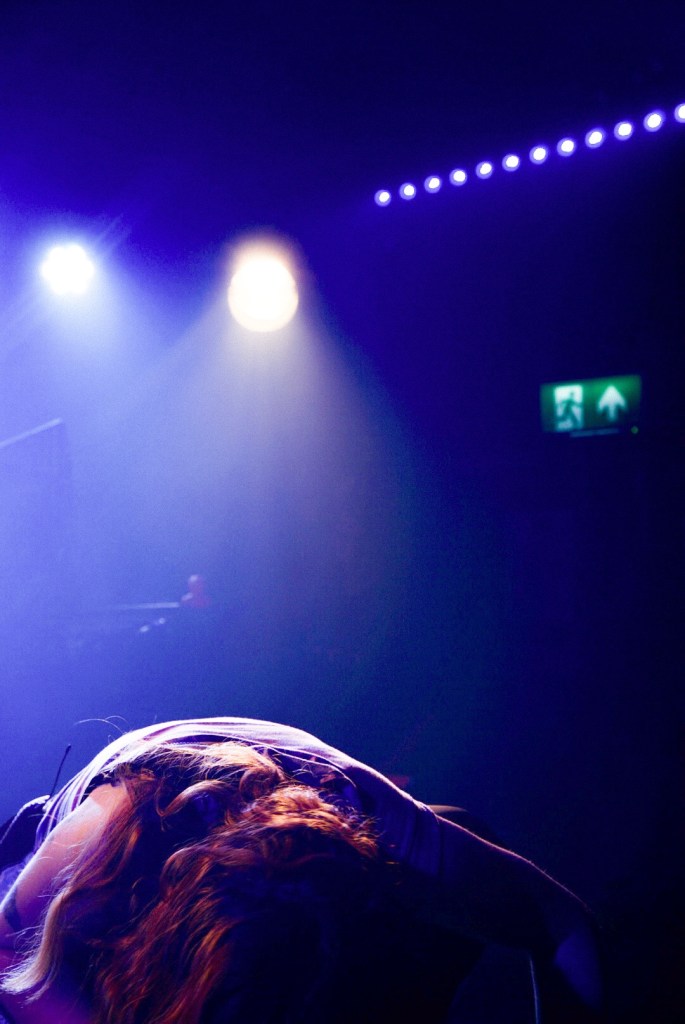
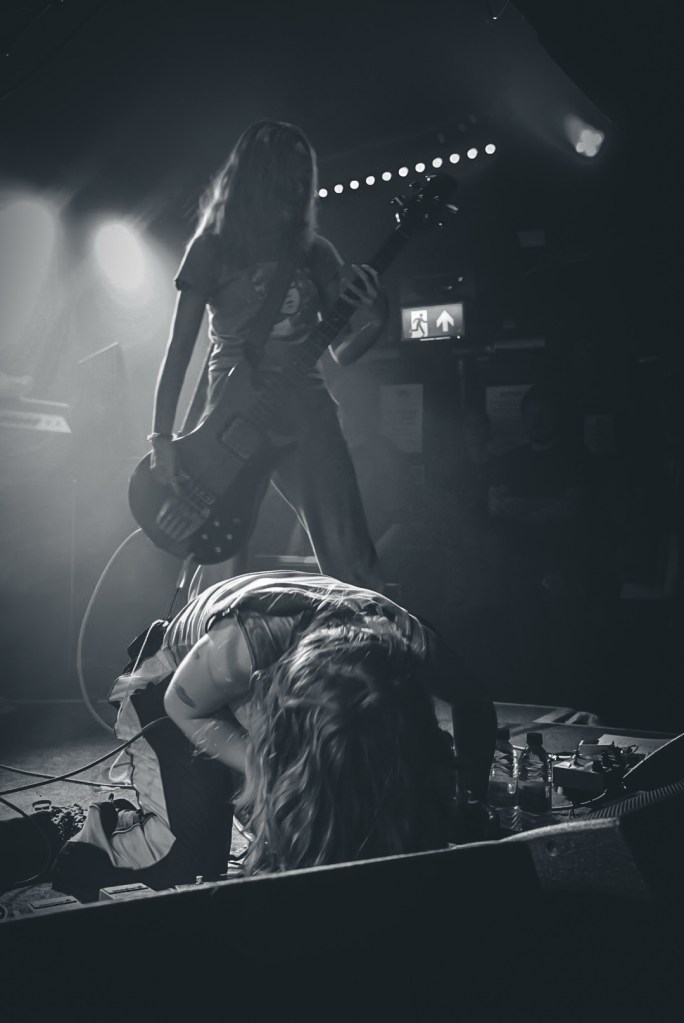
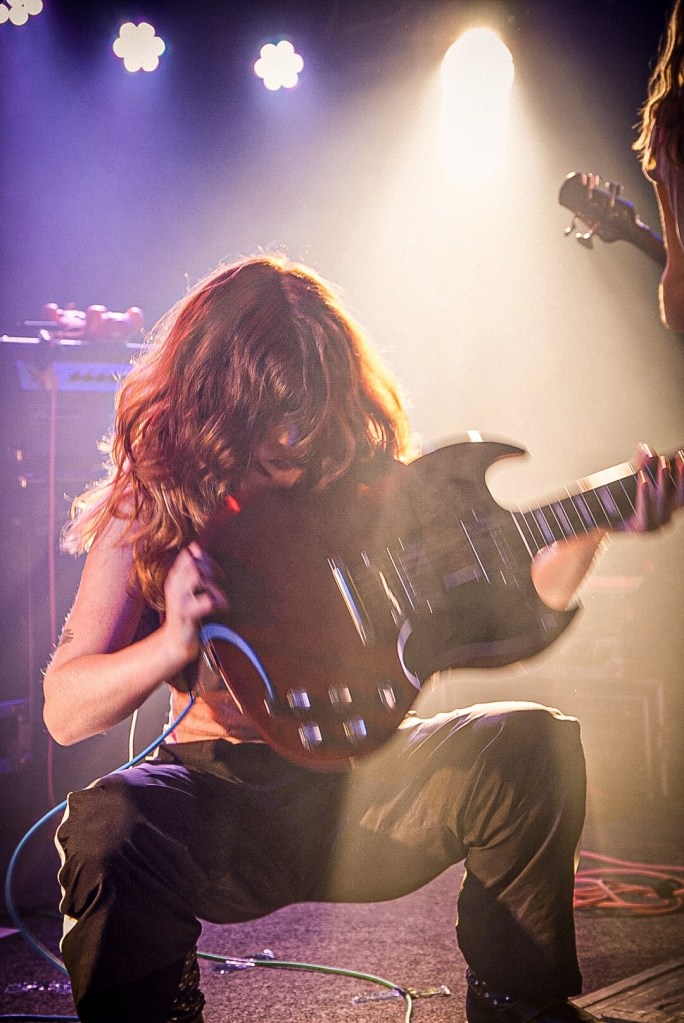
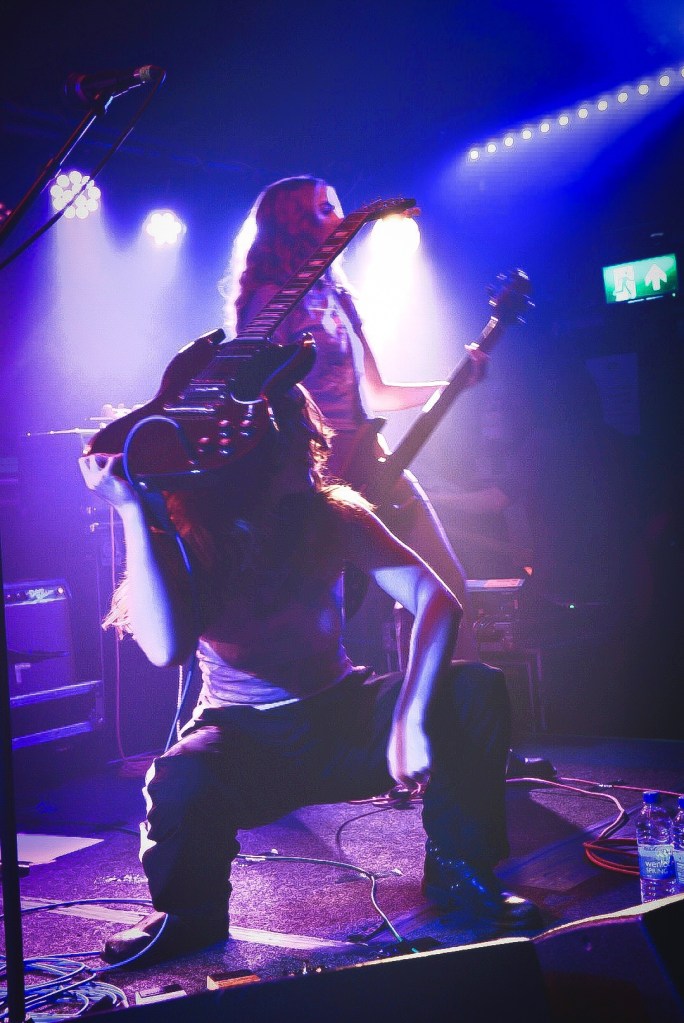
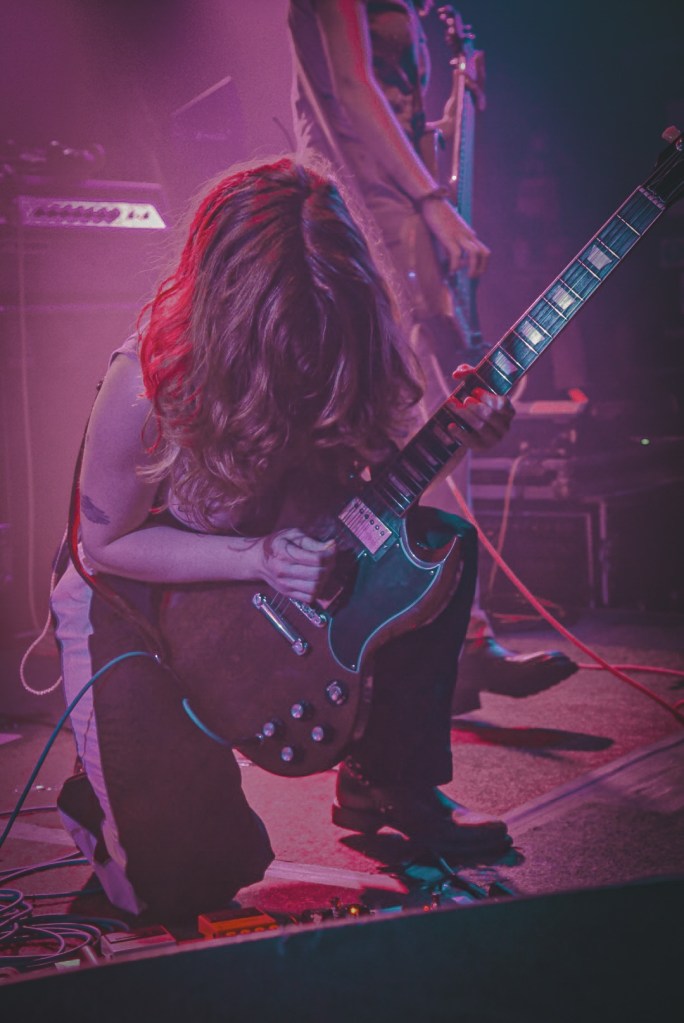
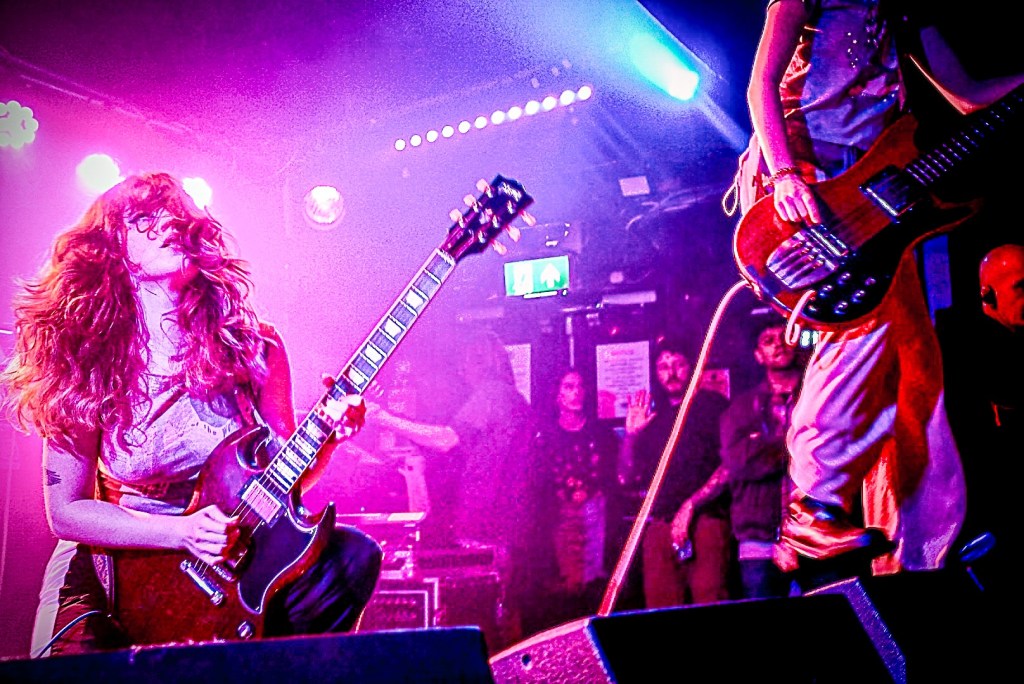
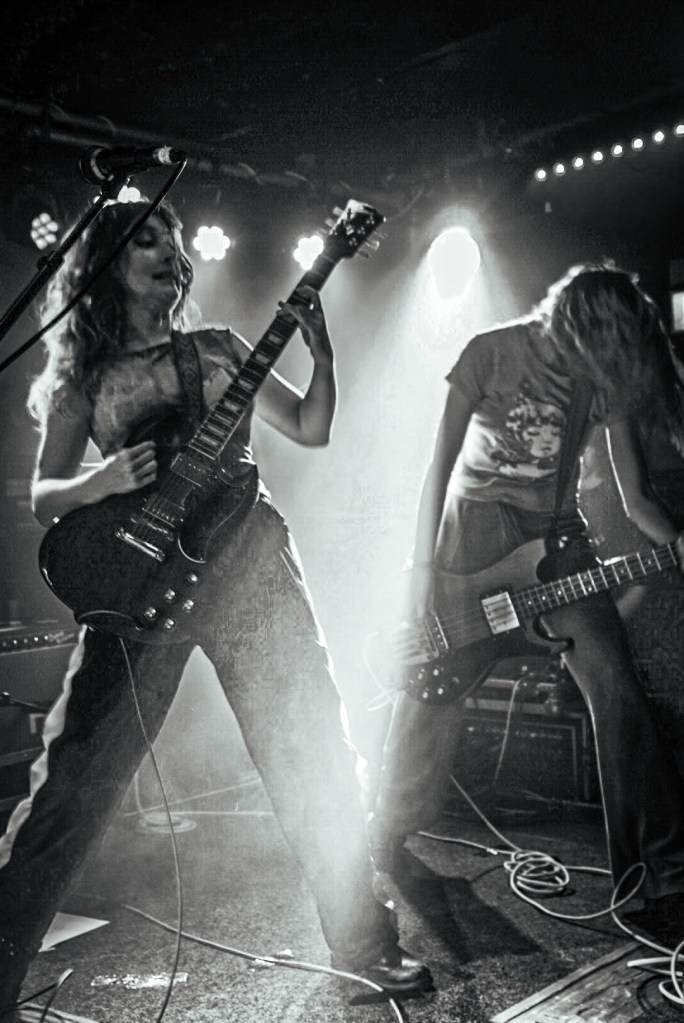
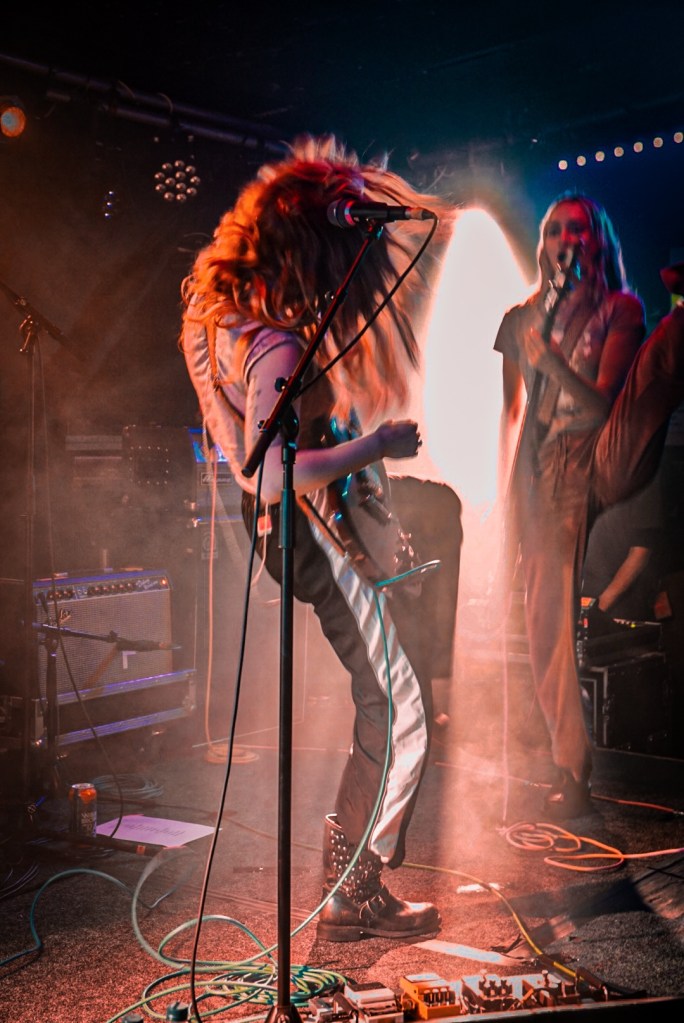
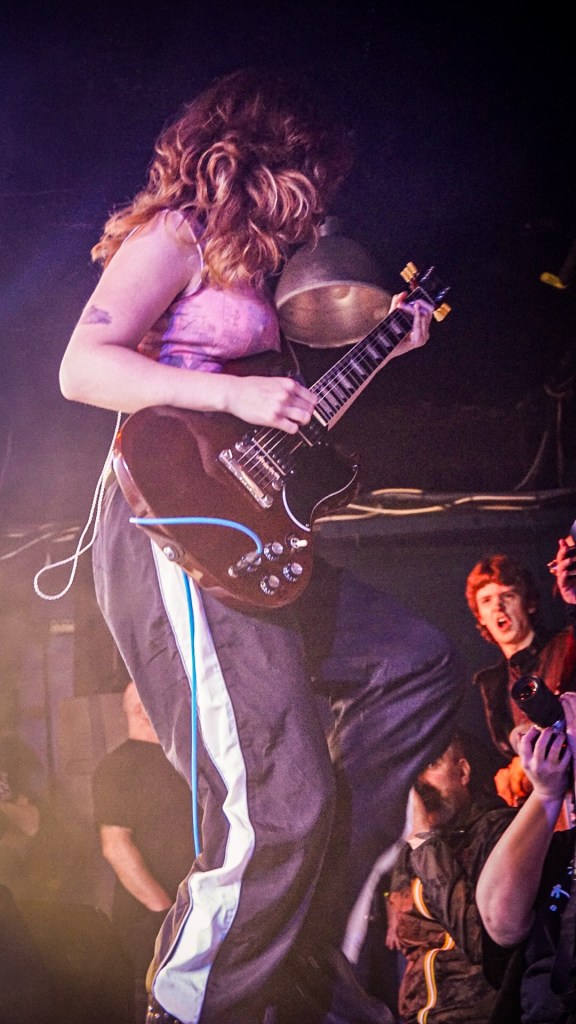
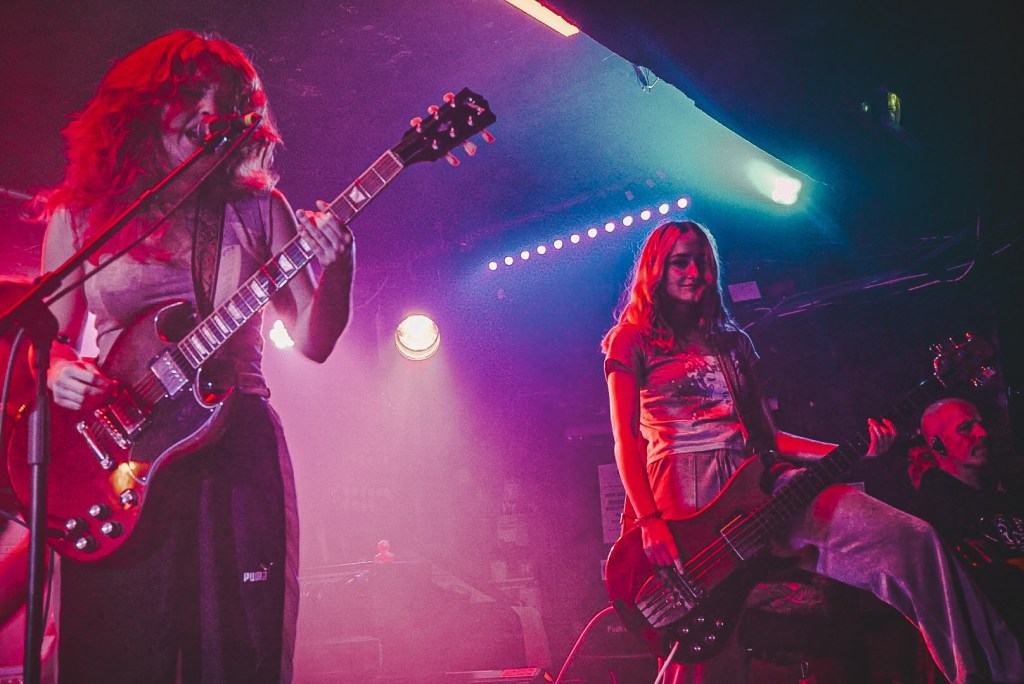
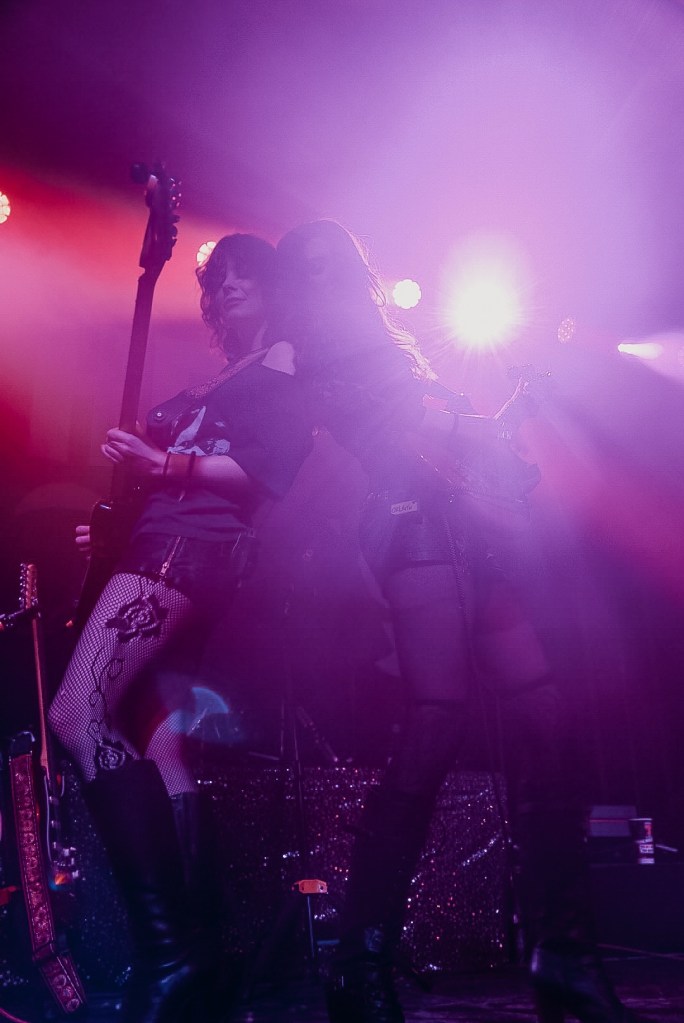
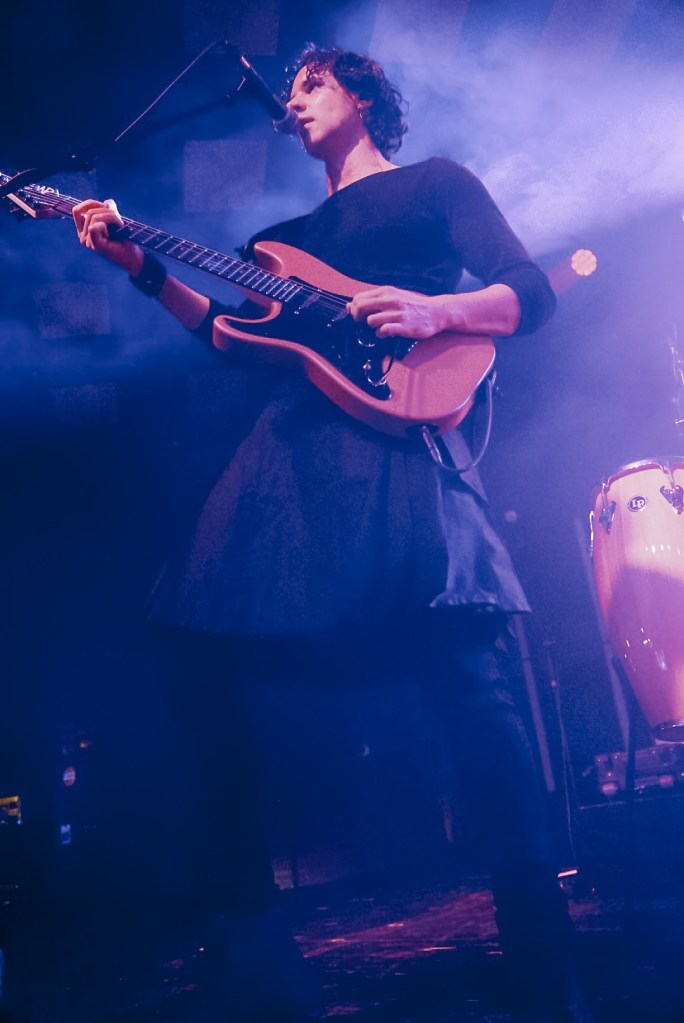
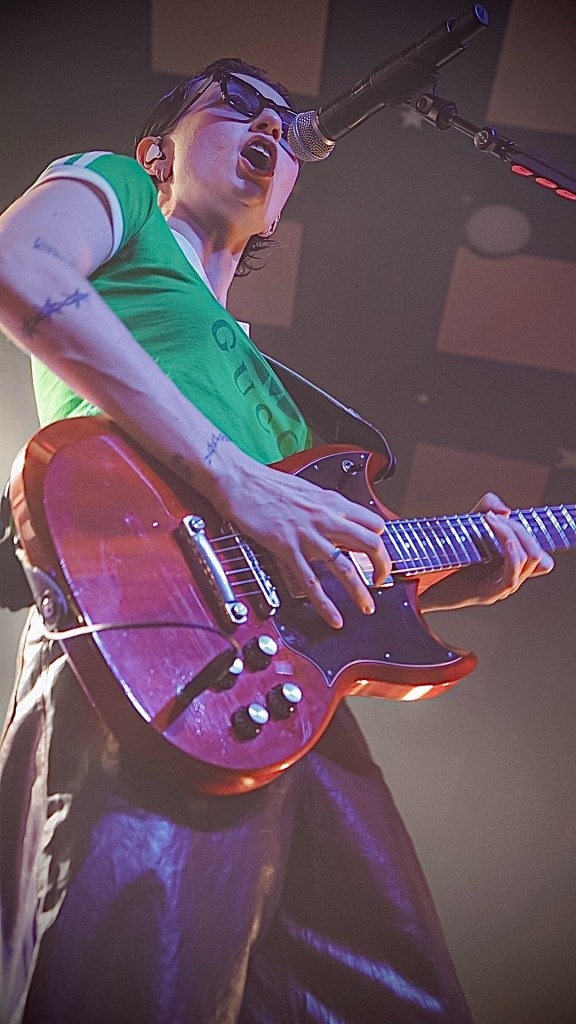
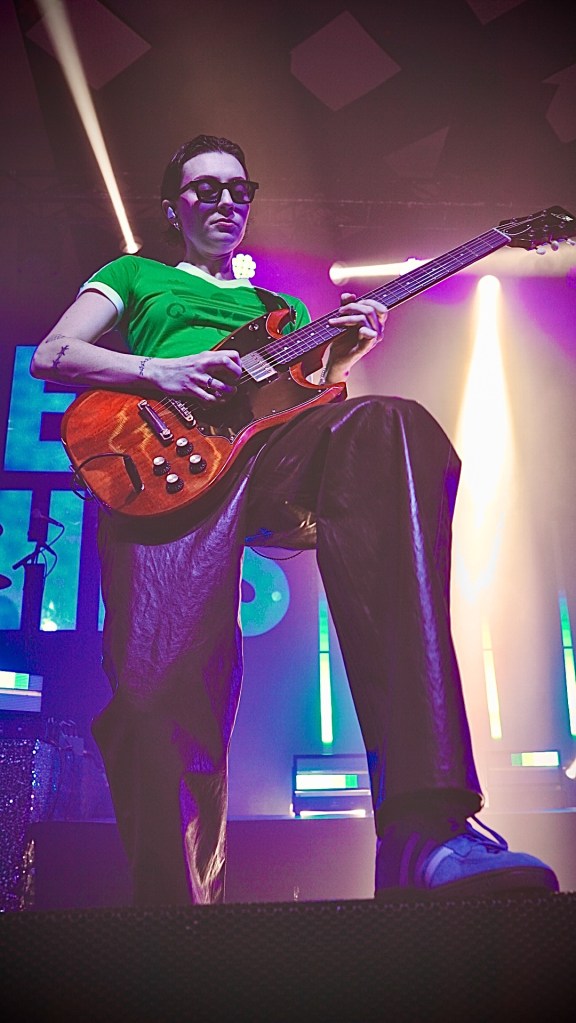
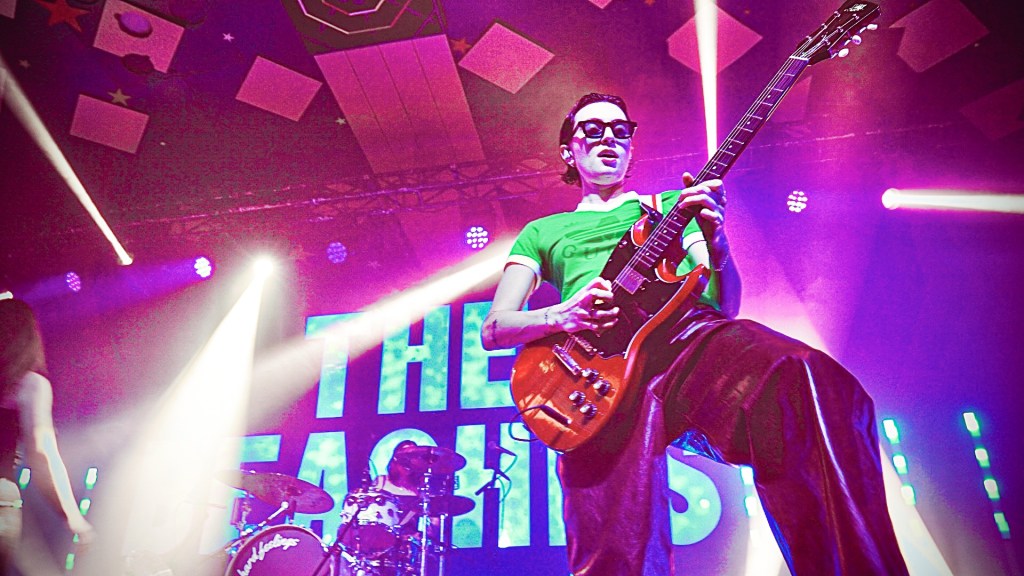
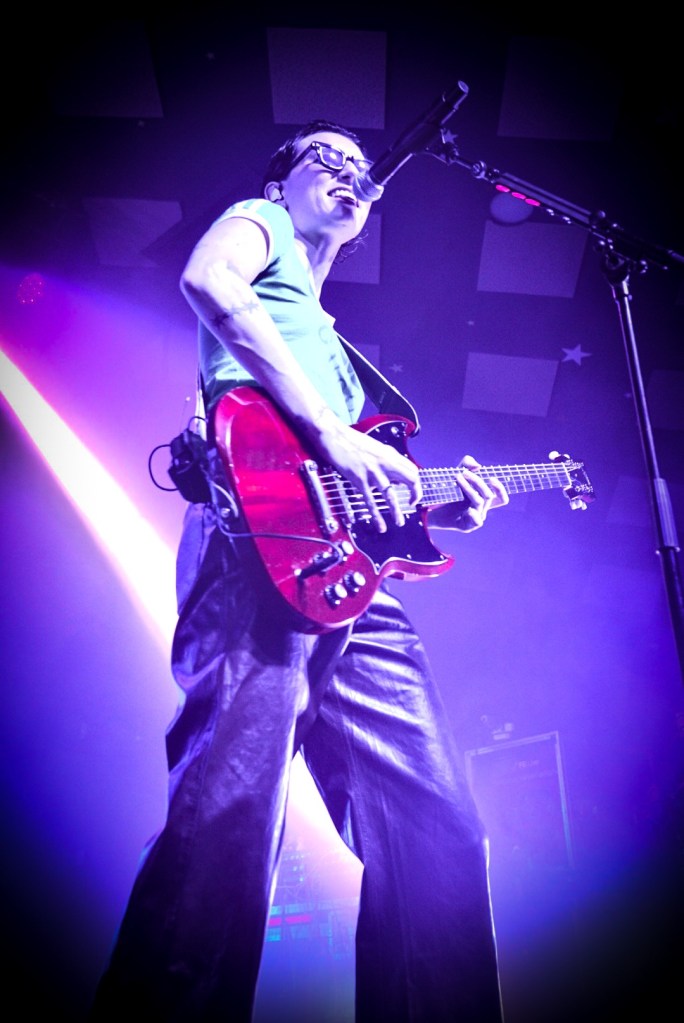
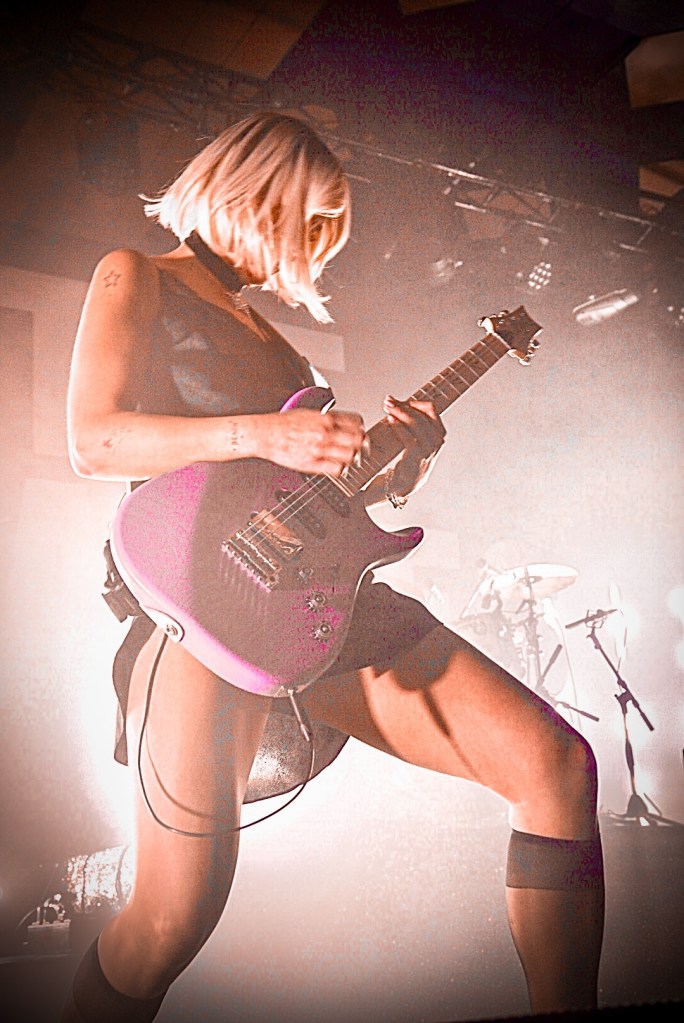
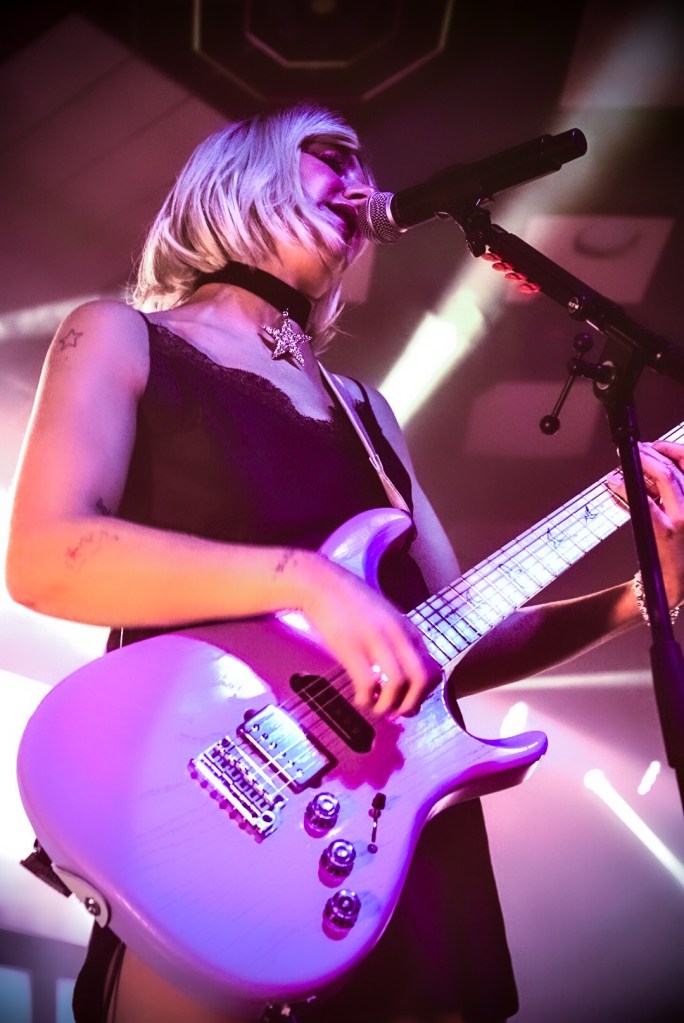
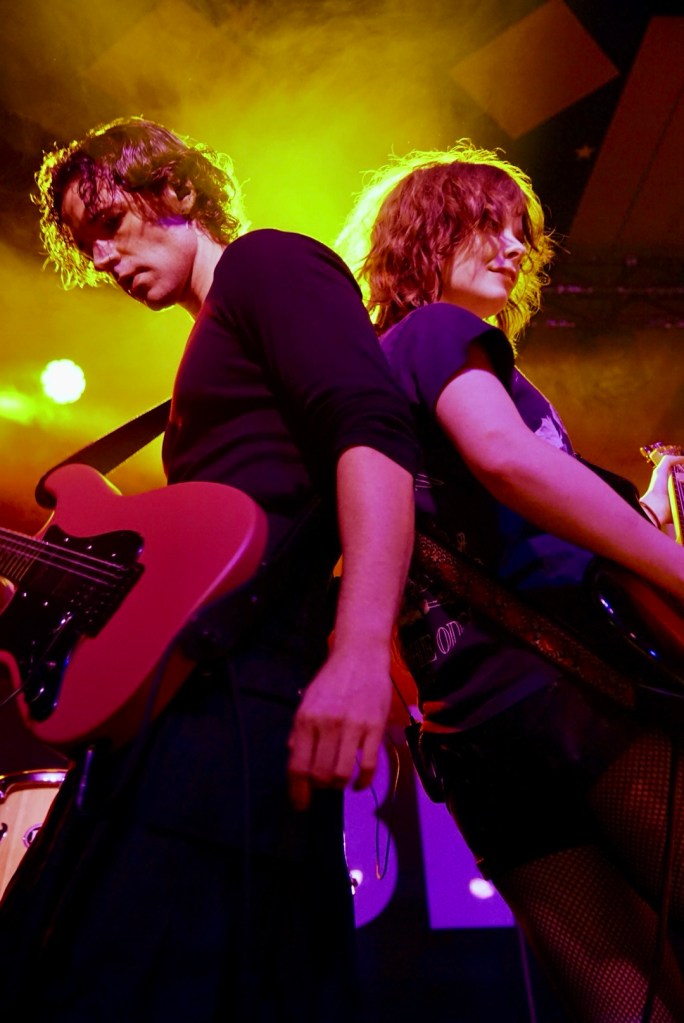
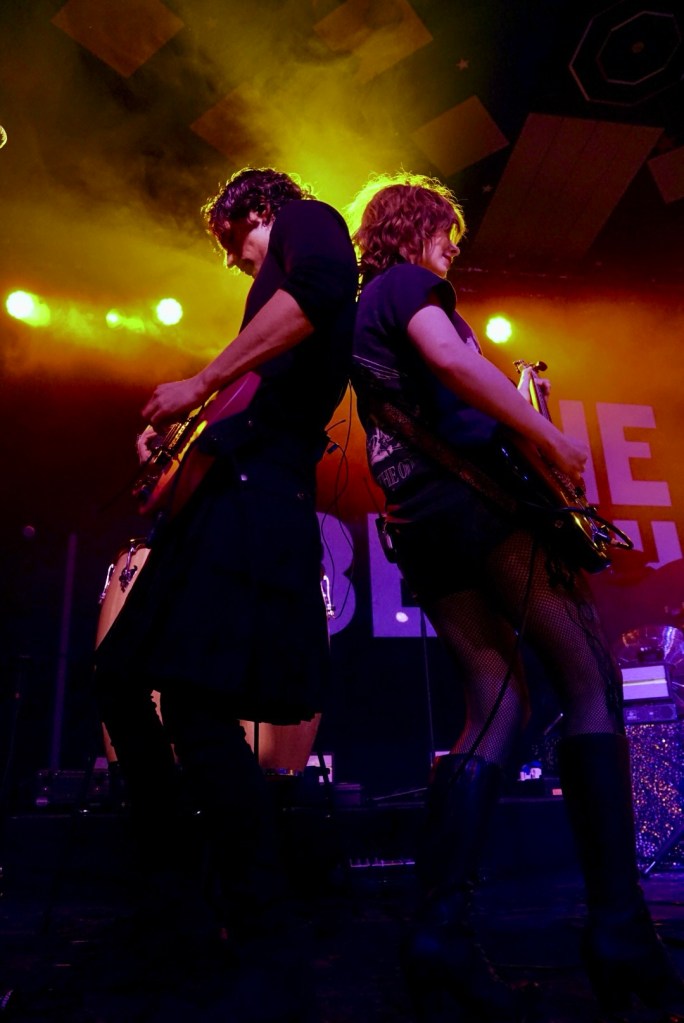
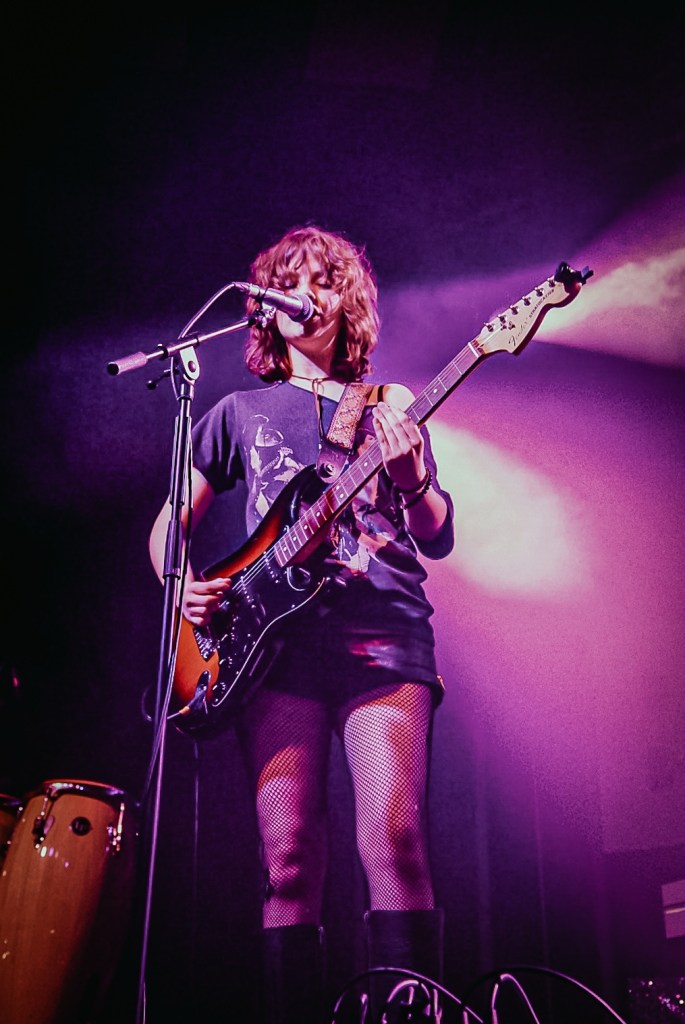
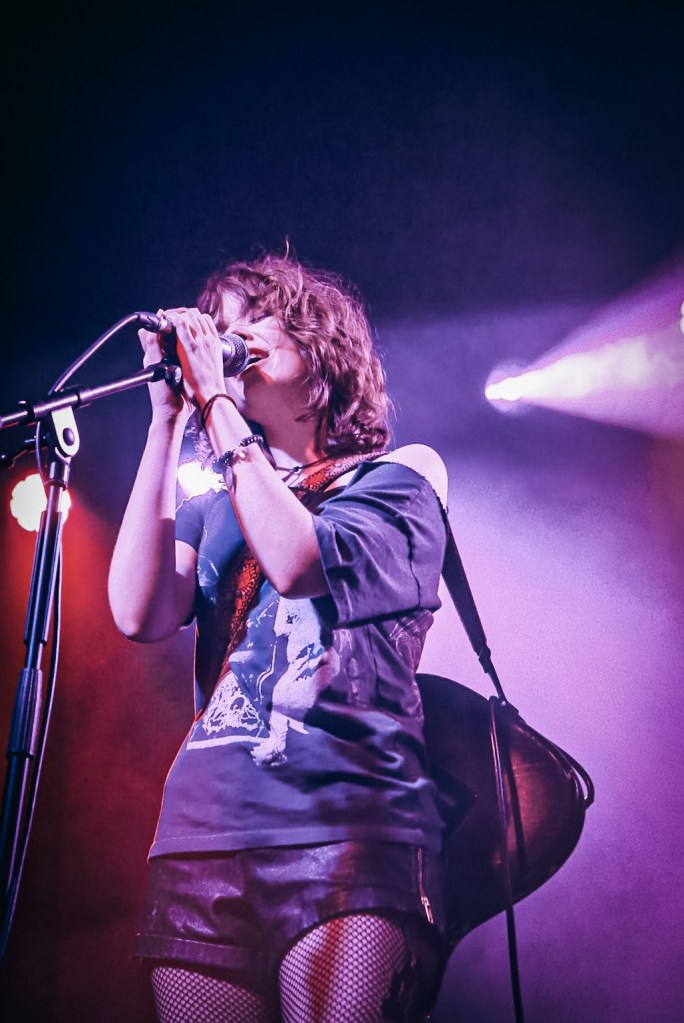
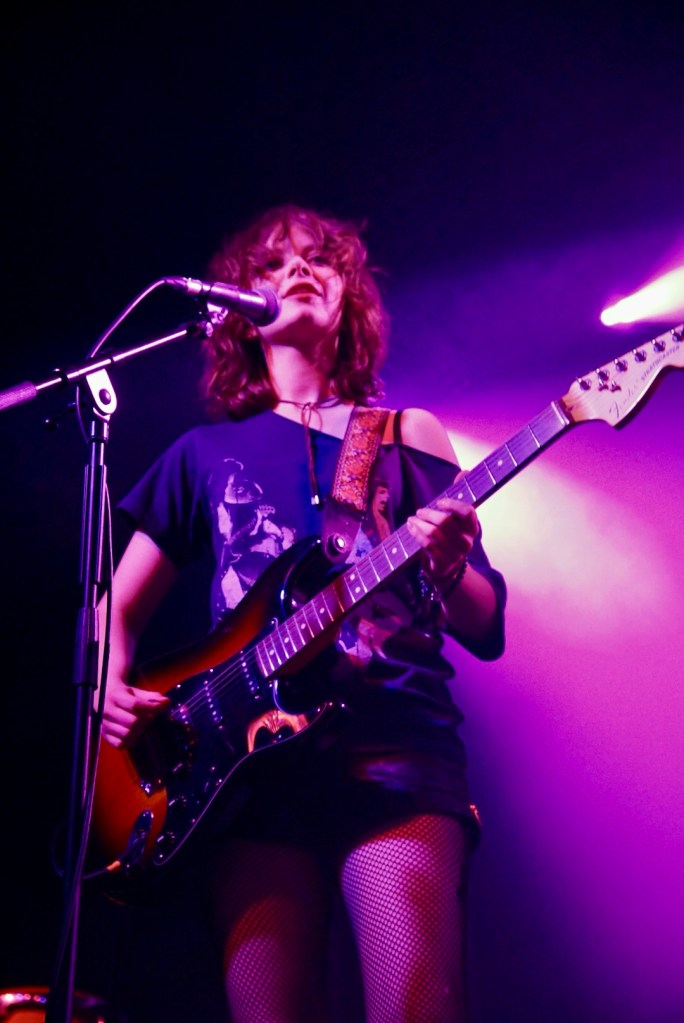
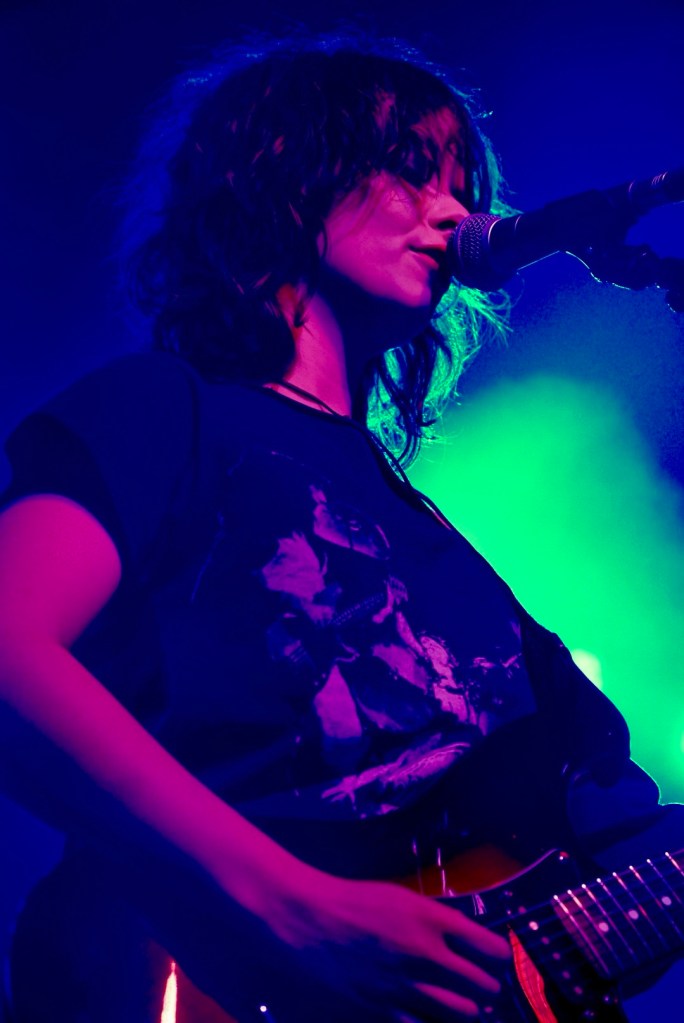
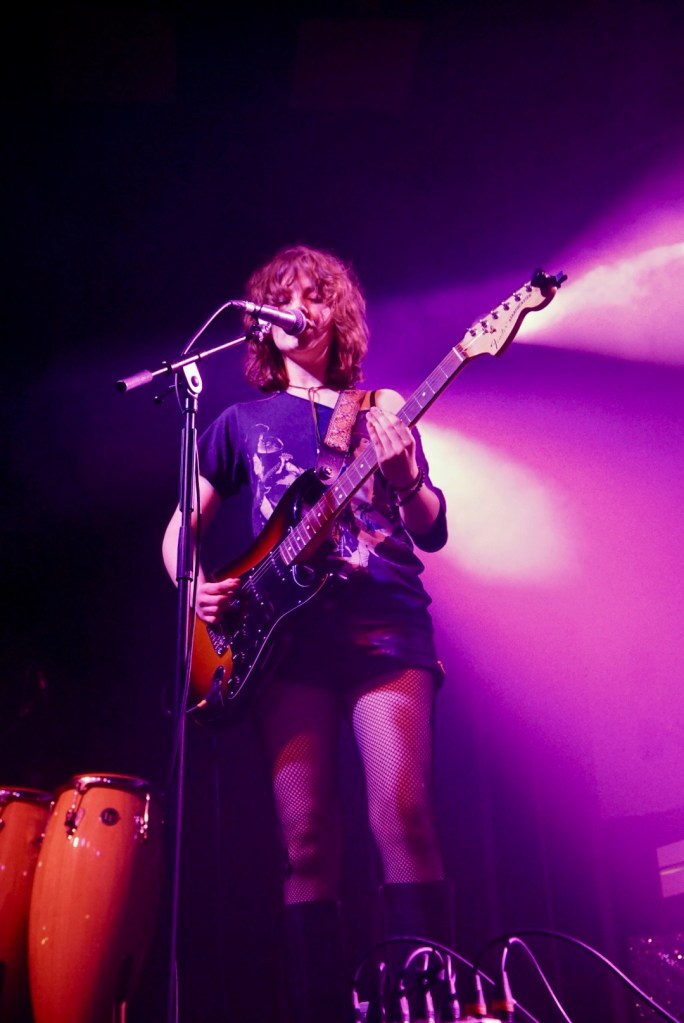
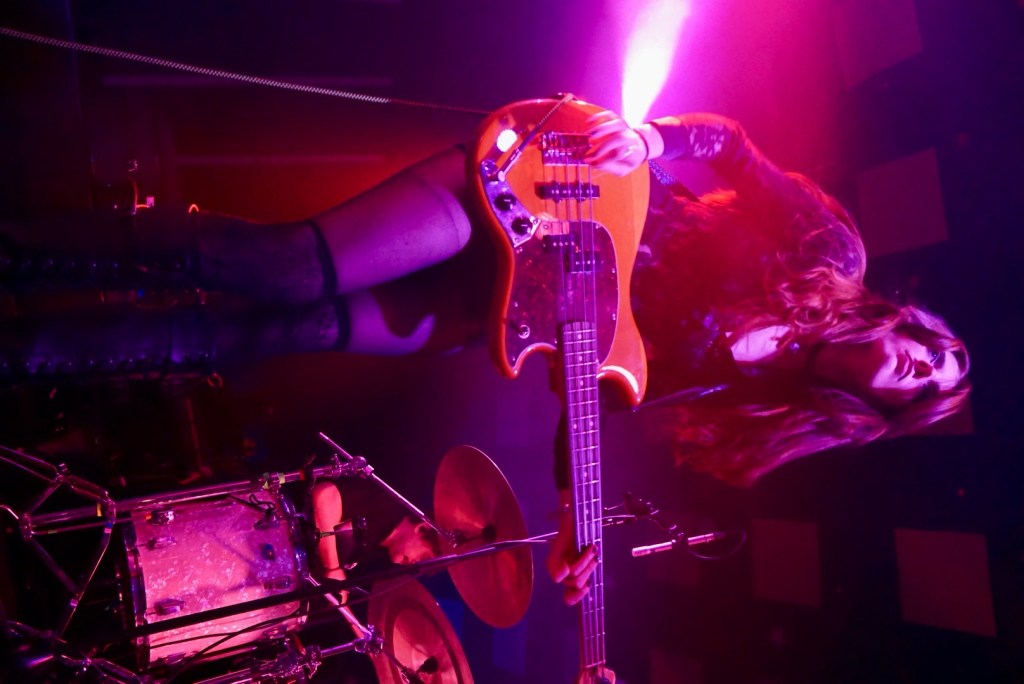
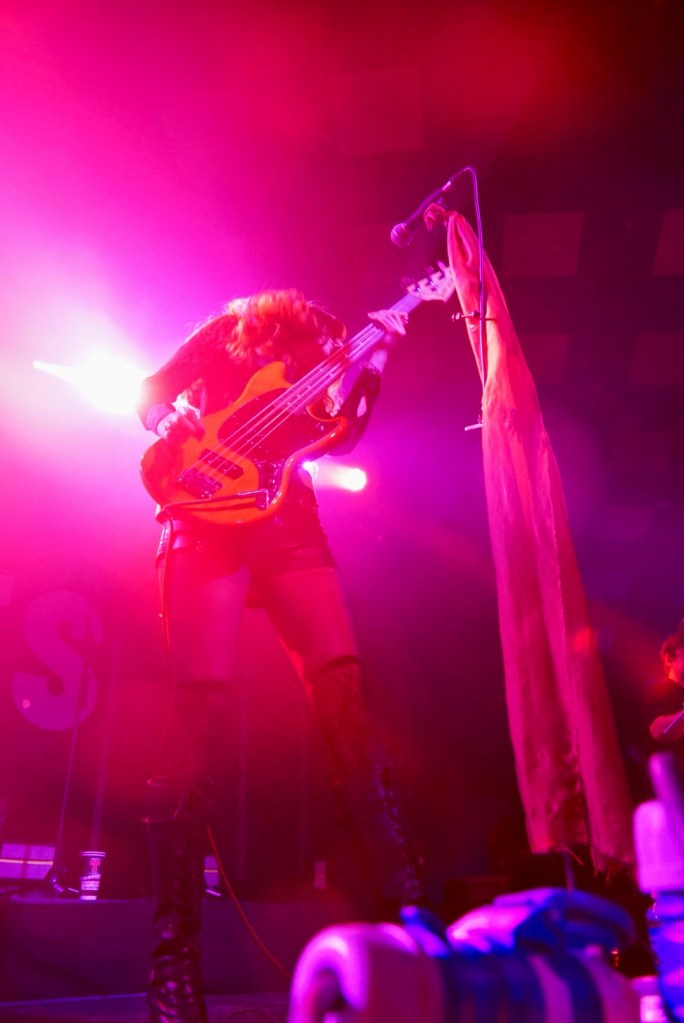
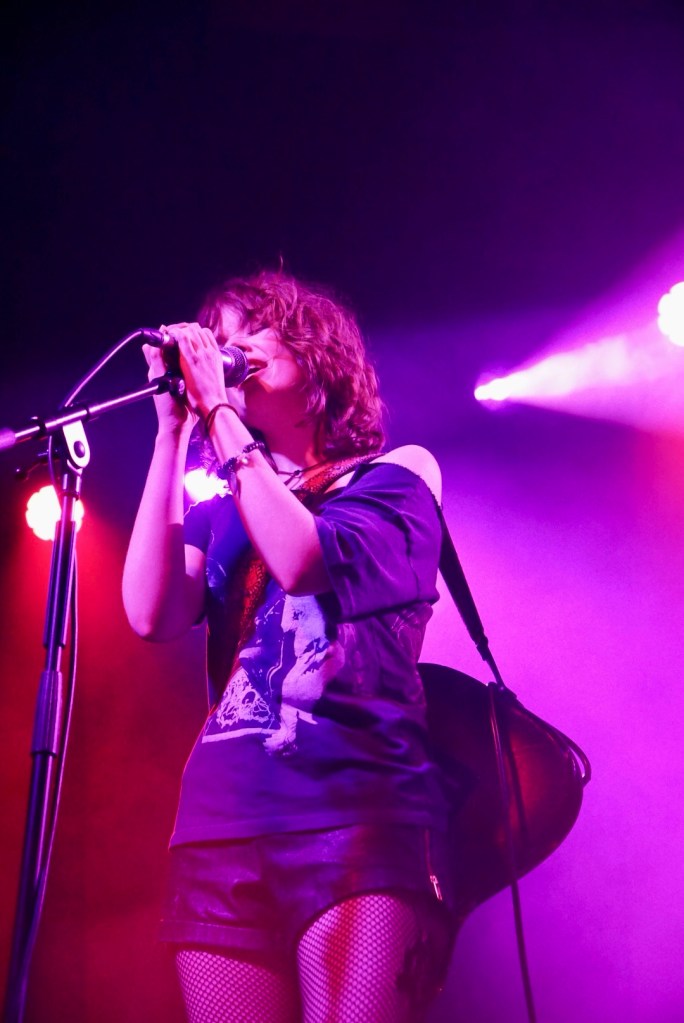
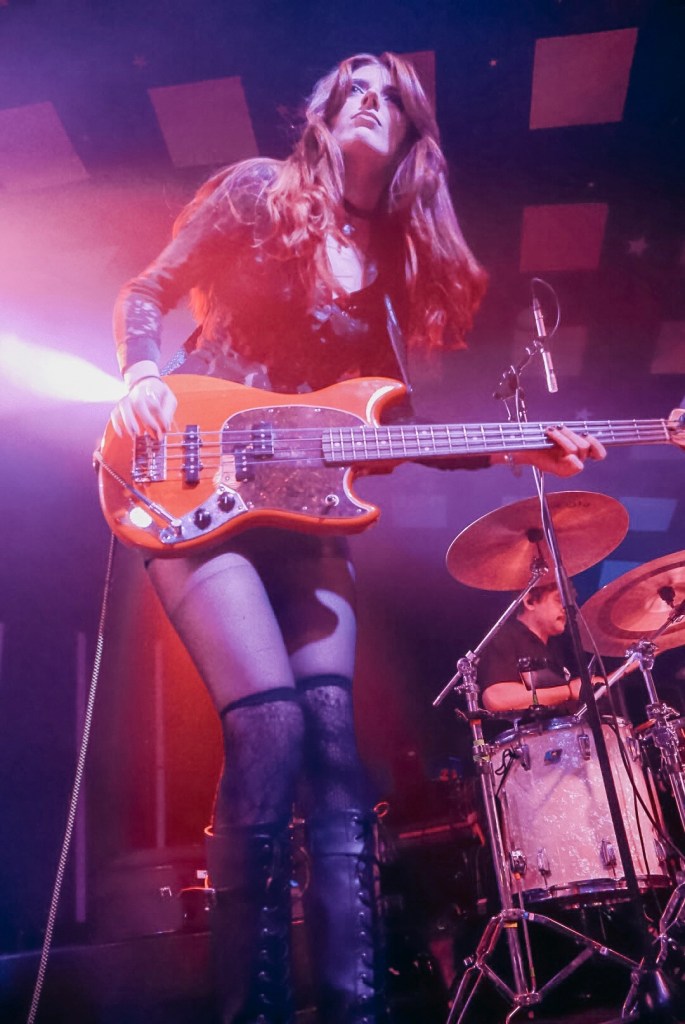
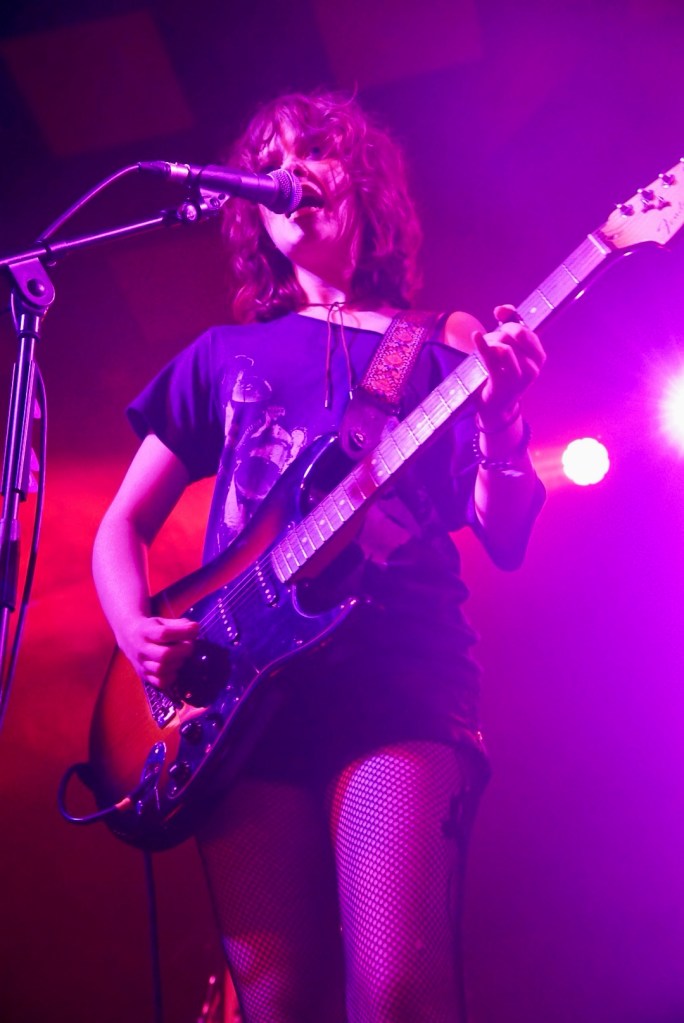
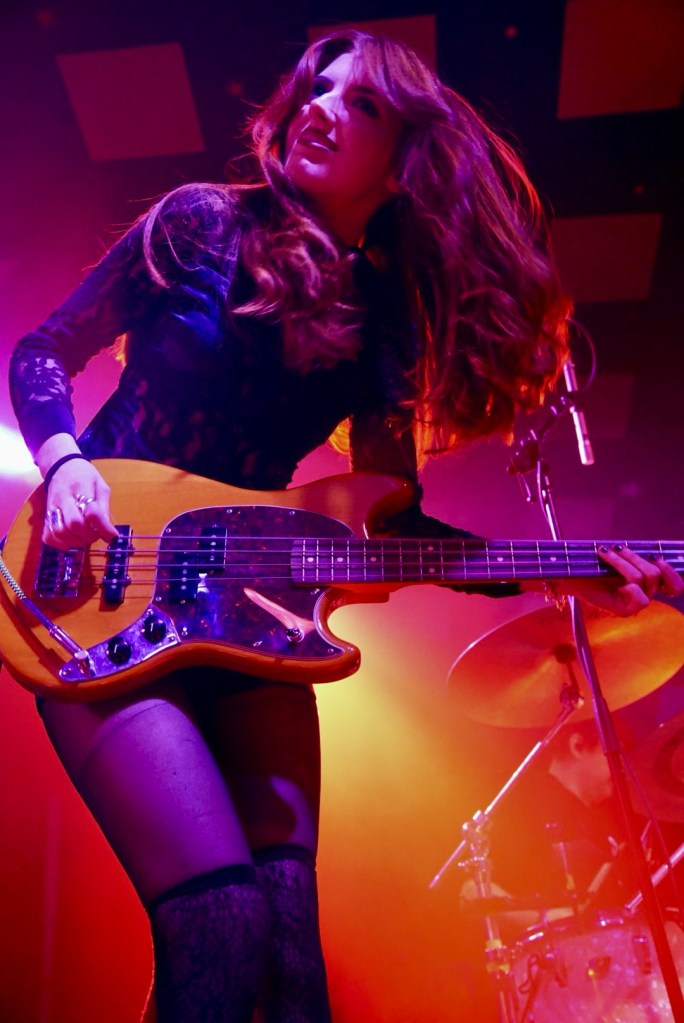
Founded in 2022, Die Spitz — Ava Schrobilgen (guitar/vocals), Ellie Livingston (guitar/vocals), Kate Halter (bass), and Chloe De St. Aubin (drums/vocals) — have made a name for themselves on pure, unfiltered volatility.
What started as childhood friends making a racket in Austin has mutated into one of the city’s most feral exports, their live shows defined by a weaponised wall of sound. Making noise together has evolved into one of Austin’s most vital live acts. Now firmly embedded in the city’s music scene, Die Spitz have pushed far beyond Texas state lines, joining national tours alongside kindred spirits such as Amyl and the Sniffers, Sleater-Kinney, and OFF!, proving their particular brand of volatility travels very well indeed.
At King Tut’s, that reputation arrived ahead of them like a storm warning. The sold out venue was packed to the rafters with notably, a few of the cities own finest musicians in attendance.
They opened without ceremony — straight into the jagged pulse of “I Hate When GIRLS Die” and “MonkeySong”— and suddenly the room felt two sizes too small. Sonically, they sit somewhere between the humid heft of Deftones and the serrated snarl of The Distillers, with flashes of Hole’s scorched-lip glamour and the confrontational stomp of modern punk’s brattier revivalists. But comparisons only get you so far; Die Spitz sound less like revivalists and more like they’ve mugged the past for parts and rebuilt it louder.
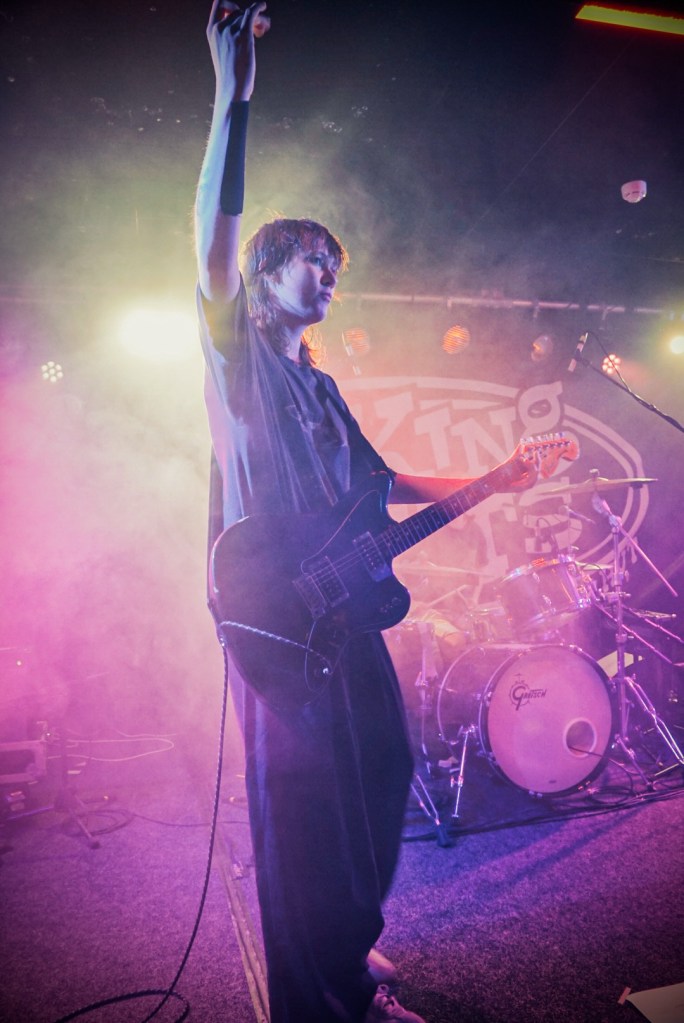
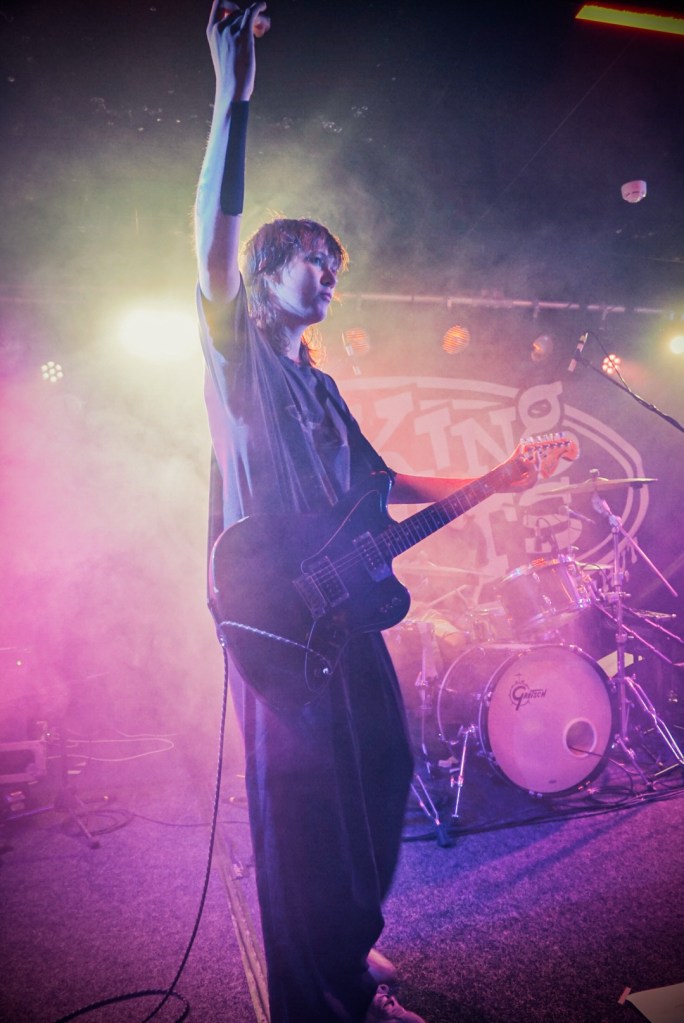
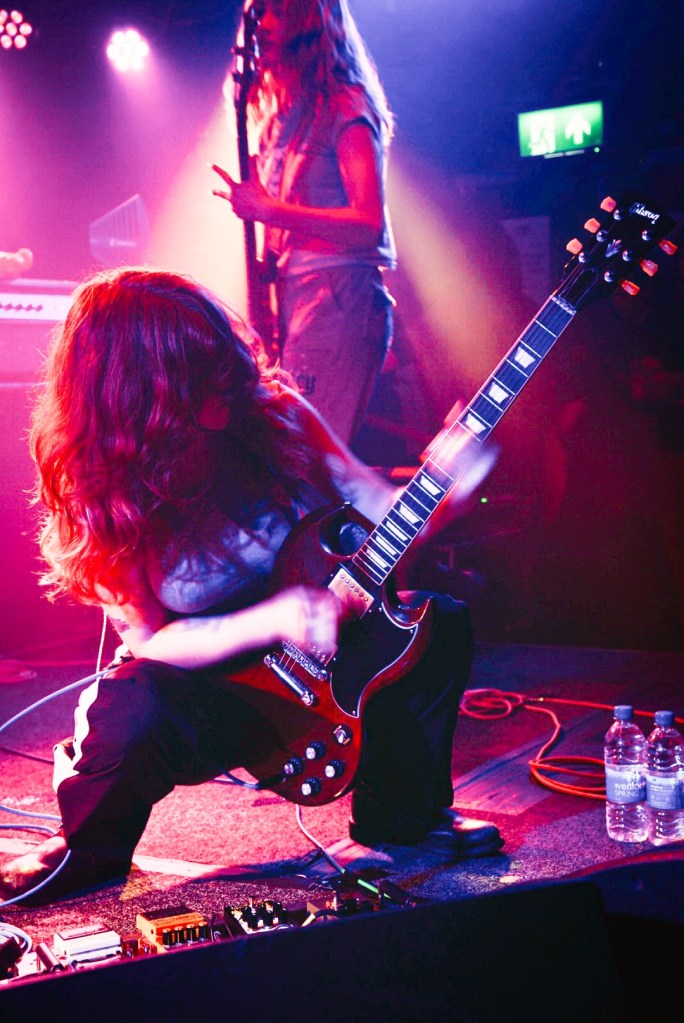
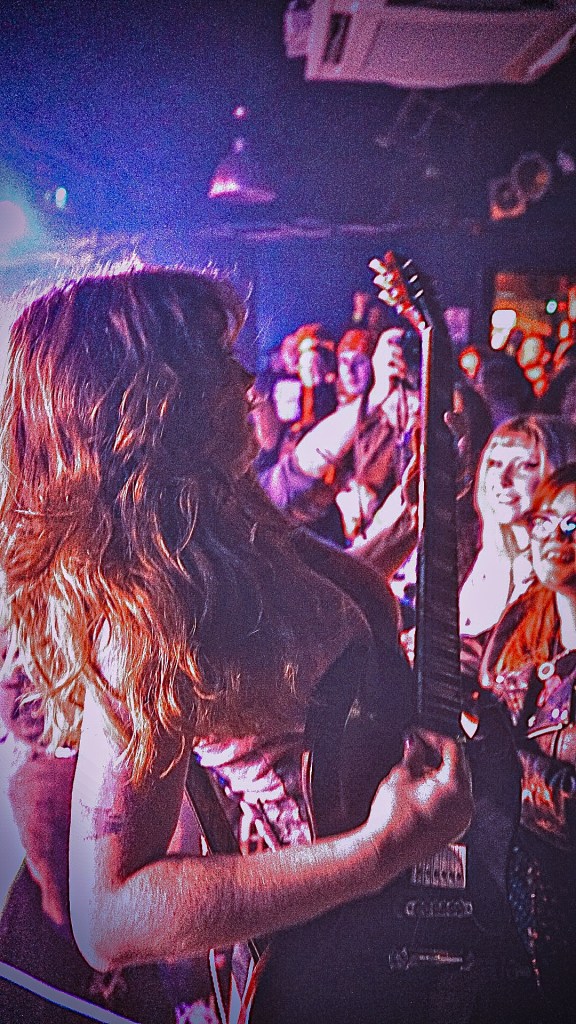
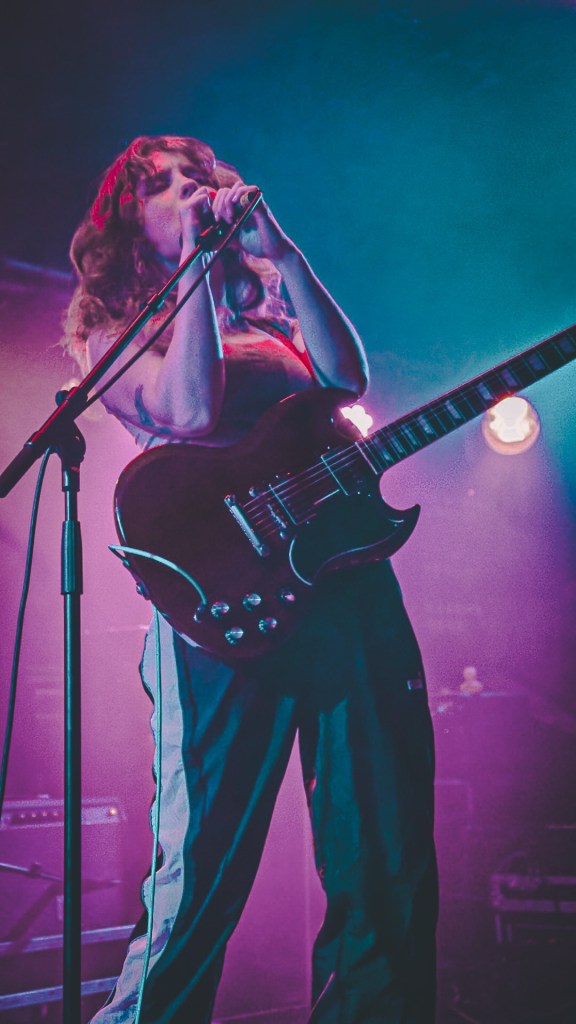
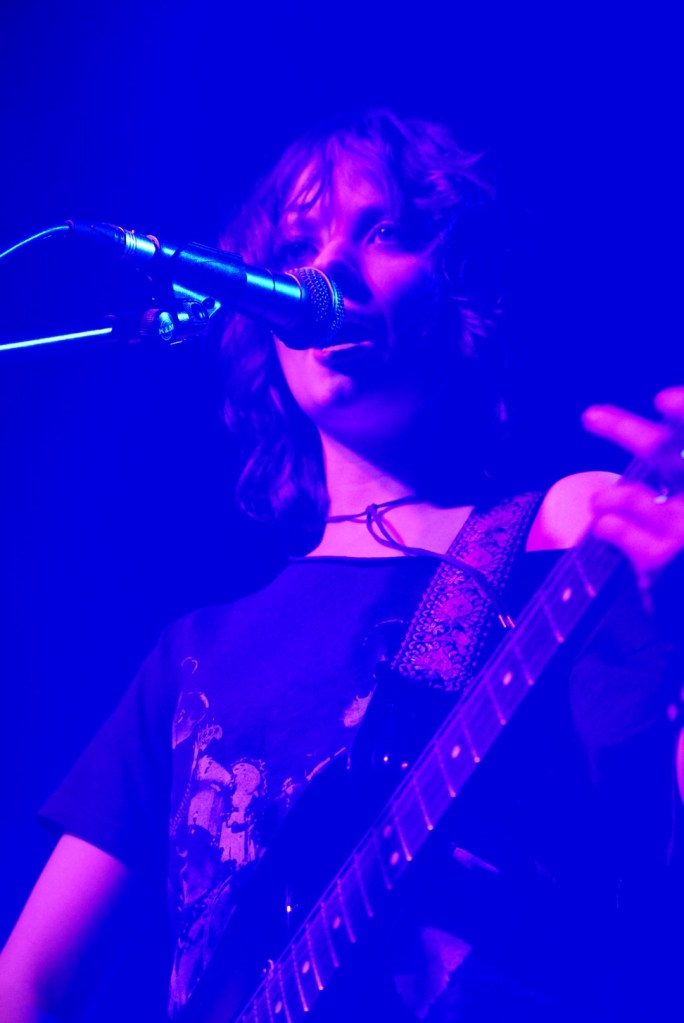
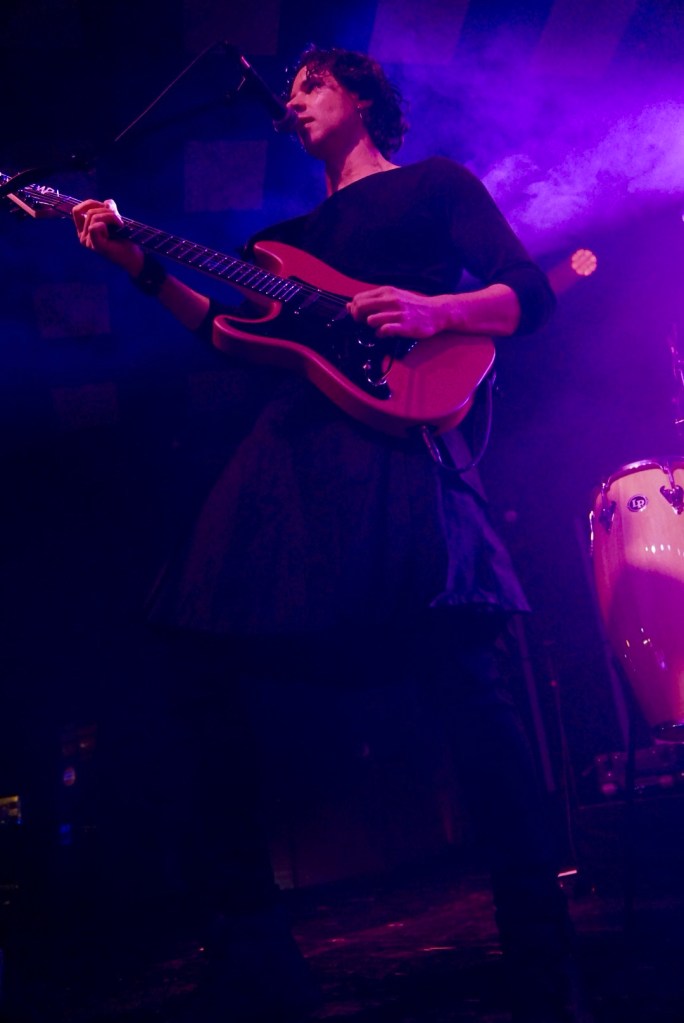
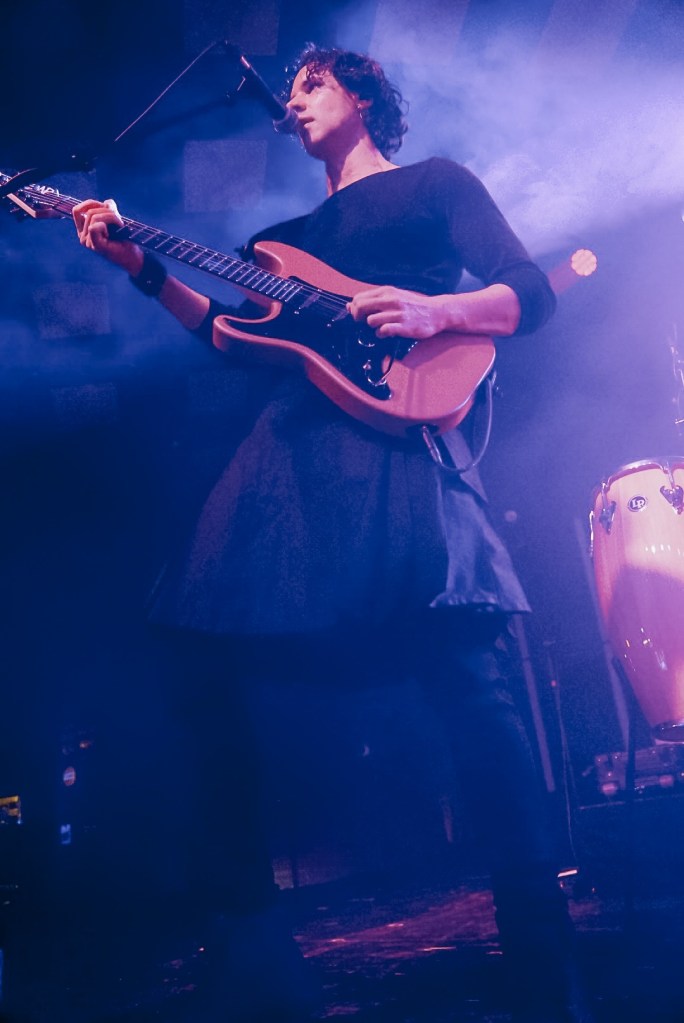
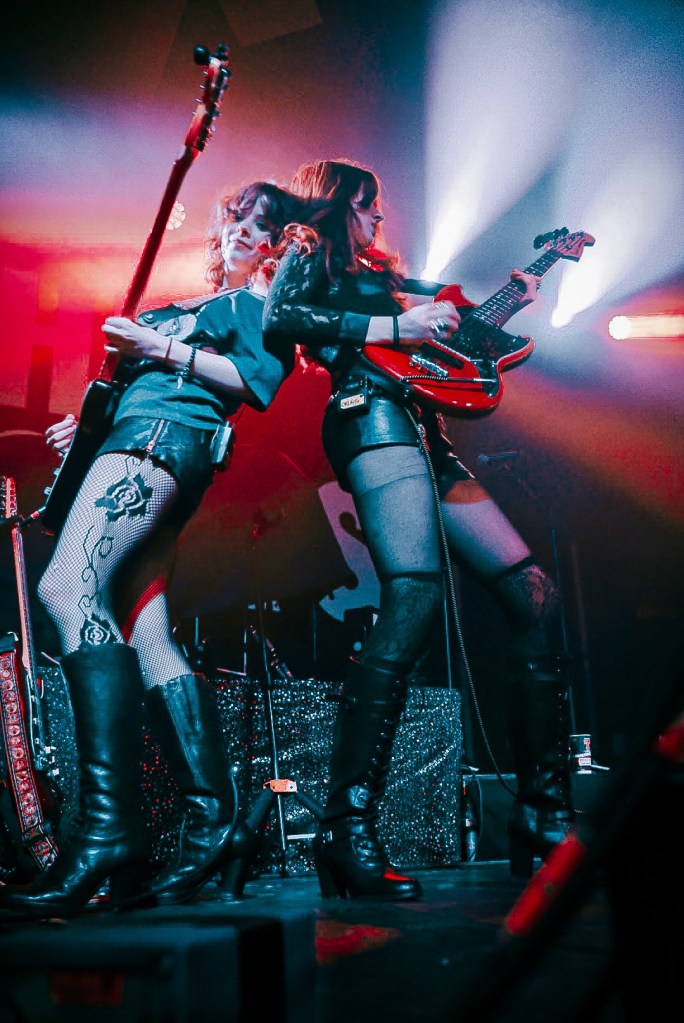
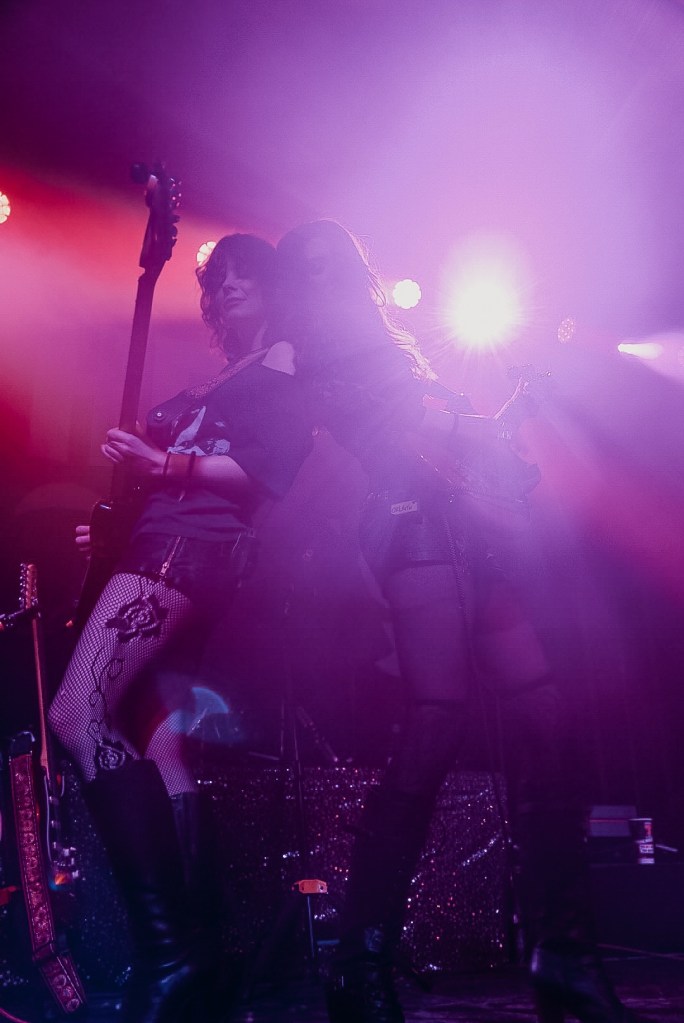
Up front, Ava Schrobilgen and Ellie Livingston share guitar and vocal duties like co-conspirators. Ava plays with a kind of controlled aggression — riffs that swing like a wrecking ball in comfy trainers — while Ellie’s guitar lines slice and shimmer, adding a wiry tension that keeps everything teetering deliciously on the brink. When their voices collide, it’s not harmony in the Sunday-best sense; it’s harmony like two sirens going off at once — urgent, thrilling, impossible to ignore.
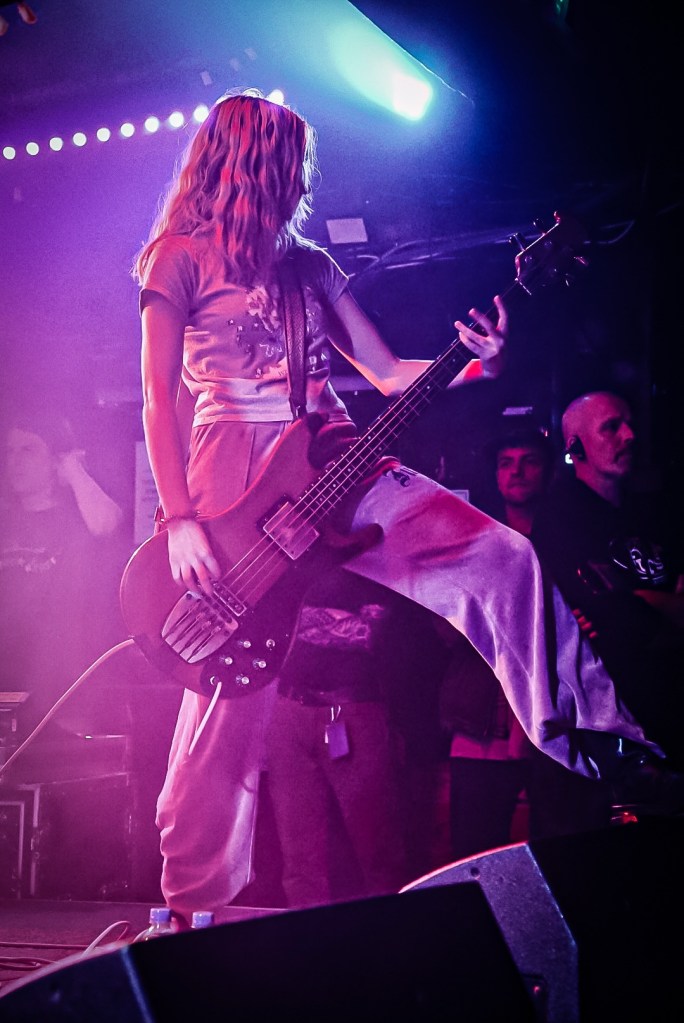
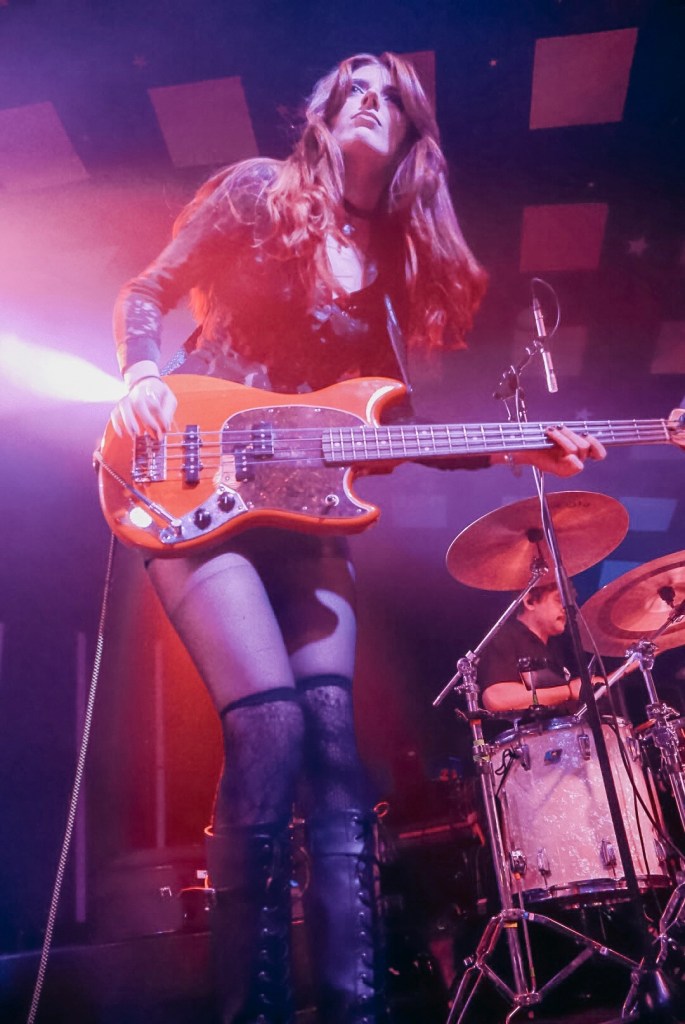
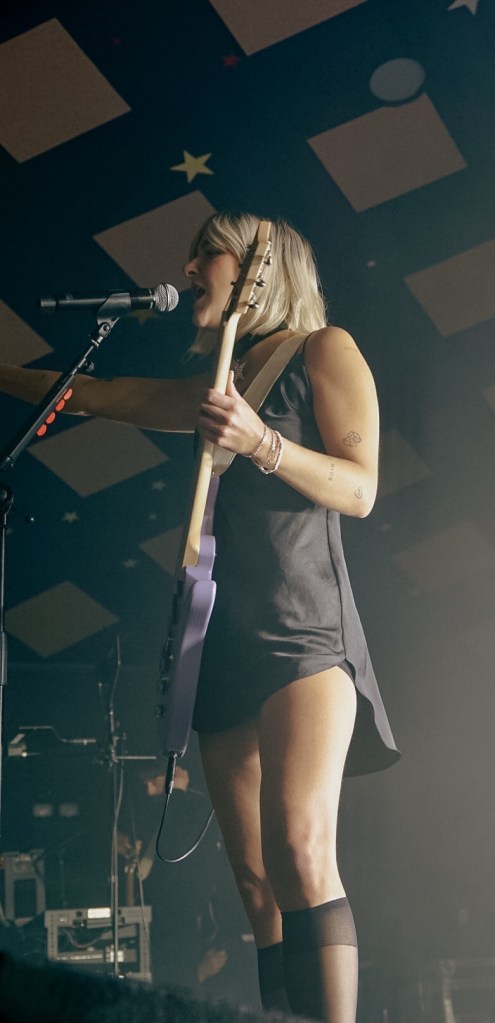
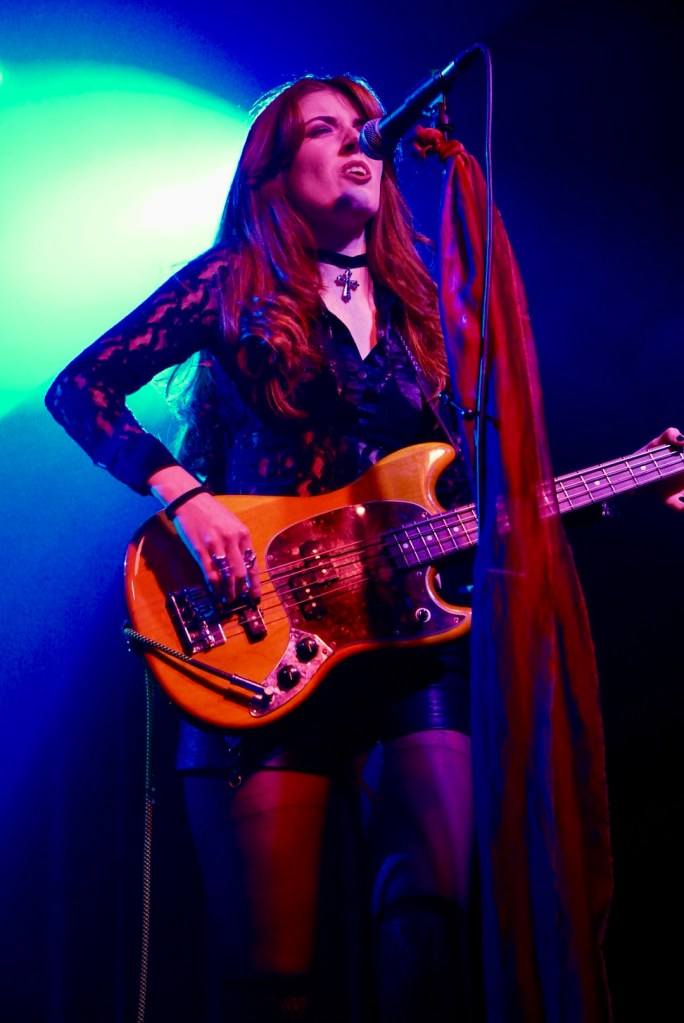
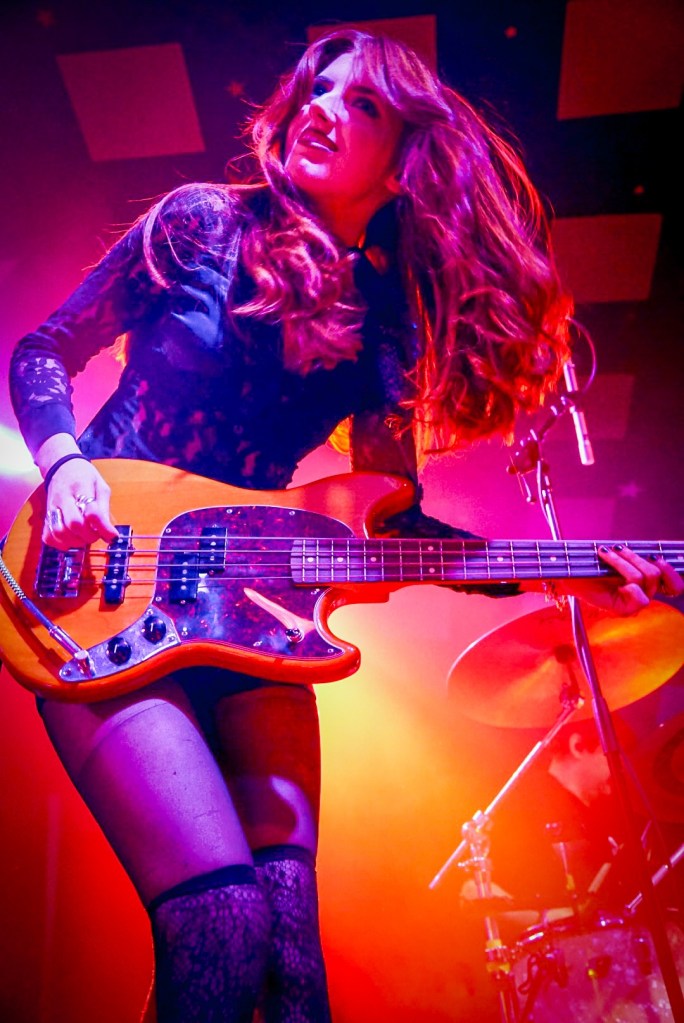
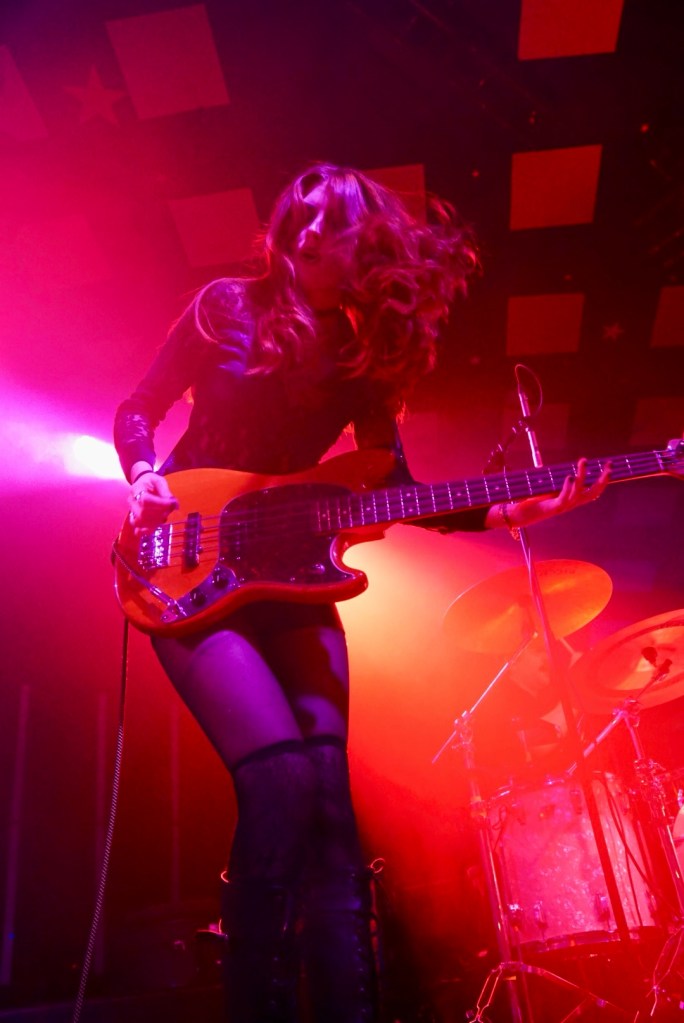
On bass, Kate Halter is the band’s gravitational pull. She doesn’t just hold down the low end; she stalks it. Her tone is thick, muscular, faintly menacing — the kind that vibrates up through your ribs and sets up camp there. If the guitars are the fire, Kate is the heat that lingers after.
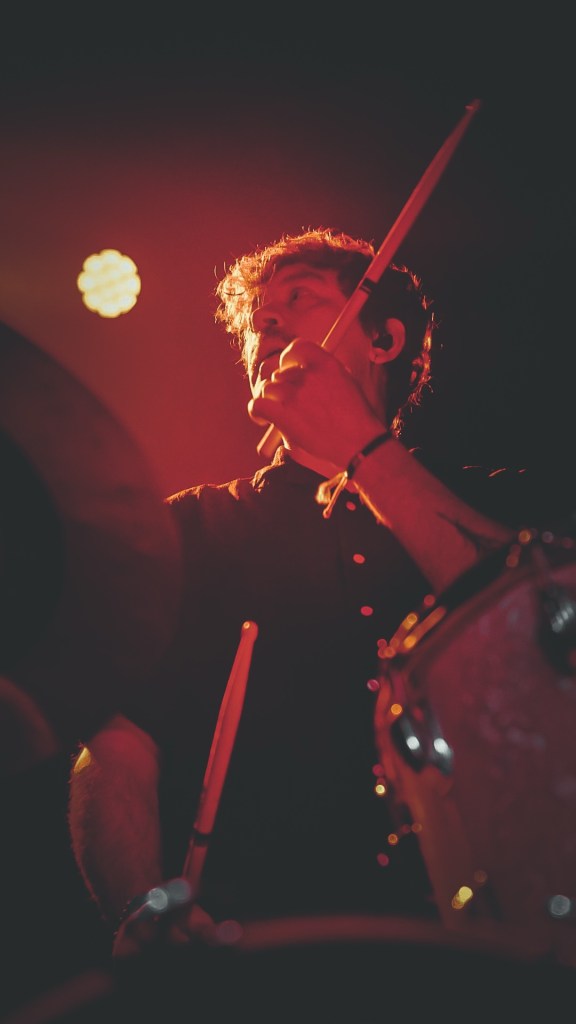
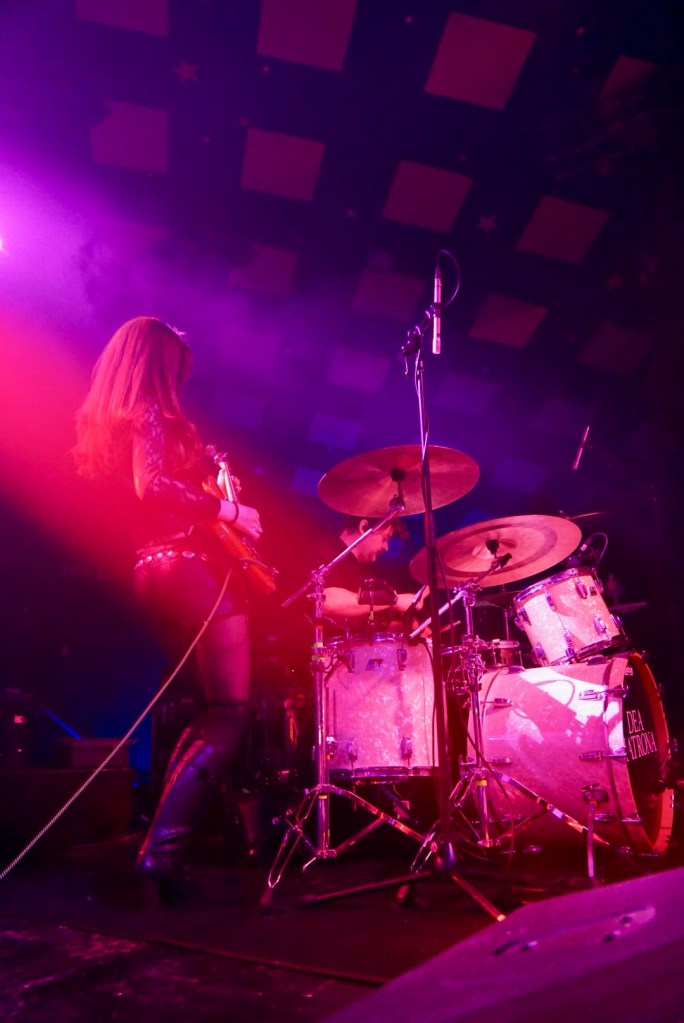
And then there’s Chloe De St. Aubin, part engine room, part instigator. From behind the kit she plays like she’s trying to outrun something — all pounding toms and snapping snare — but on the fifth track, “My Hot Piss,” she flipped the script entirely. Climbing out from the drums to take lead vocals, she left the kit momentarily in someone else’s hands and prowled the stage, voice raw and unvarnished. It wasn’t a gimmick; it was a gear change. The song took on a new, almost unhinged energy, as if the band had collectively decided to drive faster just to see what would happen.
Standout cuts came thick and fast. “American Porn” was all bile and brilliance, spat out with a grin that suggested both disgust and delight. “Down On It” swaggered with a loose-hipped confidence, while “Punishers” coiled and snapped, its dynamics stretching and recoiling like a muscle about to punch. Mid-set, a growled aside — “Fuck ICE, this shit is real, our people are being taken” — sliced through the distortion, a reminder that beneath the chaos there’s conviction. And that conviction is spreading solidarity – better we stand united. It’s a sentiment that is met with rapturous applause from the Glaswegian crowd.
By the time they barrelled into “Pop Punk Anthem,” baiting the crowd with a sarcastic “I wanna hear you shout ‘woop, woop!’”, the audience had surrendered happily. It was pop punk put through a shredder — hooks intact, edges sharpened. Think the punch of Amyl and the Sniffers with the bruised melodicism of Japanese Voyeur, all delivered with the communal snarl of a band that actually like each other enough to share the mic — and the mayhem.
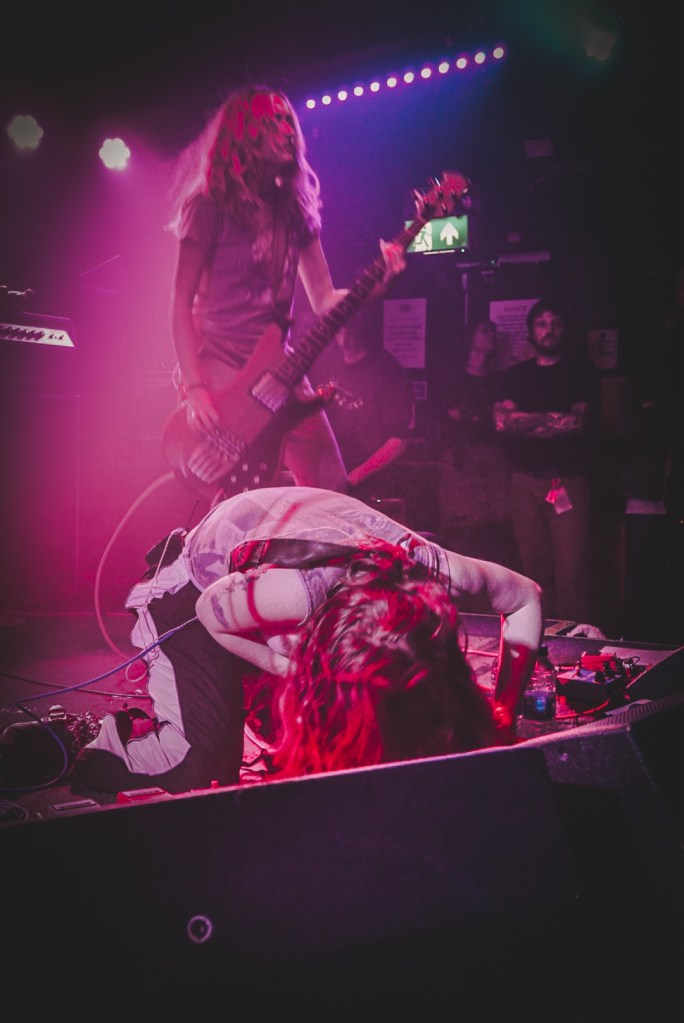
The encore kicked off with “Hair of the Dog,” and the crowd erupted as the Ava stormed back onto the stage—this time dramatically crab-crawling across the floor, grinning wildly as the band launched into the riff. Part performance art, part house-party meltdown. It felt less like a gig’s tidy conclusion and more like the night had simply boiled over. It was chaotic, theatrical, and completely on brand.
They closed the night with their breakout lead single, “Through Yourself to the Sword,” from their debut album Something to Consume—a powerful finale that had the entire venue singing along, ending the show on a triumphant, unforgettable high.
In an era where too much guitar music feels algorithm-approved and emotionally focus-grouped, Die Spitz are thrillingly unhousebroken. Raised on the righteous noise of their forebears but unwilling to be museum pieces, they play like they’ve got something to prove — or maybe just something to purge.
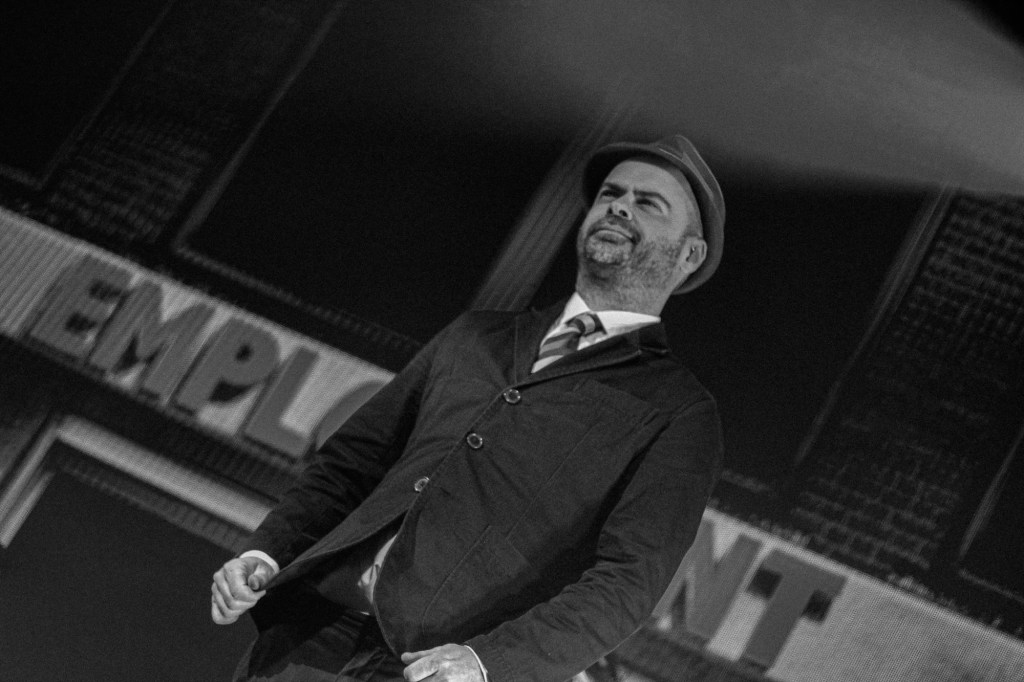
From the moment I entered the BarrowlandBallroom, it was clear that Kaiser Chiefs are completely unafraid of making fun of themselves. The merch stand was stocked with slightly self-deprecating and hilarious Jurassic Park-themed T-shirts, and the band were introduced on stage by a similarly themed speech thanking cloning technology for bringing their debut album Employment back to life — the very album they’re playing track by track on this tour.
Perhaps it’s easier to poke fun at your age when it’s really a celebration of a long-standing career. After more than 20 years in the business, if you can still sell out tours with ease, give loyal fans a rocking night out, and maintain high energy while playing an entire LP plus additional tracks, comparing yourself to a “dinosaur” doesn’t sound so bad. If you age well, ageing isn’t bad at all.
The band are riding the wave of anniversary tours, where long-standing acts joyfully celebrate the records that made them famous. Similarly, The Vaccines are bringing What Did You Expect from The Vaccines? back to the stage later this month. The protagonist of this tour is Employment, the LP that introduced Kaiser Chiefs to the world — and to the charts — and gave us some of their most iconic tracks: “Everyday I Love You Less and Less”, “Modern Way” and “I Predict a Riot”. There is something extraordinary about watching a band be celebrated by their most loyal fans, who sing along to these songs with the same passion they had when they were first released.
But don’t get me wrong — the crowd was incredibly diverse in age, proving that quality music truly transcends generations. This was my second time seeing Kaiser Chiefs live, after accidentally crossing paths with them at a festival in Belgium. Once again, they brought electrifying energy and pure fun to a night out.
I first came across LA LOM while scrolling on Instagram. They stood out from the usual digital noise; the nostalgic sound and warm vintage aesthetic of their videos felt like I had discovered snippets from a lost Technicolor film. When I saw they were making their Glasgow debut at The Art School, I knew I had to be there.
So, on Wednesday 18th February 2026, the LA-based trio arrived for the final show of their “Euro Winter Tour” to deliver their signature blend of Mexican boleros and Peruvian chicha.
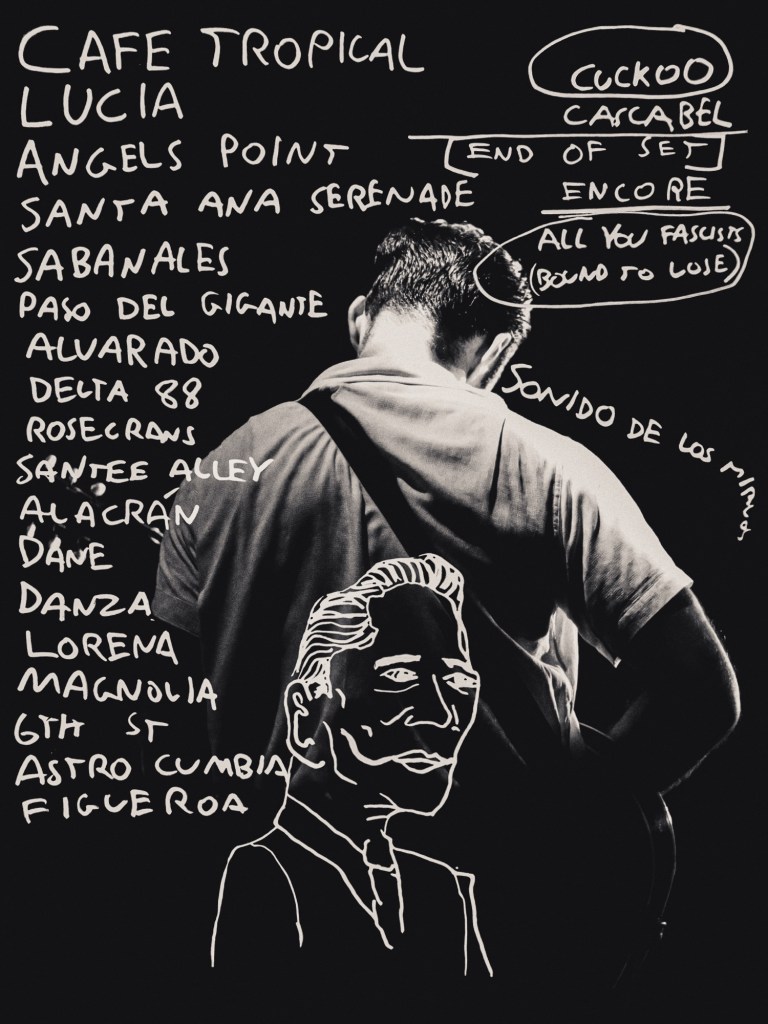
The set kicked off with the upbeat “Café Tropical”, instantly setting the tone for the night. From there, they slid straight into the hypnotic rhythms of “Lucia”, and then on to the surfy twang of “Angels Point”. Three tunes in and the Glasgow crowd were fully on board as the band moved through more of their Latin-inspired back catalogue, with “Alvarado”, “Alacrán” and “Figueroa” among the favourites.
It’s worth mentioning that there has been a notable surge in the popularity of instrumental bands lately, with groups like Khruangbin and Glass Beams carving out a space for music that doesn’t need words to connect with people. LA LOM have quickly proven they belong in the same bracket, offering that same transportive quality that makes this instrumental revival feel so fresh to modern audiences.
Musically, the night was a total masterclass. Zac Sokolow’s guitar work is top-tier, navigating the fretboard with ease and effortlessly moving between surf-rock riffs and cumbia rhythms. He’s backed up by Jake Faulkner on bass and Nicholas Baker on drums and percussion, who provide a steady yet energetic rhythm section that keeps the whole thing together.
The night reached its peak when the support act, Sam Shackleton, stepped back on to the stage to join the trio for a two-song cameo.
Now a fusion of Scottish folk and Latin grooves, the four musicians performed the traditional folk song “Cuckoo”. However, it was their second song — a rendition of American folk legend Woody Guthrie’s “All You Fascists (Bound to Lose)” — where the room’s energy noticeably shifted.
The defiant lyrics, sung over LA LOM’s Latin rhythms, made Guthrie’s song feel more relevant than ever in these turbulent times. There was a palpable sense of solidarity as the song ended to raucous applause — proof that music is a universal language that can bridge cultures and transcend borders.
If you ever get the chance to see them, don’t miss out; whether you’re a fan of Latin-inspired music or surf guitar tones, their live show is something you need to experience to truly understand the hype.
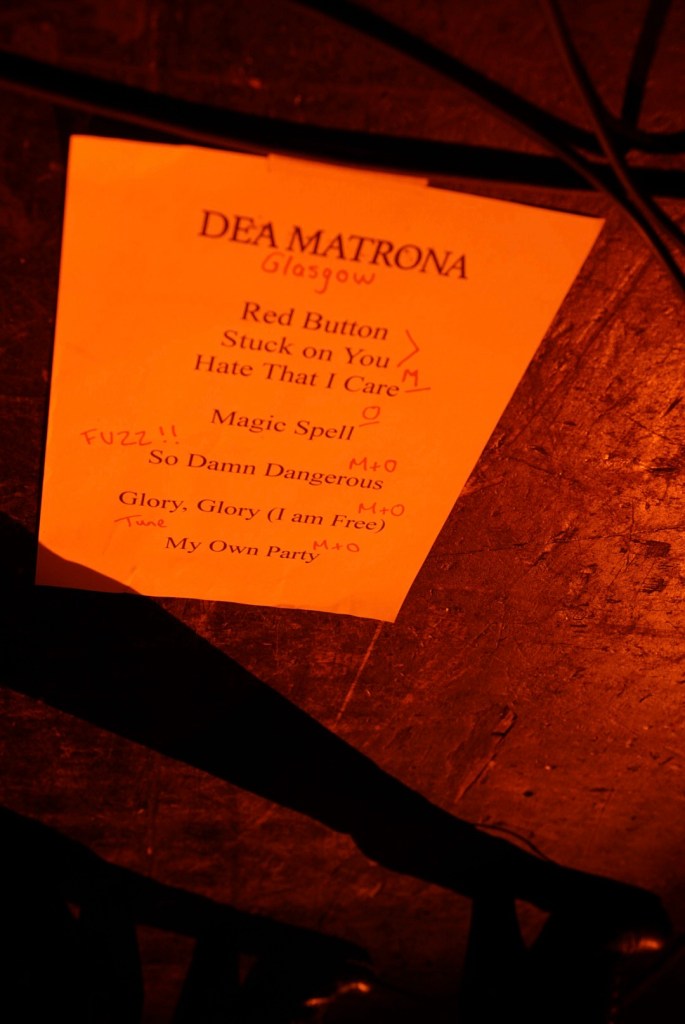
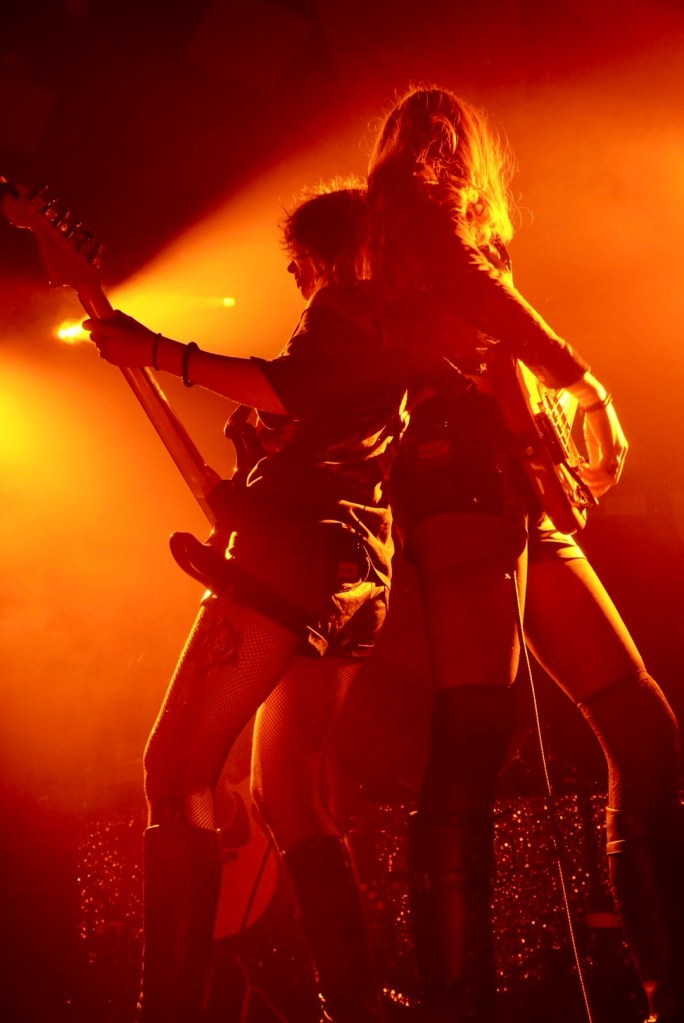
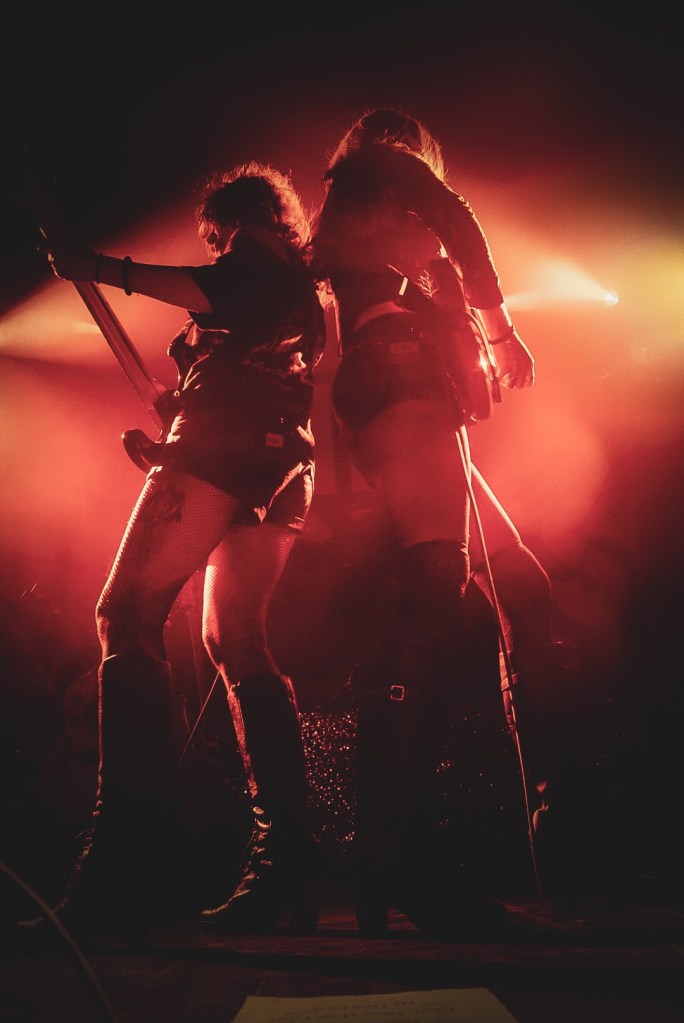
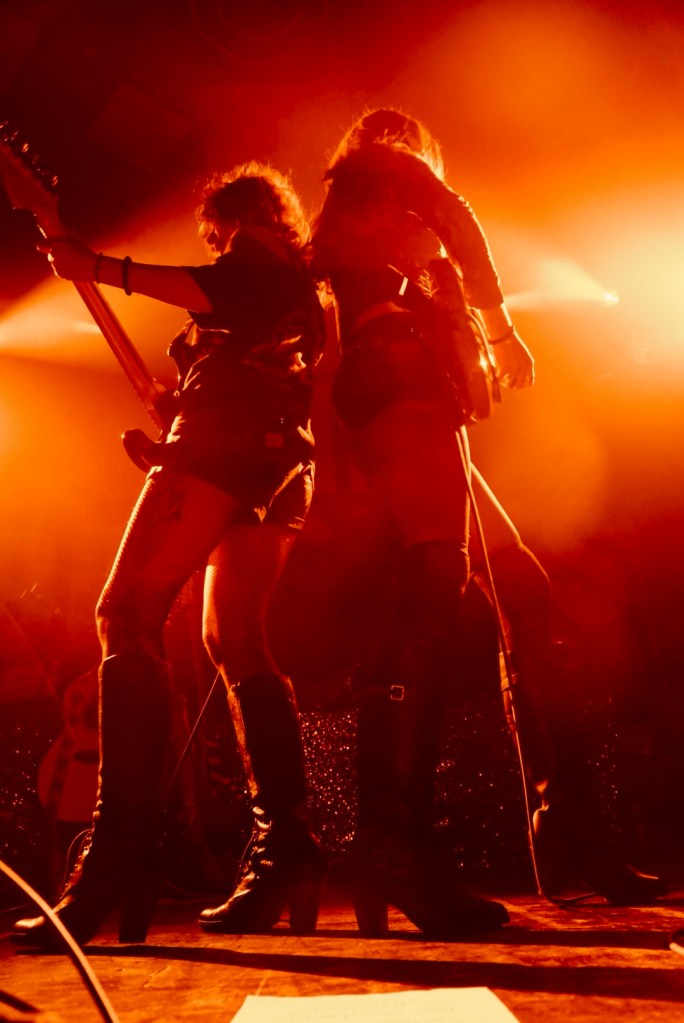
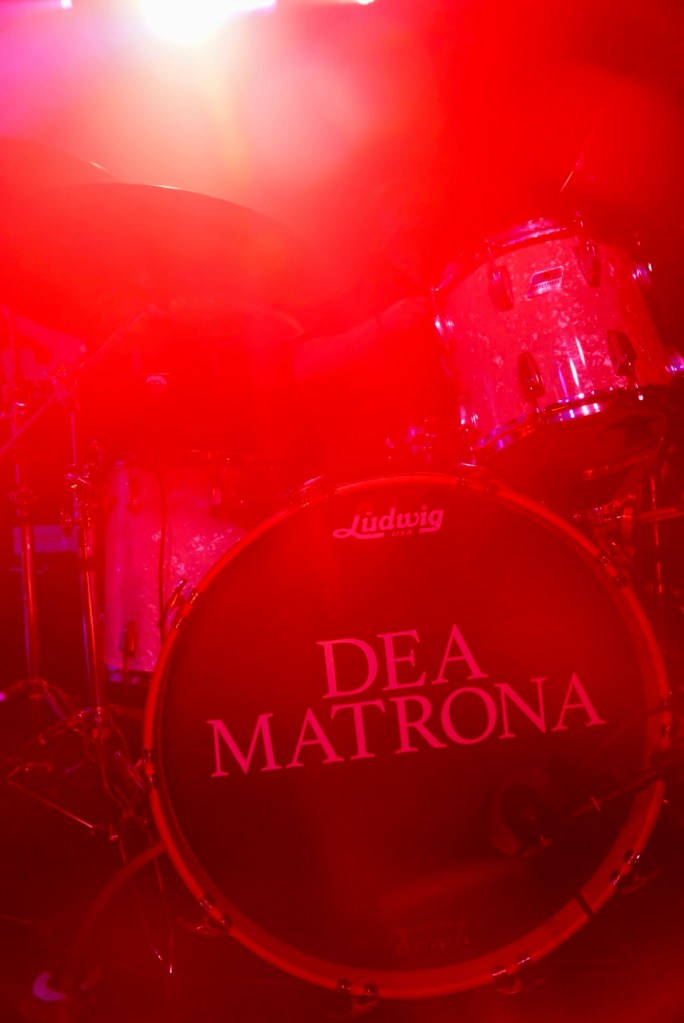
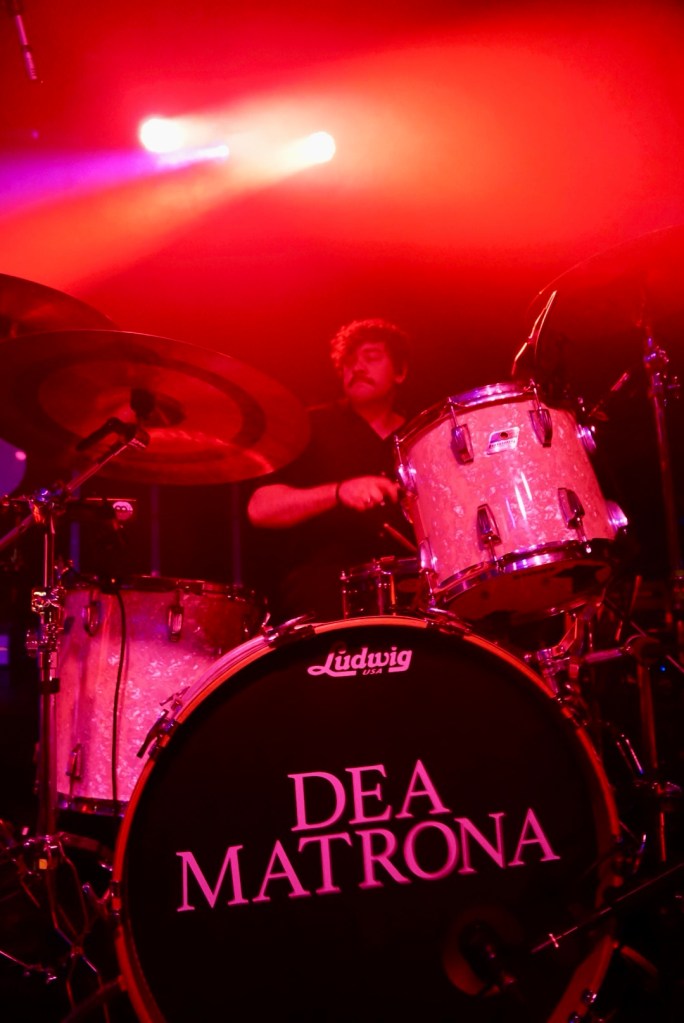
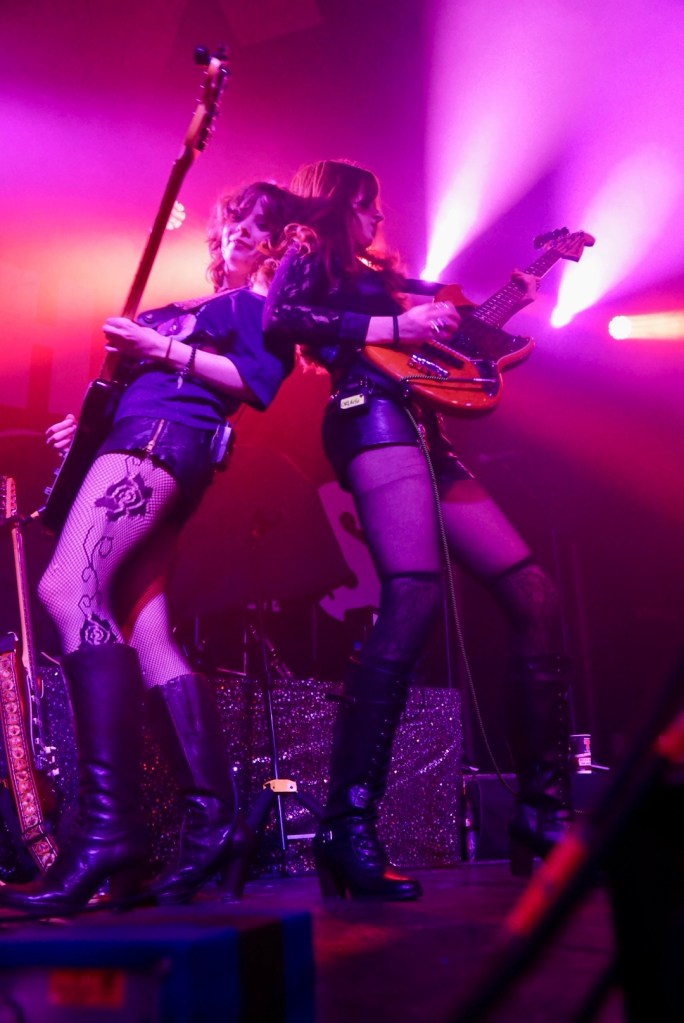
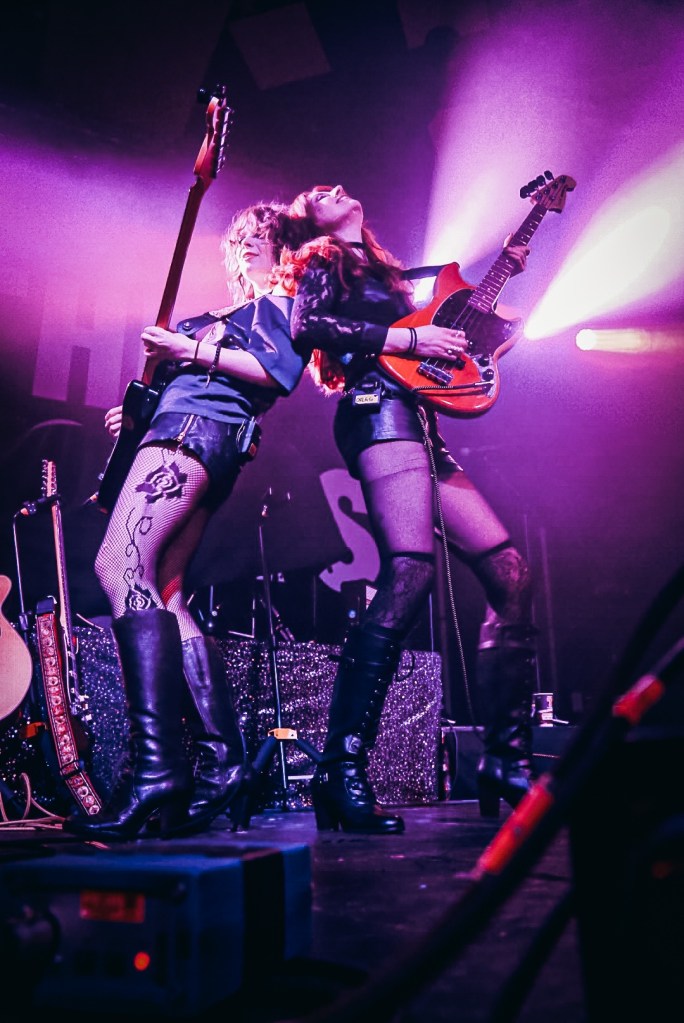
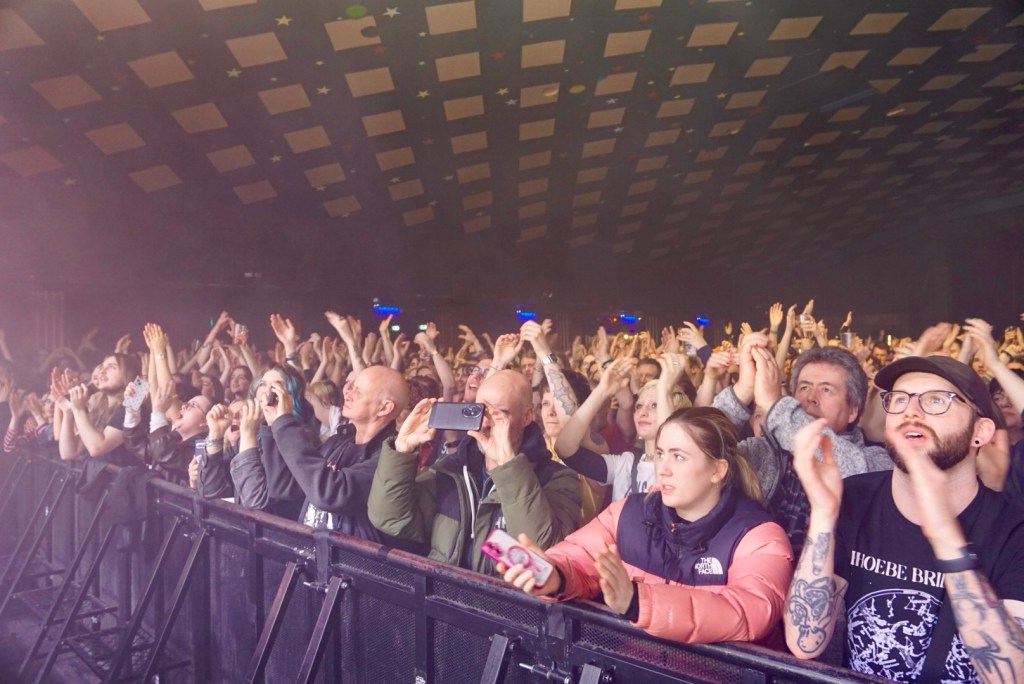
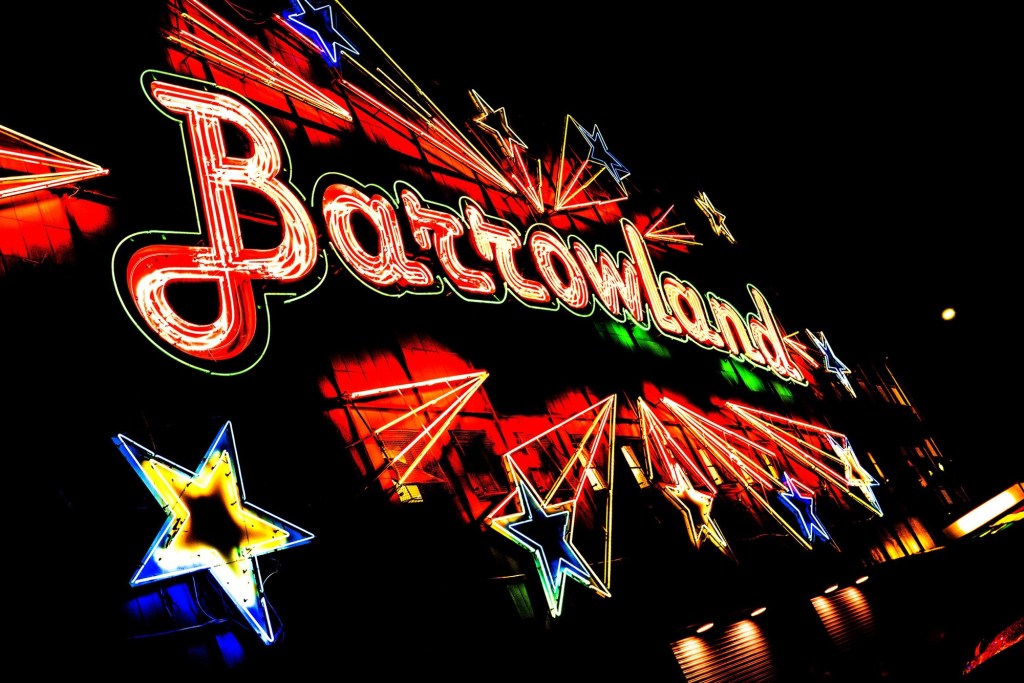
Before Toronto’s heartbreak Olympians took to the stage, Ireland’s own Dea Matrona primed the room with a set that felt like a shot of Bushmills chased with a Marshall stack. The Belfast band deal in riffs you could hang a coat on — thick, bluesy, gloriously retro without ever slipping into cosplay. Their harmonies have that familial tightness money can’t buy, and their guitars snarl and shimmer in equal measure. If The Beaches are the glittering afterparty, Dea Matrona are the smoky bar beforehand: all grit under the nails and choruses built for battered Converse and bad decisions. By the time they left the stage, the Barrowland was properly warmed — engines revved, pints sunk, hearts primed for demolition.
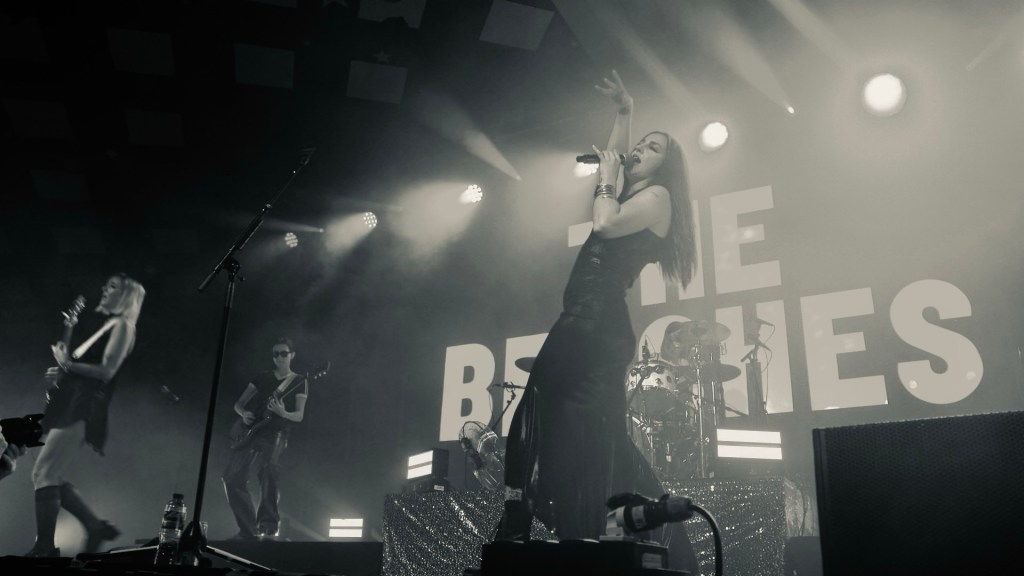
There are bands who play gigs and there are bands who stage emotional coups. The Beaches do the latter. Glasgow’s beloved holy ground, the Barrowland Ballroom, has seen saints, sinners and the second coming of several messiahs, but tonight it gets four Toronto women turning pop into both a weapon and a warm hug.
The Beaches have a thing for Scotland — former lovers, tales of T in the Park, Tennents, tattoos and the odd Highland Coo stuffed animal along for the ride, glimpsed through the hangover haze of a day off. It’s mutual. From the off, this is less gig, more group therapy with better lighting.
They open, fittingly, with “Last Girls at the Party” — less a song, more a manifesto. It struts in on a riff that feels like the sonic equivalent of reapplying mascara in the toilets and deciding, actually, you’re staying out. Glasgow obliges instantly. This is the sound of “girl dinner” in action: chaotic, communal, faintly feral.
Without pausing for breath, they slide into “Touch Myself” — bratty, bold, played with a wink rather than a nudge — before “Me & Me” sharpens the mood. The latter lands like a mirror held uncomfortably close: self-sabotage dressed up as a singalong. Already, you can tell this band understand dynamics the way master chefs understand salt. Too little and it’s bland. Too much and it’s inedible. The Beaches season perfectly.
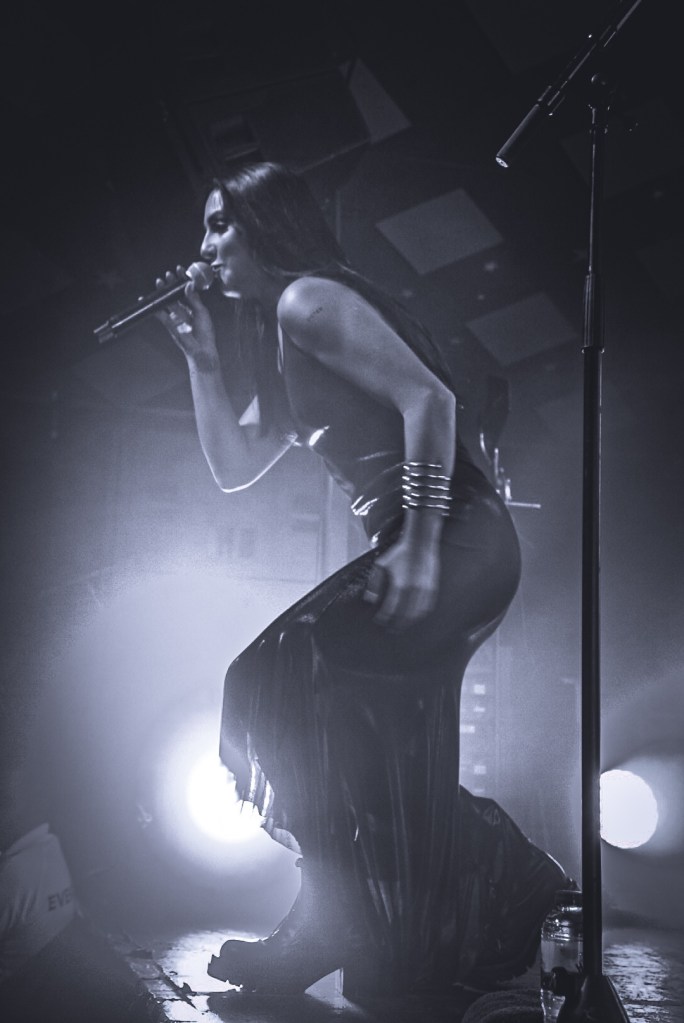
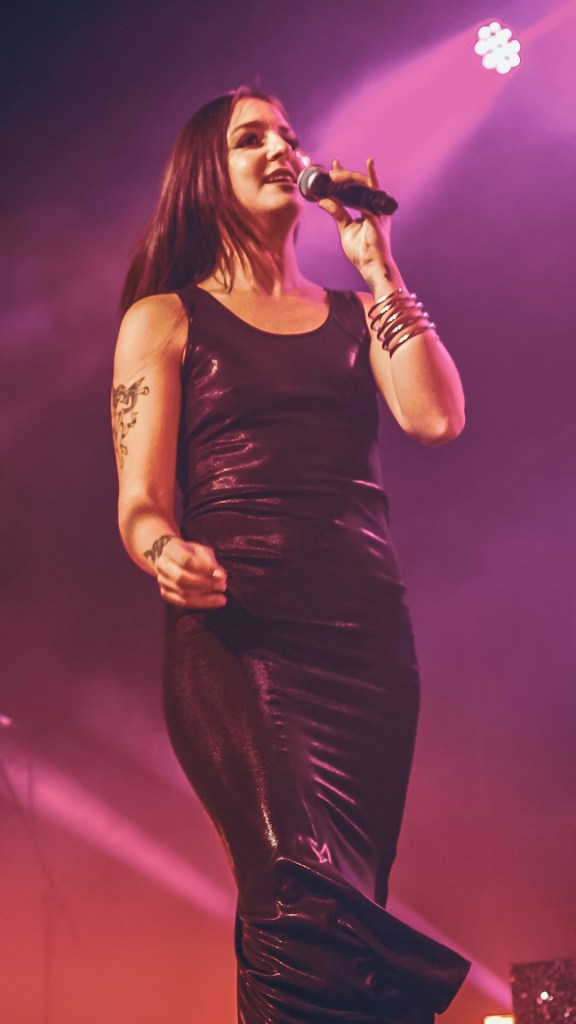
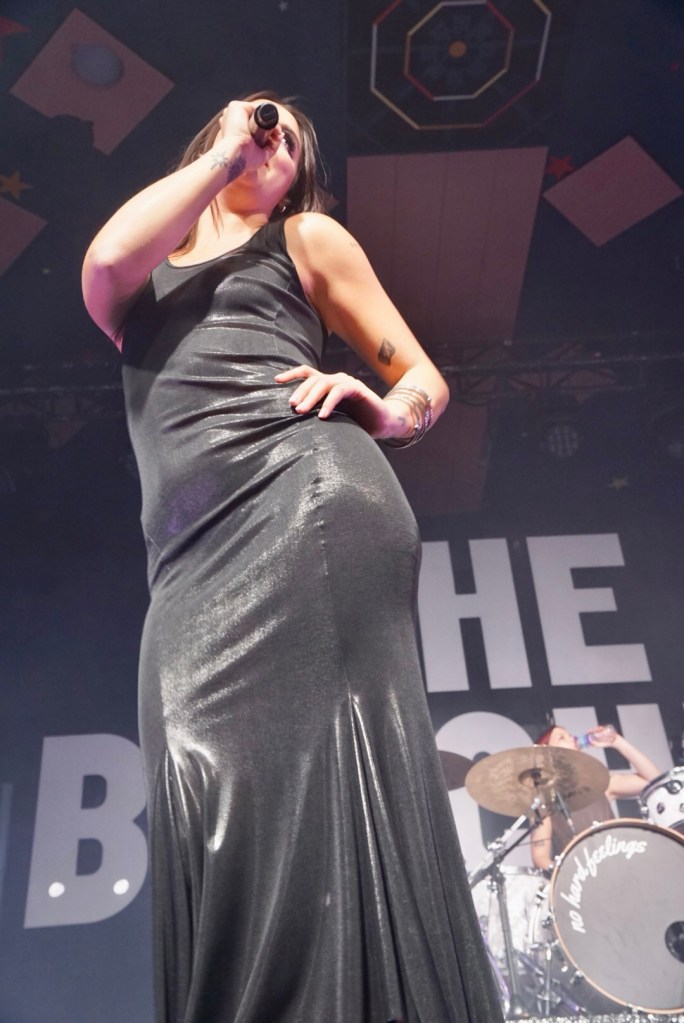
At the centre is Jordan Miller (vocals/bass), roaming the stage like a gloriously wild banshee in a swampy black dress. She twirls so ferociously it’s a wonder she doesn’t career directly into the pit — but that brinkmanship is the point. Miller sings like she’s clawing back something owed, her voice equal parts sugar and switchblade.
Her sister Kylie Miller (lead guitar) brings the bite — she may look like a cherubic indie pixie but she plays as if she’s been touring since the 70’s.
Leandra Earl (keys/guitar) is all sharp lines and ice-cool poise, at one point resembling Trinity from The Matrix with better hooks, she adds shimmer and sheen, her synths turning songs into neon confessionals, while Eliza Enman-McDaniel (drums) hits like she’s settling scores for every woman who’s ever been told to calm down.
Mid-set comes the emotional sucker punch: a cover of “Silver Springs” by Fleetwood Mac. Introduced with a nod to a BBC session and a breakup that required serious Stevie-level witchcraft to survive, it’s less homage, more possession. Jordan doesn’t so much sing it as launch it skyward. When she spits the final refrain, you can practically see spectral exes evaporating in the stage lights. Somewhere, the ghost of Laurel Canyon nods approvingly.
Later, “Everything Is Boring” turns ennui into ecstasy — proof that apathy, when set to the right hook, becomes transcendence. And then the run-in begins.
“Edge of the Earth” arrives like open-road cinema: wide, yearning, built for arms-aloft communion. “Takes One to Know One” follows, its self-awareness worn like a badge of honour rather than a scarlet letter. Then comes “Blame Brett” — a pop grenade lobbed with a grin. Half a bottle of wine, one traumatising ex and an entire ballroom ready to chant his name like a pantomime villain. It is petty. It is perfect.
For the encore, they deliver the glittering kiss-off “I Wore You Better”, before closing on “Sorry for Your Loss” — dedicated with a sly, sympathetic nod: “Glasgow, will you do us one last honour and sing with us?” The Barrowland obliges, a real-life lighter held aloft, voices colliding in a chorus that feels half wake, half rebirth.
And just when you think it’s over, they reprise “Last Girls at the Party” — bringing the whole thing full circle. Because that’s the trick The Beaches pull off so effortlessly: they make chaos feel choreographed, heartbreak feel athletic, pop feel like a political act.
Bangles meets Breeders. Stevie Nicks with a group chat. Shower beers with stadium-sized hooks.
In lesser hands, it would be messy. In theirs, it’s magnificent.
There is a discernible quality to Of Monsters and Men, one they have in common with most – if not all – artists coming out of Iceland. From the first notes of Television Love, their music immediately evokes a place, an aesthetic, an image so specific to both hardcore fans and casual listeners alike. It feels as if their music belongs to open, wide landscapes, even if the best we could offer them was a stage at the O2 Academy in Glasgow. If not as impressive and iconic as the Barrowlands, this venue still preserves some of its original Art Deco beauty.
It was with Television Love that they chose to open this date of The Mouse Parade tour, immediately followed by Dream Team, both from their latest indie-folk release All Is Love and Pain in the Mouse Parade. A long time coming since their previous album, Fever Dream, which was released in 2019, this return was eagerly awaited by their fans, who sold out this and multiple other dates.
This album once again offers introspective lyrics, sonic exploration, and a wide variety of themes such as love, loss, loneliness, and pain. The haunting lyrics are masterfully interpreted live by vocalists Nanna Bryndís Hilmarsdóttir and Ragnar Þórhallsson, who are accompanied by equally mesmerising musicians. The stage itself was simple and soft, illuminated with white, pink, and blue lights (reminiscent of dawn in Iceland, as per my brief encounter with the country). The natural lighting enhanced the visuals of their stripped-down and understated performance. It was only the band and their instruments on stage — no machinations or other special effects. An experience as pleasant as it was enchanting, it gave the audience full access to the line-up: the drummer, Arnar Rósenkranz Hilmarsson, was positioned at the side of the stage rather than hidden behind shadows or smoke machines, as most drummers are. It was something that reminded me of seeing sections of a human body, like looking inside a machine to see how it works.
However, the band did not forget to honour their previous releases during their St Valentine’s Day gig, offering a collection of older and newer tunes: King and Lionheart and possibly their most famous song, Little Talks, both from My Head Is an Animal, the album that launched them to international success back in 2011.
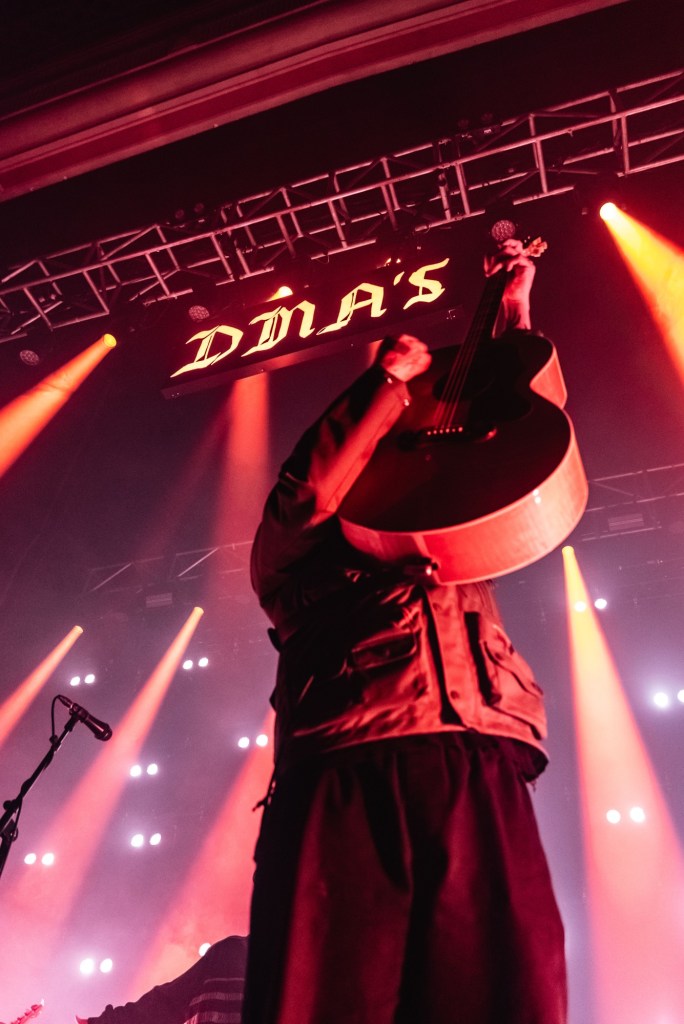
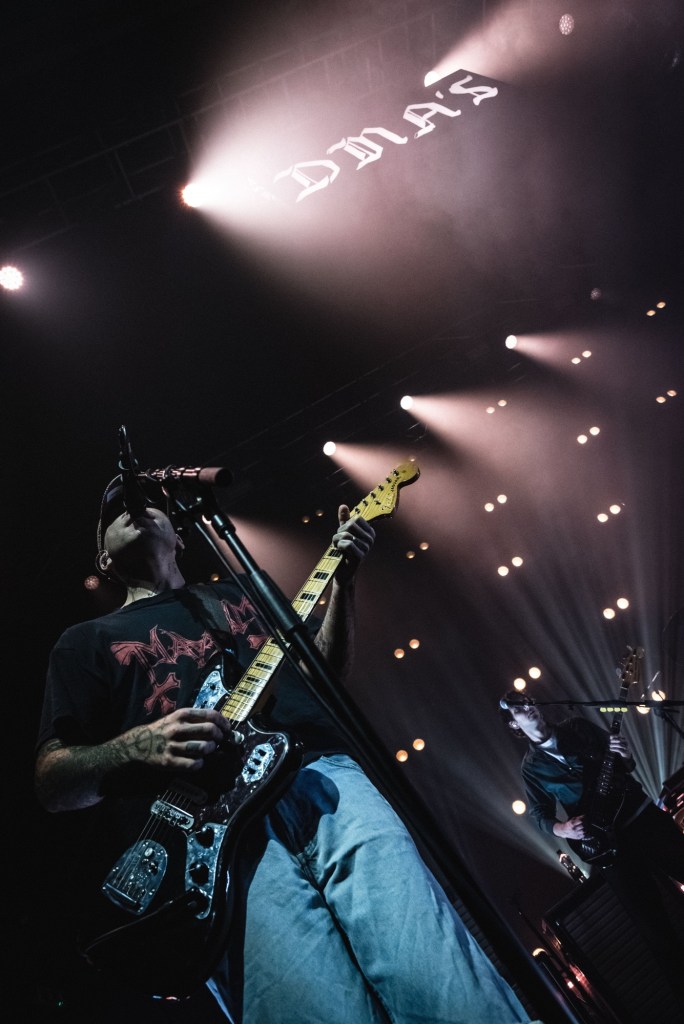
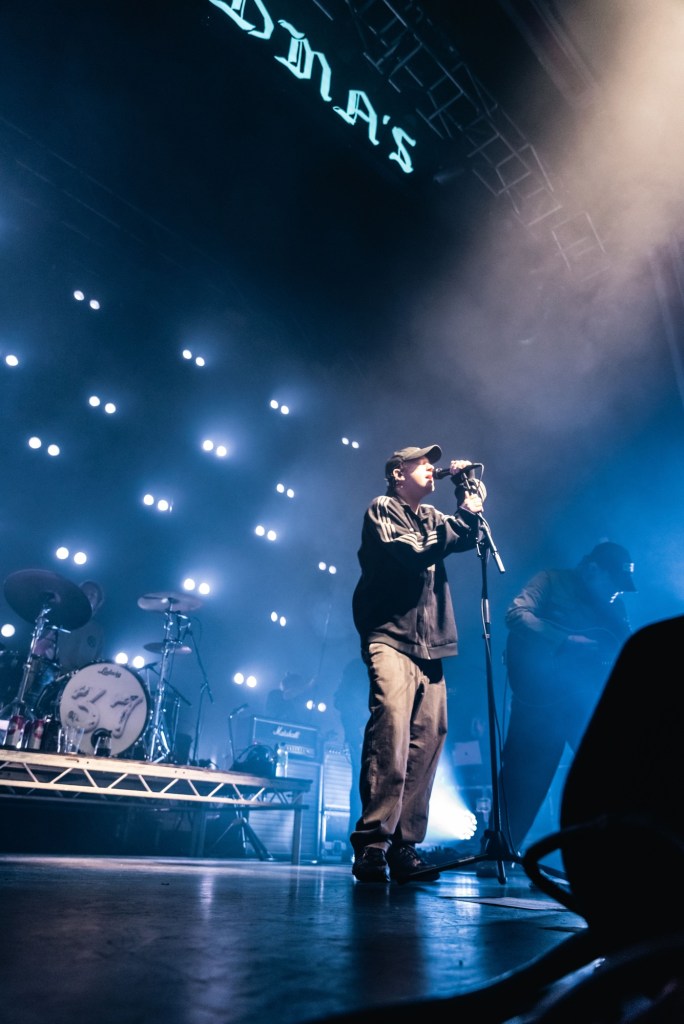
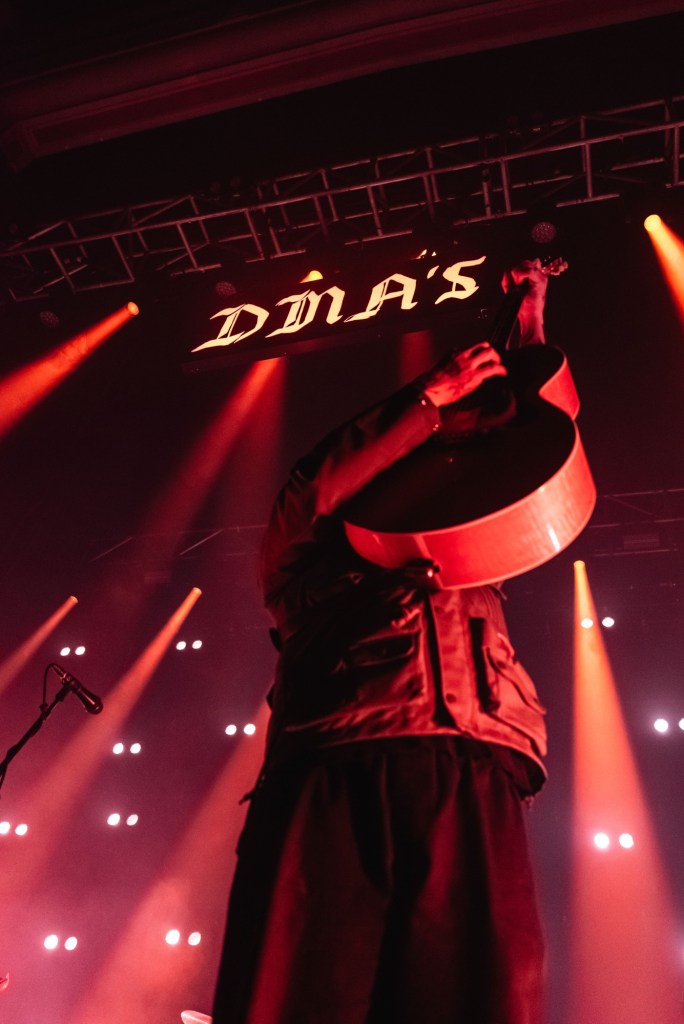
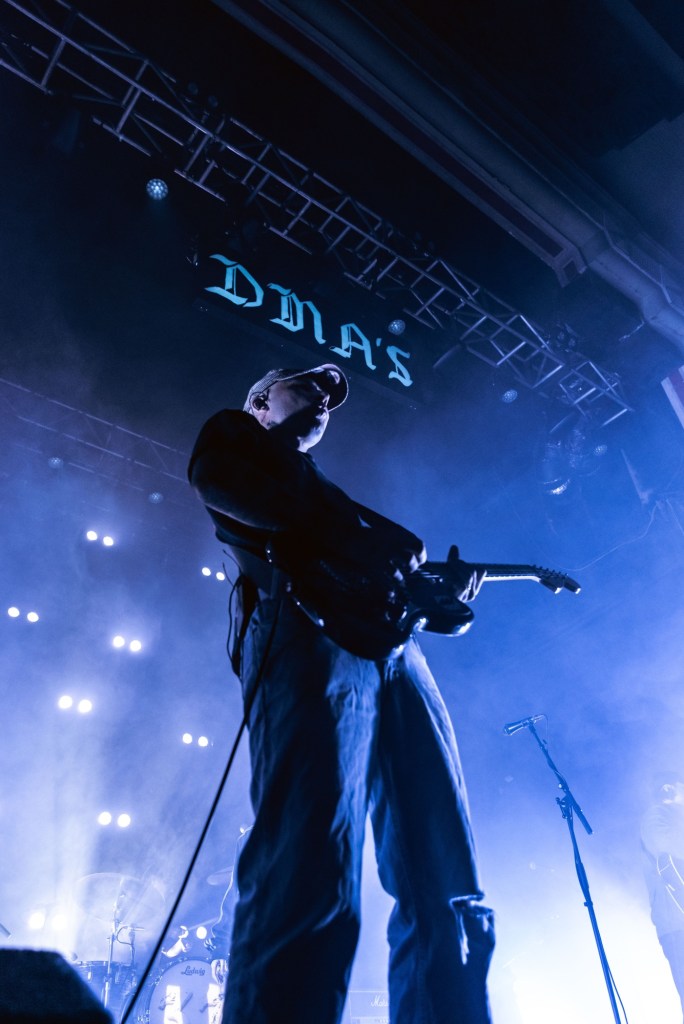
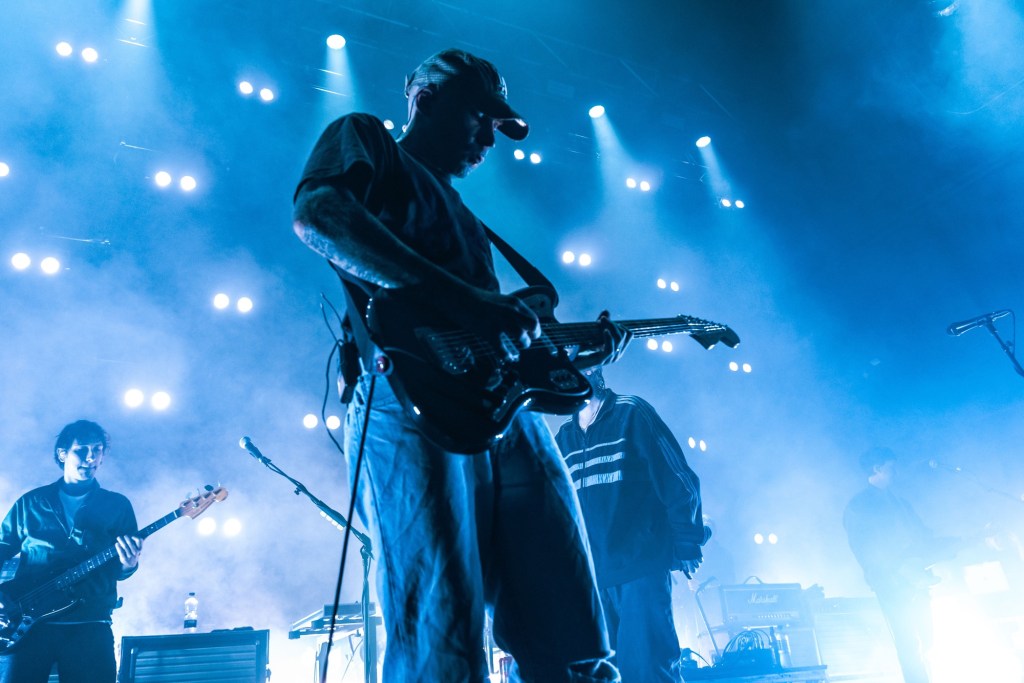
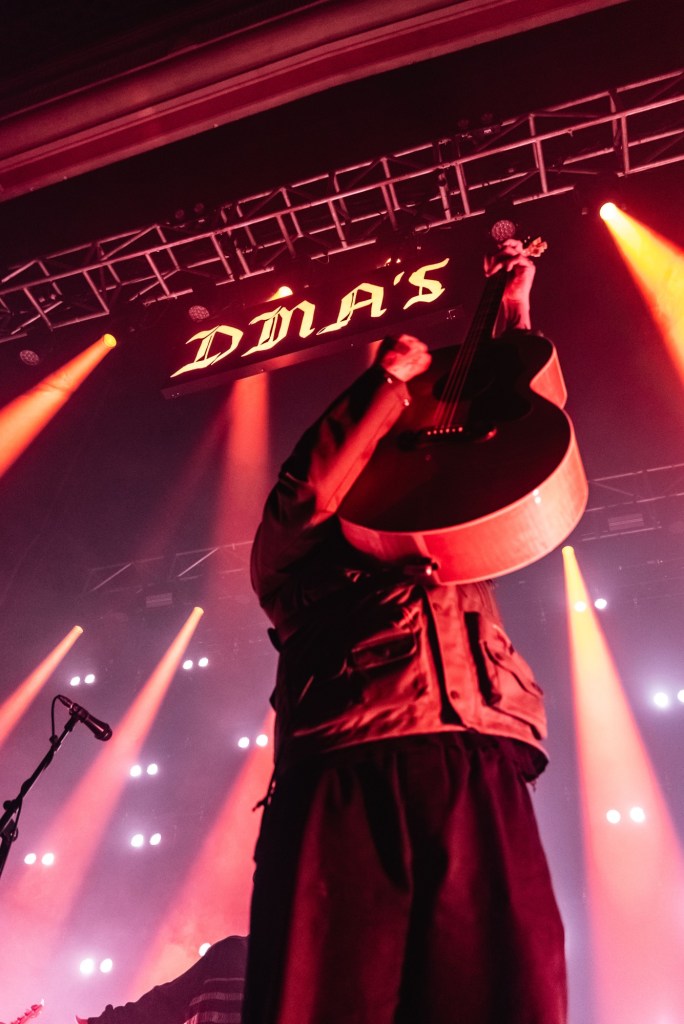
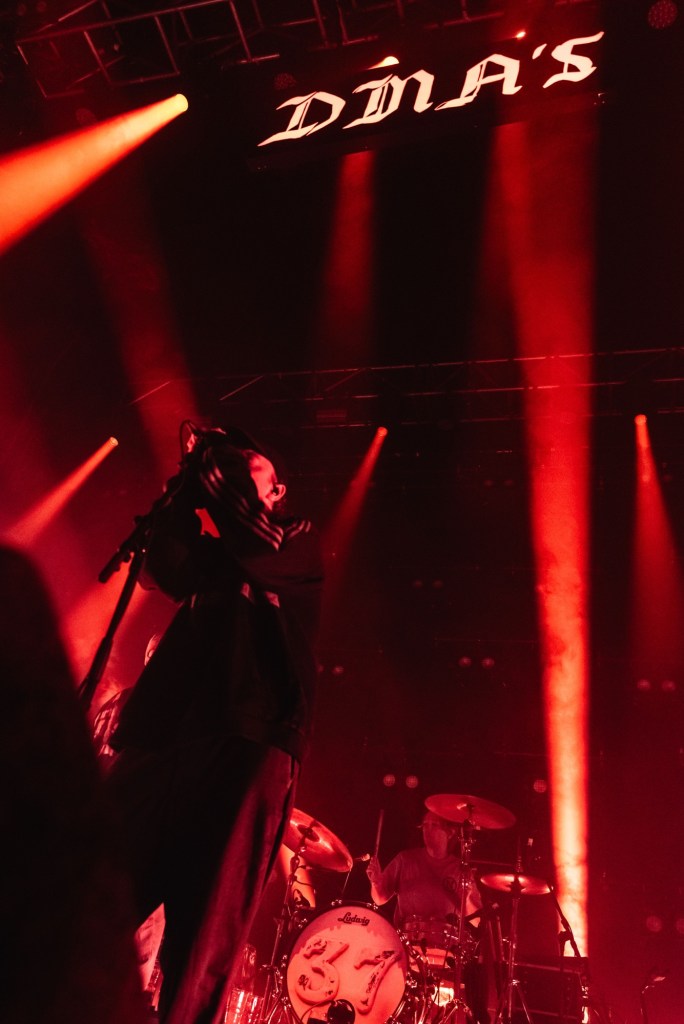
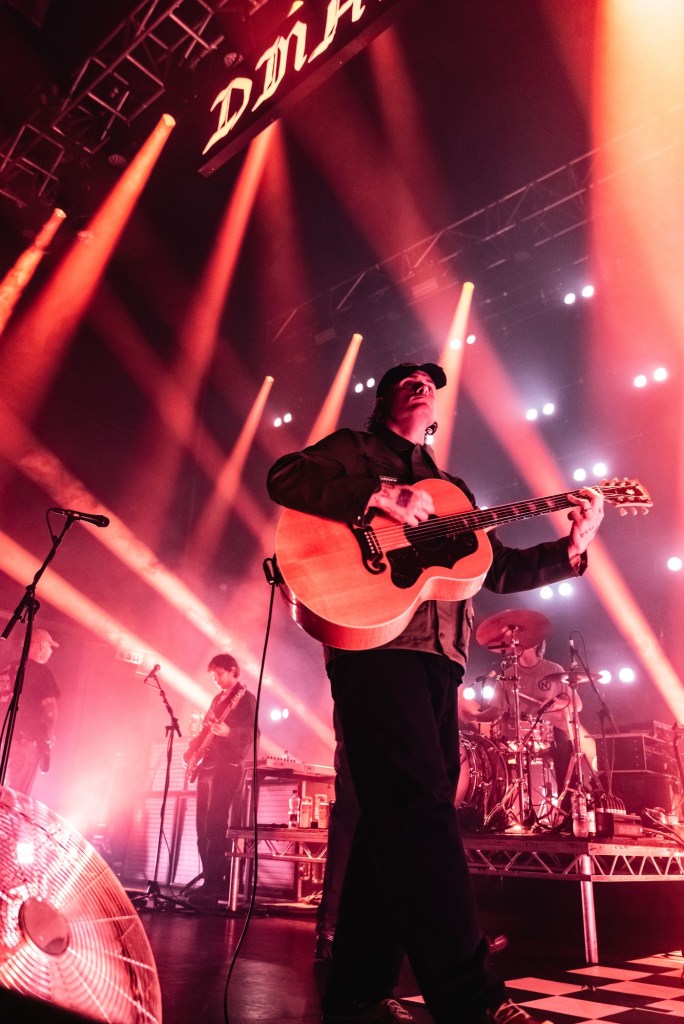
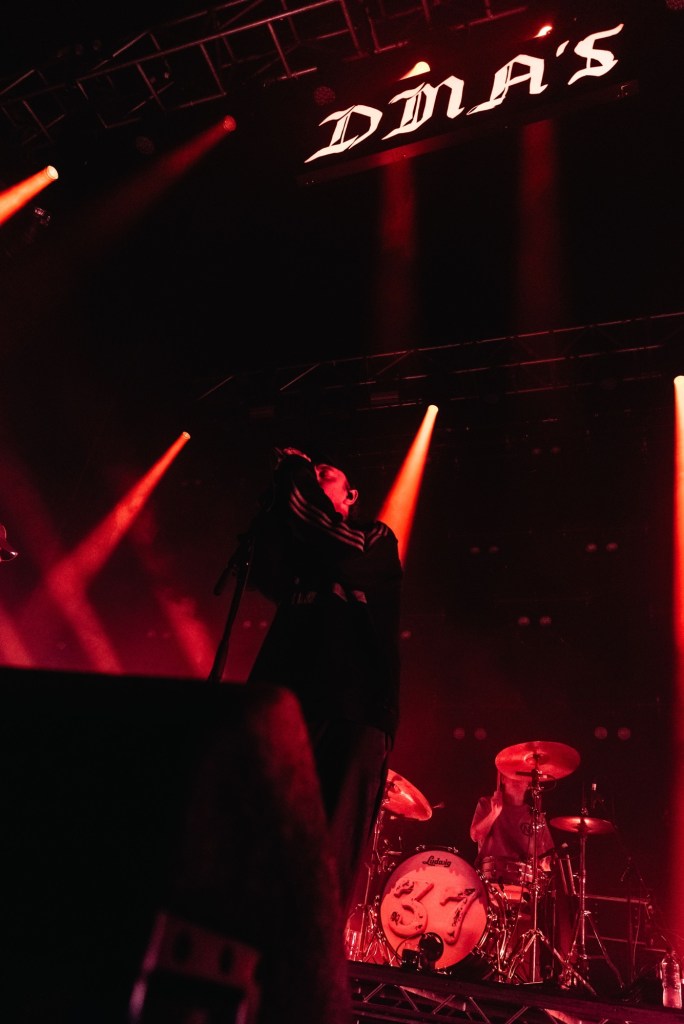
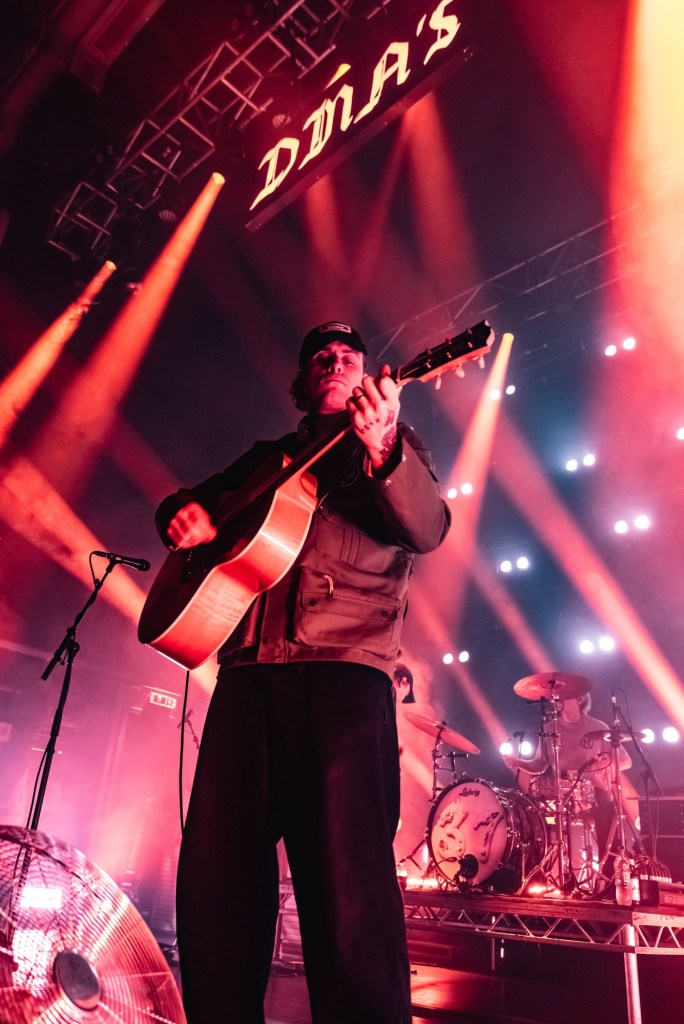
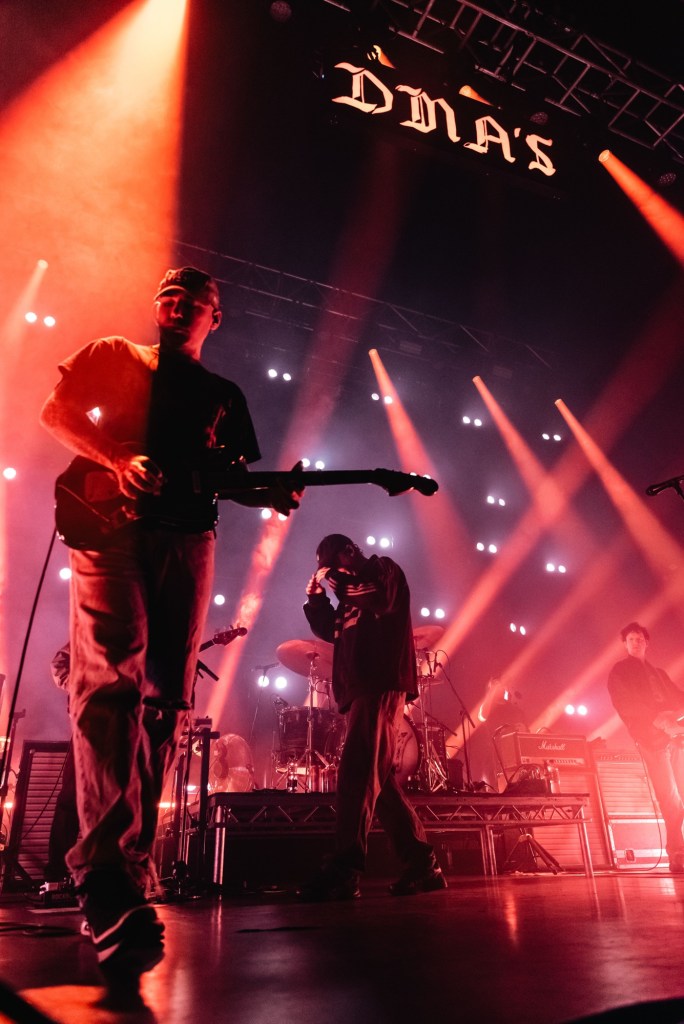
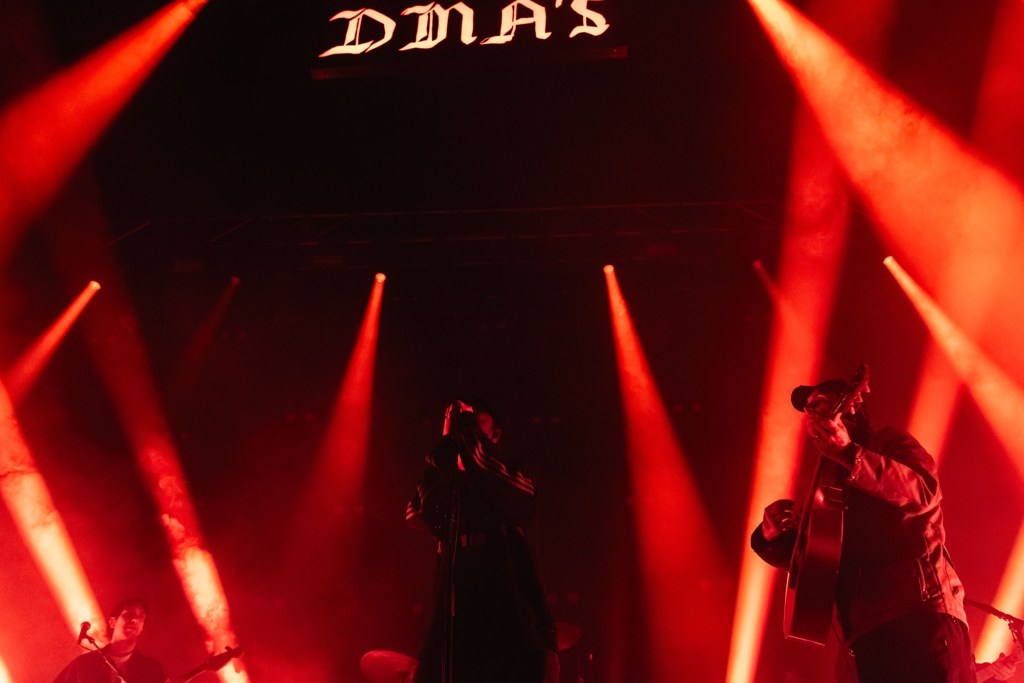
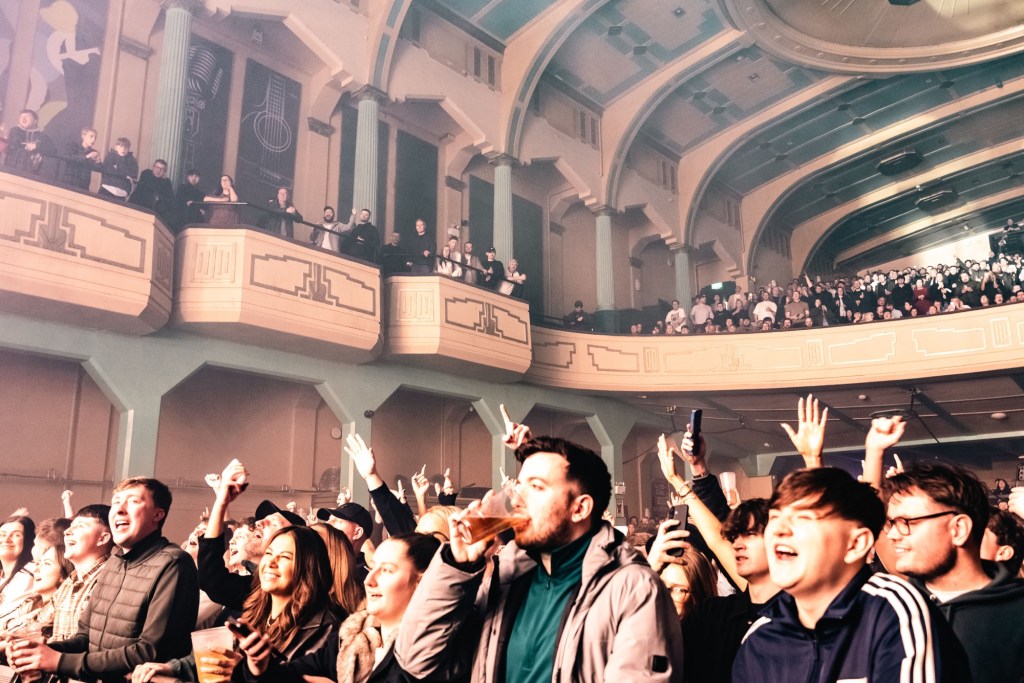
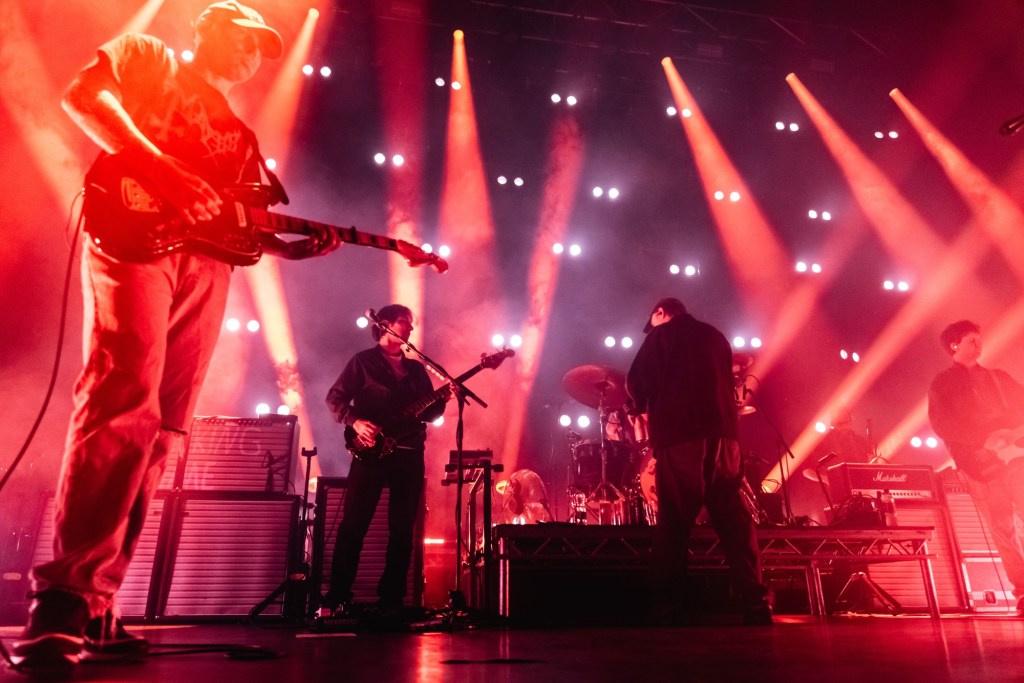
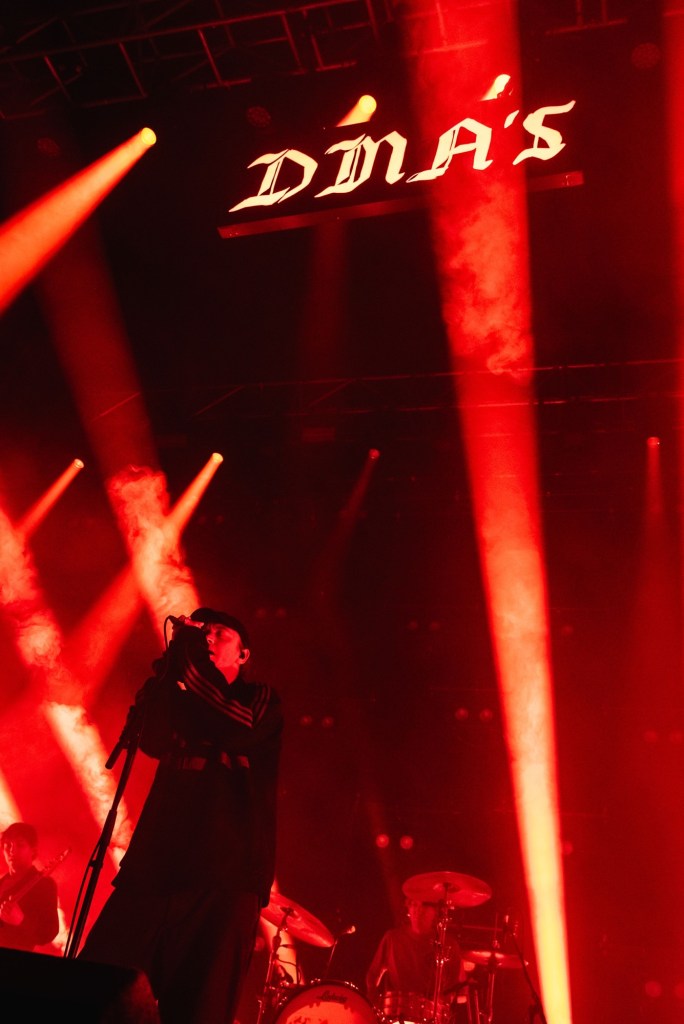
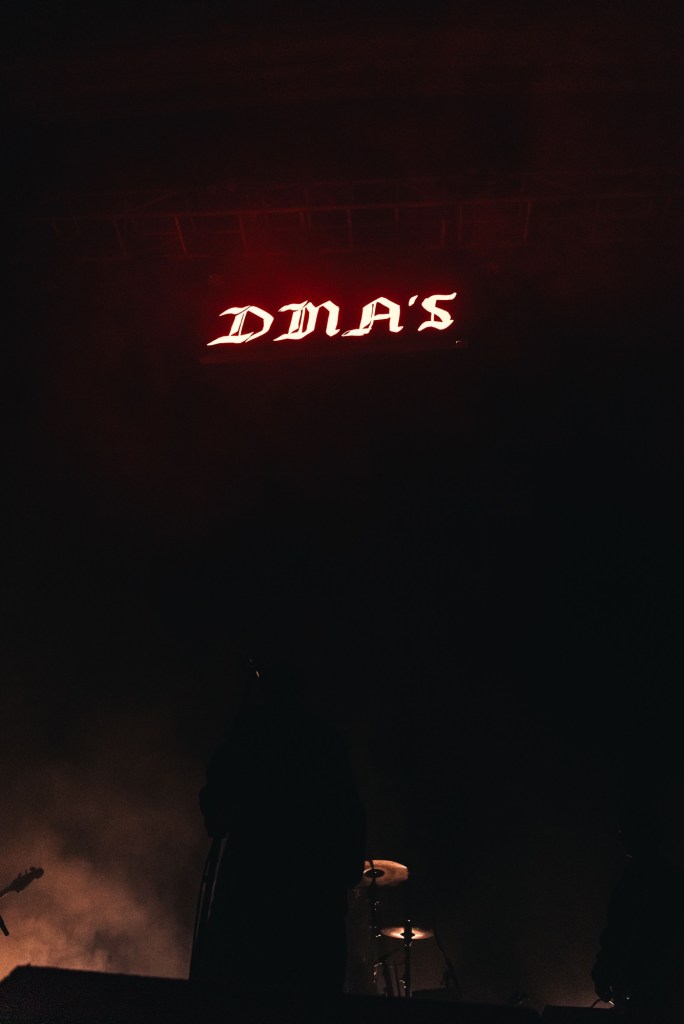
“D–D–DMA’s!” the buzzing Glaswegian crowd roars in anticipation as they await the stage entrance of their beloved Australian indie kings, DMA’s. Tonight marks the celebration of the 10th anniversary of their 2016 album release, Hills End — a record that defined an era of indie music, soundtracking the teenage years and early adulthood of so many.
The band glide onto the stage and are met with an adoring reception, opening with “Timeless”, “Lay Down” and “Delete” — a trio of Hills End bangers. The magic, love and effervescence can be felt in the air as the crowd scream every word, ad-lib and even guitar solo of these immense tunes, with Tommy O’Dell’s inviting, warm vocals almost overpowered by the sold-out audience.
The band’s charisma is undeniable as they move around the stage in high spirits. Rhythm guitarist Johnny Took briefly pauses his high-energy performance to praise Glasgow, declaring it “the best place to play” and applauding the city’s legendary crowds.
They continue with “So We Know” — a tear-inducing, heartbreaking listen. O’Dell’s vulnerable solo vocals are enough to bring a tear to the eye, contrasted beautifully by the melodic outro that stops it from falling, replacing sorrow with a quiet sense of inspiration. This flows seamlessly into the next track, “Melbourne”.
“Silver”, taken from their album The Glow, is received rapturously by the crowd. DMA’s possess a clear sense of self and musical integrity. They understand how they connect as a unit to create harmony, remaining true to themselves and to the world they’ve built alongside their fans.
Tonight marks the first of two Hills End anniversary shows at the O2 Academy Glasgow.
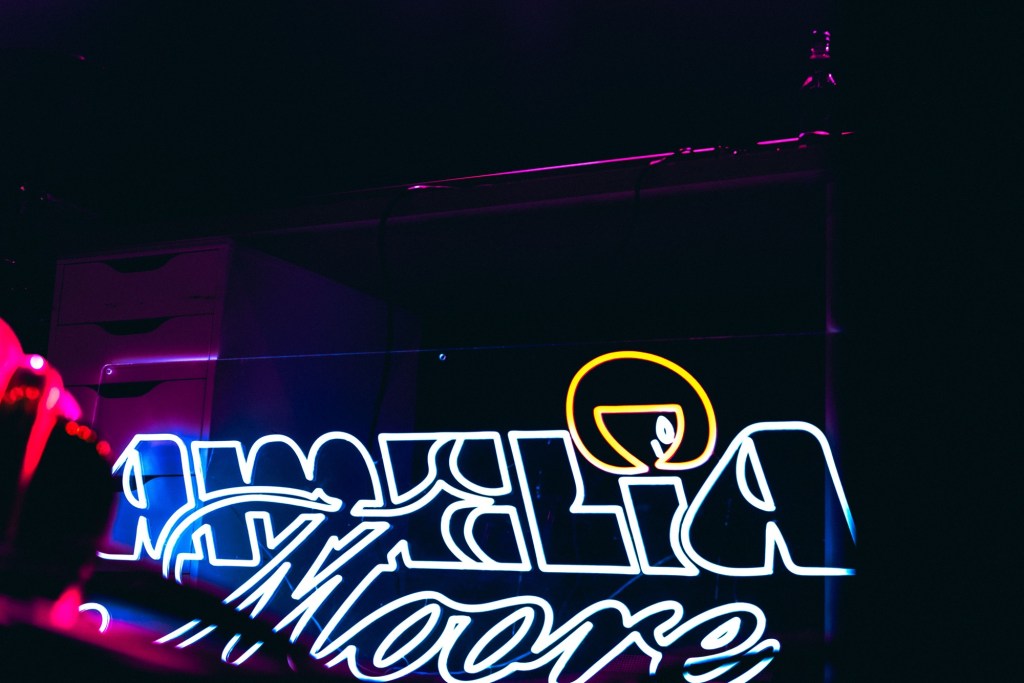
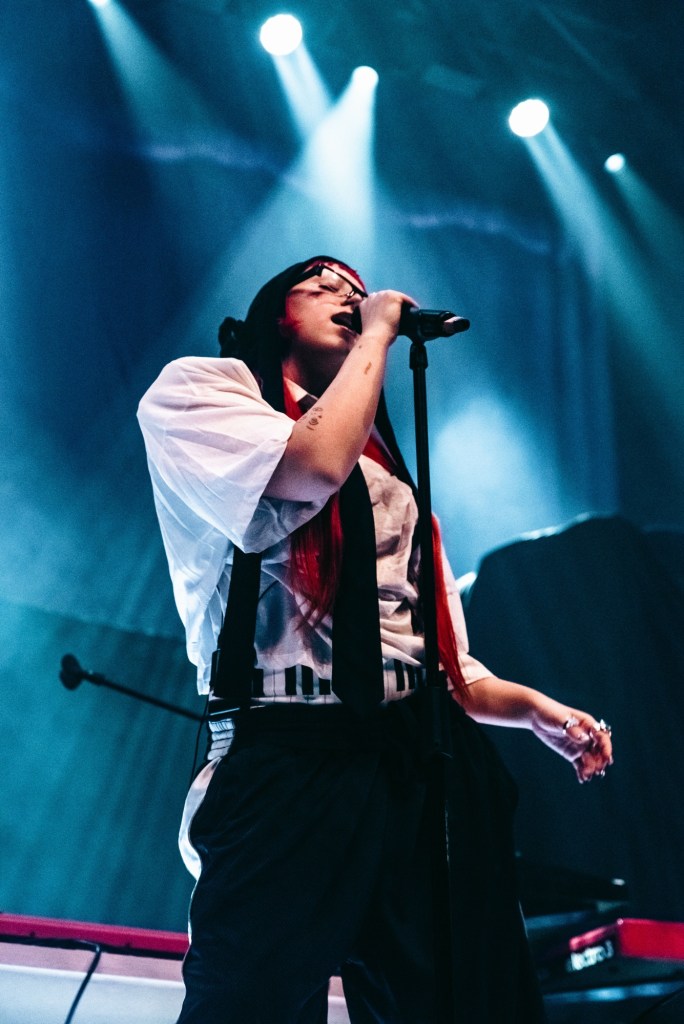
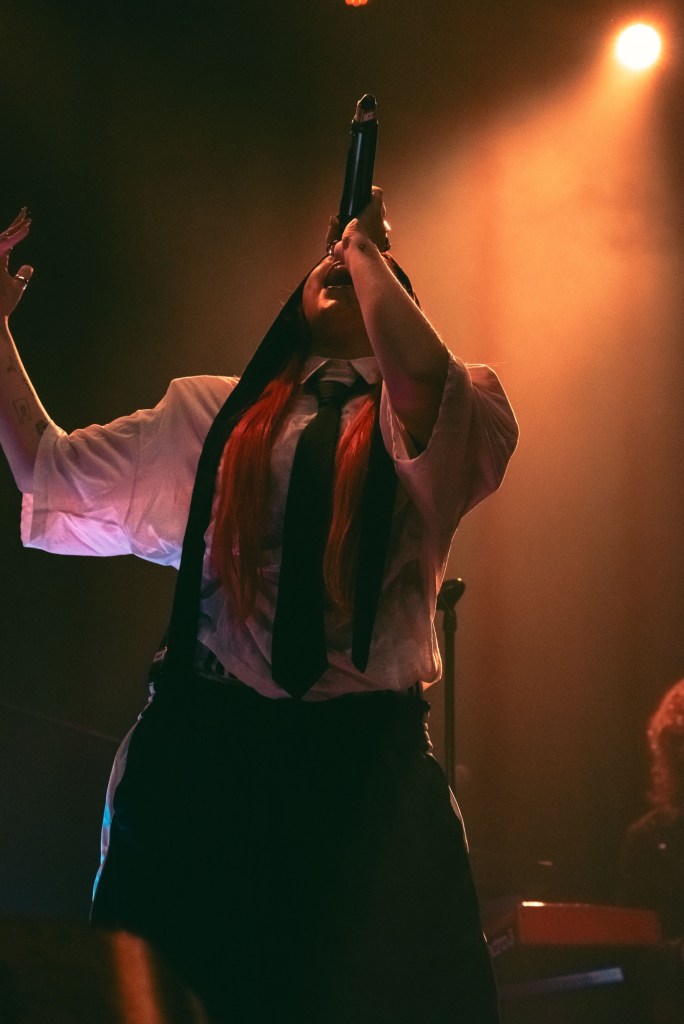
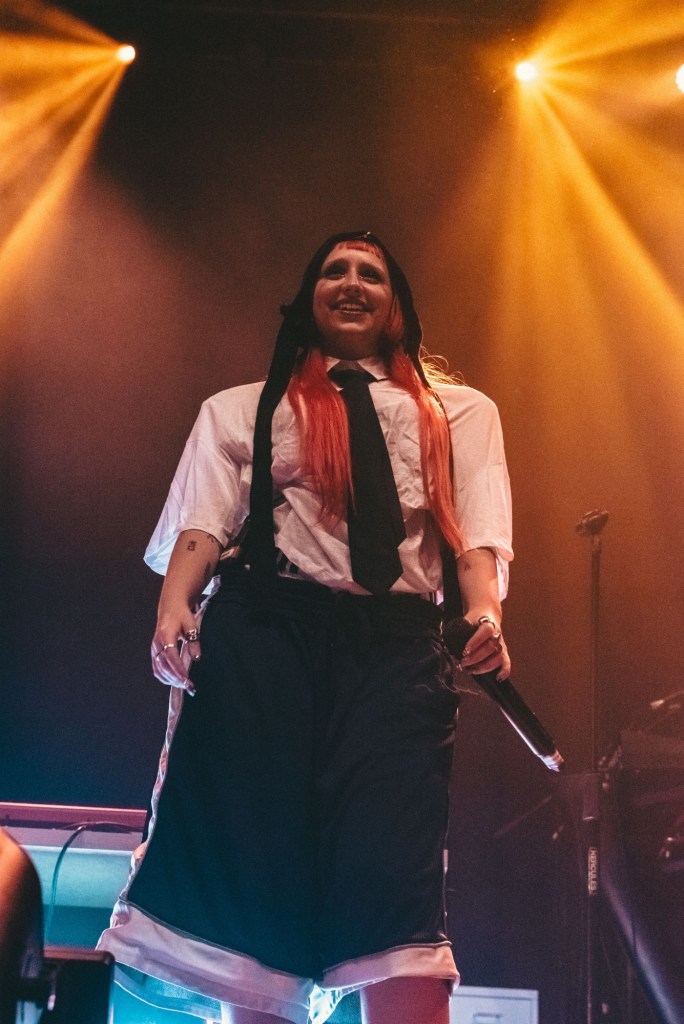
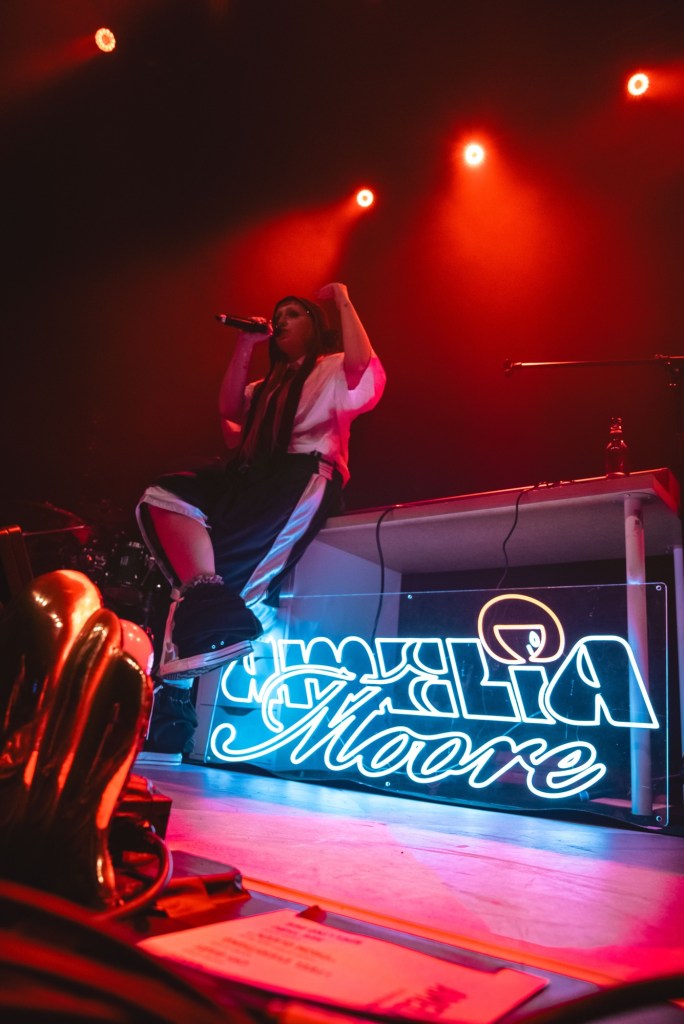
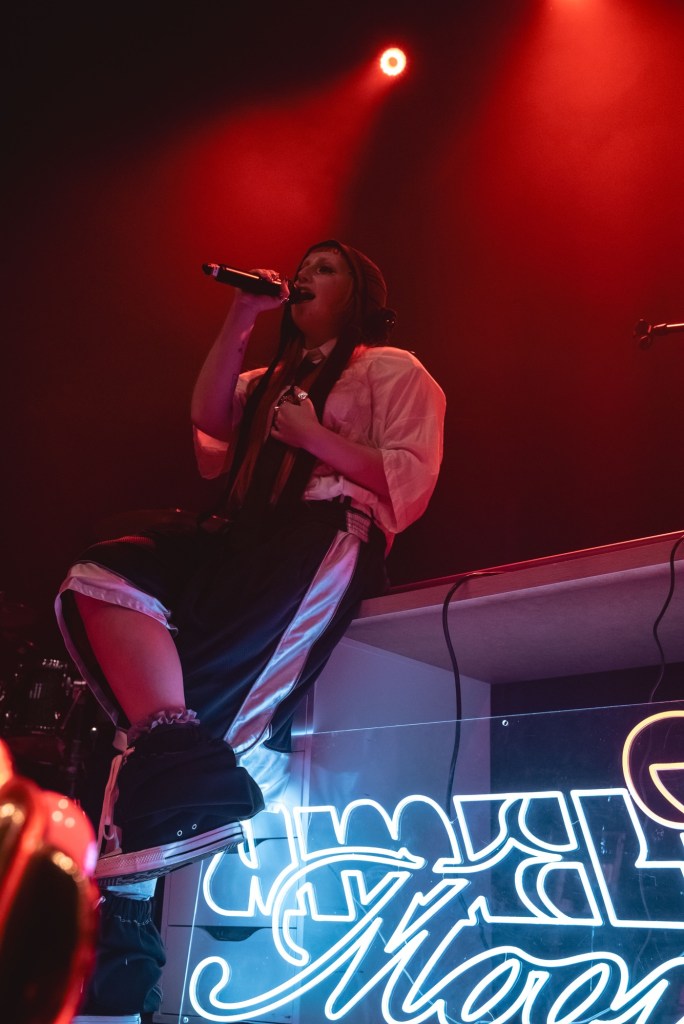
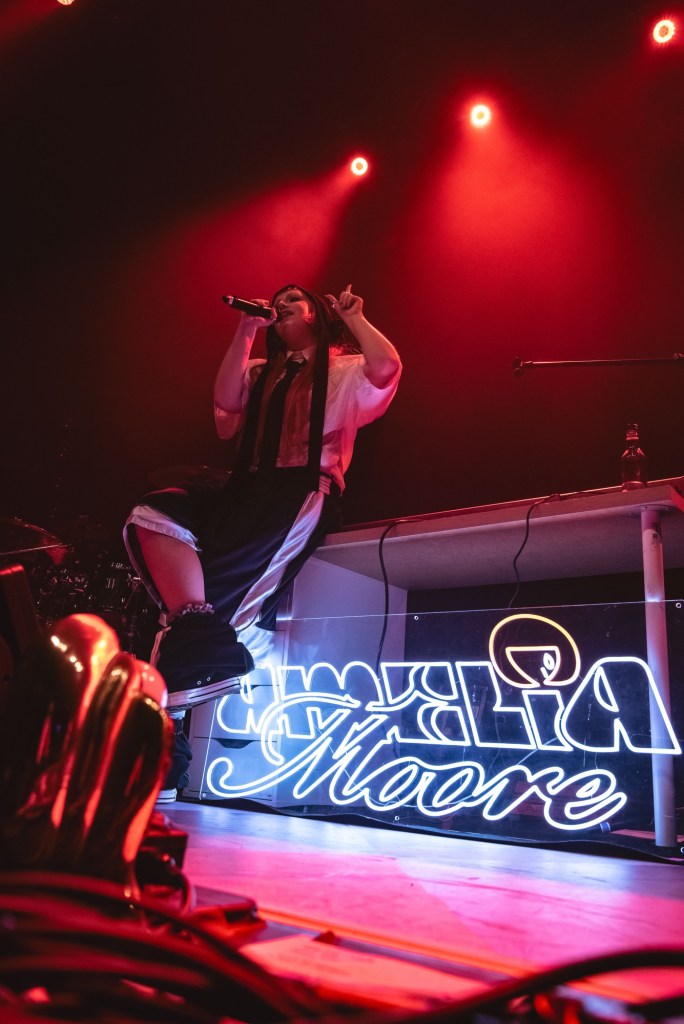
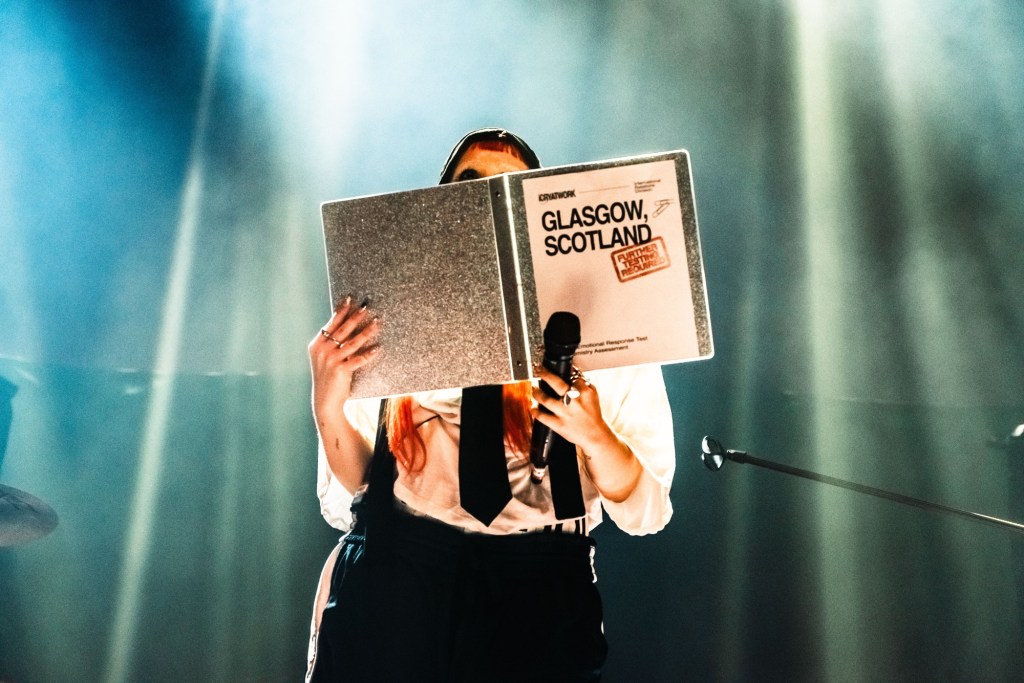
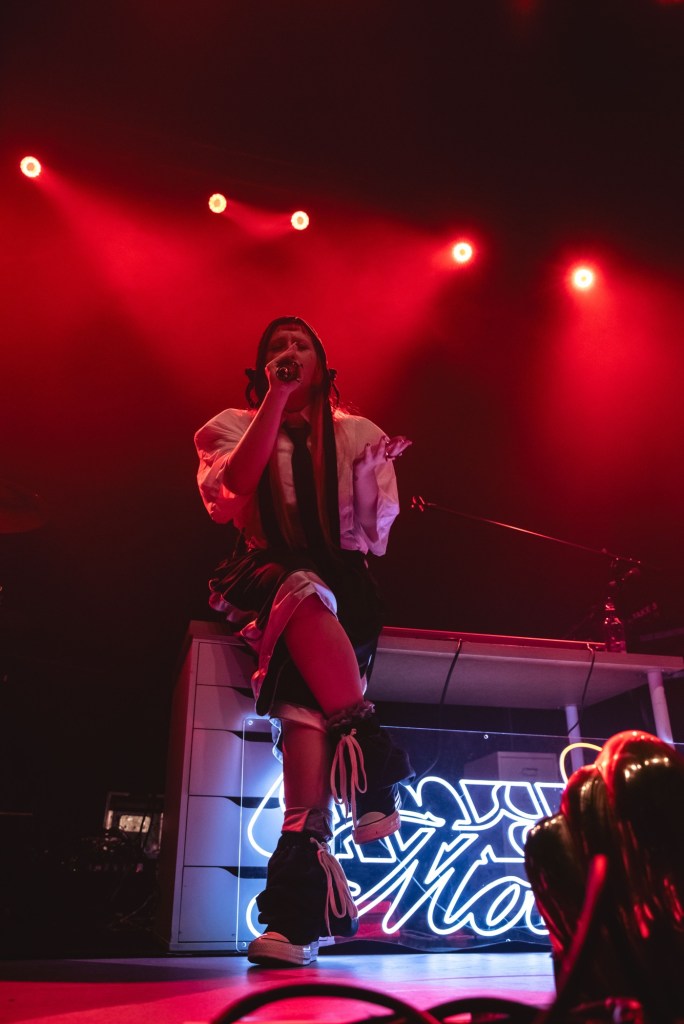
Amelia Moore opened for Ashnikko and absolutely killed it, owning the entire space with her silky yet powerful voice, creating an intriguing listen. Amelia Moore could well have been a main act, reminiscent of modern pop stars such as SZA, Tate McRae and The 1975.
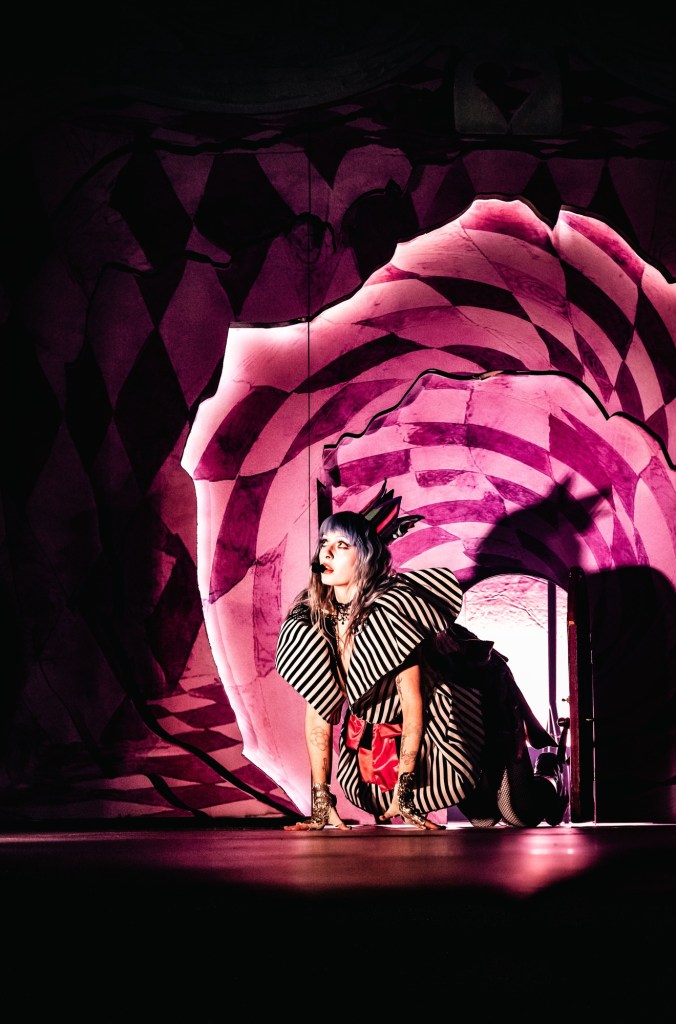
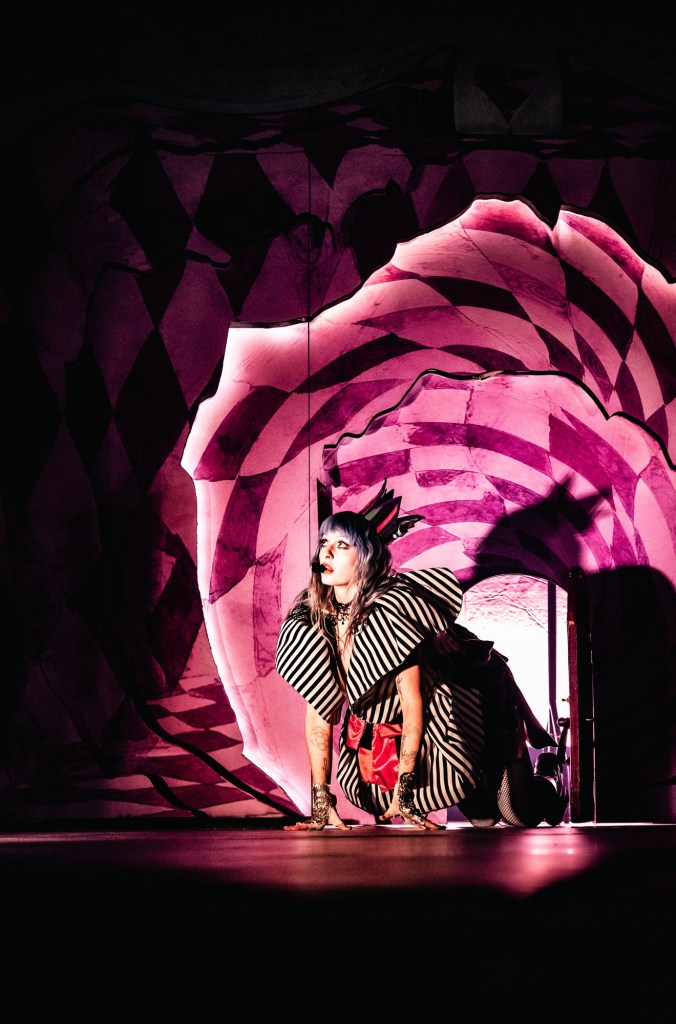
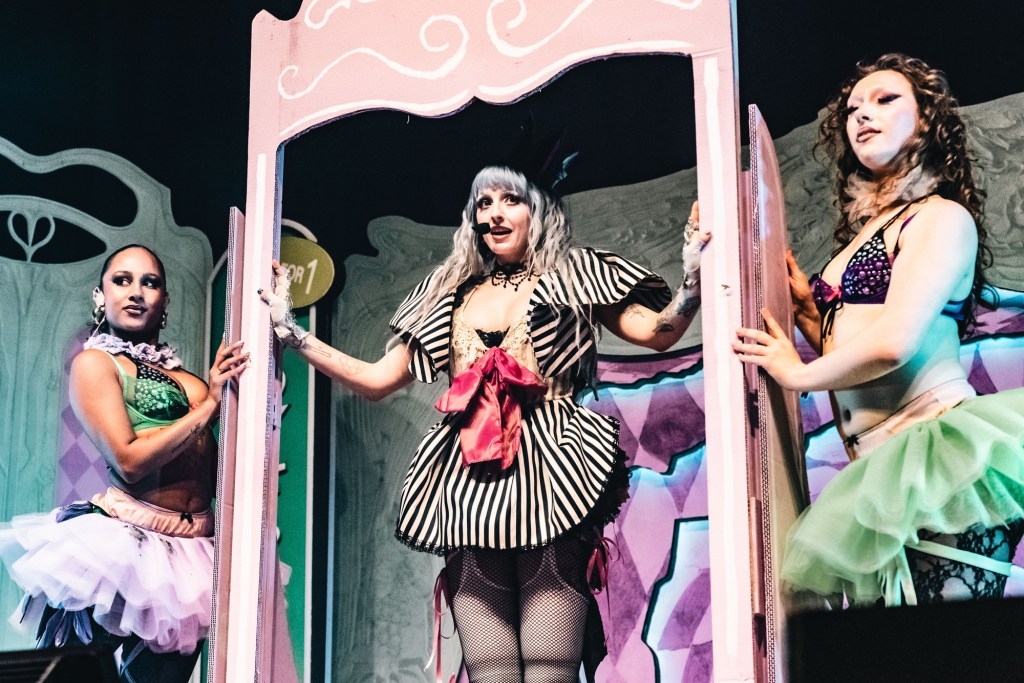
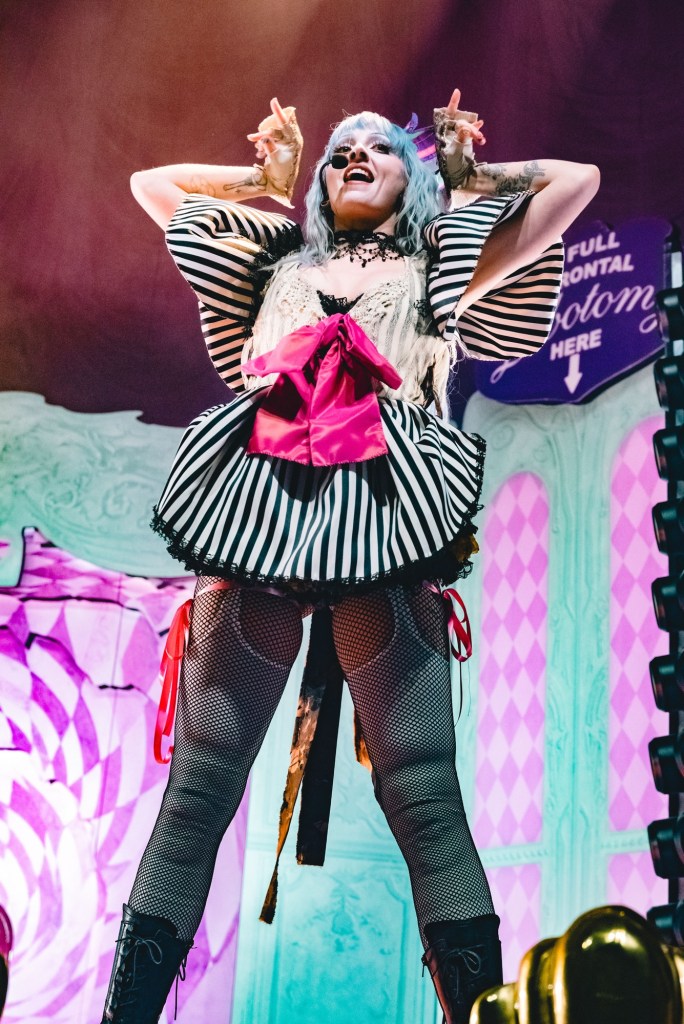
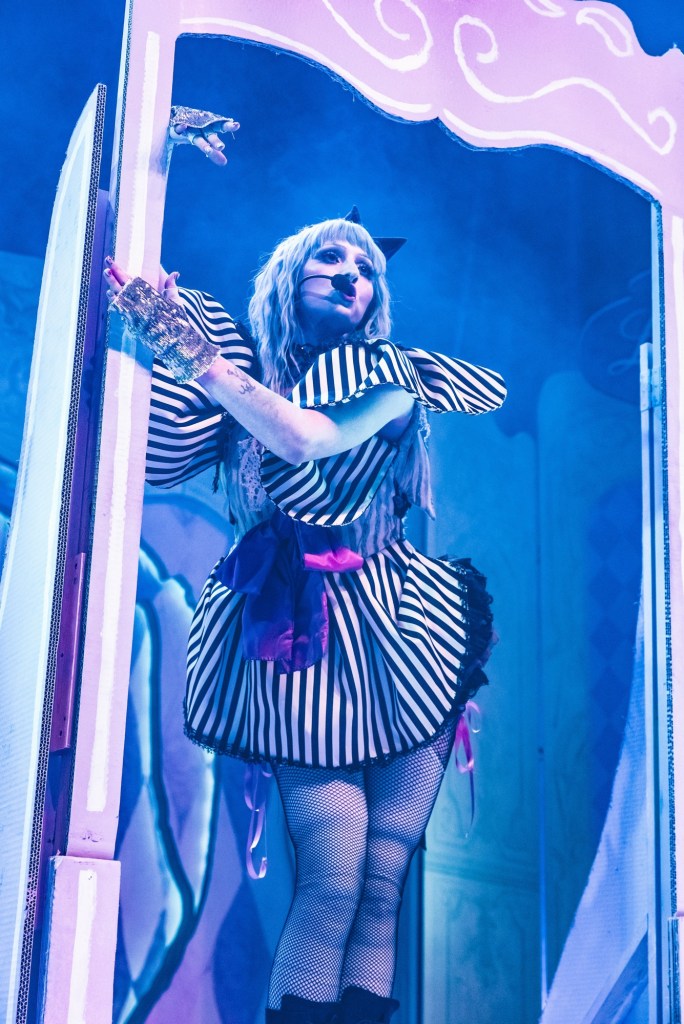
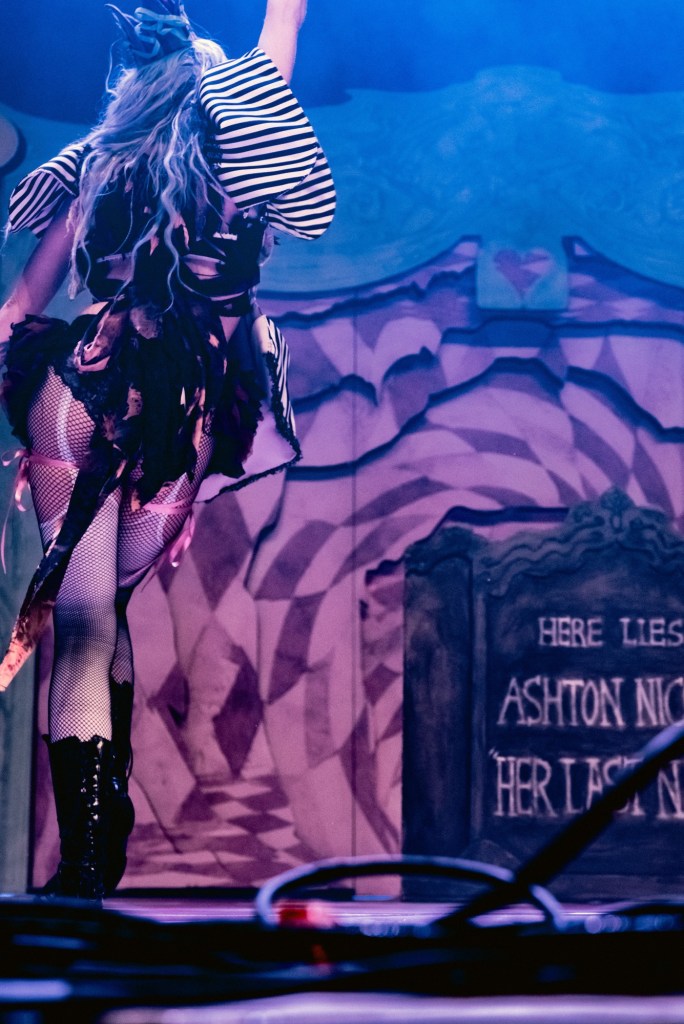
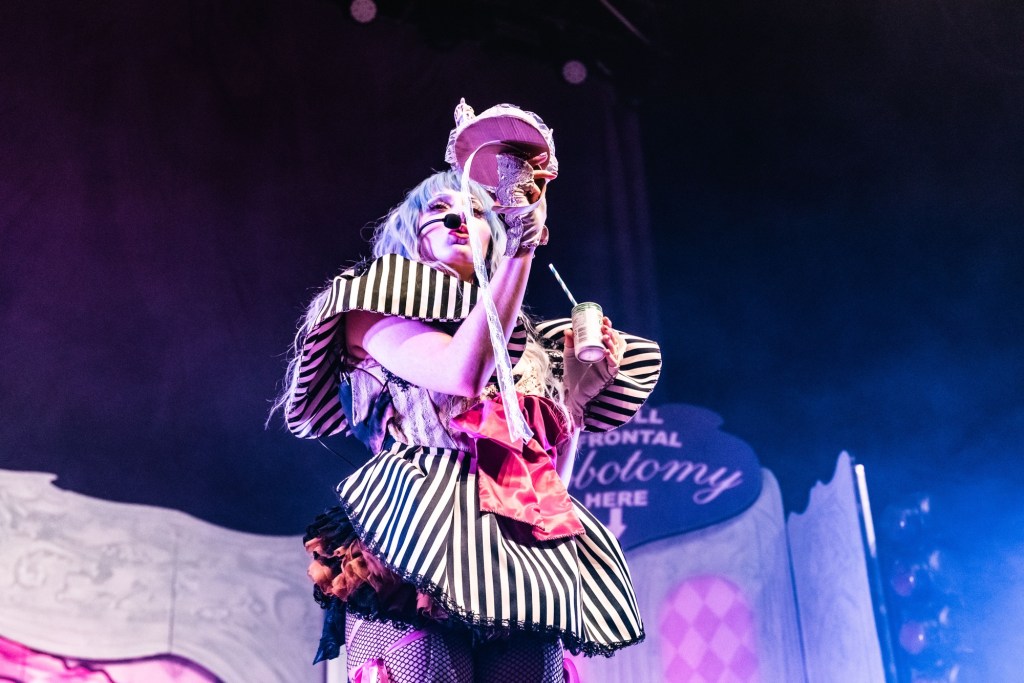
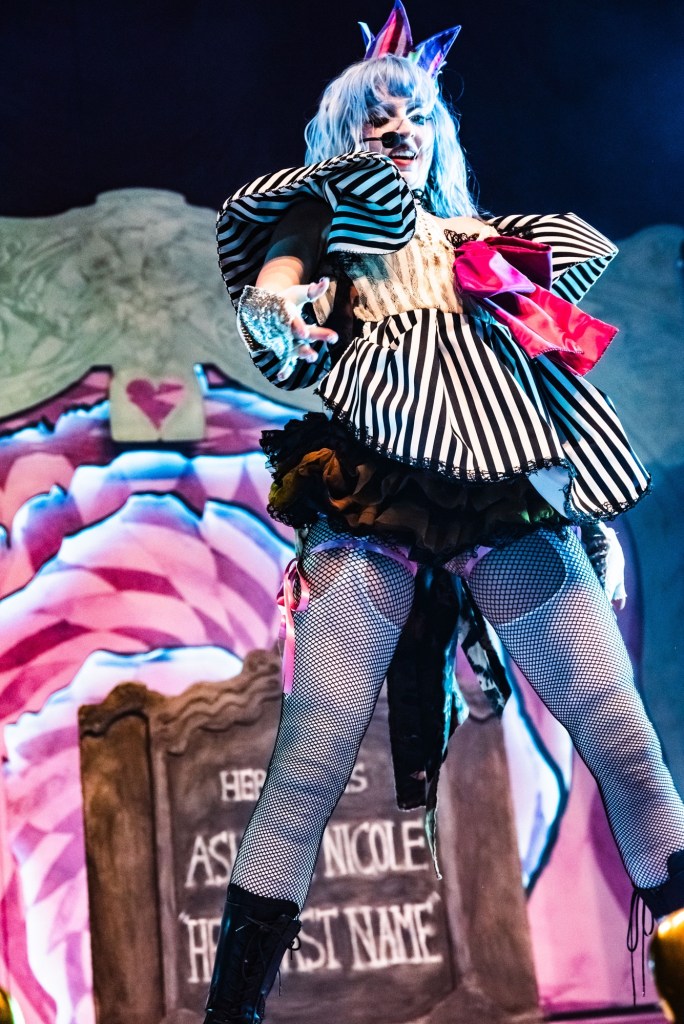
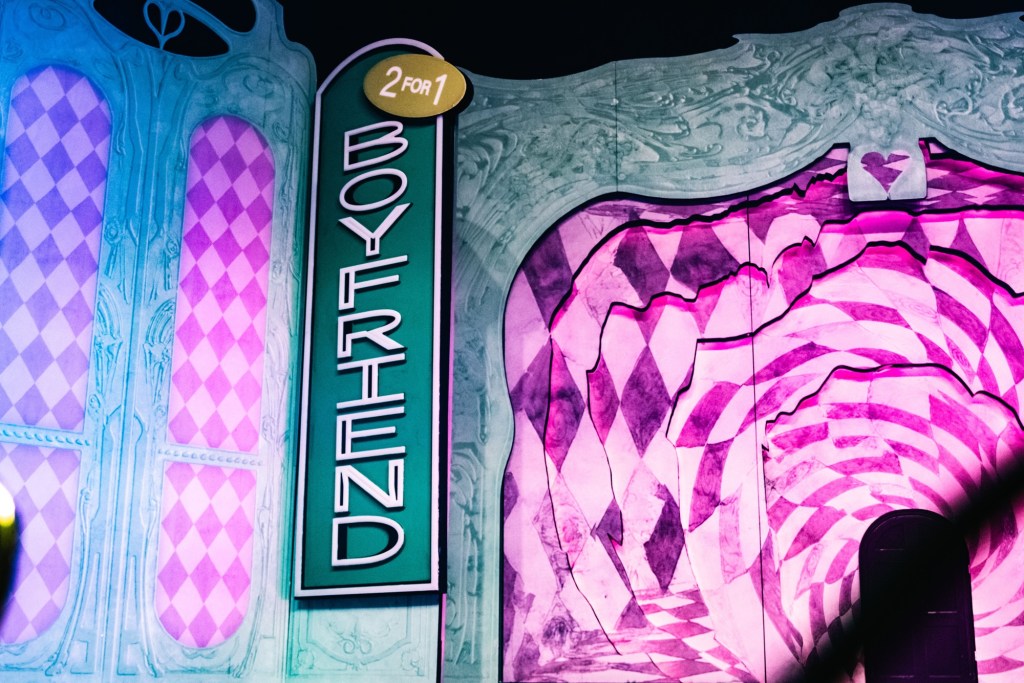
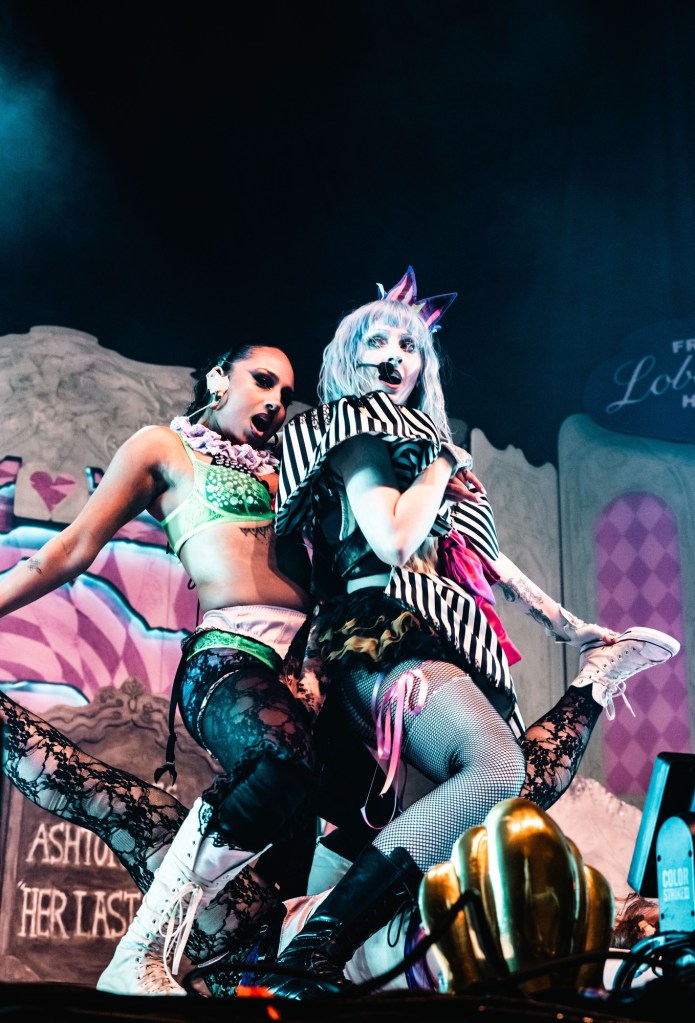
The Smoochies Tour is here! Ashnikko brought hyper-pop hysteria to Glasgow’s O2 on Wednesday night with a wondrous entrance, crawling on all fours out of a tiny door before bursting into insane energy levels with “STICKY FINGERS” to open the set.
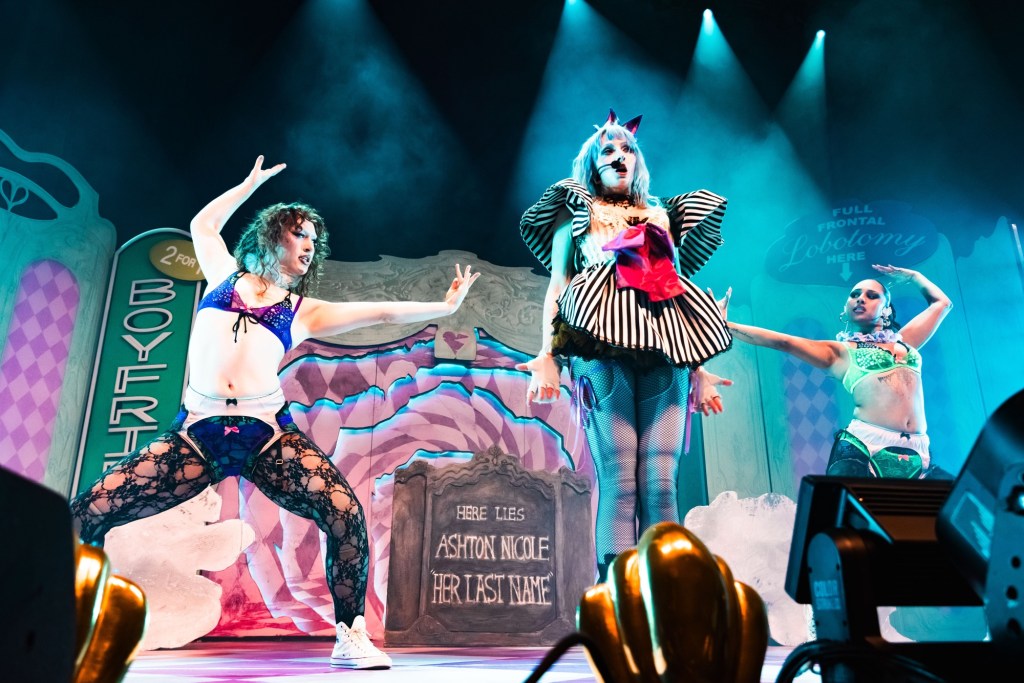
Working with two dancers, the choreography and set design were notably excellent throughout the performance. Ashnikko takes power on stage and absolutely dominates the entire room, flaunting a bratty, extra persona that her loyal fans live for.
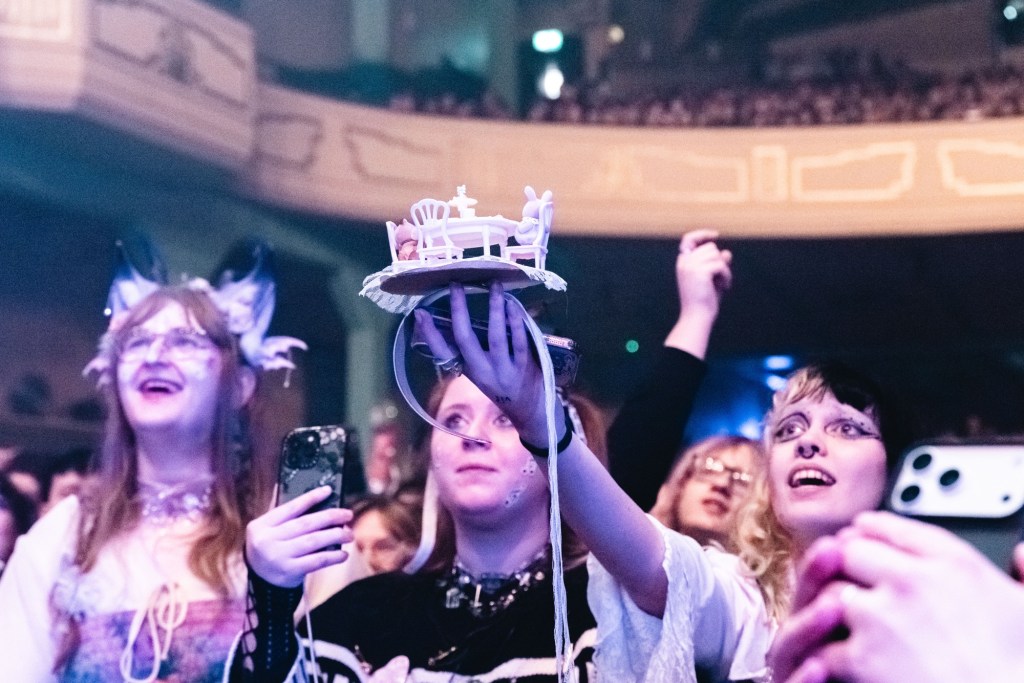
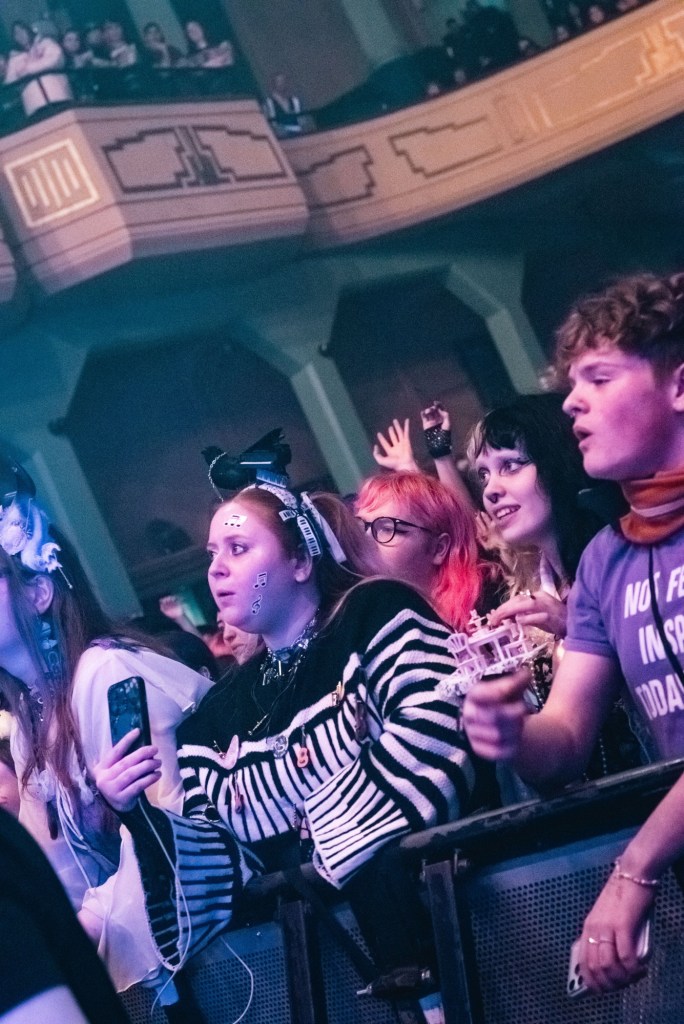
Ashnikko is a woman of many traditions, showing an incredible artist–fan dynamic as she persistently speaks to the audience throughout song breaks and even has one-to-one conversations. She announces her first tradition, “TRINKET TRADING”, where fans can hand her handmade items on stage and she shows them off to the audience. A lucky girl in the front row got that special interaction, passing Ashnikko a handmade hairband with little Sylvanian Family dolls sitting at a table having tea, as Ashnikko praised the creativity.
Ashnikko even goes as far as bringing a fan on stage for her “SMOOCHIES GIRL” tradition. Just when I thought the audience couldn’t get any louder, “STUPID” turned up the volume by a mile — an absolute modern music masterpiece. “I WANT MY BOYFRIENDS TO KISS” and “DAISY” were two of the more popular songs that got the crowd going nuts.
Ashnikko presented a confident, fun, engaging and memorable set — one she could only be proud of.
The dystopian, almost sci-fi stage set—tripod-mounted light panels, pure white backdrop—clashes perfectly with the creaking beauty of the Barrowlands. Pure, simple, uncomplicated. Easy to understand yet jarring and unsettling. A space from a different world, dragging us into today while staring dead-eyed at tomorrow. Before a single word is spat, before a single beat drops, this is the music made visible.
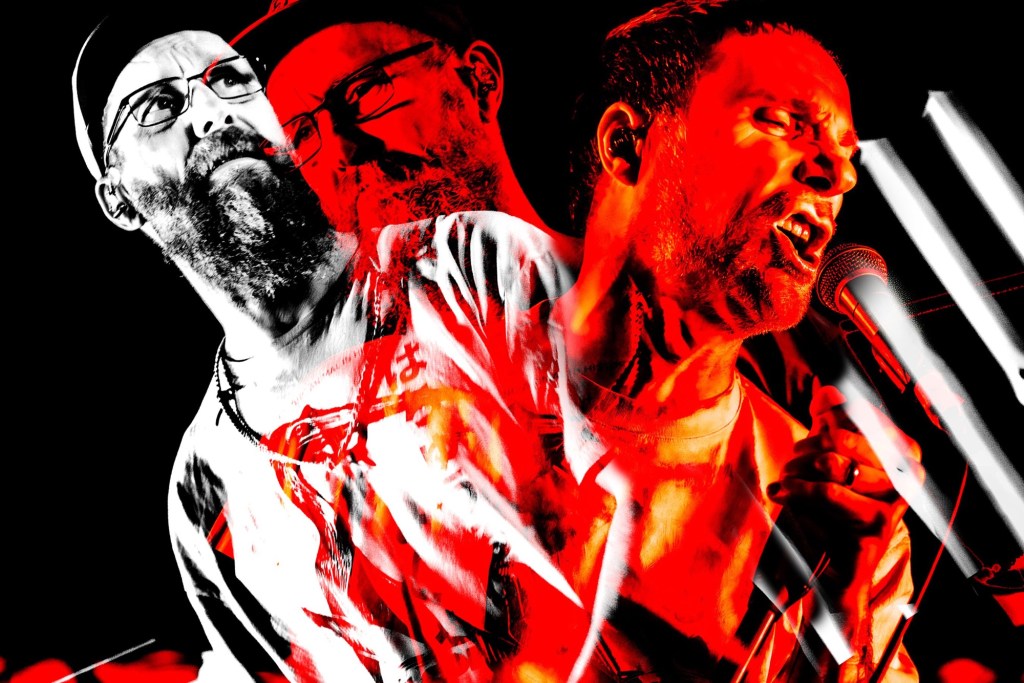
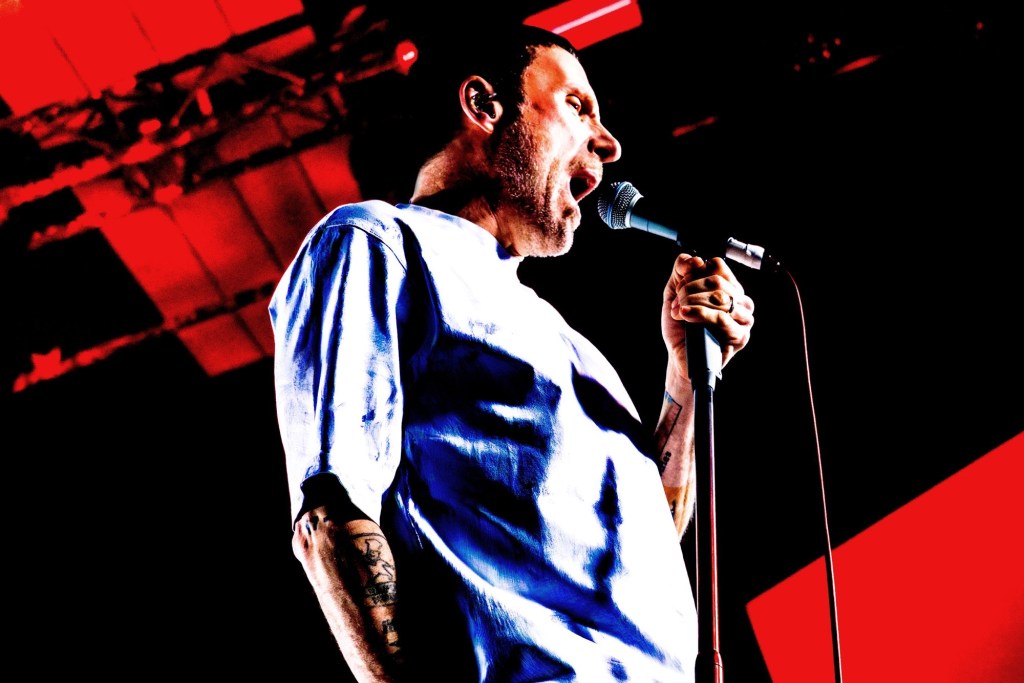
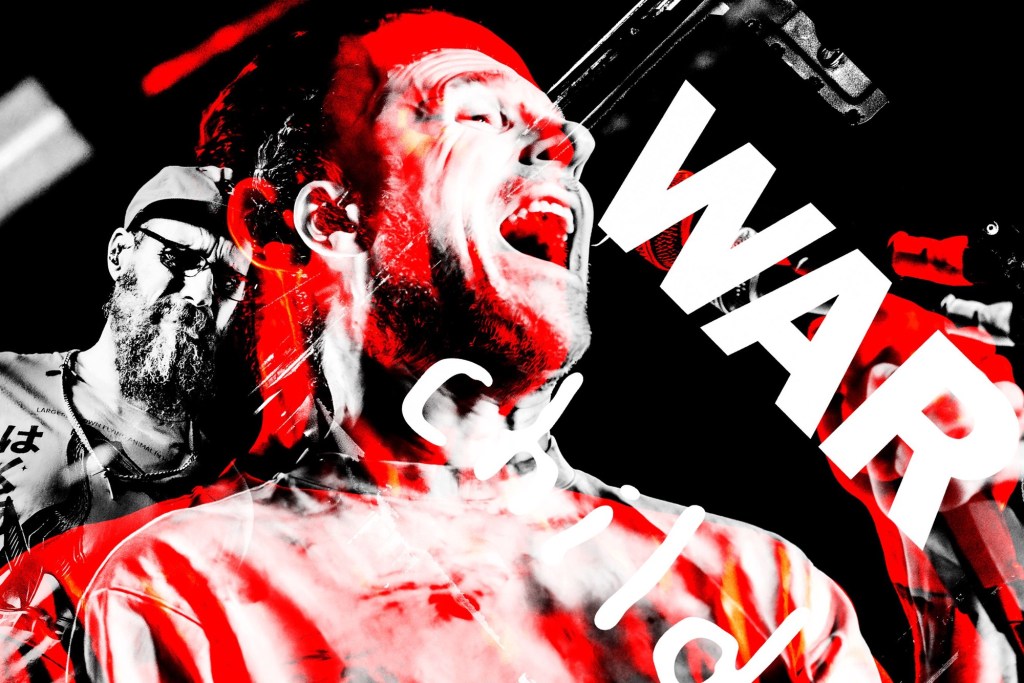
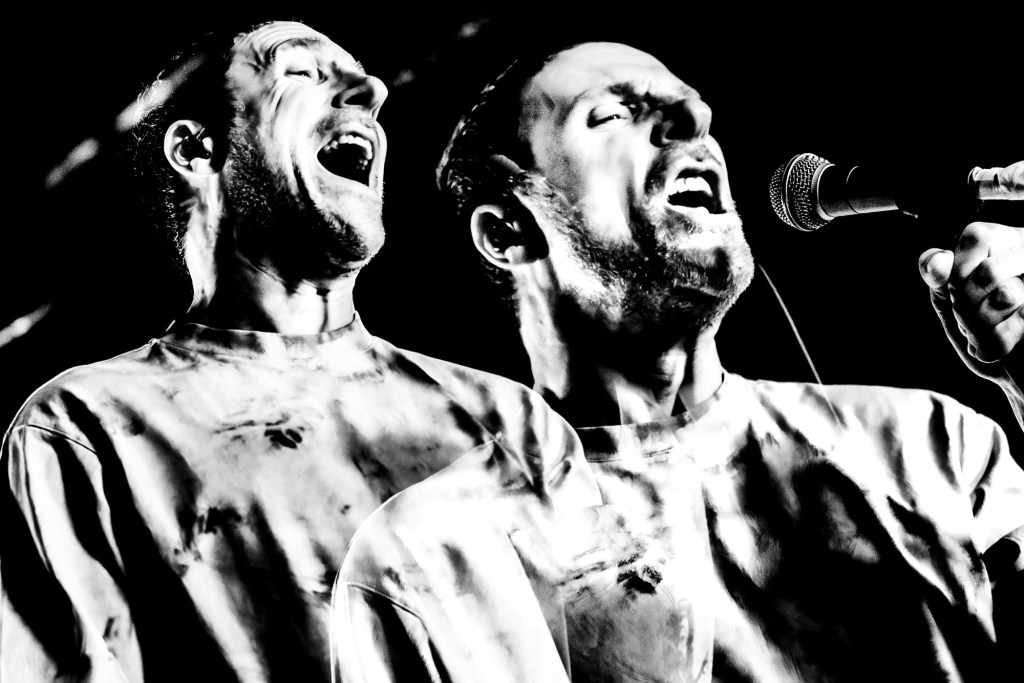
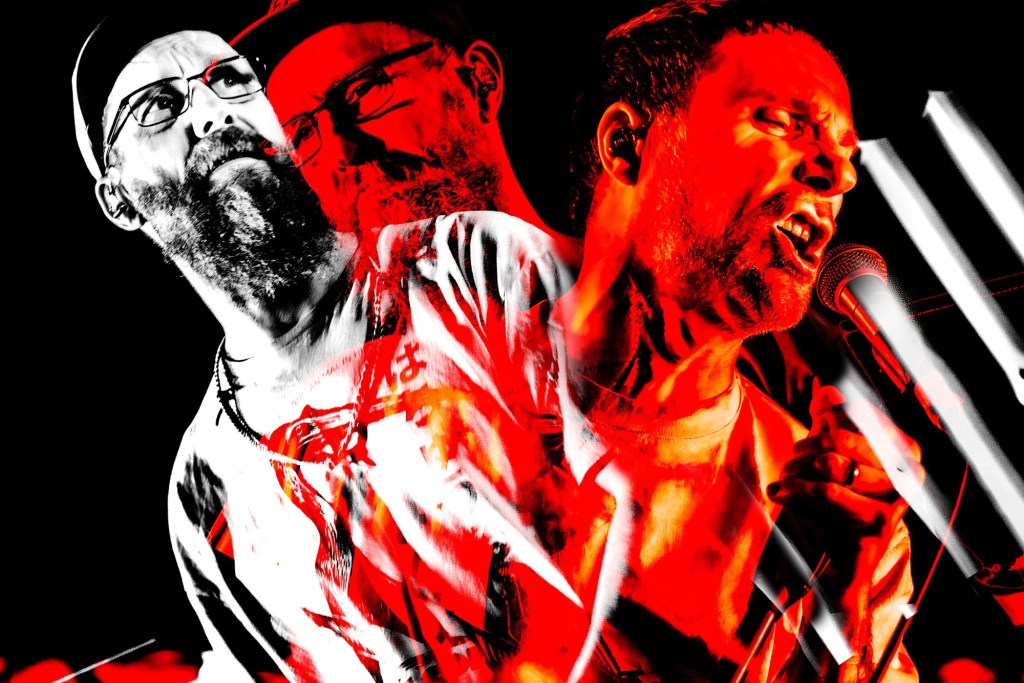
Sleaford Mods: deceptively simple beats and melodies cut through with hard-hitting, take-no-prisoners lyrics that slice open the banality and drudgery of working-class England. They focus on the parts of the country often overlooked, maybe even forgotten— high streets boarded up, the lives ground down. Jason Williamson delivers his deadpan vocal with metronome precision, every syllable landing exactly where it needs to. Set to one side, Andrew controls the music but he’s no passenger—his unassuming dance moves, all awkward jerks and minimal gestures, push focus even harder towards Williamson and his relentless delivery. The duo work in perfect asymmetry.
Beautiful duets appear via the lights : Gwendoline, Billy No-Mates, Aldous Harding (see you at the bandstand in June), and a real-life-in-the-flesh Sue Tompkins. No Amy Taylor tonight, but her absence doesn’t diminish the intensity.
Williamson explains he’s been told to chat more between numbers. That model might fit other bands. It doesn’t fit here. We didn’t come for small talk or backstage anecdotes. We came to hear the words, the stories, the message delivered within the songs—raw and unfiltered. How much more do we really need? The added grunting and primal screams are enough. More than enough.
The entire performance punctuated with feral dance moves—sometimes verging on a dad-dancing Can-Can, sometimes resembling an East Midlands take on Tai Chi. Simple, undoubtedly disturbed and disjointed, and because of that, subliminally powerful.
From ‘Mork and Mindy‘ onwards, the beats begin to fracture, melodies thicken, bass hits harder. The sonic palette shifts, darkens, becomes something heavier. Like the avenging love child of Patti Smith’s ‘Babelogue‘ and Alan Vega’s Suicide, Sleaford Mods present music as innovative and experimental as it is alternative—yet they’re unafraid to embrace the mainstream, to weaponize it. Their cover of ‘West End Girls’ demolishes the original. Musically similar, but the delivery is the key. Where Neil Tennant tried to sing, he should’ve channeled his inner Jason Williamson. They’ve taken a synth-pop classic and turned it into something colder, sharper.
Did you ever see the TV programme Mork and Mindy? No? FYI: Mork, the alien, descends to Earth in human form, trying to understand humanity. At the end of every show he contacts Orson to explain what he’s discovered about the life they live. That’s what Sleaford Mods accomplish—absorb, reflect, react. They’re visitors from nowhere trying to make sense of the mess we’re in. And from what I can tell, the more they see, the less they understand. The bleaker it gets, the louder they need to shout.
Bands like Sleaford Mods are essential to times like this. They hold up a mirror that doesn’t lie, doesn’t soften, doesn’t offer false hope. They deserve our continued support and the message deserves our undivided attention.
Tonight, Sleaford Mods were hypnotic, mesmerising and—more importantly—relevant, presenting a black-and-white zeitgeist of disintegration. Two men, a laptop, a few lights, and the uncomfortable truth.
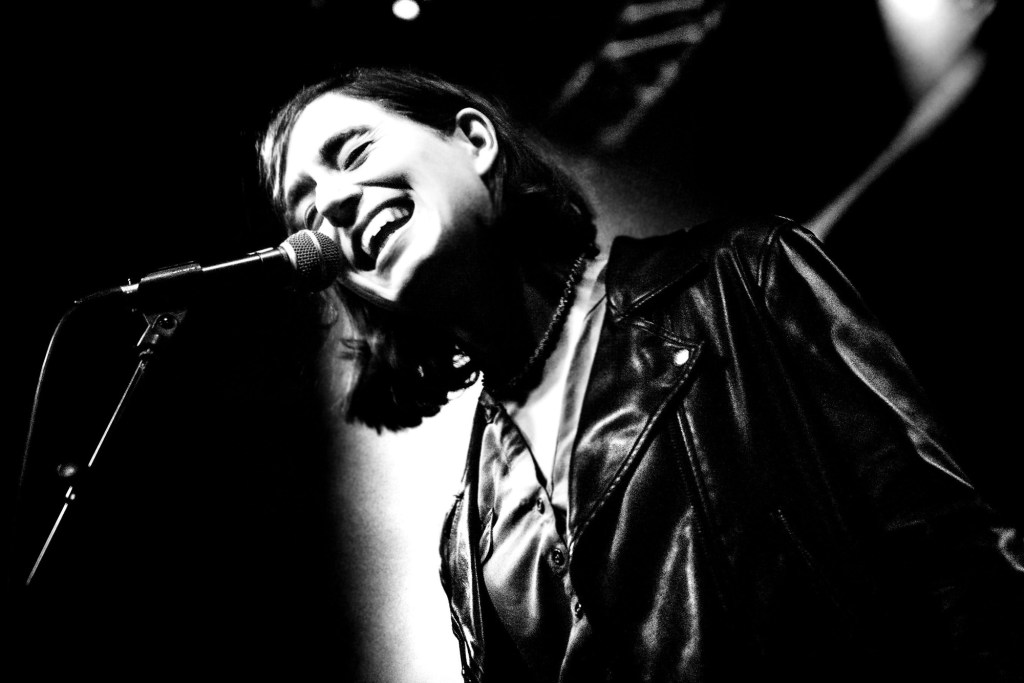
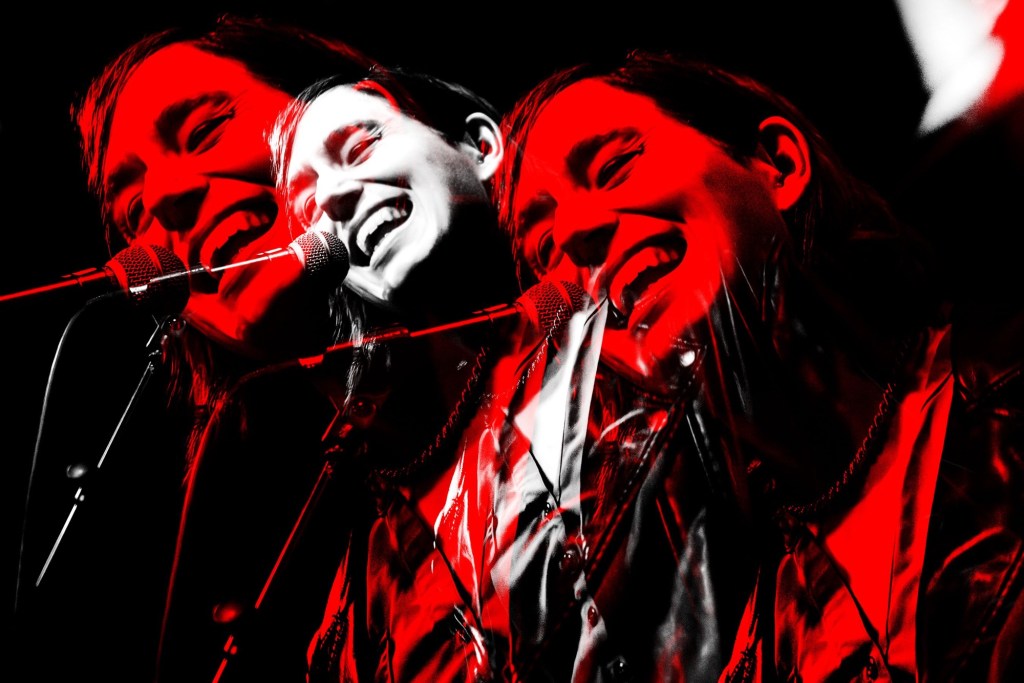
The entrance is coy, humble, and almost shy. There is a slight wave from a low-slung hand and then a smile breaks out. Then, suddenly, in the twinkle of those eyes there is mischief, there is intent… there is something to be said and you are going to listen. Ezra Furman is back, and it seems like an age since she was last here.
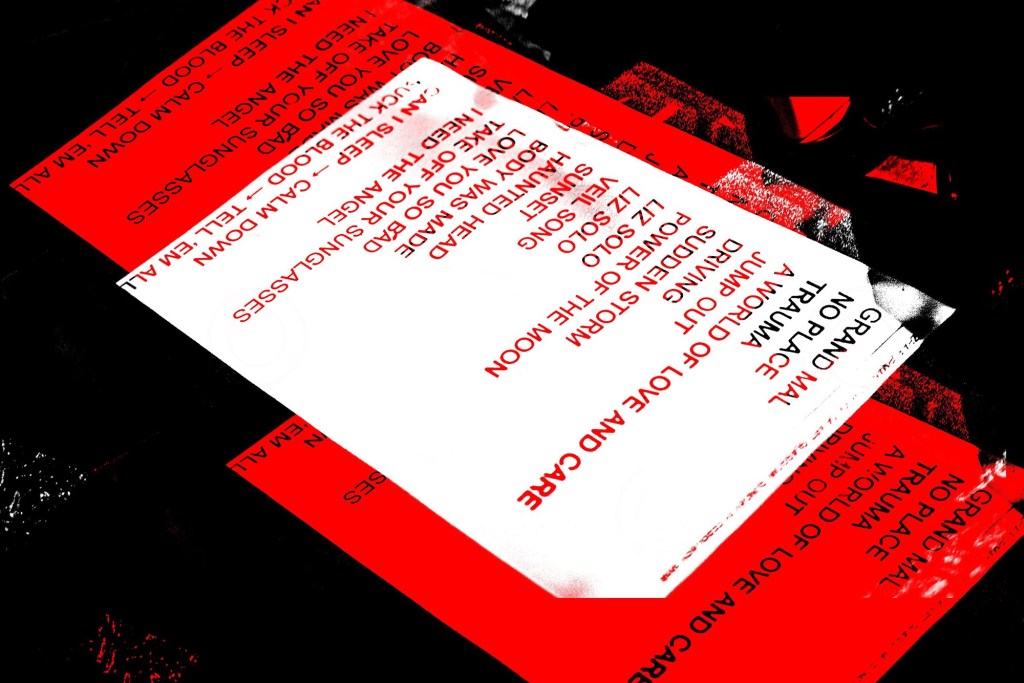
After easing into the night with a simmering Grand Mal, the set quickly starts to boil over with No Place and Trauma. Such powerful songs so early in the set, sending a clear message of the rage to come.
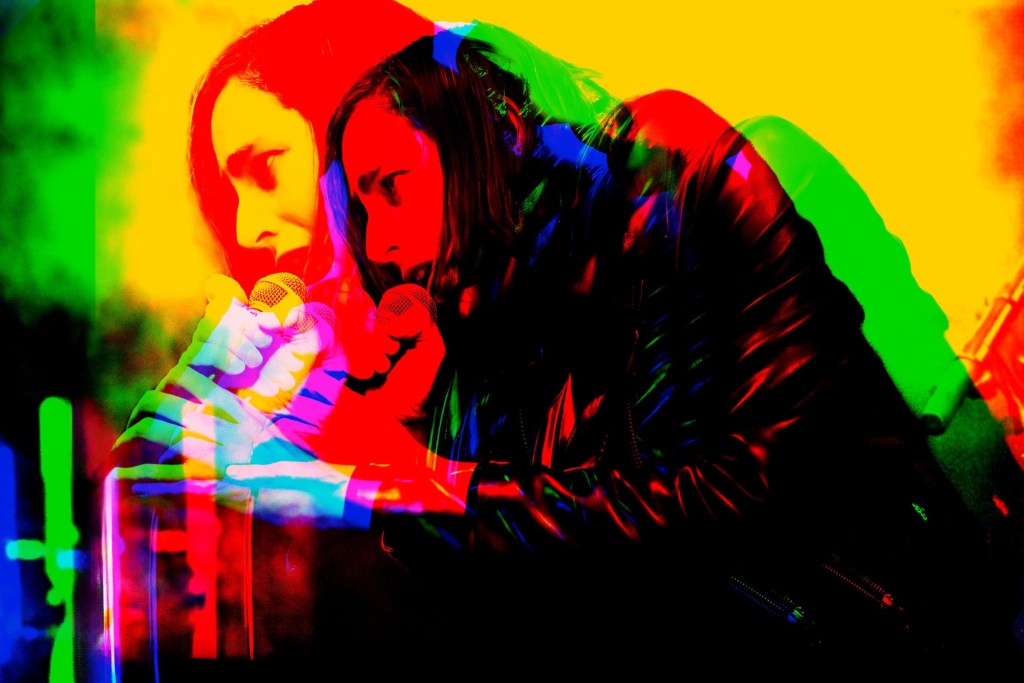
Many bands play loud and fast and declare their anger or angst in quite straightforward terms — often easily understood and possibly easily forgotten. Tonight, with Ezra Furman, the message is altogether more subtle, and the delivery and lasting effects are seismic. These songs are about a life lived — and at times directly endured — not just third-party, voyeuristic interactions. With a voice that almost defies genre, and with machine-gun-like intensity, Furman snarls as words crackle with emotion: raw and highly charged, frustrated, strained, and deadly potent. There is a savage release that relays stories of everyday love and heartbreak. Highs and lows. Car rides… car rides seem to be a thing. At times sardonic, at times naively optimistic, and yet crushingly realistic. The tales are relatable, and that draws you in.
Deeply personal and emotive, you are quickly brought on side. Quieter moments, including a two-song solo interlude, allow for tongue-in-cheek interactions and self-effacing humility. Furman comments on a declining fan base… which may, in some strange way, be intentional — a clear and determined move away from the Sex Education era, regardless of how successful that may have been financially.
The newer songs are polished, fuller, less abrasive, yet they sit perfectly — still jarring, with that perfect vocal delivery leading the charge. Some older favourites are stripped back and remind me of The Velvet Underground. And again, that voice, glued to rasping guitars, with that desperate intensity connecting them all. Sunglasses still reminds some of Dylan and Sunset of Springsteen — but that is okay. They all have something to say.
“Tell ’em all to go to hell.” A fitting end to a beautiful night. An artist at the top of their game, an artist continually changing. I am fascinated to see where Ezra Furman goes next. Such tumultuous times for an American, and that really is the perfect catalyst for artistic reaction. Ezra Furman is the perfect artist to lead the charge — involved, vocal, and savage.
As she said, “We are from the US and we are not okay.”


 The Golden Bough