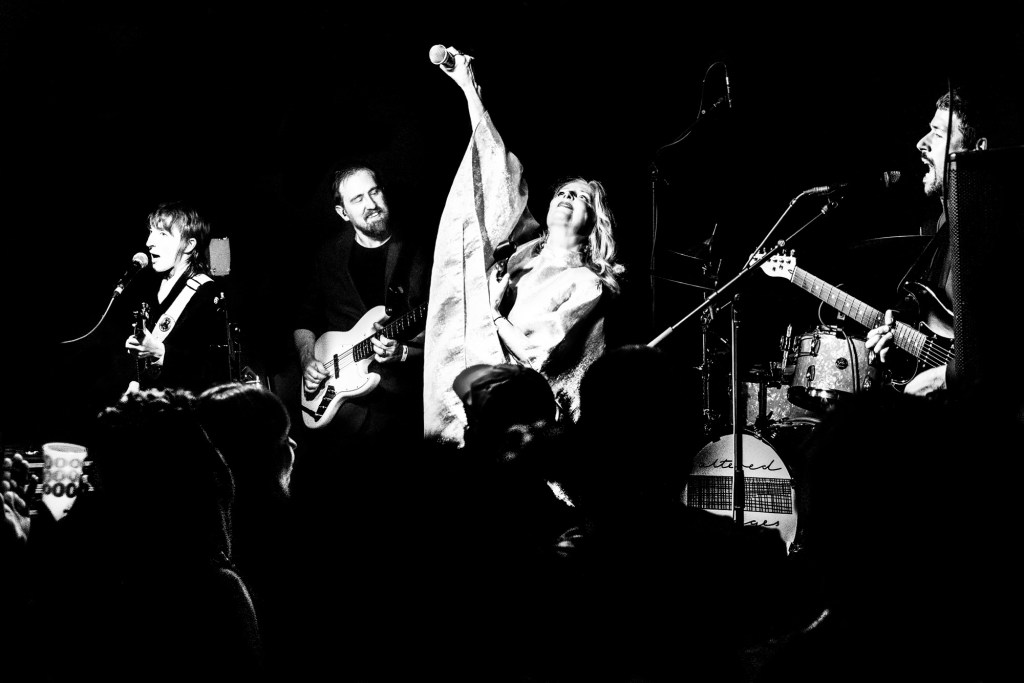
On a night that saw Pop Mutations collaborate with the Tiny Changes charity to present six shows across Glasgow, the hottest ticket was undoubtedly Altered Images at The Glad Café. Returning home for an incredibly intimate gig, everyone knew this was going to be special — one of those rare evenings where the stars align.
Altered Images will always be one of Glasgow’s perpetually shining lights of 1980s pop — a band that has never really gone away, their songs woven into the fabric of our collective memory. Instantly recognisable and loved as much today as they were four decades ago, to see such an act with this kind of pedigree in a venue this small was always going to be something to behold and savour. A real “I was there” moment.
But where do I start? Clare Grogan needs no introduction, especially here in Scotland. She and her songs have soundtracked our lives for as long as I care to remember, and like so many people here tonight, the thought of seeing her perform so close up left me almost breathless. That joyous, infectious ray of light that just makes you smile — a presence that feels both familiar and magical.
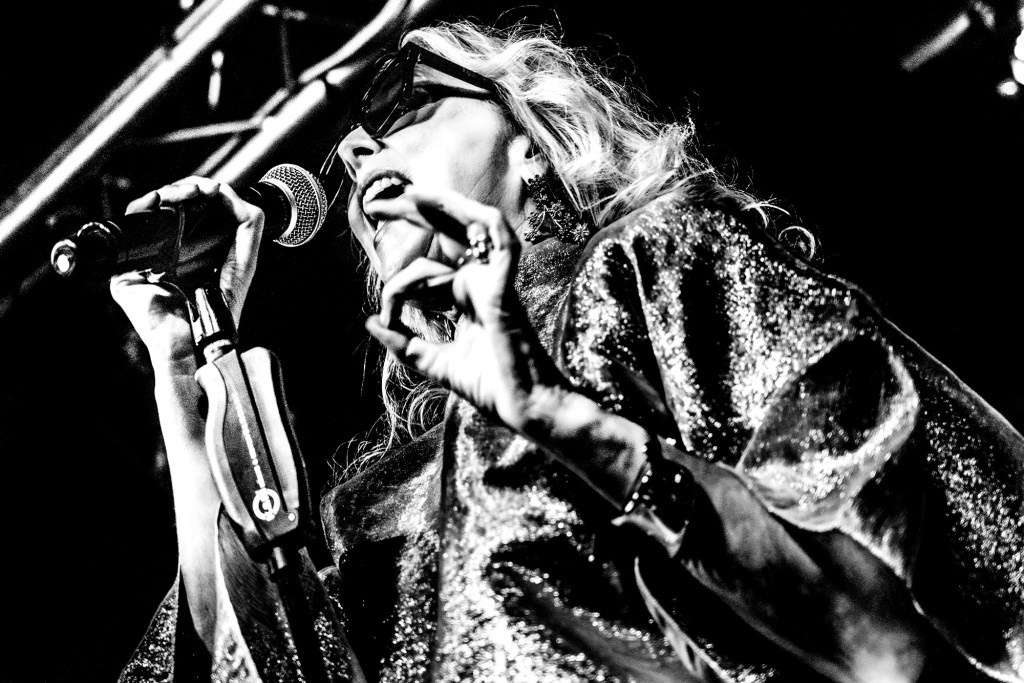
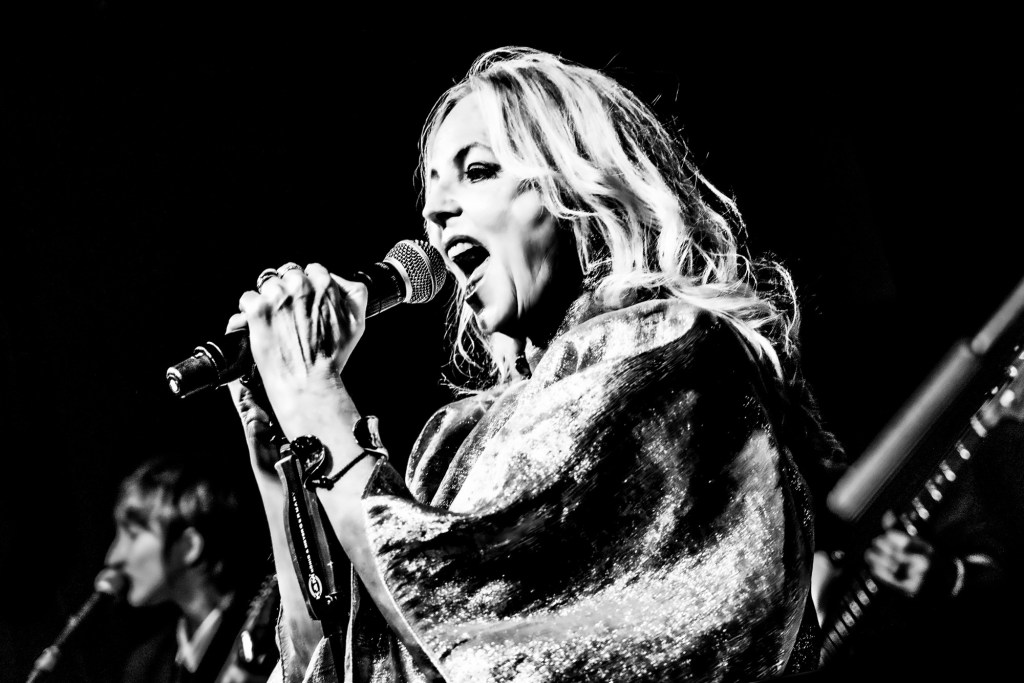
She appeared dressed in the most remarkable costume — shimmering and floating like a butterfly, reflecting light and creating an eye-catching focal point that seemed to capture the very essence of the music itself.
The first knockout punch came with set opener “I Could Be Happy” — such a heavyweight number to kick off proceedings and get everyone on side. From that moment, the room belonged to her.
The hit-laden set unravelled beautifully, with Grogan perfectly at ease, chatting and joking between numbers. She reflected on how her singing voice has deepened over time, leaving her “Minnie Mouse” voice of youth behind, though she remained determined to sing in the same key as before. She giggled — albeit perhaps slightly miffed — at the thought that her husband and daughter were working in London rather than being here to give moral support. She grew emotional remembering how her then-bandmate and later-to-be husband had written “Don’t Talk to Me About Love” together, and in the same breath, almost welling up, marvelled that she cannot believe she has been with him so long. These tender and at times tongue-in-cheek moments felt truly genuine, shared with humour and humility — unguarded glimpses into a life lived in music.
There was a welcome nod to the band’s very early roots, with new wave classics “Dead Pop Star” and “Insects” sitting perfectly alongside newer, yet almost retro-analogue synth tracks such as “Mascara Streakz” and “Double Reflection”. The evolution evident, yet the essence unchanged.
Tonight was utterly fantastic. To see a band of this calibre in a venue this intimate really is a rare thing — spellbinding, joyous, and a memory to hold dear and cherish. An evening where past and present merged seamlessly; where nostalgia felt not like looking back, but like coming home.
East Kilbride. I’ve never been and, if I’m honest, I don’t really know exactly where it is or how to get there — but what I do know is that from this place emerges beautiful music that reaches far beyond the boundaries of its origins. Like flowers emerging from cracks in the concrete, reaching for the sun and beyond — defiant, necessary, essential.
The foundation of Gates of Light — AKA Louise Quinn — comes from this place. A singular performer whose collaborations with electro-centric musicians and producers from London, Paris, New York and Glasgow have resulted in some of the most remarkable and captivating music to be created and released on local label Last Night From Glasgow. This is music that exists in the spaces between the organic and the synthetic, between hope and heartbreak.
Performances and releases are few and far between, which makes them all the more precious. So the fact that they perform tonight in support of the Tiny Changes charity feels not just fortunate but somehow fitting — an act of generosity that mirrors the emotional openness of the music itself.
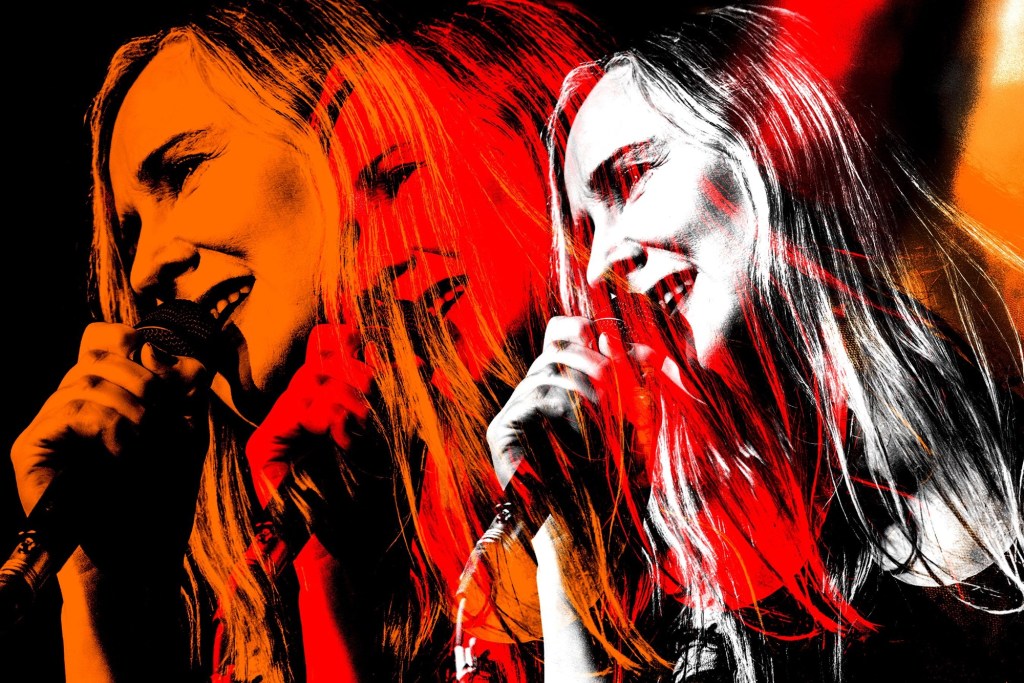
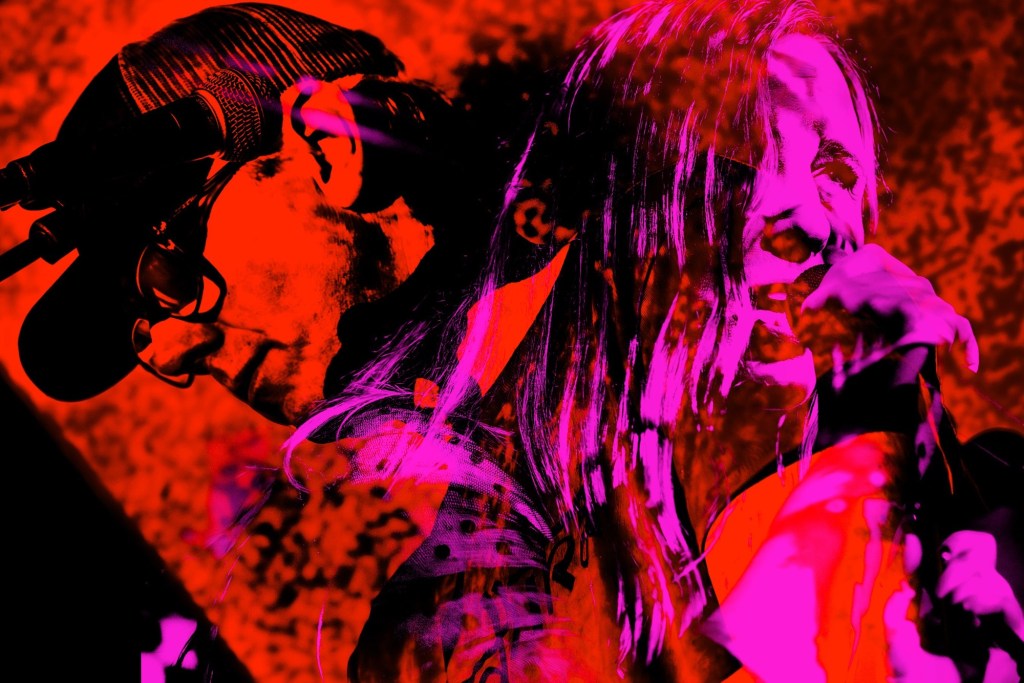
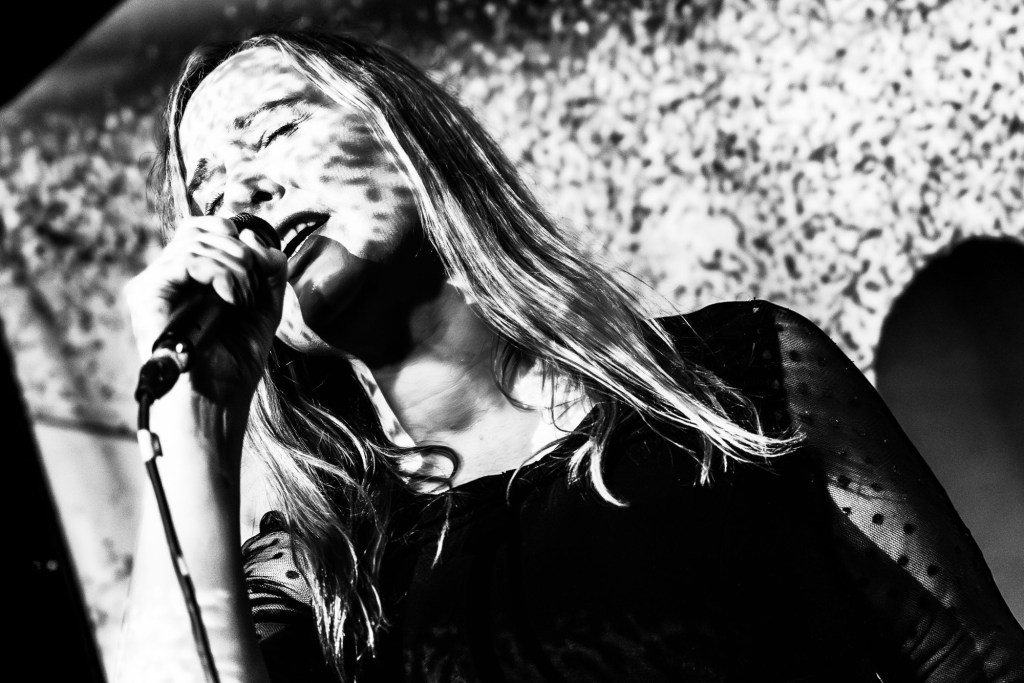
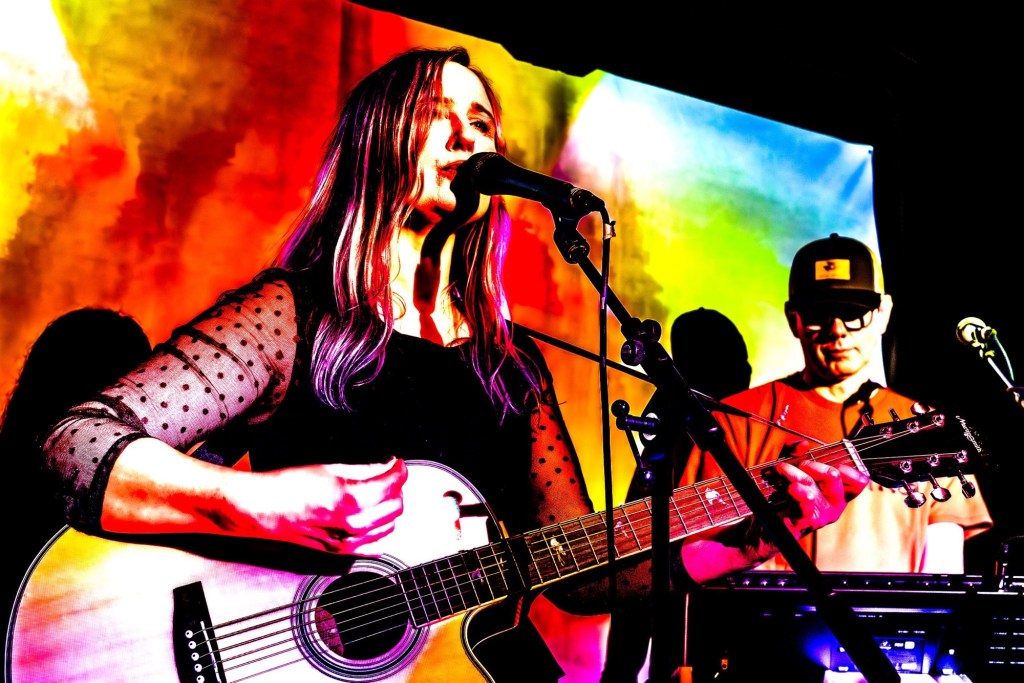
Tonight’s show sees Louise perform with Finlay Macdonald, and the set eases into existence with the bittersweet slow-burner Better Now — a song that doesn’t so much begin as materialise. For me, the highlight of the Gates of Light repertoire comes early, and it hits like a revelation. Quiet Little Miracle is a masterpiece of melancholic hope and yearning — so quiet, so mesmerising, so devastatingly beautiful. I urge you to seek out this song and challenge you not to be moved to your core. Louise’s voice is so pure and natural, untouched by artifice or pretension, that its pairing with an electronic soundtrack creates a perfect union of sweet and sour, blood and code — human vulnerability wrapped in digital precision.
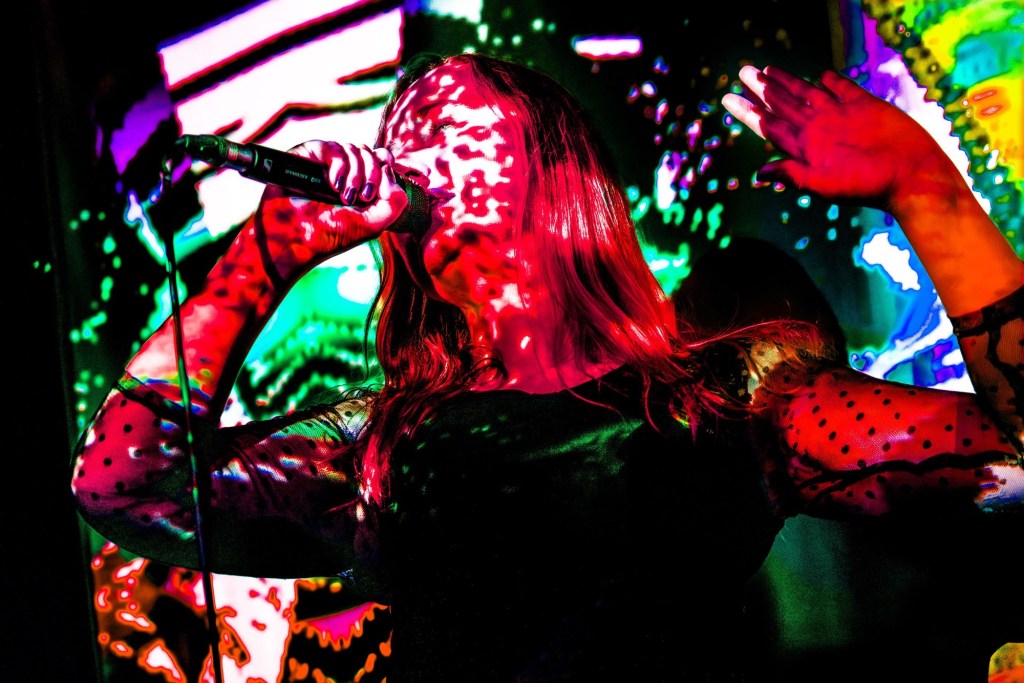
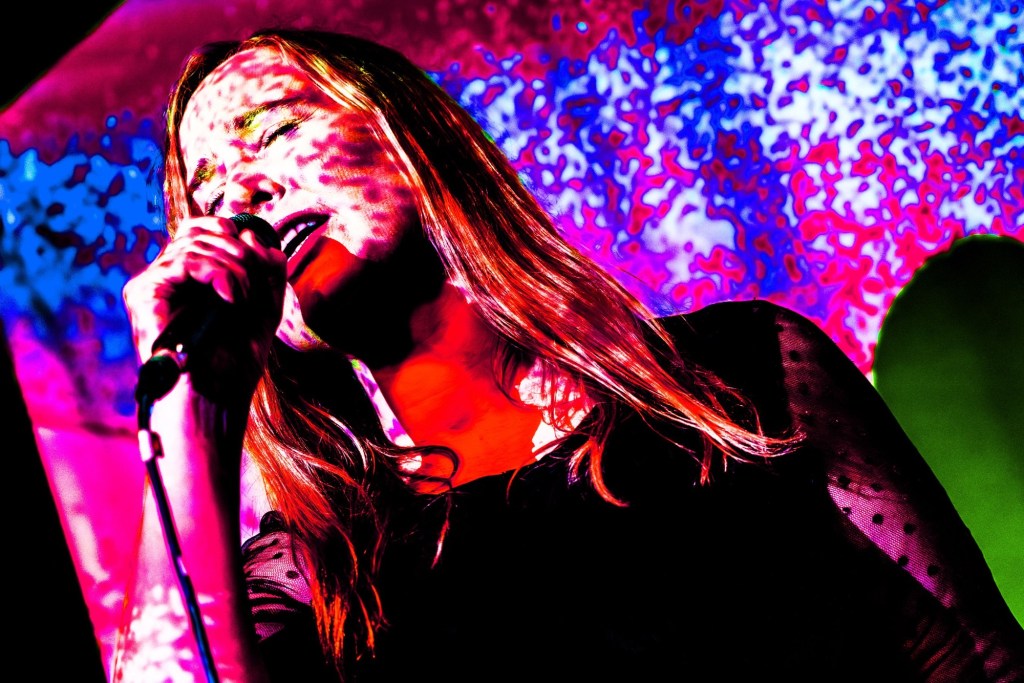
As the set gathers pace, the dynamics shift. Advance introduces a near-techno pulse that feels both urgent and hypnotic, and the duo look perfectly at home in the space they have created. Hypnotic projections of graphic shapes and colour flood the stage with perpetual movement, the visuals pulsing in sync with the music as sound and vision become one immersive experience.
What strikes me most about Gates of Light is the emotional honesty at the heart of everything they do. In an age of overproduction and artifice, there’s something profoundly moving about music this stripped back, this vulnerable, this real. Louise’s voice carries the weight of lived experience — joy and pain in equal measure — while the electronic framework provides not distance but intimacy, creating spaces for emotion to breathe and resonate.
The ability to see Gates of Light in the wild is a rare thing, and tonight proves exactly why they matter. Make sure you take every opportunity to catch them, and in the meantime, seek out their music and support their beautiful work wherever you may find it.
In a world that often feels too loud, too brash, too certain of itself, Gates of Light offer something different — something quieter, deeper, more honest. Something vital.
NewDad returned to Glasgow on Monday night with a warm and confident performance at SWG3’s TV Studio, celebrating the recent release of their debut album, Altar. The set leaned heavily into the new material, with standout tracks such as Everything I Wanted,Pretty, and Misery already settling in as firm fan favourites. These songs showcased the band’s knack for melancholic melodies wrapped in hazy, shimmering textures.
A brief technical fault during the second song could have thrown things off, but the band handled it with ease. With smiles all around and cheers from the crowd, they kept going, and the issue was sorted within seconds.
Highlights of the night included a powerful version of Sickly Sweet, the moody, swirling Blue, and a stunning encore featuring Angel and Roobosh, ending the night on an emotional and atmospheric high.
In a venue known for hosting rising acts, NewDad proved they’re not just ones to watch — they’re already here, and they’re quietly brilliant.
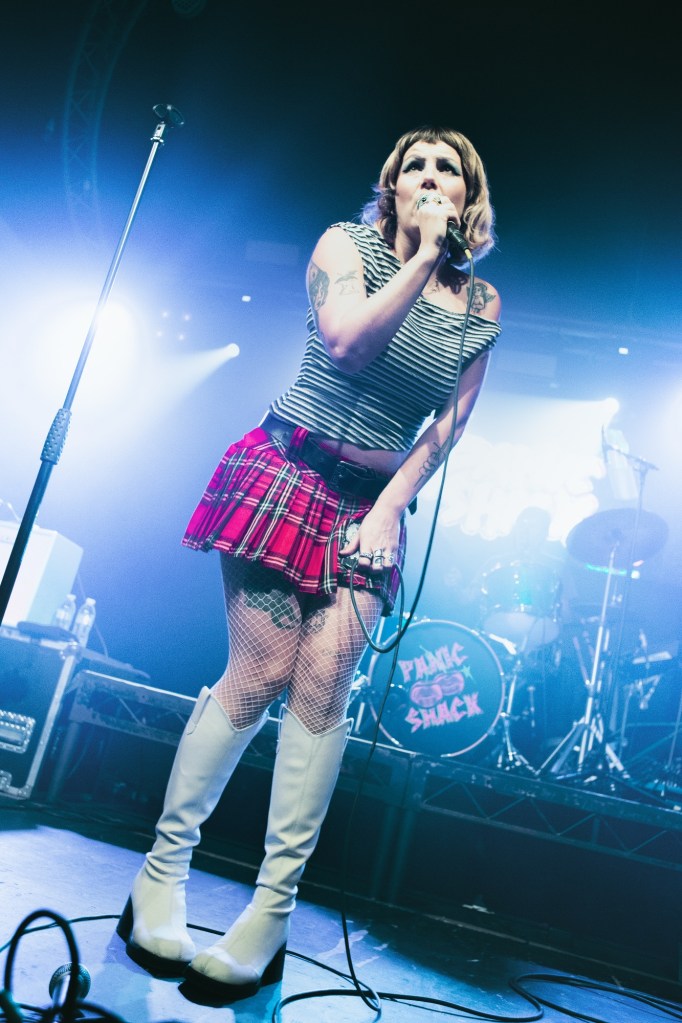
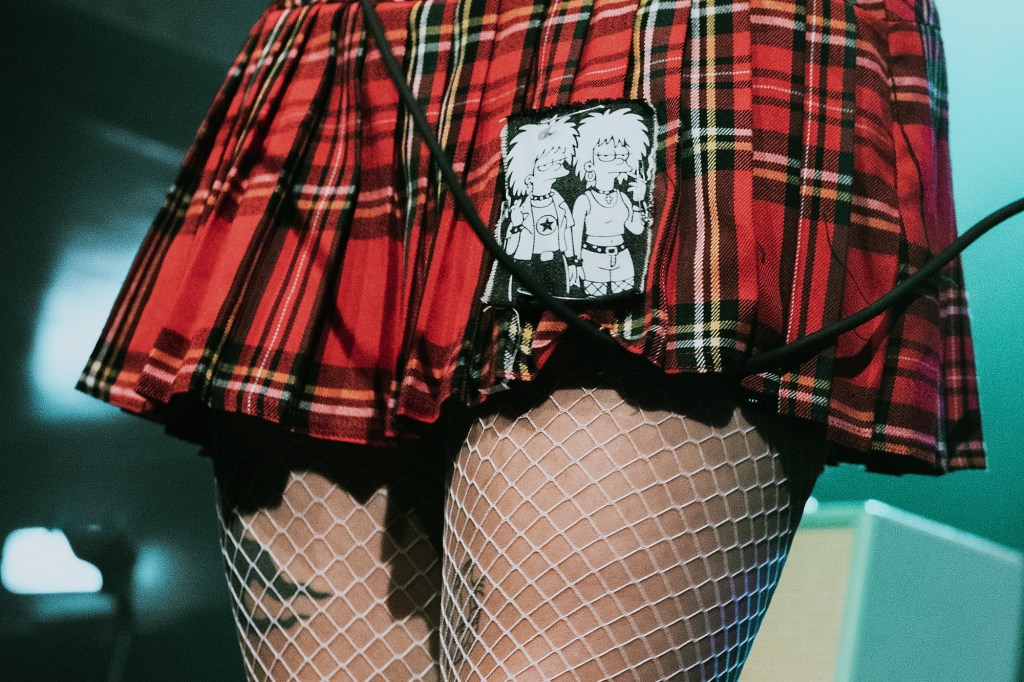
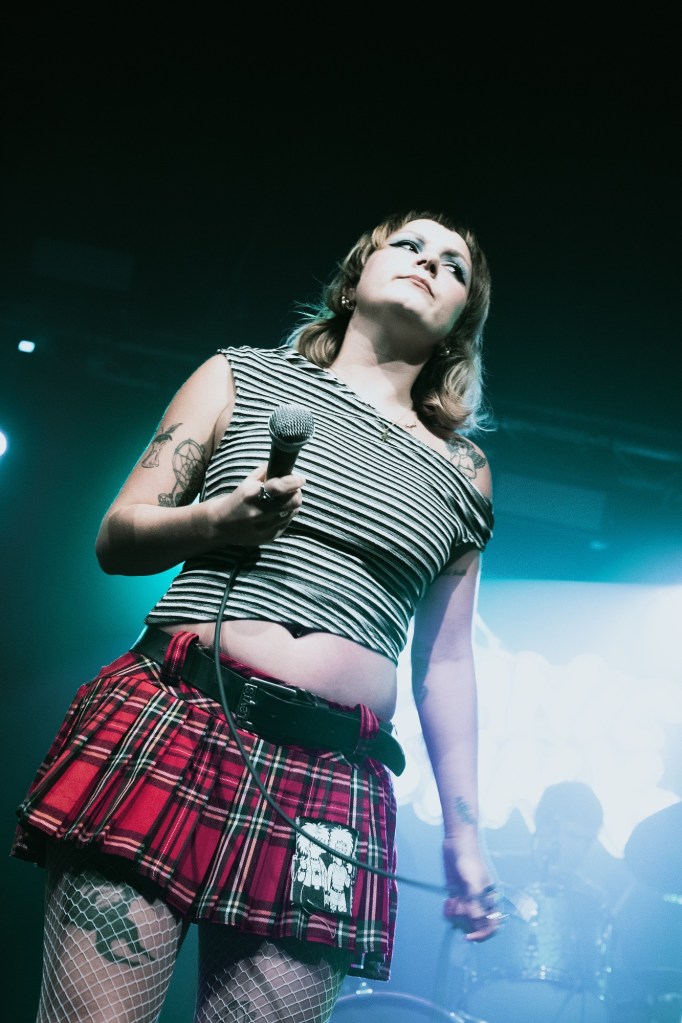
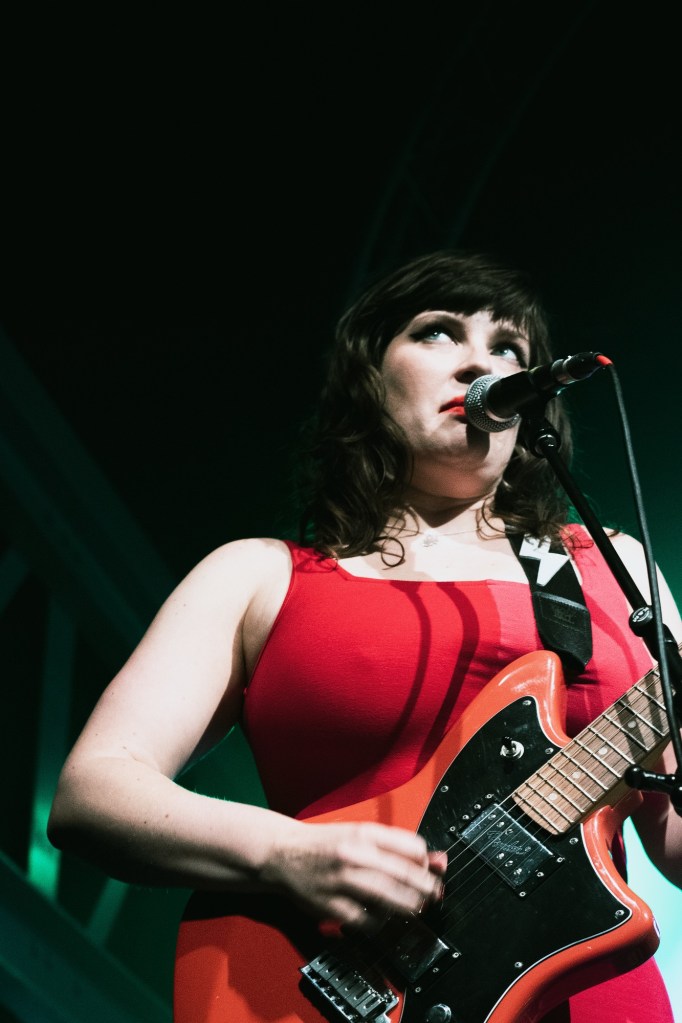
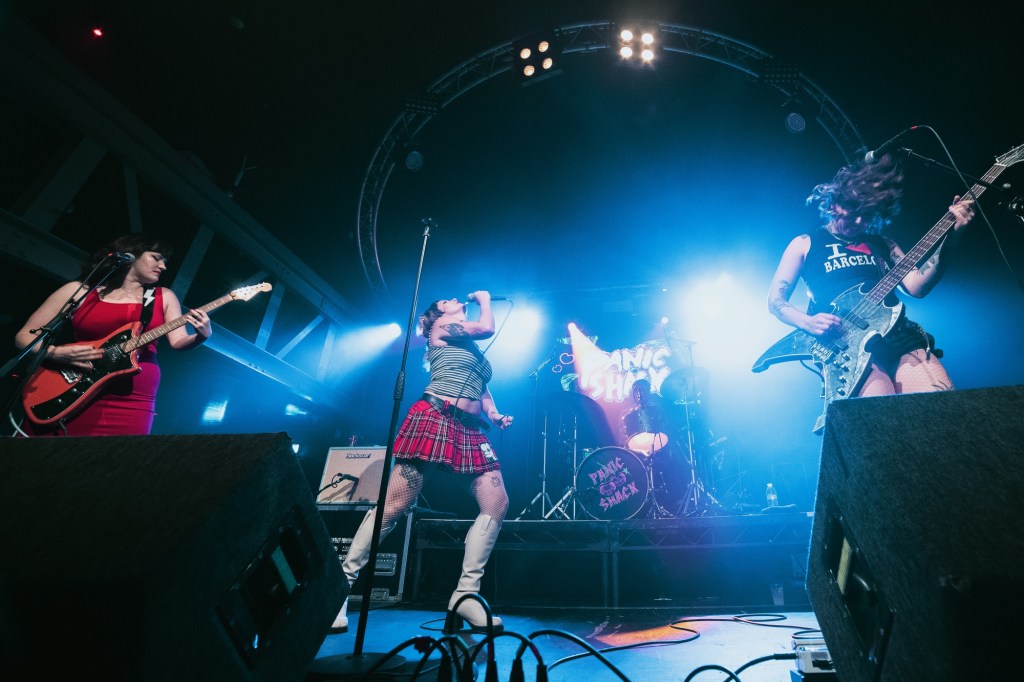
Panic Shack were back in Glasgow, only several months since they were here last — this time playing the larger Garage for the release of their self-titled debut album.
They kicked off the evening with the popular and catchy ‘Gok Wan’, the perfect way to raise the energy for the rest of their set, which was filled with more fan favourites such as ‘Girl Band Starter Pack’, ‘Jiu Jits-You’, and ‘Thelma and Louise’.
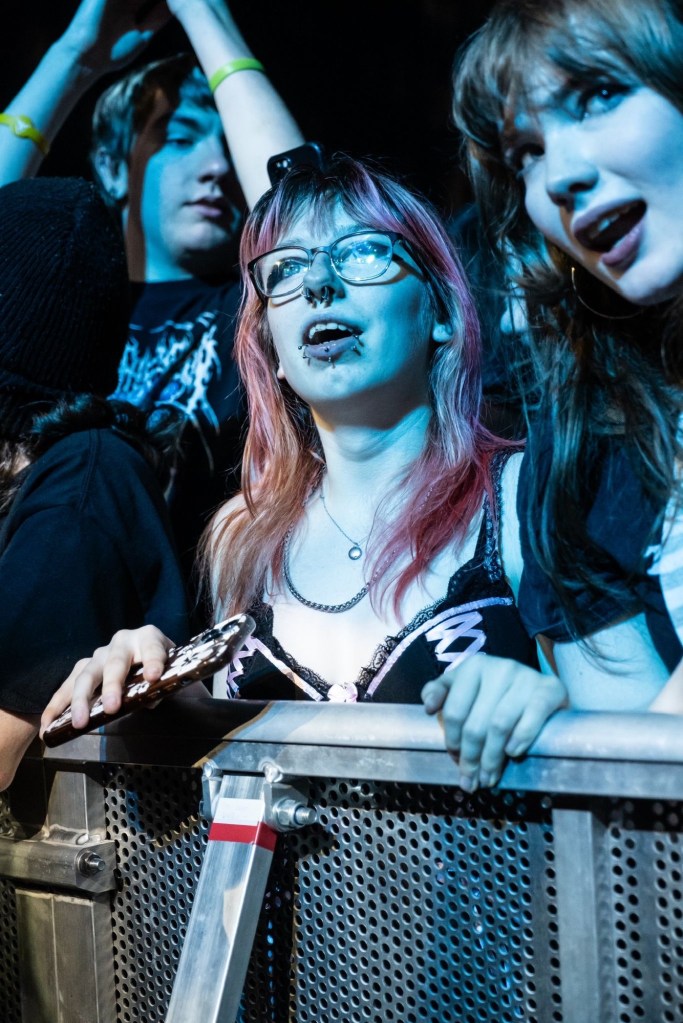
It wasn’t long before the mosh pit was in full swing, with many unable to resist joining in or dancing along further back. The charismatic four-piece kept up a good back-and-forth with the crowd, later stating that they “love it here”.
A highlight of the evening was their cover of ‘War Pigs’, originally by metal legends Black Sabbath. They nailed the distinctive riffs and iconic solos, with Nick Doherty-Williams putting on an awesome show on drums. They cleverly merged into ‘Tit School’ from their new album, keeping up the high energy from their exciting but unexpected cover.
They closed the night with a good mix of old and new, including ‘Who’s Got My Lighter?’ and the new track ‘Pockets’, before finishing on another fan favourite, ‘The Ick’. These final songs were quintessential Panic Shack — angsty vocals, gnarly riffs, and plenty of moments for a good mosh.
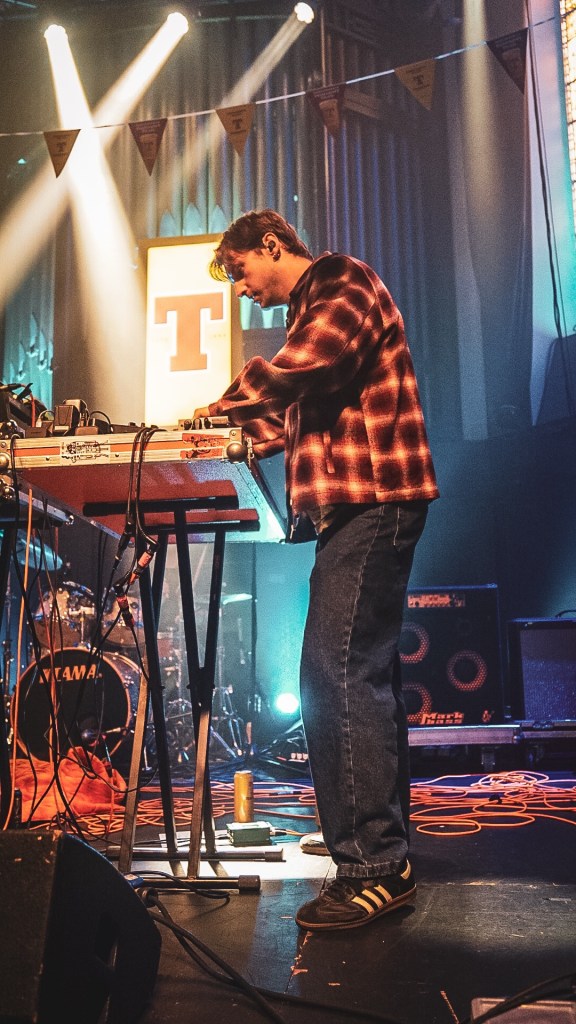
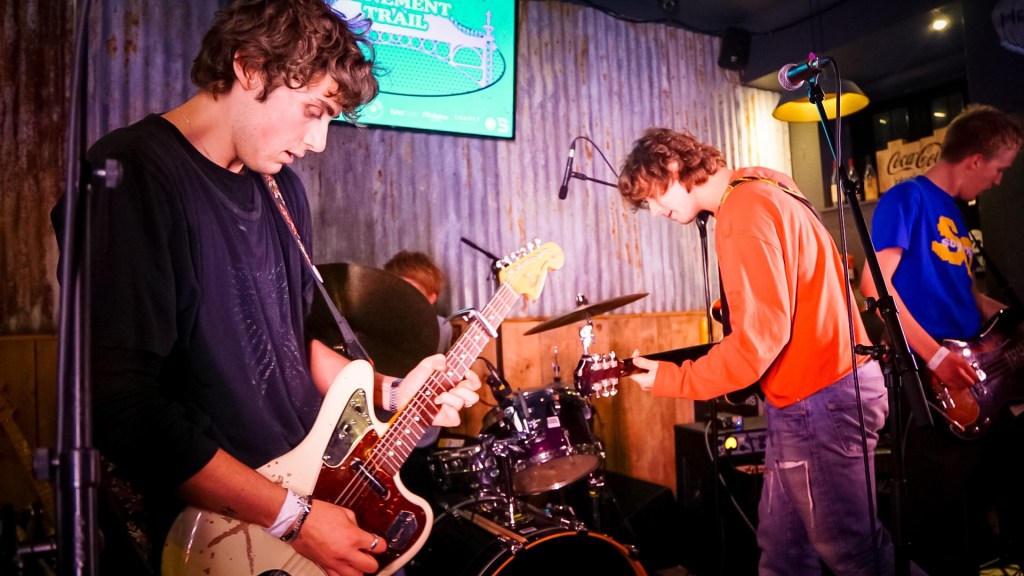
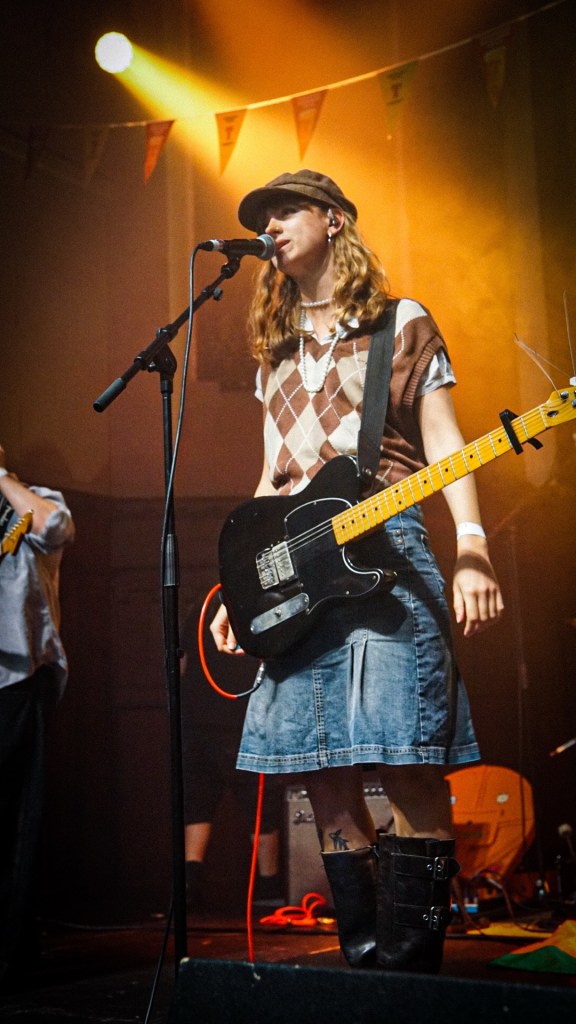
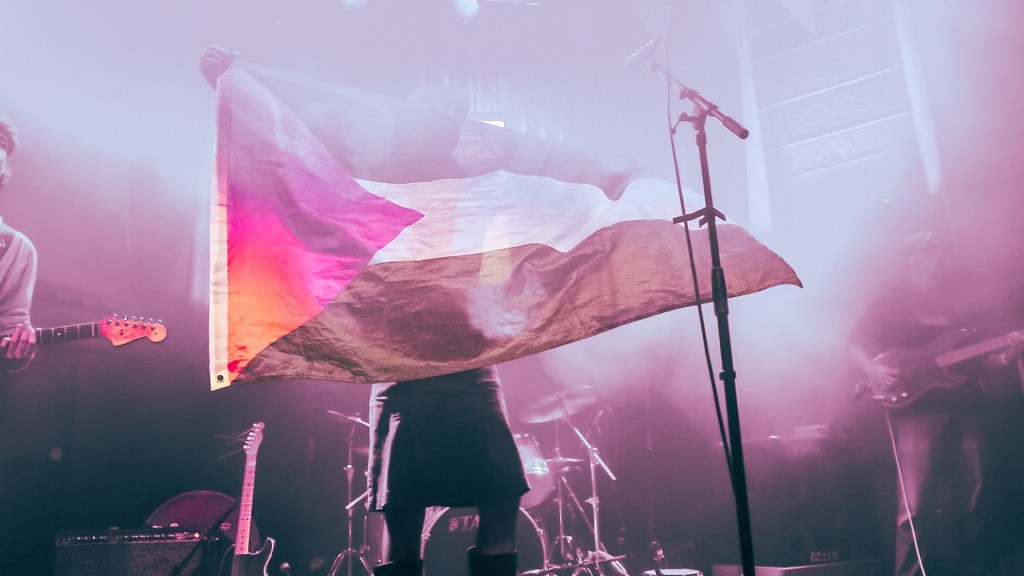
There’s a particular kind of holy chaos that only Glasgow can conjure — that strange cocktail of reverence and racket, rain and revelation. This year’s Tenement Trail, now in its eleventh incarnation, was less a micro-festival and more a music aficionado’s fever dream: over fifty acts stretched across the East End’s sacred and profane spaces — St Luke’s, BAaD, McChuills, Barrowland, and every bar with a plug socket in between.
It’s a pilgrimage of distortion that’s seems to be leaning into the post punk Irish renaissance that’s happening much to our delight. Here is who we seen and what we thought.
Adult DVD @ St Luke’s
Leeds’ Adult DVD opened the day like a synth apparition — chrome-plated and ice-cold, a Factory Records lovechild raised on a diet of irony and tinned lager. Their “Bill Murray” track glistened like neon through a smog of church incense. Imagine New Order if they’d been trapped in a laser tag arena with DMA’s and a bad hangover — that’s Adult DVD: sterile, shimmering, and slightly sinister.
Theo Bleak @ Barrowland 2
Theo Bleak followed with something far softer — a damp, lilting sigh that rustled like wind through stained glass. They occupy that spectral space between Phoebe Bridgers and Daughter, a melancholic folk-pop echo that seems to apologise as it enchants. Their set was like being serenaded by the ghost of a poet who never made rent. We lived the unadulterated whimsy of “I Look Like A Fool to You”.
Curiosity Shop @ Van Winkle
Curiosity Shop sneaked on to the line up last minute and being one of our highlights from last year we didn’t want to miss this set. The band wandered through their slot like wayward mystics. There’s something pastoral yet rural about them — as if Devendra Banhart had wandered into The Velvet Underground’s basement. Their track “Books on the Wild” with its two part harmonies is instantly mired in melancholic longing so much so I’m aghast that they’ve not yet been catapulted to fame for soundtracking the next big teen angst series (The Summer I Turned Pretty team you slept on this one.)
Mercy Girl @ Barrowland 2
Mercy Girl arrived like dusk personified — all indie shimmer and dreamlike ache. They could be The Japanese House’s grittier Glaswegian cousins, they instantly remind me of Fcukers and Crystal Castles all bruised vocals and reverb-soaked resolve. The crowd swayed as though under a spell they didn’t consent to but secretly adored. “Heaven” was a gloriously filthy disco stomp.
Fright Years @ Barrowland
Dark, decadent, and deliciously shimmering pop overtones — Fright Years stalked the Barrowland stage with glorious 70’s bohemian trumpet sleeves billowing out over the audience. Dappled in indigo lighting the band proved they have the chops to fill large capacity venues like the Barrowland ballroom. We loved the anthem crescendo of track “Stars”.
Flytrap @ 226 Gallowgate
At 226 Gallowgate, Flytrap were the chaos cousins — restless, wiry, and gloriously unpolished. Their sound spilled like electricity on wet pavement; or wait… was that the can of Tennents that got kicked over thier guitar pedals? Thier track “Gutted” sounded somewhere between Pip Blom and a very caffeinated Clamm a heady concoction worth checking out.
Youth For Sale @ Winged Ox
There’s a beautiful serendipitous feel to the synth laden, dreamy pop that high school friends turned band Youth For Sale are peddling. It’s feel good pop and Youth For Sale deliver it with all the tenderness of a buttercup blowing in a meadow. New tracks such as “I Think I’m In Love” are gorgeously catchy.
No Windows @ Barrowlands 2
Edinburgh’s No Windows once again titillated with thier joyful harmonies and sweeping soundscapes. The band seem to have swelled in numbers what started of as a due then a trio appeared in stage today as a fully fledged five price band.
It’s good to see them pick up a prominent touring schedule. Twee, high tempo with distorted guitars the band hand the audience spellbound so much so that you could have heard a pin drop between songs. We loved, “Zodiac 13”
Dirty Faces @ Van Winkle
Dirty Faces (from Derry) were a crowd favourite before they even played a note — with a queue that tracked all they way up the street and around the corner this was the hot ticket that everyone wanted in to see. The band started off well however after 3 songs and a tragic misfire with the in house PA which seemed to make their drum machine mutiny halfway through…
They filled the void with humour and jokes – which the crowd responded rapturously to, not faltering and leaving, eager to hear what these two Derry boys were bringing to the table.
Despite the sound irregularities the lead singer titillated the crowd to a spontaneous acappella rendition of I Am The Bogside Man, which had the crowd roaring in solidarity. It was chaos, calamity, and community — all the best Glasgow exports. We hope they come back soon possibly with a drummer in tow.
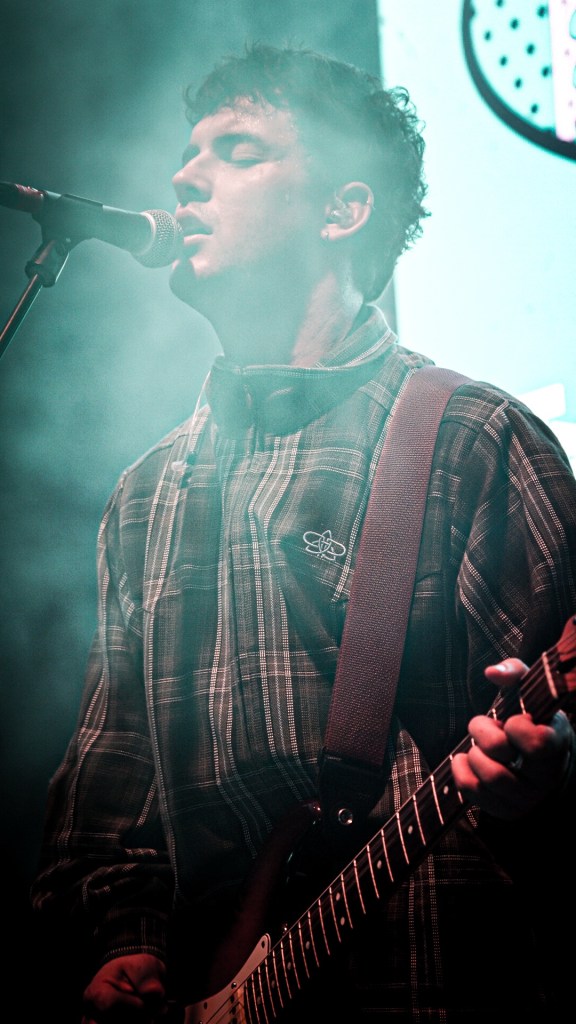
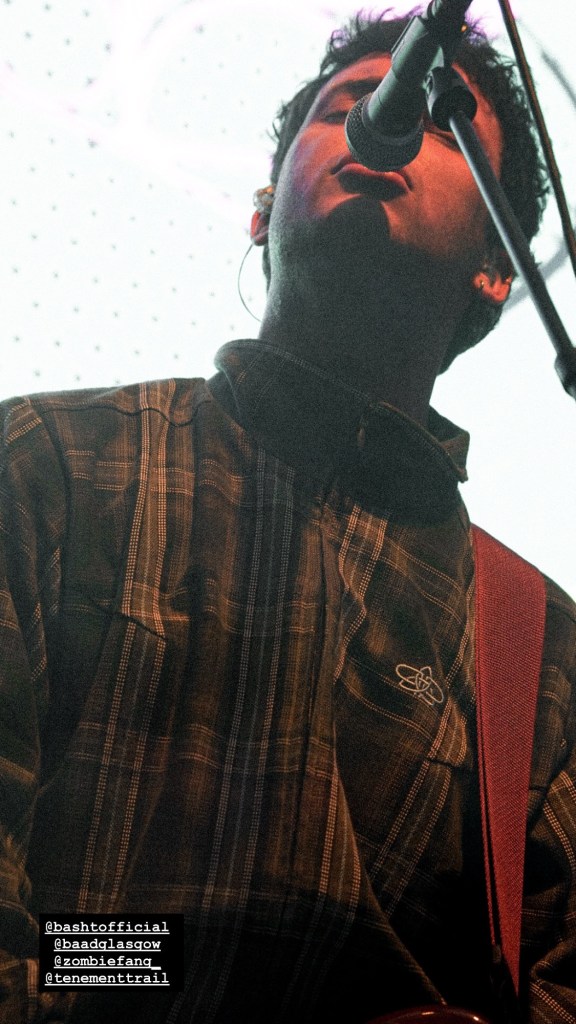
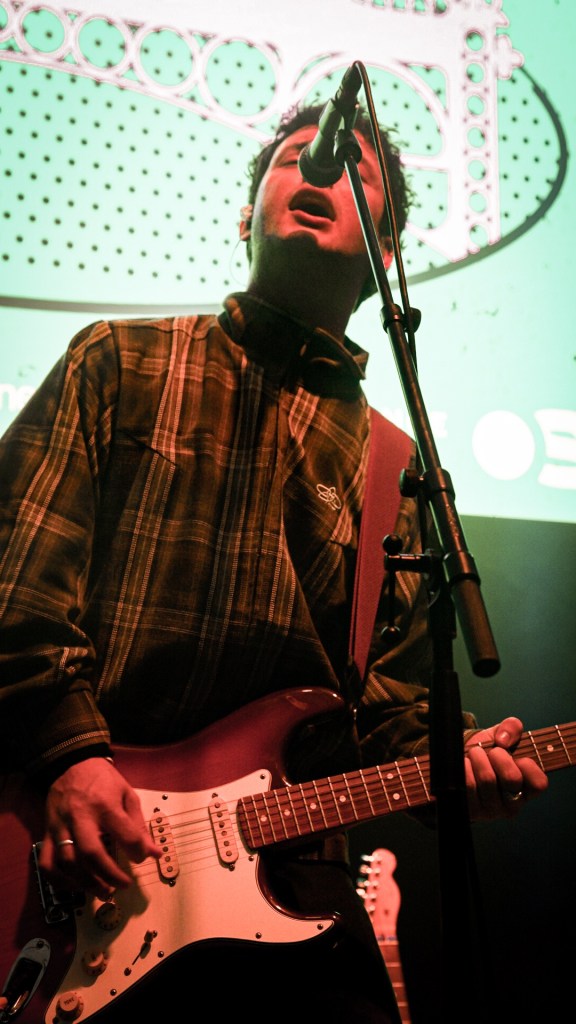
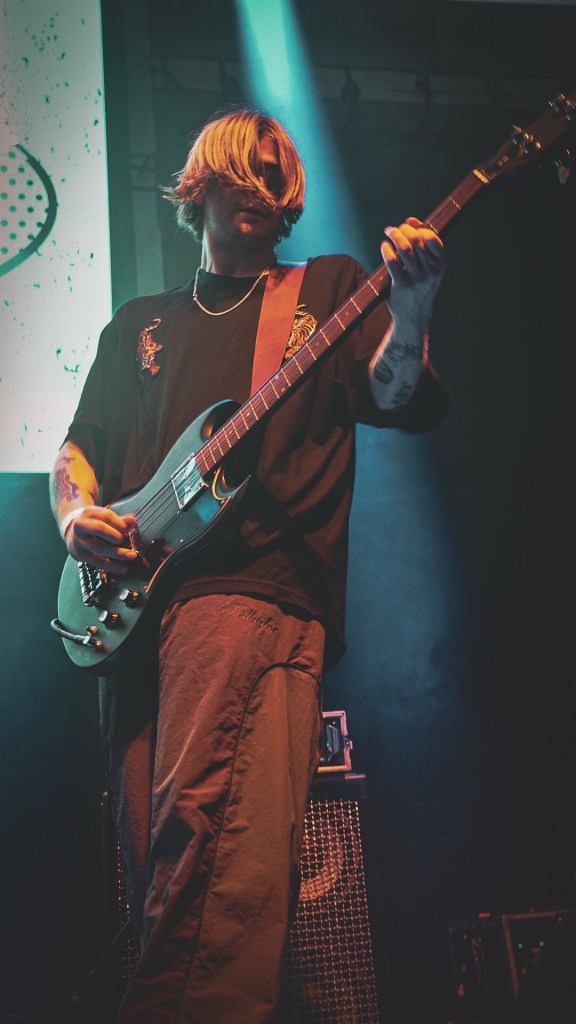
Basht. @ BAaD
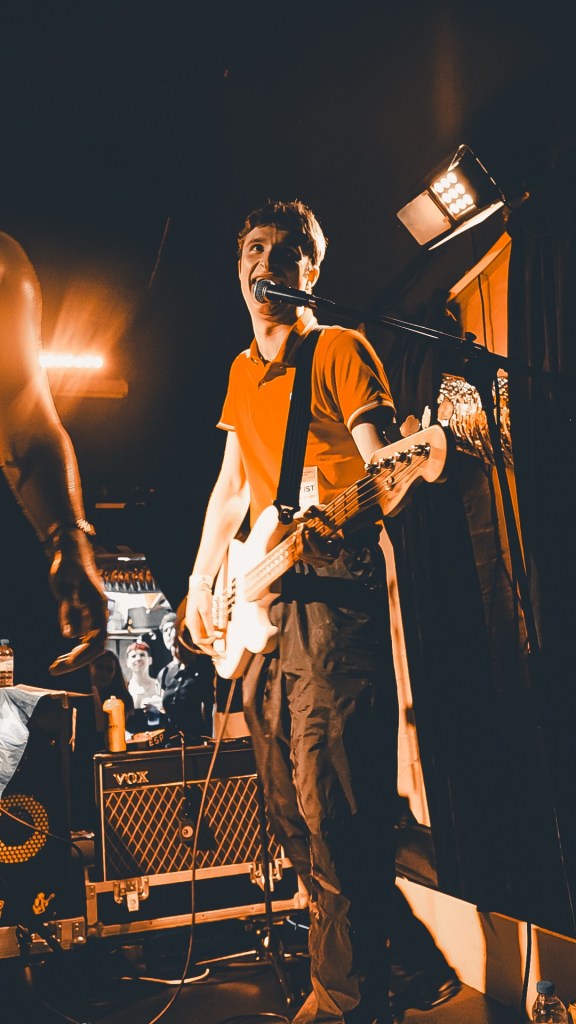
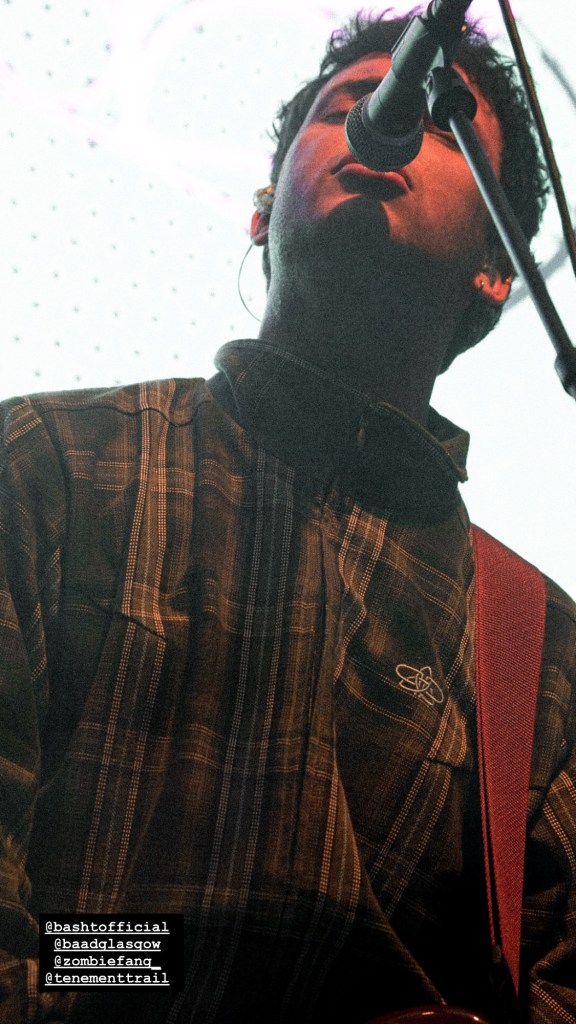
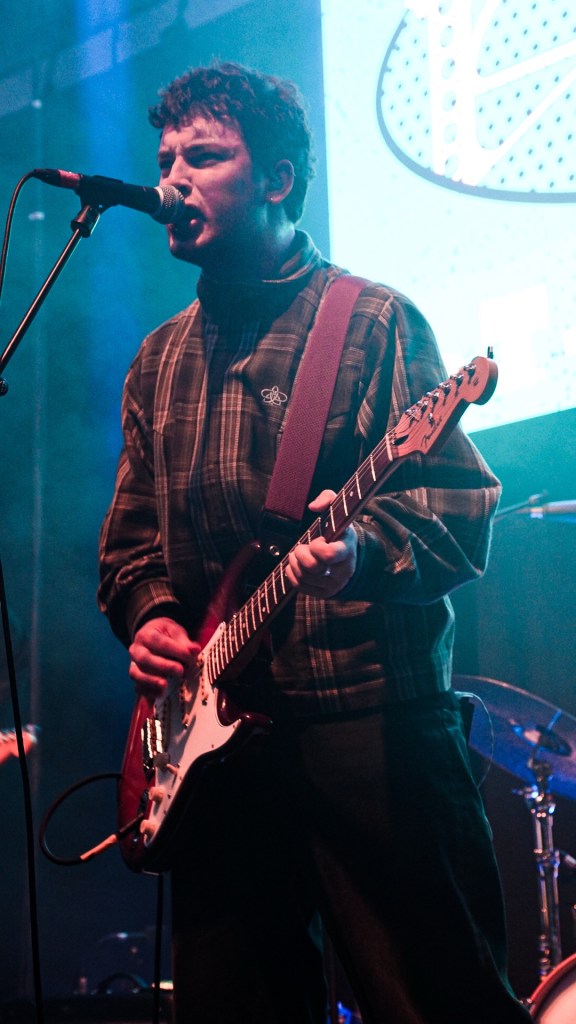
Basht. took the industrial cathedral of BAaD and turned it into a sweat-lit dancefloor. We loved “Wild Horses” which sounds like Wunderhorse having some sort of fisticuffs with Lou Reed, part Franz Ferdinand, all kinetic fury — their set was a celebration of rhythm as resistance.
Gallus @ Barrowland
The beloved sons returned. Gallus are the sound of Glasgow itself — swaggering, sentimental, and always one chorus away from transcendence. Their Barrowland set was a victory lap: a communal singalong that could’ve powered the city’s grid for a week. If Arctic Monkeys had been raised on Tennents and tenement tales, they’d sound like this.
The energy in the room way beyond palpable our favourite track was , as always, for the energy that comes with it, was “Fruitflies”.
The Deadlians @ St Luke’s
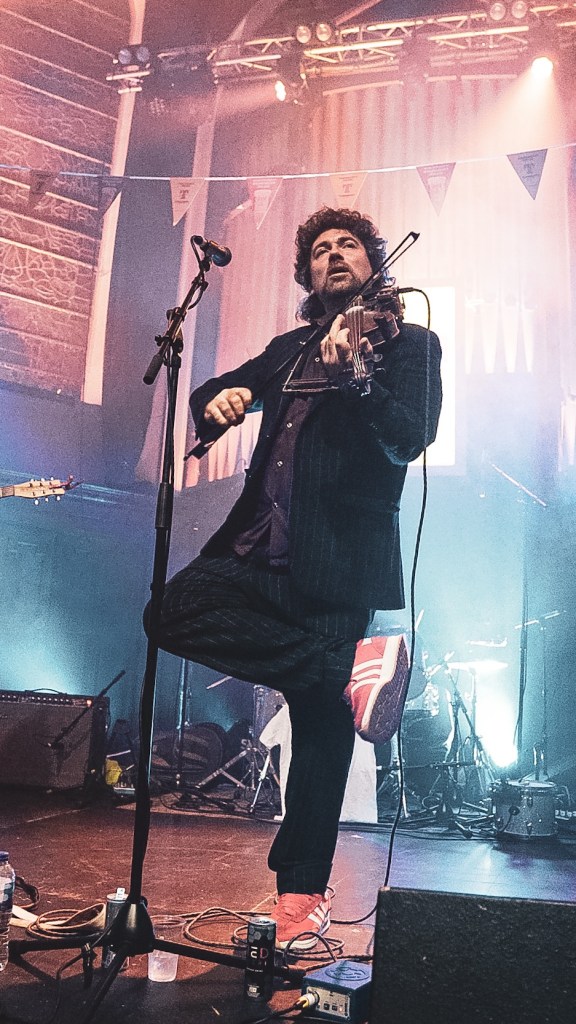
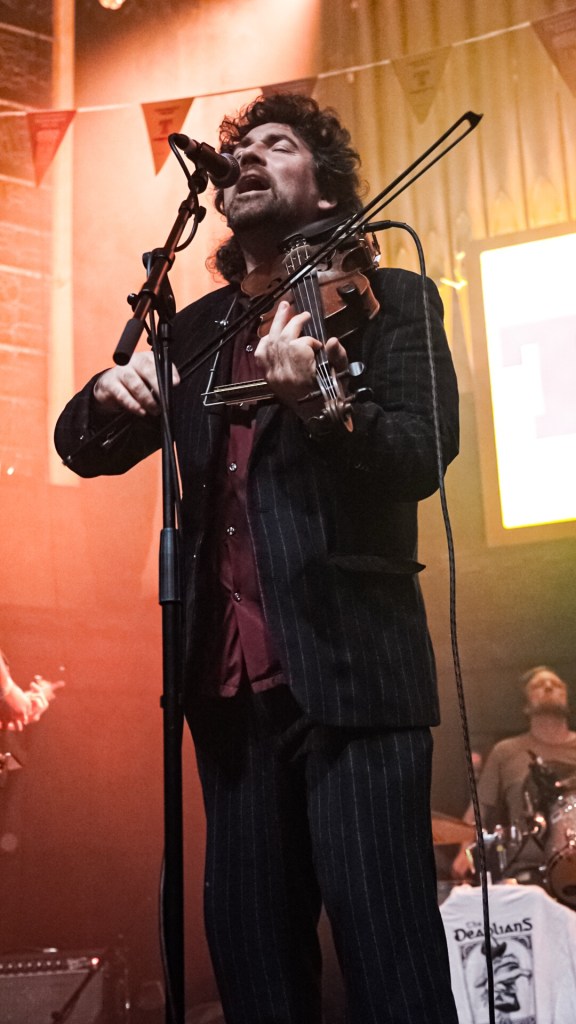
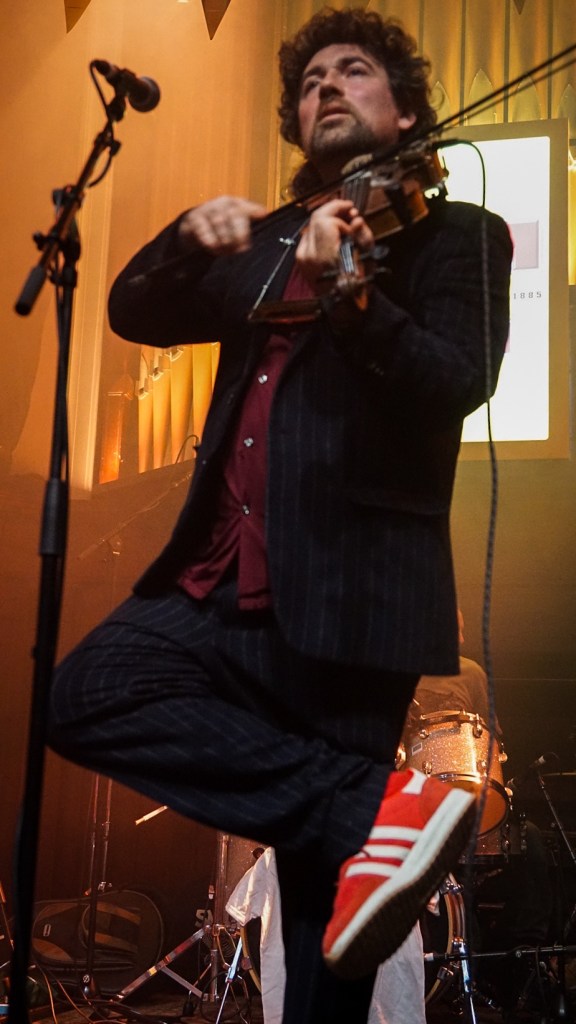
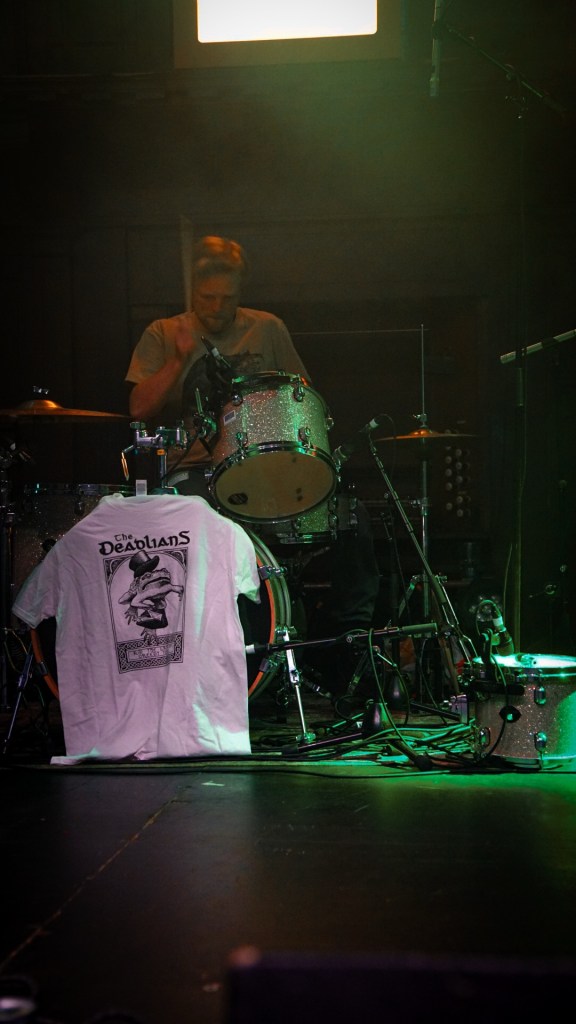
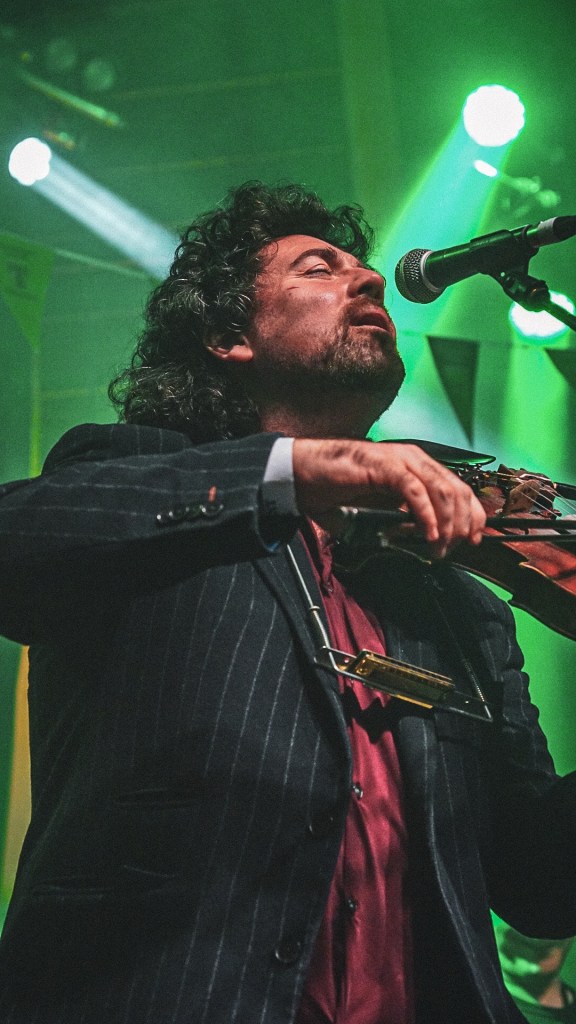
The Deadlians, all the way from Dublin, brought fiddle fire and folk-punk finesse to the hallowed space of St Luke’s. Sean Fitzgerald’s vocals soared with Irish myth and modern bite — a bit Pogues, a bit Waterboys all heart. Their crowd — part cult, part congregation — left the pews trembling.
This was the only set I made sure to stay the full length of (with such a packed schedule it’s hard to see an entire set without missing someone else).
But who else can play the fiddle whilst standing on one leg? If that doesn’t entertain you nothing will.
The Deadlians played a tight set honed off the back of an extensive touring schedule . The song that will make your heart soar is “I Don’t Wanna Ride Your Auld One Anymore” from the opening fiddle crescendo to Fitzgeralds heavily accented litl the song is garuntee to get your toes tapping.
Tooth @ Van Winkle
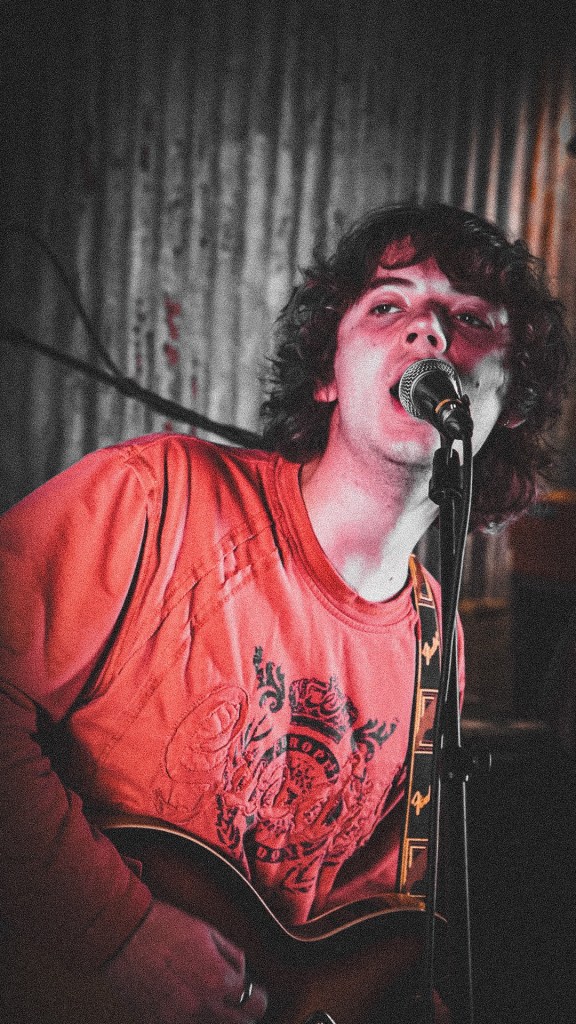
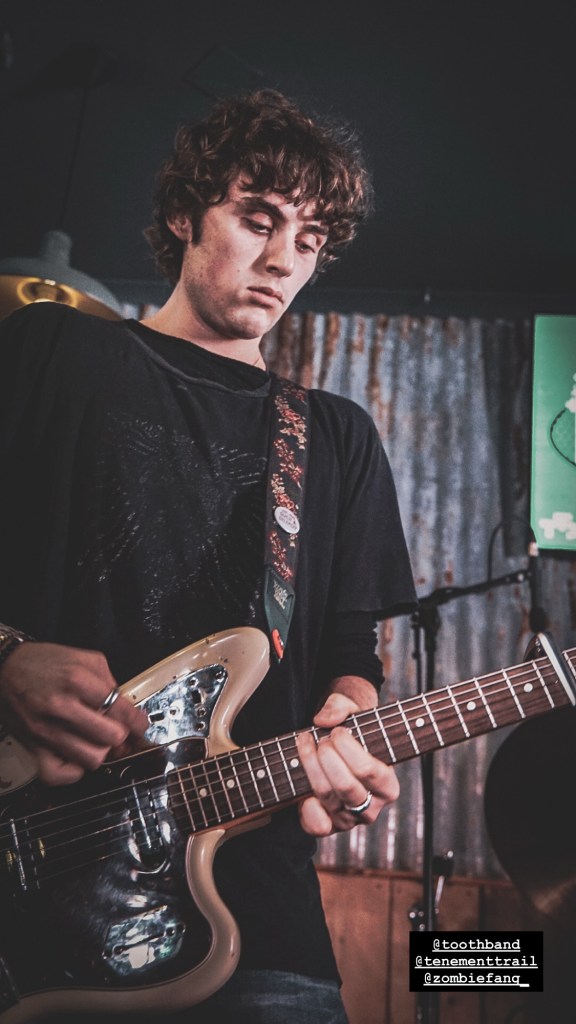
Tooth gnawed through their slot with jagged glee. Their sound — somewhere between gangling Americana and surf pop, and the sound of a nervous breakdown — was pure catharsis. Small venue, big noise. “Don’t Cut Ne Down” is made for much larger stages than this.
Chloe Slater @ St Luke’s
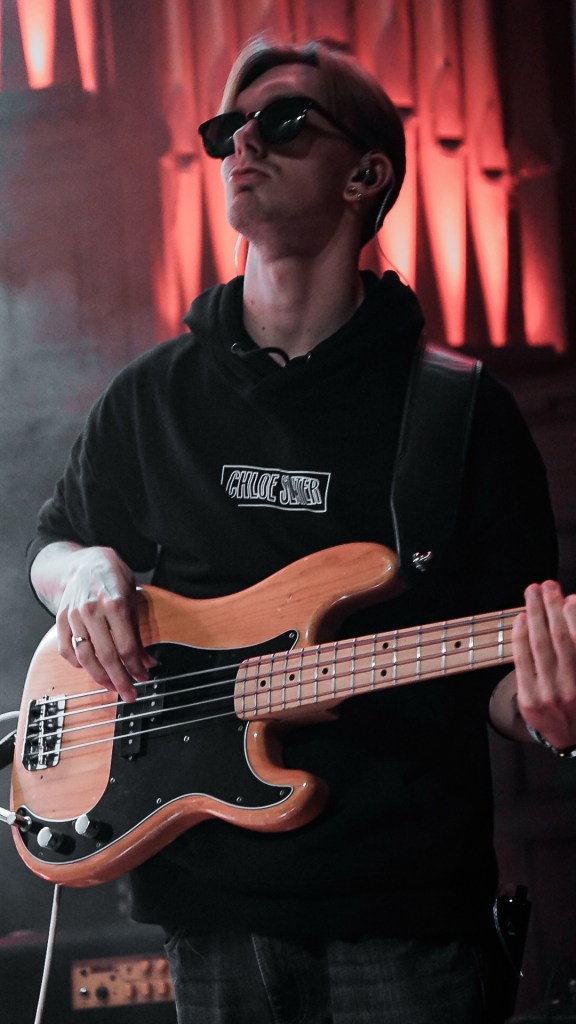
In contrast, Chloe Slater’s set felt like a silk scarf in a storm. Grungy, haunted, slightly too beautiful for its own good. She’s part Wolf Alice , part Billie Eilish. The room was packed bursting with gig-goers eager to glimpse this starlet tipped for the top in years to come.
Martha May & The Mondays @ McChuills
Martha May prowled into McChuills like a 70s angel in platform boots and eyeliner war paint. She channels Blondie via Suzi Quatro, armed with quips sharp enough to slice denim. “If you’re not dancing, I’ll come and kick your ass myself,” she hollered — and no one dared call her bluff.
Part wild circus part grungy basement gig it didn’t take long before she had the crowd literally eating out of the palm of her hand. We loved the new track, “Gold”.
Cowboy Hunters @ McChuills
Cowboy Hunters turned McChuills into a high school disco – after a fist fight. Their effortlessly cool grungy high energy punk hit McChuills square in the jaw.
We adore the hate filled manifesto that is “Jemma” in not sure who she is but I hope the band didn’t buy a vodoo doll with her name on because the acerbic comedy bite that is this song would be enough to signal her demise alone.
Secret Set by Soapbox @ McChuills
Then came the rumour, the whisper, the secret: Soapbox, back again for a midnight resurrection. With people packed in tight and queue that wrapped around the entire perimeter of McChuills it seemed that word got out pretty quickly who was due to close the festival.
This wasn’t just a set; it was a homecoming. Guitars howled, lights bled, and the room became an altar to everything Tenement Trail stands for — rawness, rebellion, and reckless joy.
Joined on stage by London based bestie PsweatPants this show was wildly anarchic and wildly good.
Two songs in and it was taps aff indeed and the boy died began to surf over the crash barrier. Sweaty sermons from inside the mosh pit? You got it.
The gathered congregations were treaded to a wild ride through the bands back catalogue with highlights being “Fascist Bob” and the guyyeral snarl of “Yer Dah”.
Tenement Trail 2025 was once again a love letter to the underground — handwritten in feedback and sweat. It was the sound of artists insisting on being heard, of old ghosts finding new hosts.
The festival’s beauty lies in its sprawl — a sonic scavenger hunt through old churches and ballrooms alike, where every echo feels earned. And through it all, the city thrummed like a heart too big for its ribcage.
If festivals are meant to remind us who we are, Tenement Trail’s message is simple:
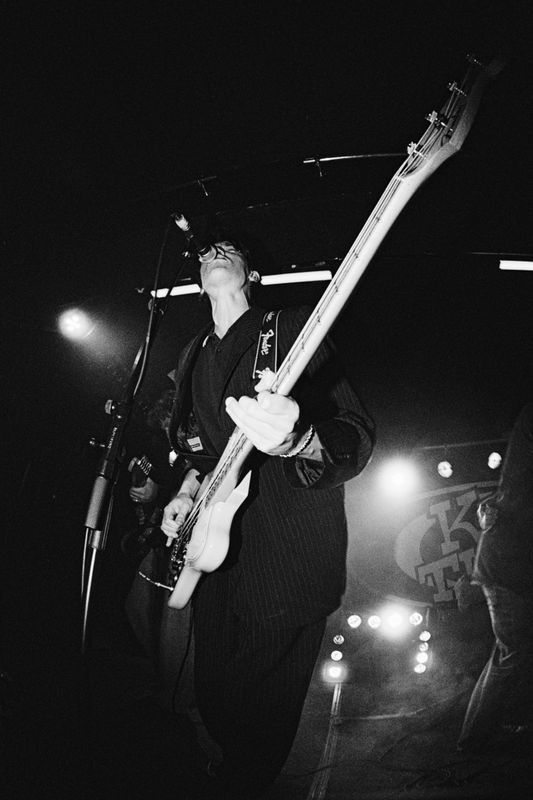
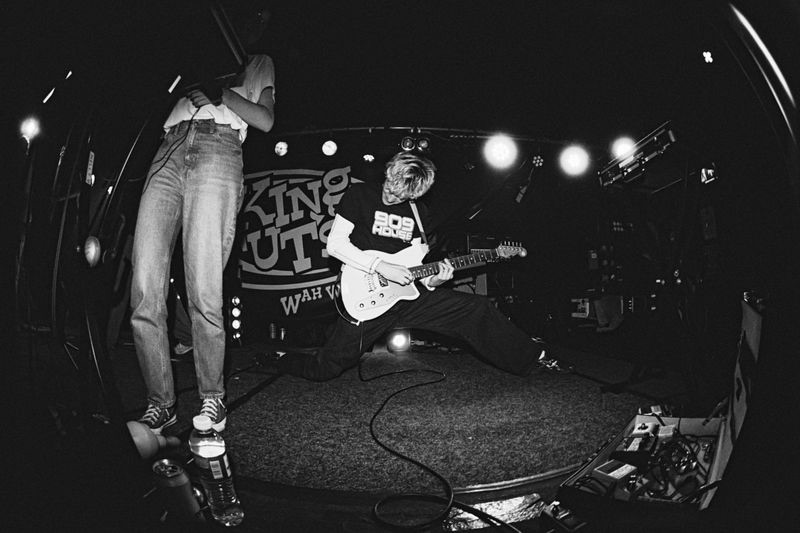
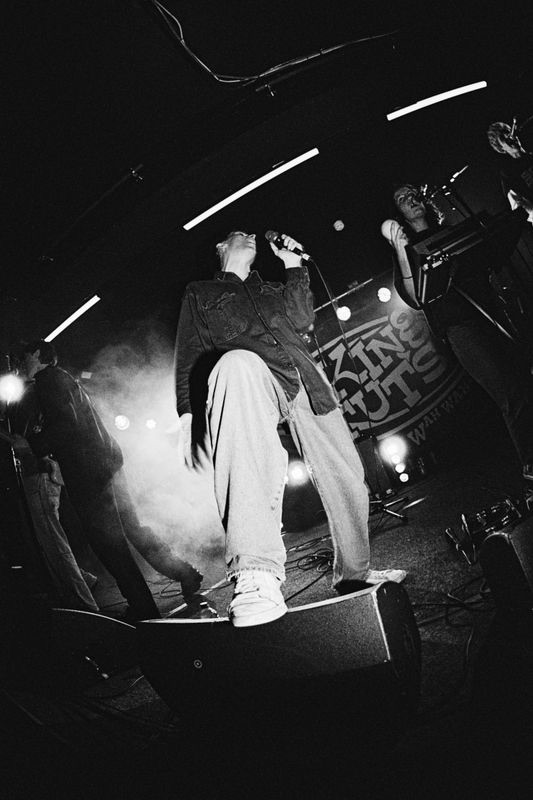
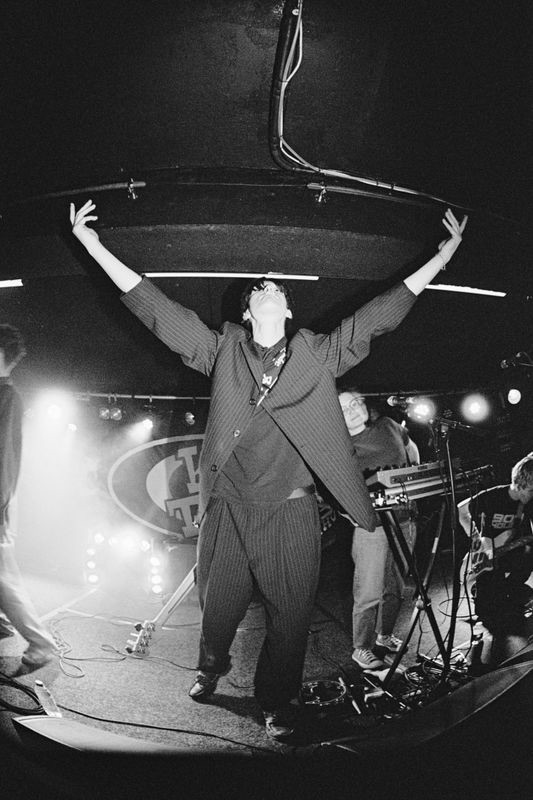
Welly are one of those bands that somehow feel as though they’ve always been there. Their brand of dancey and unbelievably high-energy pop-rock is familiar enough that the audience are quick to get into things, but fresh enough that you’re never quite certain where they might go next.
King Tut’s is far from packed tonight, which would understandably be disheartening for many artists. Nevertheless, the five members of Welly seem to take no heed of the headcount tonight, and explode out onto the stage as if they’re headlining TRNSMT. Welly have fast gained a reputation for their infectious live energy, evident in the fact that thirty seconds into track one every member of the crowd is bouncing about, beaming, and singing along.
Welly’s debut record, Big in the Suburbs, was released in March of this year, and with lyrics steeped in irony and droll observations, it’s not hard to see why they connect so immediately with a Glaswegian crowd. Near enough every song sees at least one member of the band diving into the audience, never allowing the collective energy in the room to even come close to dipping. Between songs, lead singer Elliot pauses to chat with the crowd, bantering with an audience that are as humorous and quick-witted as himself. There’s not a moment in the whole evening where the crowd aren’t fully engaged, giving back everything that Welly themselves are putting into it.
Welly’s influences are evident in their sound, calling to mind the most euphoric tunes by bands like Blur and Pulp. While elements of their musicality may hark back to the 90s, Welly are a band who appear never to look back, constantly pushing forward to whatever sounds and feels new and exciting. While Glasgow was being battered by a storm this weekend, it was Welly who were blowing the cobwebs away tonight.
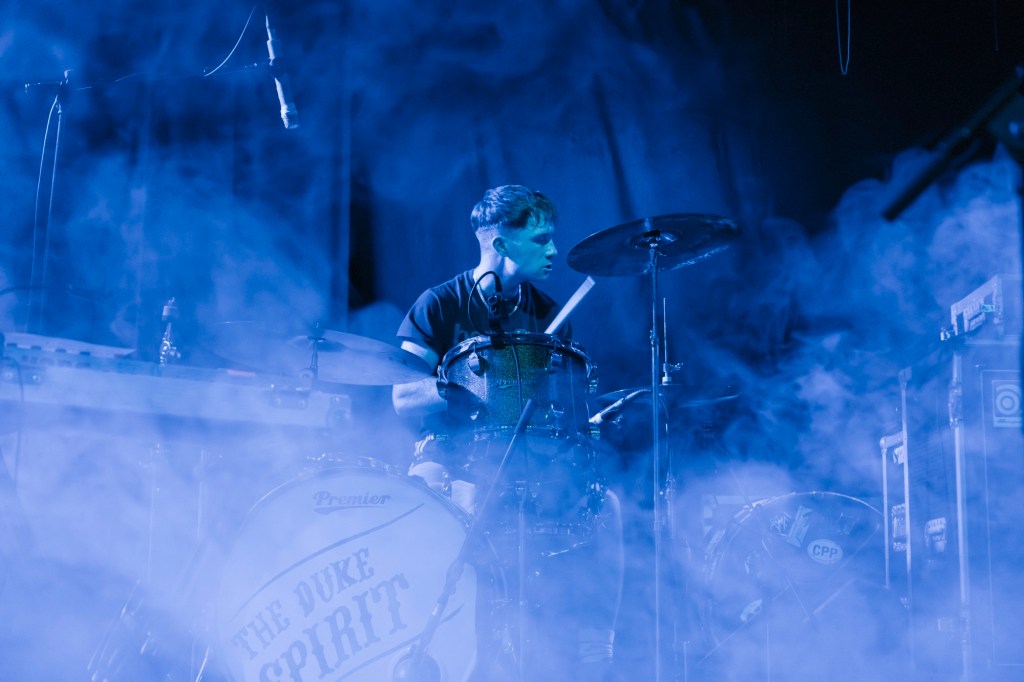
Glasgow does not give itself up easily. On the night of Storm Amy — trains cancelled, rain lashing, the first named tempest of the season — something had to be truly extraordinary to drag the faithful into the city. That something was The Duke Spirit, arriving at Stereo to celebrate twenty years of Cuts Across the Land. It wasn’t nostalgia, not really. It was time travel, and it was resurrection.
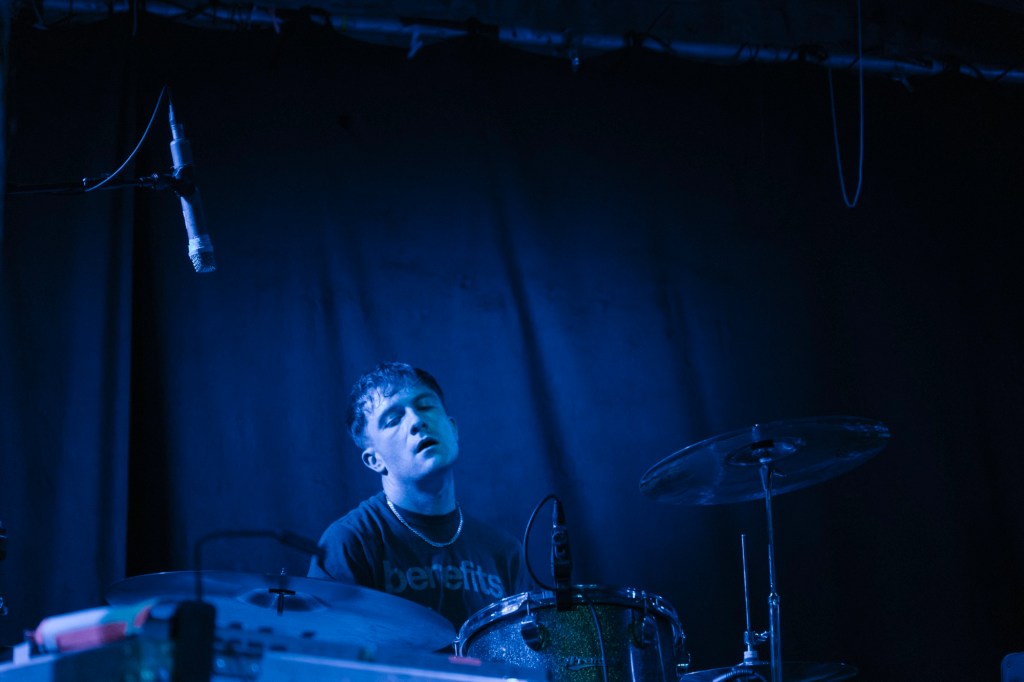
Support came from Scrounge, who ripped through their set like a haunted fairground ride gone wrong: a two-piece fury of guitar and drums, the singer spitting bile and anguish into the mic while the rhythms churned beneath like belly acid. A Benefits T-shirt on the drummer’s back nodded to Kingsley Hall’s spirit of spoken-word rebellion. Duos have no right to make such a racket, but Scrounge did, and the noise was exhilarating — like catching your breath after running from a ghost.
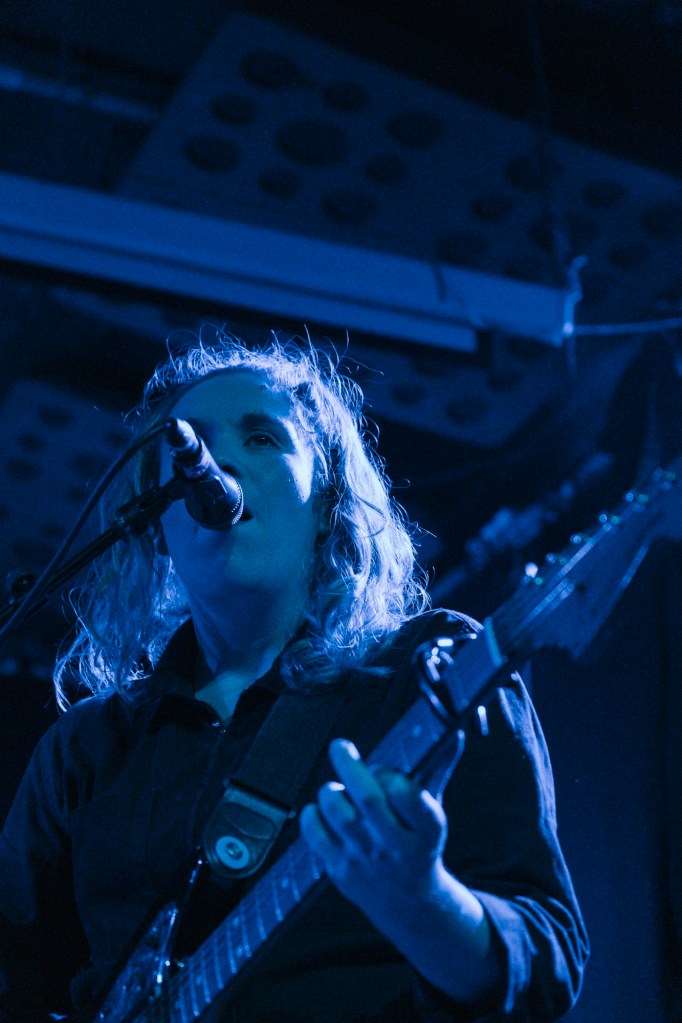
Then the storm inside matched the one outside. Liela Moss took the stage with the kind of cheekbones that still look chiselled from glass, her presence commanding without needing to demand. Luke B. Ford and Toby Butler flanked her with guitars that scythed and shimmered, while Olly “The Kid” Betts drove the set forward with a drumbeat that throbbed like a warning siren. Together they did not just play Cuts Across the Land — they inhabited it. From the opening surge of the title track “Cuts Across the Land” through “Stubborn Stitches” and deep into the shadows of “Bottom of the Sea,” the room was bound into their spell.
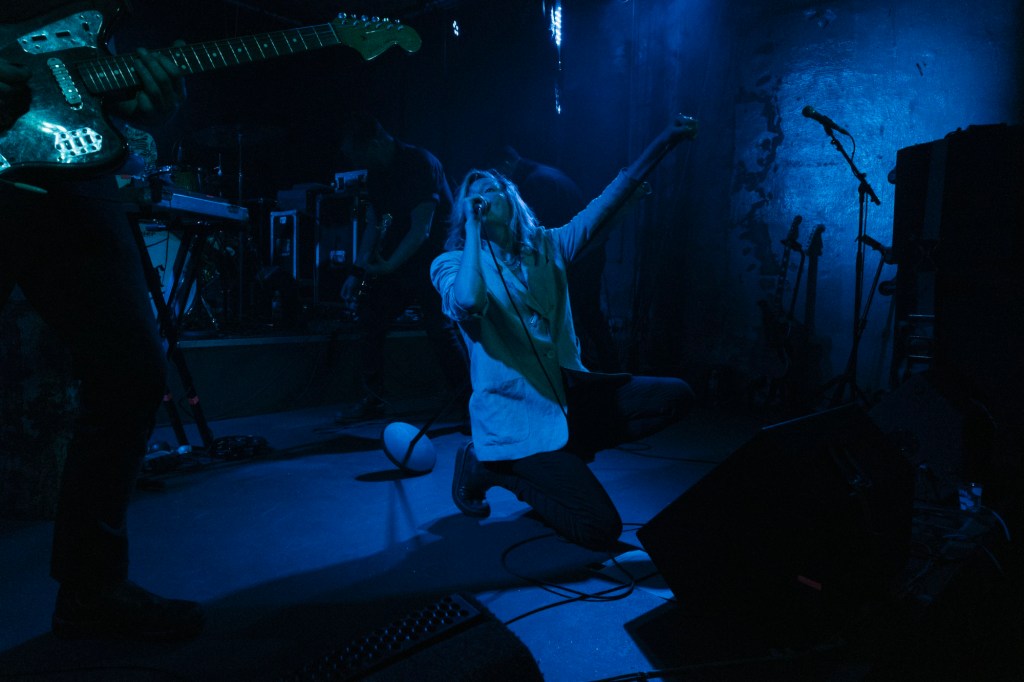
This was music at once brutal and tender. Moss’s voice veered between Kim Deal’s acerbic bite and the gothic undertow of Nick Cave, yet there was always something restless and uncontained in her delivery, a refusal to be boxed in or neatly described. When she whirled the mic stand like a sabre, the crowd surged forward, transfixed, as though each song might slice the night clean in two, while Moss dedicated “Bottom of the Sea” to gay and trans men in “these terrible times.” The gesture was not a lecture; it was solidarity sung from the gut.
What struck hardest was not just the album delivered in its entirely a short stage exit brought — “Souvenir,” “Lassoo,” “The Step and Walk” closing the encore — but the feral energy the band still summon after two decades. Moss called the Glasgow crowd beautiful, thanked them for braving the weather, and confessed they hadn’t expected anyone to come. But the room was packed, heaving, alive. The applause wasn’t polite nostalgia; it was rapture, a wave of energy meeting the storm outside and refusing to be drowned by it.
The Duke Spirit have always been the Velvet Underground for the Kate Moss generation: glamorous and jagged, dangerous yet impossibly stylish. Twenty years on, they still cut across the land — and through the heart — with an undimmed ferocity. This wasn’t just an anniversary gig. It was a reminder that some storms don’t fade; they simply wait for their moment to rise again.
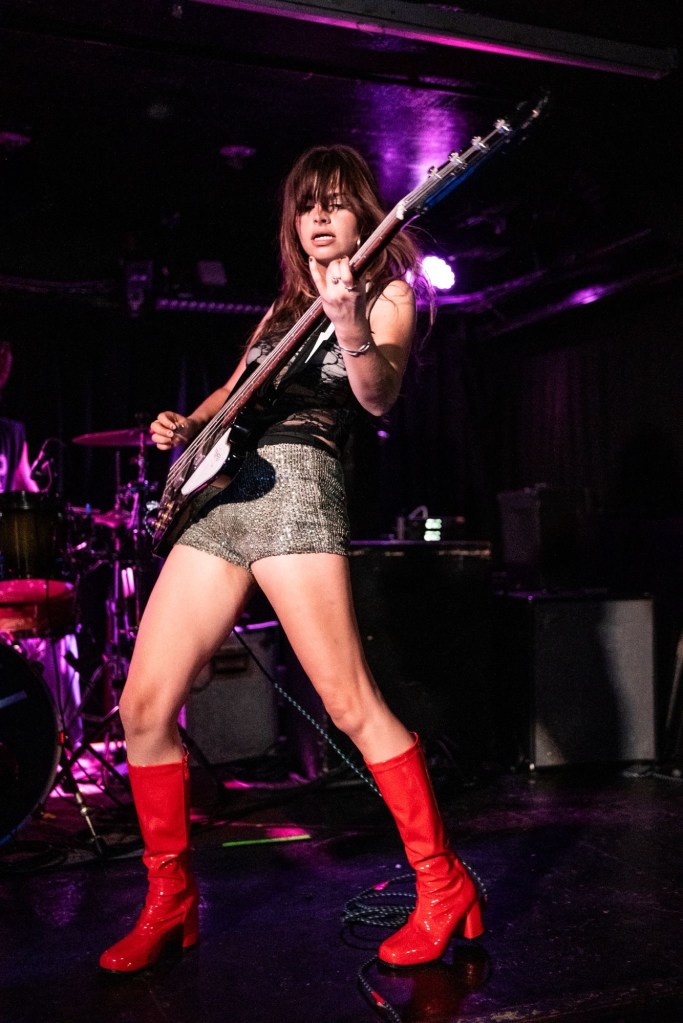
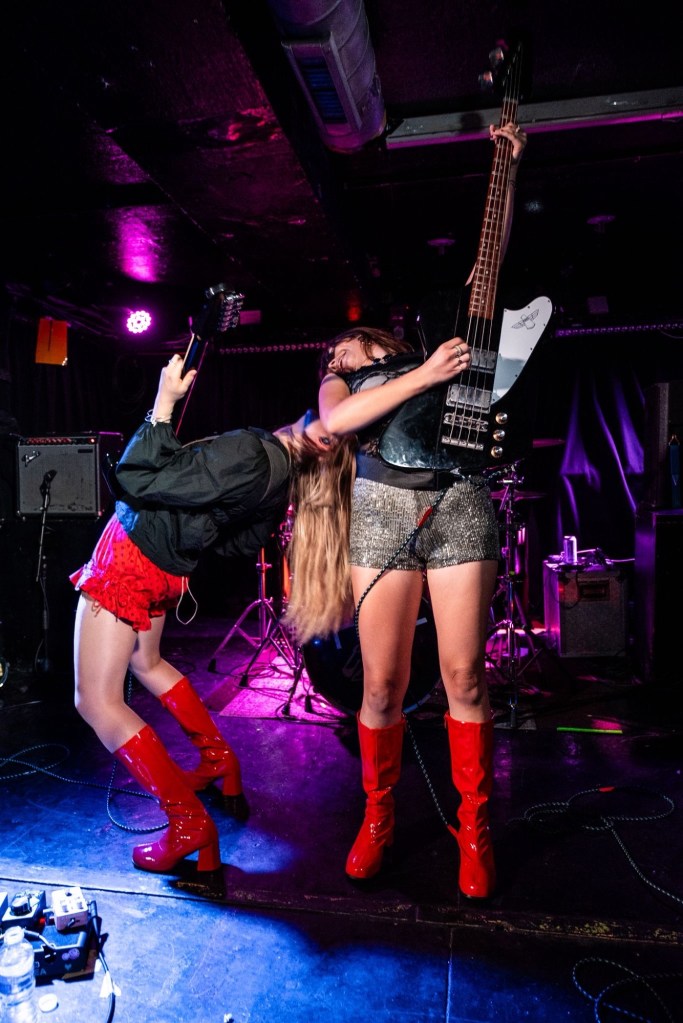
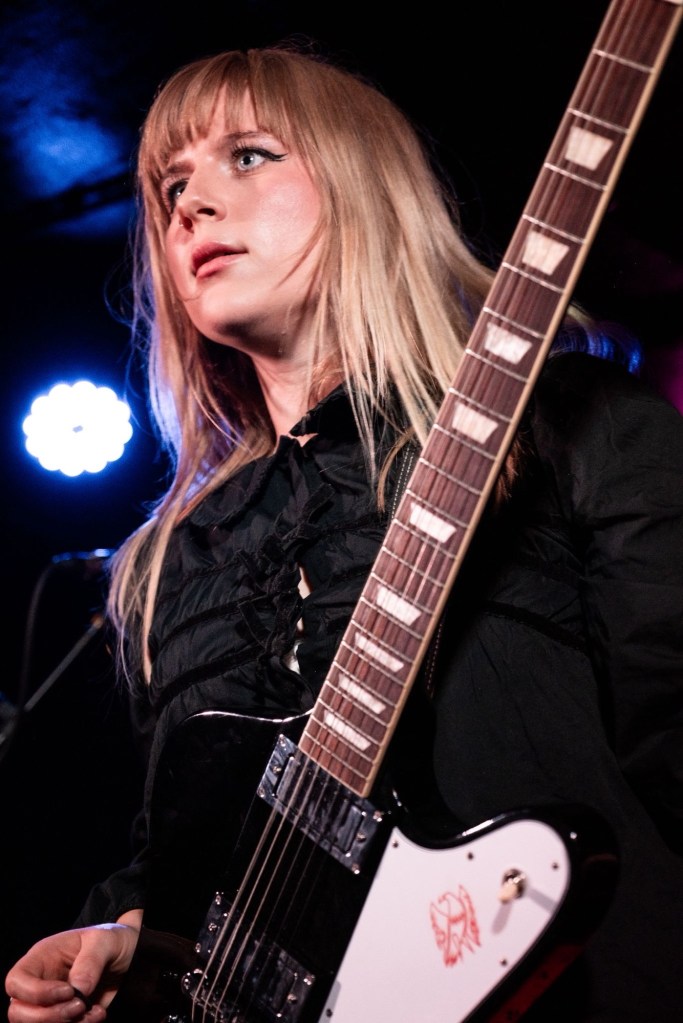
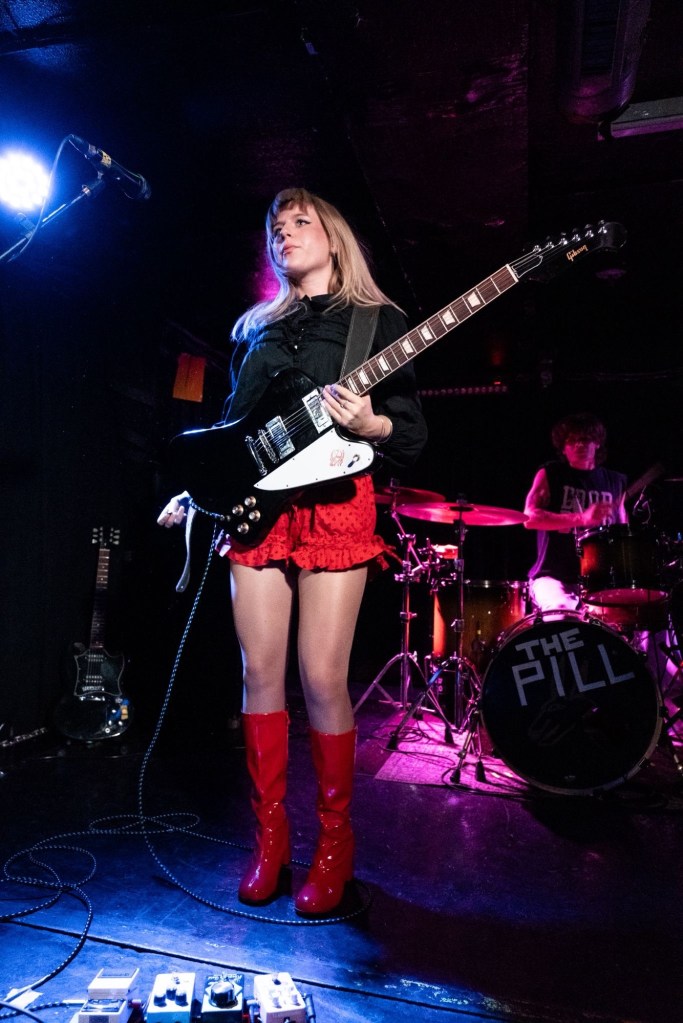
Catching a band like The Pill for the second time this year felt like a privilege, particularly in such an intimate space as Nice ’n’ Sleazy. The basement was already heaving during support act Tough Cookie, the crowd shoulder to shoulder and primed for what was to come. With the stage barely separated from the audience, the atmosphere was charged and immediate.
The trio — Lily Hutchings (vocals & guitar) Lottie Massey (vocals & bass), and Gavin Sullivan (drums) — opened with Scaffolding Man, a track that set the tone with its off-kilter charm and razor-sharp lyrics. Hutchings and Massey traded lines with confidence, their interplay both playful and precise, while Reader’s drumming anchored the room without overpowering it.
Much of the set drew from their debut release, THE EP, including Money Mullet,Woman Driver (a standout highlight), and Bale of Hay. As the show progressed, these tracks became a focal point — tight, propulsive bursts of energy that made it impossible to stand still.
On stage, Hutchings and Massey performed with swagger, shoulder to shoulder, back to back, balancing irony with a sense of fun rather than resorting to blunt aggression. The crowd responded in kind: dancing, shouting along, and engaging with the lyrics as though they were part of the band themselves. In a venue this compact, even the smallest moments of interaction felt personal.
The set closed with Posh, a final surge that had the basement shaking. Voices were hoarse, feet still moving, and the energy showed no sign of letting up. It wasn’t simply a gig — it was a shared experience, a moment the audience felt stitched into.
At Nice ’n’ Sleazy,The Pill proved themselves a band able to transform tight, sweaty confines into a strength. Their performance was raw, exuberant, and immediate — the kind of night that lingers long after the last note fades.
It’s a Sunday night on the eve of the autumn equinox, and I can think of no better place to see L.A. Witch than in the dark crypt that is Stereo. Yin and yang… sweet and sour… the fact that the band originally comes from a place so bright and sun-bathed in light makes me stop to consider how this music can come from such a place. Music seemingly made at night… made for the shadows.
Live, the music is hypnotic, entrancing and incredibly seductive. Dark layers of ethereal vibrations engulf your body like a shield protecting you from the barbs of life. Themes of love and desire that are at the same time precariously balanced on the edge of disaster.
In their earlier form, L.A. Witch very much reminded me of Mazzy Star,The Brian Jonestown Massacre and other garage-psych outfits such as Kurt Vile.
The new album DOGGOD is different, and that reflects directly in this incredible gig scenario. Uniquely individual, intense and yet laid-back. Heartfelt, behind-the-beat vocals that are euphoric and yet almost accusatory… romantic storytelling… yet almost pleading.
The evolution of the band is no doubt due to Sade Sanchez now being based in Paris and all that that may mean in terms of her life and environment. It may also be due to the five-year gap between albums. Whatever the reason, the transformation is arresting.
As you would expect, the magnificent new album features in its totality and yes, thankfully, there is still space for older tracks like I Wanna Lose, which remains an essential milestone. To hear that riff live is almost a devotional experience.
New songs Icicle, 777 and Lost at Sea are huge. SOS is just incredible—listen to the lyrics and you will understand: such desire and pleading cloaked in confused optimism.
The mainly back-lit stage at Stereo surprisingly lends itself perfectly to the shadowy, gothic feel of tonight’s show, and the mix of very minimal instrumentation fills the room with waves of sound that have space, intensity and menace. Sade’s seductive Vox rig is perversely bewitching and the riffs created timeless. Ellie’s singular drumming and Irita’s bass are not only a lesson in how to play but also when to play. All of this is augmented with shimmering synth and guitar provided by tour buddy Tara. Such an incredible performance… utterly mesmerising.
The palindrome title of DOGGOD sums up the whole experience and is without doubt explicit in its intent. An extraordinary gig from start to finish, challenging human themes of life, love and ever-present tragedy.
As one of the lines goes: “I’m not alone or afraid to die.”
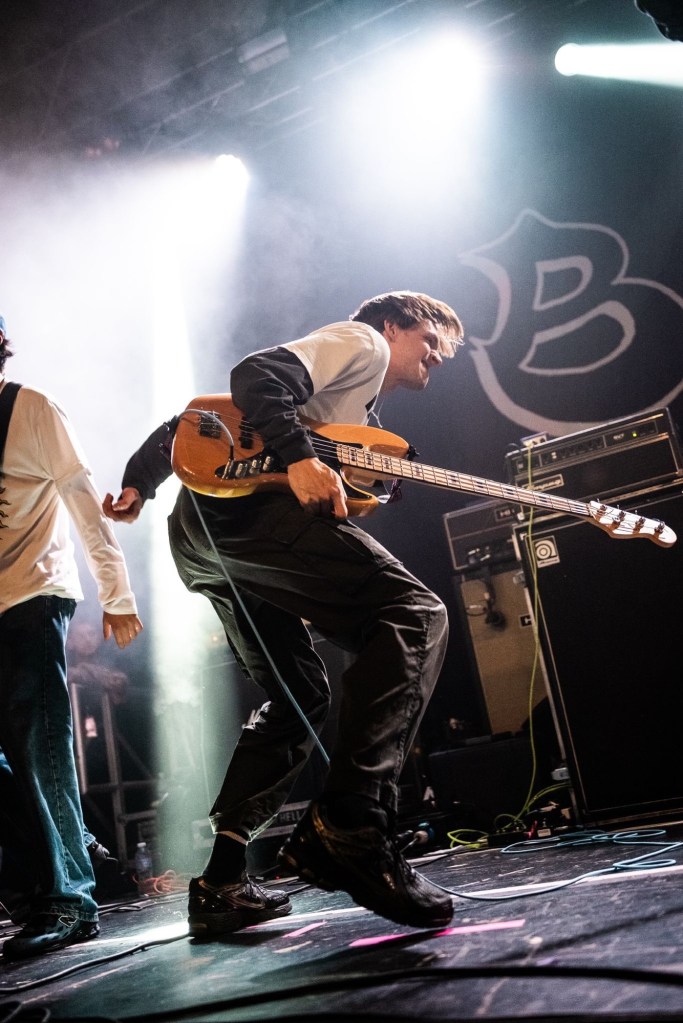
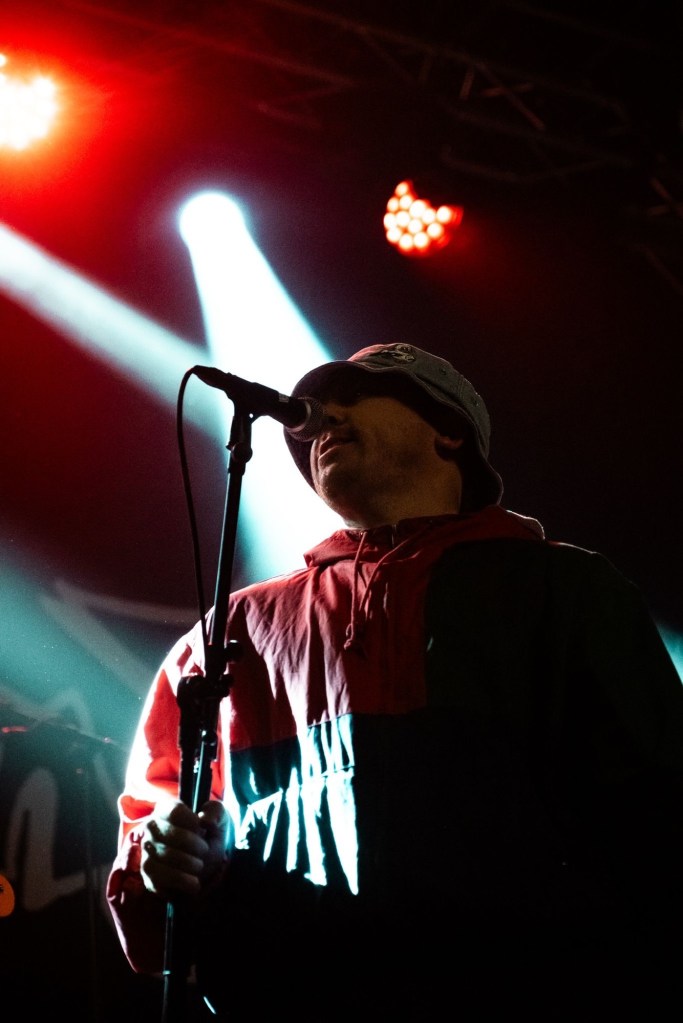
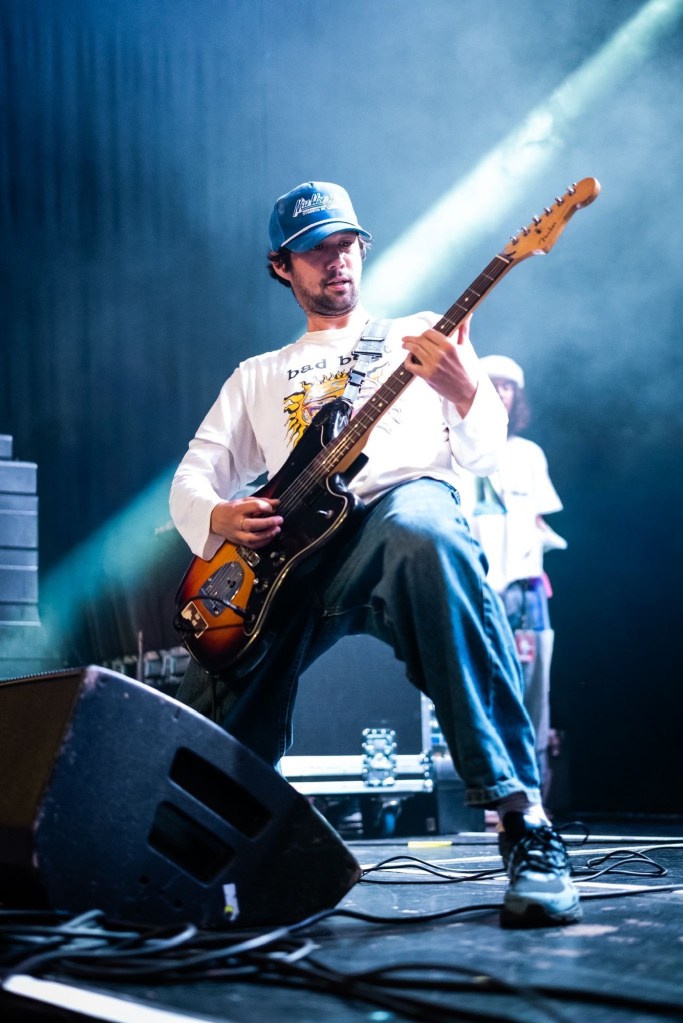
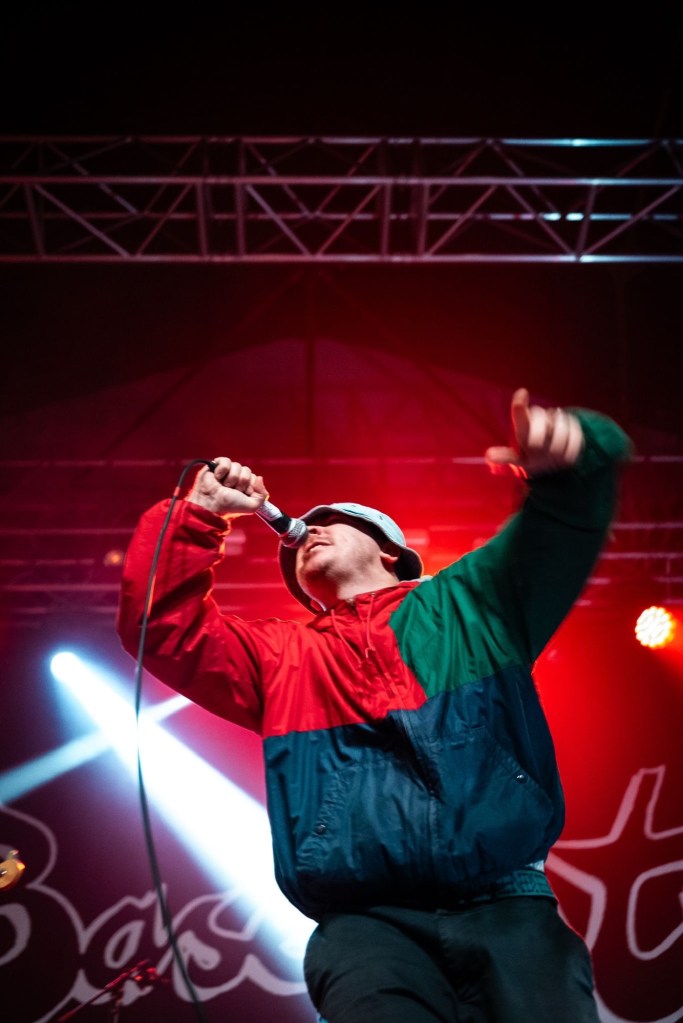
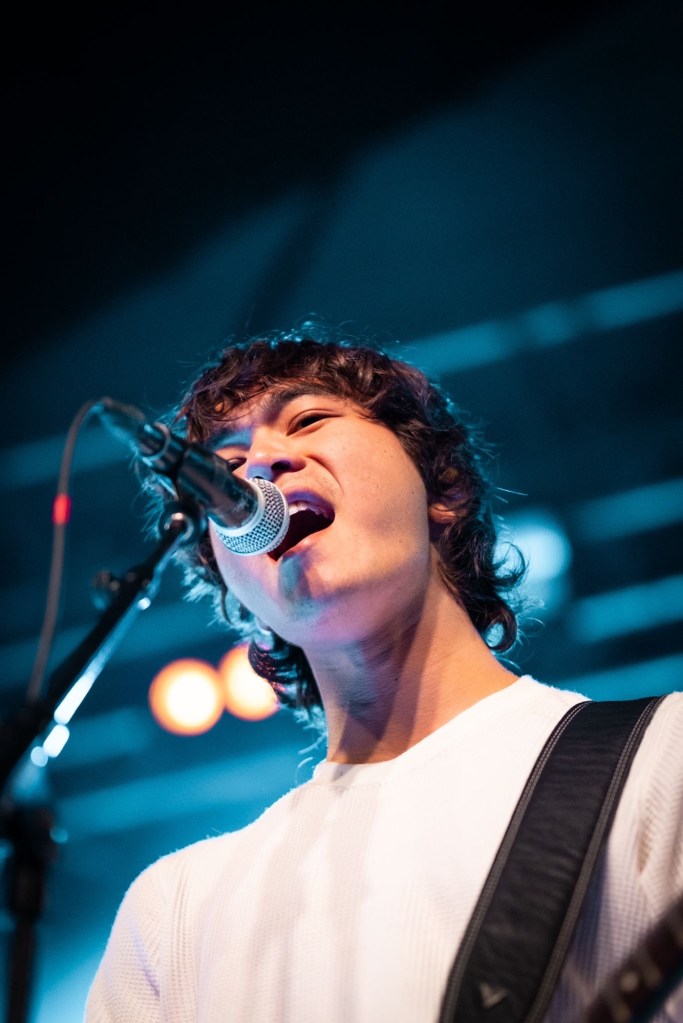
SWG3’s Galvanizers was already packed when I arrived for this massive show. Three supporting acts and a long-awaited return to Glasgow: Basement. The night promised to be long, full of great music, and plenty of fun.
Opening the night, Midrift delivered a set that worked perfectly as a prelude to what was to come. Their tracks eased the crowd in gently. Though still a relatively young band, they drew the audience into the right atmosphere and set the tone well.
After a short break, Dynamite hit the stage and the energy shifted immediately. Launching straight into hardcore intensity, they pushed the pace with aggression, physicality, and a raw, visceral sound. Their set was loud, urgent, and had the pits going early.
The final support, Anxious, came on with Bambi leaning into emotion and powerful guitar hooks. They poured life into their songs, and their stage presence made it clear they wanted to leave a lasting mark. By the end of their set, the audience felt more than ready for the main event.
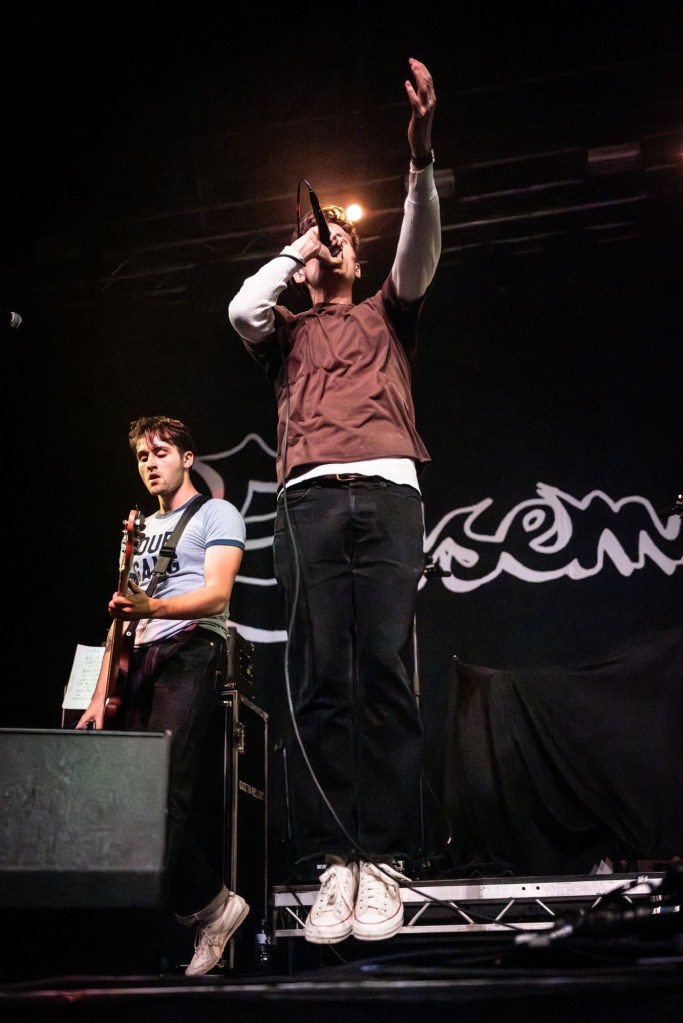
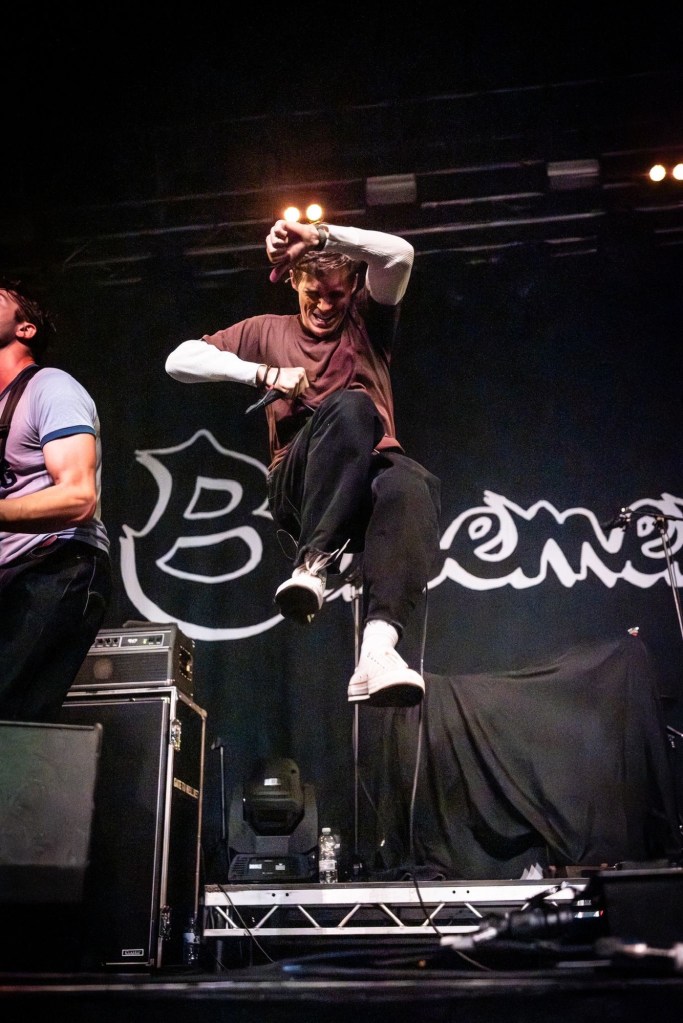
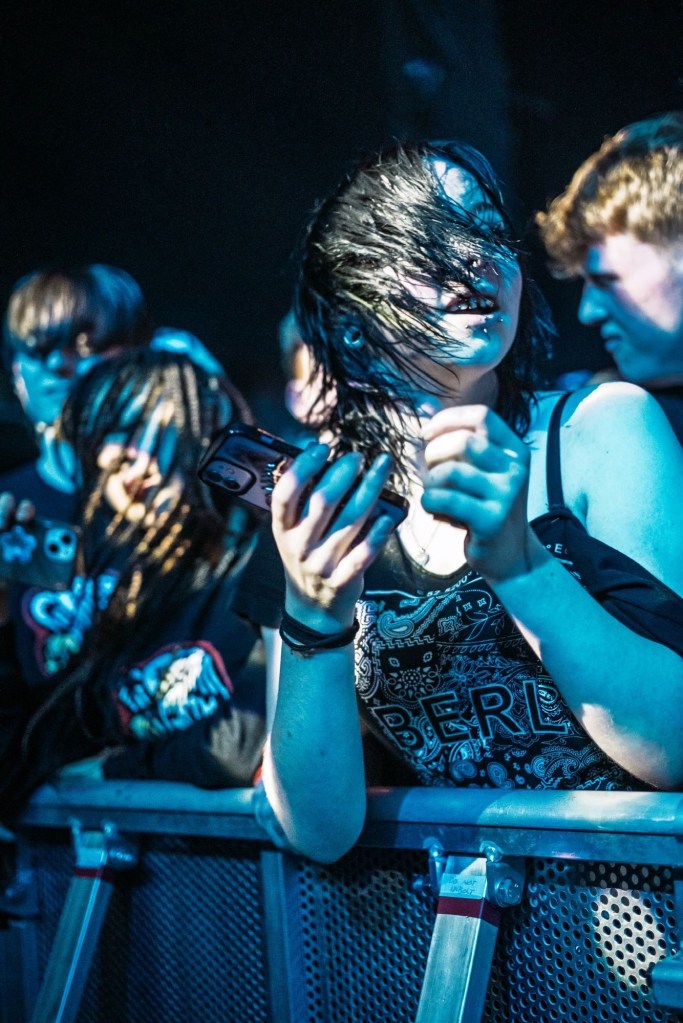
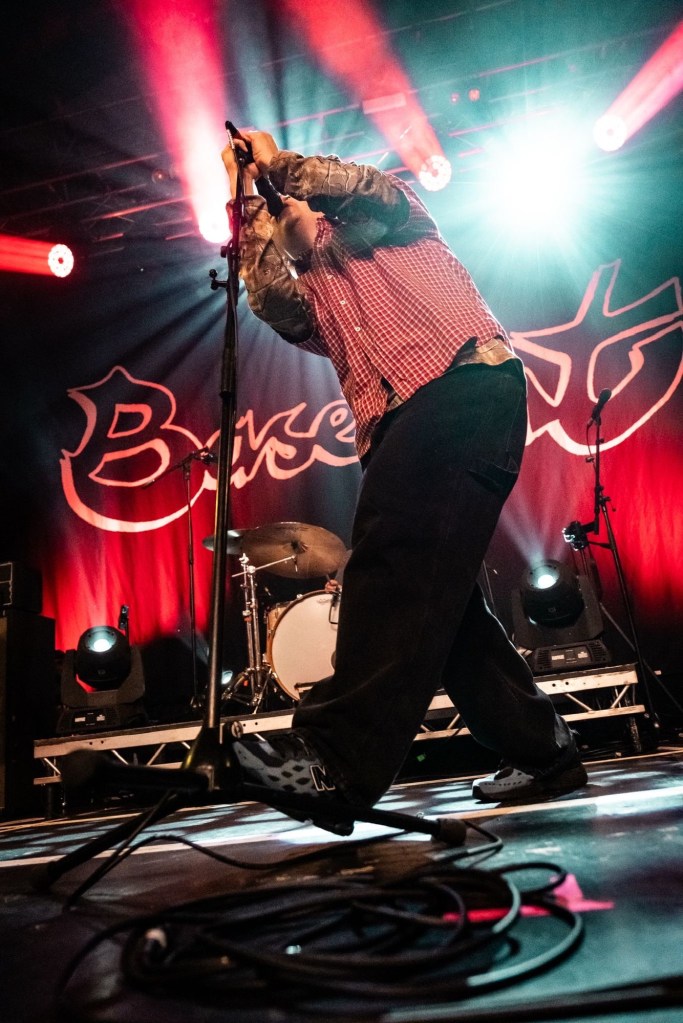
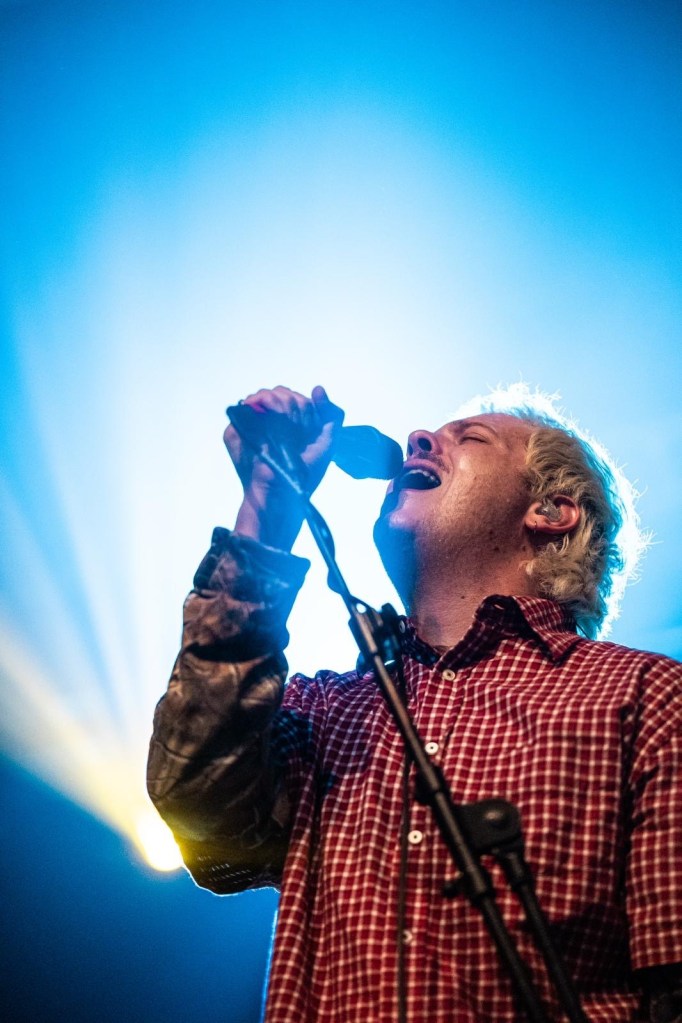
From the moment Basement emerged, it felt like a homecoming. Their setlist wove through the band’s discography — early favourites, highlights from Colourmeinkindness, newer tracks, and big singalong moments. They opened with Are You The One, Promise Everything, and Aquasun — leaping across the stage and instantly pulling the crowd into mosh pits and waves of crowd surfing.
Songs like Earl Grey, Spoiled and Crickets landed with real force. The set had a sense of structure: starting with familiar reassurance, building into heavier and louder moments, easing off for breathing space, and closing with huge singalongs.
Basement even previewed a couple of new tracks. Both were warmly received, suggesting the band are evolving while holding on to what makes them special. That communal feeling was there throughout, but when Covet finally arrived it became more than just a song — it was a shared celebration.
Basement’s headline show with Midrift, Dynamite and Anxious at SWG3 felt like more than a concert — it was an affirmation. After years away, Basement aren’t just returning; they’re reminding people why their music matters, supported by acts that both complemented and contrasted them brilliantly.


































































































































































































 The Golden Bough