There are bands you love like lovers, and bands you love like books you keep meaning to finish—admired, recommended, endlessly returned to, but never quite consumed in one sitting. Unknown Mortal Orchestra are firmly the latter: a band people speak about in hushed, knowing tones, as if liking them were a small but significant moral victory.
At Barrowland Ballroom—that gloriously scuffed cathedral of sweat and memory—the evening began with “Meshuggah,” a title that promises chaos but instead arrived like a slow exhale. It drifted rather than detonated, blooming gently into the room. Beautiful, certainly, but it set the tone for a night that would favour immersion over impact.
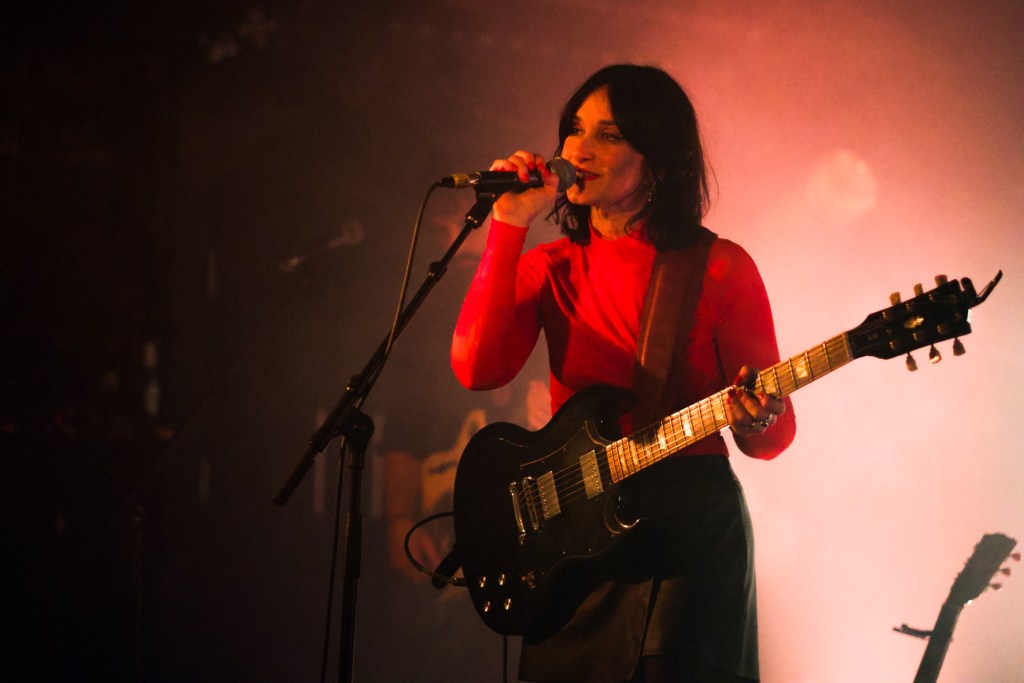
Because Unknown Mortal Orchestra don’t deal in blunt-force thrills. Their music is lacework—intricate, layered, faintly narcotic. On record, it’s the sort of thing you dance to alone in your kitchen on a Sunday morning, sunlight slanting in, life briefly resembling something cinematic. Live, though, that detail can turn to mist if it isn’t anchored, and at times tonight it felt like trying to hold smoke.
That said, there was plenty to admire if you tuned into their frequency. A mid-set run—“So Good at Being in Trouble,” “Multi-Love,” “Hunnybee”—should have been the emotional spine, and in moments it was: warm, familiar, quietly intoxicating. But the setlist had a slightly shuffled feel, like a mixtape assembled by someone half-dreaming, and that looseness, while charming in theory, seemed to cost momentum in practice.
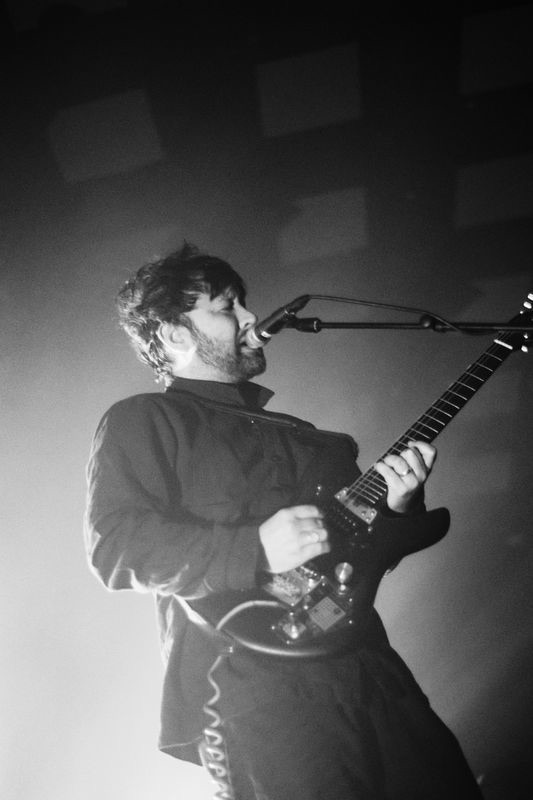
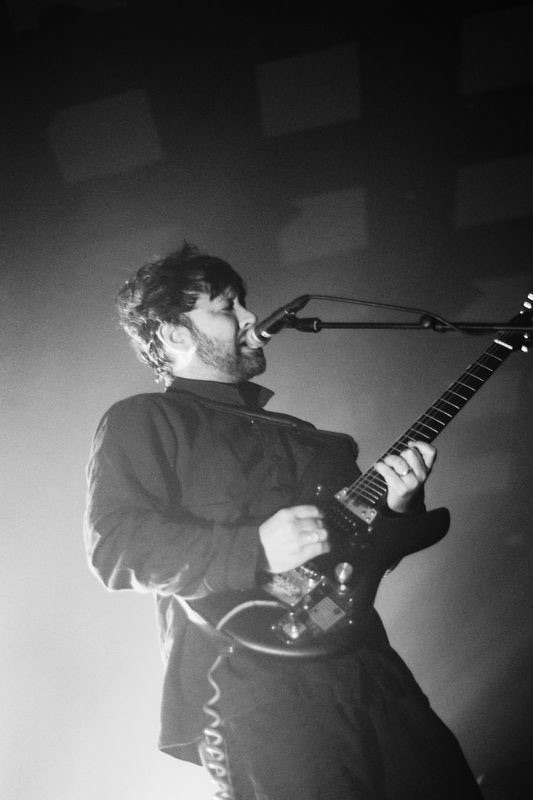
Ruban Nielson’s voice remains a thing of fragile beauty—high, aching, almost celestial—and the band played with an ease that bordered on the hypnotic. At times they seemed locked in their own reverie, but not in a way that excluded the audience entirely; more like they were inviting you to drift alongside them, rather than dragging you to your feet.
The crowd—about three-quarters full—mirrored that push and pull. There was appreciation, even reverence in places, not least from the scattering of musicians in attendance, watching with the keen eyes of people who know just how hard it is to sound this effortless. And yet, around three-quarters of the way through, the room began to thin slightly. Not dramatically, but noticeably—an easing out rather than an exit, as if some had simply decided to leave the dream early.
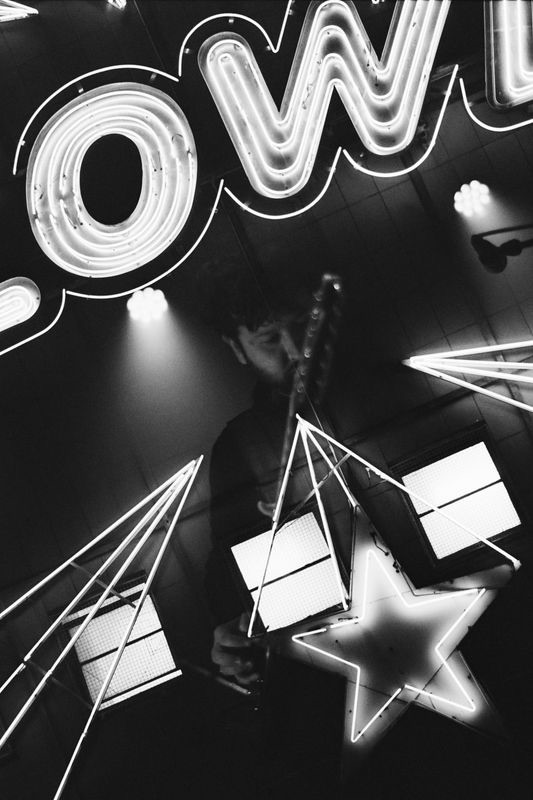
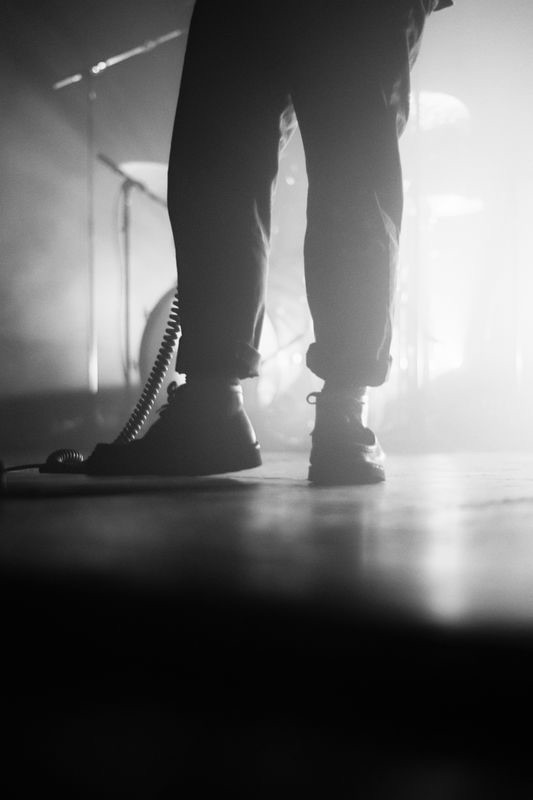
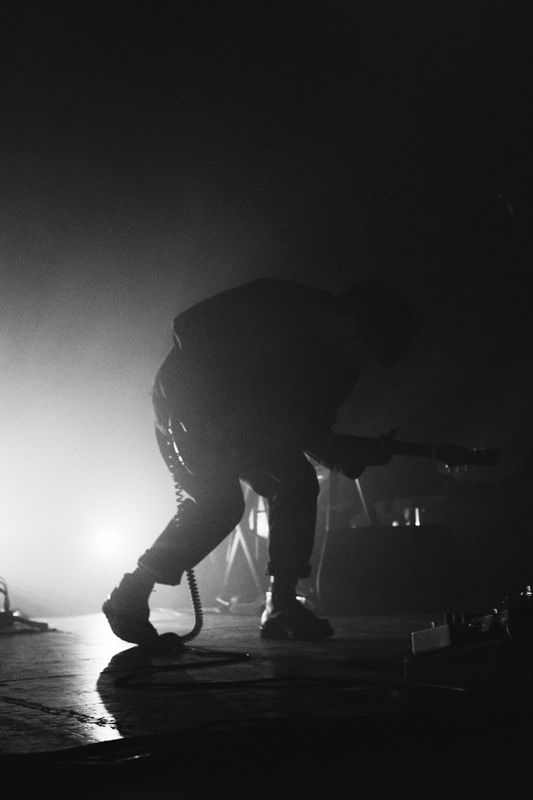
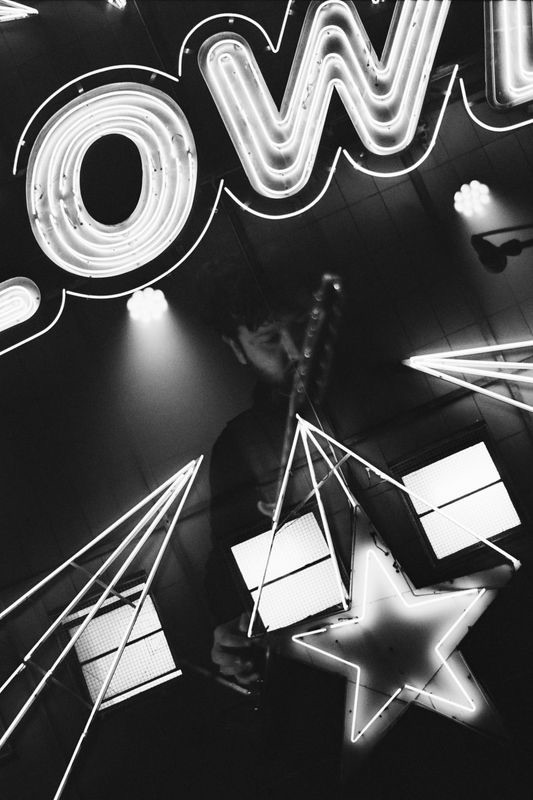
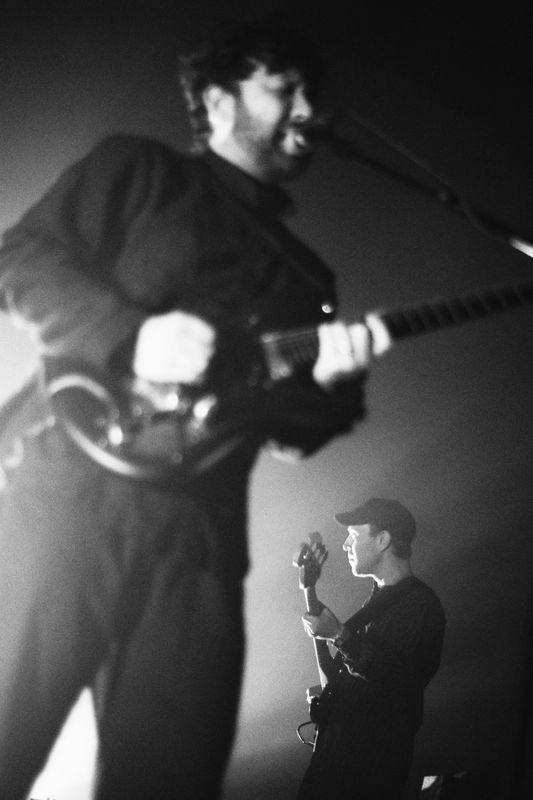
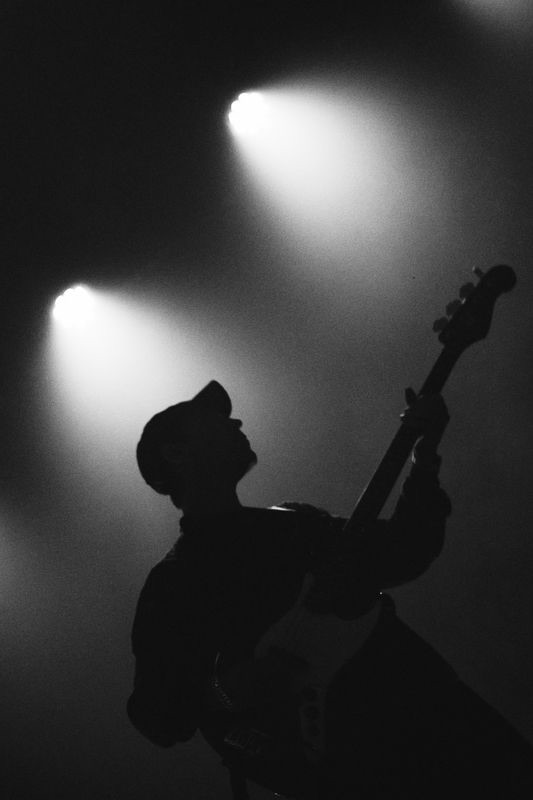
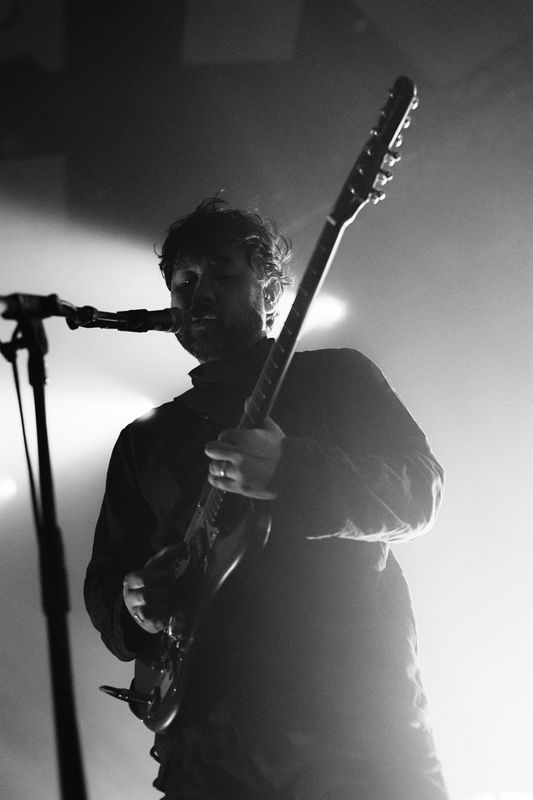
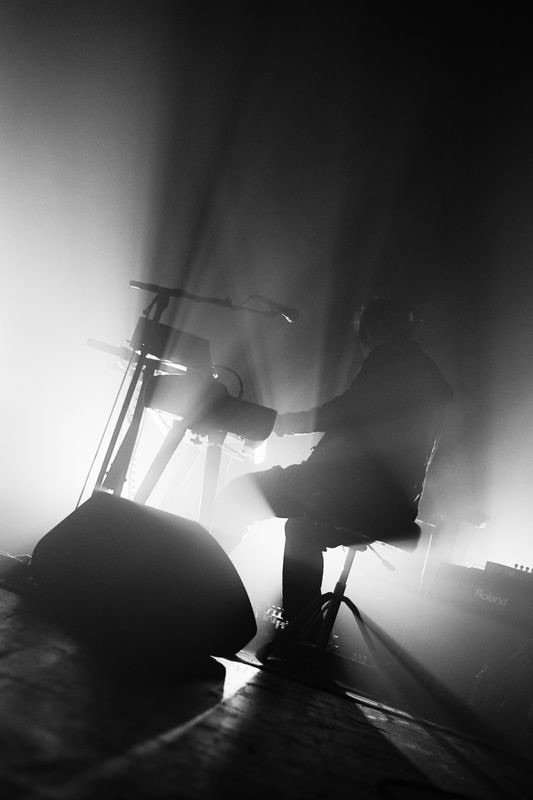
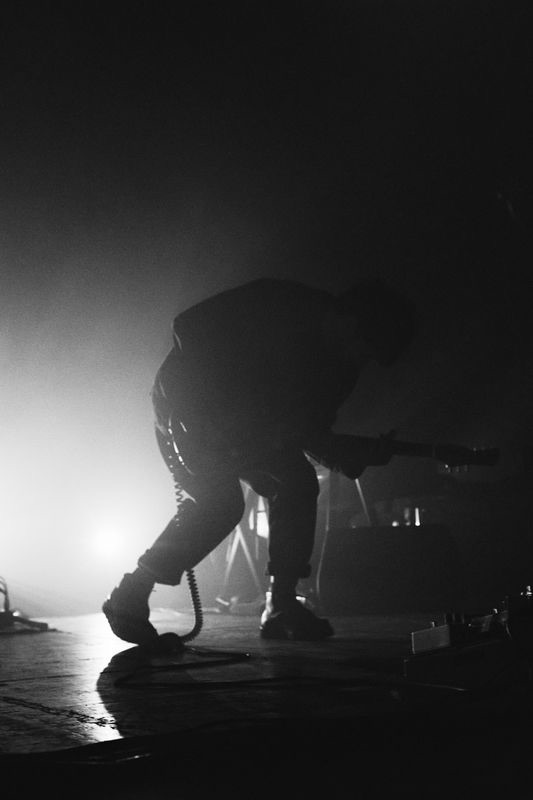
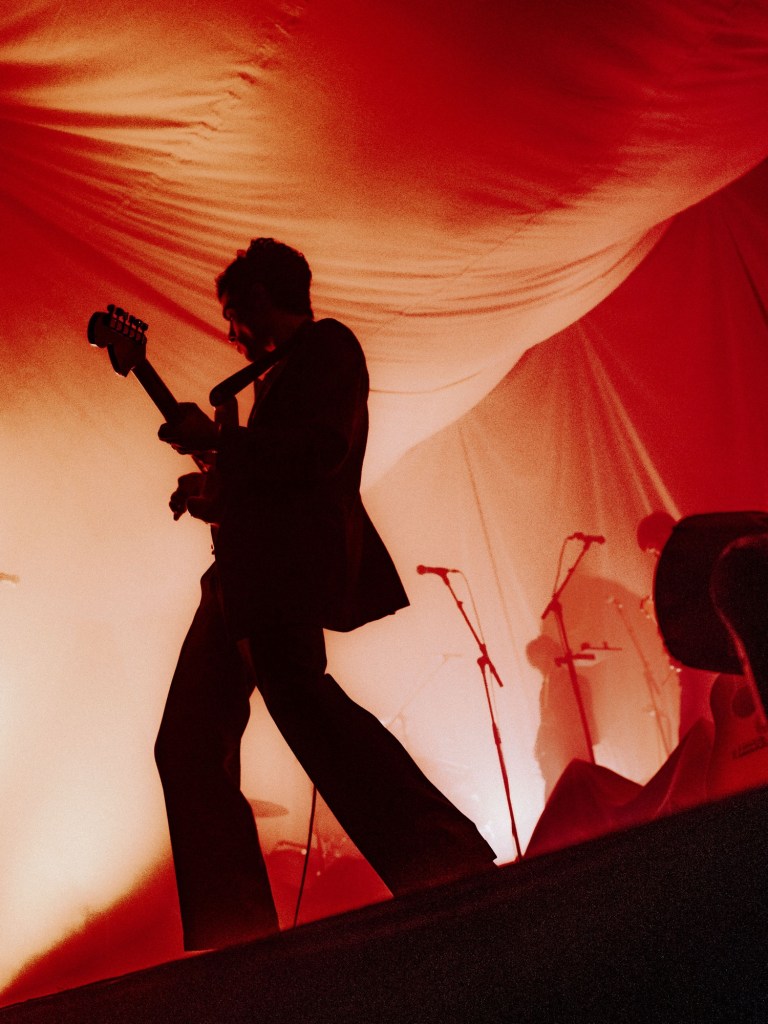
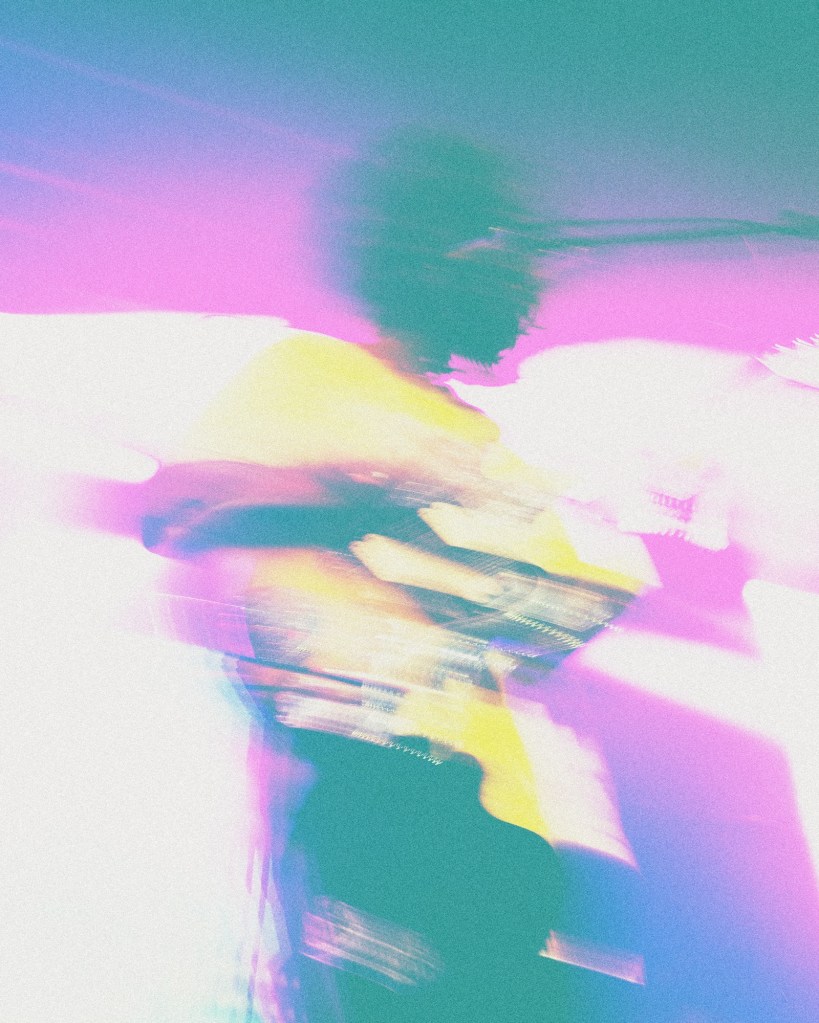
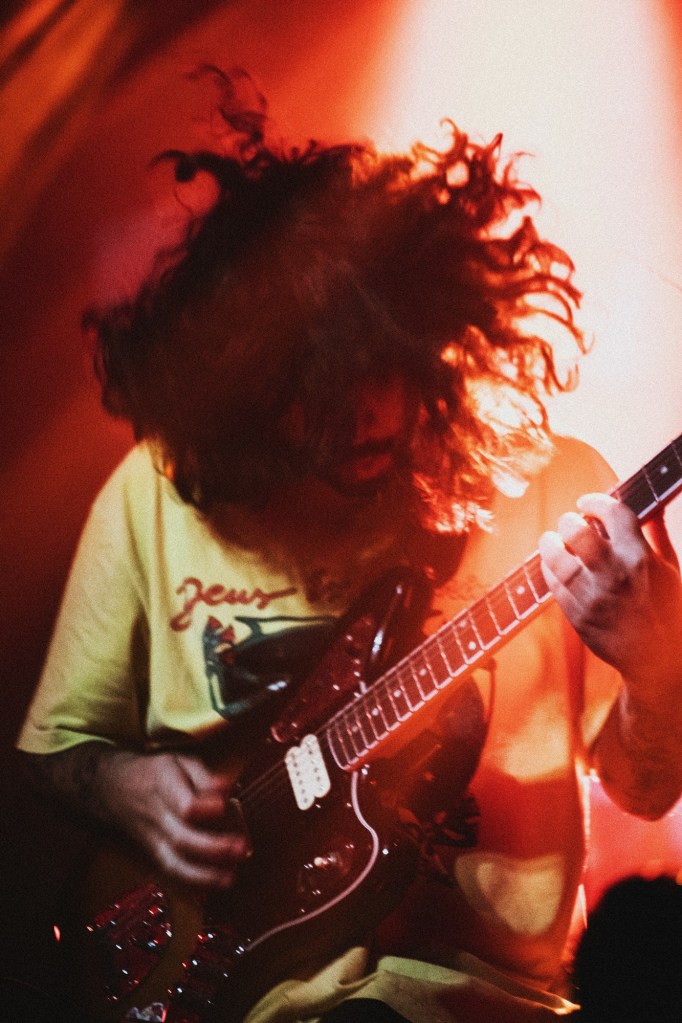
Visually, it didn’t always help. The lighting—so dim it felt almost theoretical—made life near impossible for photographers, especially those dutifully sticking to (as the band requested) analog film. It was less “atmospheric glow” and more “trying to capture a séance,” though it did, in its own way, suit the band’s blurred, dreamlike aesthetic.
By the time they closed with “That Life,” the set had found a gentle lift. Not a euphoric peak, but a kind of soft-focus resolution. And that feels right. Unknown Mortal Orchestra aren’t here to explode; they’re here to seep, to linger, to unfold slowly.
It wasn’t a night of wild abandon, and perhaps that’s where expectations and reality slightly misaligned. But it was still an enjoyable one—full of beautiful, complex music played with care and craft. The kind of gig that might not sweep you off your feet in the moment, but quietly follows you home, waiting for you to notice just how much of it stayed behind
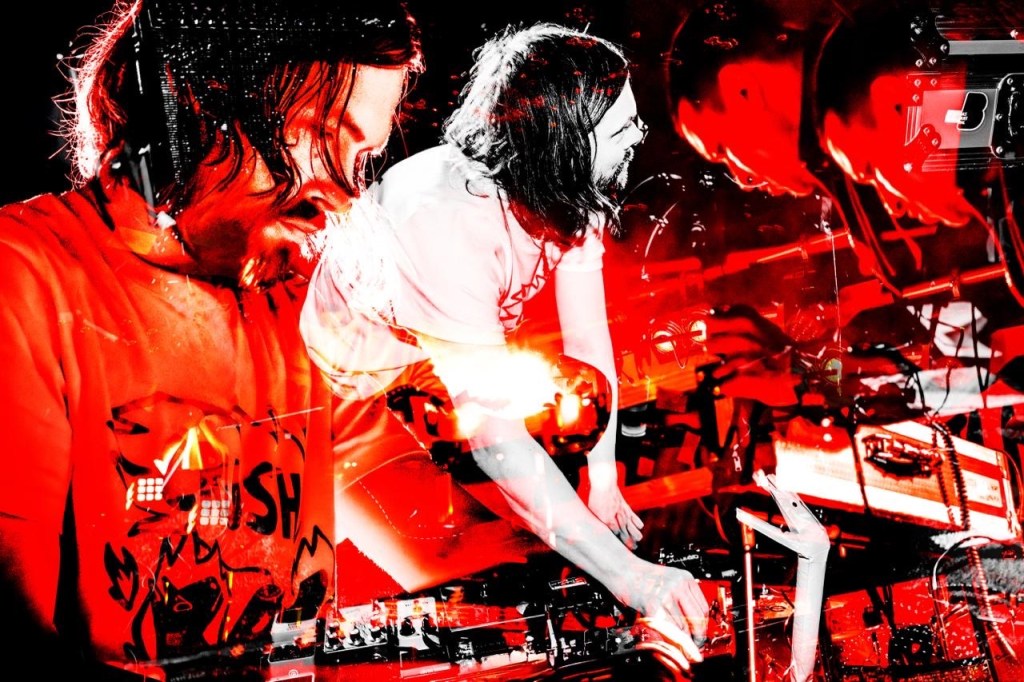
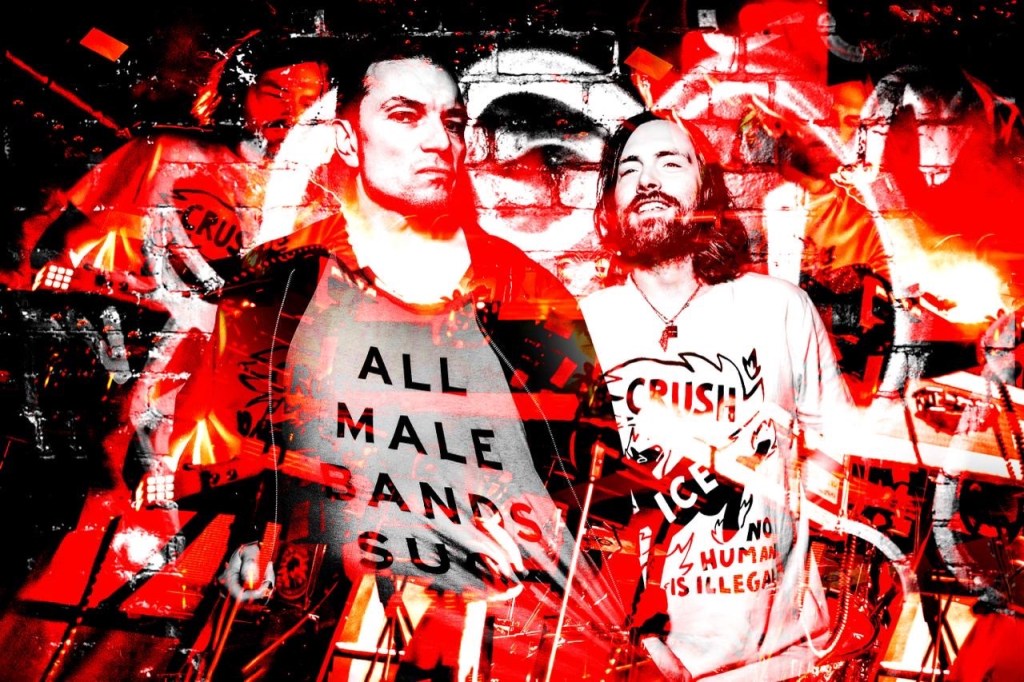
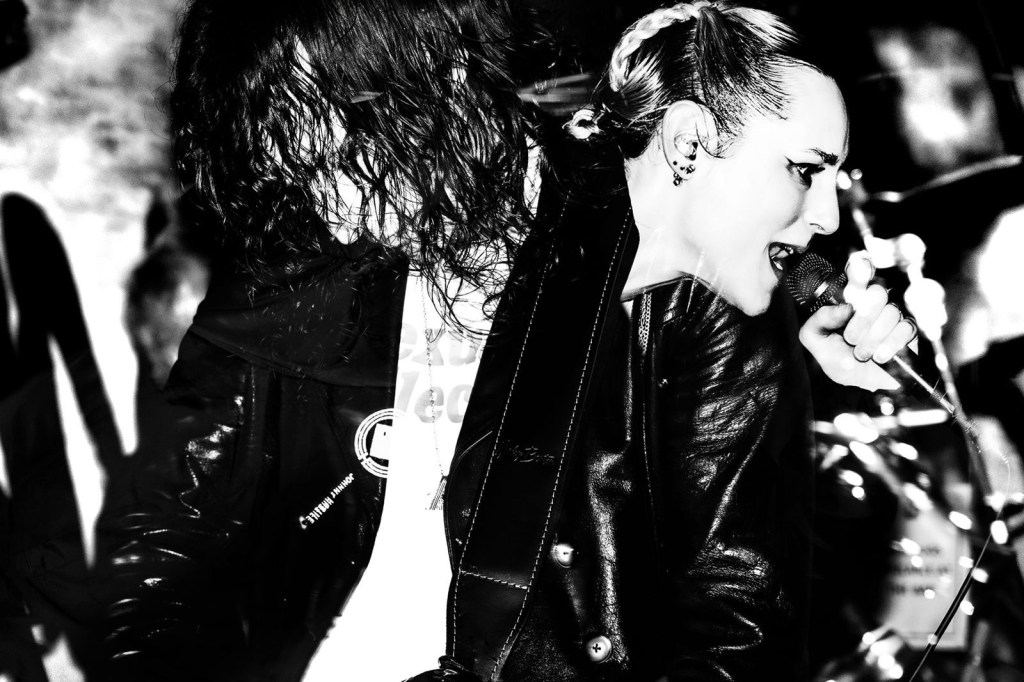
There are protest songs. And then there are PROTEST SONGS.
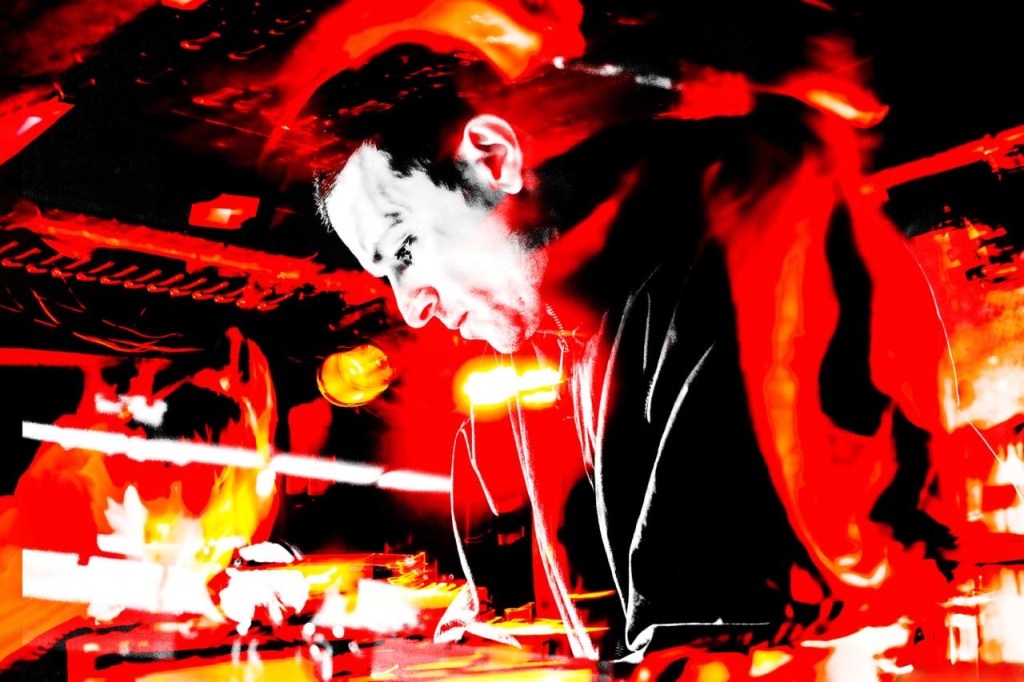
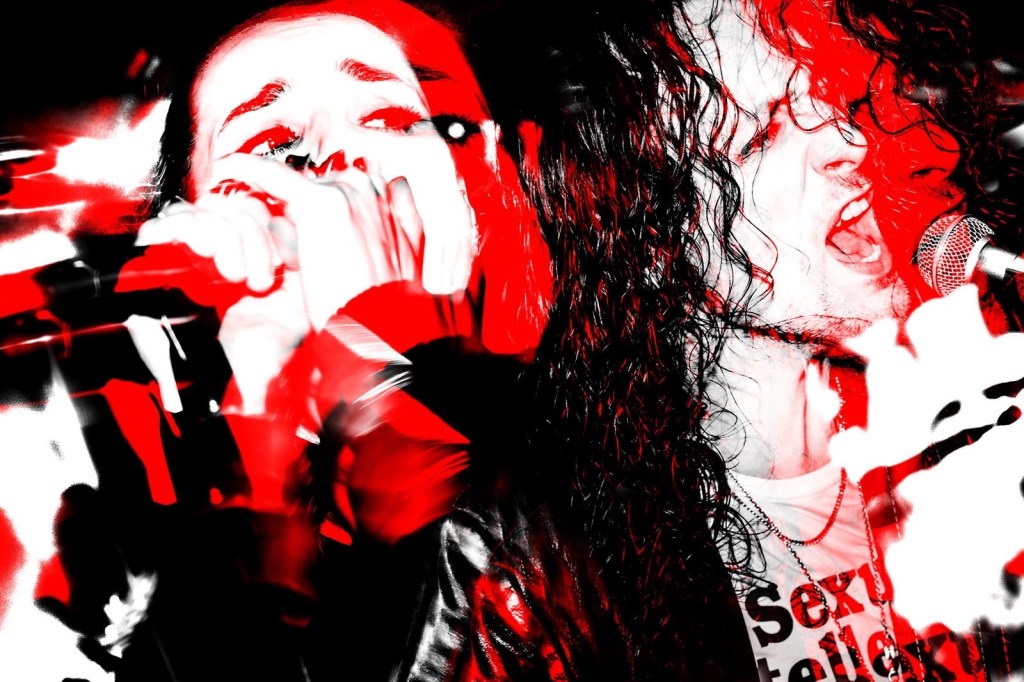
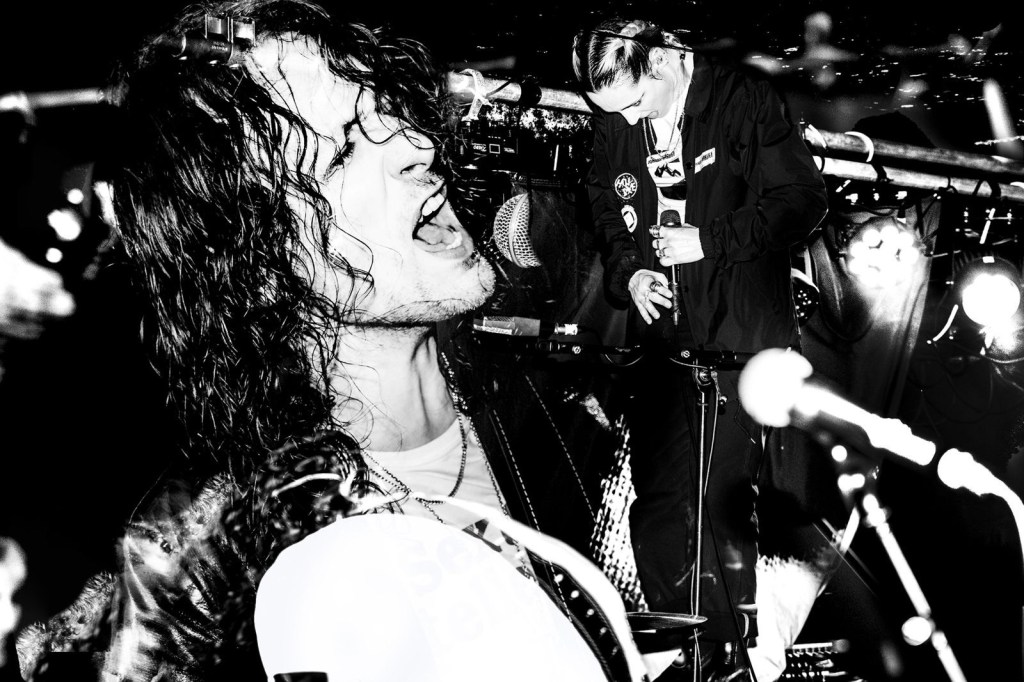
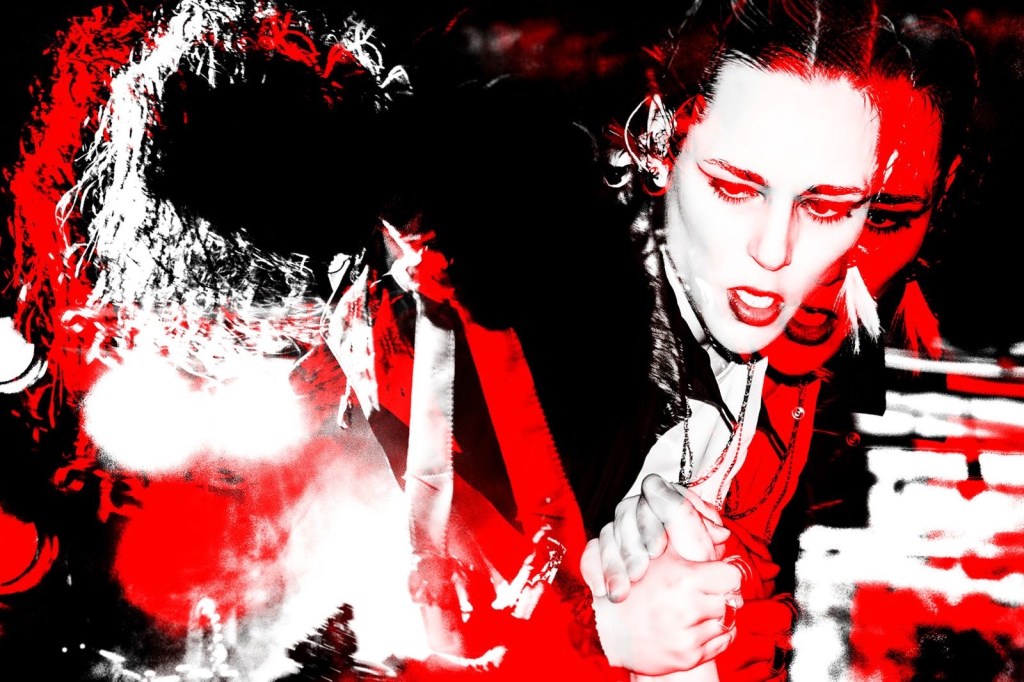
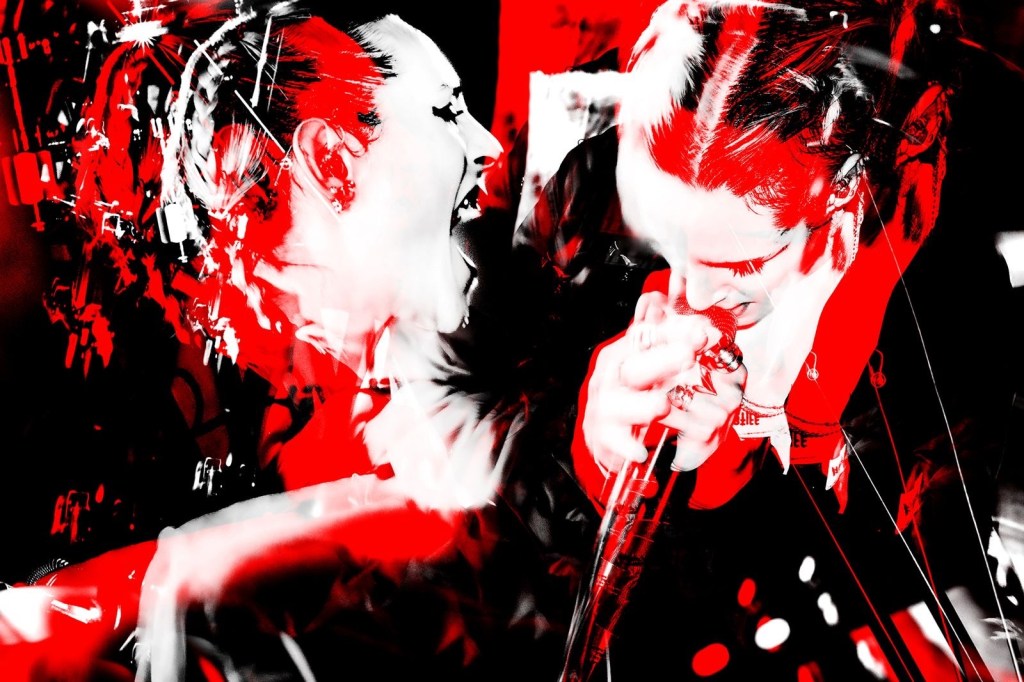
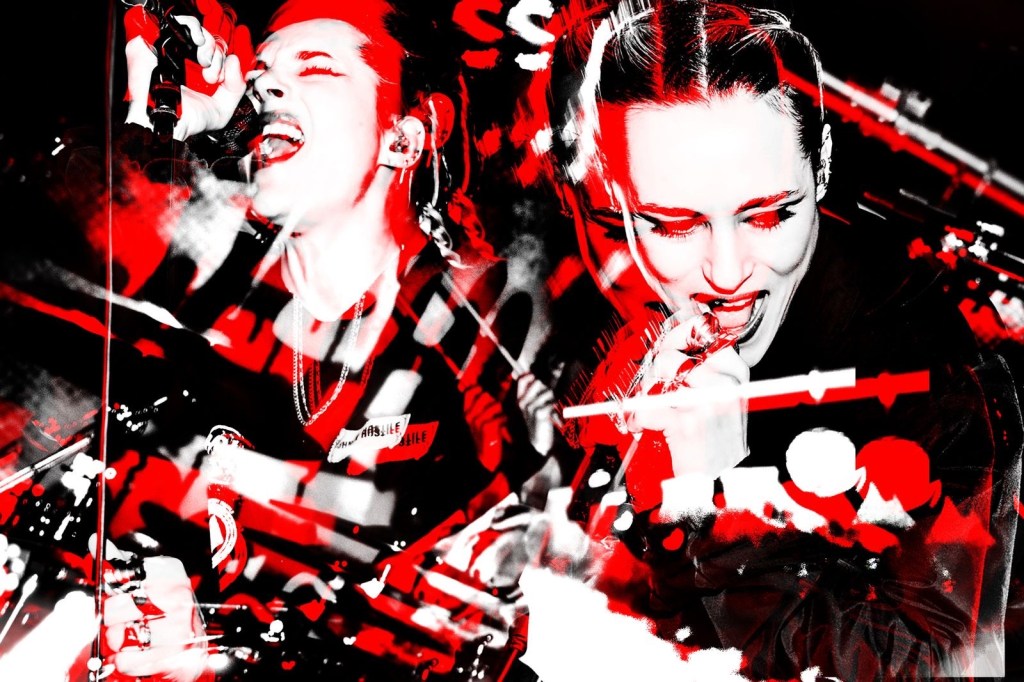
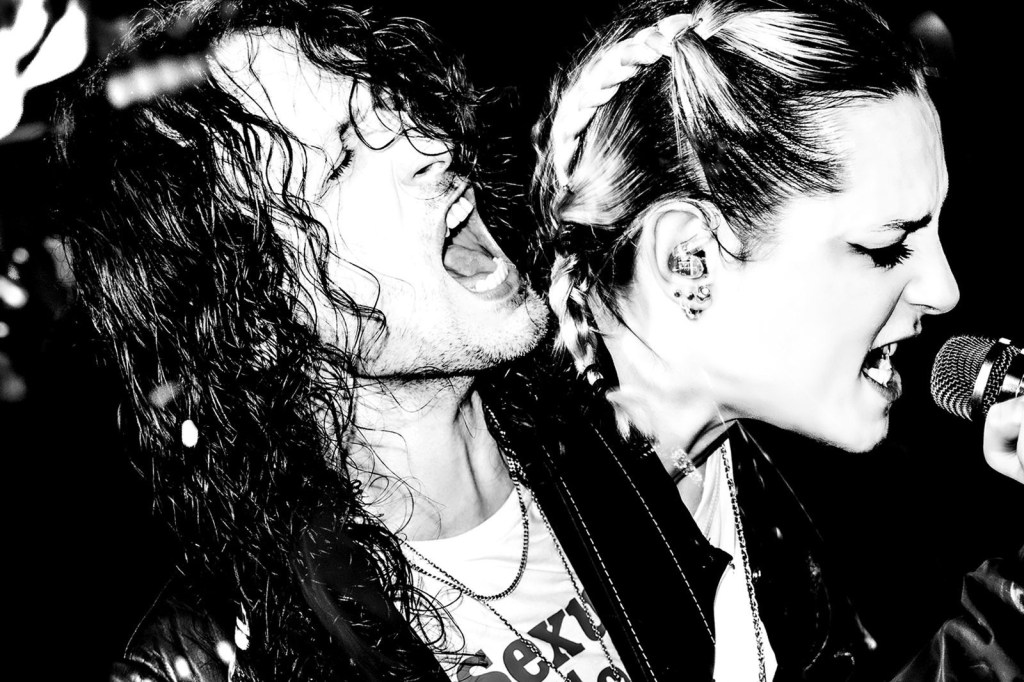
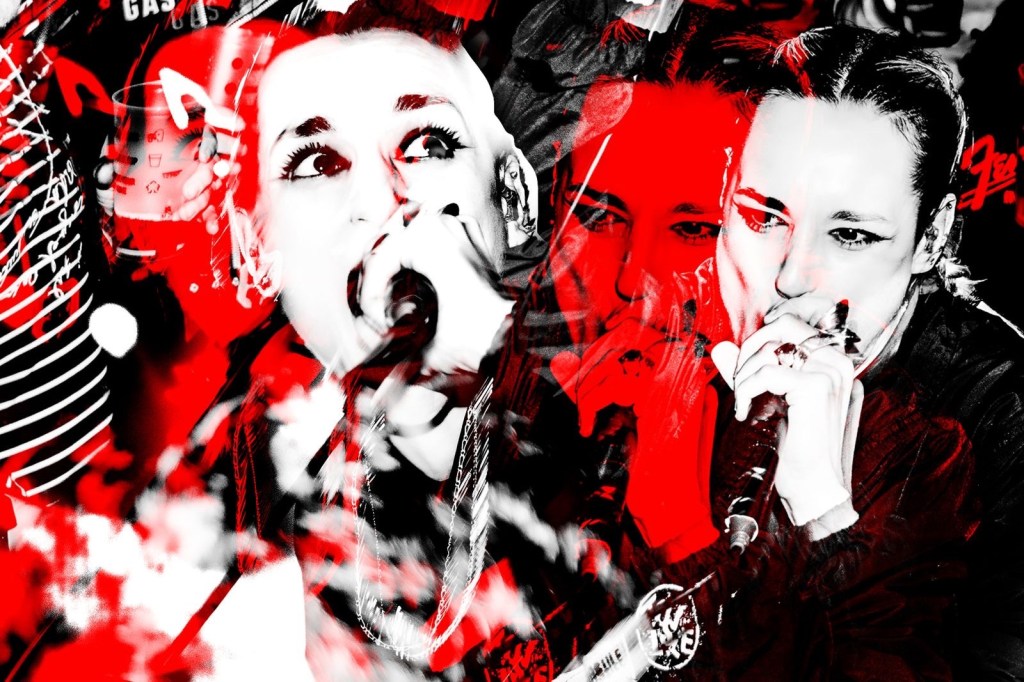
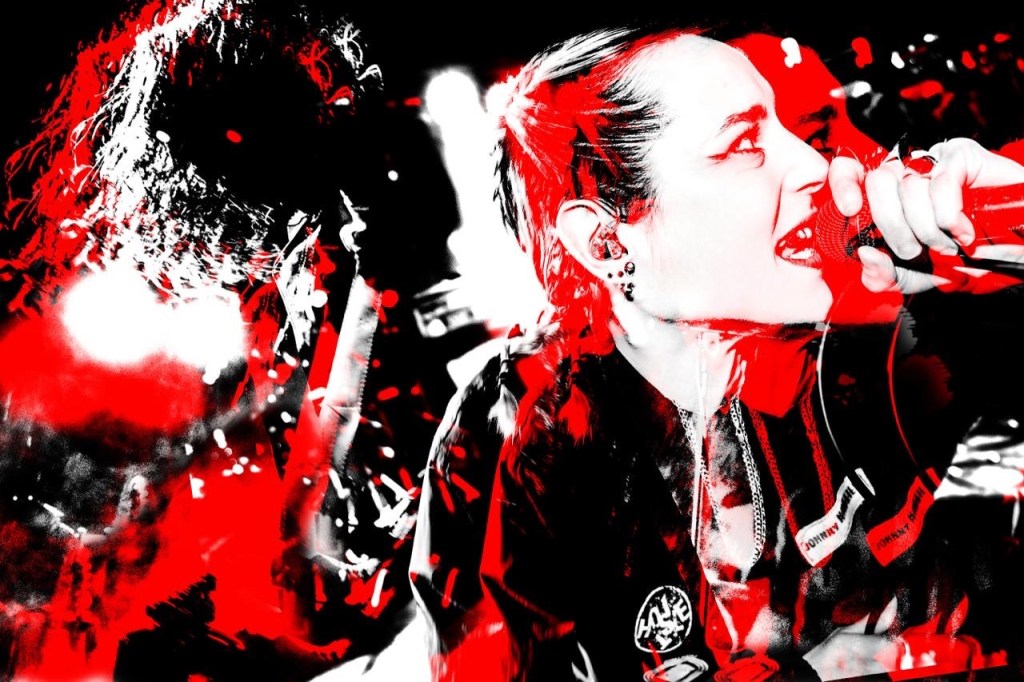
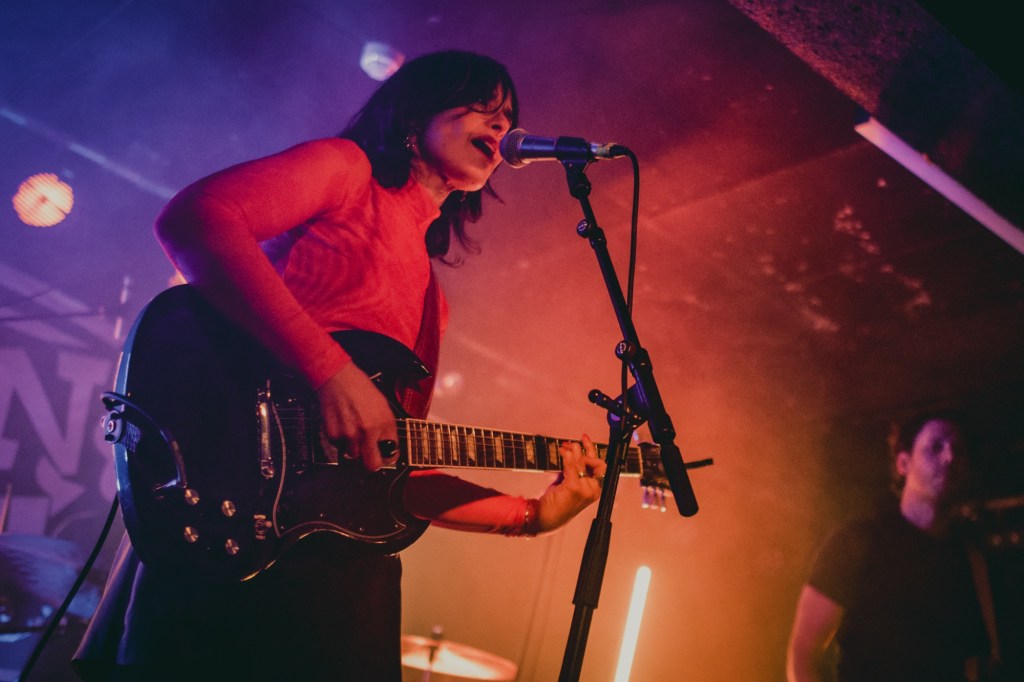
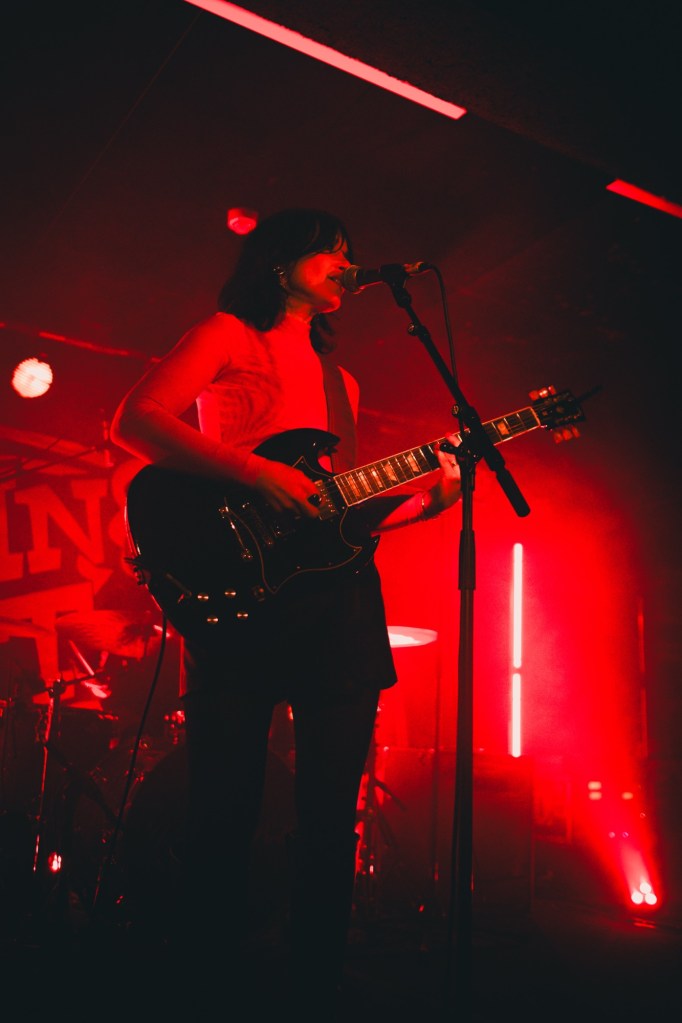
Strip away any folk-club romanticism, any Greenwich Village nostalgia—BENEFITS arrive as a full-blooded sonic and literary detonation aimed squarely at the human hellscape of the 2020s. Take the raw venom and feral electricity of Patti Smith’s Babelogue, amplify it, transpose it onto the UK map, and you’re somewhere in the vicinity. A relentless, unforgiving backdrop of music and noise—layered in prose, dense with words—direct, forceful, melodic, and yet genuinely terrifying. The message will be delivered. You will listen.
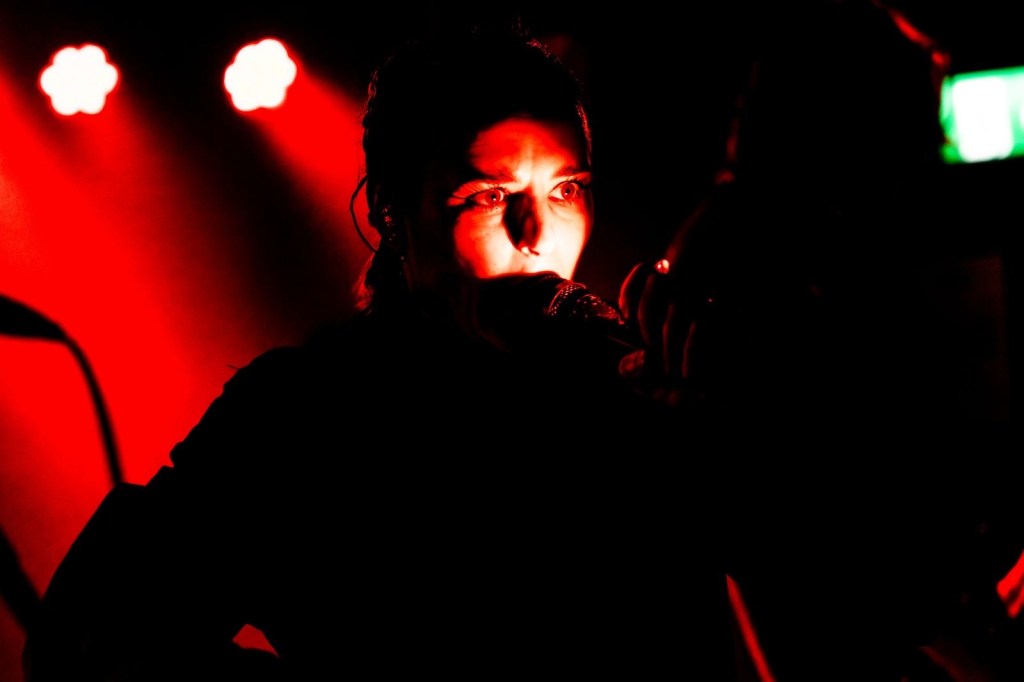
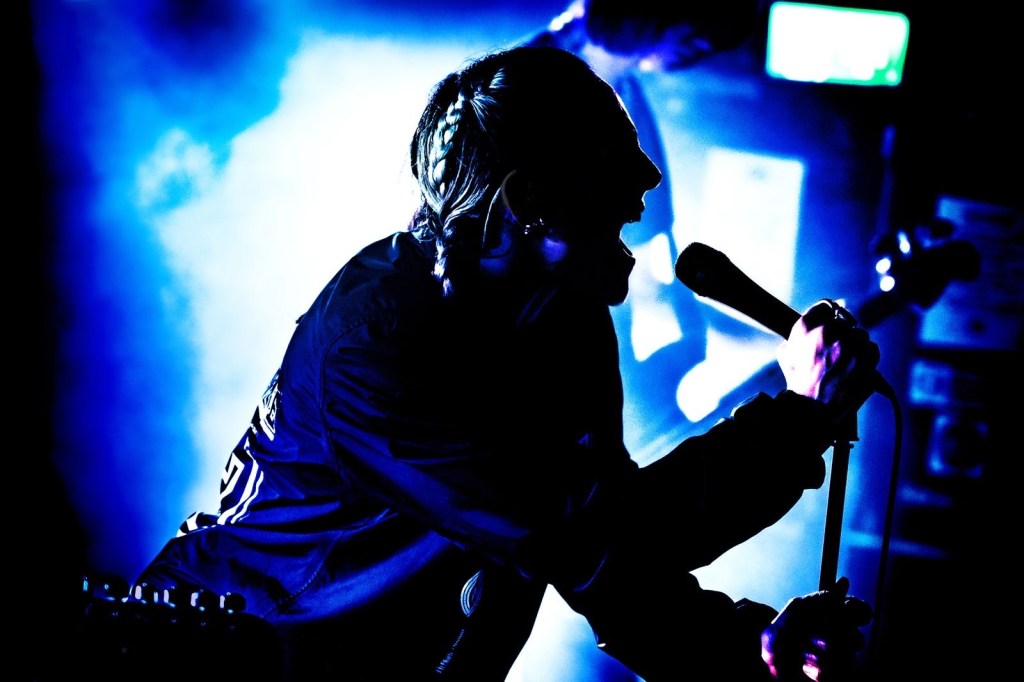
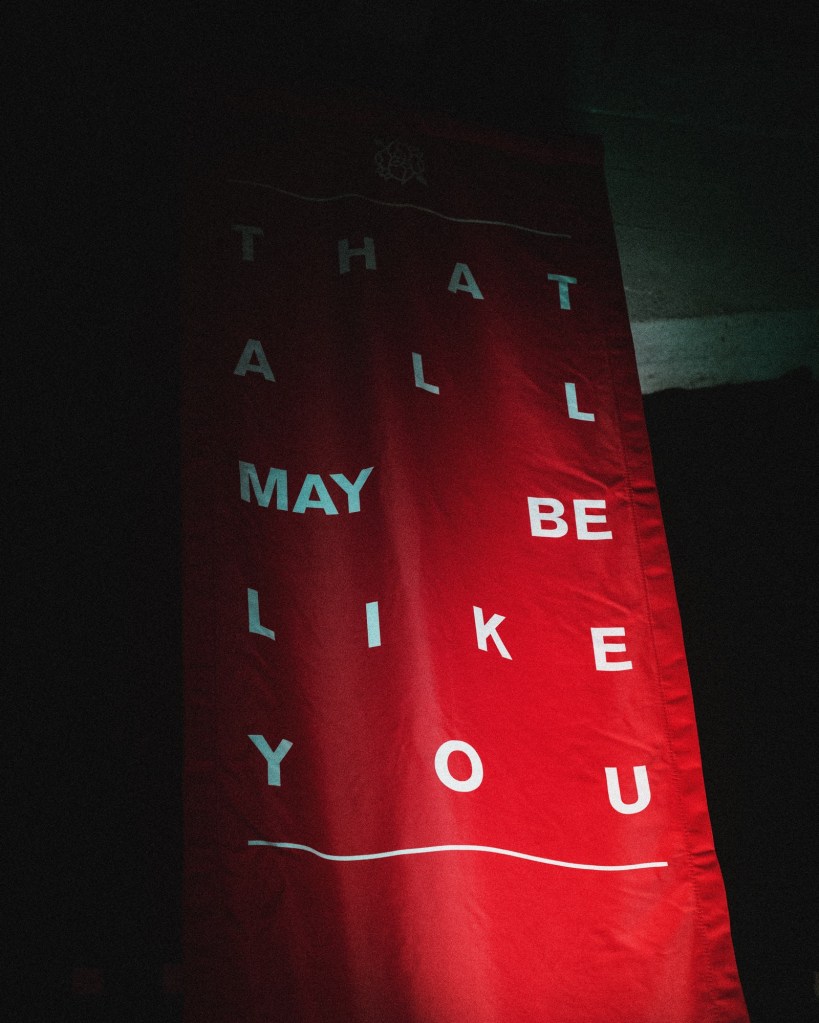
No lighting show to distract you. Just a deep red backlight, punctuated by actual light for maybe—maybe—thirty seconds all night. So you listen. The audience has to listen, has to pay attention. This is essential music in perfect, brutal unity with its time and place.
Such sounds and emotions don’t arrive by accident—they evolve as a pure reaction, and right now? There is a lot to react against.
Benefits. Your antidote is here. Take your medicine.
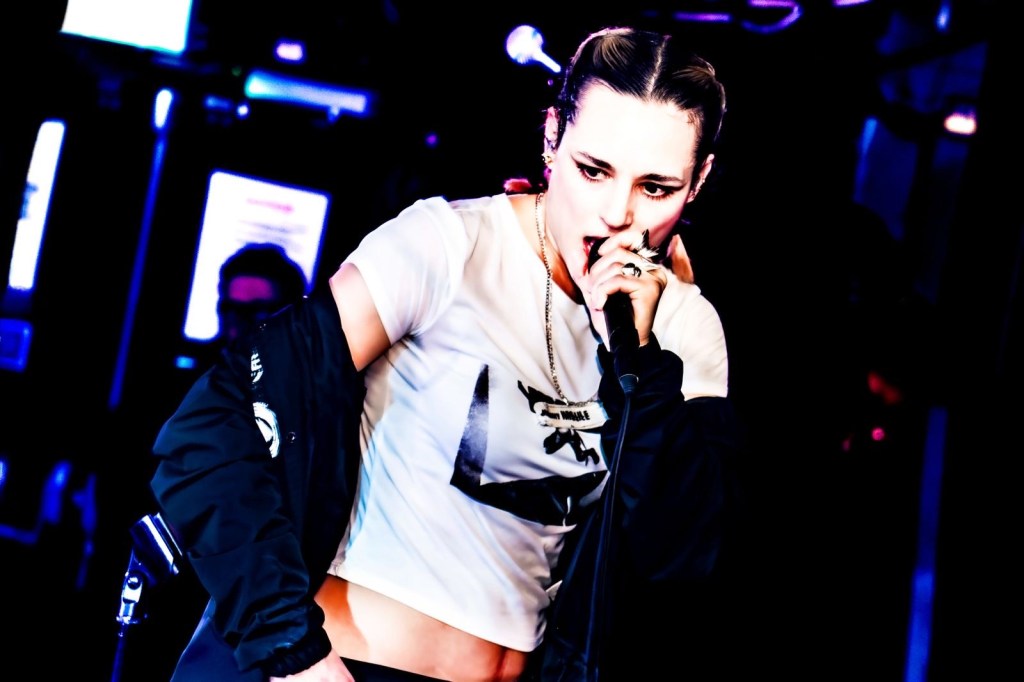
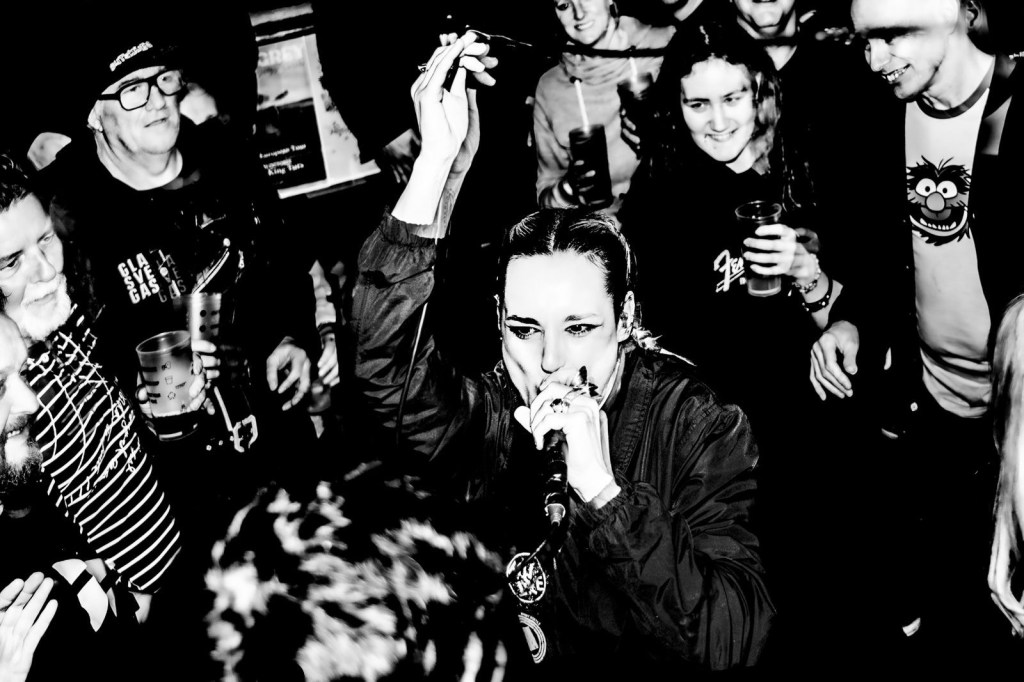
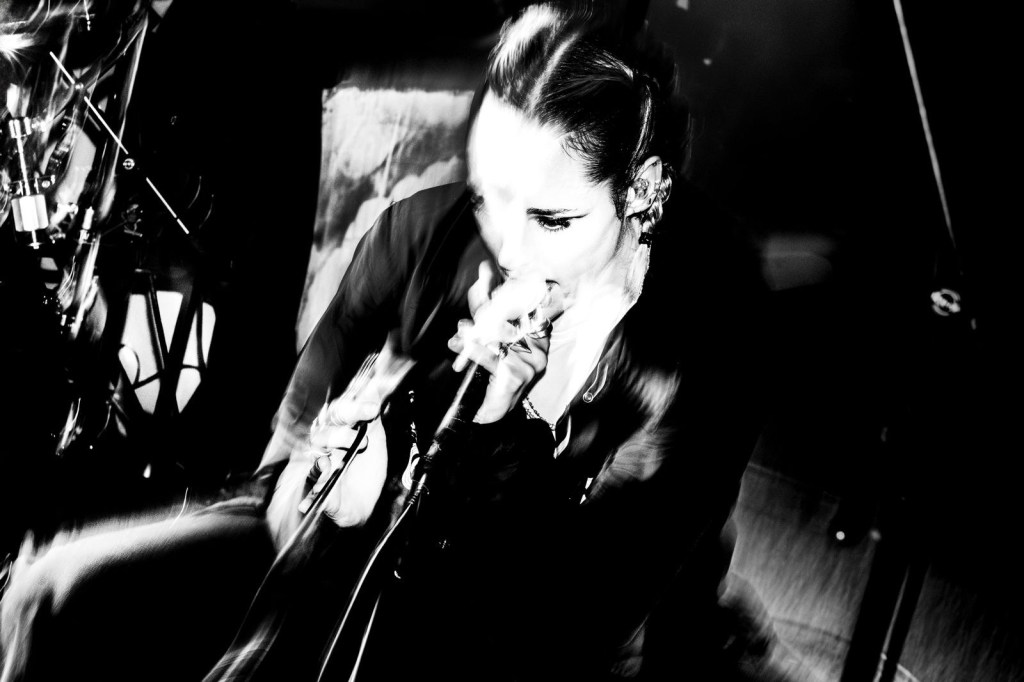
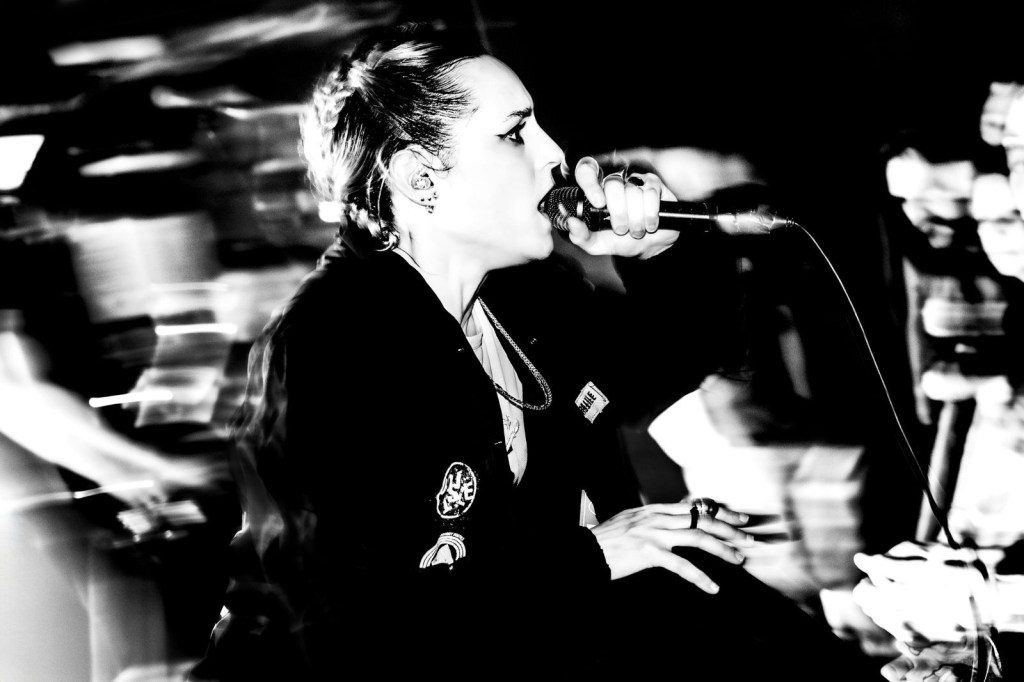
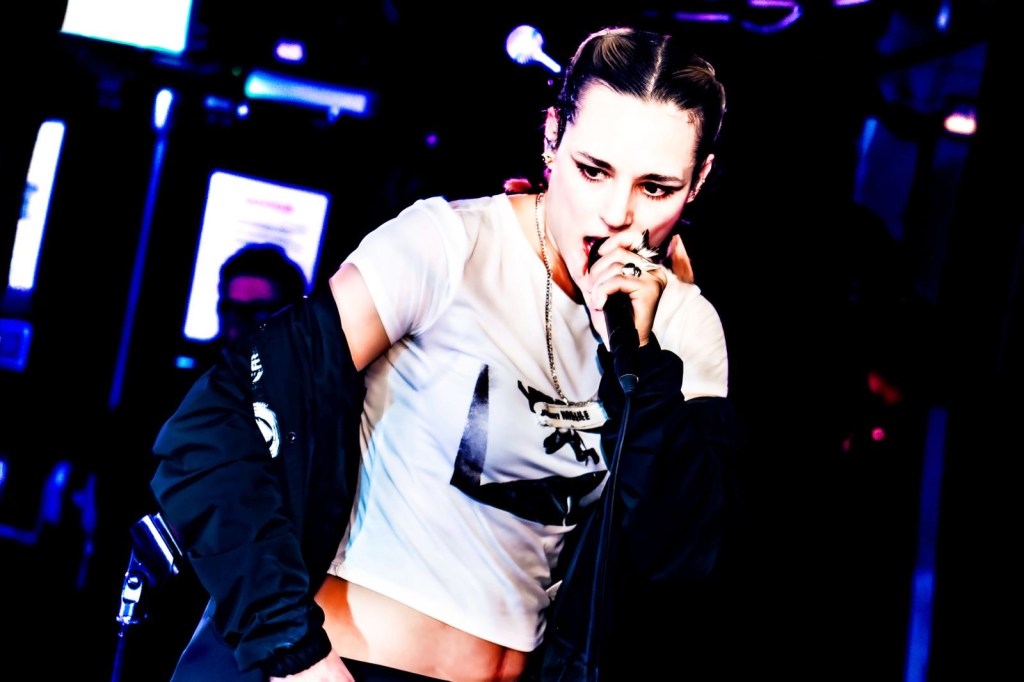
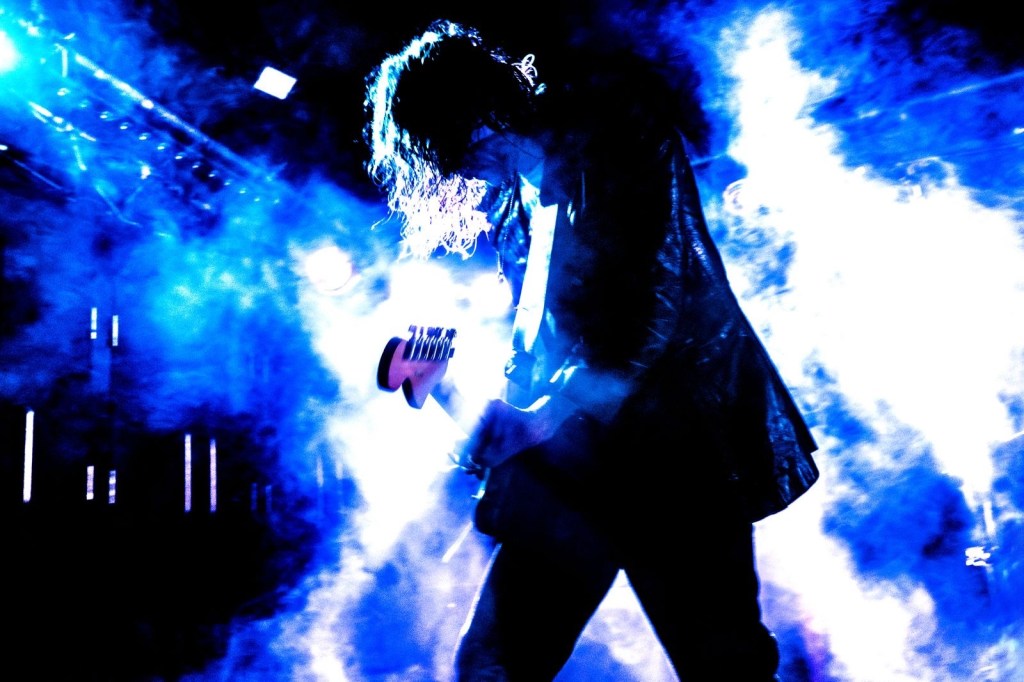
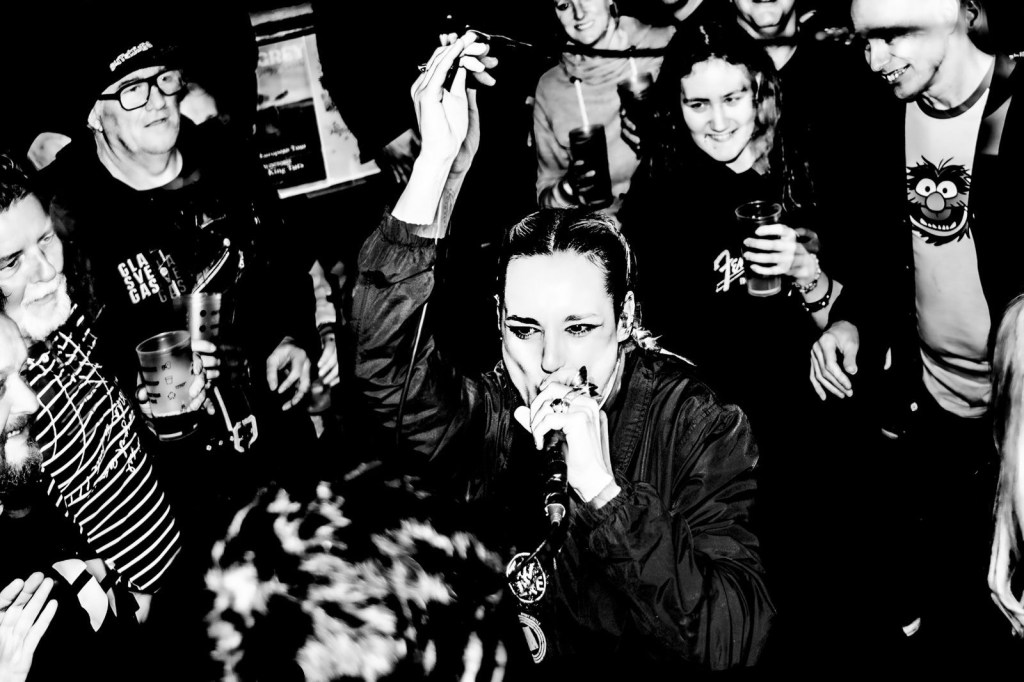
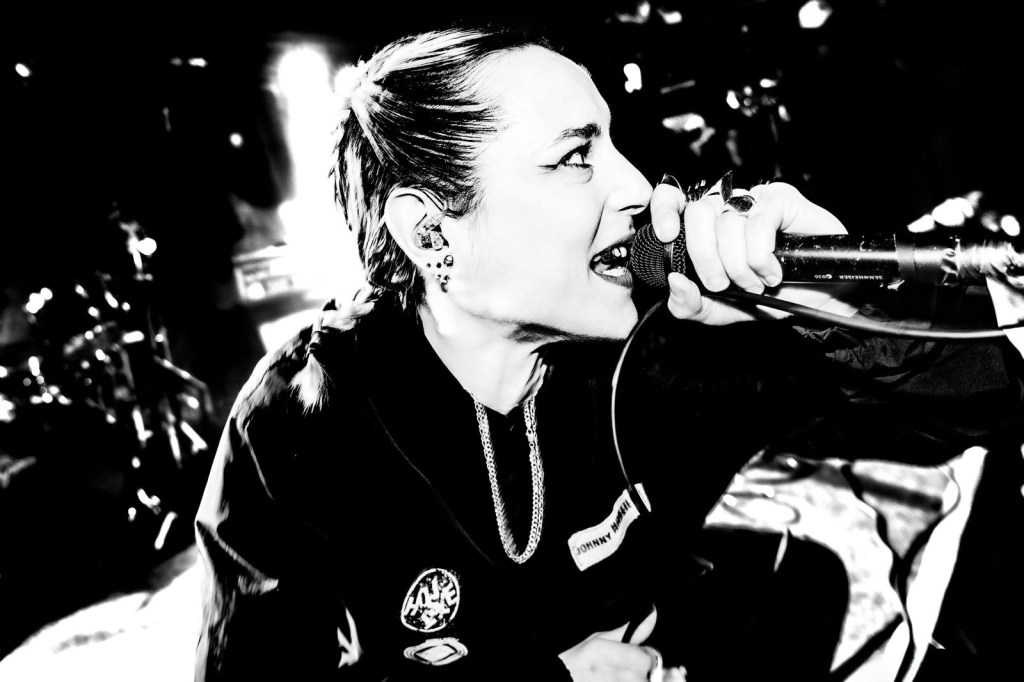
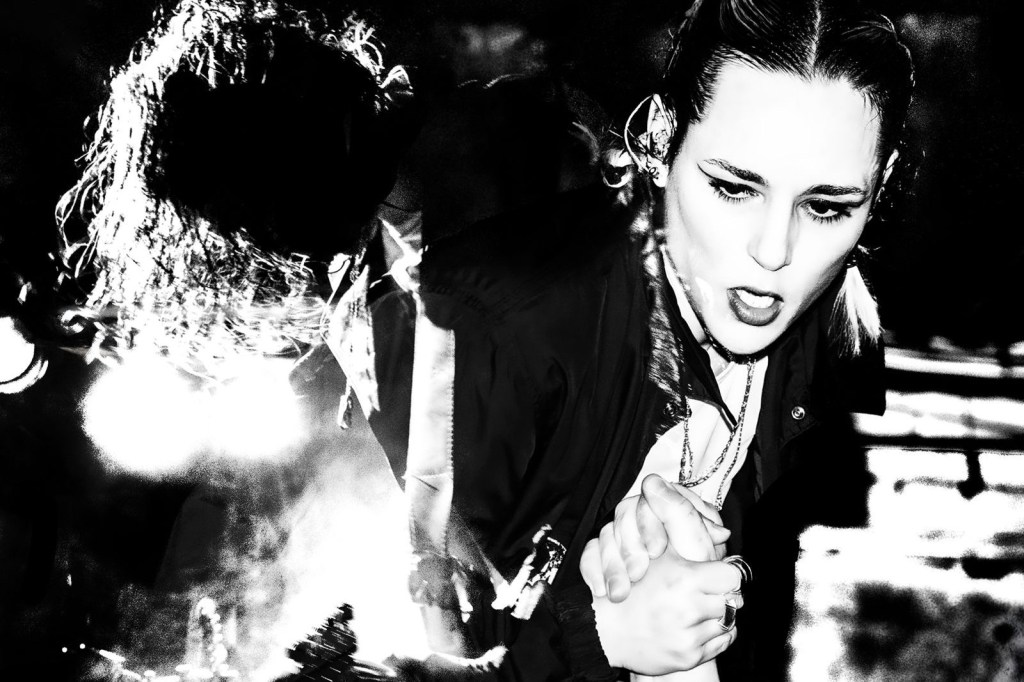
A decade has flown by since I last saw Jehnny Beth play live, and tonight she returns to Glasgow with her long-awaited new record and band—arriving like a force of nature that’s been quietly gathering strength in the dark.
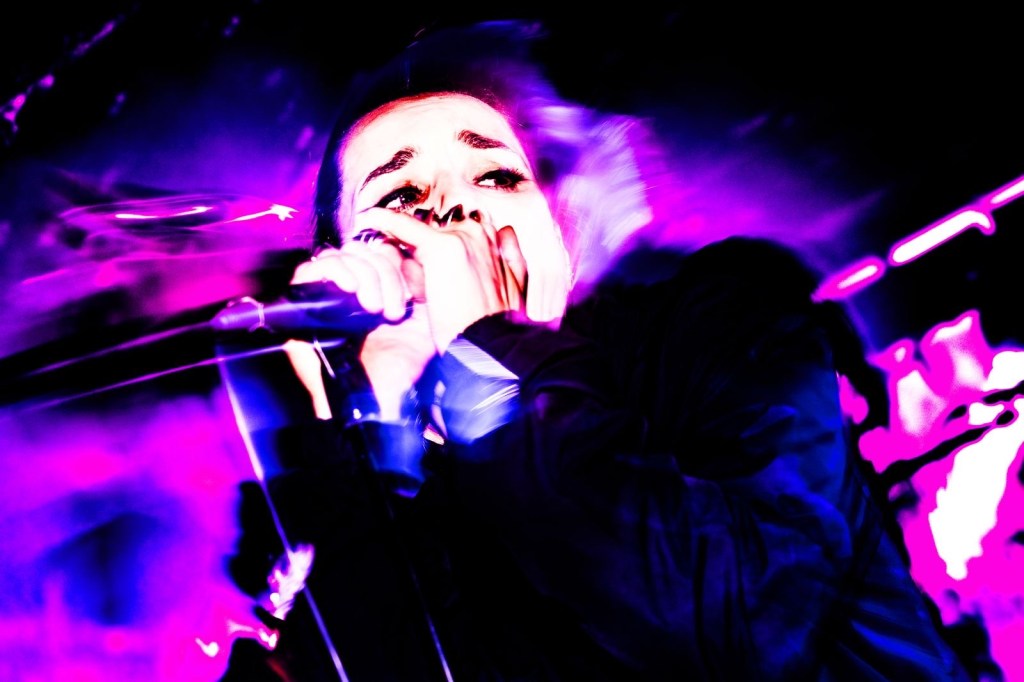
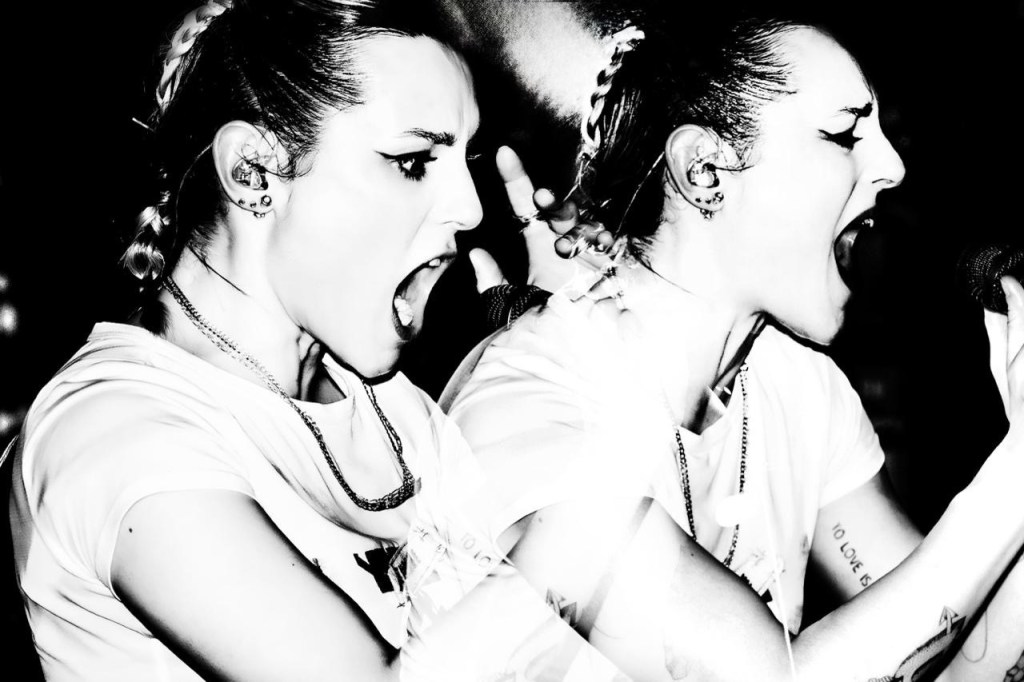
Intense. Physically and sonically consuming. A virtuoso of her craft, wielding a singular voice that effortlessly carries tales of despair, damage, and hard-won hope—the full, bruised spectrum of life. Flexing muscle and attitude. Refusing compromise. Carving a path others can follow if they dare.
Poetically tragic. Modern Gallic defiance aimed directly at the throat of the world.
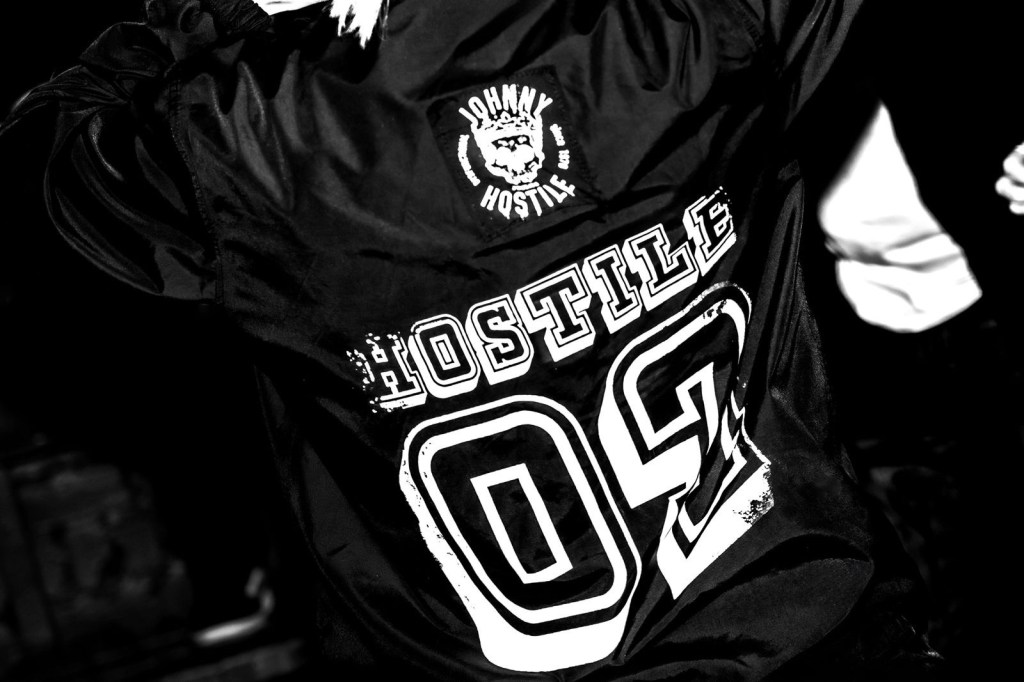
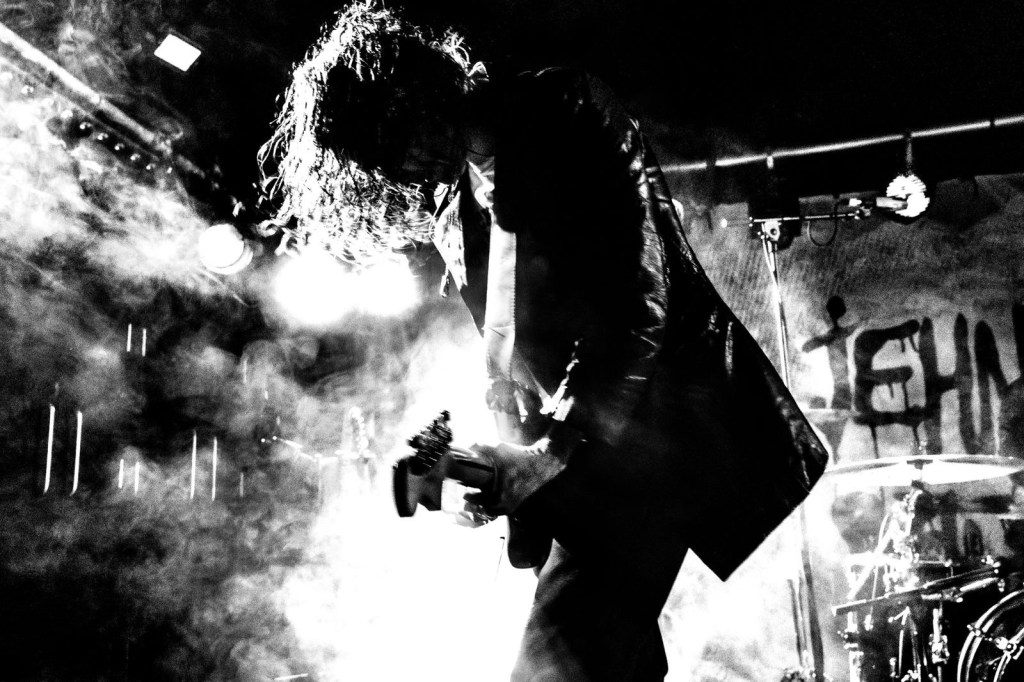
A banshee-like guitar—screaming, groaning, clawing to heights, volumes, and tones that could shatter the glass ceiling of Les Galeries Lafayette—before the music nosedives into deep, visceral grooves of drums and bass that conjure Nine Inch Nails and 1990s Björk’s raw intensity. Comparisons are ultimately futile. Jehnny Beth is Jehnny Beth—inextricably entwined with the production and musicianship of long-term partner Johnny Hostile, a creative force that delivers on every level.
Mesmerising.
She has nothing to prove and everything to ignite—provoking, invoking, demanding a reaction. Adoration. Adulation. She is literally part of the crowd as much as the crowd is part of her. A performer who refuses the obvious, who plays the tracks you expect and then drops an Eraserhead curveball just to remind you who’s in charge.
Jehnny Beth will be one of the last ones standing—true to herself, true to her ideals, still carrying the Savages manifesto like a lit torch. Life is short, can be hard, and yet—wonderfully, stubbornly—it can be magnificent. Like a scar waiting to be scratched.
Be purposeful. Avoid clichés. Challenge everything. Assume nothing.
‘In heaven everything is fine.’ Tonight, everything was beyond fine.
Howling Bells’ return to Glasgow was a stark and welcome contrast to the last time I saw them—a seated, socially distanced show during the COVID years to mark the 15th anniversary of their debut album. While that night was steeped in nostalgia and a certain fragile uncertainty, this show felt like a true comeback for the Aussie indie rockers. Here they were at the legendary King Tut’s, promoting Strange Life—their first album of new material in 11 years. As you can imagine, there was an air of anticipation in the room, with fans eager to hear the new songs performed live for the first time.
The group played it safe by opening with “Blessed Night”, instantly grounding the room in familiar territory, before launching into “Unbroken”, the lead single from the new record. From that point on, the band moved through their new material with ease, as if they’d been playing these songs for years.
“Melbourne” unfolded with its cinematic dream-pop guitars; “Sacred Land” hit hard with fierce intensity; and “Sweet Relief” brought a raw, bluesy garage-rock edge. Despite the shifting moods, the transitions felt seamless. Juanita Stein’s vocals were central to this, her versatile and expressive delivery guiding the audience from one emotional landscape to the next.
It was the older material, however, that resonated most with longtime fans. Songs like “Setting Sun” and “Cities Burning Down” tapped into the band’s signature gothic undercurrent, while “Your Love” delivered a pulsating wall of sound that filled the venue.
For the encore, we were treated to a cover of Neil Diamond’s “Girl, You’ll Be a Woman Soon”, reshaped in their dark, brooding style until it felt like one of their own. The evening reached a fever pitch when the band closed with the iconic “Low Happening”, drawing immediate cheers as Joel Stein tore into its jagged guitar riff, locked tightly into Glenn Moule’s thumping groove on drums.
It was a rousing conclusion to a set that rarely stayed still. While the show was relatively brief at just over an hour, the new songs held their own remarkably well against the classics. It served as a reminder of why Howling Bells remain a cult favourite in the indie scene, showing a band that has evolved without losing their edge.
It’s great to have them back and, if this performance is any indication, there’s plenty more to look forward to in this new era.
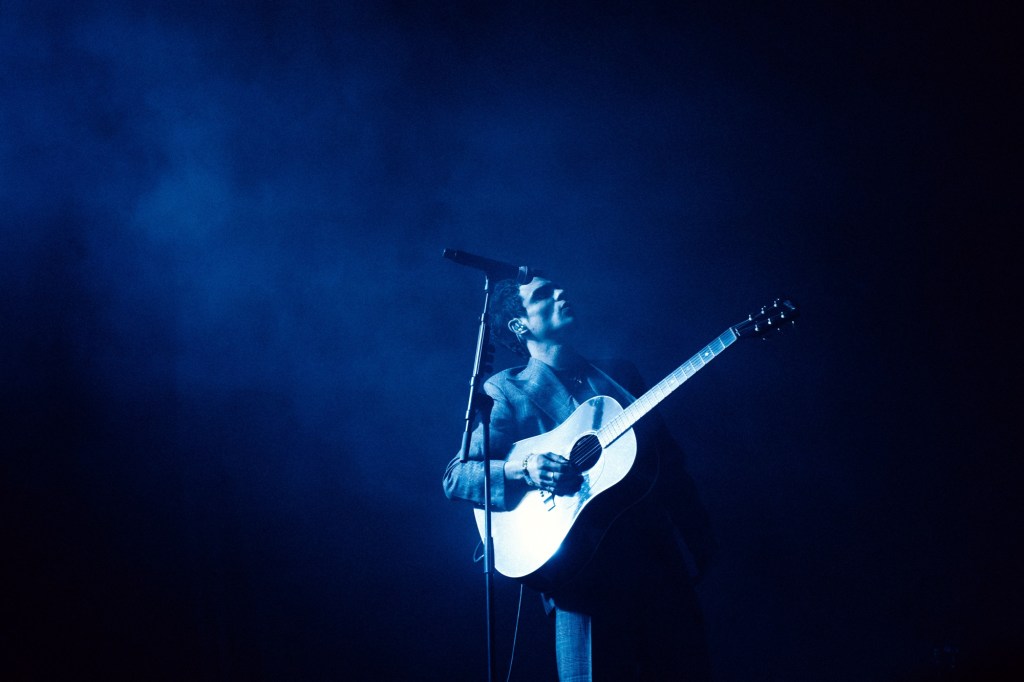
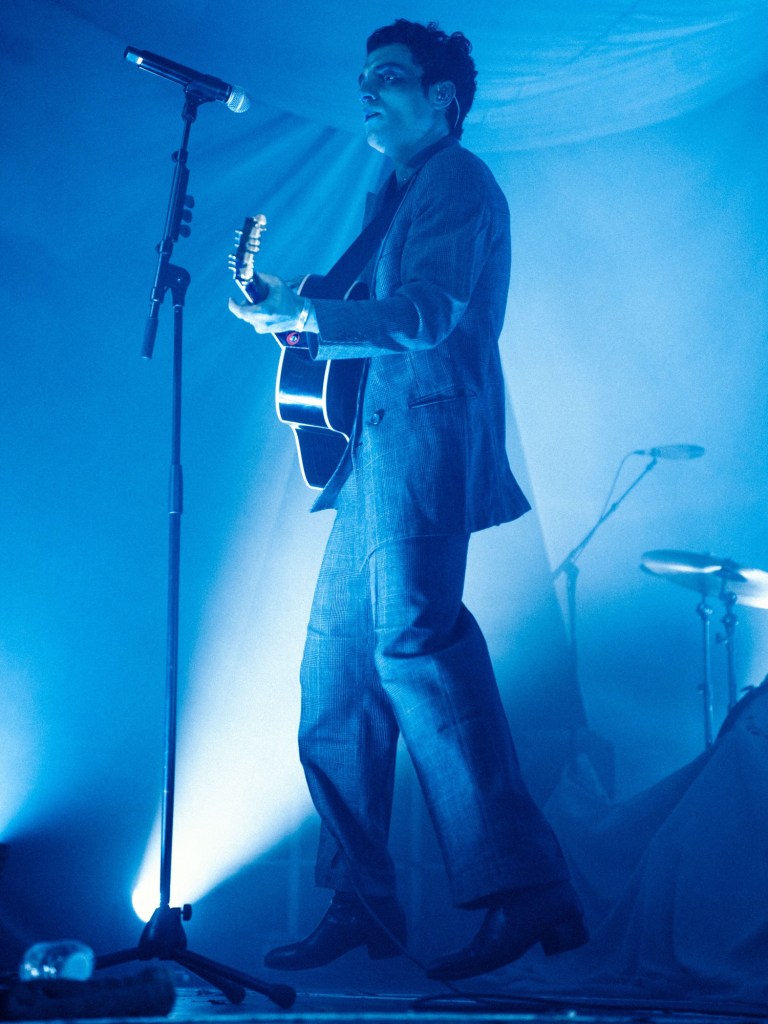
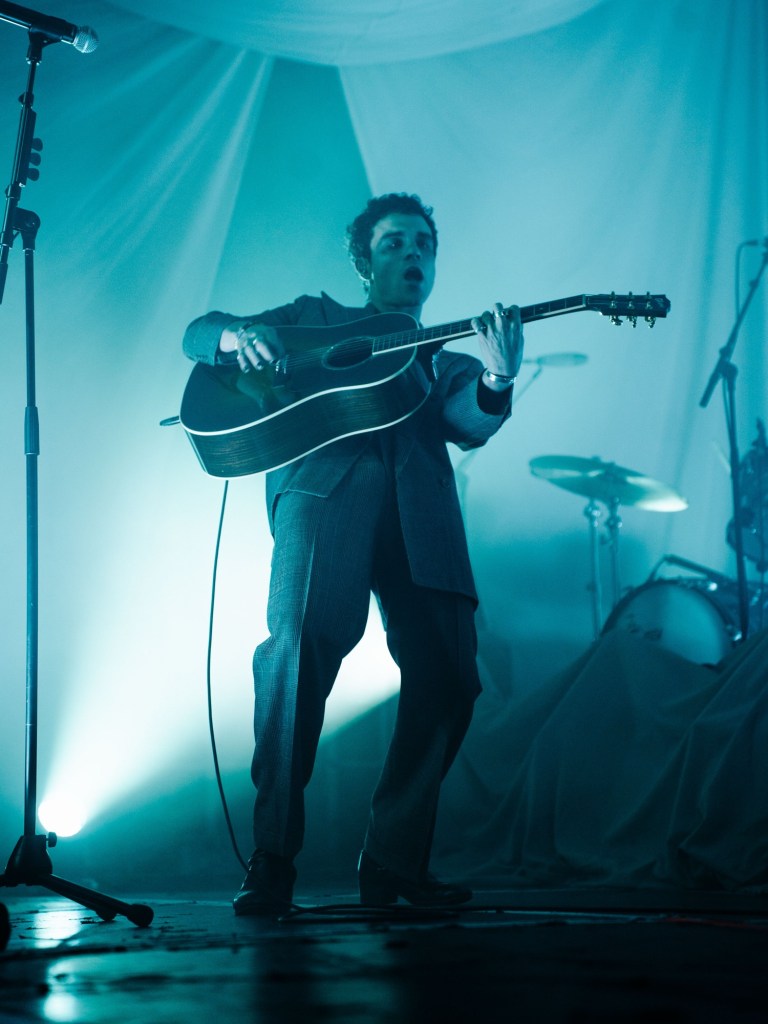
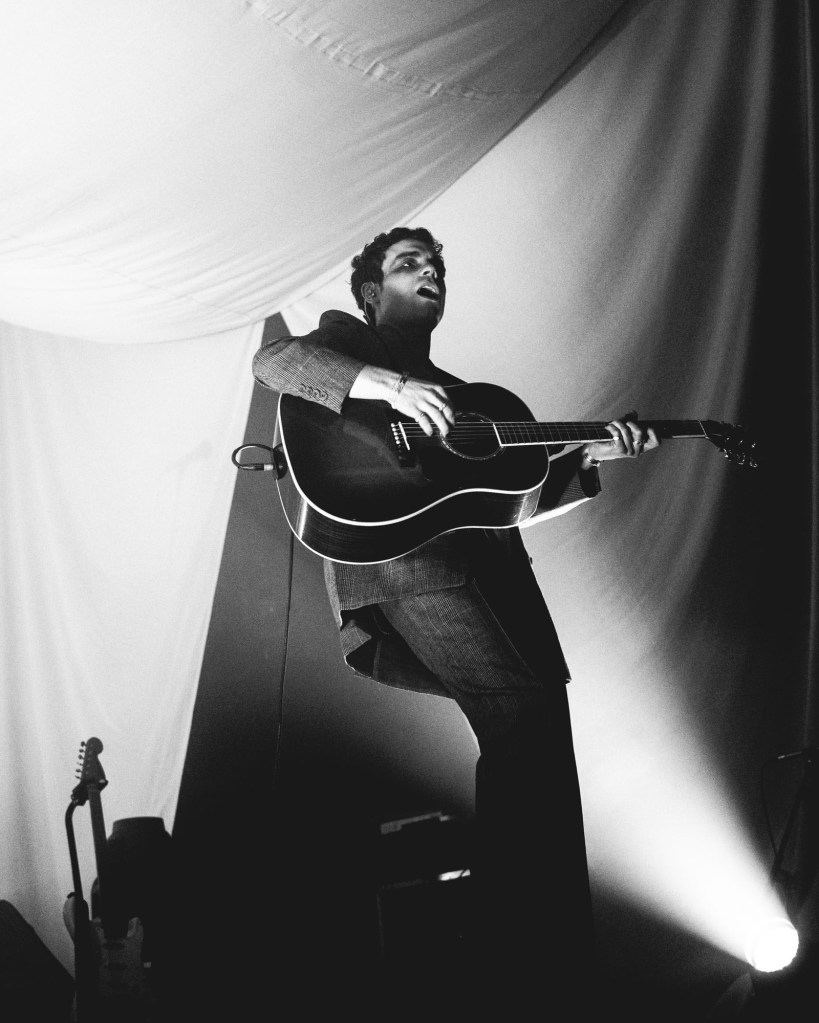
A giddy sense of anticipation fills SWG3Galvanisers as the crowd awaits Del Water Gap’s return, only briefly softened by the quiet stillness brought by local opener Theo Bleak. The last time the Brooklyn-based indie pop star Samuel Holden Jaffe played in this room he was supporting girl in red, and he reminisces on this fondly as he thanks the crowd for joining him for his headlining set.
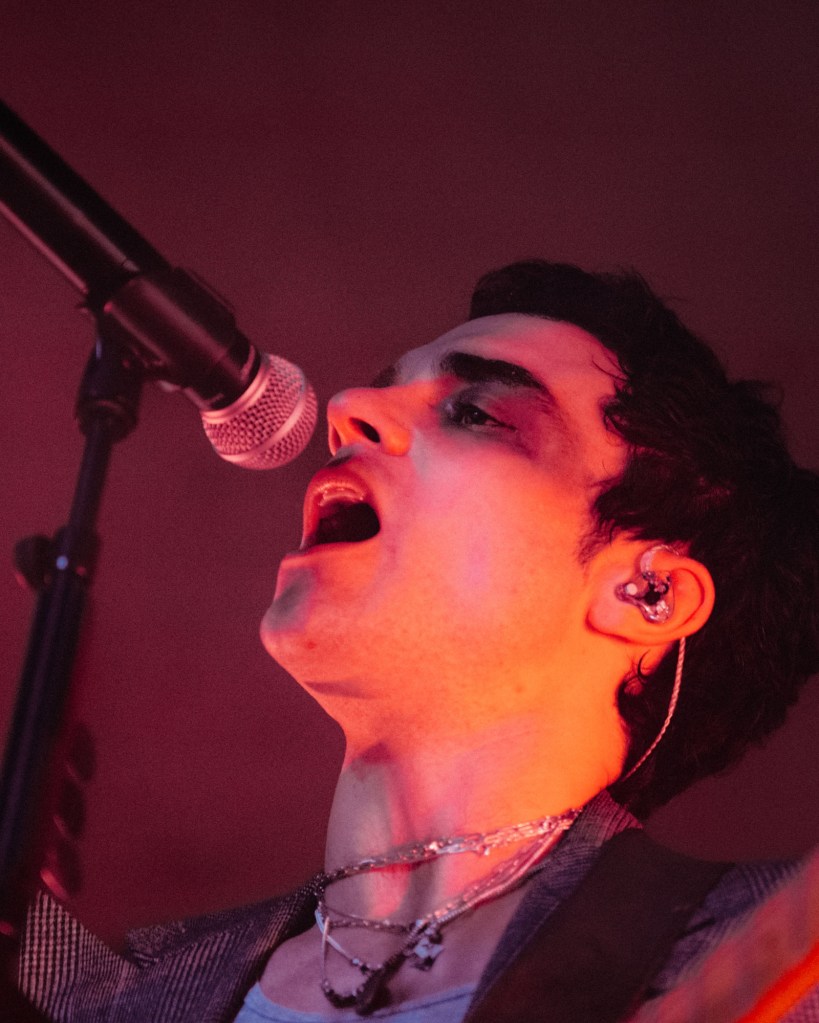
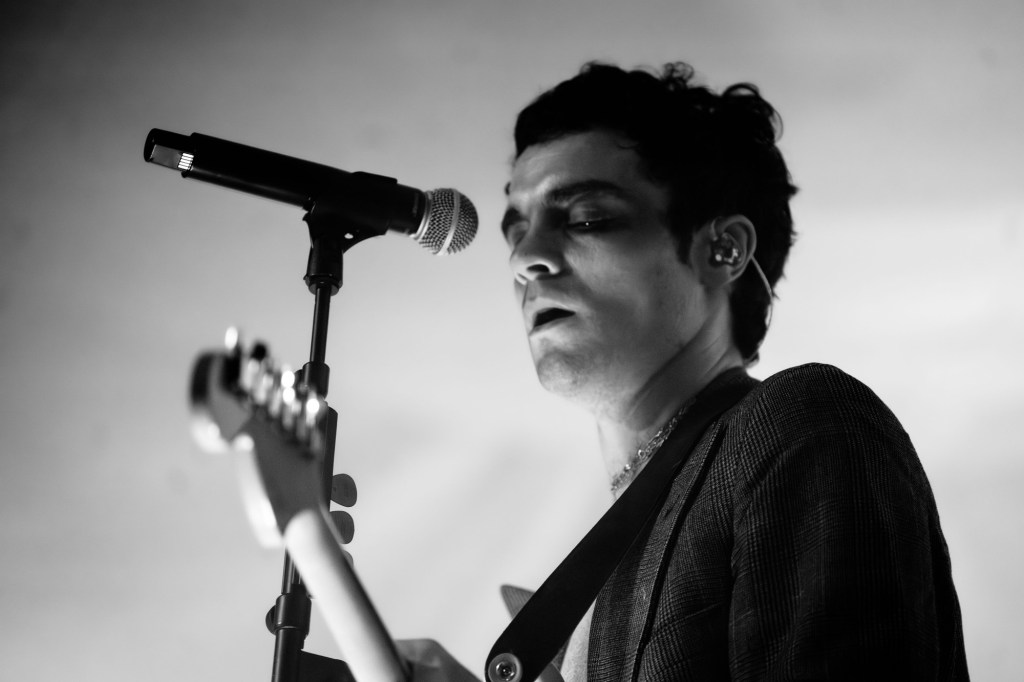
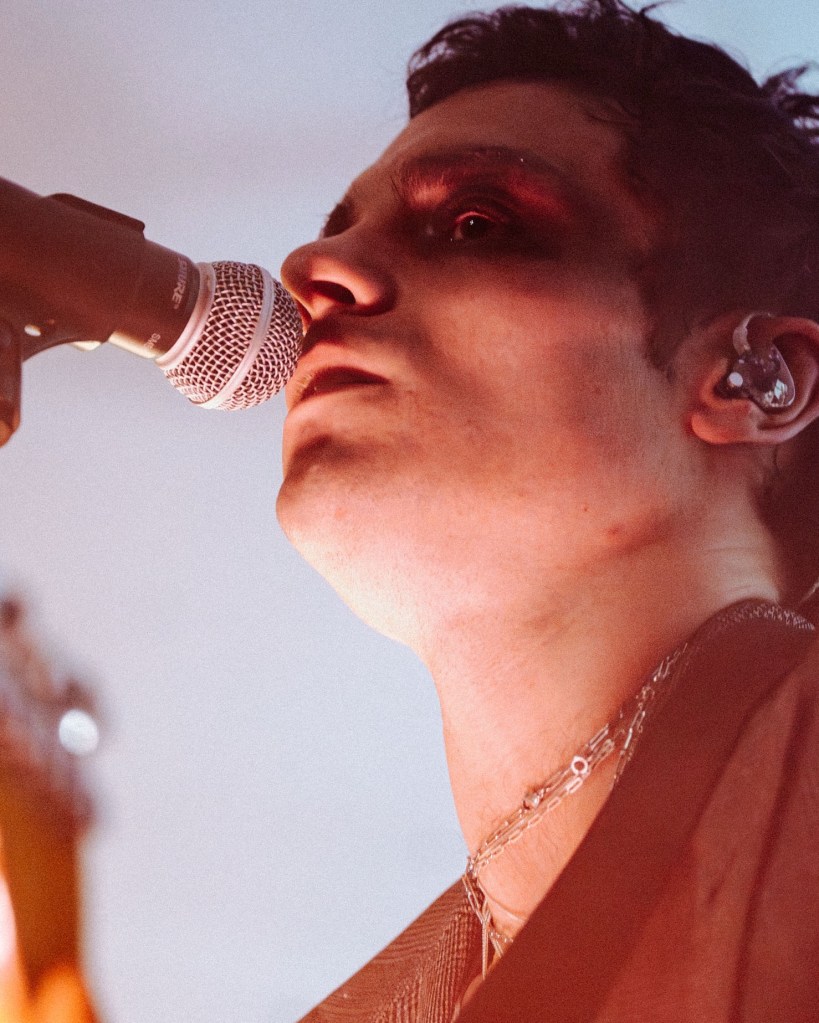
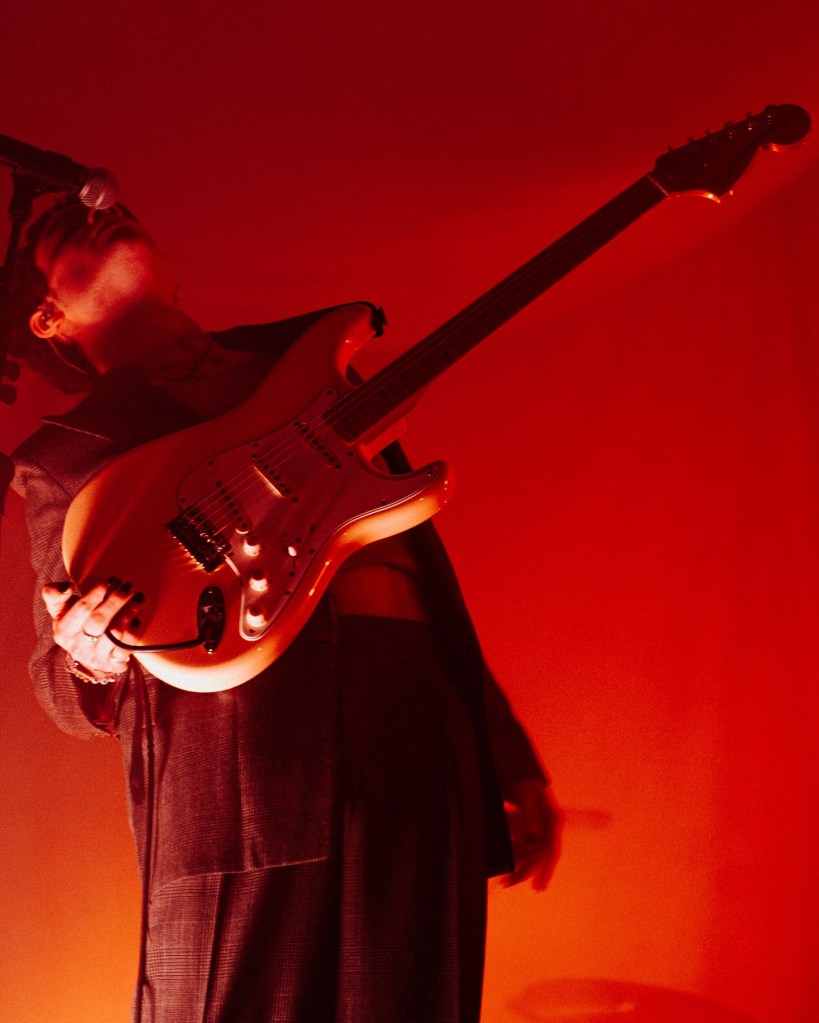
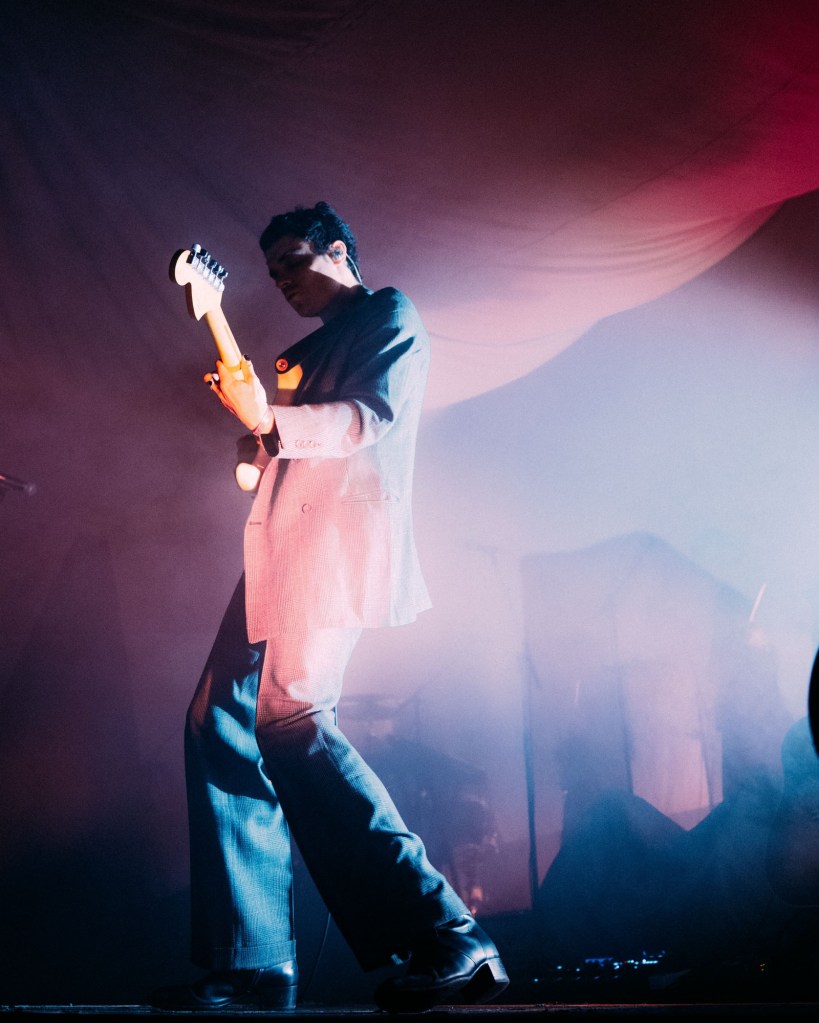
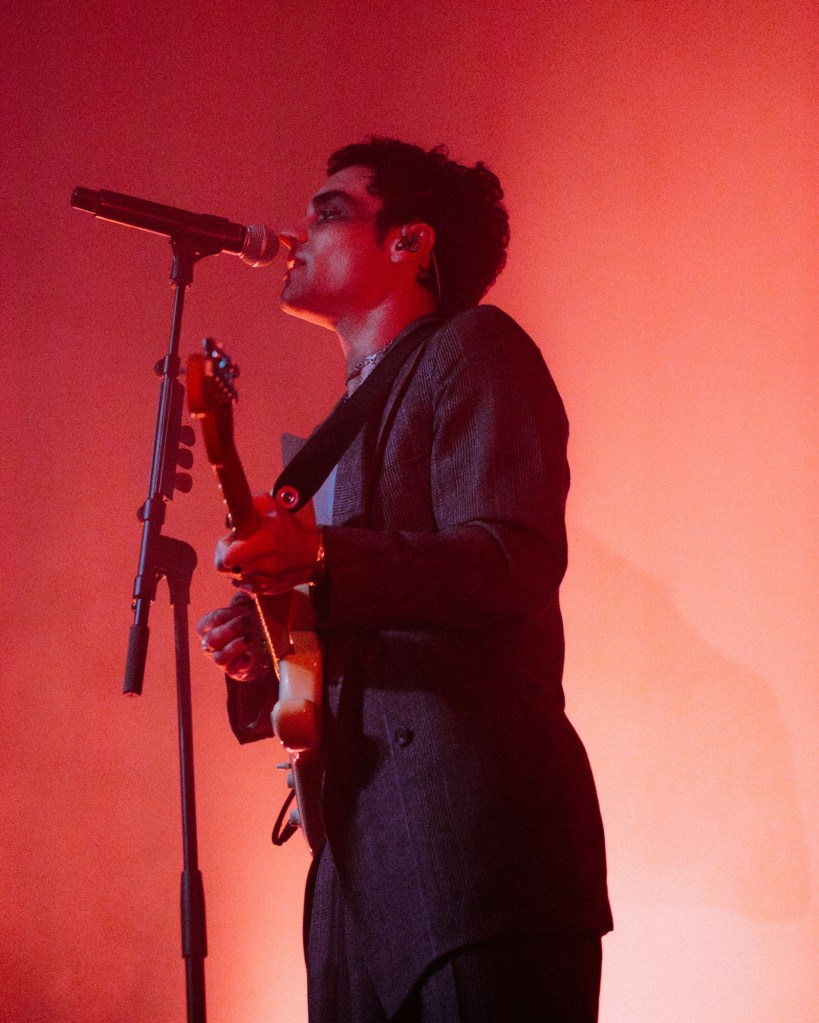
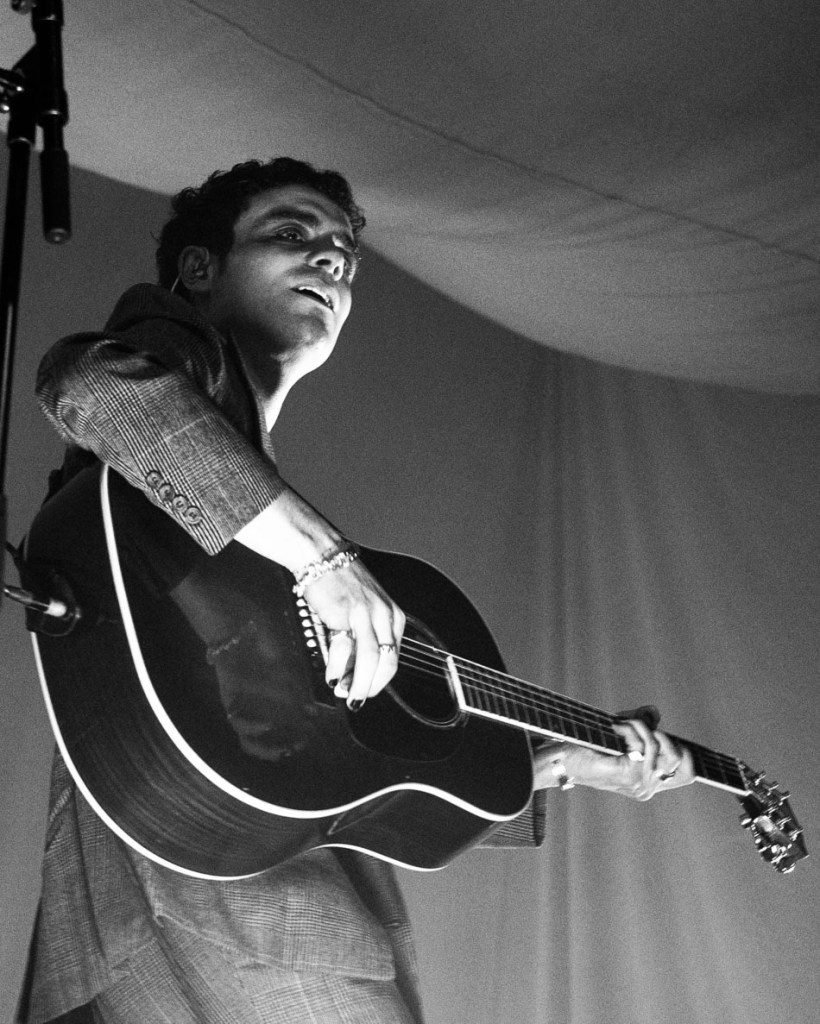
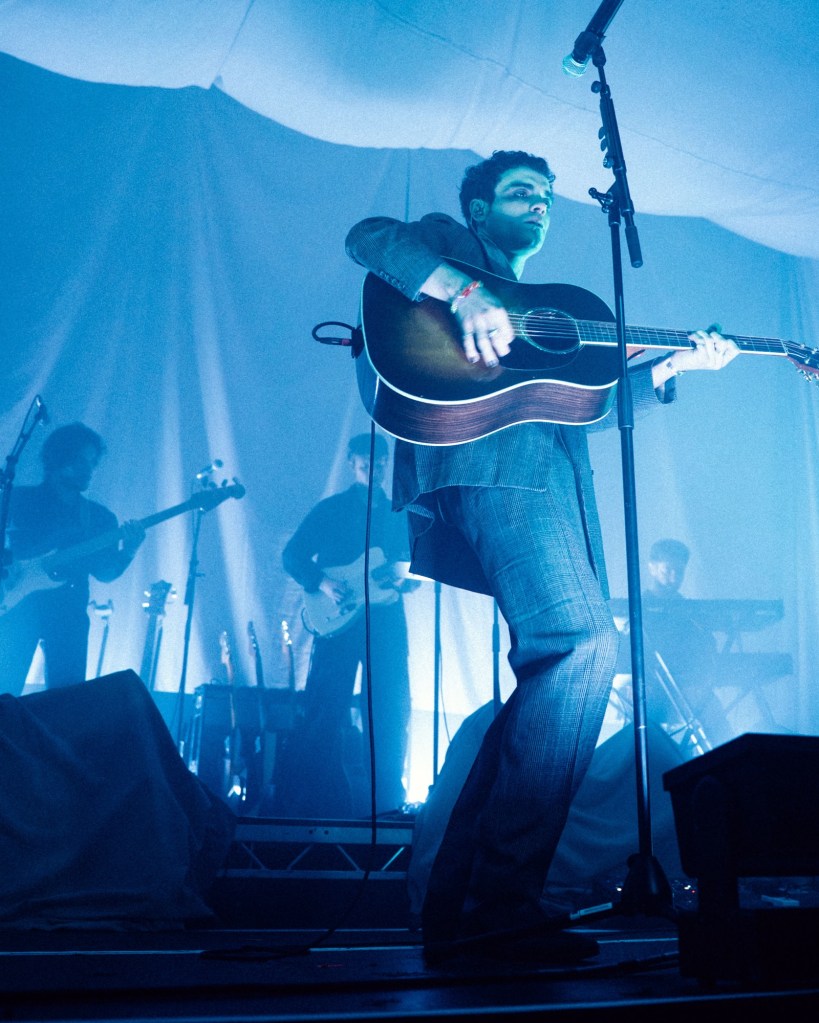
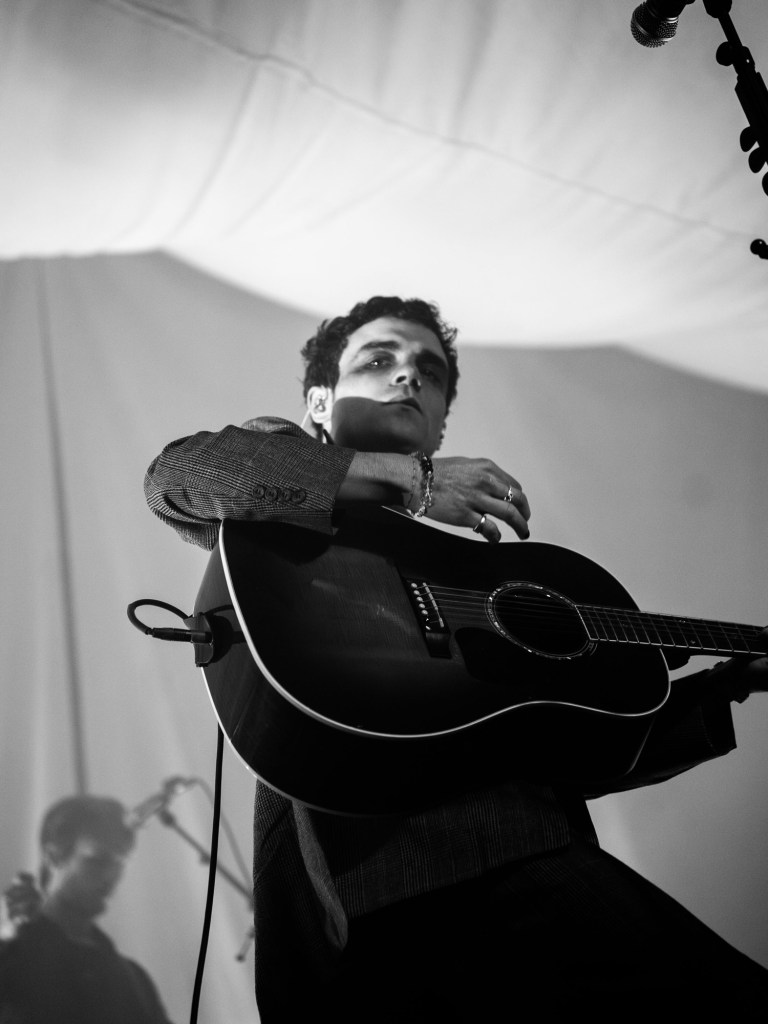
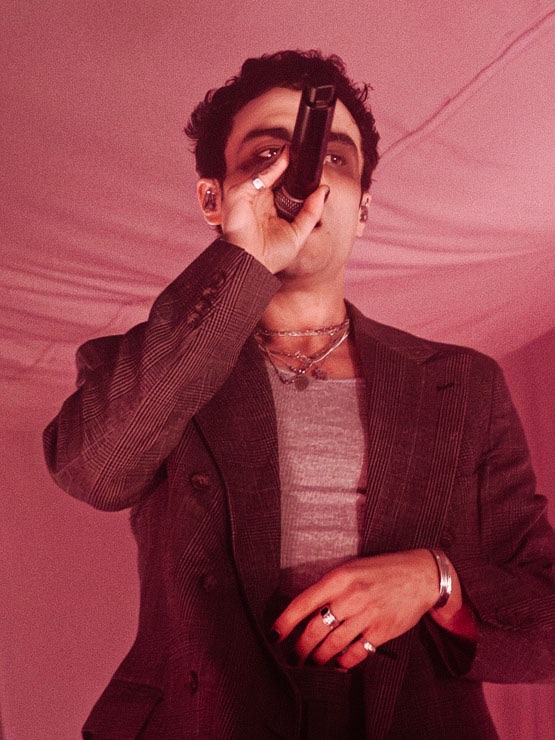
He opens with fan favourite “Small Town Joan of Arc”, emerging through flashing lights and billowing stage smoke in a classic grey tweed suit, worn effortlessly over a pale tank top and layered silver chains. Jaffe’s striking gaze sweeps over the crowd, accentuated by a wash of dark eyeshadow that cuts sharply across his cheekbones.
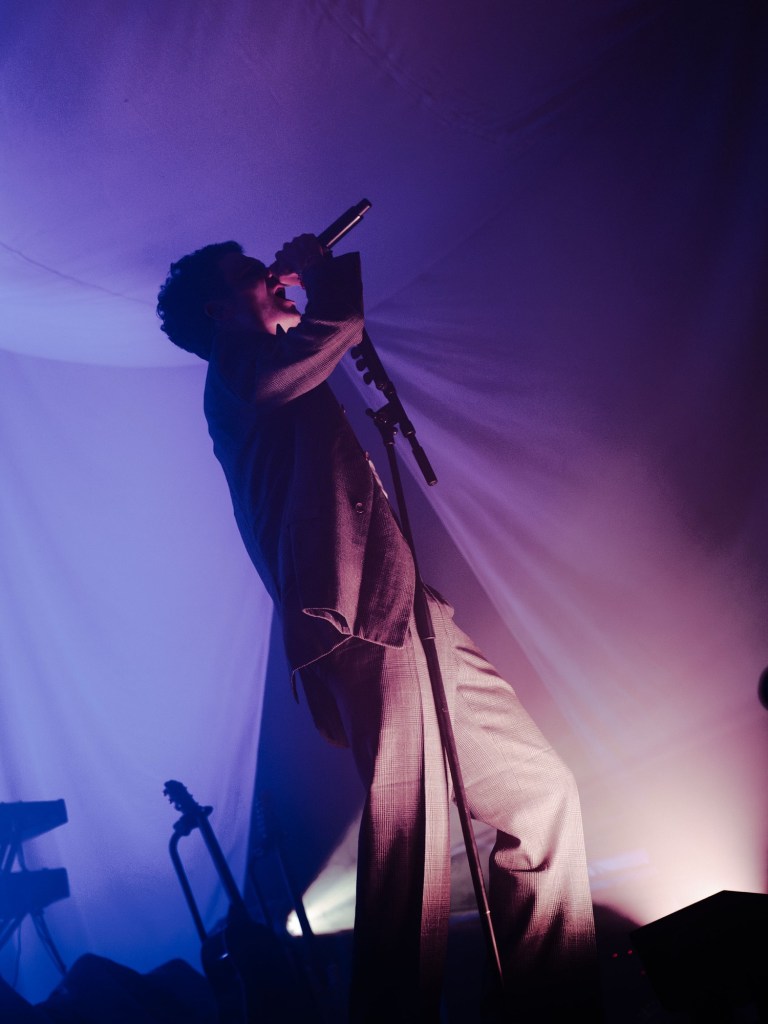
Fan engagement begins early, reflecting Jaffe’s signature brand of intimate indie-pop. At one point the lighting director steps aside and hands control of the rig to someone in the crowd: Grace, who is celebrating her birthday. For a moment she pilots the lights, colourful rays sweeping across the room while the band tears through an upbeat number.
Midway through the set, during “Beach House”, Jaffe sheds a layer and ends up in a tight grey tank that seems to free him up physically. He moves effortlessly across the stage, his signature coolness dripping off his shoulders as he dances around. I watch the girl in front of me’s dangly earrings swing along as Jaffe throws his hands up and spins back toward the band. Elsewhere, a girl gets on her friend’s shoulders, raising her arms to her favourite song. It’s one of many vignettes scattered across the room, lit by soft purples and white flashing lights.
Del Water Gap is met with a true Glasgow welcome, chants of “No Scotland, no party” and “Here we f*cking go” ringing through the crowd. At one point, Jaffe re-emerges from the pit draped in a Scotland flag, which he wears proudly like a cloak across his shoulders.
There are a couple of clumsy moments along the way. At one point the screen behind the band briefly flashes an HDMI menu, distracting momentarily from the elegant draped canopy surrounding Jaffe and co. When the visuals emerge, though, they work beautifully. Grainy black-and-white live footage of Jaffe flickers across the backdrop, contrasting against the warm orange light spilling across the stage. Occasionally the camera turns outward, scanning the audience and picking out rows of sweet, smiling faces who wave during their turn being projected overhead.
Near the end of the night, during “Perfume,” Jaffe slips off the stage and disappears into the crowd. The audience folds in around him, arms raised and voices ringing louder through the air. For a moment the room becomes one, the final notes dissolving into a choral cheer. I enter the show knowing very little about Del Water Gap, but I leave as a new fan.
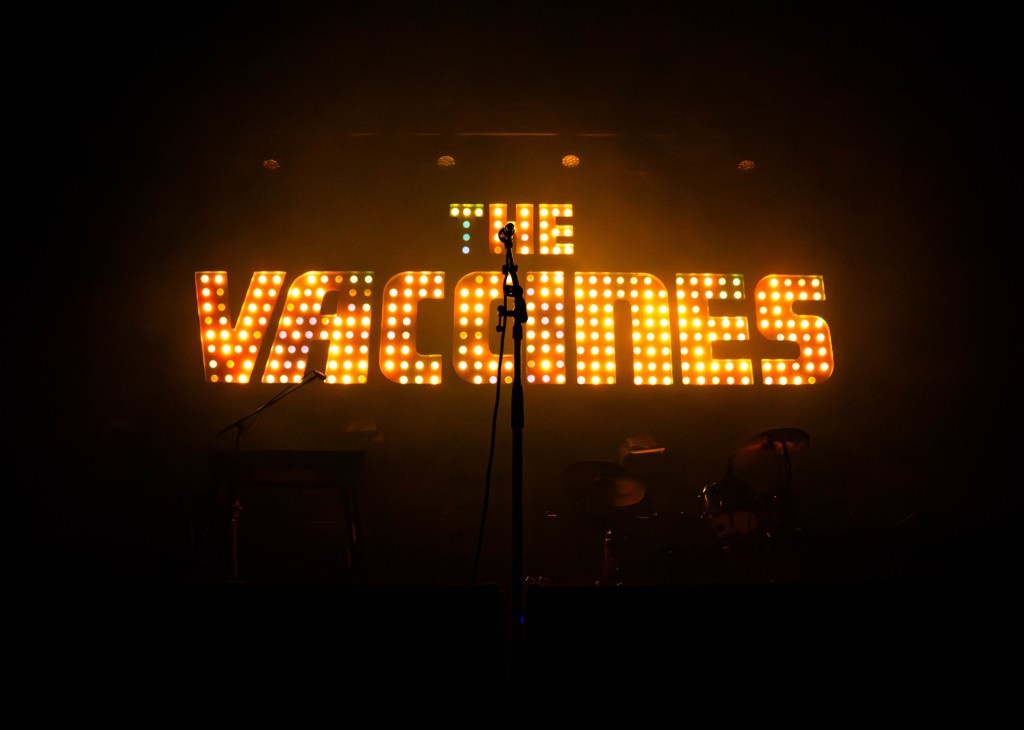
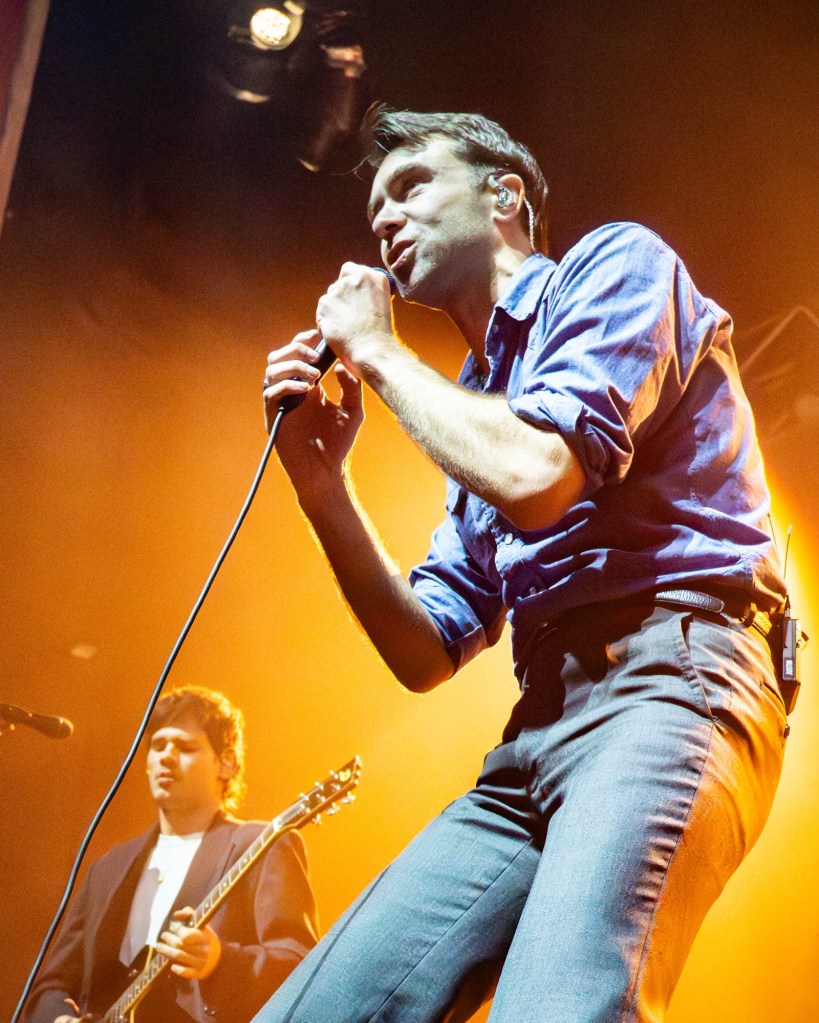
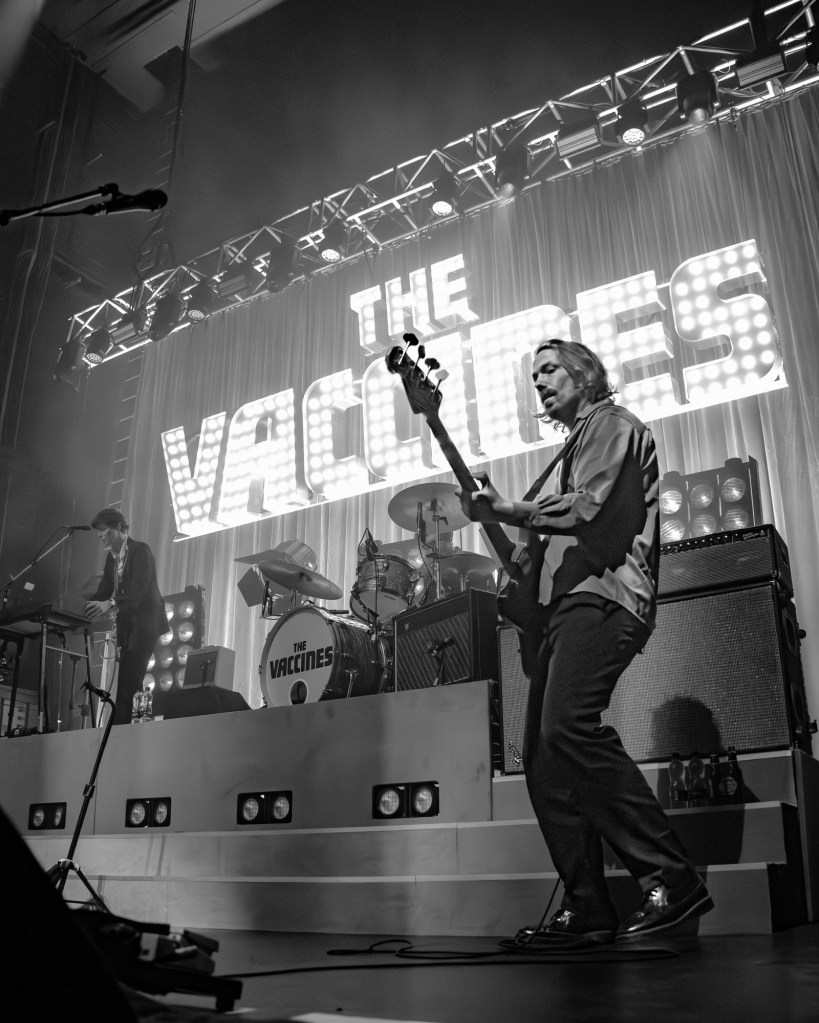
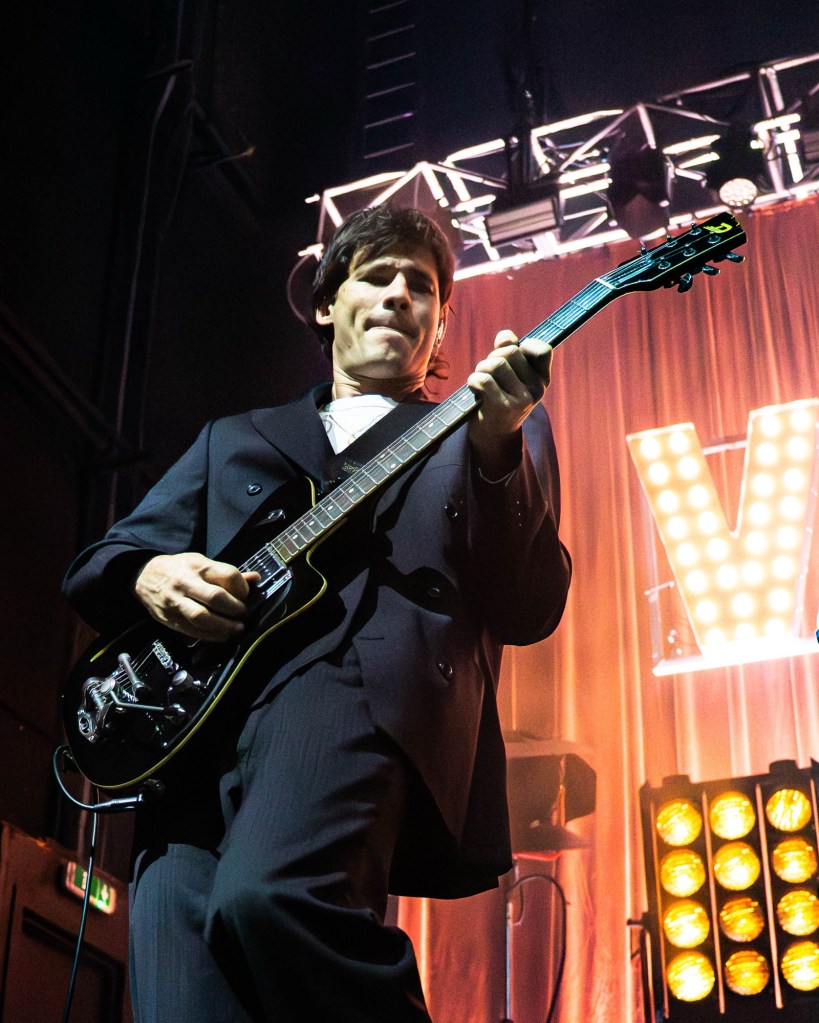
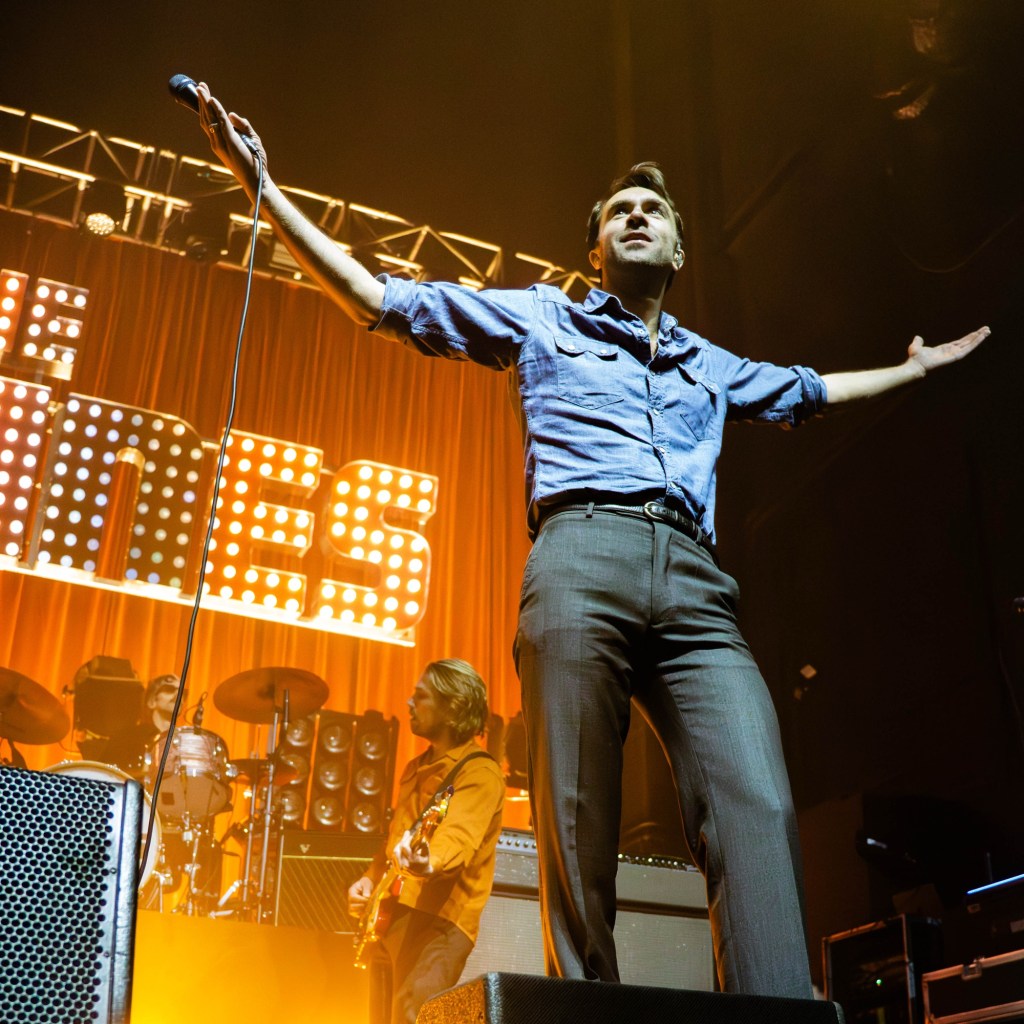
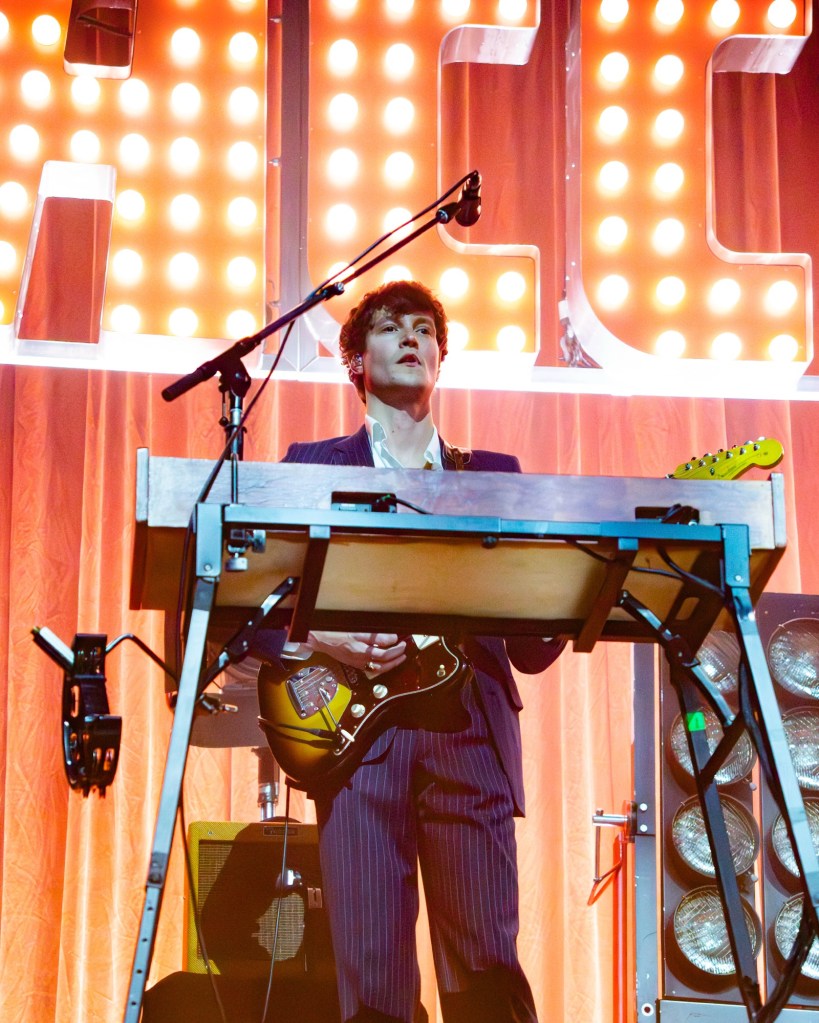
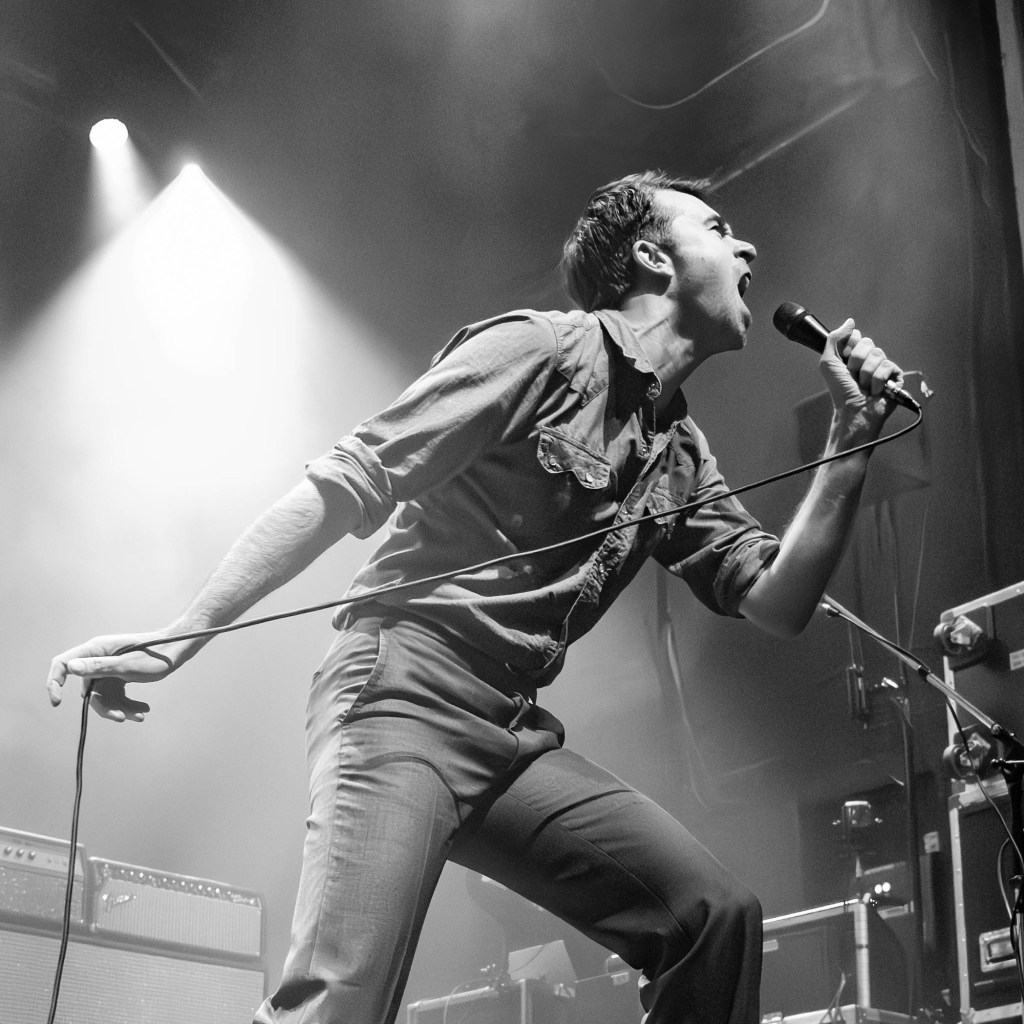
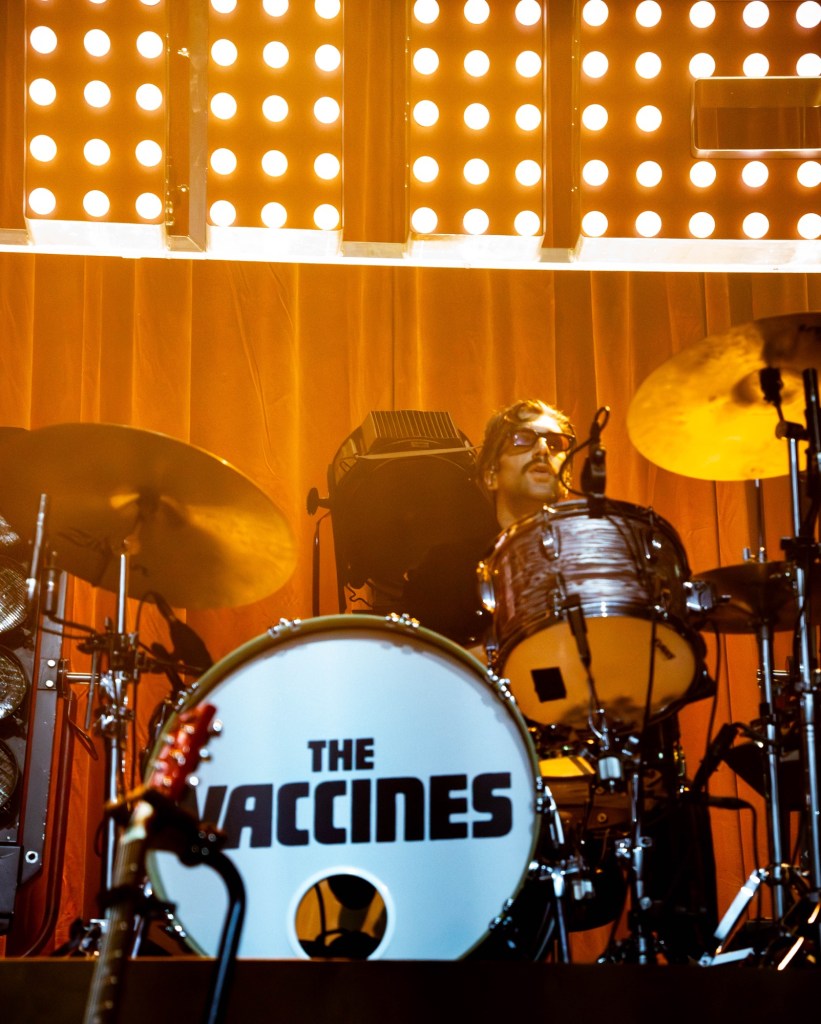
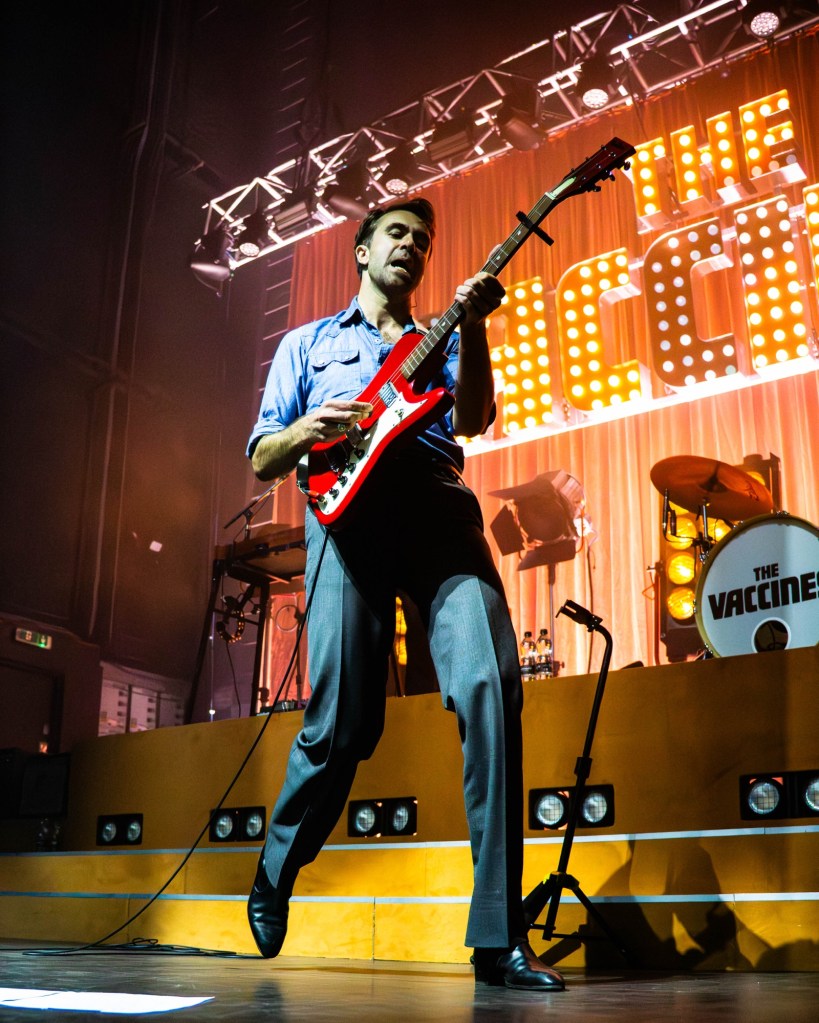
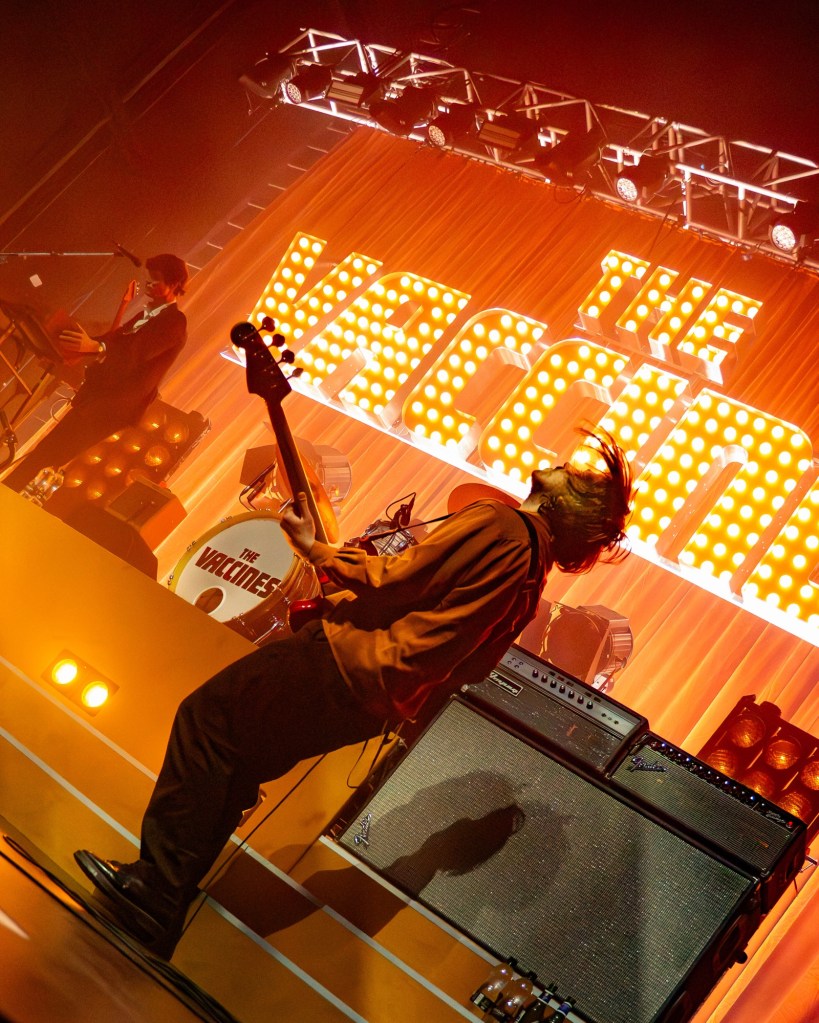
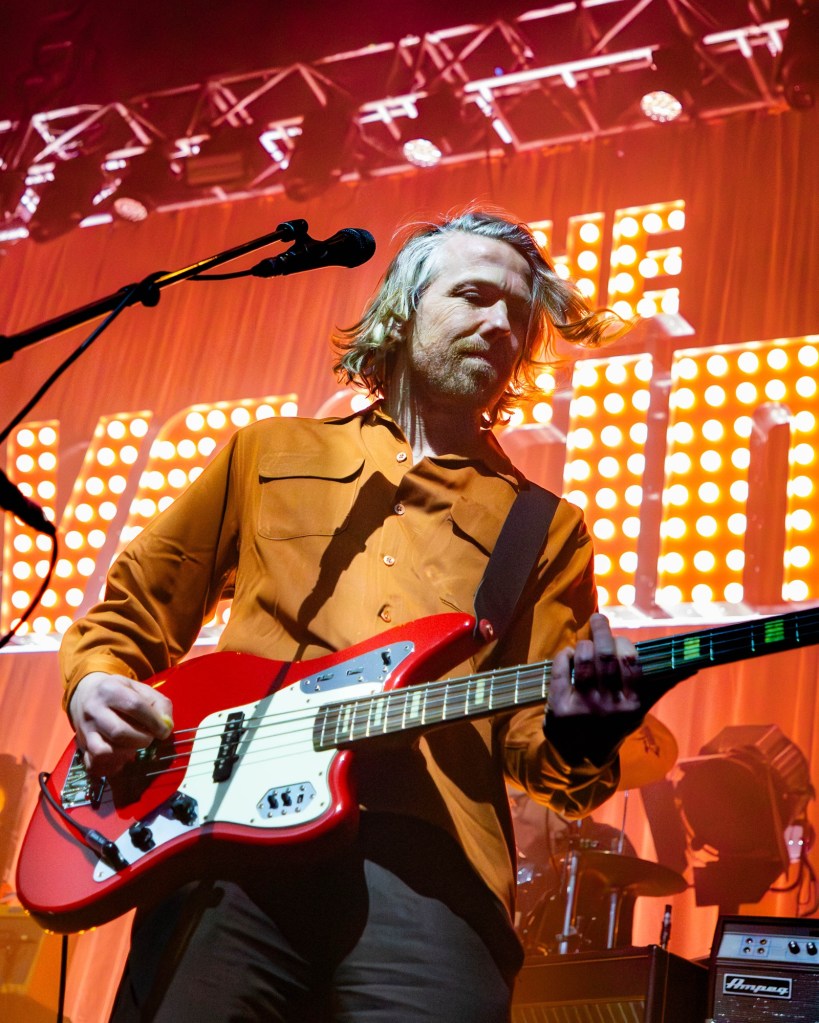
On 28th February, The Vaccines took to the stage at the O2 Academy in Glasgow to kick off their ‘What Did You Expect?’ tour, celebrating 15 years since the release of their 2011 debut album ‘What Did You Expect From The Vaccines?’.
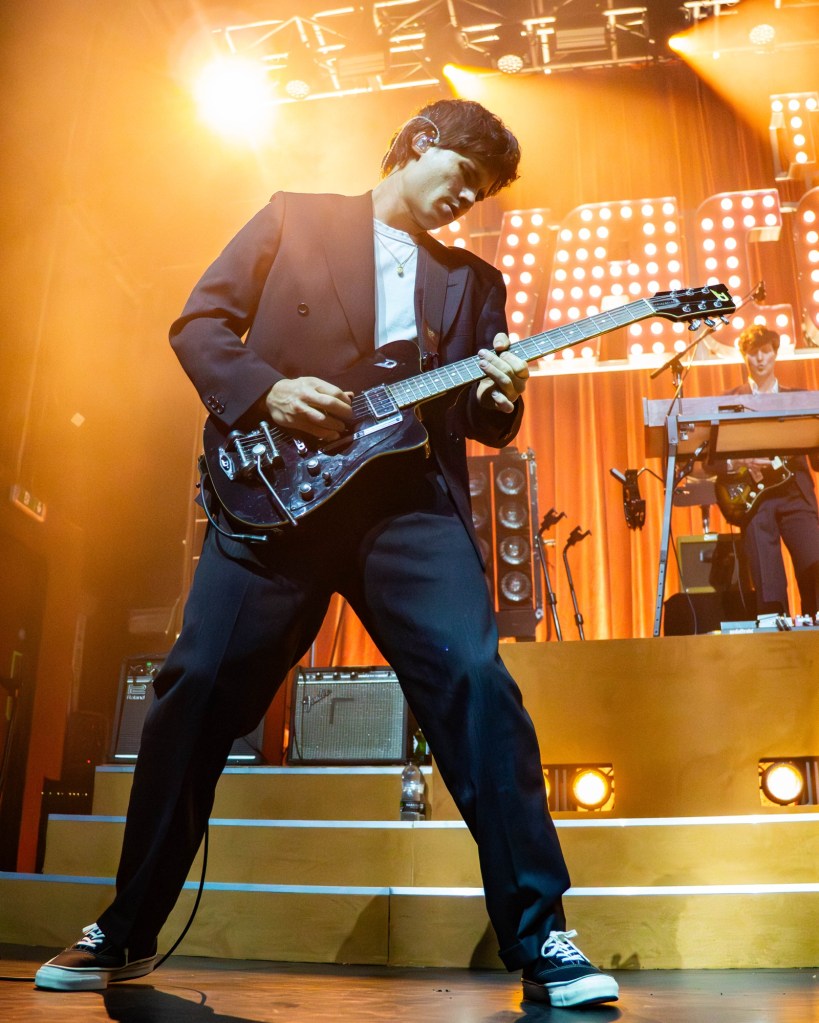
With support from Chicago-based Brigitte Calls Me Baby, the night got off to a stylish start. The band, all dressed in black, had a cool, understated stage presence that mixed generations of musical influence.
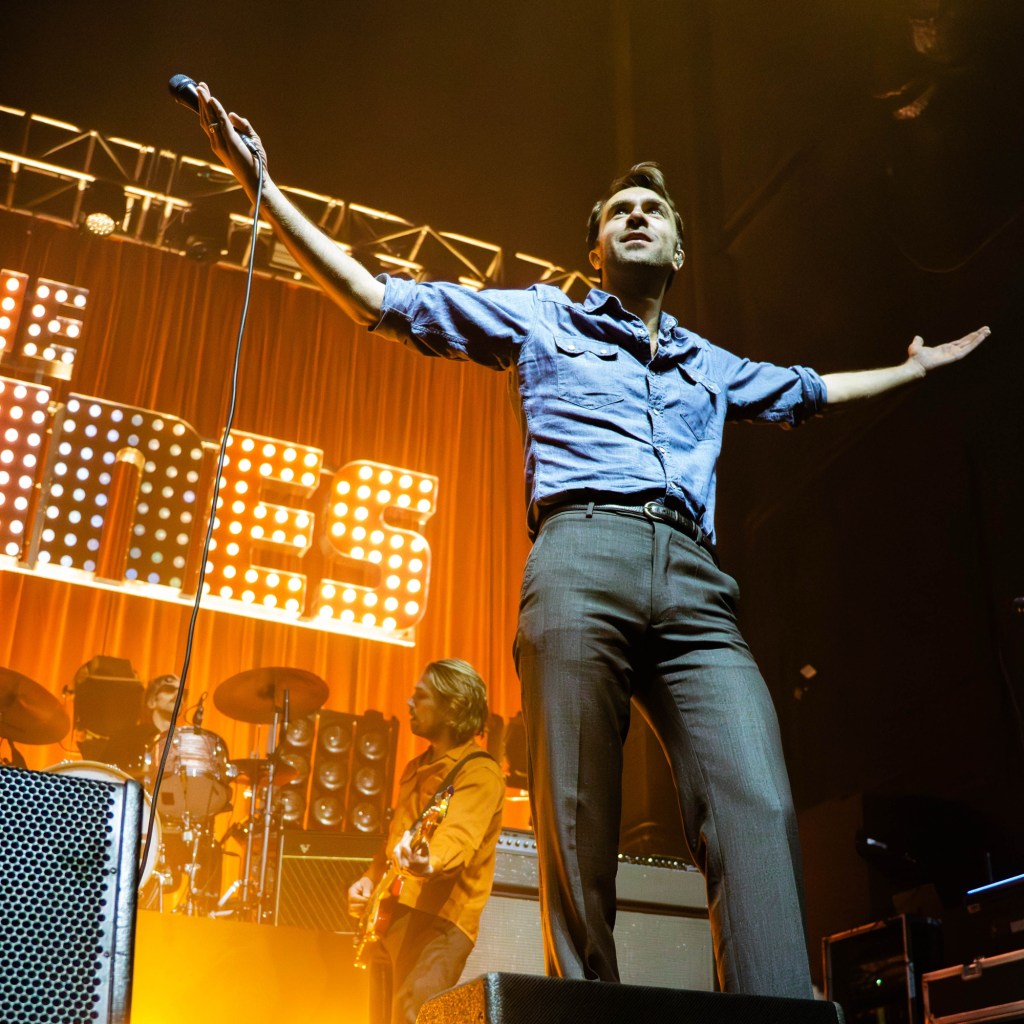
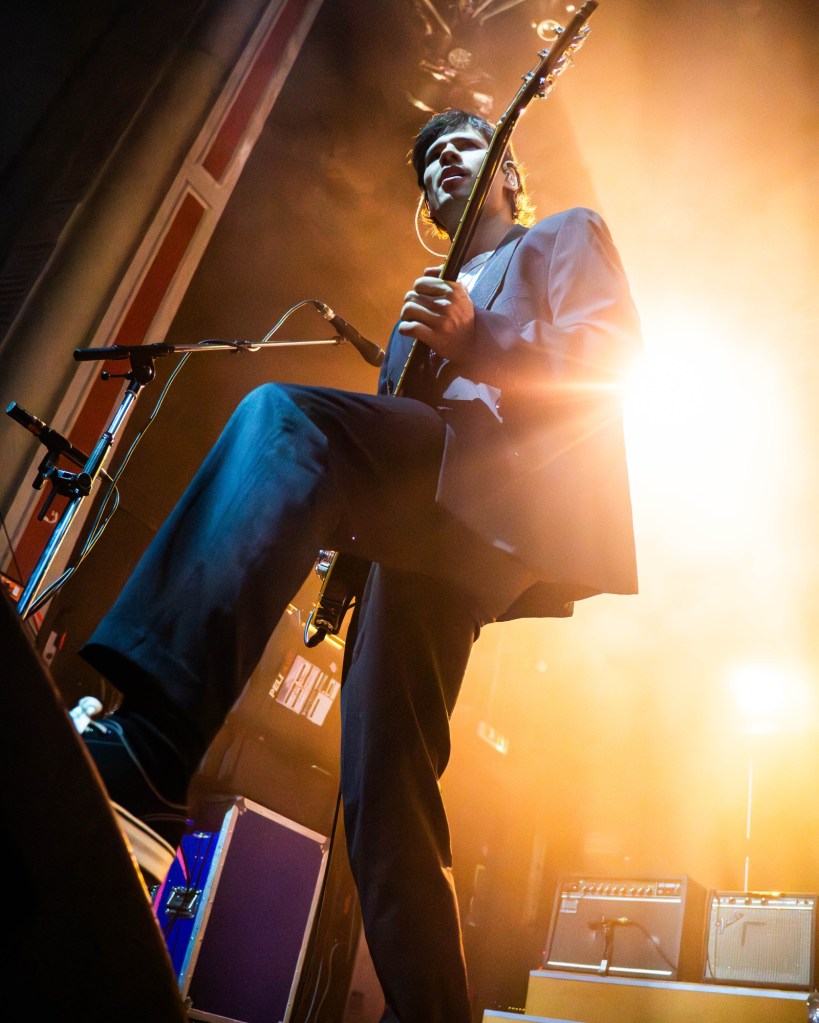
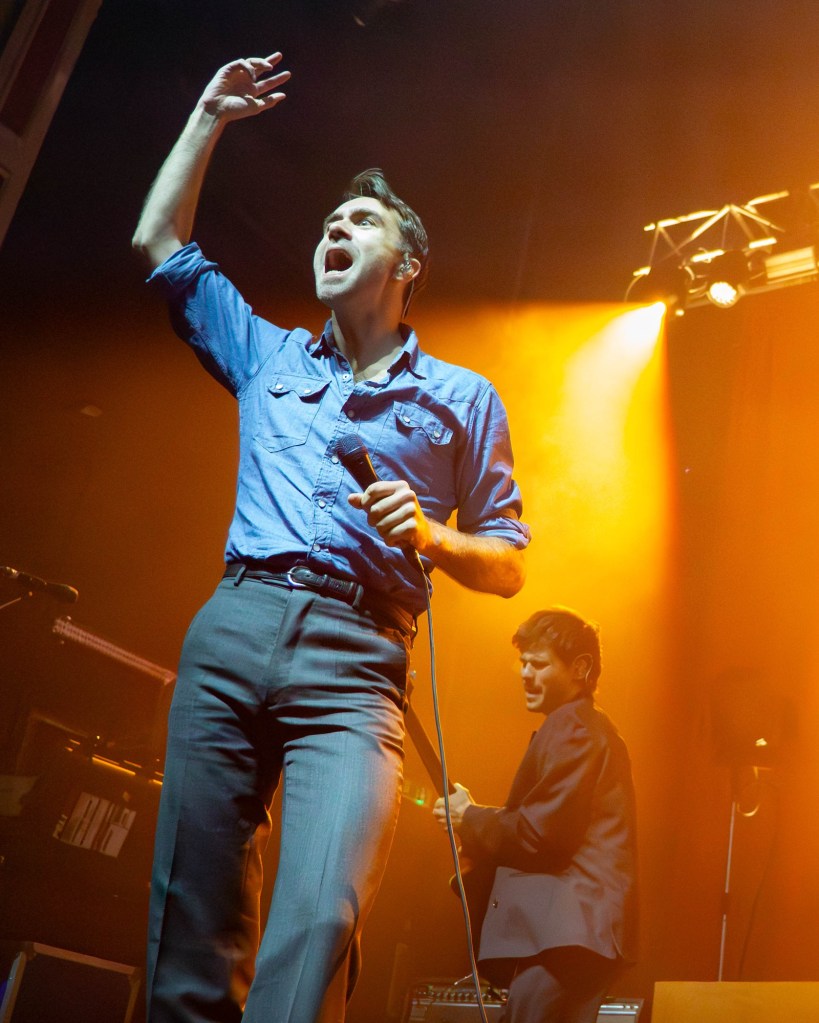
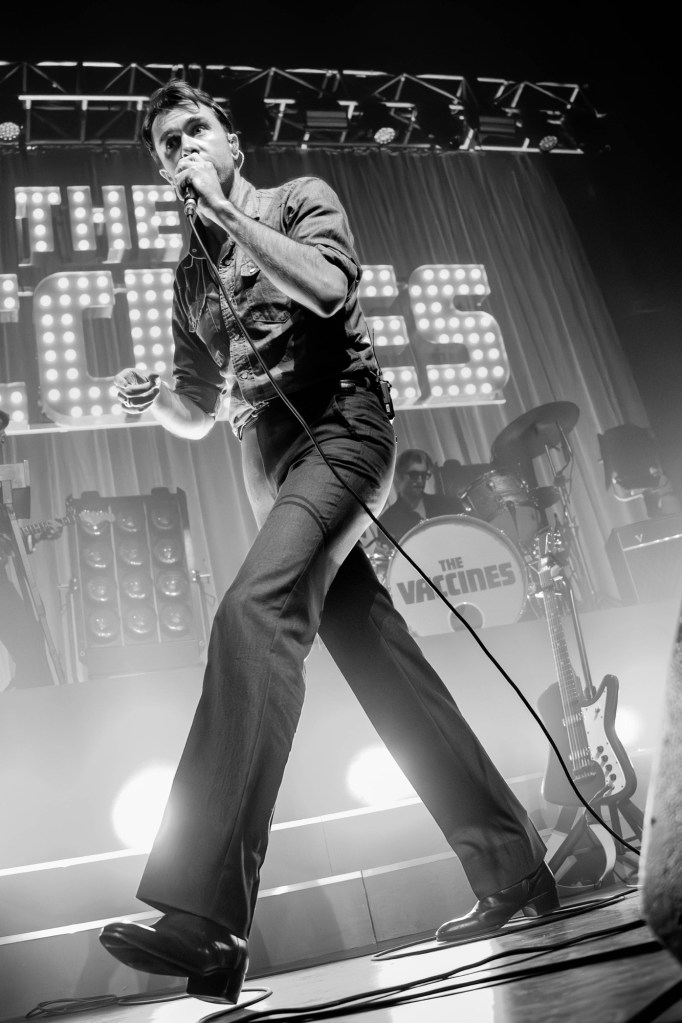
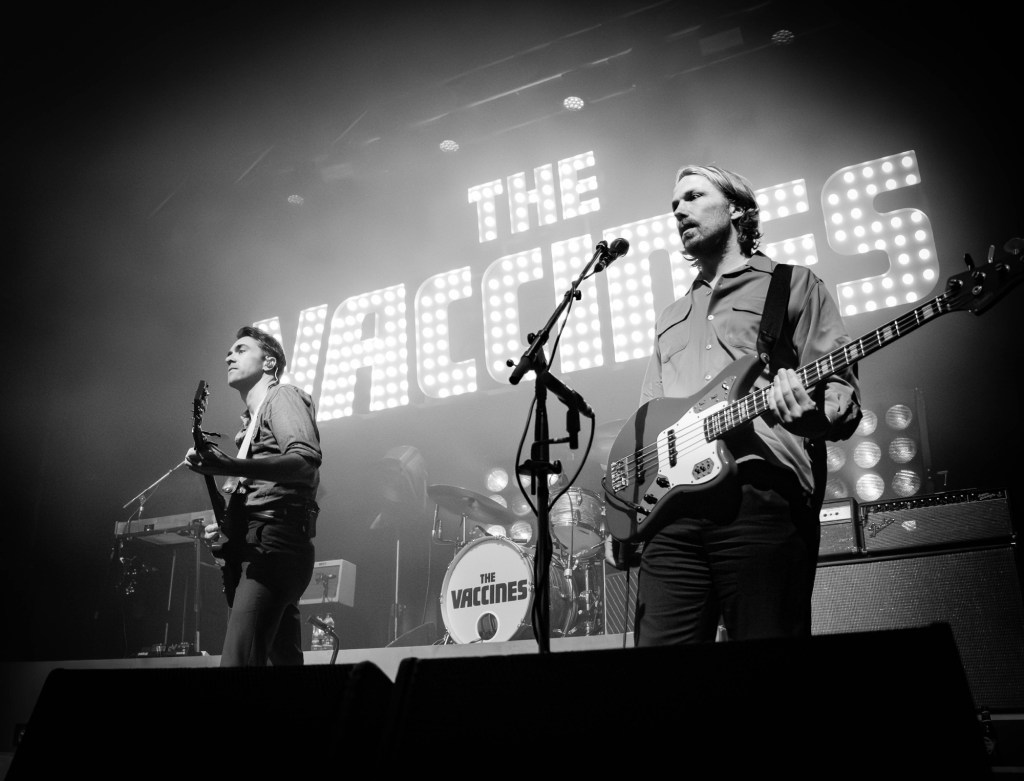
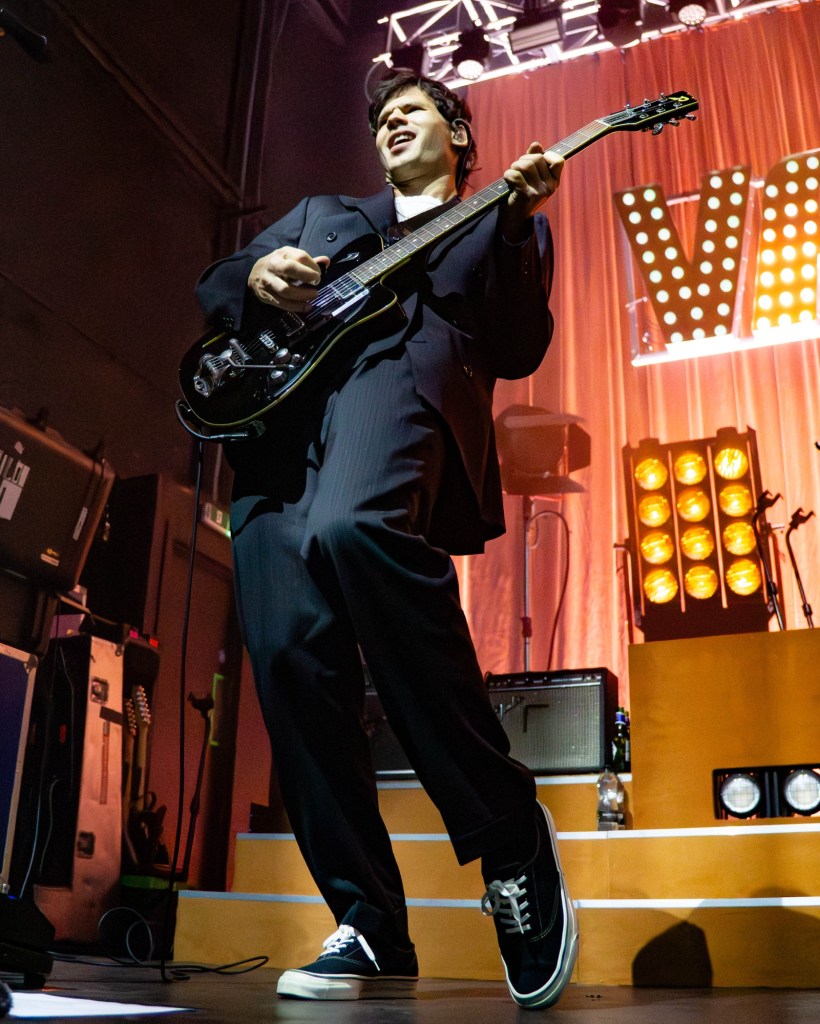
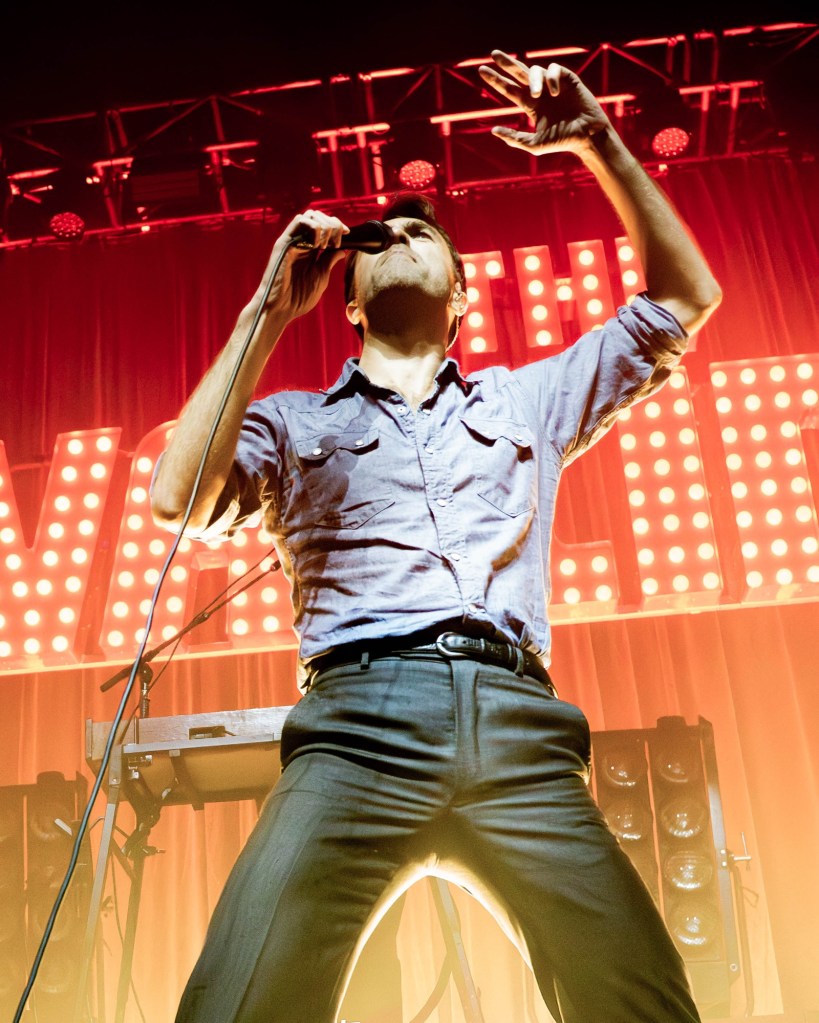
When The Vaccines finally took their positions in the orange glow of their huge lit up backdrop, it wasn’t a moment too soon. This was a crowd who had grown up with the band, their albums providing a soundtrack to the ups and downs of teenage years into adulthood. From the opening bars of the first song, cheers erupted around the venue, a pattern that would repeat itself throughout the set. Glasgow clearly came ready to party, and the band was primed and ready to oblige.
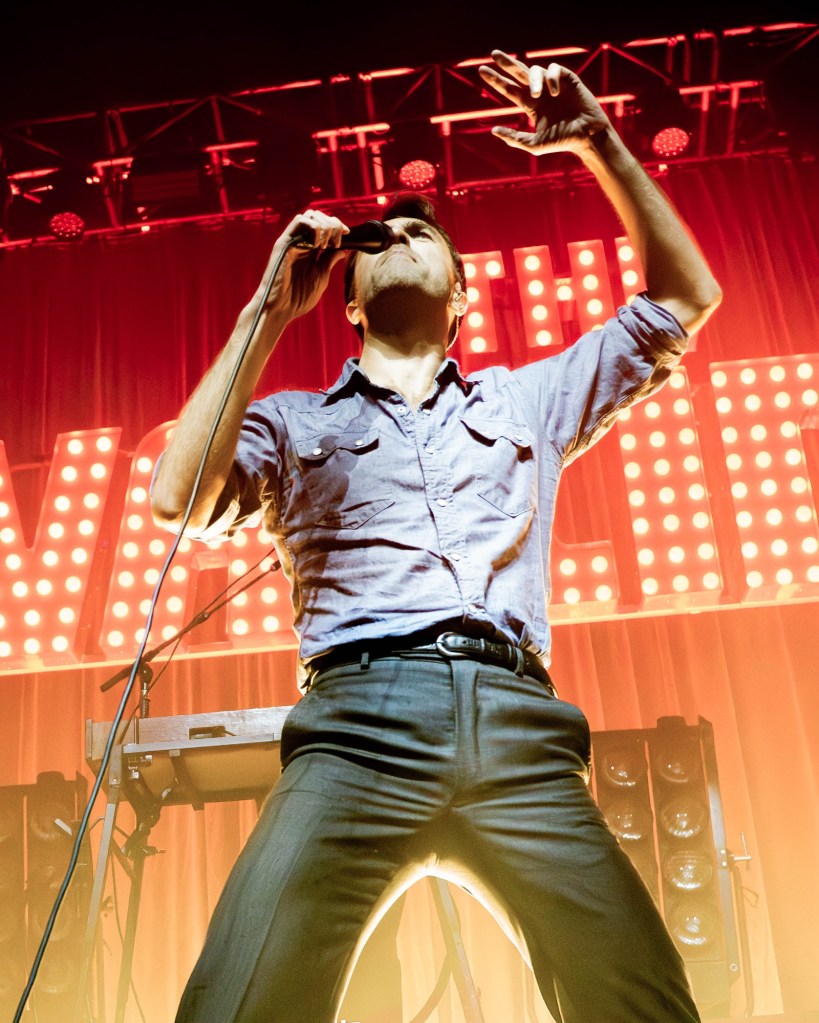
Frontman Justin Young quickly established an easy rapport with the crowd. At one point he reflected on the band’s early days, recalling a show at Glasgow pub, the Captain’s Rest, in November 2010. Back then, he said, they could never have imagined that fifteen years later they’d be performing at the Academy. The audience responded with a huge cheer; a shared moment between band and fans who have grown up together.
The first half of the show had The Vaccines playing their debut album in its entirety. Song after song triggered waves of nostalgia. The opening riff of each track seemed to spark another roar, with the crowd singing along and steadily ramping up the atmosphere.
Highlights came thick and fast. When ‘If You Wanna’ kicked off, pure joy spread across the floor. In the song that followed, ‘Family Friend”Young held his microphone outwards and let the audience take over, their voices carrying the chorus without any help from Justin.
After the main set, the band left the stage to a storm of stamping, clapping and whistling. The demand for more was unmistakable, and when they returned the cheer that greeted them was deafening.
Young joked that starting a tour in Glasgow might be a mistake, “The worst thing about playing Glasgow first is that it’s all downhill from here.” The audience lapped it up (And for the record, he’s 100% correct – no city can beat a Glasgow crowd!).
He also revealed that the band had recently finished writing their seventh album. There was one particular song that had been rehearsed for the first time the previous day, and Glasgow would be the first audience to hear it. ‘Ten Years Too Far‘ clearly got the fans’ approval, and if their reaction was anything to go by, the new album will go down a storm.
Fifteen years after that tiny Glasgow gig, The Vaccines proved they still know exactly how to put on a show. With their talent and collective chemistry, as well as their loyal fans, the next fifteen years are shaping up to be just as exciting as the last.
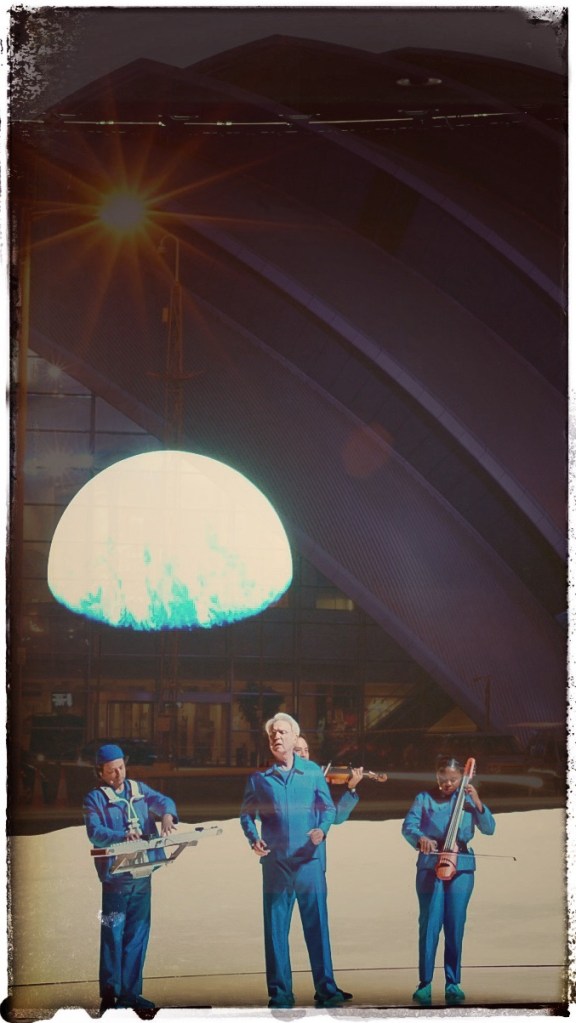
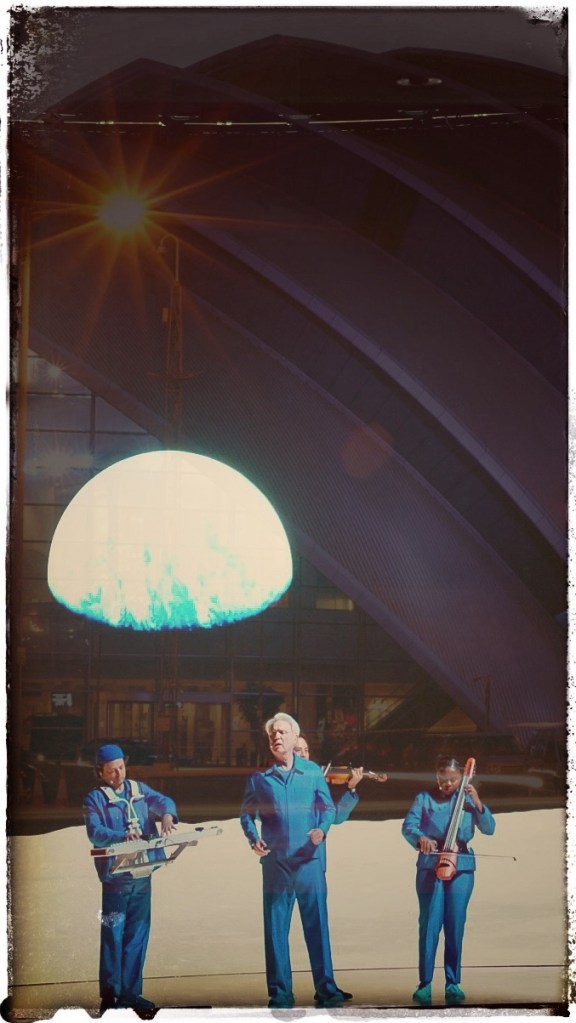
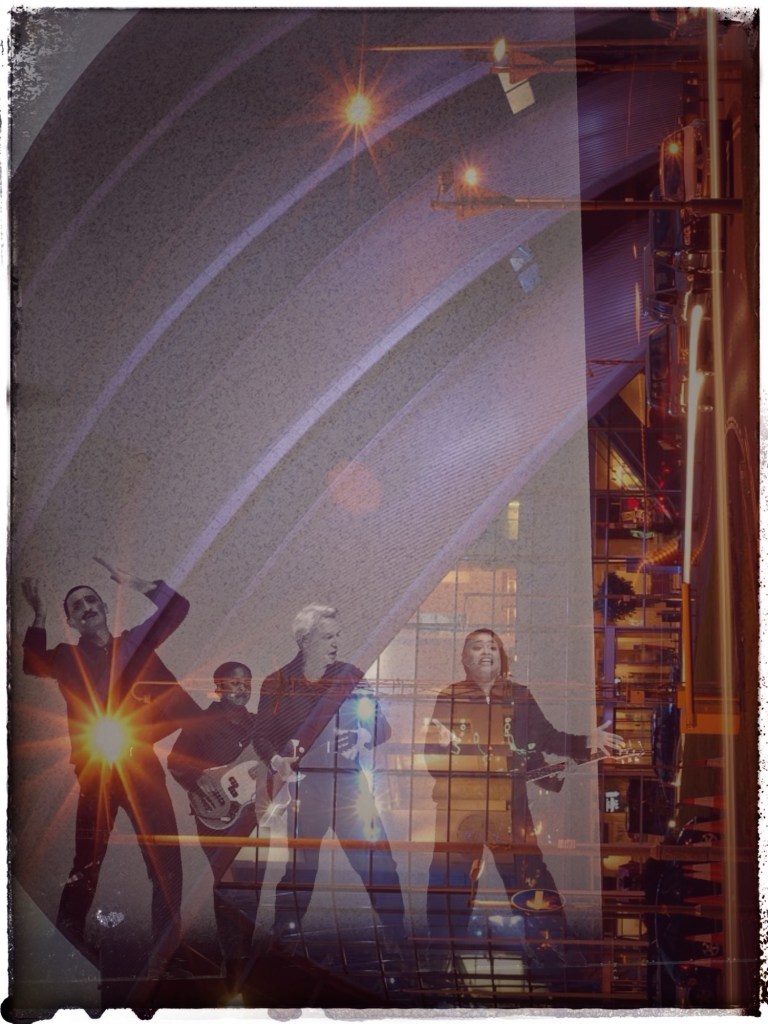
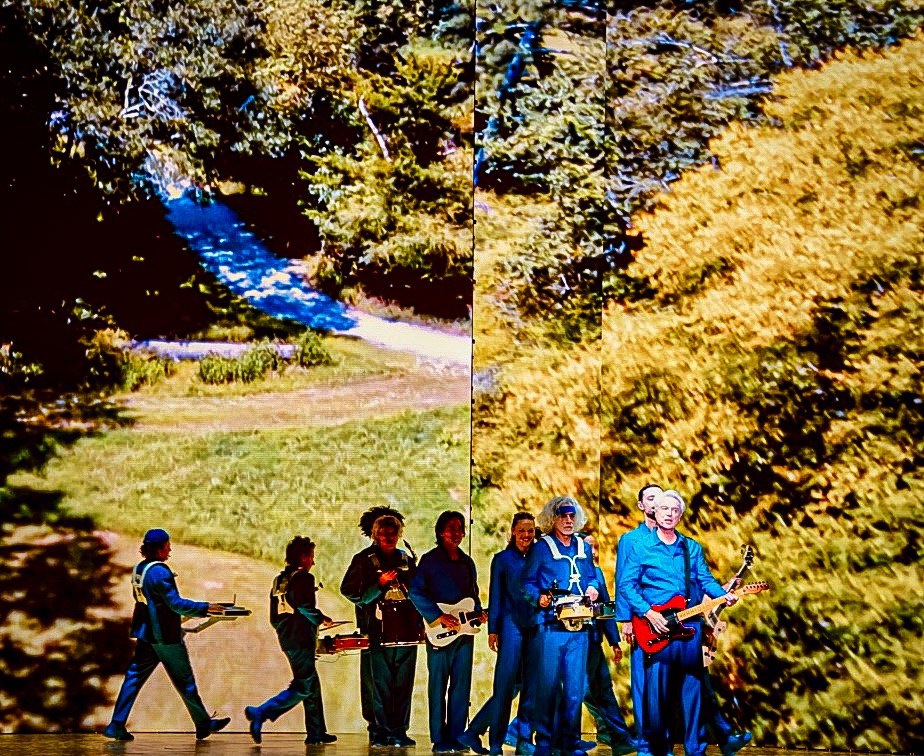
The SEC Armadillo looks like the sort of building that might hatch if you left a pile of silver hubcaps alone too long. A gleaming, alien mollusc on the banks of the Clyde. And inside it tonight stands a man who, to some of us, might as well be responsible for inventing the nervous system itself: David Byrne.
I should probably explain how I got here, spiritually speaking…
Long before the Armadillo, before polite theatre seating and tasteful stage lighting, there were sticky-floored clubs where your shoes tried to escape your feet like prisoners tunnelling out of Alcatraz. My baptism into Talking Heads happened in those murky temples of indie sweat — most memorably Funhouse at Barfly (God rest its soul) back in the very early noughties, when the DJ’s job description was essentially “play Psycho Killer and watch the dancefloor convulse.”
And convulse it did.
Psycho Killer was my personal call to arms — or legs, at least. I’d dance to it like a malfunctioning robot: shoulders frozen, limbs jerking about as if I’d been assembled from spare Ikea parts and cheap lager. Around me were the usual indie club fauna: art students, eyeliner casualties, men who looked like they’d been crying into their Smiths records. But when that bassline kicked in, we were all temporarily united in twitchy funk.
From there the descent was inevitable. The back catalogue opened up like a particularly stylish rabbit hole. Soon I was devouring everything — the jittery paranoia, the grooves that sounded like they’d been smuggled out of a science lab.
The real tipping point came when I saw Stop Making Sense at Glasgow Film Theatre. Watching Byrne expand from lone nervous nerd in a big suit into a full-blown prophet of rhythm was like witnessing evolution in real time. After that, I was hooked. Completely.
I’d actually had the privilege of photographing Byrne before — the last time being when he played the Royal Concert Hall during the 2013 tour for Love This Giant, his glorious brass-heavy collaboration with St.Vincent. That show was its own kind of controlled chaos: Byrne and Annie Clark bouncing off each other like two art-school geniuses who’d discovered funk and decided to weaponise it.
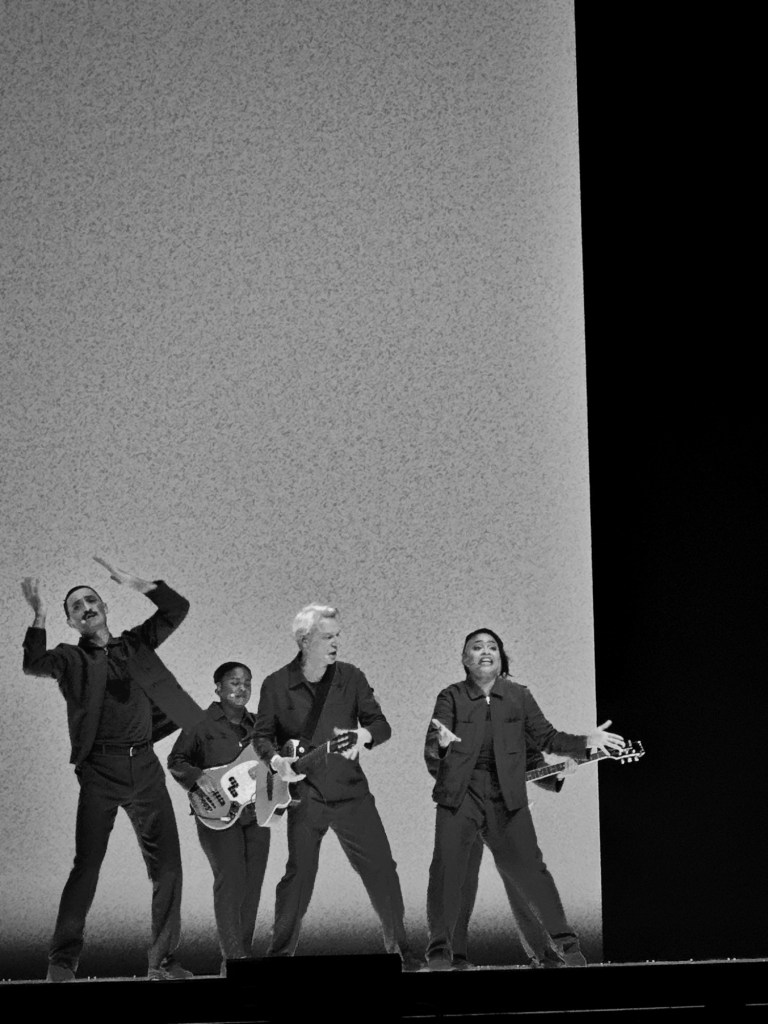
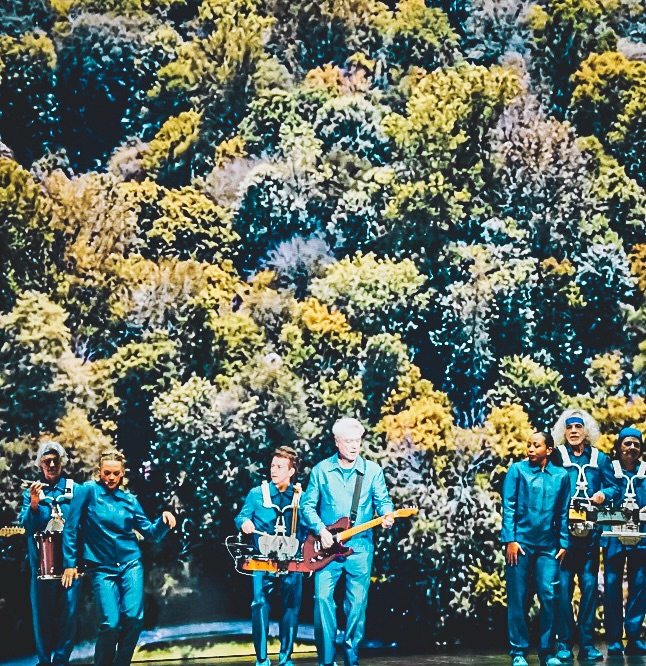
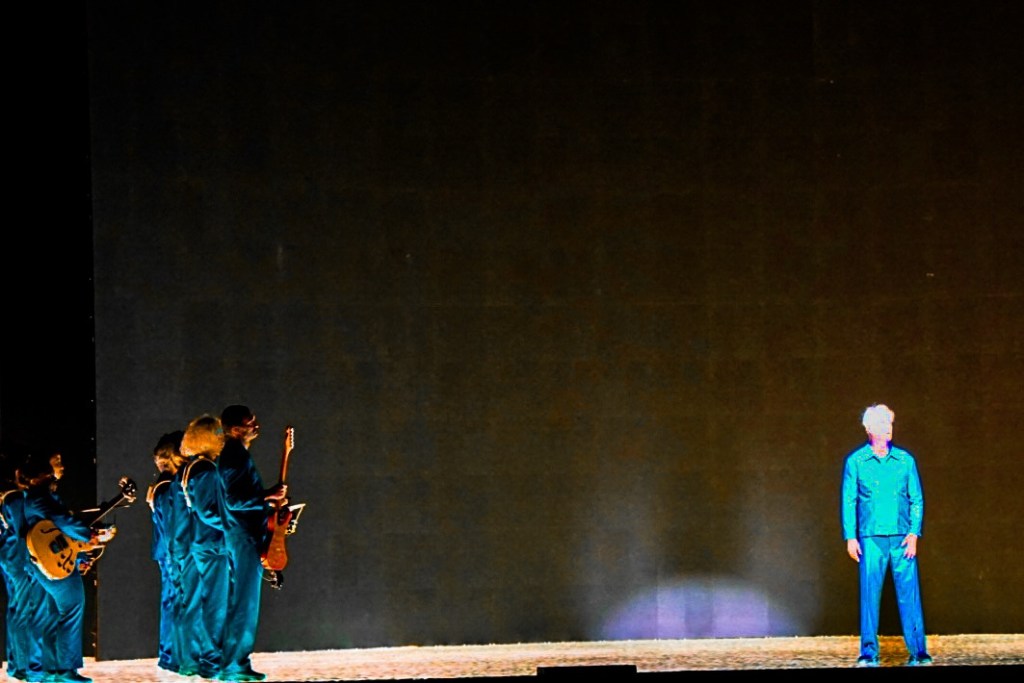
So when Byrne walks out onto the stage at the Armadillo tonight — boilersuit immaculate, energy slightly mischievous — I have the strange, slightly embarrassing sensation that I’m standing in the presence of a god. Not one of those thunderbolt-chucking Greek ones, mind you. More like the patron saint of anxious dancing and intellectual groove.
The evening begins gently enough with Heaven, Byrne easing us into the set like a genial host guiding you through a particularly clever dinner party. The songs tumble out in a beautifully curated sequence — And She Was,Houses in Motion, (Nothing But) Flowers — each greeted like an old friend who’s aged suspiciously well.
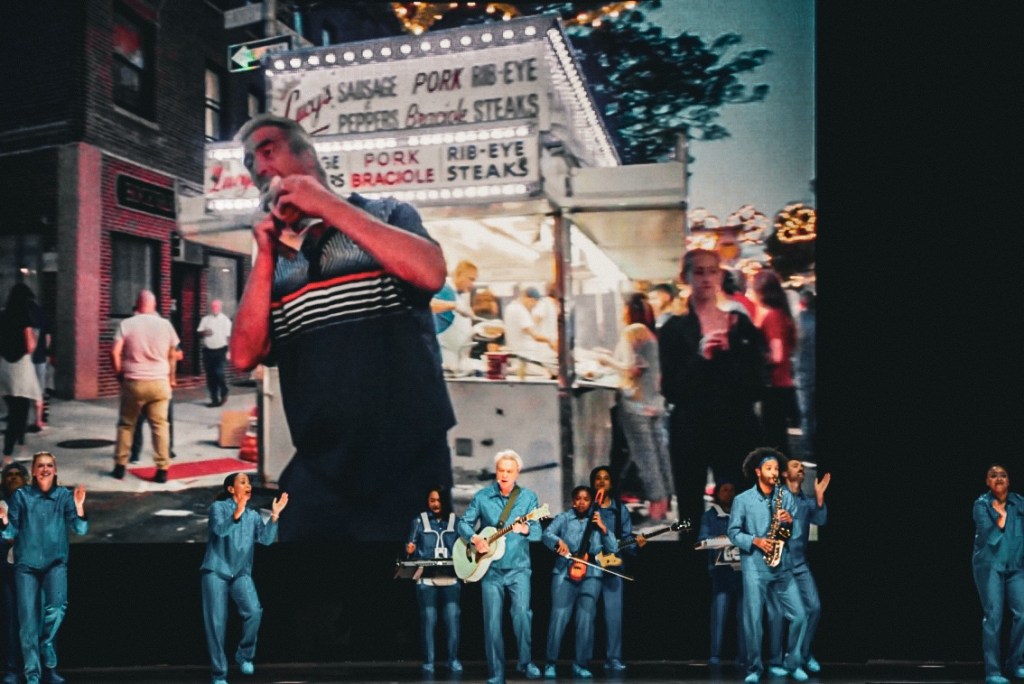
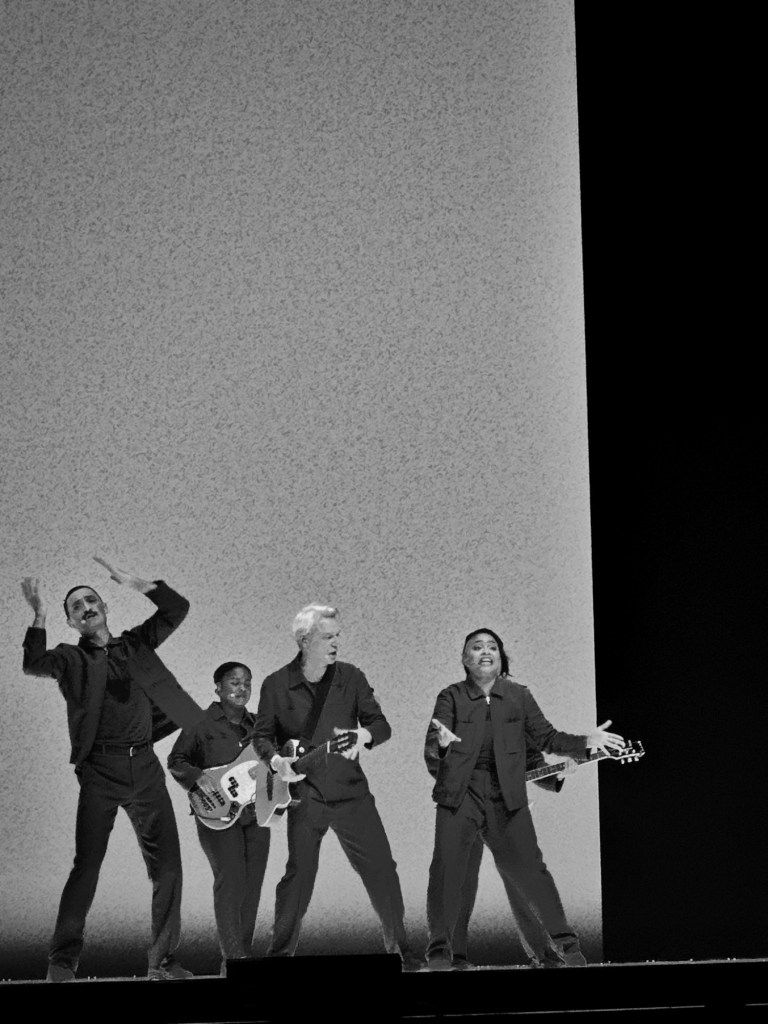
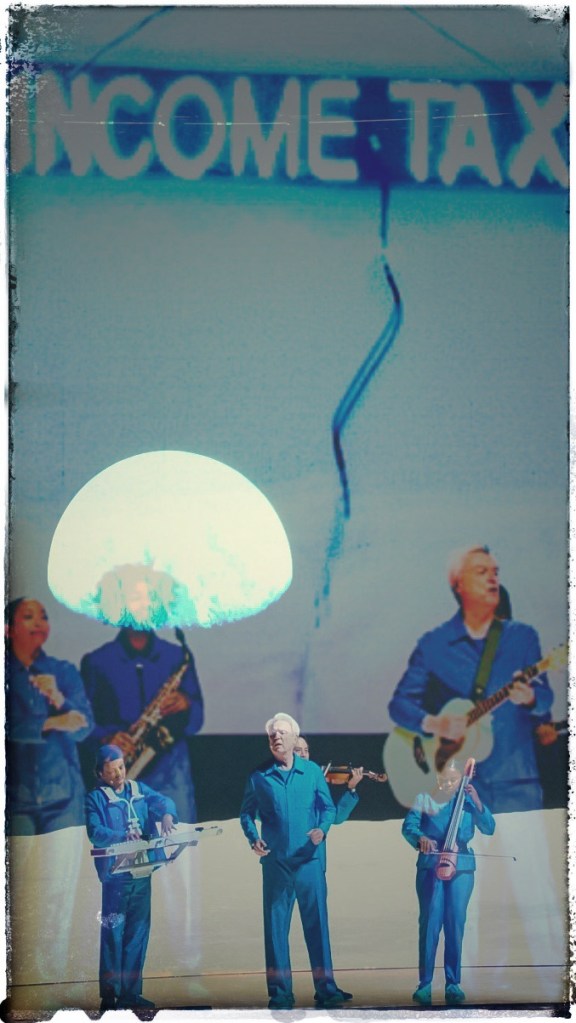
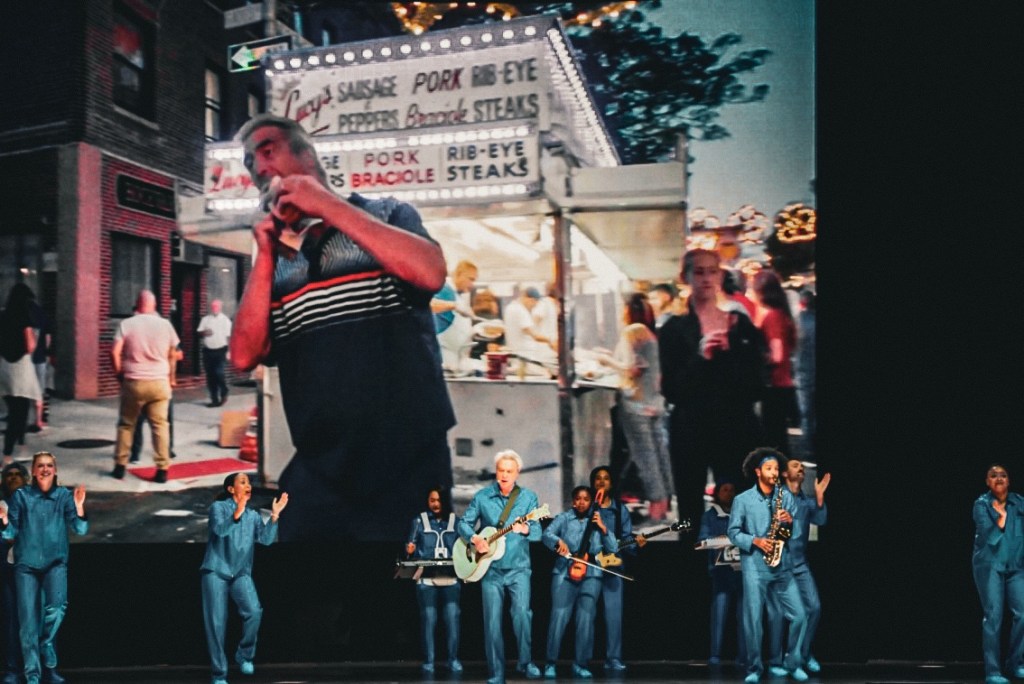
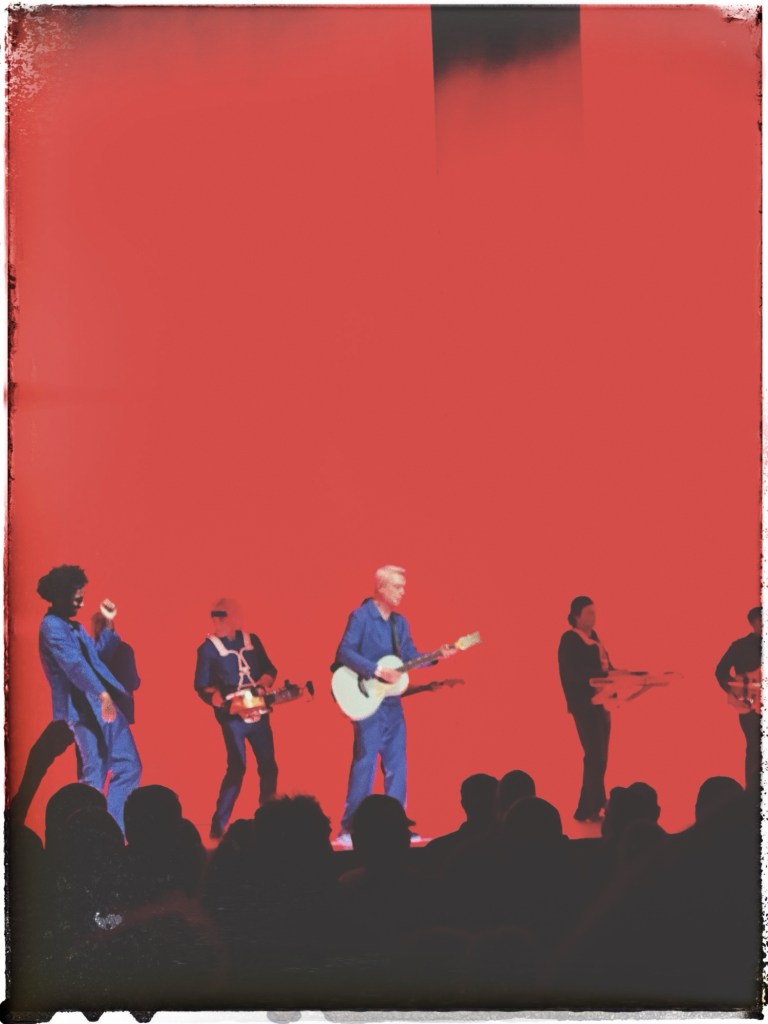
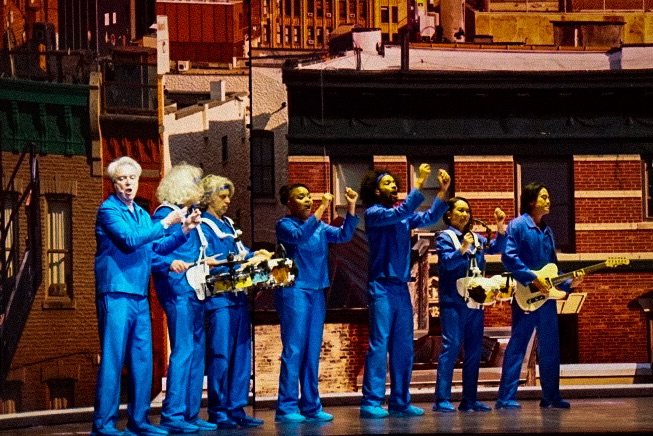
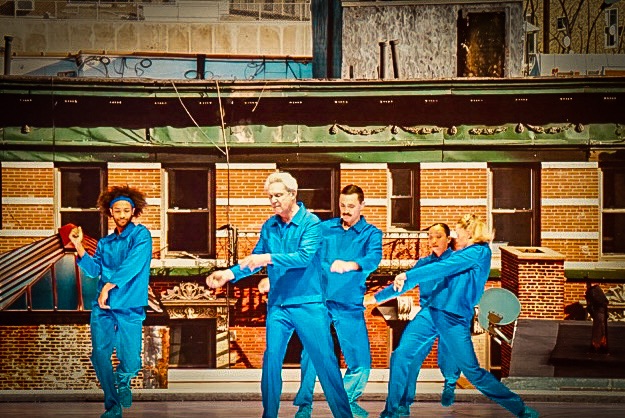
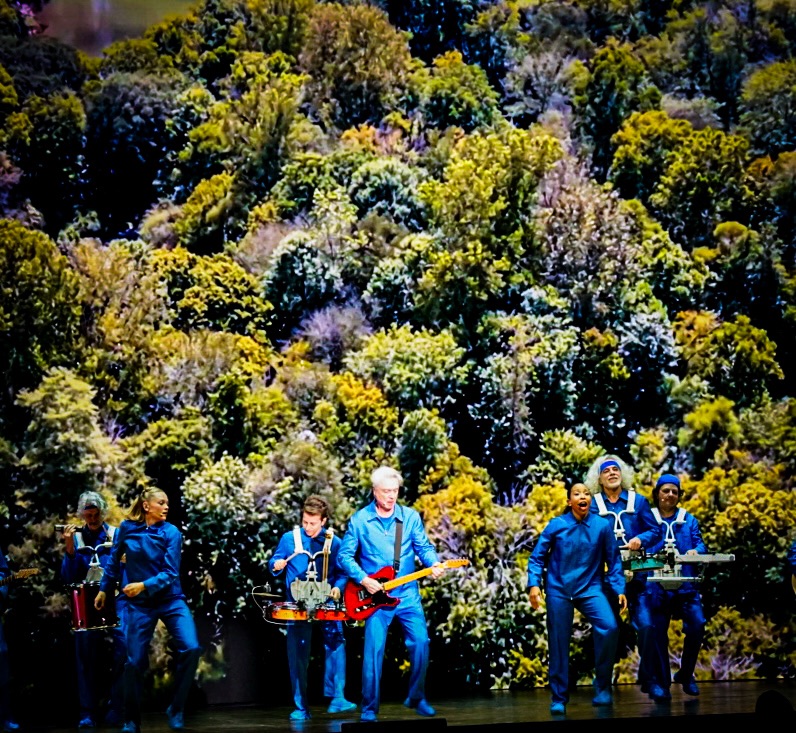
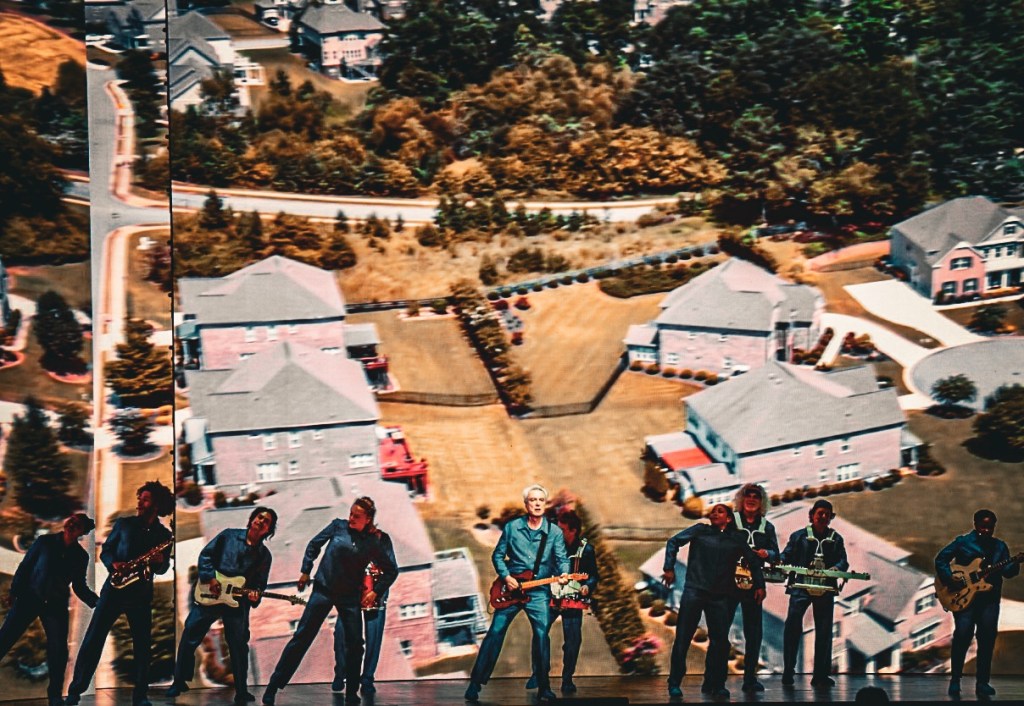
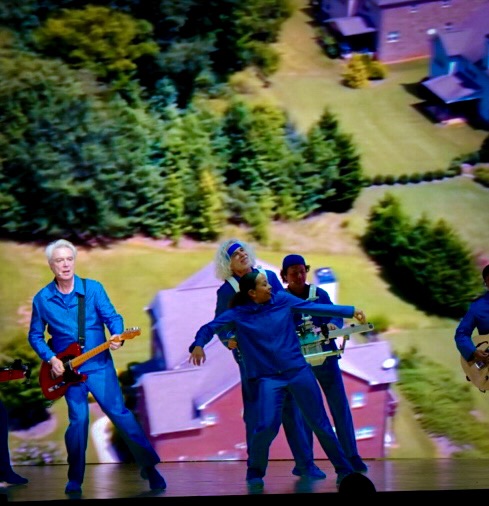
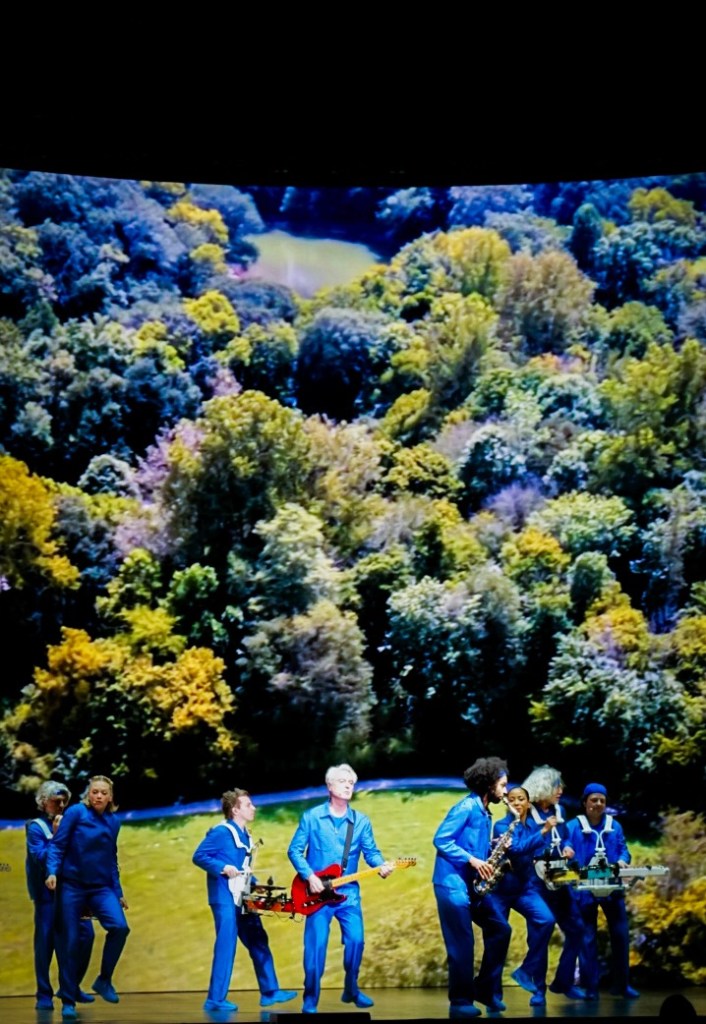
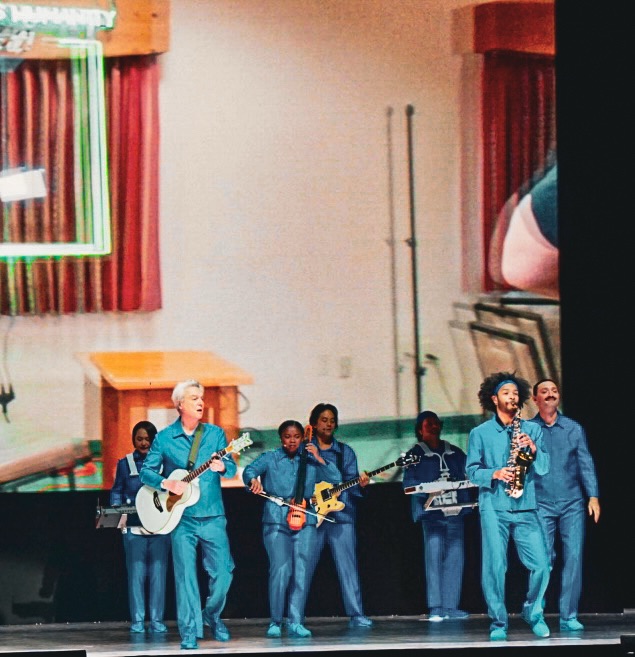
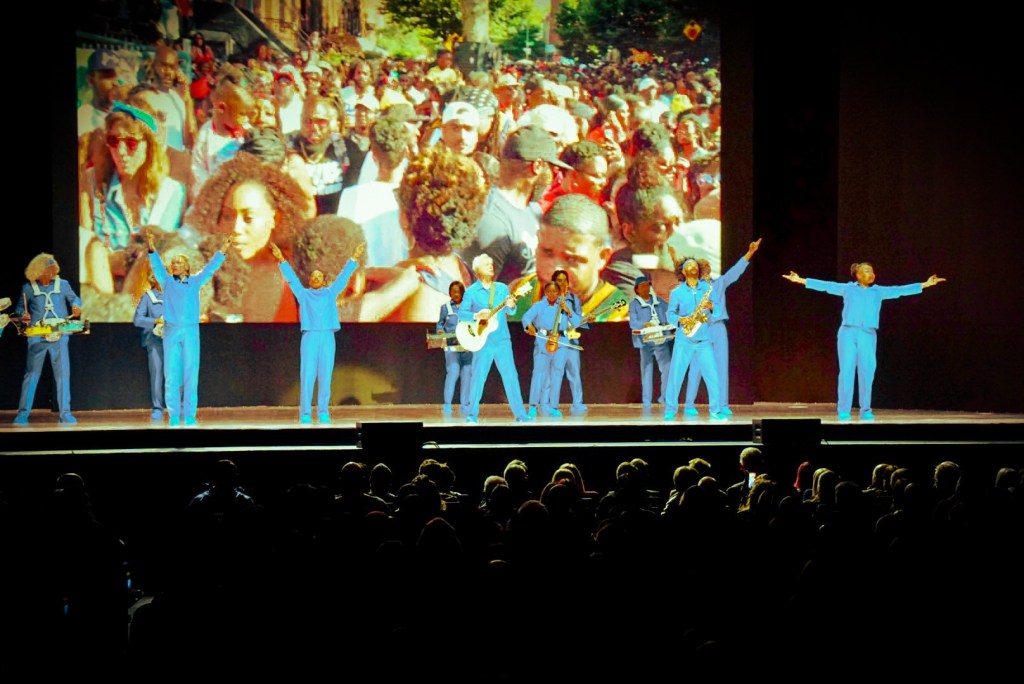
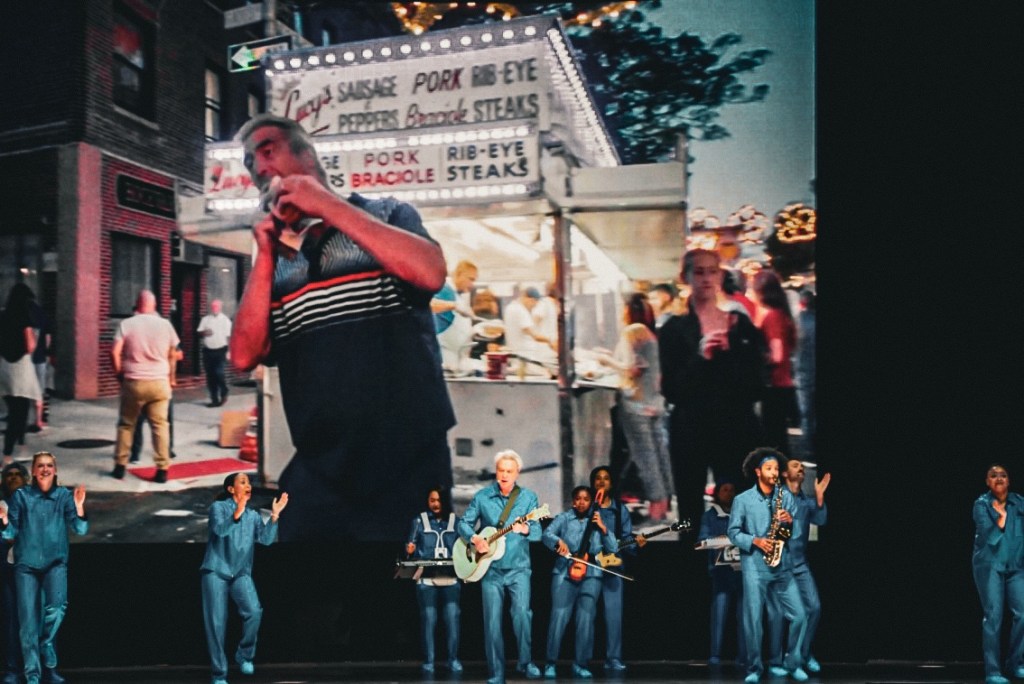
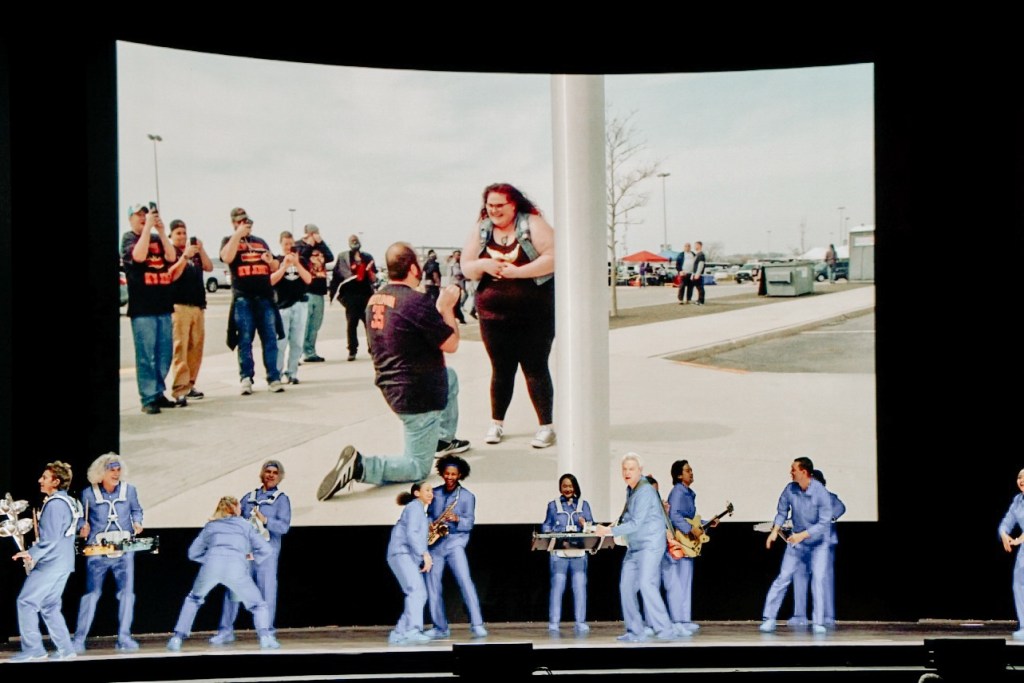
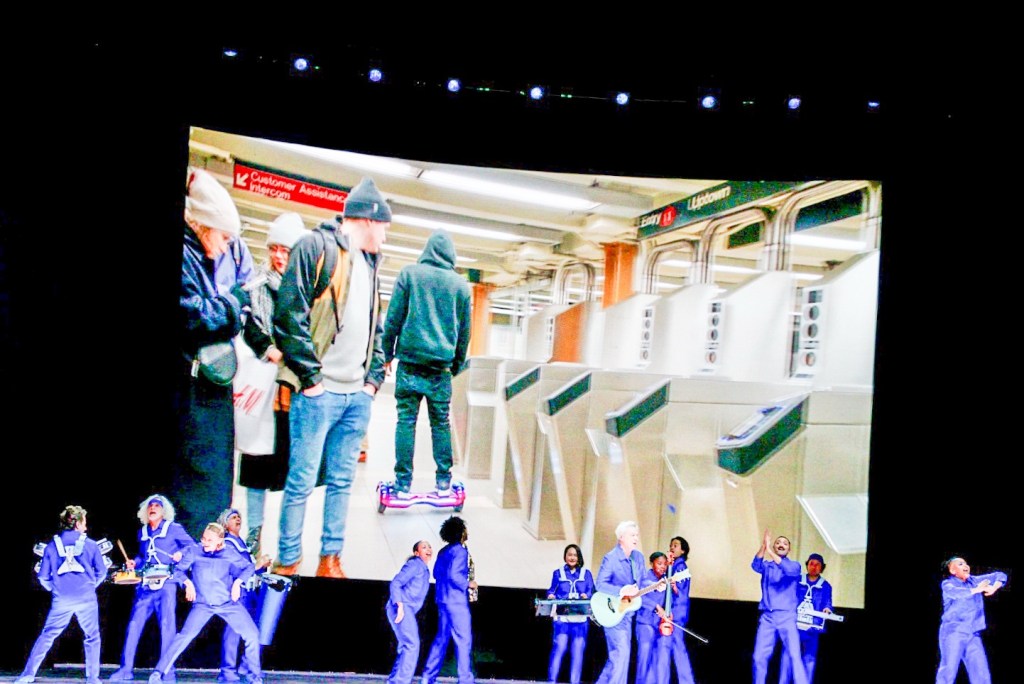
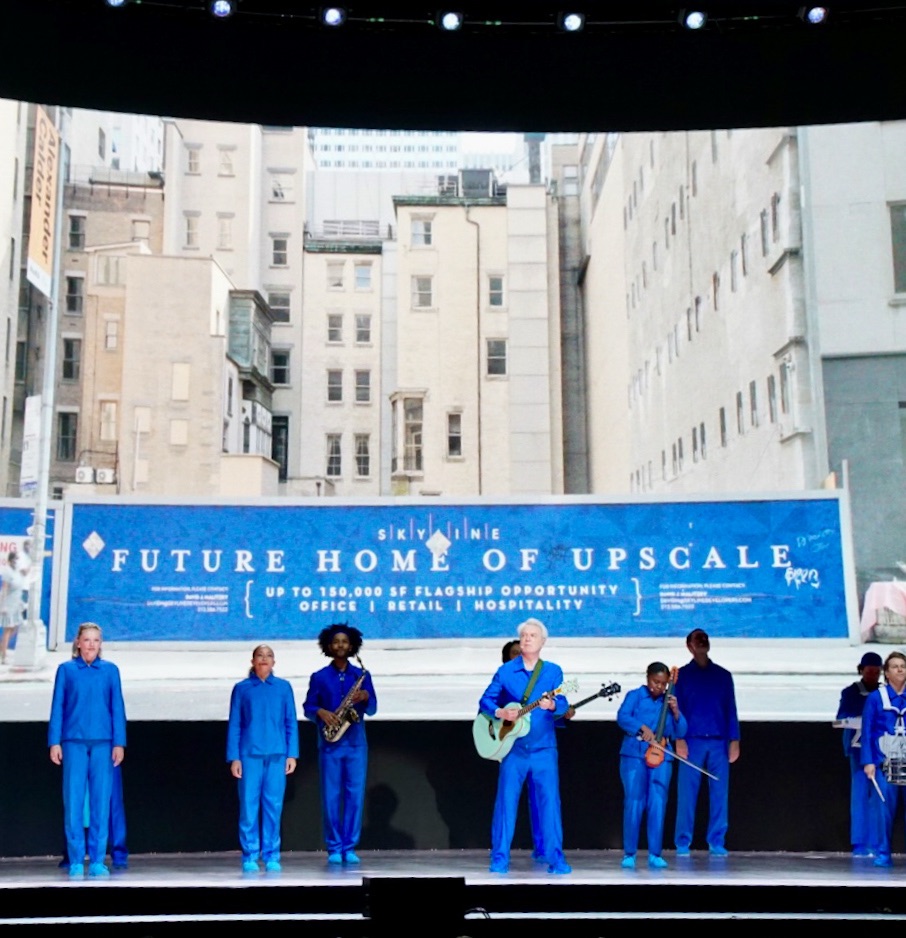
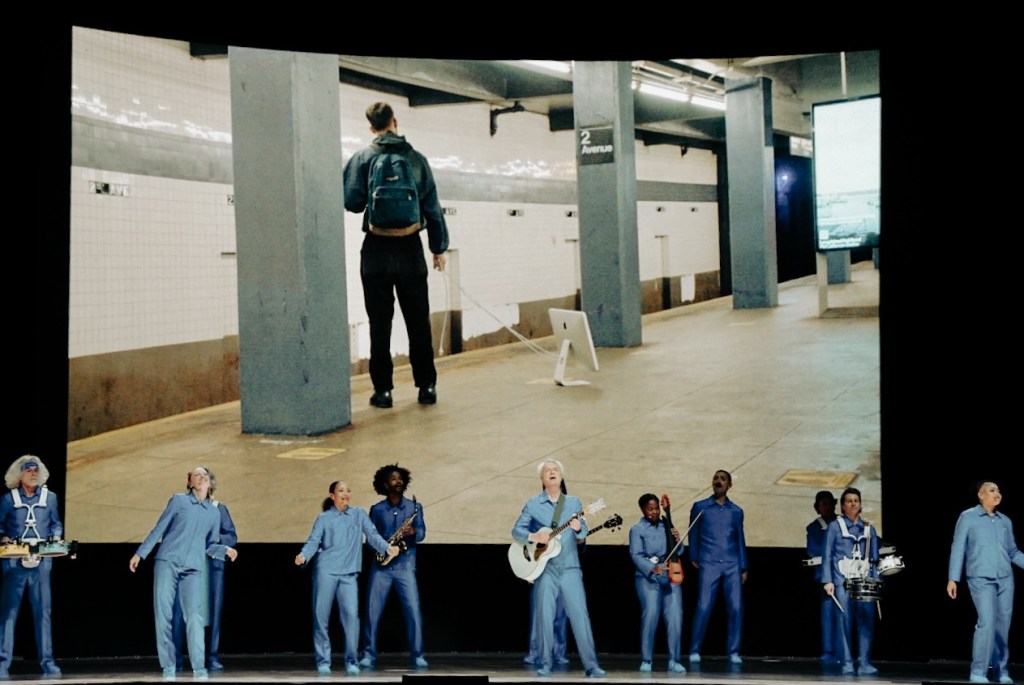
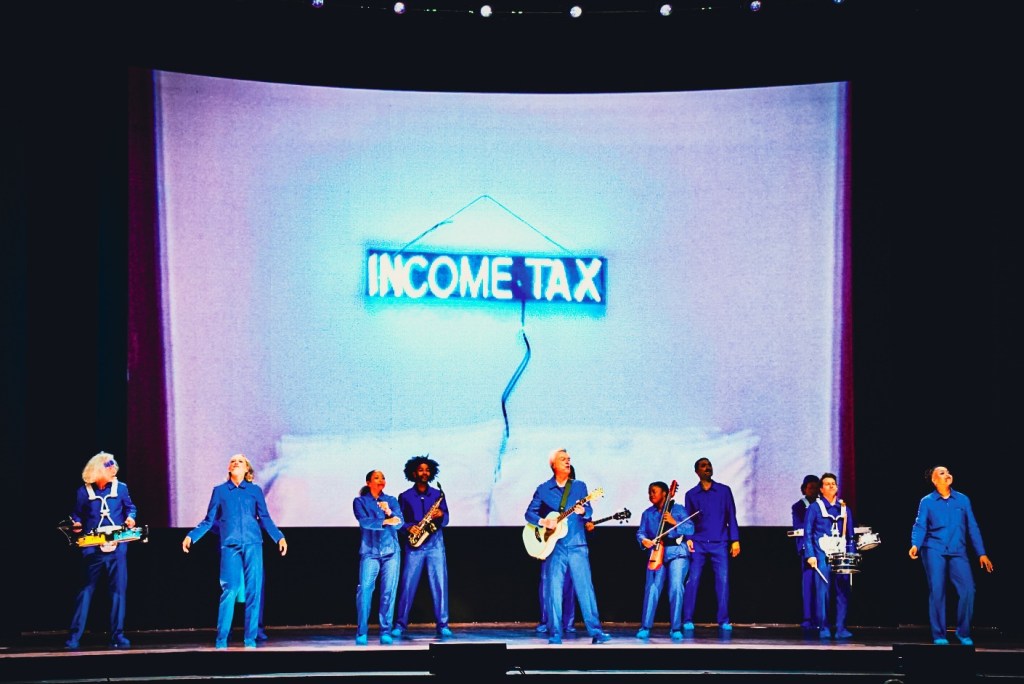
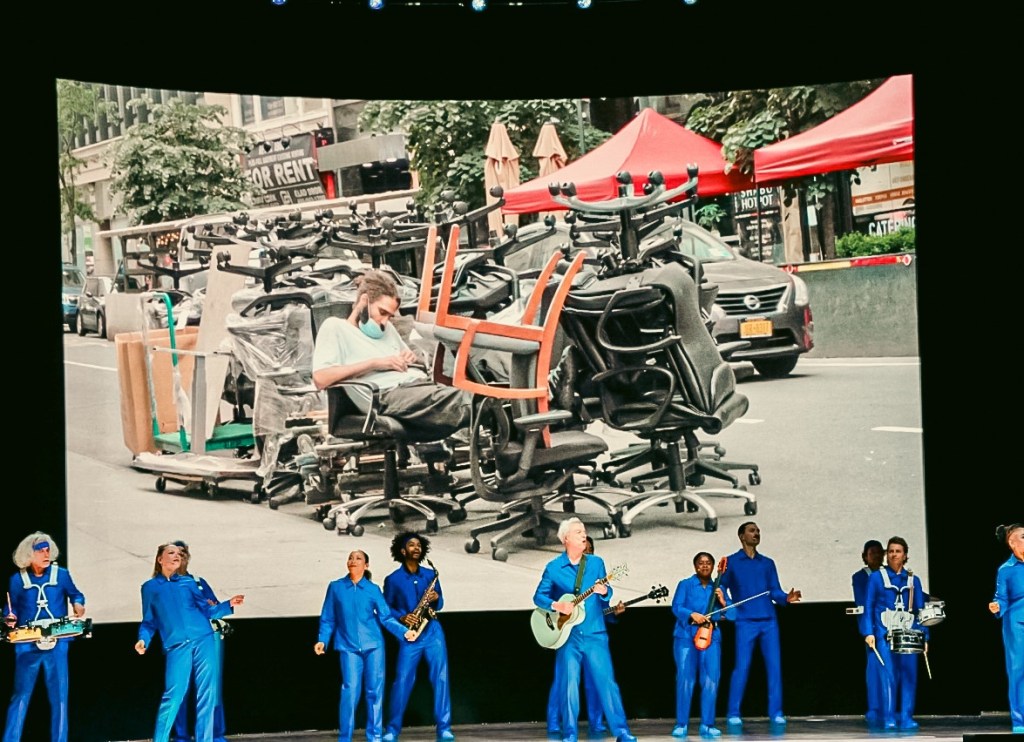
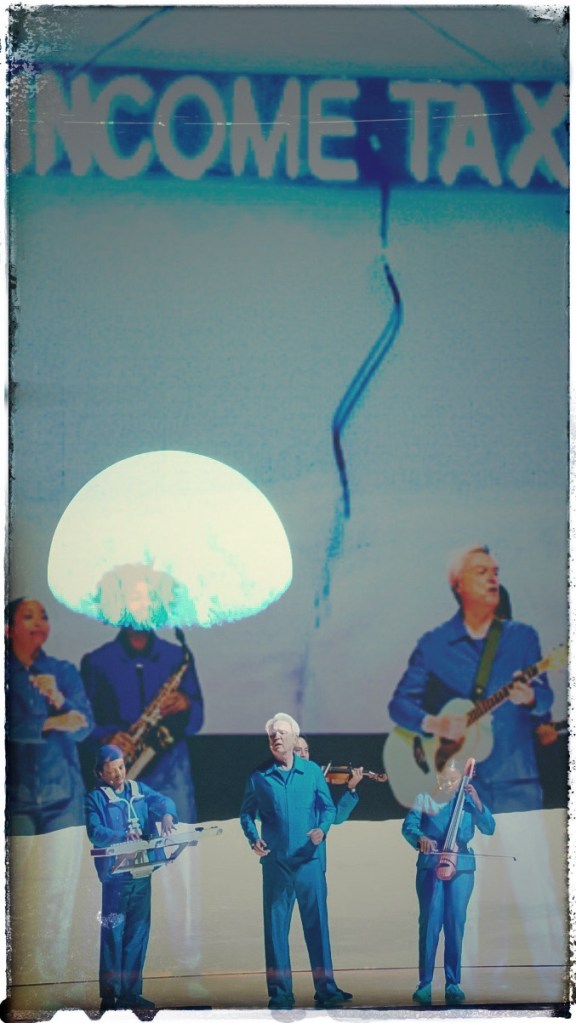
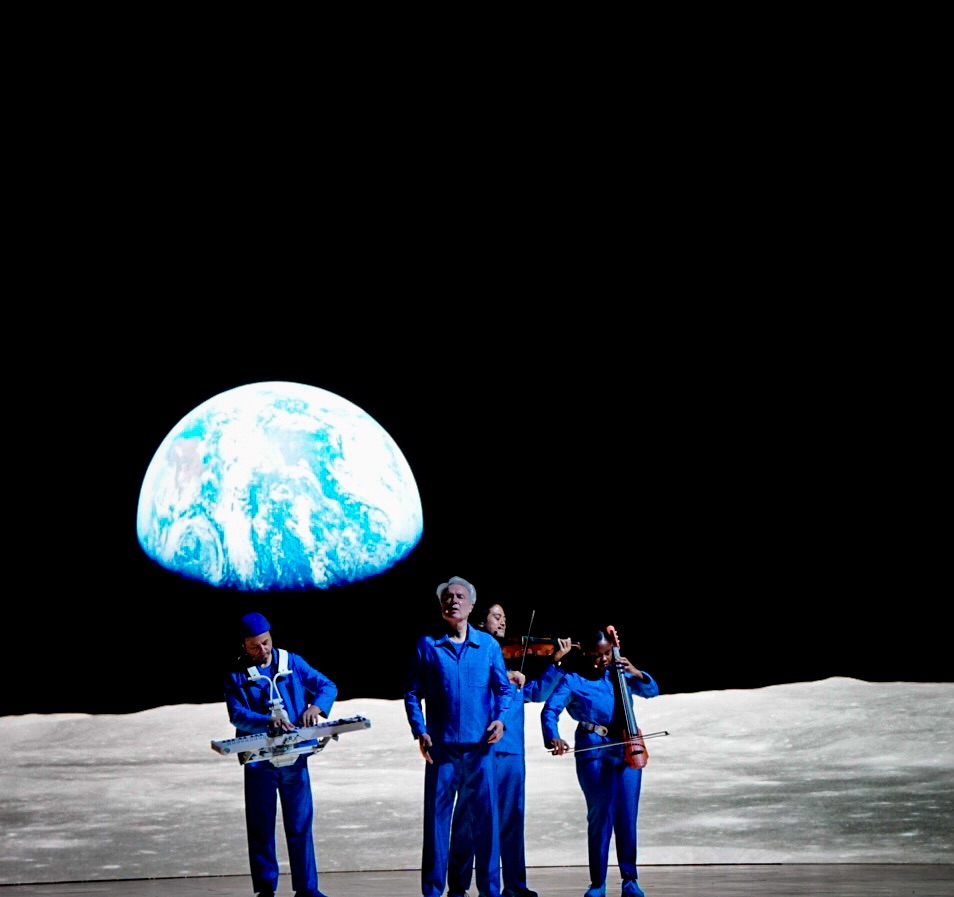
Visually, it’s a knockout. Dressed in effortlessly cool electric-blue boiler suits, Byrne and his dancing troupe manoeuvre around the stage with the fluid precision of a troupe who’ve clearly rehearsed somewhere between a modern dance studio and a particularly funky laboratory. The genius of the staging is that everyone carries their own instruments, allowing them to strut the full width of the stage like a parade of rhythm scientists.
Guitars and basses hang from harnesses, snare drums are slung marching-band style, tambourines and hand percussion flash through the choreography, while keyboards, melodicas and portable synth rigs pop up like strange electronic wildlife. At various points you spot a trumpet, a trombone, auxiliary percussion and a clutch of rhythm gadgets that look like they’ve been borrowed from a particularly experimental school music cupboard.
The result is movement — constant, joyful movement. No one is rooted to the spot like a traditional band. They roam, dance, pivot, glide. The whole show breathes.
But the real joy is Byrne himself: part raconteur, part professor, part slightly eccentric uncle who once tried to explain postmodernism using fridge magnets.
At one point he launches into a story about being born in Dumbarton, which — in the grand scheme of mythology — is probably the least rock-star origin story imaginable. Not New York, not London. Dumbarton. Just up the road from Overtoun Bridge.
Yes, that bridge.
The haunted one.
The one where — as Byrne cheerfully reminds us — over fifty dogs have apparently hurled themselves into the void, as if seized by some unseen spectral command to embrace the afterlife. It’s not often that a pop icon casually segues from funk grooves into canine paranormal tragedy, but Byrne does it with such warmth that the story feels less like a ghost tale and more like a warm hug from a very clever, slightly spooky friend.
Good to know that David Byrne and I share a taste for the macabre.
Between songs, huge immersive visuals bloom across the stage — swirling graphics, photographs, fragments of memory. At one point Byrne shows pictures of his own flat during lockdown, talking about how home became a sanctuary when the outside world briefly turned into a dystopian theme park.
And suddenly it clicks.
Home.
It’s everywhere in the setlist if you think about it. This Must Be The Place (Naive Melody) – my personal favourite , My Apartment is my Friend, Everybody’s Coming to My House — songs that circle around belonging, space, and the strange intimacy of the places we inhabit.
Even Once in a Lifetime, when it arrives, still feels like the ultimate existential house inspection: Well… how did I get here?
The crowd, by this point, are completely besotted.
When Psycho Killer finally drops, the Armadillo transforms into the world’s most polite nervous breakdown. Thousands of Glaswegians attempt Byrne-style choreography with varying levels of success. Somewhere inside me, the ghost of that early-noughties club kid reappears — still dancing like a robot penned in at my seat, still convinced this is the best song ever written about the joys of mild psychosis.
Then comes the glorious closing run: Life During Wartime, Once in a Lifetime, and an encore featuring Burning Down the House — which detonates like the world’s most intelligent fireworks display.
By the end, Byrne bows with the modesty of someone who seems genuinely surprised that thousands of people have turned up to celebrate his strange, brilliant brain.
Walking out into the Glasgow night, the Clyde glinting nearby, it strikes me that Byrne has always done something remarkable. He took anxiety, alienation, awkwardness — all the things most of us try desperately to hide — and turned them into groove.
Into joy.
Into community.
And somewhere deep in the Armadillo tonight, among the ghosts of dancing robots and haunted dogs from Dumbarton, it felt like home.
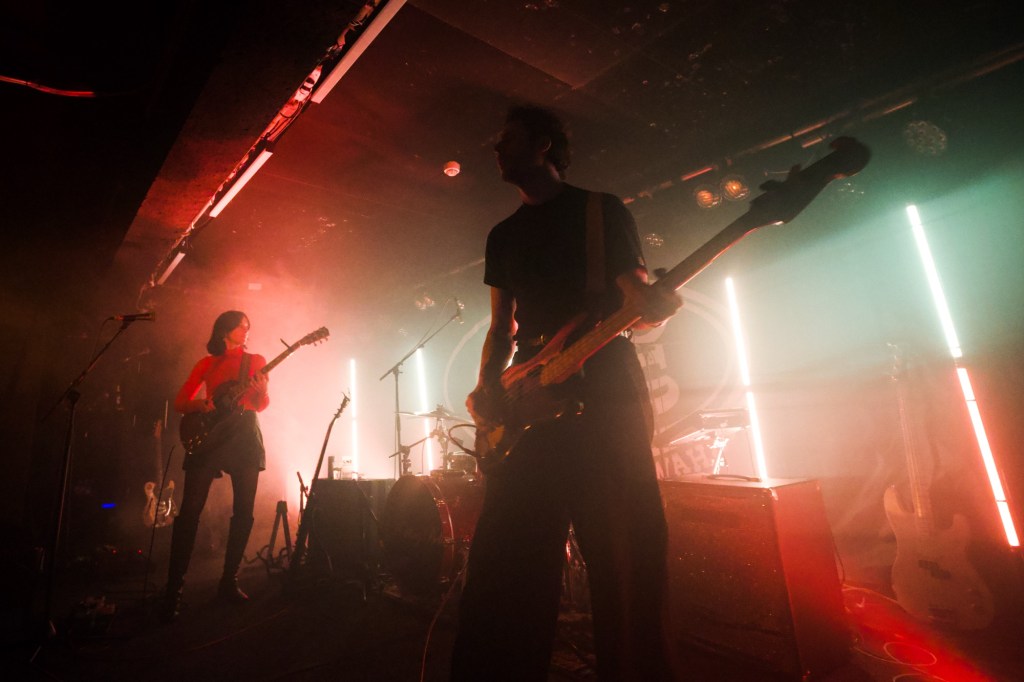
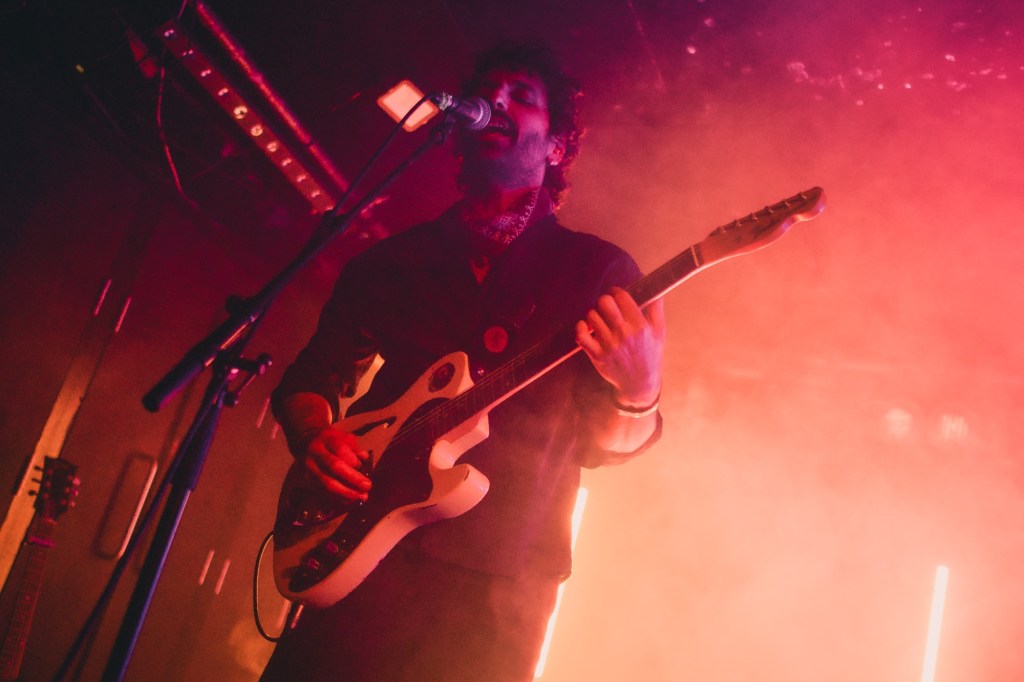
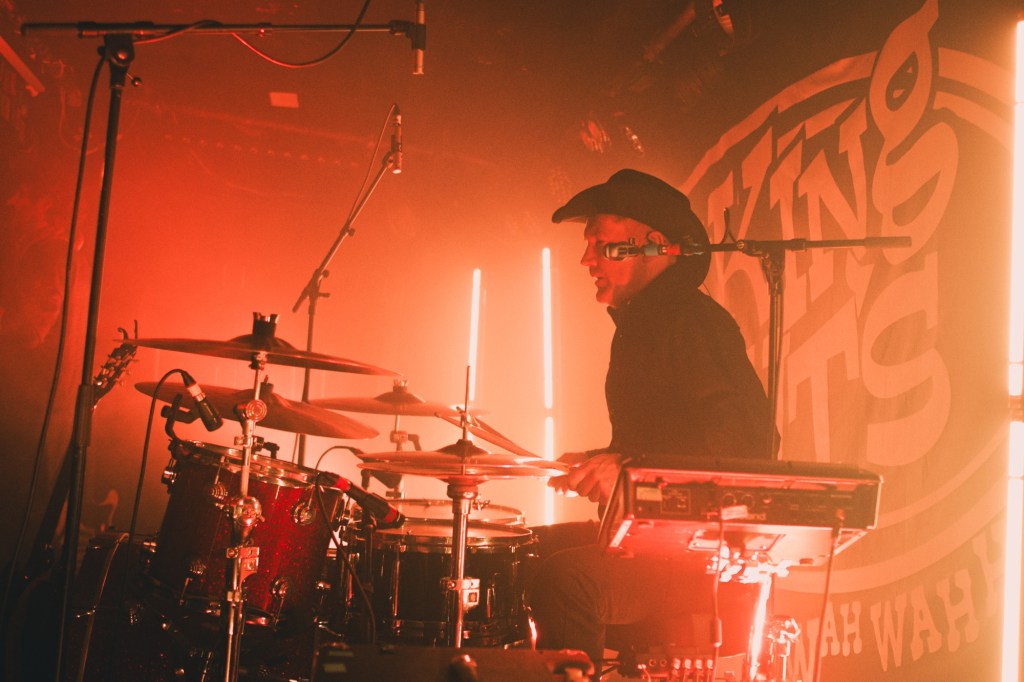
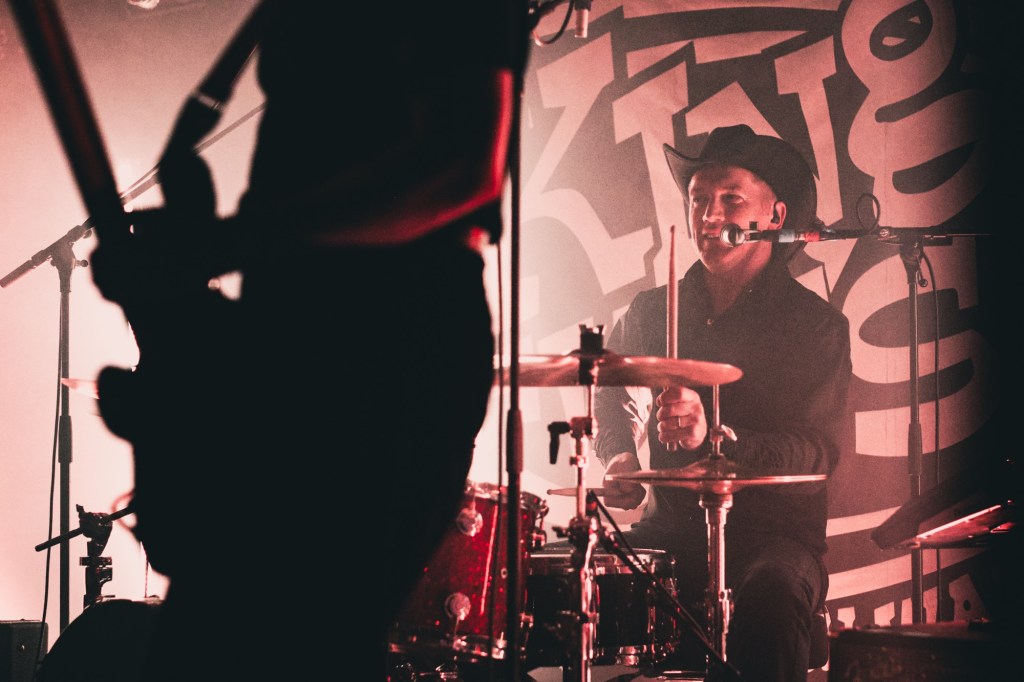
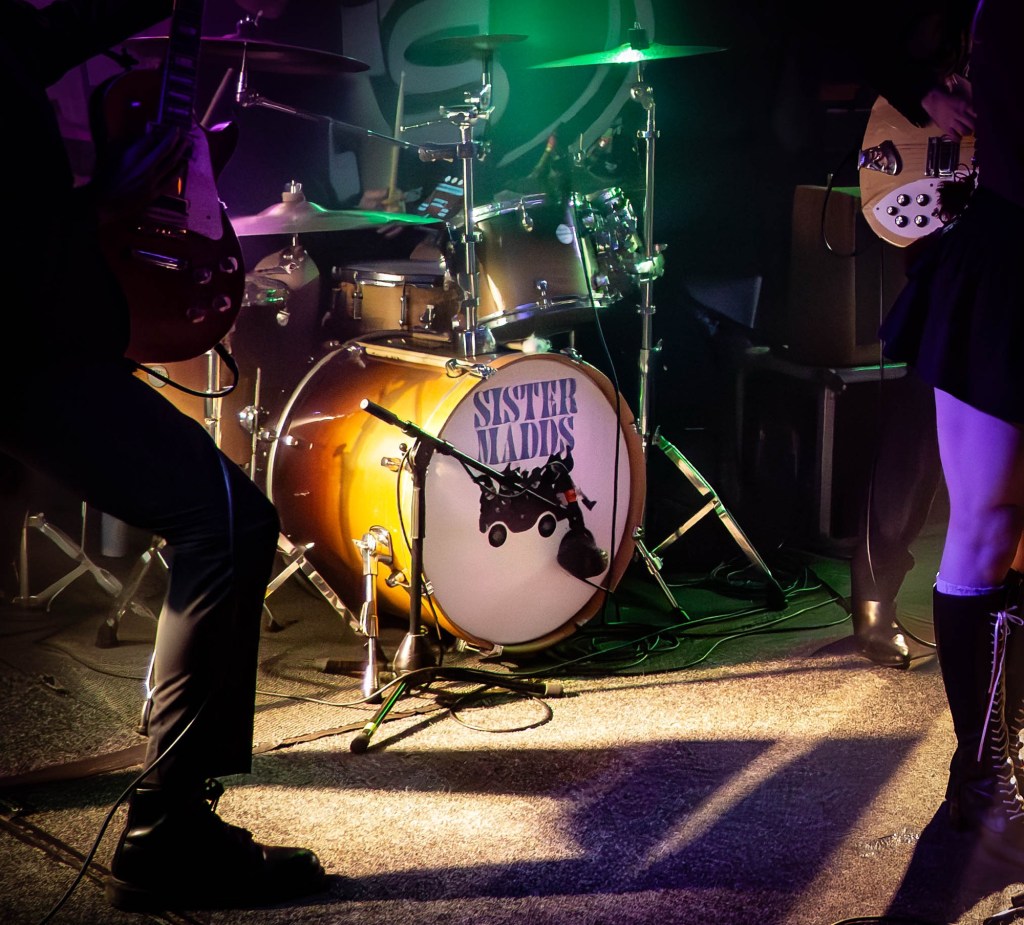
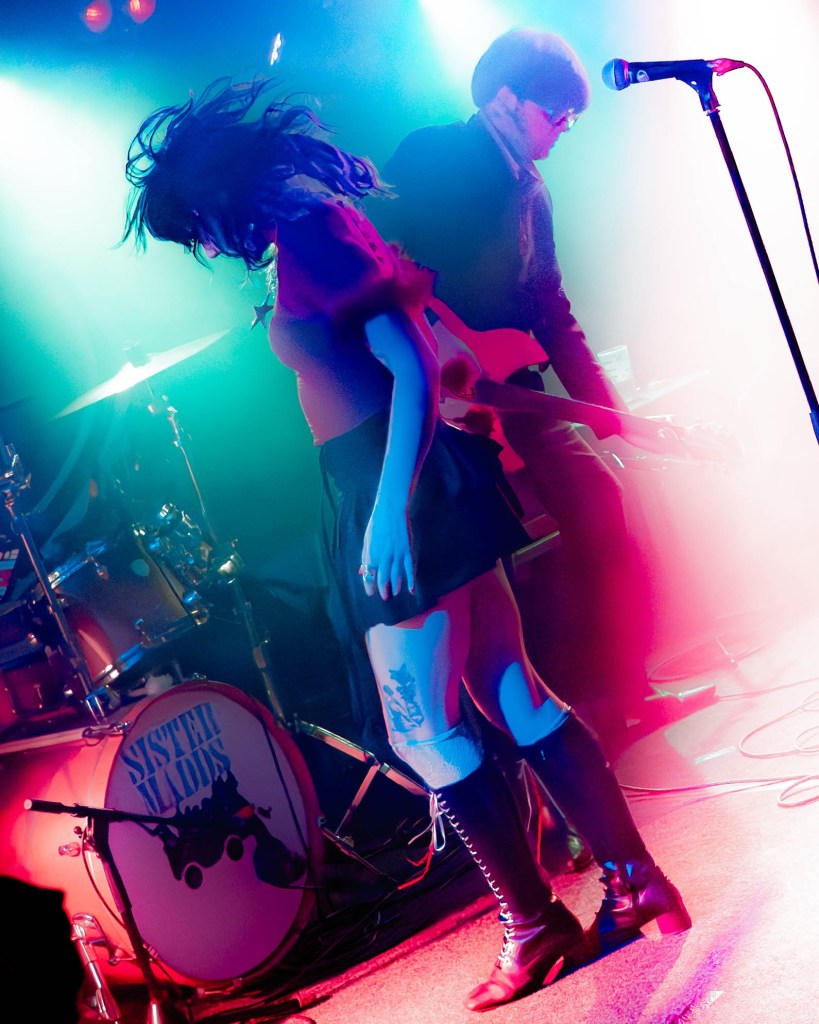
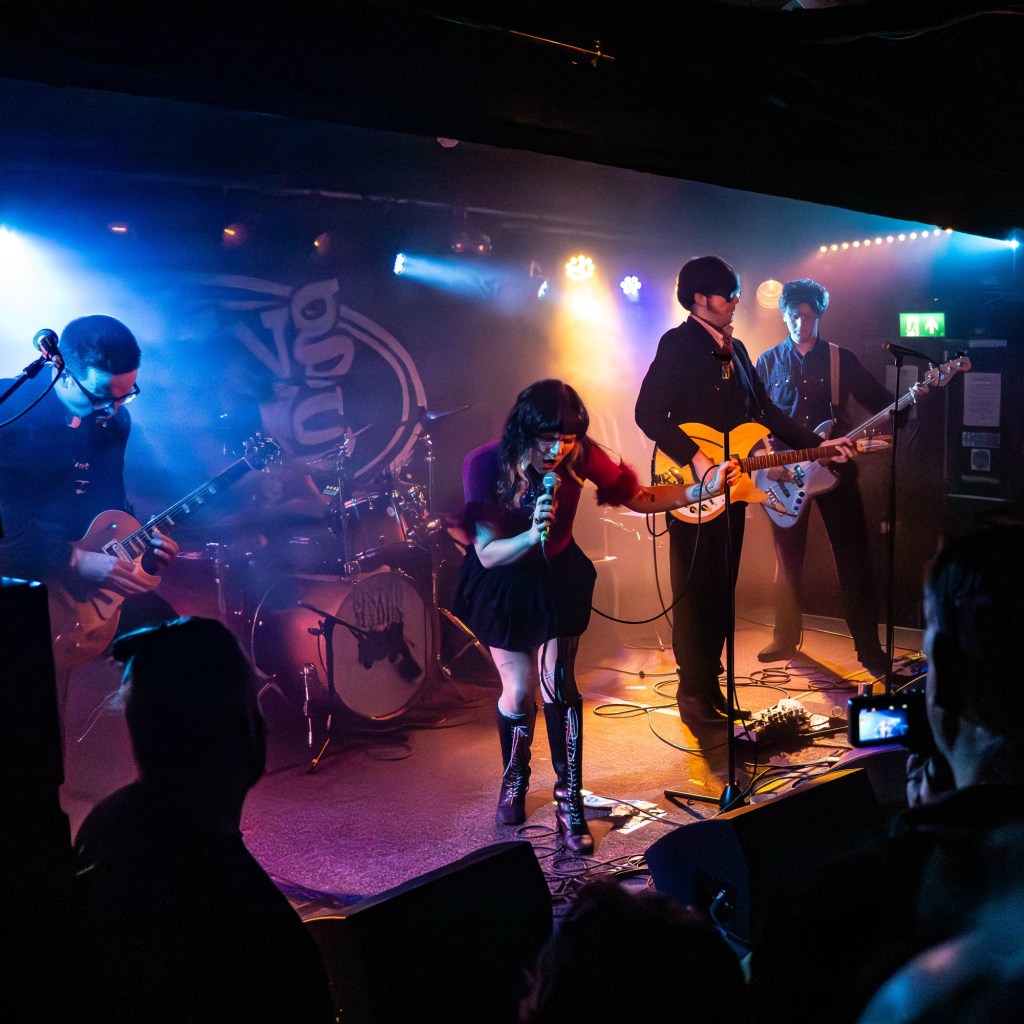
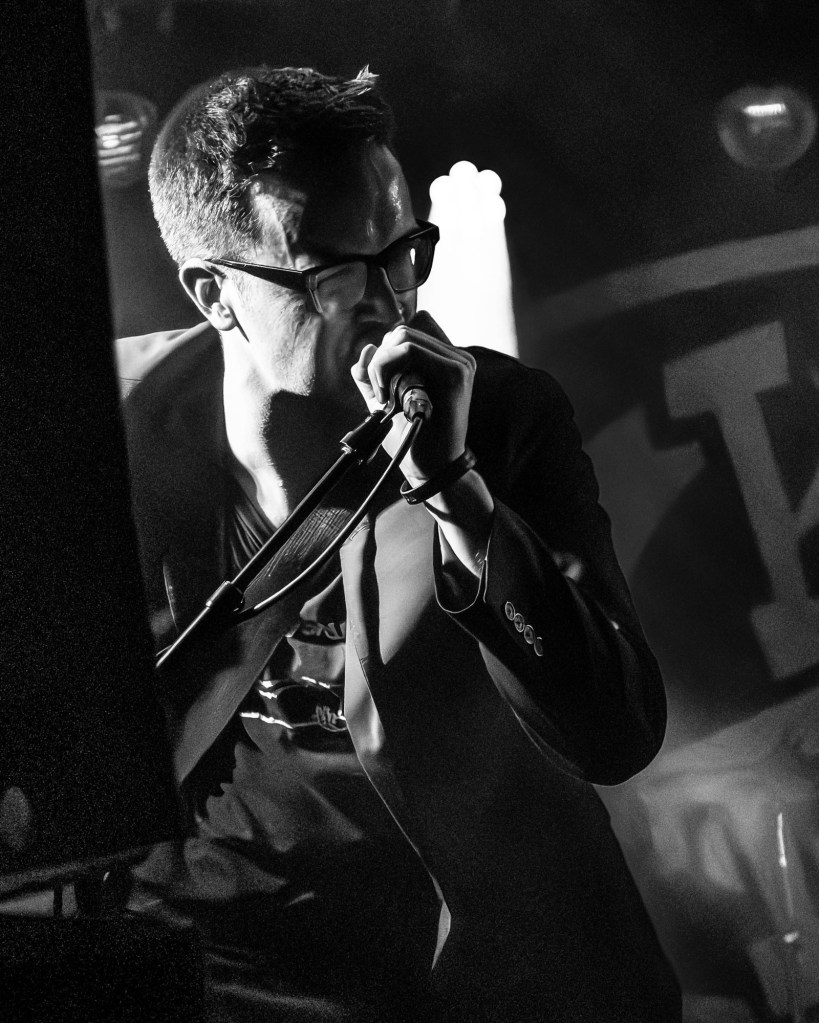
A sold out gig at King Tut’s Wah Wah Hut on 27th February proved that Glasgow five-piece Sister Madds’ rise has been gathering serious momentum since their 2025 SAMA award nomination. The release of their debut EP, ‘Are You Hungry?‘ on the same date made this headline gig doubly celebratory.
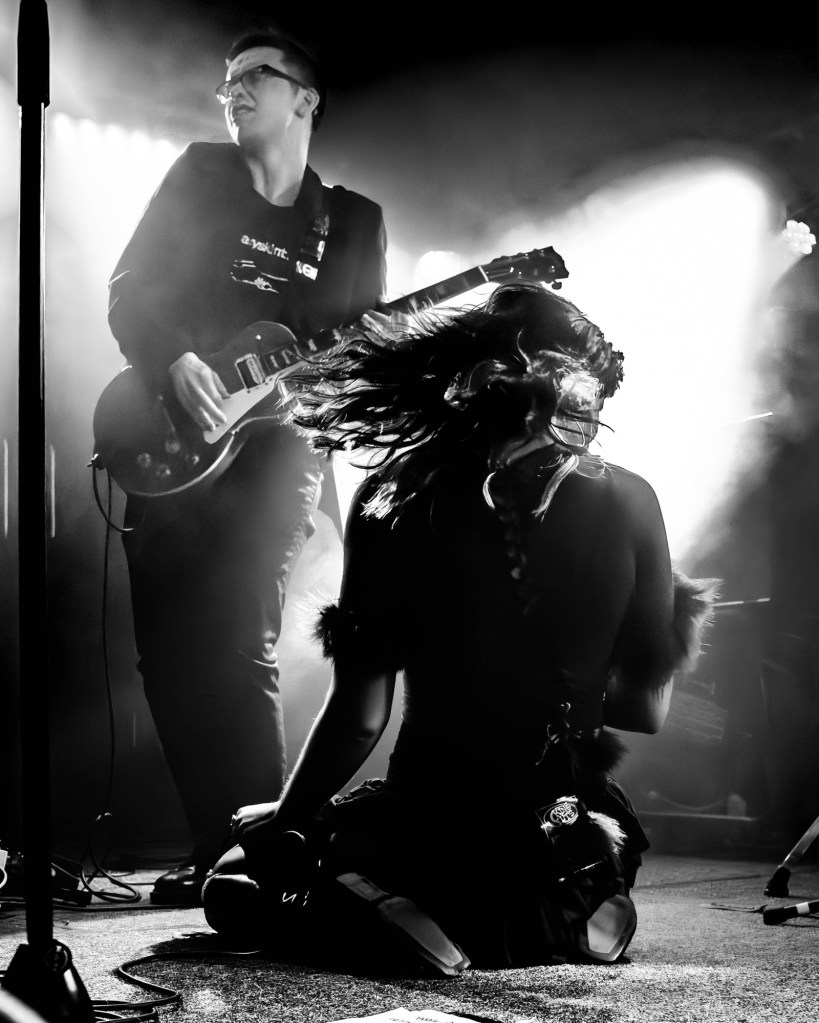
Kicking things off was alternative rockers Alcatraz who attracted a sizeable crowd, their popularity no doubt boosted by their win in the Tenement Trail x Belladrum Talent Search 2025. Their grungy sound was driven by powerful vocals and tight playing on the guitar, bass and drums. The band looked the part too, with shades of tartan and leopard print echoing the punk influence in their music. By the end of their set Eleanor, the singer, was practically in the crowd herself, her entrancing vocals on final song, ‘Nowhere Man‘, leaving the audience well and truly warmed up for what was to come.
Next up was Roller Disco Death Party, a duo that shifted the energy sharply toward electronic territory. With Amelia on the drums and Neal driving thick electronic beats on the synth, their set pulsed between pounding rhythms and more chilled moments. As they finished, the crowd was noticeably sweatier and anticipation for the headliners was building.
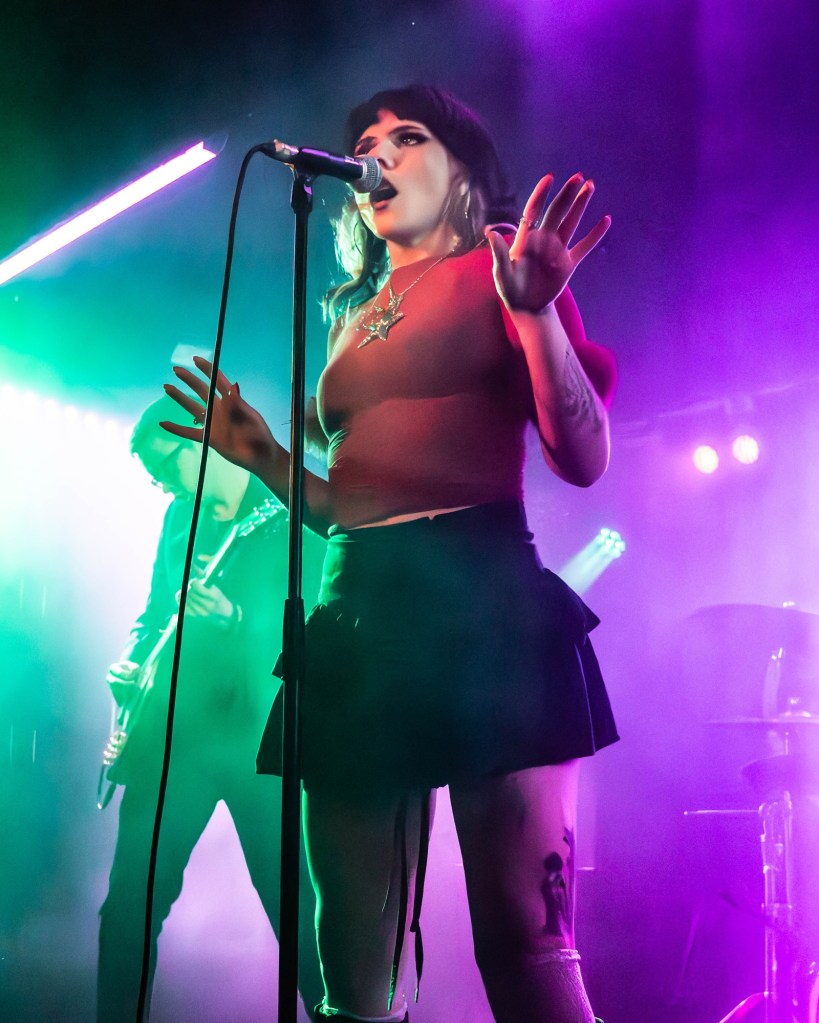
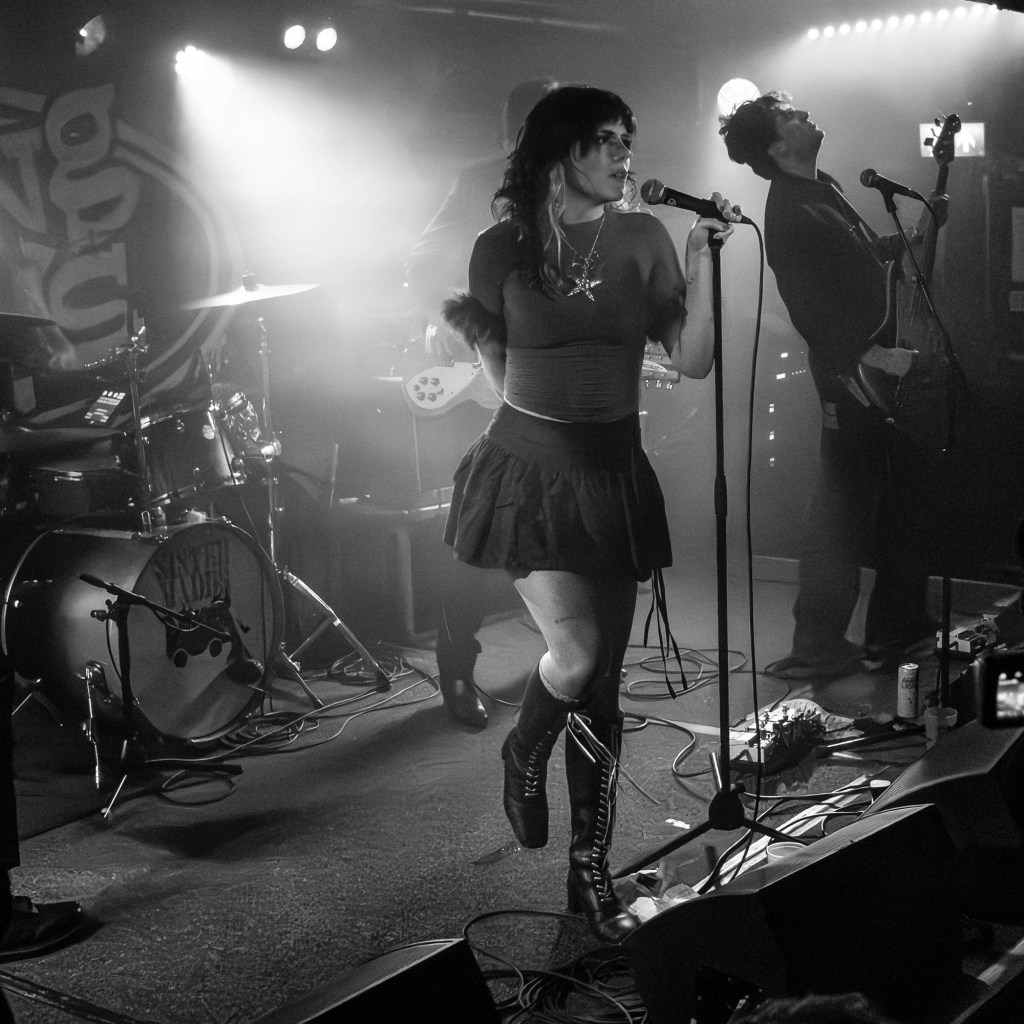
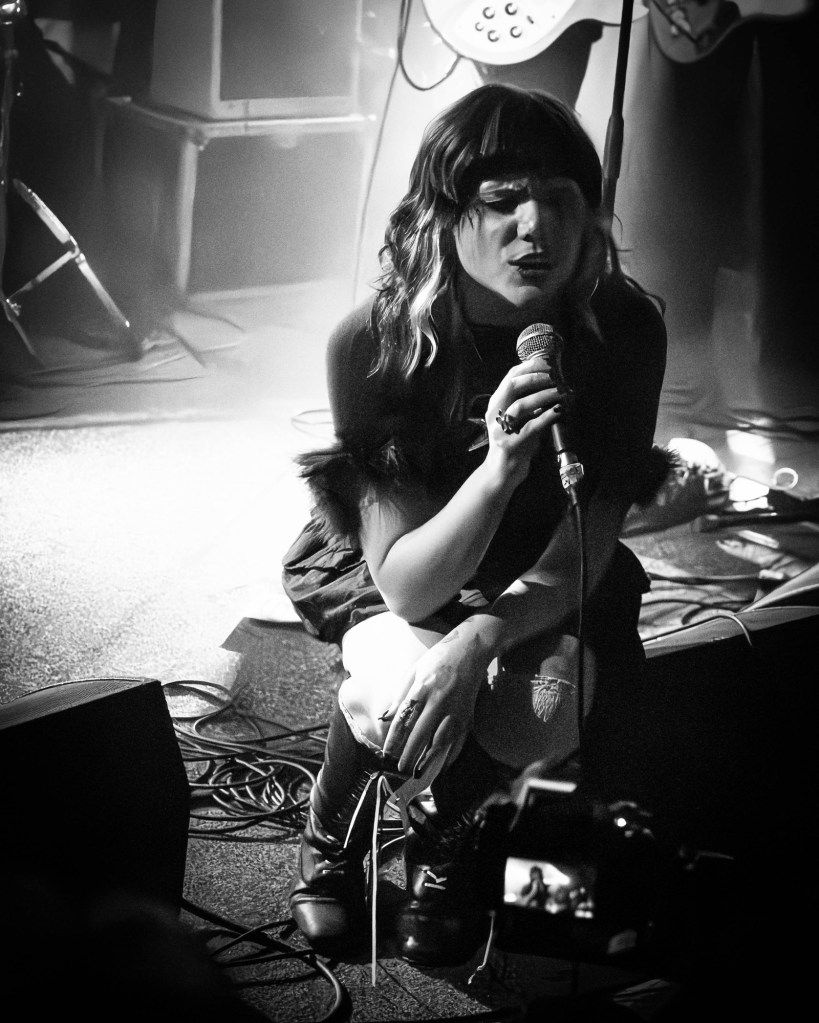
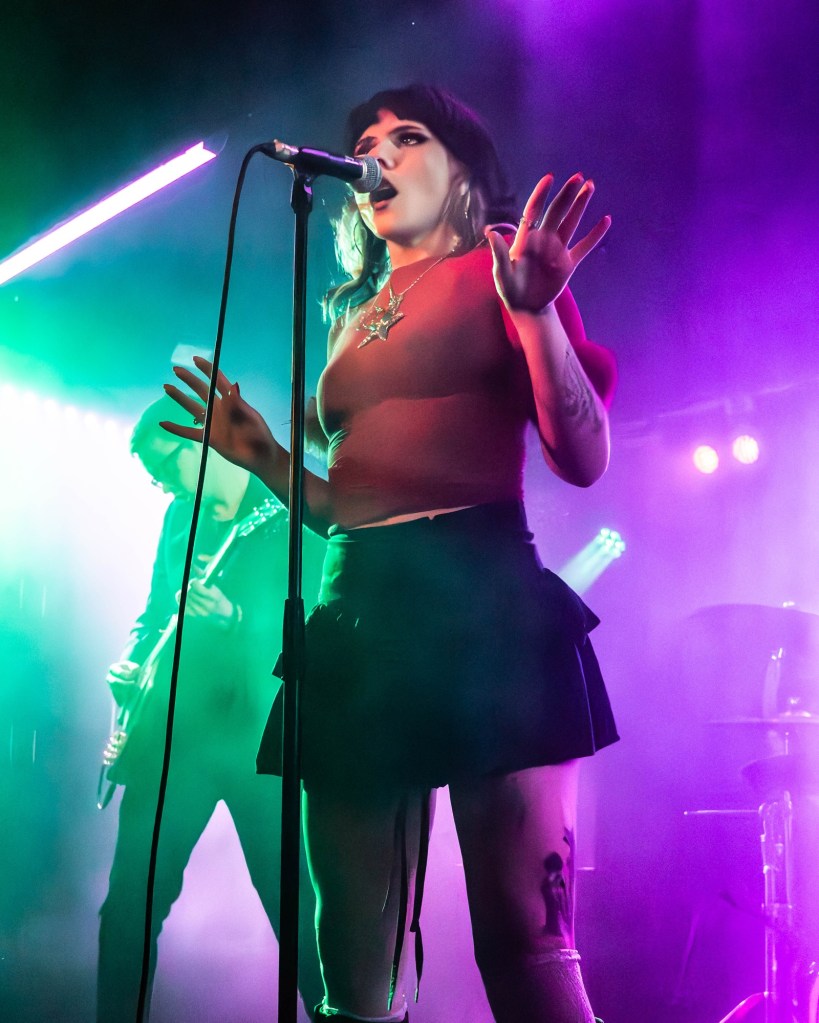
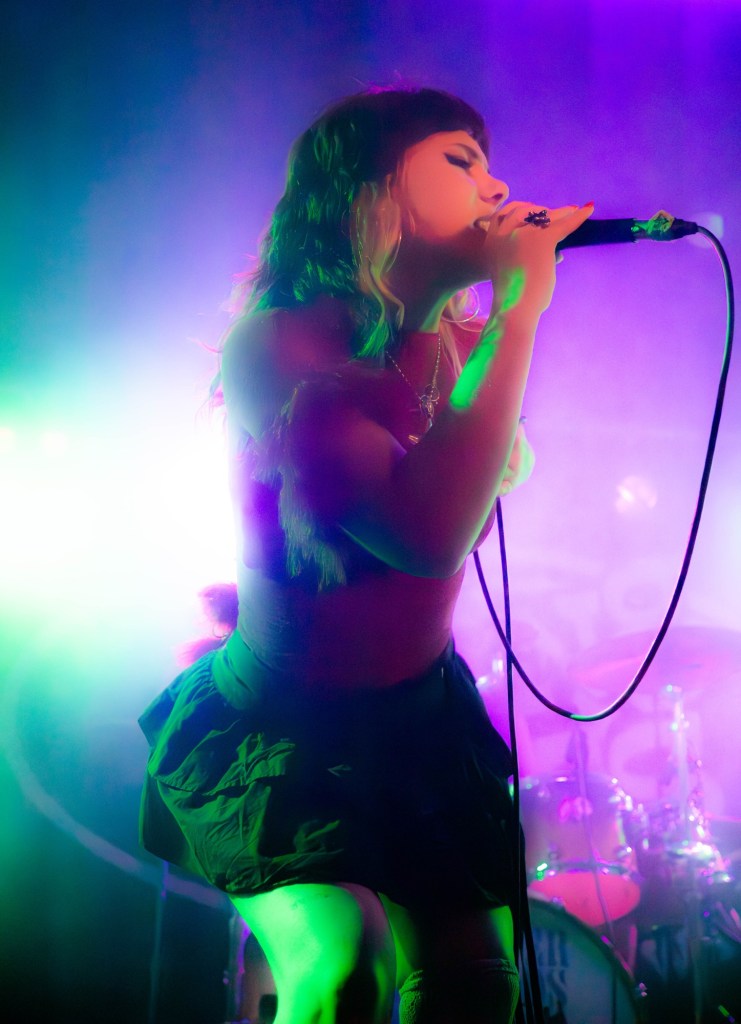
When Sister Madds finally took the stage, the response was immediate. Fierce and full of energy, the band delivered a set that drove the crowd wild. Their stage presence was undeniable, with frontwoman Maddie commanding the room from the outset. The band is well known on the Scottish live music circuit and their experience shone through in their performance.
Midway through the set, the pace shifted with ‘Summer Blues‘. Introduced as being a special song to Maddie, it created a moment of calm in the chaos as the crowd slowed down, their phone torches held aloft and glowing above them.
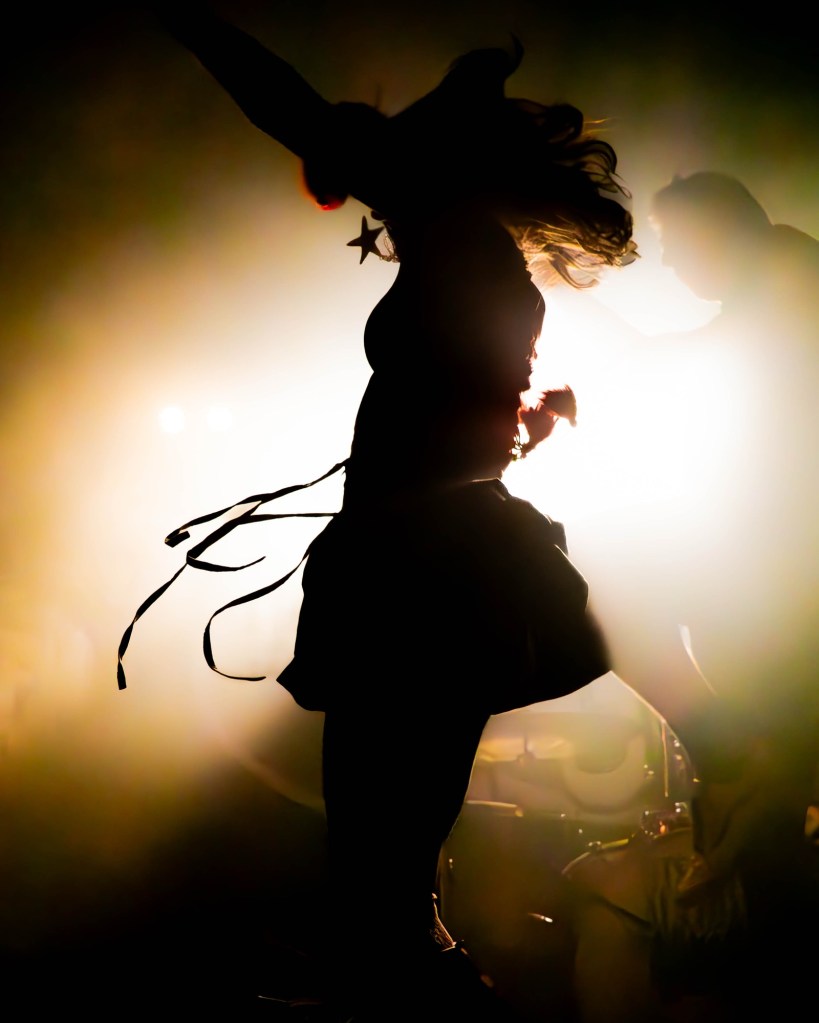
‘Split Ends‘ ramped up the energy again; after joking that some people in the audience needed a haircut (and noting that the guitarist’s maw is a hairdresser), Maddie charged straight into the crowd, security scrambling to manage the trailing mic cable as fans surged around her.
The chaos continued for ‘601‘ when the crowd were encouraged to crouch down before jumping up and going crazy.
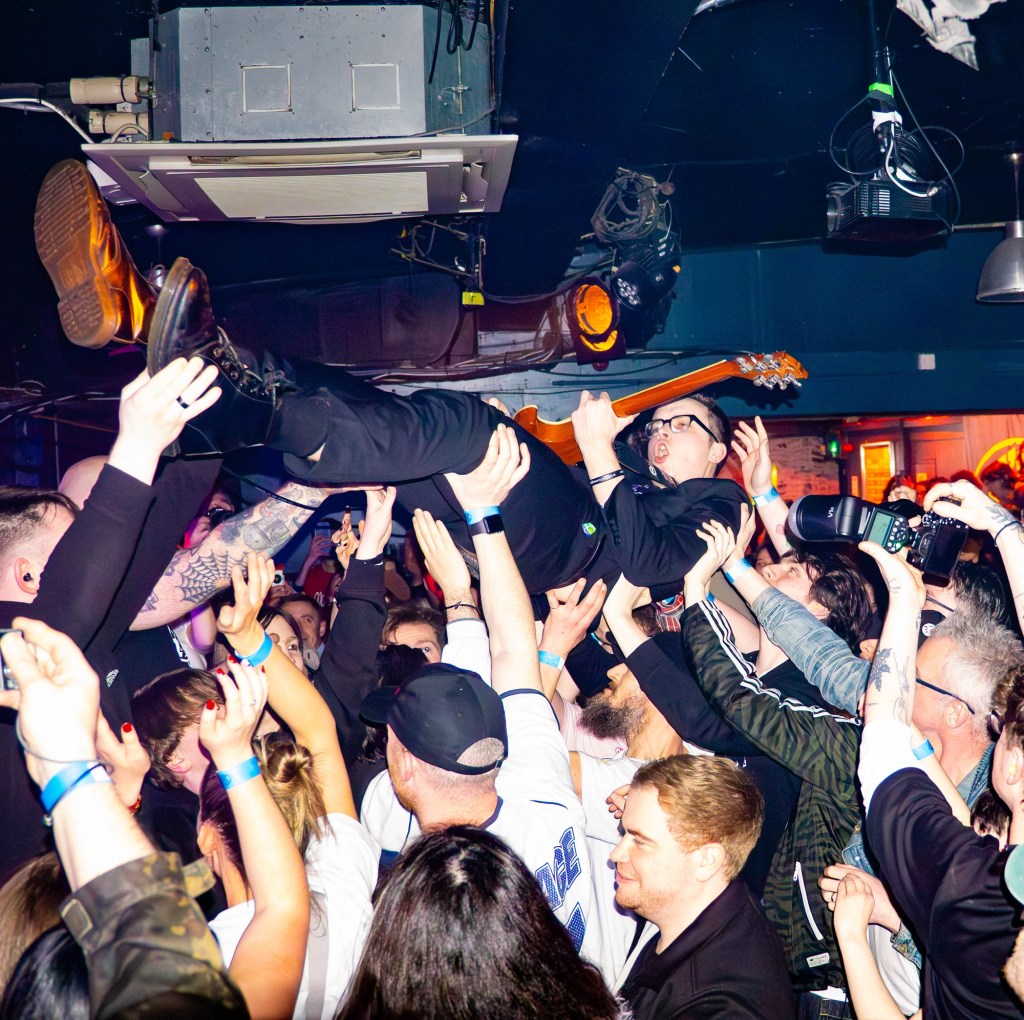
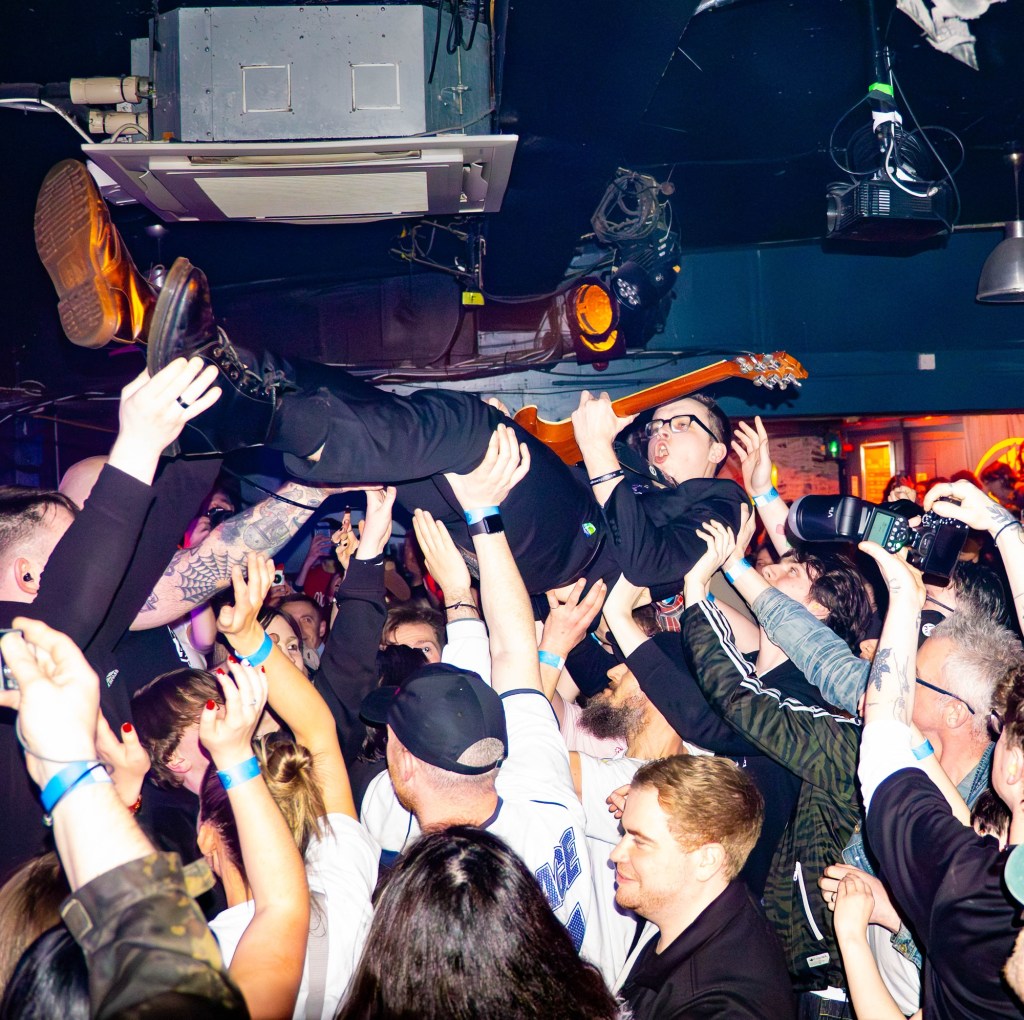
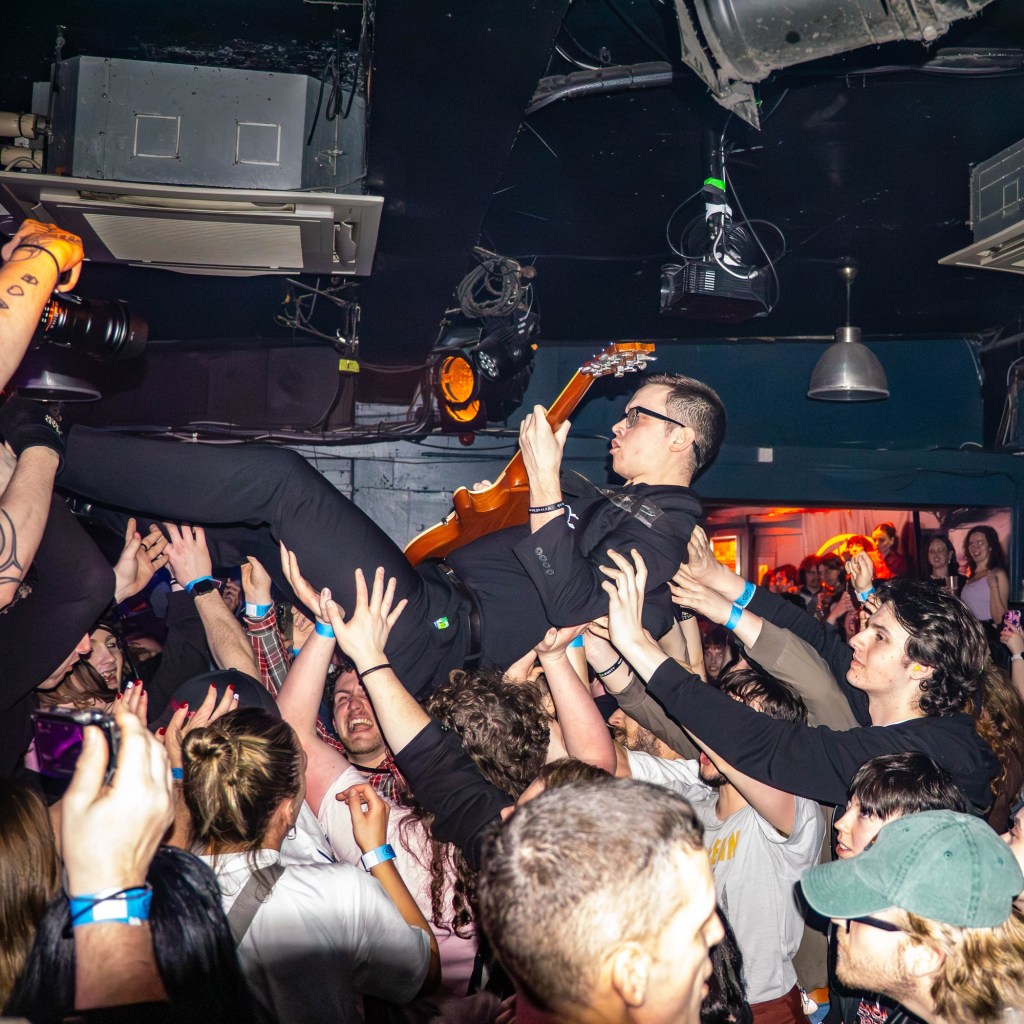
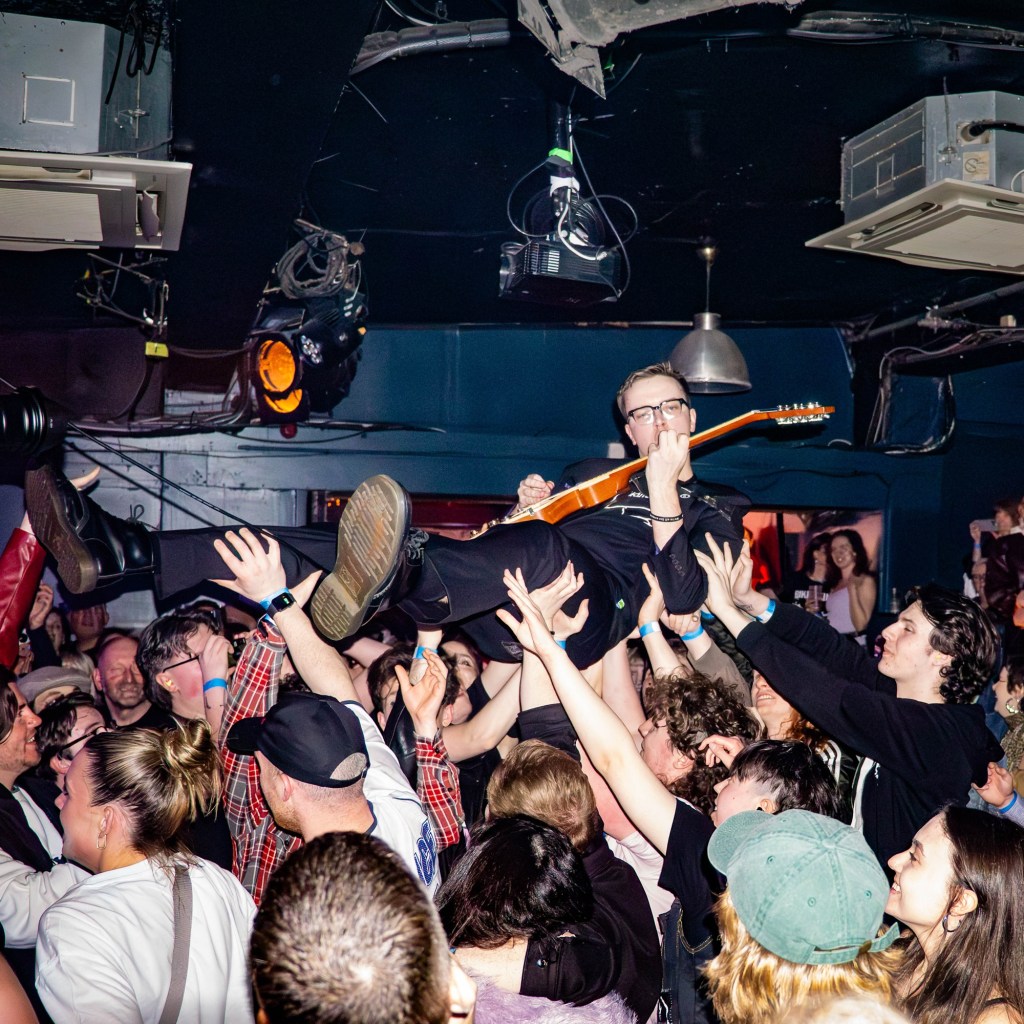
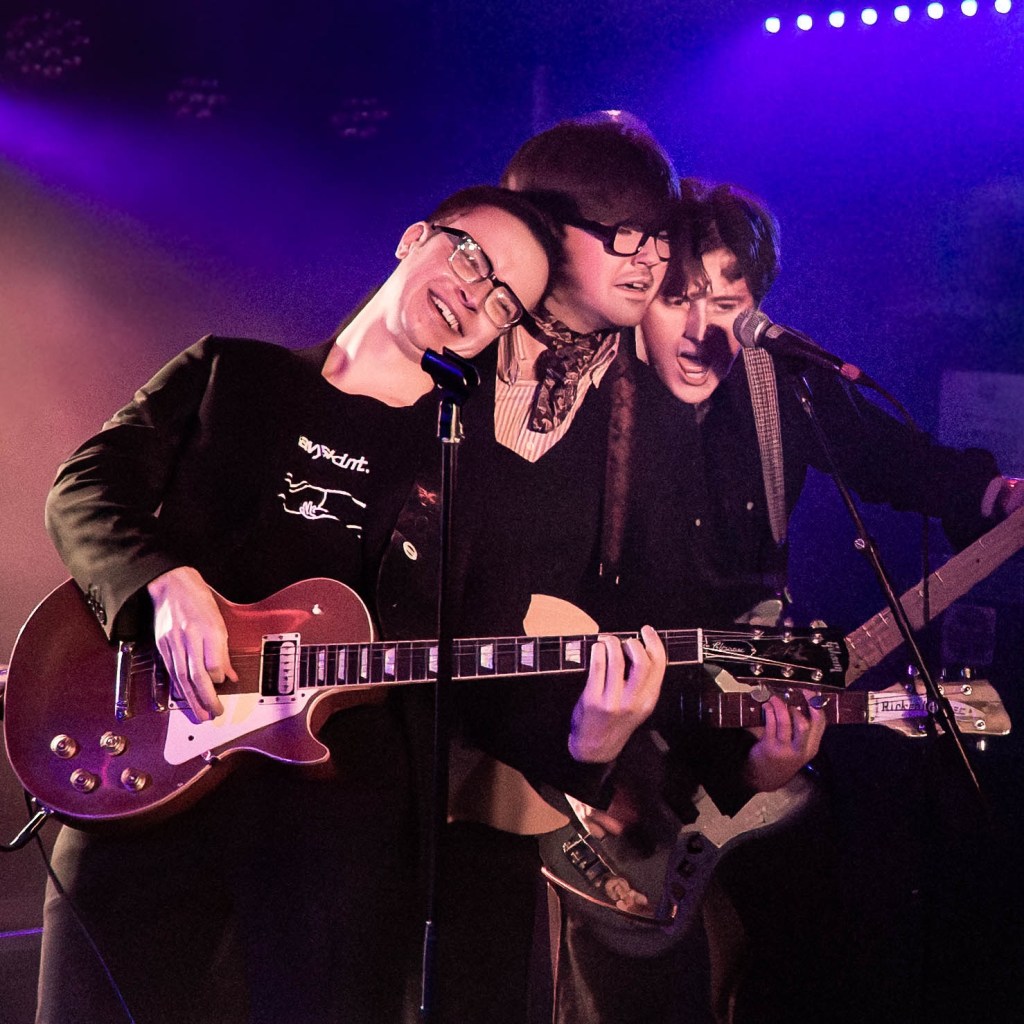
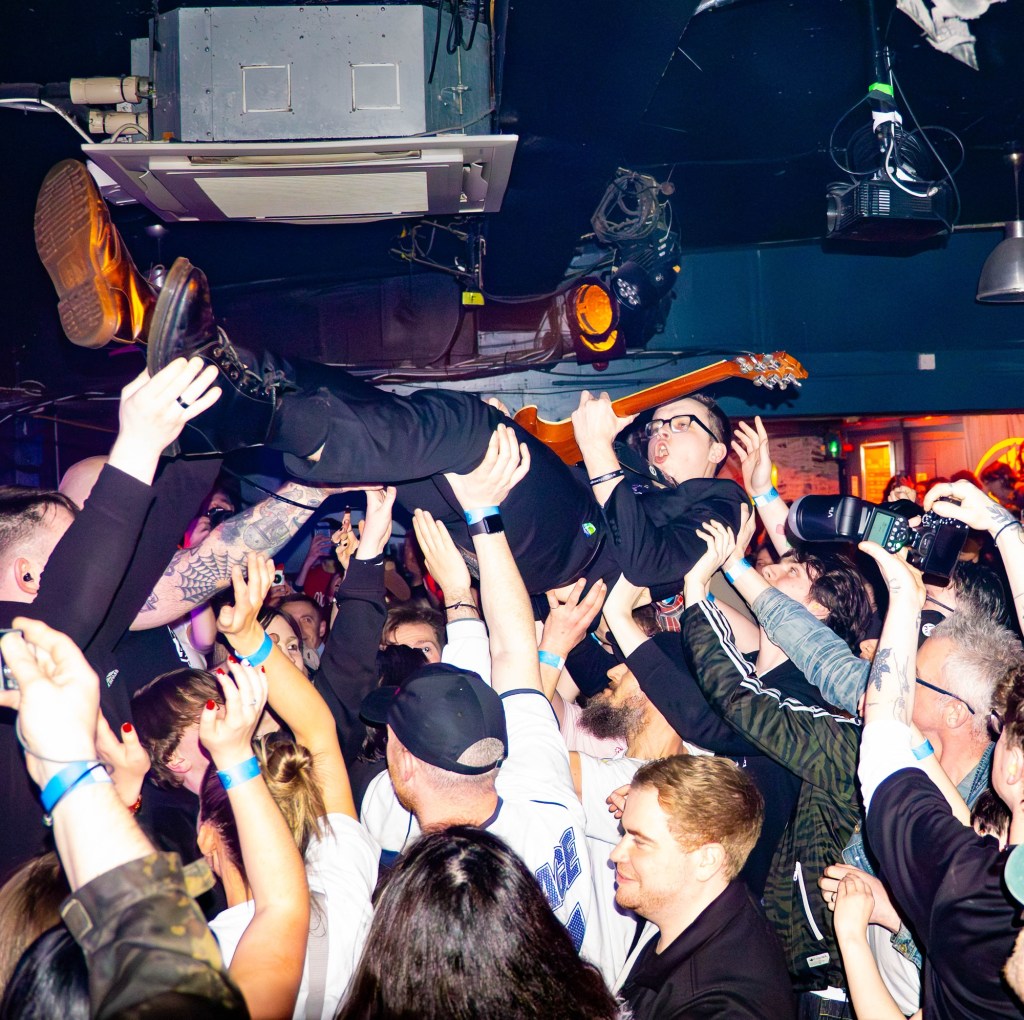
As the night was coming to an end, the band refused to slow down as proven by the guitarist crowd surfing to the delight of the sweaty masses. He later said he fell on his arse and the audience saved him… #notallheroeswearcapes
The band ended the night with a cover of, ‘Girls Just Wanna Have Fun‘ which had the entire room singing along to the Cyndi Lauper classic. It was a euphoric finale to a triumphant evening for Sister Madds.
Psychedelic Porn Crumpets returned to SWG3Galvanisers with a set that was loud, relentless and packed with fan favourites from across their ever-growing colourful catalogue.
After their iconic dramatic Italian Opera “performance” by their tiny turtle mascot Rodney, they wasted no time getting started, opening strong with “Bills Mandolin” before launching into “Salsa Verde” from their newest album Pogo Rodeo, released in October last year. From the first few minutes it was clear the pace wouldn’t drop and it didn’t. The energy in the room was immediate, with crowd surfers appearing by the second song as the Glasgow audience matched the band’s intensity.
The Aussie Perth psych-rockers show no signs of slowing down creatively. Having released two albums last year alone — Pogo Rodeo and Carpe Diem, Moonman — and nearly one record every year since 2016, they seem to have a never-ending source of inspiration. That prolific output gives their live shows a dynamic edge, jumping between eras without missing a beat.
A major highlight of the night was “Found God In A Tomato” from their debut album High Visceral Pt. 1. The fan favourite took centre of the set, its sprawling, hypnotic sections drawing huge cheers and offering one of the most immersive moments of the evening.
Tracks like “HOT! HEAT! WOW! HOT!” and “Hymn For A Droid” kept the momentum high, the band locked in tight while the crowd surged and sang along. At one point it was mentioned that Glasgow crowds are always among the best on tour, something that felt undeniably true given the reception. It could also explain why they always make sure to grace the city with a visit.
They closed the main set with “Another Incarnation” from Carpe Diem, Moonman, ending on a powerful note before returning for an encore. The final stretch being “Terminus, The Creator,” “Incubator (V2000),” and “Cubensis Lenses” made sure no one left disappointed, wrapping up the 90 minute show that was high energy from start to finish.
Never doubt the ancestors – our musical forefathers were alive and well and clearly behind the decks.
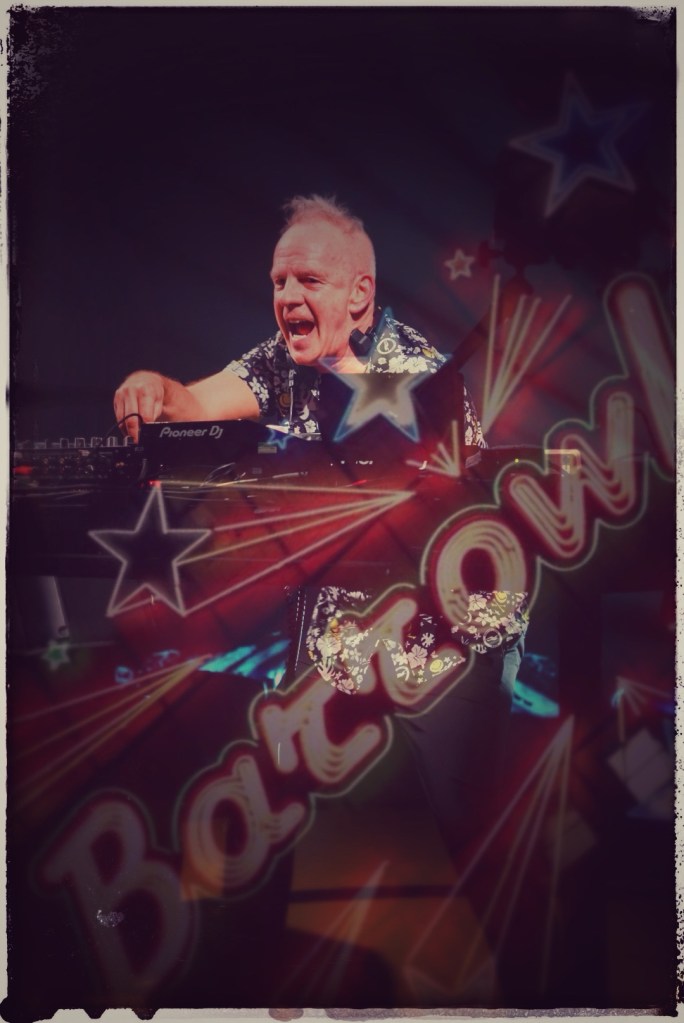
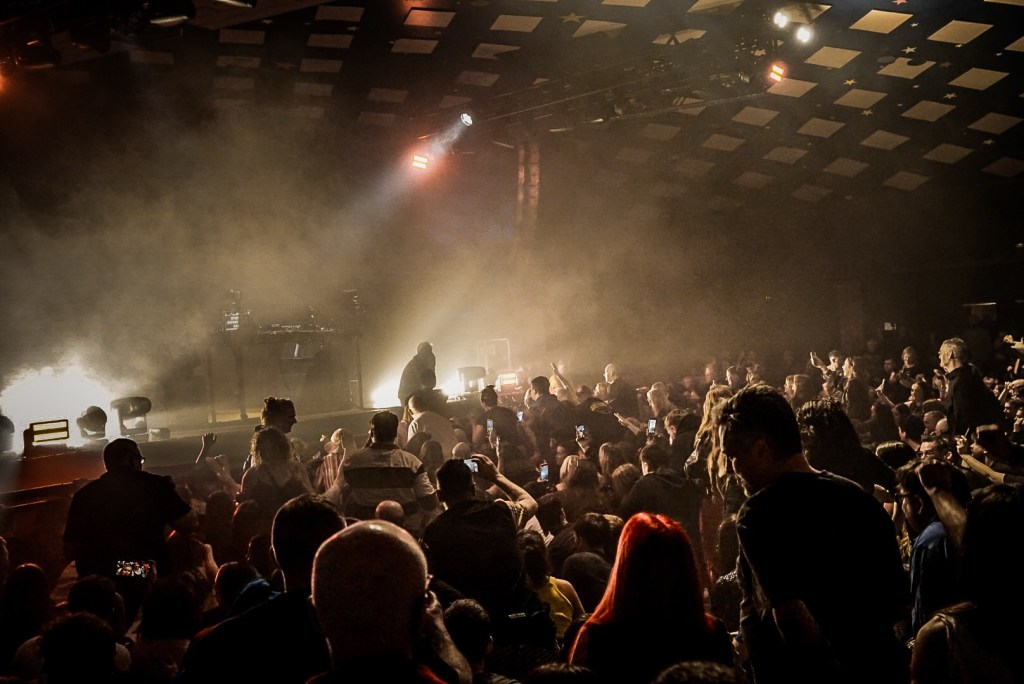
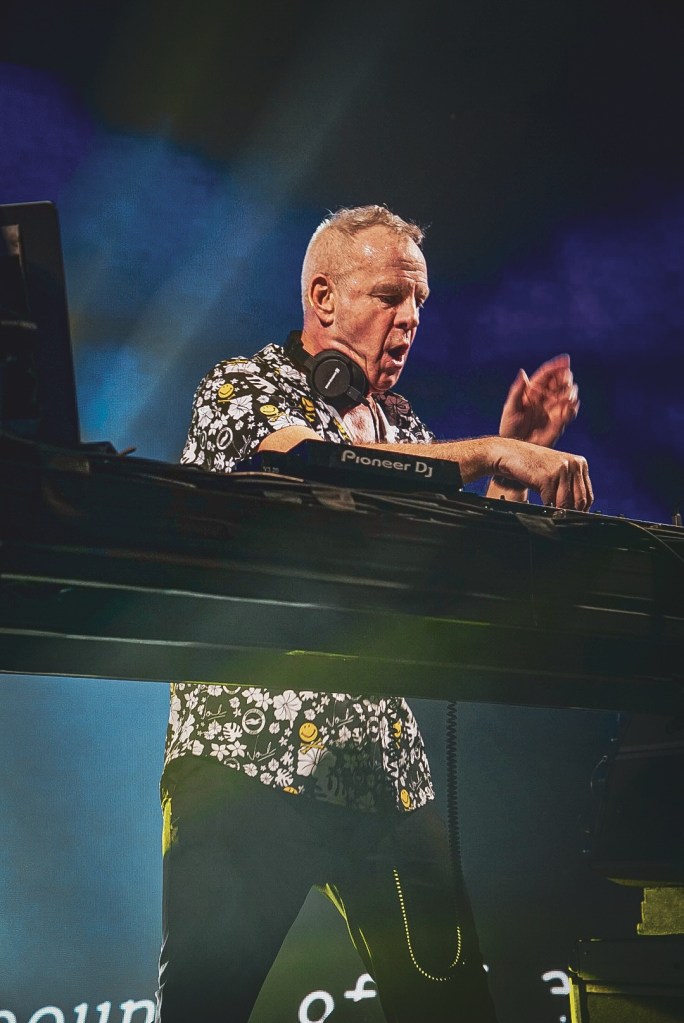
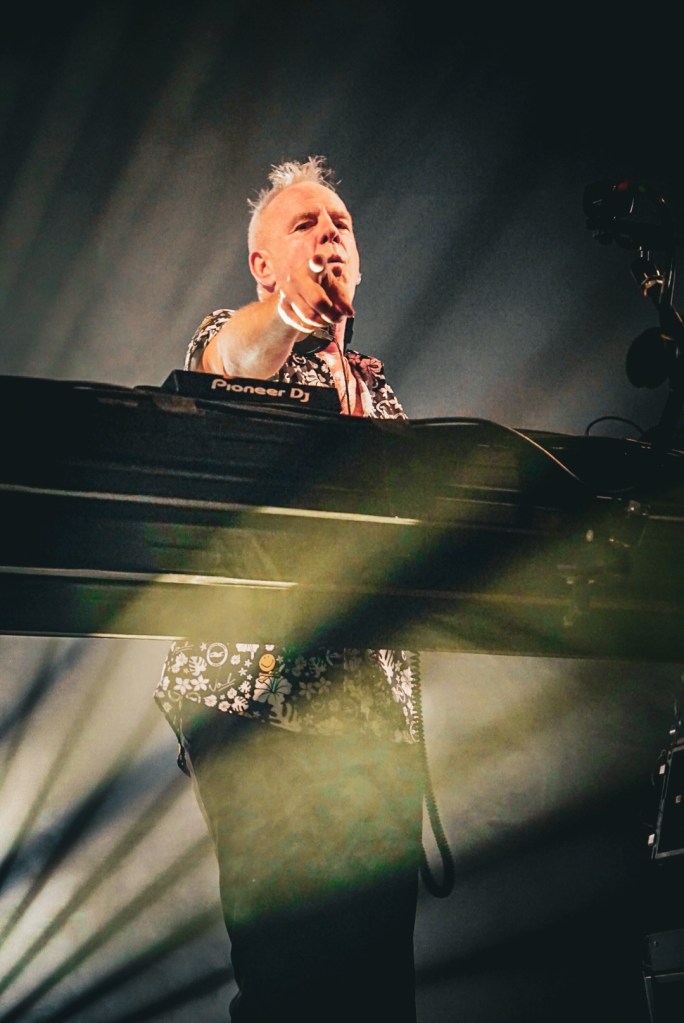
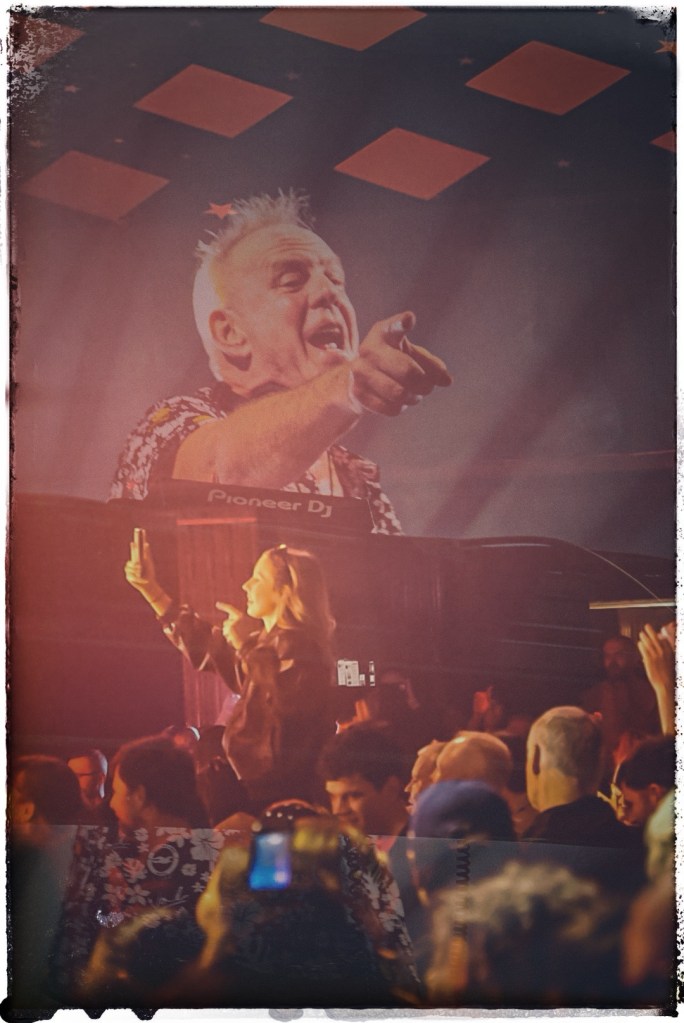
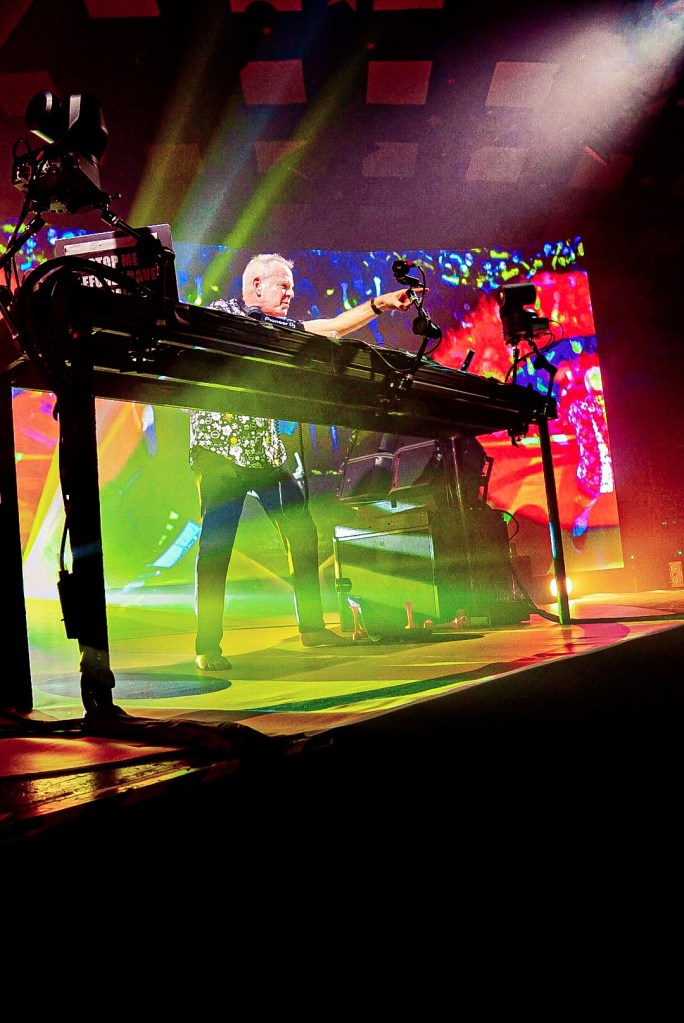
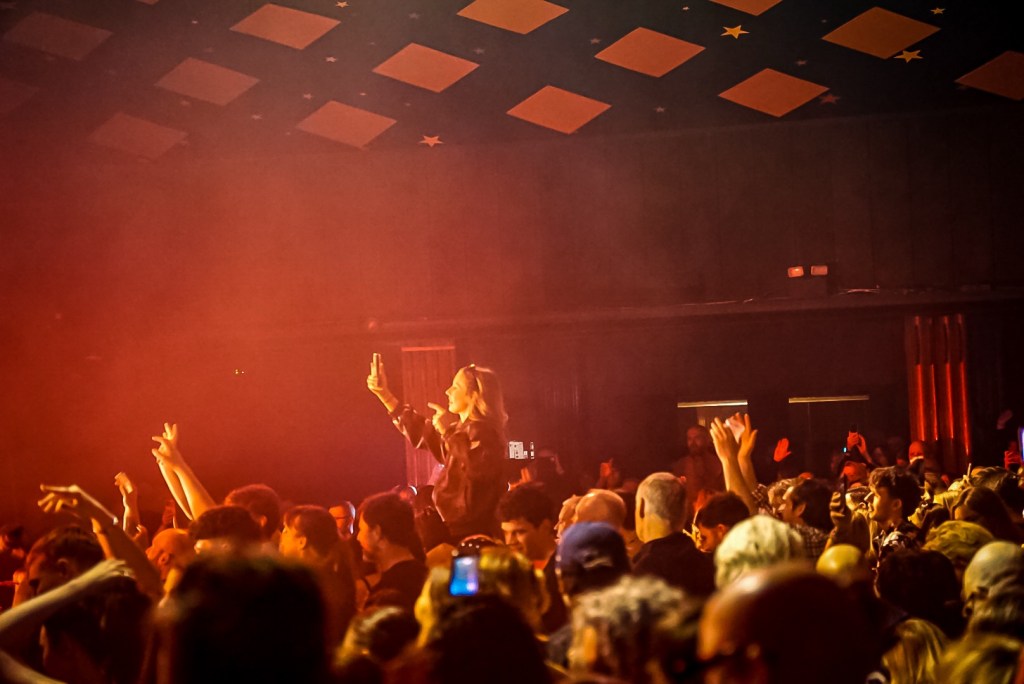
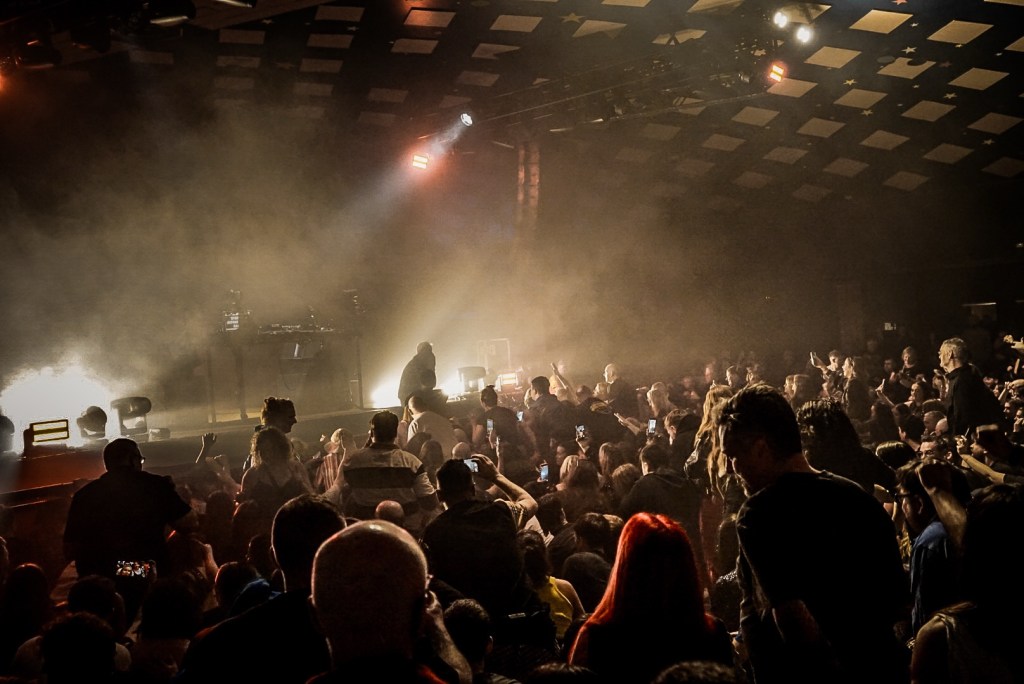
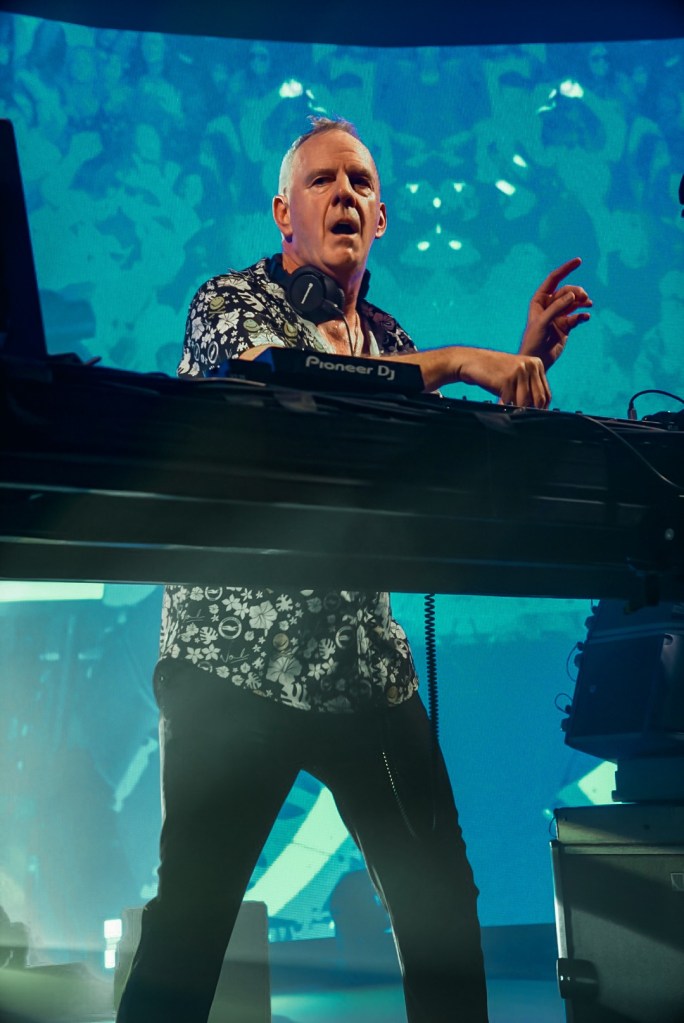
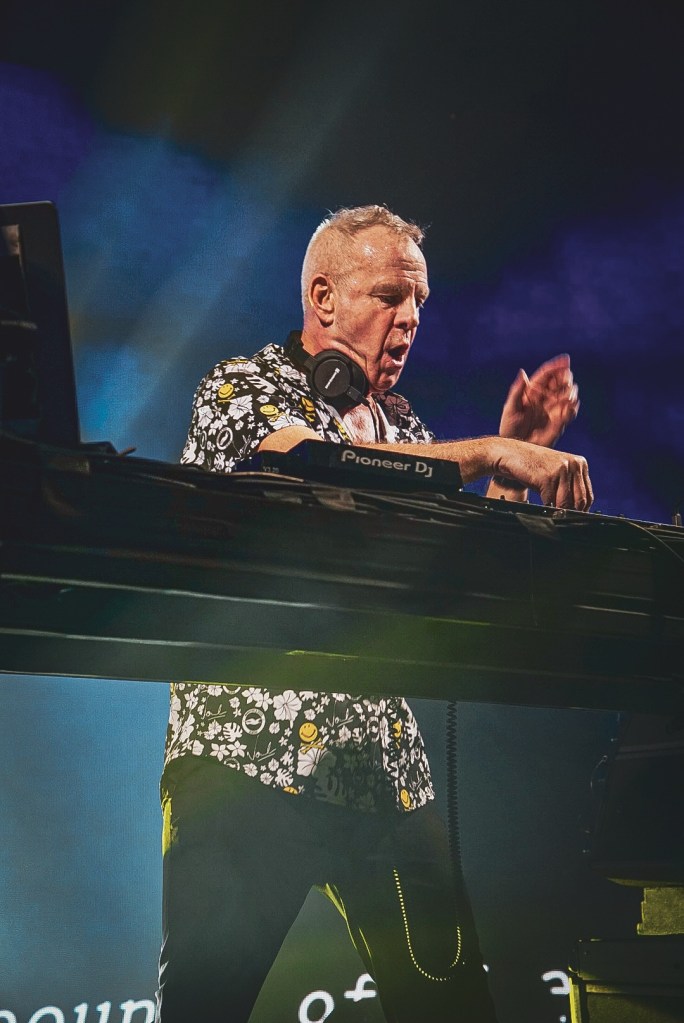
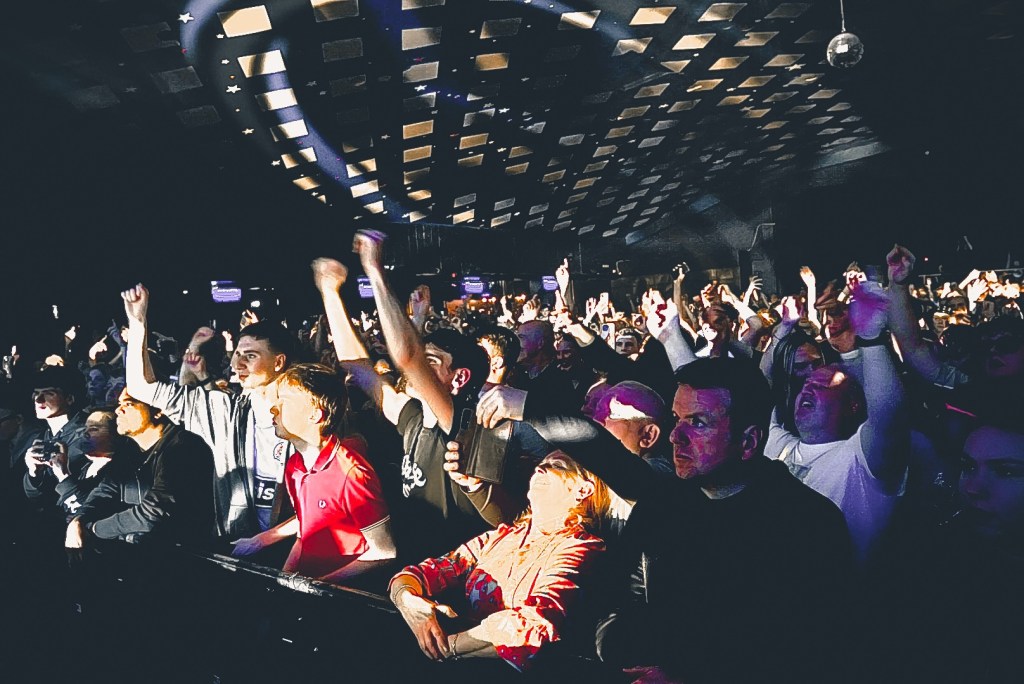
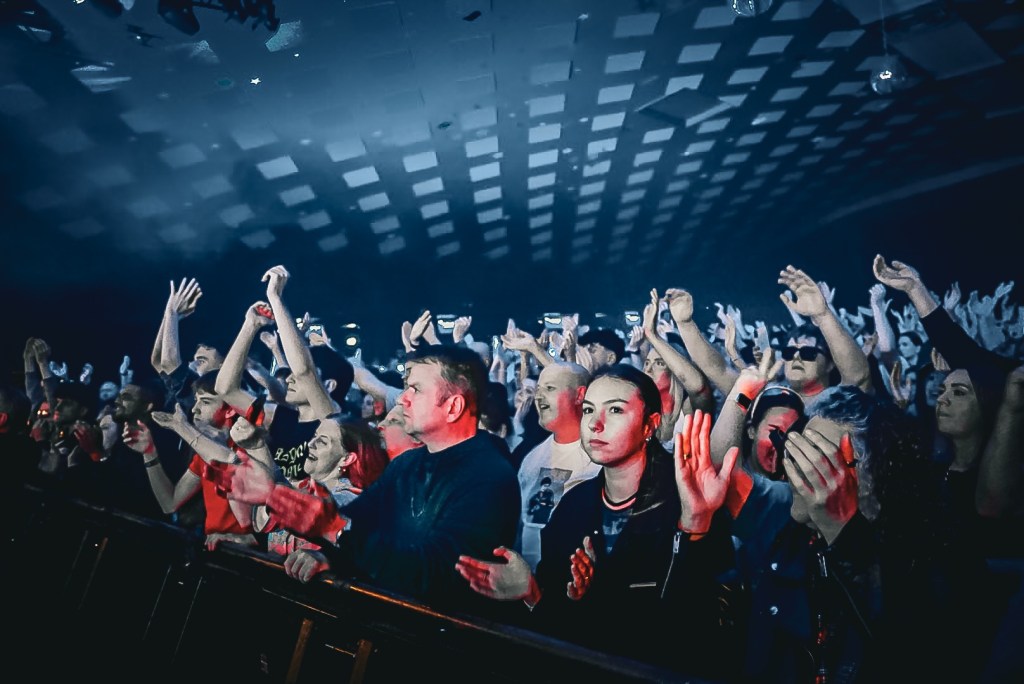
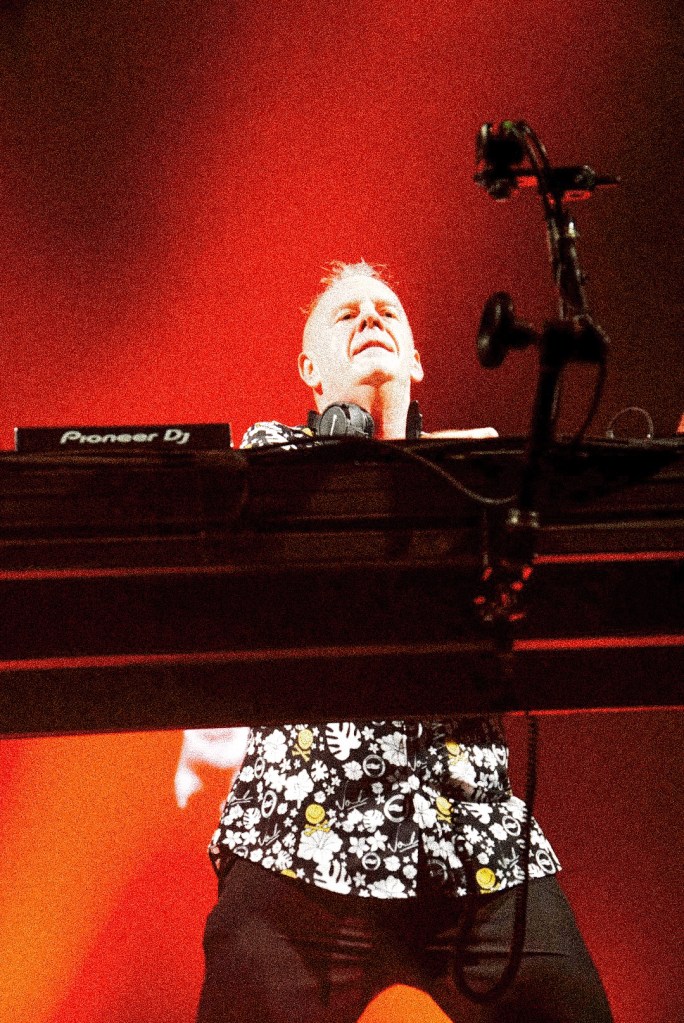
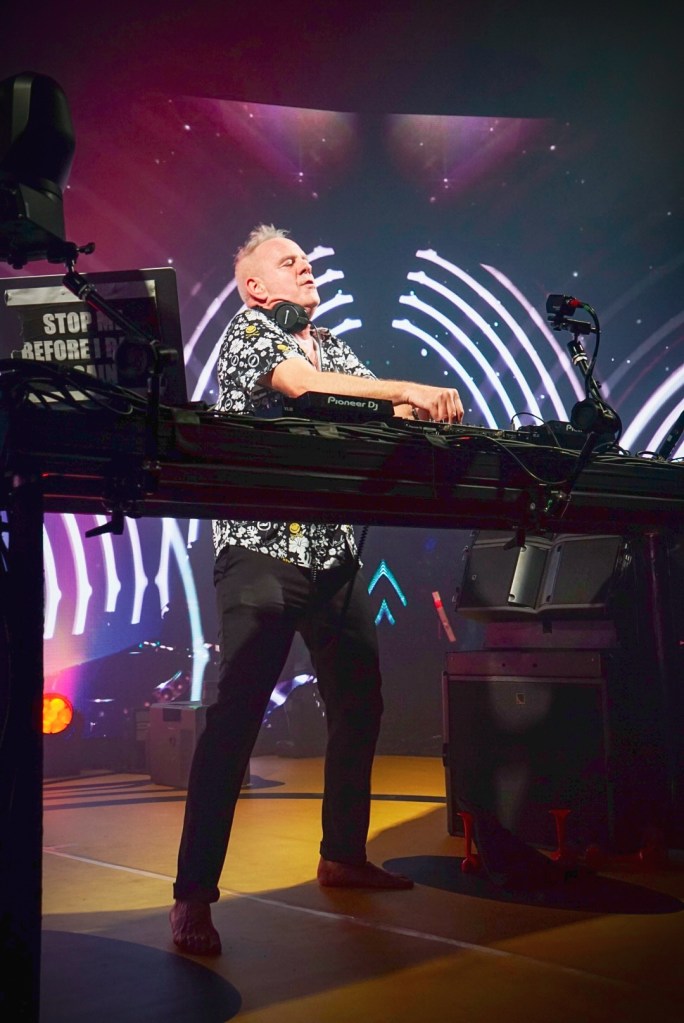
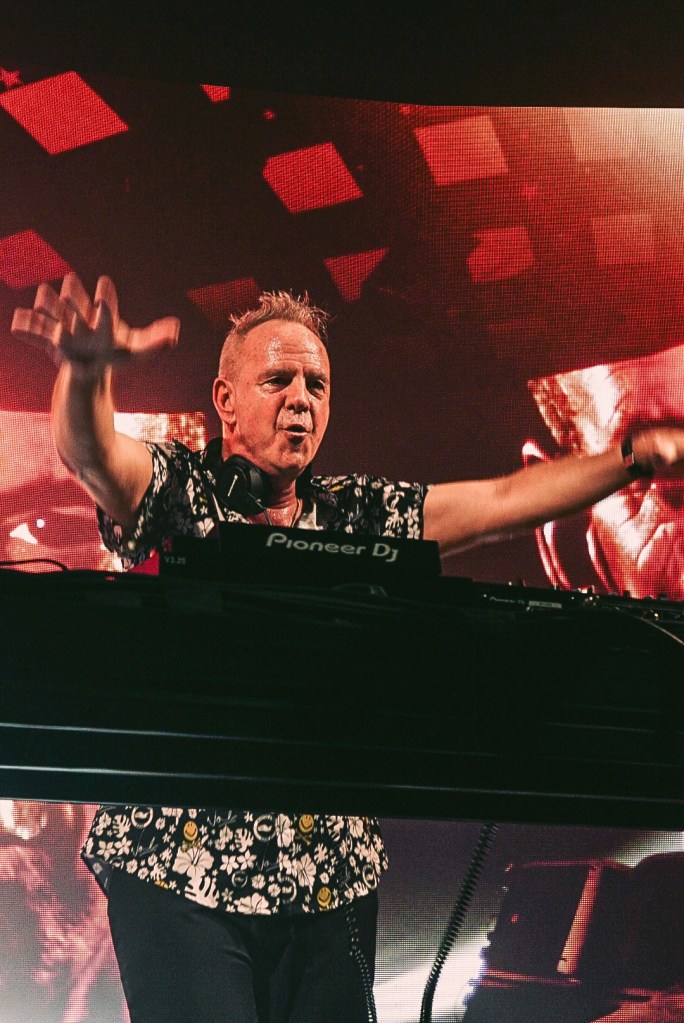
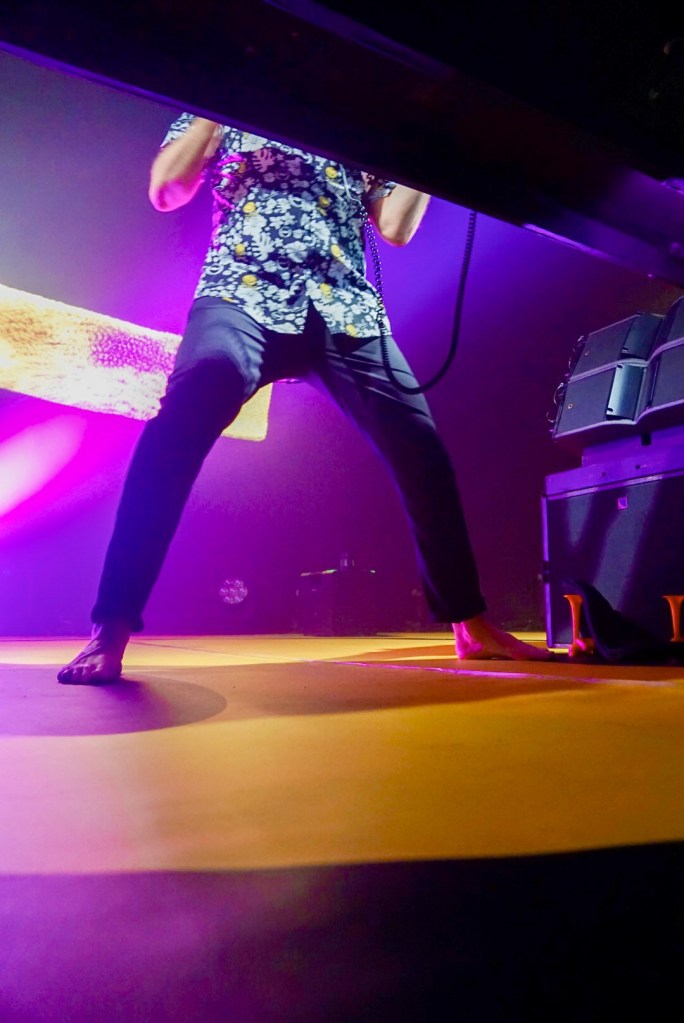
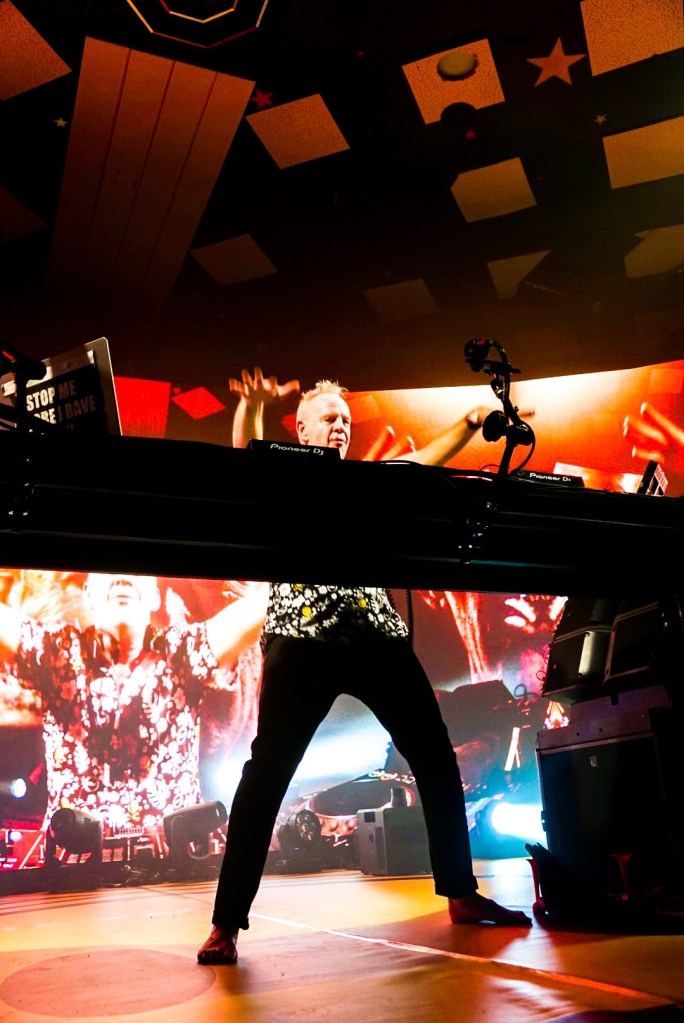
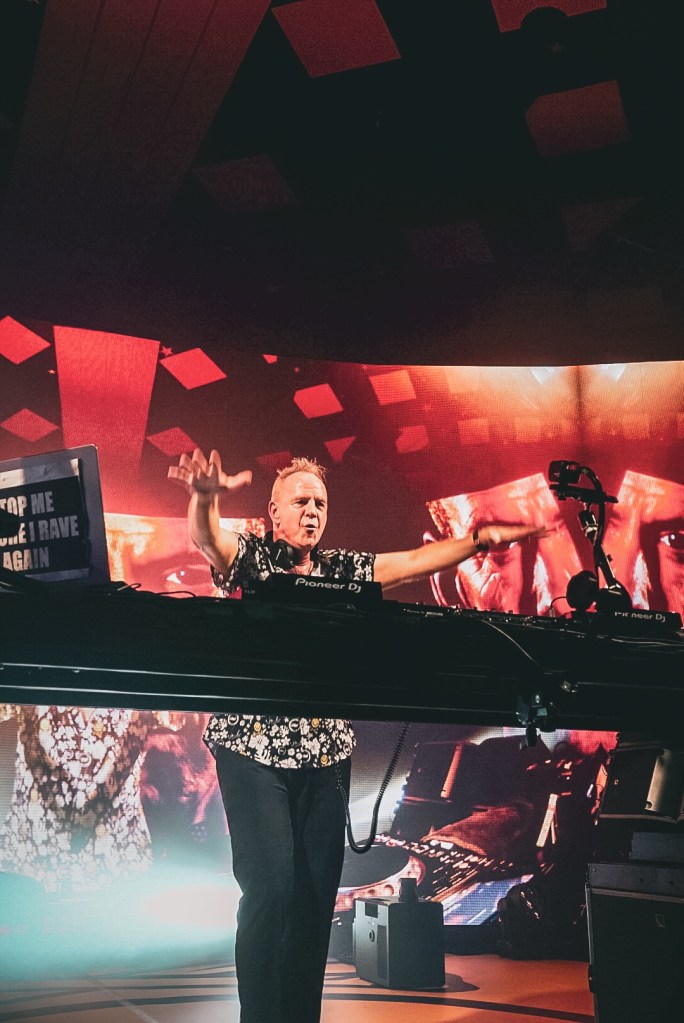
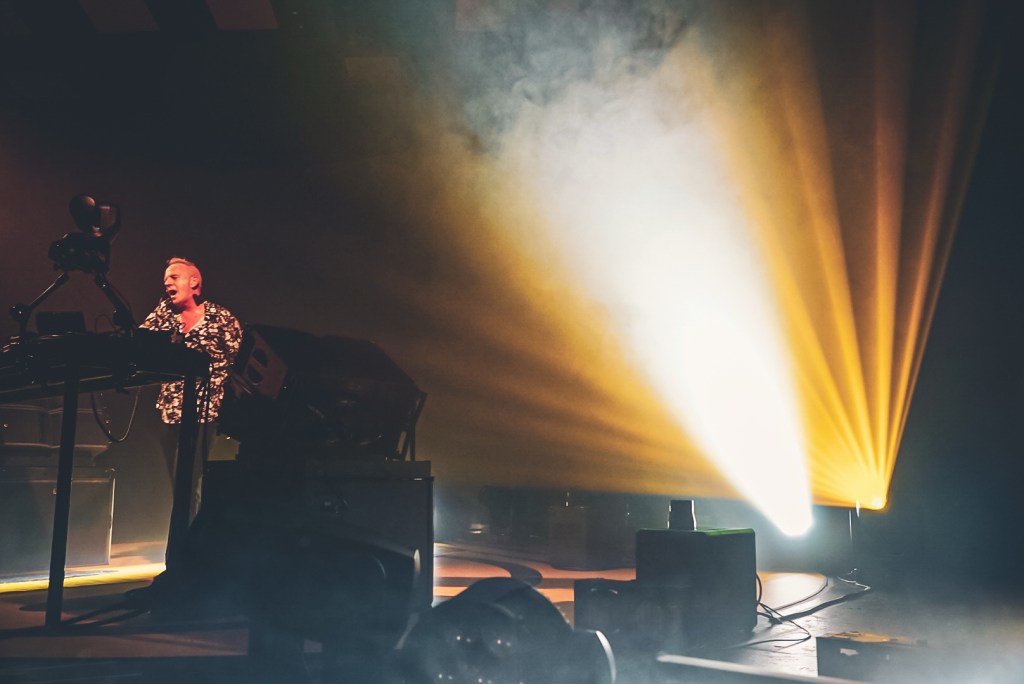
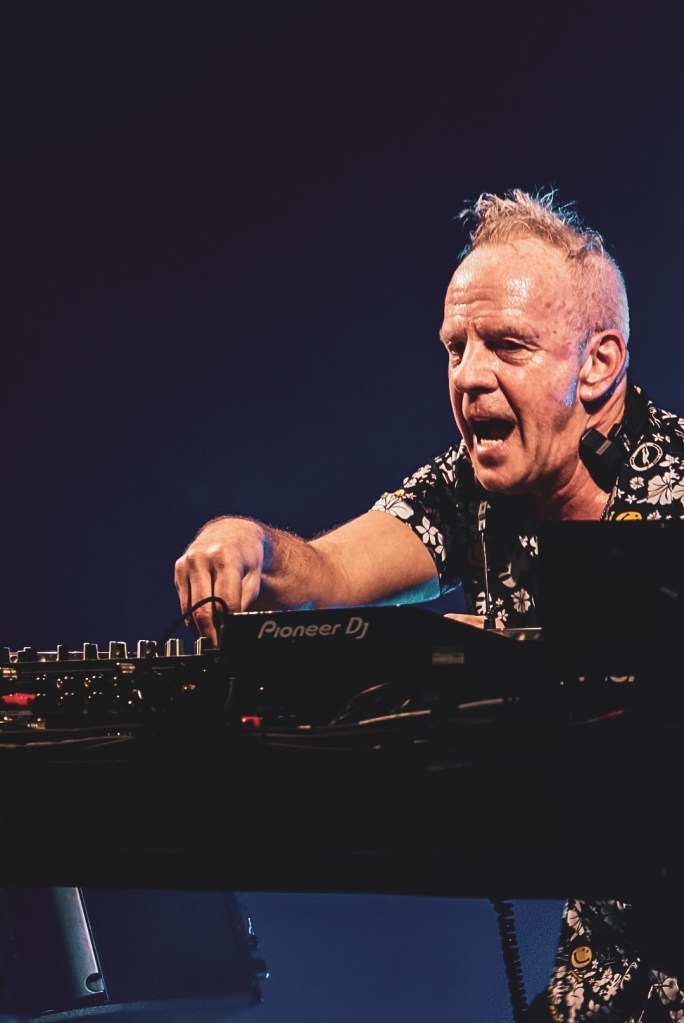
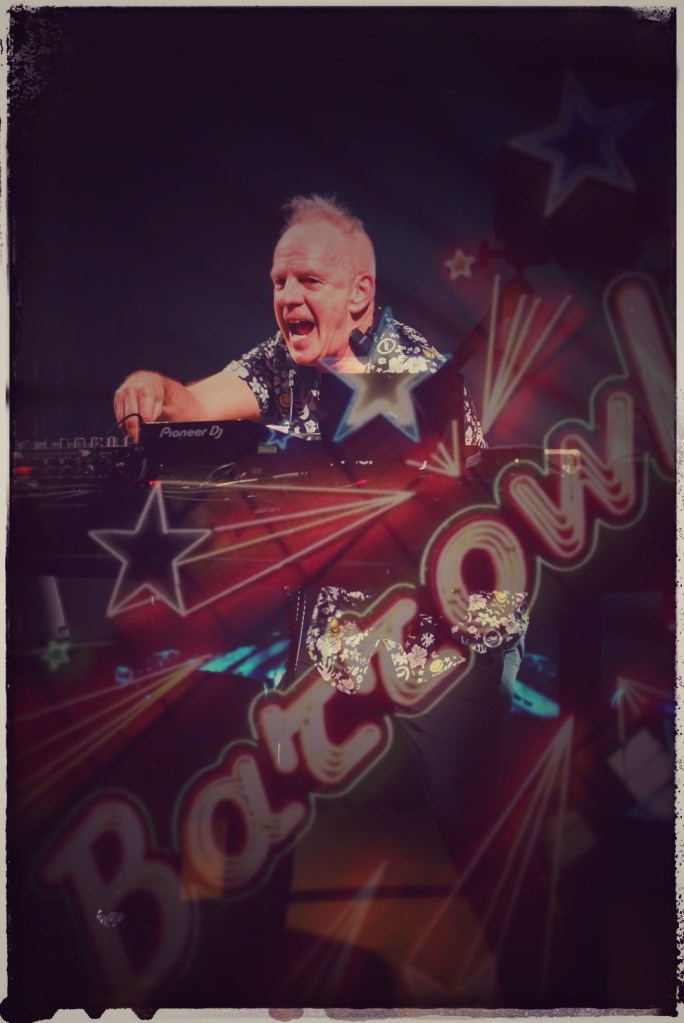
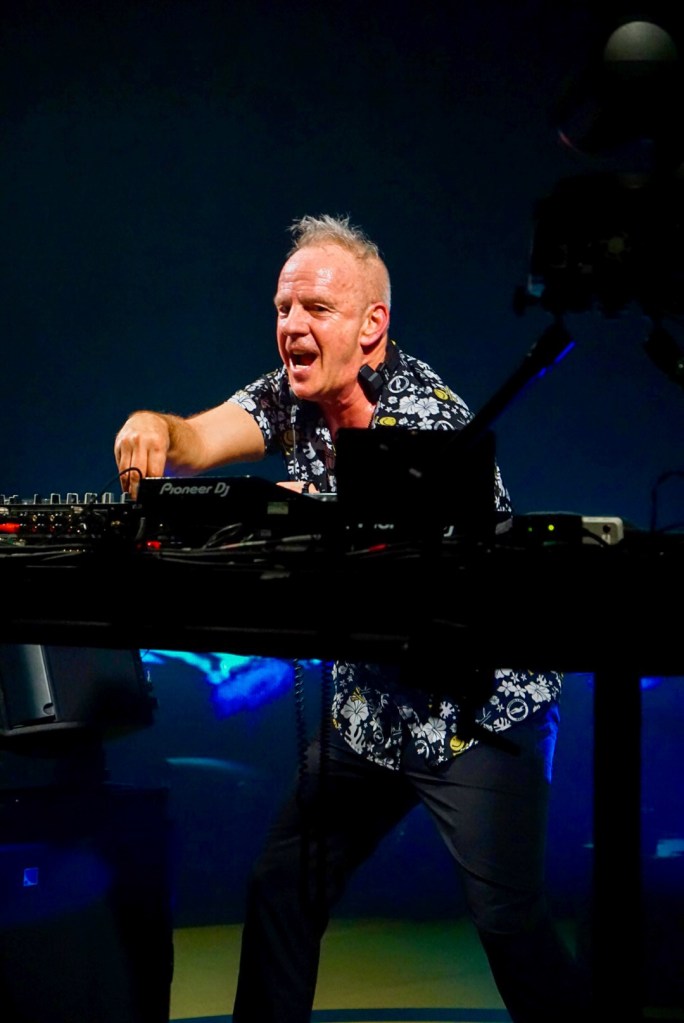
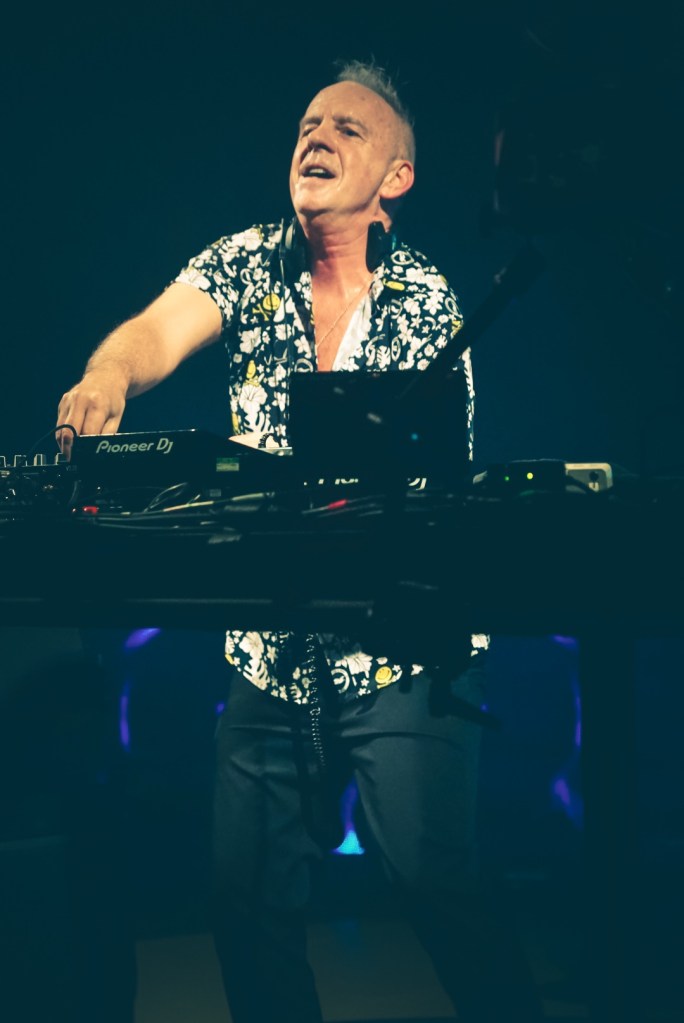
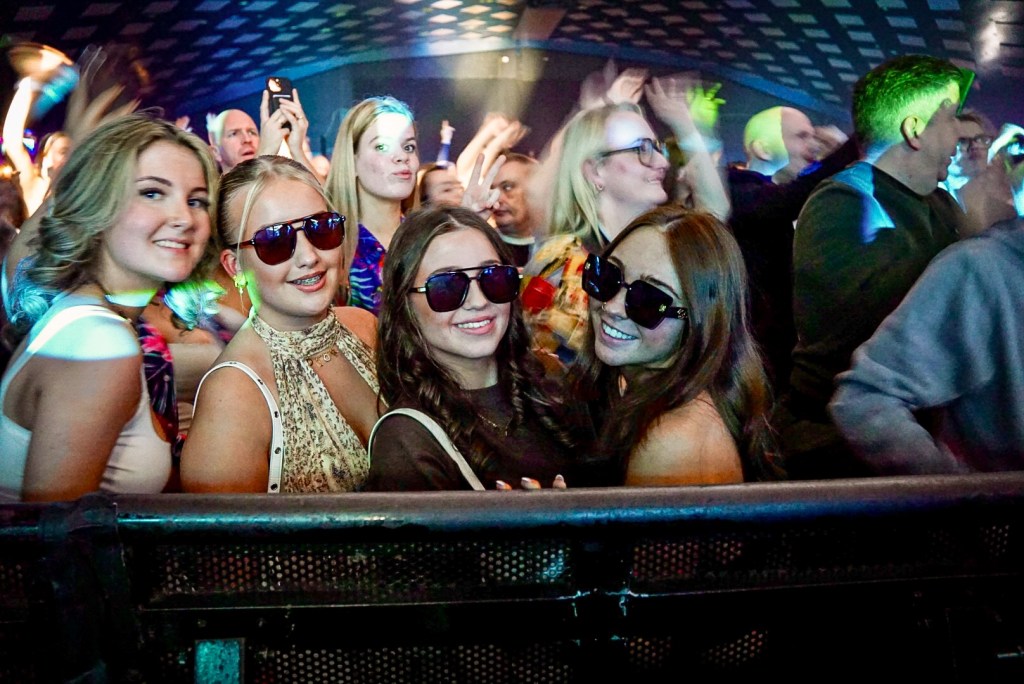
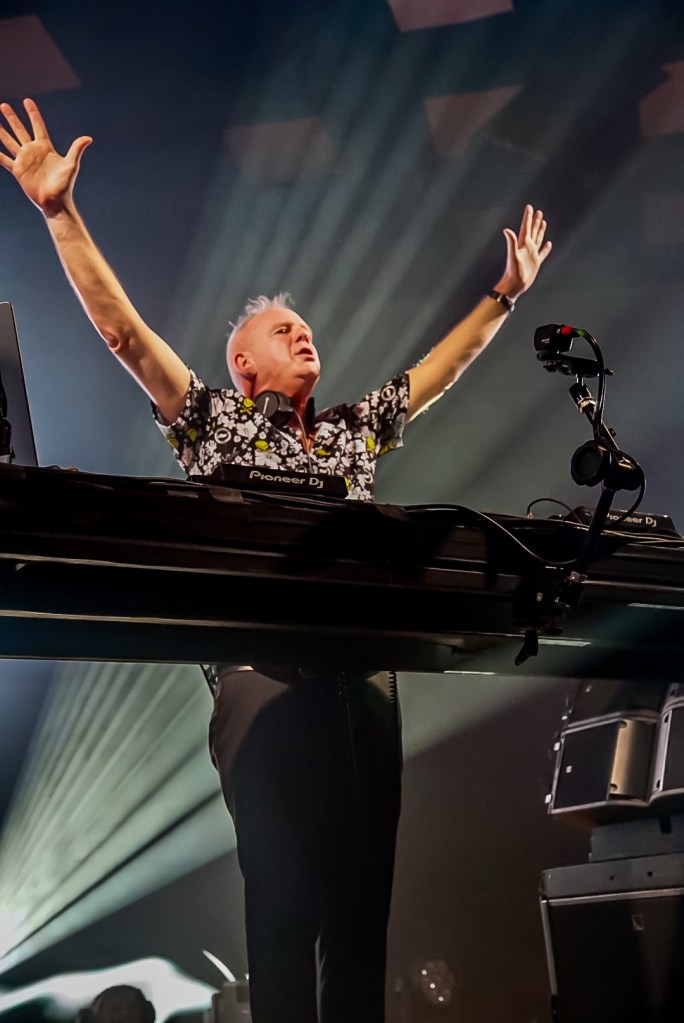
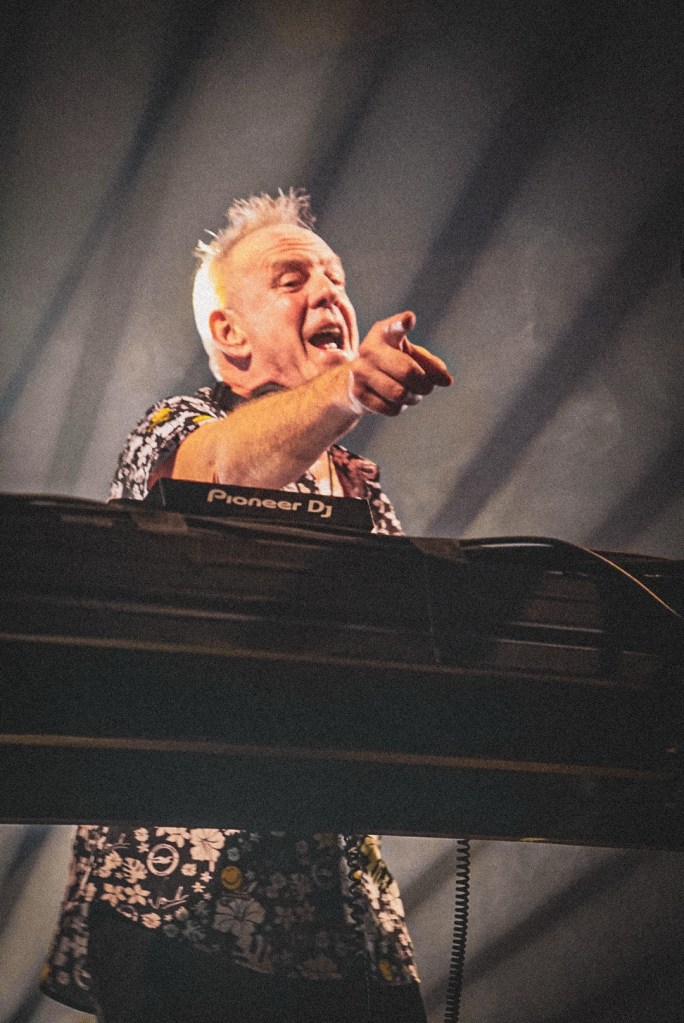
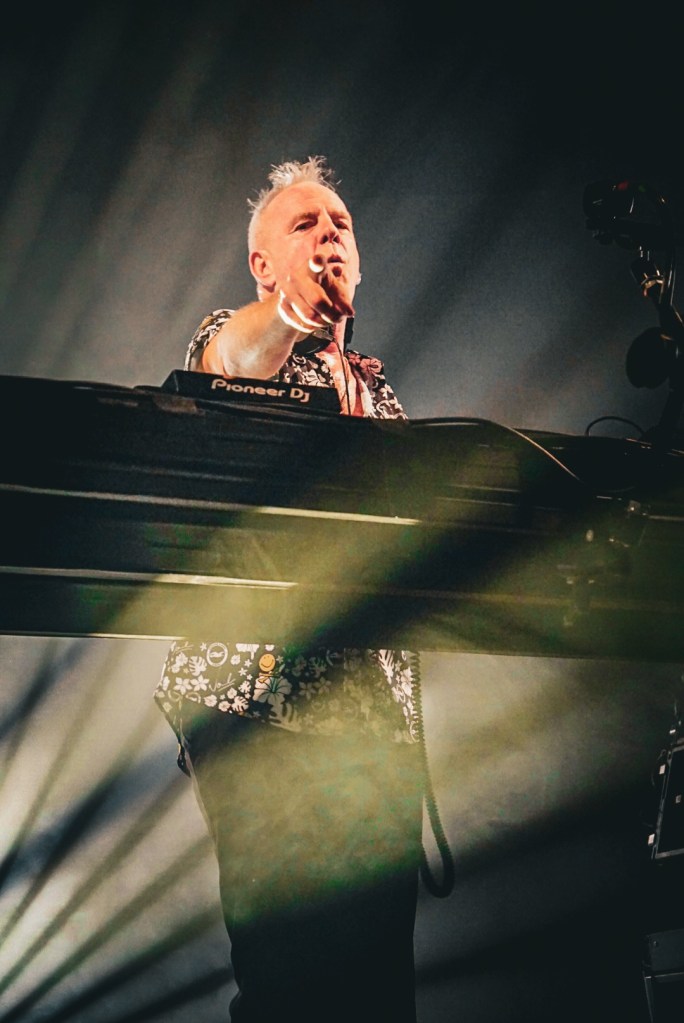
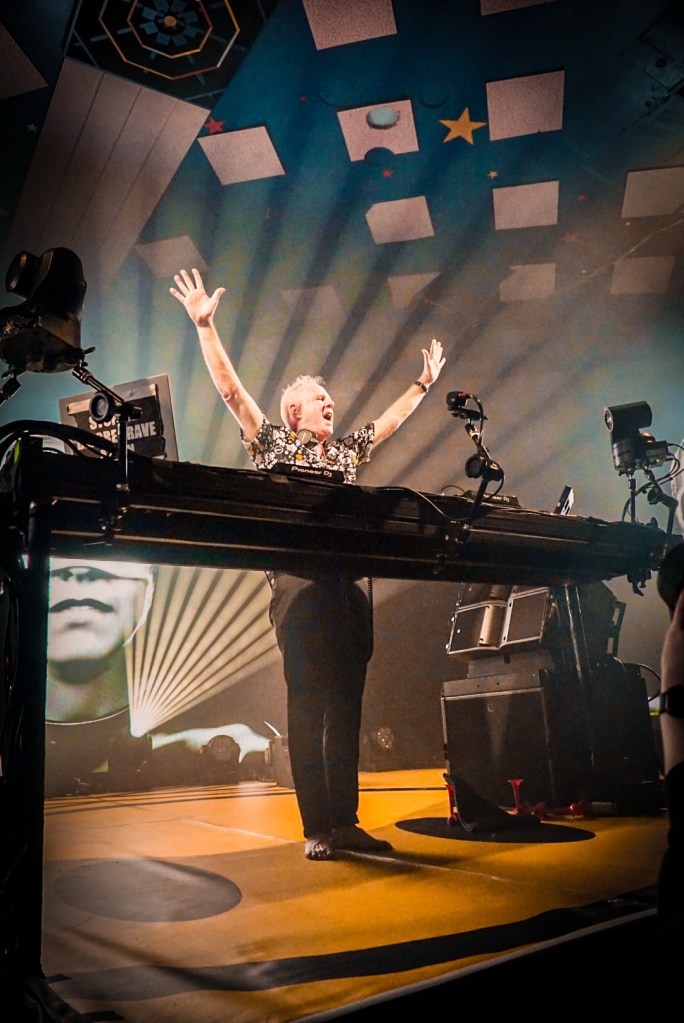
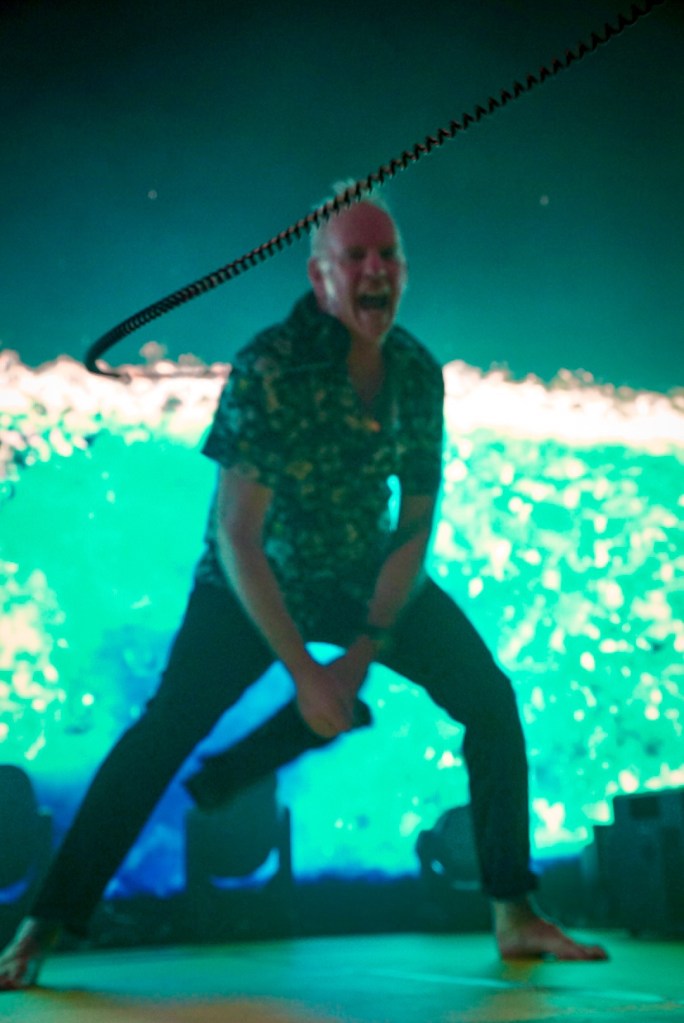
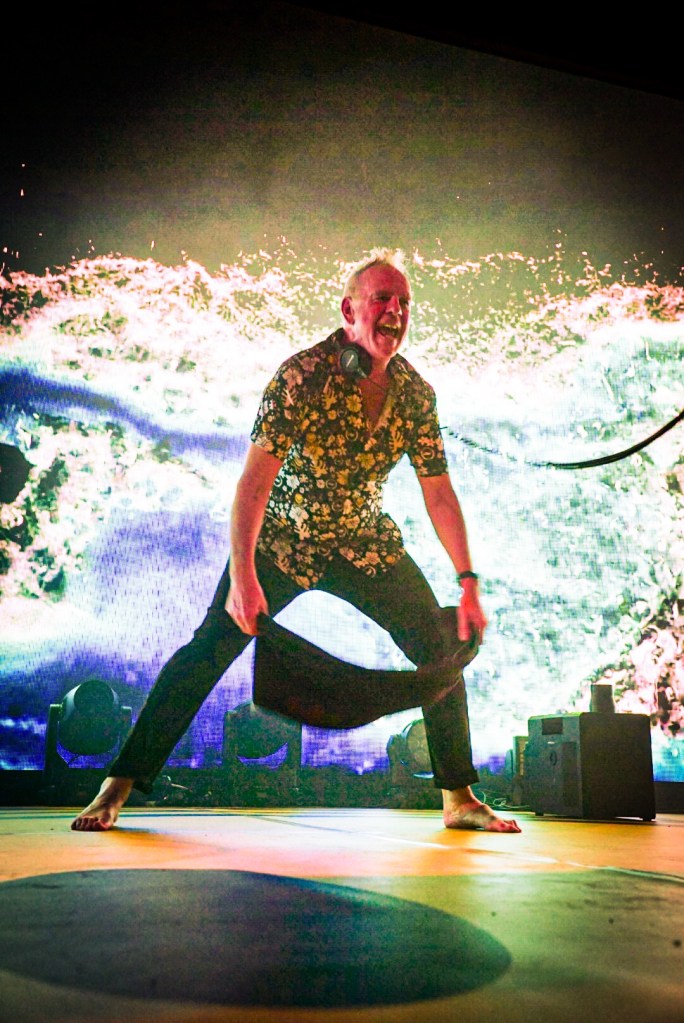
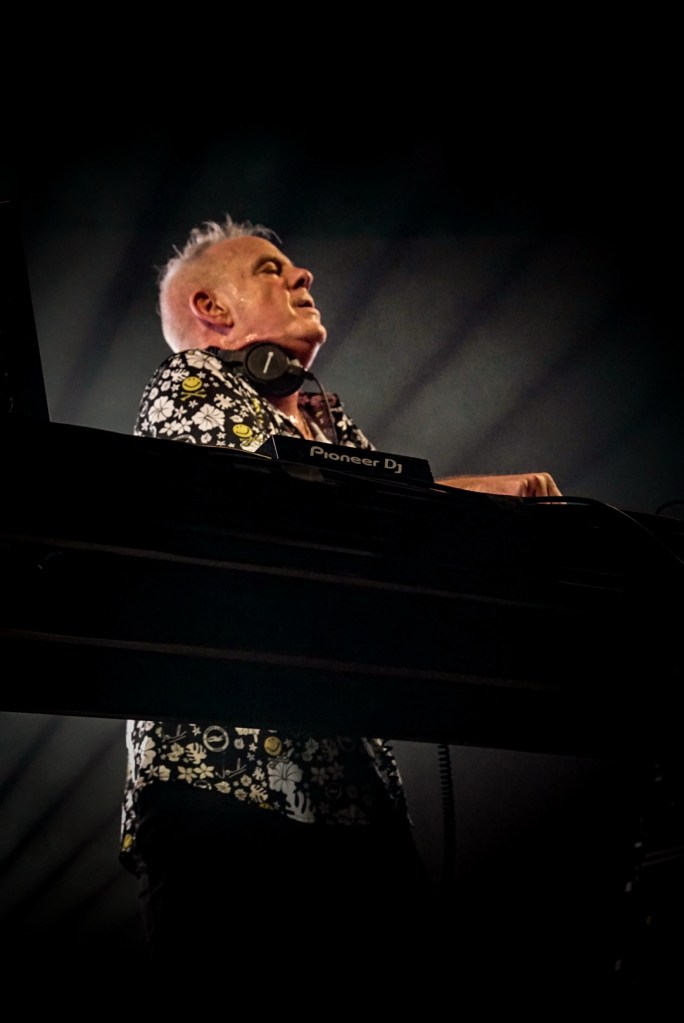
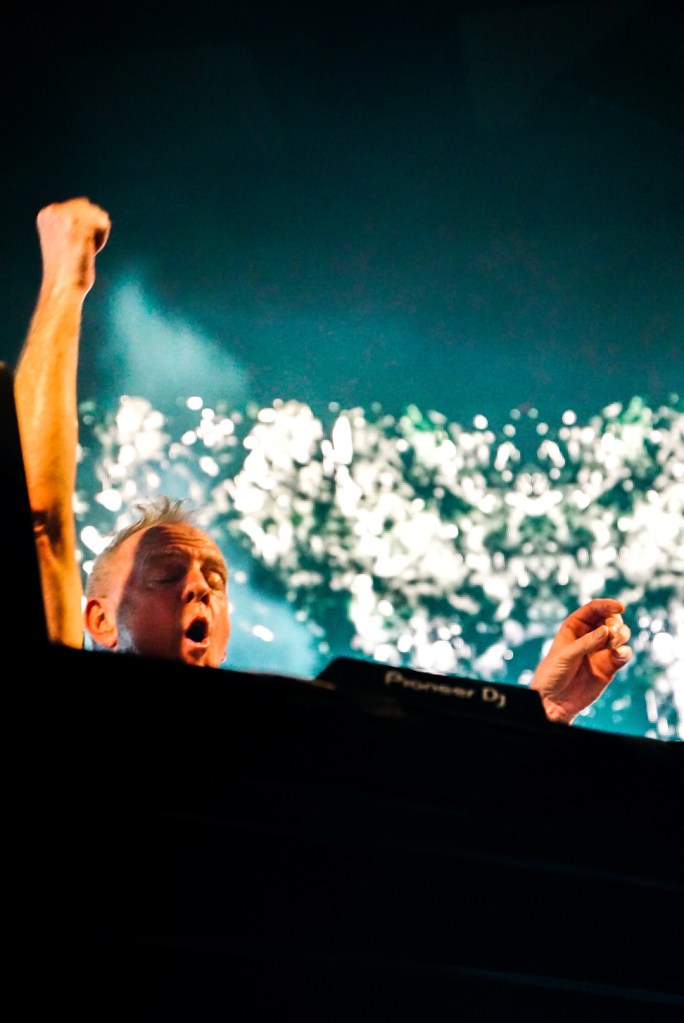
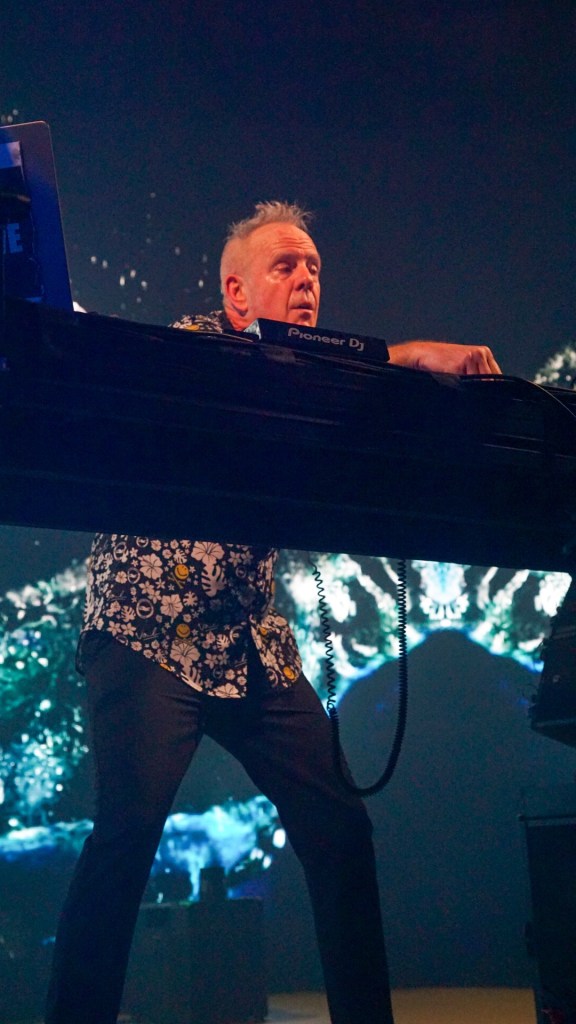
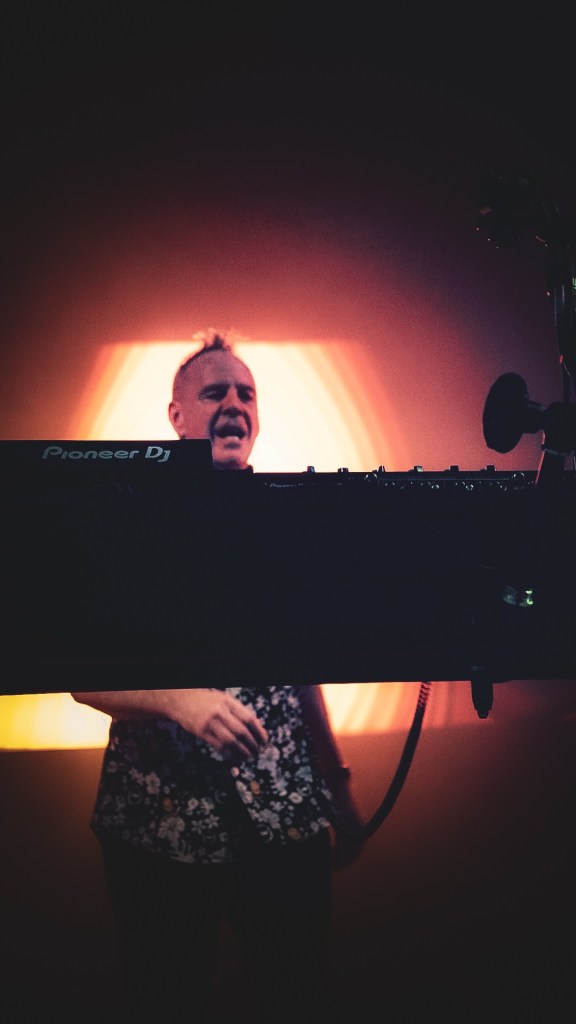
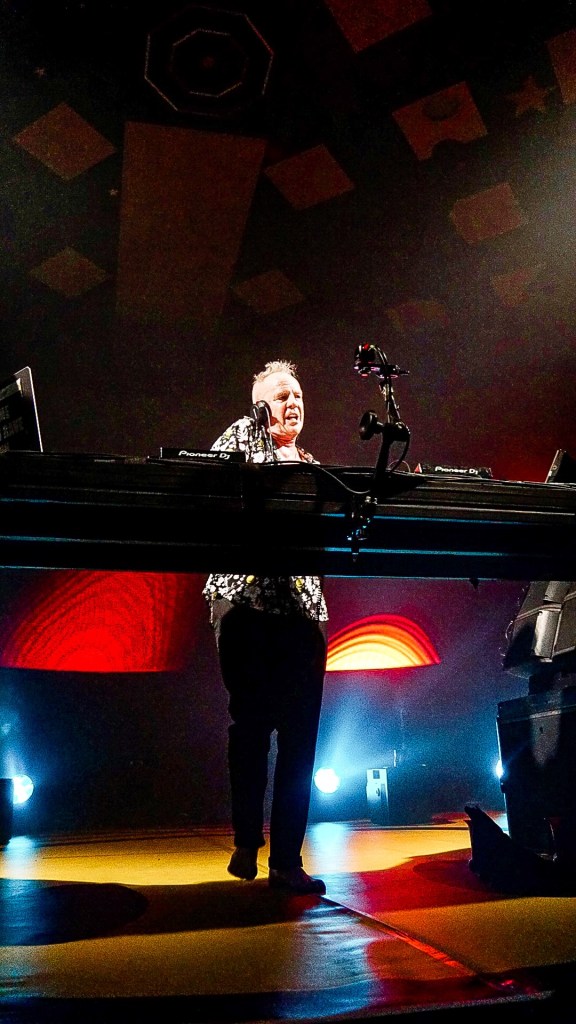
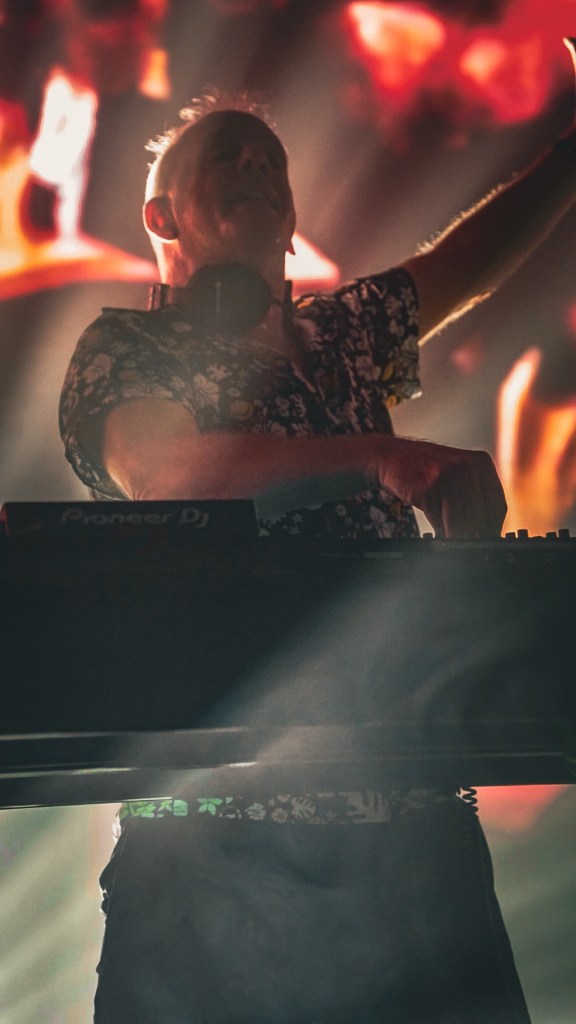
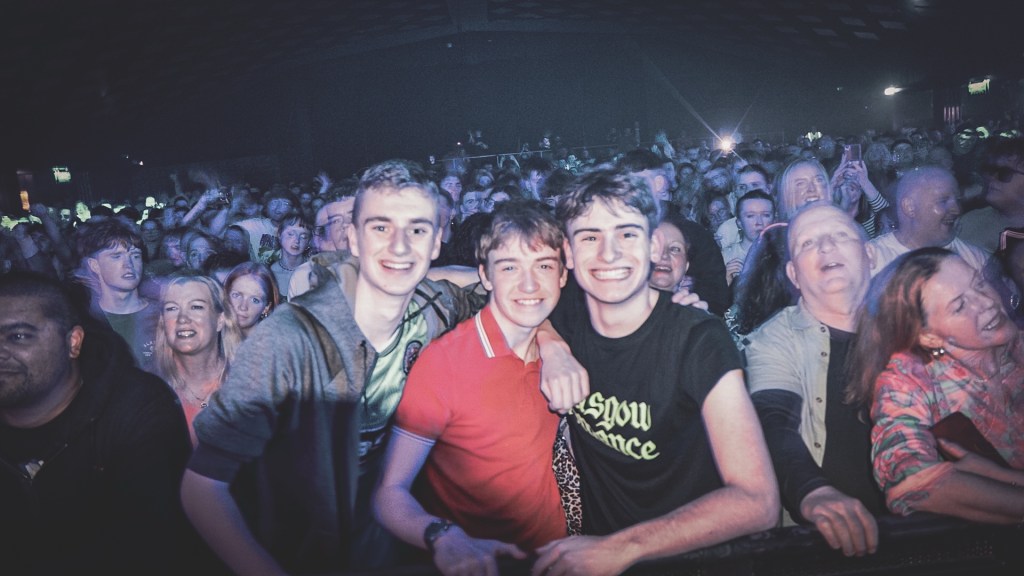
Because when Fatboy Slim — born Norman Cook — rolled into the Barrowland Ballroom on the first of three sold-out nights of his Acid Ballroom tour, it felt less like a gig and more like a pagan rite conducted under a glitterball. Glasgow’s most beloved ballroom became a secular cathedral to bass, and 2,000 Glaswegians turned up ready to testify.
Cook, the Brighton beach-bum who’s been headlining festivals since half the crowd were in buggies (and before the other half were born), has always understood something the chin-strokers miss: dance music isn’t escapism, it’s evangelism. From Rio to Reykjavik, he’s flung beats across borders like confetti at a shotgun wedding. Technique — that muscular, piston-pumping hybrid of house, big beat and techno — was always about unity through velocity. On a freezing Thursday in Glasgow, it felt as revolutionary as ever.
He opened like a man who knows he owns the room — fog machines coughing out smoke, visuals snapping and fizzing behind him. Credit to the visual sorcerers — long-time collaborator Flat-e. Yes, some of it had that slightly AI-generated fever dream sheen, but in a room fuelled by strobe lights and serotonin, who’s checking the brushstrokes?
Each night on this tour boasts a different support, and tonight it was LoveFoxy — a lithe, high-octane warm-up whose set skimmed from acid house to cheeky electro edits, priming the Barras faithful like a glitter cannon being loaded. By the time Cook bounded on, the room was already simmering.
“Hi, my name is…”
The crowd: “FUNK SOUL BROTHER!”
And just like that, “The Rockafeller Skank” detonated. The Barrowlands floor — which has seen more historic sweat than a heavyweight’s gym towel — began to bounce in unison. If tectonic plates could grin, they’d look like this.
There are theatrical stunts, of course. This is Fatboy Slim, not a man hiding behind a laptop like a timid IT consultant at a wedding disco. At one point he coaxed 2,000 Glaswegian punters to sit down en masse before springing up for “Praise You” — a mass act of daft devotion that felt like performance art curated by Ned Kelly after three Red Stripes.
“I See You Baby” slinked in, shimmying its way through a teasing mash-up that nodded to David Byrne’s art-school twitch and the sleek, adrenalised remix instincts of Soulwax. It shouldn’t have worked. It absolutely did. Cook’s genius has always been this: he treats genres like distant cousins at a wedding and forces them into the same photo booth.
“Put Your Hands Up in the Air!” Is mixed in with a jungle leaning beat, and suddenly the room was a 1994 pirate radio flashback — junglists, indie kids, techno heads, office workers and wide-eyed teenagers all punching the same damp Glasgow air. Technique was born in the margins, but it’s always belonged to everyone.
“Eat, Sleep, Rave, Repeat” landed like a manifesto rather than a mere track. Then — because subtlety is for cowards — he lobbed in a delirious blend of “Mr Brightside” and “Born Slippy”, a union of indie disco angst and stadium-sized rave euphoria that could have curdled milk but instead turned the Barras into the happiest place on earth…
Through it all, Cook grinned like a benevolent trickster uncle who’s spiked the punch but promises you’ll thank him later. He brought Ibiza to the ballroom — not the VIP-lanyard version, but the democratic, sand-in-your-trainers spirit of it. No velvet ropes. No hierarchy. Just basslines acting as social glue.
And that’s the thing about Fatboy Slim. For three decades he’s been the pied piper of the post-tribal age, proving that dance music can dissolve class, creed, age and postcode into a single, euphoric organism. All ages were here — silver-haired ravers who remember the Hacienda, fresh-faced kids discovering the drop for the first time — united by four-to-the-floor and the promise of transcendence.
With “Funk Soul Brother” reprised like a victorious curtain call, the Barras didn’t miss a beat. Not one. The floor shook, the lights flared, and Glasgow — glorious, gallus Glasgow — reminded the rest of Britain that when it comes to communal joy, nobody does it better.
The ancestors delivered.
And Norman Cook, cult evangelist of the big beat, simply pressed play on their prophecy.
On a cold but dry February evening, fans welcomed the return of La Dispute to SWG3, with a long but patient queue arriving early doors. They eagerly filled the TV Studio, turning up in force for the two support acts, ‘PIJN’ and ‘Vs Self’.
Their new album, No One Was Driving the Car, focuses on relevant topics about the current state of the environment we are all living in and experiencing, exploring the looming apocalypse made worse by the advancement of technology. It was also partly inspired by the 2017 psychological thriller First Reformed.
La Dispute started the night as if you were listening to their new album from the beginning, with the first two songs being ‘I Shaved My Head’, followed by ‘Man with Hands and Ankles Bound’. This was received positively by the crowd, with cheers ringing out at the first beat.
The set contained some fan favourites from their ever-popular 2011 album Wildlife, including ‘The Most Beautiful Bitter Fruit’, with a highlight being ‘King Park’. The grief-ridden lyrics were felt deeply by the crowd as they sang along: “Can I still get into heaven if I kill myself…”.
They couldn’t play a set without including ‘Andria’ from mine — and many others’ — favourite album, Somewhere at the Bottom of the River Between Vega and Altair.
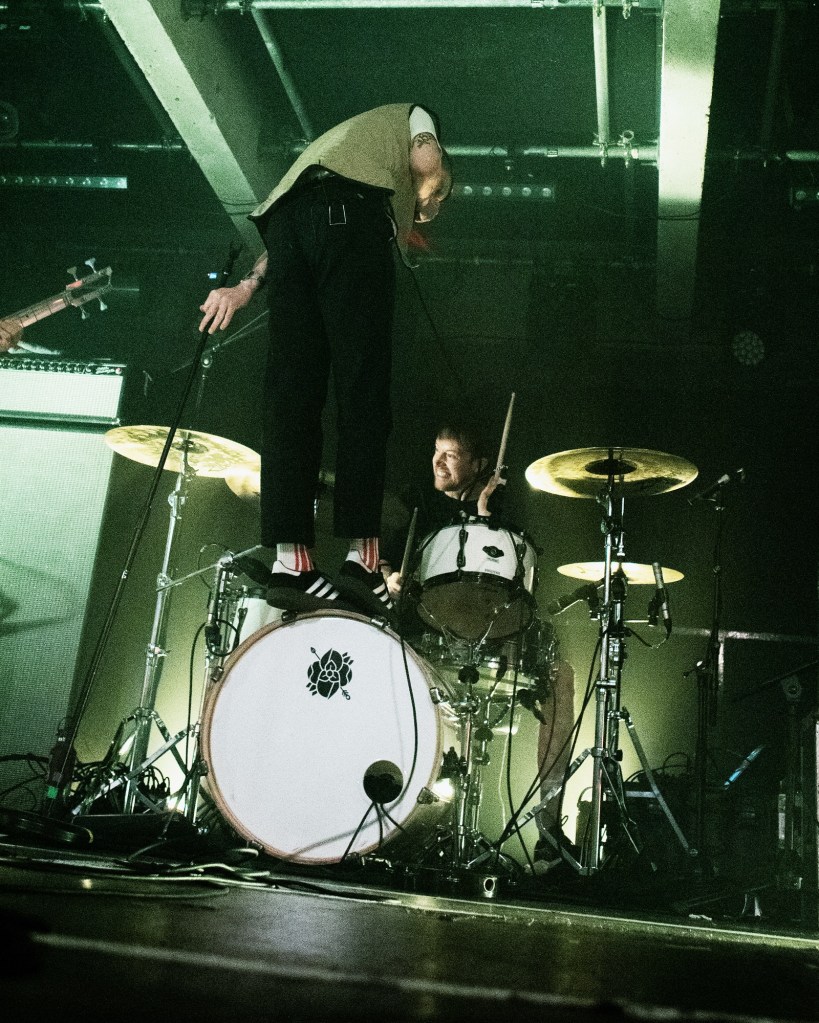
Frontman Jordan Dreyer gave it his all from the start, using all the space available on stage to jump back and forth, even climbing onto the bass drum at one point. This energy reverberated through the crowd, with many people crowd-surfing over the barrier. At one point between songs, he addressed the audience, speaking about the importance of inclusivity, being kinder to one another, and also “pushing back these fucking fascists”. This riled the crowd up, giving way to chants of “Free, free Palestine” and the Glasgow classic, “Here we, here we, here we fucking go!”.
They finished with the topical ‘No One Was Driving the Car’, the album’s title track. The song is about an article Dreyer read in which a driverless Tesla crashed, causing fatal damage — an odd event that highlights the lack of control we have in our own lives amidst advancing technology.
Overall, it was an affirming and enjoyable night, with the topical themes of La Dispute forever reminding us of the world around us.





 The Golden Bough