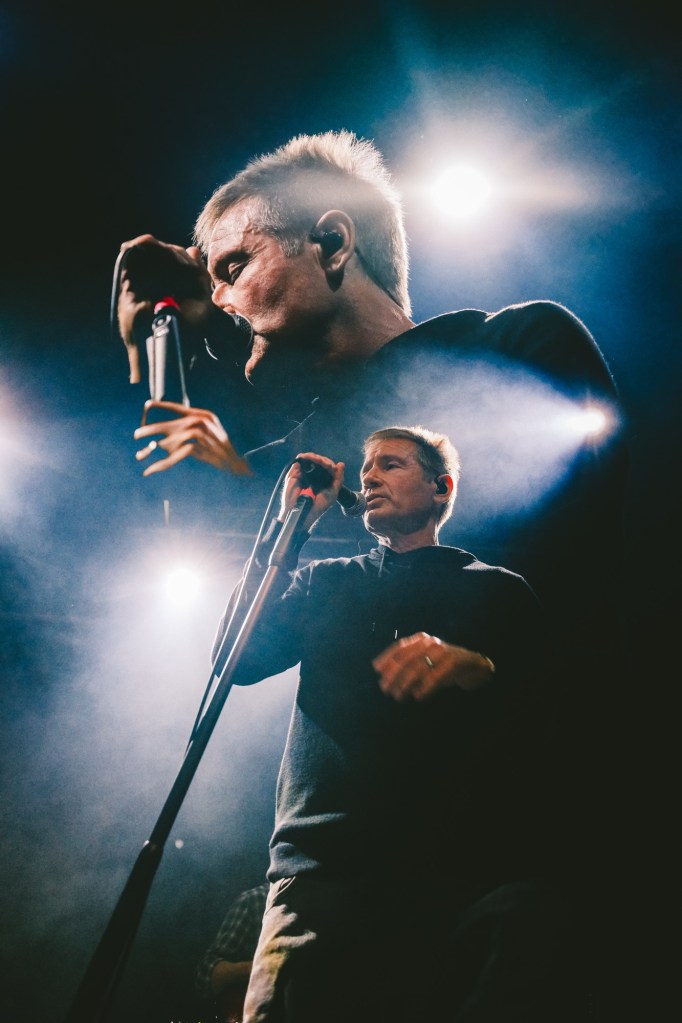
It always feels as though there is no time left; not really, not enough. There is no time for the things that matter, and sometimes even the words we use to describe them begin to feel spoiled, worn out or untrue.
For years, I watched and rewatched Californication. I idealised it. I idolised it. Then, gradually, I forgot what it had once meant to me — starting again with fewer memories, less courage and less time.
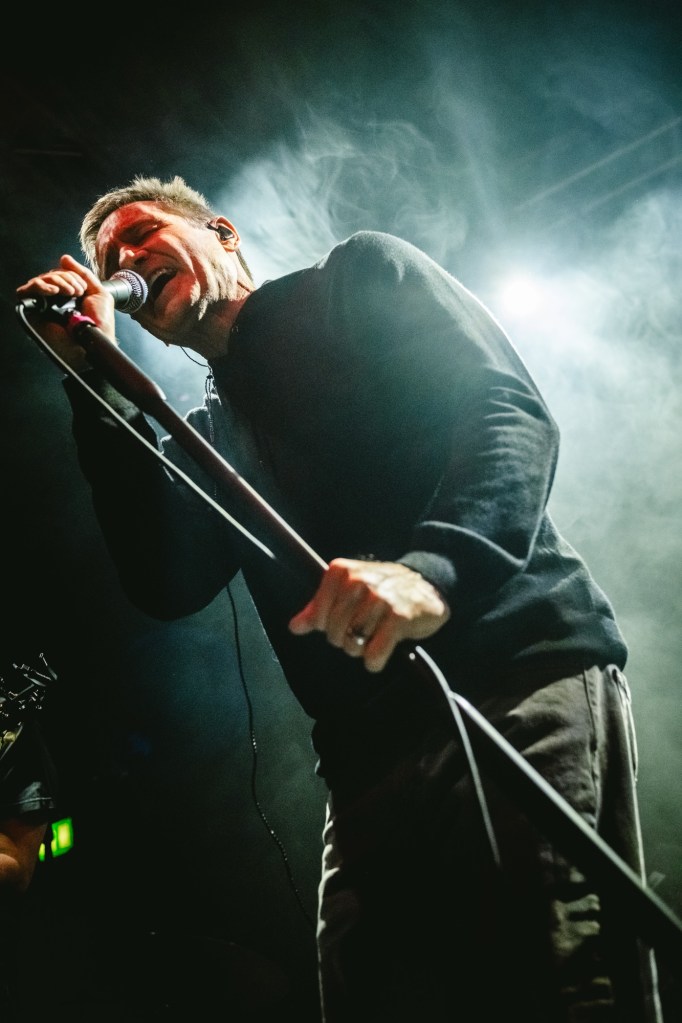
But here I was again. The map had moved to another place, and there I stood, watching someone who had once made me feel something, for better or worse. This time, it was not Hank Moody on a screen, nor Denise Bryson emerging from the strange, luminous world of Twin Peaks. It was David Duchovny in the flesh: actor, writer and musician, standing in a small Glasgow venue and turning a lifetime of storytelling into song.
Duchovny’s performance at The Art School marked the opening night of his Prince of Pieces European tour, and the intimacy of the venue gave the material an unusually personal quality. Best known to many for The X-Files, Californication and Twin Peaks, he arrived not as a famous face indulging in a musical detour, but as a songwriter with a growing body of work and a clear sense of purpose.
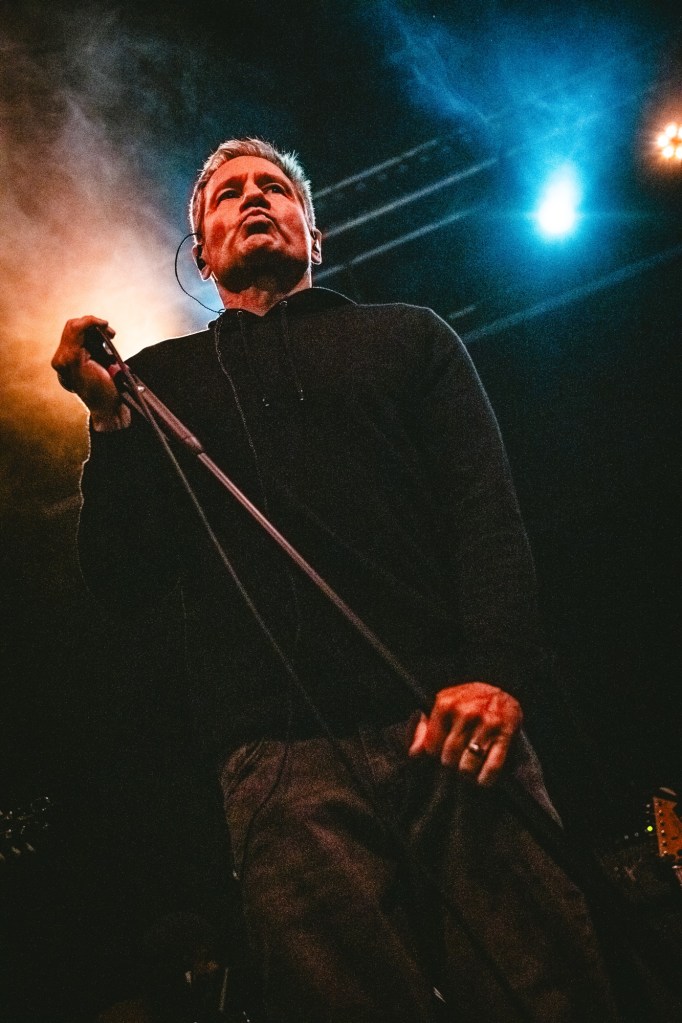
The set drew on his melodic soft rock and poetic lyricism, alongside songs from his fourth studio album, Prince of Pieces, released earlier this year. There was a reflective, roots-rock warmth to the arrangements — songs concerned with love, loss, vulnerability and the difficult business of rebuilding oneself.
What made the evening compelling was the distance between the screen and the stage. For anyone who had once idealised Hank Moody, seeing Duchovny perform in person was a reminder that the person behind the role is more restrained, more thoughtful and perhaps more human than the characters that made him familiar. His music did not ask to be compared with Californication or any of his other shows; instead, it offered another route into the same central preoccupations: time, memory, regret and the possibility of beginning again.
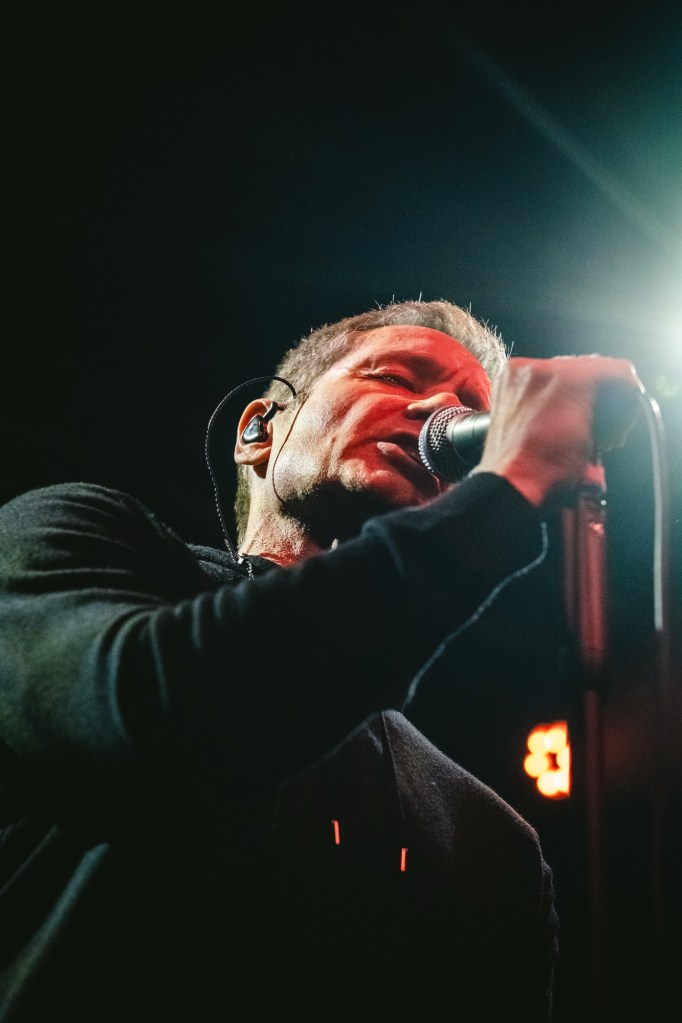
By the end of the night, the initial strangeness of seeing Duchovny in the flesh had given way to something simpler: gratitude. For an audience that had carried his work with them through different chapters of their lives, this was not merely a celebrity concert. It was a chance to feel something again.
Article: Marco Cornelli

