A funny thing happened after I shared an old T in the Park poster from 2005.
What I thought would be a harmless dose of nostalgia quickly turned my DM’s into something that looked like the last orders bell had rung in a Scottish pub. Everybody had an opinion. Some mourned the loss of festivals they were convinced we’ll never see again. Others pointed towards DF Concerts’ grip on Scotland’s live music calendar and the uncomfortable reality that, as part of Live Nation, one promoter now occupies so much of the country’s concert landscape. Then came the entirely fair criticism that this year’s TRNSMT couldn’t find room for a single female headliner across three days.
All perfectly valid conversations.
But they weren’t the conversations people were having as they wandered out of Glasgow Green on Friday night.
Because festivals have never lived or died by posters.
They live in the spaces between the names.
In the accidental discoveries.
The conversations with strangers.
The bands you hadn’t planned on seeing.
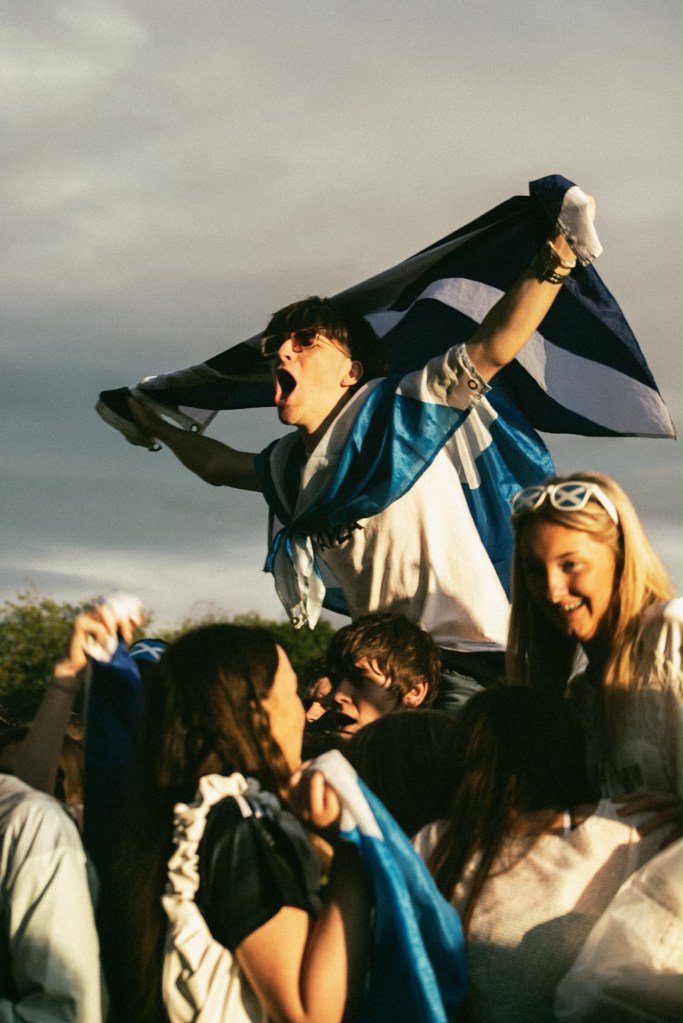
Friday felt less like a concert and more like Glasgow opening every window in the city at once.
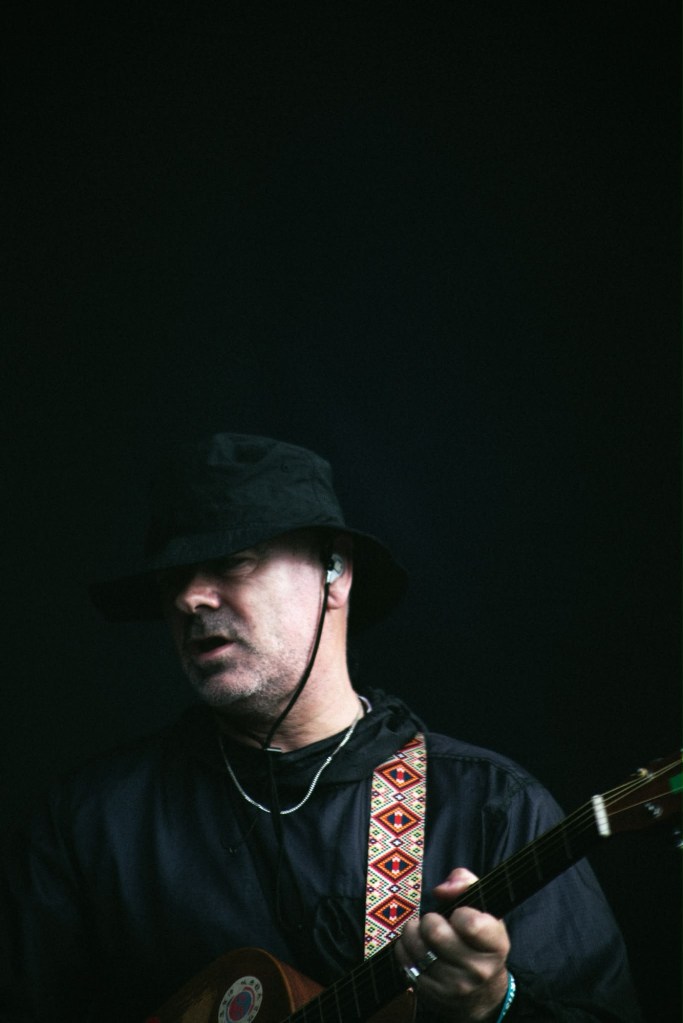
Beluga Lagoon drifted across the Main Stage like the first shaft of sunlight through a bedroom curtain. A shame then that they had to play in the deluge of wet Scottish weather. Gentle at first, but impossible to ignore. By the time Nile Rodgers & CHIC arrived, the entire site had found its pulse. Rodgers doesn’t play rhythm guitar so much as quietly remind everyone that he wrote the blueprint. Every riff landed with the confidence of someone who knows they’ve already changed popular music once and could probably do it again before dinner.
Dylan John Thomas didn’t need fireworks.
He walked on carrying the weight and warmth of the city with him. His songs feel lived in, full of bus routes, back courts and nights that started with one pint and somehow ended watching the sunrise over the Clyde. Every chorus came back from the crowd louder than it left the stage. Glasgow wasn’t watching one of its own. Glasgow was singing itself back.
Then came one of those moments no lineup poster could ever advertise.
I’d brought my young niece along for the day.
As we wandered away from Dylan and headed towards the BBC Introducing Stage she turned, completely matter-of-factly, and said,
“Auntie Ange… when we see Soapbox, we’ll go in the mosh pit for ‘Fascist Bob’.”
I nearly burst out laughing.
Forget the endless think pieces about young people being switched off or politically apathetic. This kid’s first instinct at a festival was to throw herself into a circle pit behind a Glasgow punk band shouting down fascists.
The future suddenly looked as though it was in very safe hands.
If the Main Stage is where memories are confirmed, BBC Introducing is where they’re born.
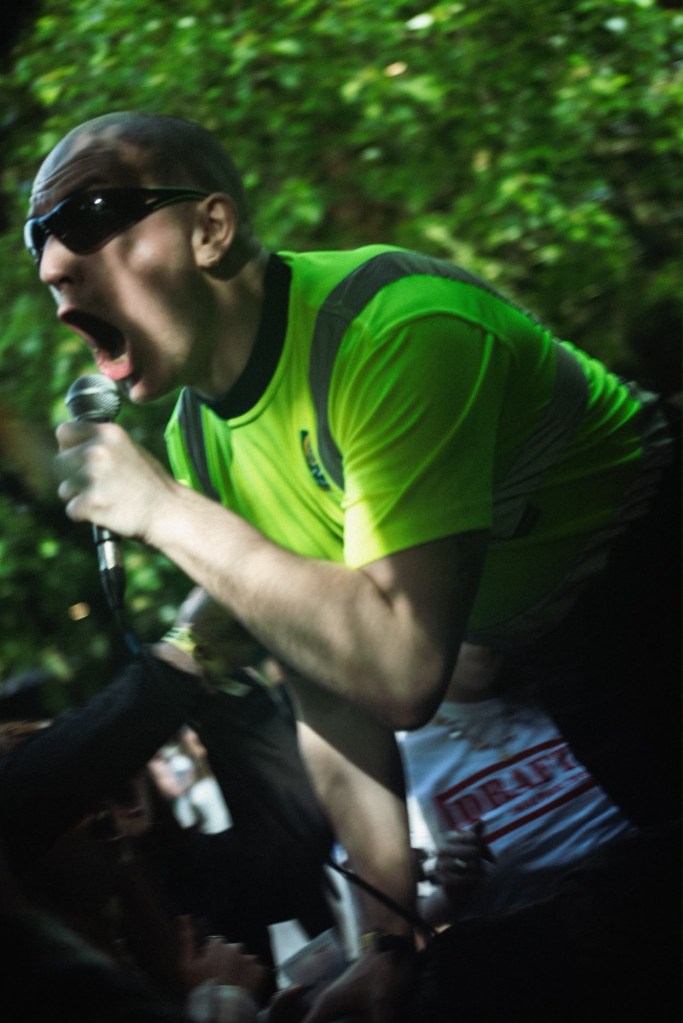
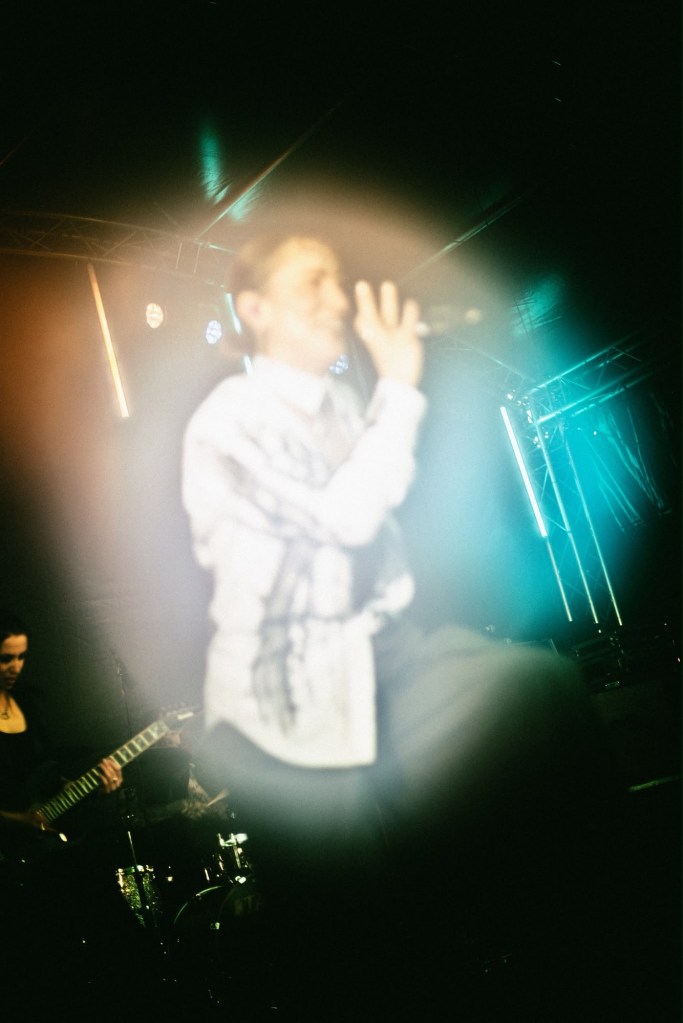
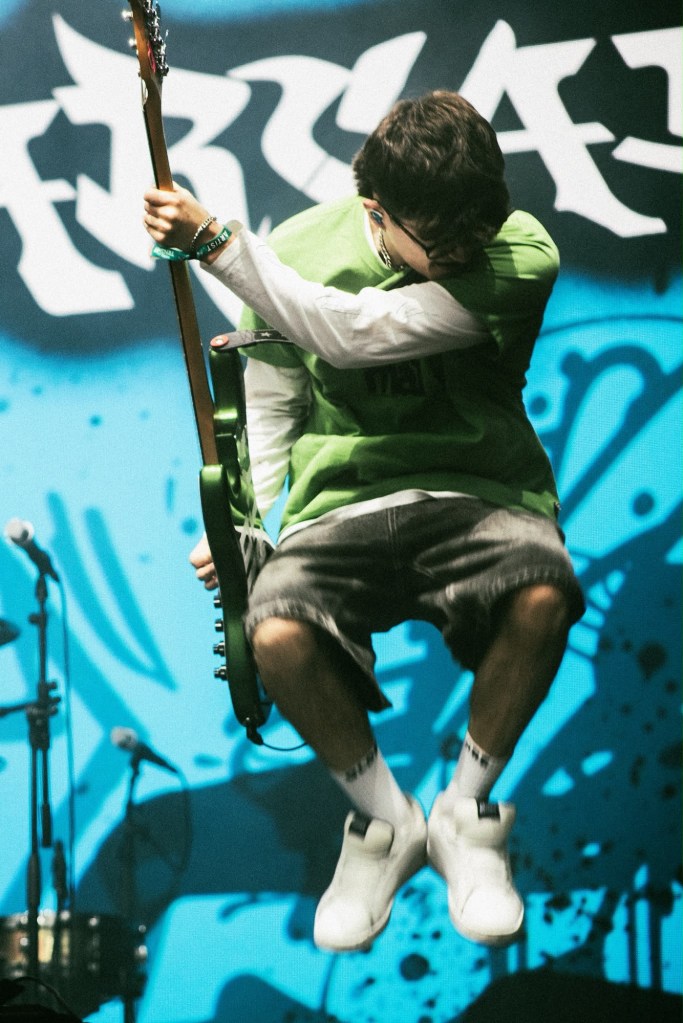
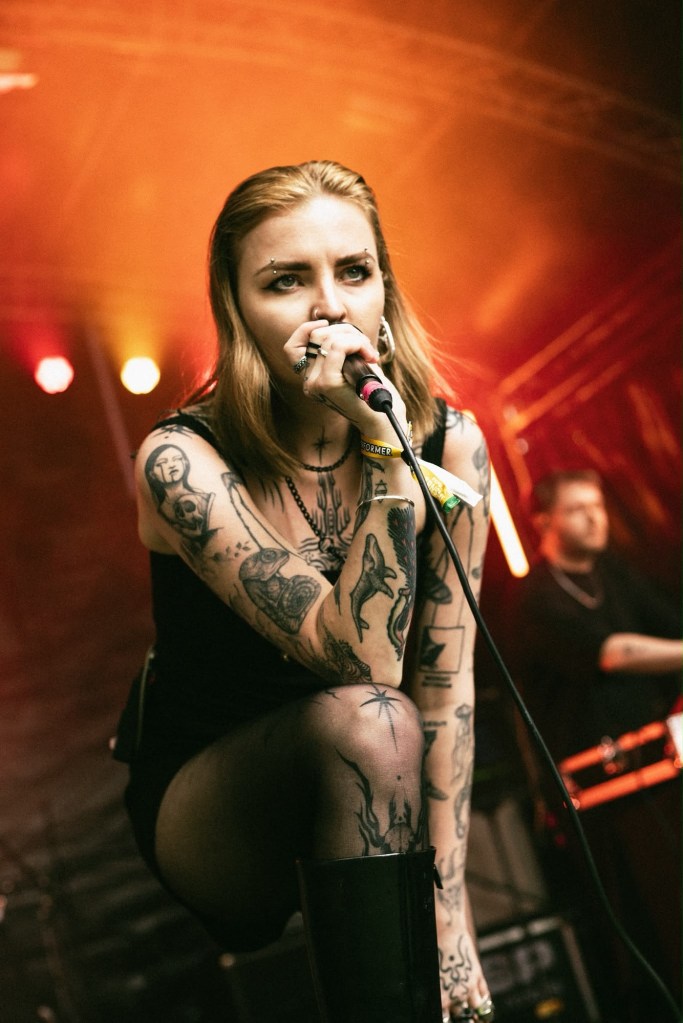
Soapbox didn’t so much play a set as kick the doors off the afternoon. There’s a joyful lack of polish about them; the kind that can’t be manufactured because it’s still fuelled by cheap rehearsal rooms, group chats and the stubborn belief that guitars can still change someone’s week. Their songs arrive swinging, funny one second and furious the next, all sharp elbows and crooked smiles.
They’re exactly the kind of band Scottish music has always produced when it’s got something to say.
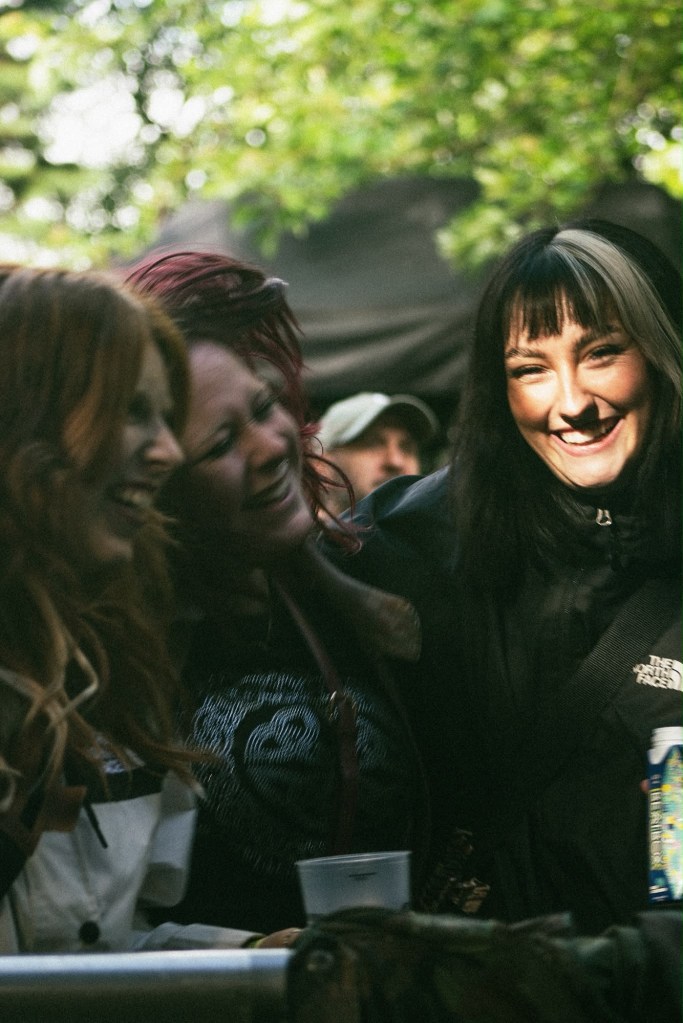
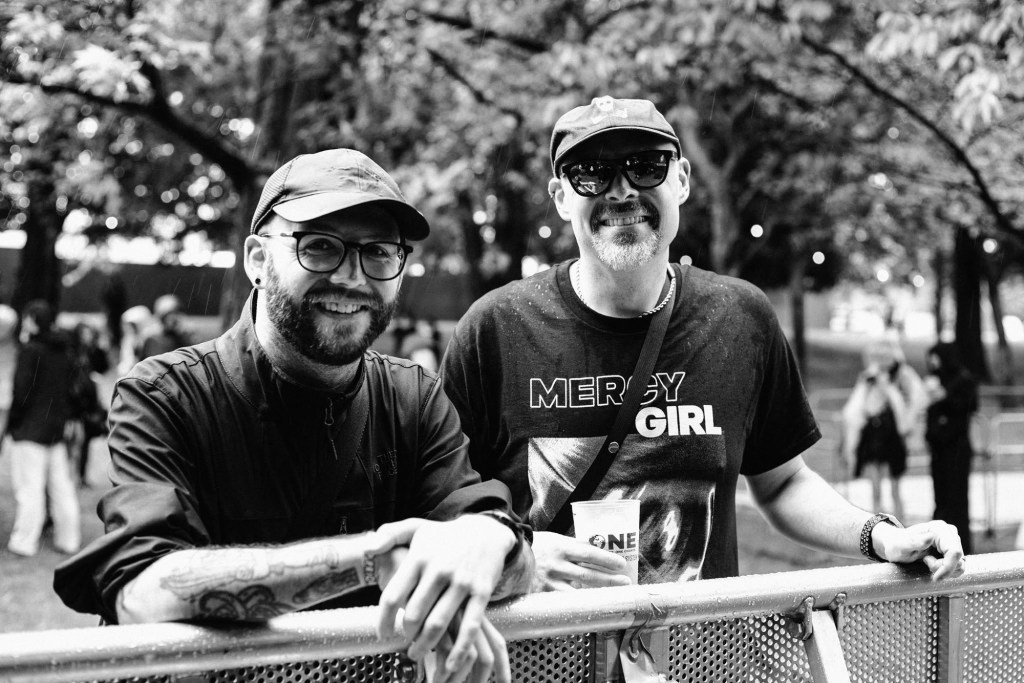
Standing nearby were two sisters who’d travelled all the way down from Inverness.
Richard Ashcroft had sold them the ticket.
Soapbox justified the petrol money.
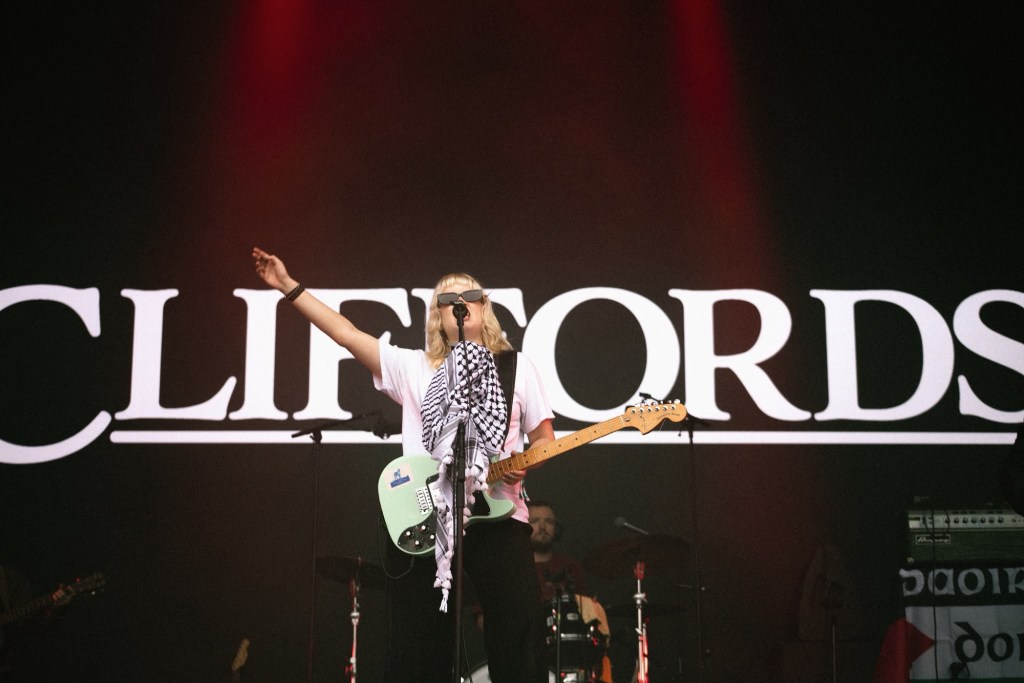
Later, we met a couple from Newcastle. They’d come north for Wolf Alice, only to emerge from King Tut’s Stage talking excitedly about NewDad instead. That’s the beautiful sleight of hand festivals have always performed. The headline act gets your attention while someone further down the bill quietly steals your heart.
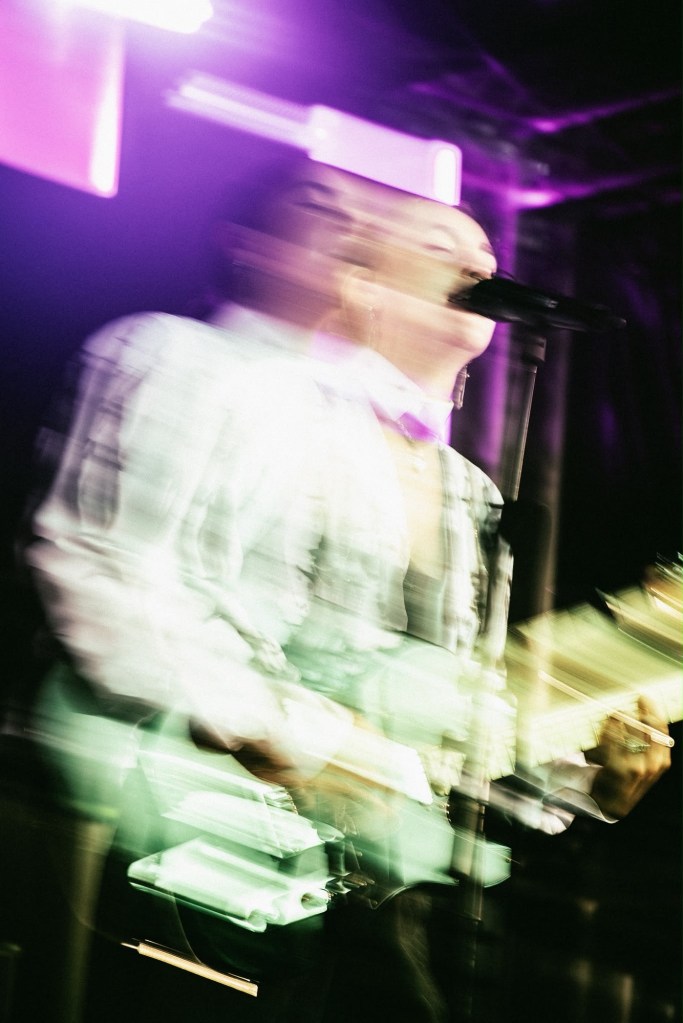
King Tut’s Stage has always felt like the festival’s best-kept secret. A place where bands arrive carrying possibility instead of expectation. NewDad wrapped the tent in shimmering guitars that hung in the air like sea mist rolling in off Galway Bay, while The Beta Band remained gloriously difficult to pin down, making music that wanders wherever it pleases and somehow always ends up exactly where it should.
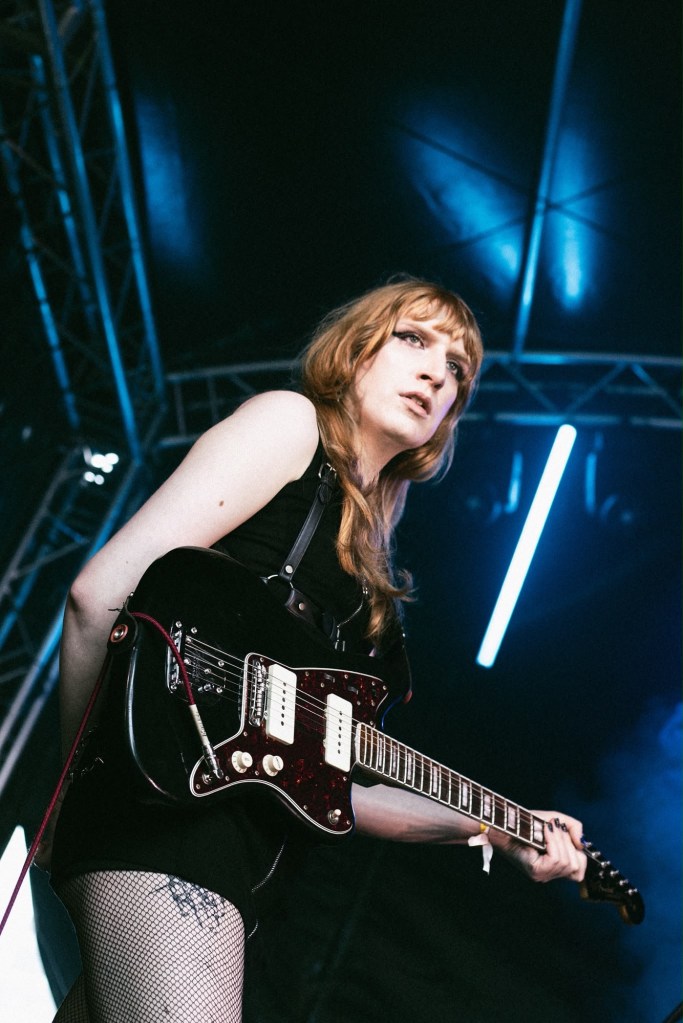
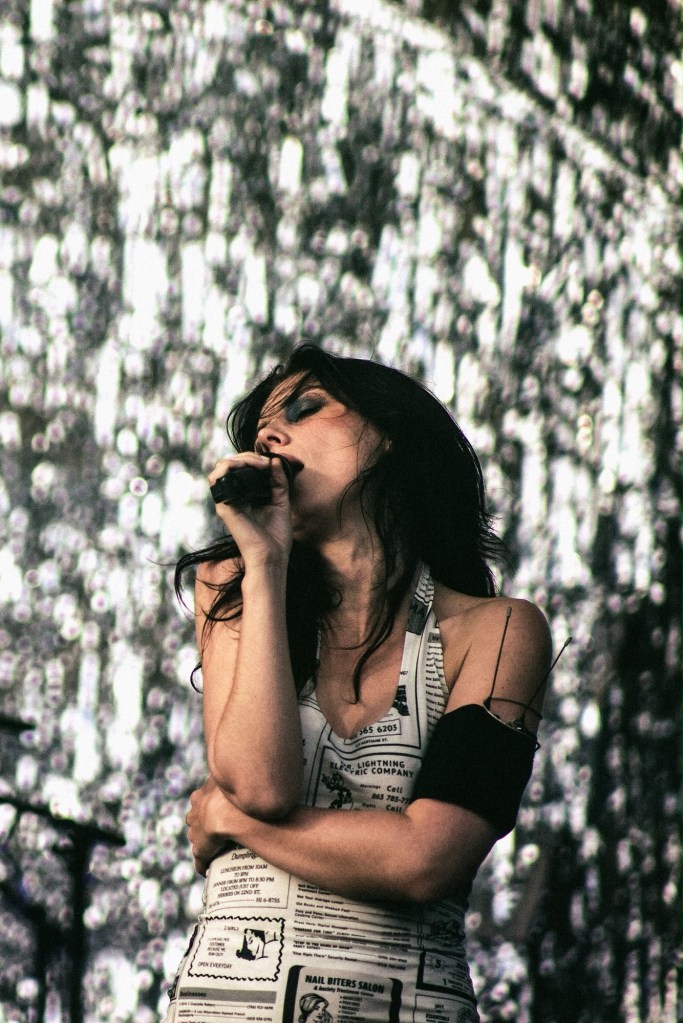
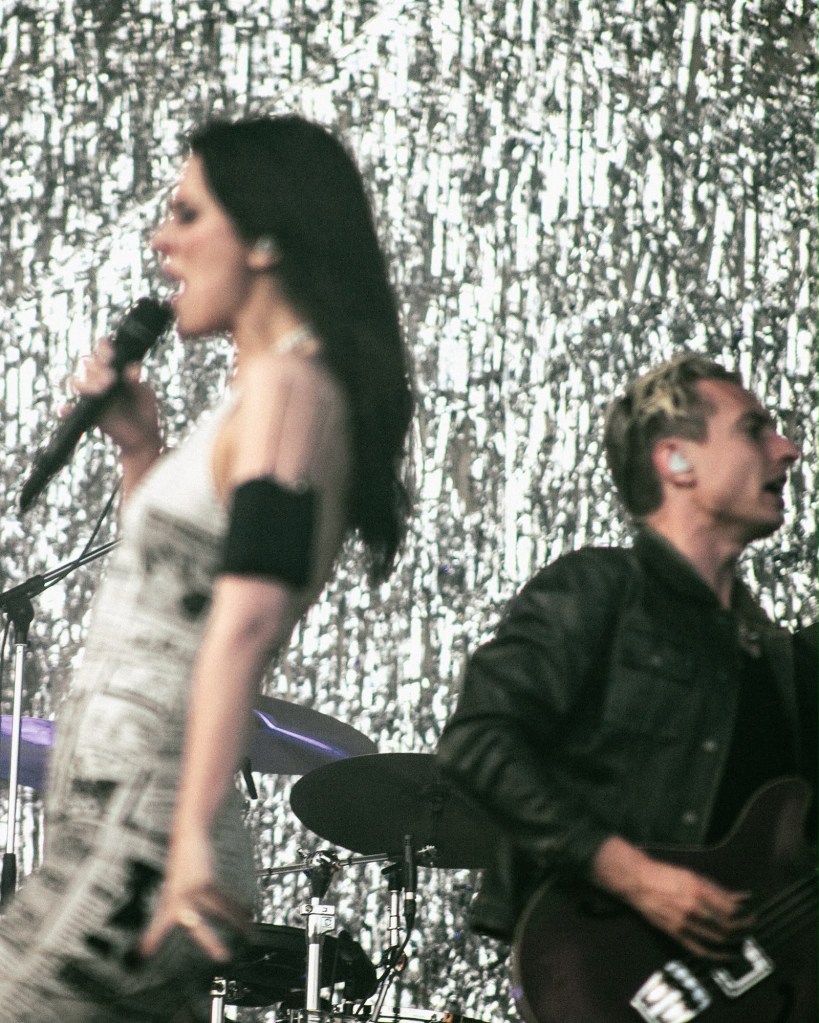
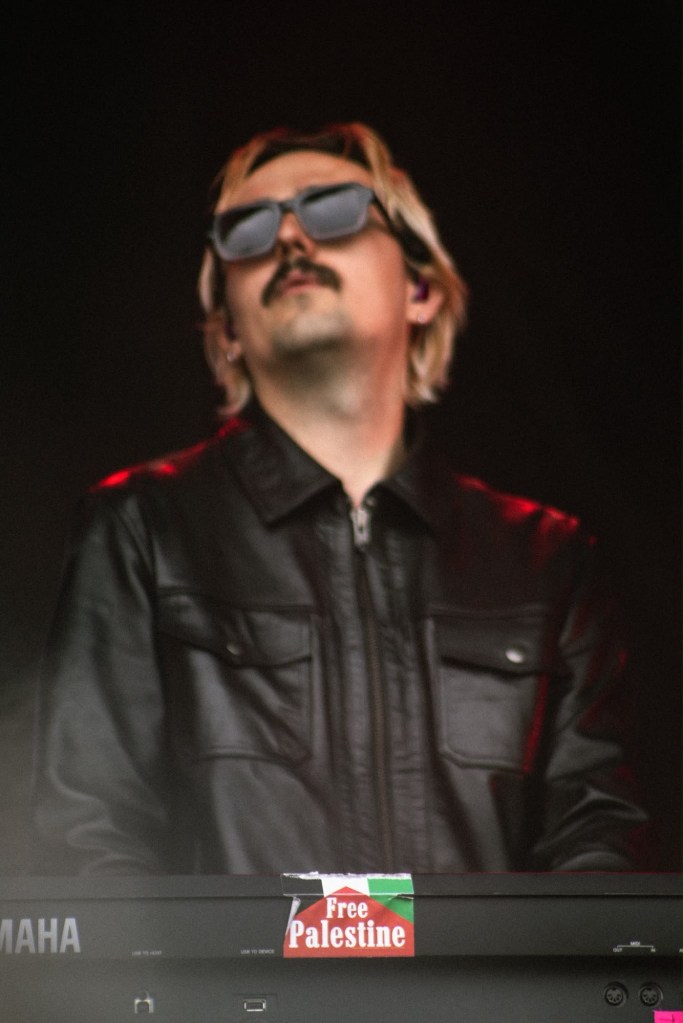
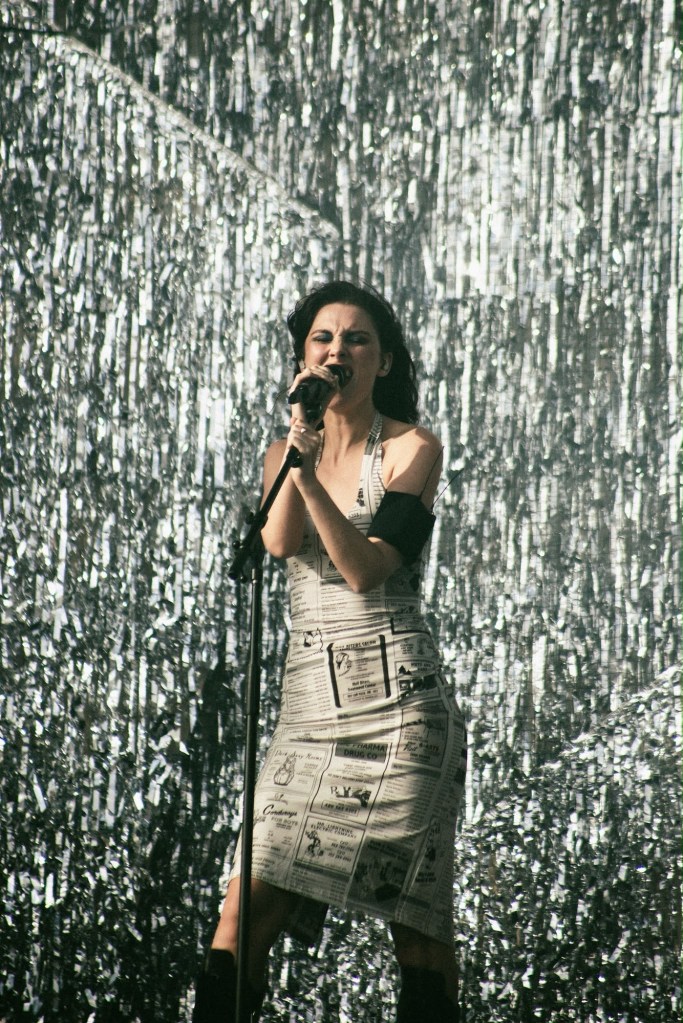
Wolf Alice have reached that rare point where they seem incapable of making a dull noise. Their set stretched and snapped, whispered and roared, always keeping one foot balanced on the edge of chaos. Watching them is a little like standing on a shoreline while the tide changes: calm one moment, overwhelming the next, and utterly indifferent to whether you’re ready for it.
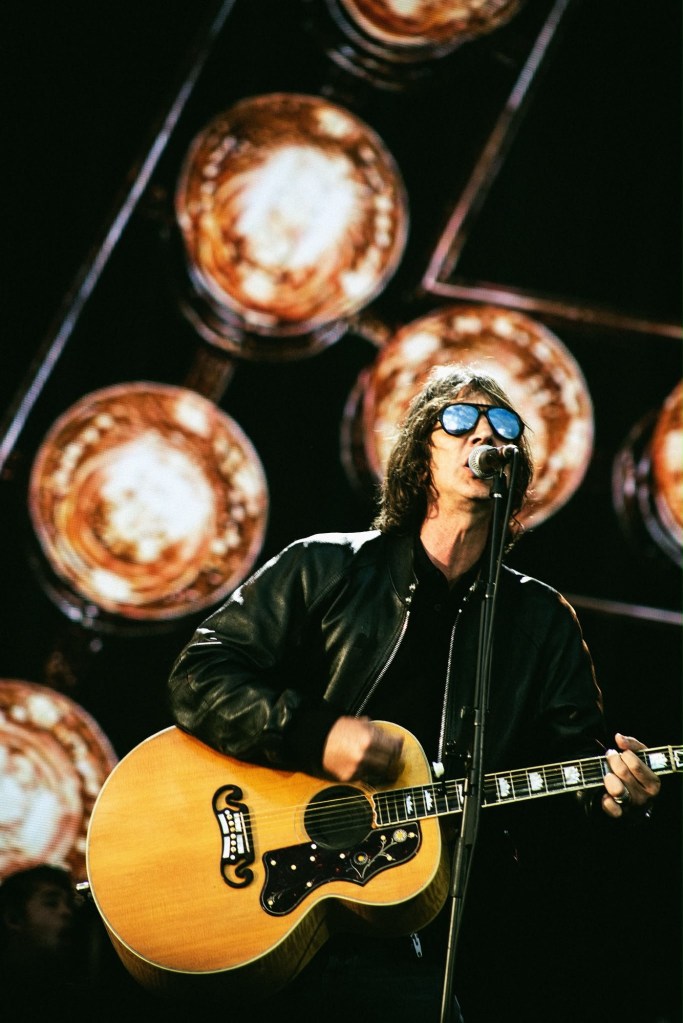
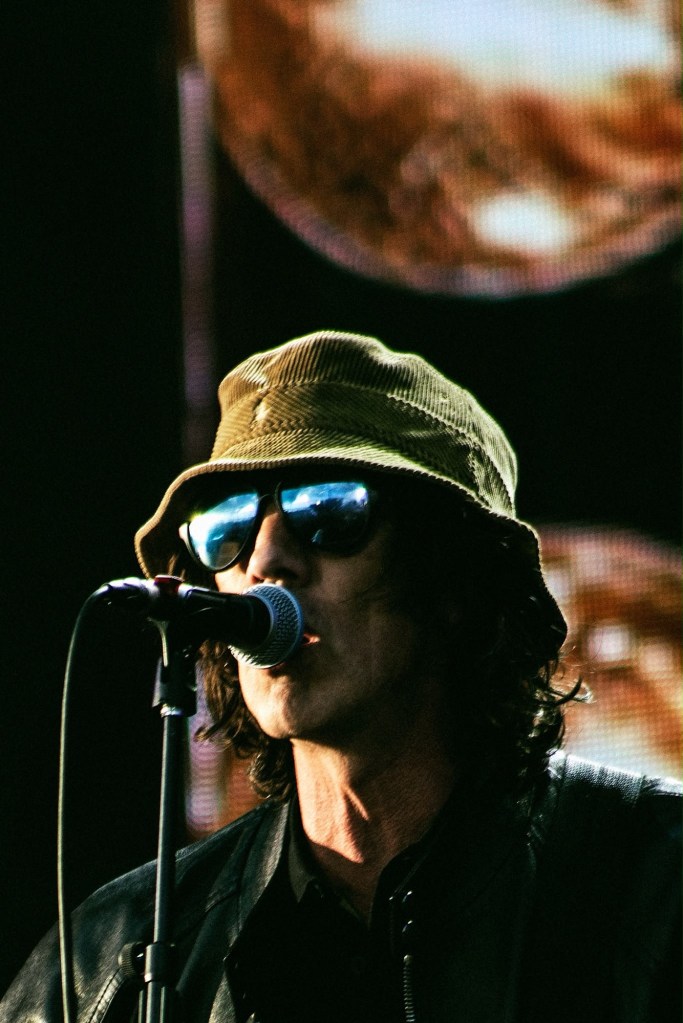
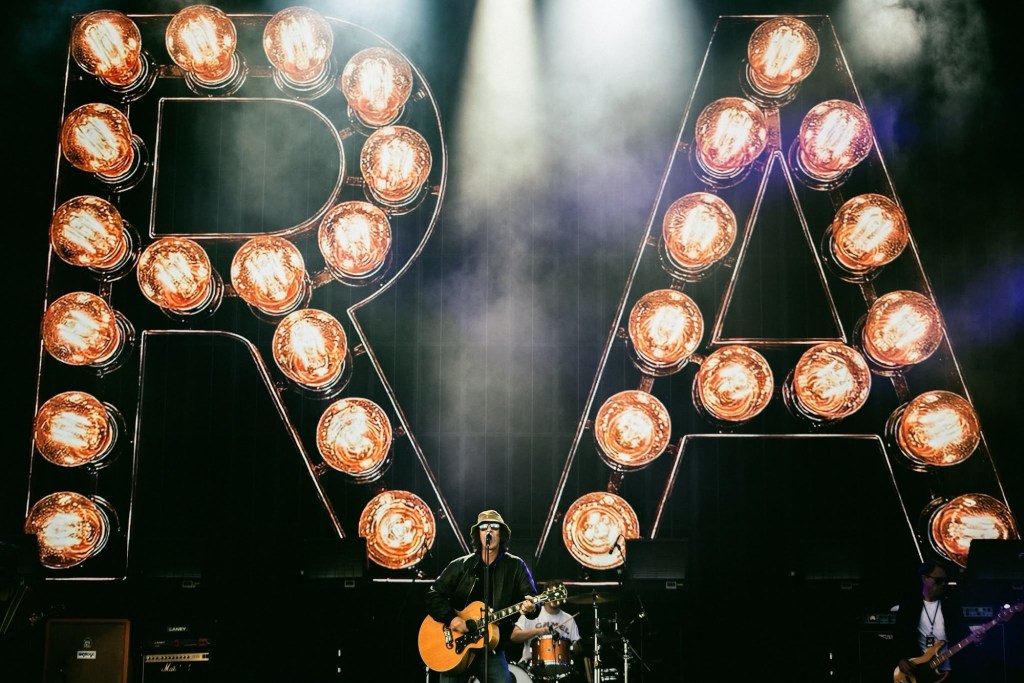
Then Richard Ashcroft arrived.
Some singers perform songs.
Ashcroft lets songs perform history.
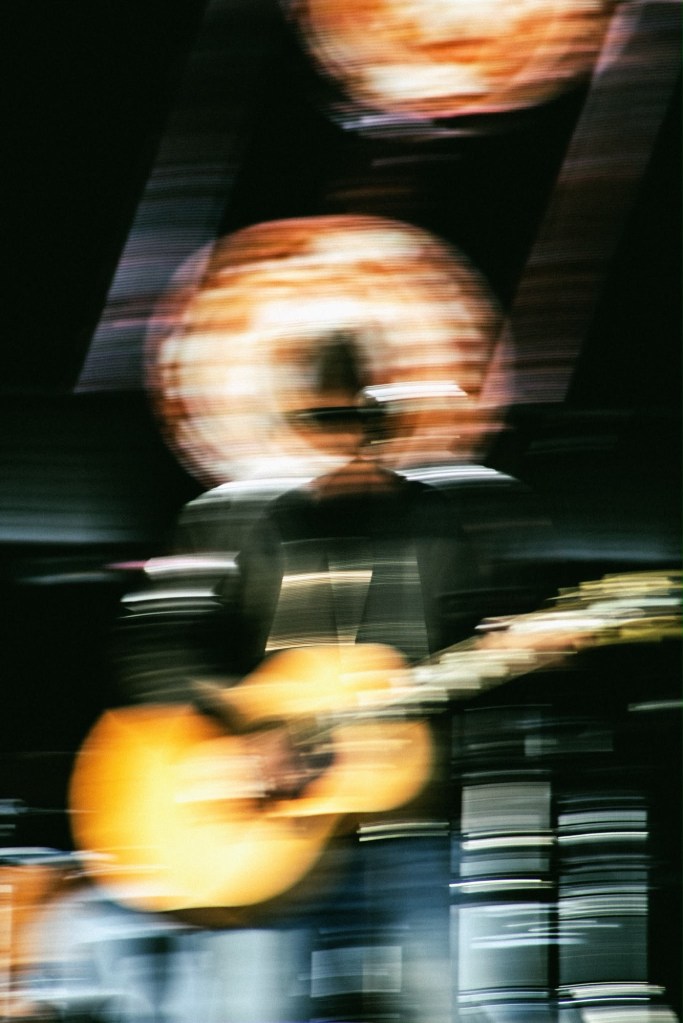
Every chorus carried twenty or thirty years of somebody else’s memories. Friends with arms around each other. Parents introducing teenagers to records they’d worn out decades ago. Complete strangers singing in perfect unison without ever exchanging names. It felt less like the end of a festival day than the closing chapter of a novel everybody already knew by heart.
Walking home, I thought about that old T in the Park poster again.
Maybe the lineups were bigger.
Maybe they weren’t.
Nostalgia has a habit of editing out the average bands and remembering only the legends.
What Friday at TRNSMT reminded me is that every legendary lineup started life as a poster full of names that hadn’t become legends yet.
The next great Scottish band won’t announce themselves from the top of a bill.
They’ll begin on a smaller stage, in front of a few hundred curious people, while someone who only came for the headliner accidentally discovers their new favourite band.
On Friday, that happened over and over again.
And that’s why, for all the noise that surrounds TRNSMT every year, Glasgow Green still feels like one of the most important fields in Scottish music—even if it doesn’t have a field anymore.
Article: Angela Canavan
Photos: Reanne McArthur & Marco Cornelli

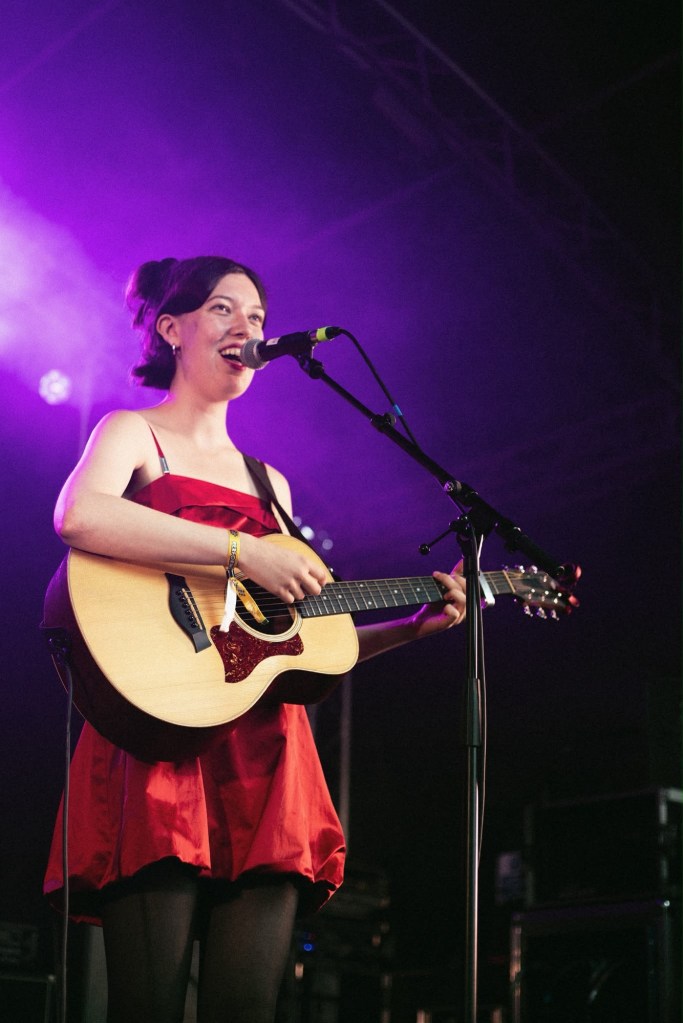
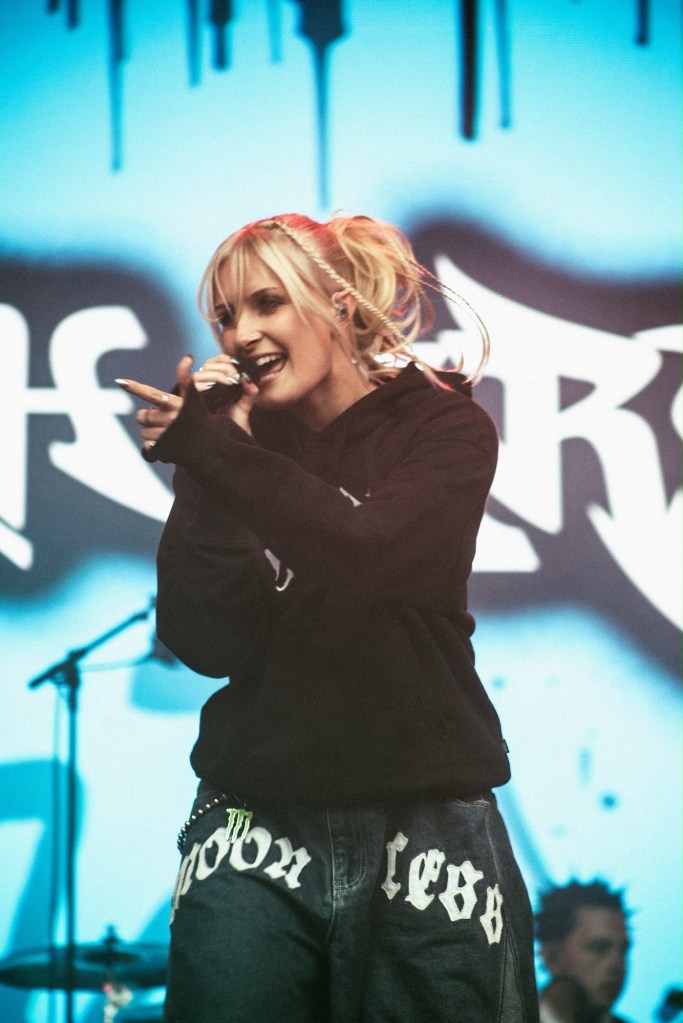
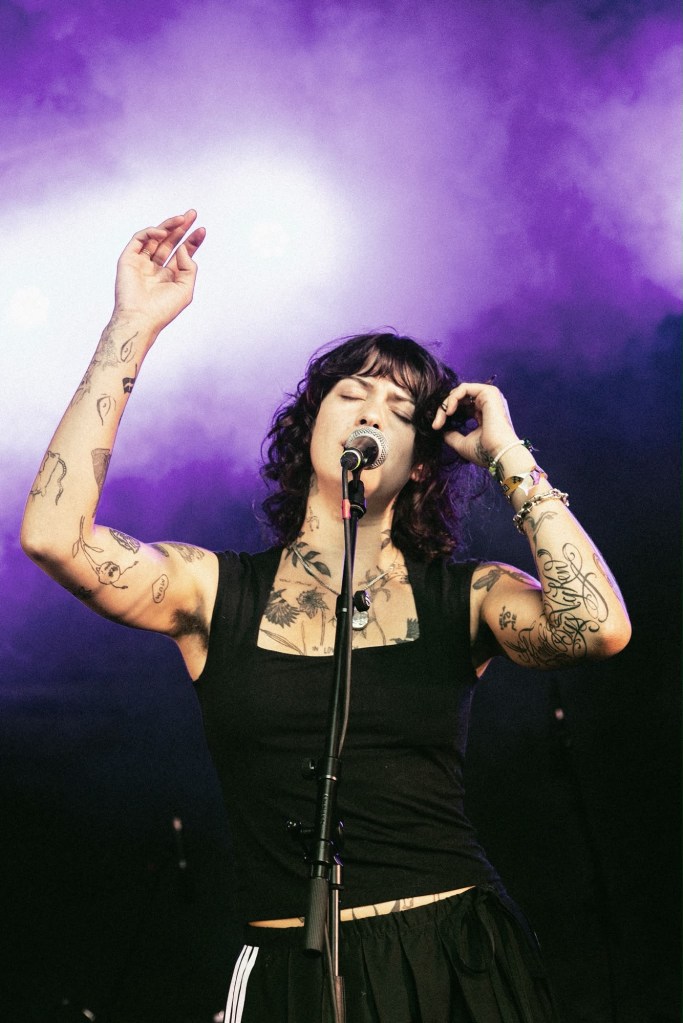
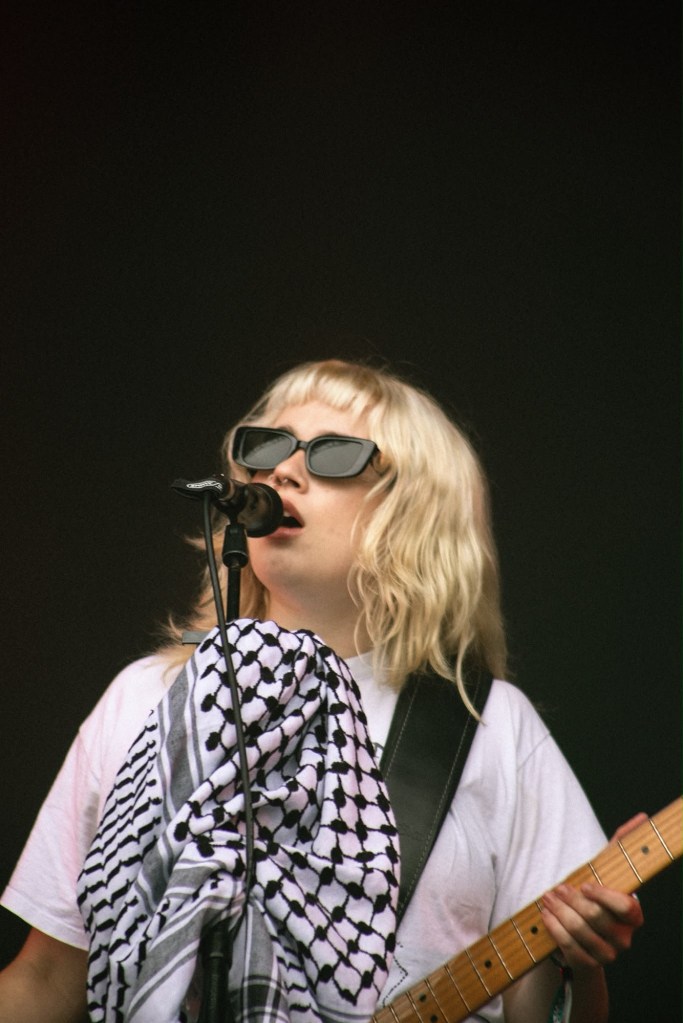
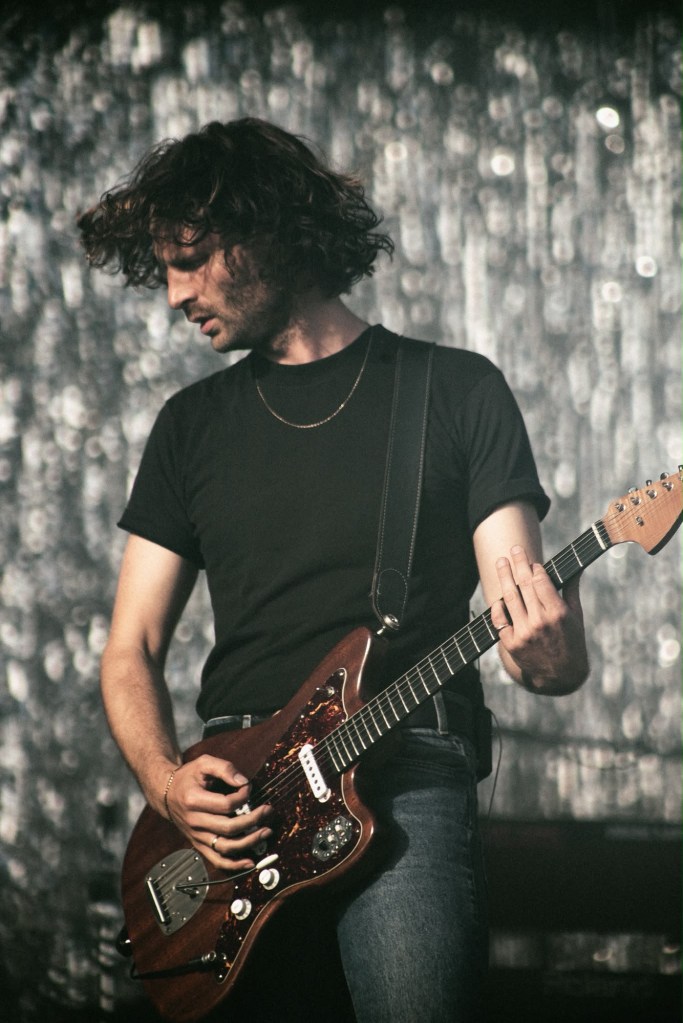
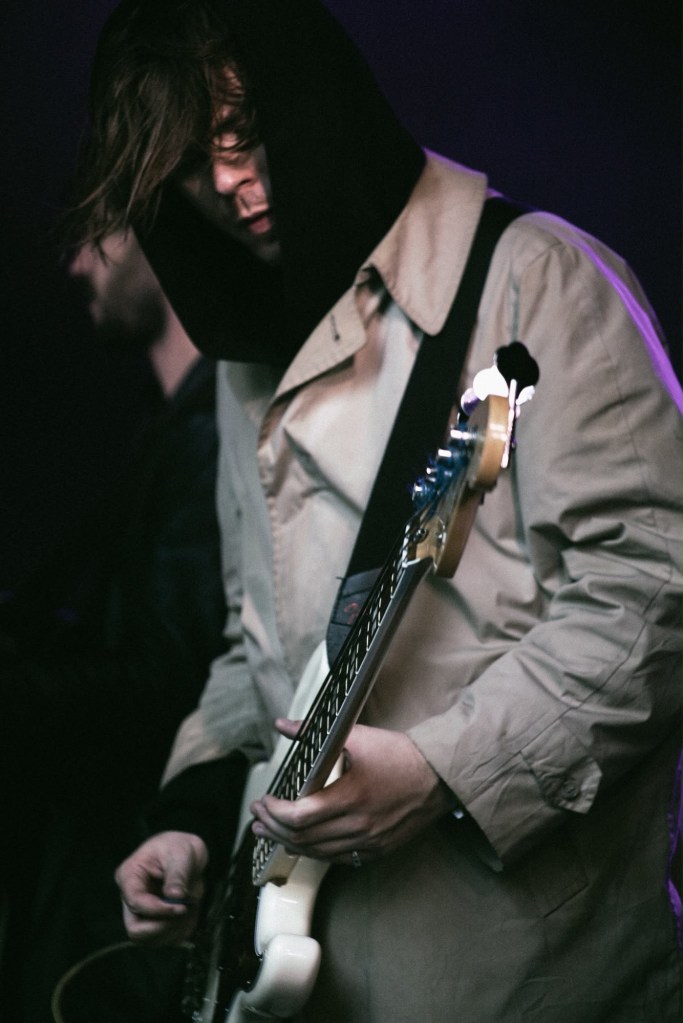
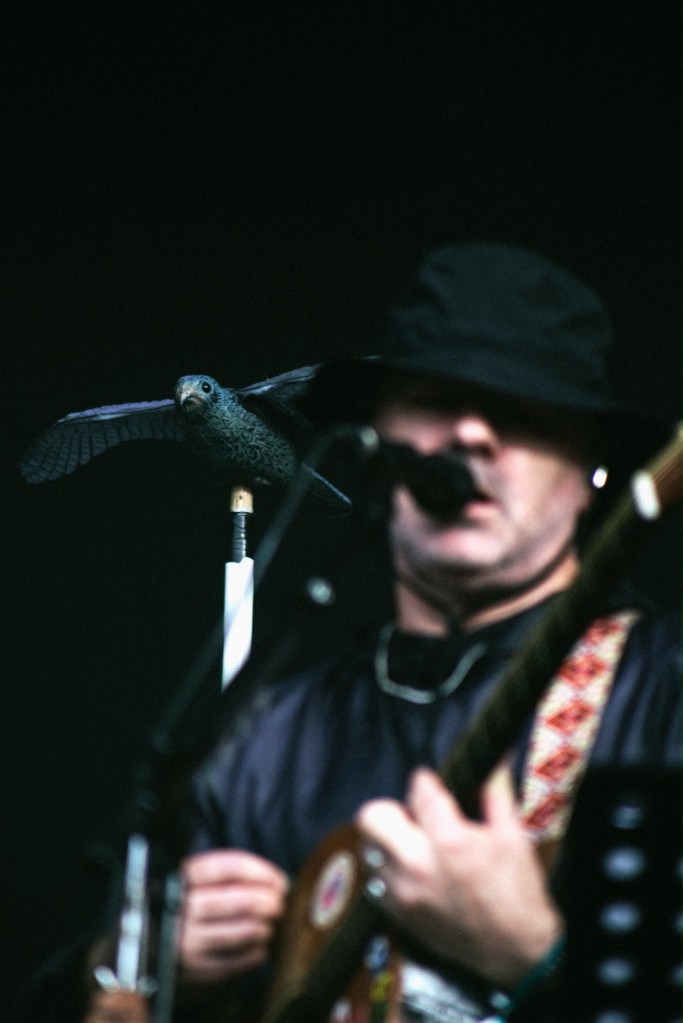
Gallery by: Reanne McArthur


