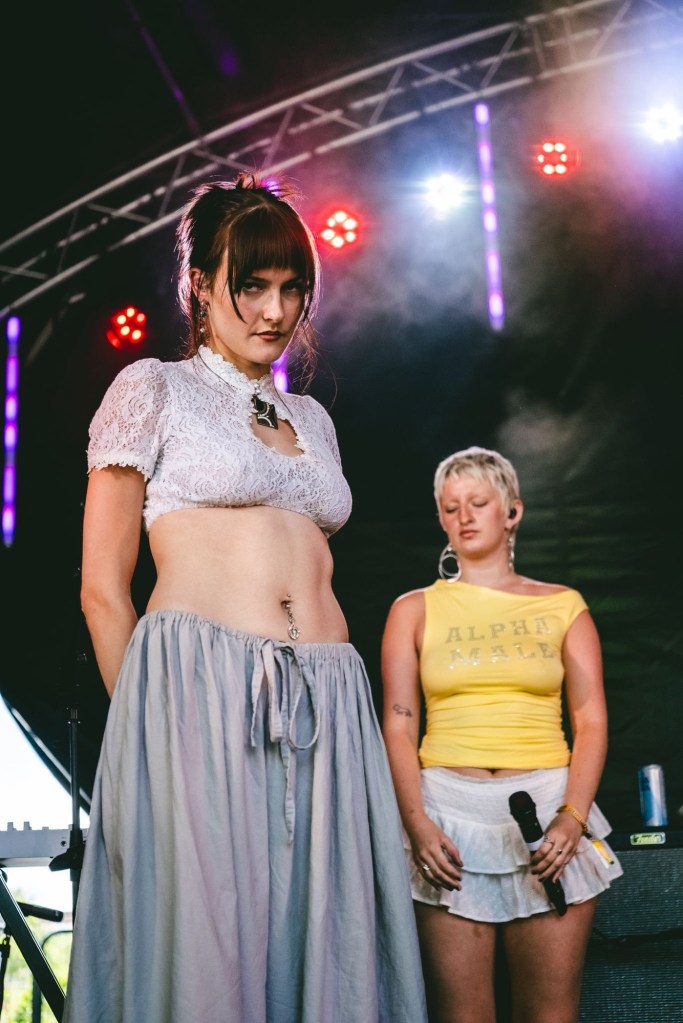
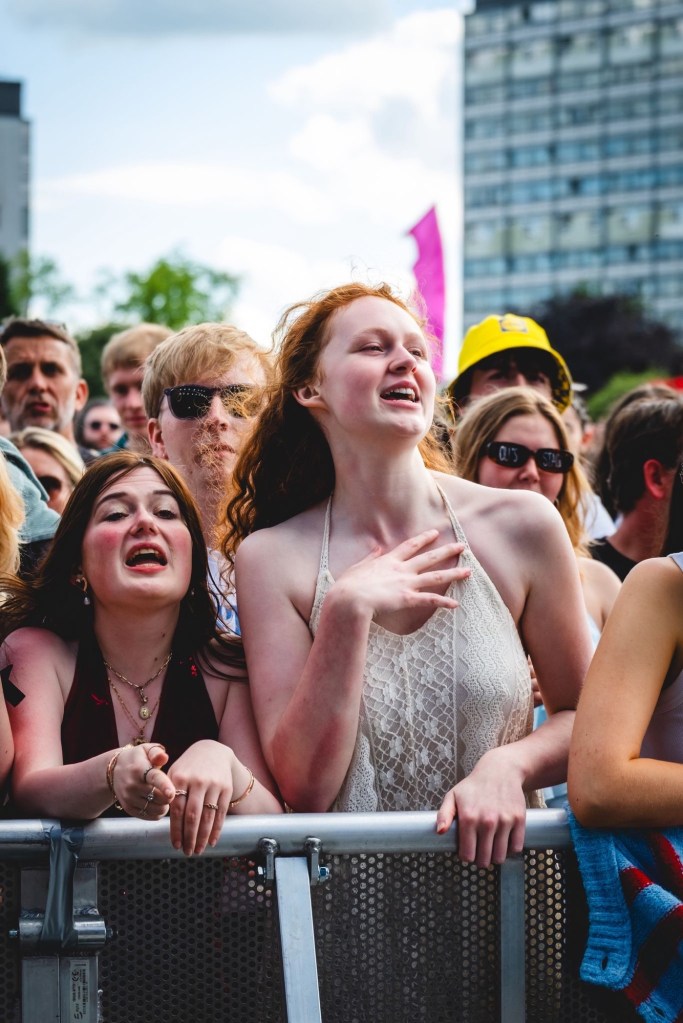
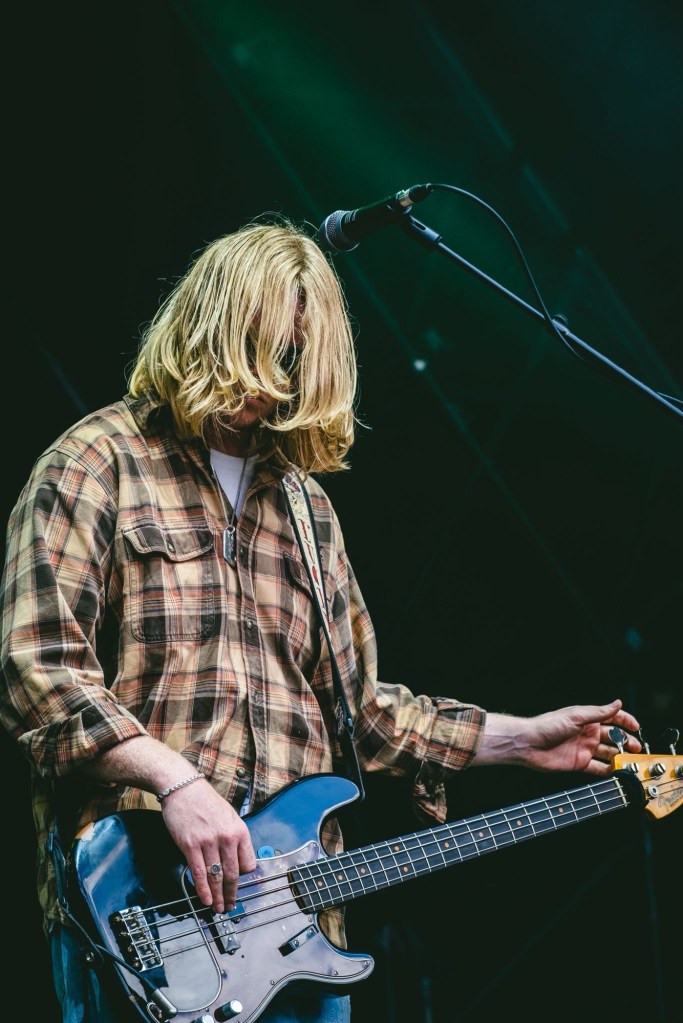
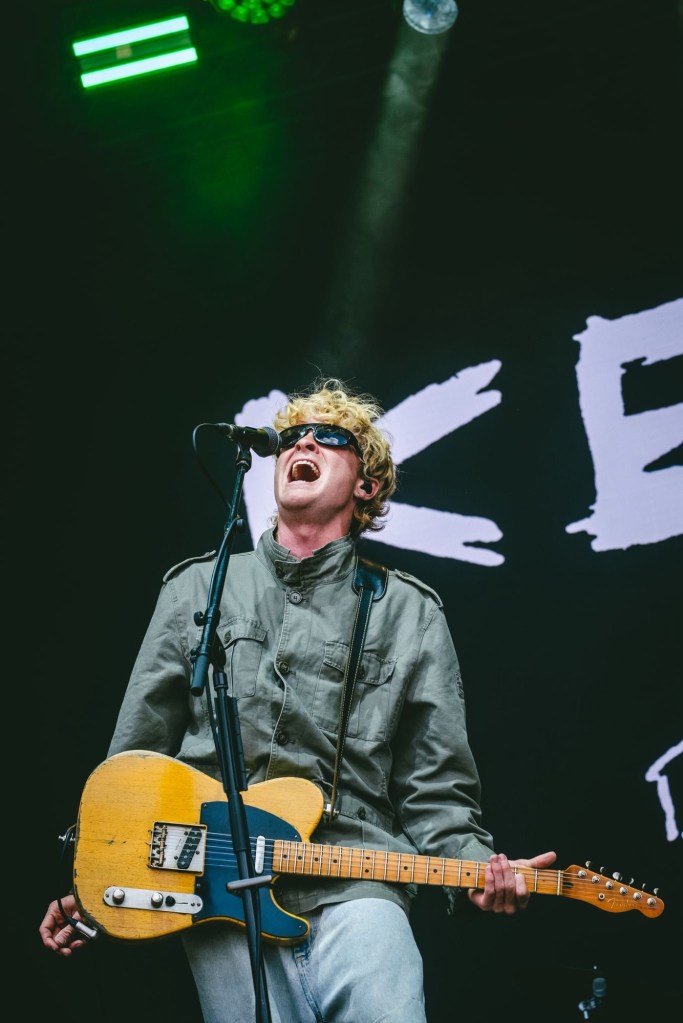
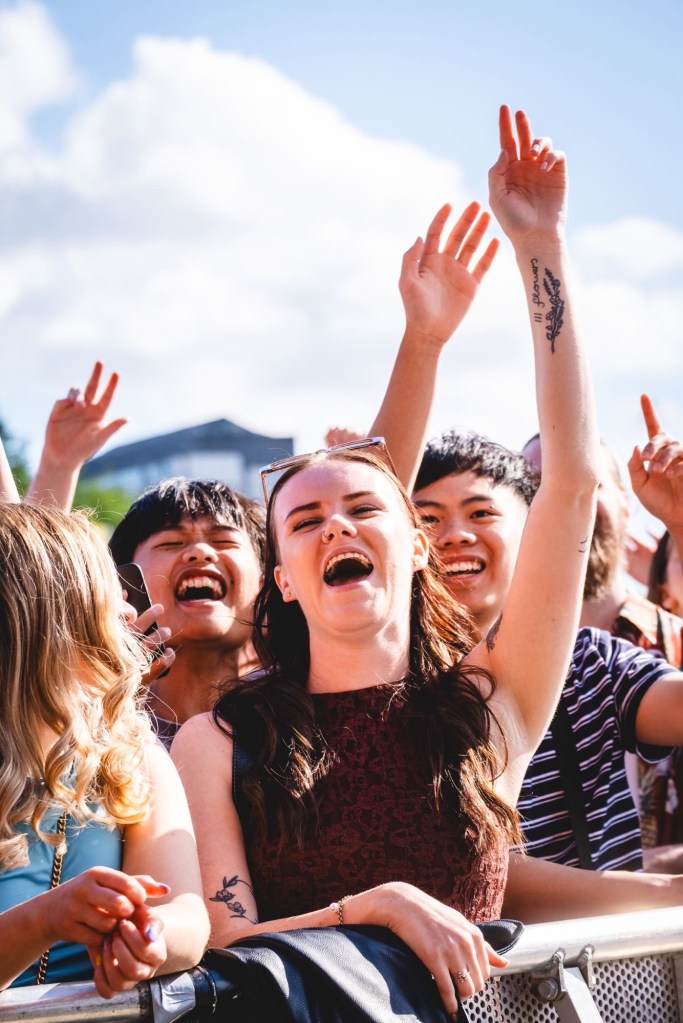
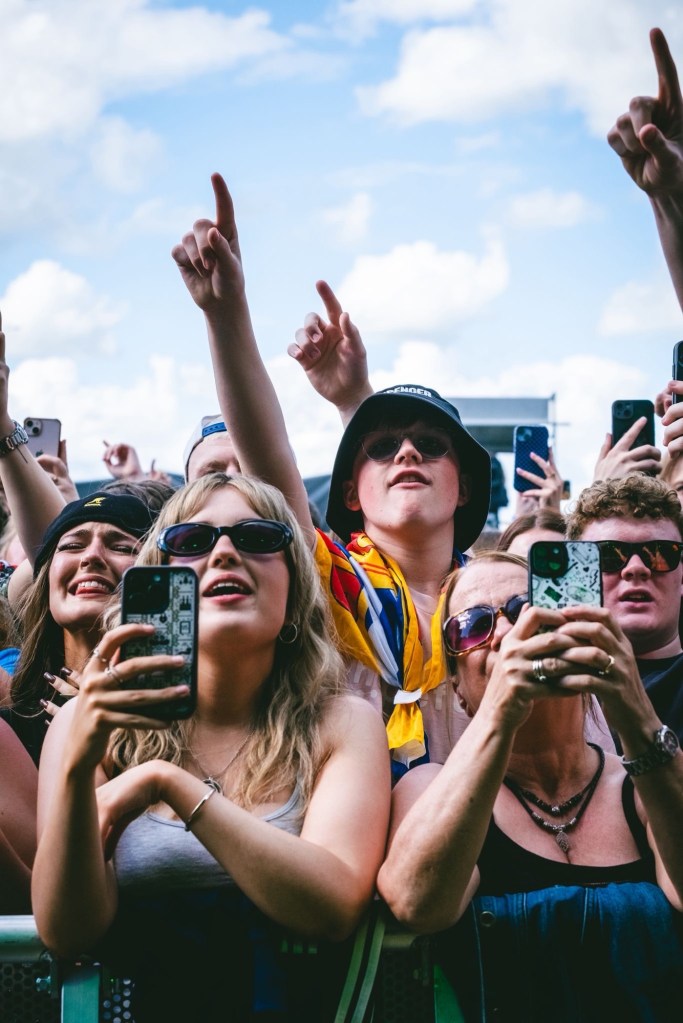
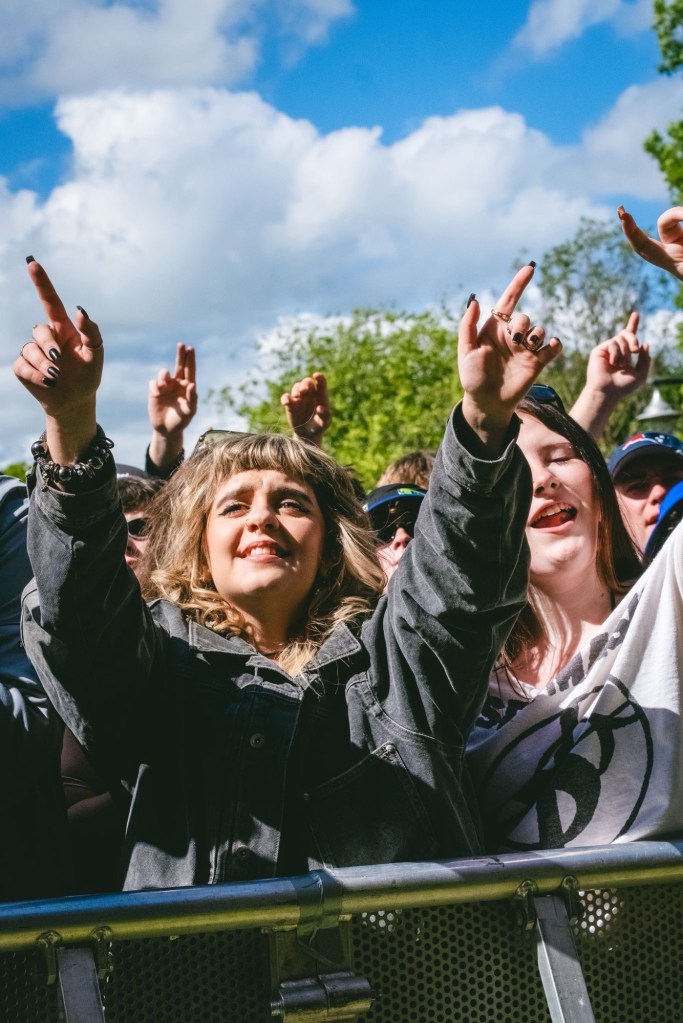
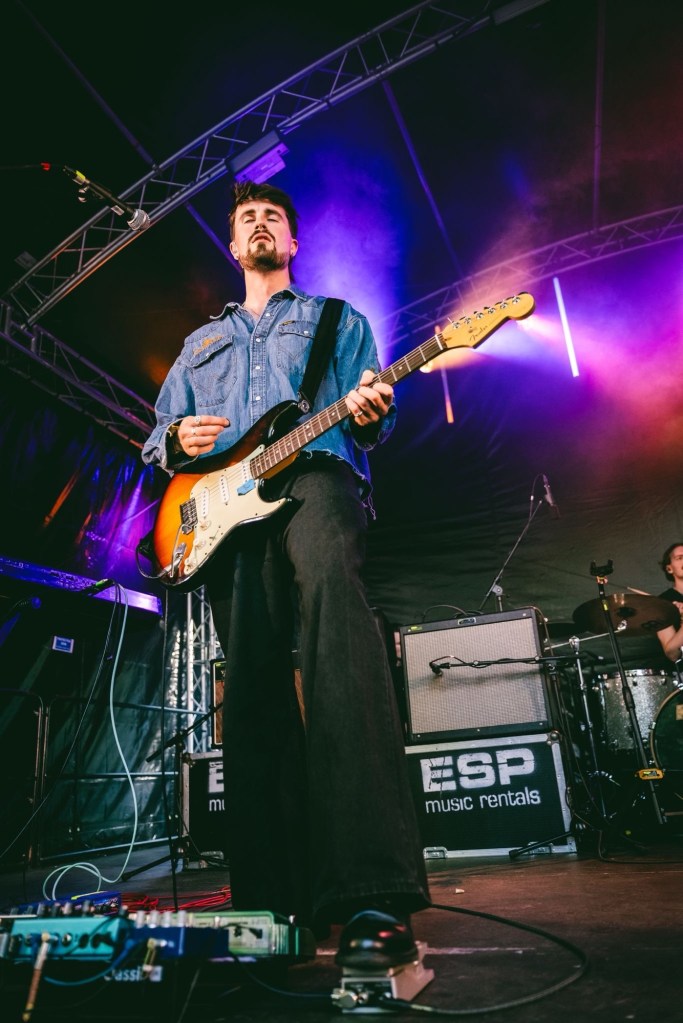
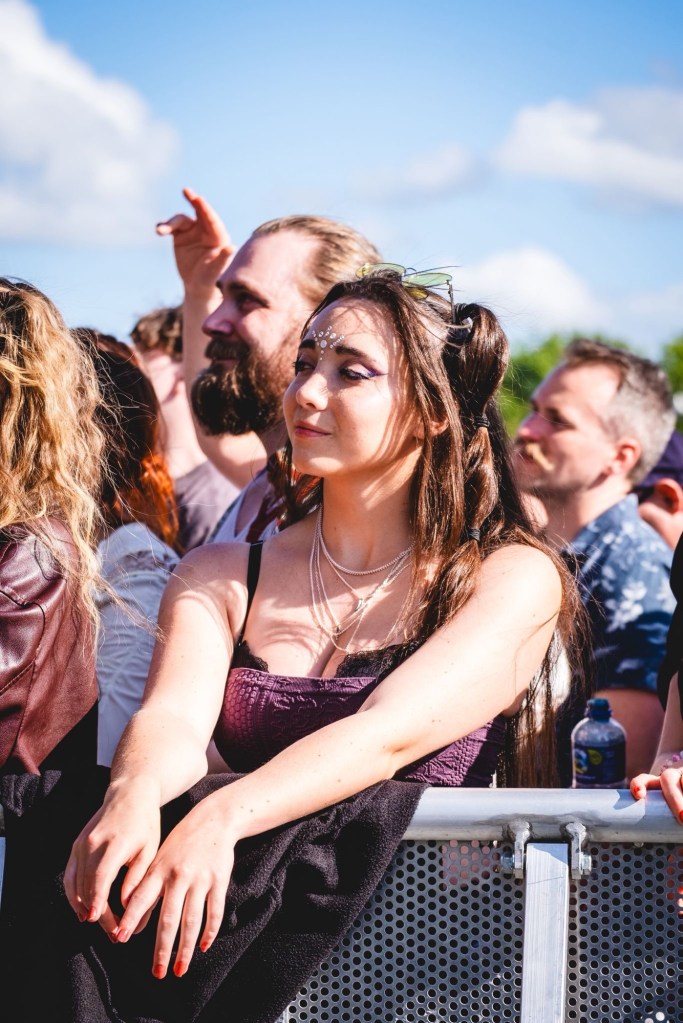
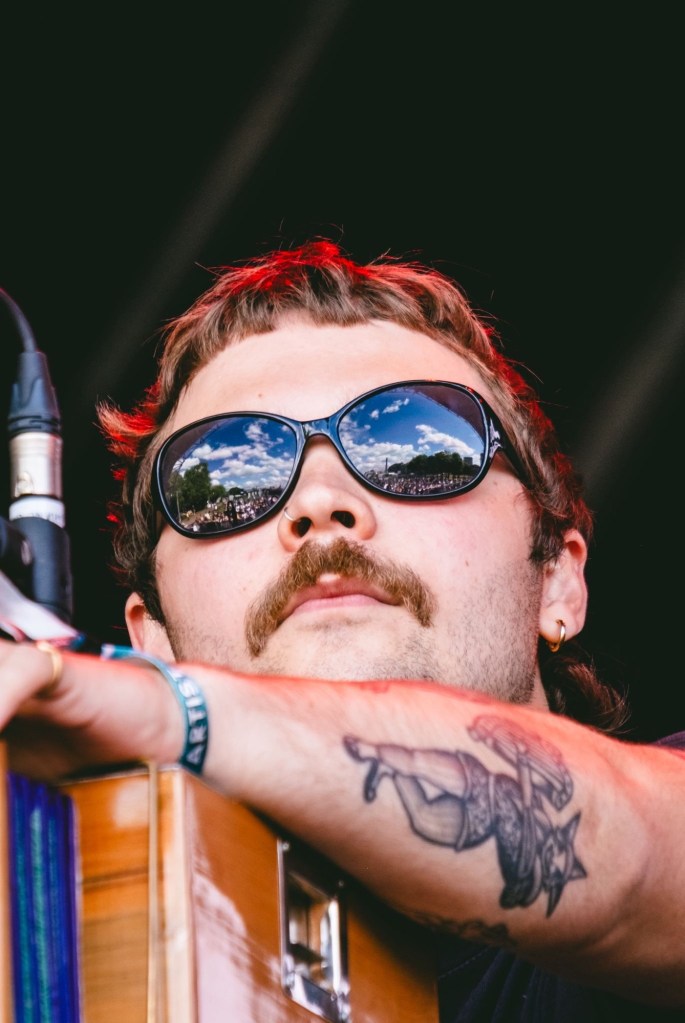
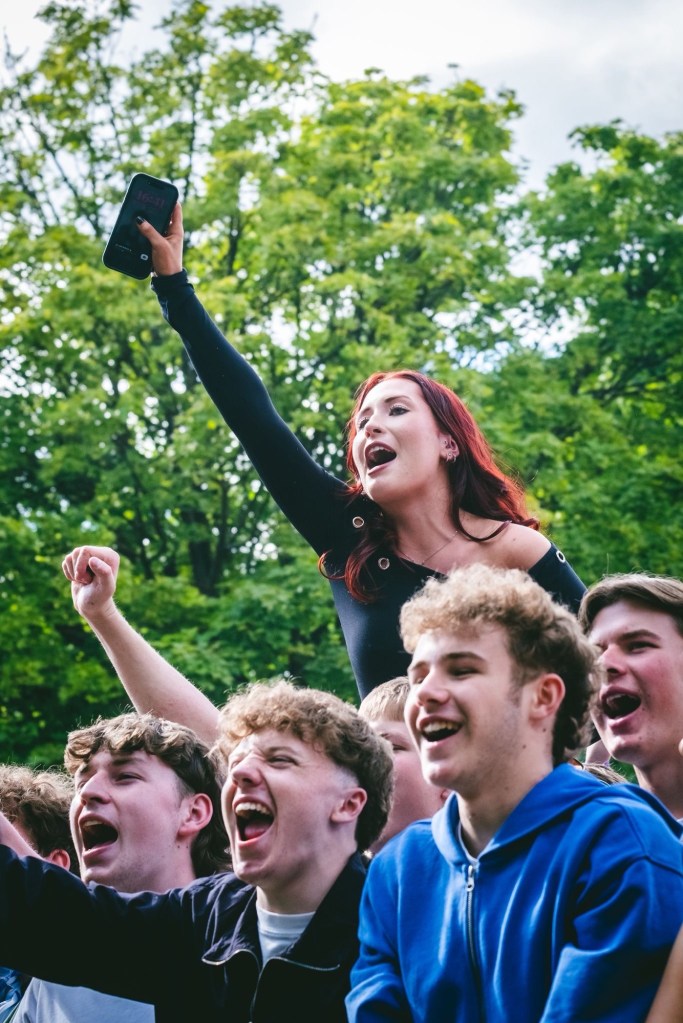
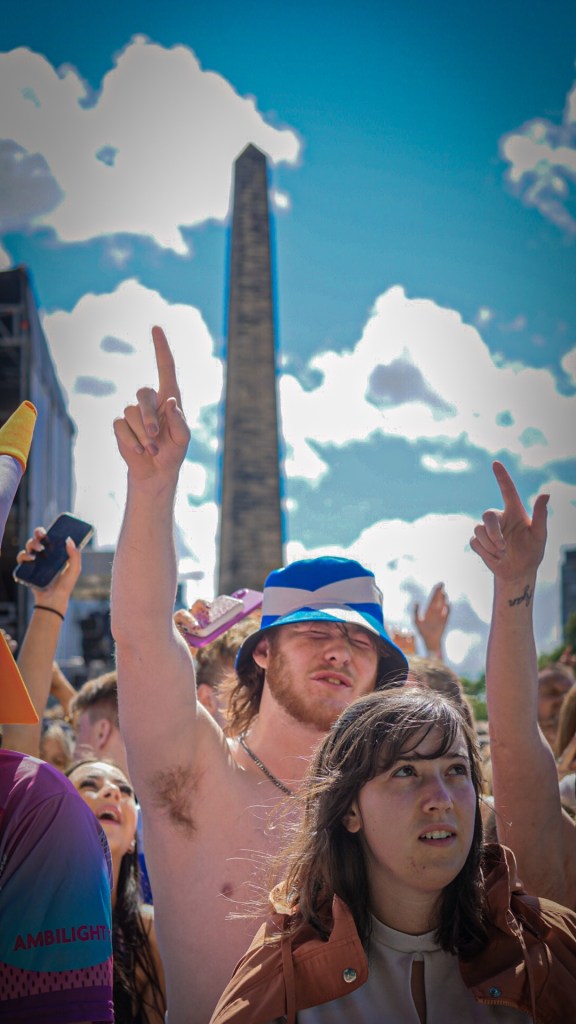
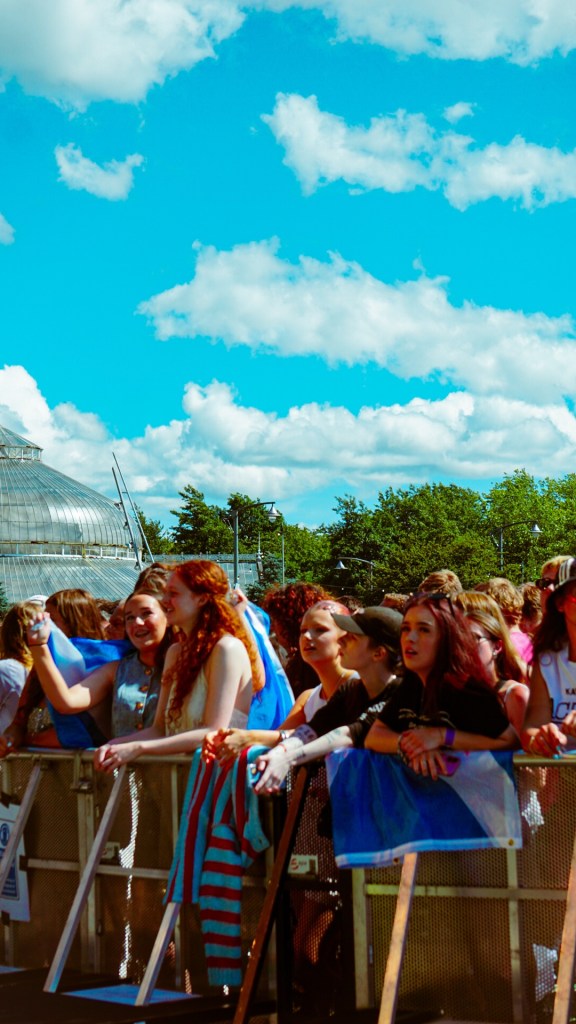
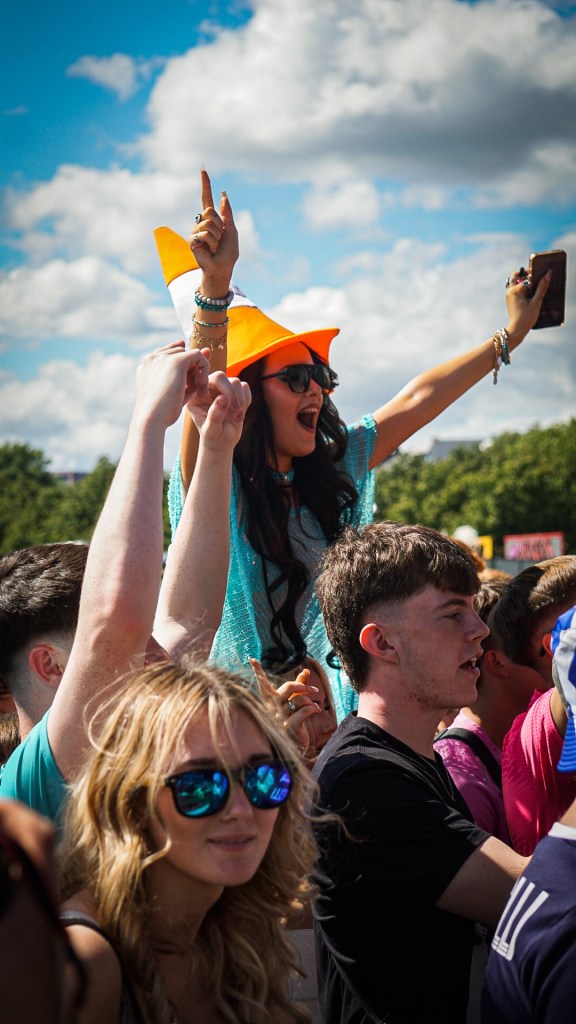
After a soaked first day on Friday, TRNSMT was bathed in sunshine on its second day, and there was an unmistakable sense that the festival was letting tomorrow’s music stars steal the present, helped by the glorious weather. The festival’s smaller tents were already overflowing with fans early in the morning, chasing word-of-mouth recommendations.
Opening the King’s Tut’s Stage, Chasing Abbey set the tone. Their blend of electronic music with trad Irish influences felt tailor-made for a warm Glasgow welcome. Their early slot quickly became one of those “I was there before everyone else arrived” performances that festival veterans love to brag about.
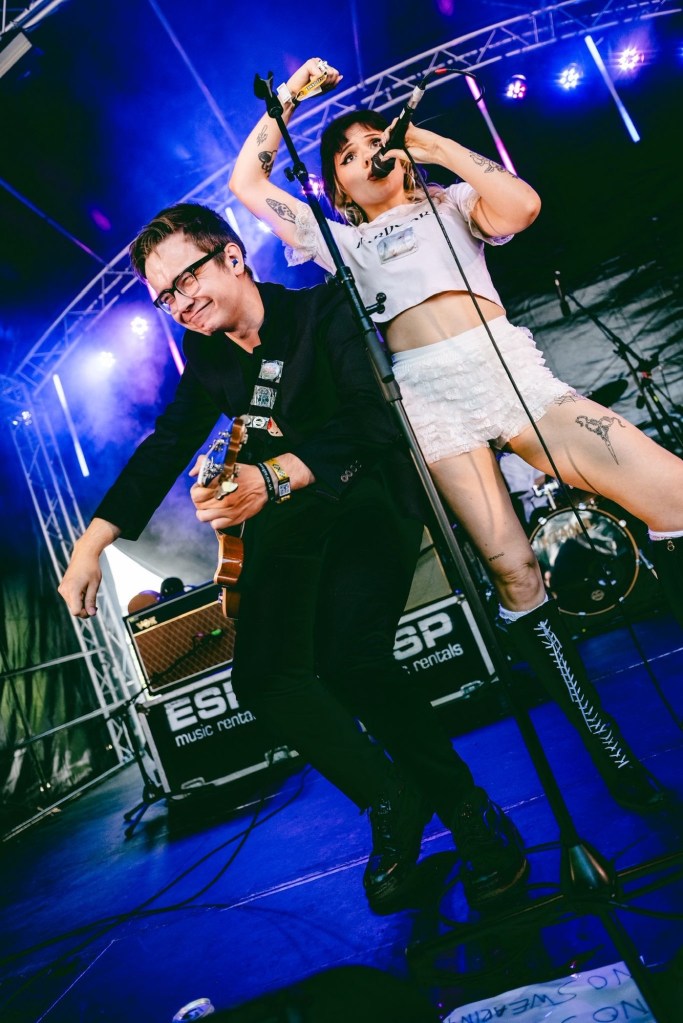
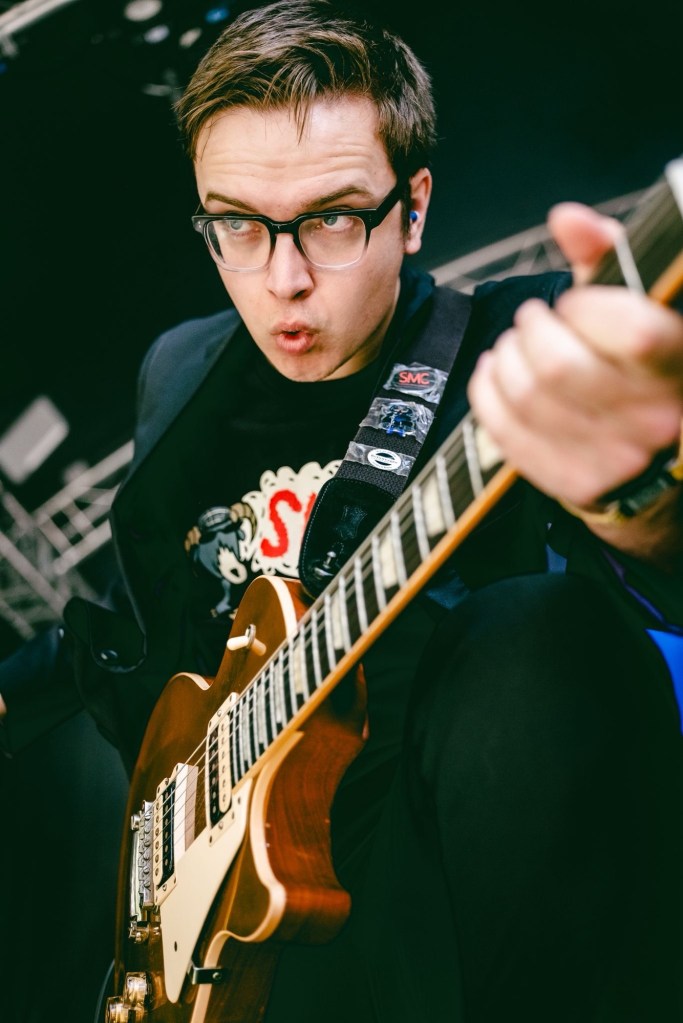
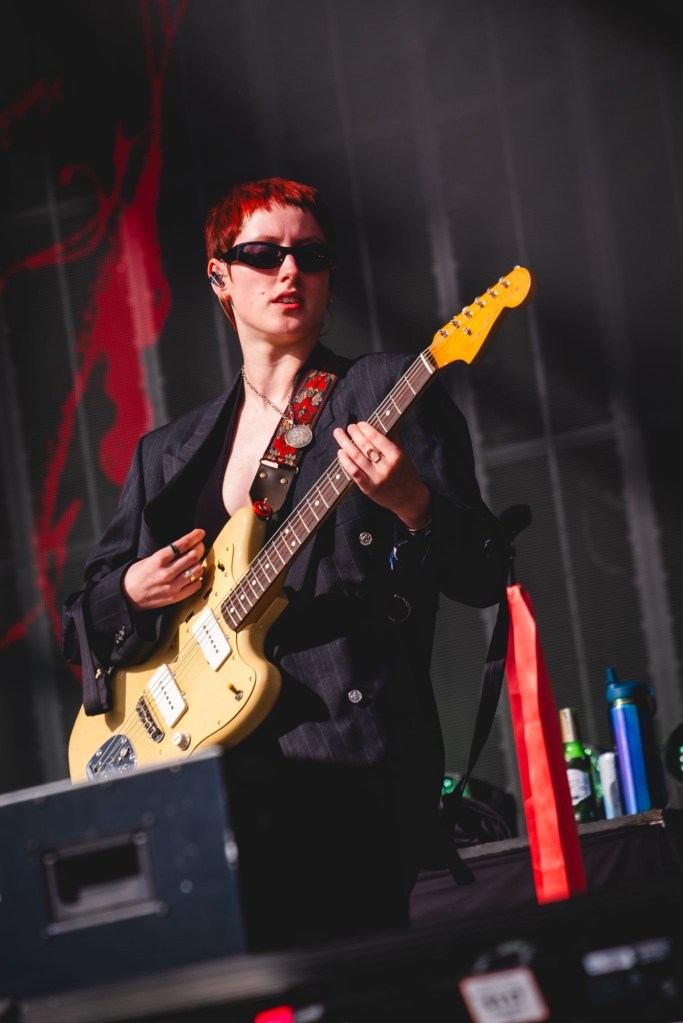
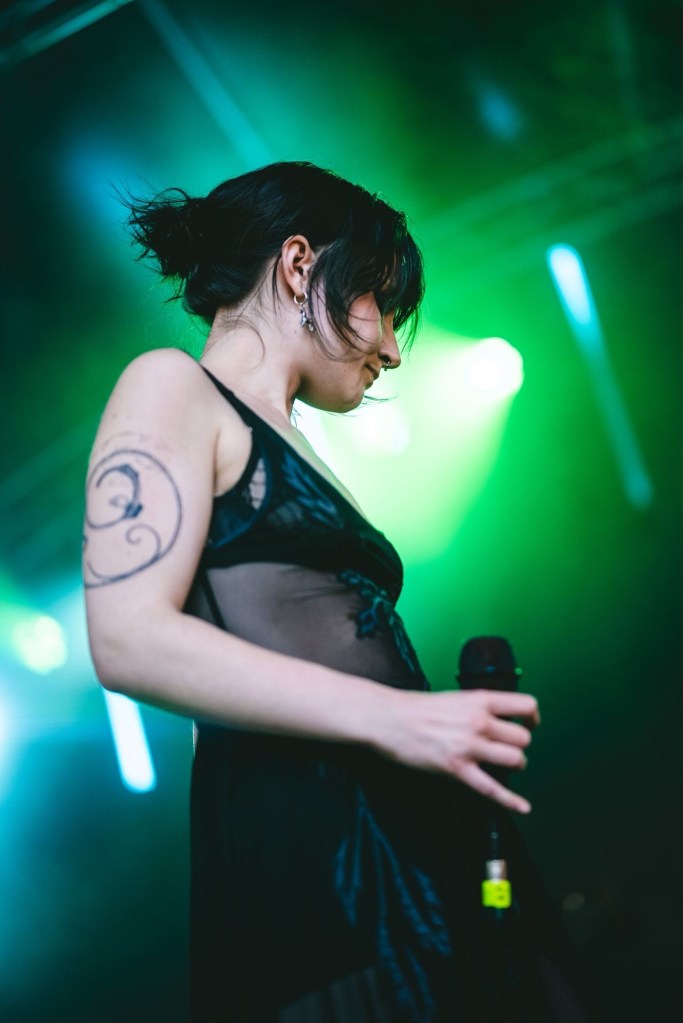
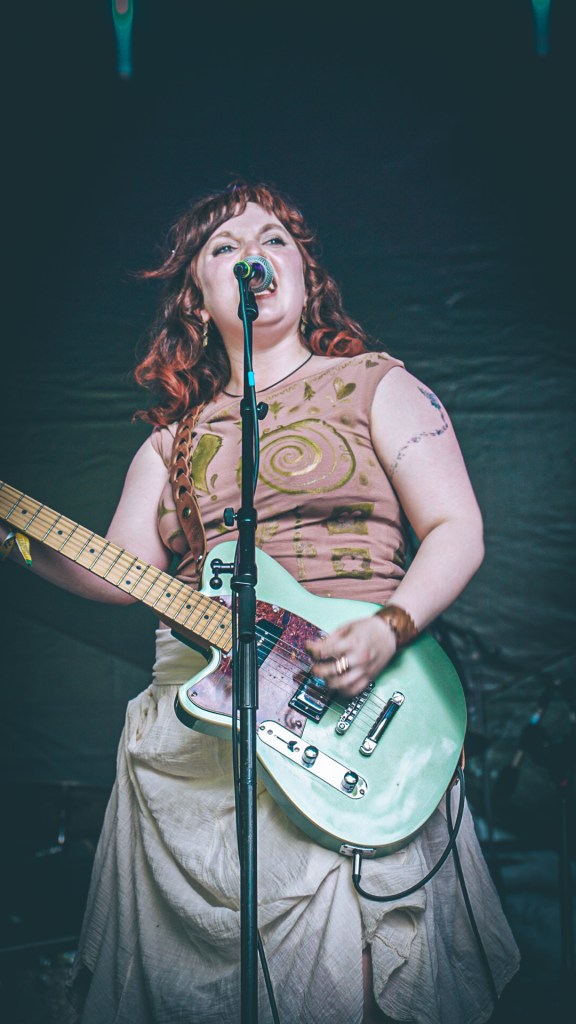
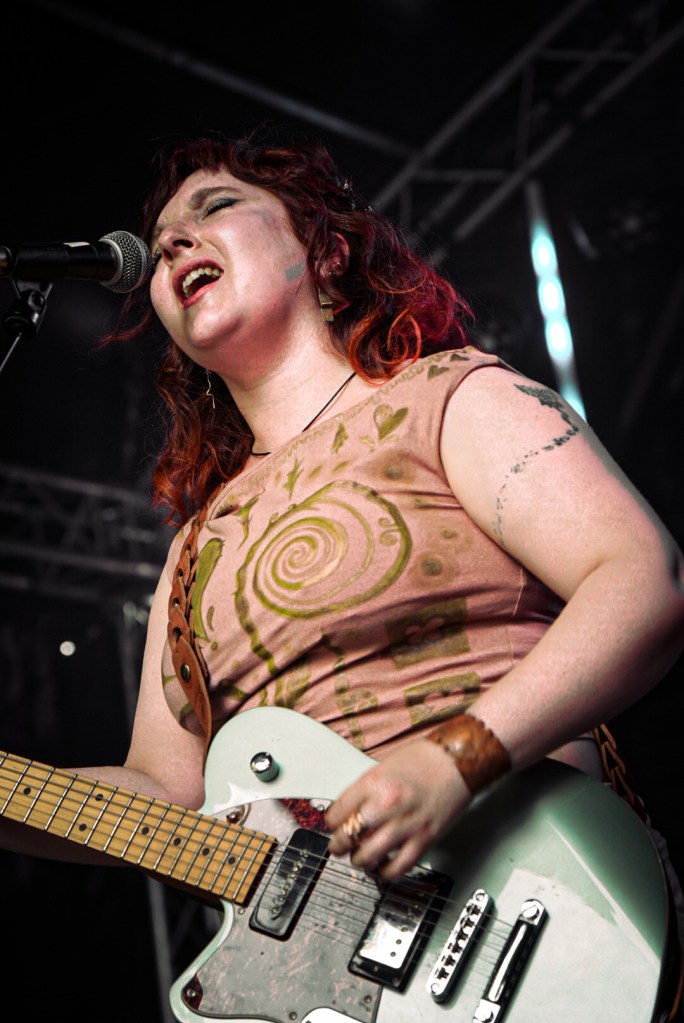
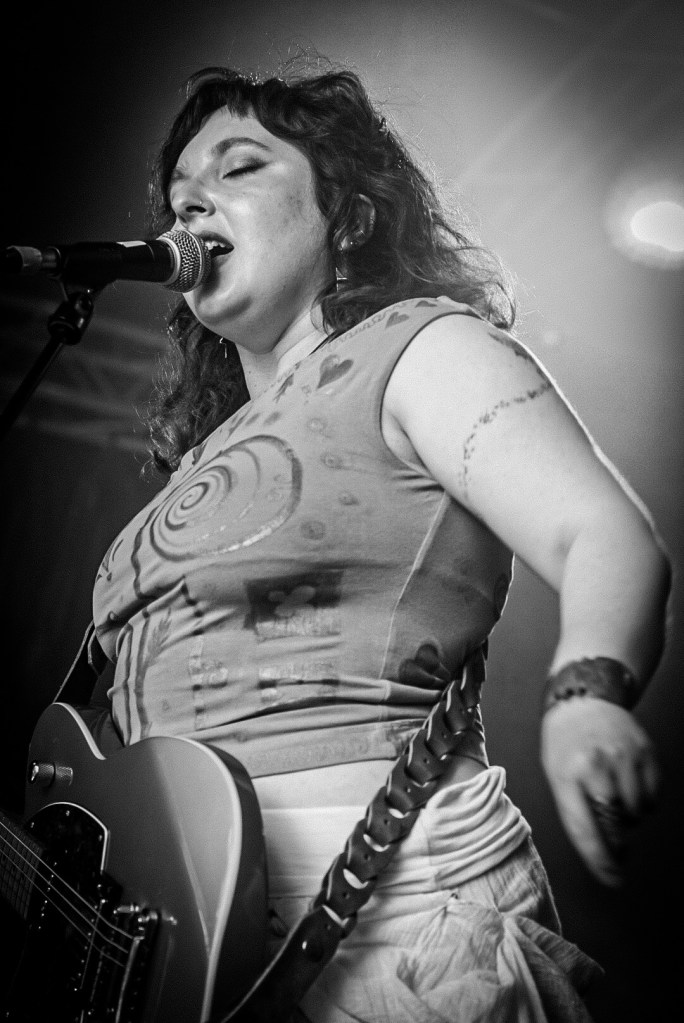
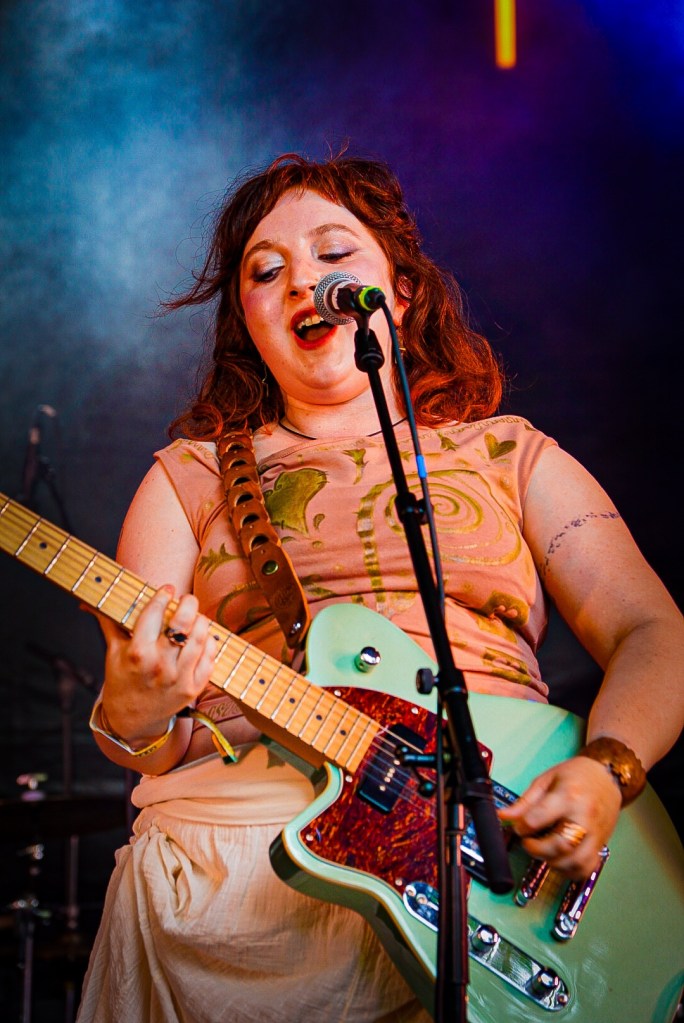
Across on the BBC Introducing Stage, Sister Madds wasted no time announcing themself. After seeing them multiple times, it still felt like the first time. Confident, charismatic and armed with sharp songwriting, their set carried the excitement of a band discovering just how well their music translates to a festival audience.
Lacuna followed with a darker, more atmospheric performance. The Glasgow band offered a welcome contrast to the brighter indie sounds of The Snuts on the Main Stage, proving they deserve a much larger venue. Every song seemed to build patiently before exploding into moments of intensity.
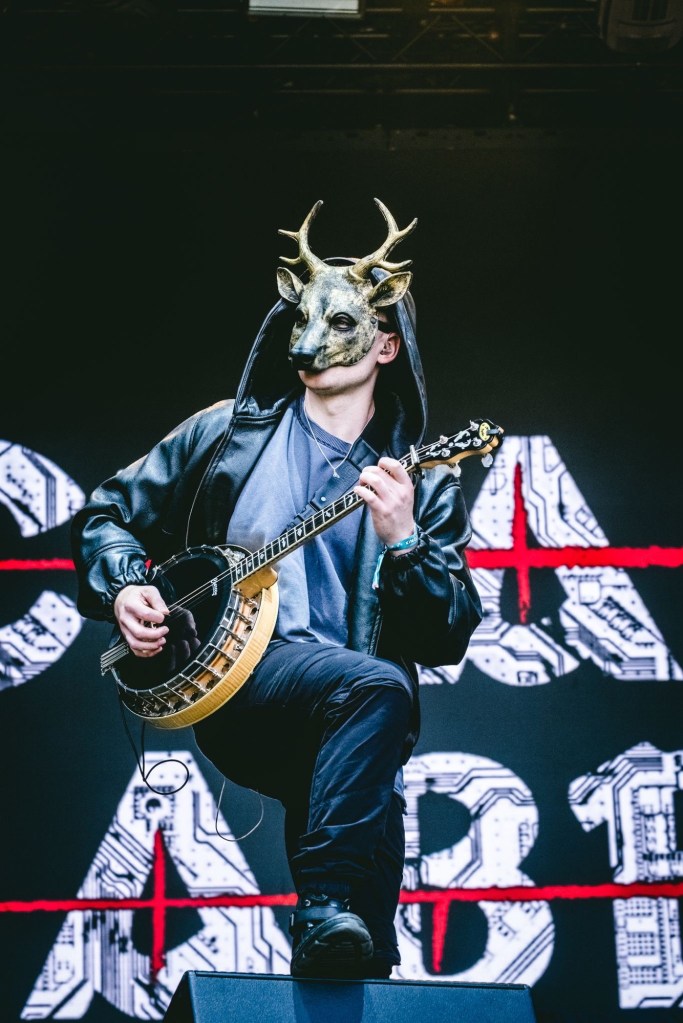
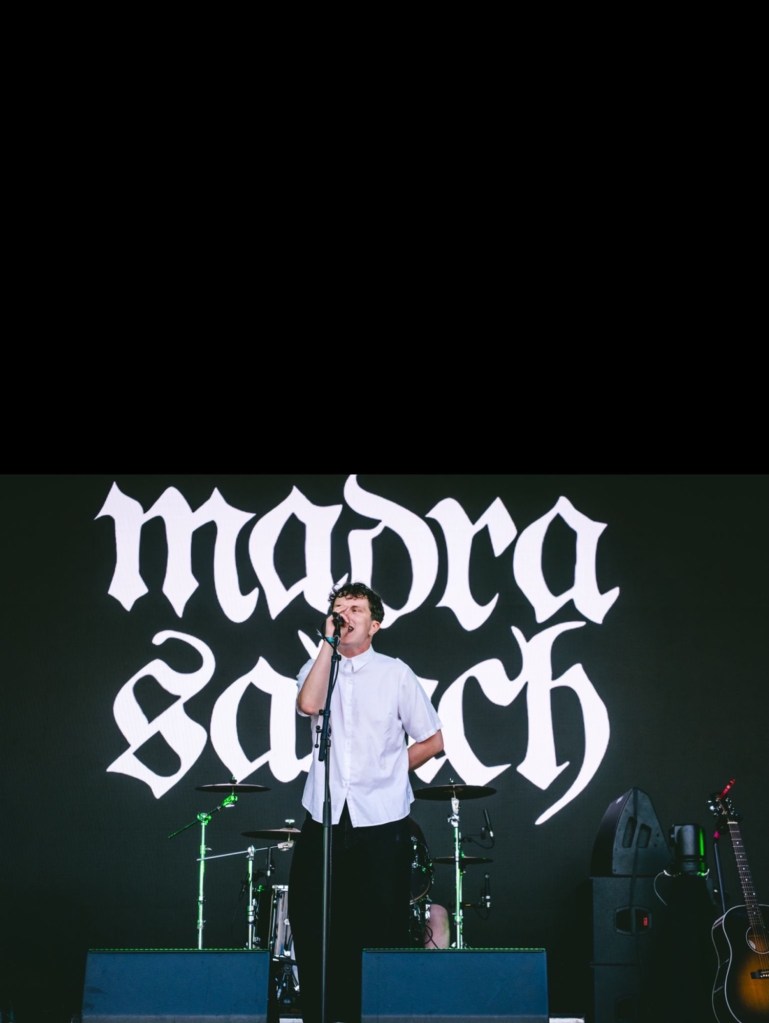
One of the afternoon’s biggest surprises came from Madra Salach, whose blend of punk and Celtic grit resonated strongly with the Scottish audience. Raw without becoming chaotic, they delivered the kind of set that reminded everyone why the King’s Tut’s Stage continues to be TRNSMT’s breeding ground for exciting new bands.
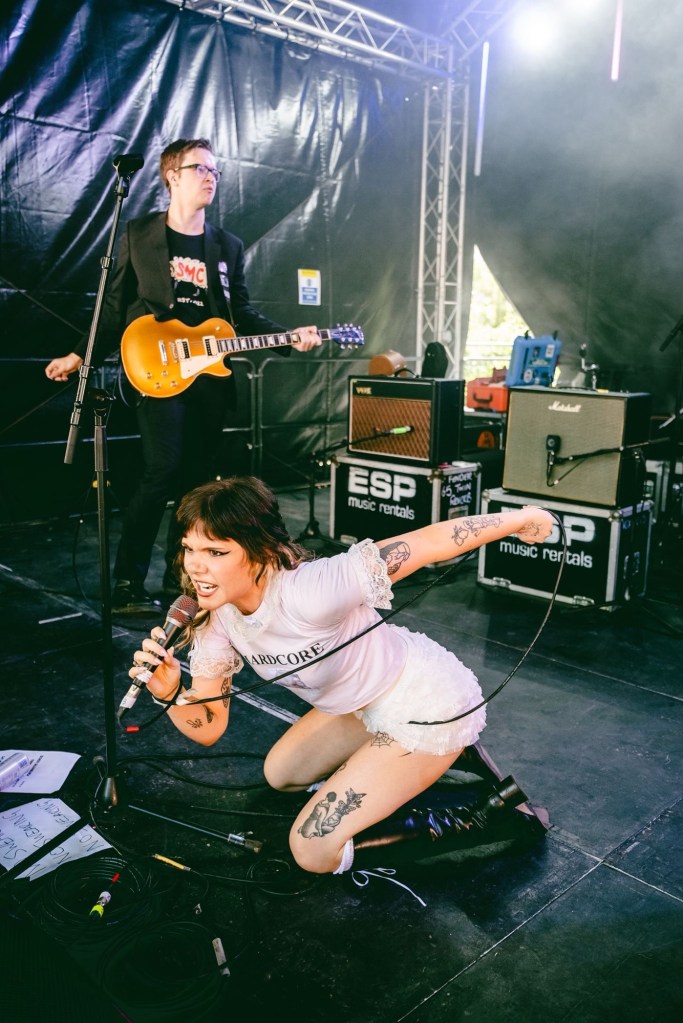
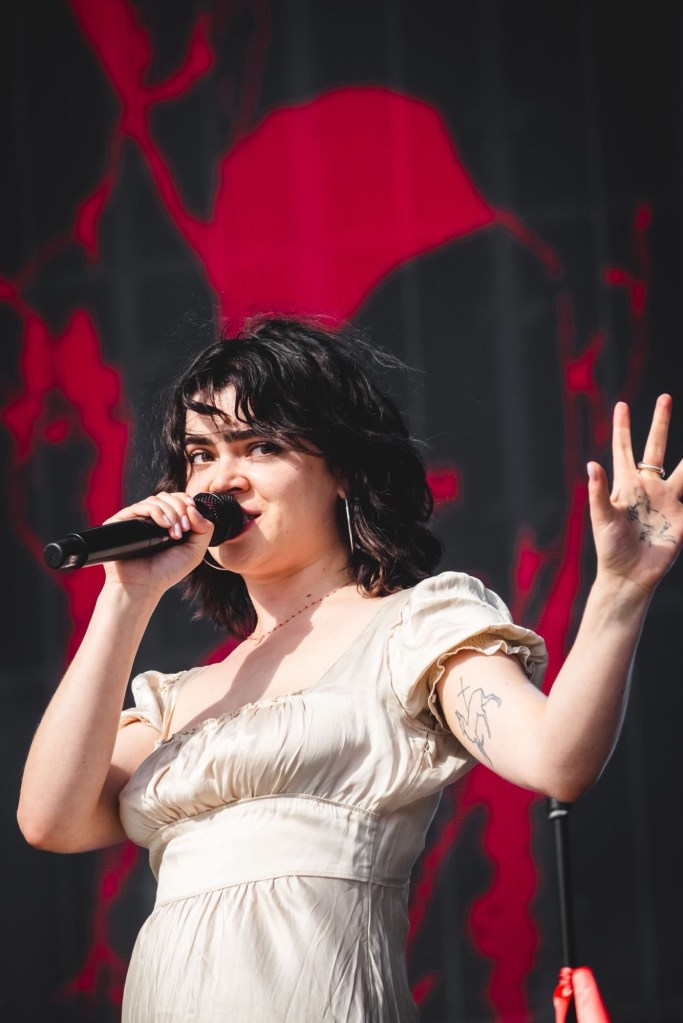
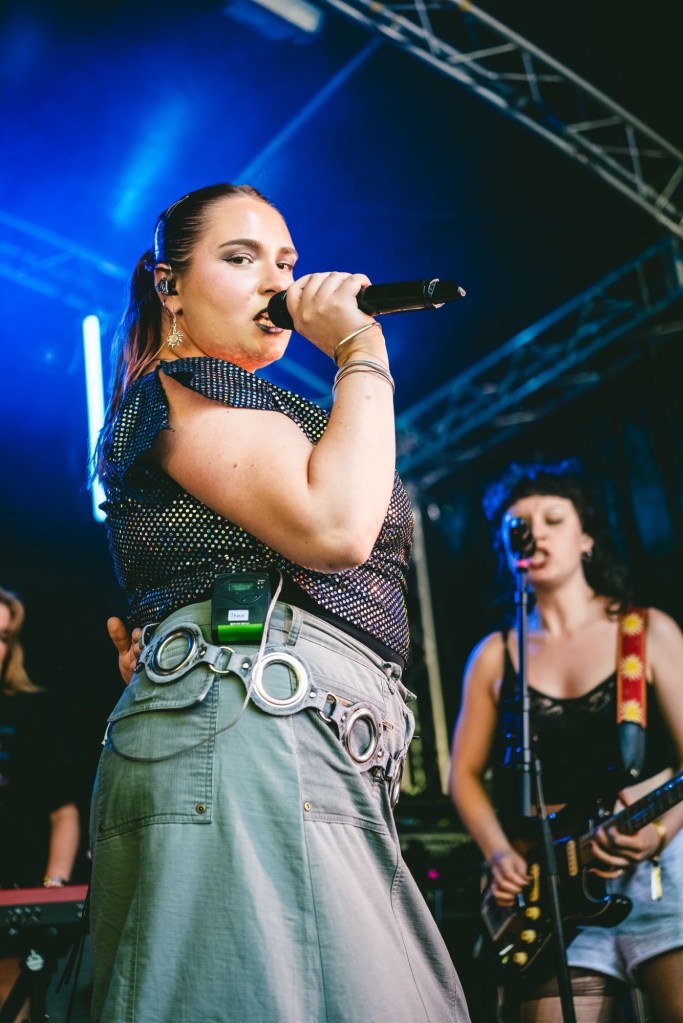
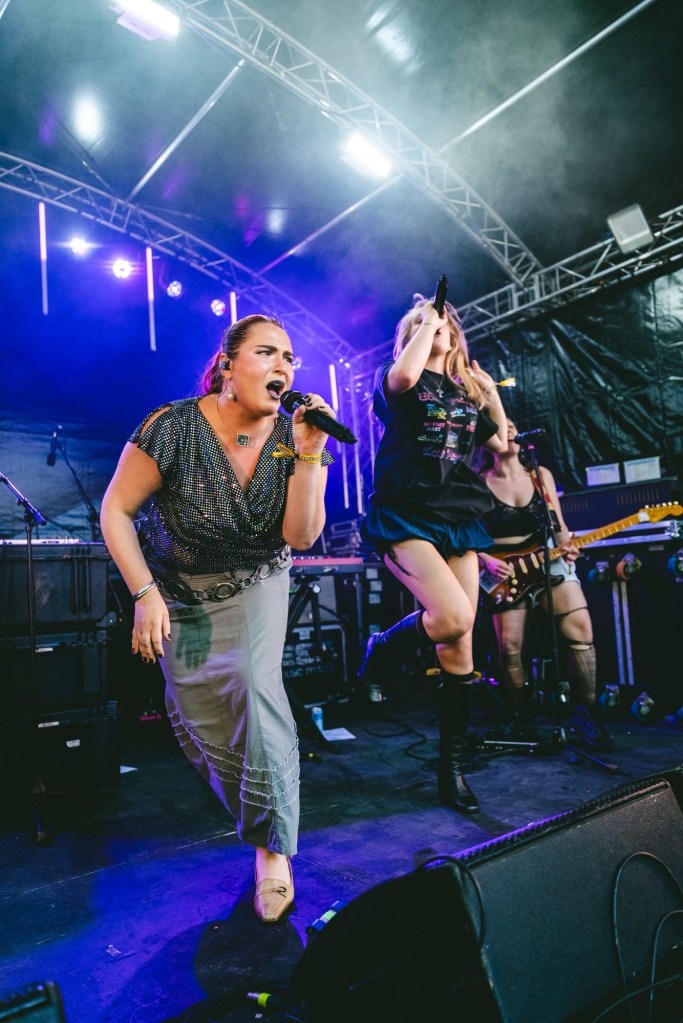
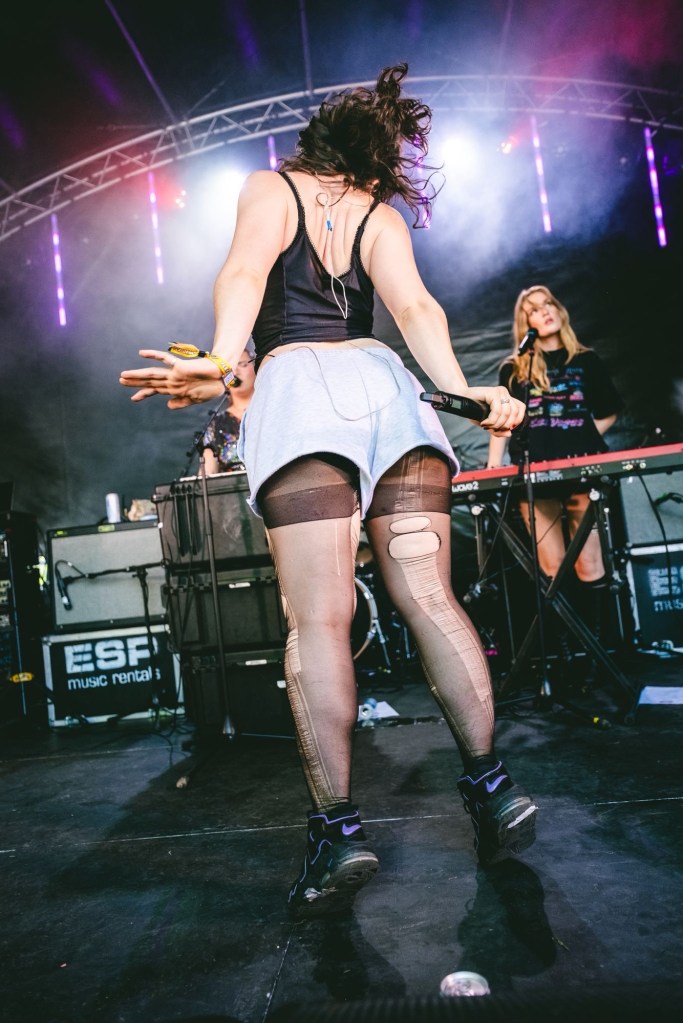
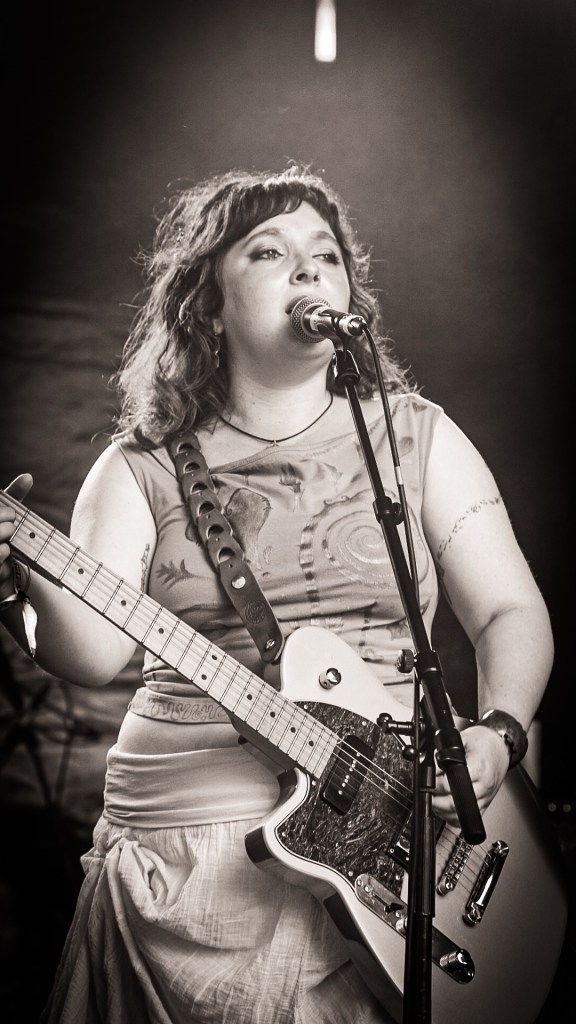
If there was another act destined for a larger stage, it may well have been Girl Group. Their punchy post-punk, blended with pop and dry humour, transformed the BBC Introducing Stage into one of the day’s liveliest crowds.
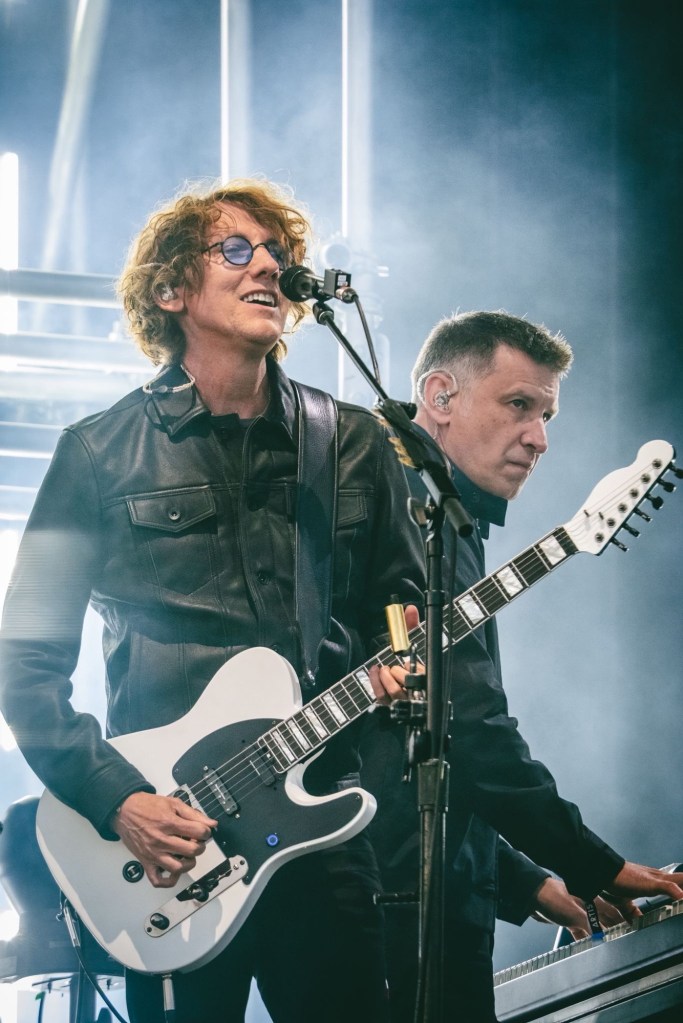
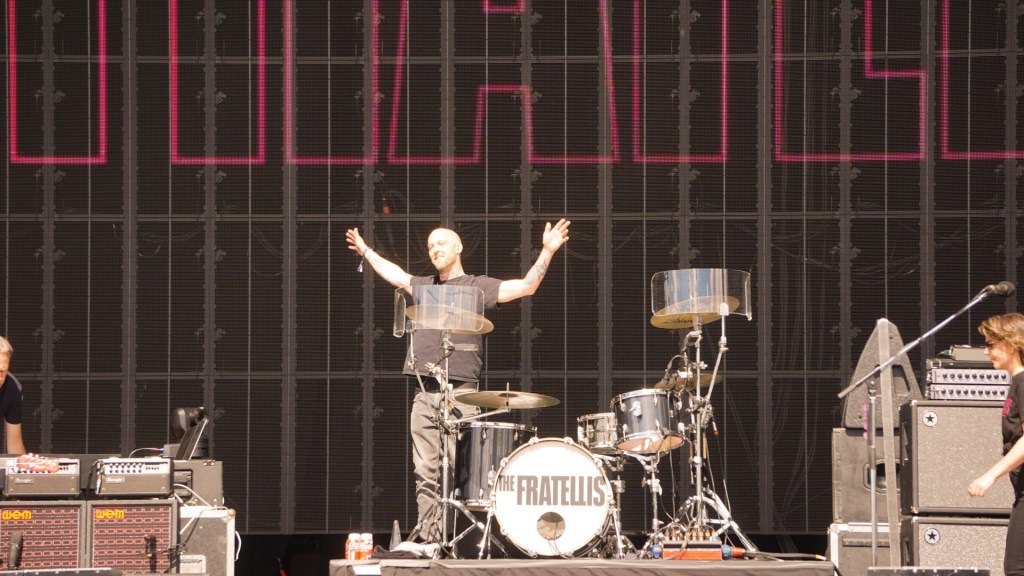
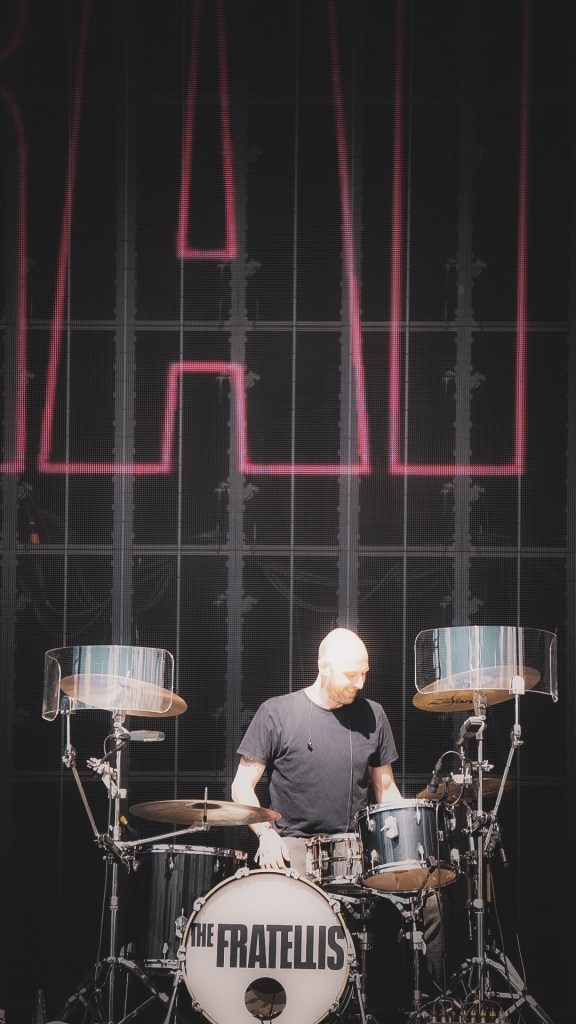
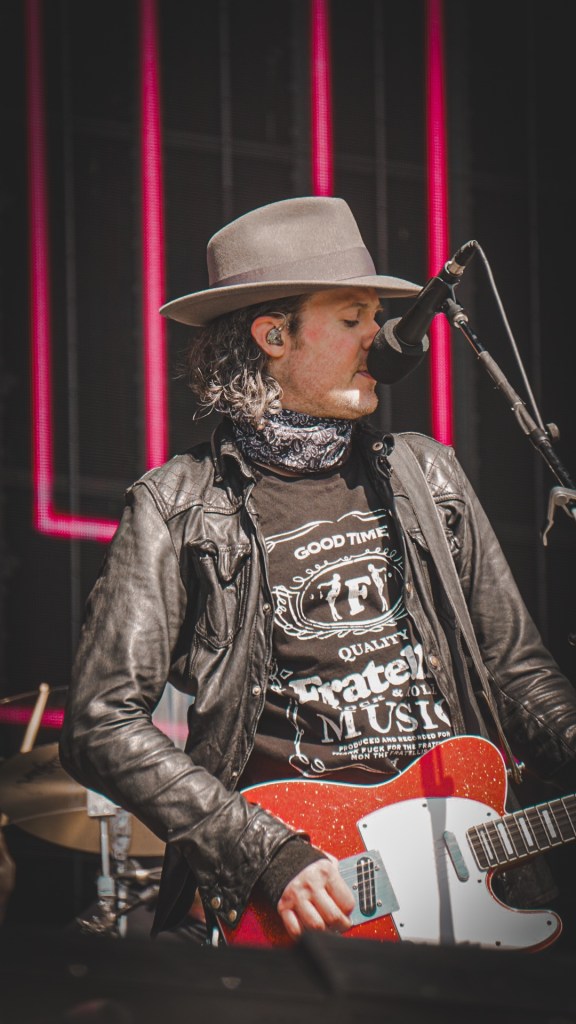
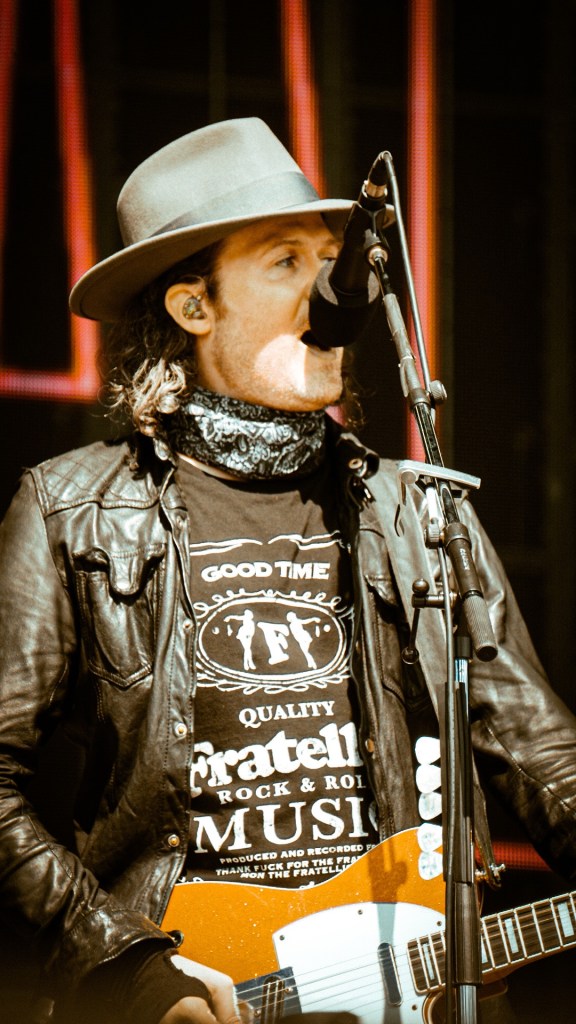
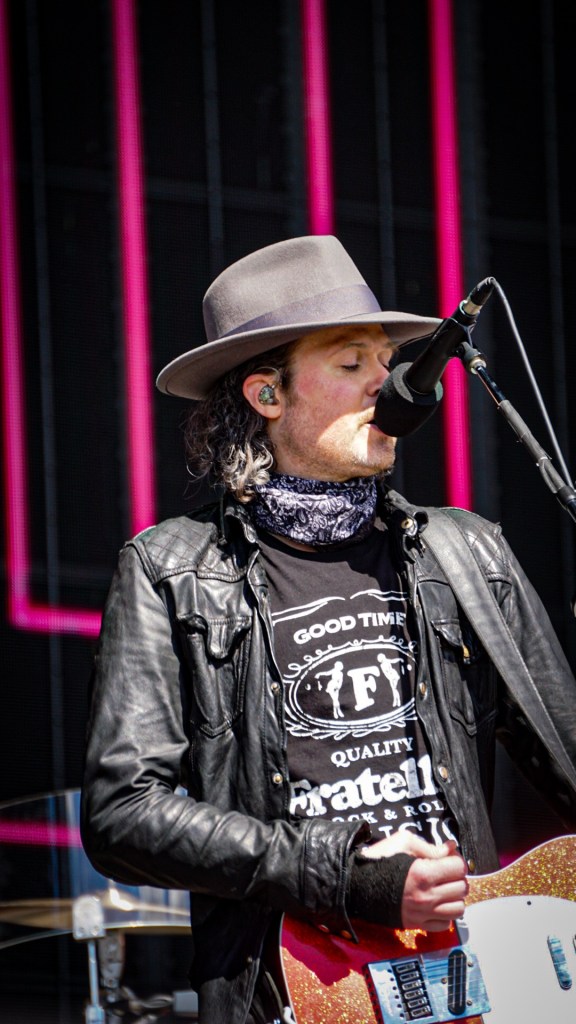
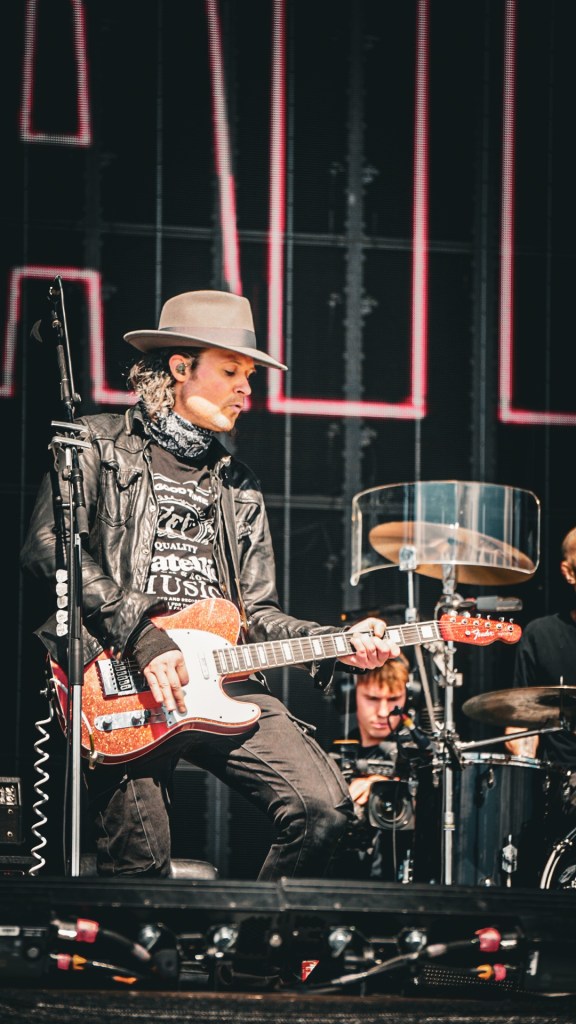
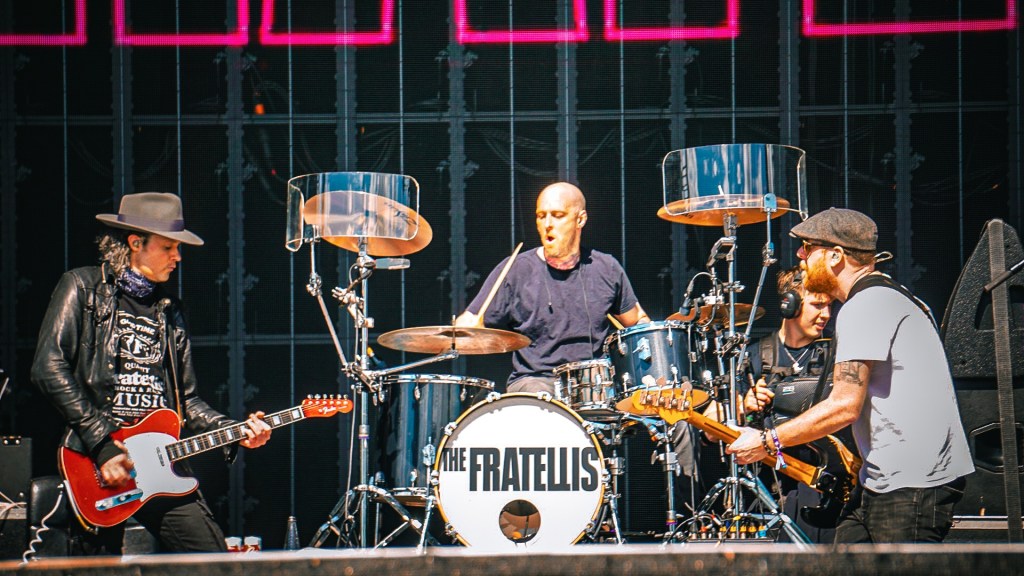
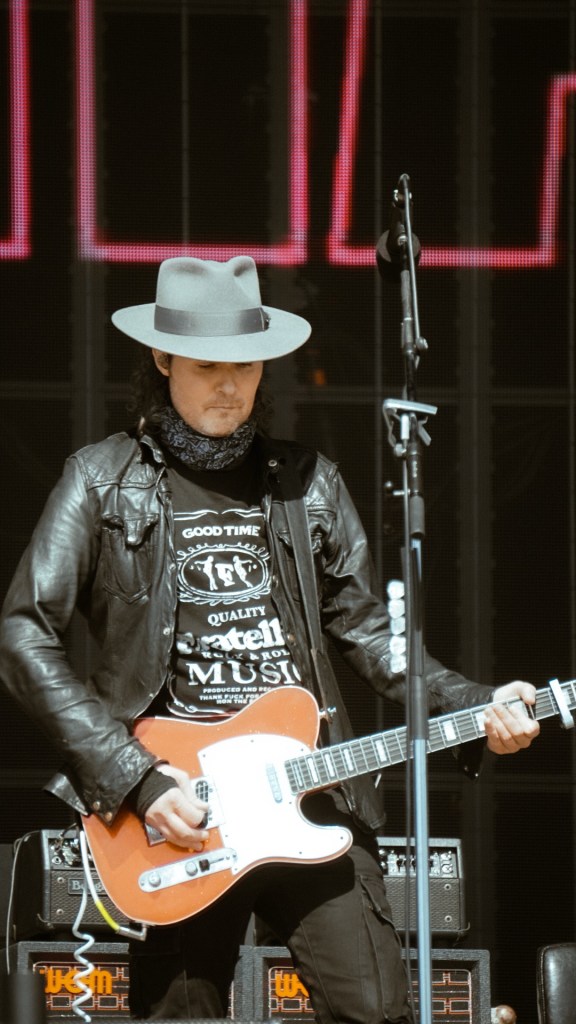
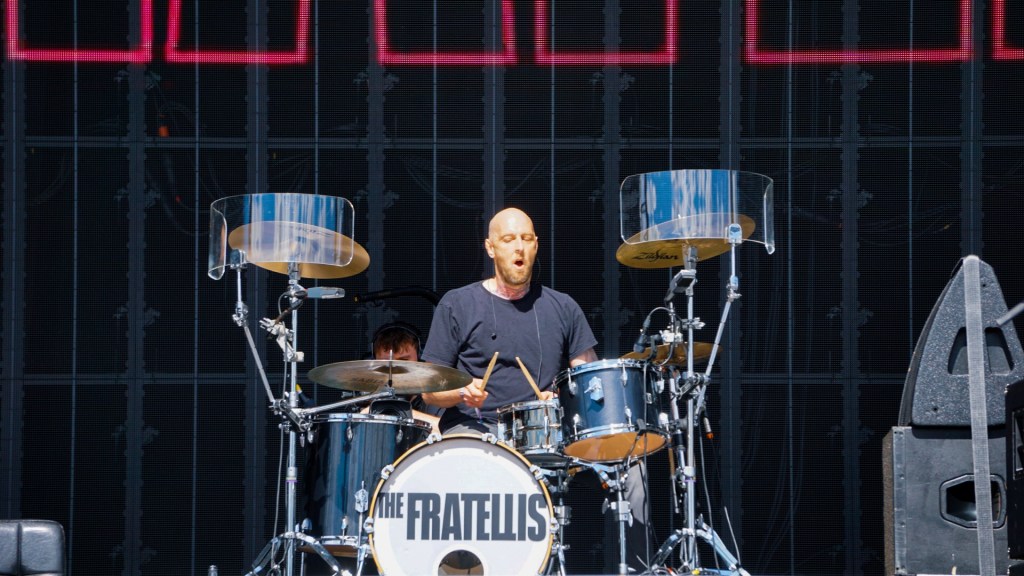
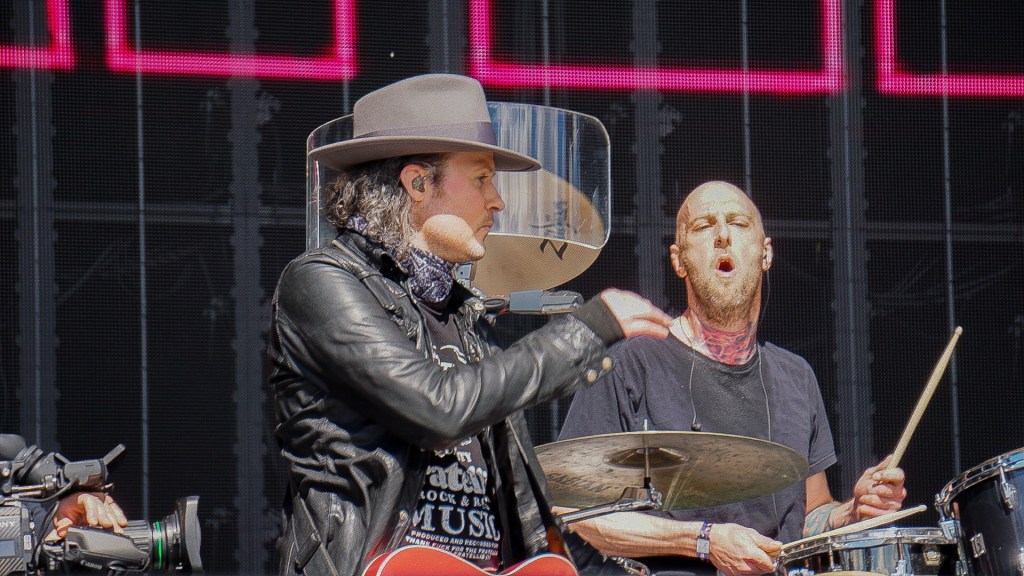
Similarly impressive was Keo, whose emotional songwriting sat comfortably alongside The Fratellis, who were playing on the Main Stage. Their songs balanced vulnerability with confidence, giving the cheering crowd one of the day’s most heartfelt performances. It was easy to understand why industry buzz has surrounded them over the past year.
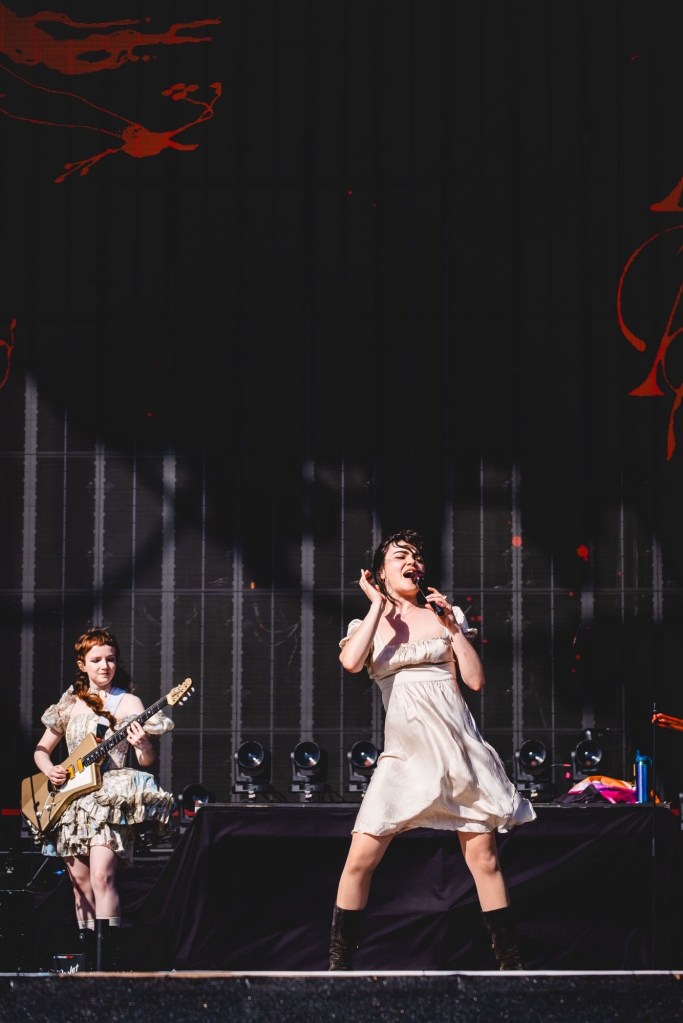
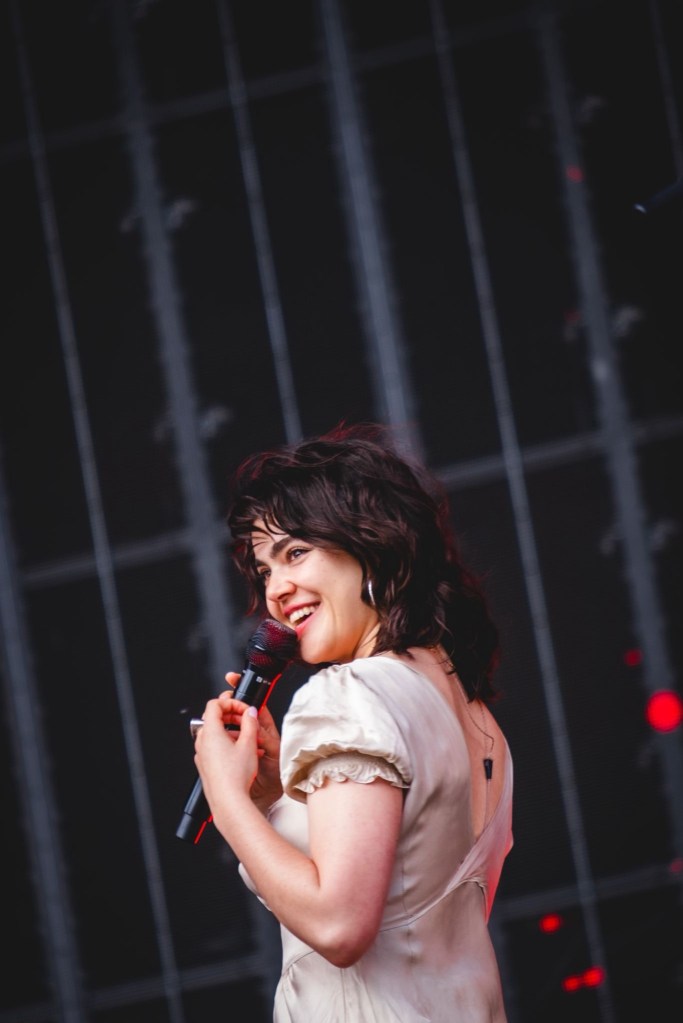
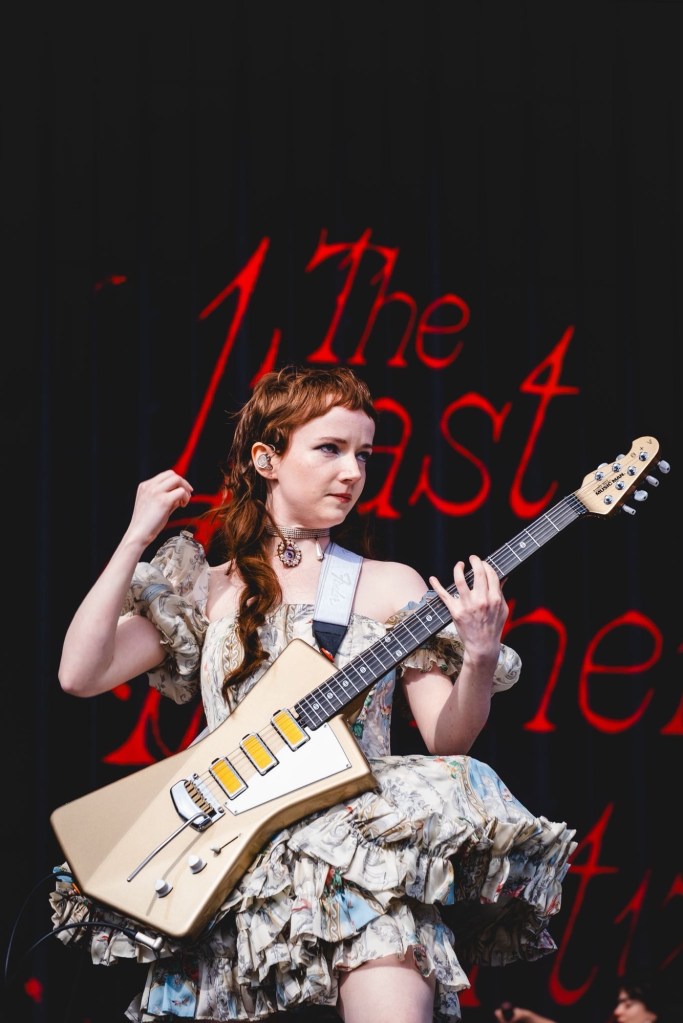
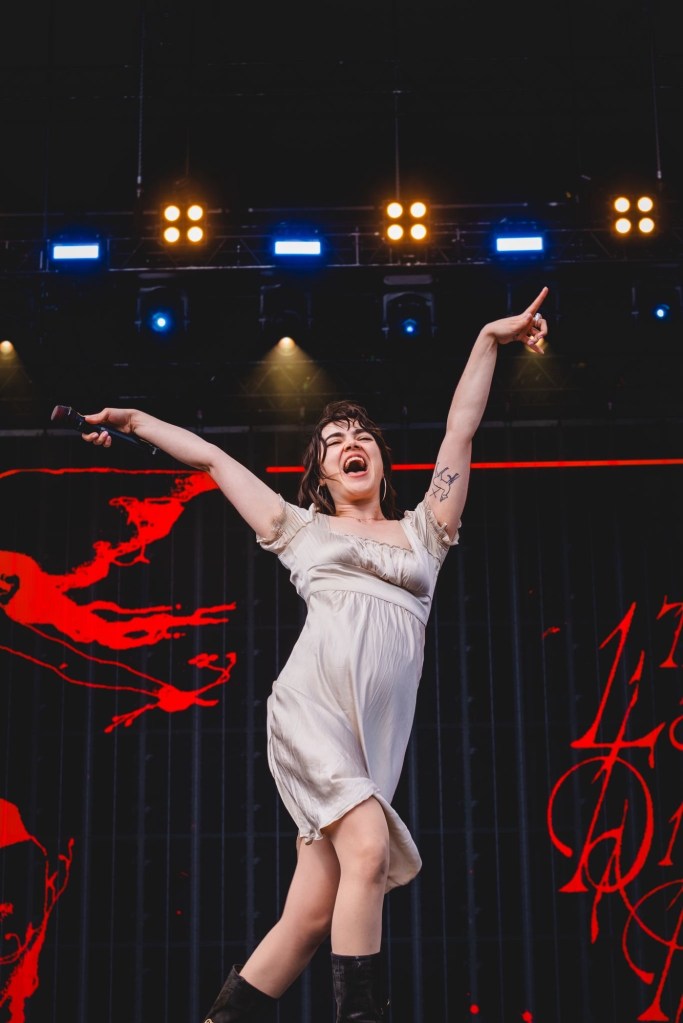
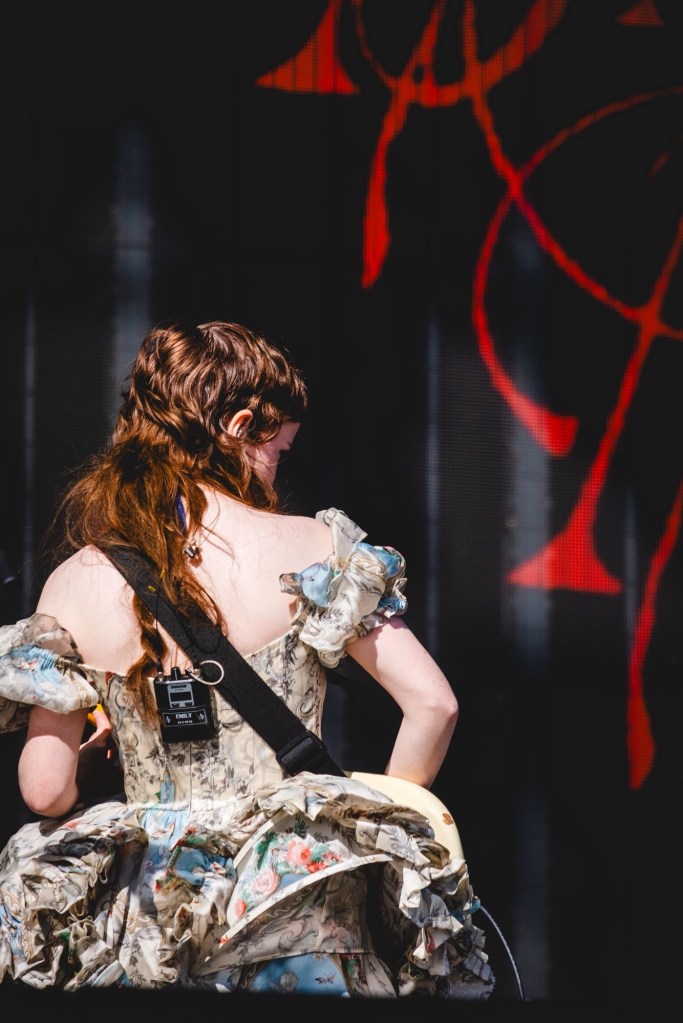
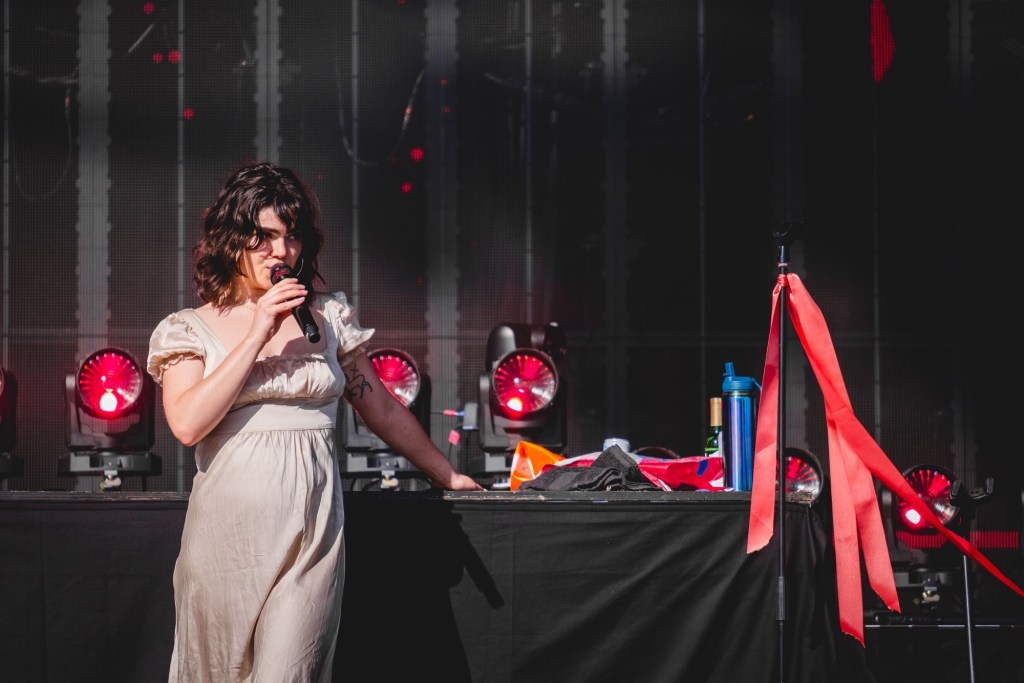
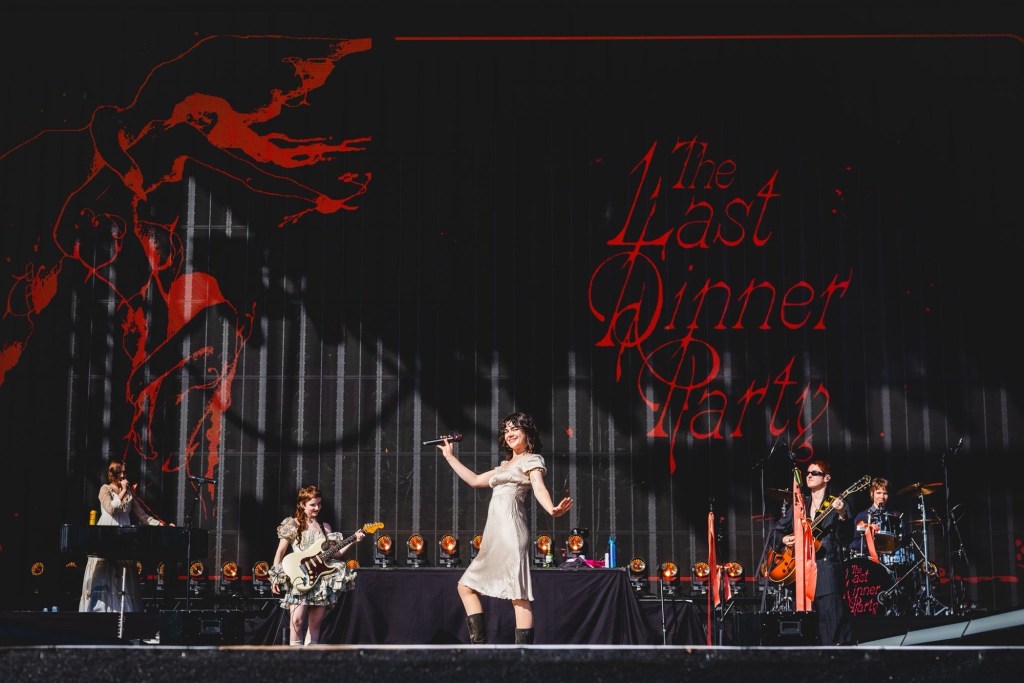
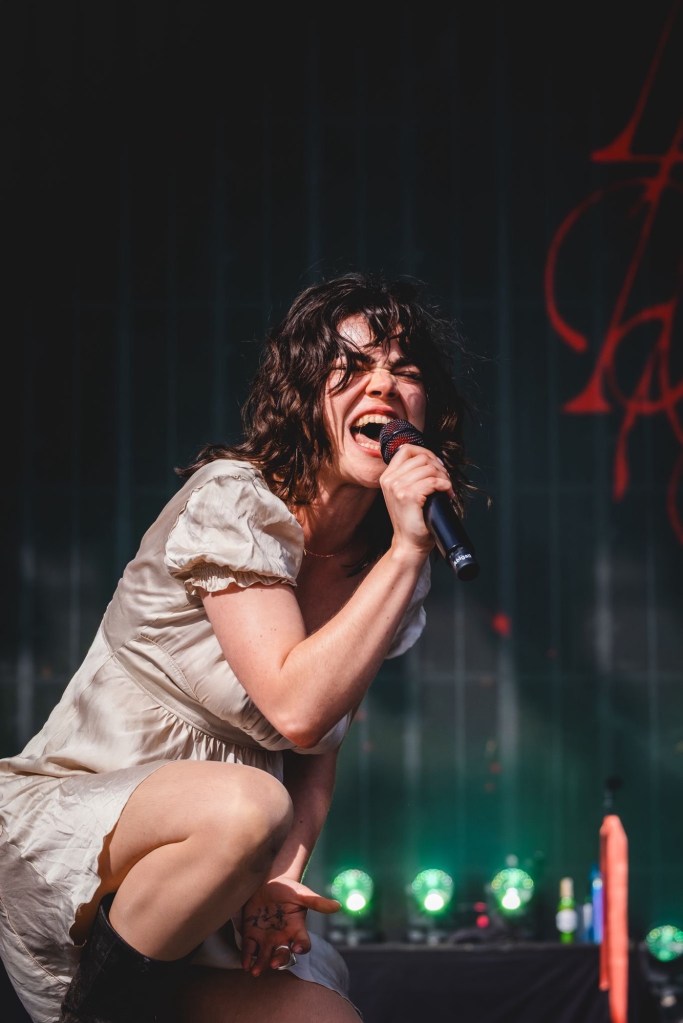
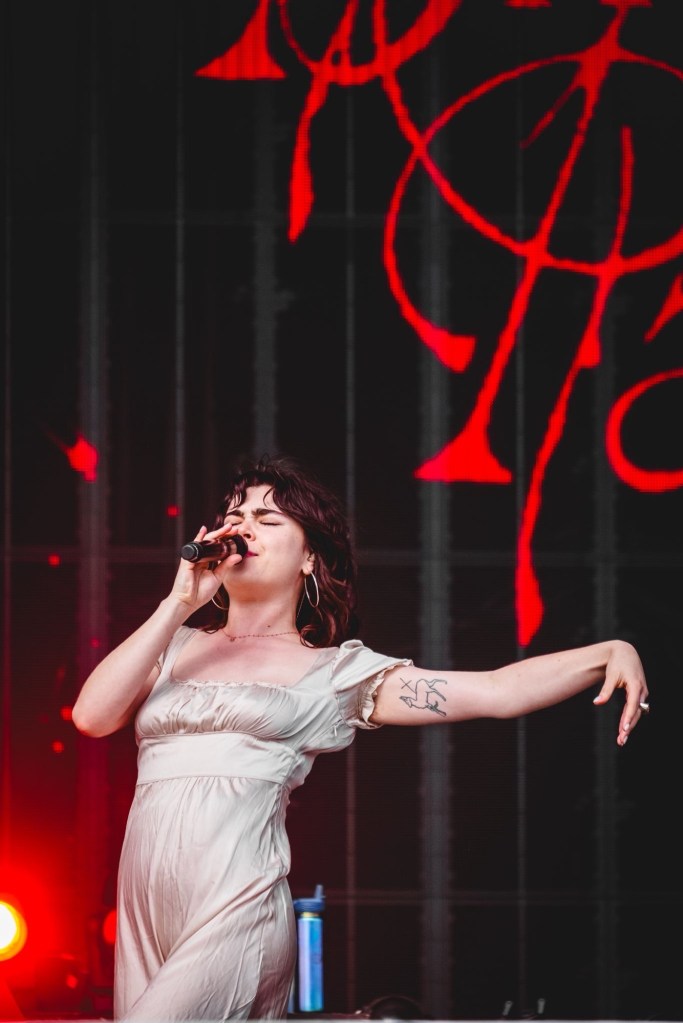
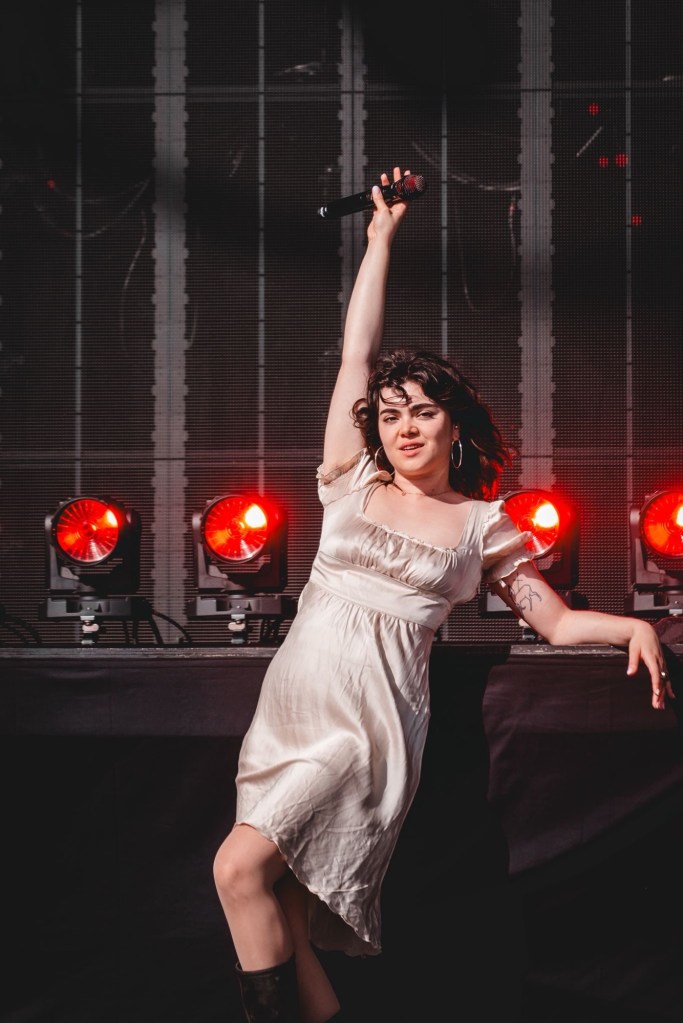
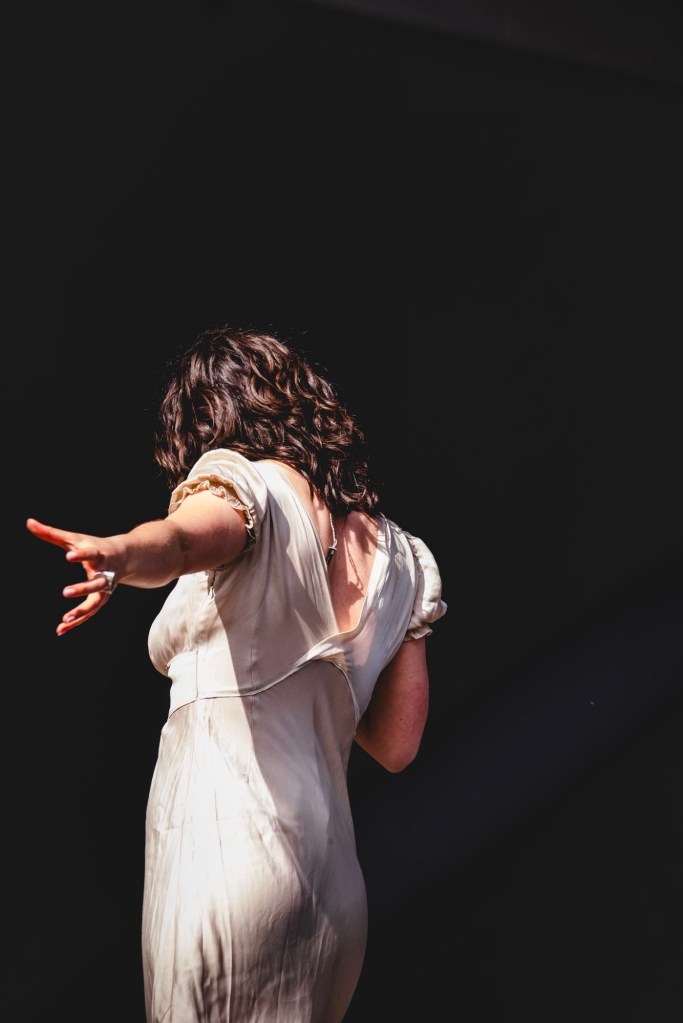
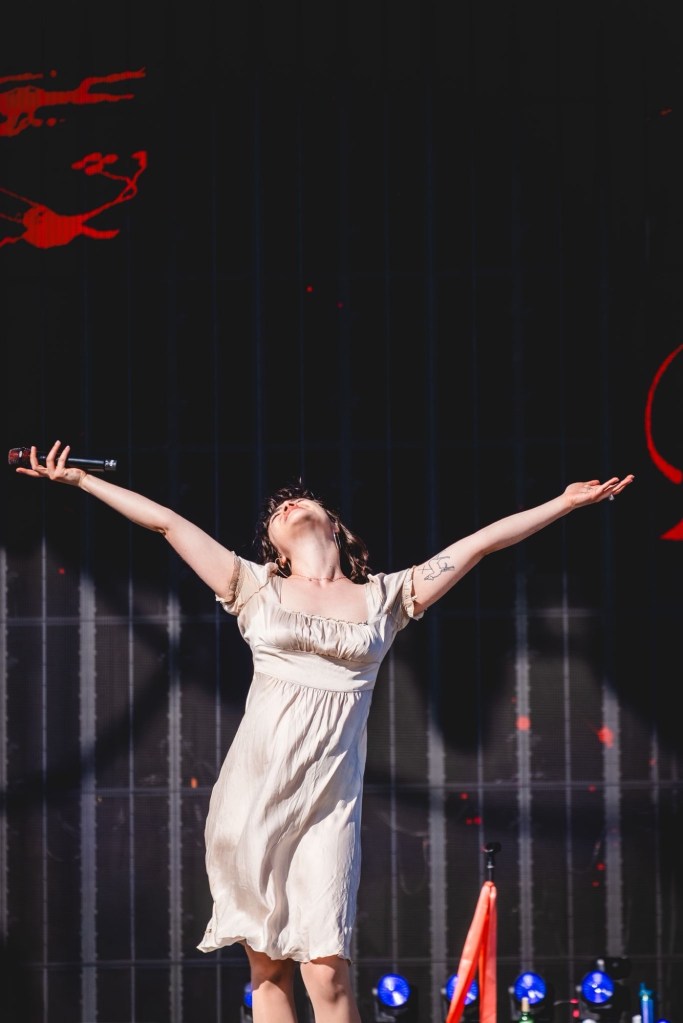
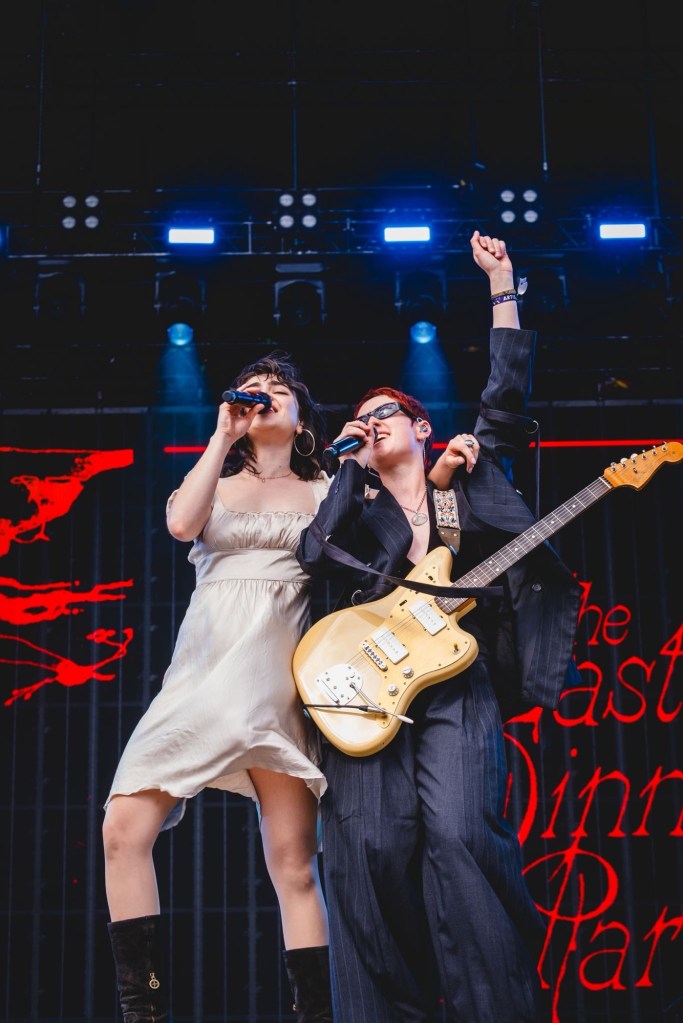
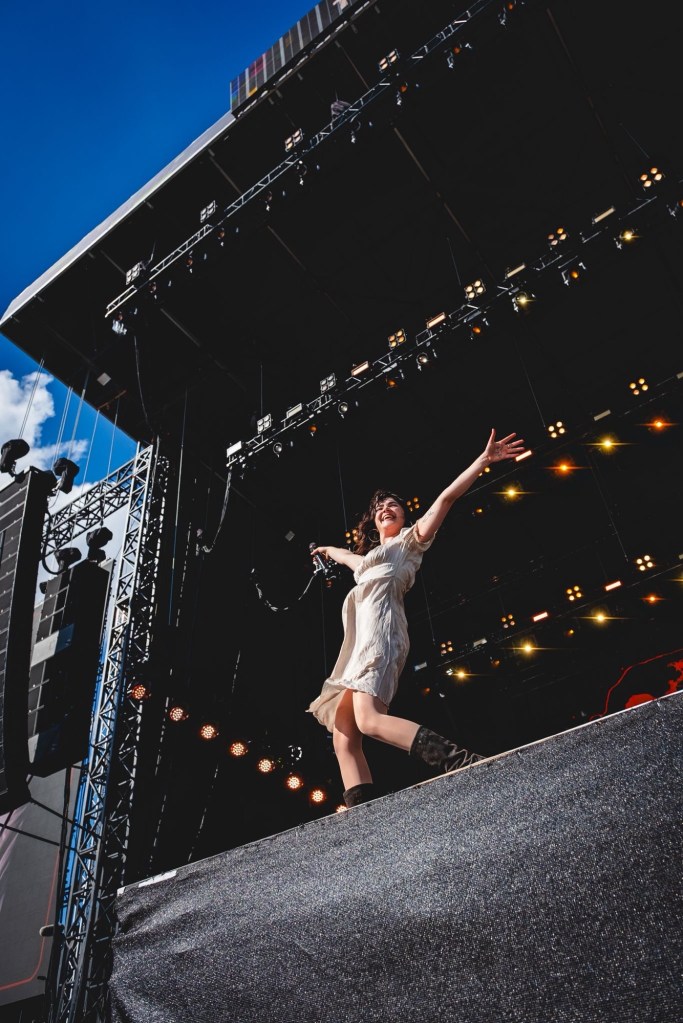
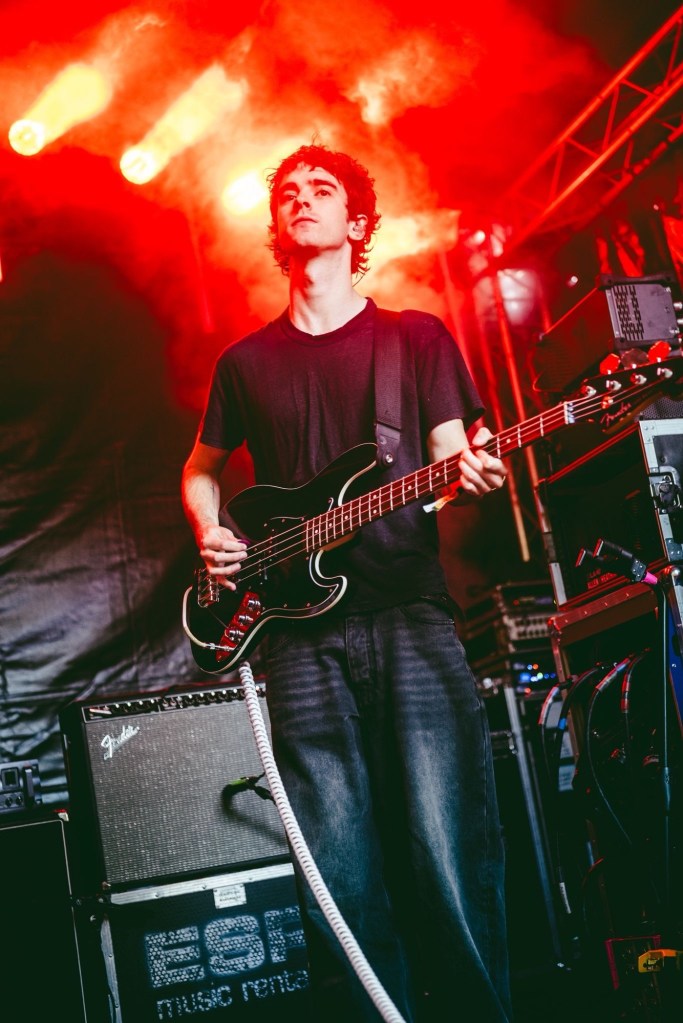
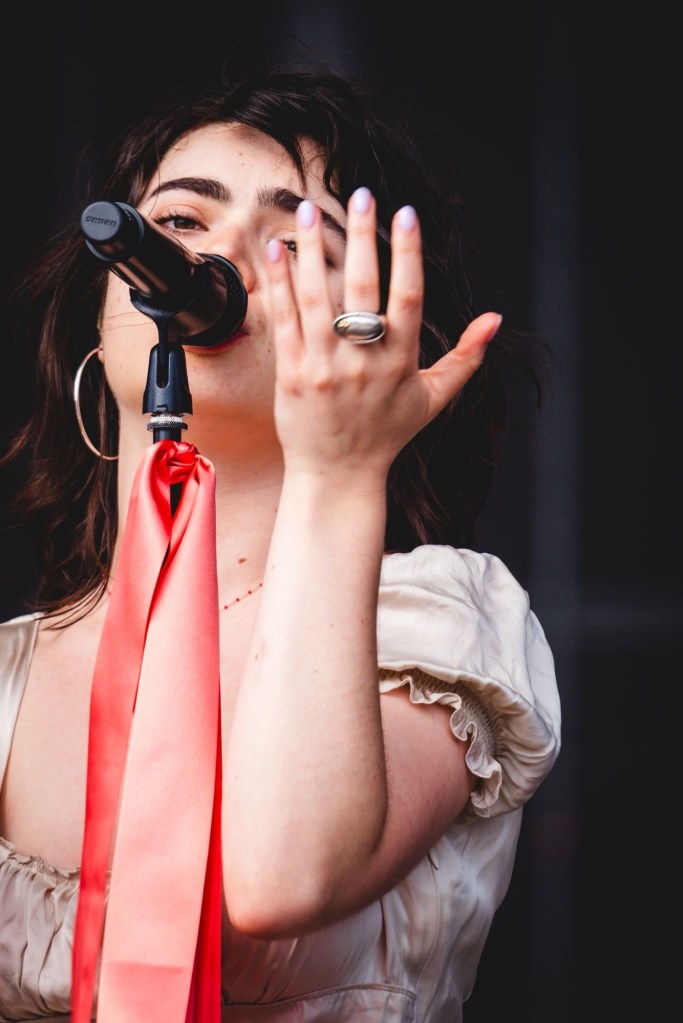
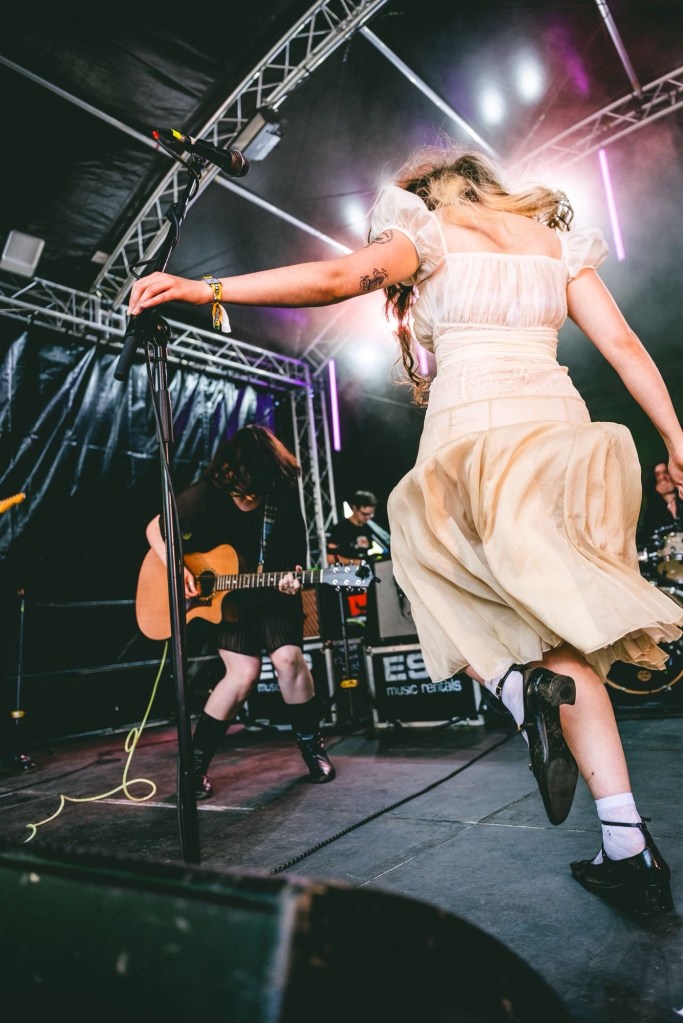
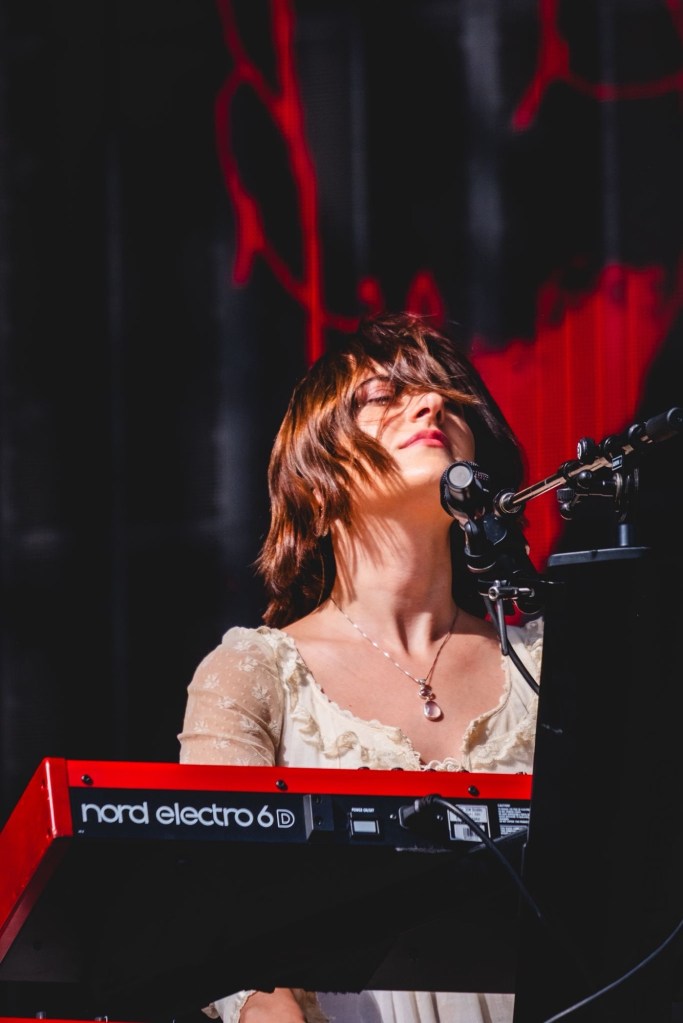
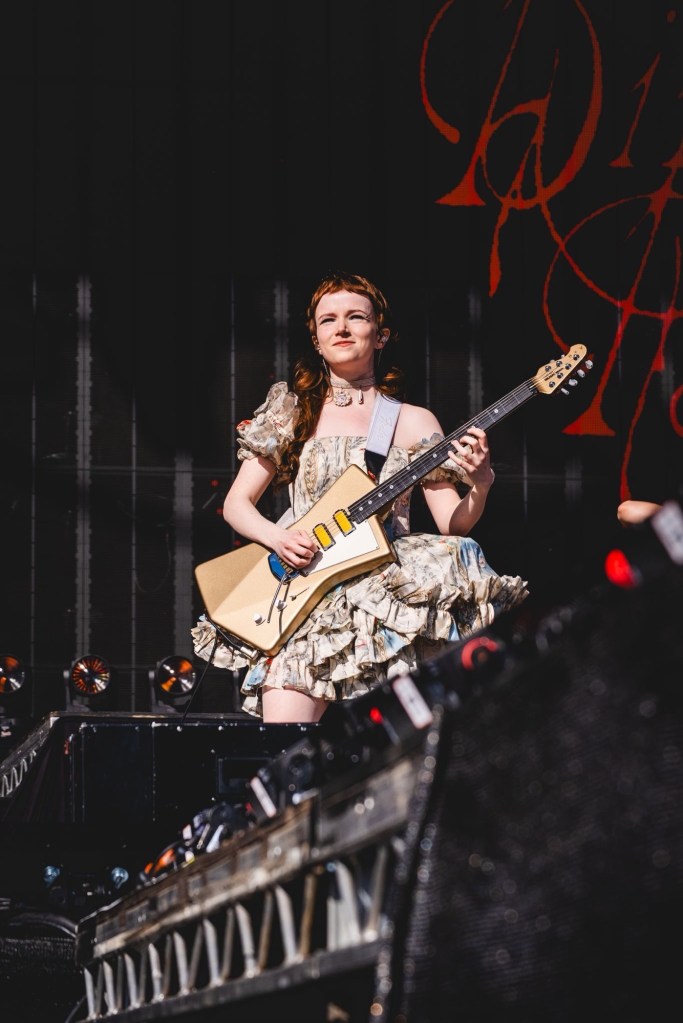
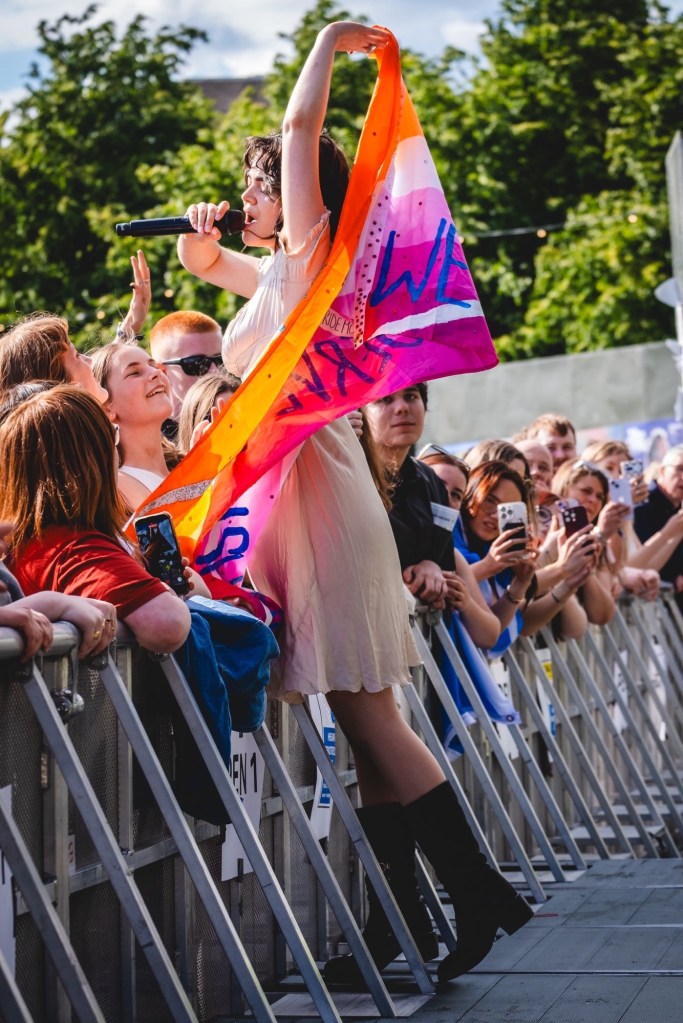
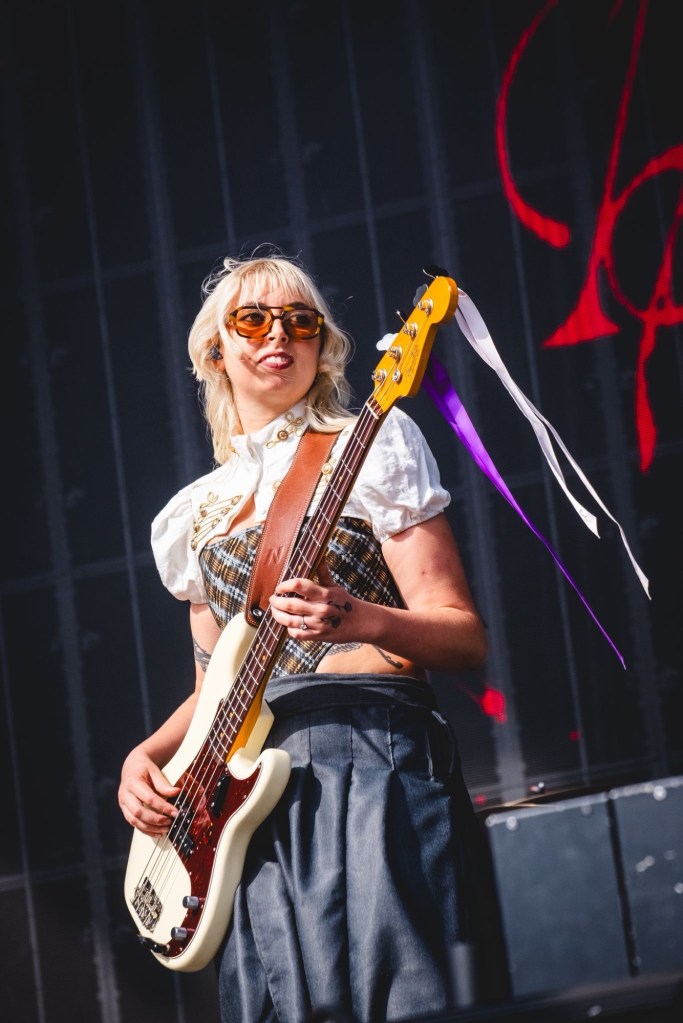
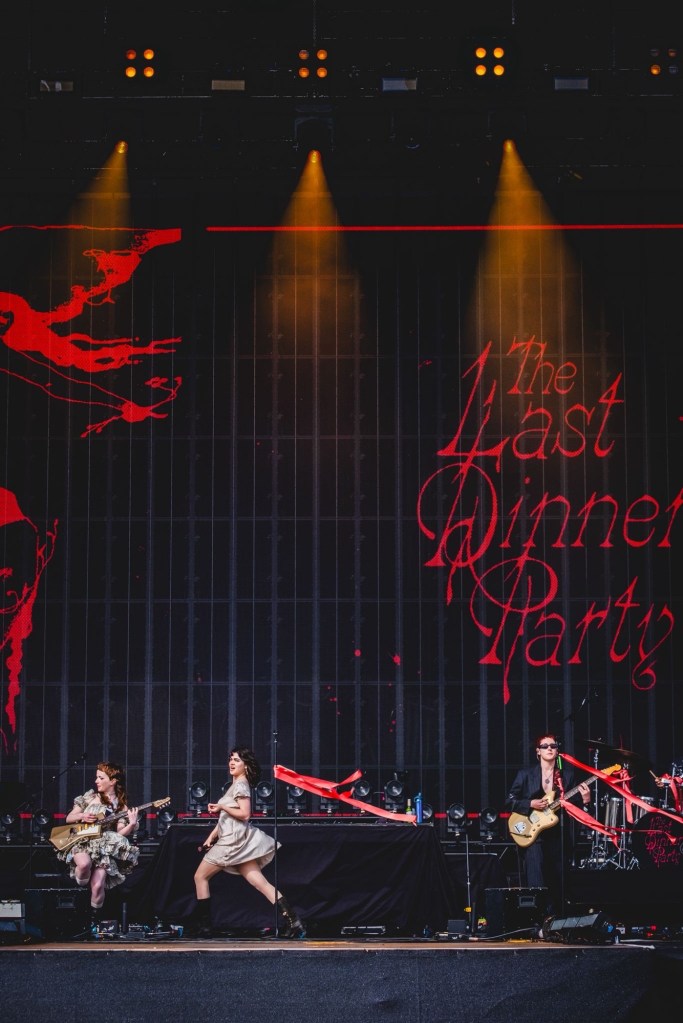
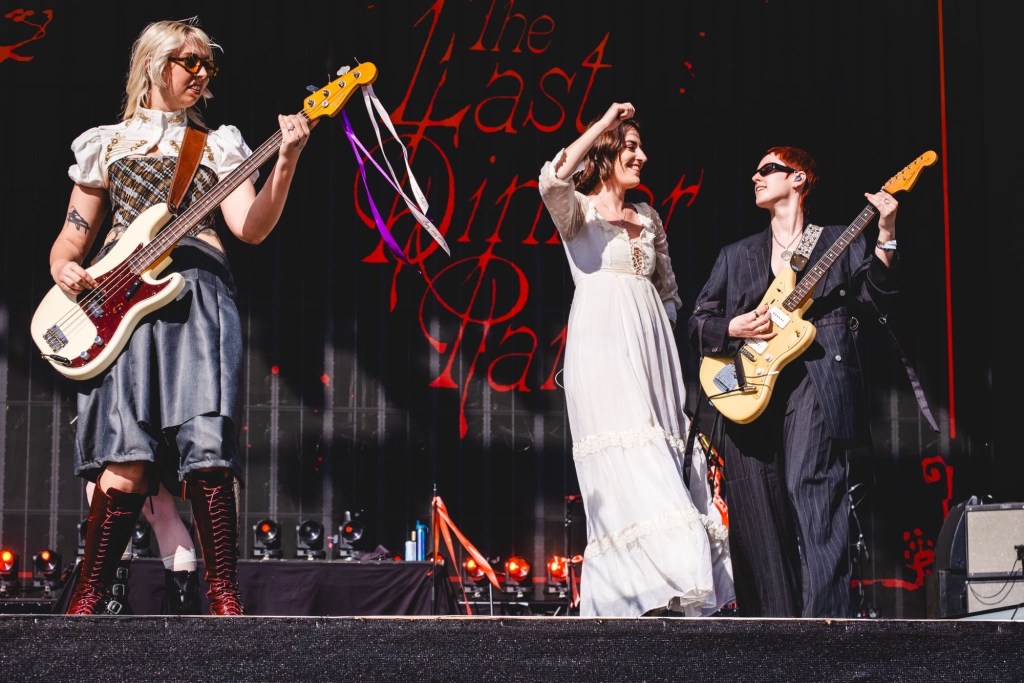
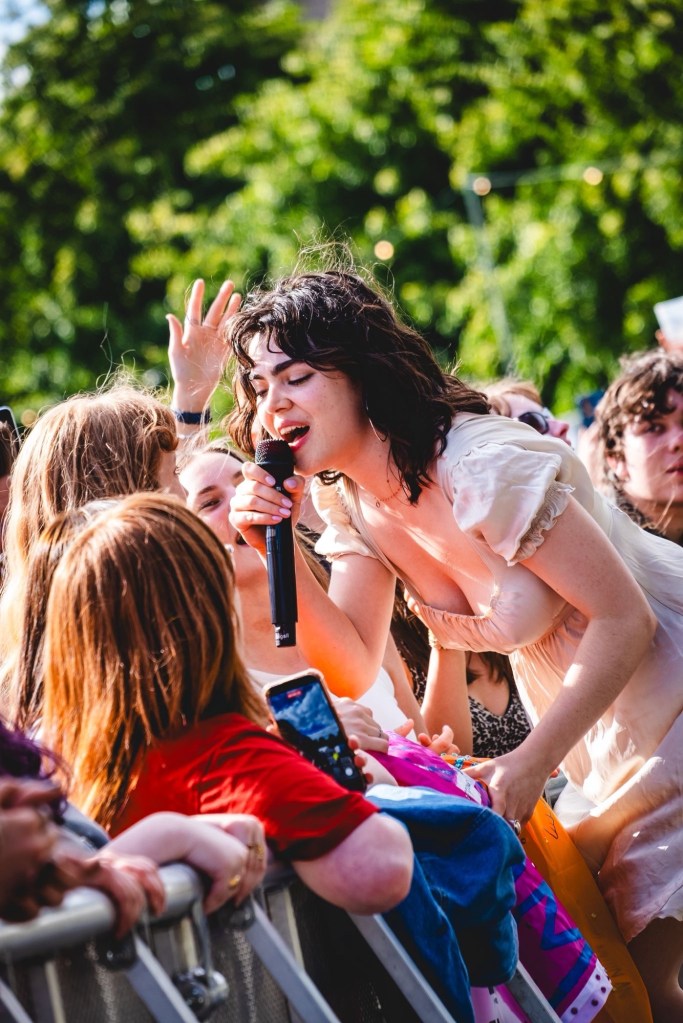
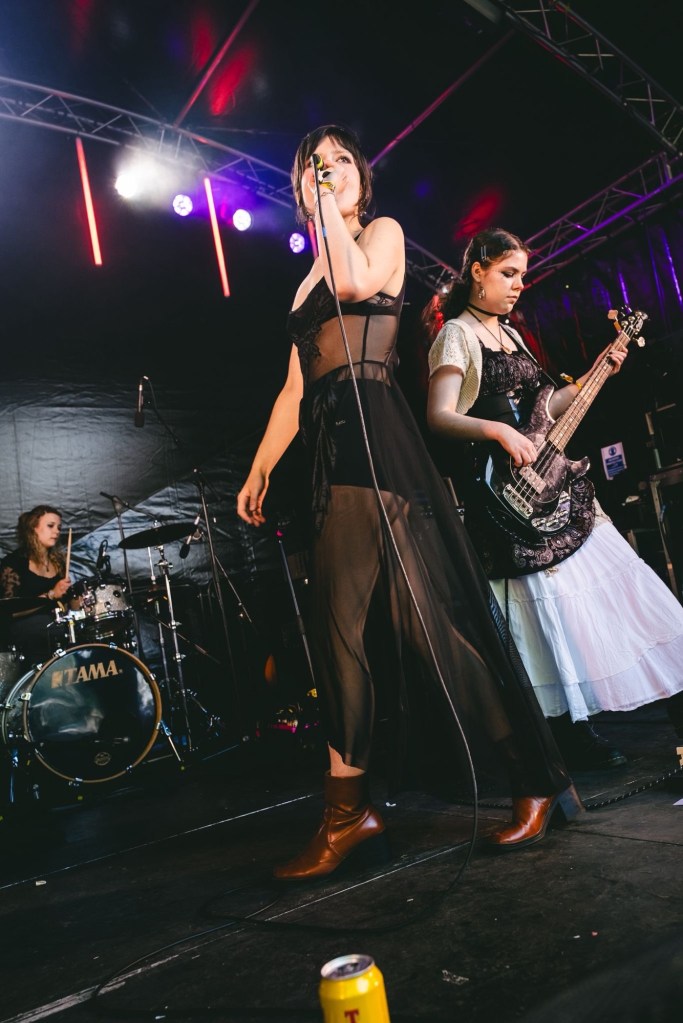
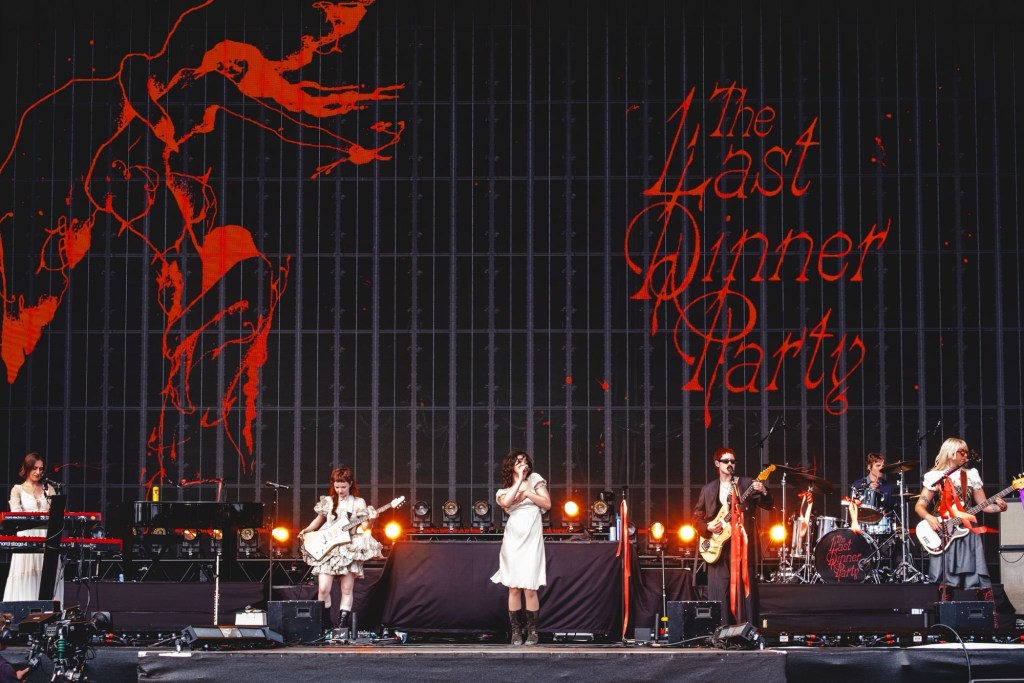
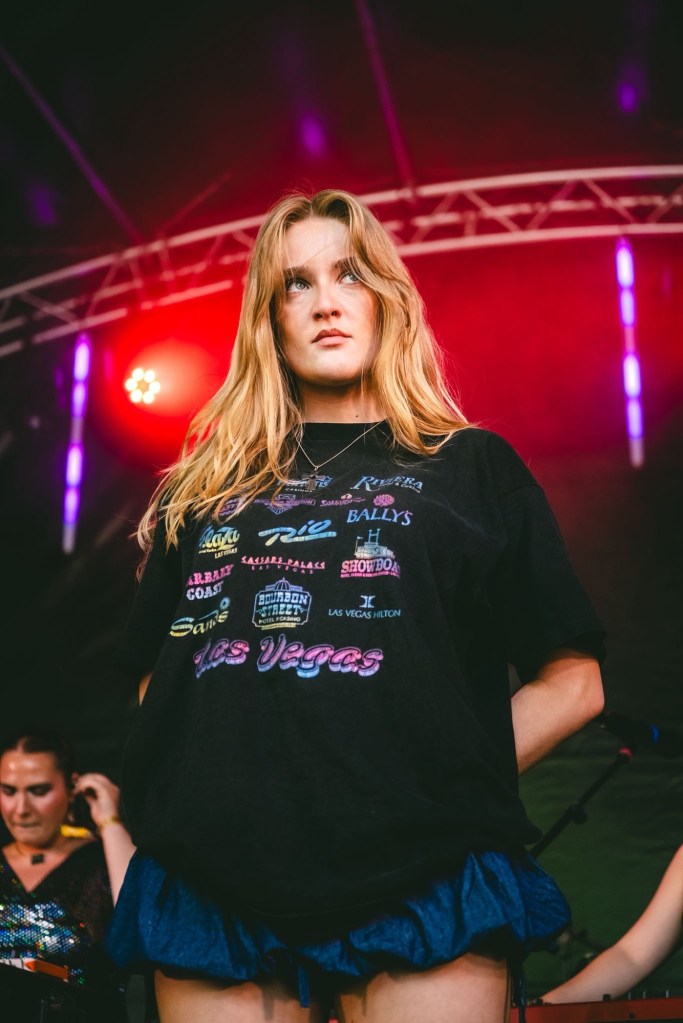
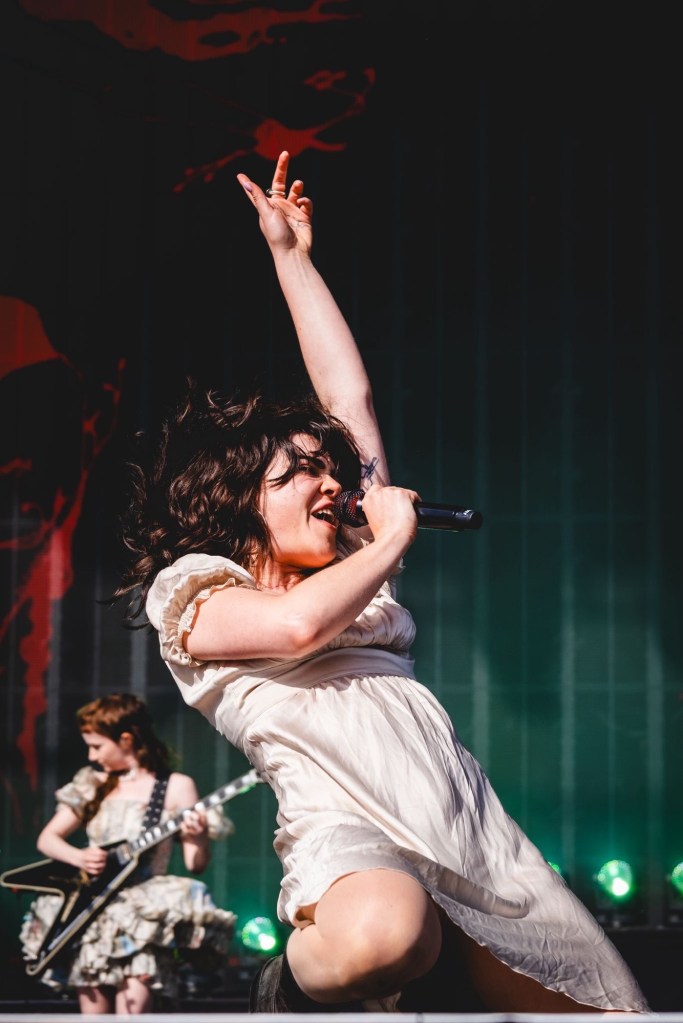
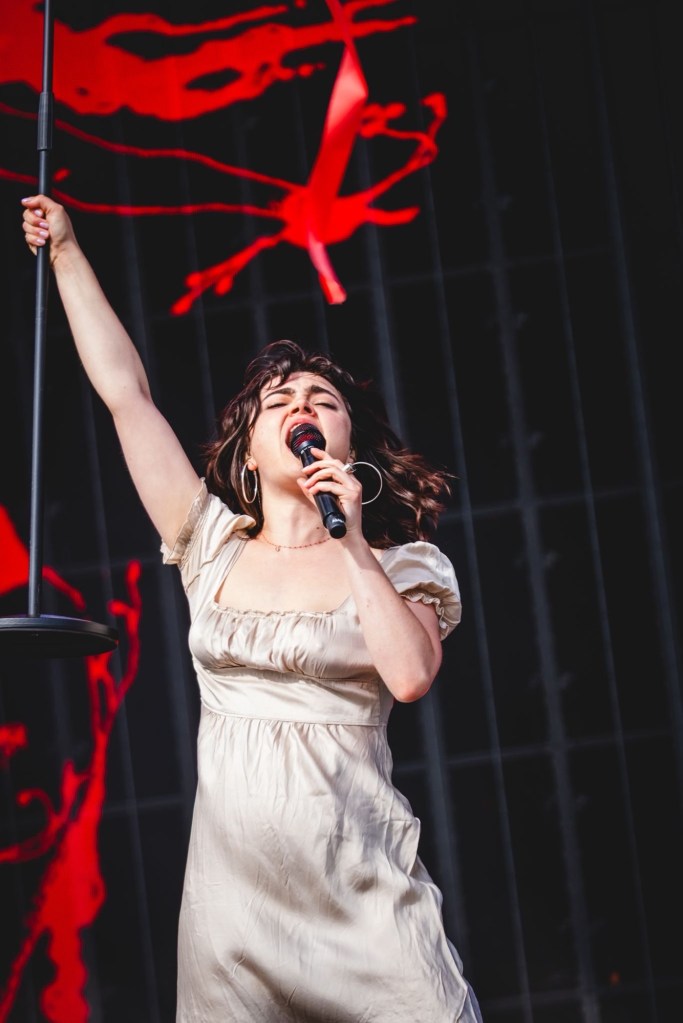
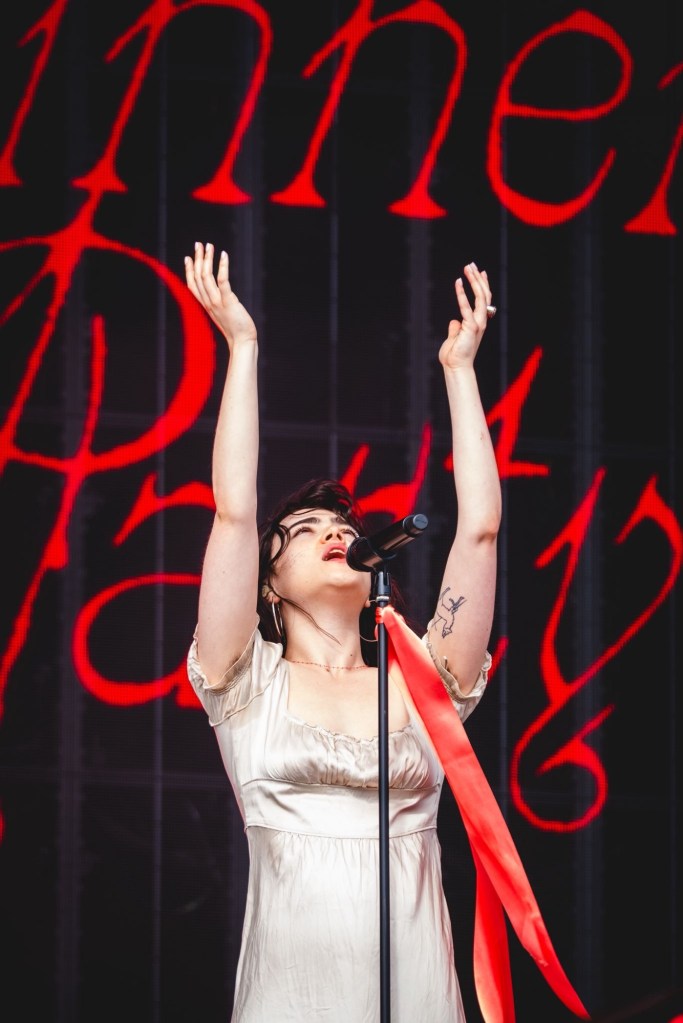
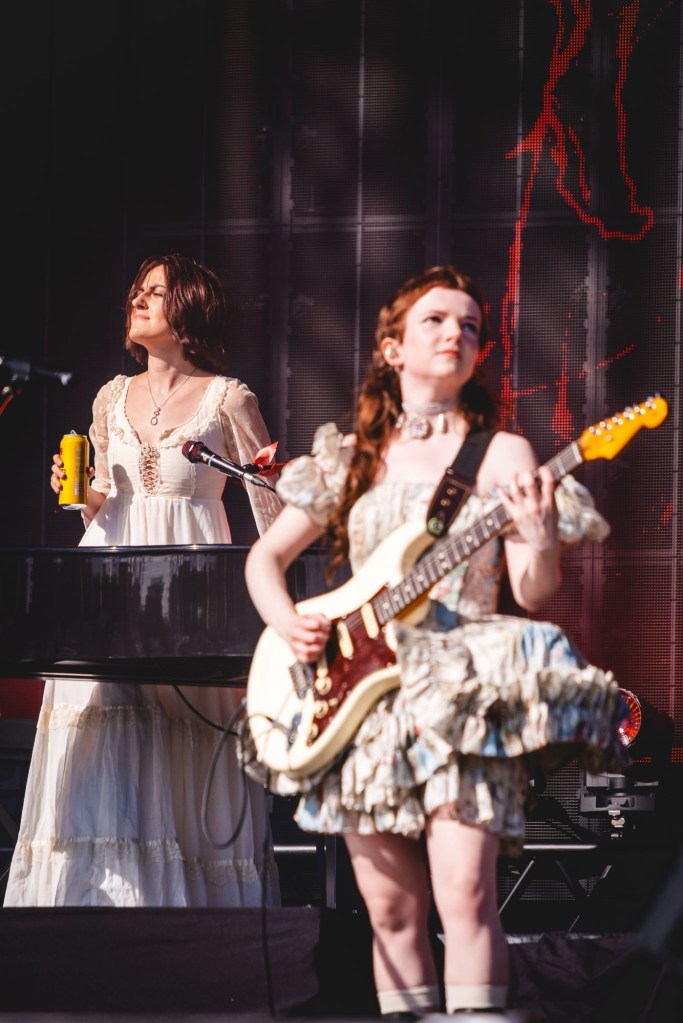
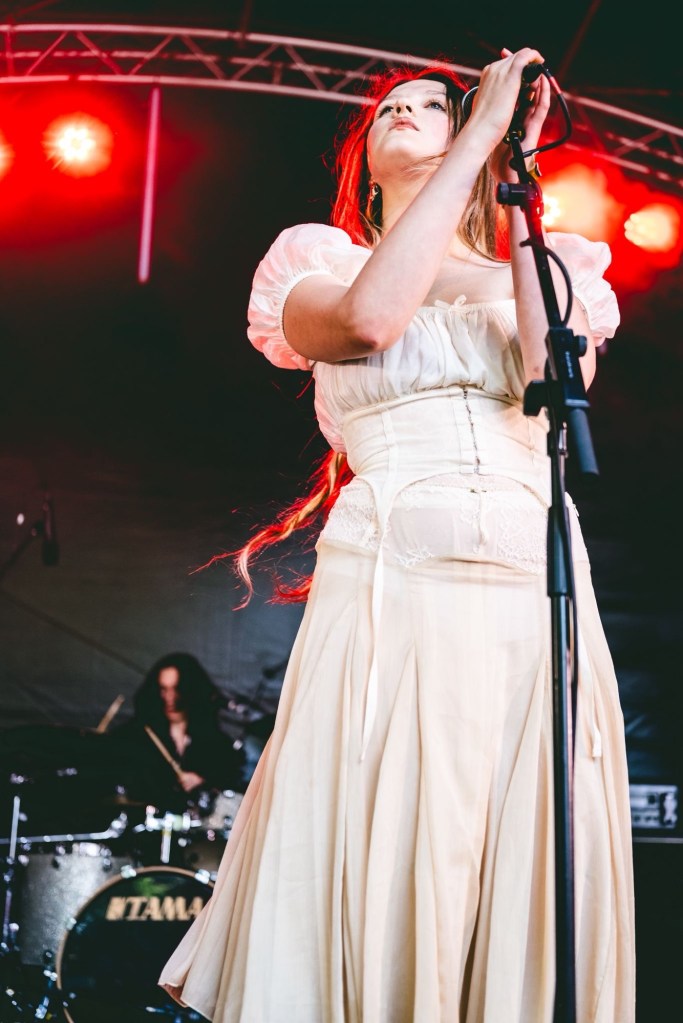
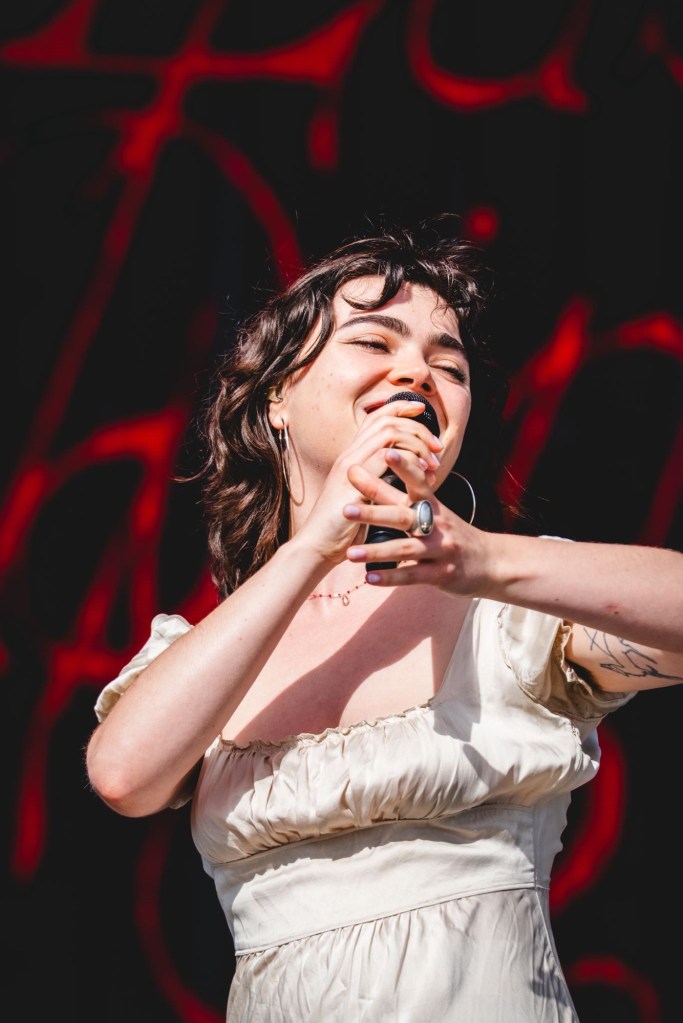
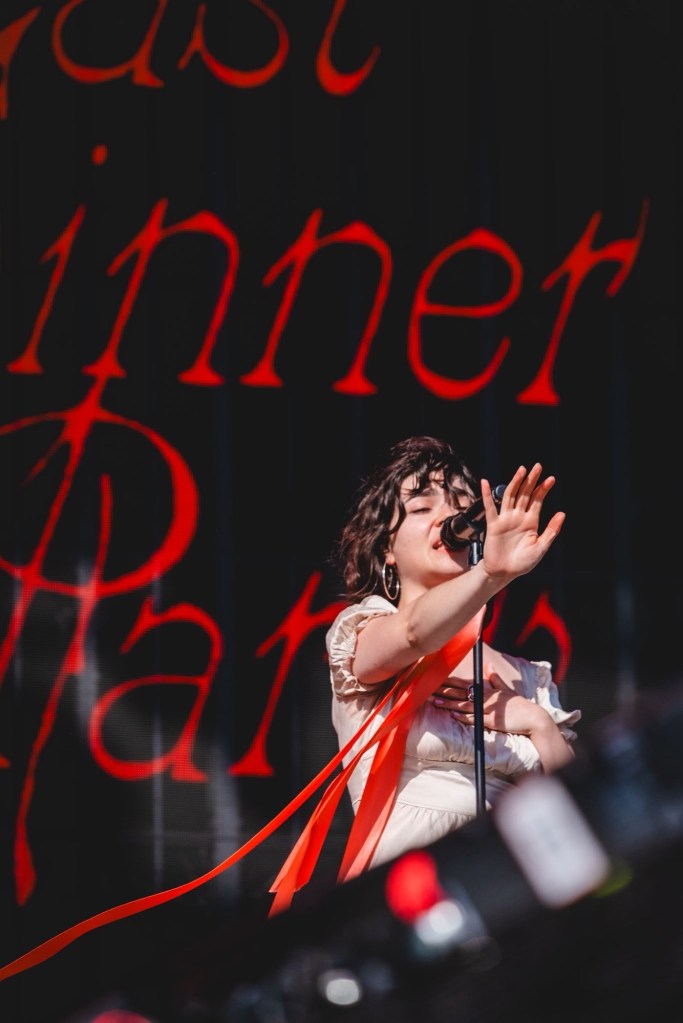
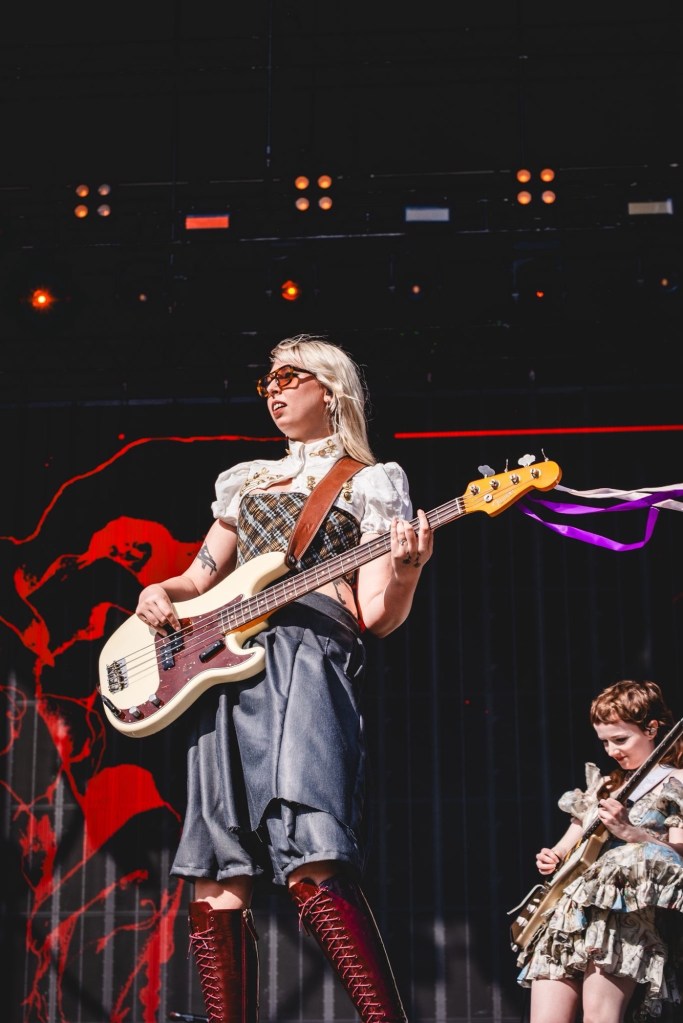
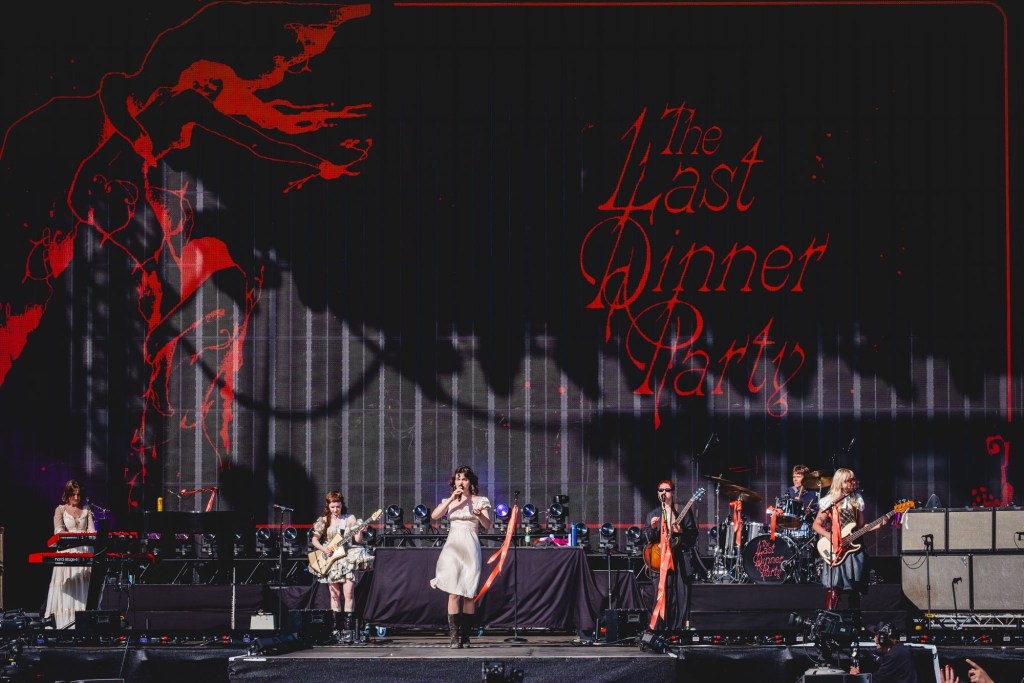
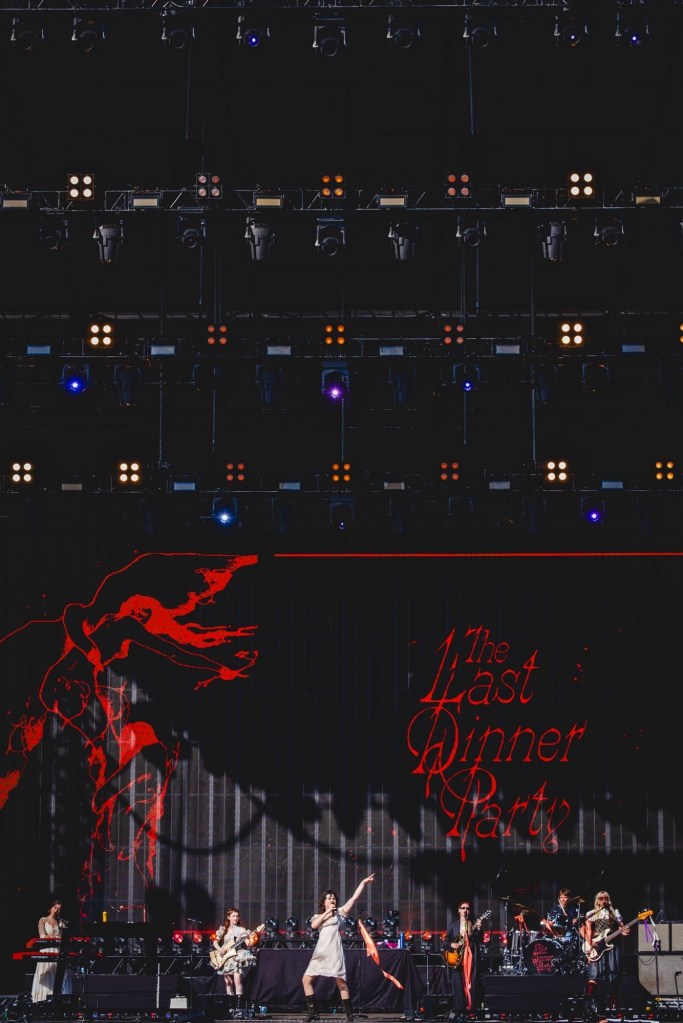
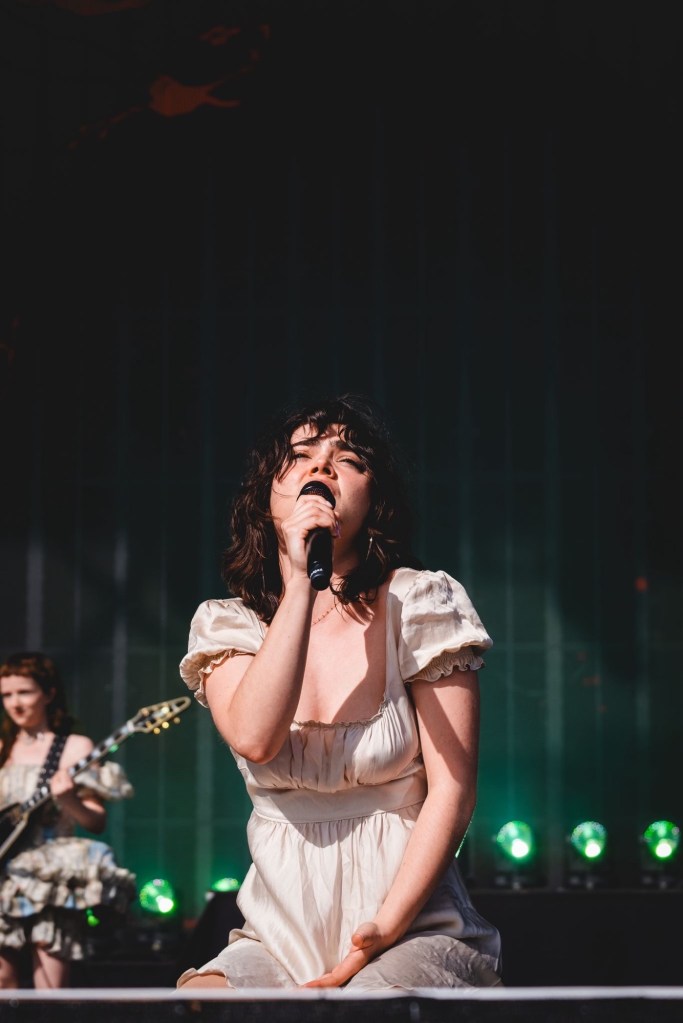
The Main Stage finally found its theatrical centrepiece with The Last Dinner Party. They delivered exactly what their growing reputation promises: gothic glamour, dramatic arrangements and commanding stage presence. It seemed as though we, as photographers, weren’t there for only three songs, but for the entire set. Every movement felt choreographed without ever appearing forced, while Abigail Morris remained one of the most magnetic frontwomen currently touring, interacting effortlessly with every member of the band and the crowd alike. She even came down from the Main Stage to perform among the fans, delivering what was undoubtedly the performance of the day. The Last Dinner Party’s songs continue to blur the line between indie rock and grand theatrical spectacle, and Glasgow embraced every second once again.
Back on the BBC Introducing Stage, Tanzana kept the bar high, injecting more soul into the evening with their set. Fresh from releasing their second single, their rhythmic confidence kept the audience mesmerised. I’ve seen them more than five times now, and I’m still of the opinion that they are destined for great things.
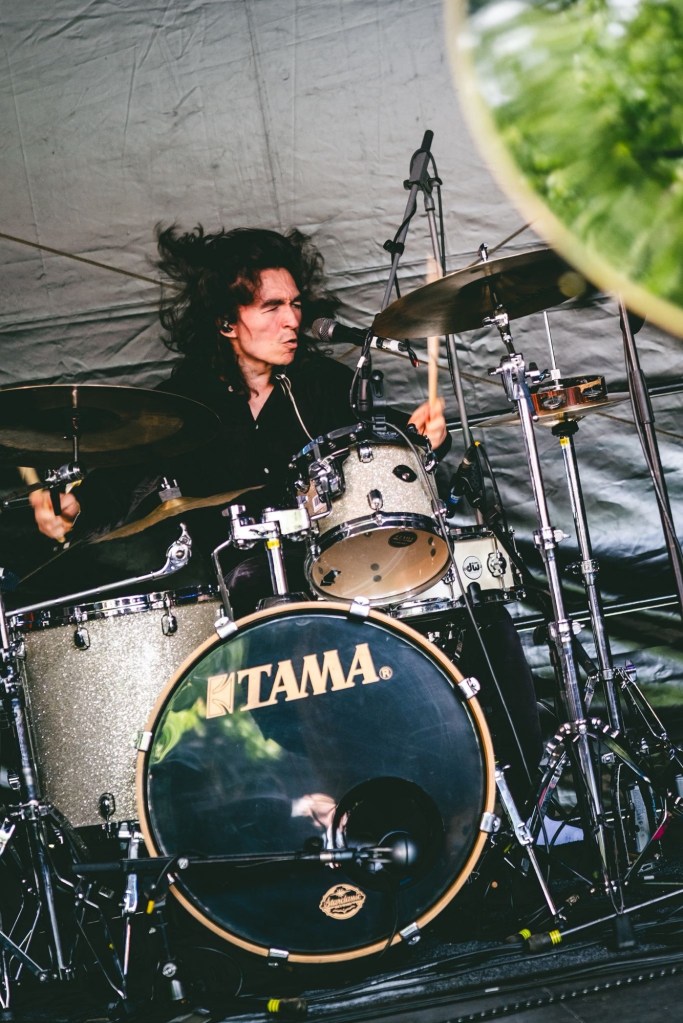
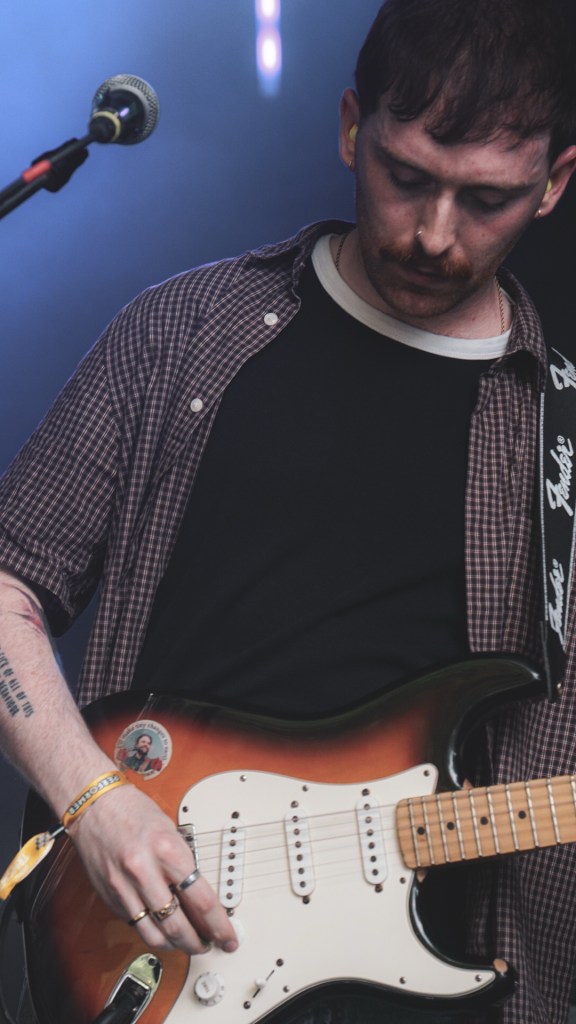
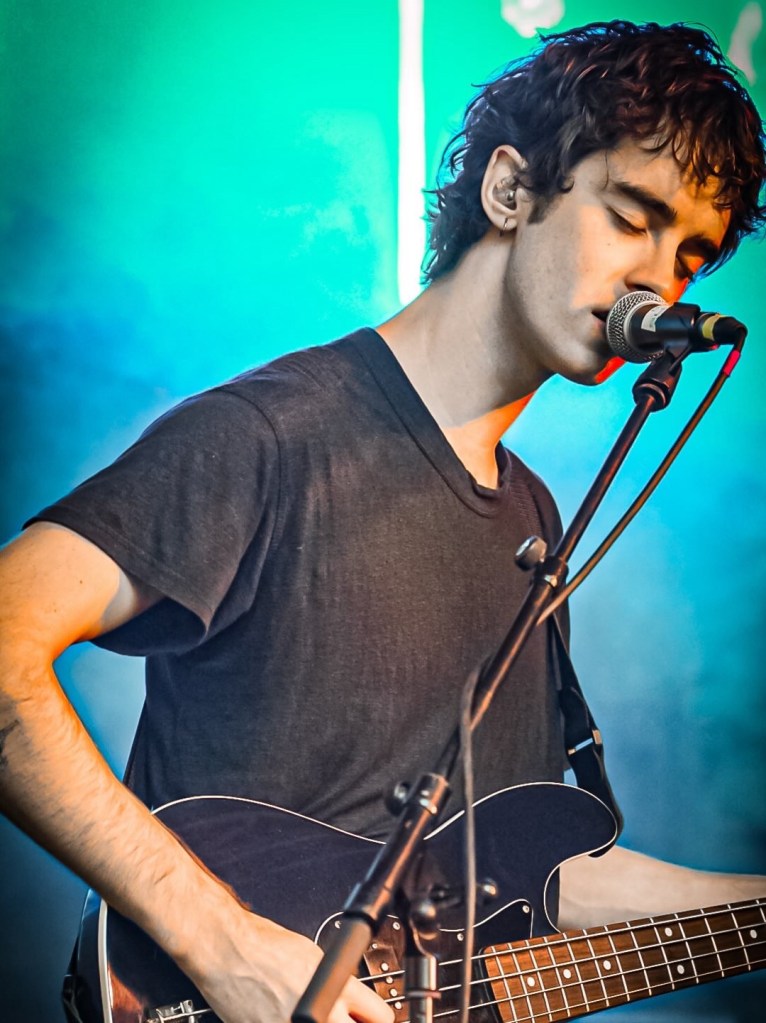
After them, Irish band Basht immediately raised the intensity once more. Their modern indie-rock anthems from their debut album arrived with power, producing one of the loudest singalongs outside the Main Stage all day, where Australian DJ Sonny Fodera was entertaining the festival’s biggest crowd. By the time they finished, it was clear they had gained a considerable number of new followers.
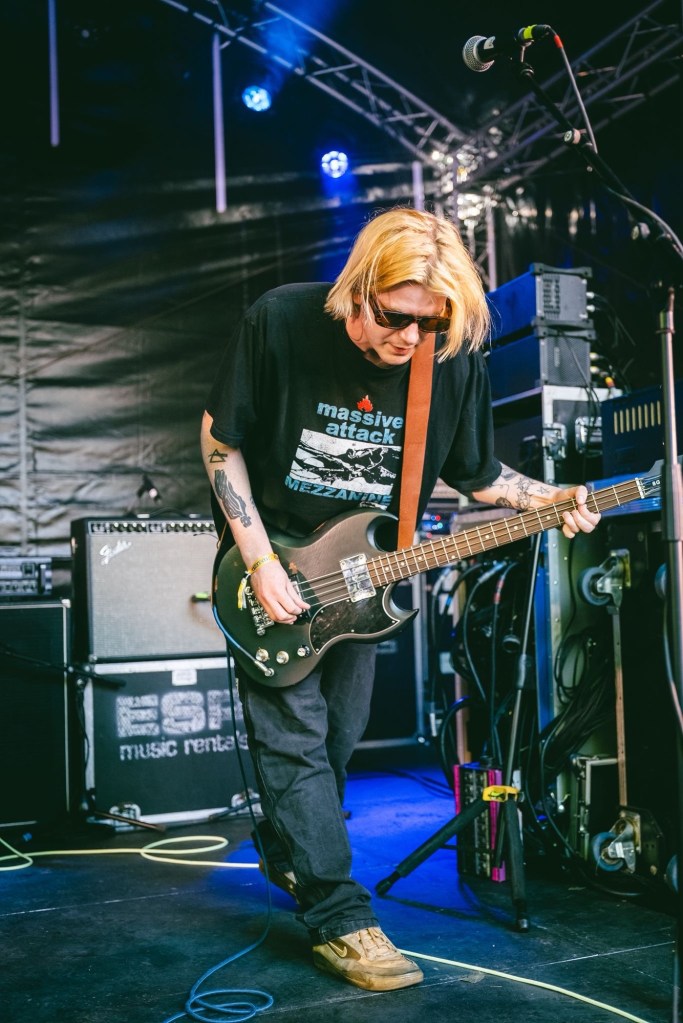
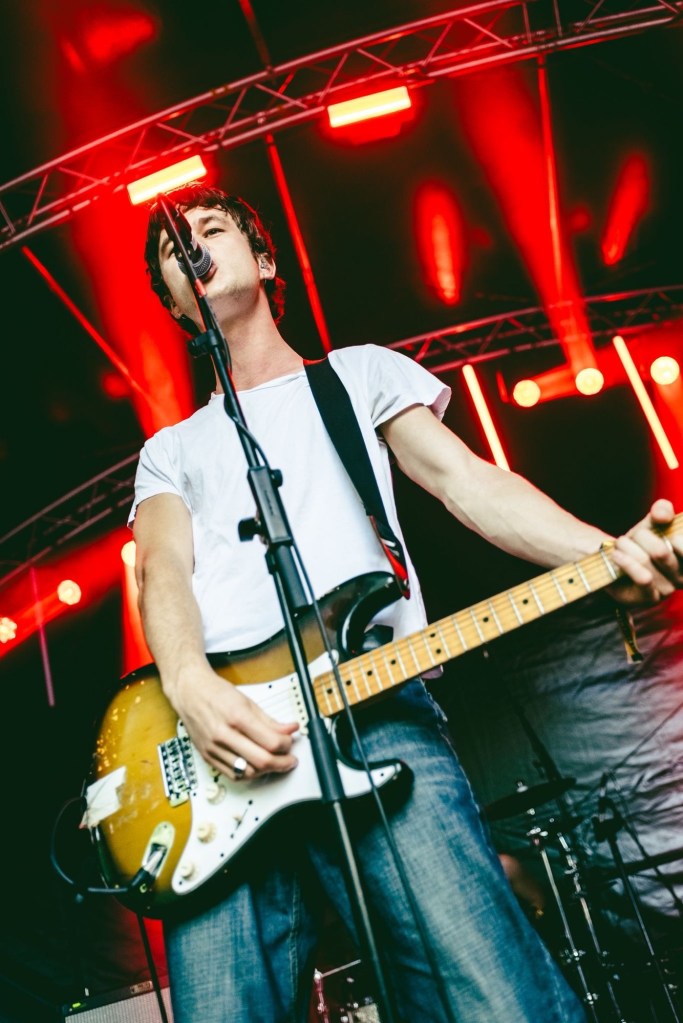
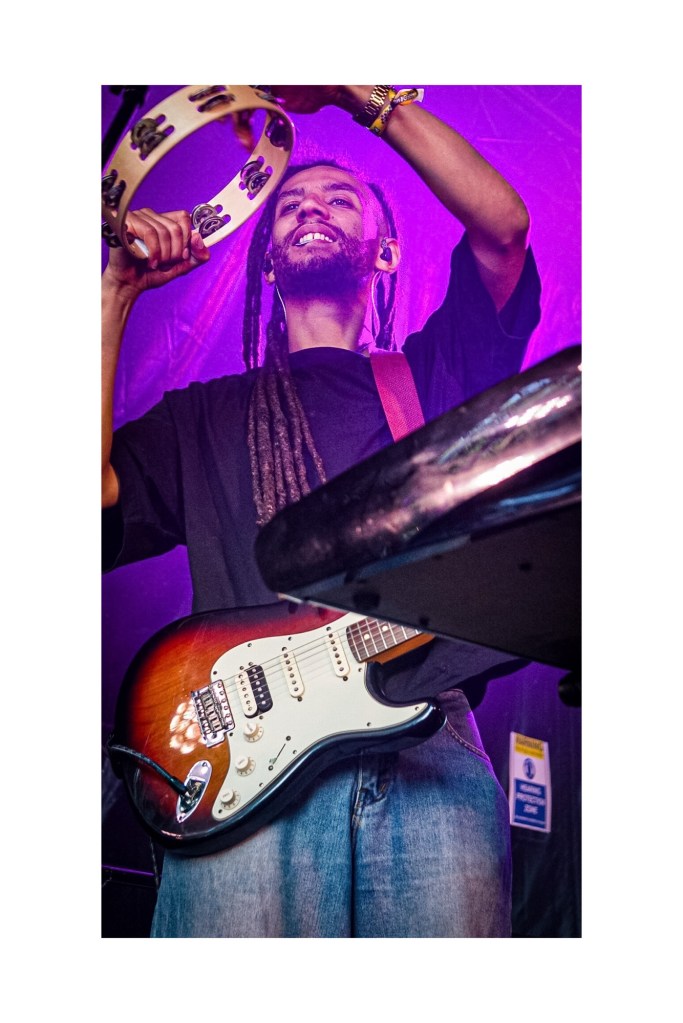
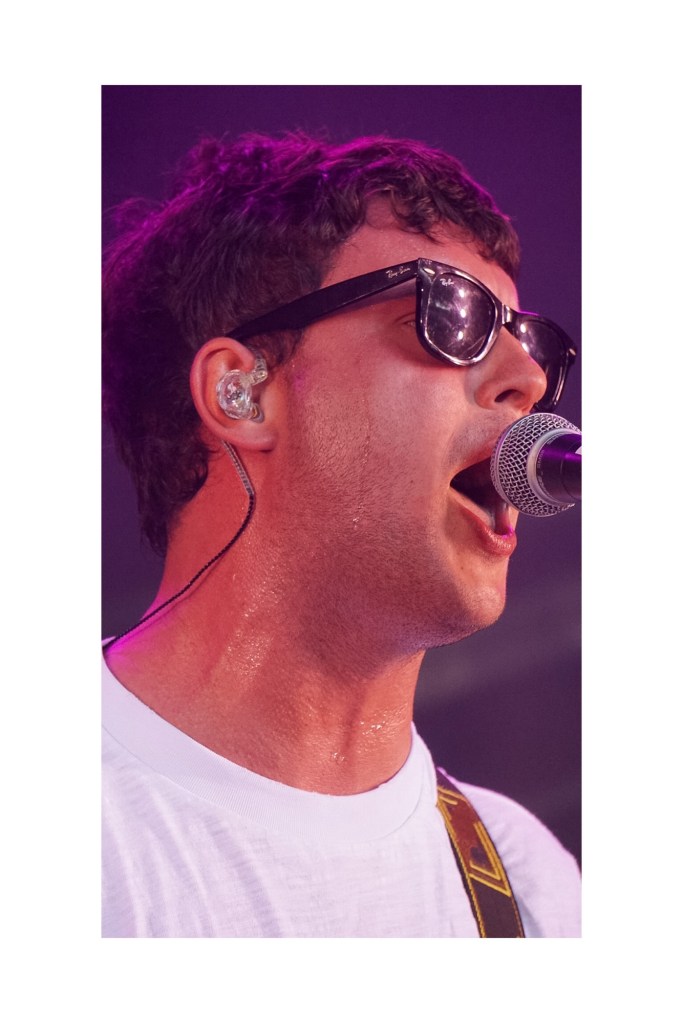
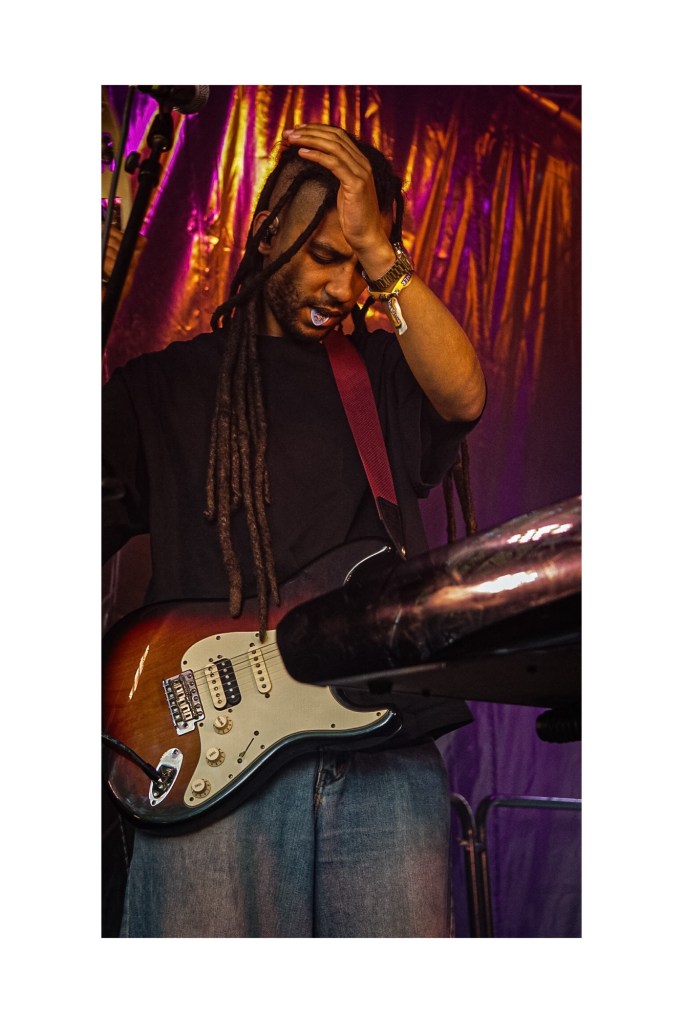
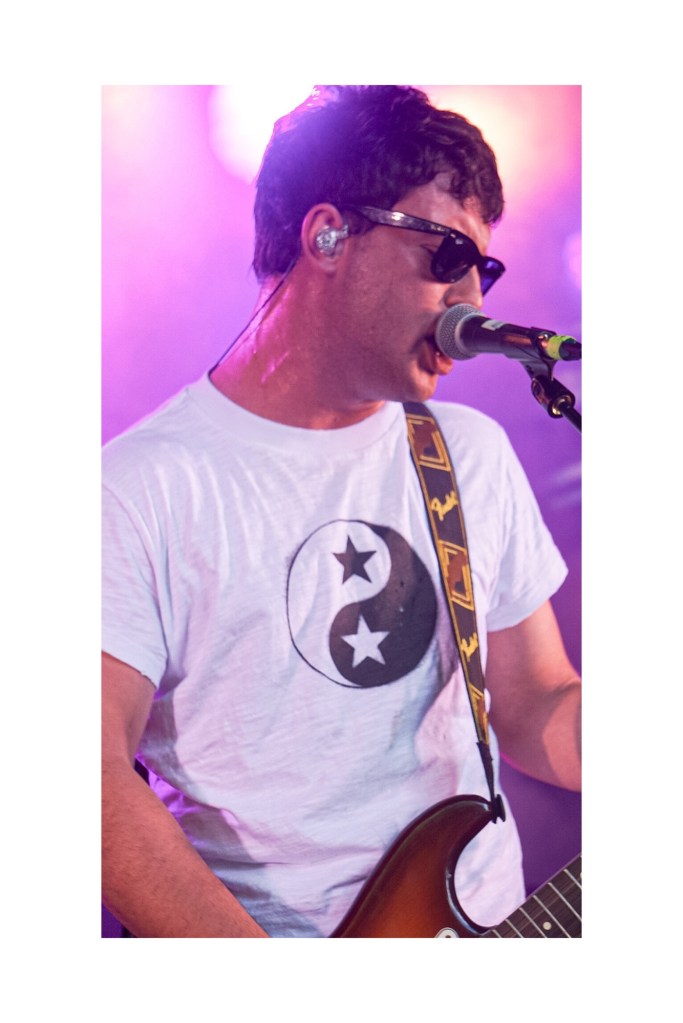
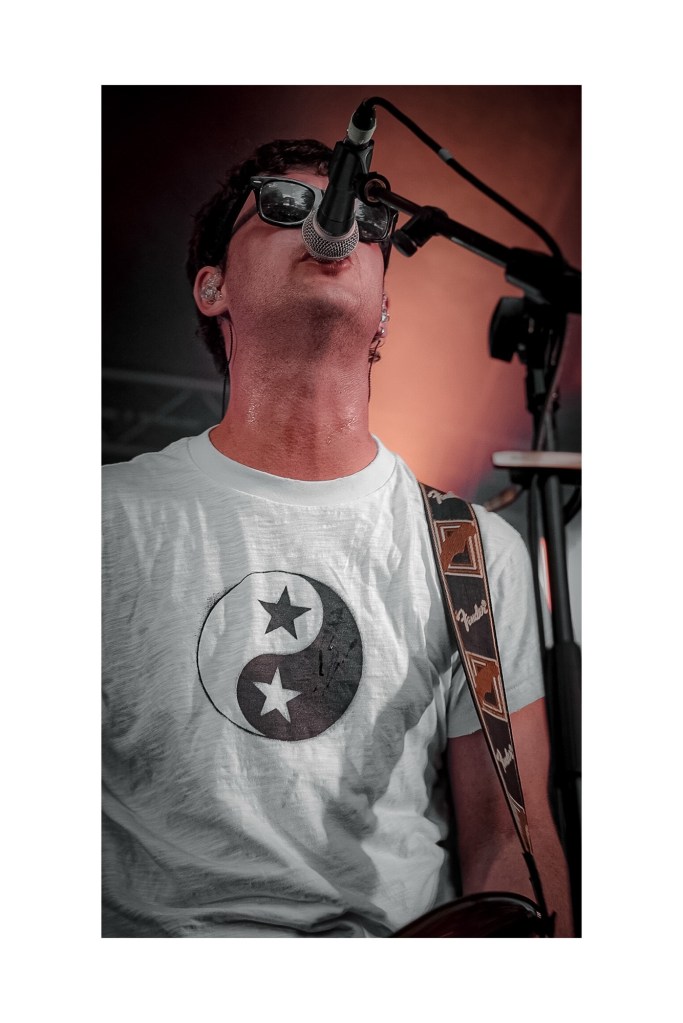
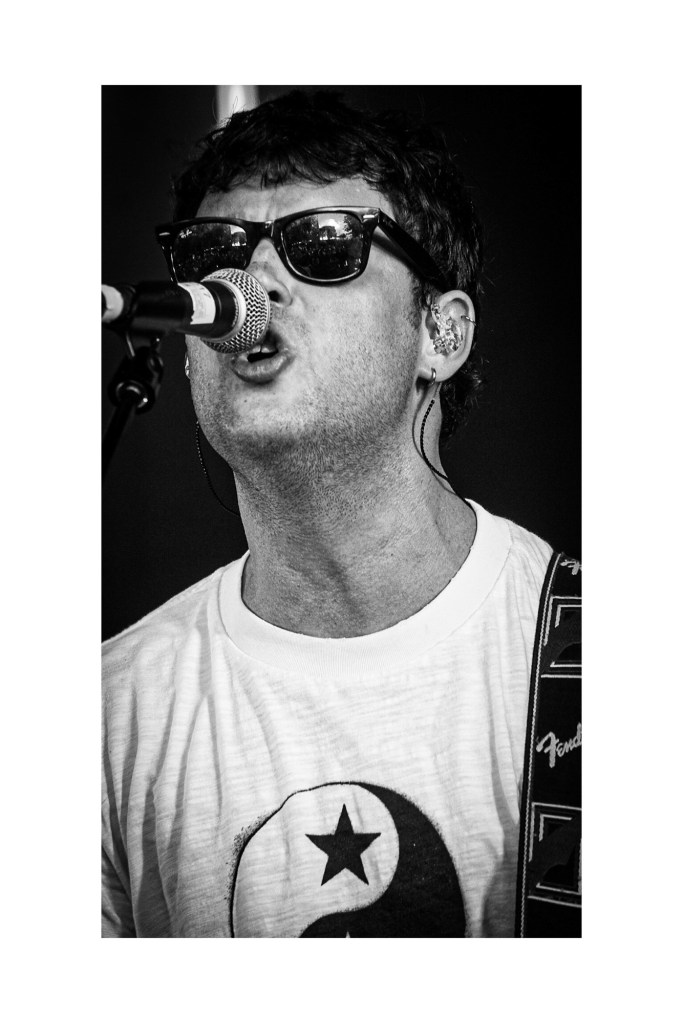
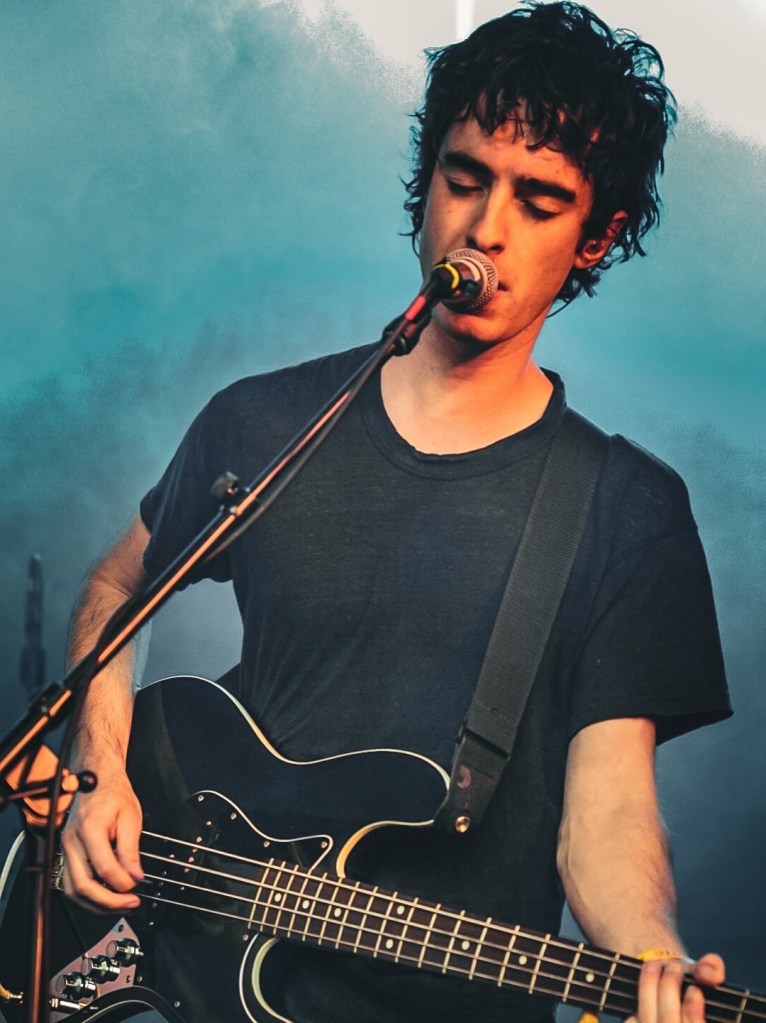
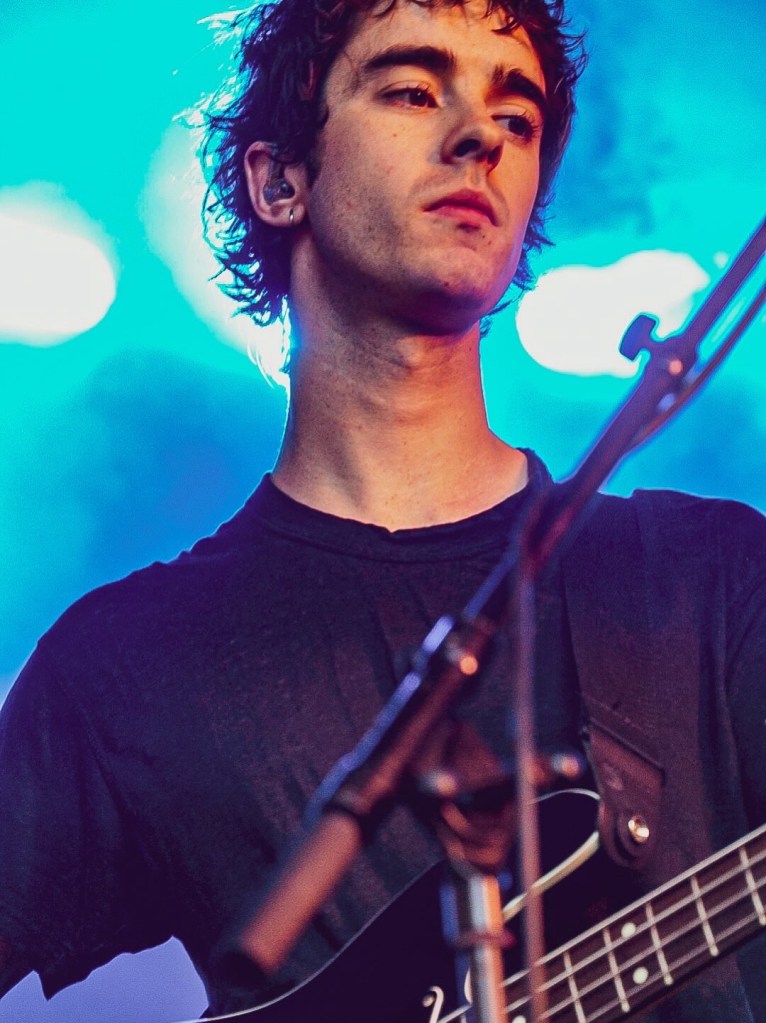
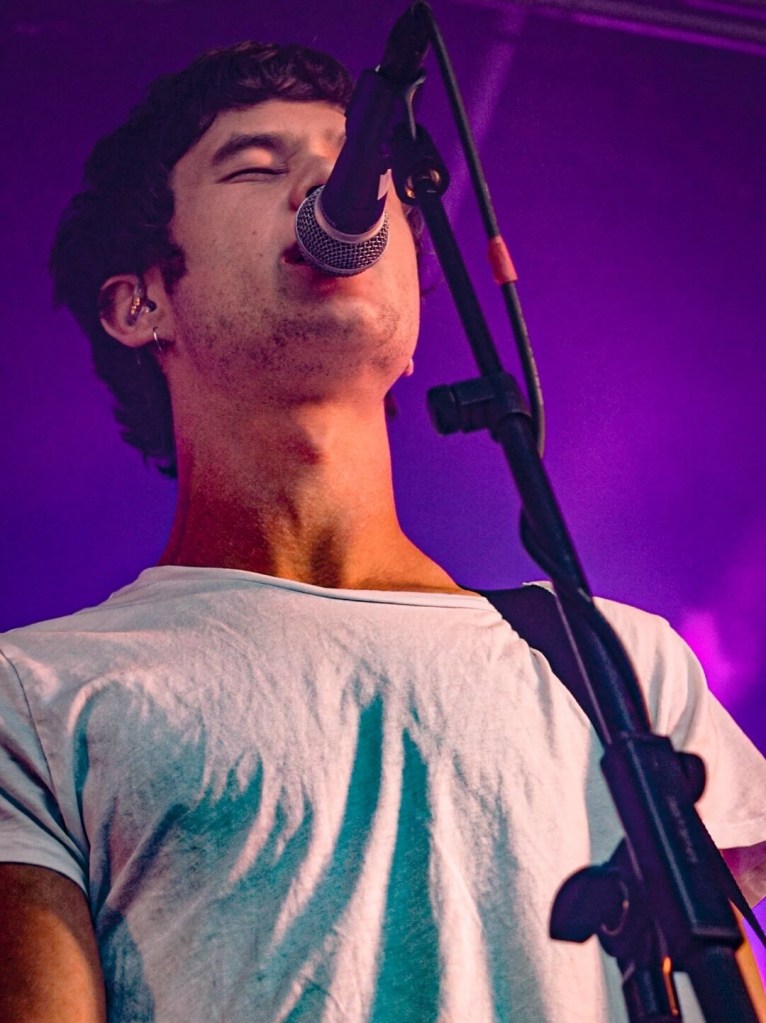
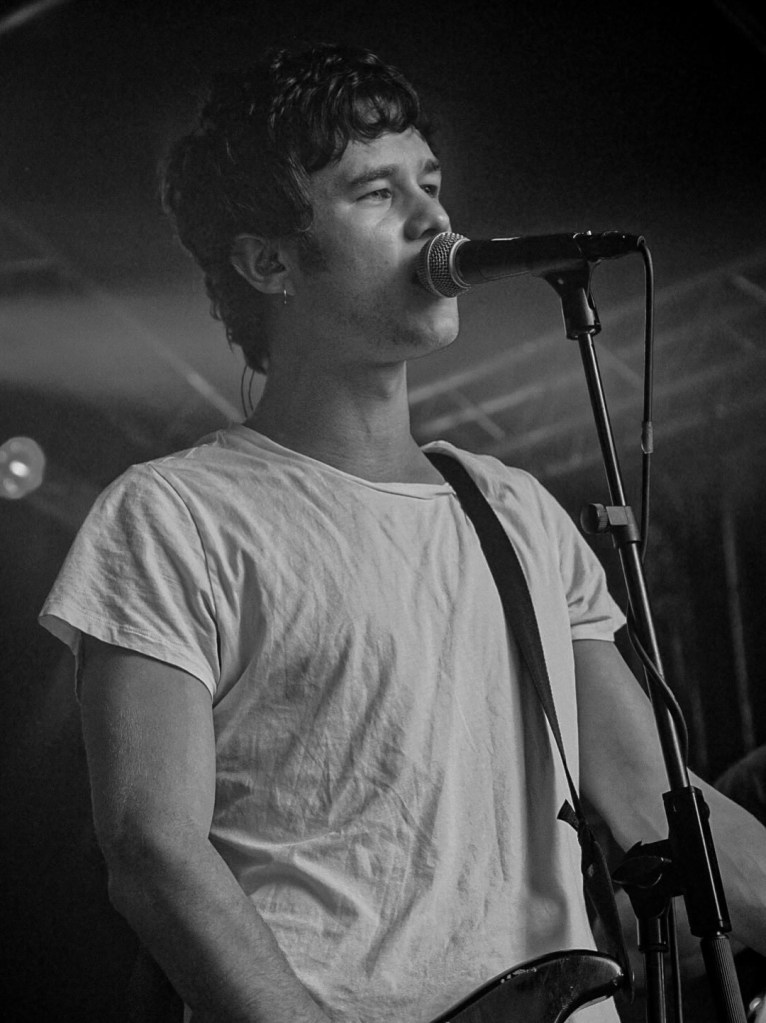
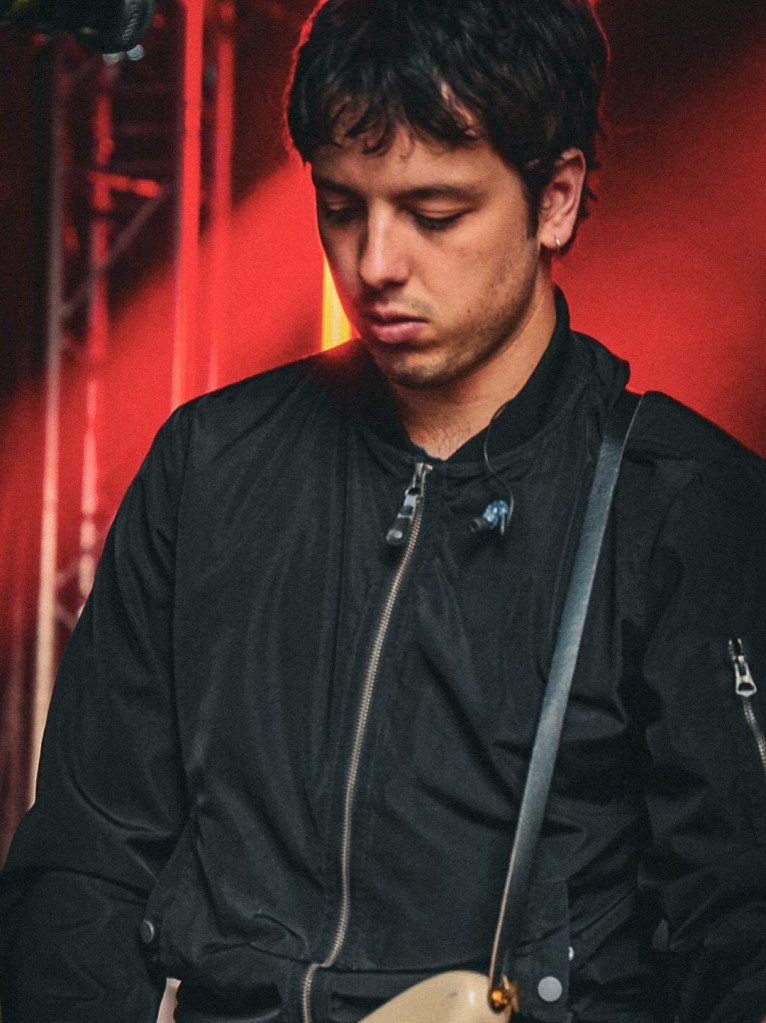
One of the festival’s coolest discoveries came from Australia’s Radio Free Alice. With echoes of The Strokes, the band channelled the best elements of classic post-punk while sounding thoroughly contemporary. Their performance possessed the confidence of a band already playing much bigger stages, and the packed tent suggested word had spread quickly across Glasgow Green.
Then came the night’s climax.
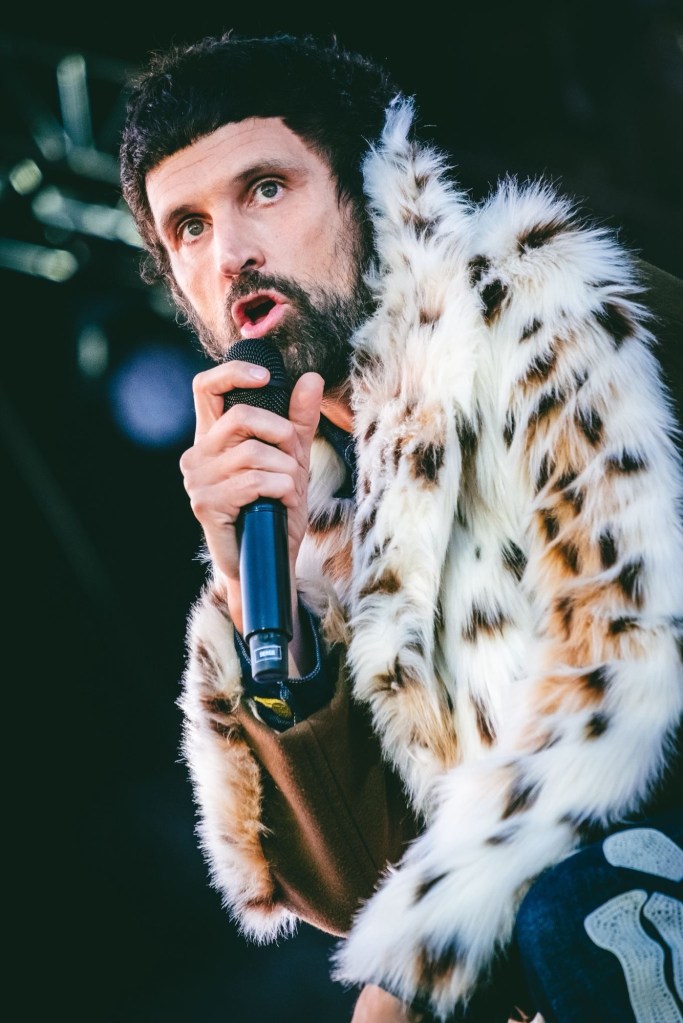
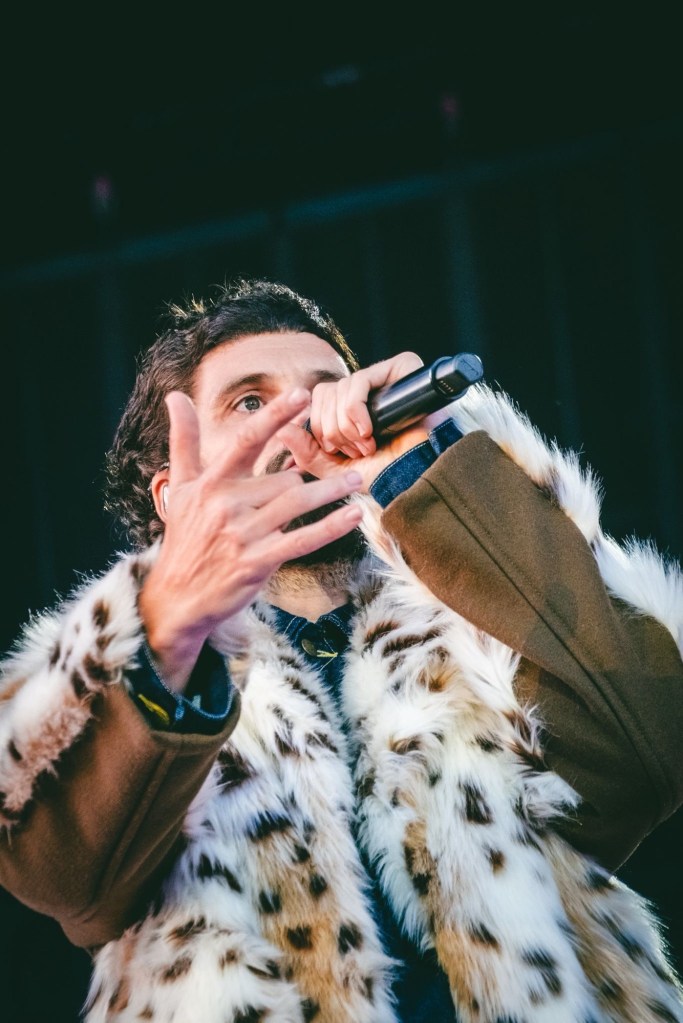
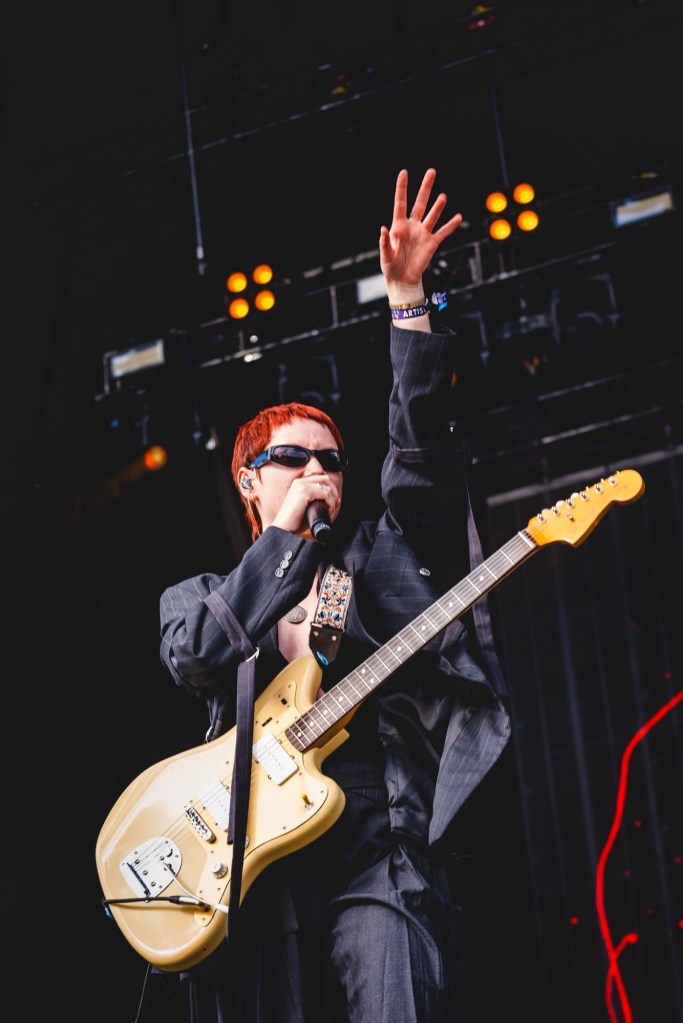
Kasabian remain one of Britain’s great festival headliners because they understand precisely what these moments demand. There was no overthinking, no unnecessary reinvention—just a relentless barrage of huge riffs, electronic sounds and crowd-pleasing anthems delivered with confidence. Serge Pizzorno has fully grown into the frontman role, arriving on stage in a giant leopard-print faux fur coat and commanding tens of thousands with ease, while classics such as Club Foot, Empire, Underdog and Fire reminded everyone why the band’s songs have become such enduring festival favourites.
Their closing set wasn’t simply nostalgic; it felt new. Their more recent tracks blended naturally with the classics, while the production transformed Glasgow Green into a sea of lights, smoke and bouncing fans from the very first song.
If Friday belonged to anticipation, Saturday belonged to discovery. TRNSMT has always balanced major headliners with emerging talent, but day two demonstrated that the gap between the two has never felt smaller. By this time next year, several of these “smaller bands” may well be headlining the very stages they spent Saturday outgrowing.
Article; Marco Cornelli
Images: Marco Cornelli & Angela Canavan

Gallery: Angela Canavan