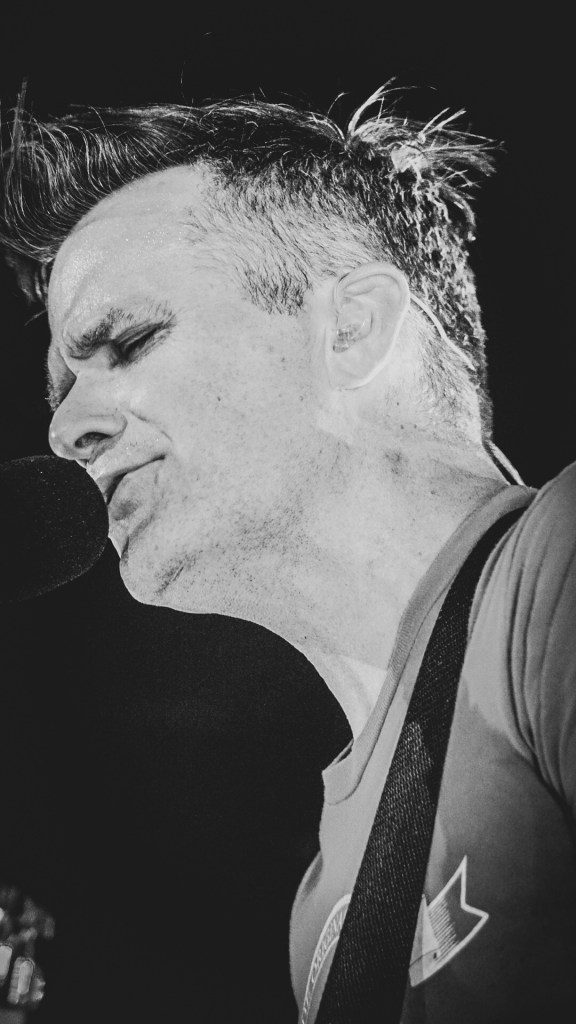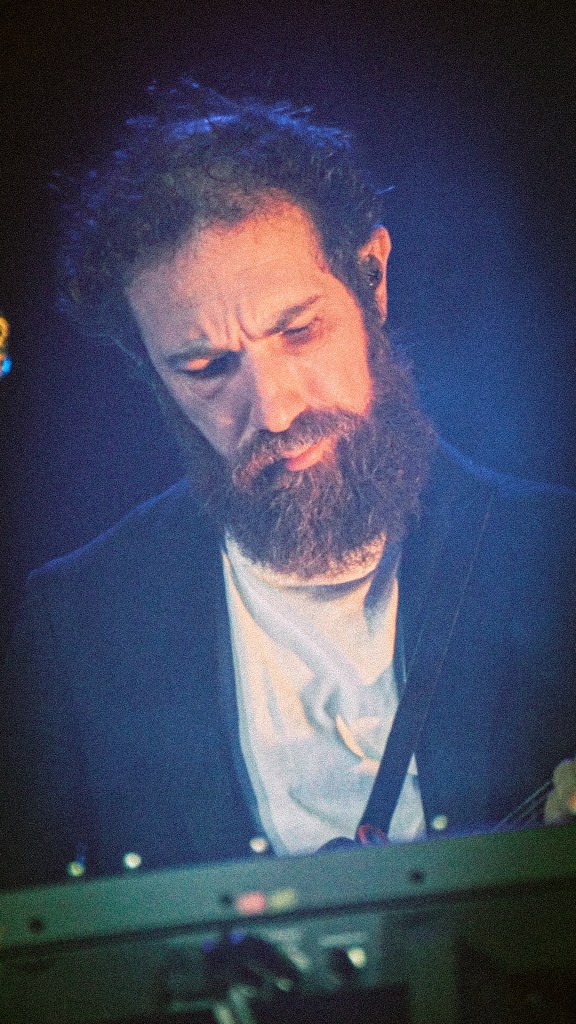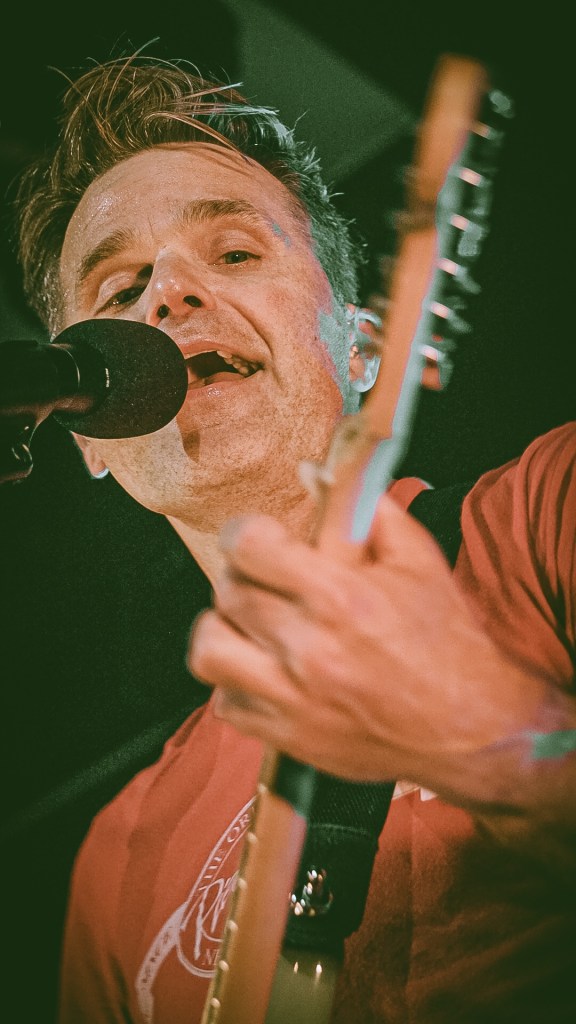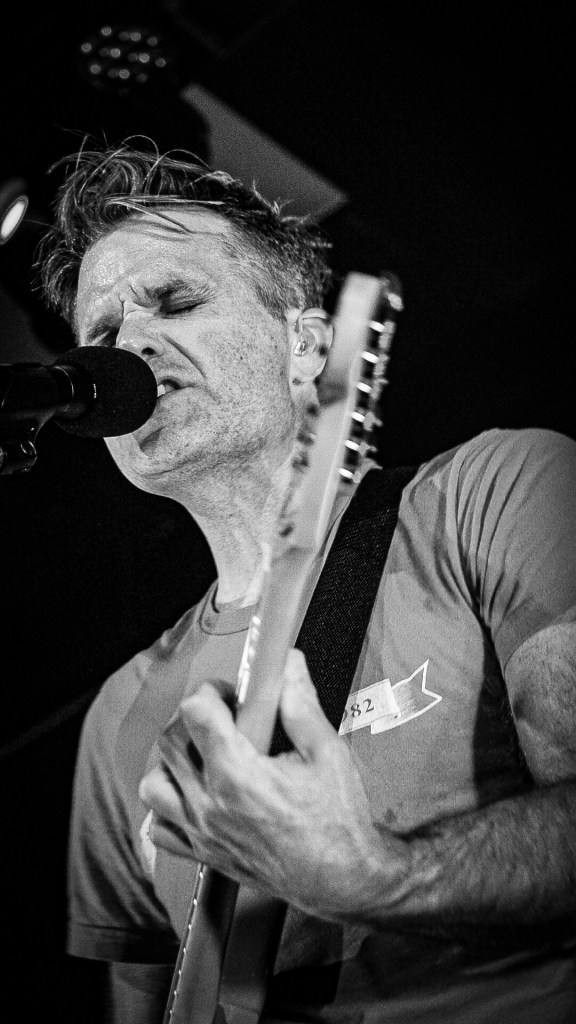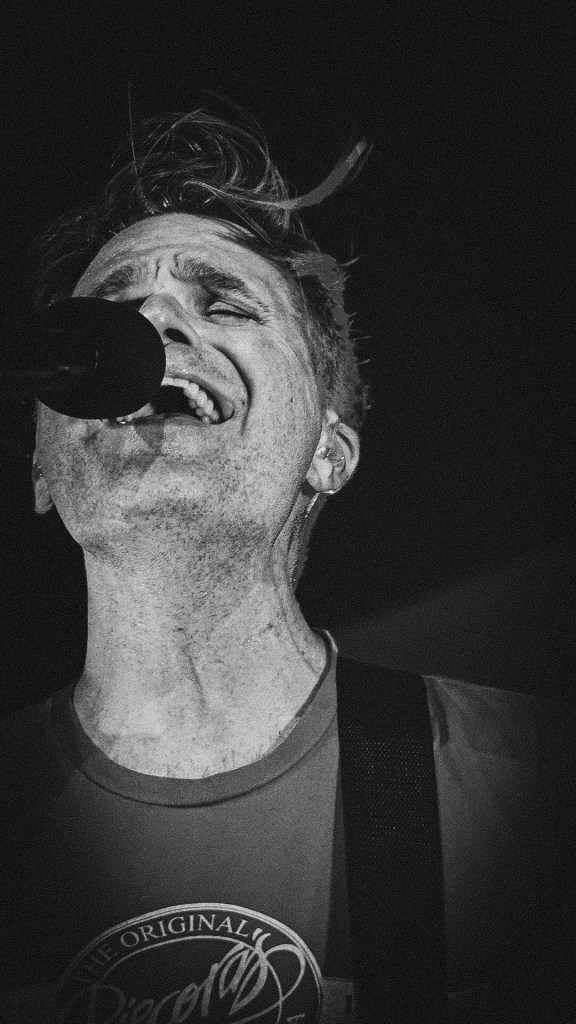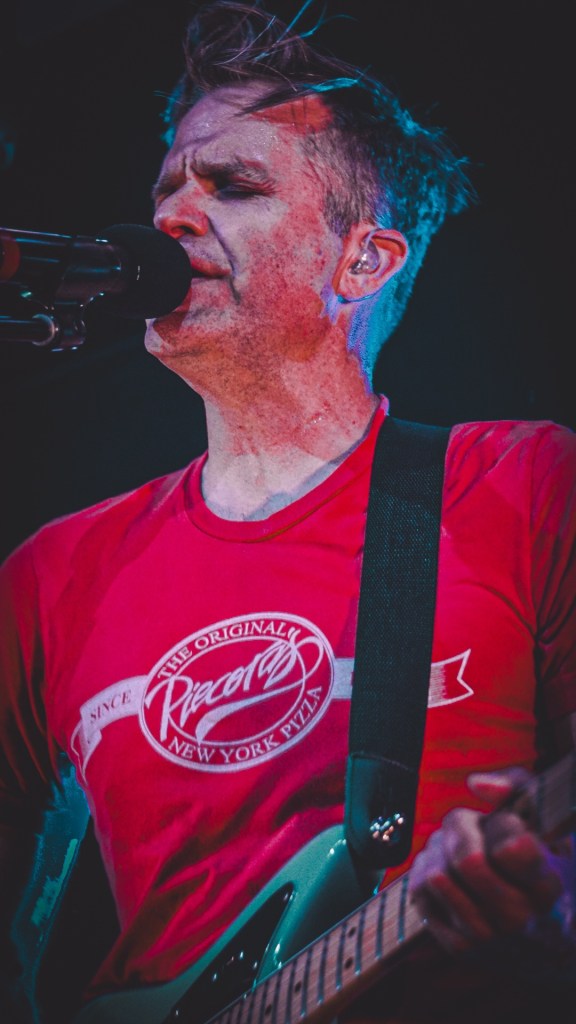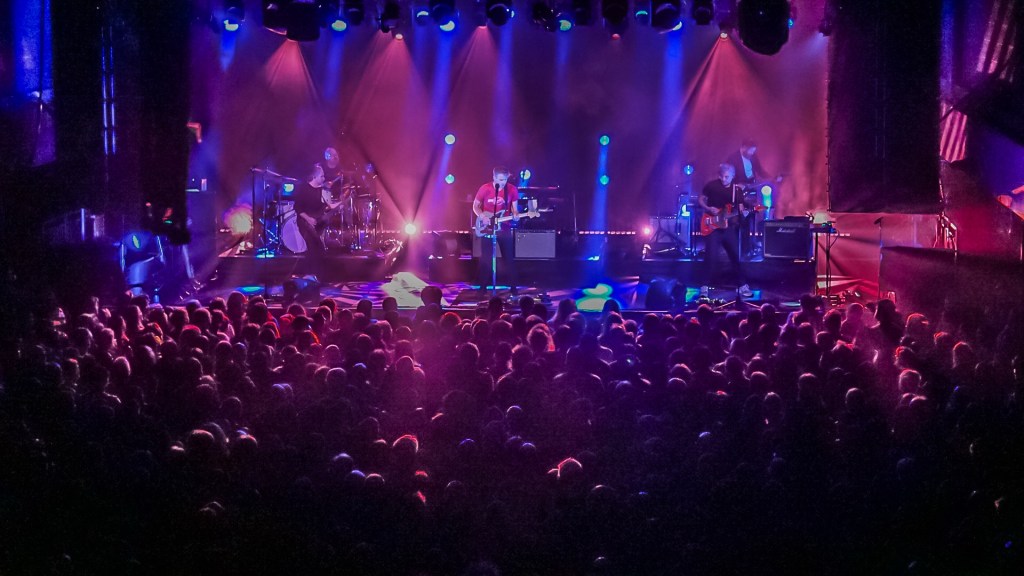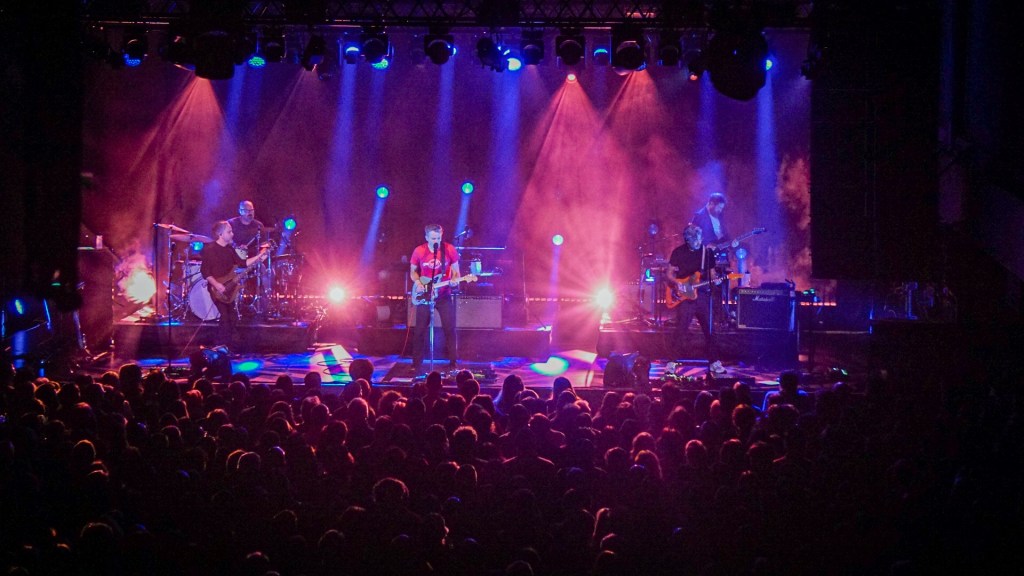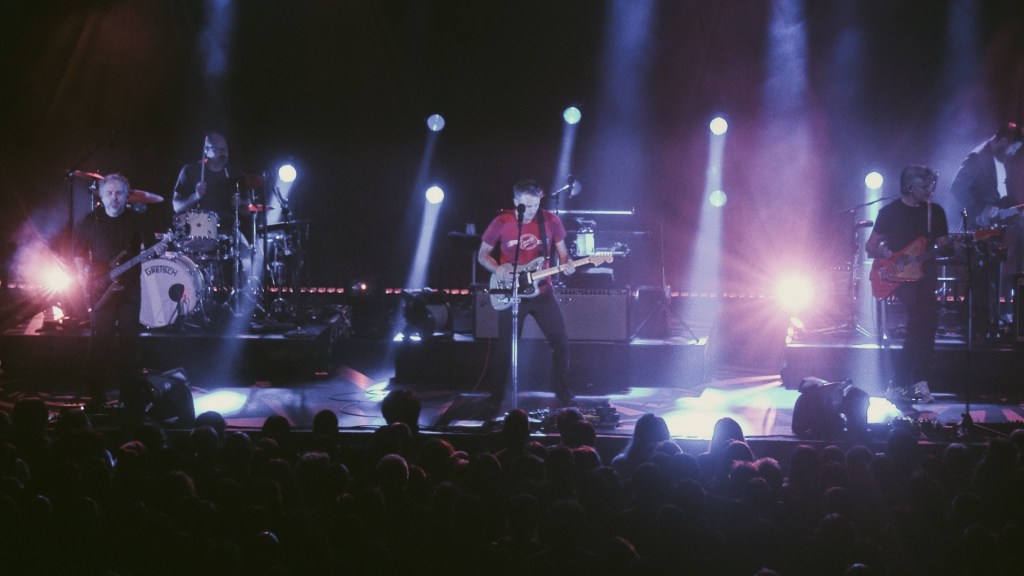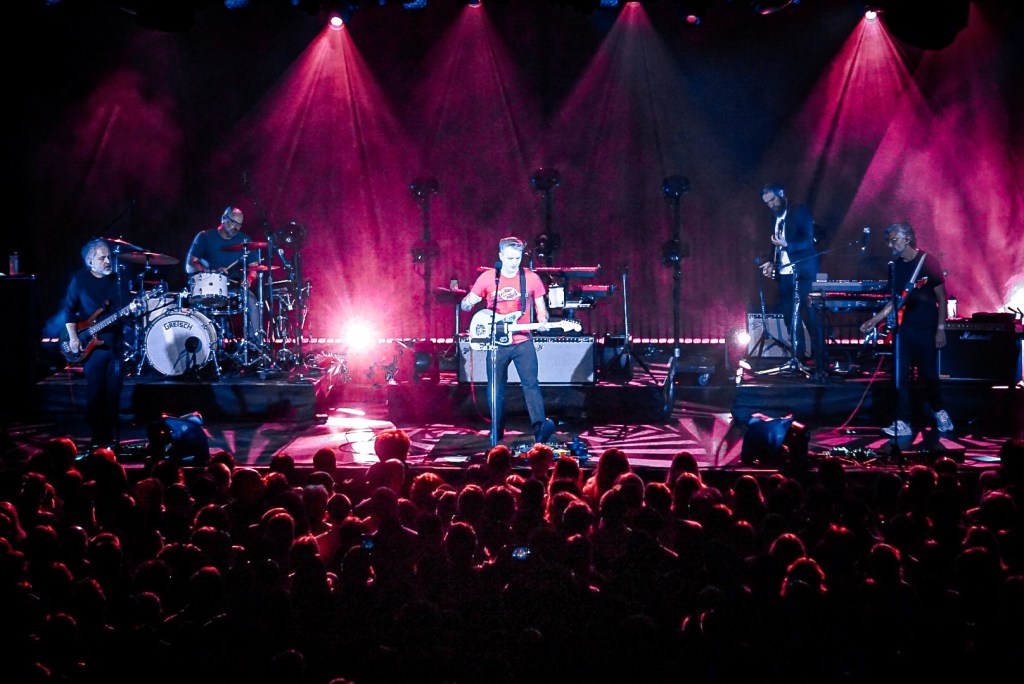
Be still my beating heart: Death Cab for Cutie are the sort of band I would have wanted desperately to see at 15, when emotional devastation was not an occasional inconvenience but a lifestyle choice. There is nothing quite like watching the soundtrack to your adolescent yearning walk onstage three decades later, only to discover that the boys you once swooned over are now fully fledged adult men with silver streaks in their hair. Nothing makes you feel middle-aged quite so efficiently. Not even the price of olive oil.
Death Cab for Cutie are from Bellingham, Washington, and they have never been a band that tours Scotland with anything resembling irritating regularity. So when frontman Ben Gibbard reminded the Edinburgh crowd that the band’s previous Scottish dates had been derailed by illness, the response was immediate and genuinely delighted. It felt less like a rock-star anecdote than news that a long-lost relative had finally made it home.
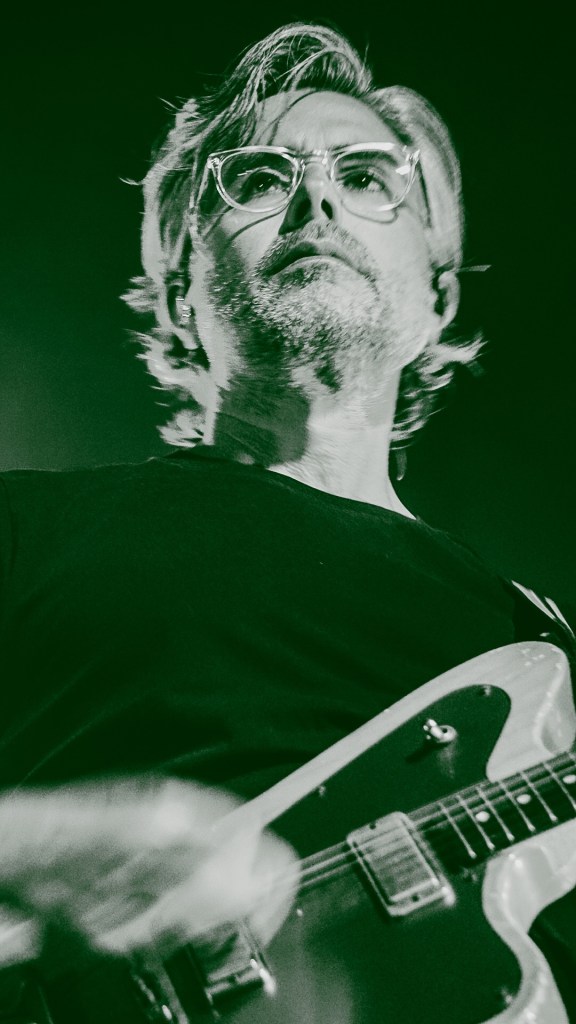
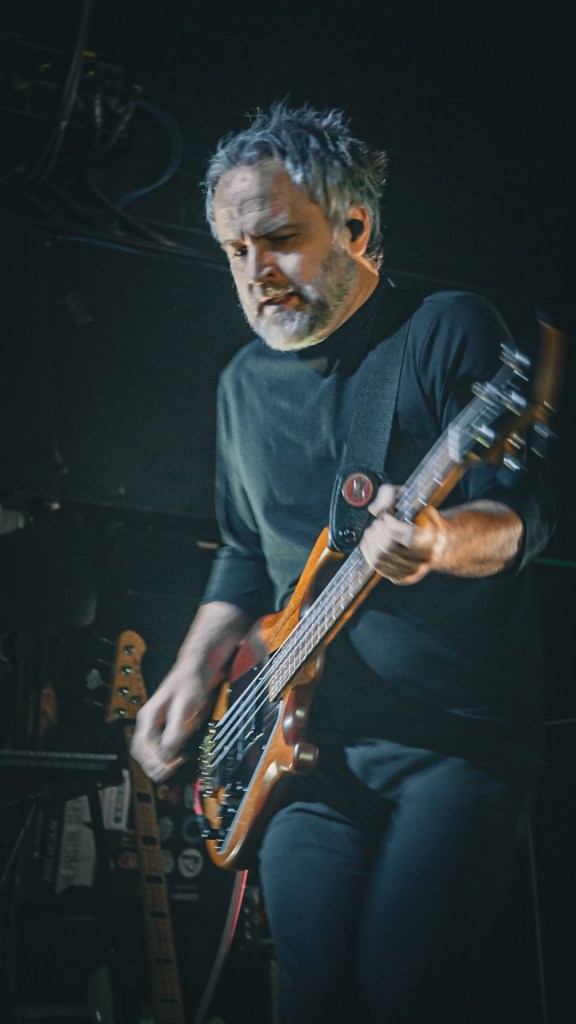
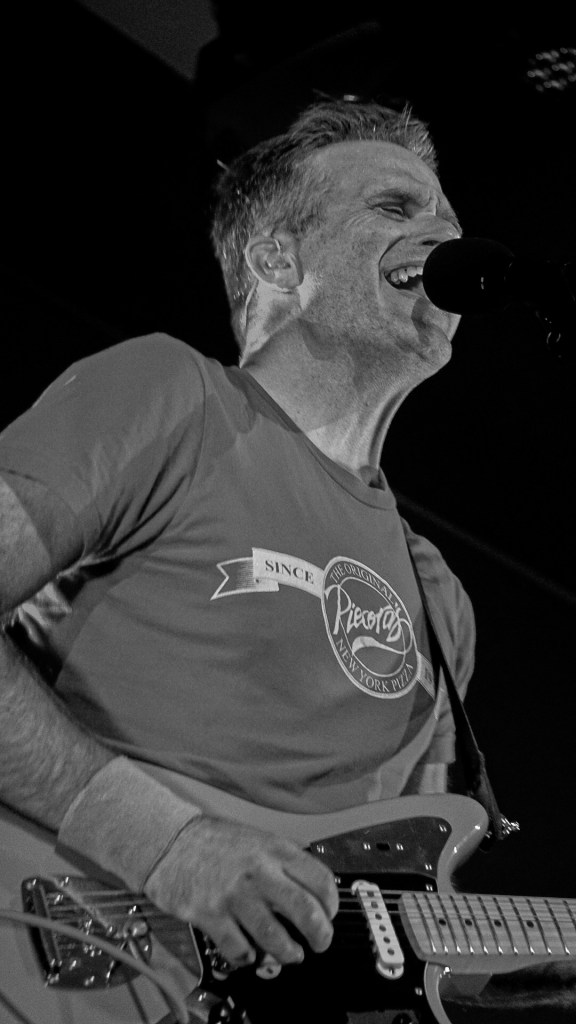
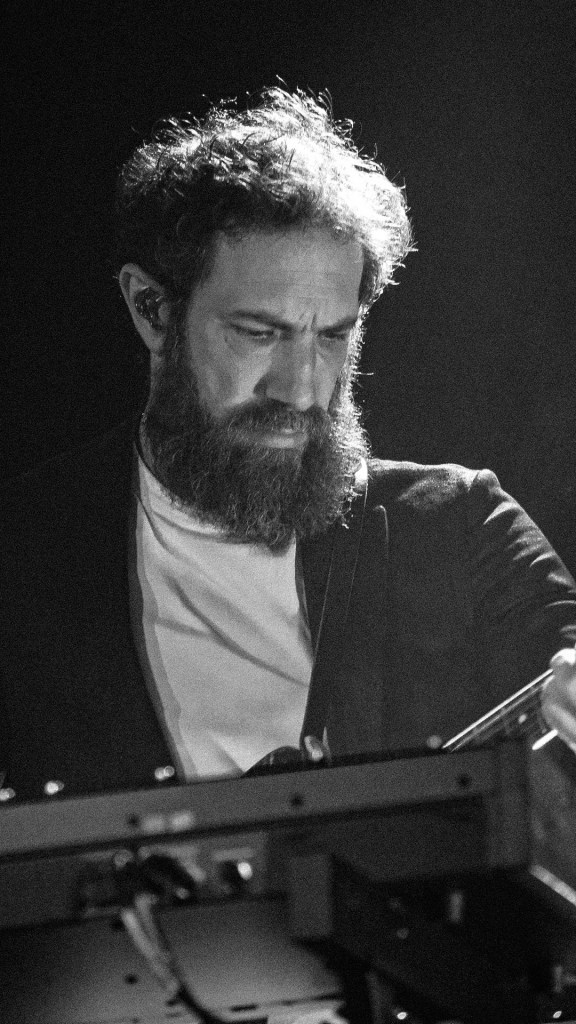
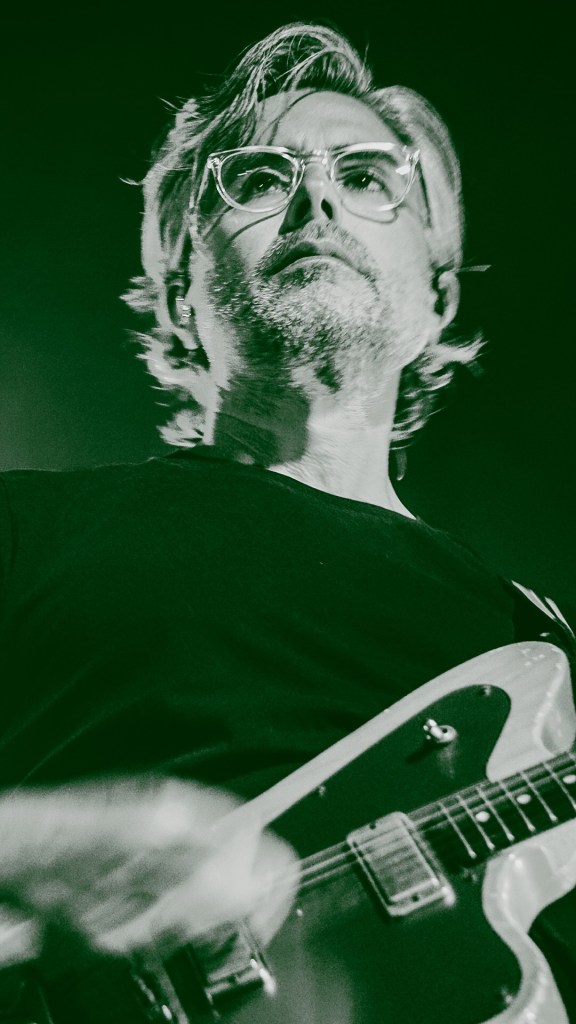
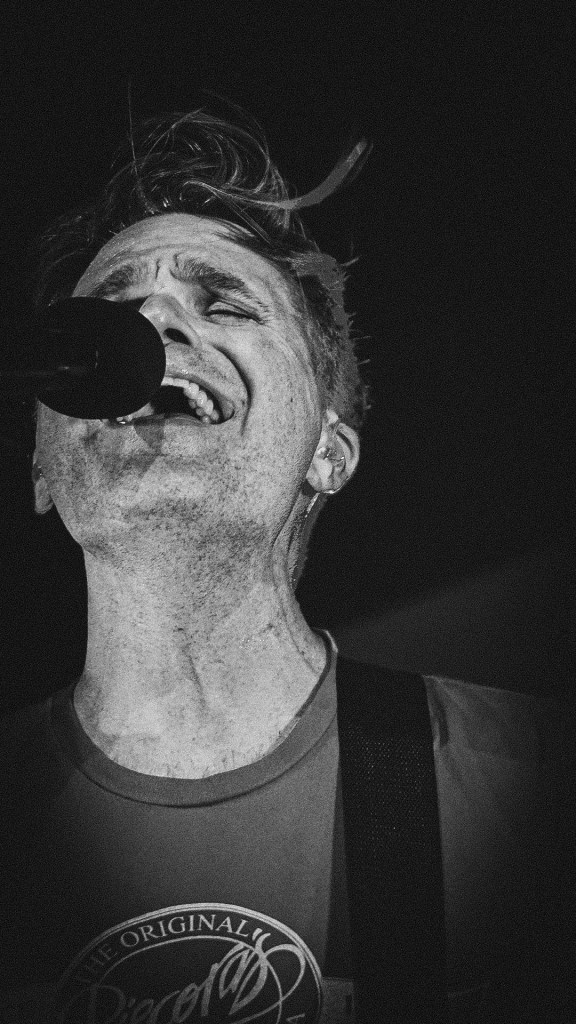
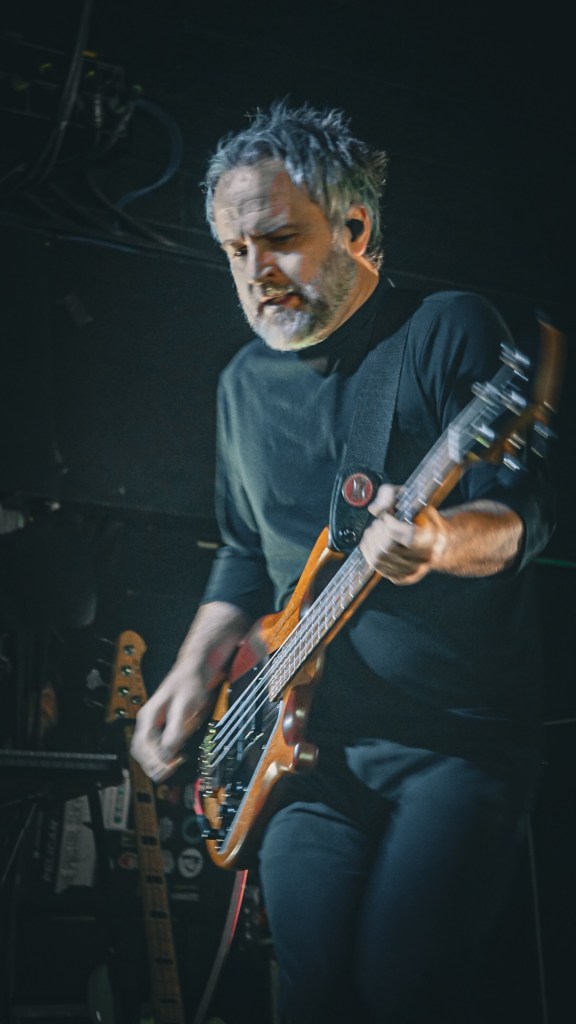
The five-piece — Gibbard, Nick Harmer, Jason McGerr, Dave Depper and Zac Rae — have been making exquisitely melancholy music for long enough now to have become something approaching an institution. Gibbard remains the emotional fulcrum, his voice still carrying that peculiar mixture of resignation and hope; Harmer’s bass provides the bloodstream; McGerr gives the songs their muscular pulse; Depper’s guitar adds breadth and shimmer, while Rae’s keyboards provide the atmospheric architecture. Together they sound far larger than the sensitive indie boys of memory might suggest.
They open with “Riptides”, “Roman Candles” and “The New Year”, the latter producing an instant rush of recognition from a crowd who have clearly been carrying these songs around in their emotional hand luggage for years. This is Death Cab’s particular trick: they make nostalgia feel less like looking backwards and more like accidentally walking into your old bedroom and finding your teenage self still sitting there, waiting to complain about somebody who never called.
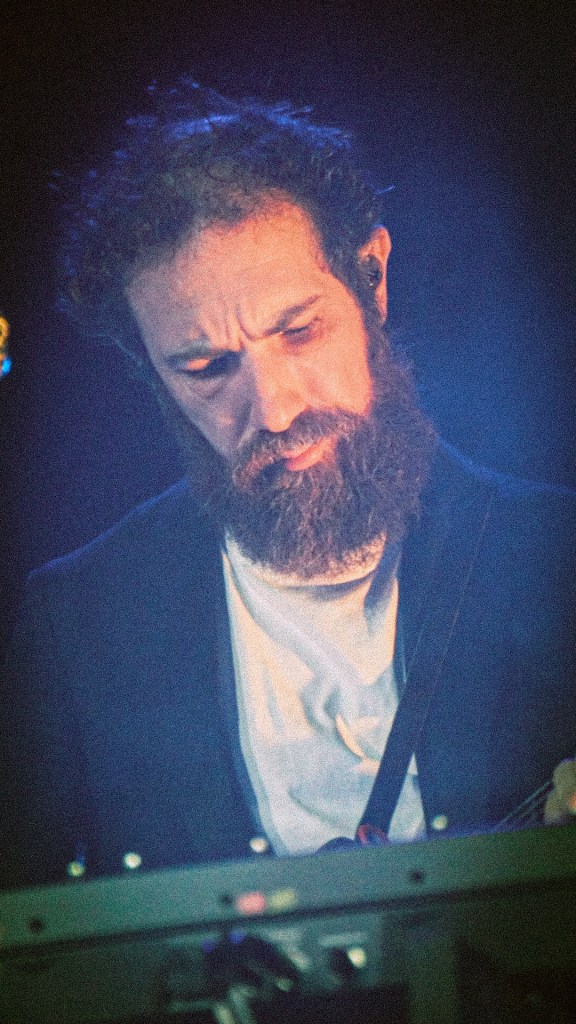
If emo has forefathers, Death Cab belong somewhere near the altar. They helped establish the entire sad-boy economy: the trembling guitar, the romantic fatalism, the sense that death, heartbreak and existential dread are all perfectly reasonable subjects for a Sunday night. They are the patron saints of people who have felt too much, thought too much and probably sent a text they regretted.
“Photobooth” is a beautiful relic from the early years, while “Black Sun” and “The Ghosts of Beverly Drive” demonstrate how the band have expanded their sound without abandoning the intimacy that made them so beloved. “I Will Possess Your Heart” grows into one of the night’s great instrumental swells, the band stretching the song until it feels less like indie rock and more like an approaching weather system.
Then comes the moment that everyone has been waiting for.
Before “I Will Follow You Into the Dark”, Gibbard addresses the audience and the song is performed alone, acoustically. For several minutes the Corn Exchange becomes not a concert venue than a mass séance for everyone we have ever loved, lost, dumped or embarrassingly texted after midnight.
It is a tiny song about mortality that somehow became a generational wedding and funeral staple, but stripped back to Gibbard and his guitar it recovers its original intimacy. The room goes almost completely still. Somewhere, presumably, a thousand teenage versions of the audience are quietly screaming. Me included.
The newer material holds its own. “I Built You a Tower”, “Stone Over Water” and “How Heavenly a State” sit comfortably alongside the catalogue favourites, while “Cath…” earns one of the evening’s warmer responses, dedicated from the stage to support act Pool Kids.
Then comes “Crooked Teeth”, followed by “Trap Door”, by this point the crowd are singing with the enthusiasm of people who have paid good money to revisit their emotional damage and intend to get every penny’s worth.
And then the encore.
“Title Track”, “Marching Bands of Manhattan”, “The Sound of Settling” and, inevitably, “Transatlanticism”.
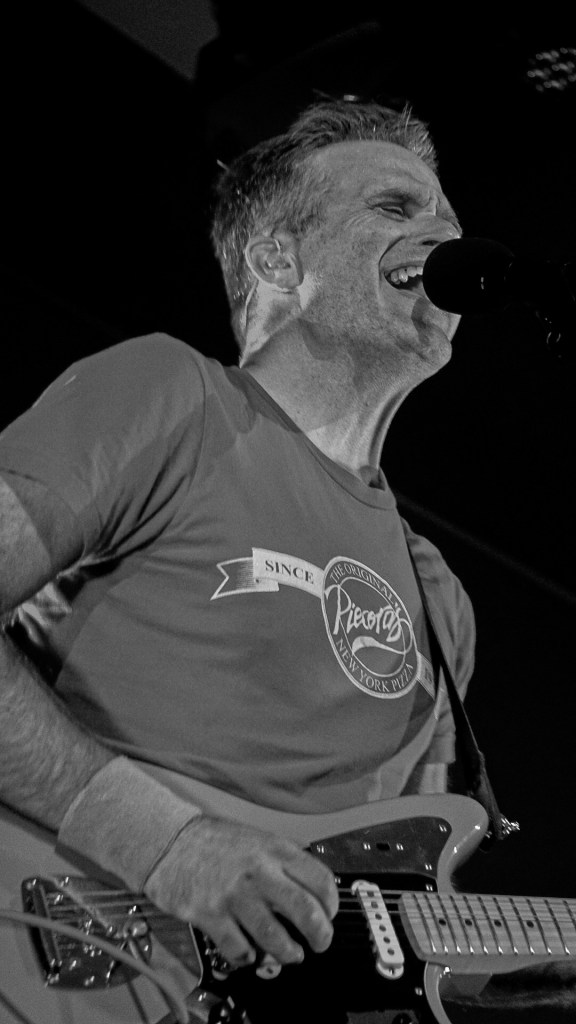
“The Sound of Settling” gets the room moving, but “Transatlanticism” is the real emotional detonation. It gathers and gathers, Gibbard’s voice suspended over that great, repeating musical tide, until the Corn Exchange feels less like a venue and more like a collective memory.
There is something unexpectedly moving about seeing Death Cab now. They are no longer the slightly scruffy young men soundtracking the private catastrophes of adolescence. They are older, more assured and visibly changed by time. The silver hair is not a defeat. It is evidence.
For a band whose songs have spent 30 years contemplating impermanence, Death Cab for Cutie have proved remarkably good at surviving it. They remain the founding fathers of sad-boy central, the patron saints of the emotionally overeducated, and proof that you can grow older without necessarily growing out of the songs that once made you feel unbearably, gloriously young.
Article: Angela Canavan